


 购物车
购物车 个人中心
个人中心
The Secrets of Medical Decision Making
¥65.99
We are all patients at some time. Is the medical industry giving us the best treatment possible, at the best price? We all know that it isn't. This new book shows what goes on behind the scenes of the current medical care and how it impacts the patient. Dr. Reznik describes actual cases from his clinical practice showing the most common paths that lead to increased patient suffering. This book offers possible solutions for outpatient, inpatient, preventive, and end-of-life care settings. Learn about: ·The Medical Box and how it affects the care you receive ·When to avoid risky and uncomfortable tests ·Hazards of under-treatment, over-treatment, and mistreatment ·How to make an informed medical decision in your best interests ·Cancer and how to approach your treatment ·Planning for quality of life during end-of-life issuesForeword by Colin P. Kopes-Kerr, MD, JD, MPH, Vice-Chairman of the Department of Family Medicine, and Program Director of the Family Medicine Residency Program, at University Hospital and SUNY Stony Brook School of Medicine, Stony Brook, NY."The Secrets of Medical Decision Making should be read by everyone, because all of us are sometimes in need of medical care. It is an eye-opener, a call to arms and a guide." -Robert Rich, Ph.D., author of Cancer: A Personal Challenge"Dr. Reznik candidly exposes the conflicting interests inherent in contemporary medical practice. This empowering and insightful book is a must read for healthcare professionals and the patients they treat." -Beth Maureen Gray, R.N., B.S."The Secrets of Medical Decision Making awakens the reader rather quickly with startling revelations about the lack of seriousness the health care industry has towards a society of wellness. If this book at least motivates its readers to become more involved in medical decision making when seeking treatment, it will have succeeded as a critically needed public service."- James W. Clifton, Ph.D., LCSW"As a Canadian and a health care provider this book frightens me. This book lays out what our country is headed for if we privatize health care in Canada. A must read for everyone working, or accessing, health care in North America and for anyone who has any doubts that we must take drastic action to preserve Universal Health Care in Canada."- Ian Landry, MA, MSW, RSW

Memoirs of Sherlock Holmes
¥40.79
Original Sherlock Holmes stories written by Sir Arthur Conan Doyle which brought him international fame as one of the greatest crime fiction writers. Conan Doyle wrote several volumes of stories featuring detective Holmes and Dr. Watson but, in 1893, hoping to concentrate on more serious writing, he attempted to kill off Holmes. This attempt resulted in a public outcry and later made him resurrect Holmes. This edition features some of the most popular original Sherlock Holmes stories including: Silver Blaze, The Yellow Face, The Stock-Broker's Clerk, The “Gloria Scott”, The Musgrave Ritual, The Reigate Puzzle, The Crooked Man, The Resident Patient, The Greek Interpreter, The Naval Treaty, The Final Problem.
Smokiana
¥27.88
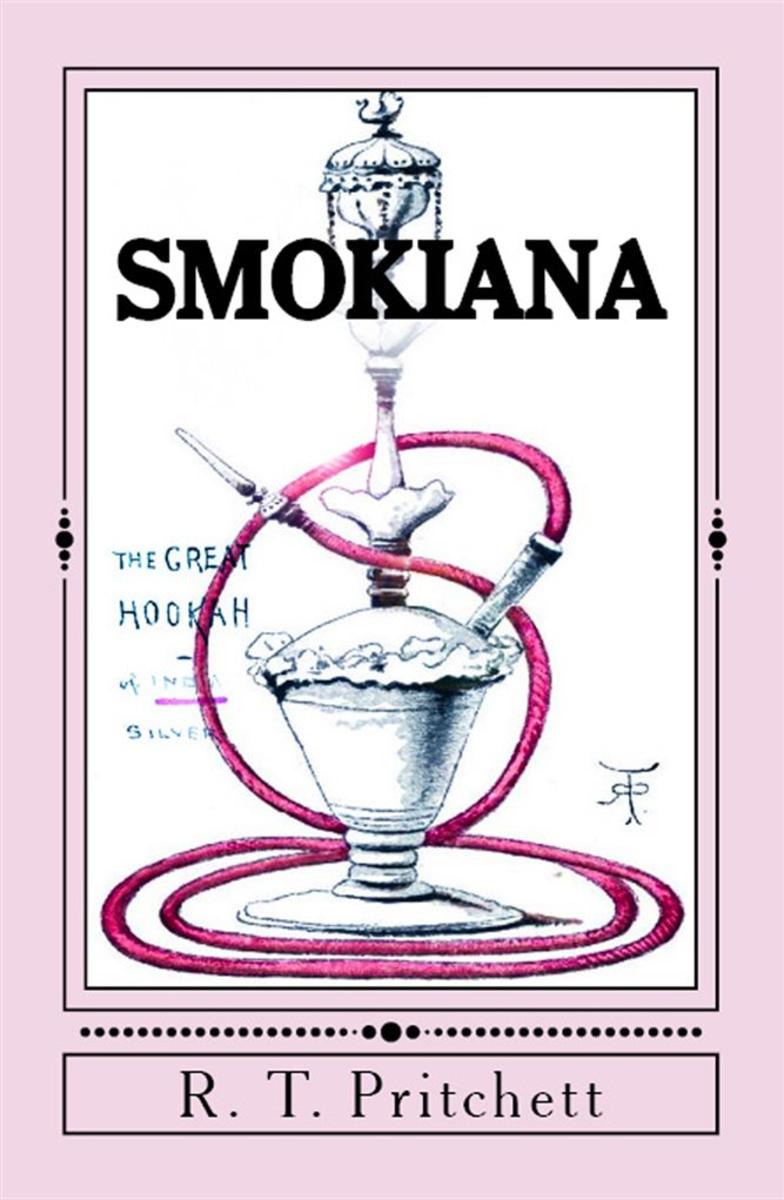
Although Smoking is generally associated with Tobacco only, yet there are other plants whose leaves are used for similar purposes & these will be referred to as we come to the different means of using them. Our first Woodcut of Tobacco is from STELLA—ROMA 1669. a work of great value as giving Pipes & the Hookah of Persia as well as Plants but we will start with some of the growths now most generally known of the “NICOTIANA” Family which is very widely spread over the face of the Earth & has of late made great strides in Borneo & Sumatra. We are greatly indebted to old German woodcuts for solid infor-mation anent details of Habits & customs of the 16th. Century which our own people have not handed down to us, take for instance “Hans Sachs.” Book of Trades. Had smoking been in vogue in his day he would have given it—or rather Jost Ammon would have illustrated it so here in 1616 A.D. we find a Sturdy German, blowing a tremendous cloud. It is taken from an old work now in Frankfurt—viz

A Tangled Tale: "The Mathematical Recreations of Lewis Carroll for Childs"
¥27.80
TO MY PUPIL.?Beloved pupil! Tamed by thee,?Addish-, Subtrac-, Multiplica-tion,?Division, Fractions, Rule of Three,?Attest thy deft manipulation!??Then onward! Let the voice of Fame?From Age to Age repeat thy story,?Till thou hast won thyself a name?Exceeding even Euclid's glory!??This Tale originally appeared as a serial in The Monthly Packet, beginning in April, 1880. The writer's intention was to embody in each Knot (like the medicine so dexterously, but ineffectually, con-cealed in the jam of our early childhood) one or more mathematical questions "in Arithmetic, Algebra, or Geometry, as the case might be" for the amusement, and possible edification, of the fair readers of that Magazine.?LEWIS CARROLL???"Goblin, lead them up and down."???The ruddy glow of sunset was already fading into the sombre shadows of night, when two travellers might have been observed swiftly—at a pace of six miles in the hour—descending the rugged side of a mountain; the younger bounding from crag to crag with the agility of a fawn, while his companion, whose aged limbs seemed ill at ease in the heavy chain armour habitually worn by tourists in that district, toiled on painfully at his side.??As is always the case under such circumstances, the younger knight was the first to break the silence.?"A goodly pace, I trow!" he exclaimed. "We sped not thus in the ascent!"??"Goodly, indeed!" the other echoed with a groan. "We clomb it but at three miles in the hour."?"And on the dead level our pace is——?" the younger suggested; for he was weak in statistics, and left all such details to his aged companion.?"Four miles in the hour," the other wearily replied. "Not an ounce more," he added, with that love of metaphor so common in old age, "and not a farthing less!"??"'Twas three hours past high noon when we left our hostelry," the young man said, musingly. "We shall scarce be back by supper-time. Perchance mine host will roundly deny us all food!"?"He will chide our tardy return," was the grave reply, "and such a rebuke will be meet."?"A brave conceit!" cried the other, with a merry laugh. "And should we bid him bring us yet another course, I trow his answer will be tart!"
Experiments with Alternate Currents of High Potential and High Frequency
¥23.14
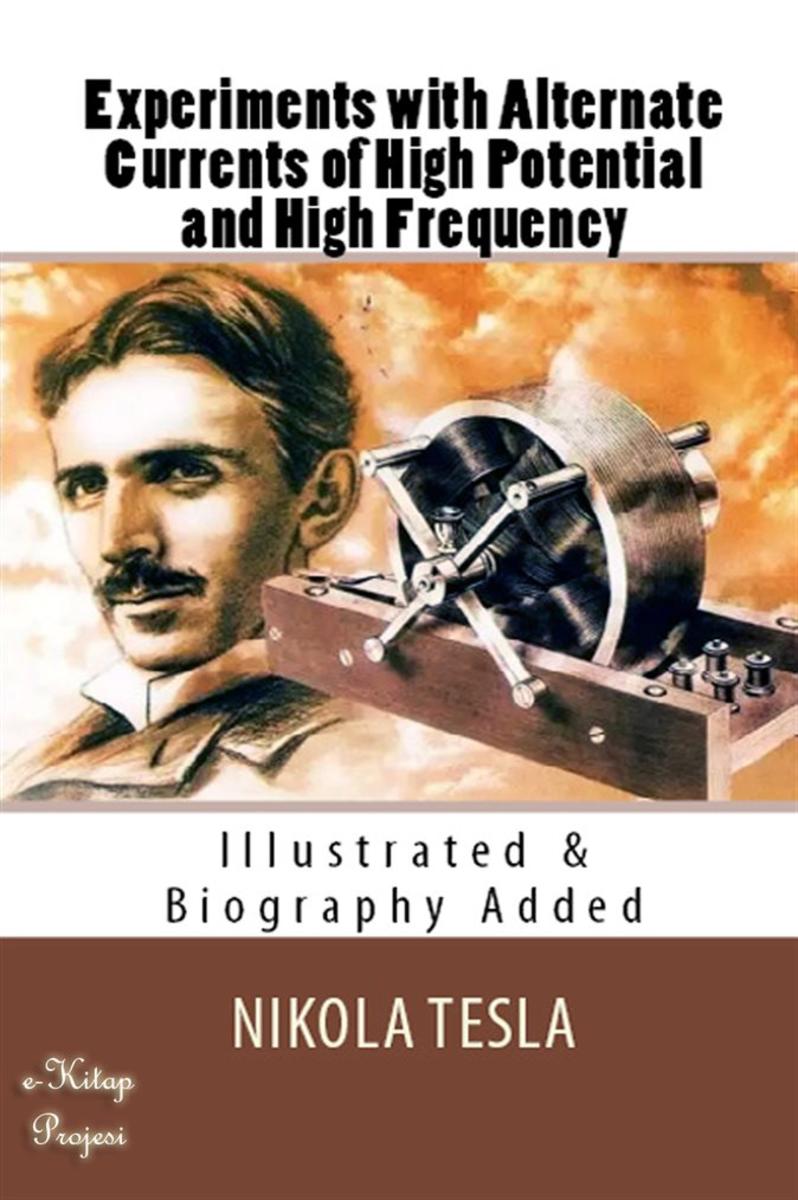
It was in this interesting border region, and from among these valiant Eastern folk, that Nikola Tesla was born in the year 1857, and the fact that he, today, finds himself in America and one of our foremost electricians, is striking evidence of the extraordinary attractiveness alike of electrical pursuits and of the country where electricity enjoys its widest application. Mr. Tesla's native place was Smiljan, Lika, where his father was an eloquent clergyman of the Greek Church, in which, by the way, his family is still prominently represented. His mother enjoyed great fame throughout the countryside for her skill and originality in needlework, and doubtless transmitted her ingenuity to Nikola; though it naturally took another and more masculine direction. The boy was early put to his books, and upon his father's removal to Gospic he spent four years in the public school, and later, three years in the Real School, as it is called. His escapades were such as most quick witted boys go through, although he varied the programme on one occasion by getting imprisoned in a remote mountain chapel rarely visited for service; and on another occasion by falling headlong into a huge kettle of boiling milk, just drawn from the paternal herds. A third curious episode was that connected with his efforts to fly when, attempting to navigate the air with the aid of an old umbrella, he had, as might be expected, a very bad fall, and was laid up for six weeks.. ABOUT AUTHOR: Nikola Tesla (1856 –1943) was a Serbian American inventor, electrical engineer, mechanical engineer, physicist, and futurist best known for his contributions to the design of the modern alternating current (AC) electricity supply system. Tesla gained experience in telephony and electrical engineering before emigrating to the United States in 1884 to work for Thomas Edison in New York City. He soon struck out on his own with financial backers, setting up laboratories and companies to develop a range of electrical devices. His patented AC induction motor and transformer were licensed by George Westinghouse, who also hired Tesla for a short time as a consultant. His work in the formative years of electric power development was involved in a corporate alternating current/direct current "War of Currents" as well as various patent battles. Tesla went on to pursue his ideas of wireless lighting and electricity distribution in his high-voltage, high-frequency power experiments in New York and Colorado Springs, and made early (1893) pronouncements on the possibility of wireless communication with his devices. He tried to put these ideas to practical use in an ill-fated attempt at intercontinental wireless transmission, his unfinished Wardenclyffe Tower project. In his lab he also conducted a range of experiments with mechanical oscillators/generators, electrical discharge tubes, and early X-ray imaging. He also built a wireless controlled boat, one of the first ever exhibited. Tesla was renowned for his achievements and showmanship, eventually earning him a reputation in popular culture as an archetypal "mad scientist". His patents earned him a considerable amount of money, much of which was used to finance his own projects with varying degrees of success. He lived most of his life in a series of New York hotels, through his retirement. Tesla died on 7 January 1943. His work fell into relative obscurity after his death, but in 1960 the General Conference on Weights and Measures named the SI unit of magnetic flux density the tesla in his honor. There has been a resurgence in popular interest in Tesla since the 1990s.
Prietenul andaluz
¥90.84
De ce unii oameni au o via?? fericit? ?i plin? de succes, ?n timp ce al?ii se confrunt? ?n mod repetat cu e?ecuri ?i triste?e? De ce unii ??i g?sesc perechea potrivit?, iar al?ii nu au parte dec?t de rela?ii care se sf?r?esc cu o ruptur?? Ce ?i face pe unii s? aib? cariere ?nfloritoare, ?n timp ce al?ii sunt prin?i ca ?ntr-o capcan? ?n joburi pe care le detest?? ?i, mai ales, pot ghinioni?tii s? fac? ceva pentru a-?i spori norocul ?i a-?i ?mbun?t??i via?a?Autorul a c?utat r?spunsul la aceste ?ntreb?ri prin intermediul unor cercet?ri care s au derulat pe o perioad? de mai mul?i ani ?i au cuprins interviuri ?i experimente cu sute de persoane extrem de norocoase sau ghinioniste. Rezultatele ob?inute, prezentate ?n aceast? carte, indic? un mod complet nou de a vedea norocul ?i rolul esen?ial pe care ?l joac? acesta ?n vie?ile noastre. Oamenii nu se nasc noroco?i. F?r? s? ??i dea seama, oamenii noroco?i folosesc patru principii de baz? pentru a aduce norocul ?n via?a lor. Dac? ?n?elege?i principiile, atunci ve?i ?n?elege ?i cum ac?ioneaz? norocul.
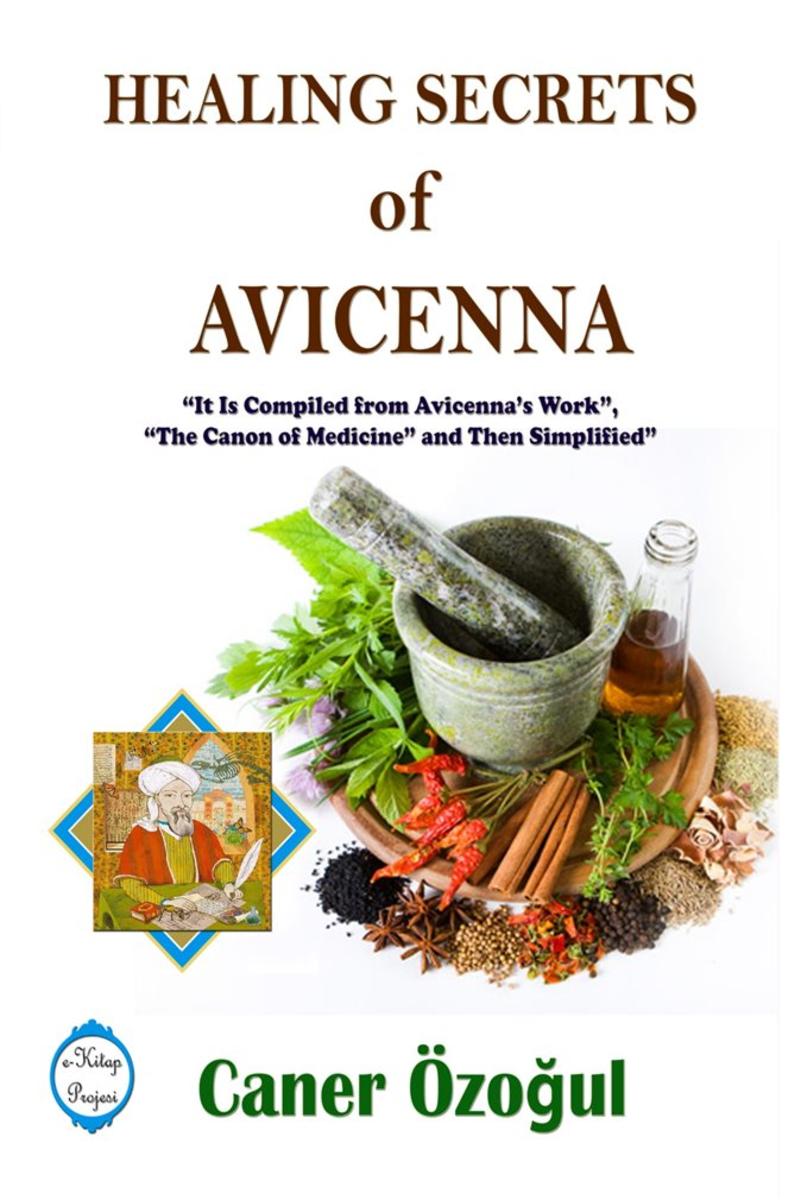
Healing Secrets of Avicenna: It Is Compiled from Avicenna’s Work
¥46.52
Ibn Sīnā (Avicenna) was born in 980 in Buhara, and died in 1037 in Hamadan, Persia (now Iran). He is a physician, physicist, writer, philosopher and scientist. He was known in the West as the founder of modern science in the medieval ages, the leader of physicians and dubbed as the “Doctors’ Doctor”. His fame rests on his book, Al-Qānūn fī al-?ibb (The Canon of Medicine) which was regarded as the principal medical work in the field of medicine for seven centuries and this book remained as a reference source for medical studies in the universities of Europe until the end of seventeenth century. ????????????? If now we examine his work “The Canon of Medicine”, we find that he has an extensive explanation of anatomy and in his work in which he gives a clear definition of some organs which can be visualised with today’s some special imaging devices, today, there are still many unresolved and unstudied methods. Ibn Sina’s curative recipes were used in the European medicine for many centuries even after his death. The famous astronomer Copernicus, also a nephrologist, has healed using the recipes of Ibn Sina who has lived before his birth over 500 year ago. ????????????? When i had first read the second volume of Ibn Sina’s study, “The Canon of Medicine”, telling about which plant is recuperative and the applications of these plants internally and externally, i came up with the idea of bringing this study down to a simpler level of understanding that everybody can comprehend, rather than letting it be understood just by the specialists. But I could bring this out after 1 year of work. Staying faithful to the context of the book, submitting this book on behalf of the community was my biggest wish. In order to bring?simplicity, I worked meticulously to compile an index of plant names together with their latinized forms which are sorted in alphabetical order and also an alphabetical index of diseases. I got opinion and also support from doctors and experts in Phytotherapists. I left the explanations as they are since i didn’t want to make any extra additions to the book. If a detailed survey of the plants is carried out, there is more detailed information in the literature about how they should be used. We can already see that the modern medicine finds out solutions to many diseases but nevertheless, there are still dozens of diseases which can not be healed. For instance, in this work, Ibn Sina explains the reason of why he has named a plant as “Swallow-wort” as follows: Sometimes the newborn nestlings of a swallow suffer from blindness. It was observed that the mother squeezes the extract of this plant onto their babies’eyelids and then their eyes were healed. All the same, if this kind of plants are examined throughly, it is quite possible to observe the same effect on humans as well. In this case, i call upon the expert scientist, to carry out these researches. At the end of this book, i added also some basic methods of practical home care medicine which are used in traditional medicine. I believe that these will be found useful and practical. I hope that this will be useful for humanity... ????????????? ????????????? ????????????? ????????????? ????????????? ????????????? ????????????? ????????????? ????????????? Caner OZOGUL ????????????? ????????????? ????????????? ????????????? ????????????? ????????????? ????????????? ????????????? ????????????? ??? (Herbalist)

Dubliners
¥8.09
This unique edition of Dubliners from Dead Dodo Vintage includes the full original text as well as exclusive features not available in other editions.
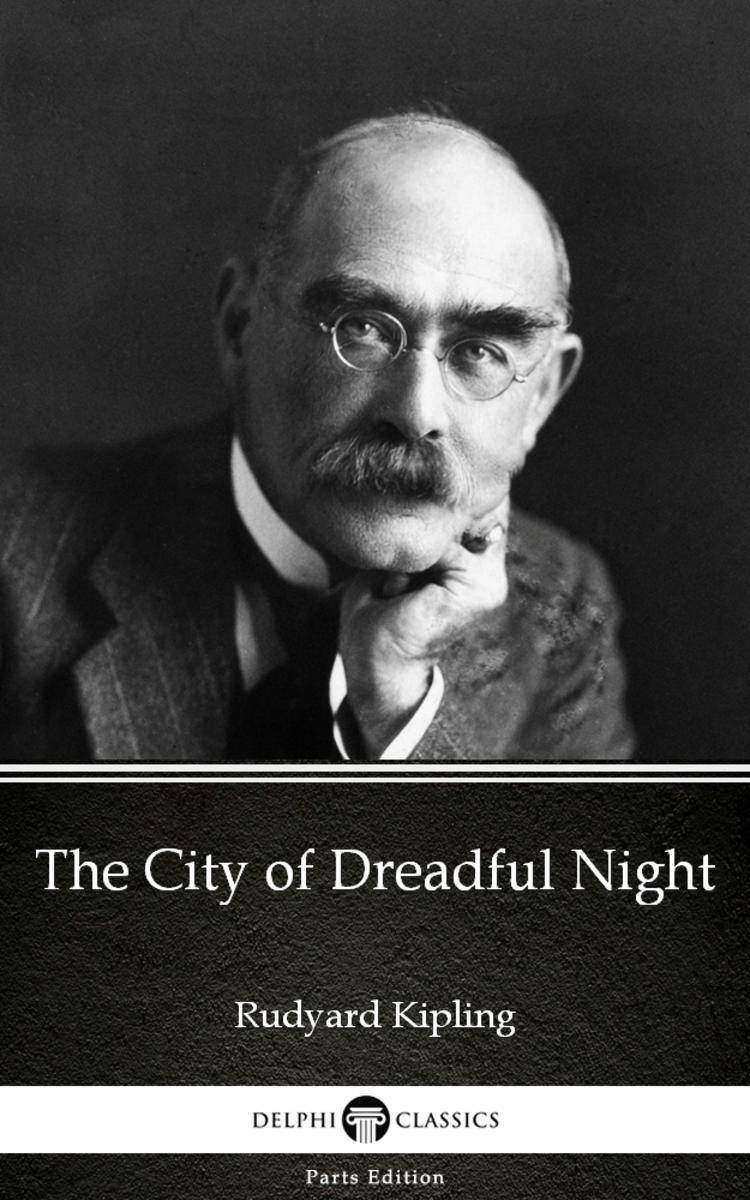
The City of Dreadful Night by Rudyard Kipling - Delphi Classics (Illustrated)
¥8.09
This eBook features the unabridged text of ‘The City of Dreadful Night by Rudyard Kipling - Delphi Classics (Illustrated)’ from the bestselling edition of ‘The Complete Works of Rudyard Kipling’. Having established their name as the leading publisher of classic literature and art, Delphi Classics produce publications that are individually crafted with superior formatting, while introducing many rare texts for the first time in digital print. The Delphi Classics edition of Kipling includes original annotations and illustrations relating to the life and works of the author, as well as individual tables of contents, allowing you to navigate eBooks quickly and easily. eBook features: * The complete unabridged text of ‘The City of Dreadful Night by Rudyard Kipling - Delphi Classics (Illustrated)’ * Beautifully illustrated with images related to Kipling’s works * Individual contents table, allowing easy navigation around the eBook * Excellent formatting of the text Please visit www.delphiclassics.com to learn more about our wide range of titles
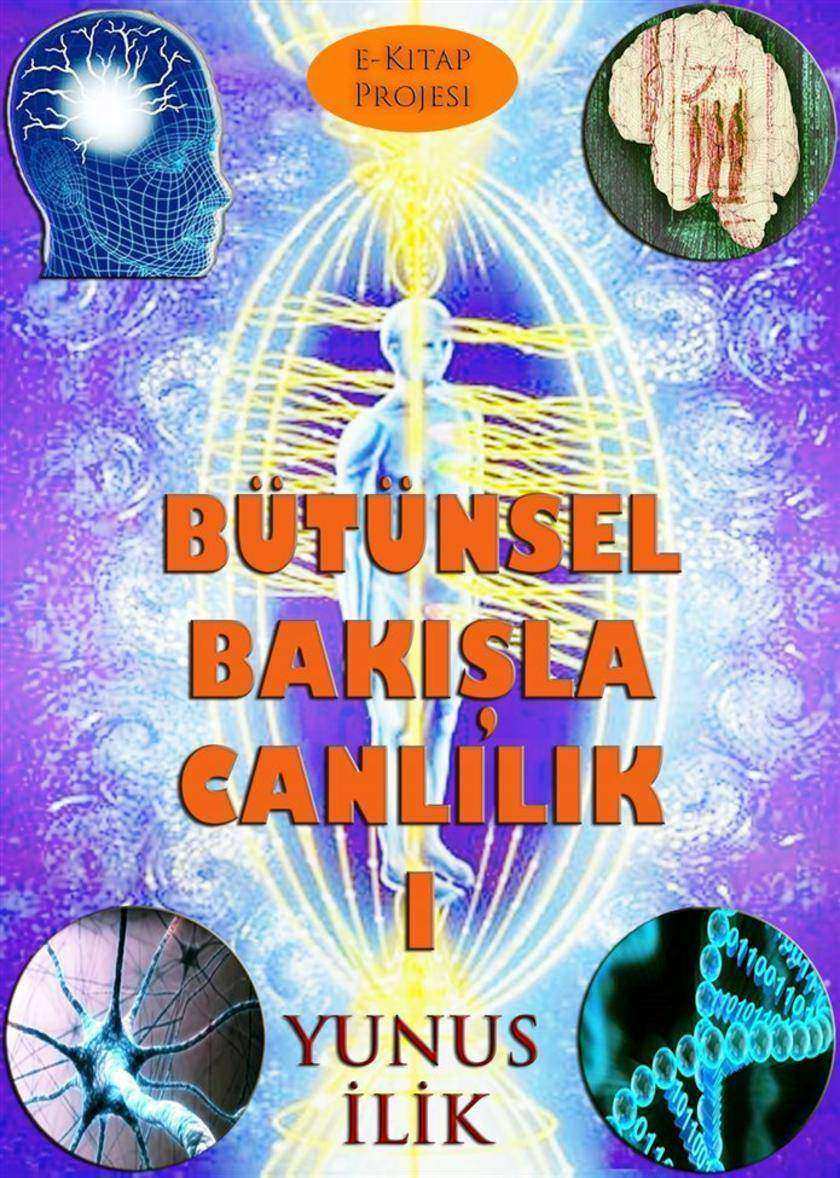
Bütünsel Bak??la Canl?l?k-I: "Madde ve Enerji, Beden ve Ruh ?li?kisi"
¥0.01
CANLILIK Nedir? Bilin? nedir? Zamanla ba?lant?l? olduklar?n? g?rebilir miyiz? Duygular?n ne oldu?unu s?yleyebilir miyiz? Beden ve Ruh ayr? m? yan?lg? m?d?r? Beden ve ruh, madde ve enerji gibi midir? Einstein'?n ünlü E=M.C2 formülüyle, madde ve enerjinin temelde ayn? ?eyler oldu?unu ve birbirlerine d?nü?ebildiklerini, maddenin yo?unla?m?? uzay-enerji alan? oldu?unu g?stermi?tir. Madde ile enerji aras?ndaki benzerlik ne i?e, beden ile ruh aras?ndaki benzerlikte ?yle midir? Beden madde ise Ruh enerji midir? Bilin?, duyulardan kayna??n? alan daha üst bir duyu mudur? Hücreler dokular?, dokular organlar?, organlar sistemleri olu?turur dü?üncesinde bilincimizi de g?rebilir miyiz? Haf?zam?zdaki bilgilere istedi?imiz her an neden ula?amay?z? Daha da ?nemlisi, tüm bilincimizi zaman?n ?ok k?sa an?na s??d?rabilir miyiz? Neden?

Ultima scapare
¥90.84
O colec?ie de peste patruzeci dintre eseurile preferate ale lui Tyson, Moartea ?ntr-o gaur? neagr? abordeaz? nenum?rate subiecte, de la firavele eforturi ale industriei filmului de a crea cerul ?nstelat, p?n? la ce-ar ?nsemna s? te afli ?n interiorul unei g?uri negre.?Cel mai cunoscut astrofizician al Americii, Tyson este un profesor ?nn?scut, care ?tie s? explice pe ?n?elesul tuturor teoriile complicate ale astrofizicii ?i ?n acela?i timp s? ne transmit? fascina?ia pe care o are fa?? de univers.?Este absolut obligatoriu s? g?sim oameni de ?tiin?? care s? ne poat? explica nu doar ceea ce descoperim, ci ?i modul ?n care facem acele descoperiri. Neil deGrasse Tyson este unul dintre ei." - Boston Sunday Globe?

Pisica din vis. Povestiri pentru copiii de toate v?rstele
¥40.79
Av?nd ?n vedere c? o serie de concepte bazate pe teoria for?elor electrostatice (leg?turile chimice, cinetic? molecular?, mi?carea braunian? etc.) prezint? grave contradic?ii privind explicarea acestor fenomene ?i formularea unor r?spunsuri coerente la nivelul particulelor atomice, se impune o abordare nou? ?i o analiz? dintr-o alt? perspectiv? a fenomenelor amintite.Este edificator ?n acest sens s? lu?m cazul fluidelor care se pot disocia ?n molecule ?i chiar ?n atomi (chimie general?, C.D.Neni?escu) prin inc?lzire.Rezult? c? pe m?sur? ce cre?te temperatura (ex.a lichidelor) agita?ia termic? cresc?nd, deci cre?te ?i viteza de mi?care a particulelor atomice, scad for?ele de coeziune ?ntre aceste particule . La fel se ?nt?mpl? lucrurile cu metalele . La ?nc?lzirea peste o anumit? temperatur? metalele se ?nmoaie apoi se topesc deci oadat? cu cre?terea temperaturii (deci a vitezei de mi?care a particulelor) scad ca valoare for?ele de coeziune dintre moleculele substan?elor.A?adar avem o corela?ie direct? ?ntre viteza de mi?care a particulelor atomice ?i for?ele de coeziune dintre acestea. Acest lucru ne duce cu g?ndul la faptul c? aceste for?e ar putea fi de natur? electrodinamic?, fiind vorba numai ?i numai de influen?a vitezei de mi?care a particulelor ?i ?n nici un caz de for?e electrostatice care nu depind de viteza de mi?care a particulelor atomice (ci numai de m?rimea sarcinii ?i de distan?a dintre ele conform legii lui Couloumb).[...]
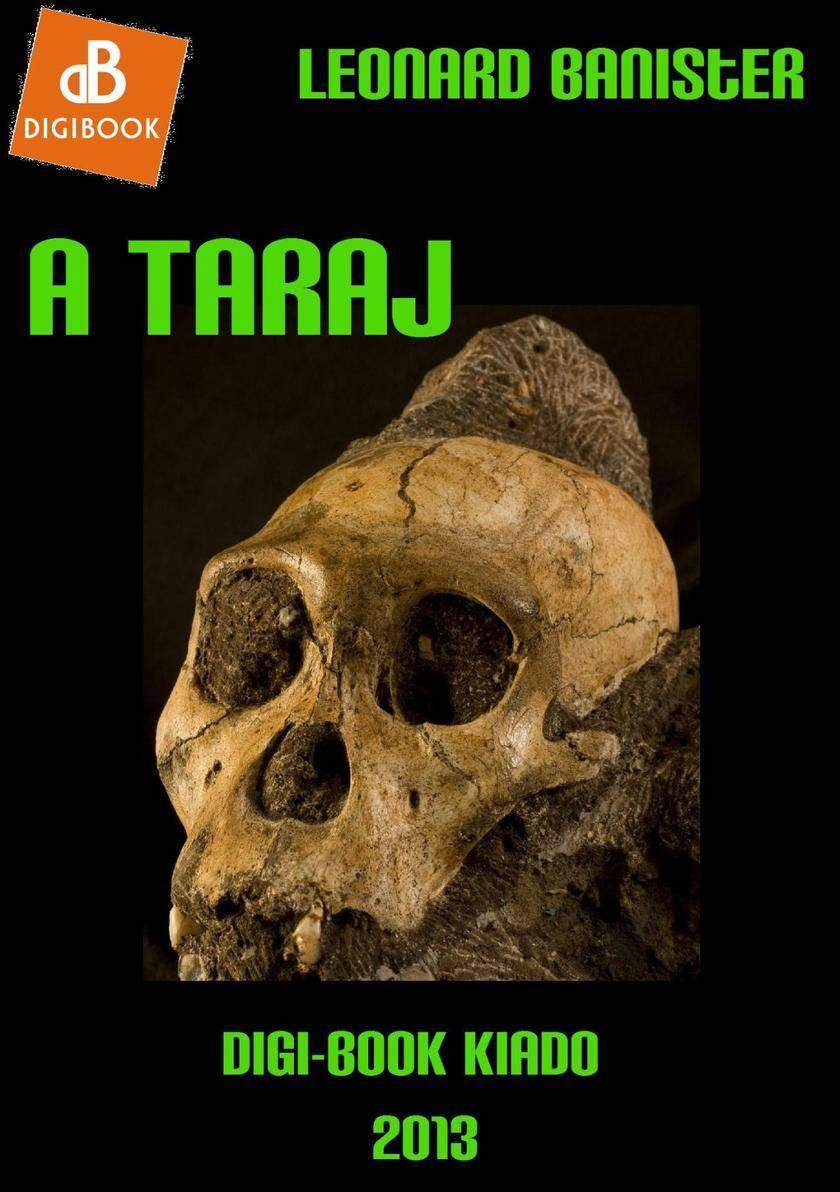
A taraj
¥37.11
"Három ember utazik Skóciában a vonaton: egy matematikus, egy fizikus és egy tudományfilozófus. Egyszer csak a matematikus kinéz az ablakon, és azt mondja: – Nézzék, itt fekete bárányok vannak! Mire a fizikus: – Pontosítanék: itt vannak olyan bárányok, amelyek feketék. Mire a tudományfilozófus: – ?n is pontosítanék: itt vannak olyan bárányok, amelyeknek a fel?lünk látszó oldala fekete." - idéz a Monoverzumokban Galántai Zoltán egy ismert tudományfilozófiai anekdotát, azt érzékeltetve, hogy humorral még az egyébként olykor száraznak t?n? szakmai ?sszefüggéseket is érthet?en, érzékletesen lehet kifejezni. Az olvasó legnagyobb ?r?mére.
San-Antonio. Sarabanda r?posa?ilor
¥32.62
Un program simplu, rapid ?i… sexy PROGRAMUL REVOLU?IONAR PREZENTAT ?N ACEAST? CARTE AJUT? PE ORICINE S? AIB? O INIM? S?N?TOAS?. Mai ?nt?i, doctorul Masley ??i va ar?ta cum s?-?i determini starea de s?n?tate cardiac?, dup? care te va ?ndruma pas cu pas cum s?-?i optimizezi inima, energia, silueta ?i via?a sexual?. Identific?nd principala cauz? a bolilor cardiovasculare – apari?ia ?i cre?terea pl?cii de aterom – autorul prezint? cele mai noi analize ?i teste care pot depista dezvoltarea pl?cii arteriale ?n faze incipiente, preciz?nd ?i pa?ii care trebuie urma?i pentru a opri ?i inversa cursul acestui proces. Vestea bun? este c? oricine – indiferent de v?rst?, de factorii ereditari sau de c?t de supraponderal este – ??i poate trata placa arterial?, prevenind astfel atacurile de cord ?i accidentele vascular cerebrale cu ajutorul acestui program, care are urm?toarele elemente-cheie: ? Alimentele cu efecte benefice pentru inim? ? Activitatea fizic? pentru ?nt?rirea inimii ?i a arterelor ? Managementul stresului ? Un plan de suplimente alimentare personalizat, prietenos pentru inim?. Un capitol separat demonstreaz? c? o inim? s?n?toas? cre?te libidoul ?i ?mbun?t??e?te func?ia sexual? at?t la b?rba?i, c?t ?i la femei. Mul?i cred c? aspectele de preven?ie ?i terapeutice ale bolilor cardiace constituie un fel de ?tiin?? complicat?. Gre?it! Doctorul Masley a creat un plan strategic simplu ?i u?or de aplicat pentru ?mbun?t??irea procesului de vindecare cardiovascular?. Recomand c?lduros cartea de fa?? tuturor persoanelor vulnerabile la bolile de inim?. – Dr. Stephen T. Sinatra, cardiolog ?i autorul bestsellerului New York Times – Reversing Heart Disease ?n spiritul lui Hipocrat, programul doctorului Masley demonstreaz? cum schimb?ri specifice ale stilului de via?? pot fi la fel de eficiente ca medicamentele ?n ?mbun?t??irea st?rii de s?n?tate a inimii. – Dr. David Perlmutter, autorul c?r?ii Grain Brain.
The Sign of the Four
¥18.74
Copernicus, the astronomer, whose discoveries make him the great predecessor of Kepler and Newton, did not come from a noble family, as certain other early astronomers have done, for his father was a tradesman. Chroniclers are, however, careful to tell us that one of his uncles was a bishop. We are not acquainted with any of those details of his childhood or youth which are often of such interest in other cases where men have risen to exalted fame. It would appear that the young Nicolaus, for such was his Christian name, received his education at home until such time as he was deemed sufficiently advanced to be sent to the University at Cracow. The education that he there obtained must have been in those days of a very primitive description, but Copernicus seems to have availed himself of it to the utmost. He devoted himself more particularly to the study of medicine, with the view of adopting its practice as the profession of his life. The tendencies of the future astronomer were, however, revealed in the fact that he worked hard at mathematics, and, like one of his illustrious successors, Galileo, the practice of the art of painting had for him a very great interest, and in it he obtained some measure of success.??By the time he was twenty-seven years old, it would seem that Copernicus had given up the notion of becoming a medical practitioner, and had resolved to devote himself to science. He was engaged in teaching mathematics, and appears to have acquired some reputation. His growing fame attracted the notice of his uncle the bishop, at whose suggestion Copernicus took holy orders, and he was presently appointed to a canonry in the cathedral of Frauenhurg, near the mouth of the Vistula.? To Frauenburg, accordingly, this man of varied gifts retired. Possessing somewhat of the ascetic spirit, he resolved to devote his life to work of the most serious description. He eschewed all ordinary society, restricting his intimacies to very grave and learned companions, and refusing to engage in conversation of any useless kind. It would seem as if his gifts for painting were condemned as frivolous; at all events, we do not learn that he continued to practise them. In addition to the discharge of his theological duties, his life was occupied partly in ministering medically to the wants of the poor, and partly with his researches in astronomy and mathematics. His equipment in the matter of instruments for the study of the heavens seems to have been of a very meagre description. He arranged apertures in the walls of his house at Allenstein, so that he could observe in some fashion the passage of the stars across the meridian. That he possessed some talent for practical mechanics is proved by his construction of a contrivance for raising water from a stream, for the use of the inhabitants of Frauenburg. Relics of this machine are still to be Been.??The intellectual slumber of the Middle Ages was destined to be awakened by the revolutionary doctrines of Copernicus. It may be noted, as an interesting circumstance, that the time at which he discovered the scheme of the solar system has coincided with a remarkable epoch in the world's history. The great astronomer had just reached manhood at the time when Columbus discovered the new world.??Before the publication of the researches of Copernicus, the orthodox scientific creed averred that the earth was stationary, and that the apparent movements of the heavenly bodies were indeed real movements. Ptolemy had laid down this doctrine 1,400 years before. In his theory this huge error was associated with so much important truth, and the whole presented such a coherent scheme for the explanation of the heavenly movements, that the Ptolemaic theory was not seriously questioned until the great work of Copernicus appeared. No doubt others, before Copernicus, had from time to time in some vague fashion surmised, with more or less plausibility, that the sun..

Kingpin - avagy hogyan vette át az uralmat egy hacker a milliárddolláros cyberal
¥57.14
Основные принципы лечебного питания и советы по подбору продуктов Рецепты вкусных блюд, эффективных в борьбе с болезнями Очень часто мы полагаемся на таблетки и лекарства, хотя действенные и полезные средства от недугов всегда под рукой! Рецепты блюд, приведенные в книге, позволят вам отказаться от большинства медикаментов. Блюда содержат множество целебных веществ и помогут не только поддержать здоровье, но и излечить подагру и диабет, болезни сердца и сосудов, суставов и позвоночника, печени, почек, щитовидной и поджелудочной железы. Вы сможете составить индивидуальное меню здорового питания. Здесь представлены рецепты супов, блюд из мяса, рыбы, грибов, овощей, круп, молочных продуктов и т. д. Используются только доступные ингредиенты. Готовьте с нашей книгой – и избавляйтесь от болезней! Osnovnye principy lechebnogo pitanija i sovety po podboru produktov Recepty vkusnyh bljud, jeffektivnyh v bor'be s boleznjami Ochen' chasto my polagaemsja na tabletki i lekarstva, hotja dejstvennye i poleznye sredstva ot nedugov vsegda pod rukoj! Recepty bljud, privedennye v knige, pozvoljat vam otkazat'sja ot bol'shinstva medikamentov. Bljuda soderzhat mnozhestvo celebnyh veshhestv i pomogut ne tol'ko podderzhat' zdorov'e, no i izlechit' podagru i diabet, bolezni serdca i sosudov, sustavov i pozvonochnika, pecheni, pochek, shhitovidnoj i podzheludochnoj zhelezy. Vy smozhete sostavit' individual'noe menju zdorovogo pitanija. Zdes' predstavleny recepty supov, bljud iz mjasa, ryby, gribov, ovoshhej, krup, molochnyh produktov i t. d. Ispol'zujutsja tol'ko dostupnye ingredienty. Gotov'te s nashej knigoj – i izbavljajtes' ot boleznej!

Az ?t tornacsuka a Pannon Csillagdában
¥13.16
Книга расскажет о причинах возникновения таких серьезных хронических недугов как радикулит и ревматизм, их формах и соответствующих народных методах и рецептах лечения, проверенных многими поколениями. И сейчас не утратили свою эффективность, став незаменимыми помощниками официальной медикаментозной медицины, оздоровительные банные процедуры, минеральные воды, отвары и настои лекарственных трав для внутреннего и наружного применения, разнообразные массажи и комплексы лечебных упражнений, рецепты лечения эфирными маслами, продуктами пчеловодства, солями и металлами. Их подробное описание для регулярного применения, а также рецепты блюд сбалансированной ежедневной диеты для лечебного питания помогут вернуть здоровье и силу вашему позвоночнику и суставам.Kniga rasskazhet o prichinah vozniknovenija takih ser'eznyh hronicheskih nedugov kak radikulit i revmatizm, ih formah i sootvetstvujushhih narodnyh metodah i receptah lechenija, proverennyh mnogimi pokolenijami. I sejchas ne utratili svoju jeffektivnost', stav nezamenimymi pomoshhnikami oficial'noj medikamentoznoj mediciny, ozdorovitel'nye bannye procedury, mineral'nye vody, otvary i nastoi lekarstvennyh trav dlja vnutrennego i naruzhnogo primenenija, raznoobraznye massazhi i kompleksy lechebnyh uprazhnenij, recepty lechenija jefirnymi maslami, produktami pchelovodstva, soljami i metallami. Ih podrobnoe opisanie dlja reguljarnogo primenenija, a takzhe recepty bljud sbalansirovannoj ezhednevnoj diety dlja lechebnogo pitanija pomogut vernut' zdorov'e i silu vashemu pozvonochniku i sustavam.
Goriot apó
¥8.67
These Essays, or rather Lectures, contain the first-fruits of the earliest systematic attempt to apply the theory of Evolution to the products of human handiwork. In their original form they have long been difficult to obtain; and they are reprinted now to supply the needs of candidates for the Oxford Diploma in Anthropology, and of the numerous visitors to the Pitt-Rivers Museum in Oxford. But they will certainly appeal to a far wider public also, as a brief and authentic statement of their author’s discoveries. The four Essays are reprinted substantially as they were first delivered and published. But verbal errors and actual misquotations have been corrected; and allusions to specimens or diagrams exhibited during the original discourses, but not published, have been replaced so far as possible by references to similar objects figured in the Plates. The Plates are photographic reproductions of the original illustrations, with the exception of Plates V, XIII, XVII, XVIII. Of these, Plate XIII has simply been re-drawn, from a faded original; Plates XVII and XVIII have been translated, without loss of detail, from colours to monochrome shading; Plate V has been reconstituted from illustrations quoted in the text, with the permission of their publisher, Mr. Murray. Plate XXI is reproduced, by permission of Sir John Evans, from the paper which it illustrated originally. The footnotes demand a word of explanation. The author, as the original publications show, was not precise in indicating his sources: he frequently gave, as a quotation, the general sense rather than the exact words of his authority; and occasionally his memory played him false. In the reprint, the precise references have been identified, and are given in full, and obvious errors in the text have been either amended or corrected in a footnote. The editor desires to acknowledge much valuable help in the search for references from Miss C. M. Prior, of Headington.
The Dark House
¥7.93
Illiberális. Inkorrekt. Igaz. Oriana Fallaci a Harag - trilógia második k?tetében még tovább megy, ítéletet hoz Európa felett, amely véleménye szerint már nem is Európa, hanem Eurábia, az Iszlám egyik gyarmata.

Ихтияндр: Повесть, основанная на реальных событиях
¥11.77
A ciência e a tecnologia na contemporaneidade condicionam a organiza??o social e as formas existentes e emergentes de desigualdade e exclus?o tanto em cada sociedade como entre sociedades e regi?es do mundo. Os contextos de acesso e apropria??o do conhecimento científico e tecnológico s?o diversificados, como diferenciados s?o os públicos que se constituem em rela??o com esses contextos e modos de acesso e de apropria??o. Os textos desta colet?nea problematizam sob diferentes aspectos as quest?es críticas para a compreens?o e aplica??o do conceito de apropria??o social do conhecimento científico e tecnológico.

The Americans: "American Problems from the Point of View of a Psychologist"
¥28.61
"The Americans" by Hugo Munsterberg stands alongside Alexis de Tocqueville's American Democracy as one of the great works on the New World written by a scholar deeply familiar with the Old World. When originally published, it gave the German public a sense of American life, and was described as "a book which deals in a detailed way with the political, economic, intellectual, and social aspects of American culture." Munsterberg, a world-renowned psychologist at the turn of the twentieth century, noted that "its purpose is to interpret systematically the democratic ideals of America."??The primary aim of The Americans is to study the people and America's inner tendencies. It offers a "philosophy of Americanism," the ideology of a people writ whole. Munsterberg's sense of the "spirit" of a people, rather than facts about the people, is revealed in his four cardinal chapters: Self-Direction, Self-Realization, Self-Perfection, and Self-Assertion. While he covers the economic premises of the free market and the politics of party affairs, he considers these the least important. Instead it is the lasting forces and tendencies of American life, rather than problems of the day, that occupy the author. ??This focus was shared by German readers, for whom the book was conceived, and for those in the United States who read the book in English.The dynamic of strong basic tendencies of democratic forces and lesser, but significant, aristocratic tendencies underwrites the strains and tensions in American society. It also defines the special nature of a book, written more than one hundred years ago, that retains its lively sense of purpose and deep insight into American life. ??One could well say that this book is required reading in this day and age for Americans and Europeans alike:??"This is a neglected masterpiece.."


