


 购物车
购物车 个人中心
个人中心

Bucure?ti, mon amour
¥61.83
Semiologia este piatra fundamental? a diagnosticului. Informa?iile anamnestice orienteaz?, datele clinice fundamenteaz?, iar datele de laborator confirm? diagnosticul.Cursul de semiologie medical? ??i propune s? ?narmeze asistentul medical cu metode ?i tehnici de examinare a pacientului ?i, ?n acela?i timp, cu mijloace ?i c?i de a descoperi semnele ?i simptomele ?i a le interpreta ?n mod corespunz?tor cu scopul de a aprecia corect ?i rapid diagnosticul clinic pentru a interveni eficient ?n sprijinul redob?ndirii/amelior?rii s?n?t??ii pacientului. Este structurat ?n trei capitole: (1) Utilizarea terminologiei medicale ?n efectuarea anamnezei; (2) Modific?rile observate de asistenta medical? la inspec?ia general? ?i (3) Manifest?ri cauzate de diferite afec?iuni. La sf?r?it, exist? o sec?iune de teste pentru evaluarea cuno?tin?elor.Datorit? nevoii permanente de cunoa?tere ?i perfec?ionare a asistentului medical, ca ?i a tuturor profesioni?tilor din domeniul s?n?t??ii, aceast? carte este extrem de util? elevilor ?colilor sanitare postliceale.

Scandaloasa poveste a lui Frankie Landau-Banks
¥65.32
Ar putea exista alte universuri? O c?l?torie de neuitat ?n lumea g?urilor negre ?i a ma?inilor timpului, a universurilor alternative ?i a spa?iului multidimensional, Lumi paralele ne ofer? un portret conving?tor al revolu?iei care a cuprins lumea cosmologiei.Ideea de universuri paralele ?i teoria corzilor, care le poate explica existen?a, au fost c?ndva privite cu suspiciune de oamenii de ?tiin??, fiind v?zute ca o provincie a misticilor, ?arlatanilor ?i excentricilor.Ast?zi, fizicienii teoreticieni sus?in ?ntr-o propor?ie cov?r?itoare teoria corzilor ?i ultima ei itera?ie, Teoria M. Aceasta, dac? se va dovedi corect?, va reconcilia cele patru for?e ale universului ?ntr o manier? simpl? ?i elegant?, r?spunz?nd totodat? la ?ntrebarea:?Ce s a ?nt?mplat ?nainte de Big Bang?“ ?Folosind cu abilitate analogia ?i umorul, Kaku prezint? varia?iunile la tema universurilor paralele, venind din mecanica cuantic?, cosmologie ?i Teoria M.“ -- Brian Green, autorul c?r?ii The Elegant Universe
Slavery
¥27.88
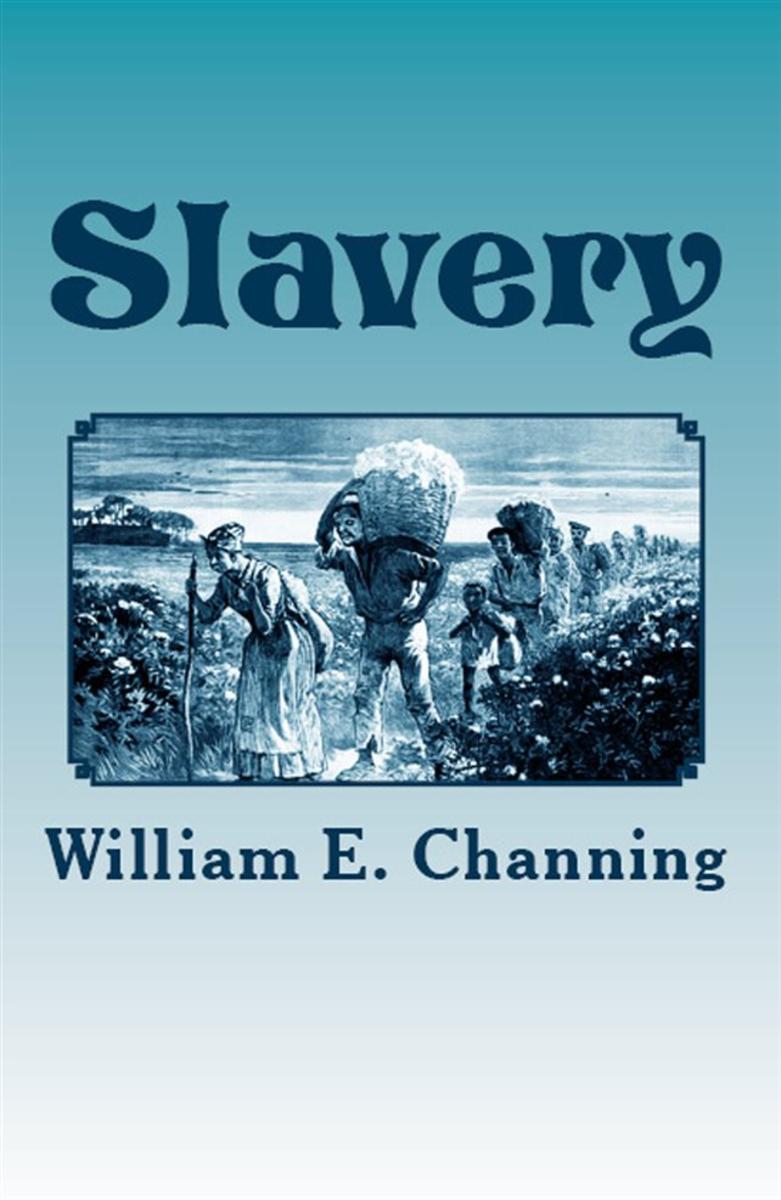
The first question to be proposed by a rational being is, not what is profitable, but what is Right. Duty must be primary, prominent, most conspicuous, among the objects of human thought and pursuit. If we cast it down from its supremacy, if we inquire first for our interests and then for our duties, we shall certainly err. We can never see the Right clearly and fully, but by making it our first concern. No judgment can be just or wise, but that which is built on the conviction of the paramount worth and importance of Duty. This is the fundamental truth, the supreme law of reason; and the mind, which does not start from this in its inquiries into human affairs, is doomed to great, perhaps fatal error. The Right is the supreme good, and includes all oth-er goods. In seeking and adhering to it, we secure our true and only happiness. All prosperity, not founded on it, is built on sand. If human affairs are controlled, as we believe, by Almighty Rectitude and Impartial Goodness, then to hope for happiness from wrong do-ing is as insane as to seek health and prosperity by rebelling against the laws of nature, by sowing our seed on the ocean, or making poison our common food. There is but one unfailing good; and that is, fidelity to the Everlasting Law written on the heart, and rewritten and republished in God's Word. Slavery ought to be discussed. We ought to think, feel, speak, and write about it. But whatever we do in regard to it should be done with a deep feeling of re-sponsibility, and so done as not to put in jeopardy the peace of the slave-holding States. On this point public opinion has not been and cannot be too strongly pro-nounced. Slavery, indeed, from its very nature, must be a ground of alarm wherever it exists. Slavery and security can by no device be joined together. But we may not, must not, by rashness and passion increase the peril. To instigate the slave to insurrection is a crime for which no rebuke and no punishment can be too severe. This would be to involve slave and master in common ruin. It is not enough to say, that the Constitution is violated by any action endangering the slave-holding portion of our country. A higher law than the Constitution forbids this unholy interference. Were our national union dissolved, we ought to reprobate, as sternly as we now do, the slightest manifestation of a disposition to stir up a servile war. Still more, were the free and the slave-holding States not only separated, but engaged in the fiercest hostilities, the former would deserve the abhorrence of the world, and the indignation of Heaven, were they to resort to insurrection and massacre as means of victory. Better were it for us to bare our own breasts to the knife of the slave, than to arm him with it against his master. ? ABOUT AUTHOR William Ellery Channing (1780 – 1842) was the foremost Unitarian preacher in the United States in the early nineteenth century and along with Andrews Norton, (1786-1853), one of Unitarianism's leading theologians. He was known for his articulate and impassioned sermons and public speeches, and as a prominent thinker in the liberal theology of the day. Channing's religion and thought were among the chief influences on the New England Transcendentalists, though he never countenanced their views, which he saw as extreme. The beliefs he espoused, especially within his "Baltimore Sermon" of May 5, 1819, at the ordination of a future famous theologian and educator in his own right, Jared Sparks, (1789-1866), as the first minister (1819-1823) of the newly organized (1817) "First Independent Church of Baltimore" (later the "First Unitarian Church of Baltimore (Unitarian and Universalist)"). Here he espoused his principles and tenets of the developing philosophy and theology of "Unitarianism" resulted in the organization later in 1825 of the first Unitarian denomination in America (American Unitarian Association) and the later developments and mergers between Unitarians and Universalists resulting finally in the Unitarian Universalist Association of America in 1961. In later years Channing addressed the topic of slavery, although he was never an ardent abolitionist. Channing wrote a book in 1835, entitled, "SLAVERY" James Munroe and Company, publisher. Channing, however, has been described as a "romantic racist" in "Black Abolitionism: A Quest for Human Dignity" by Beverly Eileen Mitchell (133–38). He held a common American belief about the inferiority of African people and slaves and held a belief that once freed, Africans would need overseers. The overseers (largely former slave masters) were necessary because the slaves would lapse into laziness. Furthermore, he did not join the abolitionist movement because he did not agree with their way of conducting themselves, and he felt that voluntary associations limited a person's autonomy. Therefore, he often chose to remain separate from organizations and reform movements. This middle position characterized his attitude about
Pasiune ame?itoare
¥65.32
Controlul ?tiin?ific al traducerii: Andrei Dumbrav? De ce mitul ?b?rbatului-v?n?tor" e doar un mit? De ce femeia a fost cea care a jucat rolul esen?ial ?n dezvoltarea speciei noastre? Cum am dob?ndit capacitatea de a compune muzic? complex? sau de a citi? R?spunsul la ?ntreb?rile de baz? ale neurologiei se g?se?te ?n remarcabilele cercet?ri asupra creierului ?i asupra felului ?n care a evoluat acesta, prezentate ?n cartea de fa?? ?n care un neorolog prezint? viziunea sa asupra evolu?iei – modul ?n care a evoluat sistemul nostru nervos ?i cum aceast? evolu?ie a modelat specia, capacit??ile noastre, bolile pe care le avem ?i calea prin care am ajuns ceea ce suntem azi. Diferite aspecte ale acestei teme sunt ilustrate cu vignete clinice despre ni?te pacien?i interesan?i ?i uneori de-a dreptul stranii, selectate din experien?a clinic? a autorului.?
Cosmoza. Iubirea cosmic?
¥73.49
O investiga?ie ?tiin?ific? pentru ?n?elegerea ?i ?mbun?t??irea capacit??ii min?iiViitorul min?ii umane aduce un subiect rezervat c?ndva exclusiv domeniului science-fiction ?ntr-o realitate nou? ?i surprinz?toare. Acest tur de for?? ?tiin?ific dezv?luie cercet?rile uimi?toare care se efectueaz? ?n laboratoa?rele de top din lumea ?ntreag? – toate baz?ndu-se pe ultimele descoperiri din neuro?tiin?? ?i fizic? – incluz?nd expe?rimente recente ?n telepatie, controlul min?ii, telechinezie ?i ?nregistrarea amintirilor ?i a visurilor.Lectura acestei c?r?i este o aventur? uimitoare nu doar pentru fanii SF, ci ?i pentru pasiona?ii de fizic?, medicin?, neuro?tiin??, care vor descoperi aici vastele posibilit??i ale creierului uman.?Kaku are darul de a explica idei incredibil de complexe ?ntr-un limbaj pe care-l poate ?n?elege ?i un cititor neavizat." - San Francisco Chronicle

Problema evreiasc?
¥54.10
Aceast? carte con?ine informa?ii utile privind refacerea s?n?t??ii cu produse naturale ?i prin metode naturale, oferind o vedere de ansamblufundamental? pentru persoanele f?r? preg?tire medical? ?i o colec?ie de tehnici cu sfaturi utile ?n procesul de vindecare. ?n plus, aceast? lucrare ?i provoac? pe profesioni?tii din domeniul medical s? reinvestigheze impar?ial studiile din prezent ?i din trecut ?n acest domeniu, f?r? prejudec??i. Ve?i g?si date despre prevenirea ?i tratamentul: cancerului, anemiilor, artritei, SIDA, diabetului zaharat, cefaleei, bolii Alzheimer,hipertensiunii arteriale, obezit??ii, menopauzei, osteoporozei etc.
Manager contra curentului. Ce fac marii manageri altfel dec?t ceilal?i
¥73.49
Acest suport de curs este destinat elevilor ?colilor postliceale sanitare c?t ?i personalului mediu din sistemul sanitar., respect?nd programa de preg?tire. Este structurat ?n ?ase capitole: (1) Simptomatologia afec?iunilor ortopedico-traumatice; (2). Afec?iuni congenitale; (3) Infec?ii osoase; (4).Osteoporoza; (5) Tumori osoase; (6) Traumatologie.Pentru a detecta corect problemele reale ?i a decide care este cea mai bun? metod? de ?ngrijire, personalul medical cu preg?tire medie trebuie s? ?tie s? abordeze principalele afec?iuni ortopedico-traumatice. Cei care ??i ?nsu?esc principiile ?i normele expuse ?n acest volum vor fi capabili s? identifice ?i s? ?ncadreze corect semnele ?i simptomele, vor cunoa?te principalele investiga?ii recomandate, precum ?i m?surile de prevenire ?i tratamentul necesar pentru recuperarea bolnavilor care sufer? de aceste afec?iuni.
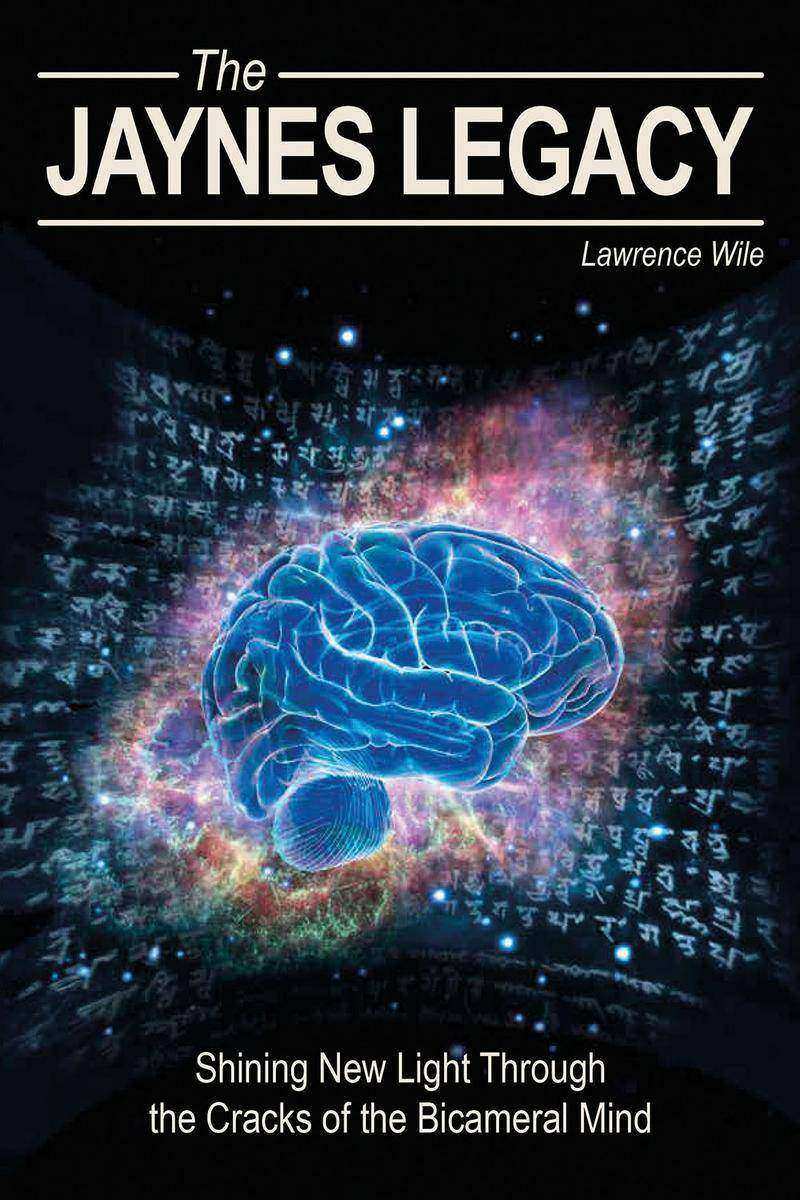
Jaynes Legacy
¥107.81
Julian Jaynes' 1976 book, The Origins of Consciousness in the Breakdown of the Bicameral Mind, continues to arouse an unsettling ambivalence. Richard Dawkins called it "e;either complete rubbish or a work of consummate genius, nothing in between"e;. The present book suggests that the bicameral mind is a phantasm; the dating of the origin of consciousness contradicts archeological and literary evidence; and the theory contributes nothing toward explaining why some physical states are conscious while others are not because the nonconscious bicameral brain is neurophysiologically equivalent to the conscious brain.However, the author pays tribute to Jaynes's work as a work of "e;consummate genius"e; because it compels us to re-evaluate the significance of humankind's earliest traditions and texts that might shine light on the "e;very suspicious totem of evolutionary mythology"e; that consciousness has evolved continuously and gradually from worms to man.The present book suggests that the evolution of the relationship between consciousnesses, mass, energy, and spacetime radically changed nearly 6,000 years ago during the epigenetic, evolutionary degeneration of a little-known, threadlike structure originating from the center of the central nervous system called Reissner's fiber. The earliest Egyptian, Hebrew, Indian and Chinese traditions, buried beneath the dust of fallen Babel and thousands of years of distortions and disguisings, describe this process during the origin of religion and mystical traditions.

Hullámok csapdája
¥44.15
"Most, hogy ismét ?sszegy?lt egy k?nyvnyi írásom, meg kellett nézni, mit vállalok ma is és mit nem. A nem politikai témájú írások kevésbé romlandóak, azokat nyugodtan vállalom most is, legfeljebb kisebb korrekciókkal. Politikai nézeteim azonban akarvaakaratlanul is változtak, így ezek az írások alapvet? újragondolást igényeltek. Bármennyire érdekesnek is találom mostanában a politikát, valójában azt szeretném, ha a k?zbeszédnek ugyanúgy legfeljebb a negyedét tenné ki ez a téma, mint ennek a k?nyvnek. Annyi minden van, ami ennél sokkal érdekesebb. A másik háromnegyed akármi lehet, kit mi érdekel – engem például mostanában els?sorban az élet egyszer? dolgai, emellett a gazdaság és persze továbbra is a pszichológia. ?gy alakultak ki e k?nyv t?bbi részei." A szerz? az ELTE Pszichológiai Intézetének egyetemi tanára, jelenleg f? kutatási területe a gazdaság-pszi?cho?lógia.
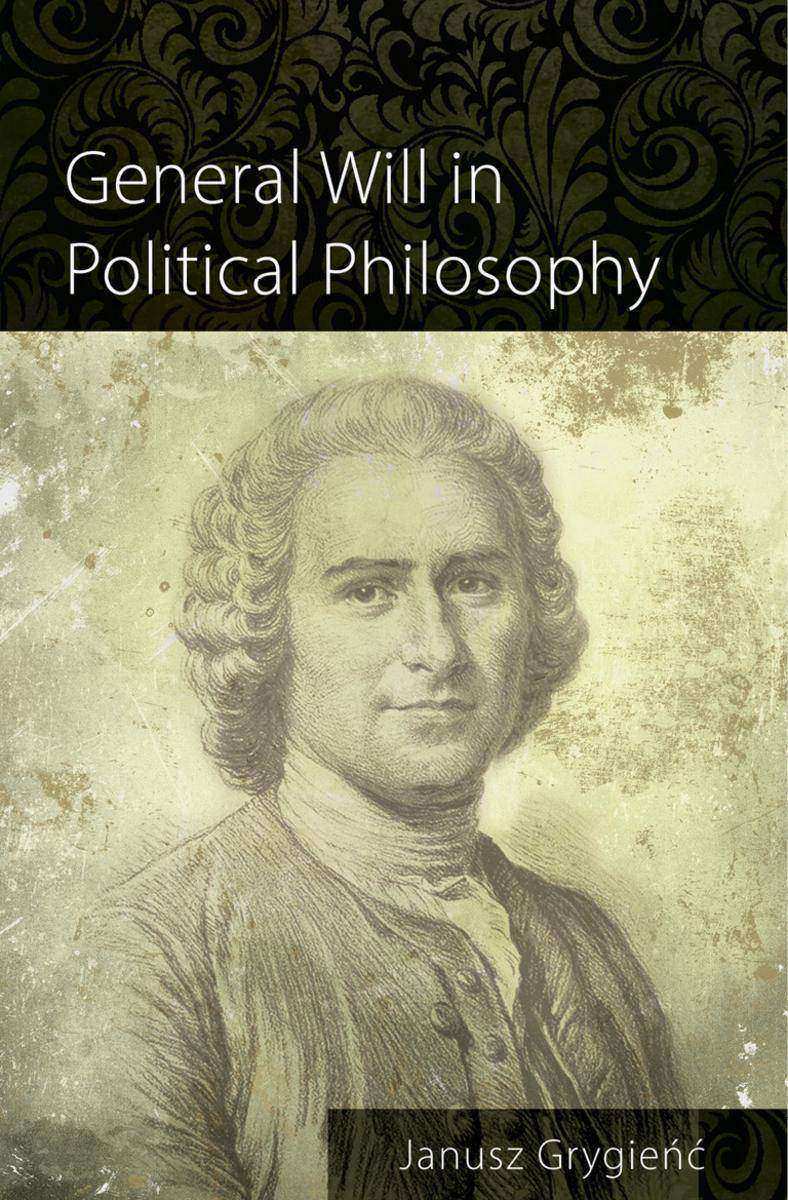
General Will in Political Philosophy
¥147.05
This book deals with the role and place of the general will in modern and contemporary political thought. This project is carried out at the crossroads of the history of ideas and political philosophy. It extensively develops historical and philosophical themes, showing modifications to the idea of the general will in the writings of thinkers who sometimes represent very distant epochs. The author tracks down the birth and the development of the idea of the general will in ancient, medieval, modern and contemporary times, devoting most of the book to the thoughts of Jean Jacques Rousseau and nineteenth and twentieth century British idealists.
Simfonia fr?nei
¥32.62
Volum coordonat de R?zvan Supuran Antologia de fa?? reune?te texte ap?rute ?n revista Me?eria?ii, publica?ie de circula?ie limitat?, fabricat? pe h?rtie me?te?ugit? ?i tip?rit? manual ?n cadrul Atelierului de Carte de la Muzeul ??ranului Rom?n.

The Secret Agent: "A Simple Tale"
¥18.74
AMONG the ranks of the great astronomers it would be difficult to find one whose life presents more interesting features and remarkable vicissitudes than does that of Galileo. We may consider him as the patient investigator and brilliant discoverer. We may consider him in his private relations, especially to his daughter, Sister Maria Celeste, a woman of very remarkable character ; and we have also the pathetic drama at the close of Galileo's life, when the philosopher drew down upon himself the thunders of the Inquisition. The materials for the sketch of this astonishing man are sufficiently abundant. We make special use in this place of those charming letters which his daughter wrote to him from her convent home. More than a hundred of these have been preserved, and it may well be doubted whether any more beautiful and touching series of letters addressed to a parent by a dearly loved child have ever been written. An admirable account of this correspondence is contained in a little book entitled "The Private Life of Galileo," published anonymously by Messrs. Macmillan in 1870, and I have been much indebted to the author of that volume for many of the facts contained in this chapter. Galileo was born at Pisa, on 18th February, 1564. He was the eldest son of Vincenzo de Bonajuti de Galilei, a Florentine noble. Notwithstanding his illustrious birth and descent, it would seem that the home in which the great philosopher's childhood was spent was an impoverished one. It was obvious at least that the young Galileo would have to be provided with some profession by which he might earn a livelihood. From his father he derived both by inheritance and by precept a keen taste for music, and it appears that he became an excellent performer on the lute. He was also endowed with considerable artistic power, which he cultivated diligently. Indeed, it would seem that for some time the future astronomer entertained the idea of devoting himself to painting as a profession. His father, however, decided that he should study medicine. Accordingly, we find that when Galileo was seventeen years of age, and had added a knowledge of Greek and Latin to his acquaintance with the fine arts, he was duly entered at the University of Pisa. AMONG the ranks of the great astronomers it would be difficult to find one whose life presents more interesting features and remarkable vicissitudes than does that of Galileo. We may consider him as the patient investigator and brilliant discoverer. We may consider him in his private relations, especially to his daughter, Sister Maria Celeste, a woman of very remarkable character ; and we have also the pathetic drama at the close of Galileo's life, when the philosopher drew down upon himself the thunders of the Inquisition. The materials for the sketch of this astonishing man are sufficiently abundant. We make special use in this place of those charming letters which his daughter wrote to him from her convent home. More than a hundred of these have been preserved, and it may well be doubted whether any more beautiful and touching series of letters addressed to a parent by a dearly loved child have ever been written. An admirable account of this correspondence is contained in a little book entitled "The Private Life of Galileo," published anonymously by Messrs. Macmillan in 1870, and I have been much indebted to the author of that volume for many of the facts contained in this chapter.

The Secret Garden
¥23.30
IT was just a year after the death of Galileo, that an infant came into the world who was christened Isaac Newton. Even the great fame of Galileo himself must be relegated to a second place in comparison with that of the philosopher who first expounded the true theory of the universe. Isaac Newton was born on the 25th of December (old style), 1642, at Woolsthorpe, in Lincolnshire, about a half-mile from Colsterworth, and eight miles south of Grantham. His father, Mr. Isaac Newton, had died a few months after his marriage to Harriet Ayscough, the daughter of Mr. James Ayscough, of Market Overton, in Rutlandshire. The little Isaac was at first so excessively frail and weakly that his life was despaired of. The watchful mother, however, tended her delicate child with such success that he seems to have thriven better than might have been expected from the circumstances of his infancy, and he ultimately acquired a frame strong enough to outlast the ordinary span of human life.For three years they continued to live at Woolsthorpe, the widow's means of livelihood being supplemented by the income from another small estate at Sewstern, in a neighbouring part of Leicestershire. In 1645, Mrs. Newton took as a second husband the Rev. Barnabas Smith, and on moving to her new home, about a mile from Woolsthorpe, she entrusted little Isaac to her mother, Mrs. Ayscough. In due time we find that the boy was sent to the public school at Grantham, the name of the master being Stokes. For the purpose of being near his work, the embryo philosopher was boarded at the house of Mr. Clark, an apothecary at Grantham. We learn from Newton himself that at first he had a very low place in the class lists of the school, and was by no means one of those model school-boys who find favour in the eyes of the school-master by attention to Latin grammar. Isaac's first incentive to diligent study seems to have been derived from the circumstance that he was severely kicked by one of the boys who was above him in the class. This indignity had the effect of stimulating young Newton's activity to such an extent that he not only attained the desired object of passing over the head of the boy who had maltreated him, but continued to rise until he became the head of the school.The play-hours of the great philosopher were devoted to pursuits very different from those of most school-boys. His chief amusement was found in making mechanical toys and various ingenious contrivances. He watched day by day with great interest the workmen engaged in constructing a windmill in the neighbourhood of the school, the result of which was that the boy made a working model of the windmill and of its machinery, which seems to have been much admired, as indicating his aptitude for mechanics. We are told that Isaac also indulged in somewhat higher flights of mechanical enterprise. He constructed a carriage, the wheels of which were to be driven by the hands of the occupant, while the first philosophical instrument he made was a clock, which was actuated by water. He also devoted much attention to the construction of paper kites, and his skill in this respect was highly appreciated by his schoolfellows. Like a true philosopher, even at this stage he experimented on the best methods of attaching the string, and on the proportions which the tail ought to have. He also made lanthorns of paper to provide himself with light as he walked to school in the dark winter mornings.
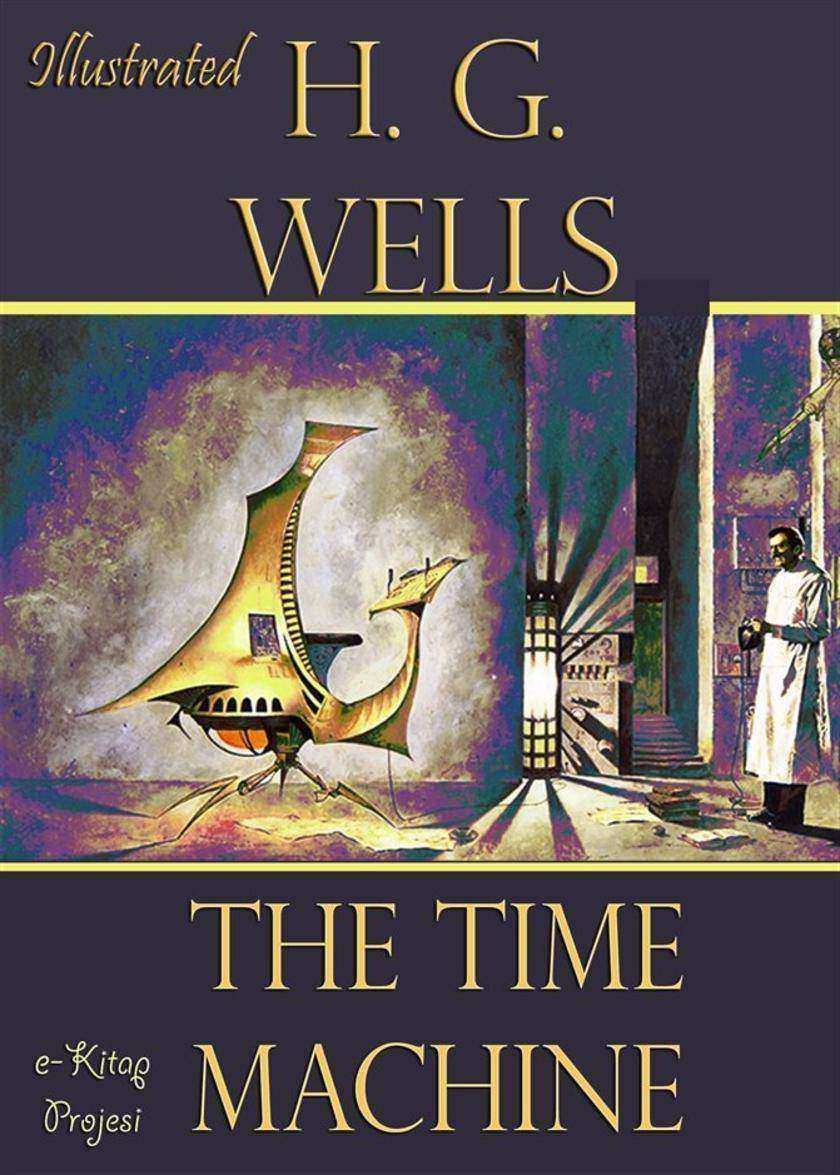
The Time Machine
¥18.74
zet olarak tüm tp almalar & Bilim felsefesi & Hayat hikayesi & Metodolojisi ve Tahlilleri ilaveli bni Sin, daha ocukluunda, evresini hayrete düüren bir zek ve hafza rnei gstermitir. Küük yata ann bütün, ilimlerini renmiti. Gündüz ve gece okumakla vakit geirir, mum nda saatlerce, ou zaman sabahlara kadar alrd. Pek az uyurdu. Buhara Emiri Nuh bni Mansur’u ar bir hastalktan kurtard ve bu yüzden de Samanoullar saraynn kütüphanesinde alma iznini ald. Bu sayede pek ok eseri elinin altnda bulduu iin vaktini kitap okumak ve yazmakla geirdi. Hükümdar ldüü zaman o, henüz yirmi yandayd ve Buhr'dan ayrlarak Harzem'e gitti: EI-Brni gibi büyük bir hret ve deerin, onun alkanlna, bilgisine deer vermesi, kendisini yanna kabul etmesi, beraber almas, hakknda kskanla yol at. Bu yüzden takibata bile urad. Harzem'de barnamayarak yeniden yollara dütü. ehirden ehre dolaarak nihayet Hemedan'a kadar geldi ve orada kalmaya karar verdi. bni Sn, ou fizik, astronomi ve felsefeyle ilgili olarak 150 civarnda eser yazmt. Farsa olan birka dnda bunlarn hepsi Arapa'dr. ünkü o devirde ilim eserlerini Arap diliyle yazmak detti. Arapa'ya bu bakmdan deer verilirdi. Bilhassa tp ilmine dair aratrmalar son derece orijinal ve dorudur. Bu yüzden dou ve bat hekimliine kelimenin tam anlamyla, 600 yl, hükmetmitir. Eserleri Bat dillerine Latince yoluyla evrilerek Avicenna diye hrete ulaan bni Sin, yanl olarak bir süre Avrupa'da ranl hekim ve filozof olarak tannmtr. Bunun da sebebi, eserlerini Türke yazmam olmasndandr… Bununla beraber, batllar da kendisini Hkim-i Tb, yani hekimlerin piri ve hükümdar olarak kabul etmilerdir. 16 yandayken pratik hekimlie balayan bni Sin, resm saray doktorluu da yapmtr. NDEKLER: BN- SNA’NIN HAYATI ve ALIMALARI ESERLER bn-i Sina’nn Felsefi Anlay Varlk ve Mantk BN- SNA VE VARLIK FELSEFES VARLIK FELSEFES VE BN SNA* Varla likin Grüleri: BN- SNA’DA 3 MESELE A- VARLIK BLNC’NN NCEL B- NAYET VE ERRN LAH KAZADA BULUNUU (KTLK PROBLEM) C-FLLERN ALLAHTAN SUDURU BN- SNA’NIN BLM FELSEFES SLAMDA SMYA VE BN- SNA’NIN SMYAYA KATKILARI.. Tarihi zgemii nkar ve Muhalefet Batya Etkisi BN- SNA’NIN TIP FELSEFES BN- SNANIN TIP TARHNDEK YER…. Tp Sahasndaki Baz Bulular TIBBIN KANUNU ESER HAKKINDA.. BN- SNA’NIN FA FELSEFES BN- SNA’NIN VARLIK VE EVREN FELSEFES BN- SNA VE SUDUR NAZARYES… BN- SNA VE SPNOZADA DN VE FELSEFE LKLER B. BN SN FELSEFESNDE LEMN KIDEM/EZELL SORUNU C. GENEL DEERLENDRME SLAM METAFZ VE BN- SNA slam Metafiziine Ksa Bir Bak: bn Sn’ya Gre Nefsin Bedenden Ayrl Sonras Durumu BN- SNA’NIN “El-rtü ve’t-Tenbhtü fi’l-Mantk ve’l-Hikme” Kitab Hakknda BN- SNA VE ETM BN- SNA’NIN PSKOLOJK YAKLAIMLARI bn Sina’nn Aile Siyasetine Dair Risalesindeki Temel Grüleri KEND AZINDAN BN- SNA Genlik ve Olgunluk Devresi (M. 997 -1005) Seyahatler Devresi (M.1005-1014) (bn-i Sn’nn Hayatnda) Büveyhler Devresi bn-i Sn’nn Hayatnda Kkyler Devresi (M. 1024 -1037) BN- SNA’DA NAMAZ VE FA BALANTISI BN- SN’NIN NAMAZ RSALES Namazn Mahiyeti: Namaz: Namaz, nefs-i natkann, gk cisimlerine benzemesi ve ebed sevap istemek iin Mutlak olan Hakk’a tapnmas demektir. Namazn hakikati: Namazn Zahir ve Batna Ayrlmas Beyanndadr: Bu blüm nceki iki ksm namazdan her birinin kime ve hangi snfa vacib olduunu bildirir: BN- SNA’NIN RUH LE LGL KASDES ZETLE BN- SNANIN BLME KATKILARI BN- SNANIN UNUTULMAYAN SZLER
Leonardo Da Vinci: "A Psychological Study of an Infantile Reminiscence"
¥28.04
FROM the eastern gate of Mardin the road decants itself plainwards in a skein of curves and zigzags—a vertical descent of 2000 feet, spinning out its gradients to a length of five or six miles. It is not at all a bad road. One could easily bicycle down it—and perhaps even bicycle up it if in specially strenuous mood. But it is, as it were, the swan-song of the modern Ottoman Telfords, and as soon as it reaches the level it reverts into a sheaf of footpaths. Henceforth to the end of our journey we saw no more metalled roads.We had now, too, a further reminder of the fact that we were quitting civilization, for a couple of zaptiehs rode with us to escort us over the stage to Nisibin. Hitherto such protection had been deemed needless: but in these remoter districts the Government prefers to have some tangible assurance of a European traveller’s safety, seeing that it is liable to be held responsible if he is unfortunate enough to come to grief. Thus that modest intruder finds himself passed on from city to city with all the pomp and circumstance of an armed cavalry escort; and afflicted at every stage with the consciousness that he is passing current at a face value vastly in excess of his intrinsic worth. The zaptiehs are a sort of military police, analogous to the Spanish Civil Guard or the Royal Irish Constabulary; though we fear that these two corps d’elite would not be likely to feel gratified at a suggestion that such deplorable ragamuffins should “march through Coventry” with them. Personally, for the most part, they are good-humoured and obliging fellows; accepting rough weather and hard lodging with the utmost philosophy. Also they rather welcome the chance of a little escort duty. It is a pleasant change from the monotony of garrison life; and there is a tip to look forward to finally, though this must be “under the rose.” “You have not mentioned that you’ve given us a present?” said one of our fellows with engaging na?veté when we asked him to carry back a letter—“Because it isn’t allowed!” But though Western civilization extends thus far no longer, there is not wanting tangible evidence to prove that it was here long ago. In the midst of one of the first plain villages there rises, like a lofty aiguille, the angle of a Roman watch tower. It seems impossible that such a slender fragment should be able to withstand wind and weather much longer; but hitherto the huge square blocks have stood firm though all support has fallen away. A Roman church (or more probably a Roman house converted into a church) stands in another village; and at the end of a short day’s journey we turned aside to visit some yet more striking remains. The mountains at this point ravel out on to the plain in a line of gently sloping spurs, and from between two of these issues a broad and shallow but never-failing stream. The spurs immediately westward of it are conspicuously gashed across with wide deep transverse trenches; and as we draw nearer we perceive that the ridge on each side of the river is crested with a ruined rampart, and that the hollow enclosed between them is a regular sugar bowl of huge disjointed stones. Here and there out of the chaos rises the fragment of a mighty tower or a massive skeleton archway, and presently we can descry a few wretched Kurdish hovels half hidden among the débris of the great devastated city.

Bosszú: A harag ébredése
¥52.48
Az egészségügyi szakemberek fontos feladata a kliensekkel folytatott beszélgetés. A diagnózis felállításán túl a terápia megbeszélése, valamint a megel?zésr?l szóló tájékoztatás is hozzájárul a hatékony gyógyításhoz. A korszer?, bizonyíték-alapú gyógyításban az egészségügyi szakember-kliens diskurzusok tanulmányozása megkerülhetetlen részét képezik az egészségtudományi kutatásoknak, hiszen a róluk készített részletes, módszeres és mélységi elemzések kiegészítik a statisztikai tényeken alapuló megk?zelítéseket. A k?nyv egészségügyi szakemberek és hallgatók-orvosok, ápolók, szülészn?k, gyógytornászok, dietetikusok- számára nyújt áttekint? képet a kvalitatív elemzések fajtáiról, módszereir?l és technikáiról, hogy segítséget nyújtson a kutatások megválasztásában, kidolgozásában és publikálásában. A szerz? mind a kézi, mind a számítógépes adatfeldolgozási módszereket példákon keresztül mutatja be, valamint a kül?nb?z? diskurzus-elemzési módszereket magyar k?zleményekb?l vett szemelvények segítségével illusztrálja. A glosszárium jelent?s segítséget nyújt a filozófiai és nyelvészeti kifejezések megértésében. A k?nyv használható kutatásmódszertani segédk?nyvként, de ?nállóan, egy kurzus részeként is alkalmazható.

Дивись уперед: Над?йний шлях до омр?яного життя
¥30.25
Ez a k?nyv két év kutatómunkája alapján íródott. Fórumokon, internetes hozzászólásokban megnyilvánuló vélemények, és a velük kapcsolatban felmerült kérdések, illetve válaszok adják az írás gerincét. Nem orvos, nem tudós, nem kutató írta szaknyelven, hanem egy egyszer?, érz? ember, hétk?znapi nyelven, k?zérthet?en, azon igyekezve, hogy párhuzamot vonjon a szexuális irányultság két végletével és megértesse, hogy e szexuális orientációk egyenérték?ek. A kül?nleges szerelmi szálon futó t?rténet humorral, drámával f?szerezve bemutatja azokat a k?zponti problémákat, melyek a gy?l?letet táplálják a melegek felé és igyekszik utat mutatni az elfogadás irányába. Ma irtózol a homoszexuálisoktól. De mi lesz holnap, amikor a gyermeked, a legjobb barátod vagy a legkedvesebb rokonod megvallja, hogy ? úgy boldog? Az élet sorban osztja a pofonokat és nem tudhatjuk, mikor csattan a mi orcánkon... A k?nyv címét az alábbi idézet ihlette: ?Adj tüzedb?l lángot annak, aki kér!” /Marcus Tullius Cicero/ ?

50 Quick Diet Tips
¥14.62
Do you want to lose weight? Are you struggling with your diet? These 50 quick diet tips will help you lose weight, and also keep that weight off. Using common sense and not fads, the advice in the book will help you lose the weight goal you are wanting to.


