


 购物车
购物车 个人中心
个人中心

Discovery of Insulin
¥265.87
In a brilliant, definitive history of one of the most significant and controversial medical events of modern times, award-winning historian Michael Bliss brings to light a bizarre clash of scientific personalities. When F. G. Banting and J. J. R. Macleod won the 1923 Nobel Prize for discovering and isolating insulin, Banting immediately announced that he was dividing his share of the prize with his young associate, C. H. Best. Macleod divided his share with a fourth member of the team, J. B. Collip. For the next sixty years medical opinion was intensely divided over the allotment of credit for the discovery of insulin. In resolving this controversy, Bliss also offers a wealth of new detail on such subjects as the treatment of diabetes before insulin and the life-and-death struggle to manufacture insulin.

Interaction and Coevolution
¥165.81
"e;It is not only the species that change evolutionarily through interactions . . . the interactions themselves also change."e; Thus states John N. Thompson in the foreword to Interaction and Coevolution, the first title in his series of books exploring the relentless nature of evolution and the processes that shape the web of life. Originally published in 1982 more as an idea piece-an early attempt to synthesize then academically distinct but logically linked strands of ecological thought and to suggest avenues for further research-than as a data-driven monograph, Interaction and Coevolution would go on to be considered a landmark study that pointed to the beginning of a new discipline. Through chapters on antagonism, mutualism, and the effects of these interactions on populations, speciation, and community structure, Thompson seeks to explain not only how interactions differ in the selection pressures they exert on species, but also when interactions are most likely to lead to coevolution. In this era of climate change and swiftly transforming environments, the ideas Thompson puts forward in Interaction and Coevolution are more relevant than ever before.

At the Barriers
¥253.10
The contributors wish to thank the Hornbake Library at the University of Maryland, College Park, and the Bancroft Library at the University of California, Berkeley, for access to their holdings of Thom Gunn’s manu*s; the Graduate Research Board and the Department of English at the University of Maryland, for material support; Thom’s brother Ander, for the use of his photograph of Thom for this volume’s cover; and Mike Kitay, for permission to print excerpts from unpublished writings and the several published poems, in their entireties, in this volume.

From Mesopotamia to Iraq
¥141.26
In April 2003, the world watched in horror as part of Iraq's cultural heritage disintegrated among the rubble of Saddam Hussein's regime. Looters descended on the Iraq National Museum in Baghdad, Arabic manu*s disappeared from the National Library, and countless Iraqi government records were destroyed. For those to whom Iraq meant only terror, weapons of mass destruction, or oil, several thousand years of history between the Tigris and the Euphrates opened into view. Basic techniques and concepts of civilization, without which human society would not have attained its present level, had their origin there. A writing system, the prerequisite of modern and premodern societies, was part of the human knowledge that spread from Mesopotamia, as were bureaucratic techniques such as archiving, still basic to any modern administration, or early forms of monotheism. Such “firsts” will be highlighted in the following pages. But the uniqueness of the ancient Mesopotamian culture rests not only on countless innovations of this kind but, to an even greater degree, on the fact that we can follow its gradual development and its absorption into the cultural canon over a period of ten thousand years, almost without major gaps.

Church Mother
¥253.10
Imbued with character and independence, strength and articulateness, humor and conviction, abundant biblical knowledge and intense compassion, Katharina Schutz Zell (1498-1562) was an outspoken religious reformer in sixteenth-century Germany who campaigned for the right of clergy to marry and the responsibility of lay people-women as well as men-to proclaim the Gospel. As one of the first and most daring models of the pastor's wife in the Protestant Reformation, Schutz Zell demonstrated that she could be an equal partner in marriage; she was for many years a respected, if unofficial, mother of the established church of Strasbourg in an age when ecclesiastical leadership was dominated by men.Though a commoner, Schtz Zell participated actively in public life and wrote prolifically, including letters of consolation, devotional writings, biblical meditations, catechetical instructions, a sermon, and lengthy polemical exchanges with male theologians. The complete translations of her extant publications, except for her longest, are collected here in Church Mother, offering modern readers a rare opportunity to understand the important work of women in the formation of the early Protestant church.
Biology's First Law
¥211.90
So certain is this that we may boldly state that it is absurd for human beings even to attempt it, or to hope that perhaps some day another Newton might arise who would explain to us, in terms of natural laws unordered by intention, how even a mere blade of grass is produced.Kant, Critique of Judgment (1790)

Class War?
¥141.26
Recent battles in Washington over how to fix America's fiscal failures strengthened the widespread impression that economic issues sharply divide average citizens. Indeed, many commentators split Americans into two opposing groups: uncompromising supporters of unfettered free markets and advocates for government solutions to economic problems. But such dichotomies, Benjamin Page and Lawrence Jacobs contend, ring false. In Class Warthey present compelling evidence that most Americans favor free enterprise and practical government programs to distribute wealth more equitably.At every income level and in both major political parties, majorities embrace conservative egalitarianism-a philosophy that prizes individualism and self-reliance as well as public intervention to help Americans pursue these ideals on a level playing field. Drawing on hundreds of opinion studies spanning more than seventy years, including a new comprehensive survey, Page and Jacobs reveal that this worldview translates to broad support for policies aimed at narrowing the gap between rich and poor and creating genuine opportunity for all. They find, for example, that across economic, geographical, and ideological lines, most Americans support higher minimum wages, improved public education, wider access to universal health insurance coverage, and the use of tax dollars to fund these programs.In this surprising and heartening assessment, Page and Jacobs provide our new administration with a popular mandate to combat the economic inequity that plagues our nation.

Lawyers of the Right
¥200.12
A timely and multifaceted portrait of the lawyers who serve the diverse constituencies of the conservative movement, Lawyers of the Right explains what unites and divides lawyers for the three major groups-social conservatives, libertarians, and business advocates-that have coalesced in recent decades behind the Republican Party. Drawing on in-depth interviews with more than seventy lawyers who represent conservative and libertarian nonprofit organizations, Ann Southworth explores their values and identities and traces the implications of their shared interest in promoting political strategies that give lawyers leading roles. She goes on to illuminate the function of mediator organizations-such as the Heritage Foundation and the Federalist Society for Law and Public Policy-that have succeeded in promoting cooperation among different factions of conservative lawyers. Such cooperation, she finds, has aided efforts to drive law and the legal profession politically rightward and to give lawyers greater prominence in the conservative movement. Southworth concludes, though, that tensions between the conservative law movement's elite and populist elements may ultimately lead to its undoing.
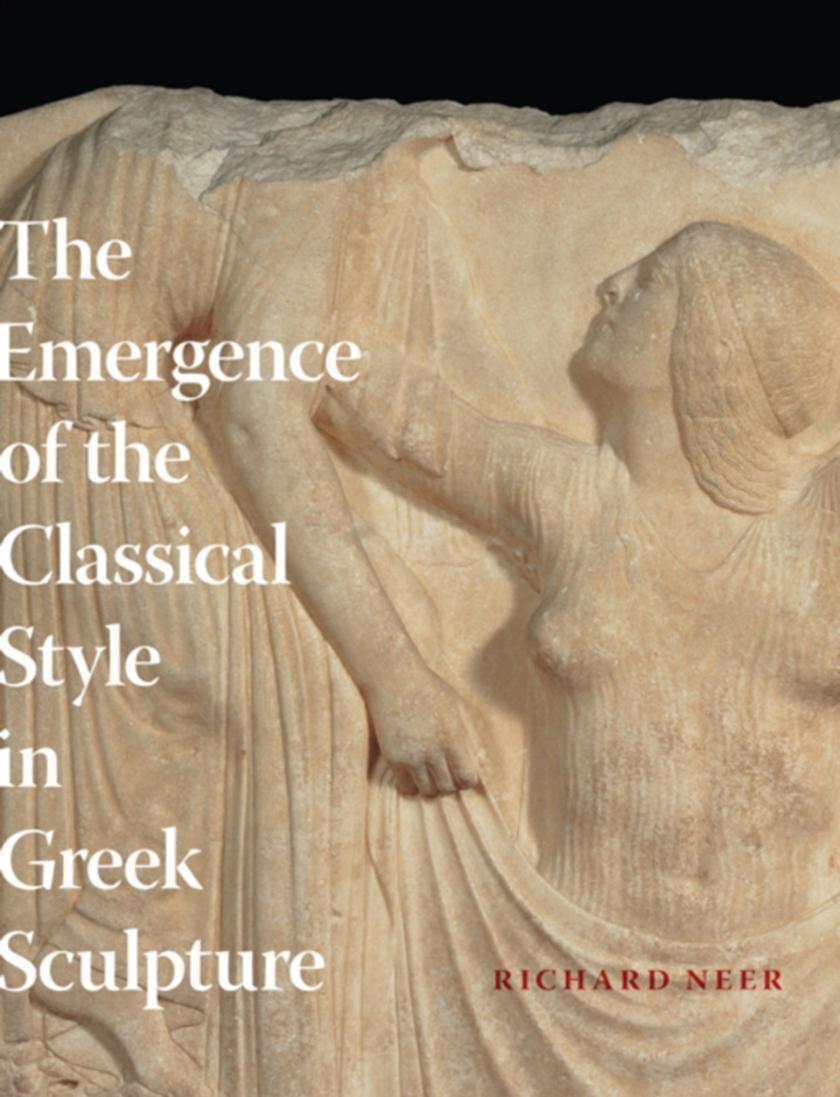
The emergence of the Classical Style in Greek Sculpture
¥353.16
This book was written in Chicago and Rome during the years 2002-2005.Difficulties in obtaining photographs (some insurmountable) delayed publication; the bibliography is reasonably up to date through early 2006 but later additions have been unsystematic.
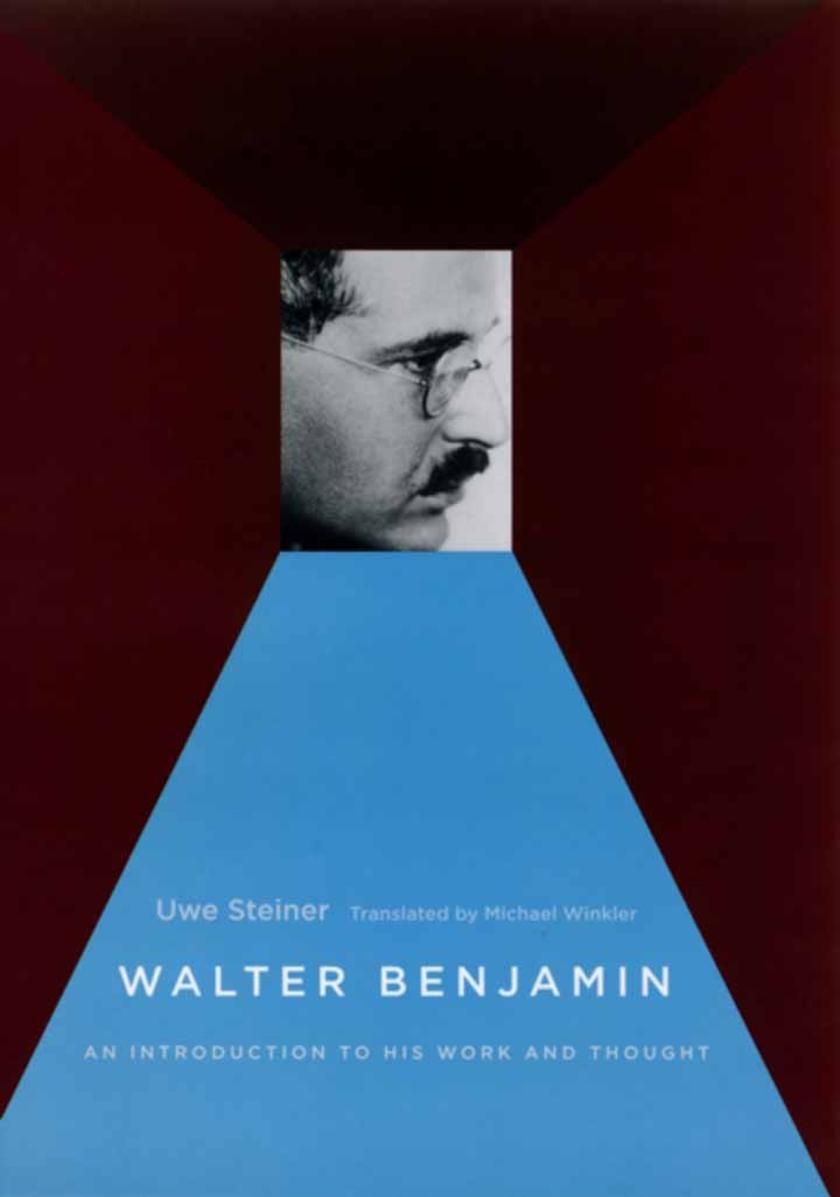
Walter Benjamin
¥188.35
Seven decades after his death, German Jewish writer, philosopher, and literary critic Walter Benjamin (1892-1940) continues to fascinate and influence. Here Uwe Steiner offers a comprehensive and sophisticated introduction to the oeuvre of this intriguing theorist.Acknowledged only by a small circle of intellectuals during his lifetime, Benjamin is now a major figure whose work is essential to an understanding of modernity. Steiner traces the development of Benjamin's thought chronologically through his writings on philosophy, literature, history, politics, the media, art, photography, cinema, technology, and theology. Walter Benjamin reveals the essential coherence of its subject's thinking while also analyzing the controversial or puzzling facets of Benjamin's work. That coherence, Steiner contends, can best be appreciated by placing Benjamin in his proper context as a member of the German philosophical tradition and a participant in contemporary intellectual debates.As Benjamin's writing attracts more and more readers in the English-speaking world, Walter Benjamin will be a valuable guide to this fascinating body of work.

Martin Faber: The Story of a Criminal
¥260.85
William Gilmore Simms's (1806-1870) body of work, a sweeping fictional portrait of the colonial and antebellum South in all its regional diversity, with its literary and intellectual issues, is probably more comprehensive than any other nineteenth-century southern author. Simms's career began with a short novel, Martin Faber, published in 1833. This Gothic tale is reminiscent of James Hogg's Confessions of a Sinner and was written four years before Edgar Allan Poe's "e;William Wilson."e; Narrated in the first person, it is considered a pioneering examination of criminal psychology. Martin seduces then murders Emily so that he might marry another woman, Constance. Martin confesses to his friend and is killed after attempting to stab Constance when she visits him in jail. The book was immediately successful and was well received by the northern media, thus starting Simms's successful career as a writer, one that would rank him as the only major southern literary figure besides Poe before the Civil War. As with other volumes in the Arkansas Edition of Simms's work, this volume includes a critical introduction by the editor and a Simms chronology, as well as appendices dealing with textual matters. This edition also includes Simms's 1829 story, "e;Confessions of a Murderer,"e; which was the germ for his first book of fiction.
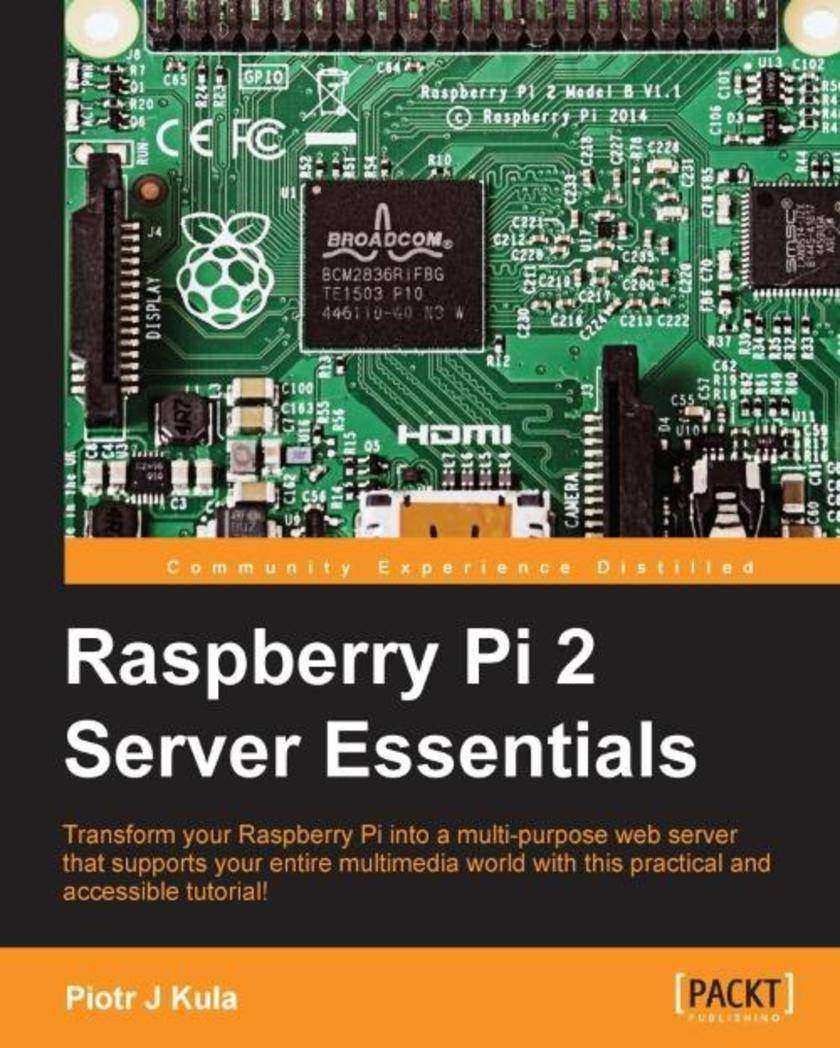
Raspberry Pi 2 Server Essentials
¥54.49
Transform your Raspberry Pi into a multi-purpose web server that supports your entire multimedia world with this practical and accessible tutorial! About This Book Host websites, games, and even stream HD videos with the impressive power of Raspberry Pi 2 Get to grips with embedded programming by turning your Pi into the cloud server that can be used to power Internet of Things projects Make the Raspberry Pi 2 the center of your latest tech experiments and discover how it can manage and host resources Who This Book Is For Seeking inspiration for some new tech projectsWant to get more from your Raspberry PiThis book has been created especially for you! What You Will Learn Host your Raspberry Pi as a web server using the minimum power resources Connect your Pi to the Internet and perform network benchmarking Explore the cross-platform features of the Pi as you run Python, Node.JS, ASP.NET, and PHP all in one place Share files over the Internet using your Pi as a file server Turn your Pi into a game server, host and engage into playing Enjoy live HD video streaming and exclusive real-time text overlays In Detail There’s no end to what you can do with a Raspberry Pi – it makes a huge range of tech projects possible. This book shows you how to transform it into a multipurpose web server, able to store and manage resources that lets you build some truly innovative and impressive computing creations. You’ll learn how to use your Raspberry Pi 2 to host a website using a range of different languages, host a game server, store files, and run everything from a media center to a cloud network. If you want to take control of your technological world, start building your own server and find out what’s possible with the Raspberry Pi microcomputer. Begin by getting your Pi set up – follow each step as the book shows you how to prepare a network and configure the additional features that you’ll need to build your projects. Once you’ve done this you’ll dig a little deeper and set up your pi as a file server, making sure it’s built for speed using a range of different tools, including Python, Node.js and ASP.NET. Following this the book shows you how to extend your server to allow you to host games, and stream live HD video before customizing it even further to create a fully-fledged media center. It doesn’t stop there however – the book then dives into the exciting world of the Internet of Things (IoT). You’ll learn how to install Windows IoT onto your Raspberry Pi, the operating system that’s driving embedded software projects all around the world. Once you’ve done this you’ll be ready to explore IoT further, as the book shows you how to use your device to host a cloud network that can form the basis of a wider IoT project. Style and approach Packed with plenty of practical examples that walk you through a number of Raspberry Pi projects, this book is an accessible journey into embedded computing and Internet of Things.
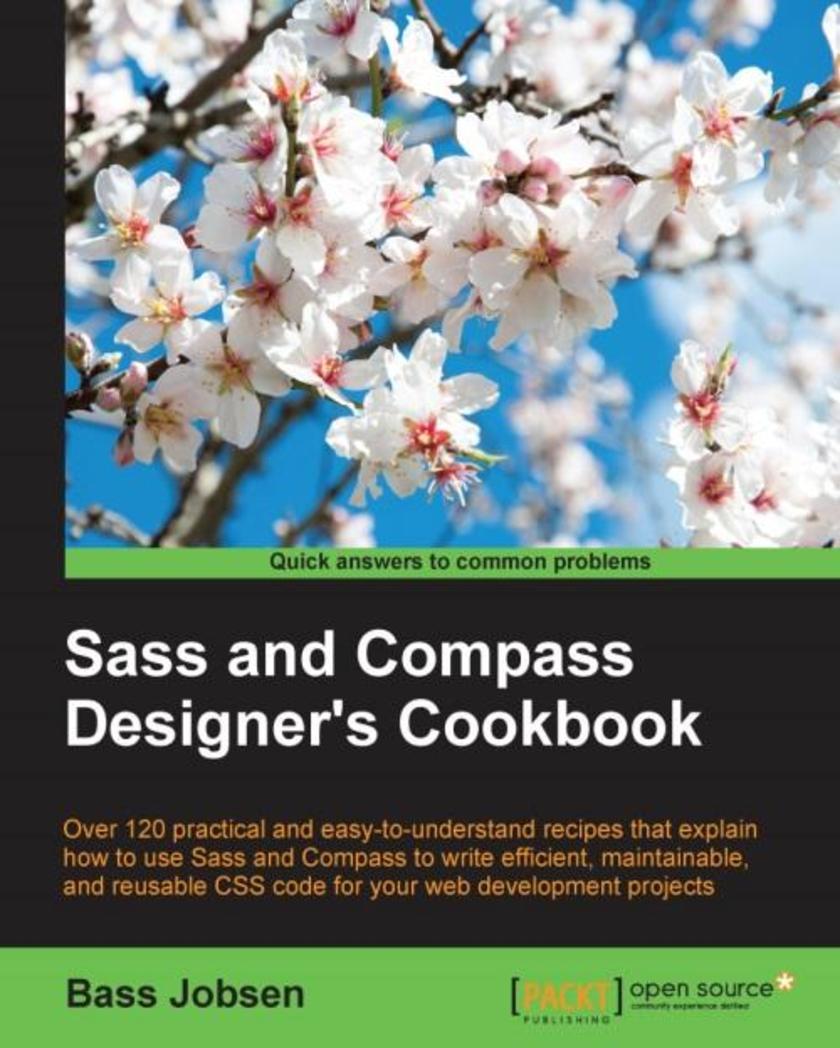
Sass and Compass Designer's Cookbook
¥90.46
Over 120 practical and easy-to-understand recipes that explain how to use Sass and Compass to write efficient, maintainable, and reusable CSS code for your web development projects About This Book Leverage Sass to make your CSS code maintainable, reusable and prevent code duplications Shorten debug time with Sass when creating complex CSS code for different browsers and devices Write easy and bullet-proof CSS with Compass using this step-by-step and detailed guide Who This Book Is For This book is mainly intended for web developers and designers who are comfortable with CSS and HTML. If you are someone with some experience with CSS, you will find the learning curve of learning Sass syntax to be less steep. Basic knowledge of web development is helpful but you don't have to be a programmer to understand Sass. What You Will Learn Spend less time debugging code Compile Sass code into readable and maintainable CSS Integrate Sass in your own projects Reuse your code to prevent code duplications Write reusable and portable CSS code Make use of pre-built and established code written by other developers Reduce development and maintenance time of your projects Set up a development environment with Gulp In Detail Sass and Compass Designer's Cookbook helps you to get most out of CSS3 and harness its benefits to create engaging and receptive applications. This book will help you develop faster and reduce the maintenance time for your web development projects by using Sass and Compass. You will learn how to use with CSS frameworks such as Bootstrap and Foundation and understand how to use other libraries of pre-built mixins. You will also learn setting up a development environment with Gulp. This book guides you through all the concepts and gives you practical examples for full understanding. Style and approach This book is the perfect mix of essential theory combined with real-life examples and problems, with clear explanations of the more sophisticated Sass concepts. Learn Sass and Compass with practical and well-explained example code. This book follows a problem and solution approach that is convenient to understand and follow.
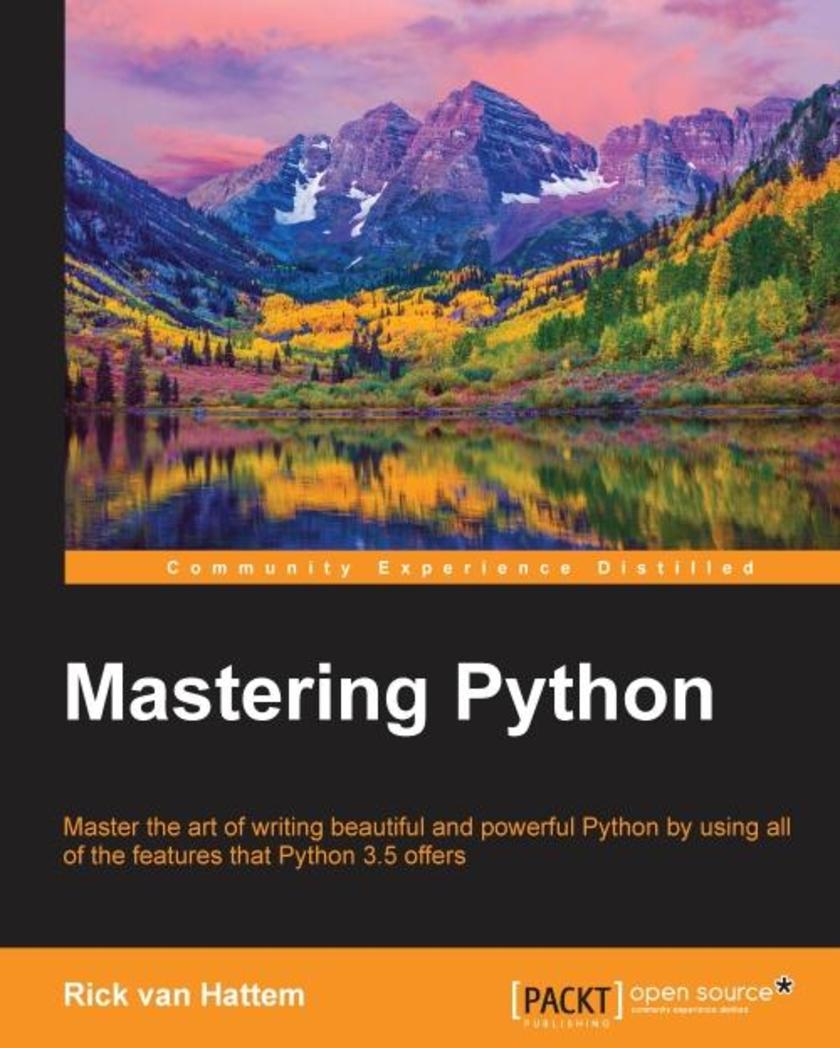
Mastering Python
¥71.93
Master the art of writing beautiful and powerful Python by using all of the features that Python 3.5 offers About This Book Become familiar with the most important and advanced parts of the Python code style Learn the trickier aspects of Python and put it in a structured context for deeper understanding of the language Offers an expert's-eye overview of how these advanced tasks fit together in Python as a whole along with practical examples Who This Book Is For Almost anyone can learn to write working * and create high quality code but they might lack a structured understanding of what it means to be 'Pythonic'. If you are a Python programmer who wants to code efficiently by getting the syntax and usage of a few intricate Python techniques exactly right, this book is for you. What You Will Learn Create a virtualenv and start a new project Understand how and when to use the functional programming paradigm Get familiar with the different ways the decorators can be written in Understand the power of generators and coroutines without digressing into lambda calculus Create metaclasses and how it makes working with Python far easier Generate HTML documentation out of documents and code using Sphinx Learn how to track and optimize application performance, both memory and cpu Use the multiprocessing library, not just locally but also across multiple machines Get a basic understanding of packaging and creating your own libraries/applications In Detail Python is a dynamic programming language. It is known for its high readability and hence it is often the first language learned by new programmers. Python being multi-paradigm, it can be used to achieve the same thing in different ways and it is compatible across different platforms. Even if you find writing Python code easy, writing code that is efficient, easy to maintain, and reuse is not so straightforward. This book is an authoritative guide that will help you learn new advanced methods in a clear and contextualised way. It starts off by creating a project-specific environment using venv, introducing you to different Pythonic syntax and common pitfalls before moving on to cover the functional features in Python. It covers how to create different decorators, generators, and metaclasses. It also introduces you to functools.wraps and coroutines and how they work. Later on you will learn to use asyncio module for asynchronous clients and servers. You will also get familiar with different testing systems such as py.test, doctest, and unittest, and debugging tools such as Python debugger and faulthandler. You will learn to optimize application performance so that it works efficiently across multiple machines and Python versions. Finally, it will teach you how to access C functions with a simple Python call. By the end of the book, you will be able to write more advanced *s and take on bigger challenges. Style and Approach This book is a comprehensive guide that covers advanced features of the Python language, and communicate them with an authoritative understanding of the underlying rationale for how, when, and why to use them.
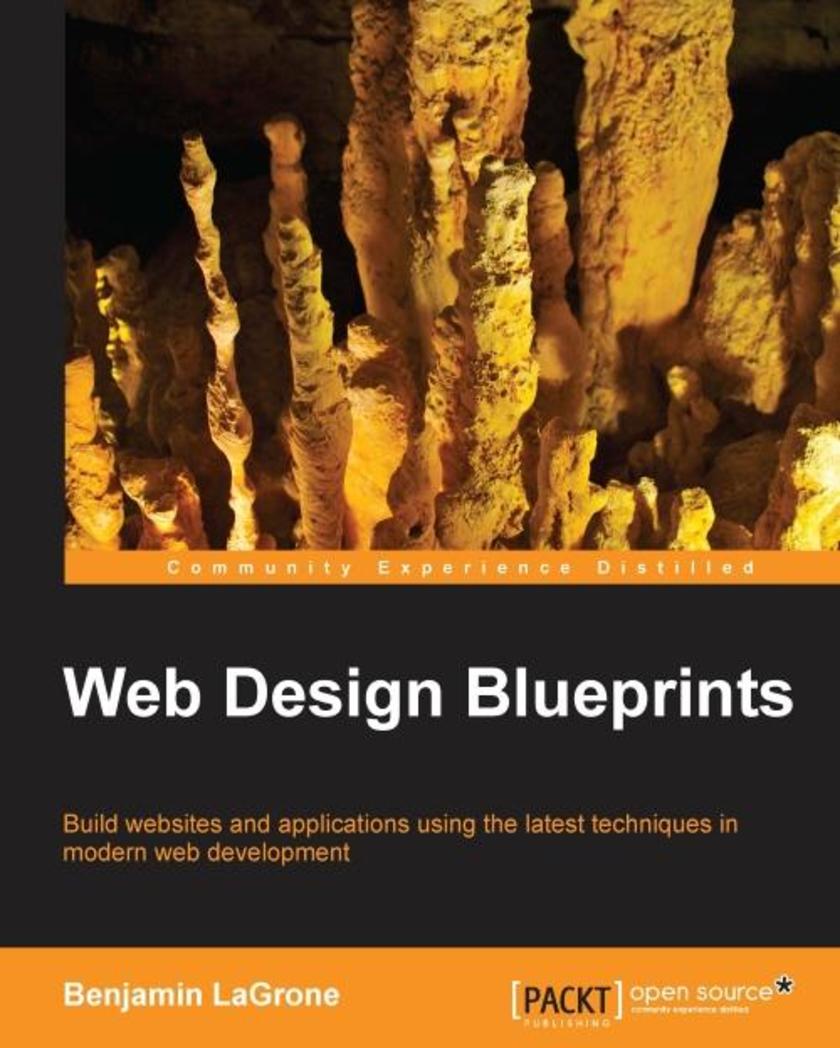
Web Design Blueprints
¥71.93
Build websites and applications using the latest techniques in modern web development About This Book Create amazing modern day applications that run seamlessly across multiple platforms Implement multiple methodologies by creating different apps with dynamic features This unique project-based guide will help you build your own websites efficiently Who This Book Is For This book is a must-have for web developers who want to stay on top of the latest trends in web app and site development. If you are a web developer who is already familiar with HTML, CSS, and functional JavaScript, and you want to learn the latest trends in web development, this is the book for you. What You Will Learn Find out how to create responsive websites Create websites using the principals of Flat design Create deep-dive sites using parallax scrolling Discover how to use Ajax in single-page applications Create responsive navigation with CSS and JavaScript Create responsive padding with the box model property In Detail The book delivers simple instructions on how to design and build modern Web using the latest trends in web development. You will learn how to design responsive websites, created with modern Flat User Interface design patterns, build deep-scrolling websites with parallax 3D effects, and roll-your-own single-page applications. Finally, you'll work through an awesome chapter that combines them all. Each chapter features actual lines of code that you can apply right away. Style and Approach Using real-world examples, Web Design Blueprints presents practical how-to projects for site enhancements, with a light-hearted, easy-to-understand tone. This book has individual projects that cumulate until you finally build a super-project at the end, using all the skills learned
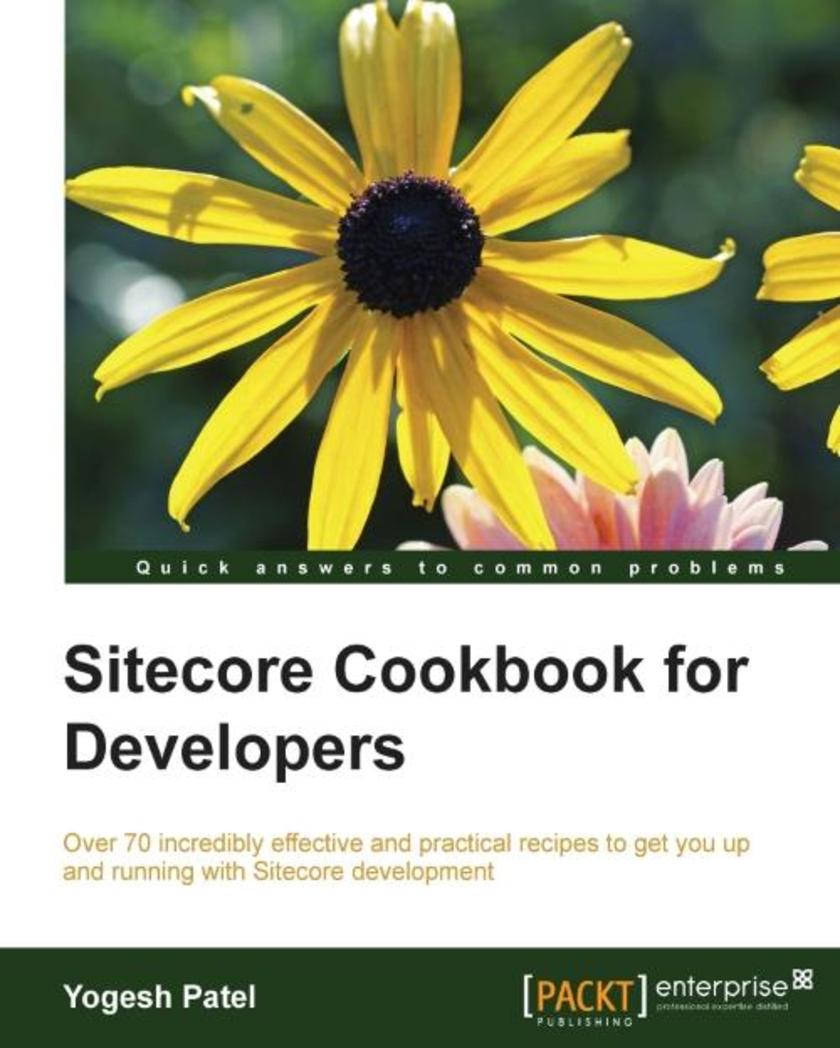
Sitecore Cookbook for Developers
¥90.46
Over 70 incredibly effective and practical recipes to get you up and running with Sitecore development About This Book Build enterprise-level rich websites quickly and deliver the best possible content management to your website Get maximum usage of functionalities like different user interfaces, workflow, publishing, search, analytics, etc and learn different rendering techniques using presentation components for data bindings, events, handlers, schedulers, media, etc. Add a surprising amount of functionality just by customizing the Sitecore architecture through the best practices contained in this book Who This Book Is For If you are a Sitecore developer or a programmer who wants to expand your Sitecore development skills, this book is ideal for you. You will need working knowledge of ASP.NET WebForms or MVC, as well as HTML, and a basic knowledge of Sitecore installation. What You Will Learn Create, access, and personalize your website content using different Sitecore presentation components Learn how to extend the presentation components to fulfill some real-life requiremnts such as improving the site’s performance, generating Rss feeds and so on Work with multiple websites on a single Sitecore instance and create multilingual websites Customize the Sitecore interfaces as per your business requirements to provide easier and error-free user interface to content authors to save time and improve accuracy Customize the Sitecore backend architecture as per your business needs Automate tasks and achieve scalability by altering the development and configuration settings Integrate external systems with Sitecore to import or export content and secure user interactions Integrate the advanced features of analytics and personalization, to get the best possible customer experience and generate its reports In Detail This book will get you started on building rich websites, and customizing user interfaces by creating content management applications quickly. It will give you an insight into web designs and how to customize the Sitecore architecture as per your website's requirements using best practices. Packed with over 70 recipes to help you achieve and solve real-world common tasks, requirements, and the problems of content management, content delivery, and publishing instance environments. It also presents recipes on Sitecore’s backend processes of customizing pipelines, creating custom event handler and media handler, setting hooks to interpret foreign language URL and more. Other topics covered include creating a workflow action, publishing sublayouts and media files, securing your environment by customizing user profiles and access rights, boosting search capabilities, optimising performance, scalability and high-availability of Sitecore instances and much more. By the end of this book, you will have be able to add virtually limitless features to your websites by developing and deploying Sitecore efficiently. Style and approach This easy-to-follow guide is full of hands-on recipes on real-world development tasks to improve your existing Sitecore system. Each topic is presented with its benefits and detailed steps to achieve it through well-explained code and images.

3D Printing Designs: Design an SD Card Holder
¥35.96
Learn how to design 3D-printed objects that work in the real world About This Book This book shows you how to design from a reference to physical objects that can be easily represented by simple basic objects in Blender (cube, cylinder, sphere, and so on) by measuring them This is the only book on the market that shows you how to take your first steps to create 3D printed objects that are able to interact with existing objects Learn how to utilize Blender's functionality to make your designs more precise and accurate Who This Book Is For Reader will have basic knowledge of Blender and 3D Printing, and will have probably already made something simple. They will be interested in printing their first object. What You Will Learn Gain techniques to accurately measure the objects with rules, manual calipers, and digital calipers Break down complex geometries into multiple simple shapes and model them in layers using Blender Scale and re-scale a model to fit based on volume or size constraints See how to multishell geometries and auto-intersections using the Boolean Modifier In Detail Want to model a 3D printed prototype of an object that needs to be replaced or brokenThis book will teach you how to accurately measure objects in the real world with a few basic measuring techniques and how to create an object for 3D printing around the objects measured. In this book, you'll learn to identify basic shapes from a given object, use Vernier and Digital calipers and grid paper tracing techniques to derive measurements for the objects. With the help of measurements, you'll see to model these objects using Blender, organize the parts into layers, and later combine them to create the desired object, which in this book is a 3D printable SD card holder ring that fits your finger. Style and approach This book will be an easy-to-follow guide to learn the methods of scaling, precise measurements, and accurate designing. Using a step-by-step approach, this book will guide you on your journey to model different parts of a complex object and later combine them to create 3D printed objects that work in the real world.
Troubleshooting NetScaler
¥80.65
Gain essential knowledge and keep your NetScaler environment in top form About This Book Learn how the main features - Load Balancing, Content Switching, GSLB, SSL offloading, AAA, AppFirewall, and Gateway work under the hood using vividly explained flows and traces Explore the NetScaler layout and the various logs, tools and methods available to help you when it’s time to debug An easy-to-follow guide, which will walk you through troubleshooting common issues in your NetScaler environment Who This Book Is For This book is aimed at NetScaler administrators who have a basic understanding of the product but are looking for deeper exposure and guidance in identifying and fixing issues to keep their application environment performing optimally. What You Will Learn Troubleshoot traffic management features such as load balancing, SSL, GSLB and content switching Identify issues with caching and compression Deal with authentication issues when using LDAP, RADIUS, certificates, Kerberos and SAML Diagnose NetScaler high availability and networking issues Explore how application firewall protections work and how to avoid false positives Learn about NetScaler Gateway integration issues with XenApp, XenDesktop, and XenMobile Deal with NetScaler system-level issues Discover the NetScaler troubleshooting tools In Detail NetScaler is a high performance Application Delivery Controller (ADC). Making the most of it requires knowledge that straddles the application and networking worlds. As an ADC owner you will also likely be the first person to be solicited when your business applications fail. You will need to be quick in identifying if the problem is with the application, the server, the network, or NetScaler itself. This book provides you with the vital troubleshooting knowledge needed to act fast when issues happen. It gives you a thorough understanding of the NetScaler layout, how it integrates with the network, and what issues to expect when working with the traffic management, authentication, NetScaler Gateway and application firewall features. We will also look at what information to seek out in the logs, how to use tracing, and explore utilities that exist on NetScaler to help you find the root cause of your issues. Style and approach This helpful guide to troubleshooting NetScaler is delivered in a comprehensive and easy-to-follow manner. The topics in the book adopt a step-by-step approach.
Android Sensor Programming By Example
¥71.93
Take your Android applications to the next level of interactivity by exploring the wide variety of Android sensors About This Book Get a thorough understanding of the fundamentals and framework of Android sensors. Acquire knowledge of advance sensor programming, and learn how to connect and use sensors in external devices such as the Android Watch, Polar heart rate monitors, Adidas speed cells, and so on. Learn from real-world sensor-based applications such as the Pedometer app to detect daily steps, the Driving app to detect driving events, and the Professional Fitness tracker app to track heart rate, weight, daily steps, calories burned, and so on. Who This Book Is For This book is targeted at Android developers who want to get a good understanding of sensors and write sensor-based applications, or who want to enhance their existing applications with additional sensor functionality. A basic knowledge of Android development is required What You Will Learn Learn about sensor fundamentals, different types of sensors, and the sensor co-ordinate system Understand the various classes, callbacks, and APIs of the Android Sensor framework Check all the available sensors on an Android device and know their individual capabilities—for example, their range of values, power consumption, and so on. Implement sensor fusion using two or more sensors together and learn to compensate for the weakness of one sensor by using the strength of another Build a variety of sensor based, real-world applications such as Weather, Pedometer, Compass, Driving Events Detection, Fitness Tracker, and so on. Get to know about wake up and non-wake up sensors, wake locks, and how to use sensor batch processing along with the sensor hardware FIFO queue Develop efficient battery and processor algorithms using raw sensor data to solve real-world problems Connect to a variety of remote sensors such as body weight measurement and body fat percentage measurement using the Google Fit platform from your Android app In Detail Android phones available in today’s market have a wide variety of powerful and highly precise sensors. Interesting applications can be built with them such as a local weather app using weather sensors, analyzing risky driving behavior using motion sensors, a fitness tracker using step-counter sensors, and so on. Sensors in external devices such as Android Watch, Body Analyzer & Weight Machine, Running Speed Cell, and so on can also be connected and used from your Android app running on your phone. Moving further, this book will provide the skills required to use sensors in your Android applications. It will walk you through all the fundamentals of sensors and will provide a thorough understanding of the Android Sensor Framework. You will also get to learn how to write code for the supportive infrastructure such as background services, scheduled and long running background threads, and databases for saving sensor data. Additionally, you will learn how to connect and use sensors in external devices from your Android app using the Google Fit platform. By the end of the book, you will be well versed in the use of Android sensors and programming to build interactive applications. Style and approach A step-by-step and easy-to-follow guide that focuses on utilizing sensors to perform certain tasks. After covering the fundamentals in the first chapter, the book develops the concepts by building a real-world, sensor-based application in subsequent chapters.

Sometimes I Feel
¥24.44
Young readers will realize that all the different feelings they experience throughout the day are common. Based in Stow, Ohio, Twin Sisters Productions has been dedicated to producing quality educational and inspirational music resources for over 25 years. Fraternal twins Karen Mitzo Hilderbrand and Kim Mitzo Thompson founded the company when they realized Kim’s success teaching third grade math through her catchy multiplication song could help children beyond her classroom. From there, Twin Sisters expanded its product line to include e-books, digital music, CDs, read-along and sing-along books, floor puzzles and educational workbooks, all with the purpose of learning through music. These internationally sold products have received nearly 170 awards, including nine Record Industry Association of America (RIAA) certified Gold albums and one Platinum albu, over the years for excellence, creativity and amusement. With thousands of songs and 35 million albums sold, Twin Sisters positions itself as the leader in children’s educational music.

Behind Closed Doors
¥265.87
Although the subject of federally mandated Institutional Review Boards (IRBs) has been extensively debated, we actually do not know much about what takes place when they convene. The story of how IRBs work today is a story about their past as well as their present, and Behind Closed Doors is the first book to meld firsthand observations of IRB meetings with the history of how rules for the treatment of human subjects were formalized in the United States in the decades after World War II.?Drawing on extensive archival sources, Laura Stark reconstructs the daily lives of scientists, lawyers, administrators, and research subjects working-and "e;warring"e;-on the campus of the National Institutes of Health, where they first wrote the rules for the treatment of human subjects. Stark argues that the model of group deliberation that gradually crystallized during this period reflected contemporary legal and medical conceptions of what it meant to be human, what political rights human subjects deserved, and which stakeholders were best suited to decide. She then explains how the historical contingencies that shaped rules for the treatment of human subjects in the postwar era guide decision making today-within hospitals, universities, health departments, and other institutions in the United States and across the globe. Meticulously researched and gracefully argued, Behind Closed Doors will be essential reading for sociologists and historians of science and medicine, as well as policy makers and IRB administrators.


