


 购物车
 个人中心

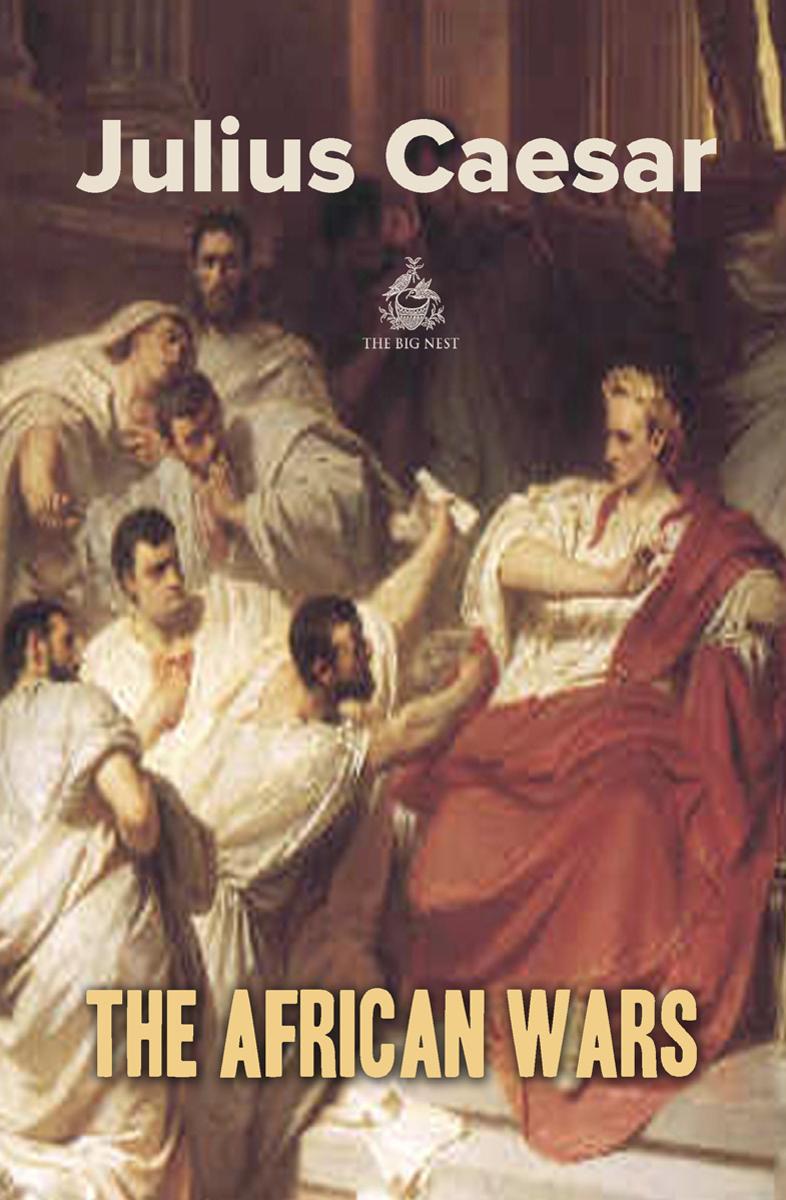
The African Wars
¥40.79
Caesar, advancing by moderate journeys, and continuing his march without intermission, arrived at Lilybaeum, on the 14th day before the calends of January. Designing to embark immediately, though he had only one legion of new levies, and not quite six hundred horse, he ordered his tent to be pitched so near the sea-side that the waves lashed the very foot of it. This he did with a view that none should think he had time to delay, and that his men might be kept in readiness at a day or an hour's warning. Though the wind at that time was contrary, he nevertheless detained the soldiers and mariners on board, that he might lose no opportunity of sailing; the rather, because the forces of the enemy were announced by the inhabitants of the province, to consist of innumberable cavalry not to be numbered; four legions headed by Juba, together with a great body of light-armed troops; ten legions under the command of Scipio; a hundred and twenty elephants, and fleets in abundance. Yet he was not alarmed, nor lost his confident hopes and spirits. Meantime the number of galleys and transports increased daily; the new-levied legions flocked in to him from all parts; among the rest the fifth, a veteran legion, and about two thousand horse.
Theaetetus
¥40.79
Some dialogues of Plato are of so various a character that their relation to the other dialogues cannot be determined with any degree of certainty. The Theaetetus, like the Parmenides, has points of similarity both with his earlier and his later writings. The perfection of style, the humour, the dramatic interest, the complexity of structure, the fertility of illustration, the shifting of the points of view, are characteristic of his best period of authorship. The vain search, the negative conclusion, the figure of the midwives, the constant profession of ignorance on the part of Socrates, also bear the stamp of the early dialogues, in which the original Socrates is not yet Platonized.
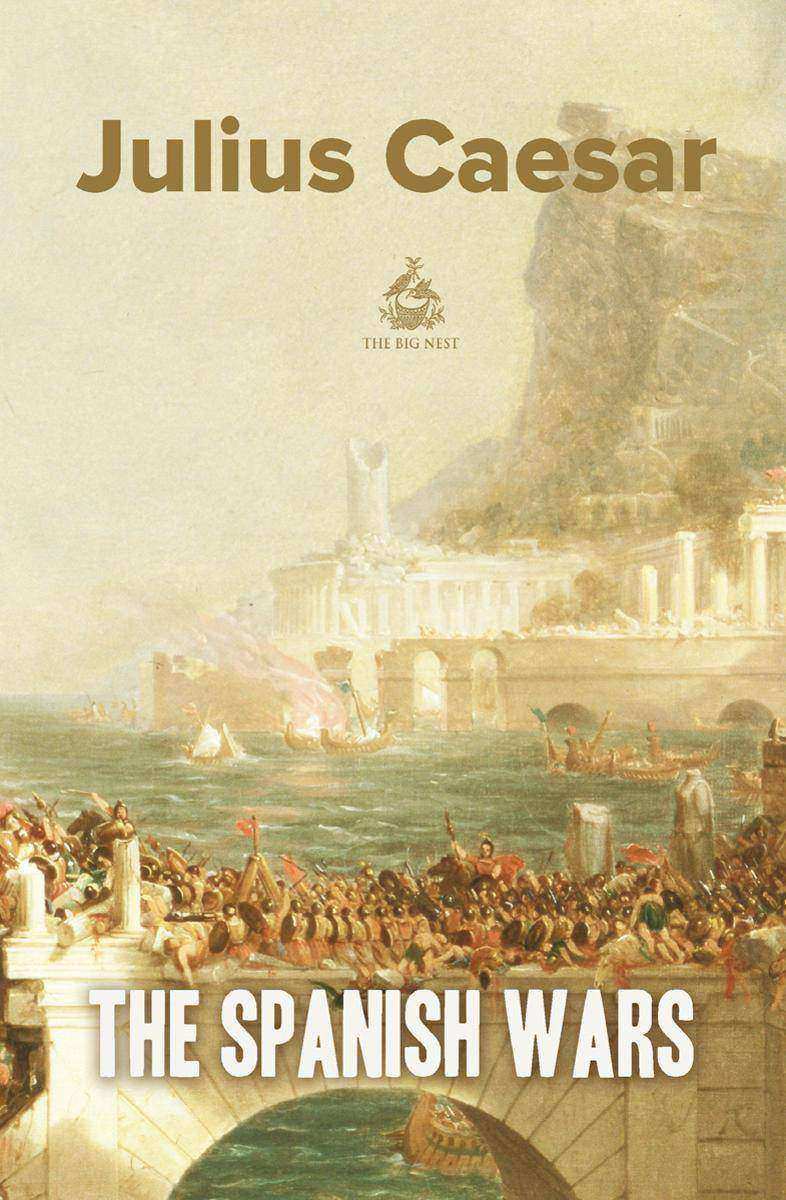
The Spanish Wars: English and Latin Language
¥40.79
On the defeat of Pharnaces and reduction of Africa, those who escaped from those battles fled to young Cn. Pompey, who had taken possession of Further Spain, while Caesar was detained in Italy in exhibiting games. Pompey began to throw himself on the protection of every state, in order the more readily to establish the means of defense against him. Accordingly, with a considerable force which had been collected, partly by entreaty, partly by force, he began to lay waste the province. Under these circumstances some states voluntarily sent him supplies, others shut the gates of their towns against him. If any of these chanced to fall into his hands by assault, although some citizen in it had deserved well of Cn. Pompey (his father), yet some cause was alleged against him on account of the greatness of his wealth, so that, he being dispatched, his fortune might become the reward of the soldiers.
Avu?ia na?iunilor
¥24.44
Scriitorul francez Xavier de Maistre (1763-1852) este fratele mai mic ?i mai pu?in celebru al g?nditorului Joseph de Maistre. Ironist fin ?i amator de filosofie, el ??i invit? cititorul ?ntr-o c?l?torie prin propria camer?, prilejuit? de cele ?ase s?pt?m?ni de arest cu care a fost pedepsit pentru participarea la un duel. Umorul ?i ingeniozitatea fac din acest text aparent banal o critic? spumoas? ?i fascinant? a viciilor umane ?i sociale bogat ?i expresiv ilustrate de contemporanii autorului ?i ai cititorului deopotriv?. Leprosul din Cetatea Aosta, un text prea pu?in semnificativ ca dimensiuni, constituie ?i el una dintre cele mai mi?c?toare incursiuni ?n arcanele condi?iei umane.
C?l?torie ?n jurul camerei mele
¥24.44
Thomas Hobbes (1588-1679) este unul dintre p?rin?ii liberalismului ?n g?ndirea politic?. Textele de fa?? reprezint? cel mai important segment din Leviathan - cea mai important? lucrare a lui Hobbes, scris? ?n 1651, care poate fi considerat pe bun? dreptate punctul de pornire al trecerii de la sabie la cuv?nt ca principal? arm? ?n politic?. Cititorul poate descoperi ?n aceste pagini un filosof care s-a aplecat asupra temei societ??ii cum pu?ini au f?cut-o ?nainte de secolul XX, ?ntruc?t acesta este ?miezul fierbinte“ al g?ndirii hobbesiene, pe care arhicunoscutele sintagme ?starea de natur?“ ?i bellum omnium contra omnes nu au reu?it niciodat? s?-l scoat? la iveal?.

Limba Rom?n?. Admiterea la drept. 1200 de ?ntreb?ri ?i r?spunsuri
¥48.97
Numele lui Comenius s-a ?nscris ?n istoria literaturii cehe ?i universale prin cea mai important? lucrare a sa de beletristic?, romanul alegoric Labirintul lumii ?i raiul inimii. Cartea cuprinde dou? p?r?i. ?n prima, Labirintul lumii, este ?nf??i?at? alegoric lumea sub forma unui ora? medieval, amintind de un labirint pe care ?l parcurge c?l?torul-povestitor. ?n cea de-a doua parte, Raiul inimii, c?l?torul se retrage dezam?git ?n l?ca?ul inimii sale, unde ?l ?nt?lne?te pe Dumnezeu, iar credin?a ?i aduce pacea ?i alinarea. C?l?torul este de fapt reprezentarea alegoric? a curiozit??ii omene?ti; el str?bate ora?ul-lume c?ut?ndu-?i o ?ndeletnicire pl?cut? sufletului ?i trupului.Labirintul lumii ?i raiul inimii face parte din a?a-numita serie de scrieri de consolare, prin care Comenius ?ncerca s? arate c? destinul oamenilor este condus prin dreapta decizie a lui Dumnezeu. Romanul este considerat de critica literar? ceh? ca fiind cea mai reu?it? lucrare a literaturii vechi, cel mai frecvent tip?rit? p?n? ?n zilele noastre.

Puterea miraculoas? a apei. Nu e?ti bolnav, doar ?nsetat! Nu trata setea cu medi
¥40.79
Cartea publicat? ?n 1983 este ?mp?r?it? ?n cinci p?r?i (ce cuprind treisprezece capitole). Fiecare capitol este constituit dintr-un dialog sau dialoguri, povestiri sau ra?ionamente ce abordeaz?, ?n general, paradoxuri, probleme de filosofie, logic? ?i matematic?. Printre temele redate ?n aceast? lucrare se num?r? problema p?catului ?i a virtu?ii (capitolul 4, intitulat ,,O ?ntrebare“), percep?ia ?i reprezentarea realit??ii (capitolul 7 ,,O fantezie minte-corp“), ontologia (capitolul 10 ,,Ce este existen?a?“), solipsismul (capitolul 12 ,,Solipsismul luminat“), problema adev?rului (capitolul 1 ,,De ce spui adev?rul?“ ?i capitolul 2 ,,O problem?“), problema vie?ii ?i a mor?ii (capitolul 9 ,,Zen de via?? ?i de moarte“). Lucrarea se remarc? printr-o formul? dens? ?i, ?n egal? m?sur?, elegant?, care ?i permite autorului s? prezinte chestiuni de altfel complexe ?n c?teva pagini revelatoare, prin povestiri sau dialoguri, f?r? a-?i plictisi cititorii. Ca ?ntr-un num?r de magie, art? de care autorul nu este str?in, publicul este atras ?i captivat de aparenta simplitate ?i ingeniozitate a ra?ionamentelor expuse. Probabil, ceea ce face cartea mai u?or de citit este atitudinea autorului, tonul s?u glume?, ludic ?n cea mai mare parte din cele 200 de pagini. Putem ilustra aceast? idee prin c?teva exemple. ?n cadrul capitolului 3, denumit ,,C?teva fragmente“, Raymond Smullyan poveste?te c? le-ar fi declarat studen?ilor ?n timpul unui examen c? dac? ei ?i-ar da cuv?ntul de onoare c? nu vor copia, atunci el ?i-ar da cuv?ntul c? nu va raporta mai departe dac? ei ar ?ncerca s? copieze. Cineva l-ar fi ?ntrebat la un moment dat dac? crede ?n astrologie. El a r?spuns c? nu crede ?n astrologie deoarece este ?n zodia Gemeni. Lista de propozi?ii care se contrazic singure, a lui Saul Gorn, un specialist ?n informatic?, pe care Smullyan le citeaz?, reprezint? ?i ele o mostr? de umor. Printre acestea se reg?sesc afirma?ii precum: ,,?nainte de a ?ncepe s? vorbesc, a? vrea s? v? spun ceva.“, ,,Jum?tate dintre minciunile pe care ei le spun despre mine sunt adev?rate.“ sau ,,Te ai dep??it pe tine ?nsu?i, ca de obicei.“
Eu - ?i el. ?nsemn?ri subiective despre Ceau?escu
¥54.10
De?i frecvent contestat f?r? s? fie citit, Karl Marx r?m?ne a fi unul dintre cei mai importan?i g?nditori ai omenirii, r?u ?n?eles ?i, ?n ciuda celebrit??ii sale, r?u cunoscut; selec?ia – prima de dup? 1990 – f?cut? de marele c?rturar Ion Iano?i demonstreaz? r?spicat acest lucru.

Il mago di Oz
¥32.54
Nietzsche despre filologia clasic? – iat? un subiect cu adev?rat pasionant, prilej de satisfac?ii unice pentru amatorul de a urm?ri fascinantul spectacol al form?rii ?i al cunoa?terii de sine. C?ci acest subiect ?nseamn?, de fapt, Nietzsche despre el ?nsu?i ?i ?n acest sens pledeaz? chiar propria sa m?rturie – ?Filologii sunt asemenea oameni care folosesc sentimentul ap?s?tor pe care ?l provoac? infirmitatea proprie omului modern pentru a c??tiga cu el bani ?i p?ine. ?i cunosc, eu ?nsumi sunt unul dintre ei“ (Noi, filologii, fr. 170). Mai precis, este vorba despre o ipostaz? a personalit??ii spirituale nietzscheene considerat? din unghiul evolu?iei sale interioare; dar, nu o ipostaz? oarecare, ci una esen?ial?. ?i aceasta nu pentru simplul motiv c? este cea dint?i, ci pentru c? este cea mai profund?, cea care i-a marcat definitiv orizontul de cultur? ?i de g?ndire ?i a l?sat o amprent? durabil? ?n desf??urarea destinului personal al omului. (Vasile Musc?)
On the Duty of Civil Disobedience
¥40.79
In Civil Disobedience Thoreau argues that individuals should not permit governments to overrule or atrophy their consciences, and that they have a duty to avoid allowing such acquiescence to enable the government to make them the agents of injustice.
Meno
¥40.79
This Dialogue begins abruptly with a question of Meno, who asks, 'whether virtue can be taught.' Socrates replies that he does not as yet know what virtue is, and has never known anyone who did. 'Then he cannot have met Gorgias when he was at Athens.' Yes, Socrates had met him, but he has a bad memory, and has forgotten what Gorgias said. Will Meno tell him his own notion, which is probably not very different from that of Gorgias? 'O yes—nothing easier: there is the virtue of a man, of a woman, of an old man, and of a child; there is a virtue of every age and state of life, all of which may be easily described.'
Crito
¥40.79
The Crito seems intended to exhibit the character of Socrates in one light only, not as the philosopher, fulfilling a divine mission and trusting in the will of heaven, but simply as the good citizen, who having been unjustly condemned is willing to give up his life in obedience to the laws of the state . . .
Categories
¥40.79
Categories is a text from Aristotle's Organon that enumerates all the possible kinds of things that can be the subject or the predicate of a proposition. They are considered the single most heavily discussed of all Aristotelian notions.
The Critique of Pure Reason
¥40.79
One of the most influential works in the history of philosophy. Known as Kant's First Critique, dealing with questions concerning the foundations and extent of human knowledge, Kant builds on the work of empiricist philosophers such as John Locke and David Hume, as well as taking into account the theories of rationalist philosophers such as Gottfried Wilhelm Leibniz and Christian Wolff.
The African Wars: English and Latin Language
¥40.79
Caesar, advancing by moderate journeys, and continuing his march without intermission, arrived at Lilybaeum, on the 14th day before the calends of January. Designing to embark immediately, though he had only one legion of new levies, and not quite six hundred horse, he ordered his tent to be pitched so near the sea-side that the waves lashed the very foot of it. This he did with a view that none should think he had time to delay, and that his men might be kept in readiness at a day or an hour's warning. Though the wind at that time was contrary, he nevertheless detained the soldiers and mariners on board, that he might lose no opportunity of sailing; the rather, because the forces of the enemy were announced by the inhabitants of the province, to consist of innumberable cavalry not to be numbered; four legions headed by Juba, together with a great body of light-armed troops; ten legions under the command of Scipio; a hundred and twenty elephants, and fleets in abundance. Yet he was not alarmed, nor lost his confident hopes and spirits. Meantime the number of galleys and transports increased daily; the new-levied legions flocked in to him from all parts; among the rest the fifth, a veteran legion, and about two thousand horse.
The Alexandrian Wars
¥40.79
When the war broke out at Alexandria, Caesar sent to Rhodes, Syria, and Cilicia, for all his fleet; and summoned archers from Crete, and cavalry from Malchus, king of the Nabatheans. He likewise ordered military engines to be provided, corn to be brought, and forces dispatched to him. Meanwhile he daily strengthened his fortifications by new works; and such parts of the town as appeared less tenable were strengthened with testudos and mantelets. Openings were made in the walls, through which the battering-rams might play; and the fortifications were extended over whatever space was covered with ruins, or taken by force. For Alexandria is in a manner secure from fire, because the houses are all built without joists or wood, and are all vaulted, and roofed with tile or pavement.
The Civil Wars, Book 1
¥40.79
Caesar, although he was not as yet at open enmity with him, determined neither to aid him by his influence nor openly oppose him on this occasion. But the consuls Lentulus and Marcellus, who had previously been on unfriendly terms with Caesar, resolved to use all means in their power to prevent him from gaining his object. Marcellus in particular did not hesitate to offer Caesar other insults. Caesar had lately planned the colony of Novumcomum in Gaul: Marcellus, not content with taking from it the right of citizenship, ordered the principal man of the colony to be arrested and scourged at Rome, and sent him to make his complaints to Caesar: an insult of this description had never before been offered to a Roman citizen.

Be? Kavram, Be? Deneme: (inan?, ?zgür irade, ya?am?n anlam?, ahlak, mutluluk)
¥9.40
Bu alma ilk olarak ekim 2007`de bir internet sitesinde (exlibrary.com) e-kitap formunda yaymland; daha sonra birinci kitabmn ikinci blümünde yer ald. Bu almay tekrar gzden geirip küük baz düzeltmeler yaptm. Bu kitapn ilham kayna Thomas Nagel’in “Her ey Ne Anlama Geliyor” balkl eseridir. 70 sayfalk bu küük ama youn kitab okuduumda hayran olmutum. Nagel almasnn giri blümünde unlar yazm: “Günümüzün ve gemiin büyük filozoflarndan seilmi metinler ieren birok harika giri el kitab vardr. Elinizdeki bu küük kitap onlarn yerine geecek türden bir kitap deildir. Onun, yalnzca, konuya olabildii kadar ak ve dorudan bir ilk deerlendirme sunmasn umuyorum.” Ben de aynsn umarak bu almaya ykündüm ve ortaya bu be deneme kt. Daha nce yaymlanm bu denemelerin yeniden yaymlanmasnn anlam hakl olarak sorulabilir. Ben de derim ki belki yeni baz okurlarn ilgisini ekebilir belki de yeniden okunabilir. Bu sefer de neden yeniden okunsun ki diyenler kabilir; ben de Borges’in bir szünü aktarmakla yetinirim: “Okumak nemli deildir, nemli olan yeniden okumaktr.” Yazar Hakknda Prof. Dr., 1955 doumlu. 1976 da Ankara niversitesi Fen Fakültesi kimya mühendislii blümünden mezun oldu. Eskiehir Anadolu ve Eskiehir Osmangazi niversitesinde retim üyesi olarak alt. 2002 de emekli oldu. Akademik yaynlar haricinde felsefe konusunda sobil yaynclk tarafndan yaymlanm ü kitab vardr: 1.“Düünmek zerine Düünmek” (2009), 2. “Zorunluluk ve Sorumluluk” (2012), 3.“Nietzsche ve Schopenhauer ile küük bir sylei” (2018).

Mindig is éjjel lesz
¥69.65
Sri Krsna számtalan univerzum vitathatatlan Ura, akit korlátlan er?, gazdagság, hírnév, tudás és lemondás jellemez, ám ezek az ?r?kké diadalmas energiák csupán részben tárják fel ?t. Végtelen dics?ségét csak az ismerheti meg, aki elb?v?l? szépségénél keres menedéket, ?sszes t?bbi fenséges tulajdonsága forrásánál, melynek páratlan transzcendentális teste ad otthont. Szépségének legf?bb jellemz?je az a mindenek f?l?tt álló édes íz, ami t?mény kivonata mindennek, ami édes. Minden édes dolgot túlszárnyal, és nem más, mint az édes íz megízlelésének képessége. Sri Krsna édes természete finom arany sugárzásként ragyog át transzcendentális testén. Govinda páratlanul gy?ny?r? testének legszebb és legédesebb része ragyogó arca. ?des hold-arcán rejtélyes mosolya a legédesebb, az az arcáról ragyogó ezüst holdsugár, ami nektárral árasztja el a világot. Mosolyának sugárzása nélkül keser? lenne a cukor, savanyú a méz, és a nektárnak sem lenne íze. Amikor mosolyának holdsugara elvegyül teste ragyogásával, a kett? együtt a kámfor aromájára emlékeztet. Ez a kámfor aztán ajkán keresztül a fuvolába kerül, ahonnan megfoghatatlan hangvibrációként t?r el?, és er?nek erejével rabul ejti azoknak az elméjét, akik hallják. Ahogy a szavak gondolatok mondanivalóját hordozzák, ahogy a gondolatok a szemben tükr?z?dnek, ahogy egy mosoly a szív érzelmeir?l árulkodik, úgy a fuvola hangja Sri Krsna szépségét viszi a fül?n keresztül a szív templomának oltárára.
A kalózkirály
¥8.67
Euthyphro (Ancient Greek: Euthuphron) is one of Plato's early dialogues, dated to after 399 BC. Taking place during the weeks leading up to Socrates' trial, the dialogue features Socrates and Euthyphro, a religious expert also mentioned at Cratylus 396a and 396d, attempting to define piety or holiness. Background The dialogue is set near the king-archon's court, where the two men encounter each other. They are both there for preliminary hearings before possible trials (2a).Euthyphro has come to lay manslaughter charges against his father, as his father had allowed one of his workers to die exposed to the elements without proper care and attention (3e–4d). This worker had killed a slave belonging to the family estate on the island of Naxos; while Euthyphro's father waited to hear from the expounders of religious law (exegetes cf. Laws 759d) about how to proceed, the worker died bound and gagged in a ditch. Socrates expresses his astonishment at the confidence of a man able to take his own father to court on such a serious charge, even when Athenian Law allows only relatives of the deceased to sue for murder. Euthyphro misses the astonishment, and merely confirms his overconfidence in his own judgment of religious/ethical matters. In an example of "Socratic irony," Socrates states that Euthyphro obviously has a clear understanding of what is pious and impious. Since Socrates himself is facing a charge of impiety, he expresses the hope to learn from Euthyphro, all the better to defend himself in his own trial. Euthyphro claims that what lies behind the charge brought against Socrates by Meletus and the other accusers is Socrates' claim that he is subjected to a daimon or divine sign which warns him of various courses of action (3b). Even more suspicious from the viewpoint of many Athenians, Socrates expresses skeptical views on the main stories about the Greek gods, which the two men briefly discuss before plunging into the main argument. Socrates expresses reservations about such accounts which show up the gods' cruelty and inconsistency. He mentions the castration of the early sky god, Uranus, by his son Cronus, saying he finds such stories very difficult to accept (6a–6c). Euthyphro, after claiming to be able to tell even more amazing such stories, spends little time or effort defending the conventional view of the gods. Instead, he is led straight to the real task at hand, as Socrates forces him to confront his ignorance, ever pressing him for a definition of 'piety'. Yet, with every definition Euthyphro proposes, Socrates very quickly finds a fatal flaw (6d ff.). At the end of the dialogue, Euthyphro is forced to admit that each definition has been a failure, but rather than correct it, he makes the excuse that it is time for him to go, and Socrates ends the dialogue with a classic example of Socratic irony: since Euthyphro has been unable to come up with a definition that will stand on its own two feet, Euthyphro has failed to teach Socrates anything at all about piety, and so he has received no aid for his own defense at his own trial (15c ff.).
Evolution of the Culture
¥28.04
Paradise Lost is an epic poem in blank verse by the 17th-century English poet John Milton (1608–1674). The first version, published in 1667, consisted of ten books with over ten thousand lines of verse. A second edition followed in 1674, arranged into twelve books (in the manner of Virgil's Aeneid) with minor revisions throughout and a note on the versification. It is considered by critics to be Milton's "major work", and helped solidify his reputation as one of the greatest English poets of his time. The poem concerns the Biblical story of the Fall of Man: the temptation of Adam and Eve by the fallen angel Satan and their expulsion from the Garden of Eden. Milton's purpose, stated in Book I, is to "justify the ways of God to men" Short Summary:The poem is separated into twelve "books" or sections, the lengths of which vary greatly (the longest is Book IX, with 1,189 lines, and the shortest Book VII, with 640). The Arguments at the head of each book were added in subsequent imprints of the first edition. Originally published in ten books, a fully "Revised and Augmented" edition reorganized into twelve books was issued in 1674, and this is the edition generally used today. The poem follows the epic tradition of starting in medias res (Latin for in the midst of things), the background story being recounted later.Milton's story has two narrative arcs, one about Satan (Lucifer) and the other following Adam and Eve. It begins after Satan and the other rebel angels have been defeated and banished to Hell, or, as it is also called in the poem, Tartarus. In Pand?monium, Satan employs his rhetorical skill to organise his followers; he is aided by Mammon and Beelzebub. Belial and Moloch are also present. At the end of the debate, Satan volunteers to poison the newly created Earth and God's new and most favoured creation, Mankind. He braves the dangers of the Abyss alone in a manner reminiscent of Odysseus or Aeneas. After an arduous traversal of the Chaos outside Hell, he enters God's new material World, and later the Garden of Eden. At several points in the poem, an Angelic War over Heaven is recounted from different perspectives. Satan's rebellion follows the epic convention of large-scale warfare. The battles between the faithful angels and Satan's forces take place over three days. At the final battle, the Son of God single-handedly defeats the entire legion of angelic rebels and banishes them from Heaven. Following this purge, God creates the World, culminating in his creation of Adam and Eve. While God gave Adam and Eve total freedom and power to rule over all creation, He gave them one explicit command: not to eat from the Tree of the knowledge of good and evil on penalty of death.


