


 购物车
购物车 个人中心
个人中心
Keeper's Reach (Sharpe & Donovan, Book 6)
¥54.74
New York Times bestselling author Carla Neggers returns with this absorbing, twisting tale of suspense, romance and fast-paced action, the latest in her popular Sharpe & Donovan series. Emma Sharpe and Colin Donovan, two of the FBI's most valuable agents, are preparing for their next big assignment–their wedding–when Colin's brother Mike alerts them that onetime friends from his military past are on Sharpe and Donovan home turf on the Maine coast. Now private security contractors, they want to meet with Mike. One of them, an FBI agent named Kavanagh, is supposed to be on leave. What is he investigating–or does he have his own agenda? Mike zeroes in on Naomi MacBride, a freelance civilian intelligence analyst who, aside from a few hot nights, has never brought him anything but trouble. Newly returned from England, Naomi clearly isn't telling Mike everything about why she's snooping around his hometown, but he has no choice but to work with her if he wants to uncover what's really going on. But the case soon takes a drastic turn–Emma is targeted, and a connection surfaces between Naomi and Kavanagh and a recently solved international art theft case. Not every connection is a conspiracy, but as the tangled web of secrets unravels, Emma and Colin face their greatest danger yet. With everyone they know involved, they must decide who they can trust…or lose everything for good.

Wildest Dreams (Thunder Point, Book 9)
¥45.03
www.robyncarr.com With Thunder Point, #1 New York Times bestselling author Robyn Carr has created a town where hard work and determination are all it takes to make dreams come true Blake Smiley searched the country for just the right place to call home. The professional triathlete has traveled the world, but Thunder Point has what he needs to put down the roots he's never had. In the quiet coastal town, he can focus on his training without distractions. Until he meets his new neighbors and everything changes. Lin Su Simmons and her teenage son, Charlie, are fixtures at Winnie Banks's house as Lin Su nurses Winnie through the realities of ALS. A single mother, Lin Su is proud of taking charge and never showing weakness. But she has her hands full coping with a job, debt and Charlie's health issues. And Charlie is asking questions about his family history–questions she doesn't want to answer. When Charlie enlists Blake's help to escape his overprotective mother, Lin Su resents the interference in her life. But Blake is certain he can break through her barriers and be the man she and Charlie need. When faced with a terrible situation, Blake comes to the rescue, and Lin Su realizes he just might be the man of her dreams. Together, they recognize that family is who you choose it to be.
Blue Skies
¥53.76
Nikki Burgess survived a terrible marriage and a worse divorce. She's just about given up hope of ever finding happiness. But when her ex-husband suddenly dies, she gets custody of her kids againand a chance to start over. Dixie McPherson, on the other hand, has had way too much love. She has eleven tennis bracelets, dozens of trinkets, piles of sexy lingerie and a tarnished reputation when all she ever wanted was true love, a partner and a family. Carlisle Bartlett is loyal, kindhearted and the funniest guy slinging drinks in the back of an airplane. But he has an ugly little secret. The only kind of love he's used to comes with bruises. When Nikki, Dixie and Carlisle are offered the chance to join a new airline in Las Vegas, they don't hesitate. With nothing to lose and everything to gain, these three friends are going in search of their own blue skies. "
A Spoonful Of Sugar: A Novella (Could It Be Magic?, Book 5)
¥16.97
Competing with witches spells disaster… When popular baking show Britain Bakes decides to televise their latest series on location in Claddach, Esme is thrilled. This will finally put her beloved hometown back on the tourist map, and revive the family’s cafe business. But when her cousin Harmony insists that novice baker Esme join her as a contestant on the show, she panics – with no witching allowed on prime-time TV, this will be a question of focus over hocus pocus… So once filming gets underway, Esme is surprised to find that she is actually enjoying herself, until strange ‘accidents’ start to befall the other contestants. Are they just run-of-the-mill baking mishaps, or is someone trying to sabotage the show? It looks like Esme may need to wave her magic spatula after all…

Return to Willow Lake (The Lakeshore Chronicles, Book 9)
¥51.50
#1 New York Times bestselling author Susan Wiggs brings readers home to Avalon, an idyllic town nestled on the tranquil shores of Willow Lake. There, one woman will rediscover her family and her dreams, and find a surprising new love… Sonnet Romano’s life is almost perfect. She has the ideal career, the ideal boyfriend, and has just been offered a prestigious fellowship. There’s nothing more a woman wants – except maybe a baby… brother? When Sonnet finds out her mother is unexpectedly expecting, and that the pregnancy is high risk, she puts everything on hold – the job, the fellowship, the boyfriend – and heads home to Avalon. Once her mom is out of danger, Sonnet intends to pick up her life where she left off. But when her mother receives a devastating diagnosis, Sonnet must decide what really matters in life, even if that means staying in Avalon and taking a job that forces her to work alongside her biggest, and maybe her sweetest, mistake – award-winning filmmaker Zach Alger. So Sonnet embarks on a summer of laughter and tears, of old dreams and new possibilities and of finding the home of her heart. At once heart-breaking and uplifting, Return to Willow Lake plumbs the deepest corners of the human heart, exploring the bonds of family, the perils and rewards of love, and the true meaning of home. Profoundly emotional and resonant, this is Susan Wiggs at her finest.
My Greek Island Fling (Mills & Boon Modern Heat)
¥30.61
Could writing someone else’s life story mean re-writing her own? Sipping a cocktail under the warm Greek sun, Lexi Sloane can almost taste success. Ghost-writing a celebrity memoir on a postcard-perfect island will be the career breakthrough she’s been working towards for years…but only if she can persuade the infuriatingly guarded Mark Belmont to open up about his famous mother. Mark grew up in the spotlight and learned young to stay cautious and alert to intrusion, so Lexi has her work cut out. Lexi is hiding too – behind the experiences of those she writes about… Could she learn to be the star of her own life? If you like the films Mamma Mia or Love Actually, you’ll love this.

Persuasion (Mills & Boon M&B)
¥54.05
BETRAYAL TORE THEM APART Amelia Greystone was deeply in love when the earl of St. Just abruptly ended his courtship and left Cornwall, ten years earlier. So she is stunned when Simon returns, recently widowed. Now she must forget the past they shared and his betrayal and console him as any neighbor would. Simon has changed—he is dark and haunted now–but he can still make her reel with a single look. When he offers her the position of housekeeper, Amelia knows she must refuse. But for the sake of his children, she throws all caution to the wind…. PASSION WILL REUNITE THEM A British spy, Simon Grenville is now playing both sides in a time of war, his goal to keep his sons safe. But when he is brought face to face with the woman he once loved, he realizes nothing about his feelings for Amelia has changed–if anything, they are even stronger. Still Simon knows he must stay away from Amelia; his life is too dangerous now. But sometimes, passion is too strong to be denied….
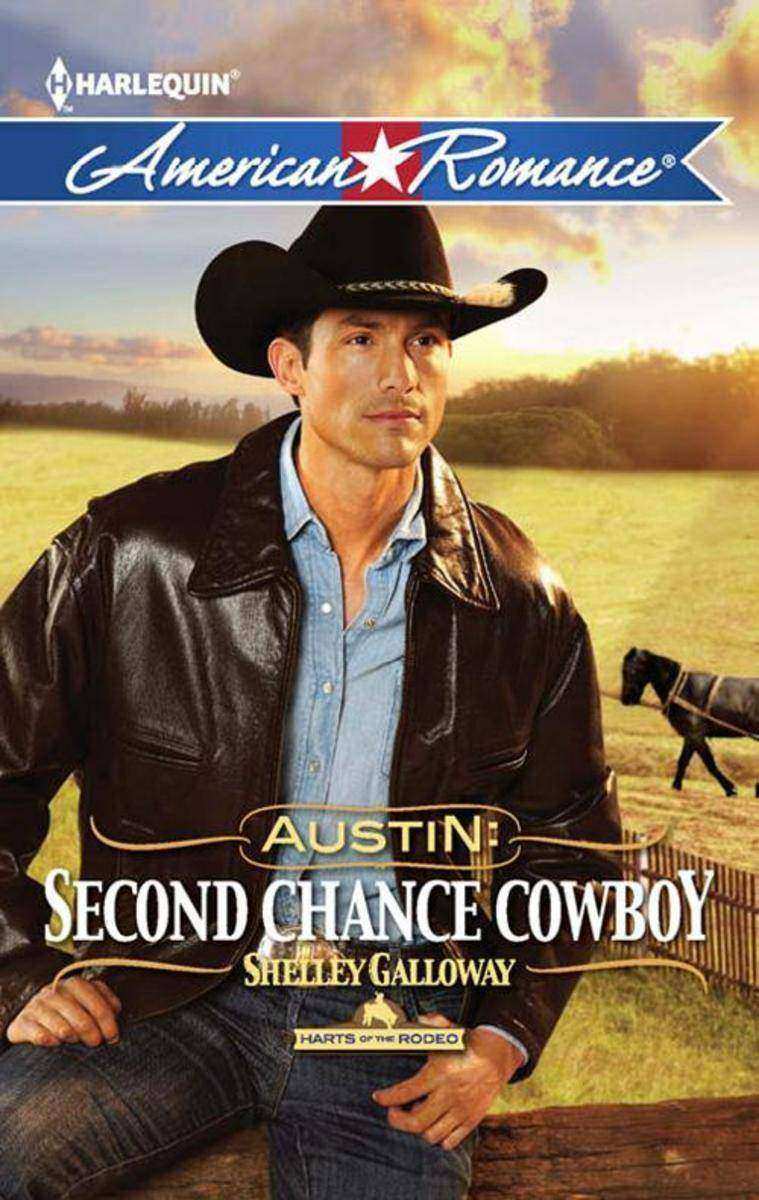
Austin: Second Chance Cowboy (Mills & Boon American Romance) (Harts of the Rodeo
¥30.90
Wild At Hart No man should look as good as Austin Wright. Especially when that man is a suspect in a string of burglaries. And Sheriff Dinah Hart can’t afford the distraction. Roundup’s thieves are growing bolder and Thunder Ranch’s prize stallion, Midnight, is still missing, putting the Harts’ entire livelihood at risk. Dinah needs to focus, because she’s worked too hard to earn the town’s respect just to throw it away on a fling. Austin knows he’s got a bad reputation. He’s been following his father’s self-destructive footsteps for far too long. Now he’s finally ready to take the first step toward fixing his life, and convincing people that he’s changed, especially Dinah. But when Austin discovers an unexpected connection to Midnight’s disappearance, will Dinah see him for the man he was, or the one he’s trying to become?
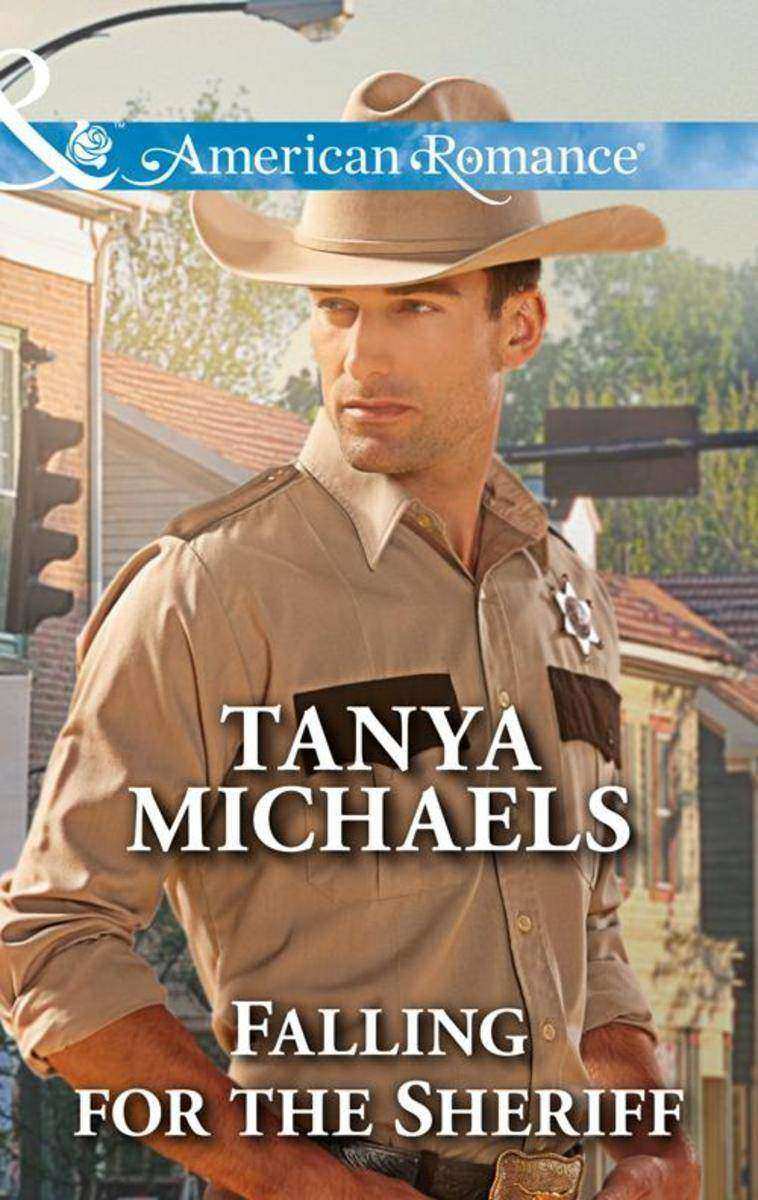
Falling for the Sheriff (Mills & Boon American Romance) (Texas Rebels, Book 2)
¥30.61
A FRESH START Widow Kate Sullivan moved to Cupid's Bow, Texas, to get her teenage son on the right path. But their new life in the small town gets off to a rocky start when her son is caught shoplifting by the sheriff. Kate is immediately attracted to Cole Trent, but she's not ready to fall in love again, and certainly not with another cop. Cole should have known Cupid's matchmakers would scramble to fix him up with a smart, beautiful woman like Kate. The single dad has managed to evade their efforts until now, so he and Kate come up with a plan to keep the matchmakers at bay. Pretending to be a couple was a good idea, until Cole realizes his feelings are anything but pretend. Can he convince Kate to give their romance a real chance?

Love Reunited (Mills & Boon Love Inspired)
¥30.90
SECOND CHANCE FOR A SOLDIER Eight years ago, Landon Cutter dared to tell his childhood sweetheart that he loved her—days before her wedding to another man. But Georgiana Sanders sent him away forever. Now, the former solider returns to their Alabama ranching town and discovers that Georgiana is a single mother—and lost her sight in a long-ago accident he believes he caused. Landon has never stopped loving the sweet country gal, but Georgiana thinks he’s just trying to make amends. Now he’ll need the help of a community—and one special little girl—to heal old hurts…and bind two hearts.

Her Second-Chance Family (Mills & Boon Superromance)
¥27.27
Good can come out of bad If it wasn't for the tragic accident ten years earlier, Audrey Smith might never have taken in the three foster kids she loves so dearly. And if it wasn't for the new addition to her home–a troubled teenage thief–she wouldn't be fantasizing about Sawyer Williams. Make no mistake–Sawyer's the victim here. He's the one who was robbed by Audrey's daughter. But teaching the teen a lesson rather than punishing her makes Sawyer a superhero in Audrey's eyes. Someone who can forgive and forget… That is until another break-in rocks their community, threatening Audrey's family and her future with Sawyer.

Marrying a Doctor: The Doctor's Girl - new / A Special Kind Of Woman (Mills & Bo
¥25.60
The Doctor's Girl by BETTY NEELS Loveday West was thrilled when Dr. Andrew Fforde offered her a job as his temporary receptionist. She hadn't expected to fall in love with him–but he was just so handsome and charming! But was her place in his life as temporary as her contract? A Special Kind of Woman by CAROLINE ANDERSON When single mother Cait Cooper sees her daughter off to medical school, she feels now's the time to do all the things she's yearned to do. Enter Dr. Owen Douglas, who sets about giving Cait more fun than she's ever had…until their affair puts her right back where she started and Cait doesn't know which way to turn!

British Bachelors: Fabulous and Famous: The Secret Ingredient / How to Get Over
¥44.24
Getaway with this handsome strangers… The Secret Ingredient The Secret Ingredient Lottie Rosemount knows that celebrity chef and notorious heartbreaker Rob Beresford’s intentions are less than honourable. But that doesn’t stop her from indulging in a wild fling, with no strings attached. The only problem? Together they are utterly delicious! How to get Over Your Ex Georgia Stone is committed to a year of being single after her on-air proposal to her boyfriend was turned down, and all her dating adventures are being documented by brooding radio producer Zander. Georgia enjoys flirting with danger, aka Zander, but when will she be ready for more than just a fling? Behind the Film Star’s Smile Jess Greenacre was hoping to bury her past – and becoming a runner on a London film set was the change she needed. But she hadn’t planned on running into actor Luke McKenzie on her very first day…nor had she expected the earth-shattering kiss that left them both wanting more!

Adam's Daughter (Mills & Boon Medical)
¥39.63
The doctor’s secret child Nurse Elizabeth Campbell had promised her sister she would never reveal her baby’s identity to its father. But now Beth has Hannah in her care and the child is in need of her father’s help. Beth knows she must find him. Dr. Adam Knight is furious that no one told him he had a daughter, and he’s determined to be involved in Hannah’s life. But he’ll also be in Beth’s life – fueling their unexpected attraction. An attraction that Beth wants to resist because she fears that Adam’s real feelings are not for herself – but her sister!

A Mother's Claim (Mills & Boon Superromance)
¥22.07
Who has the best claim on the child? It’s been more than ten years since exhausted new mother Dana Stewart took a nap while her baby was sleeping and woke up to find him gone. The loss devastated her—and her marriage—and she’s never given up hope of finding Gabriel. She never expected that when she finally did, he’d be almost a teen, his name would be Christian…and he and his uncle Nolan Gregor would want nothing to do with her. Nolan, a former army ranger, proves as possessive of her son as Dana is. It's like King Solomon's worst nightmare: she can't rip her child away from the only parent he's ever known. But she’s his mum and she’ll never lose him again.

Her Soldier's Baby (Mills & Boon Heartwarming) (Family Secrets, Book 2)
¥22.07
Will the truth heal him—or tear them apart? The baby she gave up for adoption long ago is a secret Eliza Westin has concealed from her husband. With good reason. Wounded soldier turned police Pierce Westin was Eliza’s high school sweetheart. He’s also her son’s father. Seventeen years ago, Pierce went off to war unaware that he’d fathered a child. Eliza's shot as a contestant on the Family Secrets cooking competition show is her chance to reconnect with the past. But once she finds her long-lost son, she can only hope that Pierce will embrace their newfound family. Or will Eliza lose the love of her life all over again?

Holiday With The Mystery Italian (Mills & Boon Cherish)
¥22.07
Winning the ultimate prize… Since the accident that paralyzed him, Italian tycoon Mauro Evans vowed to embrace life. So when he stars in a dating show for charity, picking prickly journalist Amber Harris as the winner to take on holiday is a challenge he can’t resist! In Amber’s experience, relationships equal pain, so she’s determined to ignore her attraction to charismatic Mauro. But his bravery and strength threaten to tear down her defences, giving her a new Christmas dream – ringing in the New Year with wedding bells!

Marrying The Single Dad (Mills & Boon Heartwarming) (A Harmony Valley Novel, Boo
¥22.07
A man called Joe Building a new life for himself and his pre-teen daughter brings Joe Messina home to Harmony Valley. That, and showing his town that the onetime bad boy is now a responsible single father. His first move is to get his grandfather’s defunct garage up and running. Except now he’s got the FBI poking around and a beautician with her eye on the abandoned auto parts. An artist who’s happiest turning rusty junk into sought-after treasure, San Francisco transplant Brittany Lambridge is making Joe think they can create something rare and special together. But he has unfinished family business that could jeopardize his fresh start. Is Joe ready to believe in himself as fiercely as Brittany's beginning to believe in him?

The Holiday Gift (Mills & Boon Cherish) (The Cowboys of Cold Creek, Book 15)
¥22.07
A COWBOY FOR CHRISTMAS With two kids and an active life, widow Faith Dustin only wants peace and quiet for Christmas. But her snowy Pine Gulch ranch is nothing but chaotic. All that keeps Faith going is her helpful neighbor, cowboy Chase Brannon. He's always been "good ol' Chase," her faithful friend. Until he kisses her under the mistletoe... Years ago Chase blew his chance with the woman he's loved since childhood. Now he's determined to step out of the friend zone...and into the role of husband. But the scared and stubborn Faith won't let herself fall. With Christmas just days away, Chase will need all the magic of the season—and the help of her two matchmaking children—to unwrap a second chance at love.

The Phantom Tree: Free Sample
¥17.76
‘There is much to enjoy in a sumptuous novel that slips between present day and 1557.’ - Sunday Mirror “My name is Mary Seymour and I am the daughter of one queen and the niece of another.” Browsing antiques shops in Wiltshire, Alison Bannister stumbles across a delicate old portrait – supposedly of Anne Boleyn. Except Alison knows better… The woman is Mary Seymour, the daughter of Katherine Parr who was taken to Wolf Hall in 1557 as an unwanted orphan and presumed dead after going missing as a child. The painting is more than just a beautiful object from Alison’s past – it holds the key to her future, unlocking the mystery surrounding Mary’s disappearance, and the enigma of Alison’s son. But Alison’s quest soon takes a dark and foreboding turn, as a meeting place called the Phantom Tree harbours secrets in its shadows…

The Rancher And The Baby (Mills & Boon Cherish) (Forever, Texas, Book 16)
¥30.61
WRANGLIN' WITH THE RANCHER? Cassidy McCullough can't remember a time when rancher Will Laredo wasn't a huge (albeit handsome) pain in her backside. In this small Texan town, their bickering is almost legendary. When they rescue a baby during a flash flood, however, Will and Cassidy suddenly find themselves temporary guardians of a child...together. Will has a hard time holstering his temper around Cassidy. Now they're both responsible for a lost baby, and darned if they can't stop arguing. The only way to make it through is to declare a cease-fire. And Lord help them both if that happens…because then Will might just discover he's falling for his enemy.


