


 购物车
购物车 个人中心
个人中心
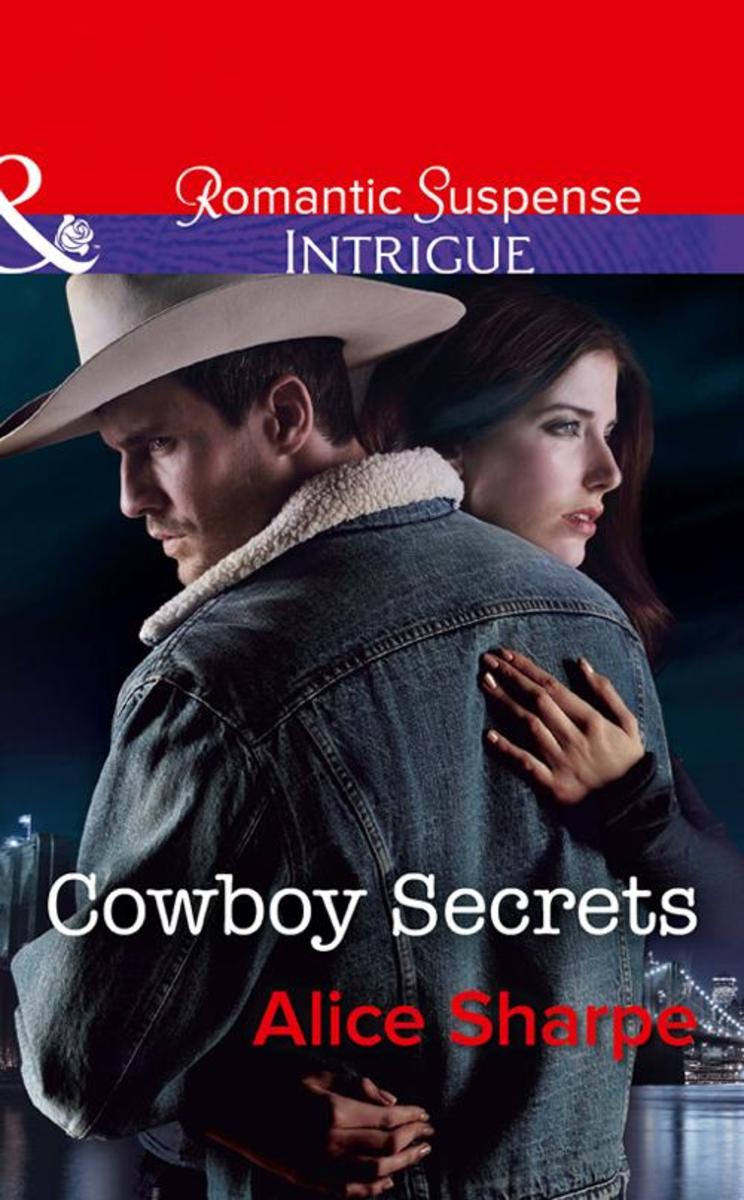
Cowboy Secrets (Mills & Boon Intrigue) (The Brothers of Hastings Ridge Ranch, Bo
¥33.84
Between an Idaho snowstorm and a killer on the loose, this cowboy has his work cut out for him Ever since beautifiul city-girl Sierra Hyde arrived on his doorstep, Pike Hastings’s quiet Idaho ranch life has become a chaotic swirl of deception, murder—and unbelievable attraction. Sierra, who’s a much better private investigator than country girl, needs Pike’s help to unravel the truth behind too many mysteries. As the evidence builds, this rugged cowboy finds himself willing to do whatever it takes to both keep Sierra safe and convince her to stay by his side. But trying to tame her independent spirit is harder than wrangling a calf. Though not as hard as it'll be to get her out of his heart when she no longer needs his protection…

There's Something About Christmas
¥31.59
Flying across Washington in pilot Oliver Hamilton’s plane to interview the finalists in a Christmas cake recipe contest, journalist Emma must tackle the two things she hates the most: fruitcake and heights. But as the Christmas spirit starts to tingle, things take on a new spin. Oliver no longer seems the Scrooge he had initially appeared to be – and his dog, Oscar, can’t but bring a smile to Emma’s face. And once she’s back on snowy land, Emma’s nightmare might just have turned into dream. After all, there’s something about Christmas… This book includes a sparkling bonus story of true love, mischief and unforgettable Christmas miracles.

His Cinderella Heiress (Mills & Boon Cherish)
¥33.84
A castle to call home… After years in foster care, Jo Conaill has never settled anywhere. Travelling to Ireland to claim a surprise inheritance – a castle! – is a chance to reconnect with her past. And when she’s rescued by handsome landowner Finn, their sizzling chemistry is undeniable… Except Finn turns out to be Lord of Glenconaill, who she must share her inheritance with! Jo has no plans to stay, but living in the castle with gorgeous Finn is an unexpected temptation. Has she found the home she’s always craved in Finn’s arms…?

His Baby! (Mills & Boon Modern)
¥29.43
Mills & Boon are proud to present a thrilling digital collection of all Sharon Kendrick’s novels and novellas for us to celebrate the publication of her amazing 100th book! Many of these books are available as e books for the first time. A nanny isn’t just for Christmas… Matthew Hamilton’s baby daughter, Sophie, adores Daisy Blair. So, when Sophie needs a minder while she and Matthew are staying with her grandmother over Christmas, he looks no further that Daisy. But Matthew doesn’t know that Daisy has been in love with him forever. Could it be that this holiday, all their Christmas wishes will come true and that with a little mistletoe magic these three could become the perfect family? Don’t miss Sharon’s fabulous contribution to the From Here To Paternity miniseries!

No Escaping Love (Mills & Boon Modern)
¥14.62
Mills & Boon are proud to present a thrilling digital collection of all Sharon Kendrick’s novels and novellas for us to celebrate the publication of her amazing 100th book! Many of these books are available as e books for the first time. Max Ryder: England’s most eligible man! He hated that headline. He hated, even more, that it had made him the target of innumerable wedding-ring seeking women! So when he uncovers seemingly the only woman who doesn’t want to sleep with him he hires her as his PA on the spot. Shauna Wilde is convinced Max’s impossible ego is enough to staunch the attraction between them. But the job de*ion didn’t outline a live-in position! Now, under the same roof, Shauna sees more to the wilful playboy than she could have imagined, and it’s not long before their attraction takes them in a new direction…

The Bridesmaid's Baby Bump (Mills & Boon Cherish) (Sydney Brides, Book 3)
¥33.84
The billionaire bachelor’s baby! When party planner Eliza Dunne meets billionaire Jake Marlow at a wedding, she decides to finally give into the sparks that have always fizzed between them! The connection is so intense that Jake can’t resist Eliza – but with the divorce only just final after his unhappy marriage, he’s not ready for anything serious. But when Eliza tells him her shocking news – she’s pregnant with his baby! – he has one certainty: he wants to be at the centre of his new family, as a husband and father…

The Man Behind The Mask: How to Melt a Frozen Heart / The Man Behind the Pinstri
¥46.11
How to Melt a Frozen Heart A kiss to warm the heart… Since his wife’s death, architect Brendan Grant's heart has been in the deep freeze, iced up and inpenetrable. Until a sick cat brings him reluctantly to Nora Anderson’s door. Nora has a reputation for mending broken creatures, but Brendan wonders if her healing touch works on people too. For spending time with Nora and her orphaned nephew is defrosting his defences. But Nora is like a lioness protecting the new life she has struggled to create for herself and her nephew. She won’t let just anyone past the threshold… The Man Behind the Pinstripes Becca Taylor has worked hard to overcome her troubled past and start a new life. But when Caleb Fairchild marches into her life, the instant attraction between them is the last thing she needs! CEO Caleb learnt the heard way not to suffer fools and to be careful of whom to trust. Why should Becca, gorgeous as she is, be any different? But he can't help but be drawn to her; to want to get close to her. So when her secrets are blown out into the open, betrayal seems inevitable. Unlessthe truth can start to crack the iron walls he's built around his heart… Falling for Mr Mysterious Betrayed by her cheating boyfriend, Emily Silver rushes to the refuge of her cousin’s city apartment. Only he’s away, and she’s greeted by his friend Jude Marlowe. Crime writer Jude is as mysterious as the novels he writes…and though she fights it, Emily can’t help but be intrigued. For beneath his remoteness lies a man whose eyes reveal a world of pain. Jude has a secret. And the more he falls for Emily, the more he knows he shouldn’t. For he may not be able to offer Emily the lifetime together that they both deserve…
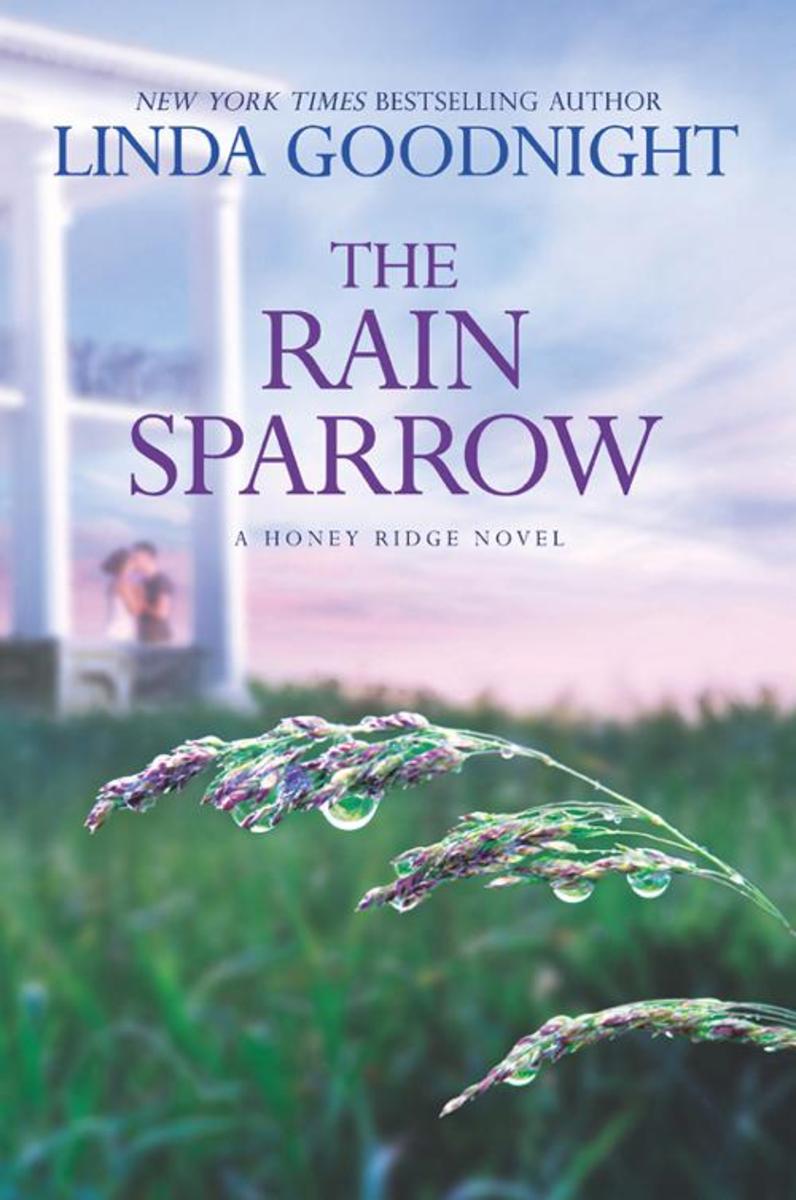
The Rain Sparrow (A Honey Ridge Novel, Book 2)
¥58.86
New York Times bestselling author Linda Goodnight welcomes you back home to Honey Ridge, Tennessee, with another beautiful story full of hope, haunting mystery, and the power to win your heart Renowned yet private, thriller writer Hayden Winters lives a life colored by lies. Deeply ashamed of his past, his hunger for an honest relationship and dreams of starting a family remain unsatisfied, and he can trust no one with his secrets. He’s determined to outrun his personal demons, but the charming old Peach Orchard Inn and a woman whose presence is as gentle as a sparrow’s song stops him in his tracks. Carrie Riley is afraid of everything from flying to thunderstorms, and pretty much of life itself. But meeting the enigmatic writer staying at the inn emboldens her to learn everything about him. When they discover a vulnerable boy hiding at the inn, Hayden is compelled to help Carrie protect him. Soon they’re led to a centuries-old mystery that haunts Hayden's sleep, and his only safe haven is Carrie. As the secrets of the past and present cause their lives to become entwined, all that’s left to come to light is love―if the grim truth doesn't tear them apart first.

Consultant In Crisis (Mills & Boon Medical) (City Search and Rescue, Book 1)
¥33.84
Danger…deception…desire! Emergency physician Neil Fletcher didn't expect to see Kelly Drummond ever again, let alone attend an Urban Search and Rescue course with her. She abandoned him at the worst time of his life – and he's never been able to forgive her…or forget her. Then disaster strikes when a shopping mall collapses, and the USAR team is needed.Working together to save lives, Kelly and Fletch have to confront the truth about the past – about the secret Kelly has kept for so long – and about a passion neither can resist!
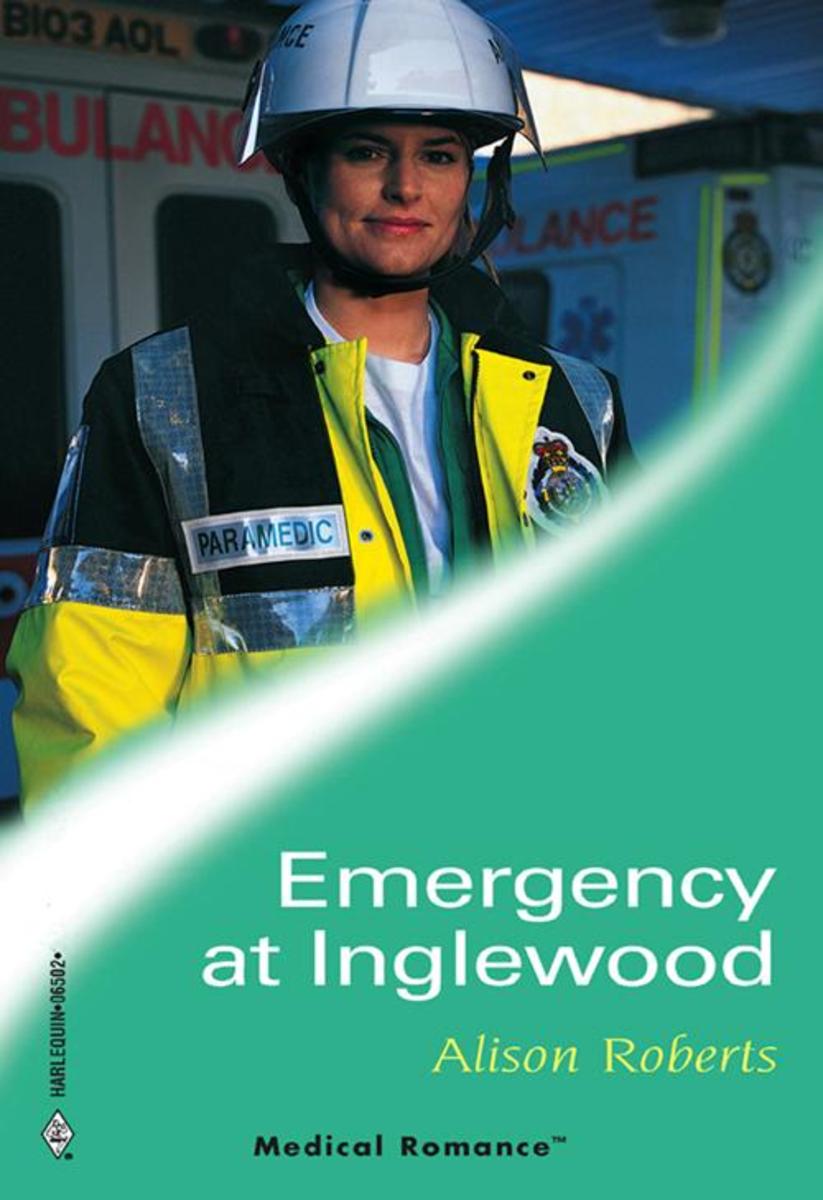
Emergency At Inglewood (Mills & Boon Medical) (Emergency Response, Book 3)
¥20.60
Kathryn Mercer and Tim McGrath were intensely attracted at first sight. But the petite, stunning blonde was off-limits, so Tim tried to forget her. Easier said than done! Now Kat is Tim's new paramedic partner in a busy New Zealand fire station! And as they work together, racing to save lives, the attraction becomes overwhelming. Tim knows he shouldn't get involved – but Kat has a dangerous secret, and he is the only one who can help her….
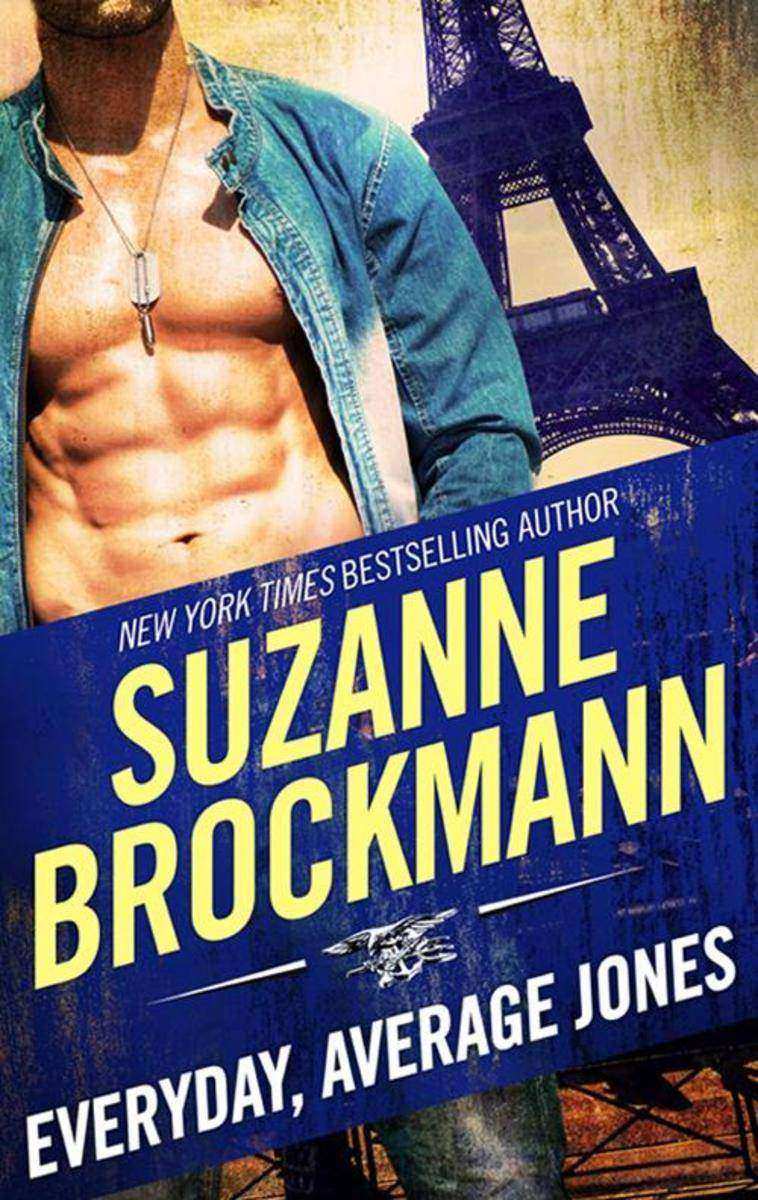
Everyday, Average Jones (Mills & Boon M&B) (Tall, Dark and Dangerous, Book 4)
¥25.70
EVERYDAY, AVERAGE JONES All her life Melody Evans has wanted to marry a plain, average man who doesn't take risks. But when the foreign embassy is taken over by terrorists and she's rescued by a daring Navy SEAL, Melody blames the extreme circumstances for their ensuing passion. When it comes to ordinary, Harlan "Cowboy" Jones is anything but, and their encounter leaves Melody with a little more than just memories….
Frisco's Kid (Mills & Boon M&B) (Tall, Dark and Dangerous, Book 3)
¥25.70
FRISCO'S KID Being a Navy SEAL is more than a career to Alan "Frisco" Francisco–it is his whole world. So when a bullet wound threatens his future in the Navy, he is determined to achieve a full recovery…all on his own. But his lovely neighbor Mia Summerton has other plans for him. She can't mend his wounded body, but can she heal his heart?
Harvard's Education (Mills & Boon M&B) (Tall, Dark and Dangerous, Book 5)
¥7.26
Harvard's Education Senior Chief "Harvard" Becker believes that there's no room for women in a combat zone. It's too dangerous, too tough…and with P.J. involved, too distracting. He might respect her intellect and shooting abilities, but he doesn't want the responsibility of making sure she stays alive. But P.J. isn't a woman who backs down easily, and to her mind, Harvard has a lot to learn. She just doesn't expect him to be so eager to instruct her on other subjects…like trust, desire and maybe even love.
Her Emergency Knight (Mills & Boon Medical)
¥21.09
Emergency surgeon Jennifer Allen is used to dealing with crisis. But not like this! When her light plane crashes, stranding her on a New Zealand mountain, Jennifer Allen must turn to fellow passenger Guy Knight to survive. But the rural doctor is a reluctant rescuer – the last thing he needs in the wilderness is a city surgeon in stilettos! But Guy has underestimated Jennifer's sheer determination, and the odd couple soon become a working partnership. Until Guy realizes the real danger Jennifer poses is to his guarded heart…
Nurse In Need (Mills & Boon Medical)
¥59.45
Needed: one family! Emergency nurse Amy Brooks doesn't need a man! She's decided to concentrate on her excellent career at Queen Mary's Hospital instead. Then suddenly Amy realizes she's missing out on something. A family of her own… Rushing into an engagement, Amy convinces herself she loves her fiance.Yet when Dr.Tom Barlow arrives, Amy recognizes the real thing. She has to end her engagement–and Tom's delighted! But is it because he returns Amy's love, or does he have a very different reason?

Rivals In Practice (Mills & Boon Medical)
¥27.86
When a storm throws a rural New Zealand town into chaos, Dr. Jennifer Tremaine's professional prowess is put under pressure. Understaffed and overworked, she is relieved to see surgeon Andrew Stephenson step into the fray. She and Drew haven't seen each other since medical school, where they were in constant competition. But now things are different, as beneath the rivalry stirs a new sensation….
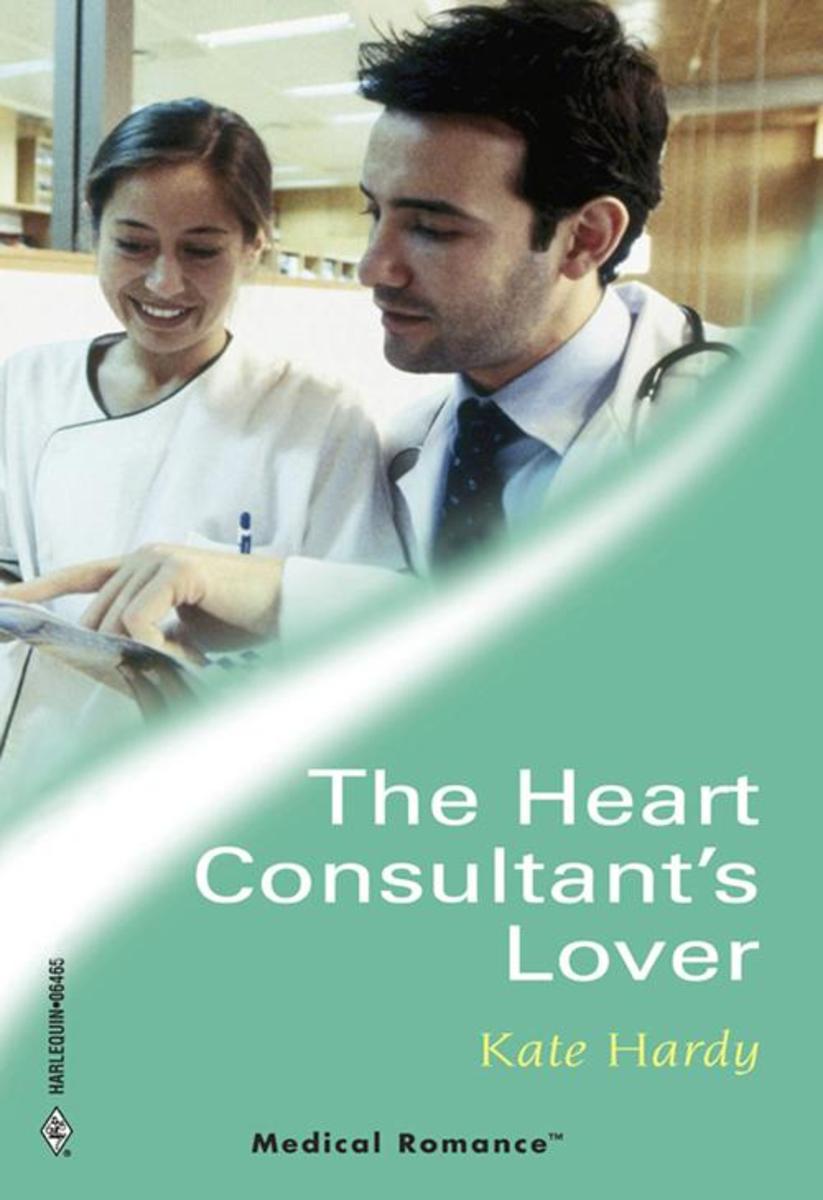
The Heart Consultant's Lover (Mills & Boon Medical)
¥20.60
Miranda Turner gave up on love a long time ago. She's wedded to her career – and her prestigious new job as consultant in cardiology. Senior Registrar Jack Sawyer is furious at Miranda's appointment. After all, his new boss is the daughter of the hospital's chief executive. He wants to hate her…and her privileged background. Instead, he can't help but respect her. Fueled by the fast-moving, high-tension atmosphere of the cardiac unit, Jack and Miranda's powerful attraction soon explodes into a steamy affair…
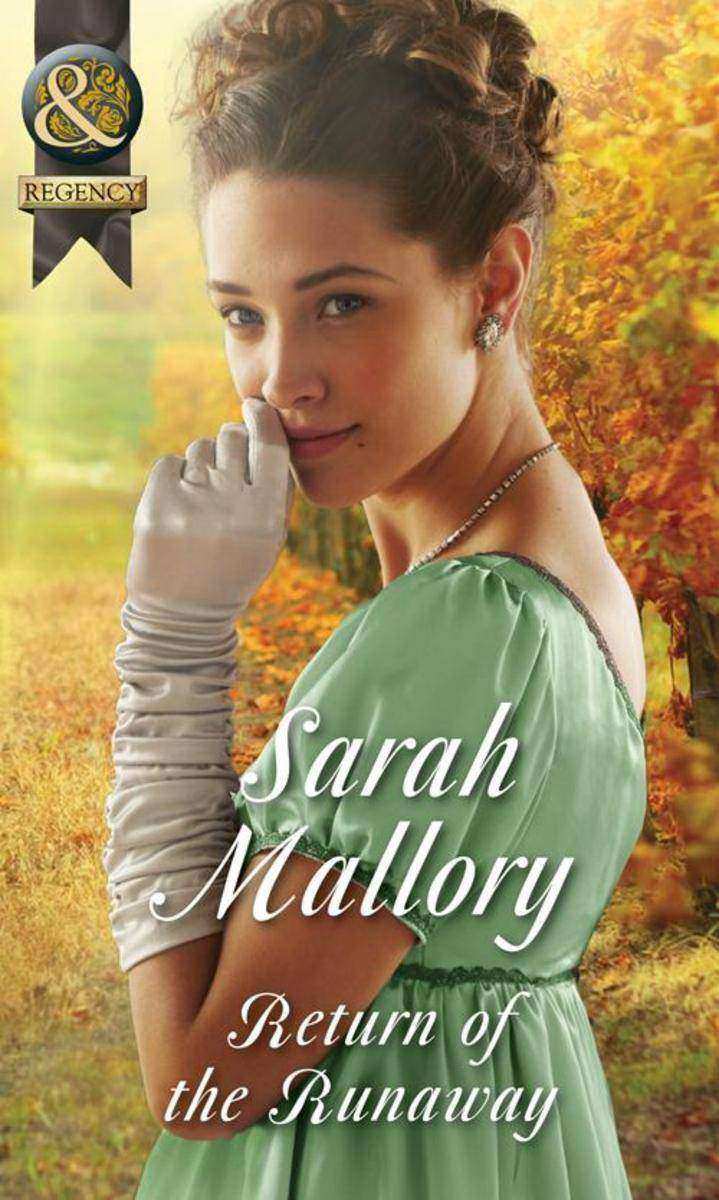
Return Of The Runaway (Mills & Boon Historical) (The Infamous Arrandales, Book 3
¥38.36
‘IT SEEMED SUCH AN ADVENTURE TO ELOPE…’ Lady Cassandra Witney once left behind everything she knew for love. Now, widowed, disillusioned and stranded in France, all she wants is to return to England, beg forgiveness of her family and forget about men for ever! But Cassie’s resolve never to fall for a man again is tested when fugitive Raoul Doulevant offers to escort her on her journey. Infuriating he may be, but he’s also honourable, brave and dangerously attractive! Perhaps Raoul can give this runaway the home she’s been yearning for… The Infamous Arrandales Scandal is their destiny!
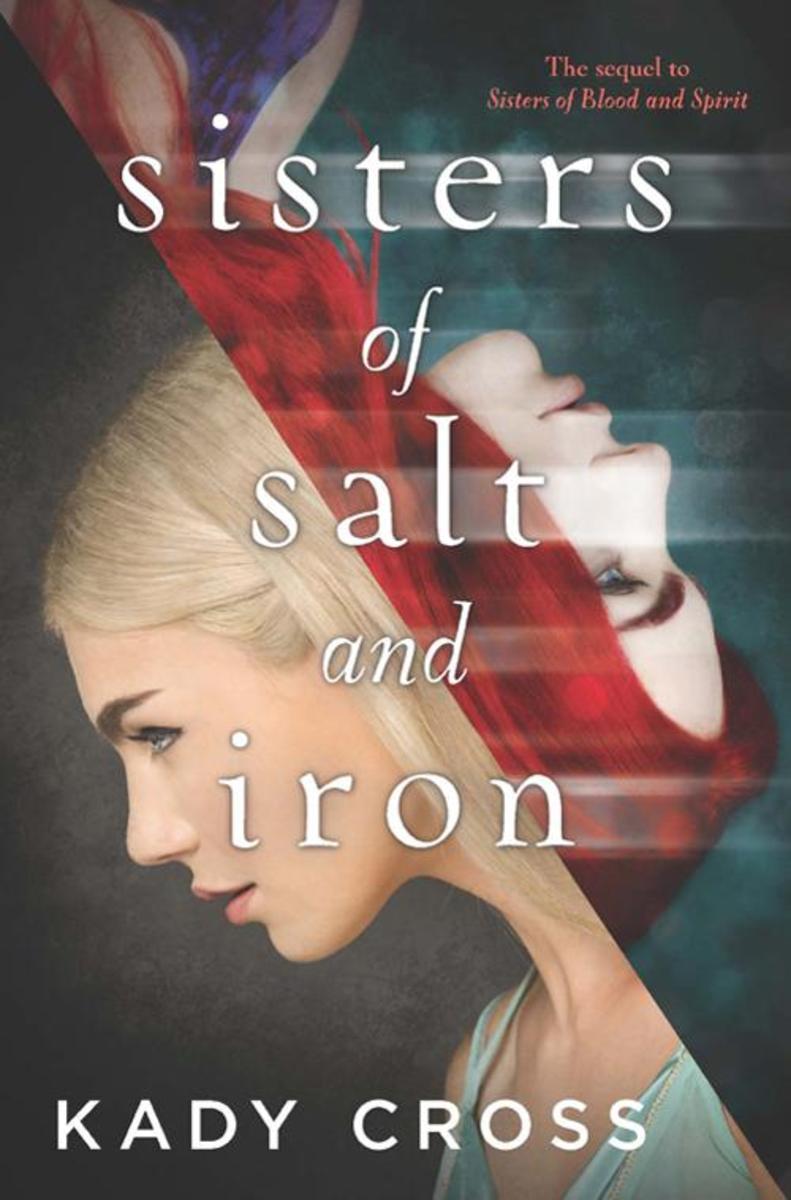
Sisters Of Salt And Iron (Sisters of Blood and Spirit, Book 2)
¥7.26
Wren was right about me—I distrusted ghosts. I never tried to hide that fact. I would really, really like to be wrong about them just once. Lark Noble is finally happy. She's trying to move on and put the events of the past behind her: the people who avoided her because she talked to the ghost of her dead twin sister, the parents who couldn't be around her anymore and even the attempt she made on her own life. She finally has friends—people who know her secrets and still care about her—and she has Ben, the cute guy she never saw coming. Wren Noble is lonely. Unable to interact with the living, she wants to be happy for her sister's newfound happiness, but she feels like she's losing her. It doesn't help that Kevin, the very not-dead guy she was starting to fall for, seems to be moving on. Then Wren meets Noah, the spirit of a young man who died a century ago. Noah is cute, he's charming and he makes Wren feel something she's never felt before. But Noah has a dark influence on Wren, and Lark's distrust of him drives the sisters apart for the first time in their lives. As Halloween approaches and the veil between the worlds thins, bringing the dead closer to the world of the living, Lark must find a way to stop whatever deadly act Noah is planning, even if it means going through her sister to do so.

Tailspin (Mills & Boon Love Inspired Suspense) (Mountain Cove, Book 5)
¥33.84
DIVING INTO DANGER Nothing can stop Sylvie Masters from scuba diving to find her mother’s downed plane—except possibly the hit man determined to keep the truth from surfacing. But when brave bush pilot Will Pierson comes to her rescue, she knows she can still reach her goal with his help. Will wants answers about the crash too, especially since his mother was the missing plane's pilot. He'll be the hero Sylvie needs, but can he ever trust her? Sylvie is shrouded in secrets that keep leading her back to Mountain Cove. Secrets someone will kill for. Will may protect her, but no one can persuade her to end her search…not even a killer. Mountain Cove: In the Alaskan wilderness, love and danger collide.

Tempted By Her Tycoon Boss (The MacKay Brothers, Book 3)
¥33.84
Boss's invitation to the ball… This year, horticulturist Cecilia Tomson is hosting Sydney's most glamorous masked ball. Usually unflappable, she's struggling to concentrate—her boss, Linc MacKay, who rejected her years ago, has picked the worst moment to visit. And he's as gorgeous as ever! Self-made millionaire Linc thinks he has it all. Orphaned as a child, he never felt love—then or now. Until one breathtaking kiss with Cecilia has him questioning his priorities. The ball could be the perfect chance to prove he is the man of her dreams…and that this time he's here to stay!


