


 购物车
购物车 个人中心
个人中心

Being Wagner: The Triumph of the Will
¥73.58
The perfect introduction to the Master. One hundred and thirty-five years after his death, Richard Wagner’s music dramas stand at the centre of the culture of classical music. They have never been more popular, nor so violently controversial and divisive. As a man, he was a walking contradiction: aggressive, flirtatious, disciplined, capricious, heroic, visionary and poisonously anti-Semitic. His ten great mature masterpieces constitute an unmatched body of work, created against a backdrop of poverty, revolution, violent controversy, critical contempt and hysterical hero-worship. His work often dealt with myth, but his own life had the character of a fable. At one point, in his early fifties, desperately poor after a life of heroic productivity, he had four lengthy operas written with no hope of seeing them done, when, as if in a fairy-tale, he was rescued by a beautiful young king with limitless wealth. When one of those works, Tristan and Isolde, was at last performed, it revolutionised classical music at a stroke. Wagner went on to create The Ring of the Nibelung: a vast epic in four massive segments, ushering gods and dwarves, heroes and thugs, dragons and rainbows onto the stage. This was the apotheosis of German art as he saw it, so extreme in its demands that he had to train a generation of singers and players to perform it, and erect a custom-built theatre to house it. Wagner died, exhausted, after creating one final piece – Parsifal – that seems to point to an even more radical new future for music. Simon Callow plunges the reader headlong into Wagner’s world, examining the intellectual and artistic climate in which Wagner, a composer like no other who ever lived, extreme in everything, creator of perhaps the most sublime and most troubling body of work in the history of music.
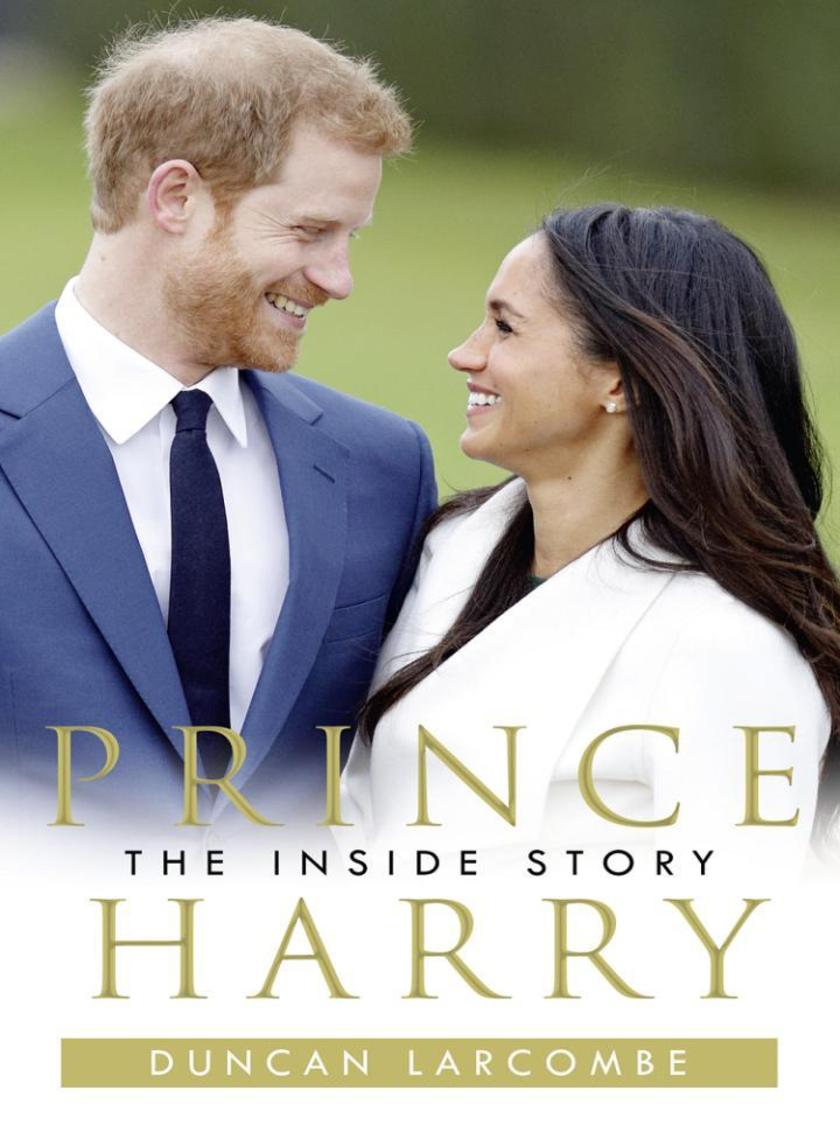
Prince Harry: The Inside Story
¥66.22
Prince Henry of Wales has emerged as the unexpected jewel in the crown of the modern British monarchy. Despite his unruly antics, for which he’s made headlines all over the world, Harry’s popularity rivals that of the Queen herself. Heartthrob and loveable rogue, he has won the public’s heart Duncan Larcombe’s insightful and highly entertaining biography of the rebellious royal recalls Harry’s Eton days, his military career and his tempestuous love life. Despite a string of exploits (not forgetting the notorious Nazi fancy dress incident), Harry has a mysterious gift. With a twinkle in his eye and natural charm in abundance, he can seemingly withstand even the most scandalous of media storms. Since his military career has ended, all eyes are on Harry wondering what life, career and love have in store for the maverick prince. This is the inside story of how the cheeky teenager has grown and matured into a respected soldier, charitable fundraiser and national figurehead who still retains his reputation as the most entertaining resident of Buckingham Palace.
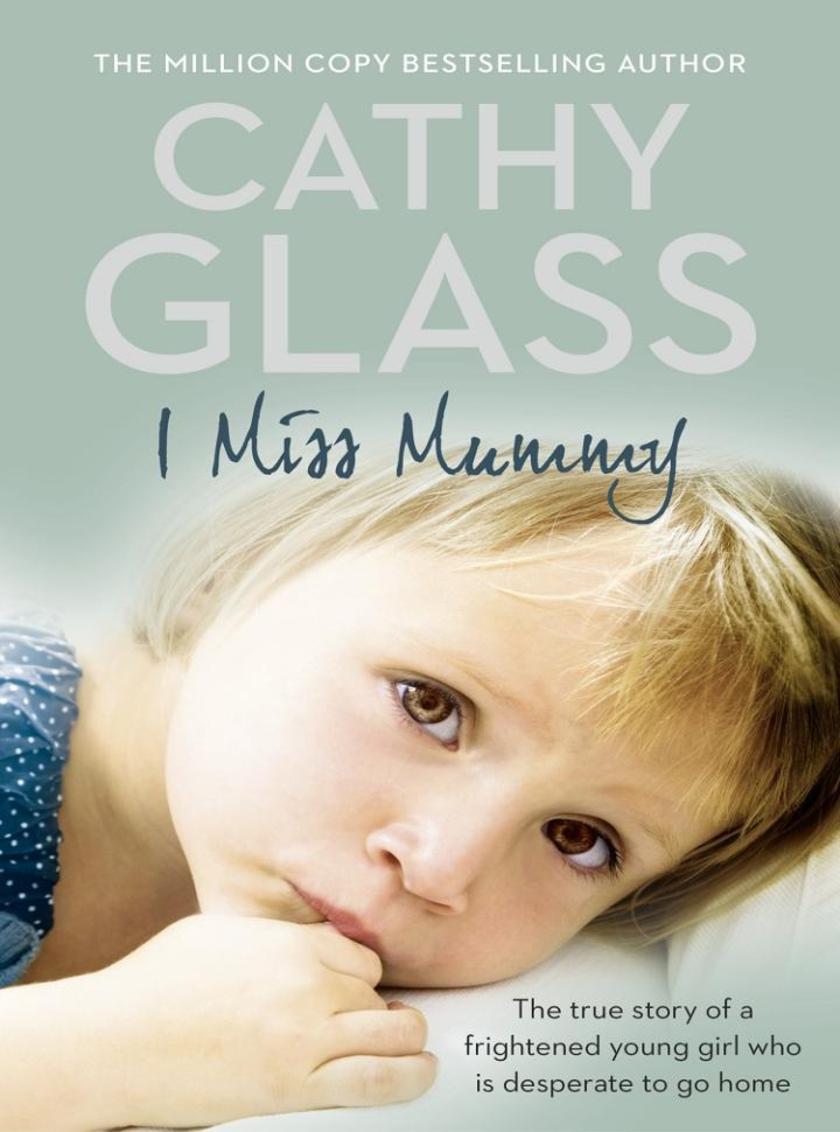
I Miss Mummy: The true story of a frightened young girl who is desperate to go h
¥58.86
Alice, aged four, is snatched by her mother the day she is due to arrive at Cathy's house. Drug-dependent and mentally ill, but desperate to keep hold of her daughter, Alice's mother takes her from her parents' house and disappears. Cathy spends three anxious days worrying about her whereabouts before Alice is found safe, but traumatized. Alice is like a little doll, so young and vulnerable, and she immediately finds her place in the heart of Cathy's family. She talks openly about her mummy, who she dearly loves, and how happy she was living with her maternal grandparents before she was put into care. Alice has clearly been very well looked after and Cathy can't understand why she couldn't stay with her grandparents. It emerges that Alice's grandparents are considered too old (they are in their early sixties) and that the plan is that Alice will stay with Cathy for a month before moving to live with her father and his new wife. The grandparents are distraught—Alice has never known her father, and her grandparents claim he is a violent drug dealer. Desperate to help Alice find the happy home she deserves, Cathy's parenting skills are tested in many new ways. Finally questions are asked about Alice's father suitability, and his true colors begin to emerge.

Anything You Can Imagine: Peter Jackson and the Making of Middle-earth
¥147.35
The definitive history of Peter Jackson’s Middle-earth saga, Anything You Can Imagine takes us on a cinematic journey across all six films, featuring brand-new interviews with Peter, his cast & crew. From the early days of daring to dream it could be done, through the highs and lows of making the films, to fan adoration and, finally, Oscar glory. Lights A nine-year-old boy in New Zealand’s Pukerua Bay stays up late and is spellbound by a sixty-year-old vision of a giant ape on an island full of dinosaurs. This is true magic. And the boy knows that he wants to be a magician. Camera Fast-forward twenty years and the boy has begun to cast a spell over the film-going audience, conjuring gore-splattered romps with bravura skill that will lead to Academy recognition with an Oscar nomination for Heavenly Creatures. The boy from Pukerua Bay with monsters reflected in his eyes has arrived, and Hollywood comes calling. What would he like to do next? ‘How about a fantasy film, something like The Lord of the Rings…?’ Action The greatest work of fantasy in modern literature, and the biggest, with rights ownership so complex it will baffle a wizard. Vast. Complex. Unfilmable. One does not simply walk into Mordor – unless you are Peter Jackson. Anything You Can Imagine tells the full, dramatic story of how Jackson and his trusty fellowship of Kiwi filmmakers dared take on a quest every bit as daunting as Frodo’s, and transformed JRR Tolkien’s epic tale of adventure into cinematic magic, and then did it again with The Hobbit. Enriched with brand-new interviews with Jackson, his fellow filmmakers and many of the films’ stars, Ian Nathan’s mesmerising narrative whisks us to Middle-earth, to gaze over the shoulder of the director as he creates the impossible, the unforgettable, and proves that film-making really is ‘anything you can imagine’.

The Wife’s Tale: A Personal History
¥125.18
The extraordinary story of an indomitable 95-year-old woman – and of the most extraordinary century in Ethiopia’s history. A new Wild Swans A hundred years ago, a girl was born in the northern Ethiopian city of Gondar. Before she was ten years old, Yetemegnu was married to a man two decades her senior, an ambitious poet-priest. Over the next century her world changed beyond recognition. She witnessed Fascist invasion and occupation, Allied bombardment and exile from her city, the ascent and fall of Emperor Haile Selassie, revolution and civil war. She endured all these things alongside parenthood, widowhood and the death of children. The Wife’s Tale is an intimate memoir, both of a life and of a country. In prose steeped in Yetemegnu’s distinctive voice and point of view, Aida Edemariam retells her grandmother’s stories of a childhood surrounded by proud priests and soldiers, of her husband’s imprisonment, of her fight for justice – all of it played out against an ancient cycle of festivals and the rhythms of the seasons. She introduces us to a rich cast of characters – emperors and empresses, scholars and nuns, Marxist revolutionaries and wartime double agents. And through these encounters she takes us deep into the landscape and culture of this many-layered, often mis-characterised country – and the heart of one indomitable woman.
With the End in Mind: Dying, Death and Wisdom in an Age of Denial
¥125.18
In this unprecedented book, palliative medicine pioneer Dr Kathryn Mannix explores the biggest taboo in our society and the only certainty we all share: death. A SUNDAY TIMES BESTSELLER SHORTLISTED FOR THE WELLCOME BOOK PRIZE Told through a series of beautifully crafted stories taken from nearly four decades of clinical practice, her book answers the most intimate questions about the process of dying with touching honesty and humanity. She makes a compelling case for the therapeutic power of approaching death not with trepidation but with openness, clarity and understanding. With the End in Mind is a book for us all: the grieving and bereaved, ill and healthy. Open these pages and you will find stories about people who are like you, and like people you know and love. You will meet Holly, who danced her last day away; Eric, the retired head teacher who, even with Motor Neurone Disease, gets things done; loving, tender-hearted Nelly and Joe, each living a lonely lie to save their beloved from distress; and Sylvie, 19, dying of leukaemia, sewing a cushion for her mum to hug by the fire after she has died. These are just four of the book’s thirty-odd stories of normal humans, dying normal human deaths. They show how the dying embrace living not because they are unusual or brave, but because that’s what humans do. By turns touching, tragic, at times funny and always wise, they offer us illumination, models for action, and hope. Read this book and you’ll be better prepared for life as well as death.
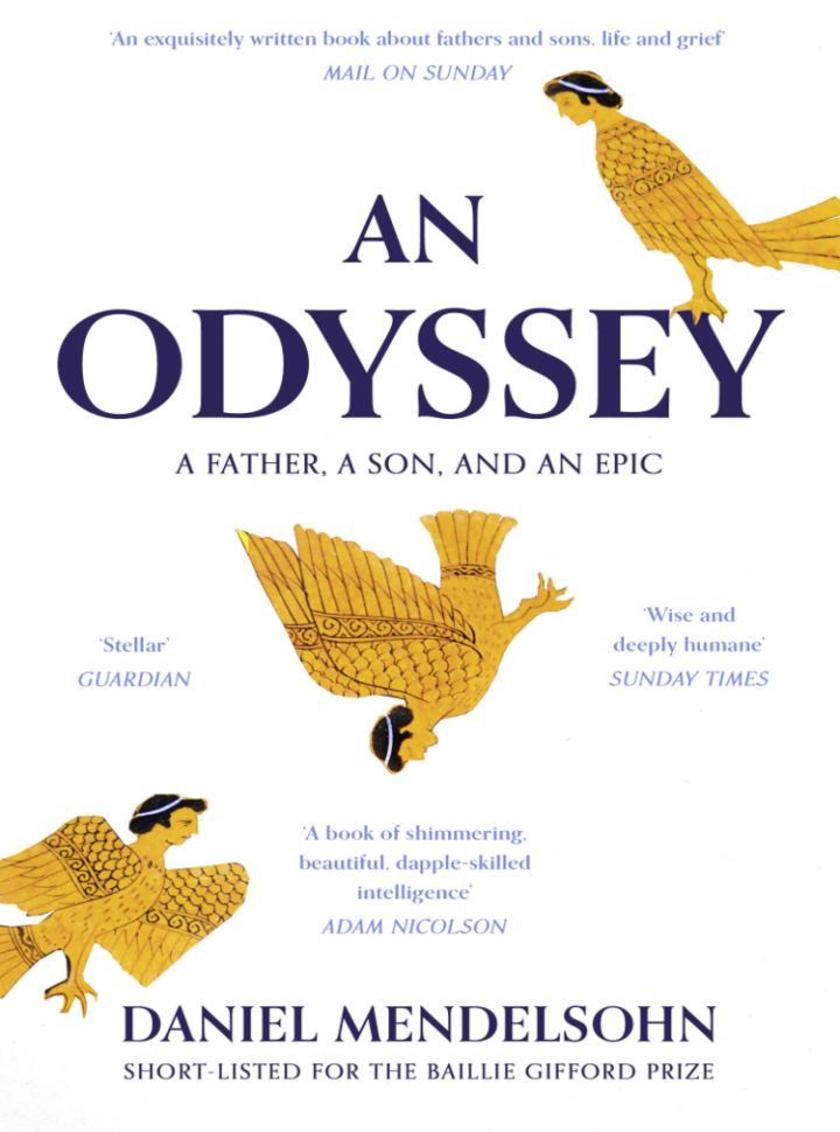
An Odyssey: A Father, A Son and an Epic: SHORTLISTED FOR THE BAILLIE GIFFORD PRI
¥73.58
SHORTLISTED FOR THE BAILLIE GIFFORD PRIZE 2017 SHORTLISTED FOR THE LONDON HELLENIC PRIZE 2017 WINNER OF THE PRIX M?DITERRAN?E 2018 From the award-winning, best-selling writer: a deeply moving tale of a father and son’s transformative journey in reading – and reliving – Homer’s epic masterpiece. When eighty-one-year-old Jay Mendelsohn decides to enrol in the undergraduate seminar on the Odyssey that his son Daniel teaches at Bard College, the two find themselves on an adventure as profoundly emotional as it is intellectual. For Jay, a retired research scientist who sees the world through a mathematician’s unforgiving eyes, this return to the classroom is his ‘one last chance’ to learn the great literature he’d neglected in his youth – and, even more, a final opportunity to understand his son. But through the sometimes uncomfortable months that follow, as the two men explore Homer’s great work together – first in the classroom, where Jay persistently challenges his son’s interpretations, and then during a surprise-filled Mediterranean journey retracing Odysseus’ legendary voyages – it becomes clear that Daniel has much to learn, too. For Jay’s responses to both the text and the travels gradually uncover long-buried secrets that allow the Daniel to understand his difficult father at last. As this intricately woven memoir builds to its wrenching climax, Mendelsohn’s narrative comes to echo the Odyssey itself, with its timeless themes of deception and recognition, marriage and children, the pleasures of travel and the meaning of home. Rich with literary and emotional insight, An Odyssey is a renowned writer’s most revelatory entwining yet of personal narrative and literary exploration.

Blue: All Rise: Our Story
¥139.99
For the first time, more than 15 years after four boys from London were first thrown together to form what would go on to become one of the most successful and infamous groups of the boyband era, Lee, Antony, Duncan and Simon tell their full, no-holds-barred story in their own inimitable words. Blue first rose to fame and mega-stardom in 2001. With 3 UK Number 1 Platinum-selling albums, 2 Brit Awards and 16 million records to their name, they quickly became the crushes of choice for the noughties generation. But their tendency to say exactly what they think, wear their hearts on their sleeves and court controversy (usually unintentionally) has meant that they’ve rarely left the limelight, or public hearts and minds, since. Blue: All Rise: Our Story is the boys’ intimate tell-all account charting the highs and the lows of their incredible career, the stories behind the headlines, and our favourite face-palm-worthy Blue moments. With explosive new reveals, never-before-seen photos, and all the latest updates – including Simon’s engagement and his struggle with depression, Lee’s brush with cancer, Duncan’s devastation at the passing away of his best friend, original It Girl Tara Palmer-Tomkinson, and how Antony’s adapting to fatherhood all over again, this is the story every 2000s teen has been waiting for, from four lads who’ve come out the other side older, wiser and closer than ever.

A Clear Blue Sky: A remarkable memoir about family, loss and the will to overcom
¥66.22
THE SPORTS BOOK OF THE YEAR Daily Mail As a young boy of eight, Jonny Bairstow was dealt a cruel blow. His father David ‘Bluey’ Bairstow, the combative and very popular wicketkeeper and captain of Yorkshire, took his own life at the age of forty-six. David left behind Jonny, Jonny’s sister Becky and half-brother Andy, and his wife Janet, who had recently been diagnosed with cancer at the time of his death. From these incredibly tough circumstances, Jonny and his family strived to find an even keel and come to terms with the loss of their father and husband. Jonny found his way through his dedication to sport. He was a gifted and natural athlete, with potential careers ahead of him in rugby and football, but he eventually chose cricket and came to build a career that echoed his father’s, eventually reaching the pinnacle of the sport and breaking the record for most Test runs in a year by a wicketkeeper. Written with multiple-award-winning writer Duncan Hamilton, this is an incredible story of triumph over adversity and a memoir with far-reaching lessons about determination and the will to overcome.
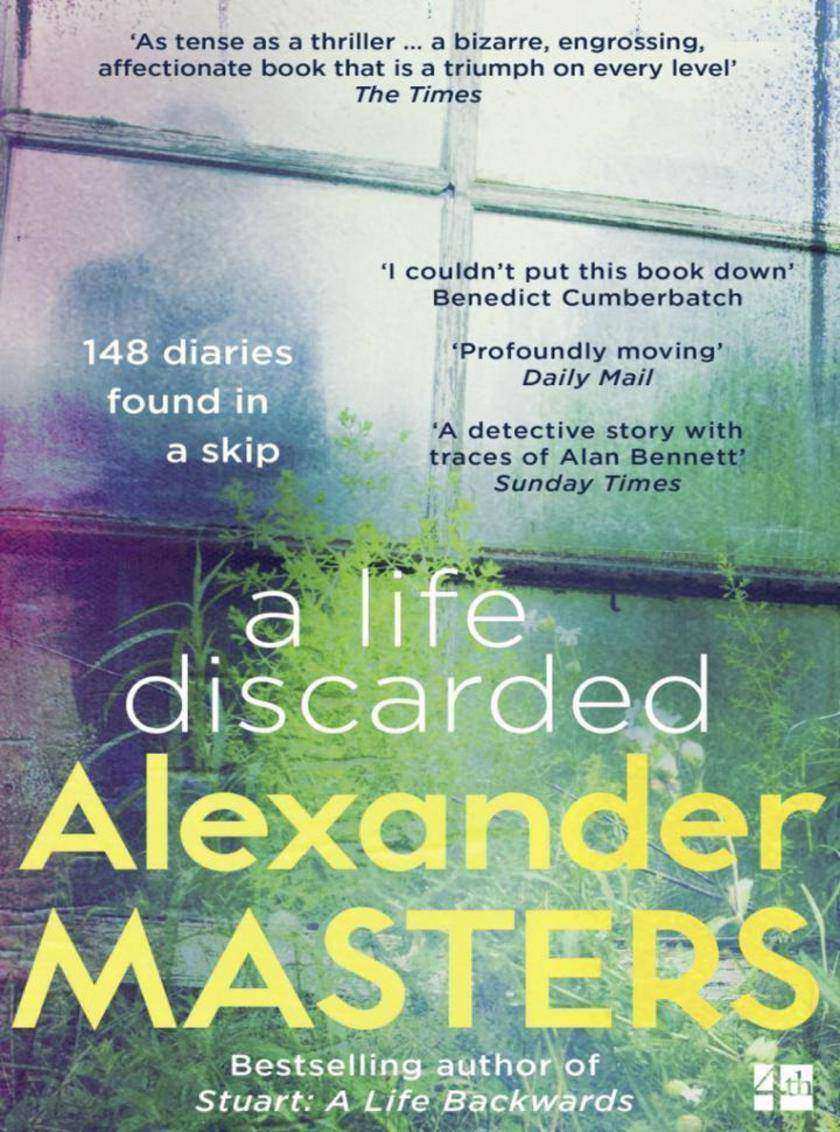
A Life Discarded: 148 Diaries Found in a Skip
¥66.22
Unique, transgressive and as funny as its subject, A Life Discarded has all the suspense of a murder mystery. Written with his characteristic warmth, respect and humour, Masters asks you to join him in celebrating an unknown and important life left on the scrap heap. A Life Discarded is a biographical detective story. In 2001, 148 tattered and mould-covered notebooks were discovered lying among broken bricks in a skip on a building site in Cambridge. Tens of thousands of pages were filled to the edges with urgent handwriting. They were a small part of an intimate, anonymous diary, starting in 1952 and ending half a century later, a few weeks before the books were thrown out. Over five years, the award-winning biographer Alexander Masters uncovers the identity and real history of their author, with an astounding final revelation. A Life Discarded is a true, shocking, poignant, often hilarious story of an ordinary life. The author of the diaries, known only as ‘I’, is the tragicomic patron saint of everyone who feels their life should have been more successful. Part thrilling detective story, part love story, part social history, A Life Discarded is also an account of two writers’ obsessions: of ‘I’s need to record every second of life and of Masters’ pursuit of this mysterious yet universal diarist.
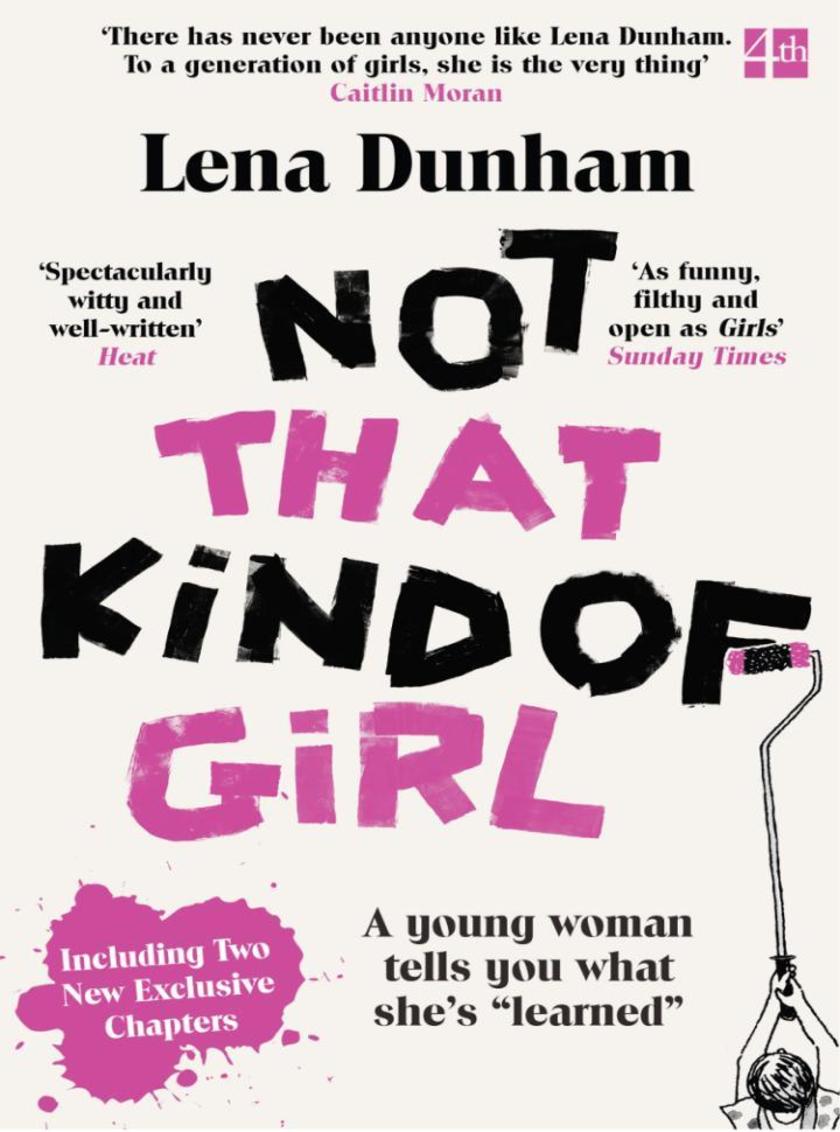
Not That Kind of Girl: A Young Woman Tells You What She’s Learned
¥66.22
Lena Dunham, acclaimed writer-director-star of HBO and Sky Atlantic’s ‘Girls’ and the award-winning movie ‘Tiny Furniture’, displays her unique powers of observation, wisdom and humour in this exceptional collection of essays. “If I could take what I’ve learned and make one menial job easier for you, or prevent you from having the kind of sex where you feel you must keep your sneakers on in case you want to run away during the act, then every misstep of mine was worthwhile. I’m already predicting my future shame at thinking I had anything to offer you, but also my future glory in having stopped you from trying an expensive juice cleanse or thinking that it was your fault when the person you are dating suddenly backs away, intimidated by the clarity of your personal mission here on earth. No, I am not a sexpert, a psychologist, or a dietician. I am not a mother of three or the owner of a successful hosiery franchise. But I am a girl with a keen interest in having it all, and what follows are hopeful dispatches from the frontlines of that struggle.”
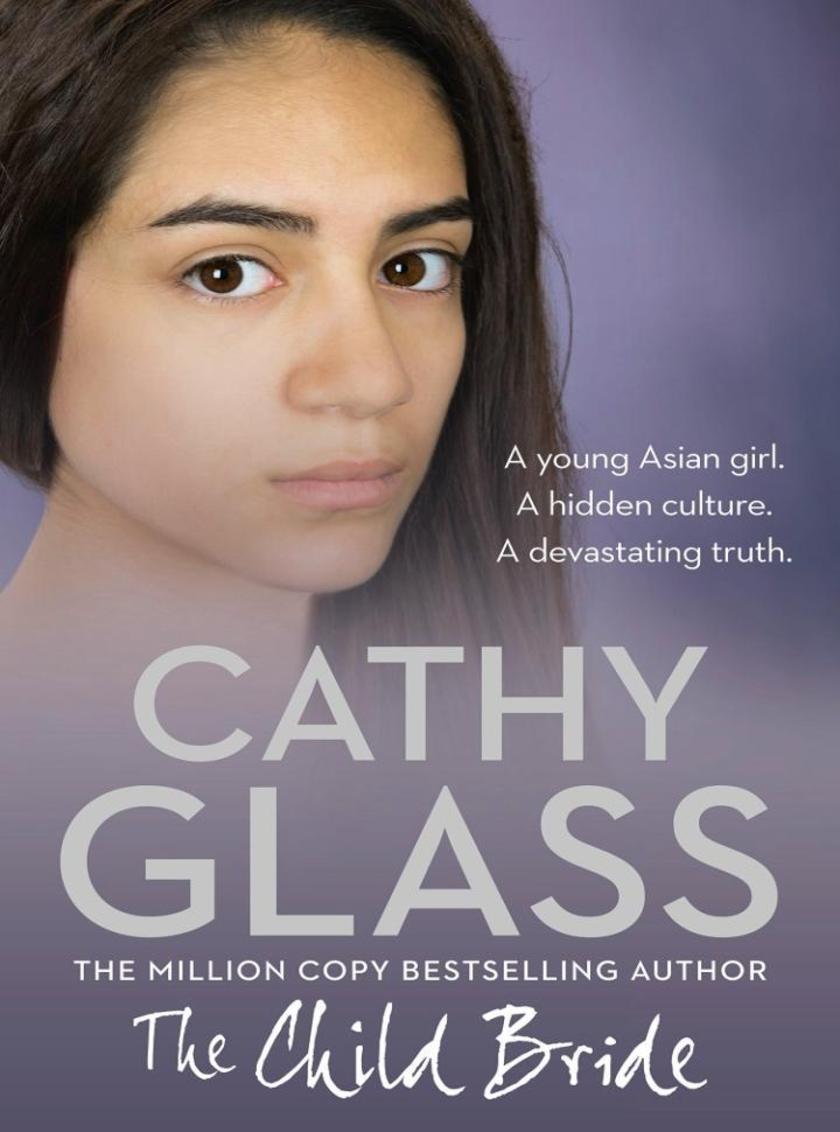
The Child Bride
¥58.86
Cathy Glass, international bestselling author, tells the shocking story of Zeena, a young Asian girl desperate to escape from her family. When 14 -year-old Zeena begs to be taken into care with a non-Asian family, she is clearly petrified. But of what? Placed in the home of experienced foster carer Cathy and her family, Zeena gradually settles into her new life, but misses her little brothers and sisters terribly. Prevented from having any contact with them by her family who insist she has brought shame and dishonour on the whole community, Zeena tries to see them at school. But when her father and uncle find out, they bundle her into a car and threaten to set fire to her if she makes anymore trouble. Zeena is too frightened to press charges against them despite being offered police protection in a safe house. Eventually, Cathy discovers the devastating truth from Zeena, and with devastation she believes there is little she can do to help her.
The Secrets of the Notebook
¥68.67
The incredible true story revealed by a family notebook, telling of four daughters across two centuries of turbulent history, of a passionate and ill-fated royal love affair, ending in a tragic and cruel death. 'The beautiful owner of this book is dearer to me than my life. August, your protector.' Eve Haas was irresistibly drawn to the family 'notebook', which had been passed down the generations. Her father had shown her the in*ion inside when she was young, with warnings of dire happenings if the secret behind the diary was pursued. Years later, Eve decided to follow the trail of the notebook, it would take her to the old kingdom of Prussia, to a forbidden royal marriage that was wiped from all official records, and a royal princess given away to ensure her protection. Forty years earlier in 1942, Eve's grandmother, Anna, had died on her way to Auschwitz after being seized by the SS. They believed she was just an old Jewish woman. The secret of her royal heritage lay in that notebook, but it couldn't save her.
Stolen Innocence
¥65.53
A tale of survival and freedom, Stolen Innocence is the story of one heroic woman who stood up for what was right and reclaimed her life. In September 2007, a packed courtroom in St. George, Utah, sat hushed as Elissa Wall, the star witness against polygamous sect leader Warren Jeffs, gave captivating testimony of how Jeffs forced her to marry her first cousin at the age of fourteen. This harrowing and vivid account proved to be the most compelling evidence against Jeffs, showing the harsh realities of the lengths to which Jeffs went in order to control the sect's women. Now, in this courageous memoir, Elissa Wall tells the incredible and inspirational story of how she emerged from the confines of the Fundamentalist Church of Latter Day Saints (FLDS) and helped bring one of America's most notorious criminals to justice. Offering a child's perspective on life in the FLDS, Wall discusses her tumultuous youth, and explains how Warren Jeffs's influence over the church twisted its already rigid beliefs in dangerous new directions. Once she was married, Wall's childhood shattered as she was obligated to follow Jeffs's directives and submit to her husband in "mind, body, and soul." With little money and no knowledge of the outside world, she was trapped and forced to endure the pain and abuse of her loveless relationship, which eventually pushed her to spend nights sleeping in her truck rather than face the tormentor in her bed.

Britney: Inside the Dream
¥72.40
Britney Spears – the princess of pop – is making a comeback, and there isn't a person out there who hasn't heard about it. In this fully up-to-date and authoritative biography, Steve Dennis reveals all there is to know about the much-loved star. Hitting our radios for the first time in 1998 with '…Baby One More Time', Britney Spears quickly became a pop idol. Now, at just 27 years of age, she has racked up five number one albums, seven top-ten singles and seven sell-out world tours, as well having performed on stage with both Madonna and Michael Jackson. Just a decade after breaking onto to scene, she has become nothing short of a pop legend. Her private life, however, has not been so easy. In 2004 Britney famously married a childhood friend at The Little White Wedding Chapel in Las Vegas; since then her personal life has seemingly been thrown into turmoil. In the last five years she has had numerous failed relationships and endured a very public divorce and custody battle - all in the full glare of the international media. Drawing on exclusive interviews with those closest to the superstar, Britney: Inside the Dream is a engrossing portrait of fascinating star. A frank biography, with no detail spared, it reveals the real Britney Spears, like you’ve never known her before.
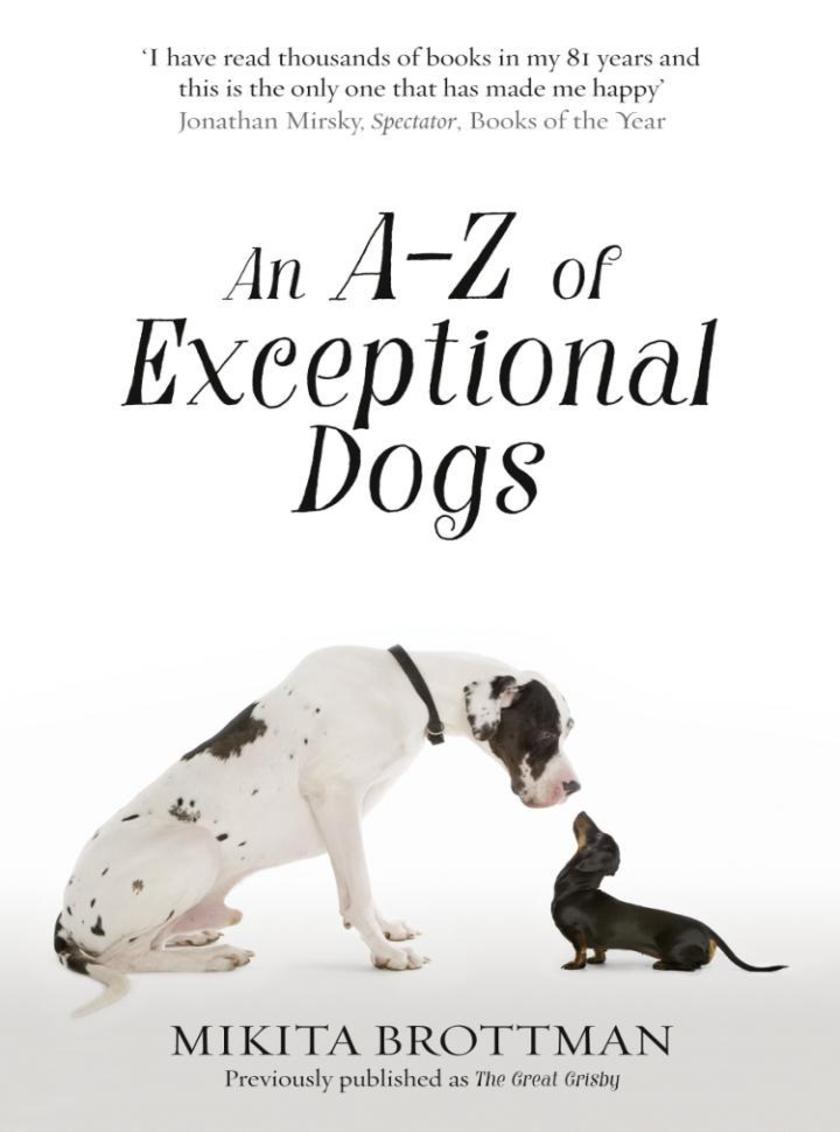
An A–Z of Exceptional Dogs
¥73.58
In this charming bestiary of exceptional dogs, Mikita Brottman reflects on the role dogs play in our world, all explored through her relationship with her dog Grisby and many other examples of the dogs of great writers and artists from literature, lore, and life. While gradually unveiling her eight-year love affair with her French bulldog, Grisby, Mikita Brottman ruminates on the singular bond between dogs and humans. Why do prevailing attitudes warn us against loving our pet “too much”? Is her relationship with Grisby nourishing or dysfunctional, commonplace or unique? Challenging the assumption that there’s something repressed and neurotic about those deeply connected to a dog, she turns her keen eye on the many ways in which dog is the mirror of man. The Great Grisby is organised into twenty-six alphabetically arranged chapters, each devoted to a particular human-canine union drawn from history, art, philosophy, or literature. Here is Picasso’s dachshund Lump; Freud’s chow Yofi; Bill Sikes’s mutt Bull’s Eye in Oliver Twist; and Elizabeth Barrett Browning’s spaniel Flush, whose biography was penned by Virginia Woolf. There are royal dogs, like Prince Albert’s greyhound Eos, and dogs cherished by authors, like Thomas Hardy’s fox terrier, Wessex. Brottman’s own beloved Grisby serves as an envoy for sniffing out these remarkable companions. Quirky and delightful, and peppered with incisive personal reflections and back-and-white sketches portraying a different dog and its owner, The Great Grisby reveals how much dogs have to teach us about empathy, happiness, love―and what it means to be human.

They All Love Jack: Busting the Ripper
¥76.91
LONGLISTED FOR THE SAMUEL JOHNSON PRIZE FOR NON-FICTION A book like no other – the tale of a gripping quest to discover the identity of history’s most notorious murderer and a literary high-wire act from the legendary writer and director of Withnail and I. For over a hundred years, ‘the mystery of Jack the Ripper’ has been a source of unparalleled fascination and horror, spawning an army of obsessive theorists, and endless volumes purporting finally to reveal the identity of the brutal murderer who terrorised Victorian England. But what if there was never really any ‘mystery’ at all? What if the Ripper was always hiding in plain sight, deliberately leaving a trail of clues to his identity for anyone who cared to look, while cynically mocking those who were supposedly attempting to bring him to justice? In THEY ALL LOVE JACK, the award-winning film director and screenwriter Bruce Robinson exposes the cover-up that enabled one of history’s most notorious serial killers to remain at large. More than twelve years in the writing, this is much more than a radical reinterpretation of the Jack the Ripper legend, and an enthralling hunt for the killer. A literary high-wire act reminiscent of Tom Wolfe or Hunter S. Thompson, it is an expressionistic journey through the cesspools of late-Victorian society, a phantasmagoria of highly placed villains, hypocrites and institutionalised corruption. Polemic, forensic investigation, panoramic portrait of an age, underpinned by deep scholarship and delivered in Robinson’s inimitably vivid and scabrous prose, THEY ALL LOVE JACK is an absolutely riveting and unique book, demolishing the theories of generations of self-appointed experts – the so-called ‘Ripperologists’ – to make clear, at last, who really did it; and more importantly, how he managed to get away with it for so long.
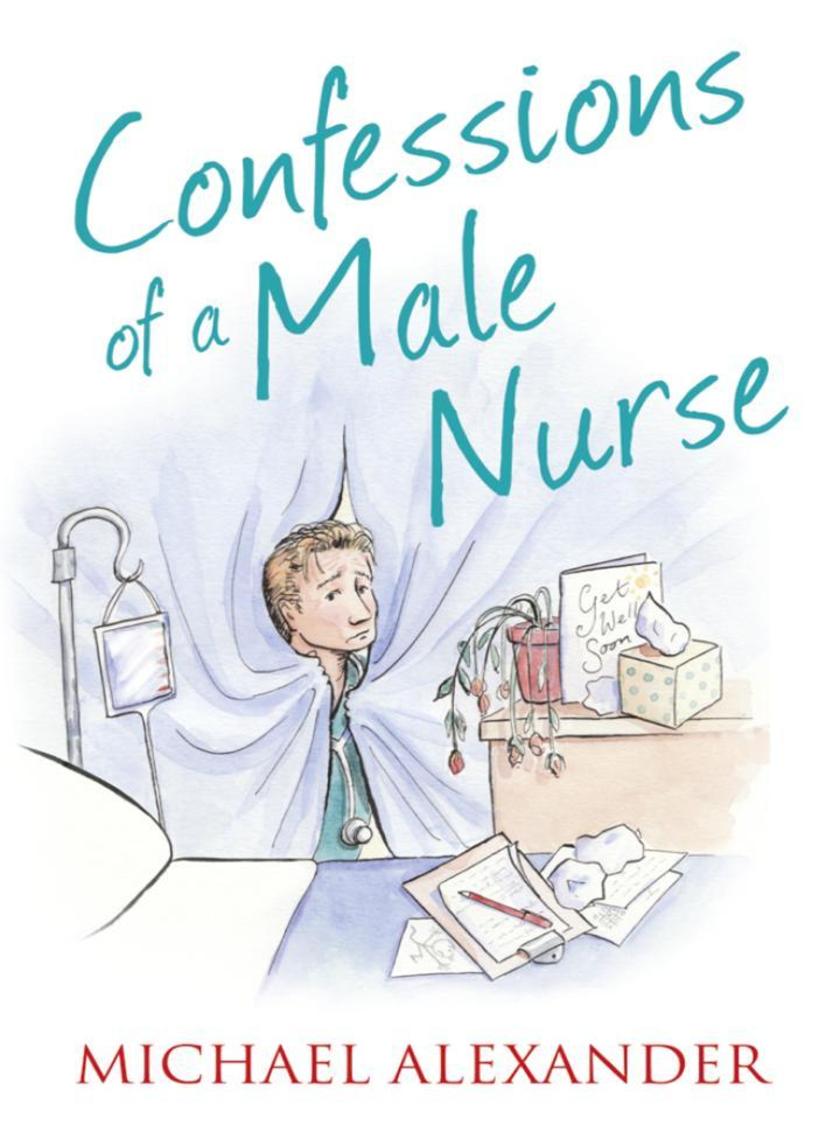
Confessions of a Male Nurse (The Confessions Series)
¥56.90
From the people who brought you the bestselling Confessions of a Gp. From stampeding nudes to inebriated teenagers, young nurse Michael Alexander never really knew what he was getting himself into. But now, sixteen years since he was first launched into his nursing career - as the only man in a gynaecology ward - he's pretty much dealt with everything: body parts that come off in his hands; teenagers with phantom pregnancies; doctors unable to tell the difference between their left and right; violent drunks; singing relatives; sexism. . .and a whole lot of nudity. Confessions of a Male Nurse is a touching, shocking and frequently hilarious account of one man's life in nursing.
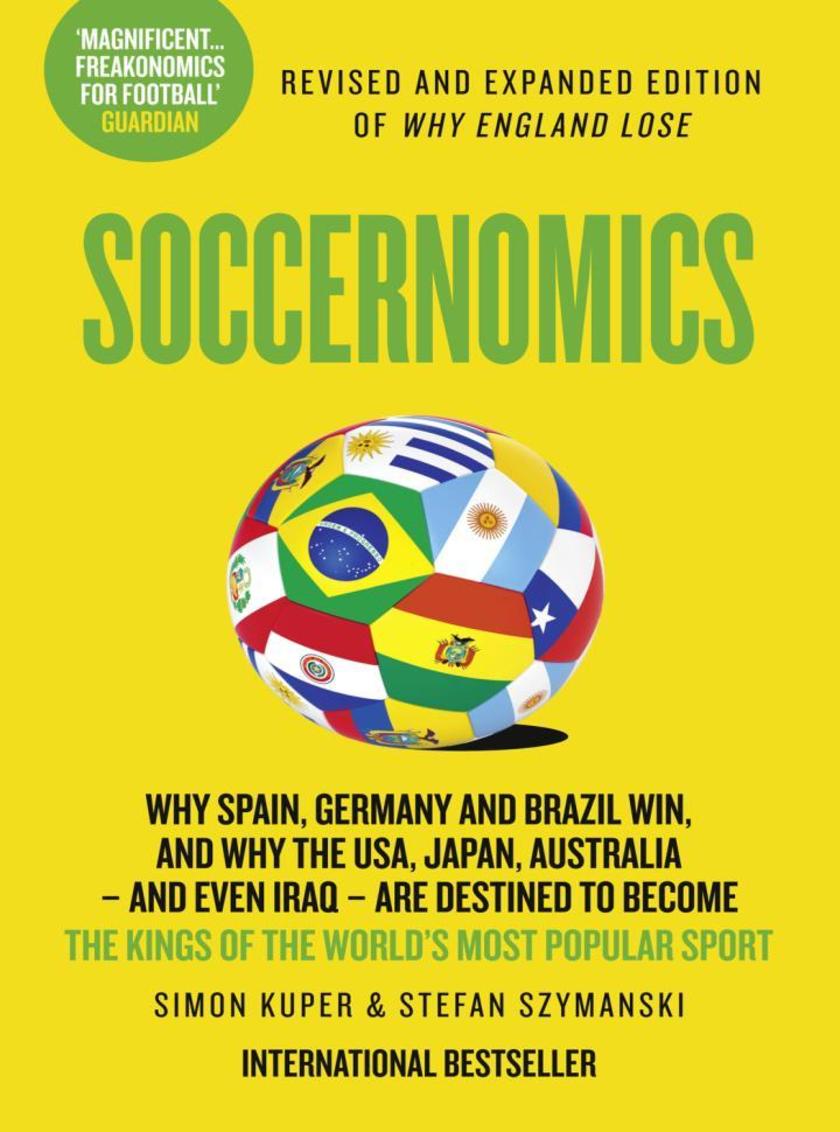
Soccernomics
¥68.67
At last, football has its answer to Freakonomics, The Tipping Point and The Undercover Economist. Why do England lose?” “Why do Germany & Brazil Win?” “How have Spain conquered the World?” "Penalties - what are they good for?" “What is the price on achieving success and the true cost of failure?” These are questions every football fan has asked. Soccernomics (previously published as Why England Lose) answers them. Written with an economist's brain and a football writer's skill, it applies high-powered analytical tools to everyday football topics. Soccernomics isn't in the first place about money. It's about looking at data in new ways. It's about revealing counterintuitive truths about football. It explains all manner of things about the game which newspapers just can't see. It all adds up to a new way of looking at football, beyond clichés about "The Magic of the FA Cup", "England's Shock Defeat" and "Newcastle's New South American Star". No training in economics is needed to read Soccernomics but the reader will come out of it with a better understanding not just of football, but of how economists think and what they know.
The Dog Listener: Learning the Language of your Best Friend
¥80.25
You’ve heard of the Horse Whisperer – now meet the woman who uses similar methods to train dogs. Jan Fennell’s remarkable gifts have earned her the nickname “the dog listener”. Her unique understanding of the canine world and its instinctive language has enabled her to bring even the most desperate and delinquent of dogs to heel. This easy-to-follow guide to understanding Jan’s simple techniques draws on her countless case histories of problem dogs – from biters and barkers to bicycle chasers – to show how we can bridge the language barrier that separates man from his best friend. In The Dog Listener Jan shares her secrets, telling us how she grew determined to find a more compassionate alternative to standard “obedience” training techniques and ultimately how to communicate with canines.
SAS Survival Handbook: The Definitive Survival Guide
¥91.43
The original and best survival guide for any situation in every climate. Now with added techniques for handling Urban dangers, the ‘SAS Survival Handbook’ is the complete companion for adventurers everywhere.


