


 购物车
购物车 个人中心
个人中心

The Evolution of Modern Orchestration
¥27.88
It is not the purpose of this work to write a treatise on instrumentation or to prepare a pedagogical analysis of orchestration only, but rather to trace the evolu-tion of the orchestra and of orchestration in connection with the history of music proper. Special emphasis will be laid upon what may be termed the IMPELLING FORCES to which the development of orchestration is due. This necessitates a considerable repetition of familiar facts that do not lend themselves to further original treatment. The restatement of such facts, however, would seem to form an indispensable background for the main theme, which is thereby exposed with all its attending phases of logical evolution. In addition to extended studies of orchestral scores themselves, the standard works of Berlioz, Geva?rt, Riemann, Parry, and others have, as a matter of course, been referred to. The subject under discussion has already been admirably handled by Lavoix in his voluminous work entitled "Histoire de L'Instrumentation," but it was unquestionably done through French glasses, and the scores of not one German romanticist are submitted to careful analysis beyond those of Weber and Wagner. "Parsifal" had not been produced at the time when Lavoix's book went to press, nor had such representative composers as Brahms, Saint-Sa?ns, Tschaikowsky, Dvorak then won their full meed of recognition. It is obvious, therefore, that the orchestration especially of the nineteenth century offers a fertile field for further profitable research. Again, the present writer is not aware of the existence of any comprehensive work in the English language upon the history of the orchestra and of orchestration. Throughout these pages the achievements of the more prominent composers are set forth in such manner as to indicate not only the distinctive features of their orchestration but of their general creative ability as well. In each case, the general style of composition and its significance as a contribution to musical literature are first enlarged upon. This is followed by an examination of the differentiated treatment of the strings, the wood, the brass, presented in logical sequence. A final analysis is then made of the individual method of orchestration as a whole, together with its relative value in the evolution of orchestration. In the Appendix to this book will be found a few musical illustrations selected from representative orchestral scores. LOUIS ADOLPHE COERNE. Cambridge, Massachusetts, U.S.A.April 30, 1905.

Asertivitatea. Cum s? r?m?i ferm indiferent de situa?ie
¥57.14
Emmanuel Macron, c??tig?torul alegerilor preziden?iale din Fran?a ?i omul nou al politicii europene, ??i spune pentru prima dat? povestea, vorbind despre ideile care ?l inspir?, despre viziunea sa legat? de stat, cet??eni, Uniunea European?, ?ntr-o lume care se confrunt? cu probleme comune – imigra?ia, locurile de munc?, terorismul –, dar pe care trebuie s? le rezolv?m ?mpreun?.?Revolu?ia lui Macron, alternativa electoral? a Fran?ei la na?ionalismul lui Marine Le Pen, a cucerit imediat opinia public? de pe tot continentul european: o provocare deschis? la adresa populi?tilor ?i a acelora care nu mai cred ?n institu?ii, o revolu?ie f?r? promisiuni de?arte, care ar putea schimba pentru totdeauna modul de a face politic? ?n Europa. O carte puternic?, singular?, care pune bazele unei societ??i cu totul noi.?Sunt absolut convins c? secolul XXI, ?n care ?n sf?r?it am intrat, este ?n egal? m?sur? plin de promisiuni ?i de schimb?ri care ne pot face mai ferici?i. ?i asta v? ?i propun.Aceasta va fi lupta noastr? pentru Fran?a ?i nu ?tiu nimic mai frumos de at?t." –?Emmanuel Macron

William the Conqueror
¥27.88
ALTHOUGH Rouen is now very far before all the other cities of Normandy in point of magnitude and importance, and though Rollo, in his conquest of the country, made it his principal headquarters and his main stronghold, it did not continue exclusively the residence of the dukes of Normandy in after years. The father of William the Conqueror was Robert, who be-came subsequently the duke, the sixth in the line. He resided, at the time when William was born, in a great castle at Falaise. Falaise, as will be seen upon the map, is west of Rouen, and it stands, like Rouen, at some distance from the sea. The castle was built upon a hill, at a little distance from the town. It has long since ceased to be habitable, but the ruins still remain, giving a picturesque but mournful beauty to the eminence which they crown. They are often visited by tra-velers, who go to see the place where the great hero and conqueror was born.??It was about 870 that Rollo was banished from Norway, and a few years after that, at most, that he landed in France. It was not, however, until 912 that he concluded his treaty of peace with Charles, so as to be fully invested with the title of Duke of Normandy. He was advanced in age at this time, and, after spending five years in settling the affairs of his realm, he resigned his dukedom into the hands of his son, that he might spend the remainder of his days in rest and peace. He died in 922, five years after his resignation.??He was only ten years old when his father was assassinated. He became involved in long and arduous wars with the King of France, which compelled him to call in the aid of more Northmen from the Baltic. His new allies, in the end, gave him as much trouble as the old enemy, with whom they came to help William contend; and he found it very hard to get them away. He wanted, at length, to make peace with the French king, and to have them leave his dominions; but they said, "That was not what they came for." Richard had a beautiful daughter, named Emma, who afterward became a very important political personage, as will be seen more fully in a subsequent chapter.?Richard died in 996, after reigning fifty-four years.

Felsefe ?iirleri: ?iir
¥27.71
Deniz fenerinin ki gibidir: Ayd?n?n da ?????. Birisi gemileri, di?eri insanlar? ayd?nlat?r. Onlar?n sayesinde: Gemiler ve toplumlar yollar?n? bulabilirler."Batmaktan" kurtulup ayakta kalabilirler. Yeter ki: I??klar? söndürülmesin. Hiçbir fener, hiçbir ko?ulda; bir geminin tonaj?n? ve band?ras?n? sormaz. Gerçek bir ayd?n da öyle: Ayd?nl???n?n bilgisini sunarken; insanlar?n hiçbirine, ne ?rk?n? ve cinsiyetini ne de inanç tercihini sormaz. Ayd?n dedi?in; ayn? zamanda gerçekçidir. Gördü?ü: Hiçbir kötü rüyay? da hayra yormaz!...Her ikisi de; ?ss?z ve sessiz geceler boyu çal??arak; ayd?nlatmaya çabalar karanl?klar?. Ayd?nlar da fenerler gibidirler: Ortakt?r yaln?zl?klar?!..Özetle:"Ben de;Küçük bir "burunda"Küçük bir deniz feneriyim,Hümanizmin ise; sad?k bir neferiyim.I????m? hep çakar?m, Her durumda.Ya?am benim kutsal?m:Ya?ayan her canl? benim umurumda.Fenerler, kimseleri aramazlar;Arayanlar, mutlaka onlar? bulurlar:Ço?u kez de zor durumda.Ben her daim i?ime bakar,Sürekli ?????m? çakar?m.Hiç y?lmam; bunu hep yapar?m!...FELSEFE ???RLER? tüm bu duygular? ifade etmek için, yeni bir ?iir türü olarak yaz?ld?..
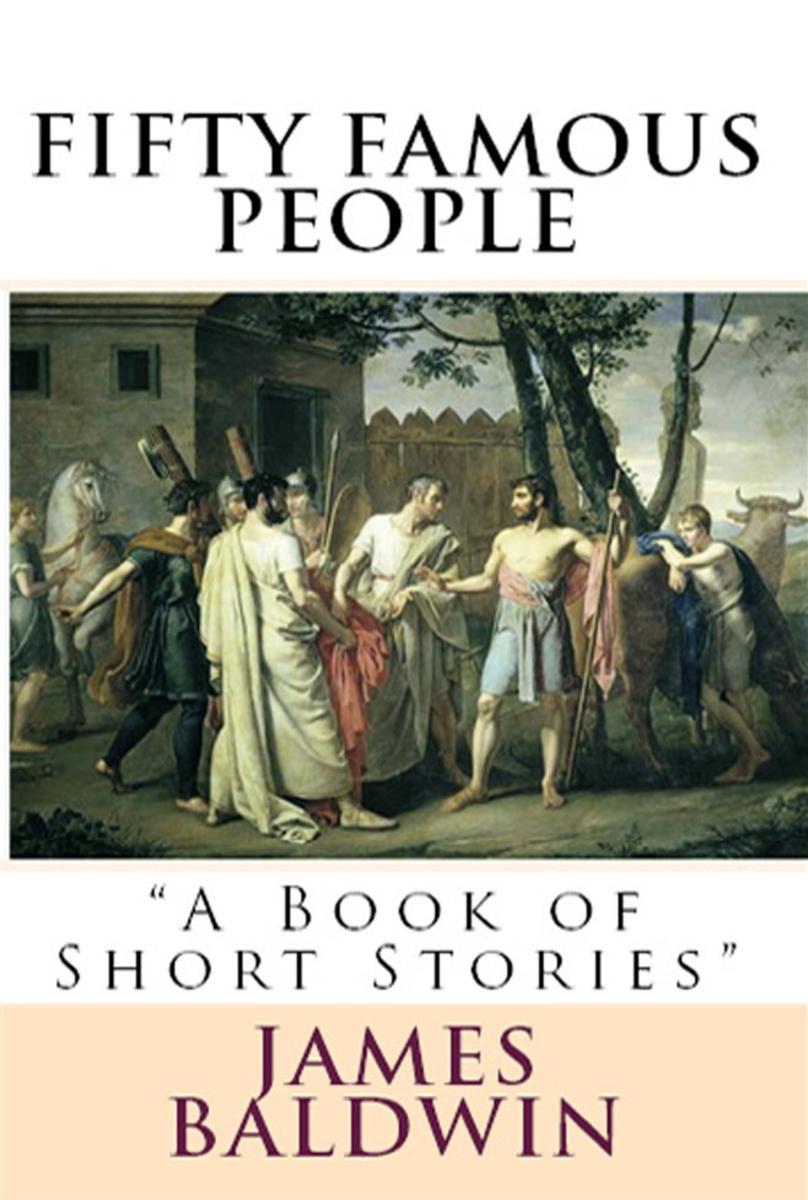
Fifty Famous People: "A Book of Short Stories"
¥28.29
ONE of the best things to be said of the stories in this volume is that, although they are not biographical, they are about real persons who actually lived and performed their parts in the great drama of the world's history. Some of these persons were more famous than others, yet all have left enduring "footprints on the sands of time" and their names will not cease to be remembered. ??In each of the stories there is a basis of truth and an ethical lesson which cannot fail to have a wholesome influence; and each possesses elements of interest which, it is believed, will go far towards proving the fallibility of the doctrine that children find delight only in tales of the imaginative and unreal. The fact that there are a few more than fifty famous people mentioned in the volume may be credited to the author's wish to give good measure.??SAVING THE BIRDS?ONE day in spring four men were riding on horseback along a country road. These men were lawyers, and they were going to the next town to attend court.?There had been a rain, and the ground was very soft. Water was dripping from the trees, and the grass was wet.?The four lawyers rode along, one behind another; for the pathway was narrow, and the mud on each side of it was deep. They rode slowly, and talked and laughed and were very jolly.?As they were passing through a grove of small trees, they heard a great fluttering over their heads and a feeble chirping in the grass by the roadside.? "Stith! stith! stith!" came from the leafy branches above them.?"Cheep! cheep! cheep!" came from the wet grass.?"What is the matter here?" asked the first lawyer, whose name was Speed.?"Oh, it's only some old robins!" said the second lawyer, whose name was Hardin. "The storm has blown two of the little ones out of the nest. They are too young to fly, and the mother bird is making a great fuss about it."?"What a pity! They'll die down there in the grass," said the third lawyer, whose name I forget.?"Oh, well! They're nothing but birds," said Mr. Hardin. "Why should we bother?"? "Yes, why should we?" said Mr. Speed.?The three men, as they passed, looked down and saw the little birds fluttering in the cold, wet grass. They saw the mother robin flying about, and crying to her mate.?Then they rode on, talking and laughing as before. In a few minutes they had forgotten about the birds.?But the fourth lawyer, whose name was Abraham Lincoln, stopped. He got down from his horse and very gently took the little ones up in his big warm hands.
Un Corazón de Ranita. 6° volumen. Las estrellas nunca mueren
¥53.30
Cea mai inconfortabil? carte a anului editorial 2009. (?tefan Borbely)Tr?darea criticii este o excelent? nara?iune eseistic?, o nara?iune subiectiv?, inevitabil iritant? (fiind vorba de via?a literar? ?i de opiniile radicale ale unui prozator care nu ezit? s? scrie ceea ce crede despre colegii s?i), cu portrete ce se ?in minte, uneori foarte crude, alteori luminoase, dominate de superlative… Meritul ei, dincolo de calit??ile literare, este acela de a deschide o dezbatere real? despre via?a noastr? literar? ?n care grupurile se confrunt? ?i ??i confec?ioneaz? propria istorie ?i propria mitologie. Nicolae Breban vine ?i tulbur? apele, enerv?nd, probabil, pe mul?i, dac? nu pe to?i. (Eugen Simion)Cartea lui Breban e una puternic?, neconcesiv?, sulfuroas?, emo?ionant? prin miza ei optimist?, prin militantismul ei pa?optist ?i prin dorin?a autorului de a ?nfrunta prejudec??ile ?i ridicolul ?n numele idealului tinere?ii lui, care era idealul autonomiei esteticului, ?n numele marii crea?ii – spre care a aspirat continuu – ?i ?n numele na?iunii romane, de care nu ?i e ru?ine s? vorbeasc?. Dar e o carte greu de clasat. Surprinz?toare prin oralitatea ei debordant?, prin colocvialitatea ei dezl?n?uit?. (…) Seam?n? cu un aeropag al destinelor tr?date, preschimbat ?n pledoarie ?i discurs de ?mb?rb?tare. ?i, totu?i, ceva, ?n ?inuta de condotier a autorului m? ?ndeamn? s? asociez discursul acestei c?r?i cu acela al unui general rom?n dup? o b?t?lie pierdut? sau indecis?, undeva ?n Nordul germanic, sau ?n fa?a altei b?talii care ar trebui cu orice pre? c??tigat?. (…) ?ntregul discurs se ?ntemeiaz? pe ideea de dec?dere a spiritului ofensiv, pe ideea de pierdere a vechilor virtu?i; ?i aser?iunile par a veni din partea celui care a cunoscut ?n tinere?e o glorie ?i o m?re?ie greu de egalat. (…) Enun?ul patetic, ?nvolburat, al discursului lui Breban – marcat de furie, de candoare, de dezn?dejde ?i de speran?? – este capabil s? absoarb? portrete, minunatele lui portrete, ?nso?ite de celebrele jerbe de epitete brebaniene. ?n aparteu sunt limpezite situa?ii literare (de exemplu, rolul Europei Libere ?i al Grupului de Dialog Social este foarte atent ?i nemilos analizat); ne sunt oferite amintiri nepre?uite pentru istoria literar?, cu nu pu?ine idei. Pe unele dintre ele le-am adoptat deja pentru c? m-au convins. (Eugen Negrici)Crea?ia literar?, spiritul critic au fost profund afectate de polarizarea etica ?i politic?, dup? sf?r?itul comunismului rom?nesc. Etica ?i politica ?i-au dep??it limitele, chiar f?r? ca ele s? ajung? la o reala putere ?i autonomie. Publicul literar, sub?iat de noile interese proprii unei lumi deschise, s-a risipit ?i asist?nd la luptele fratricide ale scriitorilor ?i criticilor care, sub tiranie, fraternizaser? ?n numele impunerii sau cel pu?in al men?inerii criteriilor de art? ?i valoare. Prozatorul scrie o carte de cunosc?tor, g?ndit? cu o ?n?elegere vie, o carte necesar? realit??ii noastre literare, de ultima or?, dar ?i pentru un timp foarte larg, despre o literatur? ?i o critic? ?tr?date“ ?i mai pu?in traduse. Pentru c? ?tr?dare“ a fost, o ?tim bine, doar nu e vreun secret fer(m)ecat. (Marian Victor Buciu)
Ora?ul alb
¥69.57
Opera lui N. Steinhardt are ?capacitatea“ de a descuraja tentativele de sistematizare ?i analiz? critic?. Apar?in?nd unui intelectual evreu erudit, spirit febril, avid de limpezire ?i afirmare, aceasta se ramifica at?t ?n planul literaturii, c?t ?i ?n cel al teologiei, al ideologiilor politice sau al dreptului constitu?ional. ?n perioada interbelic?, cea a formarii intelectual-spirituale, N. Steinhardt publica, ?n doar ca?iva ani, o lucrare de drept constitu?ional, dou? studii despre iudaism, un volum de parodii ?i peste o suta de studii literare ?i articole de ideologie liberal-conservatoare. ?n perioada postbelic?, ?ncepand cu finalul anilor '60, el scrie memorialistic? ?i microromane, traduce, re?ncepe o activitate publicistic? sus?inut?, care va dura p?n? ?n 1989, ?i scrie predici ?i eseuri teologice erudite. Volumele de eseuri critice din anii '70 ?i '80 ale lui N. Steinhardt, singurele apari?ii editoriale din perioada comunist?, s-au bucurat de o receptare pozitiv?, ?ns? pozi?ia contestatara a scriitorului fa?? de regim a condus la marginalizarea sa. Abia odat? cu apari?ia postum? a Jurnalului fericirii (1991), a Cuvintelor de credin?? (1992) ?i a Primejdiei m?rturisirii (1993) au fost recunoscute de c?tre publicul larg valoarea intelectual? ?i morala a scriitorului N. Steinhardt ?i particularitatea locului ocupat de acesta ?n deceniile totalitare.Irina Ciobotaru (Suceava, 2 mai 1978), absolvent? a Facult??ii de Litere din cadrul Universit??ii ??tefan cel Mare“ din Suceava, doctor ?n filologie al aceleia?i universit??i, cu o tez? despre opera lui N. Steinhardt, coordonata de Prof. univ. dr. Mircea A. Diaconu. Colaboreaz? la reviste precum ?Contemporanul. Ideea European?“, ?Verso“, ?Tabor“, ?Dacia literar?“, ?Hyperion“, ?Transilvania“, ?Bucovina literar?“. Este profesor de limba ?i literatura rom?n?.
Laboratuardaki ?blis: ?iir
¥27.71
Yirmi birinci yüzy?lda, teknolojik geli?melerin de etkisiyle, büyük bir "öz güven patlamas?" ya?ayan insanl?k; kurulu?undan bu yana kendi yasalar?na göre çal??an ba?ta ekolojik sistem olmak üzere: Biyolojik ve jeolojik sistemlere müdahale ederek; kendi kurallar?na göre de?i?tirmeye kalkt?. ??te, ba?ta baz? hastal?klar olmak üzere; birçok sorunlar da burada ortaya ç?kt?. Maalesef bugün nerede ise hepimiz, hastay?z! Hastal?klar?m?z?n ise çe?it çe?it ad? olsa bile en yayg?n olan?: "Parçalama Hastal???" olup çok da kolay tedavi edilebilecek gibi de görünmemektedir.Günümüzde, teknolojik geli?mi?li?in de etkisiyle: ?nsano?lu, bütünü anlamak için onu parçalamay? seçti. Parçalar? üzerinden bütünü; anlamaya ve tan?maya çal??maktad?r.. Oysa ki, parçalar? birle?tirerek bütünü tan?mak hem daha kolay, hem de daha do?al bir yöntem oldu?unu da bilmesine ra?men.Y?llard?r; maddeleri parçalad?k yetmedi. Atomlar? parçalad?k bitmedi. Bu i? daha nereye kadar gidecek? Ve ne kadar daha sürecek? Bilinmez! Ancak bizler, bir an önce maddeleri ve sistemleri parçalamaktan vazgeçmek mecburiyetindeyiz! Yoksa: Korkar?m çok yak?nda, yeryüzündeki ya?am? kökünden bitirece?iz!..Bu arada, baz? "Laboratuvar Ka?iflerine" de birkaç hat?rlatmada bulunmak isterim:Hani; Sizlerin, mikro organizmalar? incelemek için hergün bakt???n?z o devasa büyüteçler'iniz (Dev Elektron Mikroskoplar?n?z) var ya! ??te o büyüteçler; inceledi?iniz o organizmalar?, sizlerin gözünde milyonlarca kez büyütmekte iken; sizleri de belki onlar?n "gözünde" milyonlarca kez küçültüyor olmas?nlar (?) Yine: Belki de sizler; onlar? tan?maya çal???rken; onlar da bizleri anlamaya çabal?yor olmas?nlar? Dahas?: Belki de onlar da bizleri merak ediyorlard?r (?) Kim bilir? Ne dersiniz? Bir de böyle dü?ünmeyi denemelisiniz!.."LABORATUARDAK? ?BL?S"{???R L?STES? & ?Ç?NDEK?LER}:YAZAR HAKKINDA {ÖZ GEÇM??}TANITMALIK {PROSPEKTÜS}T?N VE TENZERRELABORATUARDAK? ?BL?SB?ZDEN M?D?R?RUH YARASIKONDUNEFES?ST?R?DYEN?N HÜNER?MOLEKÜLER SEYAHATYARI?L?NÇHIZ/HAZ ÇEL??MECES?HAL?S YAPAYLIKLAR D?YARINDA -1MAZ?DEK? AYAK ?ZLER?MMAN?SA TARZANIARKA KAPAK?a’irin Yay?nlanm?? Di?er Kitaplar?VEYSEL TOPALO?LU (?A?R; SADEKUL)
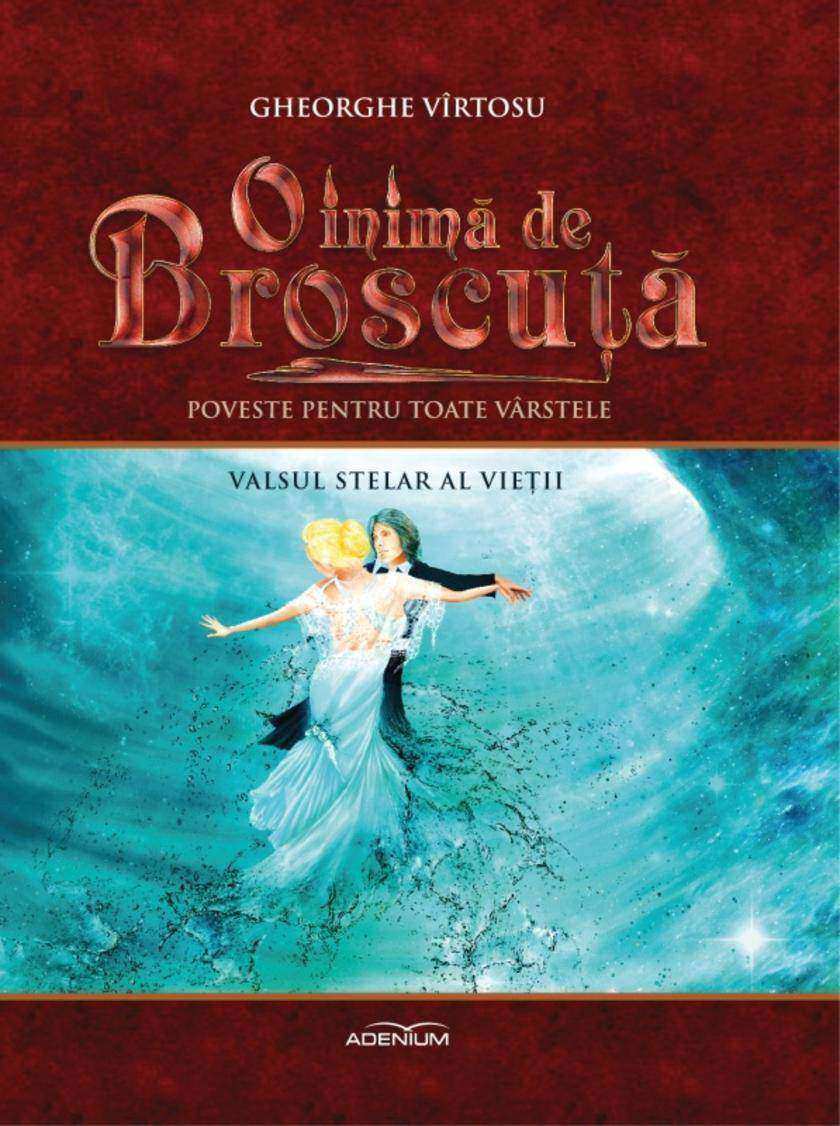
O inim? de Broscu??. Volumul 3. Valsul stelar al vie?ii
¥65.32
Un fast spectacol despre feminitate, moarte ?i alte teme eterne, ne ofer? de ast? dat? redutabilul eseist, istoric ?i critic literar Irina Petra?, despre care Marin Mincu scria c? este ?cel mai “b?rbat“ critic al nostru“. ?Demersul constituie o modalitate de a-?i apropia moartea, propria moarte, de a o studia sub lupa m?ritoare, de a o ?ine deliberat, zi de zi, ceas de ceas, al?turi, ?n imediata proximitate, pentru a te impulsiona s? fii c?t mai mult, c?t mai decis ?n spirit, pentru a te determina s? te investe?ti ?n toate cu ?ntreaga-?i fiin??, una dintre limitele c?reia e moartea-cea-cotidian?, pentru a te remodela, sim?ind atingerea botului mor?ii, pentru a recurge la travaliul dep??irii de sine prin crea?ie. A nu te obi?nui cu vecin?tatea mor?ii, obi?nuindu-te ?n acela?i timp, a realiza eficienta ei, adun?ndu-te, sporindu-?i eficien?a, a fi, ?n pofida con?tiin?ei tragice a finitudinii umane – iat? o piatr? de ?ncercare, iat? un examen major, la care au c?zut nu pu?ini. Cei ce-au rezistat constituie pentru Irina Petra? un fast obiect de studiu, care, fiind cercetat cu acribia unui colec?ionar, nelipsit de o redutabil? experien?? ?n domeniu, alc?tuiesc o galerie acoperit? cu oglinzi, ?n care, v?z?nd reflectat propriul univers, propriile spaime, frici, angoase, nelini?ti, autorul se supune, el ?nsu?i, din spirit de fair play, dar ?i dintr-un subtil, rafinat amestec de sado-masochism intelectual, unui examen: ?i va rezista co?ul pieptului? va ?ti sa r?spund?? dar s? reziste? Ei, mon?trii sacri… au rezistat, descriind modul ?n care se men?in pe muchia abisului, ?n care ?i-au v?zut propriul chip, contemplat de cineva…“ (Aura Christi)

O inim? de Broscu??. Volumul IX. ?arpele de aur
¥43.98
Gina Sebastian este o foarte autentic prozatoare. Chiar rnile, dezamgirile, nemplinirile au lsat urme ce dau sensibilitii care se exprim n scrisul ei, nota lor particular, tonul lor, parfumul lor“.Nicolae BalotUn scriitor profesionist de prim mn… O construcie de carte extraordinar, nemaintlnita n carile altor scriitori“.Alex tefnescuEste o carte de meditaii, meditaii asupra unor teme i asupra unor personaliti. Rareori n lumea noastr, n sensul de lumea contemporan, mai poi gsi un spirit att de echilibrat i cu o asemenea scar de valori morale i culturale“.Ana Blandiana

Reglarea emo?ional? ?i importan?a ei clinic?
¥57.14
Cum ?i-au crescut regii britanici copiii din 1066 p?n? ?n prezent Lumea ?ntreag? a fost uimit? c?nd Prin?esa Diana s-a dovedit a fi o mam? bun? ?i afectuoas?. Ea a constituit o excep?ie: Familia Regal? a Marii Britanii este cunoscut? mai cur?nd pentru rela?iile reci ?i chiar tensionate dintre genera?iile de p?rin?i ?i copii. ?nc? din vremea Reginei Victoria ?i a Regelui George al VI-lea, p?rin?ii ?i-au exprimat ?n mod f??i? dezam?girea fa?? de mo?tenitori. David Cohen folose?te materiale noi ?i documente descoperite recent, ce dateaz? ?nc? din vremea dinastiei Tudor, ?i realizeaz? ?n Educa?ia regal? o combina?ie captivant? ?ntre istorie ?i telenovel?. ?O bog??ie de anecdote – de la lec?iile de scrim? p?n? la faptul c? Prin?ul Charles a avut valet de la v?rsta de trei ani.“

Despre dragoste - Anatomia unui sentiment
¥30.88
Edi?ia de fa?? o reproduce ?ntocmai pe cea din 1966 care a v?zut lumina tiparului la Editura pentru literatura ?i este menit? s? repun? – laolalt? cu alte titluri editate de noi – ?n circula?ie numele ?i opera unui mare profesor de filosofie ?i a unui important om de cultur? din perioada interbelice. Edi?ia este structurat? pe c?teva capitole, cum ar fi bun?oar? ?Amintiri din copil?rie ?i tinere?e“, ?Amintiri culturale, didactice ?i politice“, cuprinz?nd, ?ntre altele, ?i coresponden?a cu Titu Maiorescu, conferin?e ?i cursuri ?inute la Viena, Paris, Geneva, Praga, Oslo ?i Bruxelles. ?Petrovici a avut o via?? fracturat?. ?ntr-o vreme, a urcat n? pe Everestul performan?ei ?i al recunoa?terii publice, de unde, atunci c?nd istoria s-a virusat de o ideologie apocaliptic?, s-a pr?bu?it direct ?n groapa Marianelor, b?ntuit? de tot felul de silnicii ?i nes?buin?e. Mult? vreme s-a am?git cu in?elesul m?ng?ietor al filosofiei, a?a cum i-l h?r?zise cei vechi, dar s-a ?i ?nfiorat de mizeriile ei, atunci c?nd a v?zut-o dec?zut? ?n condi?ia de surogat ideologic. Oare trebuia, dup? ce a privit lumea prin sp?rtura pe?terii lui Platon, s-o p?ndeasc? ?i din spatele gra?iilor ?i ale z?voarelor trase? Vremurile noi, rascolnice, l-au g?sit total nepreg?tit. Glasul s?u, obi?nuit s? peroreze ?n aule universitare, ?n Camera, ?n Academie, ?n cadrul unor fastuoase reuniuni interna?ionale a fost, pentru multe decenii, obligat la t?cere.“ (Ionel Necula)
Pia?a sfatului
¥23.14
Aceast? carte a fost, este ?i va fi o fabuloas? c?l?torie spre centrul fiin?ei mele, chiar ?i la mul?i ani dup? ce voi fi terminat-o. V? mai aminti?i problemele de aritmetic? din clasele primare? Un tren pleac? cu viteza H, Y, Z (?tiind c? viteza este variabil?) din punctul A ?i ajunge ?n punctul B dup? un num?r de ore. Ei bine, povestea care urmeaz? este acea problem? de aritmetic?. Dac? trenul sunt eu, ?nseamn? c? Dumnezeu este o problem? de aritmetic?. Grea. ?i de rezolvat. (Daniela Lungu)
Cercul de la Sibiu
¥54.10
Un volum de istorie, teorie ?i critic? literar?, strict necesar, ?ntruc?t se refer? la unul dintre cele mai interesante grupuri din istoria literaturii rom?ne, ?i anume Cercul de la Sibiu, care a dat culturii nume de r?sunet ca, de pilda, ?tefan Aug. Doina?, Nicolae Balota, Ion Negoi?escu s.a.Scris? ?ntr-un stil inconfundabil, alert, de o suple?e unica, cartea e destinat? studen?ilor, elevilor, profesorilor, precum ?i publicului larg de cititori.

Micul print
¥34.25
Demersul exegetic al lui Constantin Cuble?an vine ?ntr-o perioad? ?n care scriitorii nu sunt trata?i a?a cum se cuvine ?n societatea actuala. Cartea include eseuri docte, ample, axate pe crea?ia unor importan?i scriitori ca, bun?oara, Valeriu Anania, Ioan Alexandru, Ion Barbu, Ana Blandiana, Nicolae Breban, Emil Brumaru, Augustin Buzura s.a. Un fragment important, sugestiv, din peisajul literaturii de dup? 1989. ?i nu numai.

Vrtoglave godine: Europa, 1900.–1914.
¥207.99
Biografia sugereaz?, ?n chip aproape inevitabil, prin relatarea cronologic? a faptelor vie?ii acelui individ, ?ncep?nd de la na?tere ?i continu?nd cu experien?ele tr?ite pe parcursul anilor, c? evenimentele respective au avut o importan?? mai larg?, mai cuprinz?toare dec?t cele ale unui om oarecare, c? au contribuit, ?ntr-un fel sau altul, la scrierea istoriei acelor vremuri. ?n cazul lui Napoleon Bonaparte, merit? s? ne aplec?m ?i asupra mitologiei, ad?ug?nd-o impresiei generale, create de-a lungul deceniilor de nenum?ra?i istorici ?i biografi, conform c?reia ceea ce a contat ?n principal a fost omul ?nsu?i, viziunile ?i ambi?iile sale, ?i nu vremurile ?n care a tr?it ori circumstan?ele ?nt?lnite ?n cale. Pu?ine personaje istorice s-au bucurat de at?ta notorietate ?i de at?tea scrieri dedicate ?i pu?ine au fost descrise ?ntr-o manier? at?t de subiectiv?, prezent?nd ?ntrega istorie a epocii de parc? ar fi fost o reflectare a voin?ei ?i a dorin?ei de putere ?i de glorie a unui singur om. Din acest motiv poate c? ar fi mai ?n?elept ca, ?nainte de orice, s? ne oprim un pic ?i s? ?ncepem aceast? carte cu un soi de avertisment.
Elegiile romane
¥54.10
Volumul de versuri Elegii parisiene este scris ?n anii 1986-1987, la Paris, reprezent?nd – conform confesiunii autorului – ?alcoolul unei veri“. Este un volum dens, scris ?n siajul Elegiilor… rilkeene, de factur? expresionist?, volumul fiind menit sa ne aduc? ?n fa?? o alt? posibil? imagine a romancierului Nicolae Breban.
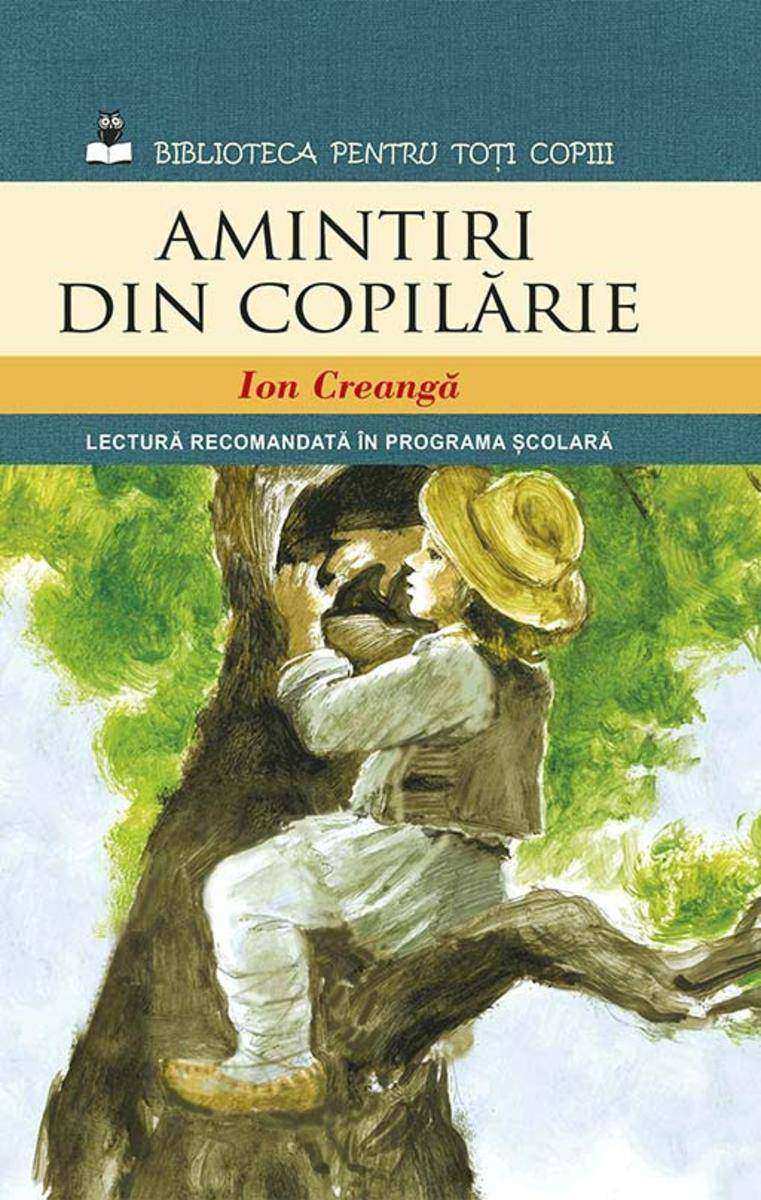
Amintiri din copil?rie
¥33.03
n ce msur literele romne, viaa cultural din ar, au fost nfluenate de ara lui Goethe i Hegel n atenia cercettorului se afl, n special, cultura romneasc a secolului al XIX-lea. Nu sunt, nici pe departe, trecute cu vederea timpurile noastre. Cartea – scris ntr-un stil alert, viu, cu o fraz exact i melodioas, avnd luciul sabiei de Damasc – e destinat studenilor, elevilor, profesorilor, precum i publicului larg de cititori.
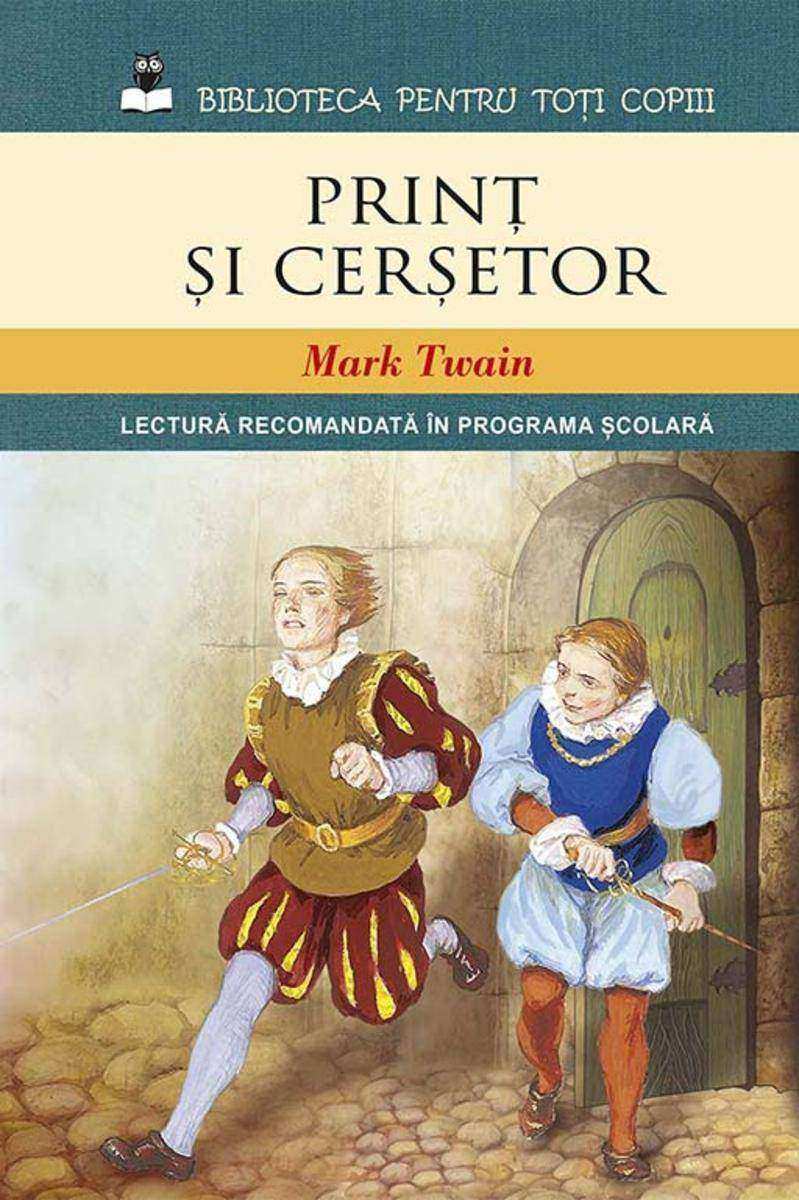
Prin? ?i cer?etor
¥33.03
Unul dintre volumele de v?rf ale scriitorului german, ?n traducerea romancierului Nicolae Breban.

The Little Mermaid
¥9.24
Far out in the ocean the water is as blue as the petals of the loveliest cornflower, and as clear as the purest glass. But it is very deep too. It goes down deeper than any anchor rope will go, and many, many steeples would have to be stacked one on top of another to reach from the bottom to the surface of the sea. It is down there that the sea folk live. Now don't suppose that there are only bare white sands at the bottom of the sea. No indeed! The most marvelous trees and flowers grow down there, with such pliant stalks and leaves that the least stir in the water makes them move about as though they were alive. All sorts of fish, large and small, dart among the branches, just as birds flit through the trees up here. From the deepest spot in the ocean rises the palace of the sea king. Its walls are made of coral and its high pointed windows of the clearest amber, but the roof is made of mussel shells that open and shut with the tide. This is a wonderful sight to see, for every shell holds glistening pearls, any one of which would be the pride of a queen's crown.

Codul Jefferson
¥73.41
Al Doilea R?zboi Mondial nu va ajunge niciodat? s?-?i dezv?luie ?ntreaga groz?vie. ?n spatele faptelor de arme, al atrocit??ilor ?i al crimelor monstruoase comise ?mpotriva civililor se ascunde o alt? realitate. Aceea a miilor de femei sovietice trimise pe front ?mpotriva inamicului nazist. Svetlana Aleksievici ?i-a dedicat ?apte ani din via?? colect?rii m?rturiilor unor femei care, multe dintre ele, la momentul acela erau abia ie?ite din copil?rie. Dup? primele sentimente de euforie, asist?m la o schimbare radical? de ton, pe m?sur? ce ajungem la ?ncercarea fatal? a luptei, ?nso?it? de partea sa de ?ntreb?ri ?i de suferin??. Abandon?nd t?cerea ?n care ?i-au g?sit refugiul, aceste femei ?ndr?znesc, ?n sf?r?it, s? prezinte r?zboiul a?a cum l-au tr?it. ?Svetlana Aleksievici este unul dintre cei mai valoro?i scriitori ai vremurilor noastre. Proza ei nu este feminin?, ci aspr? precum r?zboiul […], dar, prin expresivitatea ei, devine artistic?, palpabil?, profund emo?ionant?.” – Vladimir Voinovici


