


 购物车
购物车 个人中心
个人中心
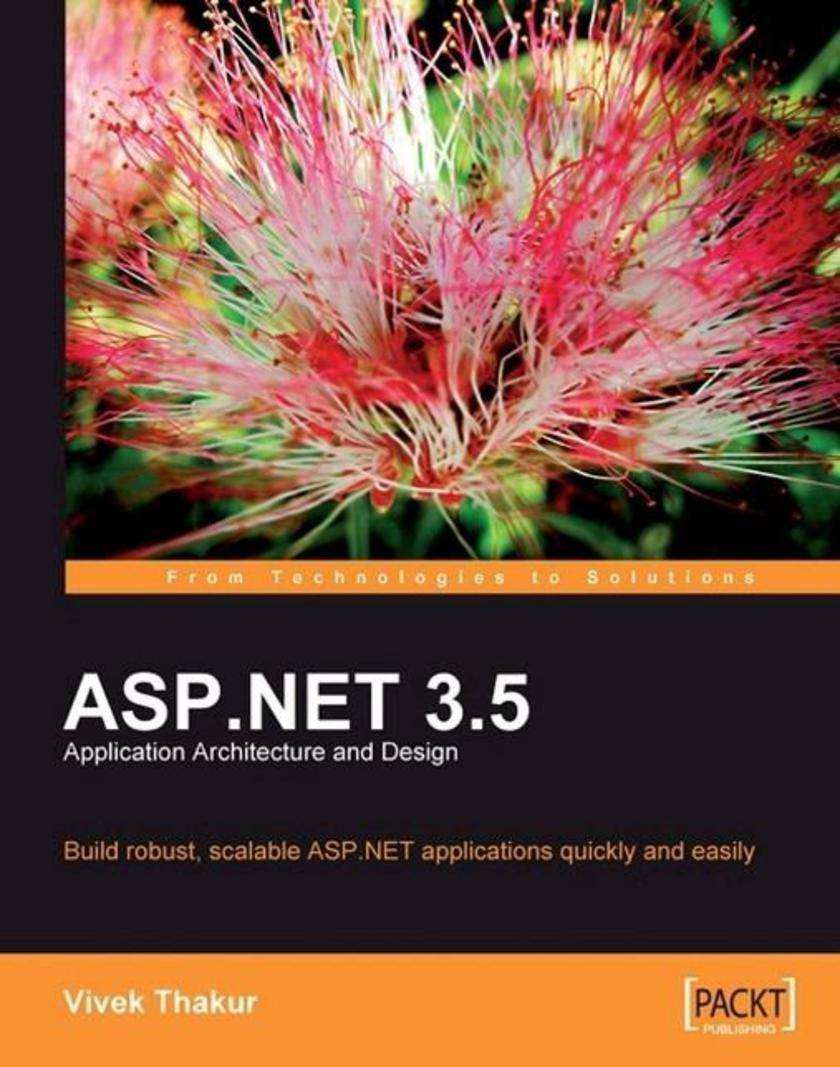
ASP.NET 3.5 Application Architecture and Design
¥71.93
This is a practical hands-on book with clear instructions and lot of code examples. It takes a simple approach, guiding you through different architectural topics using realistic sample projects. A single project is implemented using different architectural styles to make the reader understand the details of each style. There are also many small independent code samples to explain design patterns, WCF, and localization. This book is for people familiar with the ASP.NET framework using either C# or VB.NET. You don?t need to be an ASP.NET guru “ the book is ideal for novice and intermediate developers. If reading about application architecture usually confuses you or sends you to sleep, then this book will be perfect for you! In short, any ASP.NET programmer who is confused or disoriented reading different books or materials on architectures wondering how and what to implement in their application, will definitely benefit from this book!
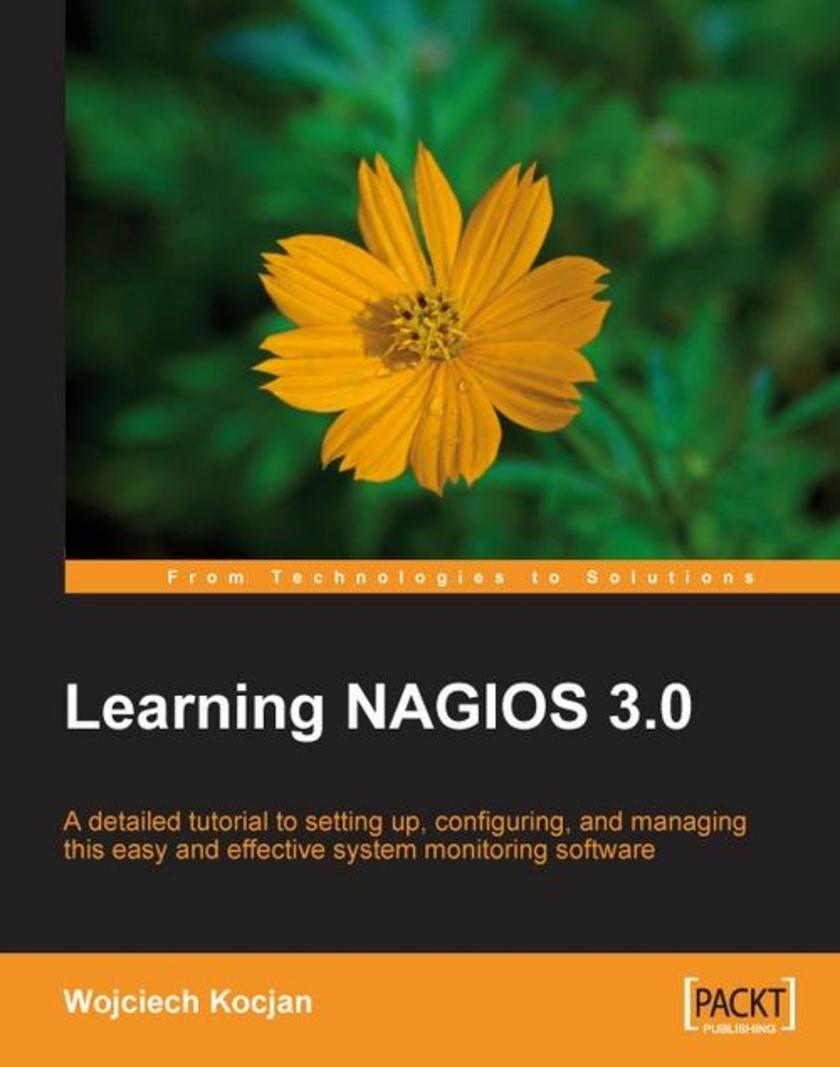
Learning Nagios 3.0
¥71.93
This is a beginner-level book, which will introduce Nagios to System Administrators who are interested in monitoring their systems. The focus is on teaching system administrators to secure their systems in a much improved manner incorporating the newer features of Nagios. It will teach Nagios beginners the basics of installation and configuration of version 3; it will show professionals who have already worked on earlier versions of Nagios the new features of Nagios like inheritance and also the new internal functions like better check scheduling. The target readers for this book are System Administrators interested in using Nagios. This book will introduce Nagios with the new features of Version 3 for System Administrators.

Joomla! Web Security
¥71.93
This book will give you a strong, hands-on approach to security. It starts out with the most basic of considerations such as choosing the right hosting sites then moves quickly into securing the Joomla! site and servers. This is a security handbook for Joomla! sites. It is an easy-to-use guide that will take you step by step into the world of secured websites. This book is a must-read for anyone seriously using Joomla! for any kind of business, ranging from small retailers to larger businesses. With this book they will be able to secure their sites, understand the attackers, and more, without the drudging task of looking up in forums, only to be flamed, or not even find the answers. Prior knowledge of Joomla! is expected but no prior knowledge of securing websites is needed for this book. The reader will gain a moderate to strong level of knowledge on strengthening their sites against hackers.
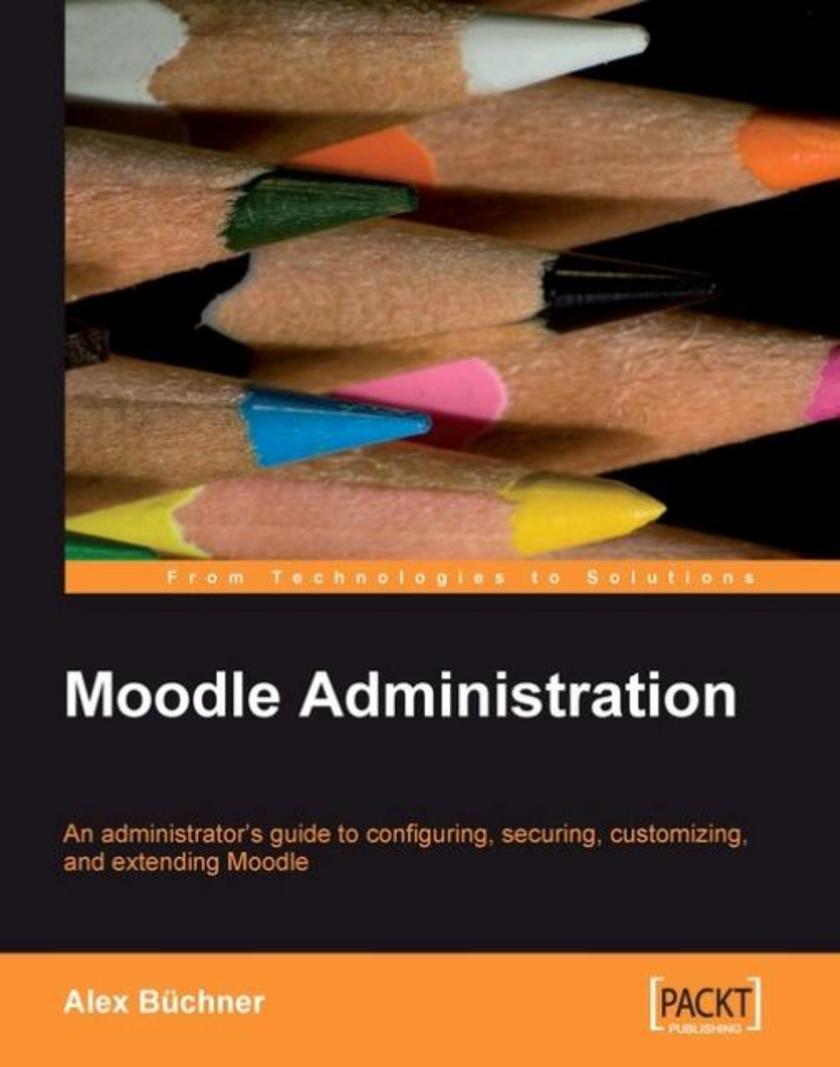
Moodle Administration
¥90.46
Written in a clear, straightforward way with lots of screenshots and direct instructions this book will equip you with all the tools you need to set up, optimize, extend, and maintain a Moodle system. A problem-solution approach has been taken when possible to bring the content more in line with your day-to-day operations. This book is written for technicians, systems administrators, as well as academic staff”basically anyone who has to administer a Moodle system. Whether you are dealing with a small-scale local Moodle system or a large-scale multi-site Virtual Learning Environment, this book will assist you with any administrative tasks. Some basic Moodle knowledge is helpful, but not essential.
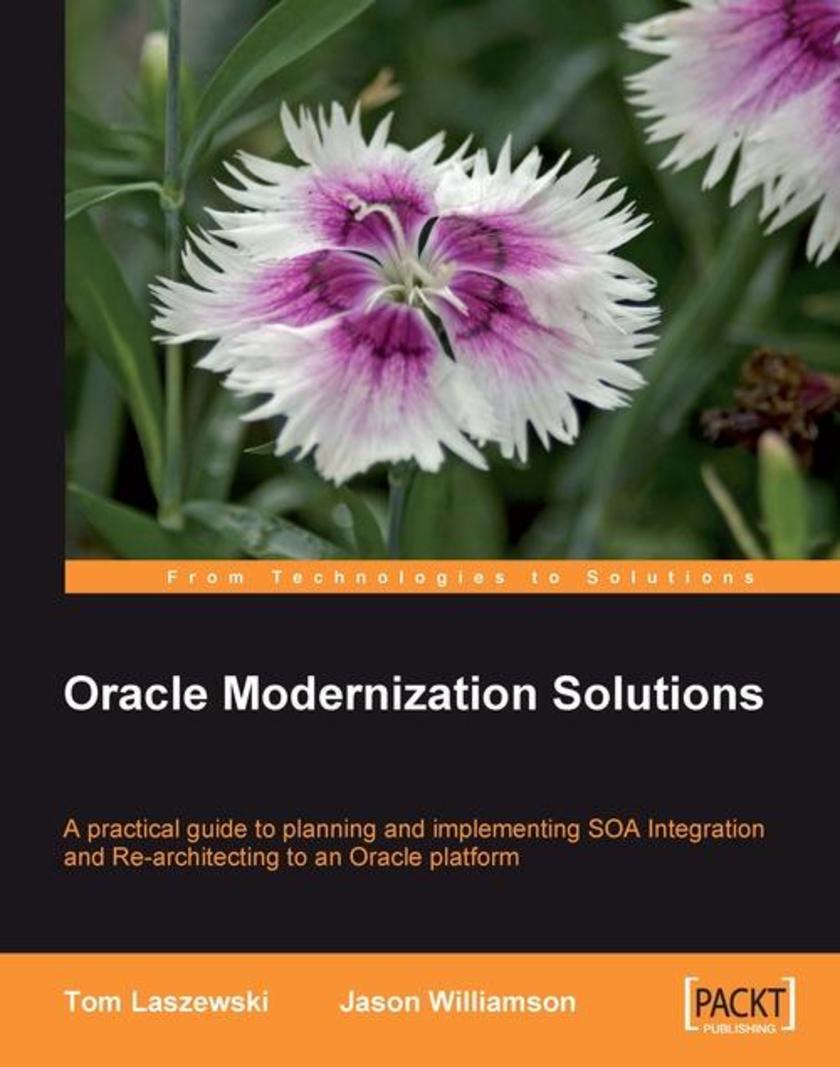
Oracle Modernization Solutions
¥107.90
This book combines case studies with practical examples of how to implement modernization techniques using Oracle (and partner) products to modernize to the Oracle Platform. The book also weighs the pros and cons of specific modernization use cases. Finally, we explore some of the emerging trends in technology and how they apply to legacy modernization. Legacy system architects, project managers, program managers, developers, database architects and decision makers who own mainframe and heterogeneous systems, and are tasked with modernization will all find this book useful. The book assumes some knowledge of mainframes, J2EE, SOA, and Oracle technologies. The reader should have some background in programming and database design.
Object-Oriented JavaScript
¥71.93
The book requires no prior knowledge of JavaScript and works from the ground up to give you a thorough grounding in this powerful language. If you do already know some JavaScript, you will find plenty of eye-openers as you discover just what the language can do. This book takes a do-it-yourself approach when it comes to writing code, because the best way to really learn a programming language is by writing code. You are encouraged to type code into Firebug's console, see how it works and then tweak it and play around with it. There are practice questions at the end of each chapter to help review what you have learned.
SharePoint Designer Tutorial: Working with SharePoint Websites
¥63.21
This book takes you through the development of a SharePoint site for a wine business. The development involves adding features to the site using SharePoint Designer, and for each of these features you will find screenshots and easy to follow instructions. This book is ideal for people new to SharePoint Designer who need to put together a working SharePoint site as quickly as possible. No experience of SharePoint Designer is expected, and no skill with creating SharePoint sites is assumed.
Learning Drupal 6 Module Development
¥71.93
This book is written for PHP developers who want to add custom features to Drupal. You will need to know the basics of PHP and MySQL programming, but no experience of programming Drupal is required, although you will be expected to be familiar with the basic operation of Drupal.
Tapestry 5: Building Web Applications
¥71.93
This book is for those who want to build sophisticated Java web applications quickly and easily. It assumes that the reader is reasonably comfortable with the Java programming language, but no knowledge of web technologies is needed. For experienced Servlet, JSP, or Struts developers, the book will show an alternative way that will allow them to raise their productivity to an incomparable level. With this book you will see that a contemporary component-based framework can be easy to learn and a pleasure to work with.
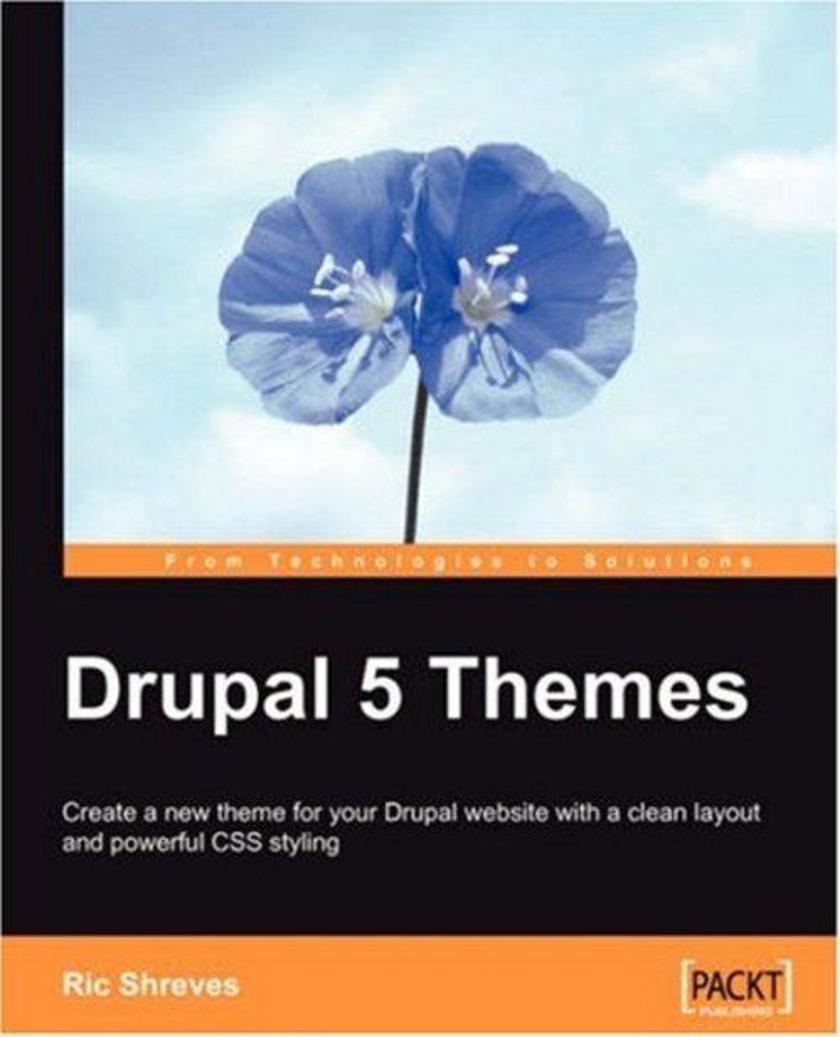
Drupal 5 Themes
¥71.93
This book is the ideal introduction to theming with Drupal 5. If you want to create a striking new look for your Drupal website, this book is for you. Starting from the basics of theme setup and configuration, you will learn about the Drupal theming architecture and the PHPTemplate engine, and then move on to modifying existing themes and building new themes from scratch. Included is a complete guide to the various style sheets and themeable functions in Drupal 5, making this book a valuable resource even to experienced theme developers. It covers: Creating custom templates Basics of theming in pure PHP Modifying an existing PHPTemplate theme" a step-by-step guide Creating a new PHPTemplate theme" a step-by-step guide Working with forms The main requirements to make use of this book are knowledge of HTML, CSS, and a touch of creativity! Although this book aims to make Drupal theming accessible to designers, theming in Drupal 5 involves writing some PHP code, and a basic knowledge of PHP will be helpful.
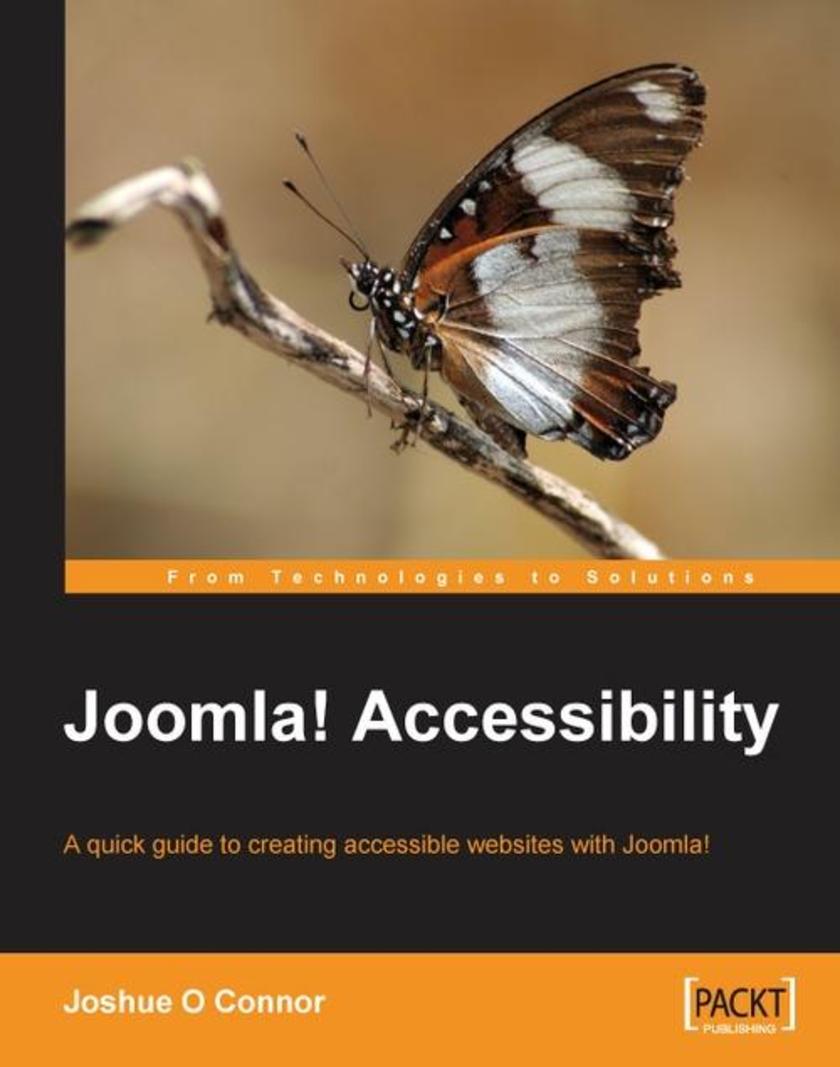
Joomla! Accessibility
¥54.49
Fast-paced and to-the-point, this book takes you through the important topics of Microsoft Dynamics NAV with clear explanations and practical example code. The book's selection of topics is driven by what the working developer needs to know in order to become productive as quickly as possible. The business applications software designer/developer who: Wants to become productive in NAV C/SIDE C/AL development as quickly as possible Understands business applications and the associated software Has significant programming experience Has access to NAV including at least the Designer granules, preferably a full development license and a standard Cronus demo database Is willing to do the exercises to get hands-on experience The Reseller manager or executive who wants a concise, in depth view of NAVs development environment and tool set The technically knowledgeable manager or executive of a firm using NAV that is about to embark on a significant NAV enhancement project The technically knowledgeable manager or executive of a firm considering purchase of NAV as a highly customizable business applications platform The reader of this book: Does not need to be expert in object-oriented programming Does not need to have previous experience with NAV
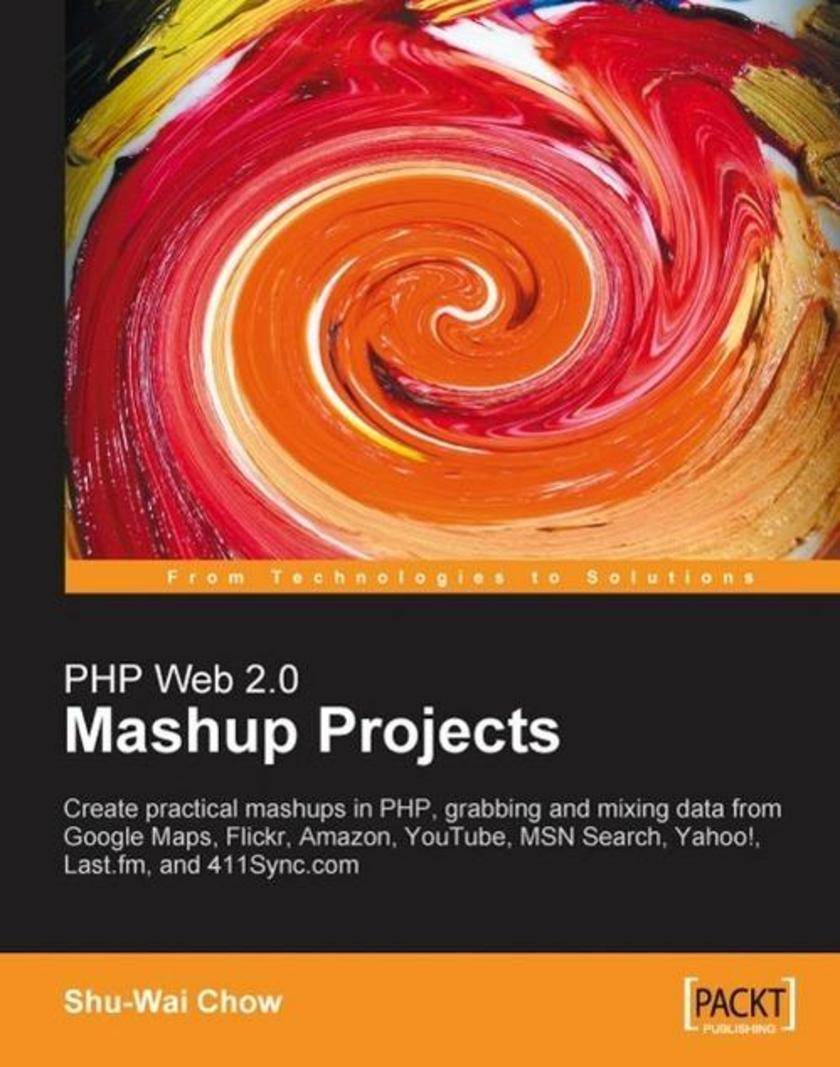
PHP Web 2.0 Mashup Projects
¥71.93
This book is a practical tutorial with five detailed and carefully explained case studies to build new and effective mashup applications. If you feel confident with your PHP programming, familiar with the basics of HTML and CSS, unafraid of XML, and interested in mashing things up, this is the book for you! There are a lot of formats and protocols, web services and web APIs encountered in this book ” you do not need to know anything about them or about AJAX; you will find all you need in the book.
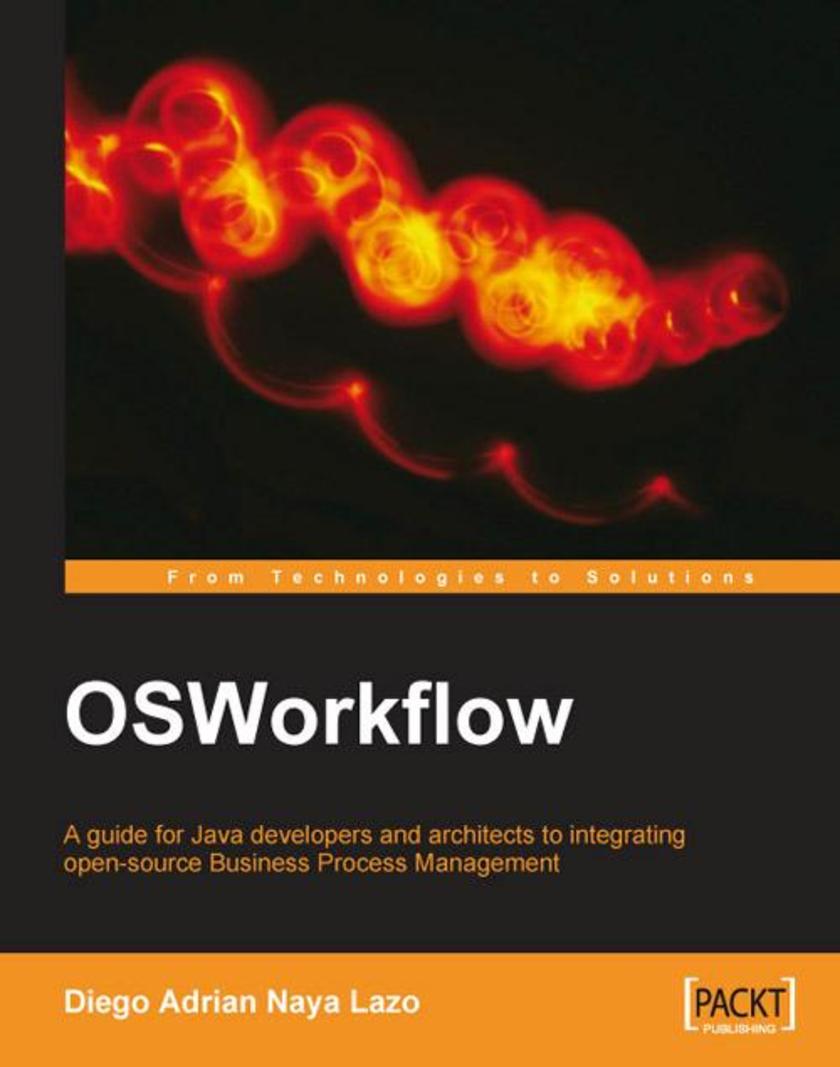
OSWorkflow: A guide for Java developers and architects to integrating…
¥90.46
This book gives step-by-step instructions on how to do things. The basics are explained first and then examples help to clarify and reinforce the principles. The book is aimed at experienced Java developers and system architects who want to develop complex Java applications using the OSWorkflow workflow engine. OSWorkflow is a flexible low-level workflow implementation for developers and architects; it is not a quick "plug-and-play" solution for non-technical end users.
Microsoft AJAX Library Essentials: Client-side ASP.NET AJAX 1.0 Explained
¥71.93
This book is a practical tutorial to get you confident and comfortable working with the Microsoft AJAX suite. Packed with step-by-step examples and detailed explanations of how the examples work, this book is the ideal first step into the exciting world of AJAX in ASP.NET This book has been written for ASP.NET developers entering the world of the ASP.NET AJAX Framework, and for existing ASP.NET AJAX developers looking for a more detailed tutorial on the client-side of the framework: the Microsoft AJAX Library.
Business Process Management with JBoss jBPM
¥90.46
This is a book for Business Analysts (BAs) who need to develop a process model for implementation in a business process management system. Developers looking at the JBoss jBPM toolset will also find it a useful introduction to the key concepts. This book is a full toolkit for someone who wants to implement BPM in the right way. This toolkit is particularly aimed at Business Analysts, although Project Managers, IT managers, developers, and even business people can expect to find useful tools and techniques in here. We will present the project framework, analysis techniques and templates, BPM technology and example deliverables that you need to successfully bring a BPM solution into your organization.
Qmail Quickstarter: Install, Set Up and Run your own Email Server
¥45.77
This book gives practical examples that system administrators can use right away, but it also explains the basics behind every example clearly. This book is targeted at System Administrators familiar with Linux/UNIX and DNS servers who need to set up qmail.
Building Websites with e107
¥71.93
This book is hands-on. As you work through the small business/e-commerce enabled example web site, you will learn how to install, upgrade, configure, and use the various basic features of the e107 Content Management System. The book contains a number of screen shots to reinforce that each step that you perform is correct. This book is primarily for entrepreneurs, small office/home office, small businesses and non-profit agencies who would like to have interactive, business and/or e-commerce web sites at a low cost without sacrificing power or usability. No knowledge of PHP programming, Apache, or MySQL is required.
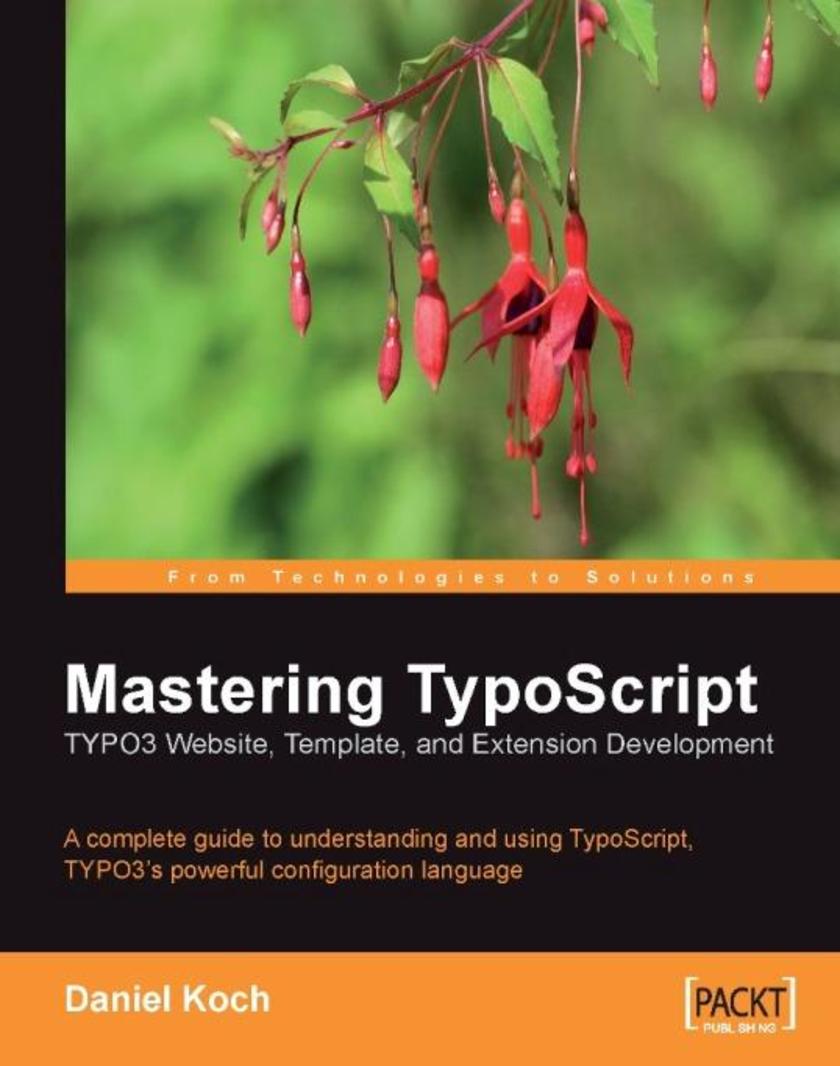
Mastering TypoScript: TYPO3 Website, Template, and Extension Development
¥107.90
Written in a clear, easy-to-read style, the book provides step-by-step instructions on using TypoScript for TYPO3 website development, template and extension development, and back-end and front-end administration. Each topic is tackled in a clear and practical way with many examples to develop your skills. This book is suitable for TYPO3 developers, administrators, and designers who want to develop fully featured TYPO3 websites using the power of TypoScript. A basic knowledge of TYPO3 is expected, and PHP and MySQL programming experience is useful, though not essential for using this book.
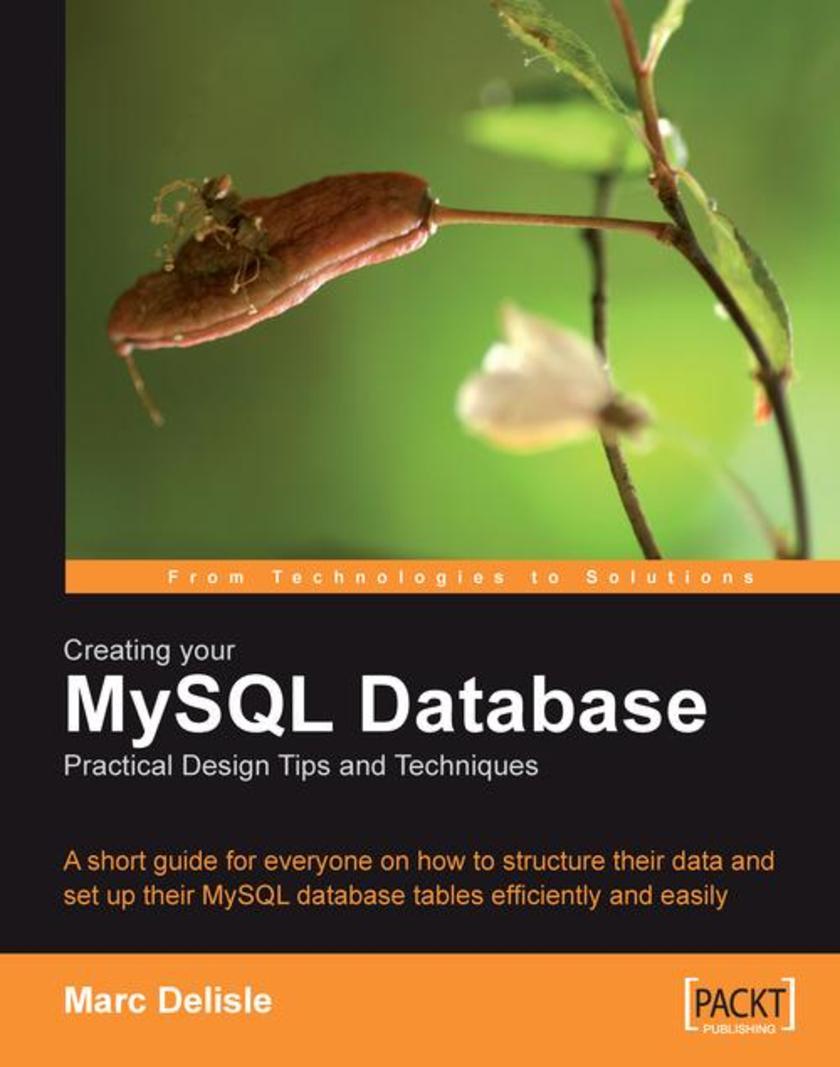
Creating your MySQL Database: Practical Design Tips and Techniques
¥35.96
This book takes a practical approach, implementing all theoretical concepts with examples. It is a fast-paced tutorial that focuses on critical decisions that you need to make every time you build MySQL databases. It is rich with tips and advice from an experienced practitioner. Anyone working with applications that use a MySQL database backend will benefit greatly from the advice and techniques in this book. Although a working knowledge of both SQL and MySQL is assumed, the book is suitable for both beginners and intermediate users alike. Whether you read it through and absorb the advice or work through it on a live project, the efficiency and maintainability of your databases will certainly improve as a result.

Avon
¥56.07
Catriona Cameron was once famed for her seductive beauty and charm. Now she saw no one, hiding from the world . . . and no one dared break through her self-imposed exile. No one, that is, until Mark Thorburn burst into her home, and Catriona darkened world began to have color again. Thorburn, secretly the heir to an Earldom, claimed he was a footman. But Catriona didn't care about the scandal their passion could cause . . . for his very touch sparked her back to a life of sensuality, one she thought she'd never have again. Little does she know that Mark is part of a masquerade. One that will end when they become the target of a madman set on revenge. Mark realizes he will have to do more than win her love . . . he will have to save her life as well.

Sense and Sensibility
¥50.47
He is not the only young man in the world worth having. Teenage sisters Marianne and Elinor Dashwood could not be more different. Marianne is passionat Se, impetuous, and recklessly romantic. Elinor is practical, thoughtful, and completely reserved. But Marianne and Elinor discover they have more in common than they thought when they both fall head over heels in love with unattainable men. Opposites in every way except for their heartbreak, the two girls are determined to make their dreams come true. But in a society ruled by status and money, Elinor and Marianne will have to fight for the happy ending they both deserve. Through a series of romantic misadventures the girls come to realize that the key to their happiness may not lie in fiery passion or strict reason but somewhere in between. Jane Austen's sweepingly romantic masterpiece continues to delight generation after generation of readers. Beautifully presented for a modern teen audience, this is the must-have edition of a timeless classic.


