


 购物车
购物车 个人中心
个人中心
Murder over a Pheasant Feather
¥7.66
A short story about a young man, who was innocently murdered by the Capo of Vásárosbéc.
The Amateur Cracksman
¥8.09
Classic Crime Press presents you The Amateur Cracksman in a fantastic ebook edition. ? The Amateur Cracksman was the original short story collection by E.W. Hornung featuring his most famous character, A. J. Raffles, a gentleman thief in late Victorian Great Britain. It was first published in 1899. The book was very well received and spawned three follow-ups: two more short story collections, The Black Mask (1901) and A Thief in the Night (1904), as well as a full-length novel, Mr. Justice Raffles in 1909. ? Arthur Raffles is a prominent member of London society, and a national sporting hero. As a cricketer he regularly represents England in Test matches. He uses this as a chance to commit a number of burglaries, primarily stealing valuable jewelry from his hosts. In this he is assisted by his friend, the younger, idealistic Bunny Manders. Both men are constantly under the surveillance of Inspector Mackenzie of Scotland Yard who is always thwarted in his attempts to pin the crimes on Raffles. ? In the final story, "The Gift of the Emperor", Raffles is called into service on behalf of the Foreign Office who wish to recover a valuable pearl from a German diplomat staying in England. However, this is only in the TV adaptation; in the book he is working entirely for his own profit. ? The short stories included in the collection are: ? "The Ides of March" "A Costume Piece" "Gentlemen and Players" "Le Premier Pas" "Wilful Murder" "Nine Points of the Law" "The Return Match" "The Gift of the Emperor"
Noughts And Crosses: Stories, Studies And Sketches
¥8.09
Dodo Collections brings you another classic from Arthur Quiller-Couch ‘Noughts and Crosses: Stories, Studies and Sketches.’ Sir Arthur Thomas Quiller-Couch was a Cornish writer, who published under the pen name of Q. He published his Dead Man's Rock (a romance in the vein of Stevenson's Treasure Island) in 1887, and he followed this up with Troy Town (1888) and The Splendid Spur (1889). After some journalistic experience in London, mainly as a contributor to the Speaker, in 1891 he settled at Fowey in Cornwall. He published in 1896 a series of critical articles, Adventures in Criticism, and in 1898 he completed Robert Louis Stevenson's unfinished novel, St Ives. With the exception of the parodies entitled Green Bays: Verses and Parodies (1893), his poetical work is contained in Poems and Ballads (1896). In 1895 he published an anthology from the sixteenth and seventeenth-century English lyrists, The Golden Pomp, followed in 1900 by an equally successful Oxford Book of English Verse, 1250-1900 (1900). He was made a Bard of Gorseth Kernow in 1928, taking the Bardic name Marghak Cough ('Red Knight'). Quiller-Couch was a noted literary critic, publishing editions of some of Shakespeare's plays (in the New Shakespeare, published by Cambridge University Press, with Dover Wilson) and several critical works, including Studies in Literature (1918) and On the Art of Reading (1920). He edited a successor to his verse anthology: Oxford Book of English Prose, which was published in 1923. He left his autobiography, Memories and Opinions, unfinished; it was nevertheless published in 1945.
The Old Debauchees
¥8.09
Play first published in 1732. According to Wikipedia: "Henry Fielding (22 April 1707 – 8 October 1754) was an English novelist and dramatist known for his rich earthy humour and satirical prowess, and as the author of the novel Tom Jones. Aside from his literary achievements, he has a significant place in the history of law-enforcement, having founded (with his half-brother John) what some have called London's first police force, the Bow Street Runners, using his authority as a magistrate. His younger sister, Sarah, also became a successful writer."

An Introduction To Yoga
¥8.09
This great book gives an outline of Yoga, in order to prepare the student to take up, for practical purposes, the Yoga sutras of Patanjali, the chief treatise on Yoga.This book leads to the way where serenity can be had while making your life peaceful and healthy.
Tarzan and the Jewels of Opar by Edgar Rice Burroughs - Delphi Classics (Illustr
¥8.09
This eBook features the unabridged text of ‘Tarzan and the Jewels of Opar by Edgar Rice Burroughs - Delphi Classics (Illustrated)’ from the bestselling edition of ‘The Complete Works of Edgar Rice Burroughs’. Having established their name as the leading publisher of classic literature and art, Delphi Classics produce publications that are individually crafted with superior formatting, while introducing many rare texts for the first time in digital print. The Delphi Classics edition of Burroughs includes original annotations and illustrations relating to the life and works of the author, as well as individual tables of contents, allowing you to navigate eBooks quickly and easily. eBook features: * The complete unabridged text of ‘Tarzan and the Jewels of Opar by Edgar Rice Burroughs - Delphi Classics (Illustrated)’ * Beautifully illustrated with images related to Burroughs’s works * Individual contents table, allowing easy navigation around the eBook * Excellent formatting of the text Please visit www.delphiclassics.com to learn more about our wide range of titles

Delphi Complete Works of Oscar Wilde (Illustrated)
¥16.27
The incomparable Oscar Wilde has delighted audiences for many, many years, and now you can enjoy his writing in its entirety on your eReading device. This is the COMPLETE WORKS of the great literary giant with bonus texts. (Current version: 5) Please visit www.delphiclassics.com to browse through our vast range of titles. * annotated with introductions to the plays, novel and other texts * features many images relating to Wilde, his life and works * illustrated with images of how the books first appeared, giving your kindle a taste of the Victorian texts * ALL of the plays, with excellent formatting * BOTH Wilde’s original French version of 'Salome' and Lord Douglas' (his lover) translation in English - available in no other digital collection * two rare unfinished plays * ALL of the short stories with the original beautiful illustrations * BOTH versions of 'Dorian Gray' – the original magazine version and the first book version with extra chapters, all with separate contents tables * the COMPLETE poetry, with special Chronological and Alphabetical contents tables – find that special poem quickly! * Every non-fiction essay – even the rare ones Wilde wrote in prison * the rare erotic novel ‘Teleny’ attributed to Wilde, but now classed as apocryphal – judge for yourself – did Wilde have a hand in writing this rare text? * ALL of the short stories and short story collections * boasts three biographical works exploring Wilde's life, including the famous two volume OSCAR WILDE, HIS LIFE AND CONFESSIONS by FRANK HARRIS * scholarly ordering of texts into chronological order and literary genres * features the complete and unabridged version of DE PROFUNDIS, often missed out of collections * UPDATED with more images, improved formatting, introductions and structuring Please visit www.delphiclassics.com to browse our other titles CONTENTS The Plays VERA THE DUCHESS OF PADUA LADY WINDERMERE’S FAN A WOMAN OF NO IMPORTANCE SALOM? SALOM? (English Version) AN IDEAL HUSBAND THE IMPORTANCE OF BEING EARNEST LA SAINTE COURTISANE A FLORENTINE TRAGEDY The Poetry LIST OF POEMS IN CHRONOLOGICAL ORDER LIST OF POEMS IN ALPHABETICAL ORDER The Novel THE PICTURE OF DORIAN GRAY THE ORIGINAL 13 CHAPTER VERSION THE REVISED 20 CHAPTER VERSION The Short Stories THE PORTRAIT OF MR. W. H. THE HAPPY PRINCE AND OTHER TALES A HOUSE OF POMEGRANATES LORD ARTHUR SAVILE’S CRIME AND OTHER STORIES The Non-Fiction THE DECAY OF LYING PEN, PENCIL AND POISON - A STUDY IN GREEN THE CRITIC AS ARTIST THE TRUTH OF MASKS THE RISE OF HISTORICAL CRITICISM THE ENGLISH RENAISSANCE OF ART HOUSE DECORATION ART AND THE HANDICRAFTSMAN LECTURE TO ART STUDENTS LONDON MODELS POEMS IN PROSE THE SOUL OF MAN UNDER SOCIALISM PHRASES AND PHILOSOPHIES FOR THE USE OF THE YOUNG A FEW MAXIMS FOR THE INSTRUCTION OF THE OVER-EDUCATED DE PROFUNDIS OSCAR WILDE’S LETTER TO ROBERT BROWNING PERSONAL IMPRESSIONS OF AMERICA THE DECORATIVE ARTS THE HOUSE BEAUTIFUL THE TRUTH OF MASKS The Journalism LIST OF ARTICLES AND REVIEWS Apocrypha TELENY The Biographies OSCAR WILDE, HIS LIFE AND CONFESSIONS by Frank Harris MEMORIES OF OSCAR WILDE by G. Bernard Shaw OSCAR WILDE: AN IDLER’S IMPRESSION by Edgar Saltus Visit www.delphiclassics.com to browse our range of bestselling titles.
The Warlord of Mars by Edgar Rice Burroughs - Delphi Classics (Illustrated)
¥8.09
This eBook features the unabridged text of ‘The Warlord of Mars by Edgar Rice Burroughs - Delphi Classics (Illustrated)’ from the bestselling edition of ‘The Complete Works of Edgar Rice Burroughs’. Having established their name as the leading publisher of classic literature and art, Delphi Classics produce publications that are individually crafted with superior formatting, while introducing many rare texts for the first time in digital print. The Delphi Classics edition of Burroughs includes original annotations and illustrations relating to the life and works of the author, as well as individual tables of contents, allowing you to navigate eBooks quickly and easily. eBook features: * The complete unabridged text of ‘The Warlord of Mars by Edgar Rice Burroughs - Delphi Classics (Illustrated)’ * Beautifully illustrated with images related to Burroughs’s works * Individual contents table, allowing easy navigation around the eBook * Excellent formatting of the text Please visit www.delphiclassics.com to learn more about our wide range of titles
Delphi Complete Works of Wilkie Collins (Illustrated)
¥24.44
Dickens' great friend and fellow novelist deserves a place in the digital library of all lovers of fine literature. This is the COMPLETE WORKS of Wilkie Collins. Why buy any other digital version, which will have texts missing? This is the only eBook available with every novel, every short story - even the very rare ones ? published play, non-fiction text and much, much more! Now you can truly own all of Collins' works on your eReader, and all in ONE well-organised file. (Current version: 4) Please visit www.delphiclassics.com to browse through our vast range of titles. Features: * brief but informative introductions to the novels and other texts * images of how the books first appeared, giving your eReader a taste of the original Victorian texts * ALL 23 novels and EACH with its own contents table - you won't get lost in this eBook! * bonus illustrations in the Dickensian novel "Hide and Seek" and the gothic novel "The Dead Secret" * Includes Collins' rare unfinished novel 'Blind Love', often missed out of collections * ALL of the short stories, with excellent formatting * the collaborative texts with Dickens are provided in their complete state * even INCLUDES Collins' complete non-fiction, including his biography of his father - a very rare text * ALL of the published plays - many available nowhere else in digital format * SPECIAL BONUS text of John Forster's biography of Dickens - explore the great man's amazing life and his many connections to Wilkie Collins * many beautiful images related to Collins, his life and works * rare non-fiction articles from Dickens' magazine 'Household Words' * UPDATED with the biographical work WILKIE COLLINS' CHARMS by Olive Logan, his close friend * scholarly ordering of texts into chronological order and literary genres The eBook also includes a front no-nonsense table of contents to allow easy navigation around Collins' immense oeuvre. Welcome to hours upon hours upon hours of reading one of literature's greatest novelists! CONTENTS The Novels ANTONINA BASIL HIDE AND SEEK THE DEAD SECRET A ROGUE'S LIFE THE WOMAN IN WHITE NO NAME ARMADALE THE MOONSTONE MAN AND WIFE POOR MISS FINCH THE NEW MAGDALEN THE LAW AND THE LADY THE TWO DESTINIES THE FALLEN LEAVES JEZEBELíS DAUGHTER THE BLACK ROBE HEART AND SCIENCE "I SAY NO" THE EVIL GENIUS GUILTY RIVER THE LEGACY OF CAIN BLIND LOVE The Novellas and Shorter Fiction MR WRAY'S CASH BOX THE OSTLER AFTER THE DARK A HOUSE TO LET THE HAUNTED HOUSE THE GHOST IN THE CUPBOARD ROOM THE QUEEN OF HEARTS MY MISCELLANIES NO THOROUGHFARE MISS OR MRS? and many more! The Plays NO NAME THE FROZEN DEEP NO THOROUGHFARE BLACK AND WHITE NO NAME: THE WOMAN IN WHITE THE NEW MAGDALEN MISS GWILT THE MOONSTONE The Non-Fiction MEMOIRS OF THE LIFE OF WILLIAM COLLINS RAMBLES BEYOND RAILWAYS A PICTORIAL TOUR TO ST. GEORGE BOSHERVILLE. and many more! The Biographies WILKIE COLLINSí CHARMS BY OLIVE LOGAN THE LIFE OF CHARLES DICKENS BY J. FORSTER
Delphi Complete Works of Robert Louis Stevenson (Illustrated)
¥24.44
One of Scotland’s most celebrated storytellers, Stevenson deserves a place in everyone’s digital library. This is the definitive digital Edition of the great author’s works, with every published novel, short story, play, poem, letter, essay and piece of travel writing written by Robert Louis Stevenson. Why buy any other Stevenson eBook when you can have them ALL in one? (Current Version: 3) * ALL 12 Novels with concise introductions * Many of the texts are illustrated with the original Victorian artwork, including TREASURE ISLAND and DR JEKYLL AND MR. HYDE * Every short story and short story collection * Texts organised into scholarly chronological order and divided into literary forms * The complete poetry and plays * ALL of the collaboration works with other authors * Even includes the complete letters, with their contents table * Hundreds of images relating to Stevenson’s life and works * The text has been carefully formatted for your enjoyment * Numerous images related to Stevenson’s life and works * hree BONUS biographies – explore Stevenson’s adventurous life by contemporary biographers – all with their own special contents tables Please visit www.delphiclassics.com to browse through our range of exciting titles CONTENTS: The Novels TREASURE ISLAND THE BLACK ARROW PRINCE OTTO THE STRANGE CASE OF DR. JEKYLL & HYDE KIDNAPPED THE MASTER OF BALLANTRAE THE WRONG BOX THE WRECKER CATRIONA THE EBB-TIDE WEIR OF HERMISTON ST. IVES The Unfinished Novels HEATHERCAT THE GREAT NORTH ROAD THE YOUNG CHEVALIER The Short Story Collections NEW ARABIAN NIGHTS MORE NEW ARABIAN NIGHTS THE MERRY MEN AND OTHER TALES ISLAND NIGHTS’ ENTERTAINMENTS FABLES TALES AND FANTASIES The Short Stories CHRONOLGOICAL LIST OF SHORT STORIES ALPHABETICAL LIST OF SHORT STORIES The Poetry Collections A CHILD’S GARDEN OF VERSES UNDERWOODS BALLADS SONGS OF TRAVEL AND OTHER VERSES ADDITIONAL POEMS The Poems CHRONOLOGICAL LIST OF POEMS ALPHABETICAL LIST OF POEMS The Plays DEACON BRODIE BEAU AUSTIN ADMIRAL GUINEA MACAIRE THE CHARITY BAZAAR The Travel Writing AN INLAND VOYAGE TRAVELS WITH A DONKEY IN THE CEVENNES A MOUNTAIN TOWN IN FRANCE EDINBURGH: PICTURESQUE NOTES THE AMATEUR EMIGRANT ACROSS THE PLAINS THE SILVERADO SQUATTERS THE OLD AND NEW PACIFIC CAPITALS The Non-Fiction VIRGINIBUS PUERISQUE AND OTHER PAPERS FAMILIAR STUDIES OF MEN AND BOOKS MEMORIES AND PORTRAITS MEMOIR OF FLEEMING JENKIN RECORDS OF A FAMILY OF ENGINEERS ADDITIONAL MEMORIES AND PORTRAITS LATER ESSAYS LAY MORALS PRAYERS WRITTEN FOR FAMILY USE A FOOTNOTE TO HISTORY IN THE SOUTH SEAS LETTERS FROM SAMOA LETTERS TO YOUNG PEOPLE JUVENILIA AND OTHER PAPERS PIERRE JEAN DE B?RANGER ARTICLE THE COMPLETE LETTERS The Biographies THE LIFE OF STEVENSON By Sir Graham Balfour THE LIFE FOR BOYS AND GIRLS By J.M. Overton THE LIFE OF MRS. STEVENSON By Nellie Sanchez Please visit www.delphiclassics.com to browse through our range of exciting titles

The Battle of the Books by Jonathan Swift - Delphi Classics (Illustrated)
¥8.09
This eBook features the unabridged text of ‘The Battle of the Books by Jonathan Swift - Delphi Classics (Illustrated)’ from the bestselling edition of ‘The Complete Works of Jonathan Swift’. Having established their name as the leading publisher of classic literature and art, Delphi Classics produce publications that are individually crafted with superior formatting, while introducing many rare texts for the first time in digital print. The Delphi Classics edition of Swift includes original annotations and illustrations relating to the life and works of the author, as well as individual tables of contents, allowing you to navigate eBooks quickly and easily. eBook features: * The complete unabridged text of ‘The Battle of the Books by Jonathan Swift - Delphi Classics (Illustrated)’ * Beautifully illustrated with images related to Swift’s works * Individual contents table, allowing easy navigation around the eBook * Excellent formatting of the text Please visit www.delphiclassics.com to learn more about our wide range of titles

The Bickerstaff-Partridge Papers by Jonathan Swift - Delphi Classics (Illustrate
¥8.09
This eBook features the unabridged text of ‘The Bickerstaff-Partridge Papers by Jonathan Swift - Delphi Classics (Illustrated)’ from the bestselling edition of ‘The Complete Works of Jonathan Swift’. Having established their name as the leading publisher of classic literature and art, Delphi Classics produce publications that are individually crafted with superior formatting, while introducing many rare texts for the first time in digital print. The Delphi Classics edition of Swift includes original annotations and illustrations relating to the life and works of the author, as well as individual tables of contents, allowing you to navigate eBooks quickly and easily. eBook features: * The complete unabridged text of ‘The Bickerstaff-Partridge Papers by Jonathan Swift - Delphi Classics (Illustrated)’ * Beautifully illustrated with images related to Swift’s works * Individual contents table, allowing easy navigation around the eBook * Excellent formatting of the text Please visit www.delphiclassics.com to learn more about our wide range of titles
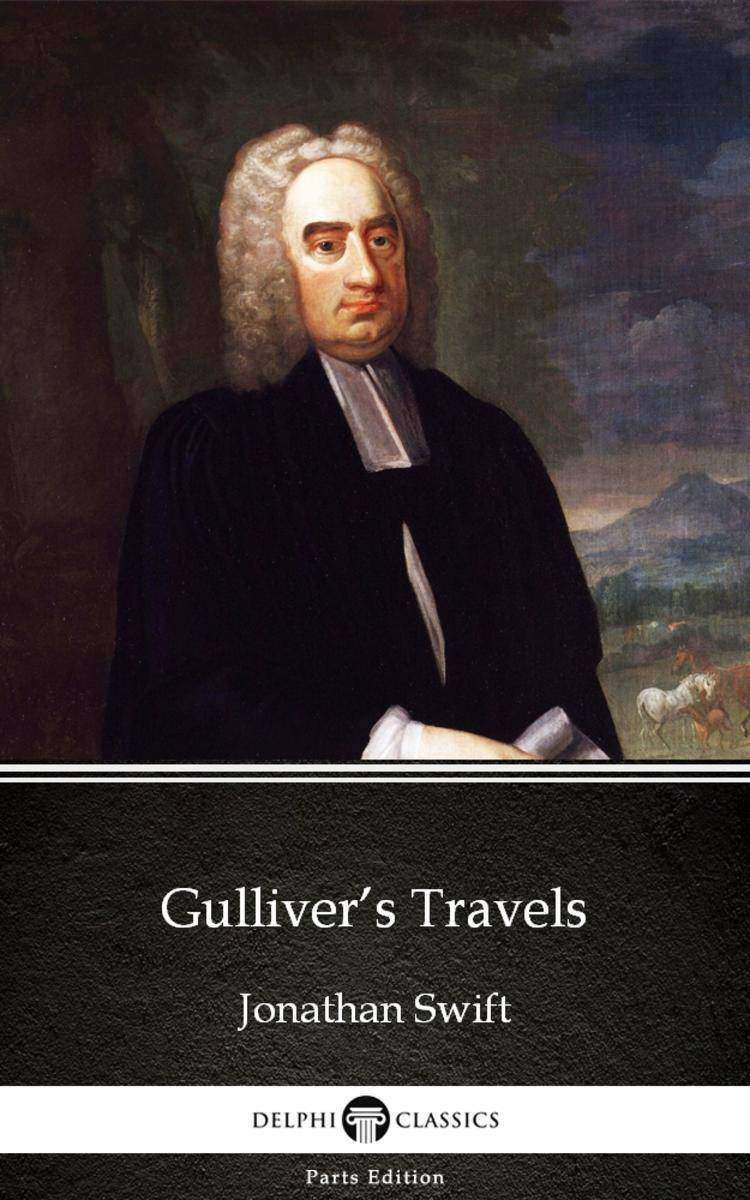
Gulliver’s Travels by Jonathan Swift - Delphi Classics (Illustrated)
¥8.09
This eBook features the unabridged text of ‘Gulliver’s Travels by Jonathan Swift - Delphi Classics (Illustrated)’ from the bestselling edition of ‘The Complete Works of Jonathan Swift’. Having established their name as the leading publisher of classic literature and art, Delphi Classics produce publications that are individually crafted with superior formatting, while introducing many rare texts for the first time in digital print. The Delphi Classics edition of Swift includes original annotations and illustrations relating to the life and works of the author, as well as individual tables of contents, allowing you to navigate eBooks quickly and easily. eBook features: * The complete unabridged text of ‘Gulliver’s Travels by Jonathan Swift - Delphi Classics (Illustrated)’ * Beautifully illustrated with images related to Swift’s works * Individual contents table, allowing easy navigation around the eBook * Excellent formatting of the text Please visit www.delphiclassics.com to learn more about our wide range of titles

A Journal to Stella by Jonathan Swift - Delphi Classics (Illustrated)
¥8.09
This eBook features the unabridged text of ‘A Journal to Stella by Jonathan Swift - Delphi Classics (Illustrated)’ from the bestselling edition of ‘The Complete Works of Jonathan Swift’. Having established their name as the leading publisher of classic literature and art, Delphi Classics produce publications that are individually crafted with superior formatting, while introducing many rare texts for the first time in digital print. The Delphi Classics edition of Swift includes original annotations and illustrations relating to the life and works of the author, as well as individual tables of contents, allowing you to navigate eBooks quickly and easily. eBook features: * The complete unabridged text of ‘A Journal to Stella by Jonathan Swift - Delphi Classics (Illustrated)’ * Beautifully illustrated with images related to Swift’s works * Individual contents table, allowing easy navigation around the eBook * Excellent formatting of the text Please visit www.delphiclassics.com to learn more about our wide range of titles

DJing for Beginners
¥81.67
Have you pictured yourself spinning the decks and mixing records? Do you want to create new sounds but are unsure where to start? From hip-hop to trance, DJing for Beginners tells you everything you need to know about the equipment and the techniques behind mixing records and sounds in rap, dance, reggae and other styles. If you’re undecided whether you want to work with vinyl or be a digital DJ, the book shows you the advantages and disadvantages of each. In addition, becoming a DJ involves a great deal of equipment and can be costly, but the book advises on where savings can be made, such as which pieces are best bought second hand and which pieces you won’t need until you’re a lot more advanced. From matching the tempo and keys of songs to scratching, blending intros and outros, drags and looping, the book guides you through the essential steps to becoming a DJ. Each chapter also includes a special feature about a major DJ, from Grandmaster Flash in the 1980s to Paul Oakenfield in the 1990s to deadmau5 and Nina Kraviz today. With clear diagrams, photographs and instructions, DJing for Beginners is the ideal book for the first-time DJ.
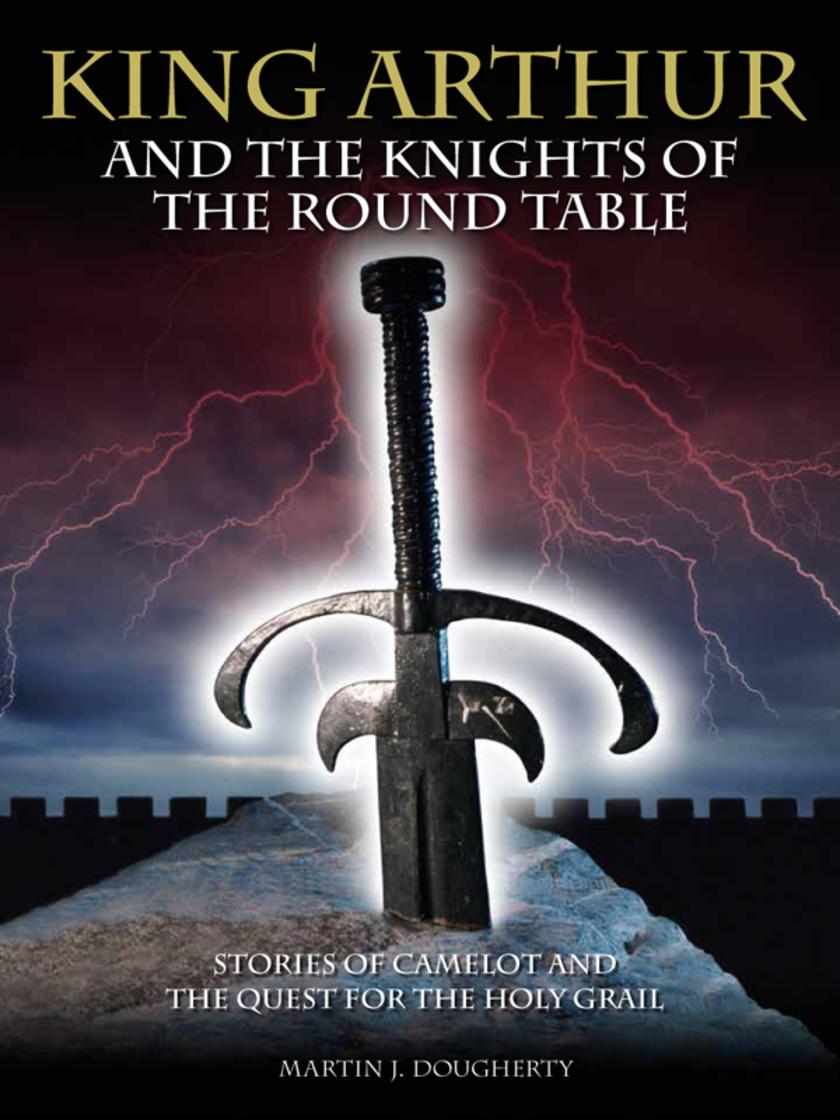
King Arthur and the Knights of the Round Table
¥81.67
Here lies entombed the renowned King Arthur in the island of Avalon. – Inscription found at Glastonbury in the late 12th century King Arthur most probably never existed and if he did we know precious little about him, and yet he is one of the most famous Britons, while Excalibur and Camelot are perhaps the world’s best known sword and castle, and Hollywood doesn’t tire of returning to the world of Arthurian romance – another major movie is to be released in 2016. So, what’s the truth behind King Arthur? How did the legends take hold? And why have they endured for so long? Long before the Marvel Universe there was the universe of Arthurian romance and King Arthur and the Knights of the Round Table examines the fact and the fiction behind Arthur, Lancelot, Merlin, Guinevere, Galahad, among others, as well as the quest for the Holy Grail. Beginning in the 12th century, the book explores what factual basis there is for the tales and how the characters, stories and motifs developed through histories, epic poems and prose tellings. The book also charts the revived interest in Arthurian romance in the 19th century and considers how the tales still hold the popular imagination today. Illustrated with more than 180 colour and black-and-white artworks and photographs and maps, King Arthur and the Knights of the Round Table is an expertly written account of where literature, mythology and history meet.

Tin Soldier and Other Plays for Children
¥40.79
A collection of three enchanting plays adapted from popular fairy tales and suitable for family audiences:?Tin Soldier (adapted from The Steadfast Tin Soldier by Hans Christian Andersen), A Tasty Tale (Hansel and Gretel), Hood in the Wood (Little Red Riding Hood). Acclaimed playwright Noel Greig, has recreated these well-known tales for the stage with wit and imagination. All three plays have been performed throughout the UK by Tangere Arts, winning a? Time Out Critics' Choice Award . Teachers, youth theatres and amateur groups working with young performers will use this collection time and again for productions, drama classes and workshops - whether for one performer or many. Suitable for children aged 7+ The simple form and language of the plays belie their theatrical and psychological sophistication. Tin Soldier ' a powerful poetic drama, an epic fable for our times.' **** ?Independent A Tasty Tale (Hansel and Gretel) ' Delicious moments... fashioned into a rhyming feast.' ****?Time Out Hood in the Wood (Little Red Riding Hood) ' a first-rate piece of storytelling that will make children squeal with terrified delight and parents shiver with recognition. ' **** ?Guardian
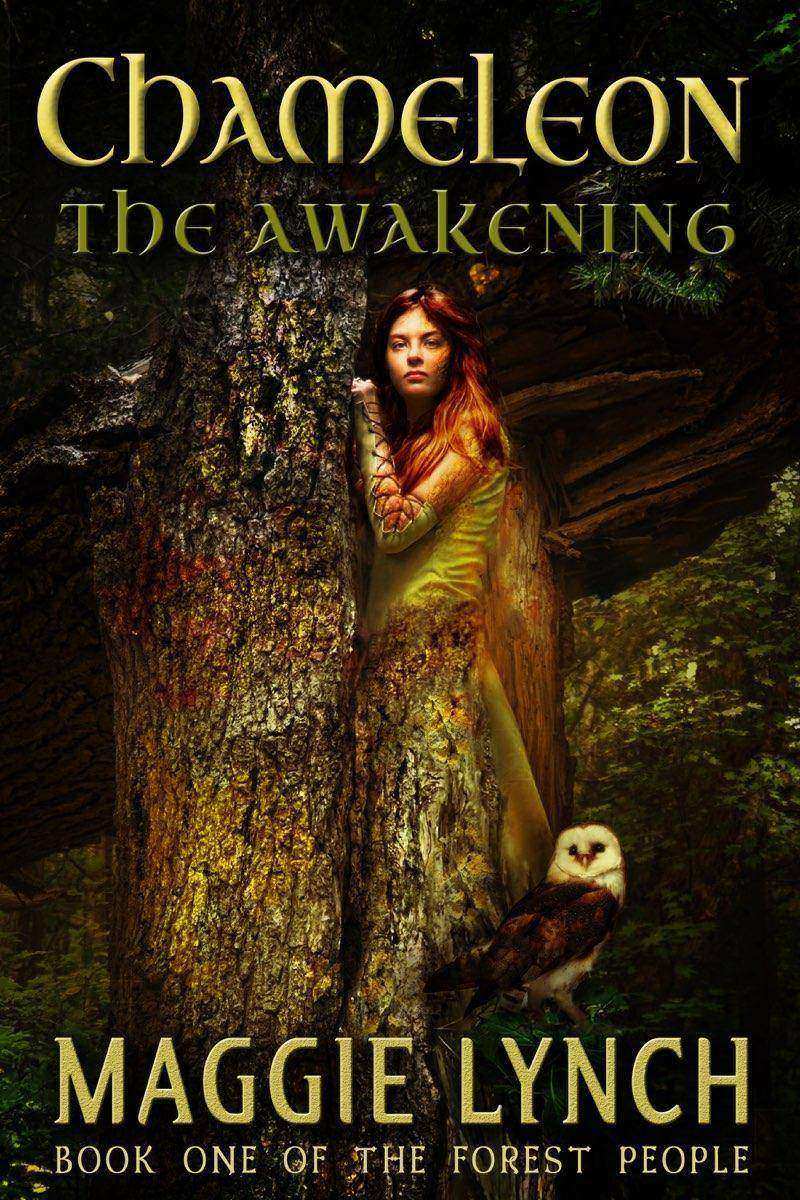
Chameleon: The Awakening
¥32.62
Book 1 of the Forest People Series – The Awakening Camryn Painter is a 16-year-old freak of nature. Or possibly the savior of a civilization that isn’t supposed to exist. She’s a human chameleon… one who transforms into the image of whoever sees. Escaping from a medical research facility, Camryn discovers a magical forest world. Not that she’s welcome. Her new home is filled with faeries and beasts set on destroying her. Striking a tribal alliance between what she once believed were mythical beings is her only chance of survival… if she can just control her power and figure out who to trust.
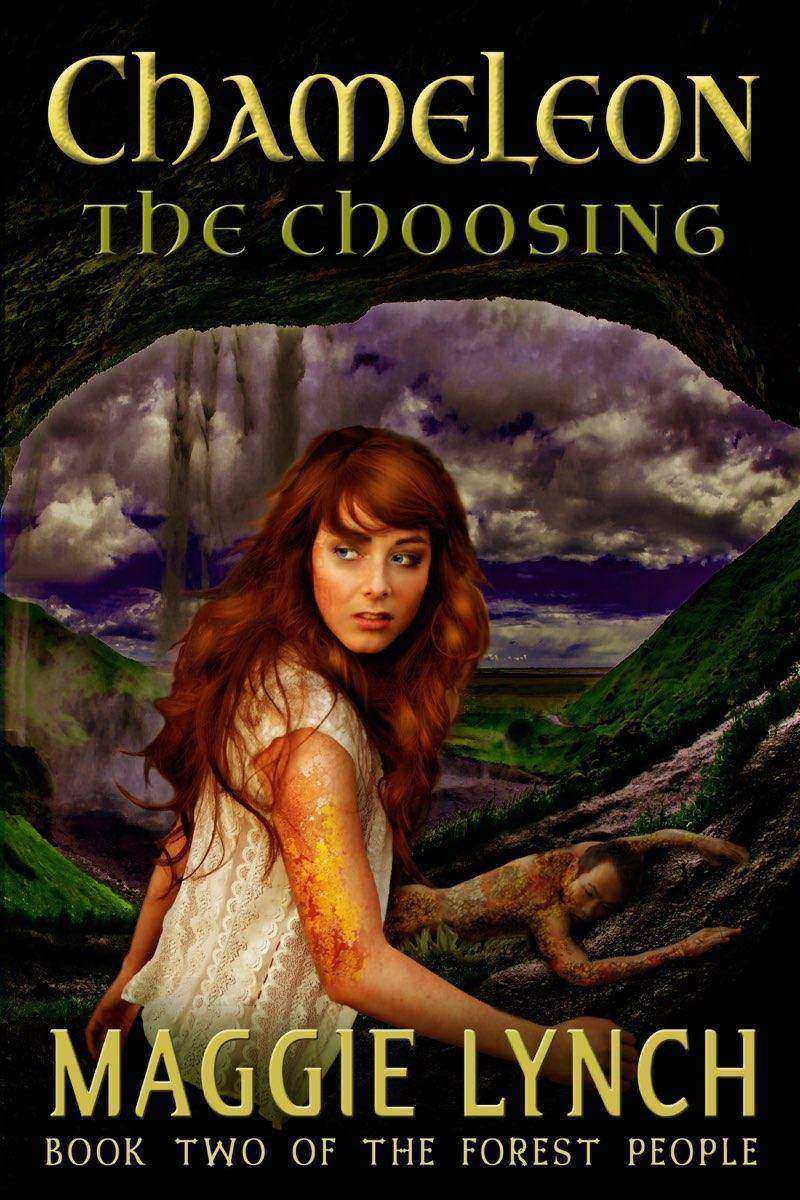
Chameleon: The Choosing
¥32.62
Book 2 of the Forest People Series – The Choosing Camryn Painter’s powers come at a steep price. It’s one thing to master her chameleon abilities in the ancient forest world she now calls home, but another to use her abilities wisely. With the life or death of an entire civilization in her hands, Camryn must bond with a thunder dragon and join a battle she has little chance of winning… unless she can face down her own inner demons without destroying those she loves.

Vulnerable: A Prequel to the Red Dog Conspiracy
¥7.66
In the far future domed city of Dickens, no mercy is given. So when Eleanora Bryce finds her husband dead at his own hand, she finds herself trapped between the truth and his mountain of debt. Eleanora faces debtor’s prison — or worse — unless she can find a way out of Dickens. But can she return to the city which ruined her husband and murdered her son? A 6,000 word short story.

A Sweetwater Canyon Holiday Trio
¥32.62
This holiday trio contains three stories featuring beloved characters from the Sweetwater Canyon series. Thanks for Love – A Thanksgiving Novella Is faith and forgiveness enough to make a family of four survive and thrive? After Sarah’s horrific ordeal with Amanda, all she wanted was to be in Tom’s arms forever. But now she’s not sure she is the best person to bring this family together. When it looks like the wedding is off, Connor and Grady put together a plan to get the family they’ve always wanted. A Thanksgiving Day wedding, with all of Broken Bow in attendance is in jeopardy. Can the boys get the bride to show up? Christmas Courage – A Christmas Novelette A week before Christmas, Kat’s father turns up on their doorstep and wants to be a part of her life. As far as Theresa is concerned, when Doug walked out fifteen years ago, leaving her with a two-year-old child and a mountain of debt, he forfeited all claims to Kat’s life. He does not get to waltz in like Santa Claus and re-claim her. Kat needs more than courage to navigate this Christmas season. She needs a miracle. The Hogmanay Stranger – A New Year’s Novelette The Sweetwater Canyon musicians celebrate Hogmanay in Scotland with Rachel’s father, Gavin Cullen. Since his wife’s death eight years ago, Gavin has never been the same. Running the bed and breakfast inn is what has kept him going. When a young, homeless stranger is given a room in the inn on New Year’s Eve, he’s met with great caution. Clearing the cobwebs of the past in order to begin anew is a tradition at Hogmanay, but can the Cullen family let go?


