


 购物车
购物车 个人中心
个人中心

Ethical Condition
¥247.21
Written over a thirty-year span, Michael Lambek's essays in this collection point with definitive force toward a single central truth: ethics is intrinsic to social life. As he shows through rich ethnographic accounts and multiple theoretical traditions, our human condition is at heart an ethical one-we may not always be good or just, but we are always subject to their criteria. Detailing Lambek's trajectory as one anthropologist thinking deeply throughout a career on the nature of ethical life, the essays accumulate into a vibrant demonstration of the relevance of ethics as a practice and its crucial importance to ethnography, social theory, and philosophy.Organized chronologically, the essays begin among Malagasy speakers on the island of Mayotte and in northwest Madagascar. Building from ethnographic accounts there, they synthesize Aristotelian notions of practical judgment and virtuous action with Wittgensteinian notions of the ordinariness of ethical life and the importance of language, everyday speech, and ritual in order to understand how ethics are lived. They illustrate the multiple ways in which ethics informs personhood, character, and practice; explore the centrality of judgment, action, and irony to ethical life; and consider the relation of virtue to value. The result is a fully fleshed-out picture of ethics as a deeply rooted aspect of the human experience.?
Ancestors and Antiretrovirals
¥265.87
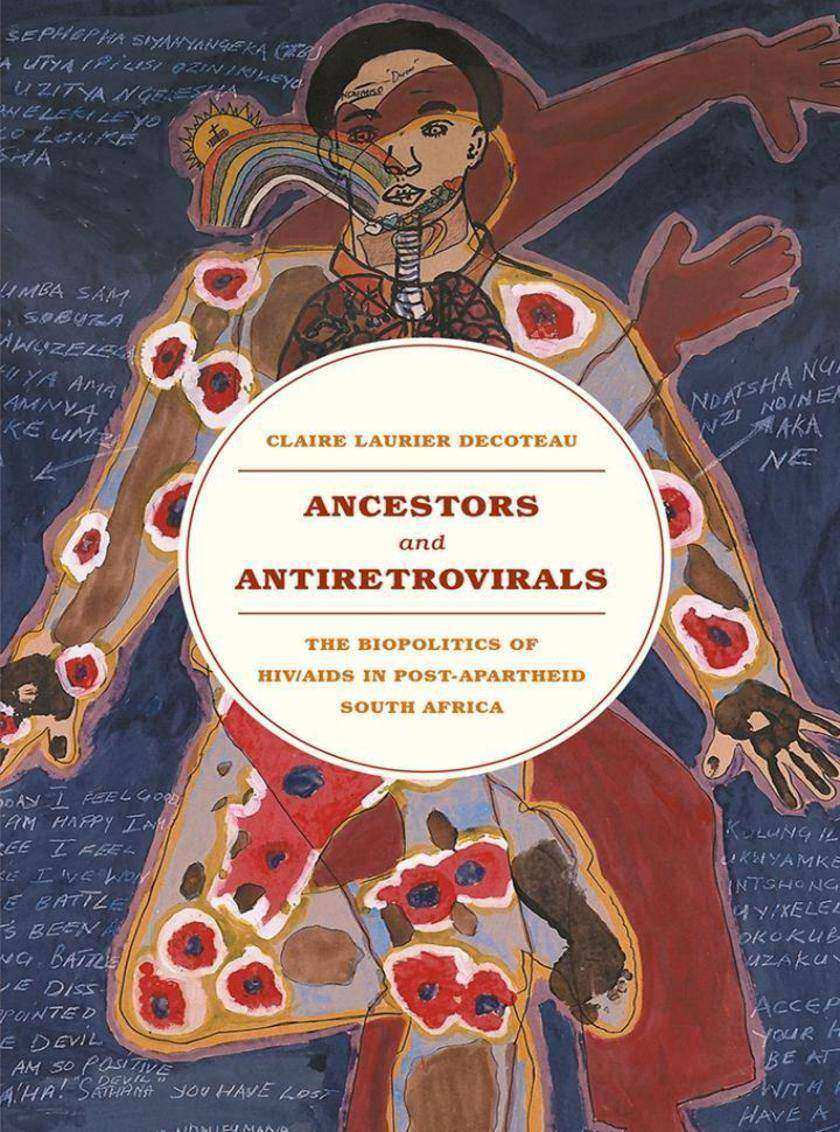
In the years since the end of apartheid, South Africans have enjoyed a progressive constitution, considerable access to social services for the poor and sick, and a booming economy that has made their nation into one of the wealthiest on the continent. At the same time, South Africa experiences extremely unequal income distribution, and its citizens suffer the highest prevalence of HIV in the world. As Archbishop Desmond Tutu has noted, "e;AIDS is South Africa's new apartheid."e;In Ancestors and Antiretrovirals, Claire Laurier Decoteau backs up Tutu's assertion with powerful arguments about how this came to pass. Decoteau traces the historical shifts in health policy after apartheid and describes their effects, detailing, in particular, the changing relationship between biomedical and indigenous health care, both at the national and the local level. Decoteau tells this story from the perspective of those living with and dying from AIDS in Johannesburg's squatter camps. At the same time, she exposes the complex and often contradictory ways that the South African government has failed to balance the demands of neoliberal capital with the considerable health needs of its population.

Philosophy of Pseudoscience
¥288.41
What sets the practice of rigorously tested, sound science apart from pseudoscienceIn this volume, the contributors seek to answer this question, known to philosophers of science as "e;the demarcation problem."e; This issue has a long history in philosophy, stretching as far back as the early twentieth century and the work of Karl Popper. But by the late 1980s, scholars in the field began to treat the demarcation problem as impossible to solve and futile to ponder. However, the essays that Massimo Pigliucci and Maarten Boudry have assembled in this volume make a rousing case for the unequivocal importance of reflecting on the separation between pseudoscience and sound science. Moreover, the demarcation problem is not a purely theoretical dilemma of mere academic interest: it affects parents' decisions to vaccinate children and governments' willingness to adopt policies that prevent climate change. Pseudoscience often mimics science, using the superficial language and trappings of actual scientific research to seem more respectable. Even a well-informed public can be taken in by such questionable theories dressed up as science. Pseudoscientific beliefs compete with sound science on the health pages of newspapers for media coverage and in laboratories for research funding. Now more than ever the ability to separate genuine scientific findings from spurious ones is vital, and The Philosophy of Pseudoscience provides ground for philosophers, sociologists, historians, and laypeople to make decisions about what science is or isn't.
Plant Sensing and Communication
¥288.41
The news that a flowering weed-mousear cress (Arabidopsis thaliana)-can sense the particular chewing noise of its most common caterpillar predator and adjust its chemical defenses in response led to headlines announcing the discovery of the first "e;hearing"e; plant. As plants lack central nervous systems (and, indeed, ears), the mechanisms behind this "e;hearing"e; are unquestionably very different from those of our own acoustic sense, but the misleading headlines point to an overlooked truth: plants do in fact perceive environmental cues and respond rapidly to them by changing their chemical, morphological, and behavioral traits.In Plant Sensing and Communication, Richard Karban provides the first comprehensive overview of what is known about how plants perceive their environments, communicate those perceptions, and learn. Facing many of the same challenges as animals, plants have developed many similar capabilities: they sense light, chemicals, mechanical stimulation, temperature, electricity, and sound. Moreover, prior experiences have lasting impacts on sensitivity and response to cues; plants, in essence, have memory. Nor are their senses limited to the processes of an individual plant: plants eavesdrop on the cues and behaviors of neighbors and-for example, through flowers and fruits-exchange information with other types of organisms. Far from inanimate organisms limited by their stationary existence, plants, this book makes unquestionably clear, are in constant and lively discourse.
Deep Rhetoric
¥311.96
"e;Rhetoric is the counterpart of logic,"e; claimed Aristotle. "e;Rhetoric is the first part of logic rightly understood,"e; Martin Heidegger concurred. "e;Rhetoric is the universal form of human communication,"e; opined Hans-Georg Gadamer. But in Deep Rhetoric, James Crosswhite offers a groundbreaking new conception of rhetoric, one that builds a definitive case for an understanding of the discipline as a philosophical enterprise beyond basic argumentation and is fully conversant with the advances of the New Rhetoric of Chaim Perelman and Lucie Olbrechts-Tyteca.Chapter by chapter, Deep Rhetoric develops an understanding of rhetoric not only in its philosophical dimension but also as a means of guiding and conducting conflicts, achieving justice, and understanding the human condition. Along the way, Crosswhite restores the traditional dignity and importance of the discipline and illuminates the twentieth-century resurgence of rhetoric among philosophers, as well as the role that rhetoric can play in future discussions of ontology, epistemology, and ethics. At a time when the fields of philosophy and rhetoric have diverged, Crosswhite returns them to their common moorings and shows us an invigorating new way forward.

Alfred the Great
¥265.87
Filled with drama and action, here is the story of the ninth-century life and times of Alfred-warrior, conqueror, lawmaker, scholar, and the only king whom England has ever called "e;The Great."e; Based on up-to-date information on ninth-century history, geography, philosophy, literature, and social life, it vividly presents exciting views of Alfred in every stage of his long career and leaves the reader with a sharply-etched picture of the world of the Middle Ages.
Citizen Hobo
¥253.10
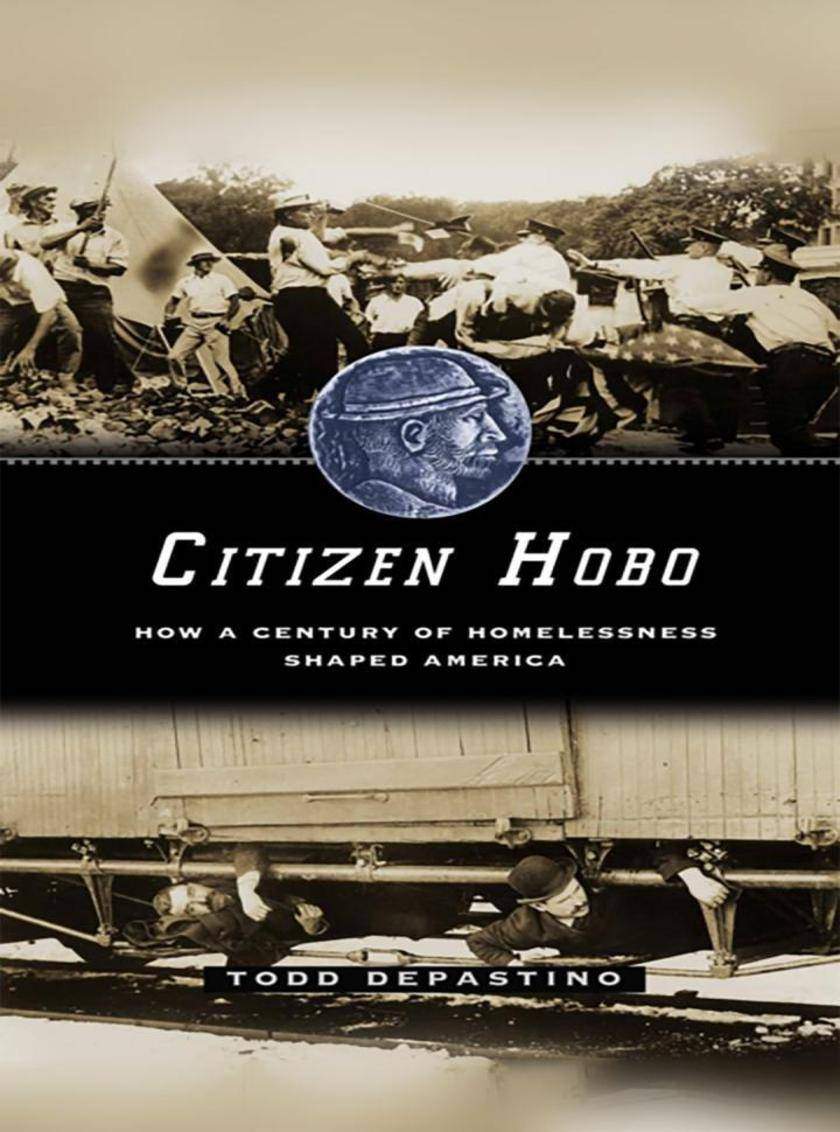
In the years following the Civil War, a veritable army of homeless men swept across America's "e;wageworkers' frontier"e; and forged a beguiling and bedeviling counterculture known as "e;hobohemia."e; Celebrating unfettered masculinity and jealously guarding the American road as the preserve of white manhood, hoboes took command of downtown districts and swaggered onto center stage of the new urban culture. Less obviously, perhaps, they also staked their own claims on the American polity, claims that would in fact transform the very entitlements of American citizenship.In this eye-opening work of American history, Todd DePastino tells the epic story of hobohemia's rise and fall, and crafts a stunning new interpretation of the "e;American century"e; in the process. Drawing on sources ranging from diaries, letters, and police reports to movies and memoirs, Citizen Hobo breathes life into the largely forgotten world of the road, but it also, crucially, shows how the hobo army so haunted the American body politic that it prompted the creation of an entirely new social order and political economy. DePastino shows how hoboes-with their reputation as dangers to civilization, sexual savages, and professional idlers-became a cultural and political force, influencing the creation of welfare state measures, the promotion of mass consumption, and the suburbanization of America. Citizen Hobo's sweeping retelling of American nationhood in light of enduring struggles over "e;home"e; does more than chart the change from "e;homelessness"e; to "e;houselessness."e; In its breadth and scope, the book offers nothing less than an essential new context for thinking about Americans' struggles against inequality and alienation.
Embers and the Stars
¥247.21
"e;It is hard to put this profound book into a category. Despite the author's criticisms of Thoreau, it is more like Walden than any other book I have read. . . . The book makes great strides toward bringing the best insights from medieval philosophy and from contemporary environmental ethics together. Anyone interested in both of these areas must read this book."e;-Daniel A. Dombrowski, The Thomist"e;Those who share Kohk's concern to understand nature as other than a mere resource or matter in motion will find his temporally oriented interpretation of nature instructive. It is here in particular that Kohk turns moments of experience to account philosophically, turning what we habitually overlook or avoid into an opportunity and basis for self-knowledge. This is an impassioned attempt to see the vital order of nature and the moral order of our humanity as one."e;-Ethics
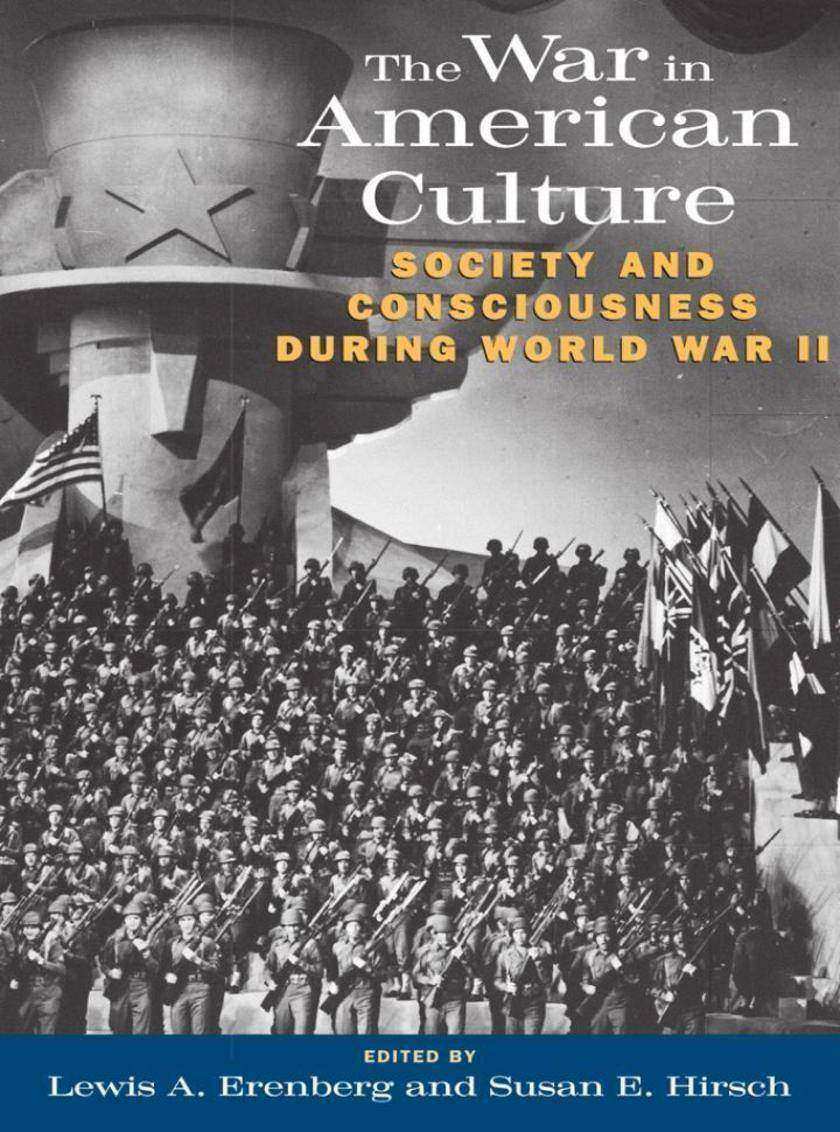
War in American Culture
¥247.21
The War in American Culture explores the role of World War II in the transformation of American social, cultural, and political life.World War II posed a crisis for American culture: to defeat the enemy, Americans had to unite across the class, racial and ethnic boundaries that had long divided them. Exploring government censorship of war photography, the revision of immigration laws, Hollywood moviemaking, swing music, and popular magazines, these essays reveal the creation of a new national identity that was pluralistic, but also controlled and sanitized. Concentrating on the home front and the impact of the war on the lives of ordinary Americans, the contributors give us a rich portrayal of family life, sexuality, cultural images, and working-class life in addition to detailed consideration of African Americans, Latinos, and women who lived through the unsettling and rapidly altered circumstances of wartime America.

Behind Closed Doors
¥265.87
Although the subject of federally mandated Institutional Review Boards (IRBs) has been extensively debated, we actually do not know much about what takes place when they convene. The story of how IRBs work today is a story about their past as well as their present, and Behind Closed Doors is the first book to meld firsthand observations of IRB meetings with the history of how rules for the treatment of human subjects were formalized in the United States in the decades after World War II.?Drawing on extensive archival sources, Laura Stark reconstructs the daily lives of scientists, lawyers, administrators, and research subjects working-and "e;warring"e;-on the campus of the National Institutes of Health, where they first wrote the rules for the treatment of human subjects. Stark argues that the model of group deliberation that gradually crystallized during this period reflected contemporary legal and medical conceptions of what it meant to be human, what political rights human subjects deserved, and which stakeholders were best suited to decide. She then explains how the historical contingencies that shaped rules for the treatment of human subjects in the postwar era guide decision making today-within hospitals, universities, health departments, and other institutions in the United States and across the globe. Meticulously researched and gracefully argued, Behind Closed Doors will be essential reading for sociologists and historians of science and medicine, as well as policy makers and IRB administrators.
Gentleman Troubadours and Andean Pop Stars
¥247.21
Exploring Peru's lively music industry and the studio producers, radio DJs, and program directors that drive it, Gentleman Troubadours and Andean Pop Stars is a fascinating account of the deliberate development of artistic taste. Focusing on popular huayno music and the ways it has been promoted to Peru's emerging middle class, Tucker tells a complex story of identity making and the marketing forces entangled with it, providing crucial insights into the dynamics among art, class, and ethnicity that reach far beyond the Andes.?Tucker focuses on the music of Ayacucho, Peru, examining how media workers and intellectuals there transformed the city's huayno music into the country's most popular style. By marketing contemporary huayno against its traditional counterpart, these agents, Tucker argues, have paradoxically reinforced ethnic hierarchies at the same time that they have challenged them. Navigating between a burgeoning Andean bourgeoisie and a music industry eager to sell them symbols of newfound sophistication, Gentleman Troubadours and Andean Pop Stars is a deep account of the real people behind cultural change.
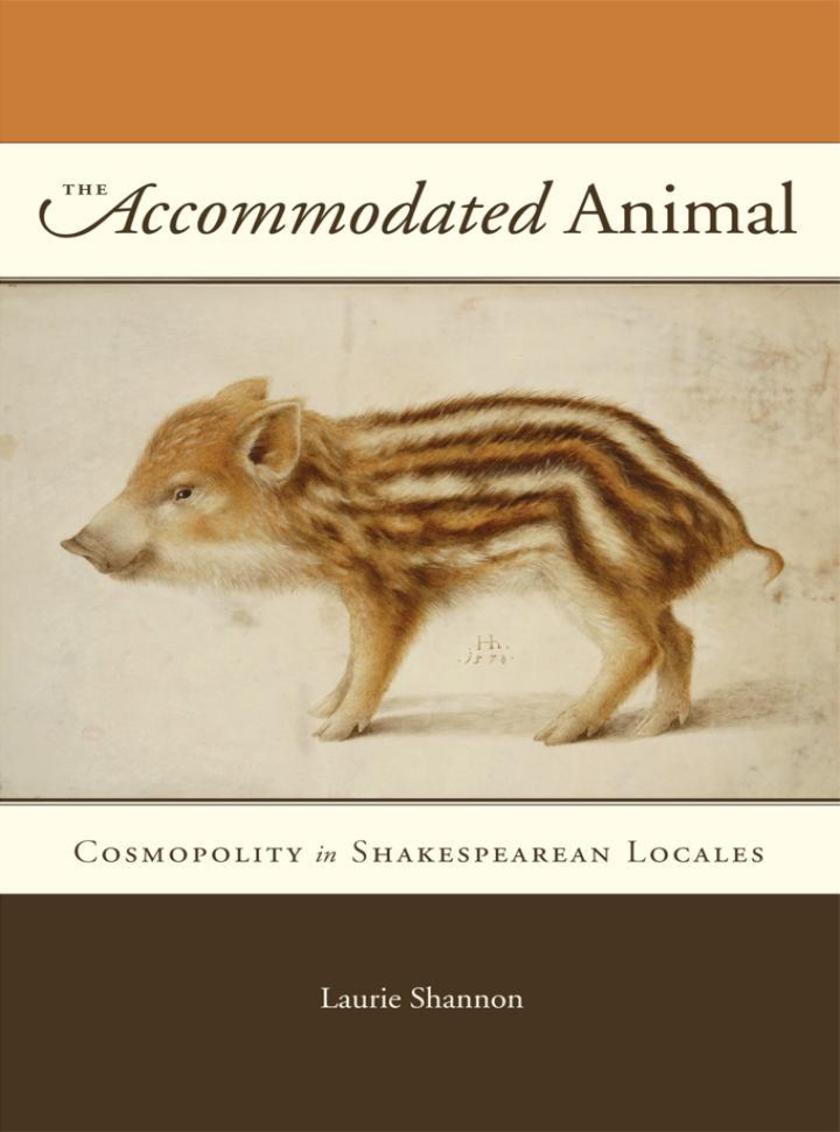
Accommodated Animal
¥229.55
Shakespeare wrote of lions, shrews, horned toads, curs, mastiffs, and hellhounds. But the word "e;animal"e; itself only appears very rarely in his work, which was in keeping with sixteenth-century usage. As Laurie Shannon reveals in The Accommodated Animal, the modern human / animal divide first came strongly into play in the seventeenth century, with Descartes's famous formulation that reason sets humans above other species: "e;I think, therefore I am."e; Before that moment, animals could claim a firmer place alongside humans in a larger vision of belonging, or what she terms cosmopolity.?With Shakespeare as her touchstone, Shannon explores the creaturely dispensation that existed until Descartes. She finds that early modern writers used classical natural history and readings of Genesis to credit animals with various kinds of stakeholdership, prerogative, and entitlement, employing the language of politics in a constitutional vision of cosmic membership. Using this political idiom to frame cross-species relations, Shannon argues, carried with it the notion that animals possess their own investments in the world, a point distinct from the question of whether animals have reason. It also enabled a sharp critique of the tyranny of humankind. By answering "e;the question of the animal"e; historically, The Accommodated Animal makes a brilliant contribution to cross-disciplinary debates engaging animal studies, political theory, intellectual history, and literary studies.
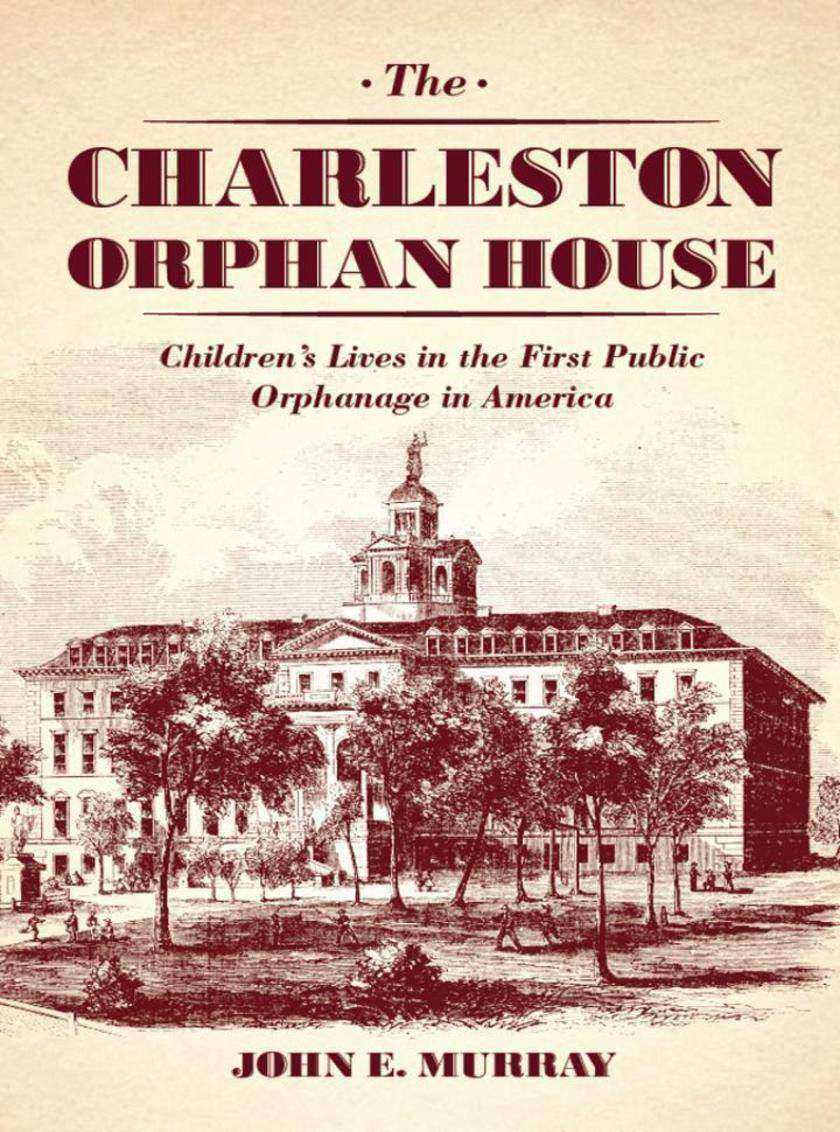
Charleston Orphan House
¥265.87
The first public orphanage in America, the Charleston Orphan House saw to the welfare and education of thousands of children from poor white families in the urban South. From wealthy benefactors to the families who sought its assistance to the artisans and merchants who relied on its charges as apprentices, the Orphan House was a critical component of the city's social fabric. By bringing together white citizens from all levels of society, it also played a powerful political role in maintaining the prevailing social order.?John E. Murray tells the story of the Charleston Orphan House for the first time through the words of those who lived there or had family members who did. Through their letters and petitions, the book follows the families from the events and decisions that led them to the Charleston Orphan House through the children's time spent there to, in a few cases, their later adult lives. What these accounts reveal are families struggling to maintain ties after catastrophic loss and to preserve bonds with children who no longer lived under their roofs.?An intimate glimpse into the lives of the white poor in early American history, The Charleston Orphan House is moreover an illuminating look at social welfare provision in the antebellum South.
Futurity
¥353.16
When looking at how trauma is represented in literature and the arts, we tend to focus on the weight of the past. In this book, Amir Eshel suggests that this retrospective gaze has trapped us in a search for reason in the madness of the twentieth century's catastrophes at the expense of literature's prospective vision. Considering several key literary works, Eshel argues in Futurity that by grappling with watershed events of modernity, these works display a future-centric engagement with the past that opens up the present to new political, cultural, and ethical possibilities-what he calls futurity.?Bringing together postwar German, Israeli, and Anglo-American literature, Eshel traces a shared trajectory of futurity in world literature. He begins by examining German works of fiction and the debates they spurred over the future character of Germany's public sphere. Turning to literary works by Jewish-Israeli writers as they revisit Israel's political birth, he shows how these stories inspired a powerful reconsideration of Israel's identity. Eshel then discusses post-1989 literature-from Ian McEwan's Black Dogs to J. M. Coetzee's Diary of a Bad Year-revealing how these books turn to events like World War II and the Iraq War not simply to make sense of the past but to contemplate the political and intellectual horizon that emerged after 1989. Bringing to light how reflections on the past create tools for the future, Futurity reminds us of the numerous possibilities literature holds for grappling with the challenges of both today and tomorrow.
Economy of Glory
¥370.82
From the outset of Napoleon's career, the charismatic Corsican was compared to mythic heroes of antiquity like Achilles, and even today he remains the apotheosis of French glory, a value deeply embedded in the country's history. From this angle, the Napoleonic era can be viewed as the final chapter in the battle of the Ancients and Moderns. In this book, Robert Morrissey presents a literary and cultural history of glory and its development in France and explores the "e;economy of glory"e; Napoleon sought to implement in an attempt to heal the divide between the Old Regime and the Revolution. ?Examining how Napoleon saw glory as a means of escaping the impasse of Revolutionary ideas of radical egalitarianism, Morrissey illustrates the challenge the leader faced in reconciling the antagonistic values of virtue and self-interest, heroism and equality. He reveals that the economy of glory was both egalitarian, creating the possibility of an aristocracy based on merit rather than wealth, and traditional, being deeply embedded in the history of aristocratic chivalry and the monarchy-making it the heart of Napoleon's politics of fusion. Going beyond Napoleon, Morrissey considers how figures of French romanticism such as Chateaubriand, Balzac, and Hugo constantly reevaluated this legacy of glory and its consequences for modernity. Available for the first time in English, The Economy of Glory is a sophisticated and beautifully written addition to French history.
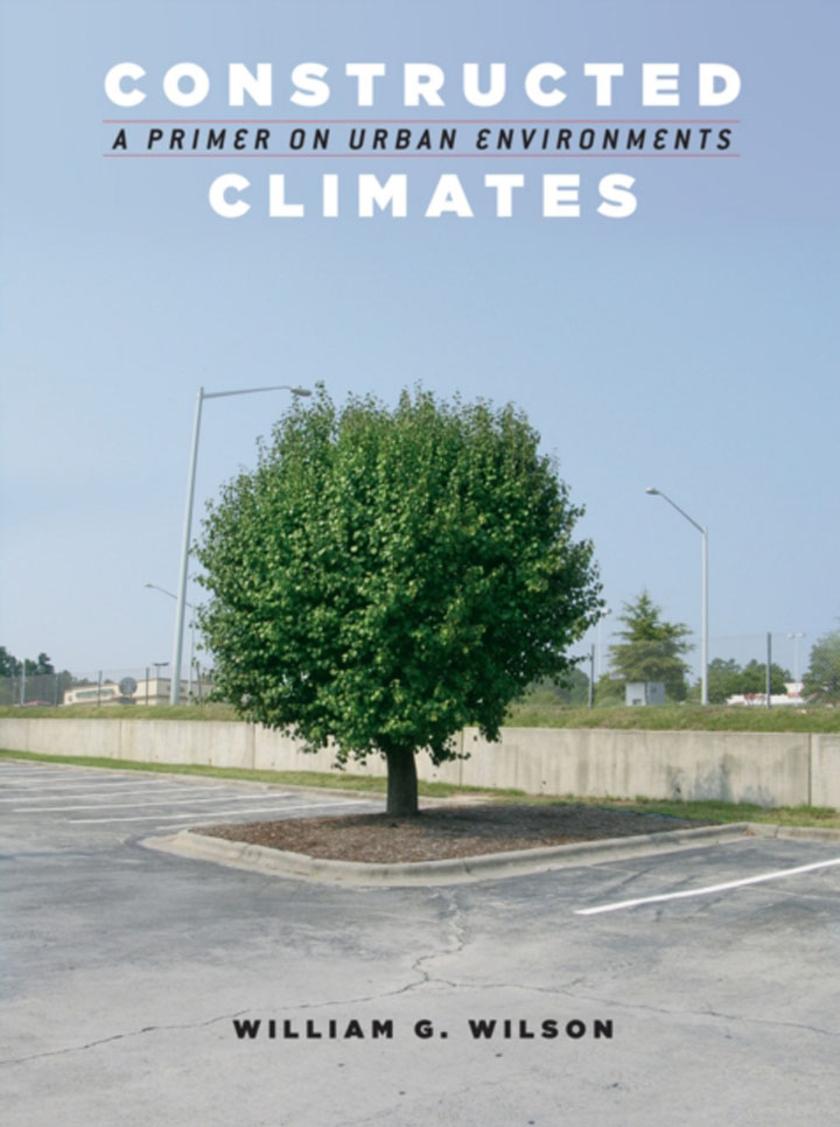
Constructed Climates
¥253.10
As our world becomes increasingly urbanized, an understanding of the context, mechanisms, and consequences of city and suburban environments becomes more critical. Without a sense of what open spaces such as parks and gardens contribute, it's difficult to argue for their creation and maintenance: in the face of schools needing resources, roads and sewers needing maintenance, and people suffering at the hands of others, why should cities and counties spend scarce dollars planting trees and preserving parksIn Constructed Climates, ecologist William G. Wilson demonstrates the value of urban green. Focusing specifically on the role of vegetation and trees, Wilson shows the costs and benefits reaped from urban open spaces, from cooler temperatures to better quality ground water-and why it all matters. While Constructed Climates is a work of science, it does not ignore the social component. Wilson looks at low-income areas that have poor vegetation, and shows how enhancing these areas through the planting of community gardens and trees can alleviate social ills. This book will be essential reading for environmentalists and anyone making decisions for the nature and well-being of our cities and citizens.
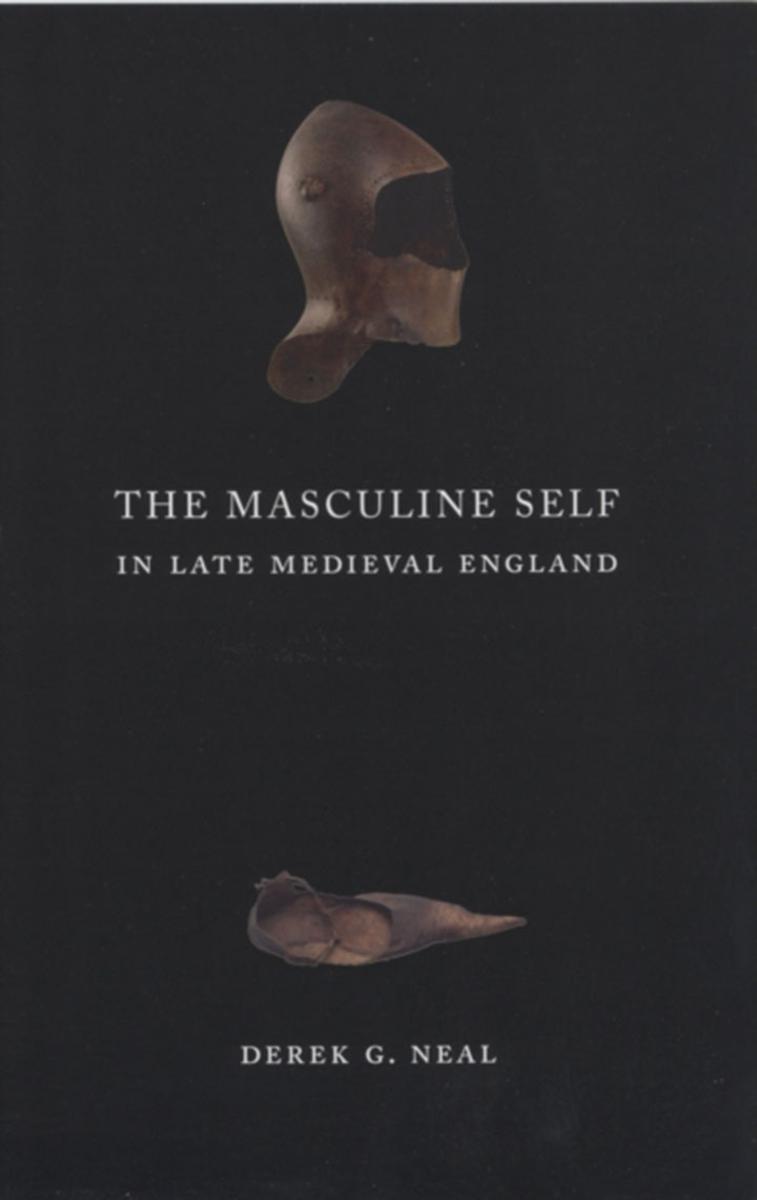
Masculine Self in Late Medieval England
¥247.21
What did it mean to be a man in medieval EnglandMost would answer this question by alluding to the power and status men enjoyed in a patriarchal society, or they might refer to iconic images of chivalrous knights. While these popular ideas do have their roots in the history of the aristocracy, the experience of ordinary men was far more complicated. Marshalling a wide array of colorful evidence-including legal records, letters, medical sources, and the literature of the period-Derek G. Neal here plumbs the social and cultural significance of masculinity during the generations born between the Black Death and the Protestant Reformation. He discovers that social relations between men, founded on the ideals of honesty and self-restraint, were at least as important as their domination and control of women in defining their identities. By carefully exploring the social, physical, and psychological aspects of masculinity, The Masculine Self in Late Medieval England offers a uniquely comprehensive account of the exterior and interior lives of medieval men.
The Sound of Poetry / The Poetry of Sound
¥247.21
Sound-one of the central elements of poetry-finds itself all but ignored in the current discourse on lyric forms. The essays collected here by Marjorie Perloff and Craig Dworkinbreak that critical silence to readdress some of thefundamental connections between poetry and sound-connections that go far beyond traditional metrical studies.Ranging from medieval Latin lyrics to a cyborg opera, sixteenth-century France to twentieth-century Brazil, romantic ballads to the contemporary avant-garde, the contributors to The Sound of Poetry/The Poetry of Sound explore such subjects as the translatability of lyric sound, the historical and cultural roles of rhyme,the role of sound repetition in novelistic prose, theconnections between "e;sound poetry"e; and music, between the visual and the auditory, the role of the body in performance, and the impact of recording technologies on the lyric voice. Along the way, the essaystake on the "e;ensemble discords"e; of Maurice Scve's Dlie, Ezra Pound's use of "e;Chinese whispers,"e; the alchemical theology of Hugo Ball's Dada performances, Jean Cocteau's modernist radiophonics, and an intercultural account of the poetry reading as a kind of dubbing.A genuinely comparatist study, The Sound of Poetry/The Poetry of Sound is designed to challenge current preconceptions about what Susan Howe has called "e;articulations of sound forms in time"e; as they have transformed the expanded poetic field of the twenty-first century.
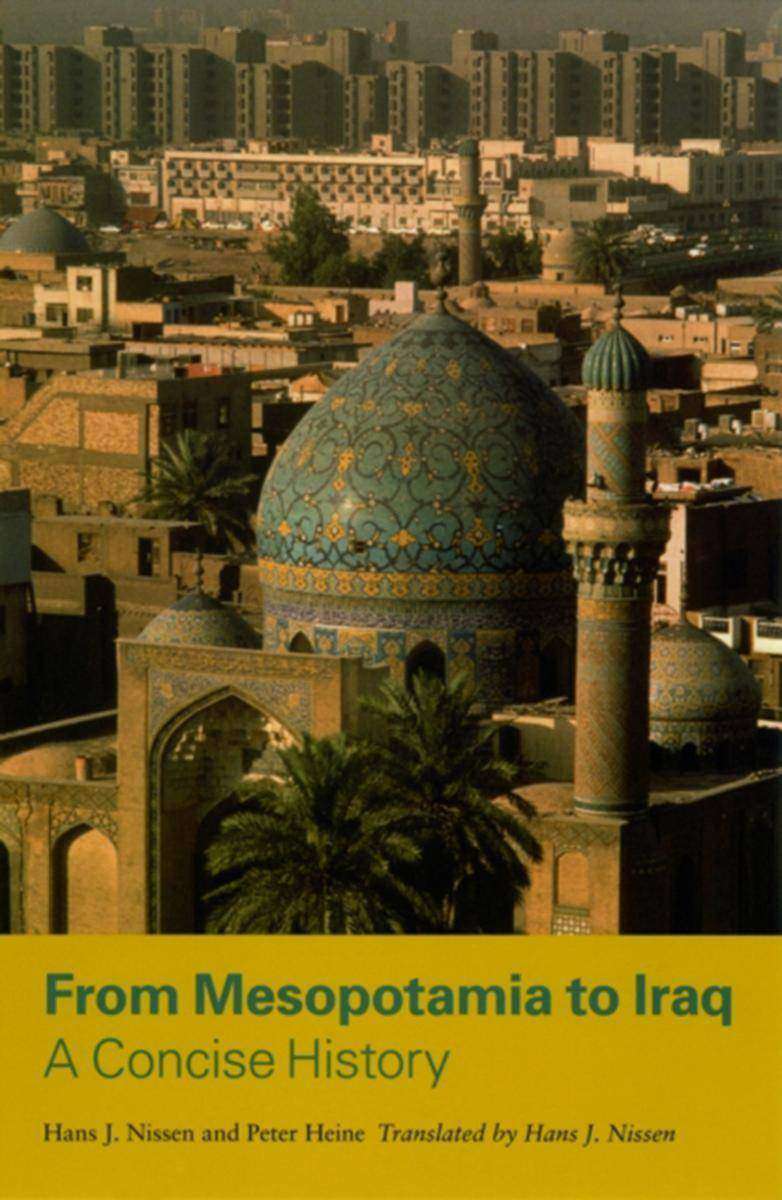
From Mesopotamia to Iraq
¥141.26
In April 2003, the world watched in horror as part of Iraq's cultural heritage disintegrated among the rubble of Saddam Hussein's regime. Looters descended on the Iraq National Museum in Baghdad, Arabic manu*s disappeared from the National Library, and countless Iraqi government records were destroyed. For those to whom Iraq meant only terror, weapons of mass destruction, or oil, several thousand years of history between the Tigris and the Euphrates opened into view. Basic techniques and concepts of civilization, without which human society would not have attained its present level, had their origin there. A writing system, the prerequisite of modern and premodern societies, was part of the human knowledge that spread from Mesopotamia, as were bureaucratic techniques such as archiving, still basic to any modern administration, or early forms of monotheism. Such “firsts” will be highlighted in the following pages. But the uniqueness of the ancient Mesopotamian culture rests not only on countless innovations of this kind but, to an even greater degree, on the fact that we can follow its gradual development and its absorption into the cultural canon over a period of ten thousand years, almost without major gaps.
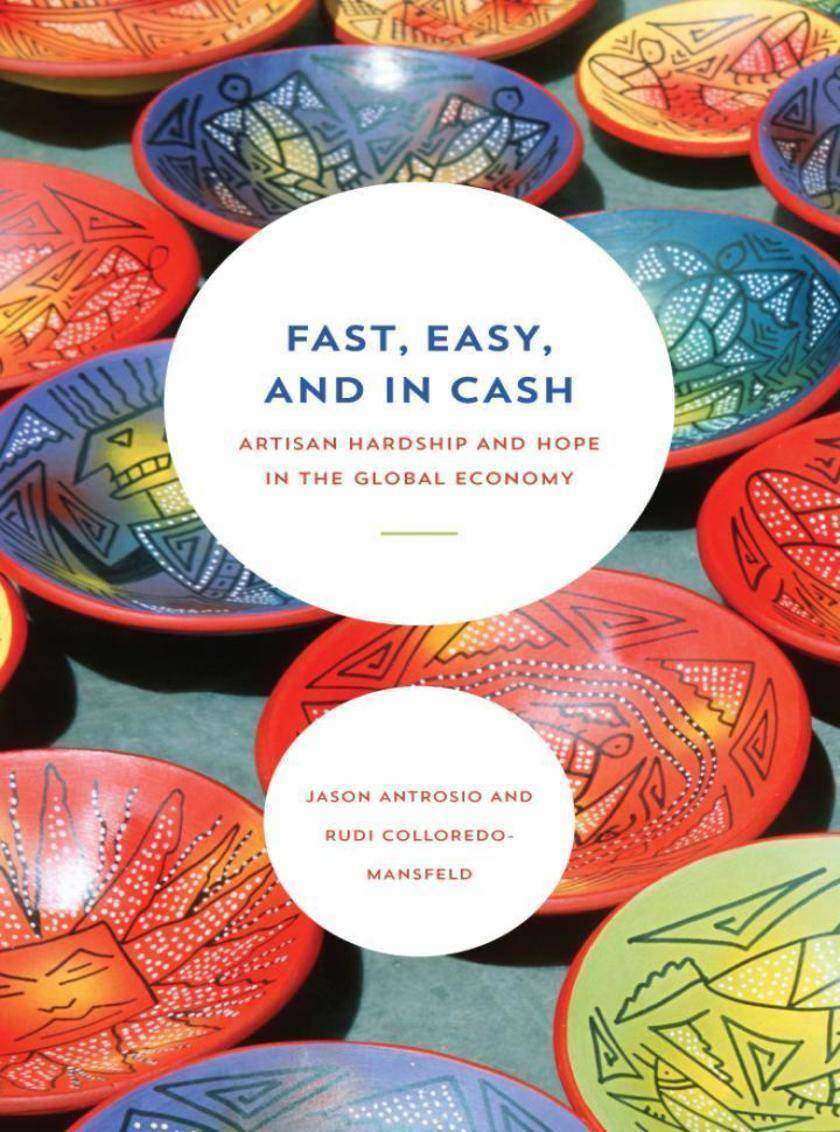
Fast, Easy, and In Cash
¥206.01
"e;Artisan"e; has become a buzzword in the developed world, used for items like cheese, wine, and baskets, as corporations succeed at branding their cheap, mass-produced products with the popular appeal of small-batch, handmade goods. The unforgiving realities of the artisan economy, however, never left the global south, and anthropologists have worried over the fate of resilient craftspeople as global capitalism remade their cultural and economic lives. Yet artisans are proving to be surprisingly vital players in contemporary capitalism, as they interlock innovation and tradition to create effective new forms of entrepreneurship. Based on seven years of extensive research in Colombia and Ecuador, veteran ethnographers Jason Antrosio and Rudi Colloredo-Mansfeld's?Fast, Easy, and In Cash?explores how small-scale production and global capitalism are not directly opposed, but rather are essential partners in economic development.Antrosio and Colloredo-Mansfeld demonstrate how artisan trades evolve in modern Latin American communities. In uncertain economies, small manufacturers have adapted to excel at home-based production, design, technological efficiency, and investments. Vivid case studies illuminate this process: peasant farmers in Tquerres, Otavalo weavers, Tigua painters, and the t-shirt industry of Atuntaqui.?Fast, Easy, and In Cash?exposes how these ambitious artisans, far from being holdovers from the past, are crucial for capitalist innovation in their communities and provide indispensable lessons in how we should understand and cultivate local economies in this era of globalization.
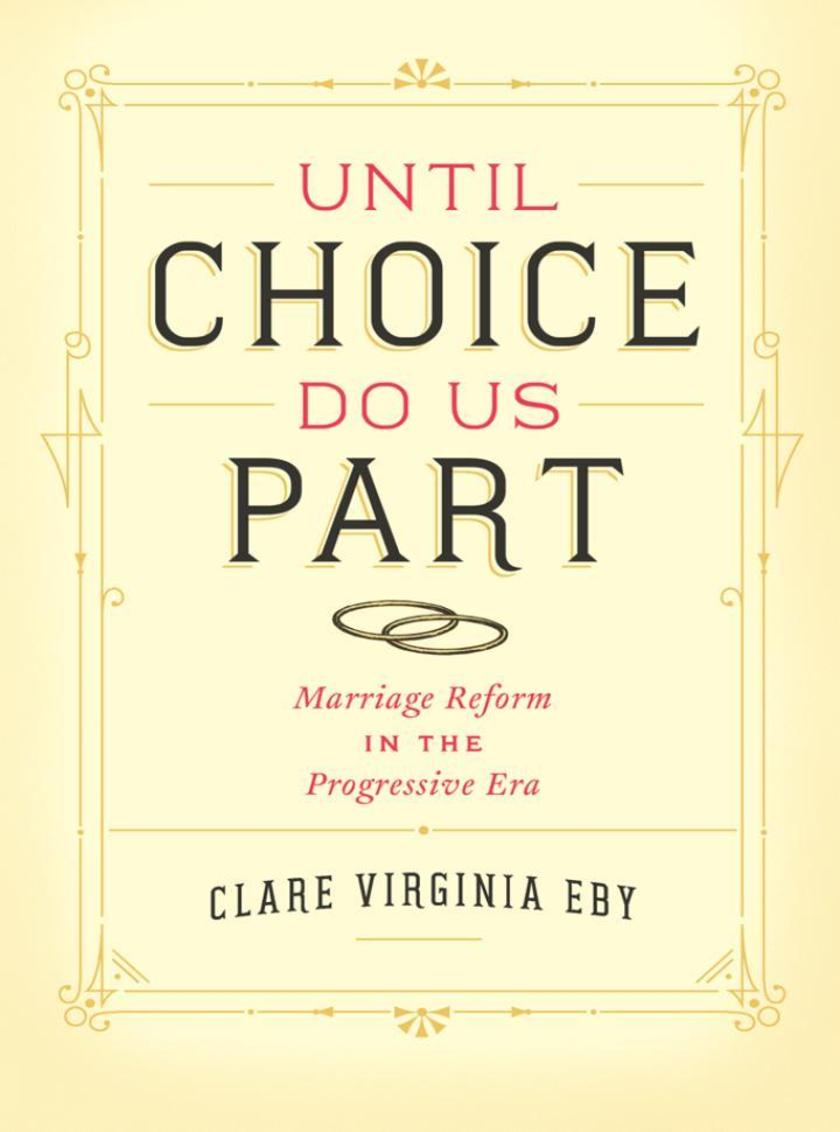
Until Choice Do Us Part
¥229.55
For centuries, people have been thinking and writing-and fiercely debating-about the meaning of marriage. Just a hundred years ago, Progressive era reformers embraced marriage not as a time-honored repository for conservative values, but as a tool for social change.In Until Choice Do Us Part, Clare Virginia Eby offers a new account of marriage as it appeared in fiction, journalism, legal decisions, scholarly work, and private correspondence at the turn into the twentieth century. She begins with reformers like sexologist Havelock Ellis, anthropologist Elsie Clews Parsons, and feminist Charlotte Perkins Gilman, who argued that spouses should be "e;class equals"e; joined by private affection, not public sanction. ?Then Eby guides us through the stories of three literary couples-Upton and Meta Fuller Sinclair, Theodore and Sara White Dreiser, and Neith Boyce and Hutchins Hapgood-who sought to reform marriage in their lives and in their writings, with mixed results. With this focus on the intimate side of married life, Eby views a historical moment that changed the nature of American marriage-and that continues to shape marital norms today.


