


 购物车
购物车 个人中心
个人中心
Say What You Mean and Mean What You Say!
¥73.71
Parents have it tough. Kids have it tough, too. And few people are in a better position to guide readers through these tough times than Judge Glenda Hatchett. As chief presiding judge of one of the largest juvenile court systems in the country, she gained a front-row perspective on the hot-button social issues of our time -- including drug and alcohol abuse, truancy, date rape, and school violence. As presiding judge on the hit television series Judge Hatchett, she continues to build bridges between parents and their lost, angry, and alienated teens. And, as a parent, she's turned her professional experiences to personal advantage, helping her own children navigate through some of the more difficult dilemmas facing young people today.Using her experiences as a judge and a parent, Judge Hatchett shares with readers seven simple strategies to becoming more involved in a child's life and maintaining a strong relationship. Including concrete examples and illuminating anecdotes, Judge Hatchett says what she means and means what she says in this essential guide to raising safe, smart, and successful children ... even in the tough times.
Old Man in a Baseball Cap
¥73.71
Conceived in a storytelling workshop given by Spalding Gray, Old Man In a Baseball Cap is not your typical story of World War II. Rochlin recounts in gritty detail how he--an ordinary young man--was thrust into outrageous circumstances during an extraordinary time. Whether he's bumping up against the army's bigotry because he's Jewish, aiding in the delivery of a baby by cesarean section, being ordered to obliterate a Hungarian village, or parachuting from his plane in the middle of Yugoslavia and then walking 400 kilometers to safety with an amorous guide, Rochlin captures the Intensely powerful experience of a teenager away from home for the first time. Old Man In a Baseball Cap is an astonishingly fresh, candid look at "the last good war." At once naive, candid, and wise, Fred Rochlin's voice is unforgettable.
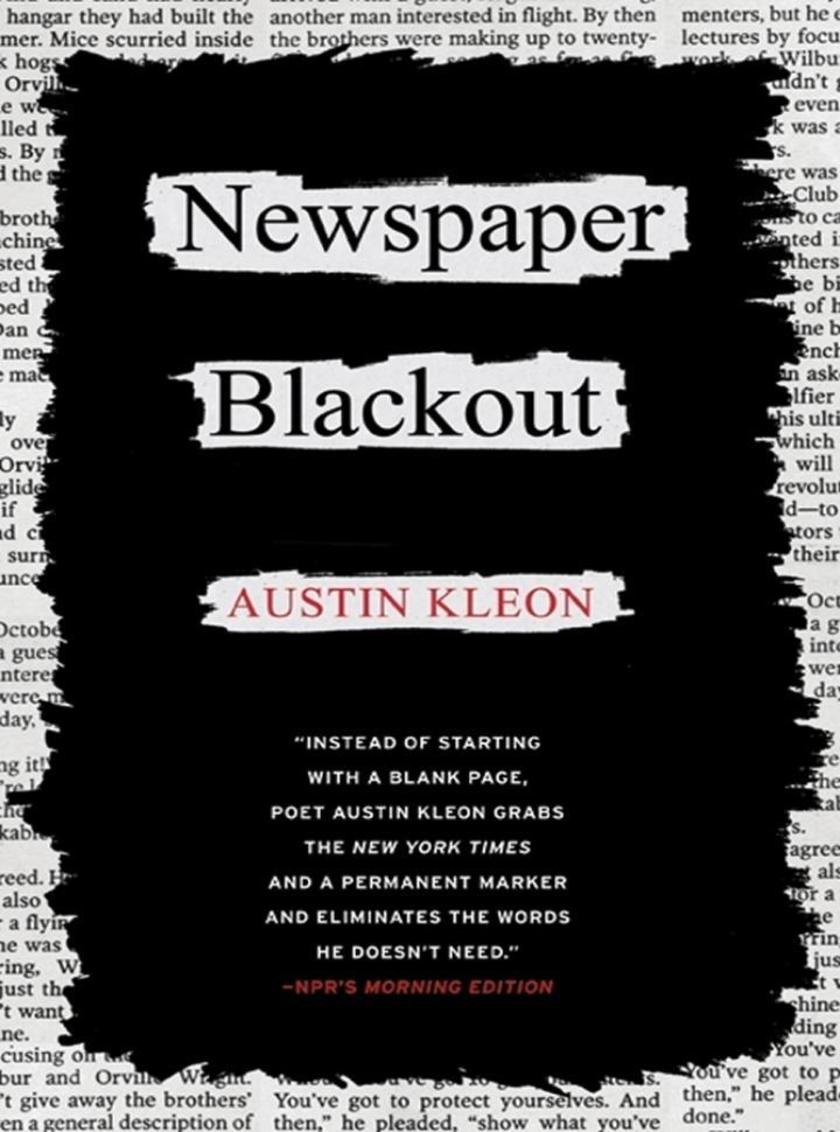
Newspaper Blackout
¥88.56
Poet and cartoonist Austin Kleon has discovered a new way to read between the lines. Armed with a daily newspaper and a permanent marker, he constructs through deconstruction eliminating the words he doesn't need to create a new art form: Newspaper Blackout poetry. Highly original, Kleon's verse ranges from provocative to lighthearted, and from moving to hysterically funny, and undoubtedly entertaining. The latest creations in a long history of "found art," Newspaper Blackout will challenge you to find new meaning in the familiar and inspiration from the mundane.Newspaper Blackout contains original poems by Austin Kleon, as well as submissions from readers of Kleon's popular online blog and a handy appendix on how to create your own blackout poetry.
Beginning to Heal
¥77.49
There's nothing as wonderful as starting to heal, waking up in the morning and knowing that nobody can hurt you if you don't let them.Beginning to Heal offers hope and guidance for all survivors starting the healing journey. No matter how great your pain today, you can not only heal but thrive. Based on the authors' bestseller The Courage to Heal, this Revised Edition of Beginning to Heal takes you through the key stages of the healing process, from crisis times to breaking the silence, grief, and anger, to resolution and moving on. It includes inspirational highlights, clear explanations, practical suggestions, and compelling accounts of survivors' pain, their strength, and their triumphs.
The Best of Friends
¥90.77
Set in a world of luxury and power, this is the story of two remarkable women and a friendship that changed both their lives forever.For more than two decades, Mariana Pasternak and Martha Stewart were nearly inseparable. They first met over a garden gate in Westport, Connecticut, two suburban wives wedded to successful men but with grand aspirations of their own. Their bond only deepened after their marriages ended in divorce. Struggling as a single mother, but drawn into a seductive world of privilege and adventure, Pasternak watched with admiration as her friend built an empire that would make her one of the richest women in America.A European migr with sophisticated tastes, Pasternak helped to smooth Stewart's rough edges, while Stewart drew Pasternak into a rarefied world, where together they navigated the sometimes hilarious and often difficult challenges of being single. The depth of their friendship not only benefited them both but also influenced how they defined themselves, through good times and bad. Friendship between women is never simple and this one was no exception.With Stewart's newfound success and Pasternak's zest for adventure, the two women's friendship was based on their mutual quest for wonder and discovery. They rode horses through the desert dunes of Egypt, hiked the winding Inca Trail to the mysterious Machu Picchu, paddled at night in dugout canoes through the Amazonian jungle. They toasted the good life with thin-stemmed champagne glasses and sipped jade dew" green tea in Martha's Turkey Hill kitchen. This was no ordinary life.As time passed, money, men, and the arrogance of wealth frayed the bonds they had built so carefully over more than twenty years. The final break came when Pasternak was called as a witness in the high-profile trial that brought about Stewart's conviction and prison sentence. Pasternak's deeply personal memoir tells the story of their friendship with honesty and candor, reflecting on the power of such intense relationships to change our lives, and the devastating aftermath when those relationships end.
Cage Rat
¥90.77
From Yankees hitting coach Kevin Long the man who coaches all-stars like Derek Jeter, Alex Rodriguez, and Robinson Cano comes this indispensable guide to hitting, full of practical advice, behind-the-scenes baseball action, and an enduring, inspiring love for America's national pastimeThe legendary Ted Williams often said that "hitting a baseball is the most difficult thing to do in sport." If hitting a baseball is that hard to do, imagine trying to teach how to hit. Yankees hitting coach Kevin Long does just that every day to some of the best players in the game.In Cage Rat, Long draws on more than twenty years of experience playing and coaching professional baseball to demonstrate to readers the techniques, practices, and habits of great hitting. From bat angle to grip, and from plate coverage to athletic stance and hitting drills, Long takes us into the Yankees' batting cage, where he shows us how major-league players hone their hitting and refine their skills. Not just a practical guide to hitting, Cage Rat is also a dynamic, engaging, and moving portrait of a man realizing his goals. From his early days in the minor leagues to his major league dreams of playing with the Kansas City Royals, from the dramatic decision to turn to coaching to the fateful call from the New York Yankees, Kevin Long's story is a quintessentially American narrative that celebrates hard work, perseverance, and a positive attitude.Chock-full of practical advice, behind-the-scenes action, instructional photographs, and inspirational stories, Cage Rat is a must-read for aspiring players, Yankees fans, and anyone who loves baseball.

To the Heart of the Nile
¥95.39
In 1859, at age fourteen, Florence Szász stood before a room full of men and waited to be auctioned to the highest bidder. But slavery and submission were not to be her destiny: Sam Baker, a wealthy English gentleman and eminent adventurer, was moved by compassion and an immediate, overpowering empathy for the young woman, and braved extraordinary perils to help her escape. Together, Florence and Sam -- whose love would remain passionate and constant throughout their lives -- forged into literally uncharted territory in a glorious attempt to unravel a mysterious and magnificent enigma called Africa.A stunning achievement, To the Heart of the Nile is an unforgettable portrait of an unforgettable woman: a story of discovery, bravery, determination, and love, meticulously reconstructed through journals, documents, and private papers, and told in the inimitable narrative style that has already won Pat Shipman resounding international acclaim.
The Wall Street Journal Guide to Power Travel
¥95.39
Imagine a world without late planes, missed connections, lost luggage, bumped passengers, cramped seating, high fees and higher fares, surly employees, and security lines. . . . Ordinary travel is an extraordinary ordeal. Yet despite the high prices and huge hassles, travel is essential along with the need for tips, tricks, and techniques to improve the journey. The Wall Street Journal Guide to Power Travel is an entertaining road trip and a helpful guide, drawn from Scott McCartney's popular Middle Seat column, which explains why bad things happen to good travelers and what you can do to improve your lot. Expert advice and tips include: How to get cheap fares, first-class upgrades, and better seats. How to minimize chances of lost luggage and what to do when baggage doesn't show up. How to avoid delays, get around TSA bottlenecks, and minimize the chances you'll get stuck at some distant airport and what to do if you do get stuck. How to complain to an airline and get some attention, right down to what to ask for in compensation and how to get the government's attention.

Patriot Battles
¥95.39
Drawing on hundreds of specialist sources, contemporary and archival, Patriot Battles is the comprehensive one-volume study of the military aspects of the War of Independence. The first part of the book offers a richly detailed examination of the nuts and bolts of eighteenth-century combat: For example, who fought and what motivated them, whether patriot or redcoat, Hessian or FrenchmanHow were they enlisted and trainedHow were they clothed and fedWhat weapons did they use, and how effective were theyWhen soldiers became casualties or fell ill, how did medical services deal with themWhat roles did loyalists, women, blacks, and Indians play?The second part of the book gives a closer look at the war's greatest battles, with maps provided for each. Which men were involved, and how manyWhat was the state of their morale and equipmentWhat parts did terrain and weather playWhat were the qualities of the respective commanders, and what tactics did they employHow many casualties were inflictedAnd no less important, how did the soldiers fightThroughout, many cherished myths are challenged, reputations are reassessed, and long-held assumptions are tested. For all readers, Patriot Battles becomes not only one of the most satisfying and illuminating works to be added to the literature on the War of Independence in many years but also a refreshing wind blowing through some of its dustier corridors.
The Women Jefferson Loved
¥107.76
Throughout his life, Thomas Jefferson constructed a seemingly impenetrable wall between his public legacy and his private life, a division maintained by his family and the several traditional biographies written about this founding father. Now Virginia Scharff breaks down the barrier between Jefferson's public and private histories to offer an intriguing new portrait of this complicated and influential figure, as seen through the lives of a remarkable group of women.Scharff brings together for the first time in one volume the stories of these diverse women, separated by race but related by blood, including Jefferson's mother, Jane Randolph; his wife, Martha; her half sister, Sally Hemings, his slave mistress; his daughters; and his granddaughters. "Their lives, their Revolutions, their vulnerabilities, shaped the choices Jefferson made, from the selection of words and ideas in his Declaration, to the endless building of his mountaintop mansion, to the vision of a great agrarian nation that powered his Louisiana Purchase," Scharff writes. Based on a wealth of sources, including family letters, and written with empathy and great insight, The Women Jefferson Loved is a welcome new look at this legendary American and one that offers a fresh twist on American history itself.
Working Mothers 101
¥72.99
Motherhood comes naturally.Working motherhood doesn't. So admit it. You need some help. Though there's not a full-time nanny inside this book, there's information on how to find one. This is the book for you if you can't spare even five minutes to use your common sense. It's all laid out for you in how-to, when-to lists and plenty of stories from mothers like you that will help you get it all together.Well . . . as together as it's ever going to be. Here's where you'll learn everything you need to get your life in order: How to create a home where people actually hang up their jackets What to do with all those indispensable spelling tests and toddler works of art How to decide which type of child care is best for you at any given moment How to sort out the times you really have to be at your child's school How a time-crazed mother can make, keep and entertain friends How to sign up for and transport children to after-school activities, sports, music lessons and play dates when you can't be at any of them What to tell your boss when you don't want to travel so much The lost art of raising respectful children The best way to date your husband The first rule of convenience for birthday parties Eleven ways to take care of yourself without taking any extra time And, finally, delegating responsibilities you thought were yours and yours alone This practical strategy is for the millions of working mothers struggling to make it all work.Don't let your guilt slow you down. Katherine Wyse Goldman interviewed hundreds of mothers to come up with the tips, plans of action and decisions that have worked for career women around the country. Here's everything you need when you want to get control of your time, your life and your future. Here's how to make your home run as smoothly as a Fortune 500 corporation.

The Modern Jewish Mom's Guide to Shabbat
¥95.16
Bringing the family together every Friday night for the Shabbat meal has helped many families connect with each other, even as children grow into their teens and beyond. Having experienced the joys of Shabbat and witnessed how it has brought her family together, Meredith L. Jacobs now brings us THE MODERN MOM'S GUIDE TO SHABBAT. Written in conversational style from one modern Jewish mom to another, THE MJM'S GUIDE will be funny and warm, brightly colored and easy to read, filled with delicious, easy recipes and family art projects, while also challenging readers with summaries of the weekly Torah portion and suggested family discussion topics, compelling readers to include discussion in their dinner as a vehicle for connecting with their children–both teaching and learning from them. It will be informative and accessible throughout. Shabbat is a wonderful way to ensure that in this day of ridiculous schedules and pressures, that we have at least one meal per week together as a family. Shabbat is the time we turn the outside world away and connect with each other. Unlike other holidays, Shabbat is not once a year, it's once a week, giving us fifty–two chances a year to connect with our children. Whether you are reform, conservative, or modern orthodox, newly converted or non–Jewish in an inter–faith marriage, THE MODERN JEWISH MOM'S GUIDE TO SHABBAT will teach us about traditions, making new ones, and most importantly, how to connect with our children.
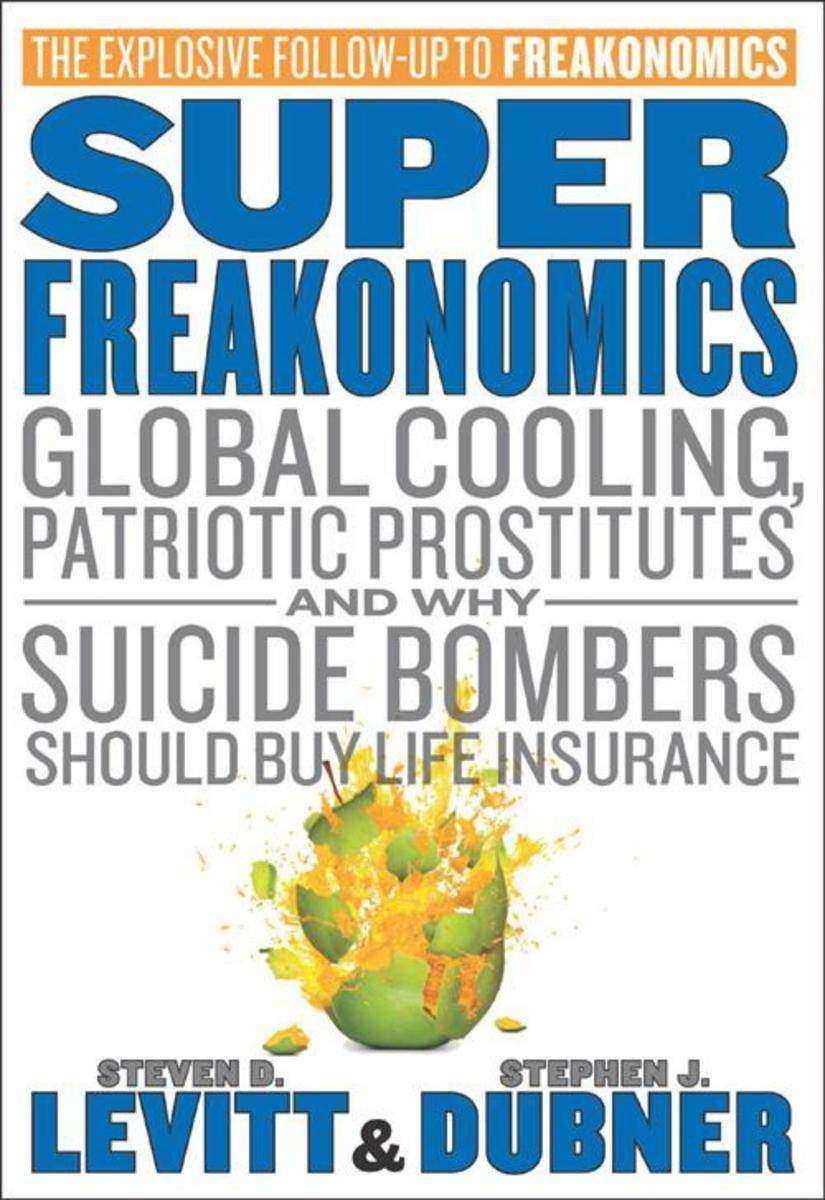
SuperFreakonomics
¥95.11
The New York Times best-selling Freakonomics was a worldwide sensation, selling over four million copies in thirty-five languages and changing the way we look at the world. Now, Steven D. Levitt and Stephen J. Dubner return with SuperFreakonomics, and fans and newcomers alike will find that the freakquel is even bolder, funnier, and more surprising than the first. Four years in the making, SuperFreakonomics asks not only the tough questions, but the unexpected ones: What's more dangerous, driving drunk or walking drunkWhy is chemotherapy prescribed so often if it's so ineffectiveCan a sex change boost your salarySuperFreakonomics challenges the way we think all over again, exploring the hidden side of everything with such questions as: How is a street prostitute like a department-store SantaWhy are doctors so bad at washing their handsHow much good do car seats doWhat's the best way to catch a terroristDid TV cause a rise in crimeWhat do hurricanes, heart attacks, and highway deaths have in commonAre people hard-wired for altruism or selfishness?Can eating kangaroo save the planetWhich adds more value: a pimp or a RealtorLevitt and Dubner mix smart thinking and great storytelling like no one else, whether investigating a solution to global warming or explaining why the price of oral sex has fallen so drastically. By examining how people respond to incentives, they show the world for what it really is good, bad, ugly, and, in the final analysis, super freaky. Freakonomics has been imitated many times over but only now, with SuperFreakonomics, has it met its match.
Better Bankers, Better Banks
¥147.15
Taking financial risks is an essential part of what banks do, but there's no clear sense of what constitutes responsible risk. Taking legal risks seems to have become part of what banks do as well. Since the financial crisis, Congress has passed copious amounts of legislation aimed at curbing banks' risky behavior. Lawsuits against large banks have cost them billions. Yet bad behavior continues to plague the industry. Why isn't there more changeIn Better Bankers, Better Banks, Claire A. Hill and Richard W. Painter look back at the history of banking and show how the current culture of bad behavior-dramatized by the corrupt, cocaine-snorting bankers of The Wolf of Wall Street-came to be. In the early 1980s, banks went from partnerships whose partners had personal liability to corporations whose managers had no such liability and could take risks with other people's money. A major reason bankers remain resistant to change, Hill and Painter argue, is that while banks have been faced with large fines, penalties, and legal fees-which have exceeded one hundred billion dollars since the onset of the crisis-the banks (which really means the banks'shareholders) have paid them, not the bankers themselves. The problem also extends well beyond the pursuit of profit to the issue of how success is defined within the banking industry, where highly paid bankers clamor for status and clients may regard as inevitable bankers who prioritize their own self-interest. While many solutions have been proposed, Hill and Painter show that a successful transformation of banker behavior must begin with the bankers themselves. Bankers must be personally liable from their own assets for some portion of the bank's losses from excessive risk-taking and illegal behavior. This would instill a culture that discourages such behavior and in turn influence the sorts of behavior society celebrates or condemns.Despite many sensible proposals seeking to reign in excessive risk-taking, the continuing trajectory of scandals suggests that we're far from ready to avert the next crisis. Better Bankers, Better Banks is a refreshing call for bankers to return to the idea that theirs is a noble profession.
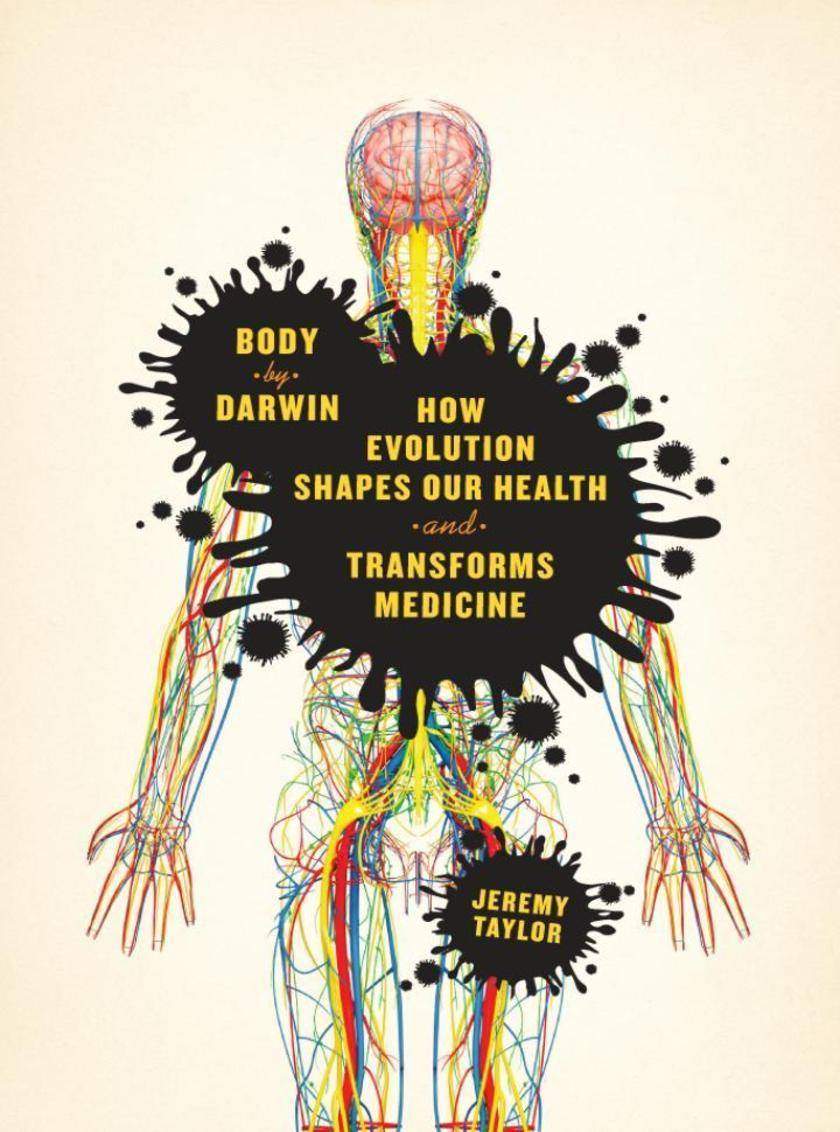
Body by Darwin
¥147.15
We think of medical science and doctors as focused on treating conditions-whether it's a cough or an aching back. But the sicknesses and complaints that cause us to seek medical attention actually have deeper origins than the superficial germs and behaviors we regularly fault. In fact, as Jeremy Taylor shows in Body by Darwin, we can trace the roots of many medical conditions through our evolutionary history, revealing what has made us susceptible to certain illnesses and ailments over time and how we can use that knowledge to help us treat or prevent problems in the future.?In Body by Darwin, Taylor examines the evolutionary origins of some of our most common and serious health issues. To begin, he looks at the hygiene hypothesis, which argues that our obsession with anti-bacterial cleanliness, particularly at a young age, may be making us more vulnerable to autoimmune and allergic diseases. He also discusses diseases of the eye, the medical consequences of bipedalism as they relate to all those aches and pains in our backs and knees, the rise of Alzheimer's disease, and how cancers become so malignant that they kill us despite the toxic chemotherapy we throw at them. Taylor explains why it helps to think about heart disease in relation to the demands of an ever-growing, dense, muscular pump that requires increasing amounts of nutrients, and he discusses how walking upright and giving birth to ever larger babies led to a problematic compromise in the design of the female spine and pelvis. ?Throughout, he not only explores the impact of evolution on human form and function, but he integrates science with stories from actual patients and doctors, closely examining the implications for our health.?As Taylor shows, evolutionary medicine allows us think about the human body and its adaptations in a completely new and productive way. By exploring how our body's performance is shaped by its past, Body by Darwin draws powerful connections between our ancient human history and the future of potential medical advances that can harness this knowledge.
Southern Provisions
¥147.15
Southern food is America's quintessential cuisine. From creamy grits to simmering pots of beans and greens, we think we know how these classic foods should taste. Yet the southern food we eat today tastes almost nothing like the dishes our ancestors enjoyed because the varied crops and livestock that originally defined this cuisine have largely disappeared. Now, a growing movement of chefs and farmers is seeking to change that by recovering the rich flavor and diversity of southern food. At the center of that movement is historian David Shields, who has spent over a decade researching early American agricultural and cooking practices.In Southern Provisions, he reveals how the true ingredients of southern cooking have been all but forgotten and how the lessons of its current restoration and recultivation can be applied to other regional foodways.?Shields's turf is the southern Lowcountry, from the peanut patches of Wilmington, North Carolina to the sugar cane fields of the Georgia Sea Islands and the citrus groves of Amelia Island, Florida, and he takes us on an excursion to this region in order to offer a vivid history of southern foodways, drawing connections among plants, farms, growers, seed brokers, vendors, cooks, and consumers. Shields begins by looking at how professional chefs during the nineteenth century set standards of taste that elevated southern cooking to the level of cuisine. He then turns to the role of food markets in creating demand for ingredients and enabling conversation between producers and preparers. Next, his focus shifts to the field, showing how the key ingredients-rice, sugarcane, sorghum, benne, cottonseed, peanuts, and citrus-emerged and went on to play a significant role in commerce and consumption. Shields concludes with a look at the challenges of reclaiming both farming and cooking traditions.?From Carolina gold rice to white flint corn, the ingredients of authentic southern cooking are returning to fields and dinner plates, and with Shields as our guide, we can satisfy our hunger both for the most flavorful regional dishes and their history.
Of Beards and Men
¥147.15
Beards-they're all the rage these days. Take a look around: from hip urbanites to rustic outdoorsmen, well-groomed metrosexuals to post-season hockey players, facial hair is everywhere. The New York Times traces this hairy trend to Big Apple hipsters circa 2005 and reports that today some New Yorkers pay thousands of dollars for facial hair transplants to disguise patchy, juvenile beards. And in 2014, blogger Nicki Daniels excoriated bearded hipsters for turning a symbol of manliness and power into a flimsy fashion statement. The beard, she said, has turned into the padded bra of masculinity.Of Beards and Men makes the case that today's bearded renaissance is part of a centuries-long cycle in which facial hairstyles have varied in response to changing ideals of masculinity. Christopher Oldstone-Moore explains that the clean-shaven face has been the default style throughout Western history-see Alexander the Great's beardless face, for example, as the Greek heroic ideal. But the primacy of razors has been challenged over the years by four great bearded movements, beginning with Hadrian in the second century and stretching to today's bristled resurgence. The clean-shaven face today, Oldstone-Moore says, has come to signify a virtuous and sociable man, whereas the beard marks someone as self-reliant and unconventional. History, then, has established specific meanings for facial hair, which both inspire and constrain a man's choices in how he presents himself to the world.This fascinating and erudite history of facial hair cracks the masculine hair code, shedding light on the choices men make as they shape the hair on their faces. Oldstone-Moore adeptly lays to rest common misperceptions about beards and vividly illustrates the connection between grooming, identity, culture, and masculinity. To a surprising degree, we find, the history of men is written on their faces.

City Creatures
¥147.15
We usually think of cities as the domain of humans-but we are just one of thousands of species that call the urban landscape home. Chicago residents knowingly move among familiar creatures like squirrels, pigeons, and dogs, but might be surprised to learn about all the leafhoppers and water bears, black-crowned night herons and bison, beavers and massasauga rattlesnakes that are living alongside them. City Creatures introduces readers to an astonishing diversity of urban wildlife with a unique and accessible mix of essays, poetry, paintings, and photographs.The contributors bring a story-based approach to this urban safari, taking readers on birding expeditions to the Magic Hedge at Montrose Harbor on the North Side, canoe trips down the South Fork of the Chicago River (better known as Bubbly Creek), and insect-collecting forays or restoration work days in the suburban forest preserves.The book is organized into six sections, each highlighting one type of place in which people might encounter animals in the city and suburbs. For example, schoolyard chickens and warrior wasps populate "e;Backyard Diversity,"e; live giraffes loom at the zoo and taxidermy-in-progress pheasants fascinate museum-goers in "e;Animals on Display,"e; and a chorus of deep-freeze frogs awaits in "e;Water Worlds."e; Although the book is rooted in Chicago's landscape, nature lovers from cities around the globe will find a wealth of urban animal encounters that will open their senses to a new world that has been there all along. Its powerful combination of insightful narratives, numinous poetry, and full-color art throughout will help readers see the city-and the creatures who share it with us-in an entirely new light.
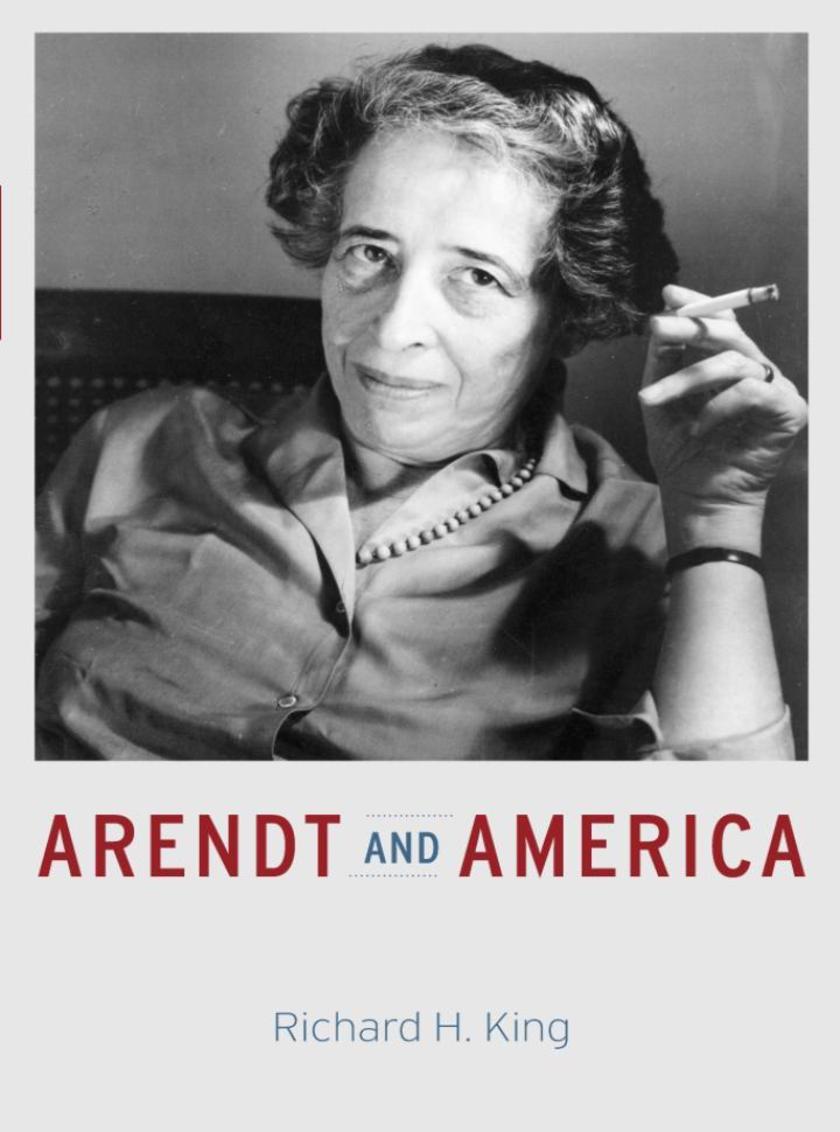
Arendt and America
¥170.69
German-Jewish political philosopher Hannah Arendt (1906-75) fled from the Nazis to New York in 1941, and during the next thirty years in America she wrote her best-known and most influential works, such as The Human Condition, The Origins of Totalitarianism, and On Revolution. Yet, despite the fact that a substantial portion of her oeuvre was written in America, not Europe, no one has directly considered the influence of America on her thought-until now. In Arendt and America, historian Richard H. King argues that while all of Arendt's work was haunted by her experience of totalitarianism, it was only in her adopted homeland that she was able to formulate the idea of the modern republic as an alternative to totalitarian rule.?Situating Arendt within the context of U.S. intellectual, political, and social history, King reveals how Arendt developed a fascination with the political thought of the Founding Fathers. King also re-creates her intellectual exchanges with American friends and colleagues, such as Dwight Macdonald and Mary McCarthy, and shows how her lively correspondence with sociologist David Riesman helped her understand modern American culture and society. In the last section of Arendt and America, King sets out the context in which the Eichmann controversy took place and follows the debate about "e;the banality of evil"e; that has continued ever since. ?As King shows, Arendt's work, regardless of focus, was shaped by postwar American thought, culture, and politics, including the Civil Rights Movement and the Cold War.For Arendt, the United States was much more than a refuge from Nazi Germany; it was a stimulus to rethink the political, ethical, and historical traditions of human culture. This authoritative combination of intellectual history and biography offers a unique approach for thinking about the influence of America on Arendt's ideas and also the effect of her ideas on American thought.
From Eve to Evolution
¥200.12
From Eve to Evolution provides the first full-length study of American women's responses to evolutionary theory and illuminates the role science played in the nineteenth-century women's rights movement. Kimberly A. Hamlin reveals how a number of nineteenth-century women, raised on the idea that Eve's sin forever fixed women's subordinate status, embraced Darwinian evolution-especially sexual selection theory as explained in The Descent of Man-as an alternative to the creation story in Genesis.?Hamlin chronicles the lives and writings of the women who combined their enthusiasm for evolutionary science with their commitment to women's rights, including Antoinette Brown Blackwell, Eliza Burt Gamble, Helen Hamilton Gardener, Charlotte Perkins Gilman, and Elizabeth Cady Stanton. These Darwinian feminists believed evolutionary science proved that women were not inferior to men, that it was natural for mothers to work outside the home, and that women should control reproduction. The practical applications of this evolutionary feminism came to fruition, Hamlin shows, in the early thinking and writing of the American birth control pioneer Margaret Sanger.Much scholarship has been dedicated to analyzing what Darwin and other male evolutionists had to say about women, but very little has been written regarding what women themselves had to say about evolution. From Eve to Evolution adds much-needed female voices to the vast literature on Darwin in America.

Androids in the Enlightenment
¥223.67
The eighteenth century saw the creation of a number of remarkable mechanical androids: at least ten prominent automata were built between 1735 and 1810 by clockmakers, court mechanics, and other artisans from France, Switzerland, Austria, and the German lands. Designed to perform sophisticated activities such as writing, drawing, or music making, these "e;Enlightenment automata"e; have attracted continuous critical attention from the time they were made to the present, often as harbingers of the modern industrial age, an era during which human bodies and souls supposedly became mechanized.?In Androids in the Enlightenment, Adelheid Voskuhl investigates two such automata-both depicting piano-playing women. These automata not only play music, but also move their heads, eyes, and torsos to mimic a sentimental body technique of the eighteenth century: musicians were expected to generate sentiments in themselves while playing, then communicate them to the audience through bodily motions. Voskuhl argues, contrary to much of the subsequent scholarly conversation, that these automata were unique masterpieces that illustrated the sentimental culture of a civil society rather than expressions of anxiety about the mechanization of humans by industrial technology. She demonstrates that only in a later age of industrial factory production did mechanical androids instill the fear that modern selves and societies had become indistinguishable from machines.?


