


 购物车
购物车 个人中心
个人中心

Blame It on the Rodeo (Mills & Boon American Romance)
¥31.10
A Secret The Size Of Texas Veterinarian Lexi Lawson has her hands full – and not just when she’s delivering foals at the Langtry family’s ranch. Working there forces Lexi to confront Shane Langtry, the man who broke her heart. True, he seems different now – more generous, more grounded. But Lexi isn’t fooled: Shane lives for rodeo competition and nothing else. Besides, after what he did to her, there’s no way she’d take him back. Long ago, when they were in love, Lexi hid a terrible secret from Shane – one she planned to keep forever. But when he learns the truth, she’s forced to choose between the past she left behind ... and the future they might still find together.
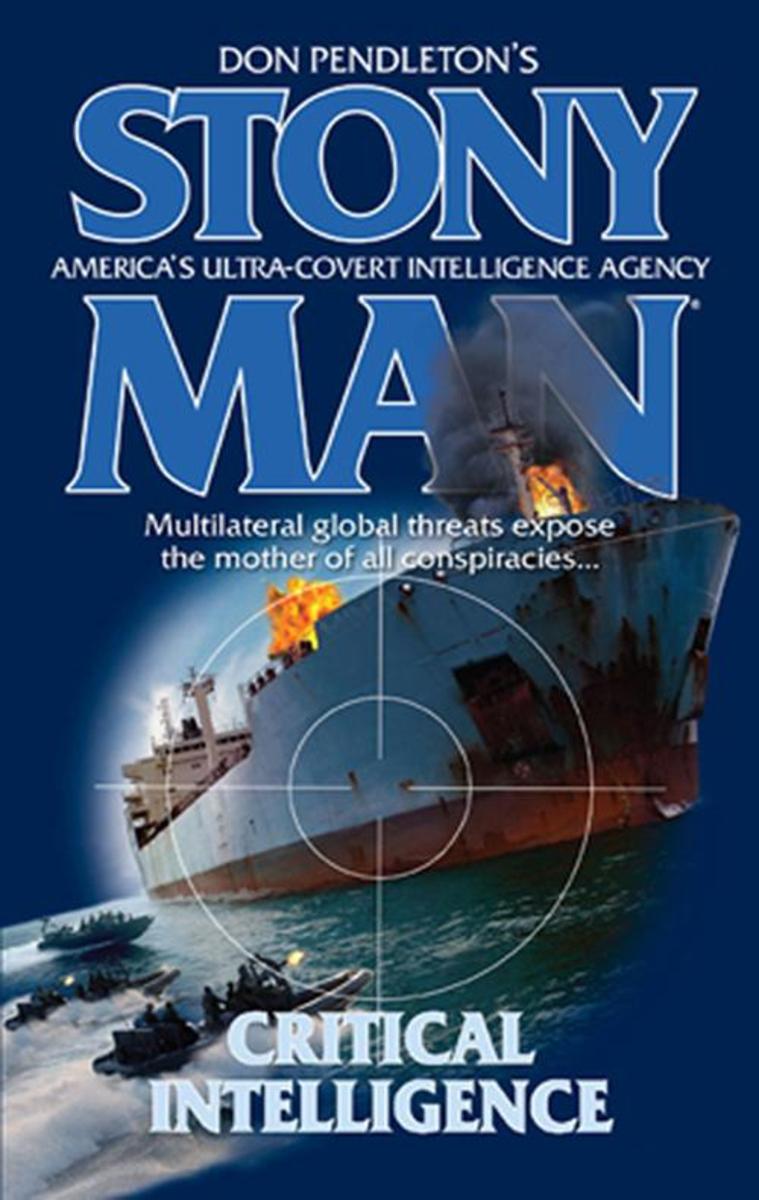
Critical Intelligence
¥25.60
Operating under covert presidential directive, the clandestine antiterrorist organization Stony Man doesn't officially exist. Unofficially, they fight the fires bureaucracy can't or won't touch. Off the grid, under the radar and 100 percent deniable, the commando and cyber specialists of Stony Man are the ultimate problem solvers–and the best defense the nation has…. Stony Man launch teams are rolling hot as convergent threats erupt across the globe. From South America to Somalia, Toronto and Kiev, the action is raging. Colombian narco-terrorists, Chinese Tongs, African warlords, a Russian kingpin, a cutthroat Saudi prince and a corrupt American lawyer are linked as agents of a shadow group called Seven. The ties and power of this nebulous organization go deep and dark–with the strength to leverage the ultimate power play against Stony Man itself.

Don't Go Breaking My Heart: Break Up to Make Up / Always the Best Man
¥45.03
How do you mend a broken heart? Nick and Adele’s marriage have been over for a year – but following his mother’s chemotherapy Nick hasn’t had the heart to tell his family. So when he invites Adele to Scotland for his mother’s birthday party, it’s impossible for her to say no. Stranded together in a picturesque cottage, as the twinkling firelight begins to work its magic, could the spark they always shared still be there? Standing at the altar, Damien is breathless as the woman he loves walks toward him ; to marry another man. Knowing bridesmaid Zoe’s watching him makes it harder still. The opposite of the bride, Zoe’s too loud, too vibrant, too everything! Zoe can’t resist provoking Damien - just once, she’d like to see Mr. Perfect lose his cool. But she never imagined where getting him to let go could lead… Two sparkling rom-com stories from the author of Make My Wish Come True & Kiss Me Under The Mistletoe

NYC Angels: One Night in Manhattan (Fast Fiction)
¥9.71
Fast Fiction Romantic - short stories with a Happy Ever After No one at Angel Mendez Children's Hospital understands why Brandon Bishop, the talented, charismatic head of neurosurgery, wants to give up his position—and life in New York—for a research job in California. But Brandon has his own, deeply personal reasons for pursuing brain injury research on the West Coast. And so, with a month left in Manhattan, Brandon's not looking to get attached. Yet when he meets Olivia Bowen at the local bar, neither can deny their attraction…or resist spending the night together. They both agree it's a one-time deal—no strings attached. Until Olivia reports for her first day of a nursing placement at Angel's. In Brandon's department. Suddenly, sticking to "one night" seems impossible, and "no strings" is a promise neither can keep…
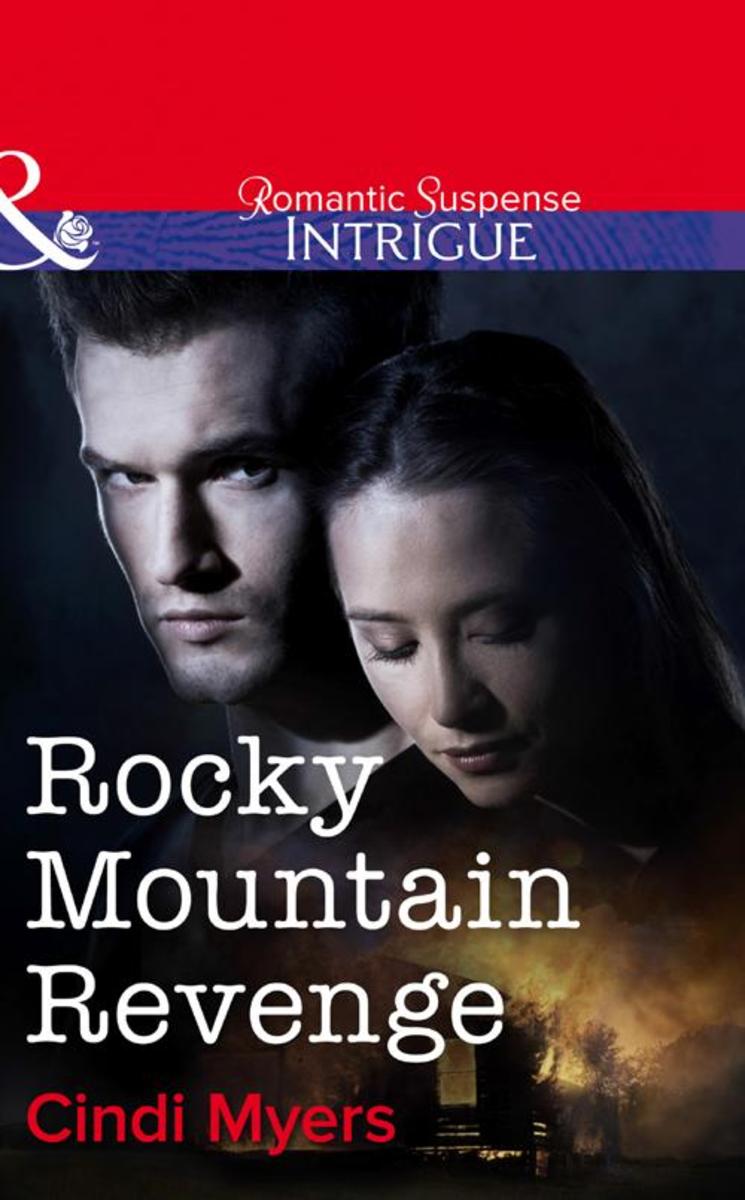
Rocky Mountain Revenge (Mills & Boon Intrigue)
¥31.10
Despite her new identity in the WitSec Program, FBI agent Jake Westmoreland found Anne Gardener. His betrayal hurt her deeply, but she is the only one who can help him locate her mob-boss father and put him away for good. Loving her was never part of Jake’s plan and losing her is a risk he won’t take!
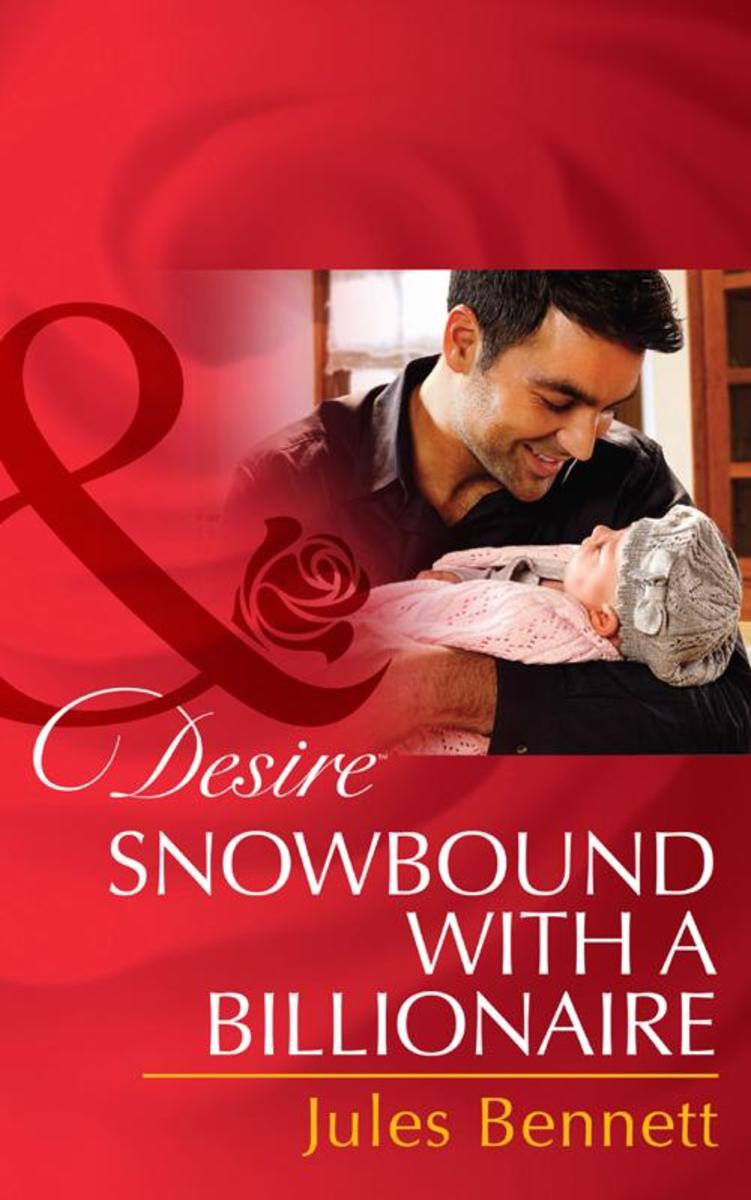
Snowbound with a Billionaire (Mills & Boon Desire) (Billionaires and Babies, Boo
¥31.10
For years, billionaire producer Max Ford believed Raine Monroe betrayed him. Now he wants answers. But Raine plans to keep far away from Hollywood’s hottest bachelor…until a snowstorm strands them together – with her baby. Soon Raine is falling fast and the dark secrets from their past are finally coming to light…
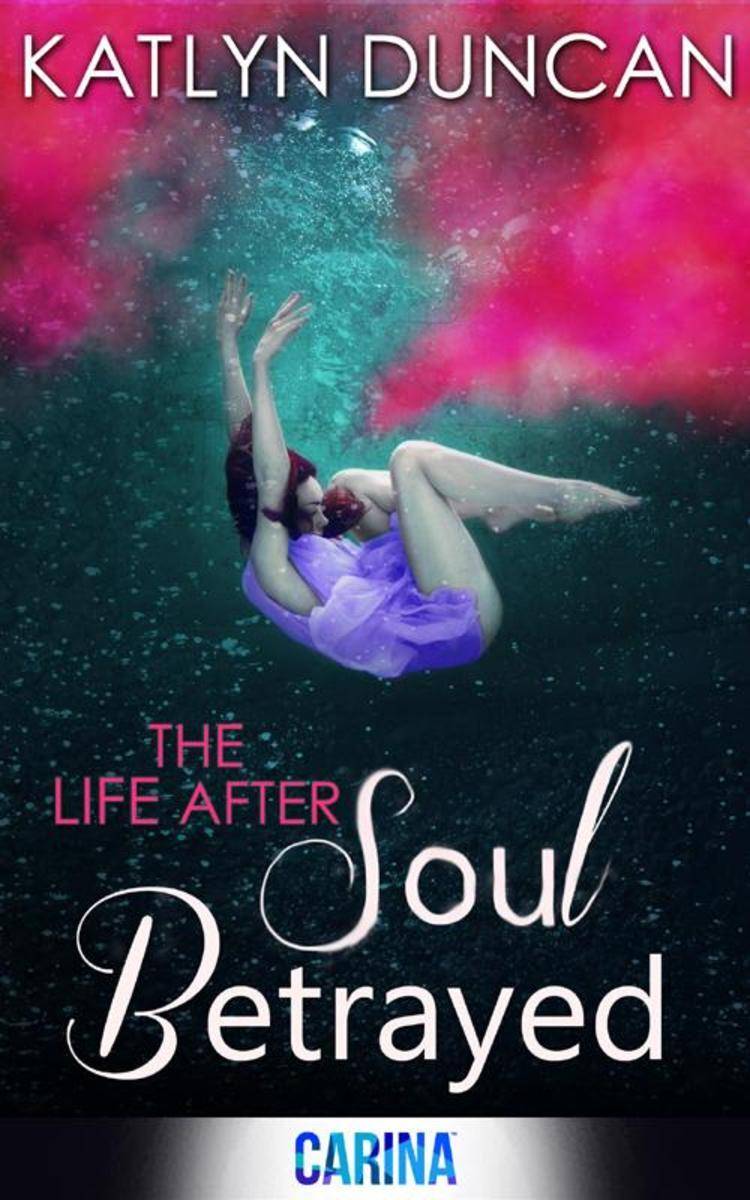
Soul Betrayed (The Life After trilogy, Book 3)
¥42.48
A Life for a Life The battle between Shadowed and Guard has brought destruction and terror to Gate Seven and now Maggie wants revenge. As the only after-life being who can save the souls from ultimate death Maggie comes face to face with her own human body, preserved for a century, waiting for just this moment to arrive. Yet, how far will Maggie go to exact her revenge on the Shadowed? And when she comes face to face with her past, how will she survive the onslaught of memories she thought long gone? For when the truth comes out all is not what it seems and Maggie has finally run out of time... She must choose her destiny or watch all she has perish in the fight for her life! Praise for Katlyn Duncan 'absolutely epic conclusion to this series... Katlyn Duncan has a fan in me and I can't wait to see what she has planned next!' - The Best Books Ever 'Soul Betrayed was a perfect ending to the series. ... I was lost in the story, from the first page to the last. I only wish that maybe there will be more from this world that Duncan created so magically.' - Polished Readers ' a wonderful conclusion to The Life After series. Fans of the series, you won't be disappointed. And, YA lovers, this is a series worth checking out.' - Imagine a World 'a great conclusion' - Moonlight Gleam Reviews The Life After series: 1. Soul Taken 2. Soul Possessed 3. Soul Betrayed
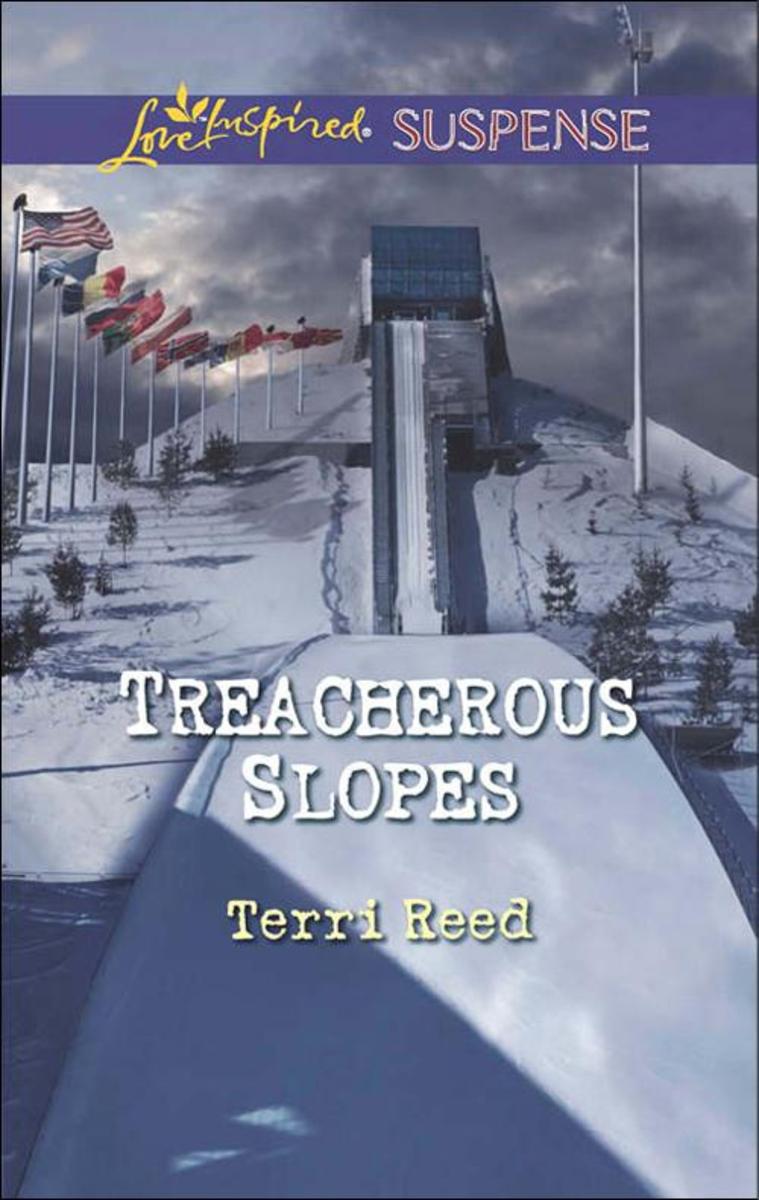
Treacherous Slopes (Mills & Boon Love Inspired Suspense)
¥31.10
KILLER COMPETITION A champion ski jumper, Nick Walsh wants one thing: to win the gold for his late brother. Nick has always blamed himself for his family’s tragic loss—and so does everyone else. To complicate things, sweet and shy reporter Julie Frost insists on doing a story about him. But as Nick gets closer to achieving his dream, someone will do anything to stop him. Somehow, Nick must keep Julie from getting too close as they confront a threat that can destroy them both. Julie and Nick are on the verge of discovering the truth about his brother’s death… unless an unknown murderer finds them first.
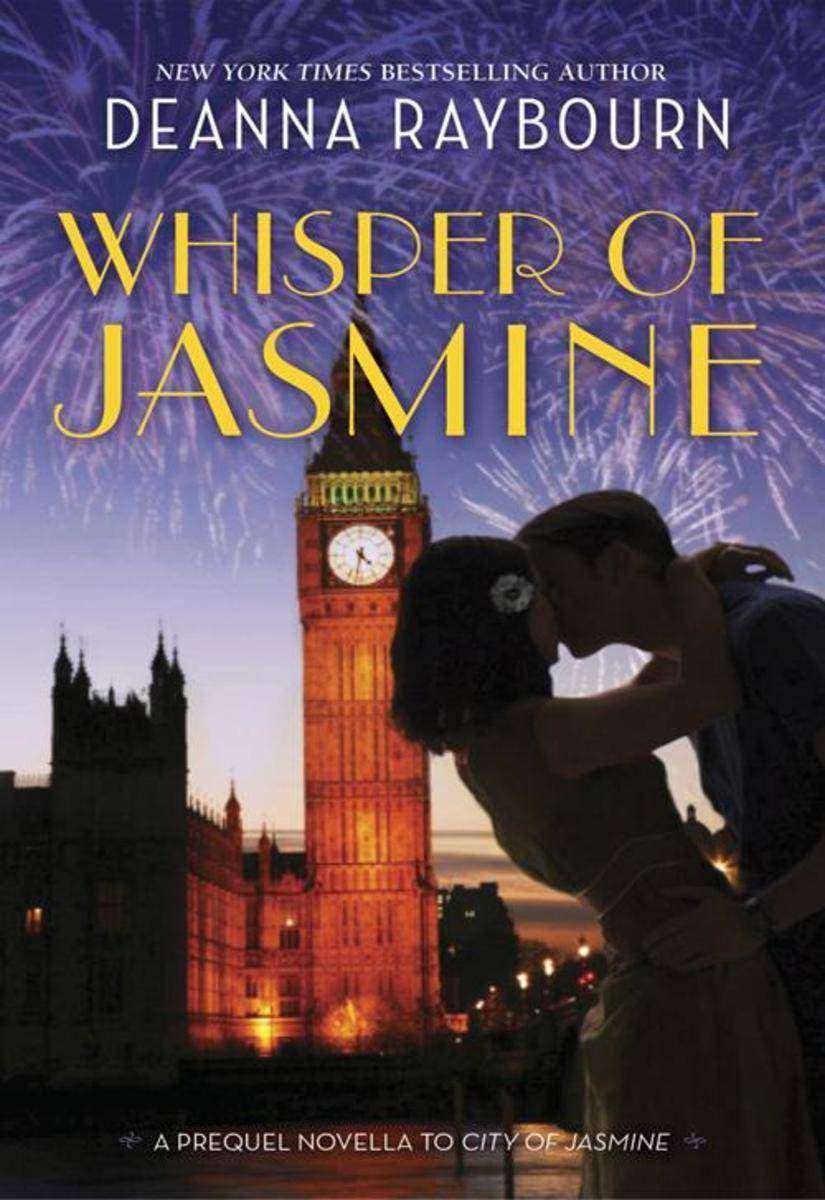
Whisper of Jasmine
¥15.50
New York Times bestselling author Deanna Raybourn transports readers to a magical New Year’s Eve party in 1914, where two guests will discover the passion of a lifetime in this prequel novella… Notorious socialite Delilah Drummond won’t be deterred by the war. Instead, she decides to throw the event of the year, and she’s handing out invitations with an eye for wanton fun and wild abandon. There is the dashing explorer and archaeologist Gabriel Stark, a man at a crossroads in his life. Brilliant and restless, he’s just committed to a secret enterprise that forces him to play a public role very different from the man he truly is. And then there is the charming if flighty Evangeline Merriweather. Evie has dreamed her whole life of adventure. Little does she know, she’s about to get more than she bargained for. Especially after her vivacious Aunt Dove acts as fairy godmother, if a saucy one, providing a scandalous gown and a whisper of jasmine on her skin…. Evie will shake cool Gabriel to his core, but just how far are they willing to take love at first sight? One seductive night will change Evie forever. Watch for her next adventure, in the City of Jasmine.

A Family of His Own (Mills & Boon Cherish)
¥20.60
Could they be a family? Picking blackberries in a derelict garden with her little girl had the most unexpected outcome for Kay Lovell: first Kay was kissed by a tall, dark and brooding stranger, and then he hired her as his gardener! Kay did her best with the garden--and her cantankerous new boss, Dominic Ravenscar. He was obviously still dealing with the emotional scars from his past, but gradually Kay unearthed the real Dominic, the one who loved life and just wanted a family of his own....

A Father's Love (Mills & Boon Vintage Love Inspired)
¥25.60
CONGRATULATIONS…IT'S TWINS! The morning Max Stevenson found twin babies on his doorstep, he knew life was about to change…. The millionaire bachelor could barely fasten a diaper, but pledged to care for the children until a true home was found. Then Kaitland Summerville arrived as the new nanny–and Max whispered a silent prayer. Why had the good Lord turned his world upside down? His former fiancée looked more beautiful than ever. Yet her betrayal remained a painful memory. But could this hectic household finally teach Max the true meaning of forgiveness and unconditional love? Welcome to Love Inspired?–stories about life, faith and love that will lift your spirits and gladden your heart. Meet men and women facing the challenges of today's world and learning important lessons about life, faith and love.
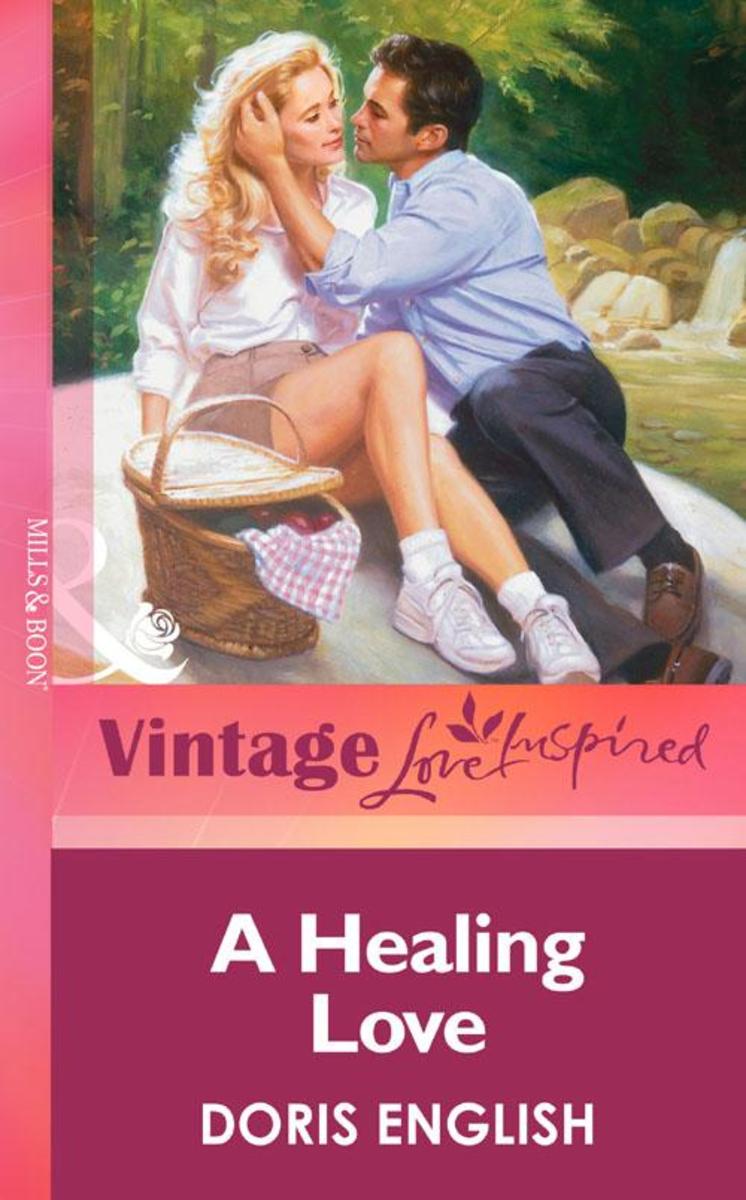
A Healing Love (Mills & Boon Vintage Love Inspired)
¥31.10
A MAN WITHOUT A PAST… When Brad Jeremiah's private plane crashed on a foggy hillside, Dr. Laura McBride risked her life to save him. And with Laura at his hospital bed, Brad woke to find he'd lost his memory. Discovering the handsome surgeon's identity was simple, yet his past remained a puzzling mystery…. Did their love have a future? The healing touch of his beautiful doctor gave Brad hope and her faith gave him strength. Soon he imagined working beside her in the small mountain hospital. But as Brad prayed for help to uncover the secrets of his past, he feared the truth would destroy Laura's love, and their dreams of a life together….
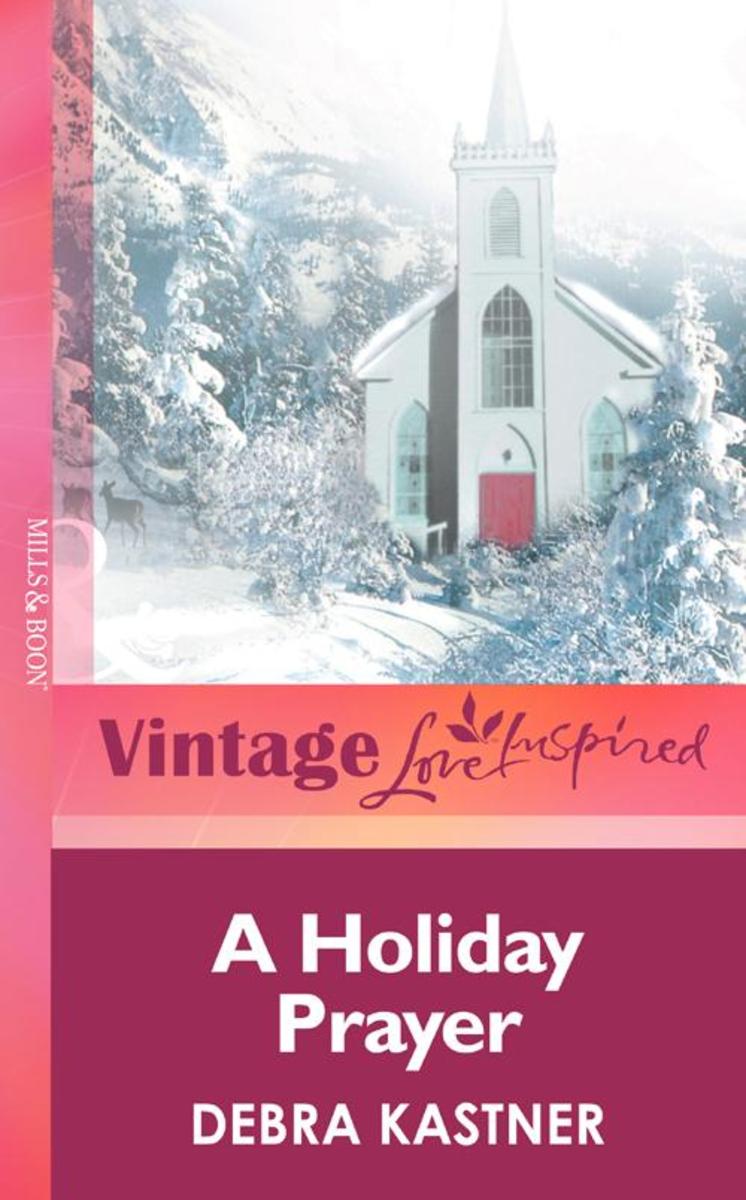
A Holiday Prayer (Mills & Boon Vintage Love Inspired)
¥31.10
A MASQUERADE BALL. A MASKED STRANGER. A STAR-FILLED NIGHT… From the first, Maddie Carlton felt that she'd met mysterious Rory March before. Now, he'd appeared on her doorstep when she least expected–and vanished just as swiftly. Yet, at each visit, Rory brought Maddie and her boy the warmth of joy their lives had been missing for so long–ever since the tragedy that had taken her husband. But who was "Rory" really? And could the man who'd restored her faith–and saved Christmas for her son–teach Maddie to love again?
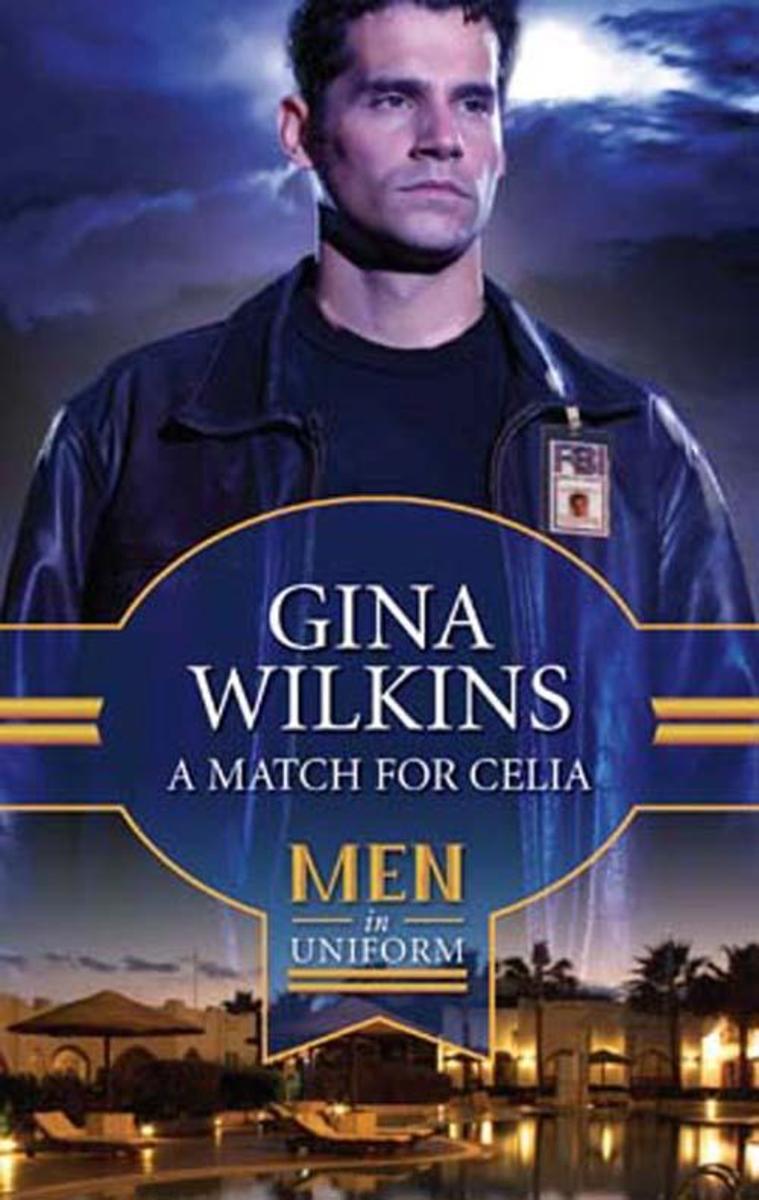
A Match for Celia (Mills & Boon M&B) (The Family Way, Book 2)
¥27.27
A VACATION TO REMEMBER This vacation was supposed to bring a little excitement into Celia Carson's life–so why couldn't she shake her attraction to a staid, reserved accountant? And yet, she also couldn't shake the feeling that there was more to him than met the eye…. Federal agent Reed Hollander's undercover role was working a little too well for his liking. He'd believed Celia to be the key to bringing down a dangerous criminal organization. But he couldn't help wondering, was she the small-town innocent she seemed–or the sophisticated woman he suspected she really was?
The First-Time Cook
¥95.75
Setting up home for the first time and feel lost in the kitchen? ‘The First-time Cook’ is a one-stop guide which shows you not only how to cook delicious food but also how to understand ingredients and techniques so you can feel completely confident cooking on your own. Assuming no prior knowledge,'First-time Cook' takes you through the basics of shopping and cooking equipment. Sophie Grigson then covers each essential cooking technique and food in turn, moving step-by-step through the basics with lots of incredibly useful advice on the possible pitfalls and showing variations and alternatives once you have mastered the essentials. From the perfect roast chicken to twenty variations on the quick-and-easy omelette and pasta of all de*ions, the recipes have been chosen not only to show core techniques but also to provide a fantastic collection of dishes that cover everything from quick (and cheap) supper ideas for one, to coping with Sunday lunch for six for the first time Interest in cookery has never been greater but the number of people actually able to cook continues to decline. Sophie Grigson's TV experience has given her a natural ability to teach cookery in an informal and friendly way and, with this book, she fills the gap left by conventional cookbooks which assume a knowledge most people don't possess.
The Ultimate PCOS Handbook: Lose weight, boost fertility, clear skin and restore
¥125.18
With this practical handbook you can start to see PCOS symptoms improve in as little as 2 weeks. Based on the latest scientific research and the authors' first-hand experience, it will empower you to take back control of your body- and your life. Packed with all the essential information to naturally beat the symptoms of polycystic ovary syndrome. PCOS authorities and fellow sufferers Colette Harris and Theresa Cheung will empower you to take back control of your body and beat naturally the often embarrassing symptoms of this syndrome, including weight gain, acne, excess body hair, mood swings, depression and exhaustion. Packed full of the latest science, up-to-date nutrition and the best in self-help and natural therapies, their comprehensive book shows you how to: ? Take control of your body with simple dietary changes ? Reduce spots and excess hair ? Boost body confidence and self-esteem ? Choose the right supplements and best natural self-help remedies ? Protect yourself from high blood pressure, heart disease and diabetes

Women of a Dangerous Age
¥45.62
Perfect for fans of Elizabeth Buchan and Katie Fforde, this is a warm novel about women, relationships and why it’s never too late to change. Lou is married to a man who no longer loves her. It’s time to move on, to begin a new business venture and to start her life over. To celebrate her new-found freedom, she travels to India, where, in front of the Taj Mahal, she befriends Ali after taking each other’s photographs on ‘that’ bench. Ali is a serial mistress. But when she returns home, she discovers her latest lover is not the man she took him for. She too needs a new beginning. As Lou and Ali put their pasts behind them, they start to discover new possibilities for life and for love, until the shocking realisation that they have far more in common than they thought.
YO Sushi: The Japanese Cookbook
¥91.43
YO! Sushi has transformed the concept of Japanese food and has created a revolutionary and unique dining experience. Conveyor belts filled with a rainbow of coloured plates carrying mouth-watering food prepared by chefs cooking in front of the diner have made sushi fun, funky and totally accessible. YO! Sushi: The Japanese Cookbook brings YO!'s delicious Japanese dishes to the home and shows you how easy it is to make your own sushi and other Japanese fare. This eye-popping book includes YO!'s most popular dishes: california rolls, salmon maki, prawn yaki soba and chilled roasted aubergines. Original recipes encourage readers to expand their repertoire and enjoy a range of flavoursome dishes. Learn to cook soy-marinated chicken, make healthy salads such as beetroot with sweet vinegar and impress friends with red snapper rice. Written by renowned Japanese food expert, Kimiko Barber, YO! Sushi: The Japanese Cookbook includes 120 delicious recipes. Forget complicated rolling or bizarrely named ingredients, Kimiko explains all the terms and shows how to make sushi rolls and other dishes through step-by-step photography. No recipe takes more than 30 minutes preparation or requires special cooking techniques. The book is divided into six colour-coded sections which reflect YO!s famous coloured plates, taking the reader chapter by chapter from novice to samurai so that you can work your way up the rungs until you're rolling with gusto. The book is fully illustrated in YO! Sushi’s exuberant style: Crisp finished food photography, bright graphics, and atmospheric reportage shots bring the energy of the YO! experience to the reader.
Brides And Blessings (Mills & Boon Vintage Love Inspired)
¥31.10
FROM MOVIE STAR…TO A PASTOR'S WIFE? Actress Suzann Condry took on a tough role when she traded lives with her twin sister, Holly. Suzann needed to get away from Hollywood…and Holly believed Suzann might find both peace and faith in charming Oak Valley. Anything can happen when twin sisters trade lives! Could Suzann convince everyone she was the sweet church librarian? Especially Josh Gallagher, the handsome assistant pastor who looked like a rugged rancher. Suzann feared he suspected her…until he asked for a date. She soon dreamed of an "ordinary" life as Josh's wife. But would Josh still love her once he learned her true identity?

Daddy's Home (Mills & Boon Vintage Love Inspired)
¥31.10
WHAT KIND OF MAN WAS HE? Dr. Jasmine Enderlin had once loved Christopher Jordan with her whole heart. And he'd betrayed that love by marrying her sister and then abandoning his pregnant bride. Christopher's actions had made her question her faith. But now her sister was dead, Jasmine was the mother of their child and the prodigal daddy had returned to claim his son…. Christopher wanted to explain what he had done, but Jasmine's hurt and anger prevented her from listening. Until she found her sister's well-worn Bible and learned that appearances could be deceiving. Was God trying to tell her that Christopher deserved a second chance?
Decidedly Married (Mills & Boon Vintage Love Inspired)
¥31.10
BLESSINGS IN DISGUISE? Her life looked perfect, but Julie Ryan wondered why she felt so empty inside. Why did her charming husband and teenage daughter seem so distant? Julie whispered a simple prayer, asking that her family grow closer. Suddenly her world went into a tailspin. First, a shocking suspicion about her husband, Michael. Then, just as the couple were weathering stormy emotions, their daughter made a startling confession. As Julie fought to save her family, she looked to the Lord for a helping hand…and prayed for the wisdom to understand His answers…. Welcome to Love Inspired?–stories that will lift your spirits and gladden your heart. Meet men and women facing the challenges of today's world and learning important lessons about life, faith and love.


