


 购物车
购物车 个人中心
个人中心
Bloody Sundays
¥79.16
Award-winning sportswriter Mike Freeman goes beyond day-to-day newspaper journalism and ESPN highlights to take us deep inside the game and reveal the NFL in ways that will surprise the most avid football fans. He travels to the sidelines and into the locker rooms to interview hundreds of players and coaches on their expertise. Breaking the game down to its essential elements -- coaching, offense, and defense -- Freeman profiles in depth three of today's football elite: Jon Gruden, head coach of the Tampa Bay Buccaneers; Michael Strahan, defensive end for the New York Giants; and Emmitt Smith, the legendary running back.Bloody Sundays goes behind the scenes of the "secret society" of gay players who play in fear of their lives and careers, studies how the violence of the game ravages the bodies of players, and takes us into the owners' offices to look at the darker side of the sport.Part tribute, part expose, Bloody Sundays is a vivid portrait of professional football that "gives you so much to think about that you might find yourself switching off a game to read" (New York Times Book Review).

Tick... Tick... Tick...
¥78.32
An insider's view of the most successful show in the history of TV, 60 Minutes. The most popular TV show in America isn't American Idol, and it's not Survivor. Month in, month out, the most–watched program in America is 60 Minutes, drawing a staggering 25 million viewers in an average week. For its entire 34–year history, 60 Minutes was the brainchild (and personal fiefdom) of Don Hewitt, the take–no–prisoners visionary who hustled the show into being and kept it afloat with a mixture of chutzpah, tough talk, scheming, and journalistic savvy. But now that Hewitt is 80 and grudgingly considering retirement, the show's direction is increasingly up for grabs, and the transition will surely be marked by some serious fireworks. As author David Blum provides a fly–on–the–wall perspective on the show's upheavals, he'll also trace its past; although the show has aired some 5,000 pieces and has made household names of Mike Wallace, Ed Bradley, Leslie Stahl, and Morley Safer, much of the backstage story––the passionate pursuit of stories, the behind–the–scenes wrangling, and the stars' prima donnish behavior––has gone untold. With full access to the producers, stars, and executives, Blum will give readers an unprecedented view of the personalities and events that have shaped 60 Minutes – and a new perspective on how current events become news.
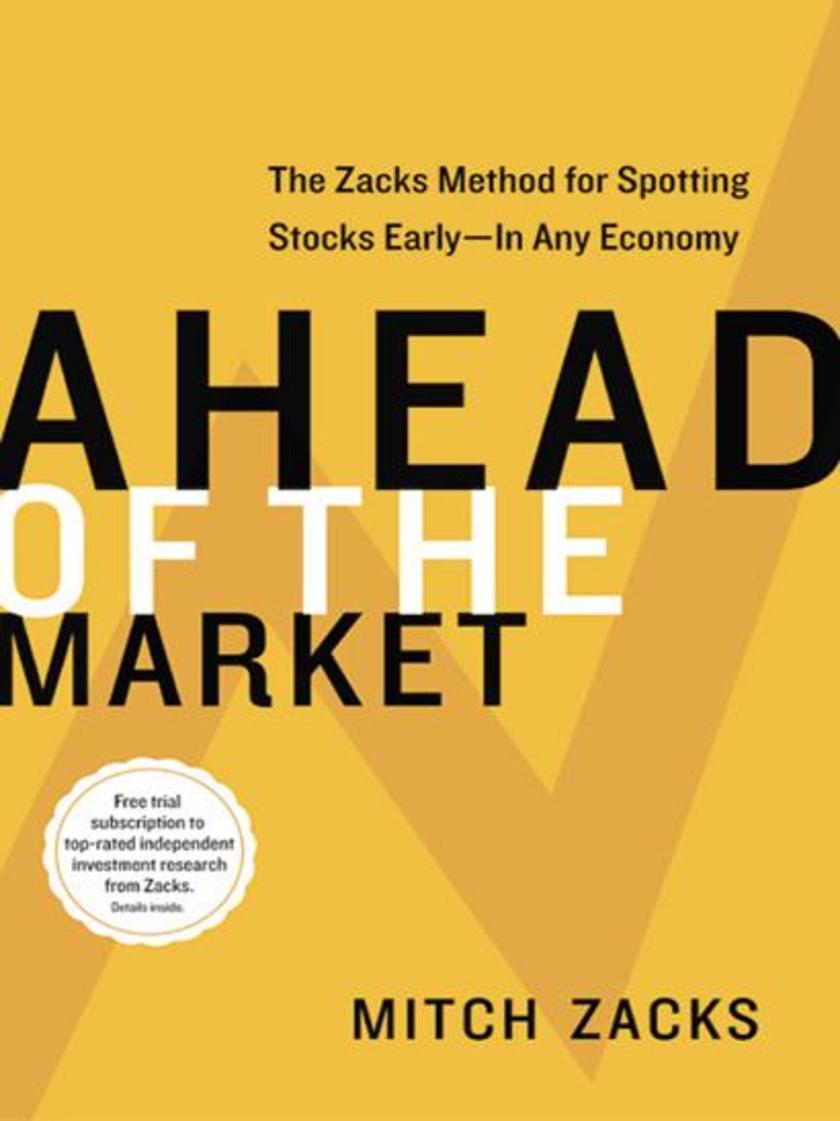
Ahead of the Market
¥90.77
Beat the Pros at Their Own Game All too often, you learn about good stocks far too late to profit from the information. By the time you actually buy a stock, professional investors have already been there, bought the stock, driven up the price, and are just waiting to unload it at an inflated price.All That's About to Change. . . .In Ahead of the Market, Mitch Zacks shows investors how they can spot stocks that are poised to take off long before the rest of the crowd learns about them. HowBy unlocking the gems of priceless information buried in Wall Street's often self-serving research. Ahead of the Market is the first book, ever, that enables you to profitably use the analyst stock research for which Wall Street firms pay more than one billion dollars annually. Many investors have rightly felt misled in the past by analysts who continued to hype stocks as prices plummeted. You may have even concluded that Wall Street research is totally worthless. But it's not.In Ahead of the Market, Mitch Zacks shows that analysts actually provide a wealth of market-moving information that can generate exceptional returns if interpreted correctly.The key is to use the research produced by Wall Street analysts the same way the professional money managers do.Pioneered by the firm Zacks Investment Research and based on more than twenty years of intensive analysis, the investment strategies revealed in this book are indeed the same ones used by successful professional investors everywhere.In these pages you will learn how to form an investment plan by locating stocks that are poised for price appreciation and avoiding stocks heading for a fall. Zacks shows how you could have prevented being burned when the recent bubble burst, if you had known how to use analyst research correctly and teaches you the rules of the research game so you will not fall victim the next time around. In sum, this book is your guide to picking the right stock at the right time.Mitch Zacks's groundbreaking research provides new insights and new strategies to: Use revisions to analysts' earnings estimates to predict the rise and fall of stock prices Interpret the real meaning behind analysts' stock recommendations Employ the "cockroach" phenomenon and other methodologies to predict earnings surprises before they occur Determine how to react when a company reports earnings and how to profit from "post-earnings announcement drift" Understand and profit from "analyst creep" the reason that earnings estimate revisions occur incrementally over time Avoid being duped by the games that companies play with their earnings reportsWhether the economy is healthy or stalled, whether the market is up or down, by focusing on the strategies contained in this book you will always come out ahead. Well-picked individual stocks will always carry the day. Now with Ahead of the Market, you will finally have the same tools institutional investors have and will be able to find great stocks in any market environment.
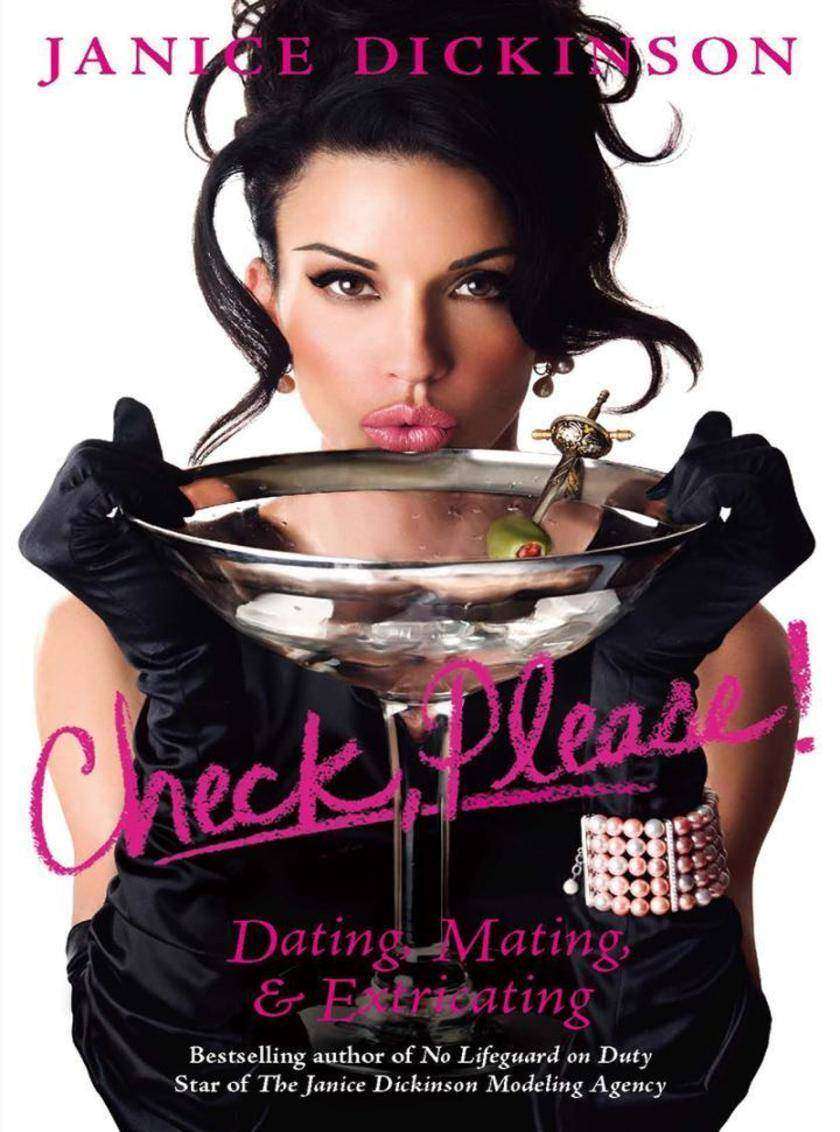
Check, Please!
¥82.80
The outrageous Janice Dickinson -- former star of TV's America's Next Top Model, bestselling author, and glam girl extra-ordinaire -- now brings her patented blend of hard-won romantic wisdom and diva chic to her first-ever dating guide. Loaded with uncensored dish on her romantic sagas -- and her stranger-than-fiction bedroom adventures -- Check, Please! unveils Janice's dating dos and don'ts, culled from her three decades at the top of the fast-track world of modeling, and a rich, racy life of dating, mating, and extricating.With the same voracious charm that propelled her into the arms of some of America's most eligible bachelors, here Janice shares her secrets to landing men, loving them, and letting them go. From first dates and old flames to primping, cheating, and sizing things up, Check, Please! is a girl's guide to an irreverent, extravagant love life.Some titillating tips from Check, Please!Lesson #2: Wanna Get a Guy's AttentionIgnore Him!Lesson #13: If He's Got His Eye on the Door, He's Already Halfway Through ItLesson #28: Don't Do Anyone You Might RegretLesson #40: It's Okay to Want More, More, MoreLesson #47: Don't Follow Trends -- Start ThemFrom the unfettered hedonism of her modeling days -- spent in white-hot one night stands and steamy affairs -- to her crusade to find Mr. Right today and tomorrow, Check, Please! is a fun, over-the-top vicarious thrill ride as only Janice can deliver it -- with a core that's surprisingly real. Check, Please!

Alpha Dogs
¥83.93
Take an ordinary business. A bike shop. An auction company. An ice cream parlor. A sock manufacturer. In thoroughly mundane businesses like these, an entrepreneur must outsmart the multitudes of competitors, leap to the head of the pack, and become a dominant Alpha Dog.Exactly how does an everyday company distinguish itself in the marketplace, generate much higher sales than its competitors, and earn the lasting loyalty of customers and employeesIs it cutting-edge productsBrilliant serviceIngenious branding?Donna Fenn, a twenty-year veteran of Inc. magazine, has discovered the people who have the answers. In a personal and probing style, she introduces you to eight Alpha Dogs. These men and women share their solutions and insights on how to rise to the top, despite multiple competitors, from Chinese manufacturers to Wal-Mart.Readers will meet: Chris Zane, an intense, ambitious father of three boys. His Branford, Connecticut, retail bike shop has flourished among Wal-Mart, Sports Authority, and independent bike stores. He's done it by seeking out new markets and perfecting the art of customer service. Deb Weidenhamer, a tough woman in a male-dominated industry who transformed a traditional auction company with cutting-edge technology. While her competitors were still fretting about eBay, she was using the online auction giant as a training ground for her own innovative Web site. Amy Simmons, a former premed student who fell in love with the ice cream business in Boston and then founded her own ice cream parlor in Austin, Texas. With twelve Amy's Ice Creams stores in Austin, Amy's is the Austin hometown favorite, despite her deep-pocketed rivals, Ben Jerry's and Cold Stone Creamery. In accessible, conversational style, Donna Fenn tells each entrepreneur's personal story, shares their winning formulas, and offers nuts-and-bolts advice and practical tips. Alpha Dogs is a lively handbook for every current and aspiring entrepreneur.
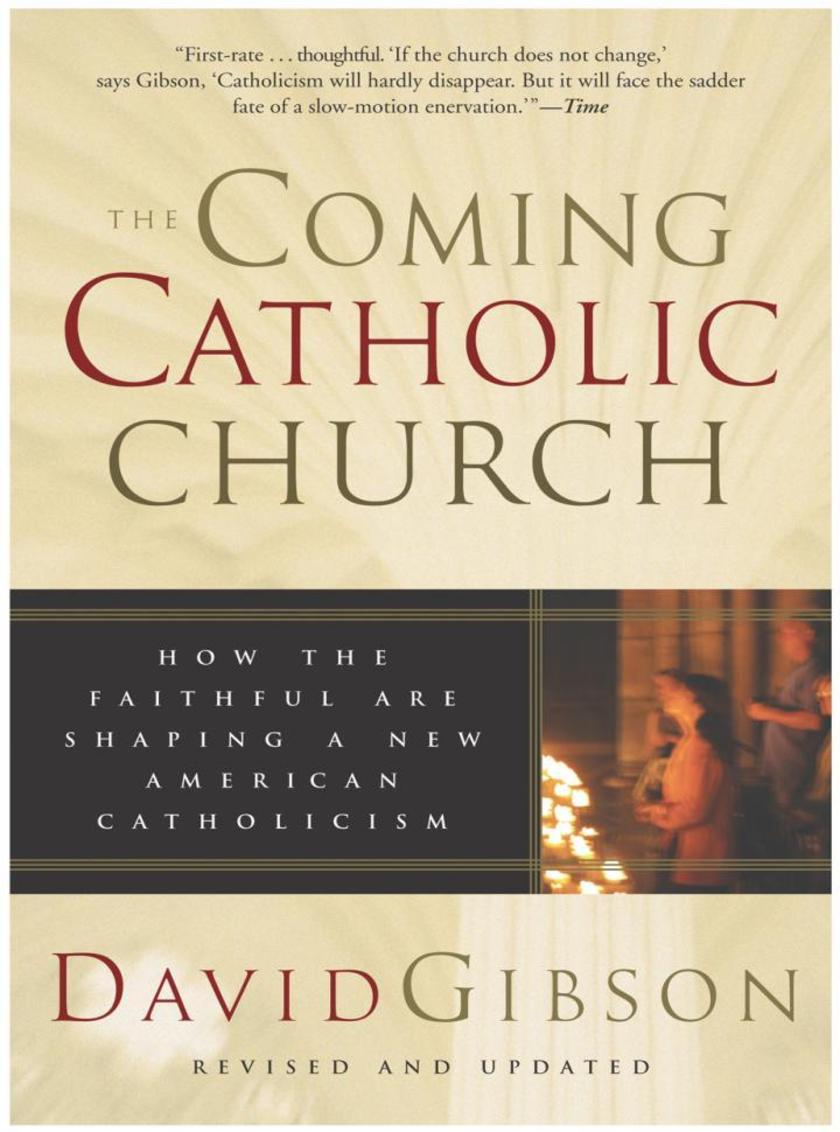
The Coming Catholic Church
¥83.93
Rather than chronicling the well-reported sexual abuse scandal or advocating a particular reform agenda, David Gibson shows how the crisis in the church is unleashing forces that will change American Catholicism forever.

Elementary Algebra
¥90.54
Prepared for students by renowned professors and noted experts, here are the most extensive and proven study aids available, covering all the major areas of study in college curriculums. Each guide features: up-to-date scholarship; an easy-to-follow narrative outline form; specially designed and formatted pages; and much more.

Introduction to Calculus
¥90.54
Master Your Coursework with Collins College OutlinesThe Collins College Outline for Introduion to Calculus tackles such topics as funions, limits, continuity, derivatives and their applications, and integrals and their applications. This guide is an indispensable aid to helping make the complex theories of calculus understandable. Completely revised and updated by Dr. Joan Van Glabek, this book includes a test yourself seion with answers and complete explanations at the end of each chapter. Also included are bibliographies for further reading, as well as numerous graphs, charts, illustrations, and examples.The Collins College Outlines are a completely revised, in-depth series of study guides for all areas of study, including the Humanities, Social Sciences, Mathematics, Science, Language, History, and Business. Featuring the most up-to-date information, each book is written by a seasoned professor in the field and focuses on a simplified and general overview of the subje for college students and, where appropriate, Advanced Placement students. Each Collins College Outline is fully integrated with the major curriculum for its subje and is a perfe supplement for any standard textbook.

Spanish Grammar
¥90.54
Unlike traditional textbooks, which leave students without a clear understanding of the different tenses and moods, the Collins College Outline for Spanish Grammar is organized conceptually, explaining in detail subjunctive and imperative moods, passive voice, negatives, idioms, and the rules of accentuation. With sections on articles, adjectives, nouns, and verbs, along with a comprehensive vocabulary appendix for quick and easy reference, this is the essential guide to understanding Spanish. Completely revised and updated by Professor Ana Fairchild, this book includes a test yourself section with answers and complete explanations at the end of each chapter. Also included are bibliographies for further reading, as well as numerous vocabulary lists, exercises, and examples.The Collins College Outlines are a completely revised, in-depth series of study guides for all areas of study, including the Humanities, Social Sciences, Mathematics, Science, Language, History, and Business. Featuring the most up-to-date information, each book is written by a seasoned professor in the field and focuses on a simplified and general overview of the subject for college students and, where appropriate, Advanced Placement students. Each Collins College Outline is fully integrated with the major curriculum for its subject and is a perfect supplement for any standard textbook.
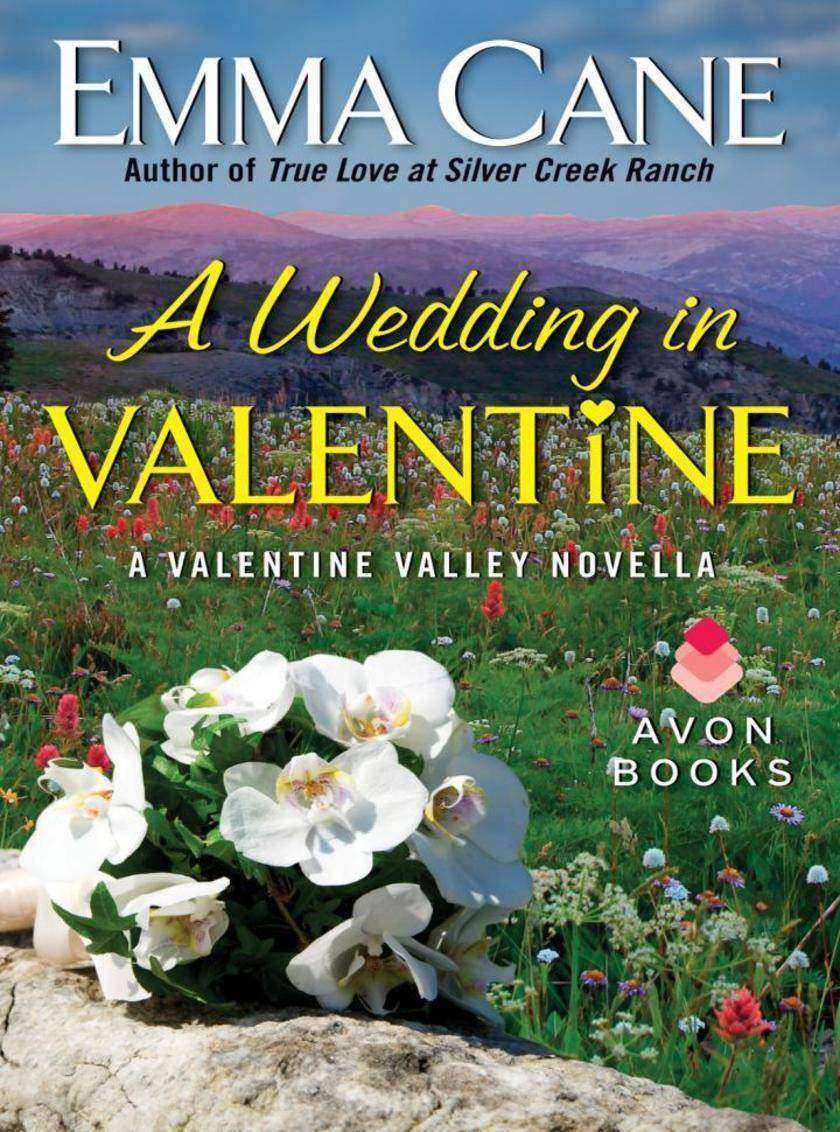
A Wedding in Valentine
¥27.91
It's the wedding all of Valentine Valley has been waiting for!Bridesmaid Heather Armstrong arrives for Nate and Emily's big weekend only to discover that one of the ushers is the man she had a close encounter with when they were trapped by a blizzard seven months ago and he's the bride's brother!Cowboy Chris Sweet never forgot the sexy redhead, although she disappeared without a trace. At first the secret creates a divide between them, but as they grow closer during the romantic weekend, will Heather dare risk her heart again?
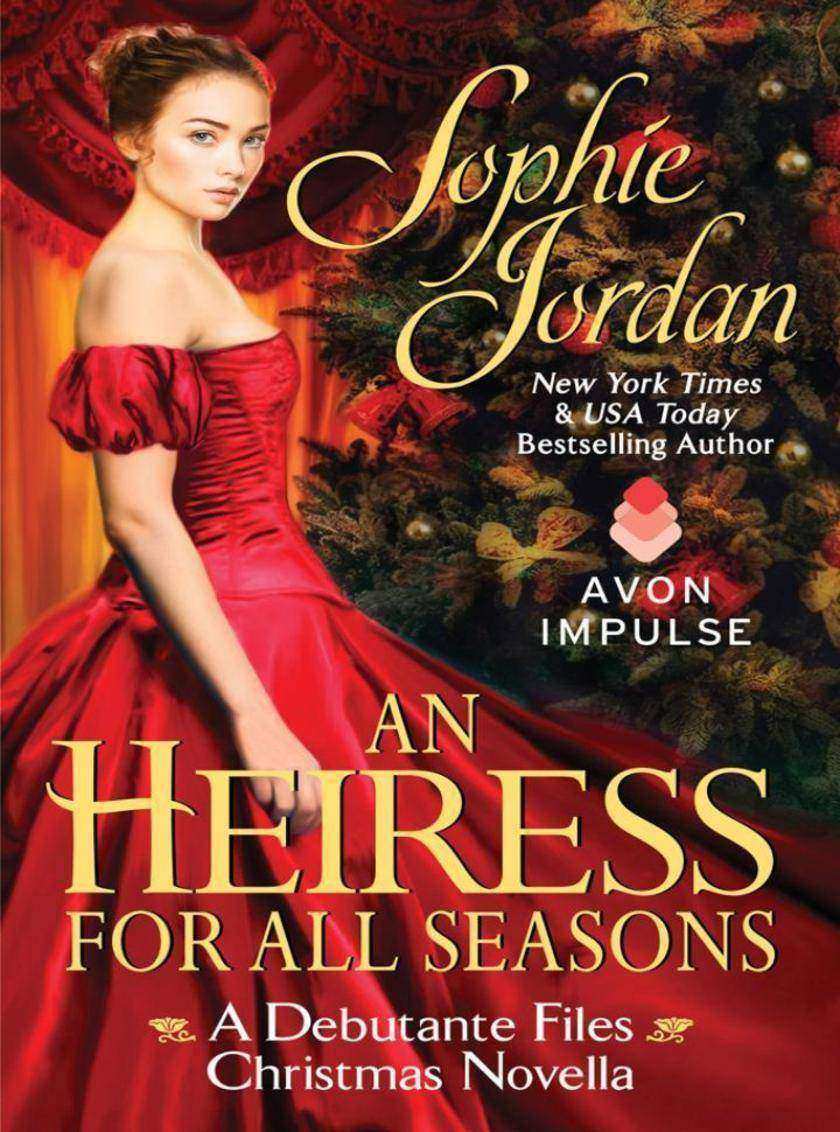
An Heiress for All Seasons
¥27.91
When a holiday blizzard brings together a pair of reluctant lovers, the result threatens their reputations … and may cost them their hearts. Feisty and independent American heiress Violet Howard swears she'll never wed a crusty British aristocrat. Will, the Earl of Merlton, is determined to salvage his family's fortune without succumbing to a marriage of convenience. But when a snowstorm leaves Violet and Will stranded and alone, their sudden chemistry will challenge good intentions. Seized by a desire that burns through the night, they'll toss reservations aside in favor of the heat found in each other's arms. Will their passion survive the stormWill they realize they've found a love to last them through all seasons?
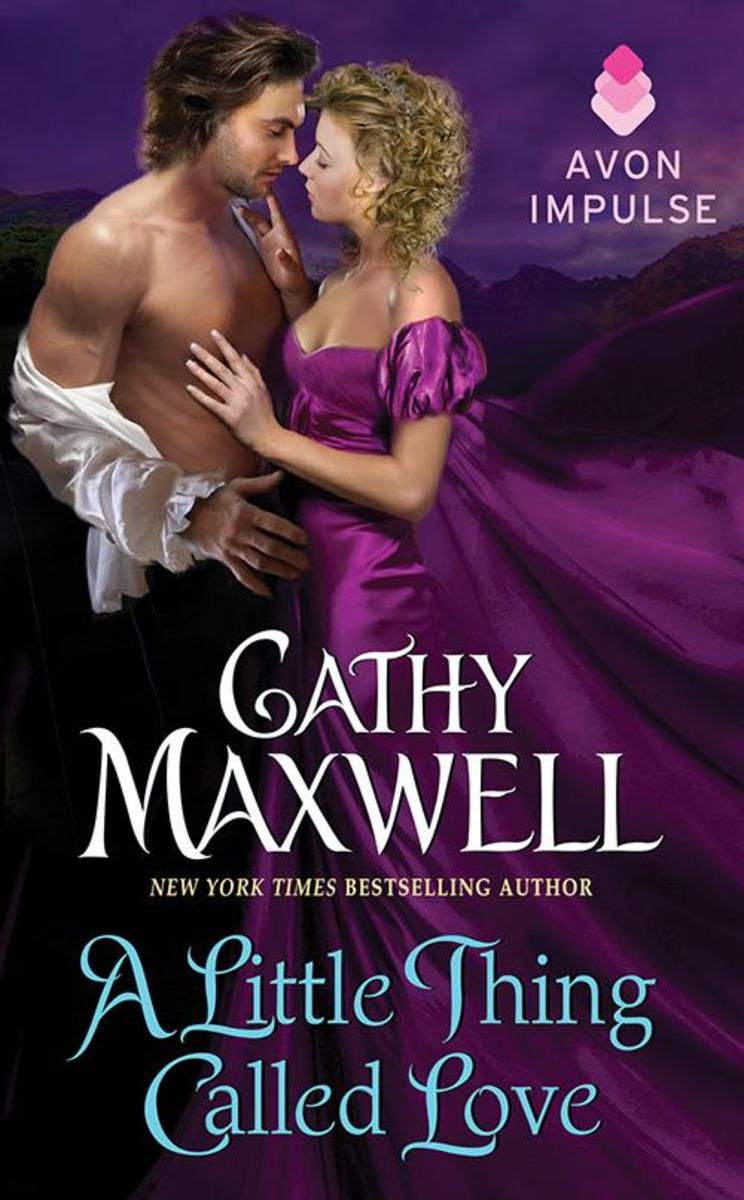
A Little Thing Called Love
¥27.91
Grandmother, grandmother, who shall it be Who shall it be who will marry meDuke, Earl, a powerful marquessWhen my heart is given to Fyclan Morris… In New York Times bestselling author Cathy Maxwell's new novella, beautiful Jennifer Tarleton has no lack of noble suitors, but the only man who captures her attention is the one her father will never let her marry: Fyclan Morris. He's a brash adventurer, witty, courageous…and Irish! Even worse, her father blames her for their reversal of fortune… And it's a fortune—or rather, his grandmother the fortune teller—who foretold that Fyclan would meet "the one,", a love prophesied in the stars. He vows nothing will stand in the way of making Jennifer his bride, but is the price too highOr is a thing called love worth every challenge?

Bet You'll Marry Me
¥34.54
First published as a short story in Debbie Macomber's Family Affair In Darlene Panzera's debut full-length romance, an entire town places a bet on just whom pretty Jenny O'Brien will marry . . . and her choice surprises them all! Marry her and win When tall, handsome out-of-towner Nick Chandler first sets eyes on Jenny O'Brien, she's storming into the Bets & Burgers Café, wielding a broom and threatening the safety of every man in sight. Hey, he figures, she's got the right to be annoyed—the whole town seems to be laying bets on whom Jenny will marry. Nick's annoyed as well. He didn't think he'd have to propose to romance the land away from her, but to save his sister and his ill-fated business, he jumps into the fray and bets $10,000 that Jenny will marry him. Now the only thing stopping him from seizing her land . . . may be his own heart.
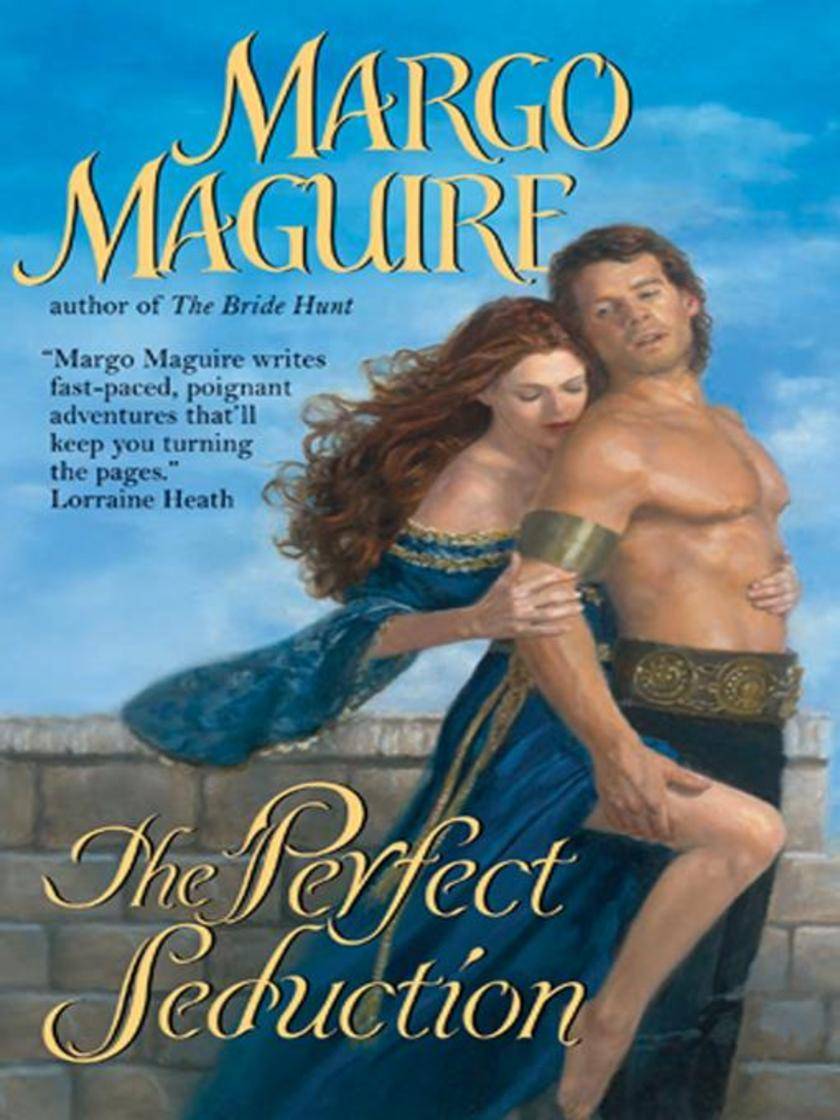
The Perfect Seduction
¥42.03
To burn with passion . . . to surrender to the power of a man's desire . . . Kathryn de St. Marie's years in a French convent have taught her such things are forbidden. Still the chaste Norman beauty dreams of a soul-stirring love. But cruel destiny intrudes when she is taken prisoner by Scot barbarians though a kinder fate intervenes when she is rescued by proud, haunted Edric of Braxton Fell, a bitter Saxon lord displaced by Norman rule.Though he despises the conquerors, Edric can sense that Kathryn is different gentle and giving, yet possessing a fire that enflames Edric in turn and he grudgingly allows her into his broken life. For Kathryn's capture has tainted her in the eyes of her people, and she can never again return home. Her future rests in the strong hands of her enemy champion . . . and in a long-cherished dream of a perfect seduction and a dangerous, rapturous love.
Never Marry a Cowboy
¥41.91
In his arms she found the greatest joy she'd ever known . . . but his heart belonged to another. Can her love make their marriage real before their time together ends forever?
Legend
¥55.31
As teenagers, Raine Beaumont and Joseph Colorado tasted the joys of first love, until her father's lies destroyed their fragile bond. Now, twelve years later, Raine receives news that will take her back to her hometown of Oracle, Arizona, where she will face her lost love again.Haunted by the memory of the boy she once adored, Raine was not prepared for the mysterious, seductive man before her. For deep in Joseph's eyes lies a power that binds him to his Apache heritage, a power that promises to heal all wounds and restore long lost dreams . . . and love.

Suddenly You
¥62.90
She was unmarried, untouched and almost thirty, but novelist Amanda Briars wasn't about to greet her next birthday without making love to a man. When he appeared at her door, she believed he was her gift to herself, hired for one night of passion. Unforgettably handsome, irresistibly virile, he tempted her in ways she never thought possible...but something stopped him from completely fulfilling her dream.Jack Delvin's determination to possess Amanda became greater when she discovered his true identity. But gently-bred Amanda craved respectability more than she admitted, while Jack, the cast-off son of a nobleman and London's most notorious businessman, refused to live by society's rules. Yet when fate conspired for them to marry, their worlds collided with a passionate force neither had expected...but both soon craved.

The Marriage Lesson
¥55.31
Lesson #1: Never Tempt a Lady Become a brideNever! Lady Marianne Shelton has come to London to experience life, and marriage is not part of her plan. To finance her independent future, the pretty country miss pens a series of anonymous stories. Soon they are the talk of the ton-and only she knows that her wicked hero is based on none other than bold, brash Thomas Effington, the future Duke of Roxborough.Lesson #2: Never Deny a Marquess, Thomas has been thrust into le of Marianne's protector. When she threatens to experience life with the first willing rogue to come along, he decides the best recourse is to tutor her himself. And when he accidentally compromises her honor, he's willing to accept their only recourse: a wedding. Marianne claims she wants no part of marriage, but her intoxicating allure and disarming willingness make her irresistible. And now Thomas is determined to teach her a lesson: that true love will last forever.
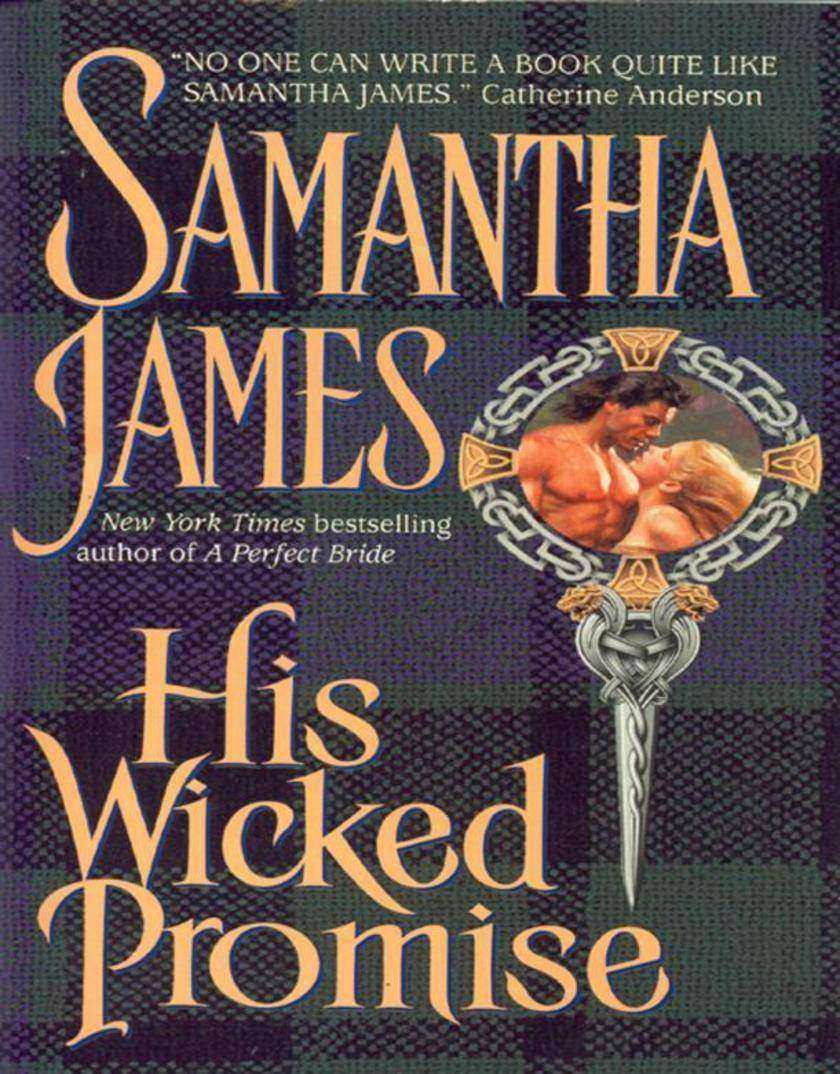
His Wicked Promise
¥55.31
He would take her as his bride...but could she give her heart in return?When Egan MacBain takes beautiful Glenda MacKay as his bride, it appears that he's done so for the noblest of reasons. In truth, he has vowed at last to claim the woman he's always loved--yet once lost--to another man. But the rugged Highlander is determined to keep his passion hidden while he woos her with his gentle caress and wicked kisses. For he will not have an unwilling wife and will only show his tenderness once she is tamed.Although Glenda has agreed to the marriage, she's only done so to gain the protection of Egan's name. Yet this young widow of the once-powerful clan MacKay never expected that vows of love would leave her lips again, nor did she believe she'd ever hold any man so dear. But suddenly she finds herself succumbing to the strong, silent warrior who fills her with trepidations and a fevered, forbidden yearning to fulfill his wicked promise of the love--and the child--she aches for in the depths of the soul.
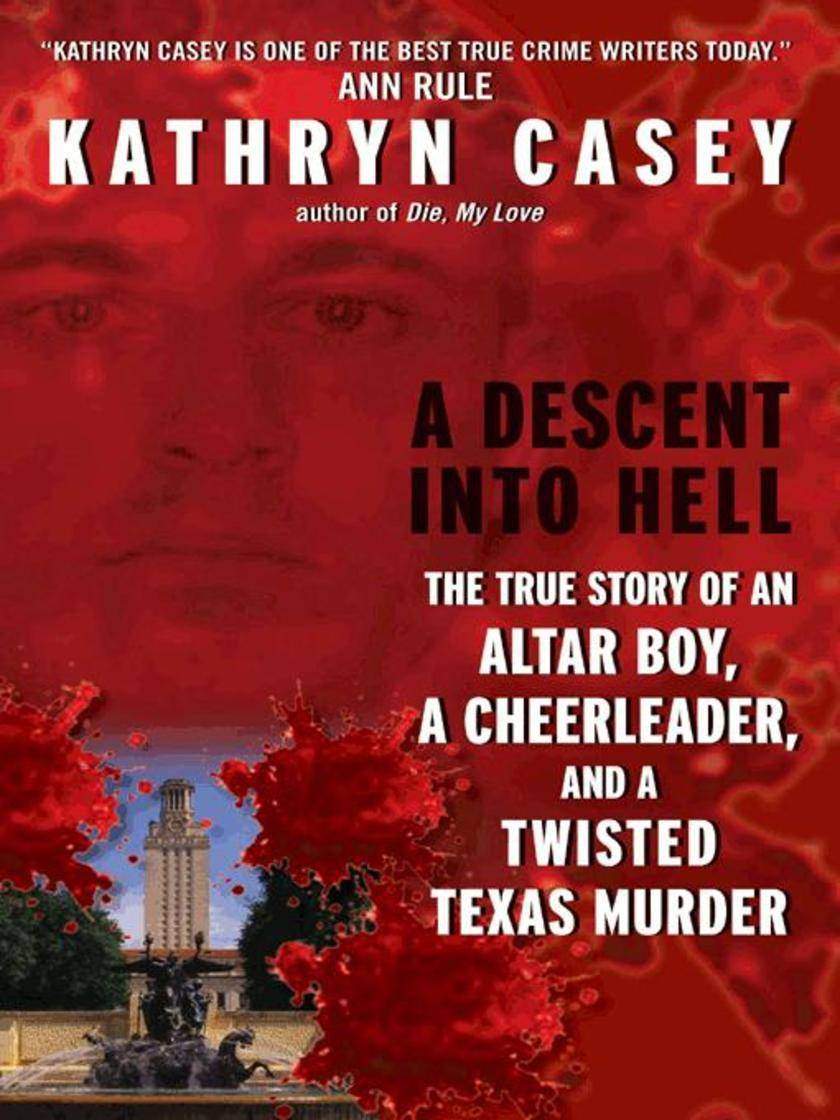
A Descent Into Hell
¥55.91
Bright, attractive, and both from good families, University of Texas college student Colton Pitonyak and vibrant redhead Jennifer Cave had the world at their beckoning. Cave, an ex-cheerleader, had just landed an exciting new job, while a big-money scholarship to UT's prestigious business school lured Pitonyak to Austin. Yet the former altar boy had a dark, unpredictable streak, one that ensnared him in the perilous underworld of drugs and guns. When Jennifer failed to show up for work on August 18, 2005, her mother became frightened. Sharon Cave's search led to Colton's West Campus apartment, where Jennifer's family discovered a scene worthy of the grisliest horror movie. Meanwhile, Colton Pitonyak was nowhere to be found.A Descent Into Hell is the gripping true story of one of the most brutal slayings in UT history and the wild "Bonnie and Clyde-like" flight from justice of a cold-blooded young killer and his would-be girlfriend, who claimed that her unquestioning allegiance to Pitonyak was "just the way I roll."

Gemstone
¥55.31
New York Times bestselling author Barbara Delinsky shares her special magic in this poignant tale, first published in 1983, of past mistakes and second chances.It's been eight years since Sara McCray has seen her ex-husband, Jeff Parker, after she fled their San Francisco mansion and stifling life controlled by his domineering mother. But the naive young bride has returned a confident woman with her own business. Jeff, too, has changed. Since his mother's death he's become his own man, masterfully in control of the family business and estate.When they meet, the strong attraction that brought them together long ago is reawakened. But when Jeff asks Sara to stay, his offer has little to do with romance. Now Sara must decide: Does she dare be just a business partner with a man she's never stopped lovingOr does she turn her back on what may be her one chance for happiness?


