


 购物车
购物车 个人中心
个人中心

Warriors: Omen of the Stars #1: The Fourth Apprentice
¥44.73
After the sharp-eyed jay and the roaring lion, peace will come. . . . Four warrior Clans have shared the land around the lake as equals for many moons. But a prophecy foretells that three ThunderClan cats will hold the power of the stars in their paws. Jayfeather and Lionblaze know that they are two of the cats in the prophecy. Now the brothers must wait for a sign from StarClan to discover the identity of the third cat. Meanwhile, Dovekit and Ivykit kin of the great leader Firestar are poised to become ThunderClan apprentices. Soon one sister will have an ominous dream and will begin to realize that she possesses mystical skills unmatched by any other cat. In the midst of a cruel season that threatens the lives of all four warrior Clans, bonds will be forged, promises made, and three young cats will start to unravel the secrets that bind them together.

The Princess Diaries
¥61.52
WhatA princess MeYeah, right. Mia Thermopolis is pretty sure there's nothing worse than being a five-foot-nine, flat-chested freshman, who also happens to be flunking Algebra. Is she ever in for a surprise. First Mom announces that she's dating Mia's Algebra teacher. Then Dad has to go and reveal that he is the crown prince of Genovia. And guess who still doesn't have a date for the Cultural Diversity Dance?
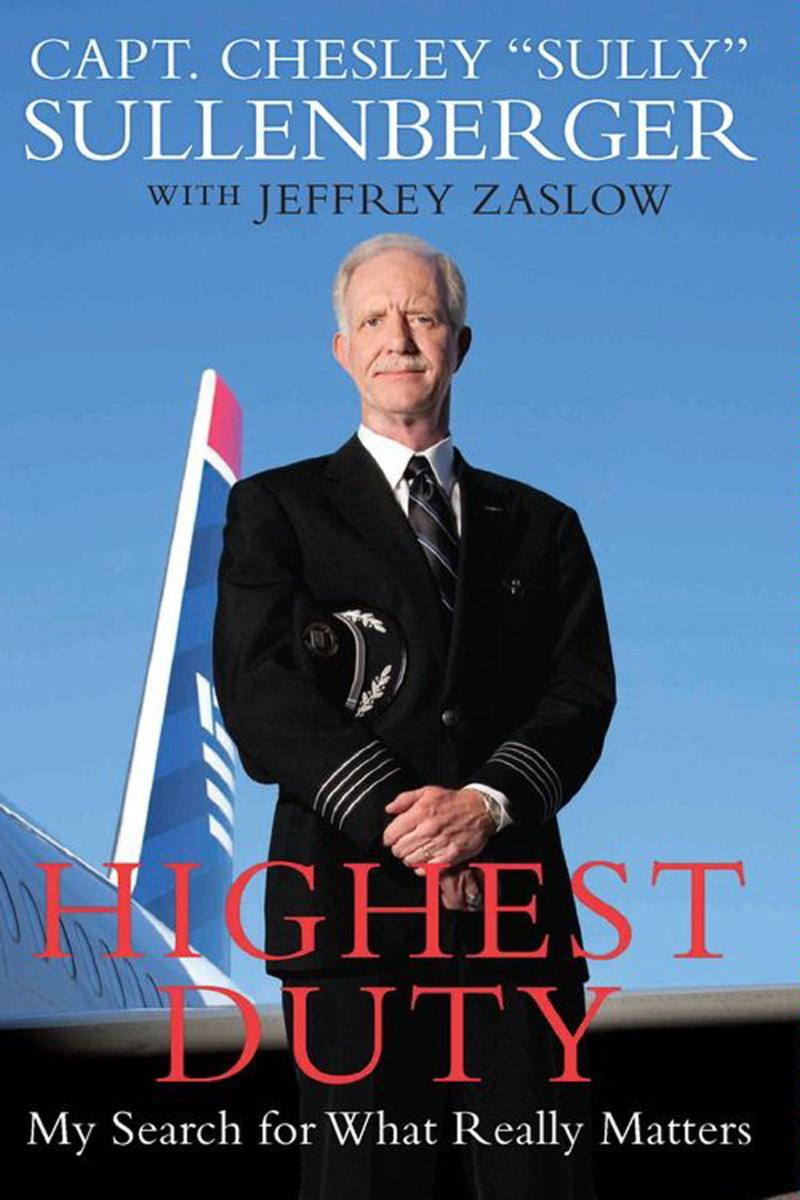
Highest Duty
¥90.77
In this inspirational autobiography, Captain "Sully" Sullenberger, the airline pilot whose emergency landing on the Hudson River earned the world's admiration, tells his life story and talks about the essential qualities that he believes have been so vital to his success. In January 2009, the world witnessed one of the most remarkable emergency landings in history when Captain Sullenberger brought a crippled US Airways flight onto the Hudson River, saving the lives of all of the passengers and crew aboard. The successful outcome was the result of effective teamwork, Sully's dedication to airline safety, his belief that a pilot's judgment must go hand-in-hand with and can never be replaced by technology, and forty years of careful practice and training. From his earliest memories of learning to fly as a teenager in a crop duster's single-engine plane in the skies above rural Texas to his years in the United States Air Force at the controls of a powerful F-4 Phantom, Sully describes the experiences that have helped make him a better leader, particularly the importance of taking responsibility for everyone in his care. And he talks about what he believes is at the heart of America's "can do" spirit: the very human drive to prepare for the unexpected and to meet it with optimism and courage. His wife, Lorrie, has been a pillar of support through all the highs and lows that life has offered, from the challenges of commercial flying to the birth of their two daughters, from financial struggles to the event of January 15, 2009. Though the world may remember Sully as the hero of Flight 1549, the legacy he desires even more is that of a loving husband and father. Highest Duty is the intimate story of a man who has grown up to embrace what we think of as quintessential American values leadership, responsibility, commitment to hard work, and service to others. And it is a narrative that reminds us that cultivating seemingly ordinary virtues can prepare us to perform extraordinary acts.

Old Yeller
¥39.13
At first, Travis couldn't stand the sight of Old Yeller The stray dog was ugly, and a thieving rascal, too. But he sure was clever, and a smart dog could be a big help on the wild Texas frontier, especially with Papa away on a long cattle drive up to Abilene. Strong and courageous, Old Yeller proved that he could protect Travis's family from any sort of danger. But can Travis do the same for Old Yeller?
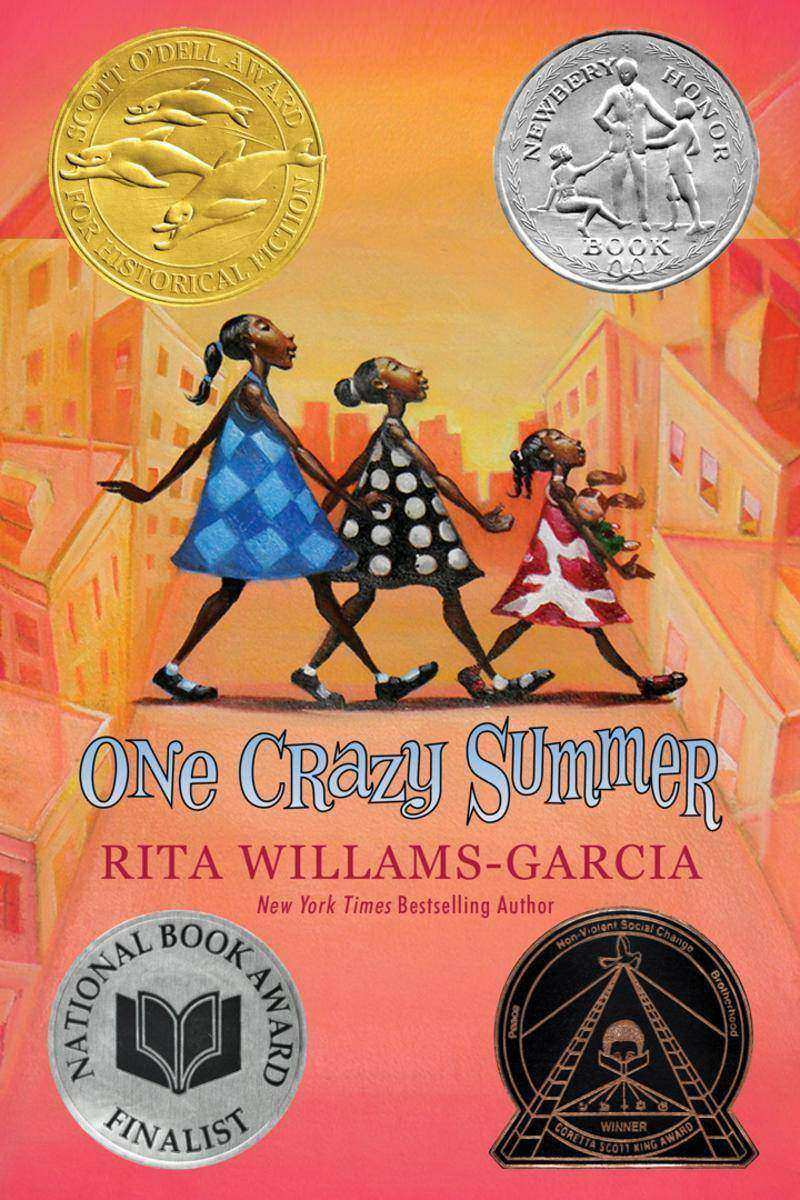
One Crazy Summer
¥44.73
In this Newbery Honor novel, New York Times bestselling author Rita Williams-Garcia tells the story of three sisters who travel to Oakland, California, in 1968 to meet the mother who abandoned them. Eleven-year-old Delphine is like a mother to her two younger sisters, Vonetta and Fern. She had to be, ever since their mother, Cecile, left them seven years ago for a radical new life in California. When they arrive from Brooklyn to spend the summer with her, Cecile is nothing like they imagined. While the girls hope to go to Disneyland and meet Tinker Bell, their mother sends them to a day camp run by the Black Panthers. Unexpectedly, Delphine, Vonetta, and Fern learn much about their family, their country, and themselves during one truly crazy summer. This moving, funny novel won the Scott O'Dell Award for Historical Fiction and the Coretta Scott King Award and was a National Book Award Finalist. Readers who enjoy Christopher Paul Curtis The Watsons Go to Birmingham will find much to love in One Crazy Summer . Delphine, Vonetta, and Fern story continues in P.S. Be Eleven . Supports the Common Core State Standards

HarperCollins
¥90.51
If the kids can't sit still for the class performance, Roscoe's teacher could be in big trouble. Fortunately Roscoe has a plan to save her a super, mega, gonzo plan! What could go wrong?
Roscoe Riley Rules #3: Don't Swap Your Sweater for a Dog
¥28.01
A trophy for RoscoeIt seems like everyone has an award of some kind. Except Roscoe. But a pet-trick contest is coming up, and first prize is a big, shiny trophy. Roscoe really wants that trophy would he even borrow someone else's dog to win?
Roscoe Riley Rules #4: Never Swim in Applesauce
¥28.01
Class trip! Roscoe wants to be on his best behavior for a class trip to the apple orchard. But no matter how hard he tries, he still ends up in a very sticky situation!
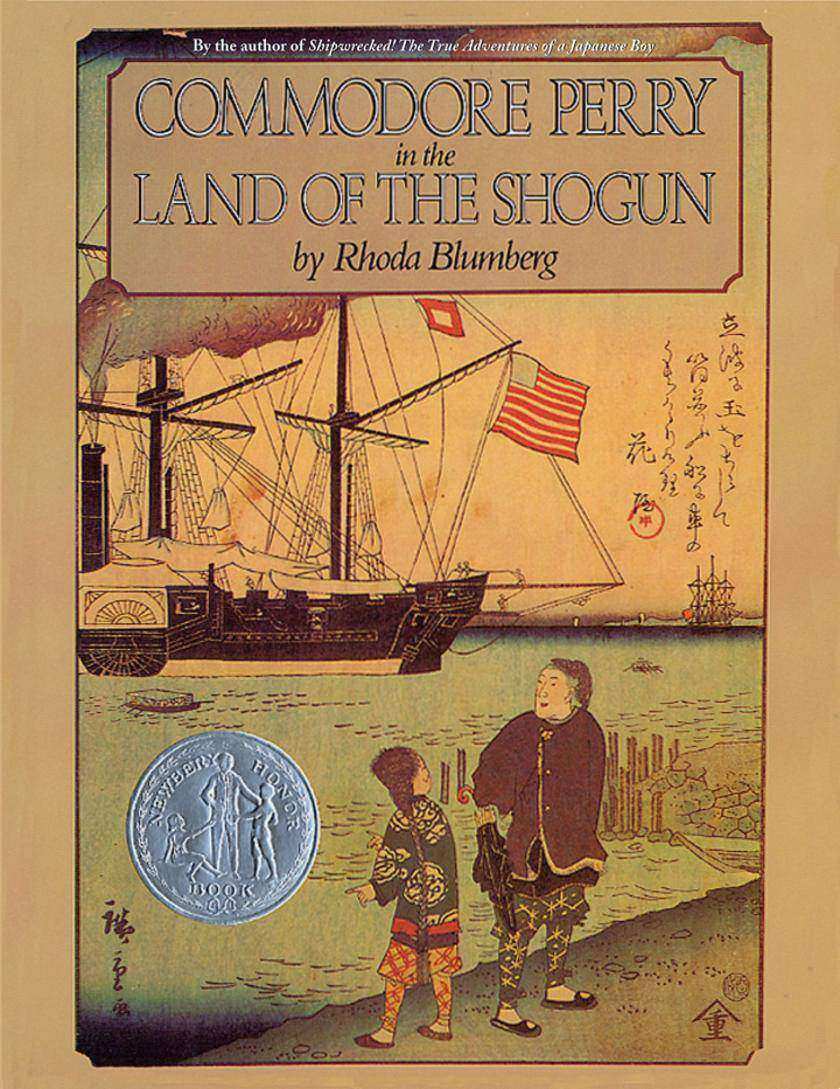
Commodore Perry in the Land of the Shogun
¥56.08
In 1853, few Japanese people knew that a country called America even existed. For centuries, Japan had isolated itself from the outside world by refusing to trade with other countries and even refusing to help shipwrecked sailors, foreign or Japanese. The country's people still lived under a feudal system like that of Europe in the Middle Ages. But everything began to change when American Commodore Perry and his troops sailed to the Land of the Rising Sun, bringing with them new science and technology, and a new way of life.
All-American Girl
¥50.33
Top ten reasons Samantha Madison is in deep trouble 10. Her big sister is the most popular girl in school 9. Her little sister is a certified genius 8. She's in love with her big sister's boyfriend 7. She got caught selling celebrity portraits in school 6. And now she's being forced to take art classes 5. She's just saved the president of the United States from an assassination attempt 4. So the whole world thinks she is a hero 3. Even though Sam knows she is far, far from being a hero 2. And now she's been appointed teen ambassador to the UN And the number-one reason Sam's life is over1. The president's son just might be in love with her

The Princess Diaries, Volume VII: Party Princess
¥55.33
Princesses just want to have fun. . . . And Mia does too, despite the fact that the student government over which she presides is suddenly broke. But Grandmère's got a wacky scheme to raise the money, catapult Mia to theatrical fame, and link her romantically with an eligible teen bachelor who's not her boyfriend. No wonder Michael seems to think she's a psycho, or worse: not much fun. Is it possible that Mia, soon-to-be star of the stage, president of the student body, and future ruler of Genovia, doesn't know how to party?
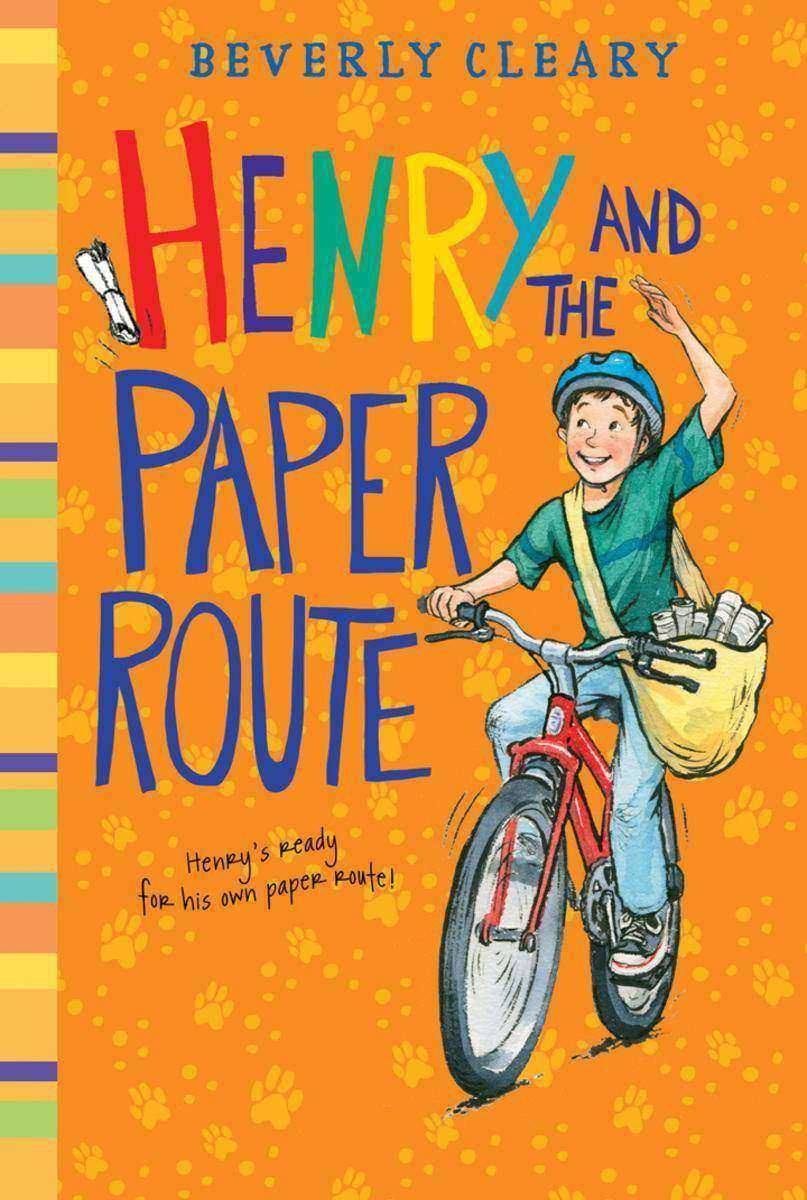
Henry and the Paper Route
¥44.73
Newbery Medal-winning author Beverly Cleary gives readers a hero they'll relate to and root for in this comical and inspiring novel about Henry Huggins's mission to prove himself worthy of his very own paper route. All the older kids work their own paper route, but because Henry is not eleven yet, Mr. Capper won't let him. Desperate to change his mind, Henry tries everything he can think of to show he's mature and responsible enough for the job. From offering free kittens to new subscribers, to hauling hundreds of pounds of old newspapers for his school's paper drive, there's nothing Henry won't try. But it might just be the irrepressible Ramona Quimby who shows Mr. Capper just how capable Henry is.
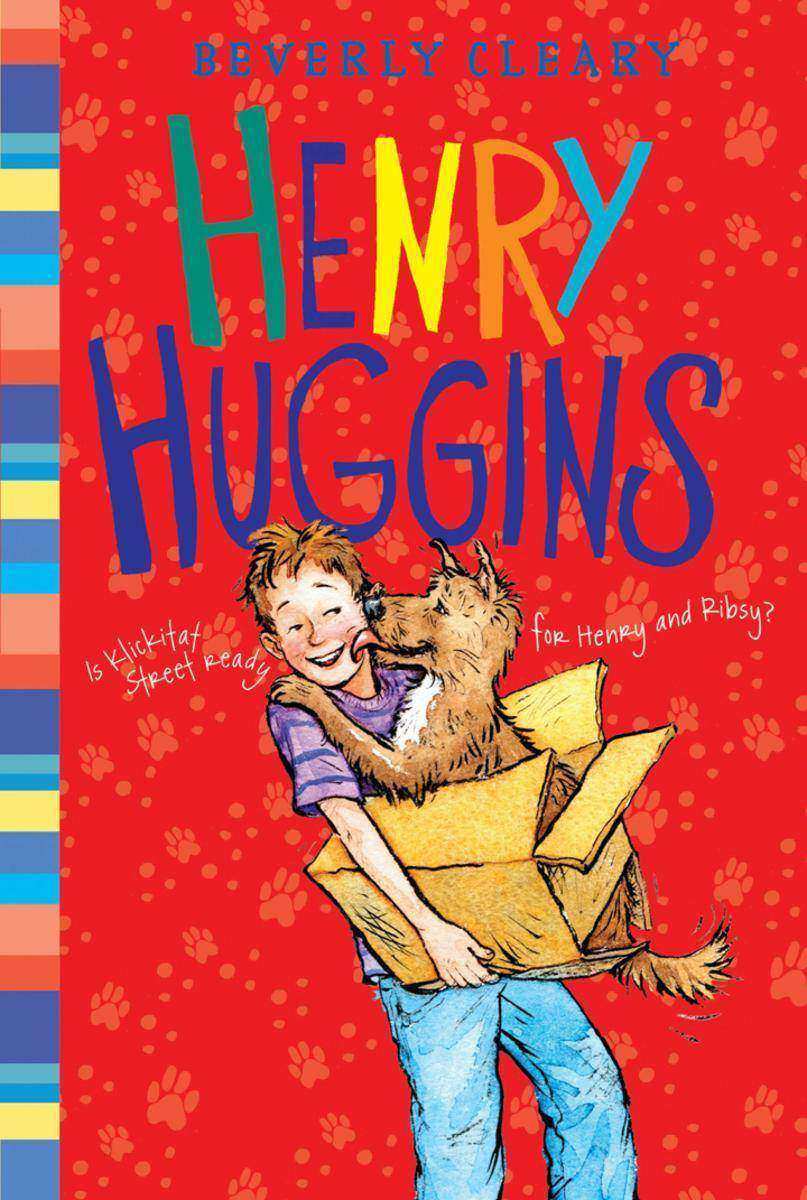
HarperCollins
¥44.73
In the first novel from Newbery Award-winning author Beverly Cleary, boys and girls alike will instantly be charmed by an average boy whose life is turned upside down when he meets a lovable puppy with a nose for mischief. Just as Henry Huggins is complaining that nothing exciting ever happens, a friendly dog sits down beside him and looks pleadingly at his ice-cream cone. From that moment on, the two are inseparable. But when Ribsy's original owner appears, trying to reclaim his dog, Henry's faced with the possibility of losing his new best friend. Has Klickitat Street seen the last of rambunctious Ribsy?
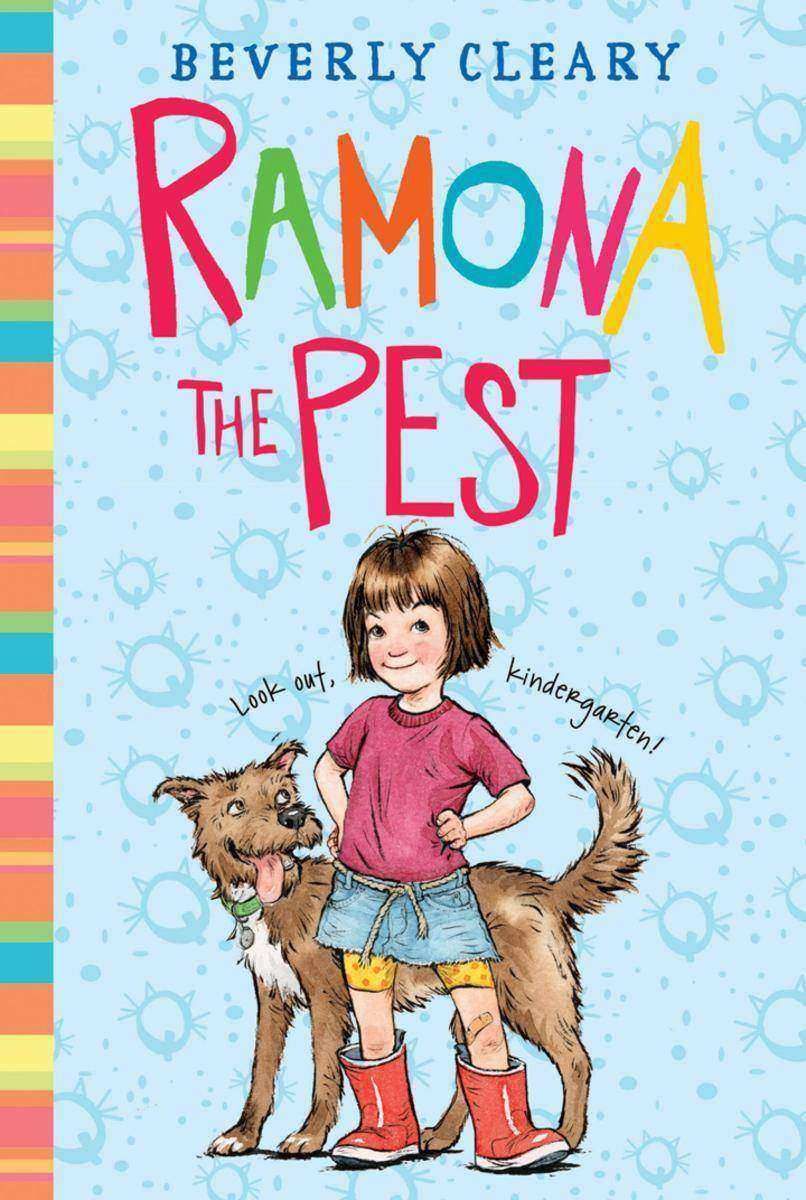
Ramona the Pest
¥44.73
Ramona Quimby is excited to start kindergarten. No longer does she have to watch her older sister, Beezus, ride the bus to school with all the big kids. She's finally old enough to do it too! Then she gets into trouble for pulling her classmate's boingy curls during recess. Even worse, her crush rejects her in front of everyone. Beezus says Ramona needs to quit being a pest, but how can she stop if she never was trying to be one in the first placeNewbery Medal winning author Beverly Cleary expertly depicts the trials and triumphs of growing up through a relatable heroine in Ramona Quimby. Supports the Common Core State Standards

Bloomability
¥38.72
My second life began when I was kidnapped by two complete strangers . . . That the kidnappers are actually Aunt Sandy and Uncle Max makes no difference to thirteen-year-old Domenica Santolina Doone, better known as Dinnie--she just doesn't want to go. Dinnie's accustomed to change, with her family constantly moving for "opportunity"--but when her aunt and uncle whisk her far away to an international school in Switzerland, she's not sure she's ready to face this "opportunity" alone. All at once she finds herself in a foreign country, surrounded by kids from different cultures speaking all sorts of languages and sharing various beliefs. Home and her first life seem so far away. But new friendships and the awesome beauty of Switzerland begin to unlock thoughts and dreams within her. Her joys and struggles make up a rich tapestry of experiences she can find nowhere else. Switzerland begins to be more than a temporary home--it becomes a part of Dinnnie herself, the self she never knew she could be. Switzerland is the picturesque backdrop of Newbery Medal winner Sharon Creech's new novel about a young girl discovering the beauty of nature, her place in the world, the value of friendship--and that life is full of wonderful "bloomabilites."

Ruby Holler
¥39.13
"Trouble twins" Dallas and Florida are orphans who have given up believing there is such a thing as a loving home. Tiller and Sairy are an eccentric older couple who live in the beautiful, mysterious Ruby Holler, but they're restless for one more big adventure. When they invite the twins to join them on their journeys, they first must all stay together in the Holler, and the magic of the place takes over. Two pairs of lives grow closer, and are changed forever.
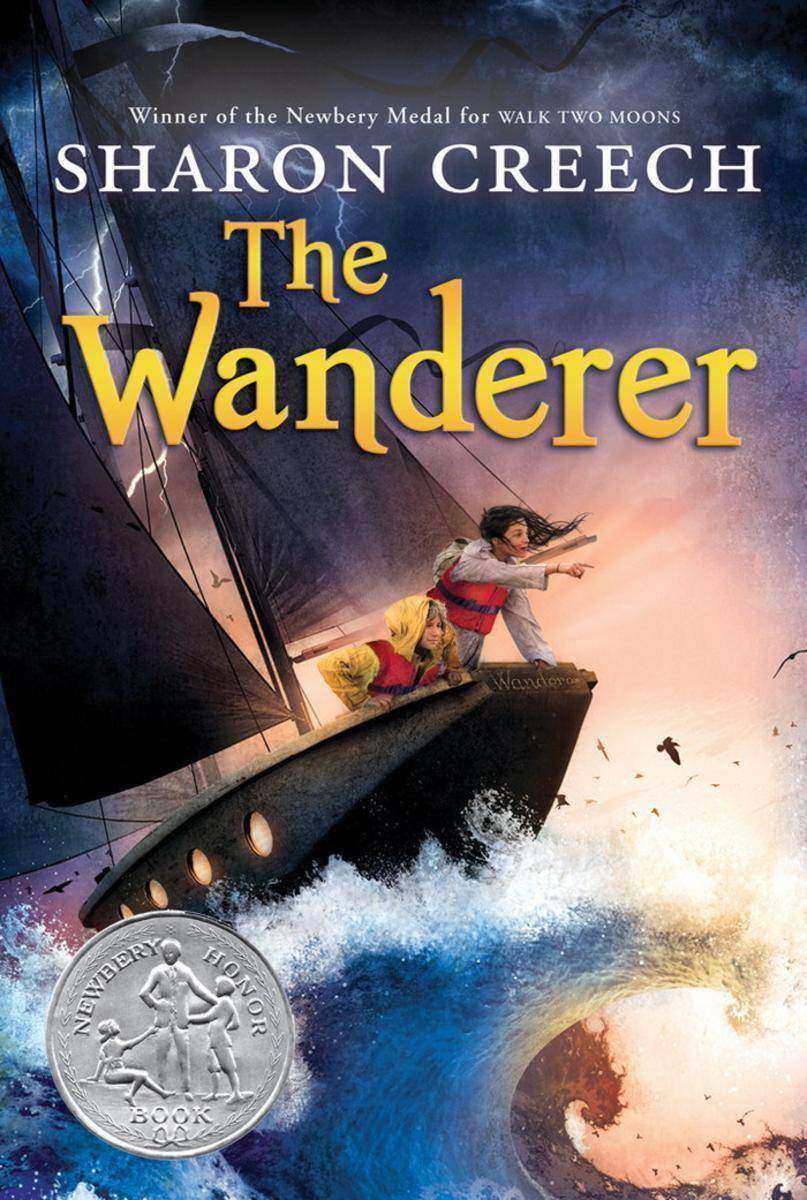
The Wanderer
¥44.73
The sea, the sea, the sea. It rolled and rolled and called to me. Come in, it said, come in."Thirteen-year-old Sophie hears the sea calling, promising adventure and a chance for discovery as she sets sail for England with her three uncles and two cousins. Sophie's cousin Cody isn't sure he has the strength to prove himself to the crew and to his father. Through Sophie's and Cody's travel logs, we hear stories of the past and the daily challenges of surviving at sea as The Wanderer sails toward its destination -- and its passengers search for their places in the world.

Beastly
¥55.93
I am a beast. A beast. Not quite wolf or bear, gorilla or dog but a horrible new creature who walks upright a creature with fangs and claws and hair springing from every pore. I am a monster. You think I'm talking fairy talesNo way. The place is New York City. The time is now. It's no deformity, no disease. And I'll stay this way forever ruined unless I can break the spell. Yes, the spell, the one the witch in my English class cast on me. Why did she turn me into a beast who hides by day and prowls by nightI'll tell you. I'll tell you how I used to be Kyle Kingsbury, the guy you wished you were, with money, perfect looks, and the perfect life. And then, I'll tell you how I became perfectly . . . beastly.

Disaster Recovery using VMware vSphere Replication and vCenter Site Recovery Man
¥54.49
This is a stepbystep guide that will help you understand disaster recovery using VMware vSphere Replication 5.5 and VMware vCenter Site Recovery Manager (SRM) 5.5. The topics and configuration procedures are accompanied with relevant screenshots, flowcharts, and logical diagrams that makes grasping the concepts easier. This book is a guide for anyone who is keen on using vSphere Replication or vCenter Site Recovery Manager as a disaster recovery solution. This is an excellent handbook for solution architects, administrators, on-field engineers, and support professionals. Although the book assumes that the reader has some basic knowledge of data center virtualization using VMware vSphere, it can still be a very good reference for anyone who is new to virtualization.

WebGL Hotshot
¥90.46
Every chapter starts with a 'mission briefing' section that describes what is to be achieved by the end of the chapter. This is followed with the decisions and steps required to accomplish the mission objective with challenges to take the project further. The scope for the book thus mimics the reallife requirements of a developer and gets you ready to successfully build your own project. If you are a web designer looking to expand your knowledge of 3D graphics concepts and broaden your existing skill set, then this book is for you. Those looking for an introduction to 3D graphics will benefit from WebGL Hotshot as it is a perfect guide to master 3D concepts, helping you build and deploy 3D worlds much quicker. The book assumes a basic knowledge of HTML, though it can be learned concurrently while reading this book. Basic programming knowledge is useful; however, the graphical nature of web 3D content allows you to learn programming through experimentation.
Mastering Clojure Data Analysis
¥107.90
This book consists of a practical, exampleoriented approach that aims to help you learn how to use Clojure for data analysis quickly and efficiently. This book is great for those who have experience with Clojure and need to use it to perform data analysis. This book will also be hugely beneficial for readers with basic experience in data analysis and statistics.


