


 购物车
购物车 个人中心
个人中心
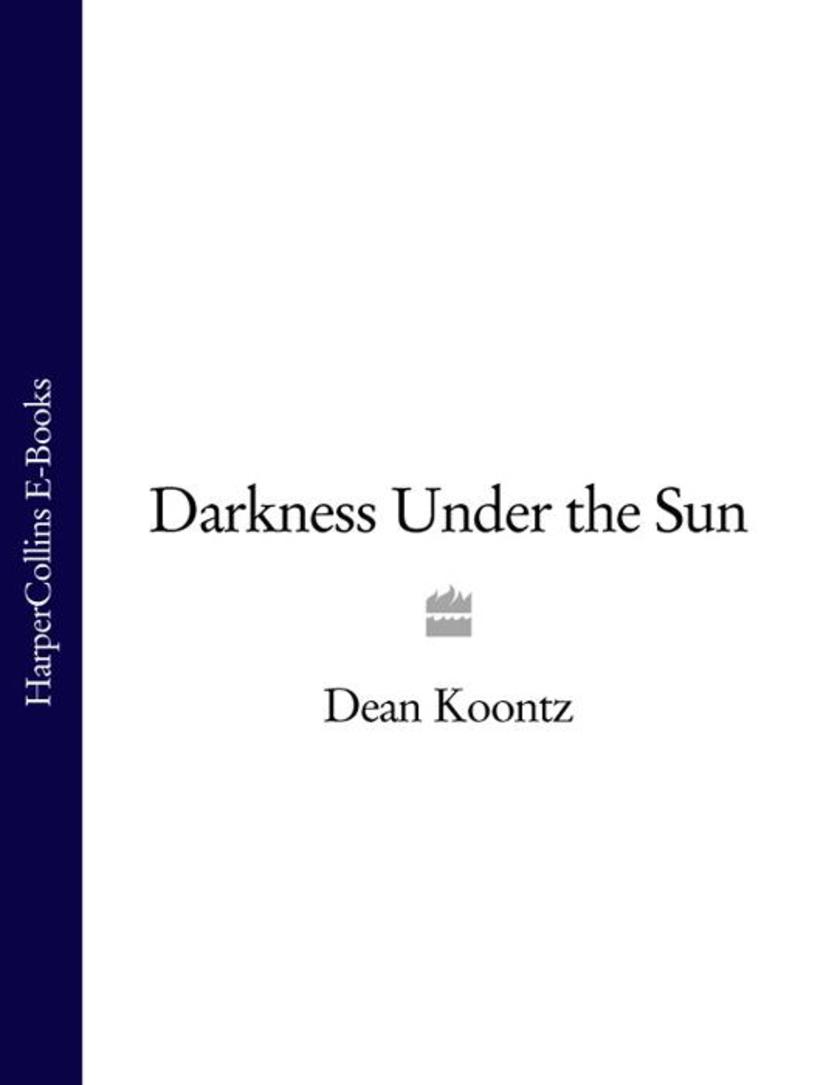
Darkness Under the Sun
¥10.10
An exclusive novella, available only as an eBook, from the international bestselling master of suspense. The chilling account of a pivotal encounter between innocence and ultimate malice, Darkness Under the Sun is the perfect read for Halloween – or for any haunted night – and reveals a secret, fateful turning point in the career of Alton Turner Blackwood, the killer at the dark heart of What the Night Knows, the forthcoming novel by Sunday Times bestselling author Dean Koontz. There once was a killer who knew the night, its secrets and rhythms. How to hide within its shadows. When to hunt. He roamed from town to town, city to city, choosing his prey for their beauty and innocence. His cruelties were infinite, his humanity long since forfeit. But still…he had not yet discovered how to make his special mark among monsters, how to come fully alive as Death. This is the story of how he learned those things, and of what we might do to insure that he does not visit us. Darkness Under the Sun is as chilling as it is unforgettable. It is available exclusively for download in electronic book format.
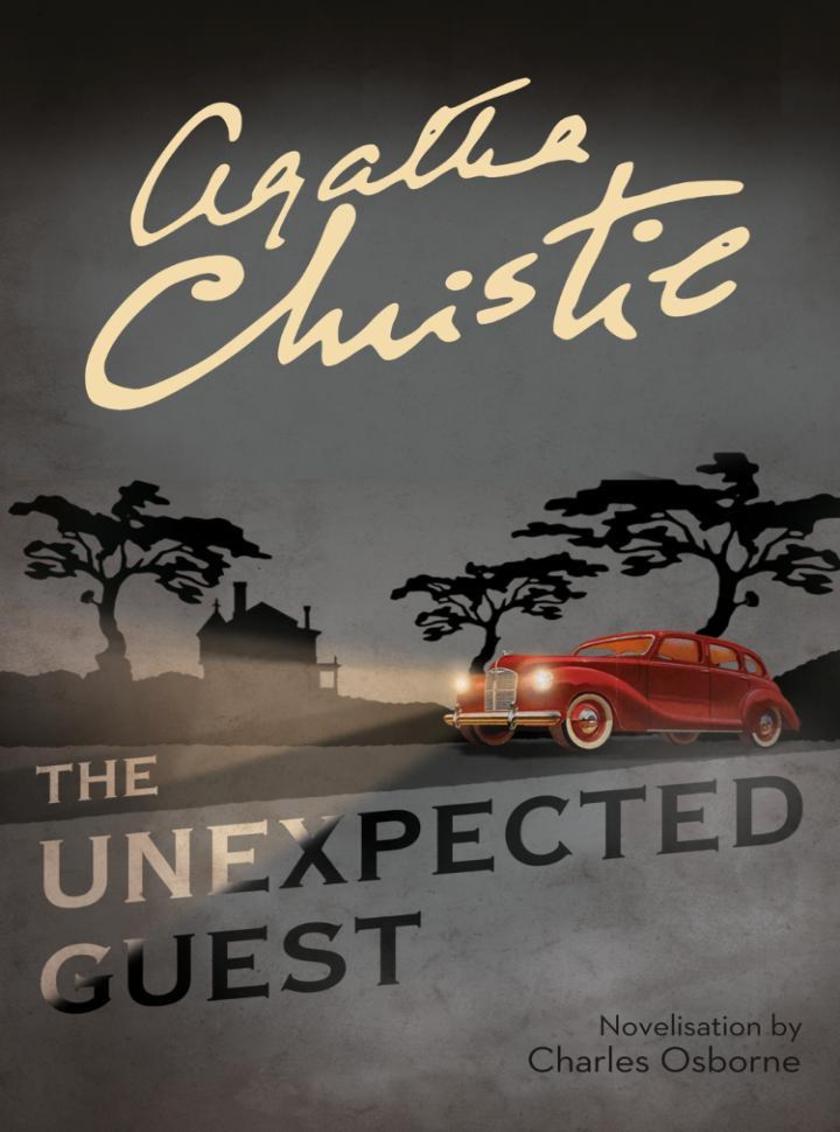
The Unexpected Guest
¥58.47
A young man, broken down in the fog, witnesses a murder he is asked to conceal… A full-length novel adapted by Charles Osborne from Agatha Christie’s acclaimed play. When a stranger runs his car into a ditch in dense fog in South Wales and makes his way to an isolated house, he discovers a woman standing over the dead body of her wheelchair-bound husband, gun in her hand. She admits to murder, and the unexpected guest offers to help her concoct a cover story. But is it possible that Laura Warwick did not commit the murder after all? If so, who is she shielding? The victim’s young half-brother or his dying matriarchal mother? Laura’s lover? Perhaps the father of the little boy killed in an accident for which Warwick was responsible? The house seems full of possible suspects… THE UNEXPECTED GUEST is considered to be one of the finest of Christie’s plays. Hailed as ‘another Mousetrap’ when it opened on 12 August 1958 in the West End, it ran for 604 performances over the succeeding 18 months and has been staged many times around the world over the last 40 years.

Black Coffee (Poirot)
¥56.02
A full-length Hercule Poirot novel, adapted from Agatha Christie’s stage play by Charles Osborne Sir Claud Amory’s revolutionary new formula for a powerful explosive is stolen. Locking his house-guests in the library, Sir Claud switches off the lights to allow the thief to replace the formula, no questions asked. When the lights come on, he is dead, and Hercule Poirot and Captain Hastings have to unravel a tangle of family feuds, old flames and suspicious foreigners to find the killer and prevent a global catastrophe. BLACK COFFEE was Agatha Christie’s first play*, originally performed in 1930 and made into a now rarely-seen film the following year. Combining her typically beguiling plot and sparkling dialogue with his own faithful narrative, Charles Osborne’s novelisation is ‘A worthy addition to the Christie canon’ (The Spectator)

Faith
¥62.59
One woman's search for the truth after scandal rocks her family, and the explosive family secrets she uncovers, in this complex, moving fourth novel from bestselling and award-winning author Jennifer Haigh. In THE LOST GOSPEL, Jennifer Haigh explores the repercussions of one family's history of silence, when a priest's sex scandal forces his family's untold past to surface. Art, Sheila, and Mike are siblings in a large extended Irish-American family from the Boston suburbs. Though their father is a non-believer, their mother is Lace Curtain Irish-Catholic, having raised her children to keep family secrets just that, secrets, in a home where most subjects are taboo. Sheila is concerned when Art, beloved priest leading a major Catholic parish outside Boston, seems to fall off the grid just days before Easter. Then the news breaks that he has been accused of sexual misconduct. The media coverage shatters the community and pits Art's family members against one another, leaving Sheila determined to uncover the truth and-she hopes-clear his name. Now that Sheila's in town and determined to help prove Art's innocence, she finds herself locking horns with her younger brother, Mike, who cannot shake the feeling that Art might be guilty. By turns disturbed by what Art might have done and furious at the seemingly unfair accusations, the truth remains elusive for readers in this artfully-crafted family drama.

An Angel Walked Beside Me: Amazing stories of children who touch the other side
¥54.25
Renowned psychic Joan Charles reveals stories from her twenty-five years as a spiritual communicator. Looking in detail at the amazing psychic abilities of children, both passed and on this plane, Joan shares tales of love and loss, and secrets and lies, which go far beyond our Earthly experience. Joan had her first experience of the spiritual world at the age of four. One night, struggling to sleep, she lay in bed with a feeling of dread knotting her stomach and playing on her mind. As she lay there she saw a dark figure float past the open curtains. And immediately, in her mind, although only four years old, she knew she had just seen the Angel of Death. The next morning she kept quiet, and didn't say anything to anyone, keeping her experience to herself, even as she heard her dad say that her Uncle John had died suddenly in the night. This was Joan’s first, and very personal, experience of the extraordinary abilities a child can have. What follows are a collection of the other remarkable experiences Joan has had as she has come to terms with her talents and discovered those of many other, amazing, psychic children. At a time when so many of us are searching for meaning, Joan encourages us to look at the natural and loving messages that surround us; messages that can add a richness to our daily lives and relationships, giving us guidance and hope. Packed with incredible anecdotes and heart-warming stories, this book will amaze and move you in equal measures.
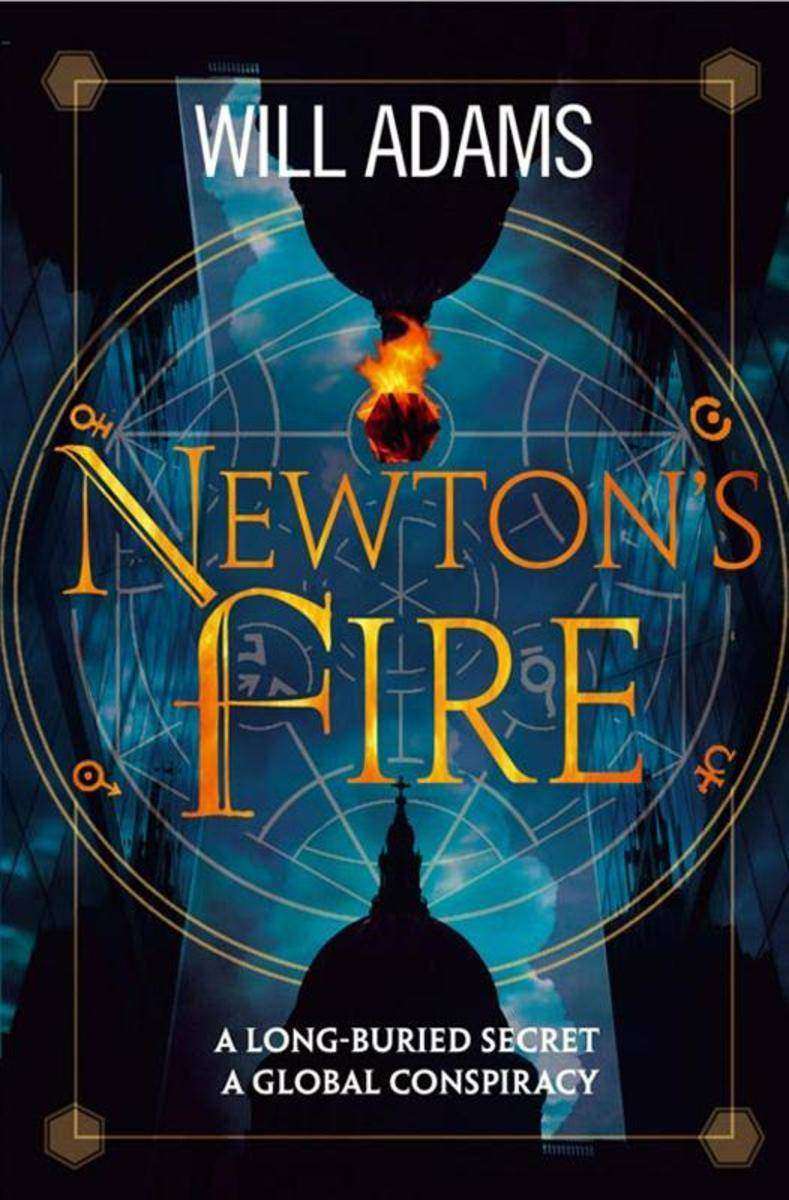
Newton’s Fire
¥45.62
A breathtaking thriller which weaves history and religion with action, adventure and apocalypse… Luke Hayward is adrift. Blacklisted out of academia, he is in no position to refuse when a client asks for his expert help in recovering some lost Isaac Newton papers. But a chance discovery in a dusty attic plunges Luke into a race to uncover the truth behind some seemingly random scribblings - a race which pits Luke against a fundamentalist madman with dangerously powerful friends. Luke discovers connections between Oxford, London and the Old City of Jerusalem in a breathless chase to uncover a secret hidden in the eccentric ramblings of a mathematical genius; a secret that, in the wrong hands, could be used to spark the holy war to end all holy wars…
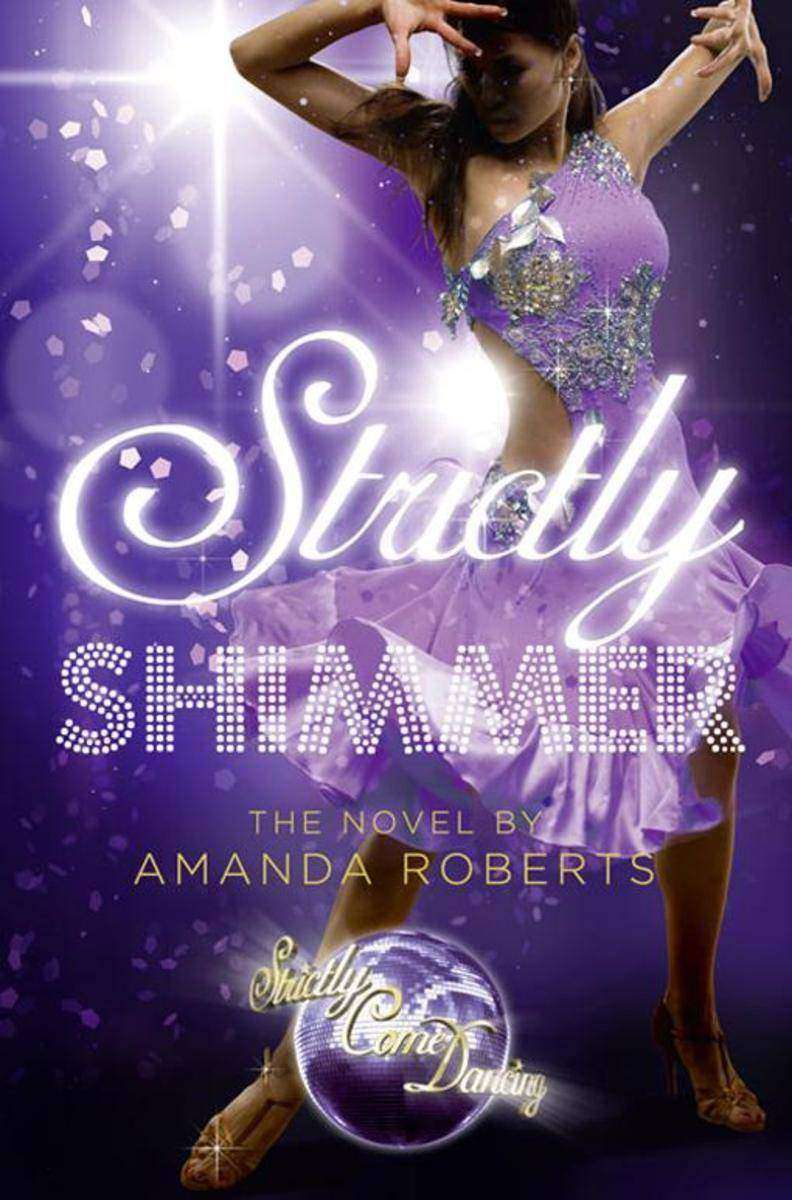
Shimmer (Strictly Come Dancing Novels)
¥51.50
A 100% official Strictly Come Dancing novel, featuring the dancers, stars and judges you love! What if an ordinary girl's Strictly dreams became a glittering reality? Meet Amanda Roberts: a production runner on the set of Strictly Come Dancing, desperate to fit into the world of the dazzling and the beautiful. And when she discovers all the backstage drama, Amanda wonders if she is tough enough to survive. But then things start to change… And incredibly she finds more GLITZ, more MAGIC and more ROMANCE than she could possibly have imagined. Prepare to be dazzled as you tango into the glamour and mayhem of the world behind the glitter ball. PREPARE TO BE SHIMMERED!
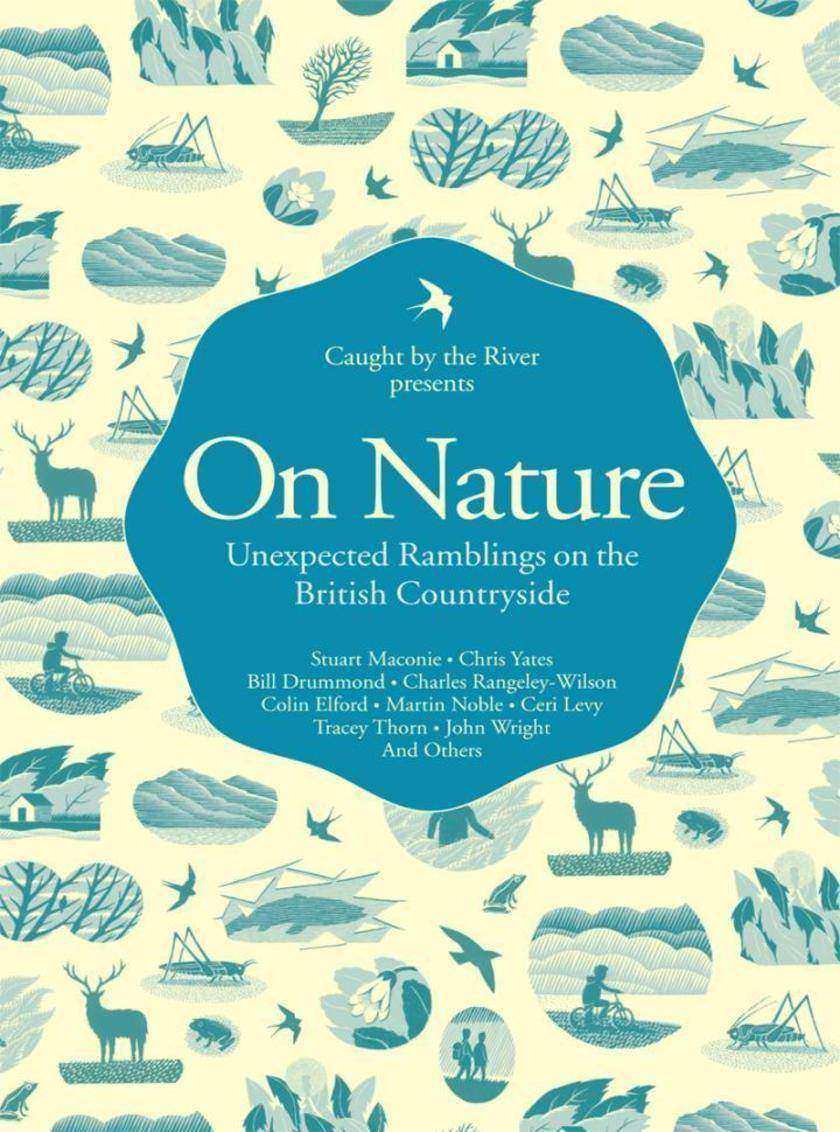
On Nature: Unexpected Ramblings on the British Countryside
¥154.12
A diverse and entertaining collection of writing examining and celebrating the British Countryside, from falconry to foraging and from the musings of a nighttime angler to tips for seasonal drinking. LAND Stuart Maconie (Radio 2) on hill walking / Wainwright walks Nick Small (CAUGHT BY THE RIVER regular) how to get nature into your garden, no matter how urban it is Richard King (Loops magazine editor) on the Winter Solstice and on the Summer Solstice John Wright (www.wild-food.net/ on the basics of getting started in foraging Bill Drummond (Damsons in Distress) Dan Kieran (Crap Towns/I Fought The Law) on falconry RIVER / INLAND WATERS John Andrews (CAUGHT BY THE RIVER regular) on winter pike fishing Jon Berry (CAUGHT BY THE RIVER regular) writing about the night from a fishermen's perspective, the sounds, shadows, the hallucinatory effects of sleep deprivation when the sun rises COASTLINE Ian Vince (The Lie of the Land) on the Jurassic coast and fossils Martin Noble (British Sea Power) the Exmoor to Dartmoor coastal walk Nick Hand (http://www.slowcoast.co.uk/) on what you see when cycling the entire coastline of the UK Michael Smith (BBC4 Drivetime) on the coastline in the north of England ISLAND LIFE Sarah Boden (The Observer) on fleeing London to move and become a sheep farmer on Eigg

Prince of Hazel and Oak (Shadowmagic, Book 2)
¥56.11
The eagerly-awaited sequel to Shadowmagic. Having returned to the real world from Tir Na Nog at the end of the last book, our hero Conor finds himself arrested for the murder of his father. When he explains to the cops that his dad is safe and well and enjoying life as king of a land of elves, imps and banshees they understandably think he is a nutcase. That is until he is rescued by Celtic warriors on horseback and taken back to Tir Na Nog, accidentally bringing a policeman with him. Once safely back in The Land, Conor finds that all is not well. His father is dying, the girl he loves is betrothed to another and a rather confused American cop is wandering around causing havoc. It falls to our young hero, and his band of friends, to find a cure for the king. On their epic journey they encounter one of the most mystical and dangerous races in The Land, the shapeshifting Pooka, and find their fates linked in ways they could never have imagined. The Prince of Hazel and Oak is a stunning fantasy adventure that takes fans of Shadowmagic further in to the land and brings back many of the favourite characters from the first book.

A Midsummer Tights Dream (The Misadventures of Tallulah Casey, Book 2)
¥51.50
It’s the hotly anticipated sequel to the winner of the Roald Dahl Funny Prize, WITHERING TIGHTS – laugh your tights off as Tallulah Casey and her bonkers mates return for a new term at Dother Hall performing arts college. Boys, snogging and bad acting guaranteed! Yaroooo! Tallulah’s triumphant Heathcliff in ‘Wuthering Heights’ the comedy musical was enough to secure her place at Dother Hall performing arts college for another term. She can’t wait to see her pals again, Charlie and the boys from Woolfe Academy and maybe even bad boy Cain… Could the bright lights of Broadway be calling? And for who? Find out in the next Misadventures of Tallulah Casey. Praise for WITHERING TIGHTS: "I don't know how, but Louise Rennison has done it again. Tallulah is even funnier, warmer, and sweeter than her cousin Georgia Nicolson. I fell in love with Withering Tights, and you will too!" – Meg Cabot, author of The Princess Diaries and Abandon series
Pen Drawing: "An Illustrated Treatise"
¥18.74
The book's protagonist is an English scientist and gentleman inventor living in Richmond, Surrey in Victorian England, and identified by a narrator simply as the Time Traveller. The narrator recounts the Traveller's lecture to his weekly dinner guests that time is simply a fourth dimension, and his demonstration of a tabletop model machine for travelling through it. He reveals that he has built a machine capable of carrying a person, and returns at dinner the following week to recount a remarkable tale, becoming the new narrator.In the new narrative, the Time Traveller tests his device with a journey that takes him to A.D. 802,701, where he meets the Eloi, a society of small, elegant, childlike adults. They live in small communities within large and futuristic yet slowly deteriorating buildings, doing no work and having a frugivorous diet. His efforts to communicate with them are hampered by their lack of curiosity or discipline, and he speculates that they are a peaceful communist society, the result of humanity conquering nature with technology, and subsequently evolving to adapt to an environment in which strength and intellect are no longer advantageous to survival. Returning to the site where he arrived, the Time Traveller is shocked to find his time machine missing, and eventually works out that it has been dragged by some unknown party into a nearby structure with heavy doors, locked from the inside, which resembles a Sphinx. Later in the dark, he is approached menacingly by the Morlocks, ape-like troglodytes who live in darkness underground and surface only at night. Within their dwellings he discovers the machinery and industry that makes the above-ground paradise possible. He alters his theory, speculating that the human race has evolved into two species: the leisured classes have become the ineffectual Eloi, and the downtrodden working classes have become the brutish light-fearing Morlocks. Deducing that the Morlocks have taken his time machine, he explores the Morlock tunnels, learning that they feed on the Eloi. His revised analysis is that their relationship is not one of lords and servants but of livestock and ranchers. The Time Traveller theorizes that intelligence is the result of and response to danger; with no real challenges facing the Eloi, they have lost the spirit, intelligence, and physical fitness of humanity at its peak. Meanwhile, he saves an Eloi named Weena from drowning as none of the other Eloi take any notice of her plight, and they develop an innocently affectionate relationship over the course of several days. He takes Weena with him on an expedition to a distant structure that turns out to be the remains of a museum, where he finds a fresh supply of matches and fashions a crude weapon against Morlocks, whom he fears he must fight to get back his machine. He plans to take Weena back to his own time. Because the long and tiring journey back to Weena's home is too much for them, they stop in the forest, and they are then overcome by Morlocks in the night, and Weena faints. The Traveller escapes only when a small fire he had left behind them to distract the Morlocks catches up to them as a forest fire; Weena is presumably lost in the fire, as are the Morlocks. The Morlocks use the time machine as bait to ensnare the Traveller, not understanding that he will use it to escape. He travels further ahead to roughly 30 million years from his own time. There he sees some of the last living things on a dying Earth, menacing reddish crab-like creatures slowly wandering the blood-red beaches chasing butterflies in a world covered in simple lichenous vegetation. He continues to make short jumps through time, seeing Earth's rotation gradually cease and the sun grow larger, redder, and dimmer, and the world falling silent and freezing as the last degenerate living things die out.
Prodigal Village: "A Christmas Tale"
¥18.74
Through the Looking-Glass, and What Alice Found There (1871) is a novel by Lewis Carroll (Charles Lutwidge Dodgson), the sequel to Alice's Adventures in Wonderland (1865). The themes and settings of Through the Looking-Glass make it a kind of mirror image of Wonderland: the first book begins outdoors, in the warm month of May (4 May), uses frequent changes in size as a plot device, and draws on the imagery of playing cards; the second opens indoors on a snowy, wintry night exactly six months later, on 4 November (the day before Guy Fawkes Night), uses frequent changes in time and spatial directions as a plot device, and draws on the imagery of chess. In it, there are many mirror themes, including opposites, time running backwards, and so on. Short Summary: Alice is playing with a white kitten (whom she calls "Snowdrop") and a black kitten (whom she calls "Kitty")—the offspring of Dinah, Alice's cat in Alice's Adventures in Wonderland—when she ponders what the world is like on the other side of a mirror's reflection. Climbing up on the fireplace mantel, she pokes at the wall-hung mirror behind the fireplace and discovers, to her surprise, that she is able to step through it to an alternative world. In this reflected version of her own house, she finds a book with looking-glass poetry, "Jabberwocky", whose reversed printing she can read only by holding it up to the mirror. She also observes that the chess pieces have come to life, though they remain small enough for her to pick up. Upon leaving the house (where it had been a cold, snowy night), she enters a sunny spring garden where the flowers have the power of human speech; they perceive Alice as being a "flower that can move about." Elsewhere in the garden, Alice meets the Red Queen, who is now human-sized, and who impresses Alice with her ability to run at breathtaking speeds. This is a reference to the chess rule that queens are able to move any number of vacant squares at once, in any direction, which makes them the most "agile" of pieces. The Red Queen reveals to Alice that the entire countryside is laid out in squares, like a gigantic chessboard, and offers to make Alice a queen if she can move all the way to the eighth rank/row in a chess match. This is a reference to the chess rule of Promotion. Alice is placed in the second rank as one of the White Queen's pawns, and begins her journey across the chessboard by boarding a train that literally jumps over the third row and directly into the fourth rank, thus acting on the rule that pawns can advance two spaces on their first move.
Rubens: "Masterpieces in Colour" Series: Book-IV
¥28.04
In “True Ghost Stories,” Mr. Carrington presents a number of startling cases of this character; but they are not the ordinary “ghost stories”—based on pure fiction, and having no foundation in reality. Here we have a well-arranged collection of incidents, all thoroughly investigated and vouched for, and the testimony obtained first-hand and corroborated by others. The chapter on “Haunted Houses” is particularly striking. The first chapter deals with the interesting question, “What is a Ghost?” and attempts to answer this question in the light of the latest scientific theories which have been advanced to explain these supernatural happenings and visitants. It is a book of absorbing interest, and cannot fail to grip and hold the attention of every reader—no matter whether he be a student of these questions, or one merely in search of hair-raising anecdotes and stories. He will find them here a-plenty! The following little book endeavors to bring together a number of “ghost stories” of the more startling and dramatic type,—but stories, nevertheless, which seem to be well authenticated; and which have been obtained, in most instances, at first hand, from the original witnesses; and often contain corroborative testimony from others who also experienced the ghostly phenomena. Some of these incidents, indeed, rise to the dignity of scientific evidence; others are less well authenticated cases,—but interesting for all that. These have been grouped in various Chapters, according to their evidential value. Chapters II. and III. contain well-evidenced cases, some of which have been taken from the Proceedings and Journals of the Society for Psychical Research (S. P. R.), or from Phantasms of the Living, or from other scientific books, in which narratives of this character receive serious consideration. Chapter V., on the contrary, contains a number of incidents which,—striking and dramatic as they are,—cannot be included in the two earlier Chapters, as presenting real evidence of Ghosts; but are published rather as startling and interesting ghost stories. Chapter IV., devoted to “Haunted Houses,” contains brief accounts of the most famous Haunted Houses, and of the phenomena which have been witnessed within them. Appendix A gives a list of a few of the important “Historical Ghosts,” Appendix B describes the “Phantom Armies” lately seen by the Allied troops in France—while Appendix C lists a number of books of Ghost Stories which the interested reader may care to peruse. A short Glossary, at the beginning of the book, explains the meaning of certain terms used,—which are not, perhaps, ordinarily met with in books of this character. In the Introductory Chapter, I have endeavored to explain, very briefly, the nature and character of Ghosts; what they are; and the various scientific theories which have been brought forward, of late years, to explain Ghosts. I hope that this may prove of interest to the reader; in case it does not do so, he is invited to “skip” directly to Chapter II., which begins our account of “True Ghost Stories.” I wish to express my thanks in this place to the Council of the English S. P. R. for special permission to quote and to summarize several striking cases here reproduced; also to Miss Estelle Stead, for permission to utilize several cases previously printed at length in Mr. Wm. T. Stead’s collections of Ghost Stories. H. C. [Author]

Сочные блюда из курицы. Мамочкина вкуснятина!
¥17.74
Доля ж?нки в Пакистан? визначена наперед: бути пок?рною дружиною, догоджати чолов?ков? й виховувати д?тей. Але 1997 року народилася ??накша? д?вчинка. Вона хот?ла ходити в школу, носити яскравий одяг ? не ховати обличчя. В цей час владу в ?? р?дних краях, в долин? Сват, захопив ?Тал?бан?. За найменшу провину перед ?законом? терористи карали людей побоями ? нав?ть смертю. Геро?ня ? авторка ц??? книжки розум?ла важлив?сть осв?ти ? боронила права ж?нок, за що й отримала кулю в голову... ?? звуть Малала. ? це т?льки початок ?? ?стор??...
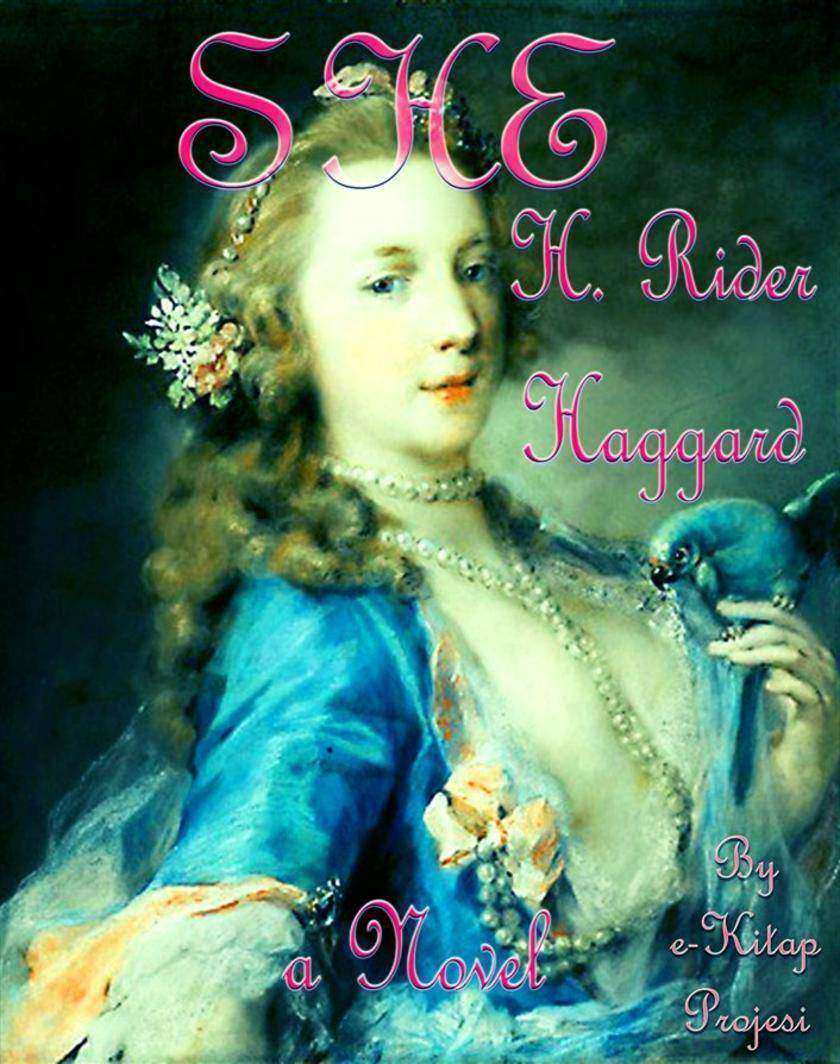
She
¥18.74
The War of the Worlds is a military science fiction novel by H. G. Wells. It first appeared in serialized form in 1897, published simultaneously in Pearson's Magazine in the UK and Cosmopolitan magazine in the US. The first appearance in book form was published by William Heinemann of London in 1898. It is the first-person narrative of the adventures of an unnamed protagonist and his brother in Surrey and London as Earth is invaded by Martians. Written between 1895 and 1897, it is one of the earliest stories that detail a conflict between mankind and an extraterrestrial race. The novel is one of the most commented-on works in the science fiction canon. The War of the Worlds has two parts, Book One: The Coming of the Martians and Book Two: The Earth under the Martians. The narrator, a philosophically-inclined author, struggles to return to his wife while seeing the Martians lay waste to southern England. Book One also imparts the experience of his brother, also unnamed, who describes events in the capital and escapes the Martians by boarding a ship near Tillingham, on the Essex coast. The plot has been related to invasion literature of the time. The novel has been variously interpreted as a commentary on evolutionary theory, British Imperialism, and generally Victorian superstitions, fears and prejudices. At the time of publication it was classified as a scientific romance, like his earlier novel The Time Machine. The War of the Worlds has been both popular (having never gone out of print) and influential, spawning half a dozen feature films, radio dramas, a record album, various comic book adaptations, a television series, and sequels or parallel stories by other authors. It has even influenced the work of scientists, notably Robert Hutchings Goddard. Plot SummaryYet across the gulf of space, minds that are to our minds as ours are to those of the beasts that perish, intellects vast and cool and unsympathetic, regarded this earth with envious eyes, and slowly and surely drew their plans against us.— H. G. Wells (1898), The War of the Worlds The Coming of the MartiansThe narrative opens in an astronomical observatory at Ottershaw where explosions are seen on the surface of the planet Mars, creating much interest in the scientific community. Later a "meteor" lands on Horsell Common, near the narrator's home in Woking, Surrey. He is among the first to discover that the object is an artificial cylinder that opens, disgorging Martians who are "big" and "greyish" with "oily brown skin," "the size, perhaps, of a bear," with "two large dark-coloured eyes," and a lipless "V-shaped mouth" surrounded by "Gorgon groups of tentacles." The narrator finds them "at once vital, intense, inhuman, crippled and monstrous." They briefly emerge, have difficulty in coping with the Earth's atmosphere, and rapidly retreat into the cylinder. A human deputation (which includes the astronomer Ogilvy) approaches the cylinder with a white flag, but the Martians incinerate them and others nearby with a heat-ray before beginning to assemble their machinery. Military forces arrive that night to surround the common, including Maxim guns. The population of Woking and the surrounding villages are reassured by the presence of the military. A tense day begins, with much anticipation of military action by the narrator.
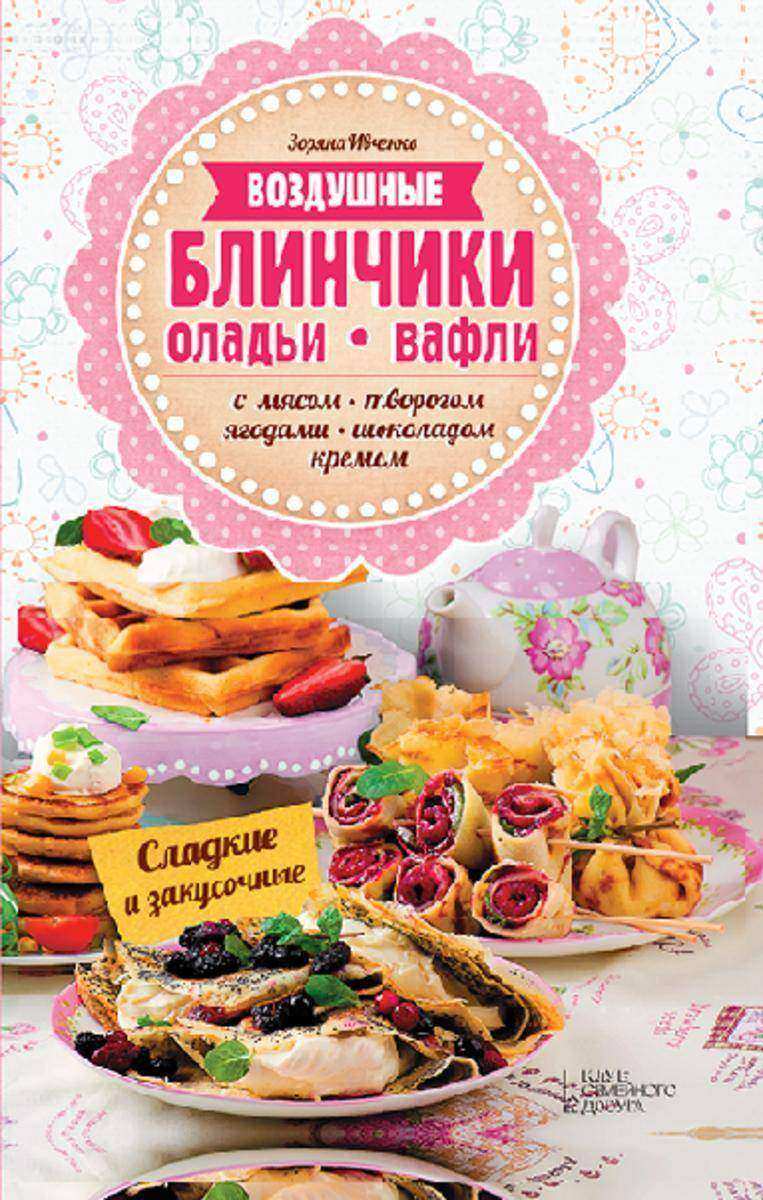
Воздушные блинчики, оладьи, вафли.
¥17.99
Кра?на, яку залишили ?? творц?, винах?дники та мислител?, приречена на в?йну, голод ? смерть. Владу захоплюють нев?гласи, корупц?онери й мародери. ?стор?я трива? бодай тому, що одна вольова ж?нка на ?м’я Да?н? Та??арт переконана, що досконалий св?т справжн?х ц?нностей ?сну?. Вона намага?ться зламати сценар?й неминучо? катастрофи. ?? Атлантида не м?ф. У св?т? ще ? см?ливц?, спроможн? створити сусп?льний лад, де нема? конфл?кт?в, не виника? потреби в самопожертв?, жодна людина не становить загрози для мети ?нших. Бунт?вн? атланти знають, що розум таки переможе. Риторичне питання, хто такий Джон ?олт, насправд? ма? в?дпов?дь, а неймов?рн? ?де? — сво? вт?лення, яке проголомшу? людську уяву. В останн?й частин? свого фундаментального роману ?дей Айн Ренд змальову? ц?л?сну ф?лософську систему, яка дос? виклика? палк? дискус??, де в?д захвату до обурення — один крок.
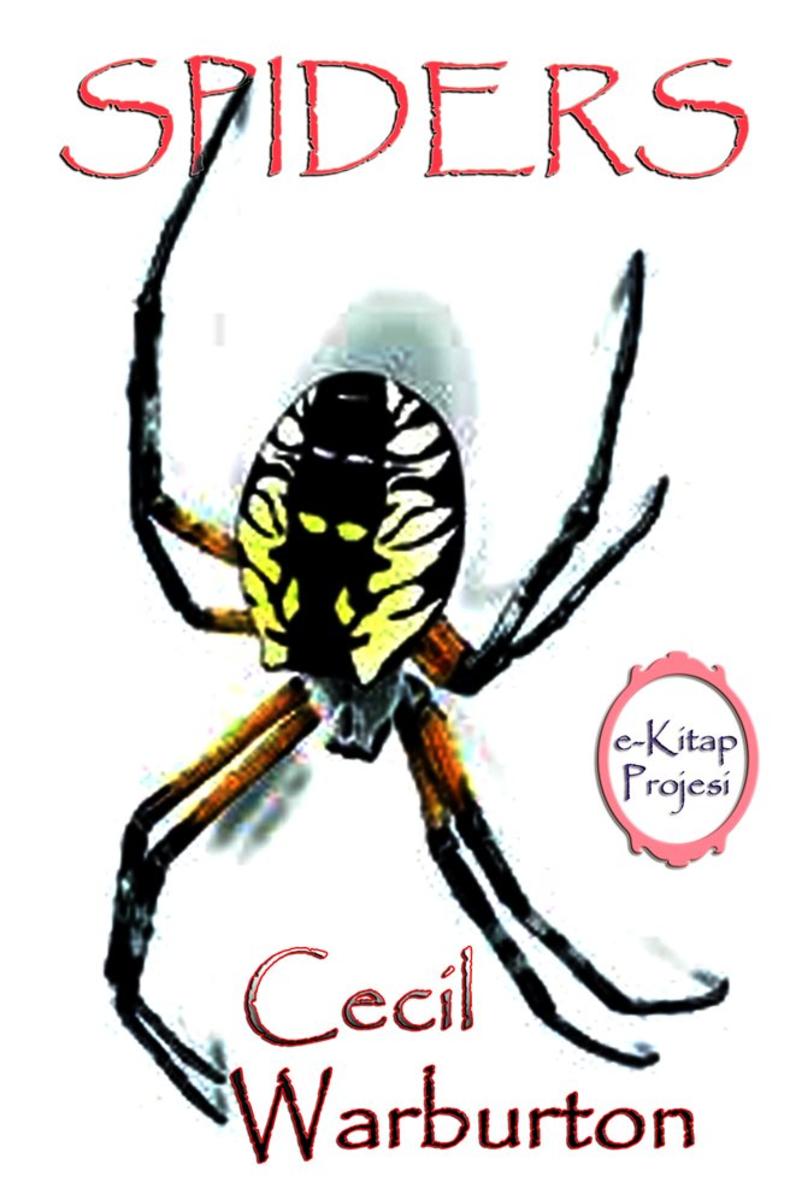
Spiders
¥18.74
This book is called The White Spark as the white spark or vacuum cell in Nature IS THE RIGHT HAND OF GOD—it is a ubiquitous principle of the universe and is the cause and parent of electricity, combustion, radium, snow-flakes, flowers, trees, leaves, crystallization, wireless telegraphy, animal forms and EVEN LIFE ITSELF. This book is the key to every department of human endeavor, as it enunciates the basic principle and THE PRIME MOVER of the universe.?It tells the road to health, the cause and cure of disease, the truth about the germ humbug and drug treatments, serums and antitoxins. It shows why luminosity is produced on the flesh of various organisms, why a slice of pollock when first iced, then heated to 100 degrees and then thrust into a temperature of 50 degrees becomes luminous. It shows the farmer that he can become a magician of agriculture—tells that the nitrogen of the air is only a dust of quartz rocks, like the invisible moisture of the air is "a dust of water"—that the nodules on the roots of the clover and legumes do not abstract nitrogen from the air, for if they did nature would have placed these bacteriological growths on the vine and not the root, the scientists have the cart before the horse in this case and the nodular cells form the proteids from sand or silica, this book tells how it is done. It tells what a trance is and how the soul can leave the body temporarily. How JESUS CHRIST is carrying out the biblical prophesy by TELEPATHY. Gives the truths about the ideal society, alcohol, drunkenness, causes of crime, longevity and law.
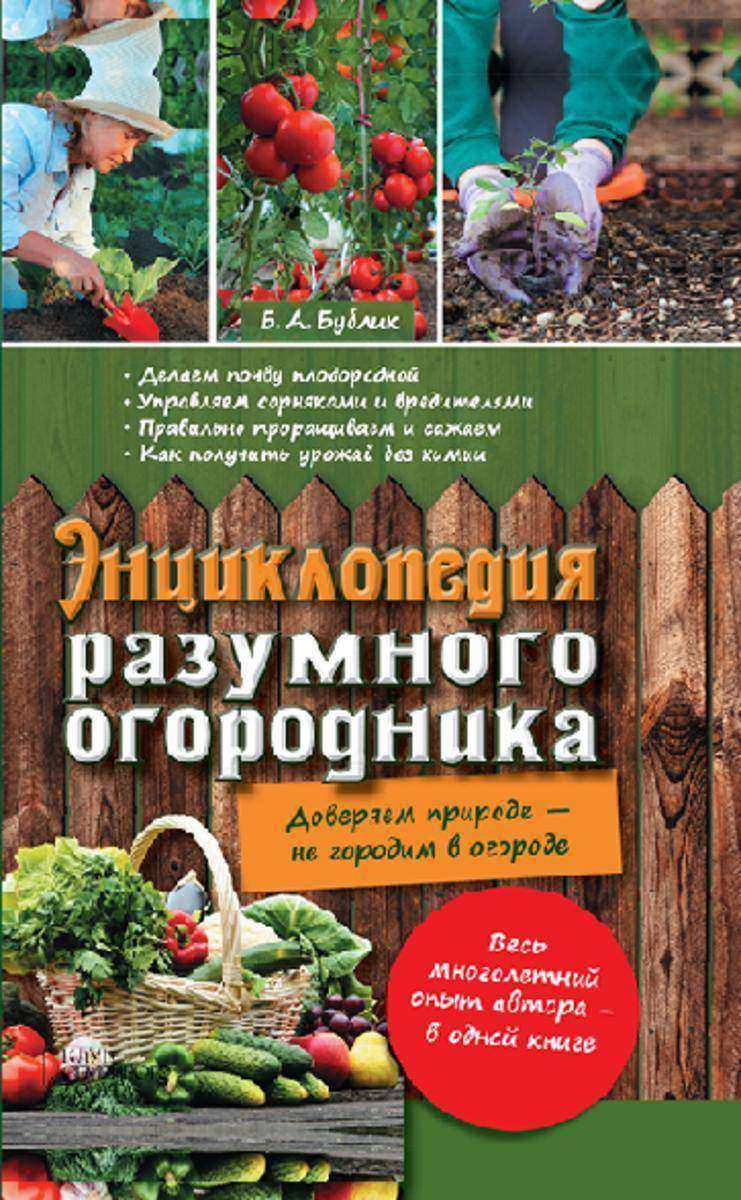
Энциклопедия разумного огородника
¥17.74
Нельсон Мандела — п?вденноафриканський правозахисник, юрист, пол?тик, президент П?вденно-Африкансько? Республ?ки (1994 –??1999 рр.). Мандела був першим президентом ПАР, обраним на демократичних, не сфальсиф?кованих виборах. У сво?й трет?й книз? Нельсон Мандела в?дверто опису? ?н?ц?ац?ю африканських хлопчик?в, побут ? злидн? свого дитинства, навчання й одруження, народження ? смерть сво?х д?тей, жах самотност? в’язня на остров? Роббен ? вистраждану Свободу. Житт?вий досв?д та погляди Нельсона Мандели як н?коли актуальн? в контекст? нин?шн?х укра?нських реал?й, бо ?правда поляга? в тому, що ми ще не в?льн?, ми просто здобули свободу бути в?льними, право не бути пригноблюваними…справжн? випробування нашо? в?дданост? свобод? лише почина?ться?.??
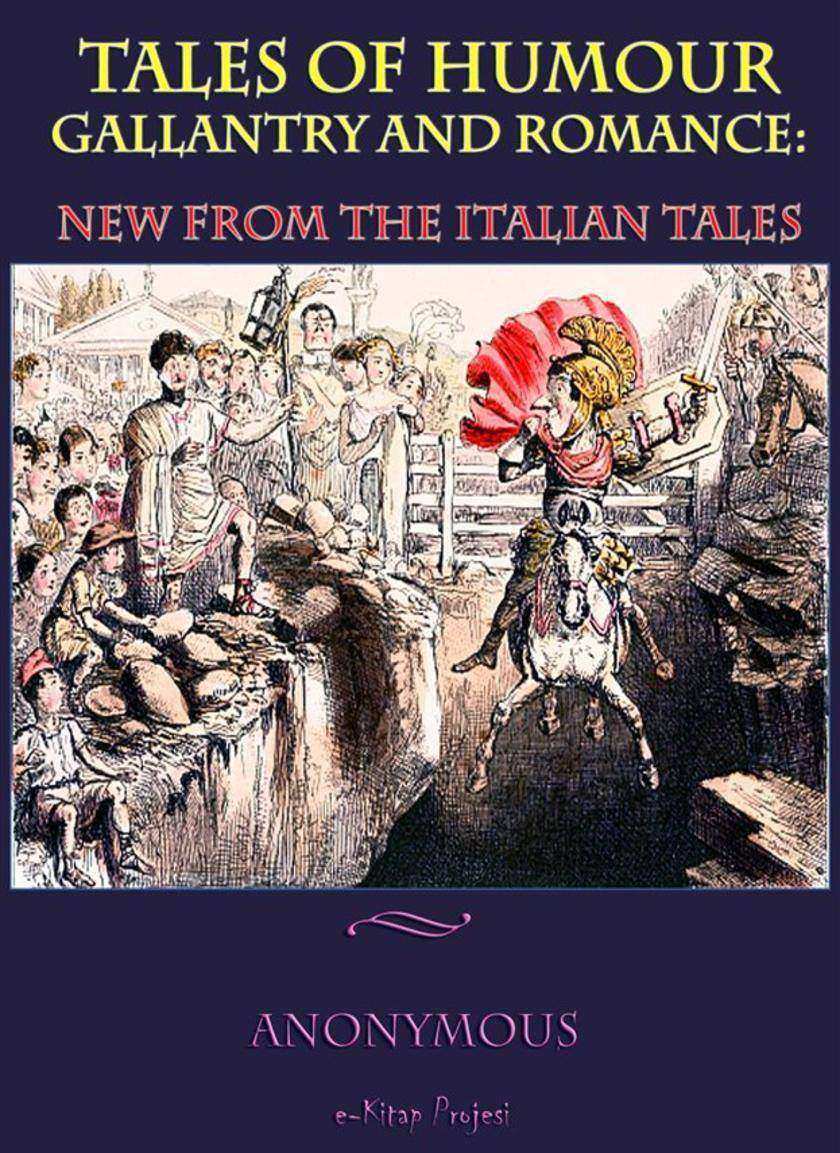
Tales Of Humour, Gallantry and Romance: New from the Italian Tales (Illustrated)
¥9.24
THE history, the features, and the most famous examples of European architecture, during a period extending from the rise of the Gothic, or pointed, style in the twelfth century to the general depression which overtook the Renaissance style at the close of the eighteenth, form the subject of this little volume. I have endeavoured to adopt as free and simple a mode of treatment as is compatible with the accurate statement of at least the outlines of so very technical a subject. Though it is to be hoped that many professional students of architecture will find this hand-book serviceable to them in their elementary studies, it has been my principal endeavour to adapt it to the requirements of those who are preparing for the professional pursuit of the sister arts, and of that large and happily increasing number of students who pursue the fine arts as a necessary part of a complete liberal education, and who know that a solid and comprehensive acquaintance with art, especially if joined to some skill in the use of the pencil, the brush, the modelling tool, or the etching needle, will open sources of pleasure and interest of the most refined description. The broad facts of all art history; the principles which underlie each of the fine arts; and the most precious or most noteworthy examples of each, ought to be familiar to every art student, whatever special branch he may follow. Beyond these limits I have not attempted to carry this account of Gothic and Renaissance architecture; within them I have endeavoured to make the work as complete as the space at my disposal permitted. THE architecture generally known as Gothic, but often described as Christian Pointed, prevailed throughout Europe to the exclusion of every rival for upwards of three centuries; and it is to be met with, more or less, during two others. Speaking broadly, it may be said that its origin took place in the twelfth century, that the thirteenth was the period of its development, the fourteenth that of its perfection, and the fifteenth that of its decline; while many examples of its employment occur in the sixteenth. In the following chapters the principal changes in the features of buildings which occurred during the progress of the style in England will be described. Subsequently, the manner in which the different stages of development were reached in different countries will be given; for architecture passed through very nearly the same phases in all European nations, though not quite simultaneously. It must be understood that through the whole Gothic period, growth or at least change was going on; the transitions from one stage to another were only periods of more rapid change than usual. The whole process may be illustrated by the progress of a language. If, for instance, we compare round-arched architecture in the eleventh century to the Anglo-Saxon form of speech of the time of Alfred the Great, and the architecture of the twelfth century to the English of Chaucer, that of the thirteenth will correspond to the richer language of Shakespeare, that of the fourteenth to the highly polished language of Addison and Pope, and that of the fifteenth to the English of our own day. We can thus obtain an apt parallel to the gradual change and growth which went on in architecture; and we shall find that the oneness of the language in the former case, and of the architecture in the latter, was maintained throughout. For an account of the Christian round-arched architecture which preceded Gothic, the reader is referred to the companion volume in this series. Here it will be only necessary briefly to review the circumstances which went before the appearance of the pointed styles.
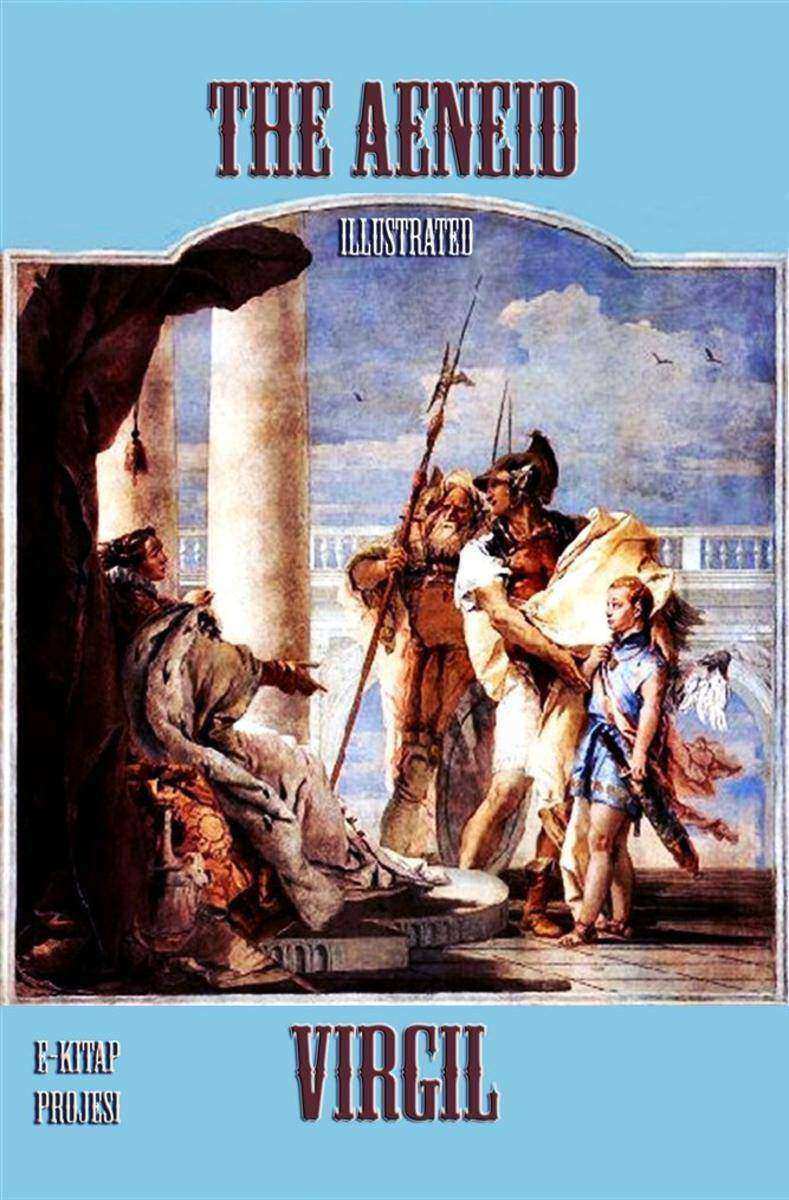
The Aeneid: "Illustrated"
¥18.74
"Where ocean bathes earth's footstool these sea-bowersBedeck its solid wavelets: wise was heWho blended shore with deep, with seaweed flowers,And Naiads' rivulets with Nereids' sea." Strictly speaking the peninsula on which the city stands is of the form of a trapezium. It juts out into the sea, beating back as it were the fierce waves of the Bosphorus, and forcing them to turn aside from their straight course and widen into the Sea of Marmora, which the ancients called the Propontis, narrowing again as it forces its way between the near banks of the Hellespont, which rise abrupt and arid from the European side, and slope gently away in Asia to the foot of Mount Ida. Northwards there is the little bay of the Golden Horn, an arm as it were of the Bosphorus, into which run the streams which the Turks call the Sweet Waters of Europe. The mouth of the harbour is no more than five hundred yards across. The Greeks of the Empire spanned it by a chain, supported here and there on wooden piles, fragments of which still remain in the Armoury that was once the church of S. Irene. Within is safe anchorage in one of the finest harbours of the world. South of the Golden Horn, on the narrow tongue of land—narrow it seems as seen from the hills of the northern shore—is the city of Constantine and his successors in empire, seated, like the old Rome, on seven hills, and surrounded on three sides by sea, on the fourth by the still splendid, though shattered, medi?val walls. Northwards are the two towns, now linked together, of Pera and Galata, that look back only to the trading settlements of the Middle Ages.The single spot united, as Gibbon puts it, the prospects of beauty, of safety, and of wealth: and in a masterly description that great historian has collected the features which made the position, "formed by Nature for the centre and capital of a great monarchy," attractive to the first colonists, and evident to Constantine as the centre where he could best combine and command the power of the Eastern half of his mighty Empire. Byzantium Before Constantine.It is impossible to approach Constantinople without seeing the beauty and the wonder of its site. Whether you pass rapidly down the Bosphorus, between banks crowned with towers and houses and mosques, that stretch away hither and thither to distant hills, now bleak, now crowned with dark cypress groves; or up from the Sea of Marmora, watching the dome of S. Sophia that glitters above the closely packed houses, till you turn the point which brings you to the Golden Horn, crowded with shipping and bright with the flags of many nations; or even if you come overland by the sandy wastes along the shore, looking across the deep blue of the sea to the islands and the snow-crowned mountains of Asia, till you break through the crumbling wall within sight of the Golden Gate, and find yourself at a step deep in the relics of the middle ages; you cannot fail to wonder at the splendour of the view which meets your eyes. Sea, sunlight, the quaint houses that stand close upon the water's edge, the white palaces, the crowded quays, and the crowning glory of the Eastern domes and the medi?val walls—these are the elements that combine to impress, and the impression is never lost. Often as you may see again the approach to the imperial city, its splendour and dignity and the exquisite beauty of colour and light will exert their old charm, and as you put foot in the New Rome you will feel all the glamour of the days that are gone by.
Пока не взошла луна (Poka ne vzoshla luna)
¥18.07
Щороку ми д?зна?мося дедал? б?льше нових сл?в у галуз? економ?ки, комп’ютерних технолог?й ? маркетингу, натом?сть невпинно убож?? наш лексикон у сфер? етики й морал?. Дев?д Брукс б’? на сполох: очевидно, що сучасне сусп?льство у гонитв? за новац?ями нехту? усталеними етичними принципами, втрача? моральн? стимули й ?деали, руйну? св?й духовний стрижень. ?ДНК особистост?? про те, як переглянути власн? пр?оритети ? зосередитися на внутр?шн?х чеснотах. Вона покаже, як деяким людям вдалося проторувати шлях до сильного характеру ? стати г?дною особист?стю. ?хн? ?стор?? стануть для читача певними ор??нтирами у пошуках власно? стратег?? гартування характеру, допоможуть п?знати себе, в?днайти душевну гармон?ю ? щастя.


