


 购物车
购物车 个人中心
个人中心

A Home at Honeysuckle Farm
¥28.45
The brand new romantic comedy from bestselling author Christie Barlow! ‘Full of warmth, fun and feel-good factor’ Sunday Times bestseller Katie Fforde A family secret One shocking argument and ten-year-old Alice Parker’s world was turned upside down. Her peaceful life at Honeysuckle Farm in the quiet rural village of Brook Bridge swapped for the bustling metropolis of New York City. Alice’s life was changed forever… A second chance Now, thirteen years later, Alice’s American dream is over. With her life in tatters, there is only one place Alice wants to be… home at Honeysuckle Farm. So, when Alice learns her beloved Grandie is ill, she knows this is her last chance to heal the family rift. A forever home? But secrets still swirl in Brook Bridge, and Alice is no closer to discovering the truth. And for some reason her new friendship with local heartthrob Sam Reid seems to be making the locals tense. Sick of the lies Alice knows it’s time to lay the past to rest once and for all. But could the truth ruin her hopes of ever calling Honeysuckle Farm home again?
Broken: Part 2 of 3: A traumatised girl. Her troubled brother. Their shocking se
¥23.45
Rosie Lewis is a full-time foster carer. She has been working in this field for over a decade. Before that, she worked in the special units team in the police force.Based in northern England, Rosie writes under a pseudonym to protect the identities of the children she looks after.
Broken: Part 3 of 3: A traumatised girl. Her troubled brother. Their shocking se
¥23.45
Rosie Lewis is a full-time foster carer. She has been working in this field for over a decade. Before that, she worked in the special units team in the police force.Based in northern England, Rosie writes under a pseudonym to protect the identities of the children she looks after.
Marriage Made Me Do It: An addictive dark comedy you will devour in one sitting
¥28.45
An irreverent thriller about one housewife’s descent into madness. SO ADDICTIVE YOU WON’T BE ABLE TO PUT IT DOWN! It’s time to break the rules! My name is Roxy Davenport and I’m part of a dying breed: I’m the perfect housewife. My whole life, I’ve tried to follow the rules of previous, “wiser” generations. High school sweethearts must marry (check!), the wife must stay home to look after the children (check!), all married couples must procreate and raise 3.2 children (demerit – we only managed one – oops!). But it turns out all the while, my husband has been playing by his own rules…and playing around. So screw him! I’ve chucked the handbook out the window. He has no idea what’s coming for him. And my perfect neighborhood will never be the same again.
Final Target (Josh Thane Thriller, Book 2)
¥28.45
The old ways die hard… A gripping thriller full of shocking twists from E. V. Seymour, perfect for fans of Mark Dawson, Lee Child and David Baldacci. There’s always one who gets away… Ex-assassin Josh Thane has given up his life of murder and bloodshed and gone to ground in London. But when glamorous MI5 agent, McCallan, needs his help with a dangerous operation in Berlin, Josh can’t resist being pulled back into the game. Soon he realises that a deadly organization is out not just to get him but those closest to him. As crime bosses and intelligence officers are picked off one by one, McCallen disappears and Josh is faced with a choice that could make this mission his last: either he walks into the trap set for him, or McCallen dies.
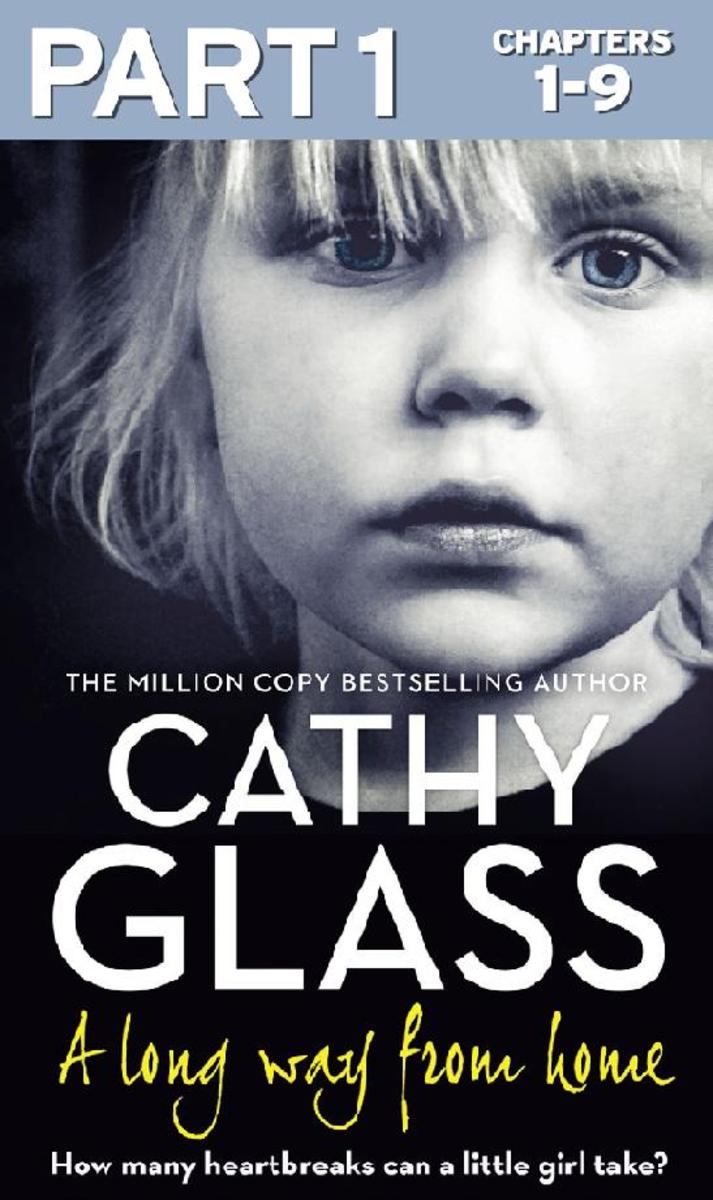
A Long Way from Home: Part 1 of 3
¥28.45
The true story of 2 year-old Anna, abandoned by her natural parents, left alone in a neglected orphanage. Elaine and Ian had travelled half way round the world to adopt little Anna. She couldn’t have been more wanted, loved and cherished. So why was she now in foster care and living with me? It didn’t make sense. Until I learned what had happened. … Dressed only in nappies and ragged T-shirts the children were incarcerated in their cots. Their large eyes stared out blankly from emaciated faces. Some were obviously disabled, others not, but all were badly undernourished. Flies circled around the broken ceiling fans and buzzed against the grids covering the windows. The only toys were a few balls and a handful of building bricks, but no child played with them. The silence was deafening and unnatural. Not one of the thirty or so infants cried, let alone spoke.
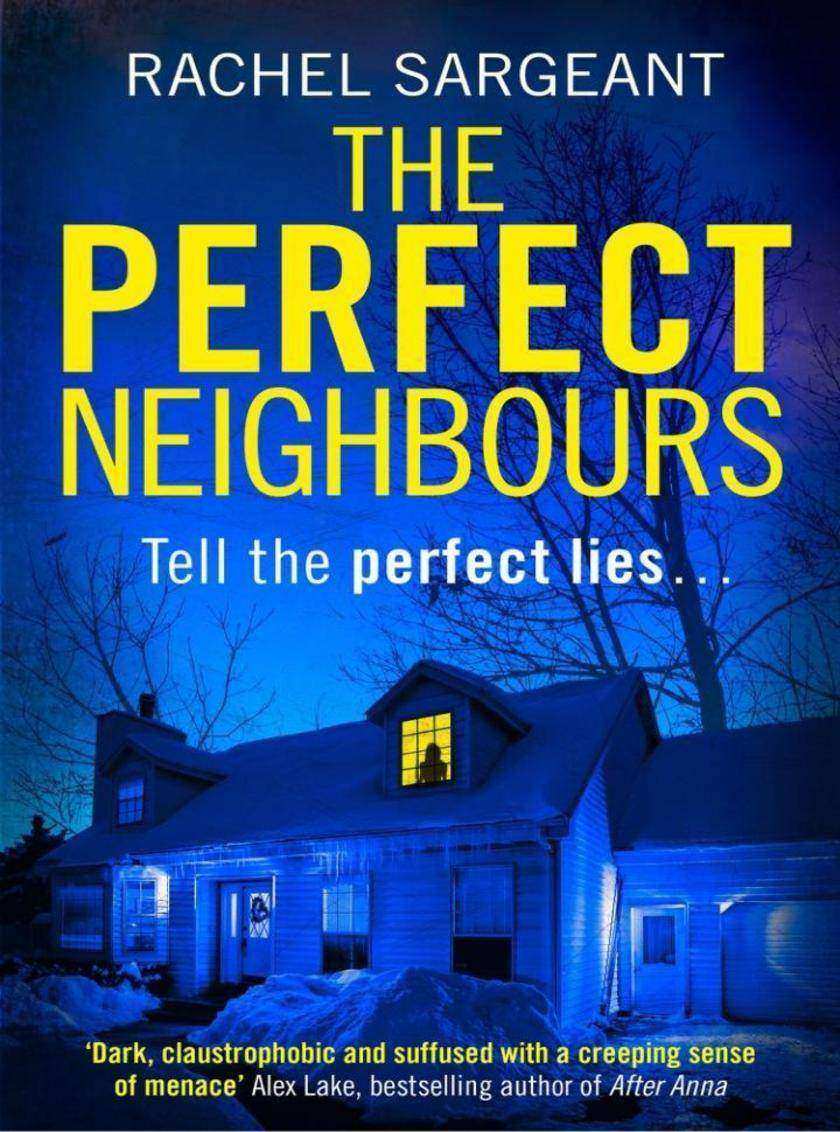
The Perfect Neighbours: A gripping psychological thriller with an ending you won
¥28.45
The perfect neighbours tell the perfect lies… *** A TOP TEN KINDLE BESTSELLER *** A dark and twisty psychological thriller from a rising star in the genre, perfect for fans of THE COUPLE NEXT DOOR. When Helen moves into an exciting new neighbourhood, she finds herself in a web of evil with no escape. Behind the shutters lies a devastating secret… When Helen moves abroad with her loving husband Gary, she can’t wait to meet her fellow expat teachers from the local International School. But her new start is about to become her worst nightmare… As soon as the charming family across the way welcome Helen into their home, she begins to suspect that all is not as it seems. Then Gary starts to behave strangely and a child goes missing, vanished without a trace. When violence and tragedy strike, cracks appear in the community, and Helen realises her perfect neighbours are capable of almost anything…
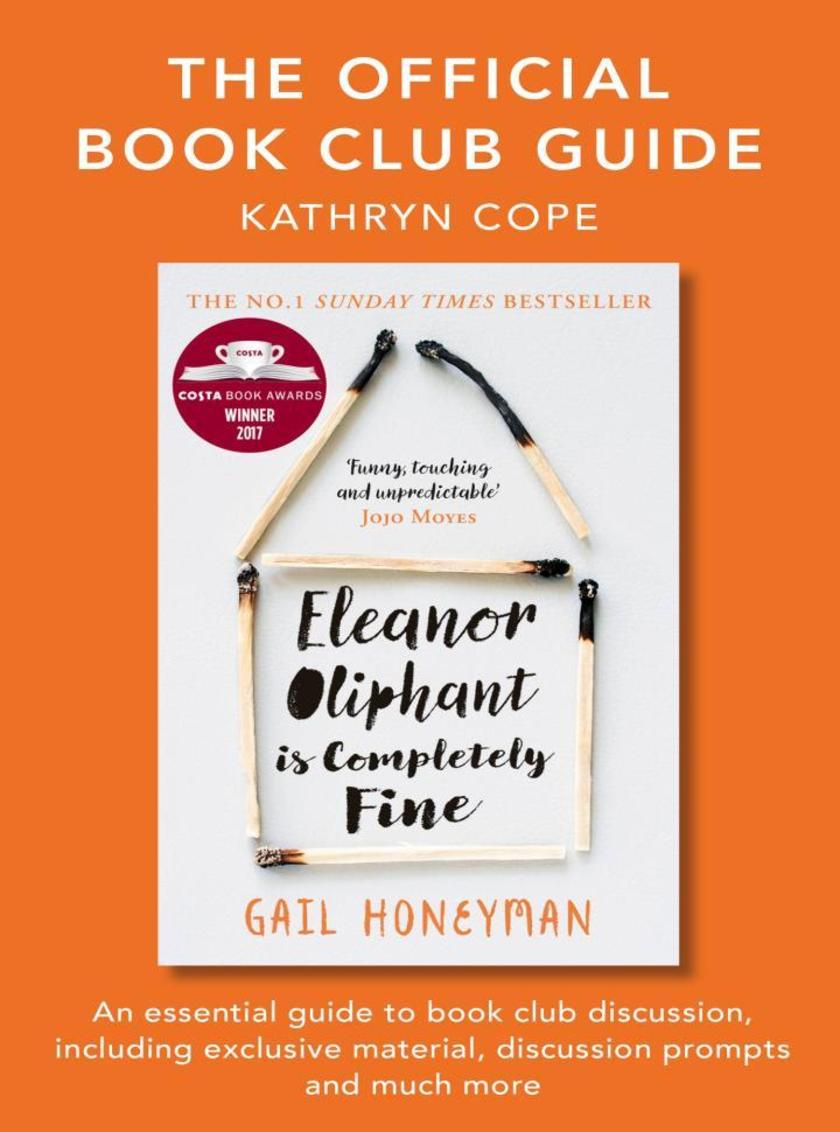
The Official Book Club Guide: Eleanor Oliphant is Completely Fine
¥28.45
An essential tool for all reading groups – a detailed guide to Sunday Times Number One bestseller, Eleanor Oliphant is Completely Fine! A comprehensive guide to Gail Honeyman's acclaimed bestseller, Eleanor Oliphant is Completely Fine, this discussion aid includes a wealth of information and resources: useful literary context; an author biography; a plot synopsis; analyses of themes & imagery; character analysis; twenty-two thought-provoking discussion questions; recommended further reading and even a quick quiz. This companion guide takes the hard work out of preparing for meetings and guarantees productive discussion. For solo readers, it encourages a deeper examination of a rich and rewarding text.

Valdez's Bartered Bride (Mills & Boon Modern) (Convenient Christmas Brides, Book
¥25.21
Blackmailed into marriage…by Christmas! Genealogist Lydia Carter-Wilson is horrified by the debts her father has run up in her name. Then magnate Raul Valdez approaches her with an outrageous proposition. If she helps him claim his inheritance, he’ll pay off her debts and save her tarnished reputation. But there’s a catch. If she fails, she will marry Raul on Christmas Eve! No matter their instant and electrifying attraction, Lydia knows Raul’s proposal amounts to blackmail. Yet faced with an impossible choice – risking ruin or becoming Raul’s bartered bride – Lydia finds she cannot resist her desire to make a deal with the dark-hearted billionaire…!

Healing Her Boss's Heart (Mills & Boon Medical) (Sinclair Hospital Surgeons)
¥30.61
Daring to love again… When handsome surgeon Jack Hanson returns home, he’s not looking for love. His guilt over his wife’s death means he’s never going to risk his heart again! But feisty new employee Carrie Kellem can’t help but intrigue him… Carrie’s tough childhood has made her independent; she doesn’t need anyone! Until she meets Jack… And suddenly Carrie wishes she wasn’t alone. Can she help Jack to let go of the past, and see that he has a future with her? Sinclair Hospital Surgeons
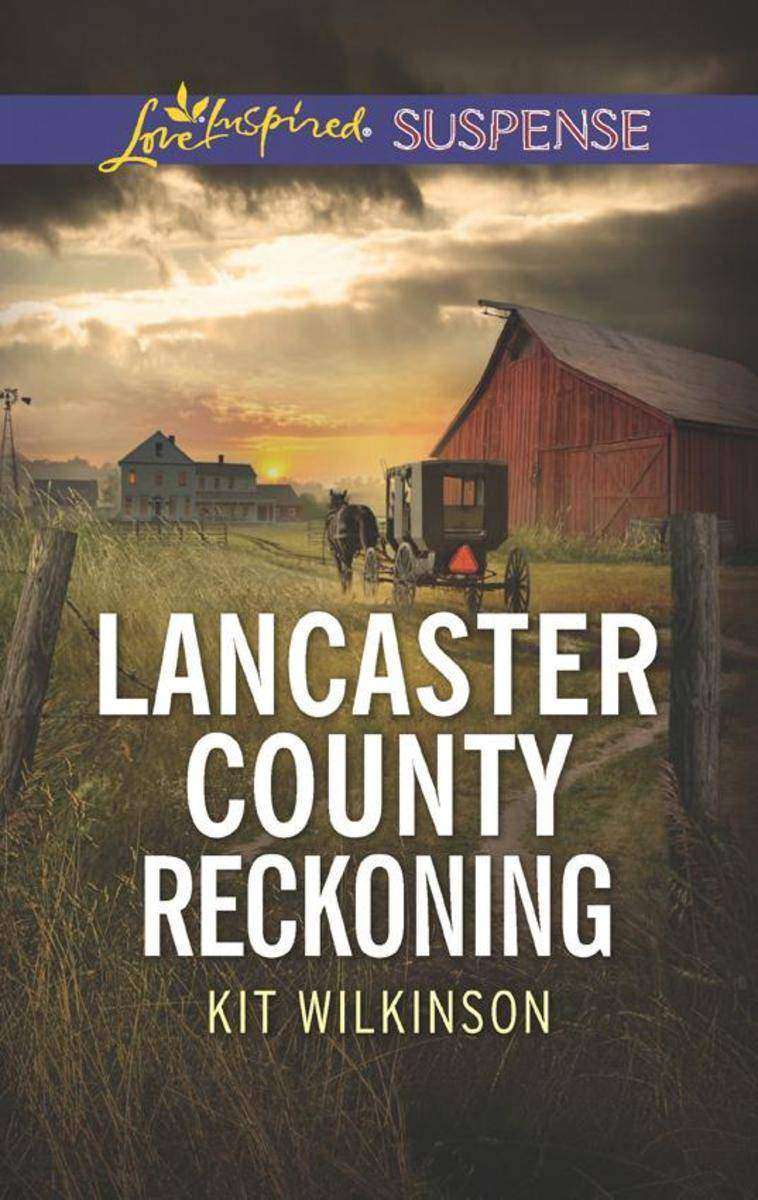
Lancaster County Reckoning (Mills & Boon Love Inspired Suspense)
¥39.63
PLAIN PROTECTOR The father Darcy Simmons thought was dead is actually alive, but in a coma, and the men who attacked him are after her to produce what he was hiding. But she hasn’t spoken to her father in twenty years, since he entered witness protection and became Amish, and has no clue what the criminals want. Now the only person she can depend on is Amish farmer Thomas Nolt, her father’s neighbor and closest friend. Thomas knows nothing of his friend’s past, but he’s determined to save the fragile beauty the man shielded all these years with his silence. But with men willing to kill for stolen items her father was hiding, can Thomas and Darcy find them before their time runs out?

The Pregnant Registrar (Mills & Boon Medical)
¥39.63
Carol Marinelli recently filled in a form asking for her job title. Thrilled to be able to put down her answer, she put writer. Then it asked what Carol did for relaxation and she put down the truth - writing. The third question asked for her hobbies. Well, not wanting to look obsessed she crossed the fingers on her hand and answered swimming but, given that the chlorine in the pool does terrible things to her highlights – I’m sure you can guess the real answer.
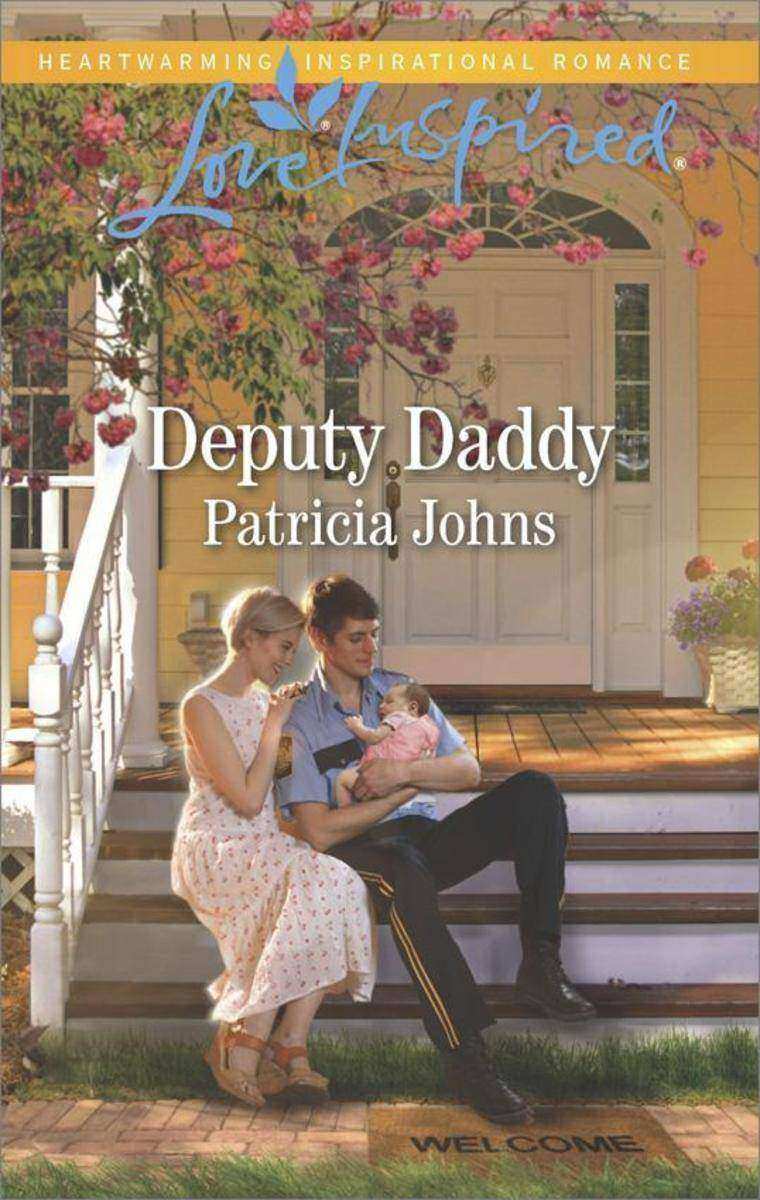
Deputy Daddy (Mills & Boon Love Inspired) (Comfort Creek Lawmen, Book 1)
¥39.63
A Family for the Officer Officer Bryce Camden never expected his two-week stint in Comfort Creek, Colorado would mean diaper duty. But that’s exactly what happens when he stays at the local bed and breakfast where Lily Ellison is fostering an abandoned baby girl. Bryce is drawn to the lovely B&B owner, but being a dad is not part of his plans. His troubled past has shown him that he’s not the nurturing type. But he soon finds himself wishing he didn’t have to leave. Because Lily and the baby have taken root in his heart and made him think that maybe he could be a family man after all… Comfort Creek Lawmen: Men in blue with hearts of gold

Their Ranch Reunion (Mills & Boon Love Inspired) (Rocky Mountain Heroes, Book 1)
¥39.63
The Rancher Next Door Single mom Carly Wagner is surprised to learn she’ll have to share ownership of the home she’s inherited with first love—and first heartbreak—Andrew Stephens. The man who fled their tiny western town is back and standing in the way of her dreams to expand her B and B. Now a successful businessman, Andrew has eight weeks to buy Carly out. But Carly's too stubborn to persuade—and too beautiful to ignore. When fire ravages her inn and she and her daughter move in to their shared property, Andrew's in over his head. Time is running out and Andrew must decide: leave and chase another deal…or stay and chase Carly's heart. Rocky Mountain Heroes: Brothers raised by faith, ready for love
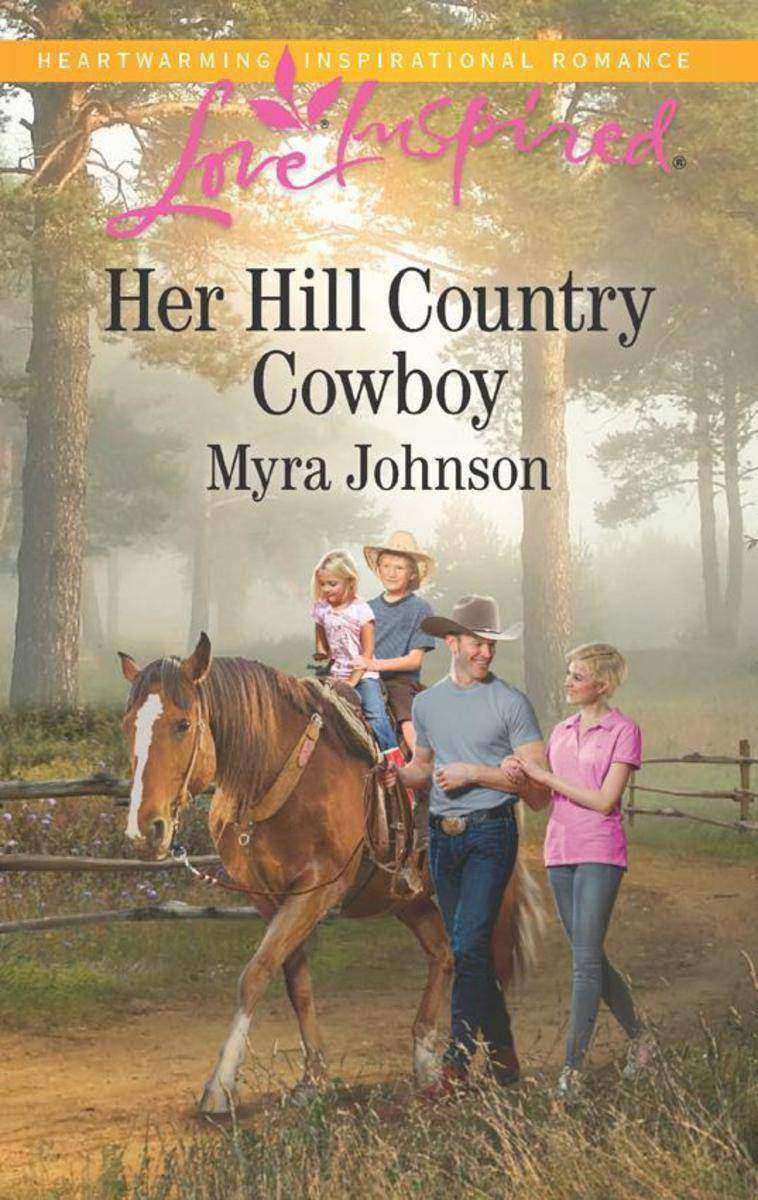
Her Hill Country Cowboy (Mills & Boon Love Inspired)
¥39.63
Cowboy Dad Single father Seth Austin will do anything for his children. So when he discovers the new housekeeper his grandmother hired for their guest ranch is a former social worker, he plans to keep his family far away from Christina Hunter. Seth once almost lost custody of his beloved kids because of an overzealous social worker. Problem is his children adore Christina and her sweet service dog—and he’s starting to fall for her too. Recuperating from an accident, Christina is determined to slowly ease back into her old life. But the more time she spends with them, the more she realizes that her future might be with the cowboy and his family.
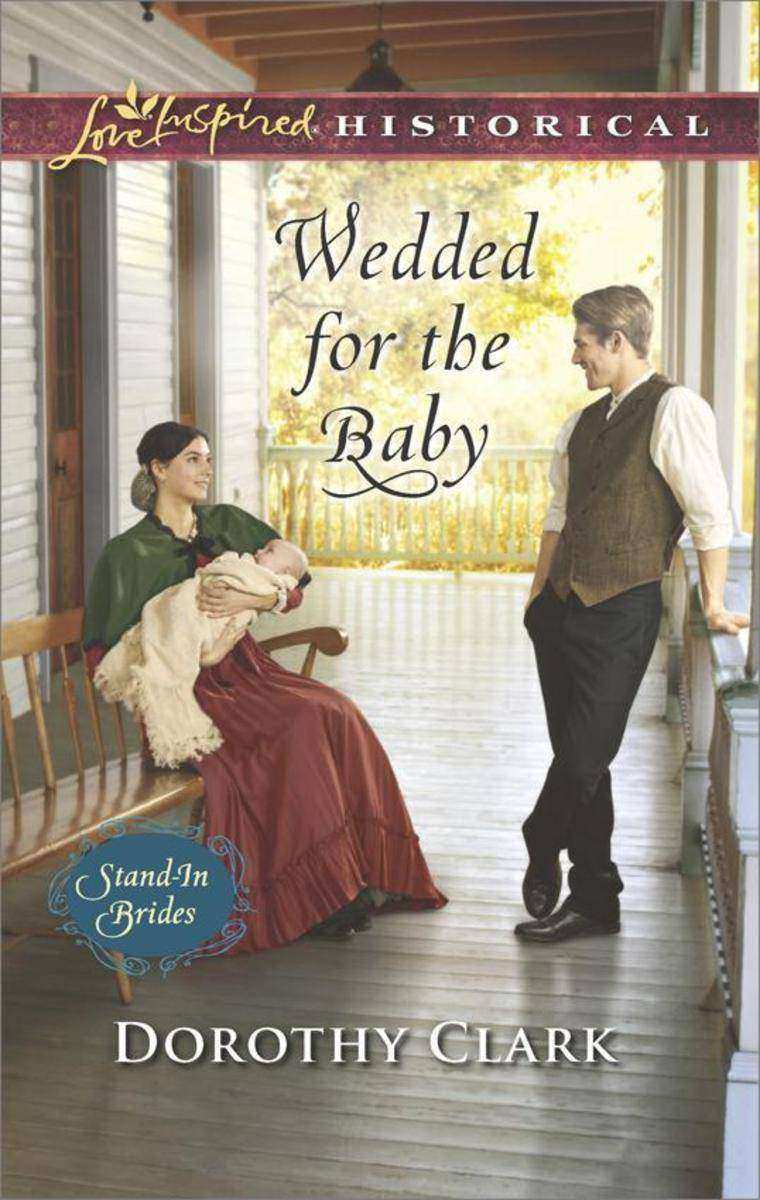
Wedded For The Baby (Mills & Boon Love Inspired Historical) (Stand-In Brides, Bo
¥39.63
His Family of Convenience For widower and ex-doctor Trace Warren a fresh start in Whisper Creek comes with a catch: to save his home and apothecary shop, Trace must remarry. While making Katherine Fleming his wife is simple enough, he refuses to fall in love again. But keeping his distance from the kind, beautiful woman and the infant she brings with her is dangerously difficult… Katherine promised to protect the baby left in her care, and a marriage of convenience to Trace is the only way to do that. But all too soon, Trace possesses Katherine’s heart, even as he still carefully guards his own. With hopes of turning their arrangement into a true love match, can Katherine convince Trace to forgive himself for his past mistakes and embrace his new family? Stand-In Brides: Mail-order mix-ups turn into happy marriages in a new Wyoming town
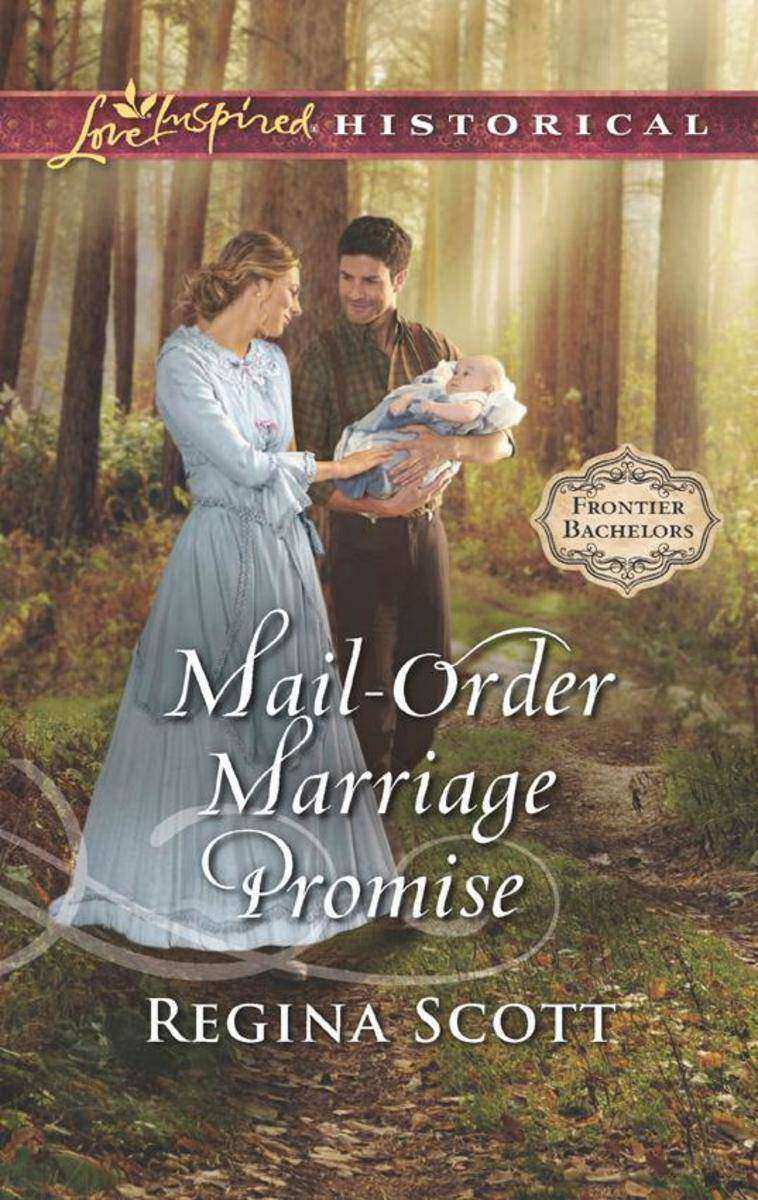
Mail-Order Marriage Promise (Mills & Boon Love Inspired Historical) (Frontier Ba
¥39.63
Wanted: Husband and Father Stunned that his sister ordered him a mail-order bride, John Wallin insists he’s not the husband Dottie Tyrrell needs. The scholarly logger knows Dottie will make the perfect wife—for some other man. Yet he’s compelled to invite the lovely widow and her infant son stay with his family…but only until she can find her own way. Dreams of true love are for other women. Betrayed by her baby’s father, Dottie just wants a safe home for her precious child. But who could resist a man with John’s quiet strength? When her secret past brings danger to their door, they may yet find this mail-order mix-up to be the perfect mistake… Frontier Bachelors: Bold, rugged—and bound to be grooms
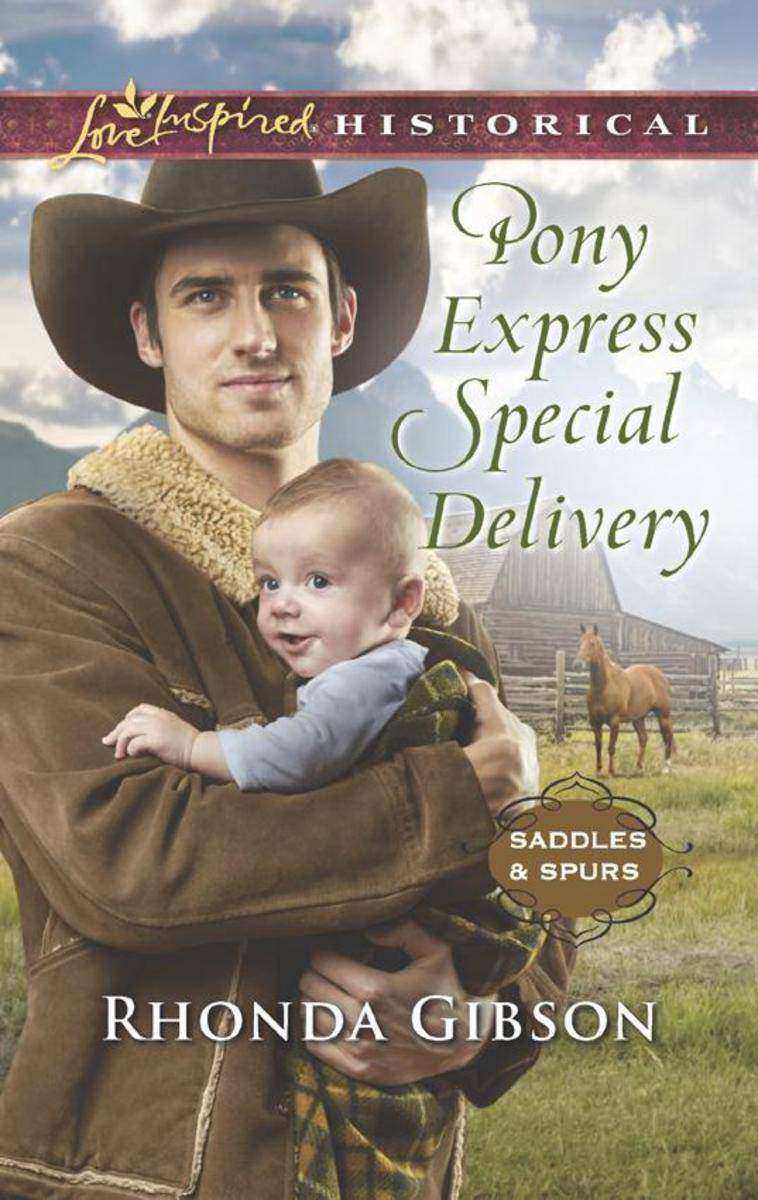
Pony Express Special Delivery (Mills & Boon Love Inspired Historical) (Saddles a
¥39.63
Conveniently Wed Pony Express manager Clayton Young arrives for his new assignment at a Wyoming ranch just in time to save Maggie Fillmore’s ailing baby. The lovely young widow is struggling to care for a ranch, her sister and a newborn, and Clayton plans to pursue medicine—not marriage. Yet Maggie’s dire situation spurs him to offer a match of convenience… Maggie hoped never to rely on any man again, even one as kind as Clayton. But with her late husband’s greedy cousin trying to take away her ranch, she has little choice. And though Maggie worries her union with Clayton might not be enough to save her ranch, she soon sees it could be just what her heart needs. Saddles and Spurs: Daring Pony Express riders risk all for duty—and for love
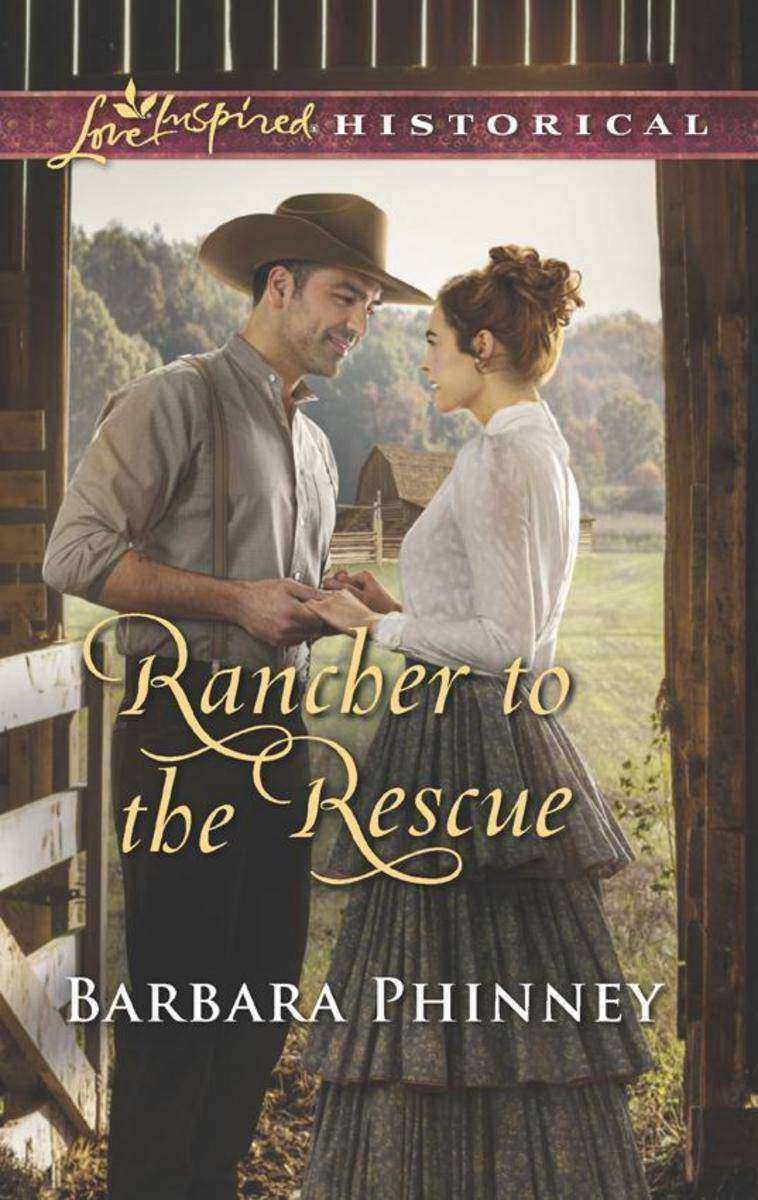
Rancher To The Rescue (Mills & Boon Love Inspired Historical)
¥39.63
A Practical Engagement Clare Walsh isn’t too keen on marrying, but it’s the only way for her to keep her family home…and custody of her two younger brothers. So when rancher Noah Livingstone offers a union in name only, Clare reluctantly agrees. Accepting Noah’s strictly practical proposal has an unexpected catch, though—she’s actually falling for him. Though Noah is drawn to vibrant, independent Clare, he knows romantic feelings will only complicate their marriage of convenience. But when secrets from his past threaten Noah’s fragile new family, he must make a difficult choice. Will Noah risk all his dreams to secure a real future with Clare?
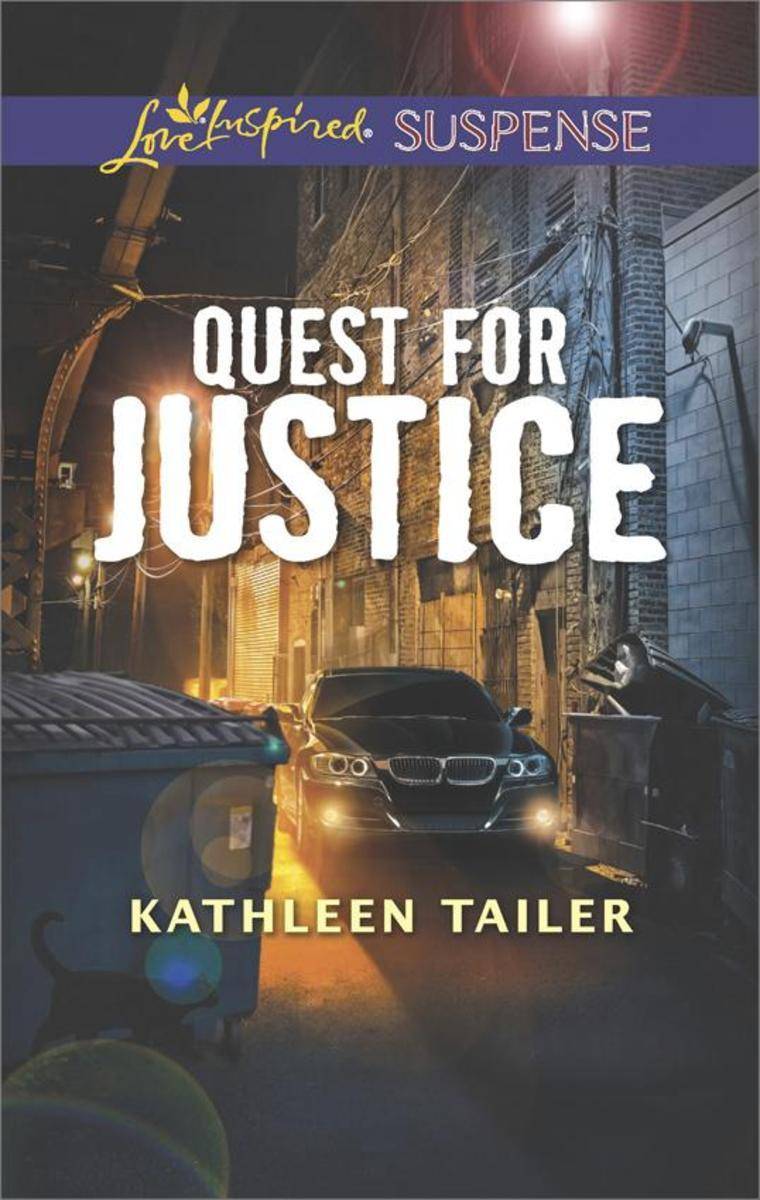
Quest For Justice (Mills & Boon Love Inspired Suspense)
¥39.63
RISKY ALLIANCE When her private investigator father is murdered, Bailey Cox stares down danger to find those responsible…and comes face to face with the cop who arrested her six years ago. But to uncover the secret that got her father killed, her former enemy must become her current ally. Franklin Kennedy’s not convinced he can trust the former thief, but he needs her computer hacking skills to crack this case. What the hard-nosed detective doesn't need is a soft spot for Bailey. But when their investigation leads them to international hired guns, Franklin realizes his mistake: he's put Bailey in their crosshairs…and time's running out to save her.
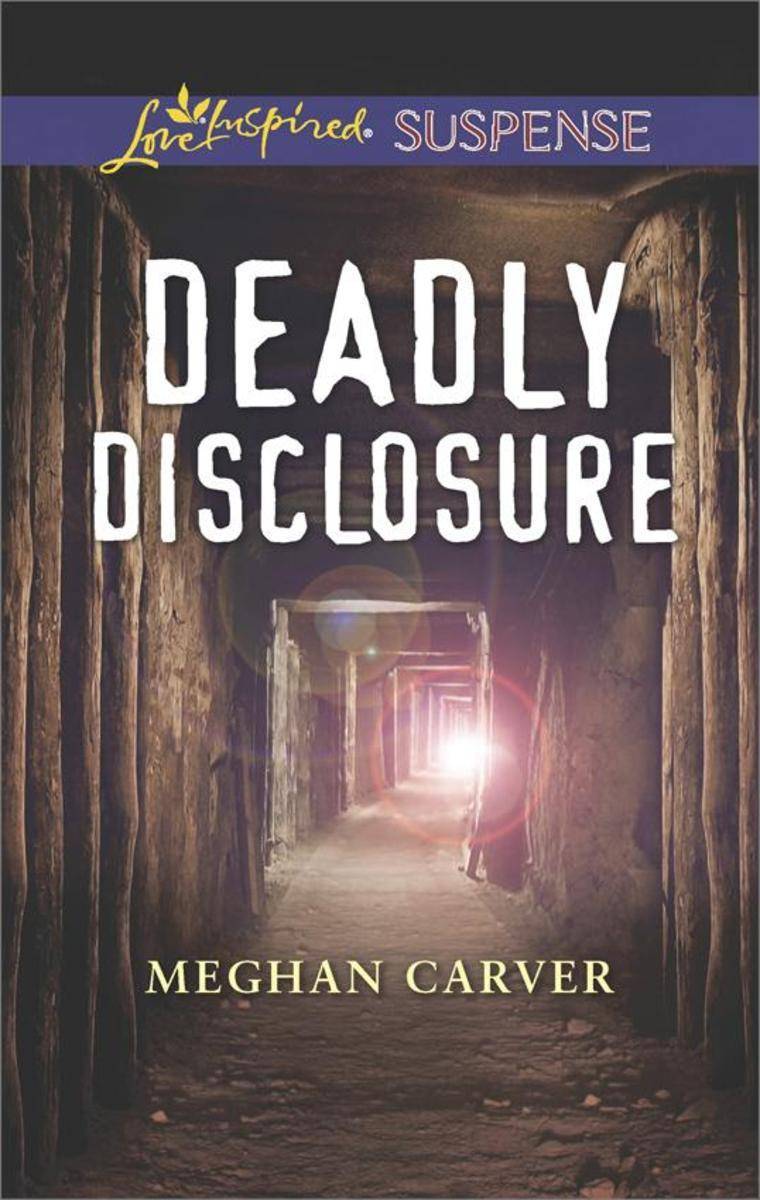
Deadly Disclosure (Mills & Boon Love Inspired Suspense)
¥39.63
FATAL FAMILY SECRETS Getting shot at on her way to work is only the first shock of law student Hannah McClarnon’s day. The second is when FBI agent Derek Chambers—her first love—reveals the truth about Hannah’s family. Though Hannah was raised by a wealthy Indianapolis couple, her birth father was with the Chicago mafia. And now, convinced she has information against them, they’re hunting her down. Derek’s first big assignment is to protect Hannah, and it’s becoming more personal every minute. He’s never revealed why he left long ago, and he still believes Hannah deserves someone better. But with the enemy in relentless pursuit, he’ll risk his life to be the man she needs—and loves—again.


