


 购物车
购物车 个人中心
个人中心
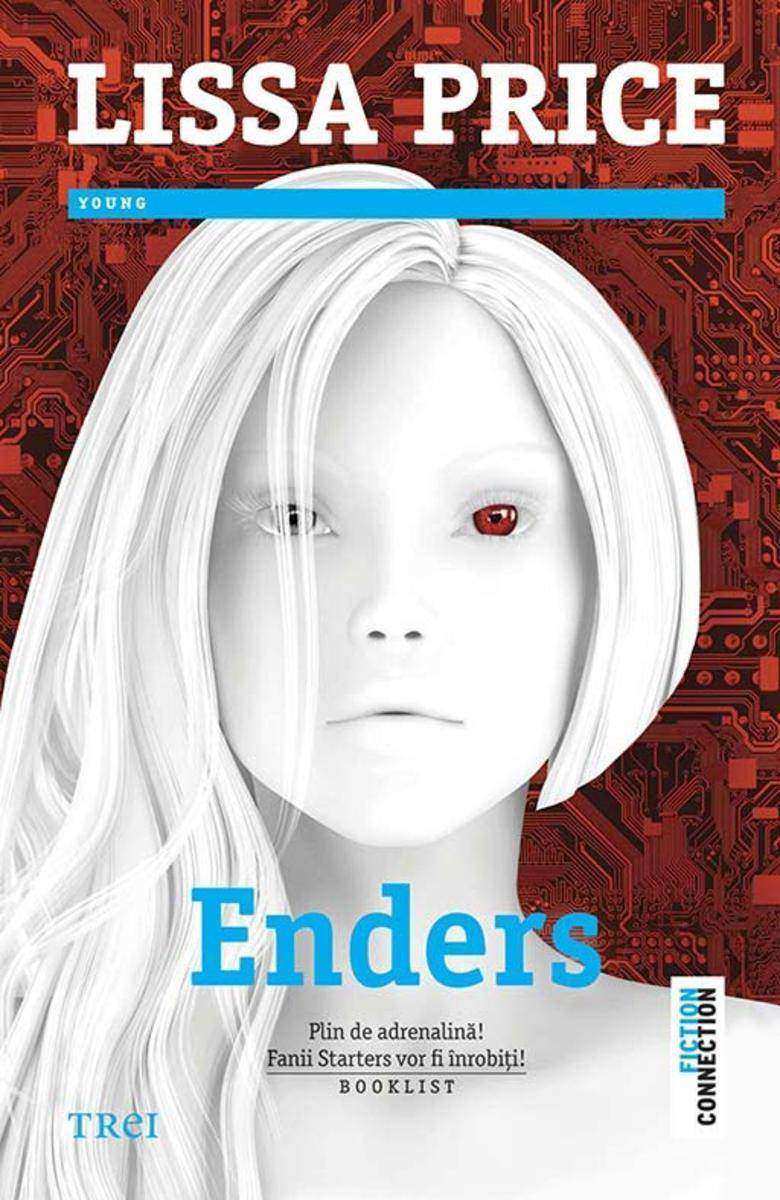
Enders
¥65.32
Dialoguri cu Vasile Dem. Zamfirescu consemnate de Leonid DragomirLa Facultatea de Filosofie din Bucure?ti unde eram studen?i exista pe atunci mult? libertate ?n alegerea cursurilor pe care doream s? le urm?m. Se afi?a la ?nceputul anului universitar o list? a cursurilor obligatorii ?i op?ionale, acestea din urm? fiind majoritare. A?a am descoperit cursul de Psihanaliz? filosofic? al profesorului Vasile Dem. Zamfirescu, despre care ?tiam vag c? fusese unul dintre discipolii lui Constantin Noica. Atmosfera de libertate ?n care ne mi?cam se reg?sea ?n totalitate aici. Cursul ne interesa at?t prin con?inutul lui — care adolescent n-a fost fascinat de psihanaliz?! — c?t ?i prin rigoarea ?i claritatea expunerii. De?i nu mai predase p?n? atunci, Vasile Dem. Zamfirescu era cu adev?rat profesor. Seminariile erau ?ns? ale noastre. Aici se iscau polemici, se propuneau interpret?ri insolite, se scriau ?i se citeau eseuri inspirate de noile probleme ?i lecturi. De obicei dep??eam limitele temei propuse, astfel ?nc?t totul ar fi putut degenera ?ntr-un dialog al surzilor sau ?n divaga?ii sterile dac? n-ar fi existat polul magnetic: profesorul. Nu numai c? el aducea, cu mult tact, discu?ia pe f?ga?ul normal, la obiect, dar opiniile noastre, oric?t de ?ndr?zne?e, vizau direct sau indirect aprobarea lui. Aceasta uneori venea, alteori nu, dar ceea ce conta pentru noi era faptul de a ne ?ti asculta?i. Sim?eam c? el poate s? vad? ?n spusele noastre sau dincolo de ele personalitatea noastr? ?ntreag?. De aceea voiam s? d?m totul ?n acele seminarii care treceau at?t de repede, de?i discu?iile se prelungeau ?n pauze ?i dup? ?ncheierea lor.

诸子学略说
¥6.00
本书以《诸子学略说》和《诸子略说》为主,汇集太炎先生论诸子之大部分文字,精心编辑校而成。太炎先生治学,贯通经、史、子、集,其于先秦之儒、道、墨、法等家学说尤有深研究,其论诸子之是非得失,每有独到之见解,而又能深浅出引人胜。本书为太炎先生治诸子学之毕生心血,实为先秦诸子思想门之*读物。

中国道教发展史略述
¥14.30
本文共分为八章,皆以道教发展史为中心。因欲说明道教学术之本原,故首先简述周、秦以前儒道等学并不分家之要。其次,略述周末学术分家,神仙方伎与老、庄等道家思想混合,为汉末以来道教成长之原因。复次,引述魏、晋、南北朝以后至于现代道教之发展,及与道家不可或分之微妙关系。虽其内容本质,原为不一不异,但道家与道教学术思想之方向,毕竟有其严整之界限。唯因包罗牵涉太广,不能尽作详论,但择其大要,及其演变过程之一鳞片爪,俾读者籍此可以窥见概略,并以提供研究者知所手,抑亦由此而了解秉中国文化创立之道教为何事而已。至于道教与道家学术内容,以及旁门左道等流派演变,有关于中国社会问题者,皆未及言。挂一漏万,有待他日专书之补充。


中国哲学常识
¥23.18
涵盖了从古代到近现代时期的百家哲学思想,以老子、庄子、孔子、孟子、朱子等圣哲为主线,在立足各哲学家经典著作的基础上,总结概括了其哲学思想的精髓。通过本书,读者不仅可以系统地了解中国经典哲学,也能清晰地感受胡适严谨的治学态度。

瑜伽文库——印度近代瑜伽之光:辨喜的生平、思想与影响
¥19.99
《印度近代瑜伽之光——辨喜的生平、思想与影响》是国内少数研究辨喜生平、思想与影响的专著。作者从三个维度即宇宙、神和人,介绍辨喜的哲学思想及其立论的根本依据,以及所做的瑜伽实践。是一本了解近代印度哲学思想与瑜伽文化的读物。

道德哲学
¥23.99
怎么做才对?什么样的生活才算好?这些我们日日面对的问题,追问下去,就会触达道德的本质。 因此,道德哲学不仅仅是一项学术事业,而是对于什么样的人生才值得过的省察。追寻良好生活,意味着敢于运用自己的理智,去思索至关重要的问题,而不是想都不想就受别人给出的答案。 为了这样的道德启蒙,牛津大学哲学家乔纳森?沃尔夫结合几十年的哲学思考与道德实践,为每个愿意探索人生幸福根基的人,写下了这部明晰晓畅的通识著作。他从头梳理2500年的道德探究,使功利主义、道义论、德性伦理三大流派在交锋中相互阐明,让众多大思想家的洞见成为我们时代的道德资源。从古典时代到21世纪,道德哲学追问至为根本的问题,也不断回应每个时代中至为切近的问题。理性的思考加上共情的理解,在质疑、挑战中完善思考与实践,这是形塑道德人生观的途径,也是道德步的动力。

廿一世纪初的前言后语
¥27.95
二十一世纪初有感于文化教育之重要,南怀瑾先生亲自撰成《中国文化教育的自诉》一文,讲述从远古夏商周至清代一脉相承的中华民族文化、历史、教育、生活以及与政治、经济交互影响所产生的演变,叙述清晰扼要,内容发人深省。其后,南怀瑾先生随缘讲课,内容广泛,但终不离文化之根本——或讲述二十世纪以来教育的发展历程,或从人生目标、家教、师道等方面漫谈教育,或简论儒家的发展历程,提出本质上影响中国民间社会的并非儒家或孔孟之教,而是杂家、阴阳家和道家之学,或谈中学与西学的体用问题,等等。《廿一世纪初的前言后语》将此类话题的讲述行整理,与前文合为一体,南怀瑾先生亲自定名为《廿一世纪初的前言后语》以突显众所关心之话题。

道(南怀瑾独家授权定本种子书)
¥262.20
汇集了南怀瑾先生讲述道家经典的著述。主要包含了对《老子》《庄子》《参同契》《列子》等道家经典的讲解及对中国道教发展史的讲述。南怀瑾先生的学问打通了儒佛道三学,除了阐明道家经典的经义,更以佛入道,以儒论道,重重类比;并在讲解的过程中切入历史和现实,层层例证,使经义不离生活,不离当下,妙不可言。

漫谈传统文化(南怀瑾独家授权定本种子书)(南怀瑾独家授权定本种子书)
¥96.60
本套装是南怀瑾先生漫谈金融、历史、国学、教育、文化等内容的讲录,内容精蕴,包含广泛,凡各家学说、中西文化、人生学问,皆有所发挥阐发。先生讲述时,往往援古证今、切于时用,每每表现出中国传统文化的包罗万象和玄深妙用,以及他痴心、醉心于中华文明的缘由和立场。

儒(南怀瑾独家授权定本种子书)
¥281.40
汇集了南怀瑾先生讲述儒家经典的所有著述。既有讲述人们熟知的“四书”(《论语》《孟子》《大学》《中庸》)的著述,又有讲述被奉为群经之首的《易经》和《周易·系辞》的著述。“四书”蕴含了儒家思想的核心内容,是儒学认识论和方法论的集中体现,更是中国传统文化中的核心要义;《易经》更被奉为群经之首,广大精微,包罗万象,是儒家、道家共同的经典,是中华文明源头和代表。南怀瑾先生讲经典,从不仅止于阐释经义,而是通过儒释道等思想的融会贯通,通过上下五千年人文历史的佐证,通过古今中外世事的投射,通过南先生自身的生命体认,把遥远的经典讲到了当代人的日常行止之中,讲到了当下人事的方方面面,让经典靠近读者。

禅话
¥11.70
本书是台湾著名学者南怀瑾先生撰写的一部介绍早期禅宗的人物和史事的著作。通俗易懂,简明扼要,甚便初学者阅读。

禅海蠡测
¥20.80
在本书中,南先生以禅宗为主干,广论禅学哲思。纵向从禅宗之演变说起,解公案,参机锋,论生死,并对禅宗教理宗旨、传授戒律、修行实践等做了详尽的论述;横向则比较了禅宗与净土宗、密宗、丹道、理学和西方哲学等的异同;后阐明修定与参禅法要,为参禅者引路。

三个逻辑学家去酒吧(上瘾!边“头秃”边催更的大脑保健操!)
¥26.99
三个逻辑学家走酒吧,酒保问“每个人都来杯啤酒吗?”*、第二个逻辑学家都说:“我不知道。”第三个逻辑学家说:“好的!”这时酒保应该端上几杯?逻辑学家的世界就是如此“令人头秃”。 翻本书,经典谜题、逻辑谜题、数学谜题、几何题、脑洞题,100个谜题向你扑面而来。你需要创造力、想象力、横向思维、立体空间感、非凡的脑洞,还有对世界的观察与思考。

一个当代的、大众的儒学——当代新荀学论纲(中国哲学新思丛书)
¥16.80
自宋明以来,儒学圈普遍尊孟抑荀,并且多从孟学立场曲解荀子思想。本书作者自2001年起,以“当代新儒家荀学派”的立场和“创造的诠释学”的精神,建构一个“当代新荀学”的基本理路,为当代儒学发展提供一个新的选择。本书的要旨如下:(1)跳出孟学立场的误读,彻底重读《荀子》,为荀学哲学找到一个全新的、等值的、比较符合华人心理倾向的表达形式,如天人合中有分、弱性善、积善成性等,可称作“荀子哲学的普遍形式”。(2)以此普遍形式为标准,将历代许多隐性的荀学思维挖掘出来,呈现一个完整壮阔的荀学哲学史。(3)本着“当代新儒家荀学派”的立场,表彰荀学(孔荀之学)的正当性,着明清自然气本论讲,建构一个具有本土现代性,能与当代文化、当代学术高度相容的,属于全民大众的“当代新荀学”。

人生真谛——道家适性人生哲学的现代阐释(精)全二册 中华书局出品
¥82.80
本书为国家社科基金一般项目,自十九世纪末以来,随着人类社会的种种危机日益呈现,一些西方著名学者如汤因比、罗素、李约瑟等人便提出应从东方文明尤其是中国传统文化中去寻找拯救人类的办法。在作者看来,能够真正从根本上解决人类问题的,非道家之学莫属。现如今,人类如欲改善生存状况、化解种种危机以期彻底解救自己,V一途径只有回归大道,舍此别无他法。不过作者亦言明,仅凭中国古代道家已有之学说是*不可能令人信服的,因此很有必要借助相关现代知识对道行科学阐释。而对人生而言,z为重要的一个方面是必须循性而行,这才是人的真实本质之所在,其次便是尽可能以正确、高效、理性、文明的方式去充分而和谐地发挥本性。道属形而上学,抽象是其主要特征,适性人生哲学是从理论上探讨人类的本质,它讨论了人类应该是什么样子,应该怎么样去做人,如何与自然和谐相处,寻求“真我”。作者认为,道在中国哲学中是z高范畴,也是z具有中国特色的一个哲学概念,作为z高真理,它具有V一性和排他性。道家对道的认识思路基本正确,但说得不够清楚,而儒家对道的认识则从一始就步误区,至今犹然。本书即以道家之道(循性而行)为形而上根据,对由其贯通为形而下的适性人生哲学行了具体阐释。 本书的意义和价值: D一,清晰明确地阐述了道、心、性这些中国哲学中z为重要的概念及其关系。 第二,论证比较科学严谨,对哲学上的多数重大问题也都给出了自己的答案或思路,以期能够为今后的哲学研究提供有益的启示。 第三,它对迄今为止人类在自我本质认识上的绝大多数主流观念都提出了质疑与探讨。

马克思主义中国化史·第一卷·1919-1949
¥65.80
马克思主义传中国并成为中国革命指导思想的理论基础,是近代以来中国历史和人民的选择。中国共产党人在领导中国革命的实践中,把马克思主义基本原理和中国革命具体实际相结合,使马克思主义中国化,在新民主主义革命时期实现了马克思主义中国化的*次历史性飞跃。*是马克思主义中国化的伟大拓者,*思想以独创性理论丰富和发展了马克思列宁主义,是马克思主义中国化*次历史性飞跃的理论成果。本卷对1919年至1949年间马克思主义在中国运用和发展的历史程及理论创新、实践创新行了系统研究,系统展示了以*为代表的中国共产党人探索新民主主义革命道路、实现马克思主义与中国实际“*次结合“的理论成果。

马克思主义中国化史·第四卷·1992年以来(马克思主义研究丛书)
¥70.80
20世纪90年代初以来,以*、胡锦涛、*为代表的中国共产党人,在实现中华民族的伟大复兴中,用马克思列宁主义指导中国的实践,推了以*、邓小平为主要代表的两代中央领导集体辟的马克思主义中国化的伟大事业。以*、胡锦涛、*为代表的中国共产党人,围绕中国特色社会主义发展的主题,集中全党的智慧,坚持理论创新和实践创新,形成了“三个代表”重要思想、科学发展观、“中国梦”等中国特色社会主义理论体系的*理论成果,在中国特色社会主义建设和发展的重大问题上提出了一系列新思想、新观、新论断,推了马克思主义中国化的新发展。本卷主要对1992年党的十四大召至2013年党的十八届三中全会召这一时期,马克思主义中国化发展的过程及其规律性,以及理论创新和实践创新行了较为全面而系统的分析和研究。

答问青壮年参禅者
¥9.90
书中南先生历数了自古以来居士对于传播佛法的贡献,简要概述佛法在古印度和中国的发展过程,介绍了禅堂中修行的规矩,例如坐的姿势、行香的方法、香板的使用等。他特别重视软修法门的唱念;传授六妙门的修法,指示修安那般那是快成就的捷径,解说了呼吸法门初步的实修方法以及诸多有关修持上的盲。他特别批评有的学者只注重佛理的研究而轻视实证,主张教理和修持并重。总之,南先生作为学佛者中的善知识,他的引导、鼓励、扶持,甚至训斥,将使听众和读者感激、受益。
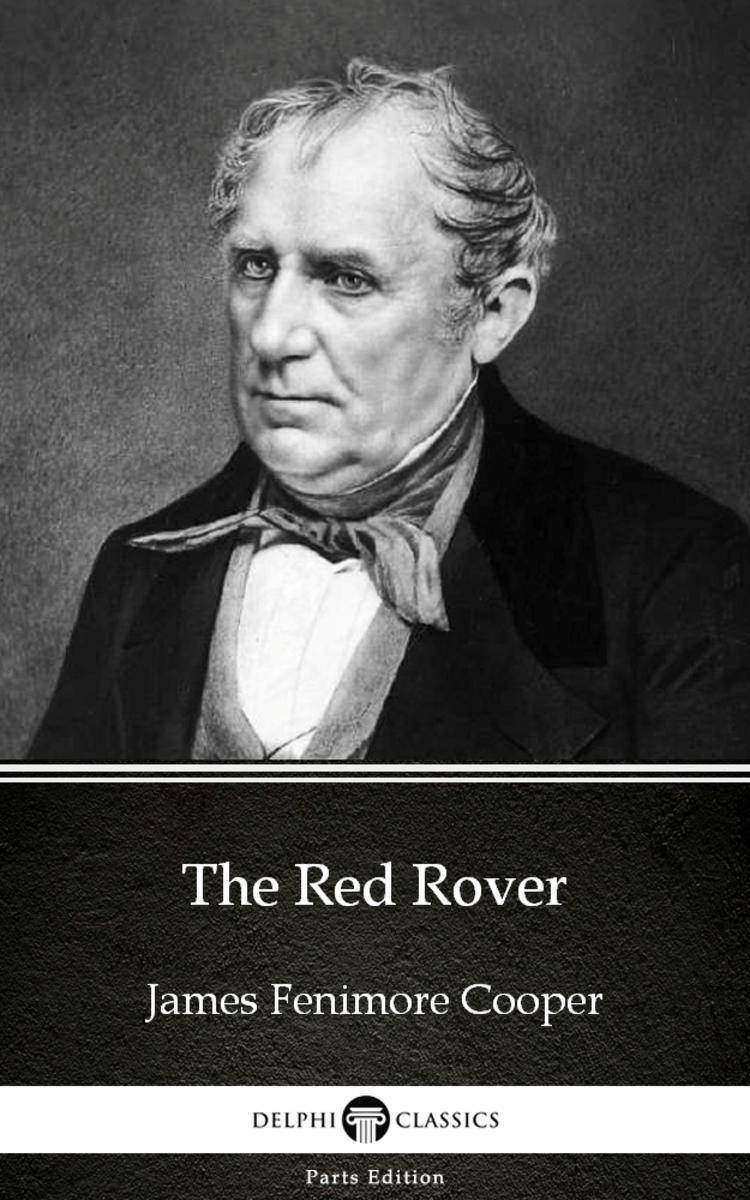
The Red Rover by James Fenimore Cooper - Delphi Classics (Illustrated)
¥8.09
This eBook features the unabridged text of ‘The Red Rover by James Fenimore Cooper - Delphi Classics (Illustrated)’ from the bestselling edition of ‘The Complete Works of James Fenimore Cooper’. Having established their name as the leading publisher of classic literature and art, Delphi Classics produce publications that are individually crafted with superior formatting, while introducing many rare texts for the first time in digital print. The Delphi Classics edition of Cooper includes original annotations and illustrations relating to the life and works of the author, as well as individual tables of contents, allowing you to navigate eBooks quickly and easily. eBook features: * The complete unabridged text of ‘The Red Rover by James Fenimore Cooper - Delphi Classics (Illustrated)’ * Beautifully illustrated with images related to Cooper’s works * Individual contents table, allowing easy navigation around the eBook * Excellent formatting of the text Please visit www.delphiclassics.com to learn more about our wide range of titles
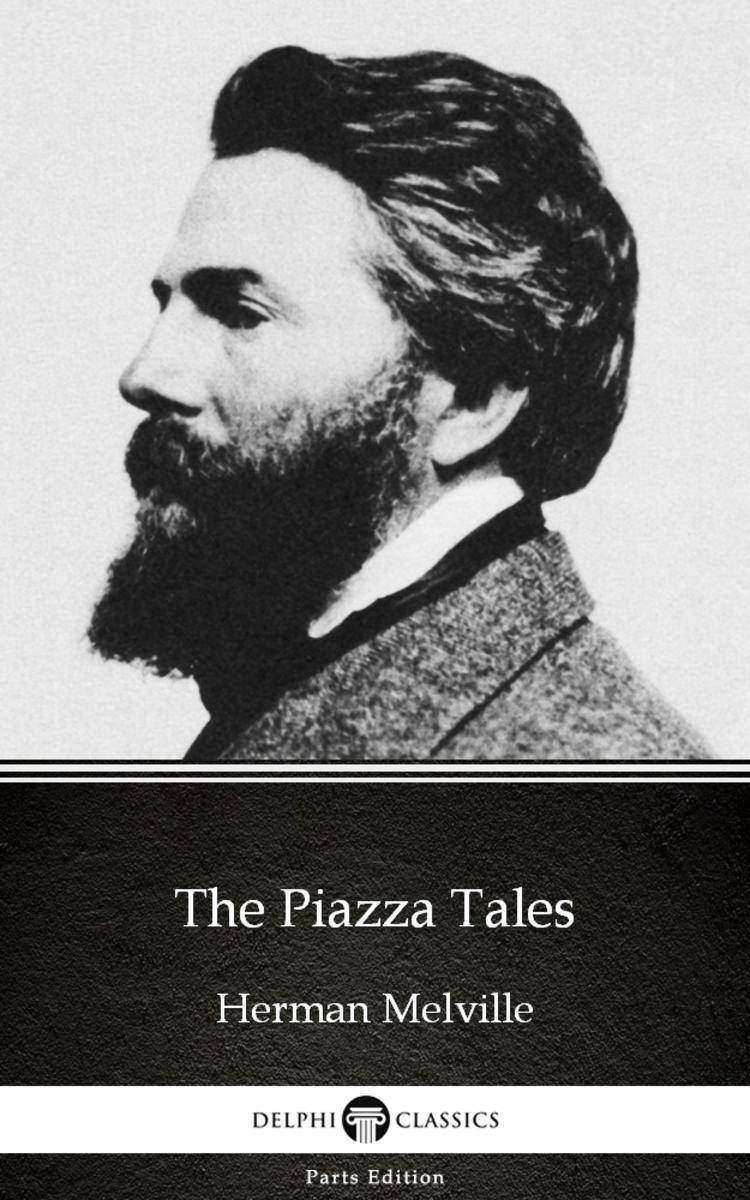
The Piazza Tales by Herman Melville - Delphi Classics (Illustrated)
¥8.09
This eBook features the unabridged text of ‘The Piazza Tales by Herman Melville - Delphi Classics (Illustrated)’ from the bestselling edition of ‘The Complete Works of Herman Melville’. Having established their name as the leading publisher of classic literature and art, Delphi Classics produce publications that are individually crafted with superior formatting, while introducing many rare texts for the first time in digital print. The Delphi Classics edition of Melville includes original annotations and illustrations relating to the life and works of the author, as well as individual tables of contents, allowing you to navigate eBooks quickly and easily. eBook features: * The complete unabridged text of ‘The Piazza Tales by Herman Melville - Delphi Classics (Illustrated)’ * Beautifully illustrated with images related to Melville’s works * Individual contents table, allowing easy navigation around the eBook * Excellent formatting of the text Please visit www.delphiclassics.com to learn more about our wide range of titles
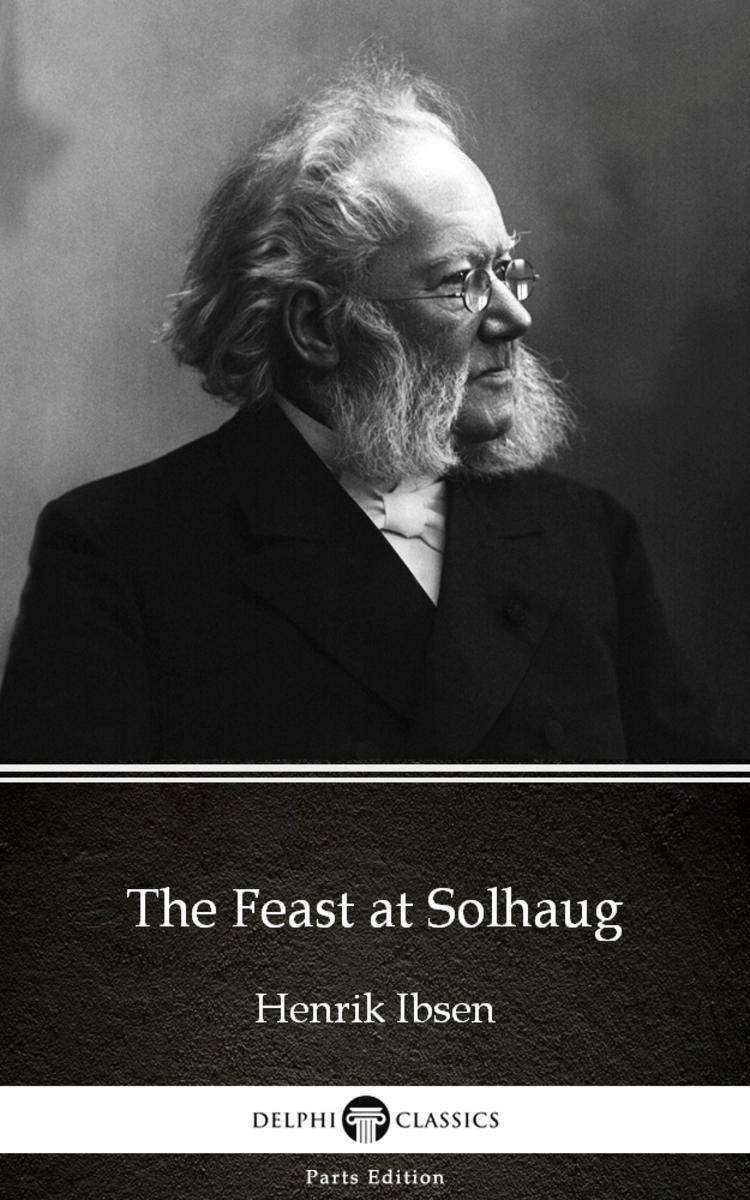
The Feast at Solhaug by Henrik Ibsen - Delphi Classics (Illustrated)
¥8.09
This eBook features the unabridged text of ‘The Feast at Solhaug by Henrik Ibsen - Delphi Classics (Illustrated)’ from the bestselling edition of ‘The Complete Works of Henrik Ibsen’. Having established their name as the leading publisher of classic literature and art, Delphi Classics produce publications that are individually crafted with superior formatting, while introducing many rare texts for the first time in digital print. The Delphi Classics edition of Ibsen includes original annotations and illustrations relating to the life and works of the author, as well as individual tables of contents, allowing you to navigate eBooks quickly and easily. eBook features: * The complete unabridged text of ‘The Feast at Solhaug by Henrik Ibsen - Delphi Classics (Illustrated)’ * Beautifully illustrated with images related to Ibsen’s works * Individual contents table, allowing easy navigation around the eBook * Excellent formatting of the text Please visit www.delphiclassics.com to learn more about our wide range of titles


