


 购物车
购物车 个人中心
个人中心
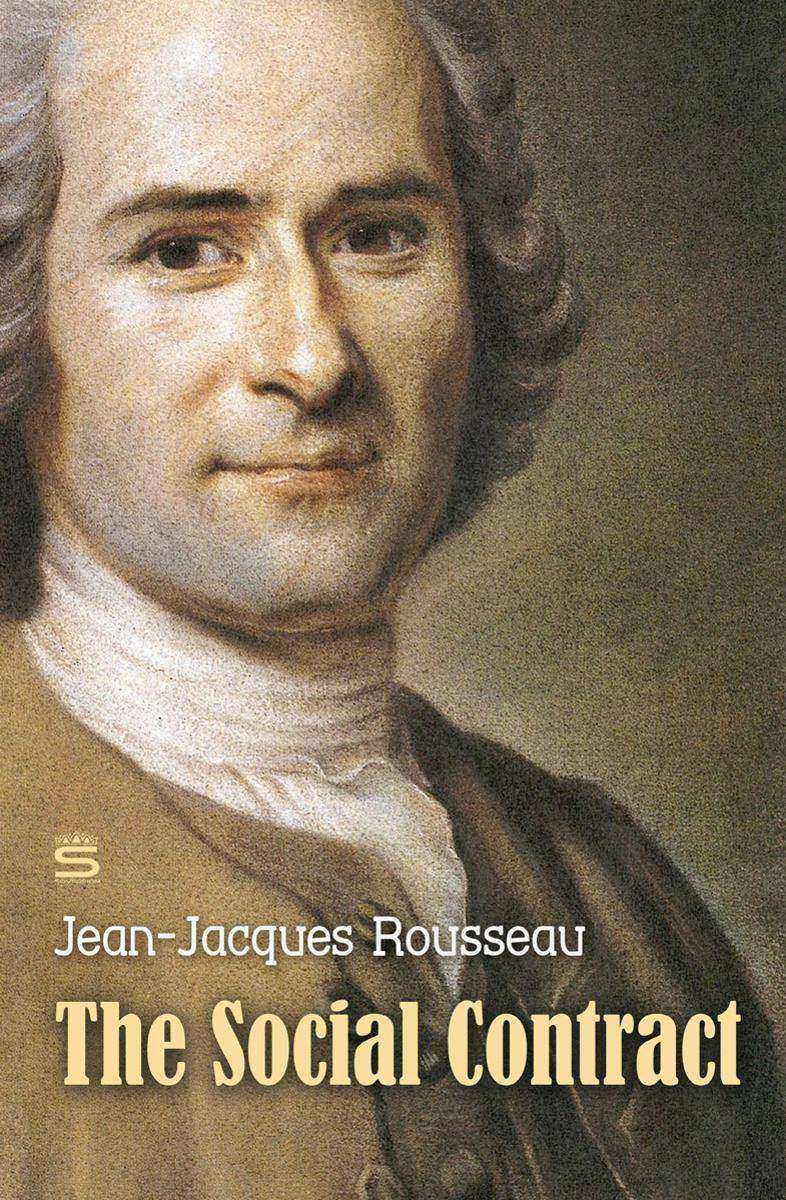
The Social Contract
¥40.79
A book in which Rousseau theorized about the best way to establish a political community in the face of the problems of commercial society, which he had already identified in his Discourse on Inequality. The Social Contract helped inspire political reforms or revolutions in Europe, especially in France. The Social Contract argued against the idea that monarchs were divinely empowered to legislate. Rousseau asserts that only the people, who are sovereign, have that all-powerful right.
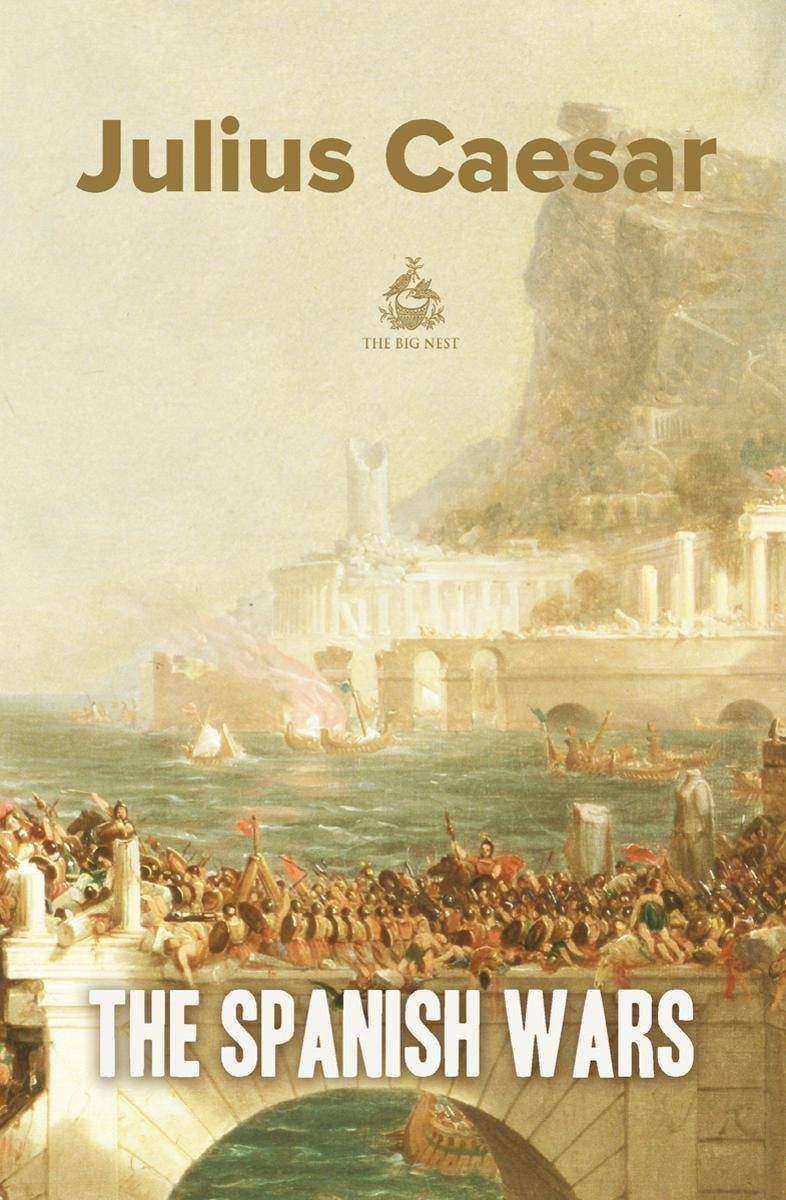
The Spanish Wars: English and Latin Language
¥40.79
On the defeat of Pharnaces and reduction of Africa, those who escaped from those battles fled to young Cn. Pompey, who had taken possession of Further Spain, while Caesar was detained in Italy in exhibiting games. Pompey began to throw himself on the protection of every state, in order the more readily to establish the means of defense against him. Accordingly, with a considerable force which had been collected, partly by entreaty, partly by force, he began to lay waste the province. Under these circumstances some states voluntarily sent him supplies, others shut the gates of their towns against him. If any of these chanced to fall into his hands by assault, although some citizen in it had deserved well of Cn. Pompey (his father), yet some cause was alleged against him on account of the greatness of his wealth, so that, he being dispatched, his fortune might become the reward of the soldiers.
The Wisdom of Father Brown
¥40.79
Two men appeared simultaneously at the two ends of a sort of passage running along the side of the Apollo Theatre in the Adelphi. The evening daylight in the streets was large and luminous, opalescent and empty. The passage was comparatively long and dark, so each man could see the other as a mere black silhouette at the other end. Nevertheless, each man knew the other, even in that inky outline; for they were both men of striking appearance and they hated each other.
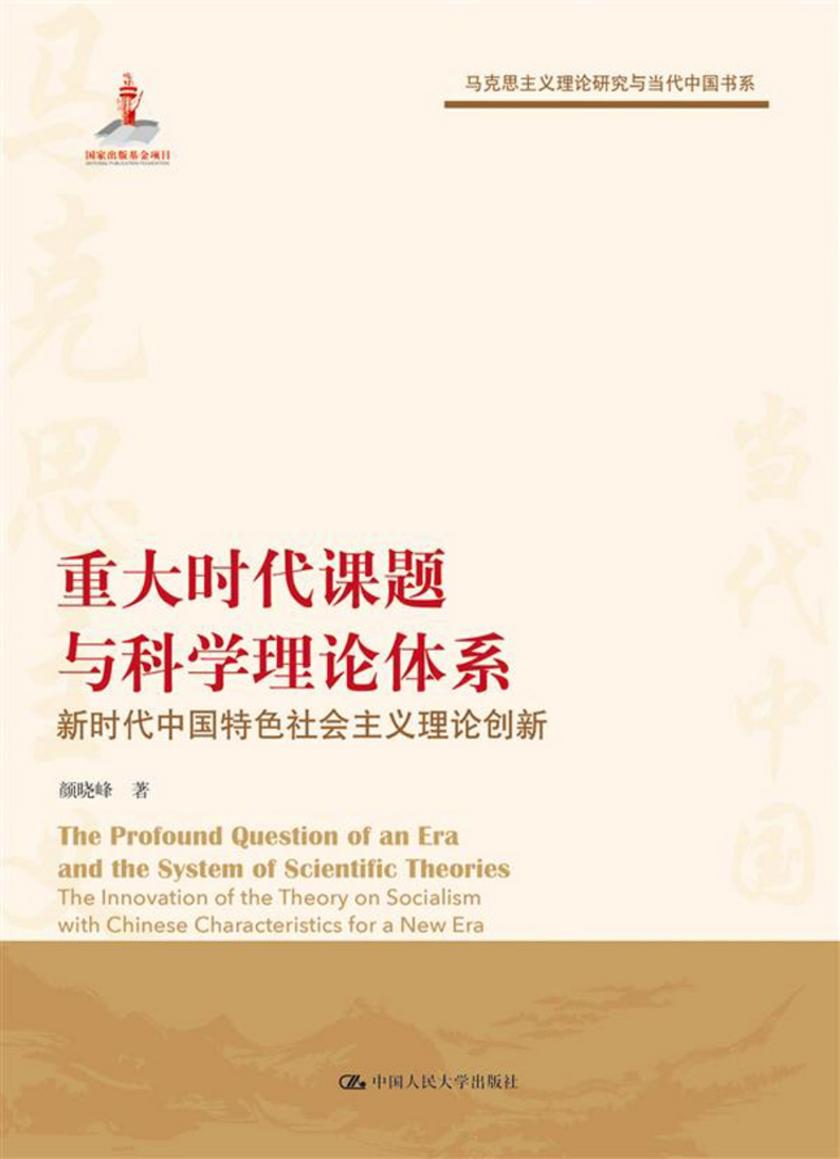
重大时代课题与科学理论体系(马克思主义理论研究与当代中国书系)
¥34.00
本书是作者研究党的十八大以来*新时代中国特色社会主义思想的相关成果,从新时代中国特色社会主义的基本支柱、实践基础、根本原则、历史使命、总体布局、安全保证、领导力量、领导方法等方面,系统回答了“新时代坚持和发展什么样的中国特色社会主义、怎样坚持和发展中国特色社会主义”这一重大时代课题,阐述了重大时代课题是科学理论体系的基石。 本书有两大特:*,以新时代中国特色社会主义的重要问题和*新时代中国特色社会主义思想的重要内容为研究对象,具有现实性。第二,研究内容既内含实践逻辑,又内生出理论逻辑,具有思辨性。
Be? Kavram, Be? Deneme: (inan?, ?zgür irade, ya?am?n anlam?, ahlak, mutluluk)
¥9.40
Bu alma ilk olarak ekim 2007`de bir internet sitesinde (exlibrary.com) e-kitap formunda yaymland; daha sonra birinci kitabmn ikinci blümünde yer ald. Bu almay tekrar gzden geirip küük baz düzeltmeler yaptm. Bu kitapn ilham kayna Thomas Nagel’in “Her ey Ne Anlama Geliyor” balkl eseridir. 70 sayfalk bu küük ama youn kitab okuduumda hayran olmutum. Nagel almasnn giri blümünde unlar yazm: “Günümüzün ve gemiin büyük filozoflarndan seilmi metinler ieren birok harika giri el kitab vardr. Elinizdeki bu küük kitap onlarn yerine geecek türden bir kitap deildir. Onun, yalnzca, konuya olabildii kadar ak ve dorudan bir ilk deerlendirme sunmasn umuyorum.” Ben de aynsn umarak bu almaya ykündüm ve ortaya bu be deneme kt. Daha nce yaymlanm bu denemelerin yeniden yaymlanmasnn anlam hakl olarak sorulabilir. Ben de derim ki belki yeni baz okurlarn ilgisini ekebilir belki de yeniden okunabilir. Bu sefer de neden yeniden okunsun ki diyenler kabilir; ben de Borges’in bir szünü aktarmakla yetinirim: “Okumak nemli deildir, nemli olan yeniden okumaktr.” Yazar Hakknda Prof. Dr., 1955 doumlu. 1976 da Ankara niversitesi Fen Fakültesi kimya mühendislii blümünden mezun oldu. Eskiehir Anadolu ve Eskiehir Osmangazi niversitesinde retim üyesi olarak alt. 2002 de emekli oldu. Akademik yaynlar haricinde felsefe konusunda sobil yaynclk tarafndan yaymlanm ü kitab vardr: 1.“Düünmek zerine Düünmek” (2009), 2. “Zorunluluk ve Sorumluluk” (2012), 3.“Nietzsche ve Schopenhauer ile küük bir sylei” (2018).
The African Wars
¥40.79
Caesar, advancing by moderate journeys, and continuing his march without intermission, arrived at Lilybaeum, on the 14th day before the calends of January. Designing to embark immediately, though he had only one legion of new levies, and not quite six hundred horse, he ordered his tent to be pitched so near the sea-side that the waves lashed the very foot of it. This he did with a view that none should think he had time to delay, and that his men might be kept in readiness at a day or an hour's warning. Though the wind at that time was contrary, he nevertheless detained the soldiers and mariners on board, that he might lose no opportunity of sailing; the rather, because the forces of the enemy were announced by the inhabitants of the province, to consist of innumberable cavalry not to be numbered; four legions headed by Juba, together with a great body of light-armed troops; ten legions under the command of Scipio; a hundred and twenty elephants, and fleets in abundance. Yet he was not alarmed, nor lost his confident hopes and spirits. Meantime the number of galleys and transports increased daily; the new-levied legions flocked in to him from all parts; among the rest the fifth, a veteran legion, and about two thousand horse.
Plutarch Complete Works – World’s Best Collection
¥8.09
Plutarch Complete Works World's Best Collection This is the world’s best Plutarch collection, including the most complete set of Plutarch’s works available plus many free bonus materials. Plutarch Plutarch is known as the pre-eminent Greek historian, biographer, and essayist, known primarily for his Parallel Lives and Moralia. His works have helped us understand a great deal of ancient history, and his writings contain valuable insights still applicable in today’s political and modern world The ‘Must-Have’ Complete Collection In this irresistible collection you get all Plutarch’s intriguing and fascinating work, with more than 400 works, All his majors works, All his minor works, All his questions, discourses, dialogues and musings, and All his biographies and comparisons. Plus we include a bonus biography so you can experience the life of the man behind the words. Works Included: Life Of Plutarch Plutarch’s Parallel Lives -?Plutarch’s detailed and unputdownable account of the lives of the greatest Greeks and Romans of the ancient period. For even more interesting reading, Plutarch also compares these great men against each other, citing a Roman and Greek life and comparing their relative lives, including among many others: Alexander The Great Julius Caesar, Cato The Younger Demetrius And Antony Dion And Marcus Brutus Nicias And Crassus Agesilaus And Pompey Plutarch’s Morals (Moralia) -?A collection of writings of Plutarch’s on many differing subjects, including among many others: Concerning The Cure Of Anger Concerning Music Concerning The Virtues Of Women How To Know A Flatterer From A Friend Plutarch’s Natural Questions Concerning Such Whom God Is Slow To Punish Get This Collection Right Now This is the best Plutarch collection you can get, so get it now and start delving into his works and writings like never before!
The History of Animals
¥40.79
Generally seen as a pioneering work of zoology, Aristotle frames his text by explaining that he is investigating the existing facts about animals. History of Animals is one of the major texts on biology.
The World Within
¥73.49
"Truth is not something that is mysterious; truth is where you are. From there you can begin. The truth is that I am angry, I am jealous, I am aggressive, I quarrel. That is a fact. So one must begin, if one may most respectfully point out, from where one is. That is why it is important to know yourself, to have complete knowledge of yourself, not from others, not from psychologists, brain specialists and so on, but to know what you are. Because, you are the story of mankind. If you know how to read that book which is yourself, then you know all the activities and brutalities and stupidities of mankind because you are the rest of the world." – J. Krishnamurti Reading the teachings of J. Krishnamurti, one is immediately struck by how personal the words are to one’s own thinking and what a close mirror they are of our human psychological activity. His language is not bound by time, place, or circumstance, and so readers in any era or on any continent can find themselves clearly and compassionately made plain. Krishnamurti’s heuristic approach was typical not only of his dialogues or interviews, but also of his public talks where an attendee in an audience of thousands felt in direct contact with the speaker. His language was simple, without jargon or without any assumptions about the audience by the speaker. Krishnamurti helped the interviewees, without intending to, to see for themselves the intricacies of their thinking and of their problems. During the Second World War (1939-1945) Krishnamurti did not speak publicly in the United States, but lived quietly in Ojai, California. People sought him out and came to dialogue with him on many issues of the times or their own personal dilemmas. Their problems were universal human problems, and each made true his statement that ‘You are the world.’ As Krishnamurti unwound the tight threads of their thinking and feeling, the core or source of a concern was revealed, unadorned and without blame or guilt. After the Second World War years, there was a set of three volumes of interviews with Krishnamurti that appeared worldwide, titled Commentaries on Living. This new book, The World Within, out of the Krishnamurti Archives, is a compendium of additional perennial questions with their timeless answers. The inquiry is still fresh, after seventy years, and readers will find themselves in both the questions and the responses.
Eu - ?i el. ?nsemn?ri subiective despre Ceau?escu
¥54.10
De?i frecvent contestat f?r? s? fie citit, Karl Marx r?m?ne a fi unul dintre cei mai importan?i g?nditori ai omenirii, r?u ?n?eles ?i, ?n ciuda celebrit??ii sale, r?u cunoscut; selec?ia – prima de dup? 1990 – f?cut? de marele c?rturar Ion Iano?i demonstreaz? r?spicat acest lucru.
Il mago di Oz
¥32.54
Nietzsche despre filologia clasic? – iat? un subiect cu adev?rat pasionant, prilej de satisfac?ii unice pentru amatorul de a urm?ri fascinantul spectacol al form?rii ?i al cunoa?terii de sine. C?ci acest subiect ?nseamn?, de fapt, Nietzsche despre el ?nsu?i ?i ?n acest sens pledeaz? chiar propria sa m?rturie – ?Filologii sunt asemenea oameni care folosesc sentimentul ap?s?tor pe care ?l provoac? infirmitatea proprie omului modern pentru a c??tiga cu el bani ?i p?ine. ?i cunosc, eu ?nsumi sunt unul dintre ei“ (Noi, filologii, fr. 170). Mai precis, este vorba despre o ipostaz? a personalit??ii spirituale nietzscheene considerat? din unghiul evolu?iei sale interioare; dar, nu o ipostaz? oarecare, ci una esen?ial?. ?i aceasta nu pentru simplul motiv c? este cea dint?i, ci pentru c? este cea mai profund?, cea care i-a marcat definitiv orizontul de cultur? ?i de g?ndire ?i a l?sat o amprent? durabil? ?n desf??urarea destinului personal al omului. (Vasile Musc?)
Unicat. Cartea cu o sut? de finaluri
¥48.97
O parte dintre noi au tr?it vremuri grele pe care uneori le mai vis?m, le povestim sau despre care scriem ?nc?, f?r? patima cumplit? care i-a cuprins pe profitorii de atunci, care ?i ast?zi ne fac r?u, ?i chiar mai r?u dec?t ?pe vremea aceea“, cum se zice. E drept c? noi am prev?zut-o ?ntr-un fel sau altul, spun?nd-o celor care se-ncumetau s? ne asculte, f?r? preten?ia, Doamne, fere?te!, de a ne considera ?i disiden?i, cum o f?cur? cei men?iona?i mai sus. Previziunile noastre s-au bazat pe o anume cunoa?tere a mersului istoriei, care, cum se ?tie, se tot repet?, cu mici deosebiri, fire?te. Oricum, ceva cuno?tin?e de economie politic? nu ne stric? nici ?n zilele noastre, pentru a ne da seama de jocul frecvent al trecerii de la economia politic? la politica economic? ?i, mai ales, al trecerilor de la un sistem sau or?nduire economic? la alta ?i invers, cum le-am tr?it noi: de la capitalism la socialism ?i viceversa. Ca un fel de ciud??enie, au r?mas considera?iunile despre noul eon sau noua er? (New Age) ale filosofului din Lancr?m, mai ales c? acestea s-au realizat abia dup? c?derea comunismului, pe care n-o mai prev?zuse Blaga. (Alexandru Surdu) Eseuri filosofice de acela?i autor 1. Voca?ii filosofice rom?ne?ti, Editura Aca?de?miei Rom?ne, Bucure?ti, 1995, 216 p.; edi??ia a II-a, Editura Ardealul, T?rgu-Mure?, 2003, 206 p. 2. Confluen?e cultural-filosofice, Editura Pai?de?ia, Bucure?ti, 2002, 219 p. 3. M?rturiile anamnezei, Editura Paideia, Bu?cu?re?ti, 2004, 193 p. 4. Comentarii la rostirea filosofic?, Editura Kron-Art, Bra?ov, 2009, 186 p. 5. Izvoare de filosofie rom?neasc?, Editura Biblioteca Bucure?tilor, Bucure?ti, 2010, 171 p.; edi?ia a II-a, Editura Renaissance, Bucu?re?ti, 2011, 161 p. 6. A sufletului rom?nesc cinstire, Editura Re?naissance, Bucure?ti, 2011, 197 p. 7. Pietre de poticnire, Editura Ardealul, T?r?gu-Mure?, 2014, 179 p.
Hotarul cu cet??i. Cum se distruge un neam!
¥24.44
Via?a marelui g?nditor german, supranumit sihastrul de la Sils Maria a fost plin? de str?lucire dar ?i de aspecte mai pu?in cunoscute publicului larg. ?ntre ace?tia se num?r? patima fa?? de muzic? a autorului ?tiin?ei vesele ?i A?a gr?ita Zarathustra dar ?i rela?ia de formare ?i de profund? iubire avut? cu Richard Wagner ?i so?ia sa, minunata Cosima – prezen?e vii ?n aceast? monografie eseistic?, ce con?ine fragmente din coresponden?a acestor mon?tri sacri ai culturii universale, coresponden?? ?n urma lecturii c?reia te alegi cu o imagine calda, expresiv?.
Noica. B?t?lia continu?
¥81.67
Ce este dragostea? Cum poate fi explicat ceva at?t de intim, de misterios, de minunat? Autorul nu ??i propune s? ne dezv?luie vreun mare adev?r filosofic, nici s? ne ofere sfaturi practice. Nu ne ?nva?? cum s? avem orgasm sau cum s? sc?p?m de gelozie. Nu ne spune c? femeile g?ndesc cu o alt? parte a creierului dec?t b?rba?ii, nici nu ne arat? cum s? ne salv?m rela?ia. ?n schimb, ne ajut? s? ?n?elegem comportamentul sexual ?i social, dar ?i mecanismele din spatele unor reac?ii pe care le consider?m normale ?i fire?ti.?n c?utarea r?spunsului la ?ntrebarea Ce este dragostea?, Richard David Precht exploreaz? discipline dintre cele mai diverse: biologia, psihologia, sociologia, filosofia, chiar ?i chimia. De la fiecare vom afla c?te ceva despre dragoste: c?t de egoiste sunt genele noastre ?i c?t de mult ne influen?eaz?; ce este tipic comportamentului sexual feminin ?i celui masculin; c?t de mare este aportul culturii la capacitatea noastr? de a ne ?n?elege pe noi ?n?ine ?i de a ?n?elege lumea, ca femeie sau ca b?rbat; ce se ?nt?mpl?, de fapt, ?n creierul nostru c?nd iubim; care este diferen?a dintre dragoste ?i sex; de ce a devenit at?t de important? pentru noi dragostea romantic?.?n final, afl?m c? dragostea nu are explica?ie. Ea nu poate fi dec?t tr?it?!
Confesiunile unei dependente de art?
¥57.14
One of the greatest works of philosophy, political theory, and literature ever produced, Plato’s Republic has shaped Western thought for thousands of years, and remains as relevant today as when it was written during the fourth century B.C.Republic begins by posing a central question: "What is justice, and why should we be just, especially when the wicked often seem happier and more successful?" For Plato, the answer lies with the ways people, groups, and institutions organize and behave. A brilliant inquiry into the problems of constructing the perfect state, and the roles education, the arts, family, and religion should play in our lives, Republic employs picturesque settings, sharply outlined characters, and conversational dialogue to drive home the philosopher’s often provocative arguments.Highly regarded as one of the most accurate renderings of Plato's Republic that has yet been published, this widely acclaimed work is the first strictly literal translation of a timeless classic. This Special Collector's Edition includes a new introduction by Prof. Colin Kant, PH.D, a noted Platonian and Socratic scholar.

Παιδι? τη? Μεσογε?ου
¥63.19
Ν?ο-ιστορικ?, ρεαλιστικ?, κοινωνικ?-πολιτικ? μυθιστ?ρημα, ιδια?τερα επ?καιρο, μια δυνατ? αναφορ? στην προσφυγικ? κρ?ση, που χτυπ? κυρ?ω? τα παιδι?, τα ασυν?δευτα προσφυγ?πουλα.Το φθιν?πωρο του 2014, η Λητ?, φιλ?λογο?, τοποθετε?ται ω? αναπληρ?τρια καθηγ?τρια σε Γυμν?σιο του νησιο? τη? Κω. Εκε?, συναντ? πρ?σφυγε? που καταφθ?νουν με σαπιοκ?ραβα απ? τι? τουρκικ?? ακτ??. Αποφασ?ζει συνειδητ? να βοηθ?σει του? πρ?σφυγε?, ω? εθελ?ντρια, στο ?Ιπποκρ?τειο? νοσοκομε?ο τη? Κω. Στο θ?λαμο του νοσοκομε?ου συναντ? τρει? Σ?ριου? πρ?σφυγε?, βαρι? τραυματισμ?νου?, τον Ασλ?ν, παλι? γν?ριμο, απ? τι? κοιν?? του? μεταπτυχιακ?? σπουδ?? στη Σκωτ?α, μαζ? με ?λλου? δυο Σ?ριου? φ?λου? του, τον Τζαμ?λ και τον Οσ?μα, που συνοδε?ουν ενν?α μικρ? παιδι?, προσφυγ?πουλα, ορφαν? πολ?μου. Η Λητ? εμπλ?κεται στη ζω? των τρι?ν ανδρ?ν και των ενν?α παιδι?ν. Το προσφυγικ? ζ?τημα γ?νεται δικ? τη? θ?μα, κομμ?τι του ψυχισμο? τη?, πρ?γμα που εκφρ?ζεται ?ντονα στα τραγο?δια που πα?ζει στην κιθ?ρα τη?, στου? μαθητ?? τη? στο σχολε?ο τη? Κω, στη ζω? τη?, στον τρ?πο που αναζητ? τι? θ?σει? τη? Ευρωπα?κ?? ?νωση?, τη? ?πατη? Αρμοστε?α? του ΟΗΕ, των εμπλεκ?μενων κρατ?ν. Στηρ?ζει με ιδια?τερη ευαισθησ?α τα ασυν?δευτα παιδι? - προσφυγ?πουλα, που π?φτουν θ?ματα επικ?νδυνων εγκληματι?ν και χ?νονται κατ? τη δι?ρκεια τη? πορε?α? του? προ? την κεντρικ? και β?ρεια Ευρ?πη, σε βρ?μικα κυκλ?ματα εκμετ?λλευση?, πορνε?α?, παιδεραστ?ν, εμπορ?ου ανθρωπ?νων οργ?νων, ναρκωτικ?ν, κ.?. Ο δυνατ?? ?ρωτ?? τη? για τον Ασλ?ν και η αγ?πη τη? για τα παιδι? την οδηγε? μαζ? του?, στην κεντρικ? Ευρ?πη και στην ενεργ? συμμετοχ? τη? στο προσφυγικ? ζ?τημα καθ?? και στην τοποθ?τησ? τη? με πρακτικ? τρ?πο, σε ?να θ?μα που αφορ? ?λη την Ευρ?πη, την παγκ?σμια κοιν?τητα, τον ΟΗΕ, καθ?? χτυπ?ει β?ναυσα, εδ? και χρ?νια, του? λαο?? τη? Μεσογε?ου και υποθ?λπει κρυφ?, ?νομα, αλλ? και φανερ? συμφ?ροντα.Ε?ναι ?να βιβλ?ο που χτυπ? τον ρατσισμ?, την ξενοφοβ?α, τι? θρησκευτικ?? προκαταλ?ψει?, στηρ?ζει τον ?νθρωπο και τι? πανανθρ?πινε? αξ?ε?, που κουρελι?ζονται απ? πολ?μου?, εμφυλ?ου?, μ?ση, φανατισμο?? και ζητ? αλληλεγγ?η και πιστ? εφαρμογ? των ν?μων και καν?νων του ΟΗΕ, που ?χουν να κ?νουν με τα ανθρ?πινα δικαι?ματα.
Children of the Mediterranean: The odyssey of the Unescorted Refugee Children
¥63.19
A new-historical, realistic, social-political novel. A current, strong reference to the refugee crisis, which strikes the unescorted innocent refugee children.At the beginning of the autumn of 2014, Leto, a teacher of Greek literature is assigned in a secondary school of Kos, as a contract teacher. There, she meets a lot of refugees from Syria, who arrive on the island, with old and rusty boats, from the Turkish shores. After a big wreck, she consciously decides to help them as a volunteer in “Hippokratio” hospital of Kos. There, she is responsible for three heavily injured men from Syria. One of them is Aslan, a friend from their common post graduate studies in Aberdeen University, Scotland. In the same room, there are two other friends of him, Jamal and Ossama. They all accompany nine refugee children, orphans of the war. Leto is involved in the life of the three injured men and the nine refugee children. The refugee issue becomes her own issue, a part of her, which she wholeheartedly expresses through playing her guitar to her students of Kos throughout her whole life. She challenges the attitudes of European Union and the United Nations High Commissioner for Refugees, as well as all the involved nations. She stands by the unescorted refugee children, sensitively, who become victims of dangerous criminals and they get lost in den of vices of prostitution, pederasty, trafficking in human organs, drugs and so on, on their way to the Central and North Europe. Leto’s strong love for Aslan and her love for children leads her to the Central Europe where she participates energetically to the refugee matter, and she takes position practically, to an item which overconcerns all Europe, the whole world, the United Nations, as it brutally beats all the nations of Mediterranean Sea, pandering hidden and illegal interests, but obvious too.A book which challenges racism, xenophobia and religious prejudice, stands by the human and supports the universal values that are torn up by the war, the civil war, the total hatreds, and fanatics. It is asking for solidarity and faithful implementation of laws and rules of the U.N., which are closely linked to the human rights.
Symposium
¥40.79
Of all the works of Plato the Symposium is the most perfect in form, and may be truly thought to contain more than any commentator has ever dreamed of; or, as Goethe said of one of his own writings, more than the author himself knew. For in philosophy as in prophecy glimpses of the future may often be conveyed in words which could hardly have been understood or interpreted at the time when they were uttered.
Euthyphro
¥40.79
In the Meno, Anytus had parted from Socrates with the significant words: 'That in any city, and particularly in the city of Athens, it is easier to do men harm than to do them good;' and Socrates was anticipating another opportunity of talking with him. In the Euthyphro, Socrates is awaiting his trial for impiety. But before the trial begins, Plato would like to put the world on their trial, and convince them of ignorance in that very matter touching which Socrates is accused. An incident which may perhaps really have occurred in the family of Euthyphro, a learned Athenian diviner and soothsayer, furnishes the occasion of the discussion.
The Jewel of Seven Stars
¥40.79
Malcolm Ross, a young barrister, is awakened in the middle of the night and summoned to the house of famous Egyptologist Abel Trelawny at the request of his daughter, Margaret, with whom Malcolm is enamored. Once Malcolm arrives at the house, he meets Margaret, Superintendent Dolan, and Doctor Winchester, and learns why he has been called: Margaret, hearing strange noises from her father’s bedroom, woke to find him unconscious and bloodied on the floor of his room, under some sort of trance.
Limba Rom?n?. Admiterea la drept. 1200 de ?ntreb?ri ?i r?spunsuri
¥48.97
Numele lui Comenius s-a ?nscris ?n istoria literaturii cehe ?i universale prin cea mai important? lucrare a sa de beletristic?, romanul alegoric Labirintul lumii ?i raiul inimii. Cartea cuprinde dou? p?r?i. ?n prima, Labirintul lumii, este ?nf??i?at? alegoric lumea sub forma unui ora? medieval, amintind de un labirint pe care ?l parcurge c?l?torul-povestitor. ?n cea de-a doua parte, Raiul inimii, c?l?torul se retrage dezam?git ?n l?ca?ul inimii sale, unde ?l ?nt?lne?te pe Dumnezeu, iar credin?a ?i aduce pacea ?i alinarea. C?l?torul este de fapt reprezentarea alegoric? a curiozit??ii omene?ti; el str?bate ora?ul-lume c?ut?ndu-?i o ?ndeletnicire pl?cut? sufletului ?i trupului.Labirintul lumii ?i raiul inimii face parte din a?a-numita serie de scrieri de consolare, prin care Comenius ?ncerca s? arate c? destinul oamenilor este condus prin dreapta decizie a lui Dumnezeu. Romanul este considerat de critica literar? ceh? ca fiind cea mai reu?it? lucrare a literaturii vechi, cel mai frecvent tip?rit? p?n? ?n zilele noastre.


