万本电子书0元读

万本电子书0元读

59元6本 半小时喵星哲学史
半小时喵星哲学史
胖乐胖乐
¥44.40
写给大忙人的喵喵漫画哲学书 不读哲学,少了文青感;想读哲学,又怕深奥难懂? 这套书破你对哲学的认知! 国内以猫猫形象来讲解哲学的图书,用独创的漫画形式,按时间线为横轴,融合了中西方的哲学思想,随手翻,就能轻松有趣的哲学世界。 本套书分为古代·中世纪、现代和近代三册,全部精选当时*有代表性的大咖喵! 37位有着人类大智慧的哲学喵,例如“有哲学就够了”的苏格喵底(地球名:苏格拉底)、改变世界的大神牛顿喵(地球名:牛顿);一统哲学江山的康德喵(地球名:康德);“英年早疯”的尼采喵(地球名:尼采)等等。大家平时对他们耳熟能详,但未必真正了解他们的生平事迹和观主张,我们把它画出来给你看,保证你是哲学小白也能看得懂、学得会!
Mindig is éjjel lesz
Liz Nugent
¥69.65
Sri Krsna számtalan univerzum vitathatatlan Ura, akit korlátlan er?, gazdagság, hírnév, tudás és lemondás jellemez, ám ezek az ?r?kké diadalmas energiák csupán részben  tárják fel ?t. Végtelen dics?ségét csak az ismerheti meg, aki elb?v?l? szépségénél keres menedéket, ?sszes t?bbi fenséges tulajdonsága forrásánál, melynek páratlan transzcendentális teste ad otthont. Szépségének legf?bb jellemz?je az a mindenek f?l?tt álló édes íz, ami t?mény kivonata mindennek, ami édes. Minden édes dolgot túlszárnyal, és nem más, mint az édes íz megízlelésének képessége. Sri Krsna édes természete finom arany sugárzásként ragyog át transzcendentális testén. Govinda páratlanul gy?ny?r? testének legszebb és legédesebb része ragyogó arca. ?des hold-arcán rejtélyes mosolya a legédesebb, az az arcáról ragyogó ezüst holdsugár, ami nektárral árasztja el a világot. Mosolyának sugárzása nélkül keser? lenne a cukor, savanyú a méz, és a nektárnak sem lenne íze. Amikor mosolyának holdsugara elvegyül teste ragyogásával, a kett? együtt a kámfor aromájára emlékeztet. Ez a kámfor aztán ajkán keresztül a fuvolába kerül, ahonnan megfoghatatlan hangvibrációként t?r el?, és er?nek erejével rabul ejti azoknak az elméjét, akik hallják. Ahogy a szavak gondolatok mondanivalóját hordozzák, ahogy a gondolatok a szemben tükr?z?dnek, ahogy egy mosoly a szív érzelmeir?l árulkodik, úgy a fuvola hangja Sri Krsna szépségét viszi a fül?n keresztül a szív templomának oltárára.
A kalózkirály
A kalózkirály
Jókai Mór
¥8.67
Euthyphro (Ancient Greek: Euthuphron) is one of Plato's early dialogues, dated to after 399 BC. Taking place during the weeks leading up to Socrates' trial, the dialogue features Socrates and Euthyphro, a religious expert also mentioned at Cratylus 396a and 396d, attempting to define piety or holiness. Background The dialogue is set near the king-archon's court, where the two men encounter each other. They are both there for preliminary hearings before possible trials (2a).Euthyphro has come to lay manslaughter charges against his father, as his father had allowed one of his workers to die exposed to the elements without proper care and attention (3e–4d). This worker had killed a slave belonging to the family estate on the island of Naxos; while Euthyphro's father waited to hear from the expounders of religious law (exegetes cf. Laws 759d) about how to proceed, the worker died bound and gagged in a ditch. Socrates expresses his astonishment at the confidence of a man able to take his own father to court on such a serious charge, even when Athenian Law allows only relatives of the deceased to sue for murder. Euthyphro misses the astonishment, and merely confirms his overconfidence in his own judgment of religious/ethical matters. In an example of "Socratic irony," Socrates states that Euthyphro obviously has a clear understanding of what is pious and impious. Since Socrates himself is facing a charge of impiety, he expresses the hope to learn from Euthyphro, all the better to defend himself in his own trial. Euthyphro claims that what lies behind the charge brought against Socrates by Meletus and the other accusers is Socrates' claim that he is subjected to a daimon or divine sign which warns him of various courses of action (3b). Even more suspicious from the viewpoint of many Athenians, Socrates expresses skeptical views on the main stories about the Greek gods, which the two men briefly discuss before plunging into the main argument. Socrates expresses reservations about such accounts which show up the gods' cruelty and inconsistency. He mentions the castration of the early sky god, Uranus, by his son Cronus, saying he finds such stories very difficult to accept (6a–6c). Euthyphro, after claiming to be able to tell even more amazing such stories, spends little time or effort defending the conventional view of the gods. Instead, he is led straight to the real task at hand, as Socrates forces him to confront his ignorance, ever pressing him for a definition of 'piety'. Yet, with every definition Euthyphro proposes, Socrates very quickly finds a fatal flaw (6d ff.). At the end of the dialogue, Euthyphro is forced to admit that each definition has been a failure, but rather than correct it, he makes the excuse that it is time for him to go, and Socrates ends the dialogue with a classic example of Socratic irony: since Euthyphro has been unable to come up with a definition that will stand on its own two feet, Euthyphro has failed to teach Socrates anything at all about piety, and so he has received no aid for his own defense at his own trial (15c ff.).
Heart of Darkness
Heart of Darkness
Joseph Conrad
¥9.07
The Republic (Greek: Politeia) is a Socratic dialogue, written by Plato around 380 BC, concerning the definition of (justice), the order and character of the just city-state and the just man, reason by which ancient readers used the name On Justice as an alternative title (not to be confused with the spurious dialogue also titled On Justice). The dramatic date of the dialogue has been much debated and though it must take place some time during the Peloponnesian War, "there would be jarring anachronisms if any of the candidate specific dates between 432 and 404 were assigned". It is Plato's best-known work and has proven to be one of the most intellectually and historically influential works of philosophy and political theory. In it, Socrates along with various Athenians and foreigners discuss the meaning of justice and examine whether or not the just man is happier than the unjust man by considering a series of different cities coming into existence "in speech", culminating in a city (Kallipolis) ruled by philosopher-kings; and by examining the nature of existing regimes. The participants also discuss the theory of forms, the immortality of the soul, and the roles of the philosopher and of poetry in society. Short Summary (Epilogue):X.1—X.8. 595a—608b. Rejection of Mimetic ArtX.9—X.11. 608c—612a. Immortality of the SoulX.12. 612a—613e. Rewards of Justice in LifeX.13—X.16. 613e—621d. Judgment of the Dead The paradigm of the city — the idea of the Good, the Agathon — has manifold historical embodiments, undertaken by those who have seen the Agathon, and are ordered via the vision. The centre piece of the Republic, Part II, nos. 2–3, discusses the rule of the philosopher, and the vision of the Agathon with the allegory of the cave, which is clarified in the theory of forms. The centre piece is preceded and followed by the discussion of the means that will secure a well-ordered polis (City). Part II, no. 1, concerns marriage, the community of people and goods for the Guardians, and the restraints on warfare among the Hellenes. It describes a partially communistic polis. Part II, no. 4, deals with the philosophical education of the rulers who will preserve the order and character of the city-state.In Part II, the Embodiment of the Idea, is preceded by the establishment of the economic and social orders of a polis (Part I), followed by an analysis (Part III) of the decline the order must traverse. The three parts compose the main body of the dialogues, with their discussions of the “paradigm”, its embodiment, its genesis, and its decline.The Introduction and the Conclusion are the frame for the body of the Republic. The discussion of right order is occasioned by the questions: “Is Justice better than Injustice?” and “Will an Unjust man fare better than a Just man?” The introductory question is balanced by the concluding answer: “Justice is preferable to Injustice”. In turn, the foregoing are framed with the Prologue (Book I) and the Epilogue (Book X). The prologue is a short dialogue about the common public doxai (opinions) about “Justice”. Based upon faith, and not reason, the Epilogue describes the new arts and the immortality of the soul. ? About Author: Plato (Greek: Platon, " 428/427 or 424/423 BC – 348/347 BC) was a philosopher in Classical Greece. He was also a mathematician, student of Socrates, writer of philosophical dialogues, and founder of the Academy in Athens, the first institution of higher learning in the Western world. Along with his mentor, Socrates, and his most-famous student, Aristotle, Plato helped to lay the foundations of Western philosophy and science. Alfred North Whitehead once noted: "the safest general characterization of the European philosophical tradition is that it consists of a series of footnotes to Plato." Plato's sophistication as a writer is evident in his Socratic dialogues; thirty-six dialogues and thirteen letters have been ascribed to him, although 15–18 of them have been contested. Plato's writings have been published in several fashions; this has led to several conventions regarding the naming and referencing of Plato's texts. Plato's dialogues have been used to teach a range of subjects, including philosophy, logic, ethics, rhetoric, religion and mathematics. Plato is one of the most important founding figures in Western philosophy. His writings related to the Theory of Forms, or Platonic ideals, are basis for Platonism. ? Early lifeThe exact time and place of Plato's birth are not known, but it is certain that he belonged to an aristocratic and influential family. Based on ancient sources, most modern scholars believe that he was born in Athens or Aegina between 429 and 423 BC. His father was Ariston. According to a disputed tradition, reported by Diogenes Laertius, Ariston traced his descent from the king of Athens, Codrus, and the king of Messenia, Melanthus. Plato's mother was Perictione, whose family boasted of a relationship with the famous Athenian lawmaker an
Скоропадський. Спогади 1917-1918
Павло Скоропадський
¥22.74
Potere, cortigianeria, dispotismo, libertà, uguaglianza... attuali o inattuali la satira d'Holbach e La Boétie? Cambiano i tempi e i nomi, ma la natura umana nel suo fondo negli ultimi secoli non è mutata. Com'è virtù di tutti i classici, le loro voci continuano a farci sorridere, indignare e riflettere non solo sul passato ma ugualmente sul presente e sul futuro, su quanto in esso ci possa essere di desiderabile o indesiderabile. In Appendice, i testi si possono leggere anche nella loro originaria edizione in francese. SOMMARIO?- Fabrizio Pinna, Una introduzione (in due tempi) e qualche digressione: I. Barone d'Holbach, "Quest'arte sublime dello strisciare"...; II. ?tienne de La Boétie, "Siate determinati di non voler più servire ed eccovi liberi"... . LIBERT? & POTERE: Paul Henri Thiry d'Holbach, Saggio sull'arte di strisciare ad uso dei cortigiani; Paul Henri Thiry d'Holbach, I Cortigiani; Jean le Rond d'Alembert, Cortigiano; ?tienne de La Boétie, La servitù volontaria. APPENDICE I: Libertà Uguaglianza (1799)- Il Cittadino Editore. APPENDICE II: Essai sur l’art de ramper, à l’usage des courtisans (1764) - Paul Henri Thiry d'Holbach; Des Courtisans (1773) - Paul Henri Thiry d'Holbach; Courtisan (1752) / Courtisane (1754) - Jean le Rond d'Alembert; Discours de la servitude volontaire o Contr'un (1549) - ?tienne de La Boétie.?LE COLLANE IN/DEFINIZIONI & CON(TRO)TESTI
A leskel?d?
A leskel?d?
Minka Kent
¥66.79
Within our Society (the International Society for Krishna Consciousness), guru has been taken to be synonymous with diksa-guru, but what about those great souls who have introduced us to Krsna consciousness? What relationship do we have with these Vaisnavas, and what are our obligations toward them, as well as toward parents, teachers, sannyasis, and other superiors who help guide us back to Godhead? Not much has been said by the Society on these topics, and hardly any appreciation is shown for those souls who labor to elevate us day by day.The scriptures, however, glorify as guru all Vaisnavas who guide a conditioned soul back to Godhead — be they instructors or initiators — advocating a culture of honor and respect. ISKCON needs to reflect upon these principles further, and the purpose of this book is to act as a catalyst toward such an end.
历史唯物主义与当代中国(马克思主义理论研究与当代中国书系)
陈先达
¥46.80
本书坚持马克思主义社会历史观的基本观和基本原理,在存在论的高度上阐释了马克思的生产、劳动、资本、现代和历史等概念。主要内容包括:历史唯物主义是科学的历史观、人类社会和自然界、生产力和生产关系、经济基础和上层建筑、社会意识、科学及其在社会历史中的地位和作用等。
贺麟全集:文化与人生(全新升级版)
贺麟全集:文化与人生(全新升级版)
贺麟
¥69.00
  《文化与人生》是哲学家贺麟撰写于抗战时期的论文集,是贺麟先生前期思想的代表作。《文化与人生》中每一篇文字都是为中国当时迫切的文化问题、伦理问题和人生问题所引起,而根据贺麟先生读书思想体验所得去加以适当的解答。这些解答所取的途径,如从学派的分野来看,似乎比较近中国的儒家思想,和西洋康德、费希特、黑格尔所代表的理想主义。《文化与人生》中大都系亲切地自道所思所感和所体察到的新意思,以与青年朋友们谈心论学。   《文化与人生》涉及人生、道德、教育、法制、宗教、中西文化与哲学各个方面,贺麟先生针对当时的现实问题行了思考与解答。贺麟先生注重将中国传统文化与西方哲学融合在一起,相互吸收、补充。同时,拒绝空谈自由、民主、平等等口号,而是讨论在现实生活中,如何使人们树立起自由、民主、平等的精神。
交往理性与权力批判(曹卫东学术文集)
交往理性与权力批判(曹卫东学术文集)
曹卫东
¥25.00
  《交往理性与权力批判》既是作者对法兰克福学派发展沿革的小记、对哈贝马斯个人及其思想关键词的剖析,也同时阐明了作者自身如何从理论和思想上向哈贝马斯靠近,涵盖作者同哈贝马斯的个人交往、哈贝马斯与中国学界的交往、国人对哈贝马斯思想理论的受过程,等等;此外作者还专门梳理了著名的“1968”学生运动的历史细节,重凸显了在此运动中法兰克福学派与学生的各种互动及交锋。
理学纲要(国学基本文库)
理学纲要(国学基本文库)
吕思勉
¥16.80
     理学兴于北宋,盛行于南宋与元明清时代,影响一直延续到近代,可以说是唐代以来儒学思想的主流,其影响覆盖整个东亚。理学与国人之思想关系甚深,然而其书率多零碎乏条理,读者难于了解,因而作者吕思勉在其上海沪江大学《中国哲学史》课程讲义的基础上,综合著名理学家重要学说,兼及其对社会风俗之影响,写作了《理学纲要》。迄今为止,中外学界关于理学的简史似乎还没有超过本书者。《理学纲要》作为剪裁得宜的门书,是广大国学爱好者了解理学思想的极佳读本。
59元6本 明朝一哥王阳明(十周年精修典藏)
明朝一哥王阳明(十周年精修典藏)
吕峥
¥19.99
王守仁,别号阳明,明代杰出的思想家、哲学家、书法家、军事家和政治家,心学的集大成者,中国历史上*没有争议的立德、立功、立言三不朽的圣人。 王阳明的一生都是传奇:他曾是乖张叛逆的问题少年,后来却潜心向学,终成大器;面对昏庸皇帝与巨奸刘瑾,却能够化险为夷,纵横捭阖;身为一介儒生,却用兵如神,多次平定叛乱,立下旷世奇功;目睹政治黑暗,民生疾苦,集儒、释、道三家之大成,创立阳明心学这一剂提升自我、拯救时弊的心灵解药…… 《明朝一哥王阳明》用颇具现代感的生动幽默的文笔,将一代圣人王阳明的一生完整勾勒出来,同时又融了王阳明心学的形成、发展、完善和成熟的过程。在本书出版十周年之际,吕峥教授结合王阳明研究的新成果,对全书内容行了精心修订,以帮助读者更全面、更深地了解王阳明的成圣历程,更轻松、更准确地读懂阳明心学的核心精髓——心即理、知行合一、致良知等,学会启强大的内心力量,成就辉煌事业。
马克思主义中国化进程中经典著作编译与传播研究(1949—1978)(马克思主义研究论库·第二辑;国家出版基金项目;中国人民大学科学研究基金项目)
王海军 李莉
¥58.80
新中国成立70年以来,马克思主义经典著作在中国的编译与传播,既是马克思主义中国化的首要前提,又是实现马克思主义中国化的基本途径。自新中国成立以来到1978年改革放时期,是中国历史发展的一个十分重要的特殊阶段,也构成了马克思主义经典著作编译传播史上的一个十分重要的特殊阶段。本书对这一时期马克思主义经典著作编译与传播的社会历史条件、编译与出版机构的建立与完善,以及编译与传播的重要阶段、主要类别、基本特征、传播途径及对马克思主义中国化的历史影响与现实启示等方面行深研究,梳理马克思主义经典著作版本演化的历史轨迹,总结经典文本编译与传播的经验教训,揭示其在推动马克思主义中国化过程中的历史作用和当代价值。
59元6本 佛教与儒家礼仪论集(第一辑)
佛教与儒家礼仪论集(第一辑)
夏金华
¥24.00
礼仪,是人类精神文明长期发展与演变的产物。它既是人们日常交流不可缺少的工具,也是村落、族群、团体、国家之间往来的规则与约定。佛教与儒家在我国长期的历史发展中,积累了丰富的礼仪规范,产生了广泛而深远的影响。本书收录的论文,既有对某种佛教礼仪的特别解读,也有对儒家礼乐的深探讨;既有推陈出新、关注现实之作,也有重在礼仪传承意义的论述。资料翔实,论证有据,适合对佛教、儒家及中国传统文化感兴趣的读者阅读。
理性思辨:如何在非理性世界里做一个理性思考者
(英)朱立安·巴吉尼
¥45.00
“理性”长期以来被人认为是人类*的成就,它一直就在我们周围。根据亚里士多德的说法,理智的能力使我们与其他动物有所不同,而如今它已不再是一种令人钦佩的能力。理智与理性已成为一种政治的、有争议的概念,容易被人误解。 朱利安·巴吉尼认为,我们必须恢复理性,重新正确地评估它,既不要过分赞誉,也不要完全诋毁。理性不需要无菌的、科学的世界观,它只是涉及在需要思考的地方应用批判性思维。 针对宗教、科学、政治、心理学和经济学等主要领域的争论,作者呼吁对“理性共同体”的概念作出承诺,通过辩论和讨论来解决分歧,而不是通过暴力或政治力量。
59元6本 廊下派的苏格拉底
廊下派的苏格拉底
程志敏,徐健
¥25.20
本书集中在一个问题上:廊下派与苏格拉底。要理解这个问题,就必须把它放到政治哲学的语境去考察,因为苏格拉底据说是政治哲学的创始人。廊下派间地来自苏格拉底,并且在德性问题等方面也受苏格拉底的观,这是否就意味着廊下派忠实地继承了苏格拉底的思想呢?该问题本身就是现代学术界争论不休的话题。不管廊下派如何对待苏格拉底,他们的结论对我们理解苏格拉底乃至整个西方思想来说,肯定都不只有滴的借鉴意义。  
一周特价6.10-6.28 西方古典学术史(第一卷)
西方古典学术史(第一卷)
(英)约翰·埃德温·桑兹 (John Edwin Sandys)
促销价:¥69.00|¥80.00
《西方古典学术史》是英国古典学者约翰?埃德温?桑兹*重要的著作,全书共三卷,全面系统地阐述了西元前6世纪至19世纪古典学术的发展历程,细数希腊罗马学术发展流变,涉及各时期文学、史学、哲学等领域,尤以文献学、版本学、词源学、语法学见长,著述极为详赡渊博,可看作对以往各个时代古典学术成就的总录。 本书*卷自约西元前600年至约西元1350年,主要讲述希腊拉丁学术的发生、演变以及希腊、拉丁学术在拜占庭时期和西方中古时期的流布与嬗变。全书首先涉及荷马的史诗研究、戏剧及其他诗歌作品的研究、演说术与修辞学、语法学与词源学、亚历山大里亚学派、斯多葛学派、帕伽摩学派、帝国初世纪的文学批评以及古典晚期的希腊、拉丁学术等诸多方面,视野宏远,涵括诸端。在本书后半部分,作者把目光投向君士坦丁堡,对于古代到中世纪之间文献的传承、抄录和校勘行细致整理和深度阐述,对拜占庭学术、9世纪的经典著作、早期经院学者及其经典著作、中古时期的文献考据等情况细细爬梳,使得枝蔓繁多的中古时期的学术发展脉络一目了然。
公共哲学序说——中日关于公私问题的研究(百家廊文丛)
林美茂
¥34.80
20世纪90年代以来,“公共哲学”问题成为学界的前沿探索之一,出现了一批重要的研究成果。“公共哲学”问题由美国学者李普曼首倡,着出现了哈贝马斯、汉娜?阿伦特等的关于公共性问题的论述。到了20世纪末,日本学界掀起了一场探索公共哲学的学术运动。根据目前学界的基本判断,公共哲学是一门探索公共性问题的学问。公共性问题自然涉及“公”“私”“公共”概念及其关系问题。因此,《公共哲学序说——中日关于公私问题的研究》回顾了李普曼、哈贝马斯、汉娜?阿伦特的相关论说,通过梳理与考察中日学界关于公私问题的研究成果,批判性地分析了“公”“私”的相对性本质以及既往研究的不足,揭示了在哲学意义上探索公私问题对于建构公共哲学的根本性意义,*后阐述了“和而不同”理念对于新时代建构公共哲学的重要思想价值。
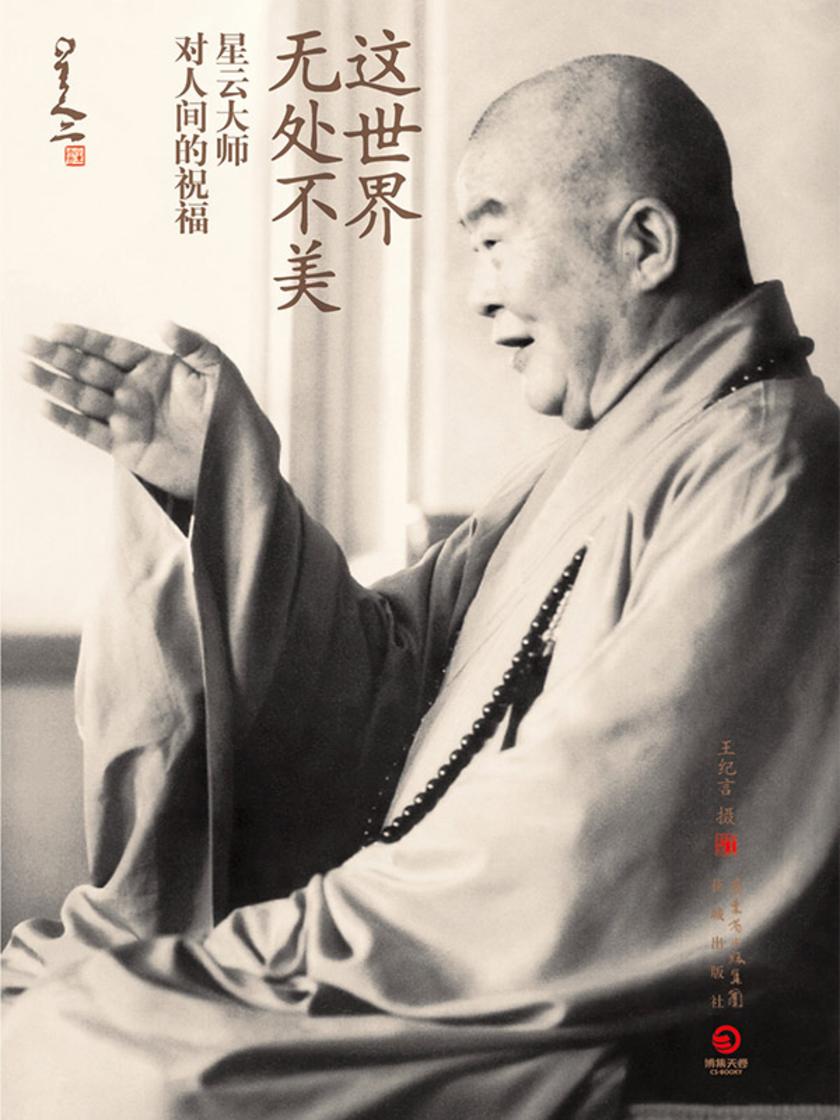
59元6本 命运靠自己1不急不急:星云大师说人生的坚持
命运靠自己1不急不急:星云大师说人生的坚持
星云大师
¥24.99
在“忙”中,有数不尽的乐趣;在“忙”中,有无限的喜悦;在“忙”中,能安身立命;在“忙”中,能多所体悟。“忙”的生活实在太美妙了!在“忙”中,我感觉到懒惰懈怠实在就是罪恶。我感受到生命之可贵在于跃动不息,身为万物之灵的人类焉能不将自己“忙”起来呢?有用的人,即使接受一点小因缘,也能点石成金,做得轰轰烈烈。我一生历经挫折、打击,但我从不灰心失意,因为我始终坚信只要自己不死,一定可以“活”出希望来!
新版宗教史丛书(4卷本)
新版宗教史丛书(4卷本)
主编 任继愈,杜继文,金宜久,作者 卿希泰,唐大潮,王美秀,段琦,文庸,乐峰等
¥108.00
【《佛教史》内容简介】 《佛教史》全面系统地介绍了佛教产生、发展和流传的历史。全书所记内容按原始佛教、部派佛教、南传佛教、北传佛教(包括汉传佛教、藏传佛教)展开,广泛涉及各教派和宗派的教义、经籍、人物、僧制、僧职等等,同时兼及佛教的节目、礼俗、典故、圣地、遗迹、建筑、文学、艺术等等。 【《道教史》内容简介】 宗教是人类历史上普遍存在的一种现象,对人类社会的政治、经济、思想、文化、艺术等等均产生了十分重大的影响。有的至今仍为一些国家和民族的所信仰,有的已化作一个民族的风俗习惯,深沉地影响该民族的文化和性格。 本书是一部道教通史,以时间为经,以教派分化为纬,全面系统地介绍了道教产生、发展和流传的历史。全书所记时限始于道教产生前的秦汉社会状况和思想渊源,止于当代道教在世界各地的传播。所记内容涉及道教及各支派的经籍、教义、人物、教制、教职等等,同时兼及道教的节日、礼俗、圣地、遗迹、建筑、文学、艺术等等。在对道教作全面考察的同时,书中还对道教与中国古代政治、社会、经济、文化、思想的关系,作了深刻的分析,对一些重要史事和学术问题也提出了不少新的见解。 【《伊斯兰教史》内容简介】 本书是一部伊斯兰教世界通史,以时间为经,以地区和国别为纬,全面系统地介绍了伊斯兰教产生、发展和流传的历史。全书所记时限始于伊斯兰教兴起前的阿拉伯社会状况,止于当今伊斯兰教在各国的情况和特点。所记内容按教派分化展开,广泛涉及伊斯兰教的经籍、教法、教义、人物、教制、教职等等,同时兼及伊斯兰教的节日、礼俗、圣地、遗迹、建筑、文学、艺术等等。在对伊斯兰教作全面考察的同时,书中还对伊斯兰教与政治、社会、经济、文化的关系,作了深刻的分析,对一些重要史事和学术问题也提出了不少新的见解。 【《基督教史》内容简介】 本书是一部基督教世界通史,以时间为经,以地区和国别为纬,全面系统地介绍了基督教产生、发展和流传的历史。全书所记时限始于基督教产生前的犹太社会状况,止于基督教在近现代中国的流传。所记内容按教派分化展开,广泛涉及基督教及各支派的经籍、教义、神学、人物、组织、教制、教职等等,同时兼及基督教的节日、礼俗、圣地、遗迹、建筑、文学、艺术等等。在对基督教本身作全面考察的同时,书中还对基督教与政治、社会、经济、文化的关系作了深刻的分析,对一些重要史事和学术问题也提出了新的见解。"
59元6本 性经验史(3卷本)
性经验史(3卷本)
米歇尔·福柯
¥19.99
《性经验史》是米歇尔·福柯的代表作。在本书中,福柯试图勾勒出自16世纪末以来在用科学方法研究性的话语中规训身体的权力机制的历史知识、权力、意志,走出现代的获救的希望是古希腊罗马的伦理,在这里,欲望和快乐不是被压抑和克制,而是被加以适度的控制和恰当的运用。
59元6本 导读维特根斯坦《哲学研究》
导读维特根斯坦《哲学研究》
阿里夫·阿迈德
¥26.60
本书是对《哲学研究》这部经典哲学著作的导读,其章节安排完全对应于《哲学研究》的结构,作者对维特根斯坦的论述思路做了细致地剖析,提示了各个章节的重段落,并一一做了深浅出地阐发。作者希望读者不要盲目顺从于维特根斯坦的哲学观或按照他所提议的方式去做哲学,而是要与这些观做批判性的交锋,努力地区别和提取他对我们的哲学知识做出贡献的理论,而这才是我们触这部著作应该有的态度。