


 购物车
购物车 个人中心
个人中心


谶纬与文学研究(精) 中华书局出品
¥38.30
谶纬是兴盛于汉代、流行于魏晋南北朝时期的一种学术思潮,它对汉魏六朝时期的社会政治和思想文化等各方面都产生了很大的影响,其中也对文学产生了重要的影响。本书分四个部分:*部分概述谶纬、谶纬的图像文本、谶纬的文学意义,以及《河图》《洛书》的神话;第二部分谶纬与古代文学创作的关系研究,对谶纬与谣谶、辞赋、志怪小说、诗谶和明清小说等不同文体的关系作了考察与论述;第三部分谶纬中的乐论和诗论研究;第四部分《文心雕龙》中有关谶纬与文学关系的问题研究。通过对谶纬与文学关系的研究,使我们更加清楚地看到古代文学、文学理论与学术思潮之间的关系。
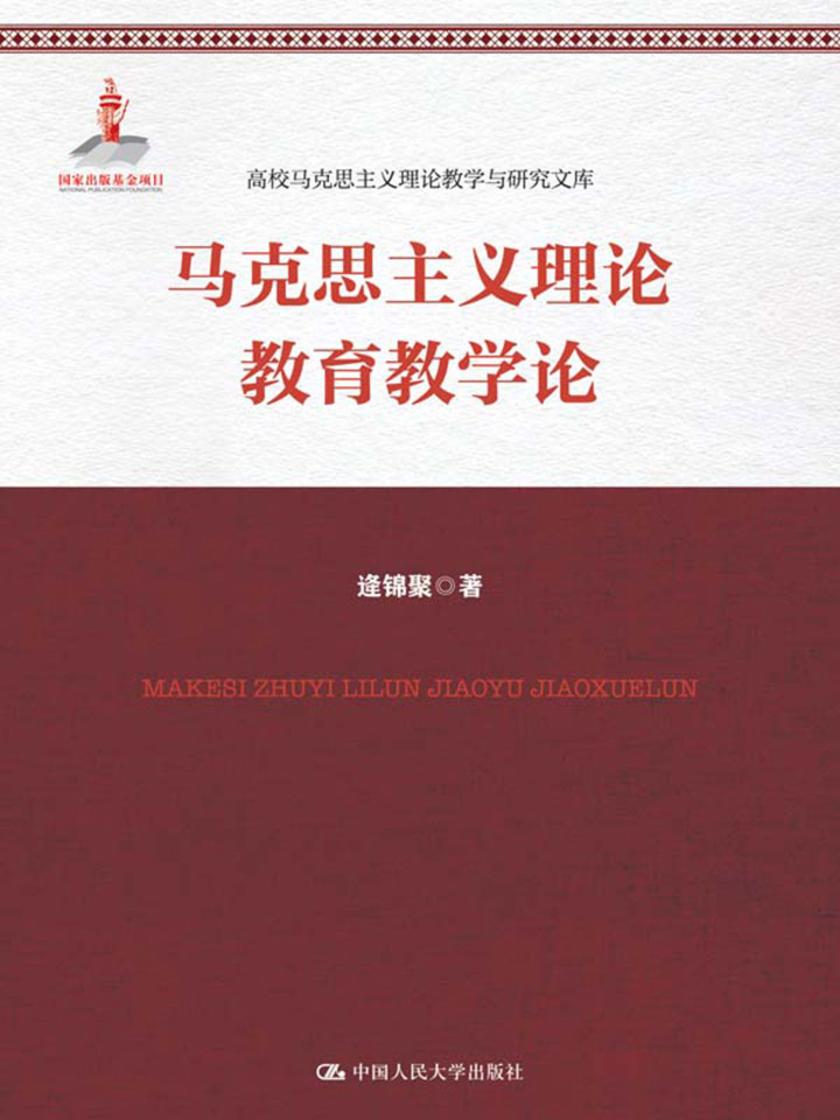
马克思主义理论教育教学论(高校马克思主义理论教学与研究文库;国家出版基金项目)
¥46.38
本书是作者近若干年特别是近十年关于马克思主义理论教育教学论研究和实际探索的小结。全书分为四篇:*篇探讨了马克思主基本理论和经典著作学习,第二篇论述了马克思主义理论学科建设和科学研究,第三篇阐释了马克思主义理论教材建设和教学改革,第四篇总结了思想政治教育和马克思主义理论队伍建设。力图从马克思主义整体性出发,集中探讨作为一级学科的马克思主义理论的教育教学。本书适合高校思想政治教育专业教师、思想政治理论课教师、党政干部以及马克思主义理论一级学科各个专业的本科生、研究生和博士后研究人员阅读。

高维度思考法:职场问题解决篇(提升思考维度,比默默努力更重要!在工作中洞察本质、实现创意跃迁的核心指南。)
¥8.54
为什么一直拼命努力却无法获得理想的业绩?为什么总有一些人能轻轻松松地实现目标?严格按照上司或客户的要求工作,就一定能让对方满意吗?如何才能读懂趋势,及时赶上下一个风口? 回答上面这些问题的关键,在于能否从更高维度发现问题和解决问题。本书通过大量职场问题的解决案例,详细解析了运用“元思维”实现高维度思考的两种方法:Why型思维和类推思维。Why型思维通过追问上层目的,帮助我们冲破思维定式和狭隘视野,洞察问题的本质;类推思维通过放眼大千世界,教我们如何从其他领域借鉴灵感,从而实现跳跃式创意。 如果你正被繁重的工作压得喘不过气来,或者正因为创意陷僵局而一筹莫展,那么不妨按着本书的提示,启一段简单高效的职场问题解决训练吧。如果能像无人机一样,像谷歌地球一样,从杂务中抽离出来,拉长镜头看一看,你会发现崭新的世界、不同的视角,所有难题都能迎刃而解。

中国佛教发展史略
¥16.80
本书是南怀瑾先生撰写的一部佛教史著作。全书分为五章,对古代印度的社会与宗教,佛教创始人释迦牟尼的生平事迹,汉代至清代佛教的兴衰变迁,二十世纪中国佛教的现状与思考,以及亚洲和欧美各国的佛教概况等,做了简明扼要的叙述。书末所附的《禅宗丛林制度与中国社会》,乃是研究佛教丛林制度的由来、内容及其社会影响的重要文献,颇具价值。

道德经全鉴(典藏诵读版)
¥18.99
《道德经》又名《老子》,分为上下两篇。上篇《道经》讲述了宇宙的根本,道出了天地万物变化的玄机,下篇《德经》说的是处世方略,道出了人事的进退之术《道德经全鉴(典藏诵读版)》以老子的《道德经》为原本,对原文进行注释、解析和翻译,每一章都有大量历史案例作为对原文思想的注解,做到了既有学术性,又有普及性,使读者更广泛。书中以二维码的形式加载配乐朗诵音频,欢迎读者下载品鉴。
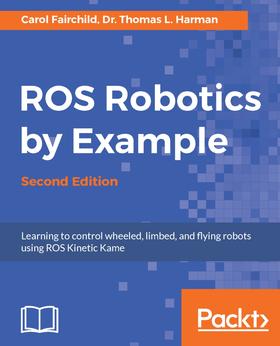
ROS Robotics By Example - Second Edition
¥371.39
Learning how to build and program your own robots with the most popular open source robotics programming framework About This Book Get to know the fundamentals of ROS and apply its concepts to real examples Learn how to write robotics applications without getting bogged down in hardware problems Learn to implement best practices in ROS development Who This Book Is For This book is for robotic enthusiasts, researchers and professional robotics engineers who would like to build robot applications using ROS. It gives the robotics beginner and the ROS newbie an immensely practical introduction to robot building and robotics application coding. Basic knowledge of GNU/Linux and the ability to write simple applications is assumed, but no robotics knowledge, practical or theoretical, is needed. What You Will Learn Control a robot without requiring a PhD in robotics Simulate and control a robot arm Control a flying robot Send your robot on an independent mission Learning how to control your own robots with external devices Program applications running on your robot Extend ROS itself Extend ROS with the MATLAB Robotics System Toolbox In Detail ROS is a robust robotics framework that works regardless of hardware architecture or hardware origin. It standardizes most layers of robotics functionality from device drivers to process control and message passing to software package management. But apart from just plain functionality, ROS is a great platform to learn about robotics itself and to simulate, as well as actually build, your first robots. This does not mean that ROS is a platform for students and other beginners; on the contrary, ROS is used all over the robotics industry to implement flying, walking and diving robots, yet implementation is always straightforward, and never dependent on the hardware itself. ROS Robotics has been the standard introduction to ROS for potential professionals and hobbyists alike since the original edition came out; the second edition adds a gradual introduction to all the goodness available with the Kinetic Kame release. By providing you with step-by-step examples including manipulator arms and flying robots, the authors introduce you to the new features. The book is intensely practical, with space given to theory only when absolutely necessary. By the end of this book, you will have hands-on experience on controlling robots with the best possible framework. Style and approach ROS Robotics By Example, Second Edition gives the robotics beginner as well as the ROS newbie an immensely practical introduction to robot building and robotics application coding. ROS translates as "robot operating system"; you will learn how to control a robot via devices and configuration files, but you will also learn how to write robot applications on the foundation of this operating system.
On the Eve by Ivan Turgenev - Delphi Classics (Illustrated)
¥8.09
This eBook features the unabridged text of ‘On the Eve by Ivan Turgenev - Delphi Classics (Illustrated)’ from the bestselling edition of ‘The Collected Works of Ivan Turgenev’. Having established their name as the leading publisher of classic literature and art, Delphi Classics produce publications that are individually crafted with superior formatting, while introducing many rare texts for the first time in digital print. The Delphi Classics edition of Turgenev includes original annotations and illustrations relating to the life and works of the author, as well as individual tables of contents, allowing you to navigate eBooks quickly and easily. eBook features: * The complete unabridged text of ‘On the Eve by Ivan Turgenev - Delphi Classics (Illustrated)’ * Beautifully illustrated with images related to Turgenev’s works * Individual contents table, allowing easy navigation around the eBook * Excellent formatting of the text Please visit www.delphiclassics.com to learn more about our wide range of titles
First Love by Ivan Turgenev - Delphi Classics (Illustrated)
¥8.09
This eBook features the unabridged text of ‘First Love by Ivan Turgenev - Delphi Classics (Illustrated)’ from the bestselling edition of ‘The Collected Works of Ivan Turgenev’. Having established their name as the leading publisher of classic literature and art, Delphi Classics produce publications that are individually crafted with superior formatting, while introducing many rare texts for the first time in digital print. The Delphi Classics edition of Turgenev includes original annotations and illustrations relating to the life and works of the author, as well as individual tables of contents, allowing you to navigate eBooks quickly and easily. eBook features: * The complete unabridged text of ‘First Love by Ivan Turgenev - Delphi Classics (Illustrated)’ * Beautifully illustrated with images related to Turgenev’s works * Individual contents table, allowing easy navigation around the eBook * Excellent formatting of the text Please visit www.delphiclassics.com to learn more about our wide range of titles
The Lady from the Sea by Henrik Ibsen - Delphi Classics (Illustrated)
¥8.09
This eBook features the unabridged text of ‘The Lady from the Sea by Henrik Ibsen - Delphi Classics (Illustrated)’ from the bestselling edition of ‘The Complete Works of Henrik Ibsen’. Having established their name as the leading publisher of classic literature and art, Delphi Classics produce publications that are individually crafted with superior formatting, while introducing many rare texts for the first time in digital print. The Delphi Classics edition of Ibsen includes original annotations and illustrations relating to the life and works of the author, as well as individual tables of contents, allowing you to navigate eBooks quickly and easily. eBook features: * The complete unabridged text of ‘The Lady from the Sea by Henrik Ibsen - Delphi Classics (Illustrated)’ * Beautifully illustrated with images related to Ibsen’s works * Individual contents table, allowing easy navigation around the eBook * Excellent formatting of the text Please visit www.delphiclassics.com to learn more about our wide range of titles
Sky Island by L. Frank Baum - Delphi Classics (Illustrated)
¥8.09
This eBook features the unabridged text of ‘Sky Island by L. Frank Baum - Delphi Classics (Illustrated)’ from the bestselling edition of ‘The Complete Works of L. Frank Baum’. Having established their name as the leading publisher of classic literature and art, Delphi Classics produce publications that are individually crafted with superior formatting, while introducing many rare texts for the first time in digital print. The Delphi Classics edition of Baum includes original annotations and illustrations relating to the life and works of the author, as well as individual tables of contents, allowing you to navigate eBooks quickly and easily. eBook features: * The complete unabridged text of ‘Sky Island by L. Frank Baum - Delphi Classics (Illustrated)’ * Beautifully illustrated with images related to Baum’s works * Individual contents table, allowing easy navigation around the eBook * Excellent formatting of the text Please visit www.delphiclassics.com to learn more about our wide range of titles
The Witch’s Head by H. Rider Haggard - Delphi Classics (Illustrated)
¥8.09
This eBook features the unabridged text of ‘The Witch’s Head by H. Rider Haggard - Delphi Classics (Illustrated)’ from the bestselling edition of ‘The Complete Works of H. Rider Haggard’. Having established their name as the leading publisher of classic literature and art, Delphi Classics produce publications that are individually crafted with superior formatting, while introducing many rare texts for the first time in digital print. The Delphi Classics edition of Haggard includes original annotations and illustrations relating to the life and works of the author, as well as individual tables of contents, allowing you to navigate eBooks quickly and easily. eBook features: * The complete unabridged text of ‘The Witch’s Head by H. Rider Haggard - Delphi Classics (Illustrated)’ * Beautifully illustrated with images related to Haggard’s works * Individual contents table, allowing easy navigation around the eBook * Excellent formatting of the text Please visit www.delphiclassics.com to learn more about our wide range of titles

The Time Of Women
¥90.03
Life is not easy in the Soviet Union at mid-20 th century, especially for a factory worker who becomes an unwed mother. But Antonina is lucky to get a room in a communal apartment that she and her little girl share with three elderly women. Glikeria is a daughter of former serfs. Ariadna comes from a wealthy family and speaks French. Yevdokia is illiterate and bitter. All have lost their families, all are deeply traditional, and all become “grannies” to little Suzanna. Only they secretly name her Sofia. And just as secretly they impart to her the history of her country as they experienced it: the Revolution, the early days of the Soviet Union, the blockade and starvation of World War II. The little girl responds by drawing beautiful pictures, but she is mute. If the authorities find out she will be taken from her home and sent to an institution. When Antonina falls desperately ill, the grannies are faced with the reality of losing the little girl they love – a stepfather can be found before it is too late. And for that, they need a miracle.

Delphi Complete Works of Henry Howard, Earl of Surrey (Illustrated)
¥16.27
One of the most influential and important figures of the Renaissance, Henry Howard, Earl of Surrey was the first poet to use blank verse in English literature, later influencing the works of Shakespeare, Spenser and Milton. This new edition of the bestselling Delphi Poets Series offers superior formatting of the complete surviving works of Surrey, with beautiful illustrations and the usual Delphi bonus material. (Version 1) * Beautifully illustrated with images relating to Surrey's life and works * Concise introduction to the influential early Renaissance poet * Excellent formatting of the poems * Special chronological and alphabetical contents tables for the poetry * Easily locate the poems you want to read * Includes line numbers ? ideal for students * Features a bonus biography - explore Surrey's literary life Please visit www.delphiclassics.com to browse through our range of exciting titles CONTENTS: The Poetry of Surrey BRIEF INTRODUCTION: HENRY HOWARD, EARL OF SURREY The Poems LIST OF POEMS IN CHRONOLOGICAL ORDER LIST OF POEMS IN ALPHABETICAL ORDER The Biography HENRY HOWARD by Sidney Lee Please visit www.delphiclassics.com to browse through our range of exciting titles

Dream Finder: An independent novel of good and evil set in the world of "The Chr
¥32.62
The city of Serenstad has never been stronger, and superstitions are waning in the light of reason and civilization. For the Guild of Dream Finders this has proved disastrous, until Duke Ibris, troubled by mystifying and unsettling dreams, orders Antyr, leader of the Guild, to become the Dream Nexus. Dream Finder is an independent novel set in the world of The Chronicles of Hawklan". --------------- "This is good grown-up stuff; more please." -- Interzone "Big meaty fantasy." -- Darlington Northern Echo "This is wonderful stuff." -- Brum Group News "

批判性思维、逻辑论证:有理有据地说服他人(套装3册)
¥49.99
《论证是一门学问》是一本清晰、简洁、实用、有趣的论证规则手册。本手册能够使你的文章、谈话、辩论及论文写作更有理有据,更有说服力,更容易被读者、听众和对手欣然接受。 作者运用大量易于理解、趣味性十足、生活化的例证,归纳了 50 条论证规则,涵盖各学科、各种类型的论证。 本书首先告诉你构建简论的通则:如何从可靠的前提出发,如何理顺思路,如何使自己的论证简明、具体;其次,介绍了举例论证、因果论证和演绎论证,讨论了详论、口头陈述以及议论文写作和公共辩论所应遵循的规则;后,作者又揭开了论证过程中常见的谬误及陷阱。 《思维的模式》是20世纪伟大的思想家怀特海的代表著作之一,书中收录了他的九篇演讲,在这些演讲中,他阐述了自己综合性的思维模式。 现代科学给我们建立了一种思维模式,即在有限前提下作出假定。怀特海反对这种固有的思考模式。 他认为,我们不应该将自己的视野局限于此,而不思索世界和生活的整体。他认为哲学产生于好奇,如果缺乏兴趣,我们对任何问题的探讨都会是机械的。 怀特海所说的兴趣不是建立在对一般环境条件反射的基础之上,不是对琐碎细节的兴趣,他认为高级思维应该在世间万物中间建立联系,每一个事实都包含无限的细节,无限的细节会生发无数的结果。 这种综合的思维模式能够带给我们新颖的思考角度,开拓我们的视野,激发我们的创造力和创新性思维。它能够使我们打破固有的思考方式,建立灵活、多变的思维模式,实现学习、职场和生活的进阶。 《我们如何思维》是著名哲学家、教育学家约翰?杜威的代表作之一,详述了思维的过程和本质,并通过大量实例帮助我们提高思维能力。指出思维的本质并非记忆、听来的故事或偏见,而是经过批判、推理、论证结论之后的信念;提出了反省思维的必要性,表明只有正确思维才能提高规划与谋略能力,获取避免不良后果的措施;提供了进行思维训练的一系列步骤,包括加入逻辑推理要素,进行系统性的推论和试证,引入实例验证思维结果的正确性,等等。有助于我们对思维有一个全新而正确的认识,突破本能的禁锢,跳出思维舒适区,掌握科学有效的思维方法,并终提升实践活动中的效能。
The Athenian Constitution
¥40.79
The Constitution of the Athenians describes the political system of ancient Athens. The treatise was composed between 330 and 322 BC.
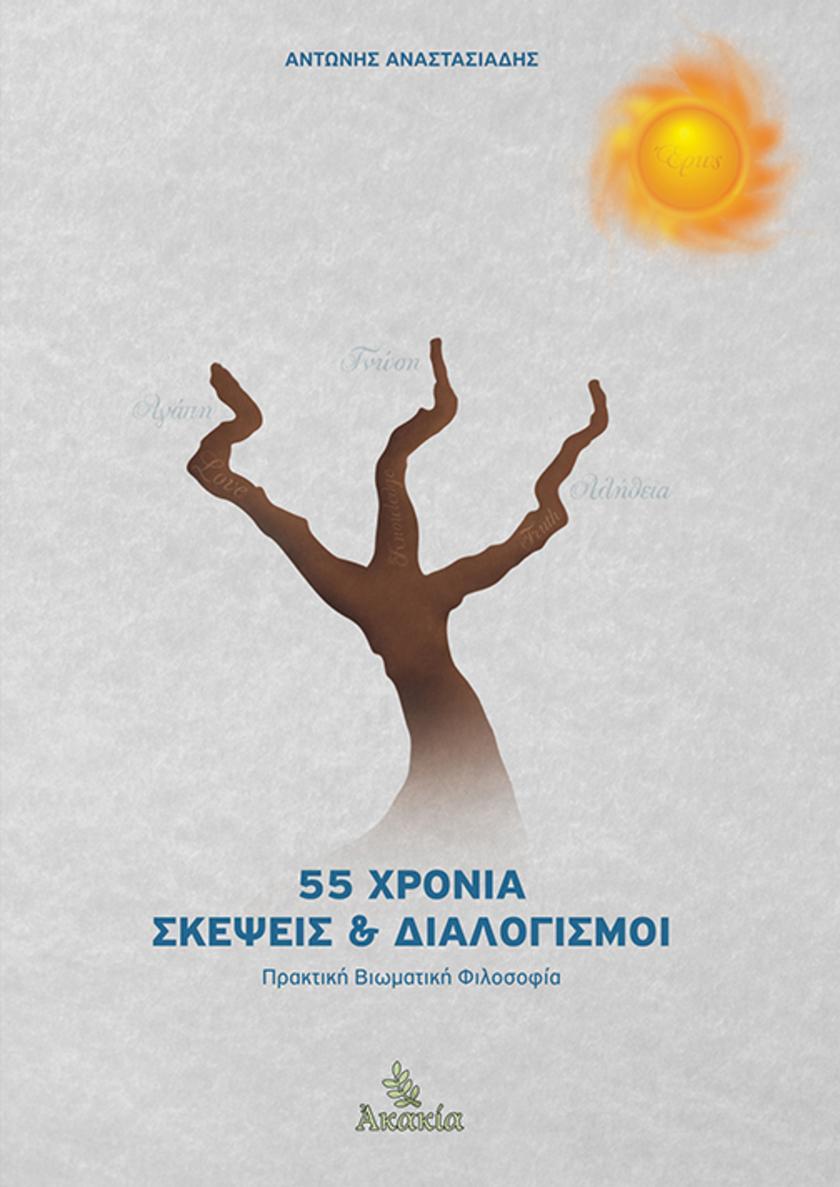
55 Χρ?νια Σκ?ψει? & Διαλογισμο?
¥84.20
Το παρ?ν βιβλ?ο ?55 Χρ?νια Σκ?ψει? & Διαλογισμο?? ε?ναι το απ?σταγμα συνεχο?? προσπ?θεια?, αναζητ?σεων, προβληματισμ?ν, σκ?ψεων και διαλογισμ?ν εν?? ανθρ?που. Με πολυπο?κιλο και ποικιλ?μορφο θεματικ? περιεχ?μενο σε πεζ? κυρ?ω? μα και ποιητικ? λ?γο, τα θ?ματα ε?ναι ?λα απ? την καθημεριν?τητα: Κοινωνικ?, πολιτικ?, φιλοσοφικ?, ερωτικ?, γενικ?τερη? αναζ?τηση? κ.τ.λ.Πολλ? τα ερωτ?ματα που ξεπροβ?λλουν εμπρ?? σε κ?θε σκεπτ?μενο ?νθρωπο που βαδ?ζει το προσωπικ? του μονοπ?τι π?νω στην γη και ο οπο?ο? αναζητε? απαντ?σει? και λ?σει? των προβλημ?των τη? ζω??. Γιατ? αντιμ?χονται οι λαο?; Γιατ? μαλ?νουν οι ?νθρωποι; Τι δυσκολε?ει την ανθρ?πινη επικοινων?α την καθημεριν?; Τι ε?ναι η τ?χνη και η ομορφι?; Τι ε?ναι οι επιστ?με? οι πολλ?? και ποια ε?ναι τα ?ρια του? τα αληθιν?; Πρ?πει να τι? εμπιστευ?μαστε λοιπ?ν; Τι ε?ναι η ?σοφ?α? και η ?ομορφι?? και ποιε? οι γν?σει? που αξ?ζουν τελικ?; Ποια ε?ναι η αλ?θεια η μοναδικ?. Υπ?ρχει γν?ση αντικειμενικ?; Υπ?ρχει το καλ? και το κακ?; Ε?ναι λοιπ?ν τα τρ?α ιδανικ?, η ?Αγ?πη?, η ?Γν?ση? και η ?Αλ?θεια? τελικ?;?τσι λοιπ?ν ξεκ?νησα ?να πρω?, τι? σκ?ρπιε? σκ?ψει? μου αυτ??, το κατακ?θι μια? ολ?κληρη? ζω?? ?λων εκε?νων για τα οπο?α τ?σο πολ? ?χω προβληματιστε? και ?λα τα ερωτ?ματ? μου που ?χουν καταγραφε?, να τα μαζ?ψω ?να πρω?, ?λα αυτ? που ε?χα καταγεγραμμ?να εδ? και εκε?, σε ?να βιβλ?ο προσωπικ? σκ?ψεων και διαλογισμ?ν. Ε?ναι ?να βιβλ?ο τη? ζω?? λοιπ?ν το βιβλ?ο αυτ?, βγαλμ?νο απευθε?α? μ?σα απ? την ζω? που με συγκ?νηση το καταγρ?φω και με περ?σσια περισυλλογ?.Ε?ναι βιβλ?ο τη? ζω?? και απευθ?νεται σε κ?θε σκεπτ?μενο καλοπροα?ρετο και ?ντιμο αναγν?στη αλλ? και σε ηλικ?ε? νεαρ??, που με την καθαρ?τητα που ?χουν στη ψυχ?, πιο ε?κολα κι αντιλαμβ?νονται το ?μορφο, το δ?κιο και το σωστ?. Πεν?ντα π?ντε χρ?νια σκ?ψεων και διαλογισμ?ν ε?ναι το βιβλ?ο αυτ?. Ε?ναι μια αναζ?τηση τη? ?Αγ?πη??, τη? ?Γν?ση?? και τη? ?Αλ?θεια?

Canoeing in the wilderness
¥40.79
At the time Thoreau made this wilderness canoe trip he was forty years old. The record of the journey is the latter half of his The Maine Woods, which is perhaps the finest idyl of the forest ever written. It is particularly charming in its blending of meditative and poetic fancies with the minute description of the voyager’s experiences.

The Great Learning
¥40.79
What the great learning teaches, is to illustrate illustrious virtue; to renovate the people; and to rest in the highest excellence. The point where to rest being known, the object of pursuit is then determined; and, that being determined, a calm unperturbedness may be attained to. To that calmness there will succeed a tranquil repose. In that repose there may be careful deliberation, and that deliberation will be followed by the attainment of the desired end.
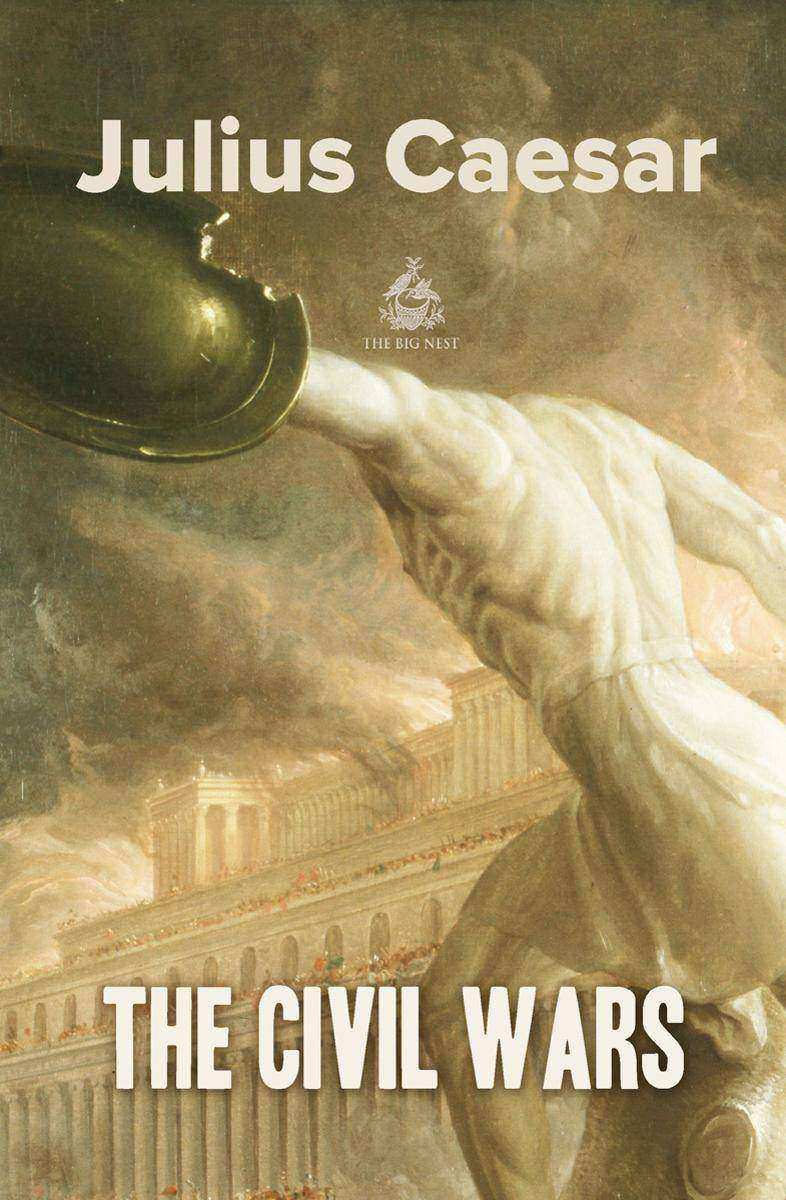
The Civil Wars, Book 3
¥40.79
Julius Caesar, holding the election as dictator, was himself appointed consul with Publius Servilius; for this was the year in which it was permitted by the laws that he should be chosen consul. This business being ended, as credit was beginning to fail in Italy, and the debts could not be paid, he determined that arbitrators should be appointed: and that they should make an estimate of the possessions and properties of the debtors, how much they were worth before the war, and that they should be handed over in payment to the creditors. This he thought the most likely method to remove and abate the apprehension of an abolition of debt, the usual consequence of civil wars and dissensions, and to support the credit of the debtors.
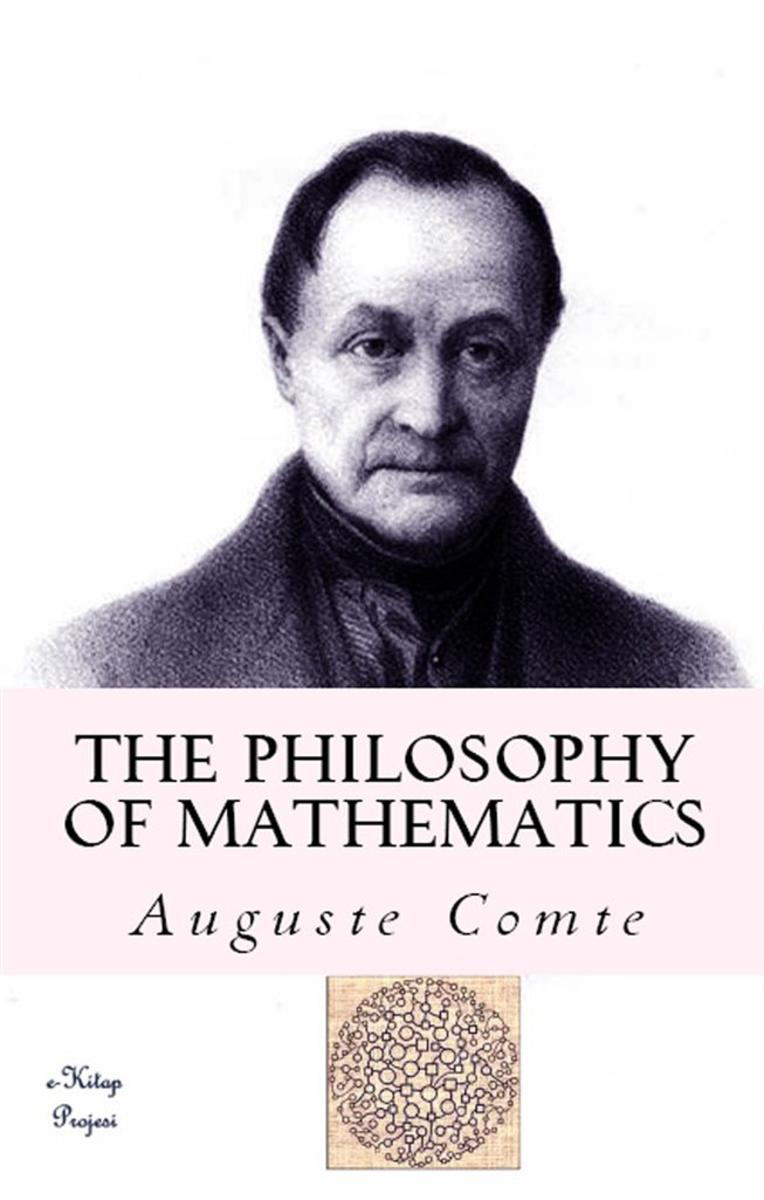
The Philosophy of Mathematics: "A True Definition of Mathematics"
¥37.11
In The philosophy of mathematics, mathematics employee classification efforts to understand the philosophy is the branch.?The main question is related to the source of the object that is the subject of mathematics and mathematics. In particular examine the characteris-tics of a true proposition:??? What are the sources of mathematical subject matter??? What is about the meaning of a mathematical object??? What is the nature of a mathematical proposition??? What is the relationship between logic and mathematics??? What is the role of mathematics hermeneutic??? Mathematics played a role in the investigation which type?? What is the subject of mathematical investigations??? What is the human traits behind mathematics??? What is mathematical beauty??? What is the nature and source of mathematical truth???What is the relationship between mathematics and abstract material universe with the world???Another important issue is the reality of a mathematical the-ory. Mathematics (from the Natural Sciences as different) experimentally is sought reasons to find real specific mathematical theory can not be tested (see. Epistemology). Luitz that Brouwer 's laid the foundation for intuitionist mathematics of the representatives knew of this view. The logical mathematics is the approach of Bertrand Russell and Gottlob Frege was defended by David Hilbert, formalism is considered the repre-sentative of the current. Traditionalism logician the empiricist's (Rudolf Carnap, A. J. Ayer, Carl Hempel) were represented by one of the key issues in the philosophy of mathematics is also important to regard the certainty problem. Austrian logician Kurt G?del's also work Mathema-tics and mathematics.


