


 购物车
购物车 个人中心
个人中心

Fascinate
¥151.10
What triggers fascination, and how do companies, people, and ideas put those triggers to useWhy are you captivated by some people but not by othersWhy do you recall some brands yet forget the restIn a distracted, overcrowded world, how do certain leaders, friends, and family members convince you to change your behaviorFascination: the most powerful way to influence decision making. It's more persuasive than marketing, advertising, or any other form of communication. And it all starts with seven universal triggers: lust, mystique, alarm, prestige, power, vice, and trust. Fascination plays a role in every type of decision making, from the brands you choose to the songs you remember, from the person you marry to the employees you hire. And by activating the right triggers, you can make anything become fascinating.To explore and explain fascination's irresistible influence, Sally Hogshead looks beyond marketing, delving into behavioral and social studies, historical precedents, neurobiology and evolutionary anthropology, as well as conducting in-depth interviews and a national study of a thousand consumers, to emerge with deeply rooted patterns for why, and how, we become captivated.Hogshead reveals why the Salem witch trials began with the same fixations as those in Sex and the City. How Olympic athletes are subject to obsessions similar to those of fetishists. How a 1636 frenzy over Dutch tulip bulbs perfectly mirrors the 2006 real estate bubble. And why a billion-dollar "Just Say No" program actually increased drug use among teens, by activating the same "forbidden fruit" syndrome as a Victoria's Secret catalog.Whether you realize it or not, you're already using the seven triggers. The question is, are you using the right triggers, in the right way, to get your desired resultThis book will show you.
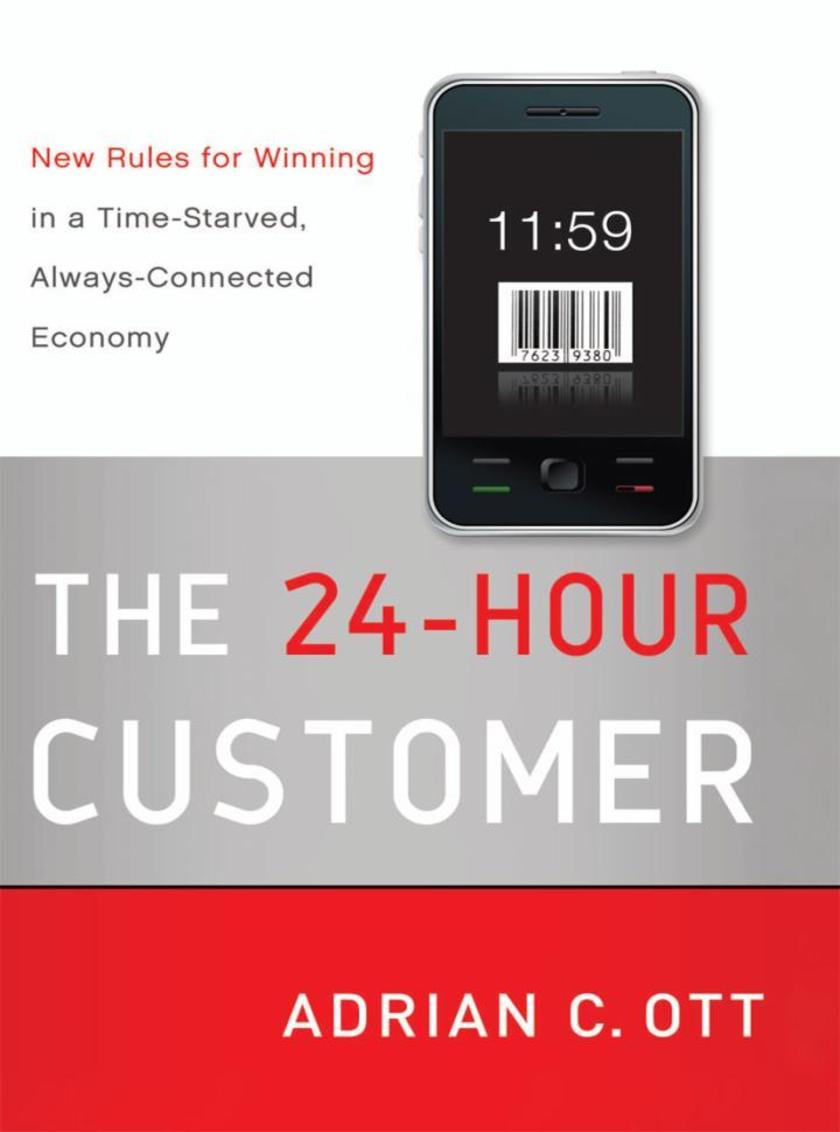
The 24-Hour Customer
¥151.53
Time is not money.Time is more important than money. Today's customers are overwhelmed, overworked, and overstressed, and it seems that everyone from CEOs to soccer moms is short on time and inundated with information. As a result, despite the availability of 24/7 commerce and countless ways of engaging people in our multiscreen (mobile, TV, and PC) economy, companies find it more difficult than ever to claim even a fraction of the 1,440 minutes in their customers' precious 24 hours. In The 24-Hour Customer, Adrian C. Ott, CEO of a successful Silicon Valley consultancy, argues that companies need to strategically harness the ebbs and flows of customer time and attention in order to win in today's competitive landscape. She explores the economics of time and attention, including why customers will devote hours addicted to social networks, yet will say "I have no time!" to other offerings. Based on extensive research and real-world results with market-leading companies, this book provides tools, such as Time-Value Tradeoffs and Time-ographics, that pinpoint opportunities to increase revenue and gain market traction. Filled with fascinating case studies from companies like Johnson Johnson, Amazon, and iPhone app start-ups, The 24-Hour Customer offers fresh ideas for capitalizing on the elements of time, attention, and value to innovate never-before-considered products, services, and programs for today's ber-connected, multitasking customer. Readers will discover how: Zipcar utilized time-slicing to redefine automobile ownership and grew by 70 percent, while the auto industry struggled in 2009; Netflix, Hulu, and others time-shifted to movies on-demand, ultimately restructuring the entertainment industry; P&G leveraged inattention by enabling habit-formation for some of its most successful brands. This book shares the latest strategic weapons for achieving market leadership and will change the way executives think about their businesses and their customers.
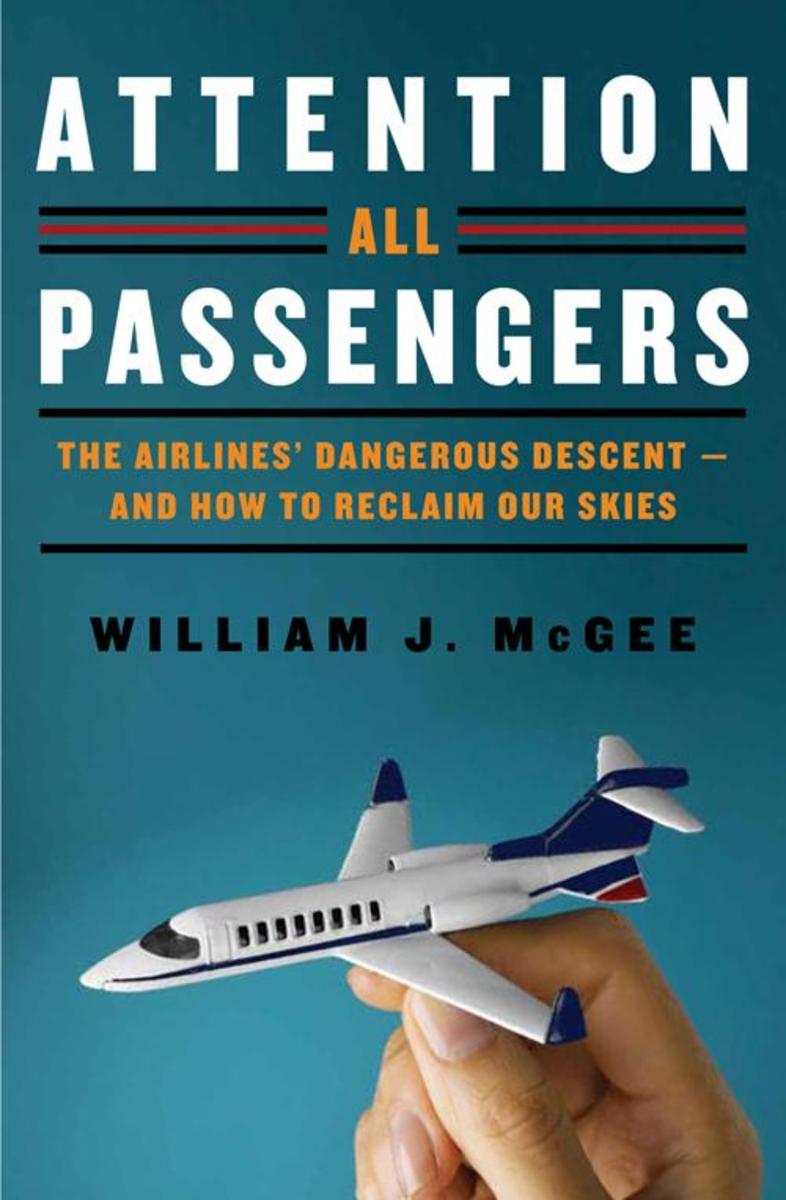
Attention All Passengers
¥151.10
Award-winning journalist and leading consumer advocate William J. McGee offers a shocking, essential exposé that reveals the real state of the "friendly skies."From outsourced call centers in India to the Alabama location where all lost baggage ends up, William J. McGee crisscrossed the country and traveled around the globe immersing himself deep into the world of commercial airlines. And what he found was shocking.McGee interviewed countless industry insiders pilots, TSA security screeners, FAA inspectors, legislators, the CEOs of the major carriers, and even Ralph Nader and Steven Slater, the disgruntled flight attendant who famously jettisoned a JetBlue flight. Here he reveals how airline executives are cutting costs in "a mad race to the bottom" by delegating flights to second-tier regional airlines and outsourcing critical aircraft maintenance and repairs to unlicensed "mechanics" in China, Singapore, Mexico, and El Salvador. And while the U.S. airlines have raked in tens of billions of dollars for checked baggage alone in recent years, our skies (and our airports) are not getting any safer. What's more, McGee explains how both political parties and all branches of the U.S. government have conspired to place corporate interests above the interests of consumers, workers, the nation's economy, and even the planet itself. Attention All Passengers will change the way you view the airline industry and make you think twice the next time you see the fasten seat belts sign.
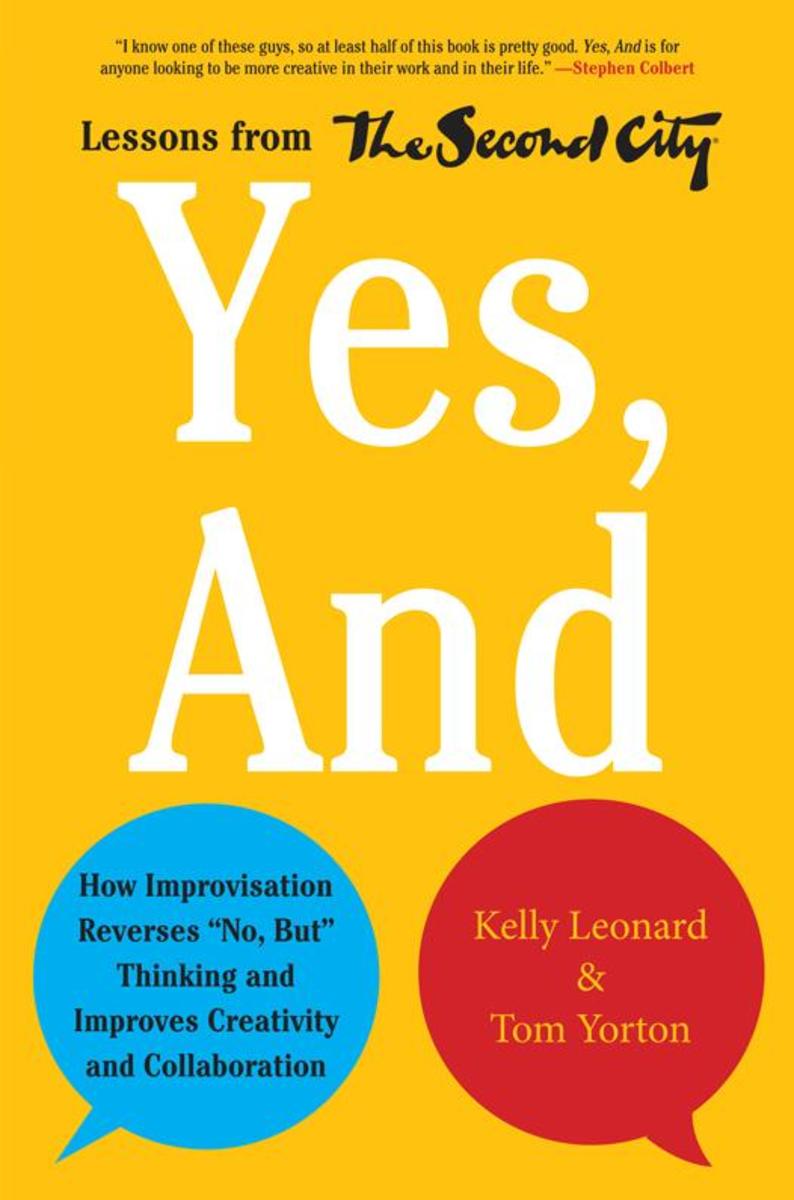
Yes, And
¥162.76
The Second City has launched the careers of celebrated comic performers such as Tina Fey and Stephen Colbert and produced award-winning content. But it's the actual improvisational process developed and honed over the years by The Second City that has become its legacy. Players master an ability to co-create in ensembles, using philosophies that celebrate a "Yes, And" approach. They embrace authenticity and failure, and espouse the idea of "following the follower," which allows any member of the team to assume a leadership role. For more than two decades, The Second City has taken these same principles in thousands of corporate clients, showing leaders how to apply the tools of improv to common business challenges. Here, for the first time, Second City executives Kelly Leonard and Tom Yorton describe how you can use the same skills that thrill audiences around the world to improve your emotional intelligence, increase creativity, and learn to pivot out of tight and uncomfortable situations. In this engaging, often humorous, and highly practical book, you will learn how to become a more compelling leader and a more collaborative follower by employing the seven elements of improv: Yes, And, by which you give every idea a chance to be acted on; Ensemble, reconciling the needs of individuals with those of the broader team; Co-creation, which highlights the importance of dialogue in creating new products, processes, and relationships; Authenticity, or being unafraid to speak truth to power, challenge convention, and break the rules; Failure, teaching us that not only is it okay to fail, but we should always include it as part of our process; Follow the Follower, which gives any member of the group the chance to assume a leadership role; Listening, in which you learn to stay in the moment, and know the difference between listening to understand and listening merely to respond. When we are fiercely following the tenets of improvisation, we generate ideas both quickly and efficiently, we weather storms with more aplomb, and we don't work burdened by a fear of failure. Even better, these qualities are fully transferable to our lives outside the office. More people are beginning to recognize what The Second City has known for a long time: In the midst of a revolution in how we learn, communicate, and work, professional success often rests on the same pillars that form the foundation of great comedy: Creativity, Communication, and Collaboration. That's where improvisation comes in.

Smartcuts
¥149.48
Serial entrepreneur and journalist Shane Snow delves into the reasons why some people and some organizations are able to achieve incredible things in implausibly short time frames, showing how each of us can use these "smartcuts" to rethink convention and accelerate success.Why do some companies attract millions of customers in mere months while others flopHow did Alexander the Great, YouTube phenom Michelle Phan, and Tonight Show host Jimmy Fallon dash to the top in less time than it takes most of us to get a midlevel promotionHow do high-growth businesses, world-class heart surgeons, and underdog marketers beat the norm?Like computer hackers, a handful of innovators in every era use lateral thinking to find better routes to stunning accomplishments. Throughout history, the world's biggest successes have been achieved by those who refuse to follow the expected course and buck the norm.Smartcuts is about bucking the norm. In it, Snow shatters common wisdom about success, revealing how conventions like "paying dues" prevent progress, why kids shouldn't learn multiplication tables, and how, paradoxically, it's easier to build a huge business than a small one.Smartcuts tells the stories of innovators who dared to work differently and lays out practical takeaways for the rest of us. It's about applying entrepreneurial and technological concepts to success, and how, by emulation, we too can leapfrog competitors, grow businesses, and fix society's problems faster than we think.
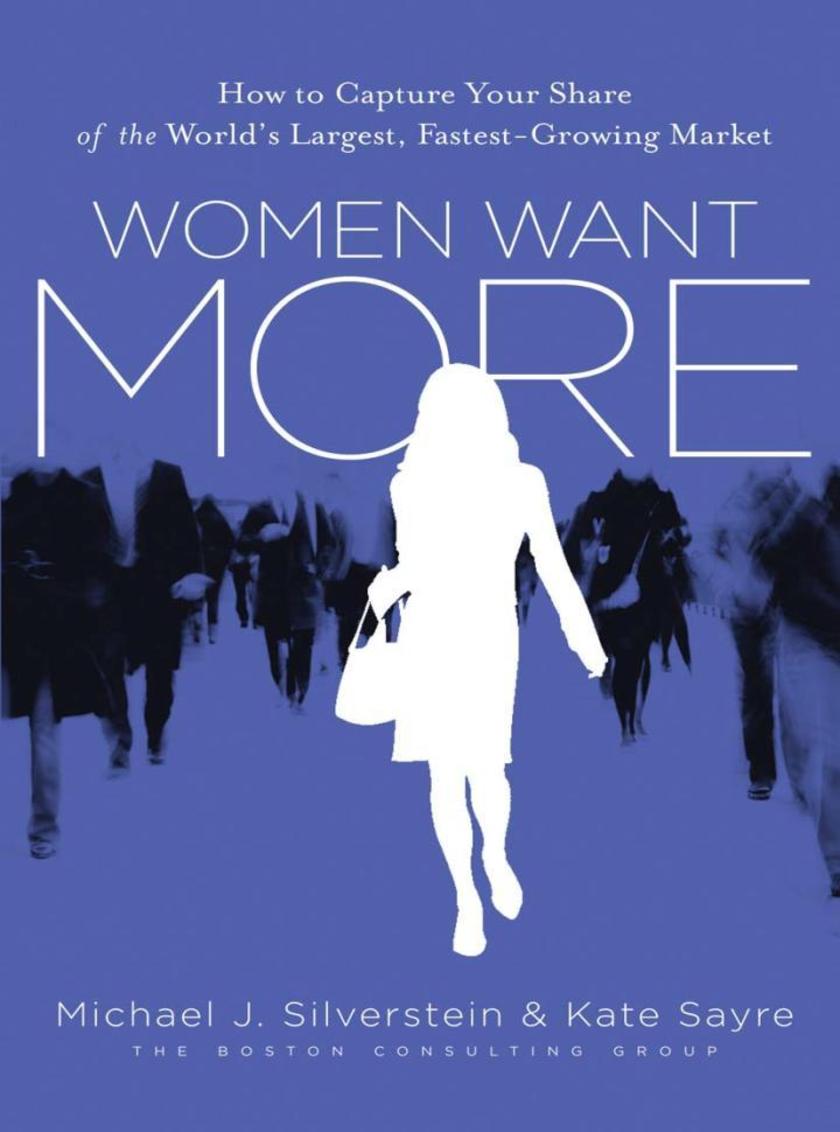
Women Want More
¥157.15
Haven't women gotten everything they wantEconomic powerSocial influenceBusiness cloutYes, but it turns out that these fantastic gains have come at a heavy price, as consumer goods experts Michael J. Silverstein and Kate Sayre discovered in an unprecedented study of 12,000 women in forty countries.That relentless upward climb has left women feeling stressed out, time starved, and overburdened. As a result, they look to products and services that will help them claw back time, juggle multiple roles, and capture a few moments of enjoyment.Women want more much more, in every category of goods and services. And no matter what their age or economic situation or where they live in the world, women will spend trillions of dollars over the next decade on the brands that truly deliver: Home-cleaning products that enable women to do in an hour what used to take a day Financial-services products that recognize that women control half the United States' wealth Food products that help keep the whole family happy and healthy Health care services designed for working-women's hectic schedules In the coming years, women's influence will be so enormous that it will not only help bring us out of the economic downturn but also create one of the most dramatic market opportunities of our lifetime bigger than the rise of China and India; more sustainable than any bailout package.Through quantitative data, profiles of individual women, and stories of winning companies, Women Want More provides business leaders with the understanding and practices they need to capture their share of the rising "female economy."
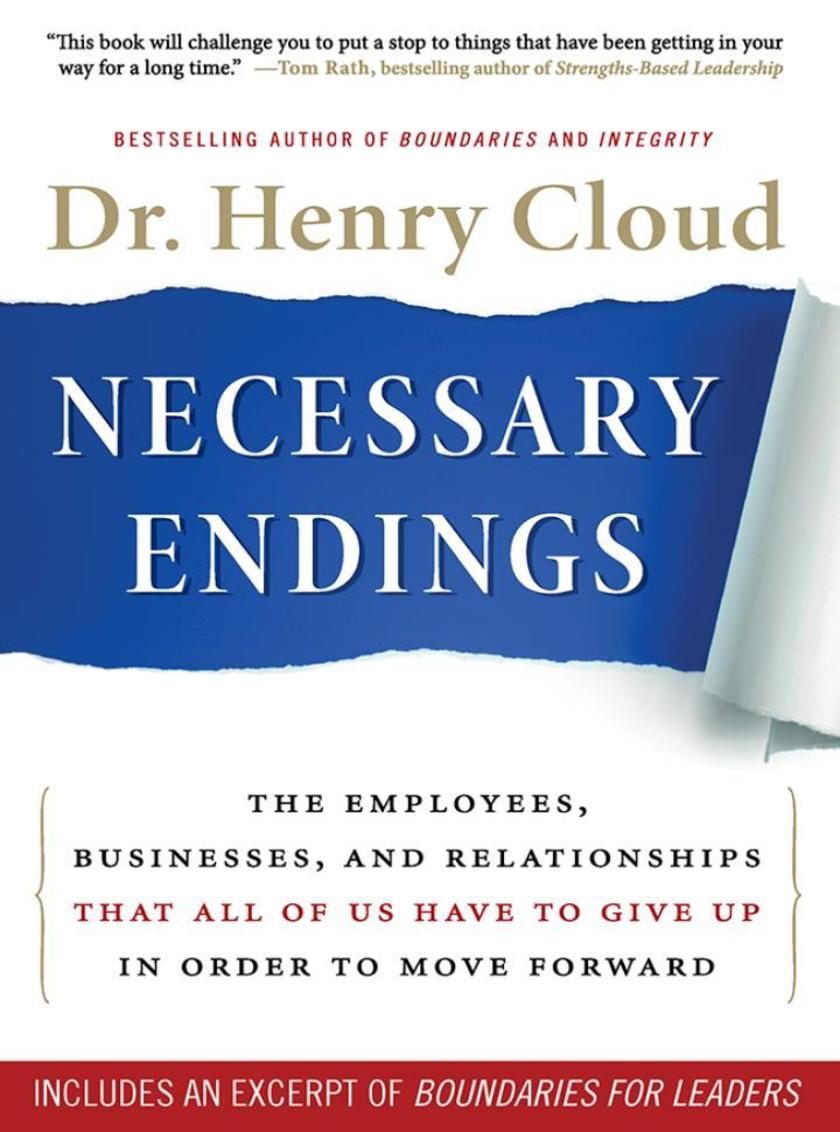
Necessary Endings
¥155.02
End Pain.Foster Personal and Professional Growth.Live Better. While endings are a natural part of business and life, we often experience them with a sense of hesitation, sadness, resignation, or regret. But consultant, psychologist, and bestselling author Dr. Henry Cloud sees endings differently. He argues that our personal and professional lives can only improve to the degree that we can see endings as a necessary and strategic step to something better. If we cannot see endings in a positive light and execute them well, he asserts, the "better" will never come either in business growth or our personal lives.In this insightful and deeply empathetic book, Dr. Cloud demonstrates that, when executed well, "necessary endings" allow us to proactively correct the bad and the broken in our lives in order to make room for the professional and personal growth we seek. However, when endings are avoided or handled poorly as is too often the case good opportunities may be lost, and misery repeated. Drawing on years of experience as an executive coach and a psychologist, Dr. Cloud offers a mixture of advice and case studies to help readers know when to have realistic hope and when to execute a necessary ending in a business, or with an individual; identify which employees, projects, activities, and relationships are worth nurturing and which are not; overcome people's resistance to change and create change that works; create urgency and an action plan for what's important; stop wasting resources needed for the things that really matter. Knowing when and how to let go when something, or someone, isn't working a personal relationship, a job, or a business venture is essential for happiness and success. Necessary Endings gives readers the tools they need to say good-bye and move on.
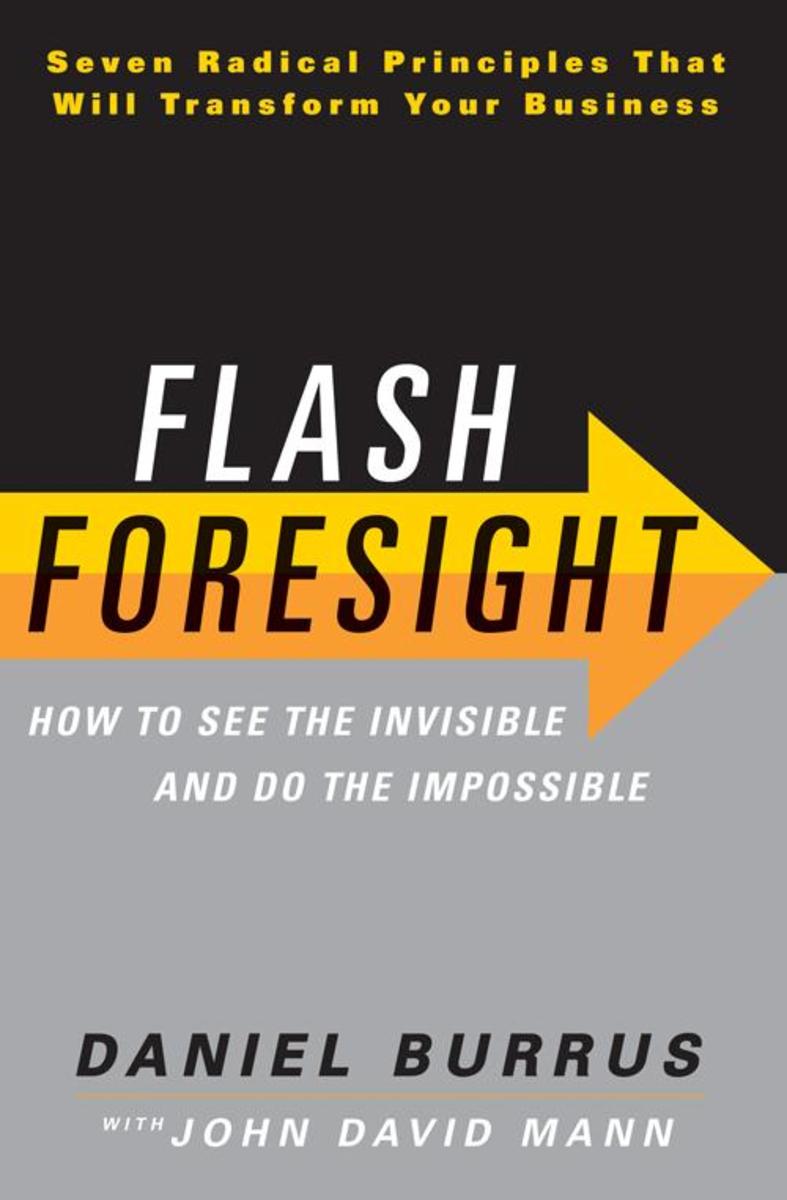
Flash Foresight
¥155.02
Today we all face more impossible challenges than ever before. But flash foresight lets you transform the impossible into the possible, revealing hidden opportunities and allowing you to solve your biggest problems before they happen. Daniel Burrus is one of the world's leading forecasters, corporate strategists, and visionaries. Over the past quarter century, he has established a reputation worldwide for his exceptional record of accurately predicting the future of technological change and its direct impact on the business world."Wouldn't it be amazing if you could predict the future and be right?" writes Burrus. "You can: all you have to do is leave out the parts you could be wrong about! And the amazing thing is, when you know where to look, there's more than enough you can be right about to make all the difference."From small businesses to multinationals, individual careers to entire industries, Flash Foresight looks at how Burrus's seven radical flash foresight "triggers" have transformed dozens of careers, fortunes, and lives. Both engaging and enlightening, Flash Foresight provides an easy-to-implement blueprint for applying the same strategies to your own business, enabling you to see the invisible and do the impossible.In the past, flash foresight was useful. Today, as the pace of technological change accelerates almost beyond the point of comprehension, it's an imperative.
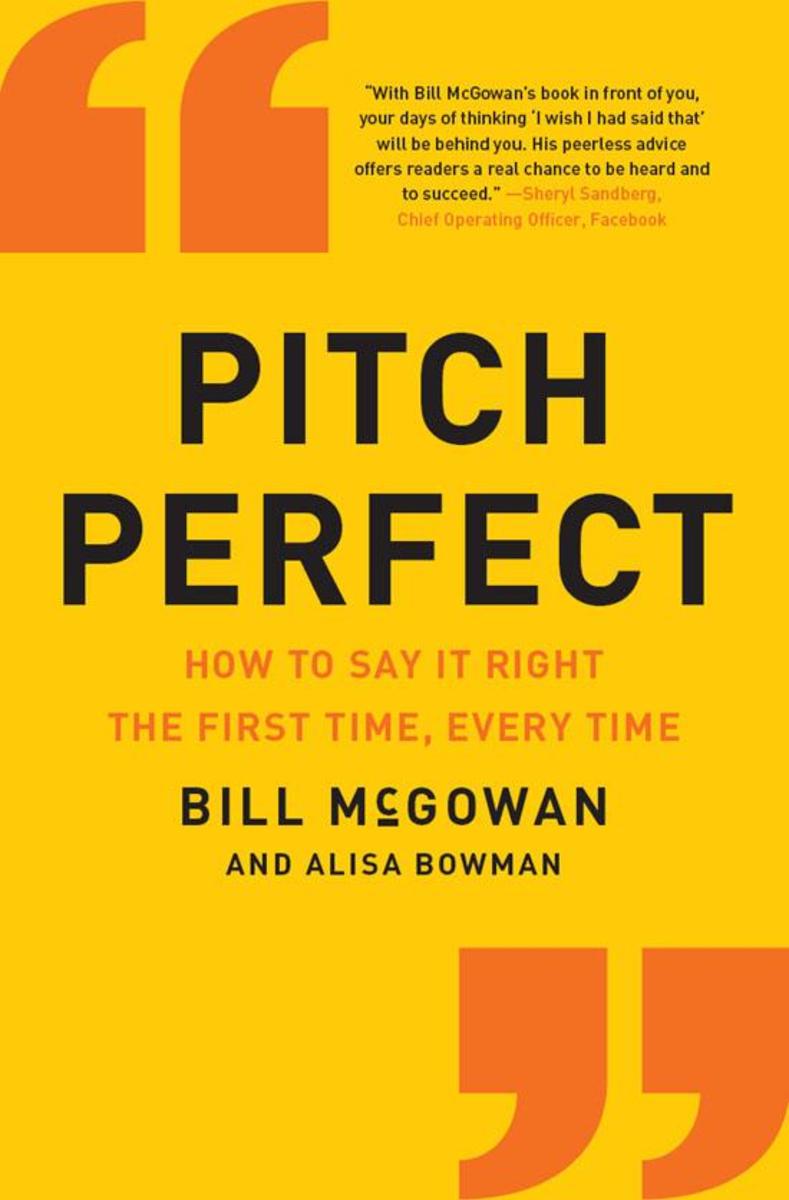
Pitch Perfect
¥155.02
The media coach and Emmy Award-winning correspondent Bill McGowan shares his secrets of pitch-perfect communications, showing readers how to communicate with confidence.During the pivotal moments of our lives, results are often determined not only by our actions but by our words as well. Saying the right thing the right way can make the difference between sealing the deal or losing the account, advancing your career or suffering a demotion. During these moments, it's important to be pitch perfect to use precisely the right tone to convey the right message to the right person at the right time. Such pitch-perfect moments are crucial in our personal and professional journeys. In Pitch Perfect, the renowned media coach Bill McGowan shows you how to craft just the right message. Along the way, McGowan lays out his Seven Principles of Persuasion, including: The Scorsese Principle: Hold your audience's attention with visual images. Direct the film that plays in your listener's mind. The No-Tailgating Principle: Avoid verbal fender-benders and career-wrecking moments by maintaining a safe talking distance. When in doubt, stop talking and listen. The Pasta-Sauce Principle: Cure boredom by boiling down your message, making it as rich and brief as possible. In Pitch Perfect, you'll learn how to overcome all these communication pitfalls. The Seven Principles of Persuasion are as easy to learn, implement, and master as they are effective. The right language both verbal and nonverbal can make you more confident, persuasive, and certain. It can stir people to listen closely to your every word and to remember you long after you've left the room.

Leadership BS
¥168.37
Too many leadership failures. Too many career derailments. Too many toxic workplaces filled with disengaged, distrustful employees. Jeffrey Pfeffer, a professor at the Stanford Graduate School of Business and the author of Power, offers an incisive dissection of the multibillion-dollar leadership industry and presents ways to fix its many problems.In Leadership BS, Jeffrey Pfeffer pulls back the curtain, showing how leadership really works and why so many leadership development efforts fail. In this forthright and persuasive critique, Pfeffer argues that much of the oft-repeated wisdom about leadership is based more on hope than reality, on wishes rather than data, on beliefs instead of science. In an age when transparency is considered a virtue, Pfeffer makes the case that strategic misrepresentation isn't as harmful as you think, that breached agreements are a part of business, that immodesty is frequently a path to success, and that relying on the magnanimity of your boss is a bad bet.Using research findings from social psychology, sociology, and sociobiology, and filled with practical, actionable advice, Leadership BS encourages readers to finally stop accepting sugar-laced but toxic potions as cures and to understand the realities of organizations and human behavior.To make real change, Pfeffer argues, we need to get beyond the half-truths and self-serving stories that are so prominent in the mythology of leadership. In calling BS on so much conventional wisdom, Leadership BS offers both a provocative, scientific examination of how leadership actually works and how it doesn't and a pre*ion for leaders future and present.

The M-Factor
¥151.53
The definitive guide to turning the Millennials' great expectations into even greater results The Millennial generation (those born between 1982 and 2000) has rapidly entered the workforce in greater numbers, but its introduction to the workplace has been anything but seamless. In fact, many companies already report attention-grabbing stories about: the mother who called HR to complain when her Millennial daughter got a mediocre performance review; the new hire who dialed the CEO directly to tell him what the company could be doing better; the young employee who revealed a confidential new product on her Facebook page before it was made public. Clashes like these are happening in workplaces around the world, and they leave leaders and coworkers scratching their heads and wondering, "What do these Millennials wantWhy are they so differentHow do we get the good ones in the doorHow do we keep them there without alienating the other generations?" Going forward, a company's success will depend upon knowing the answers to these questions, because they are the keys to motivating this new generation and to taking advantage of the amazing potential it possesses. In The M-Factor, Baby Boomer Lynne Lancaster and Generation Xer David Stillman draw on cutting-edge case studies, findings from large-scale surveys, and hundreds of interviews to identify the seven trends essential for understanding and managing the Millennials: the role of the parents, entitlement, the search for meaning, great expectations, the need for speed, social networking, and collaboration. Observant, humorous, and savvy, this book the ultimate guide to Millennials in the workplace offers valuable insights and practical, take-action tips and solutions that Traditionalists, Boomers, Gen Xers, and even Millennials can use to bridge generational gaps, be more productive, and achieve organizational success like never before.

Insight Out
¥95.11
What if there were a clear set of instructions to help you bring your best ideas to lifeAs with a recipe, you could take a compelling idea and with concrete steps, transform it into something extraordinary. As a professor at Stanford University, Tina Seelig has dedicated her career to teaching the practice of moving from imagination to implementation. In Insight Out, she welcomes you into her classroom and crisply defines the core concepts of imagination, creativity, innovation, and entrepreneurship, presenting an elegant and much-needed model she calls the "Invention Cycle." This new approach enables you to see obstacles as opportunities, inspire others to share your vision, and ultimately bring more ideas to fruition. Filled with surprising research, examples from her Stanford classroom, and stories from around the world—Silicon Valley to San Quentin State Prison, rural Pakistan to the North Pole—Insight Out offers essential and unexpected strategies that will help bring even the slightest flicker of an idea to life. Equally useful for students, educators, entrepreneurs, and would-be innovators in all fields, this is an essential road map for anyone who wants to get ideas out of their head and into the world.
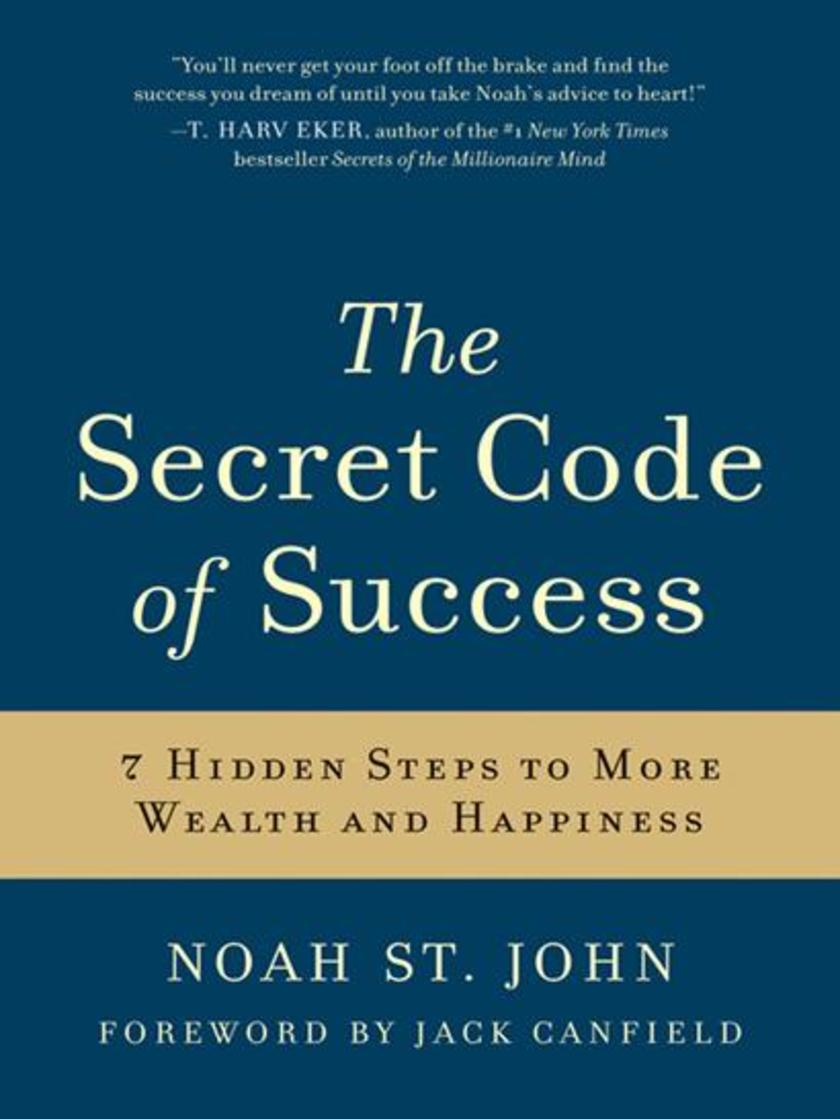
The Secret Code of Success
¥121.80
Americans spend more than $11 billion a year on self-help products everything from books to diet pills to career coaches to seminars. So why with all this time, money, and energy being spent are so few people living the life they really wantWhy are millions of smart, talented, motivated people still going through life with one foot on the brakeHere's the real Secret: You don't need any more how-to-succeed information to reach your full potential.The problem isn't lack of motivation or lack of information. The real problem is that most people focus on the "how-to" aspects of success taught by traditional self-help programs, without coming to terms with what productivity expert Noah St. John calls your "head trash" the subconscious, emotional roadblocks that prevent people from acting on their real hopes, dreams, and ambitions. In this groundbreaking book, based on work with thousands of clients around the world, Noah St. John has created a remarkable, step-by-step approach that helps you achieve long-term happiness, success, and wealth. In The Secret Code of Success, you will learn how to: Eliminate the causes of self-sabotage and fear of success Allow yourself to make more money Remove stress while dramatically increasing personal productivity Improve relationships with coworkers, family, and friends Experience enhanced feelings of happiness, connection, and love The Secret Code of Success shows that, when it comes to success, the conscious mind is exactly the wrong place to start. It's only when we first conquer the self-sabotage of our subconscious (which accounts for 90 percent of our behavior) that we can truly begin to enjoy a life filled with success. This insight is at the core of The Secret Code of Success and leads to Noah's revolutionary 7-step method for eliminating these psychological obstacles. True financial freedom and personal success is possible at last!The Secret Code of Success shows you how to get your foot off the brake and start living the life you deserve.
Broke, USA
¥88.56
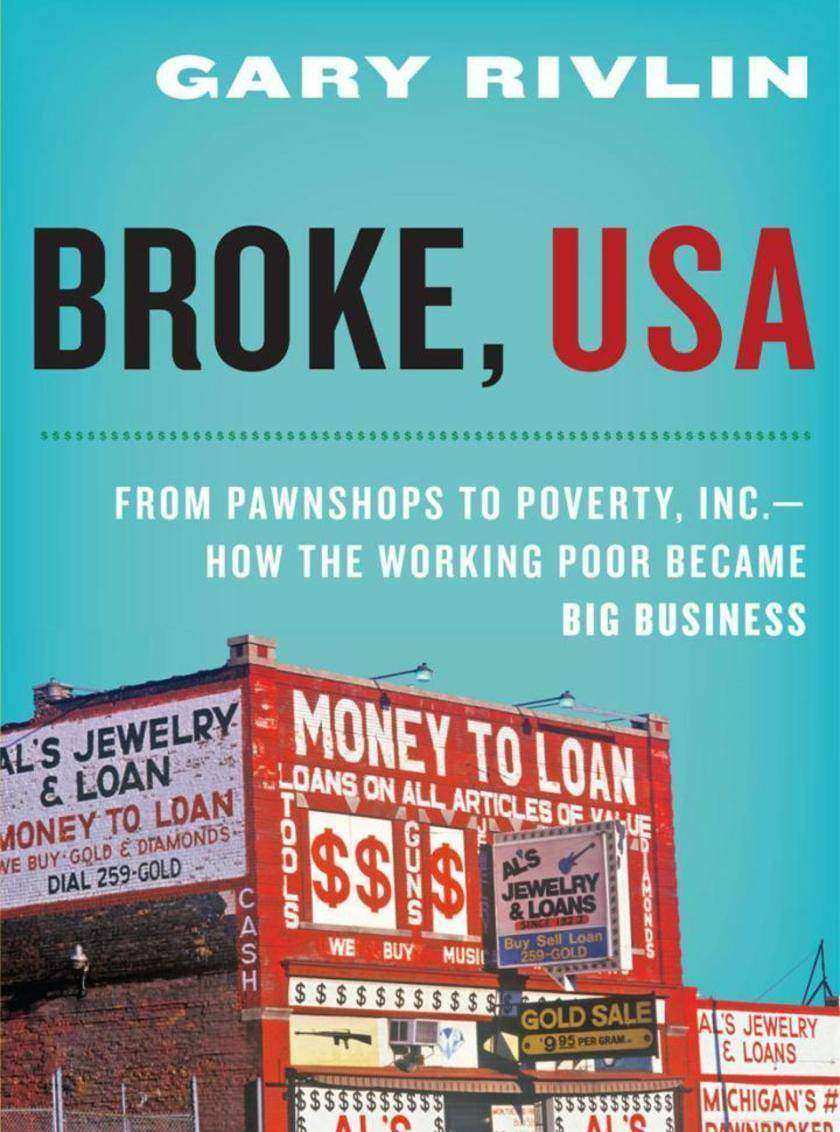
For most people, the Great Crash of 2008 has meant troubling times. Not so for those in the flourishing poverty industry, for whom the economic woes spell an opportunity to expand and grow. These mercenary entrepreneurs have taken advantage of an era of deregulation to devise high-priced products to sell to the credit-hungry working poor, including the instant tax refund and the payday loan. In the process they've created an industry larger than the casino business and have proved that pawnbrokers and check cashers, if they dream big enough, can grow very rich off those with thin wallets.Broke, USA is Gary Rivlin's riveting report from the economic fringes. From the annual meeting of the national check cashers association in Las Vegas to a tour of the foreclosure-riddled neighborhoods of Dayton, Ohio, here is a subprime Fast Food Nation featuring an unforgettable cast of characters and memorable scenes. Rivlin profiles players like a former small-town Tennessee debt collector whose business offering cash advances to the working poor has earned him a net worth in the hundreds of millions, and legendary Wall Street dealmaker Sandy Weill, who rode a subprime loan business into control of the nation's largest bank. Rivlin parallels their stories with the tale of those committed souls fighting back against the major corporations, chain franchises, and newly hatched enterprises that fleece the country's hardworking waitresses, warehouse workers, and mall clerks.Timely, shocking, and powerful, Broke, USA offers a much-needed look at why our country is in a financial mess and gives a voice to the millions of ordinary Americans left devastated in the wake of the economic collapse.
HarperCollins e-books
¥128.85
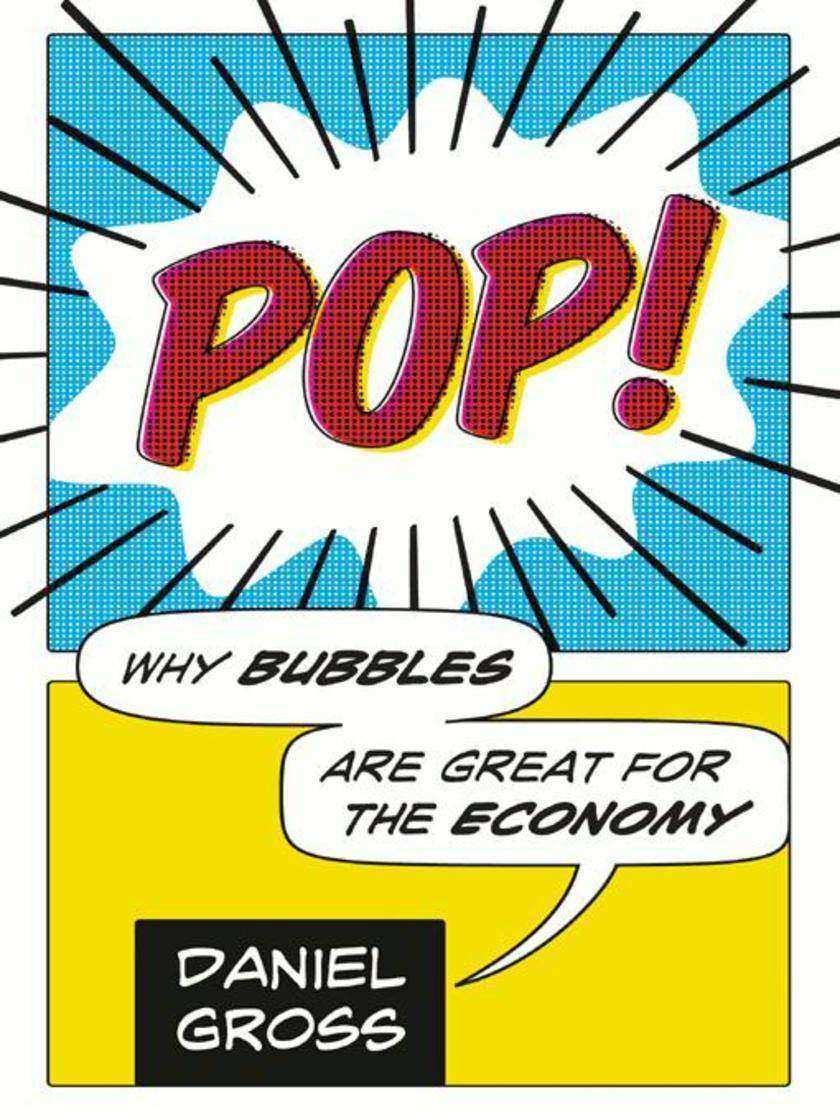
Bubbles from hot stocks in the 1920s to hot stocks in the 1990s are much-lamented features of contemporary economic life. Time and again, American investors, seduced by the lures of quick money, new technologies, and excessive optimism, have shown a tendency to get carried away. Time and again, they have appeared foolish when the bubble burst. The history of finance is filled with tragic tales of shattered dreams, bankruptcies, and bitter recriminations.But what if the I-told-you-so lectures about bubbles tell only half the storyWhat if bubbles accomplish something that can only be seen in retrospectWhat if the frenzy of irrational economic enthusiasm lays the groundwork for sober-minded opportunities, growth, and innovationCould it be that bubbles wind up being a competitive advantage for the bubble-prone U.S. economy?In this entertaining and fast-paced book you'll laugh as much as you cry Daniel Gross convincingly argues that every bubble has a golden lining. From the 19th-century mania for the telegraph to the current craze in alternative energy, from railroads to real estate, Gross takes us on a whirlwind tour of reckless investors and pie-in-the-sky promoters, detailing the mania they created but also the lasting good they left behind. In one of the great ironies of history, Gross shows how the bubbles once generally seen as disastrous have actually helped build the commercial infrastructures that have jump-started American growth. If there is a secret to the perennial resilience and exuberance of the American economy, Gross may just have found it in our peculiar capacity to blow financial bubbles and successfully clean up the mess.
William Morrow
¥132.87
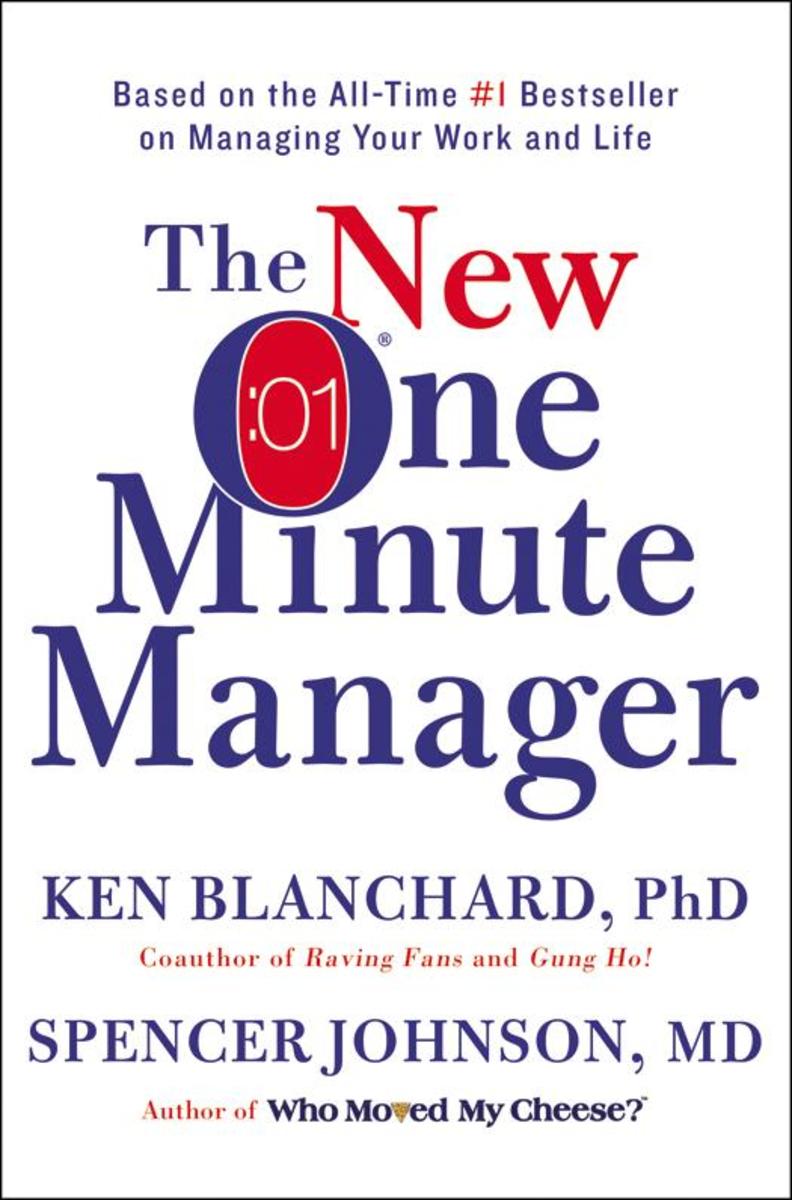
The New One Minute Manager offers a way for you to succeed sooner with less stress in changing times both at work and at home.Based on the original book The One Minute Manager that helped millions of people around the world in organizations large and small, this new version of the classic story deals with a new world.The book will help you find meaning in your work and inspire you to discover new ways to help your organization adapt and prosper.The New One Minute Manager is a concise, easily read story that reveals three very practical secrets: One Minute Goals, One Minute Praisings, and One Minute Re-Directs, the new third secret.The story is based on studies in the behavioral sciences and medicine that support why these apparently simple methods work so well with so many people. And by the book's end, you will know how to apply what you discover to your own situation and enjoy the benefits.
Dey Street Books
¥151.53
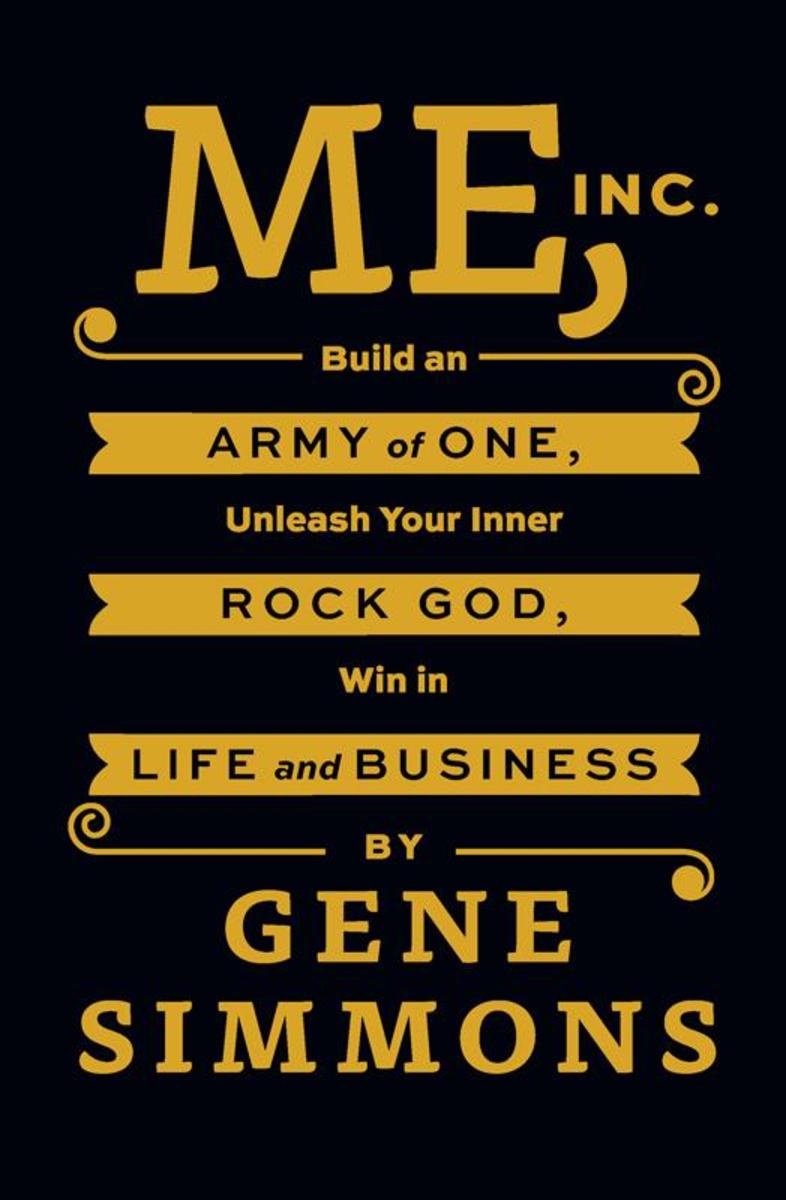
The quintessential self-made man, master of brand identity, New York Times bestselling author, and award-winning executive KISS's Gene Simmons shares his manifesto for business success.KISS did not become one of the most successful rock bands in history by accident. Long before he first took the stage, Gene Simmons had a clear-cut operating plan for the business. Over the past forty years, KISS has sold more than 100 million CDs and DVDs worldwide and manages 5,000 licensed merchandise items from comic books and coffins to action figures and video games. The band received a star on the Hollywood Walk of Fame, and in 2014 was inducted into the Rock and Roll Hall of Fame. In addition to KISS, Simmons's lucrative ventures include two hit reality shows, a professional sports team, a restaurant chain, and a record label. A recipient of the Forbes Lifetime Achievement Award, this brilliant executive runs all of his businesses on his own no personal assistant, few handlers, and as little red tape as possible.In Me, Inc., Simmons gives aspiring entrepreneurs the critical tools they need to succeed. He discusses how to build a solid business strategy, harness the countless tools available in the digital age, educate yourself, and be the architect for the business entity that is you. Inspired by The Art of War, Me, Inc. is organized around thirteen specific, easy-to-understand principles for success "The Art of More" drawn from Simmons's own triumphs and failures. From finding the confidence necessary to get started, to surrounding yourself with the right people, to knowing when to pull the plug and when to double-down, these principles can help you attain the freedom and wealth of your dreams.
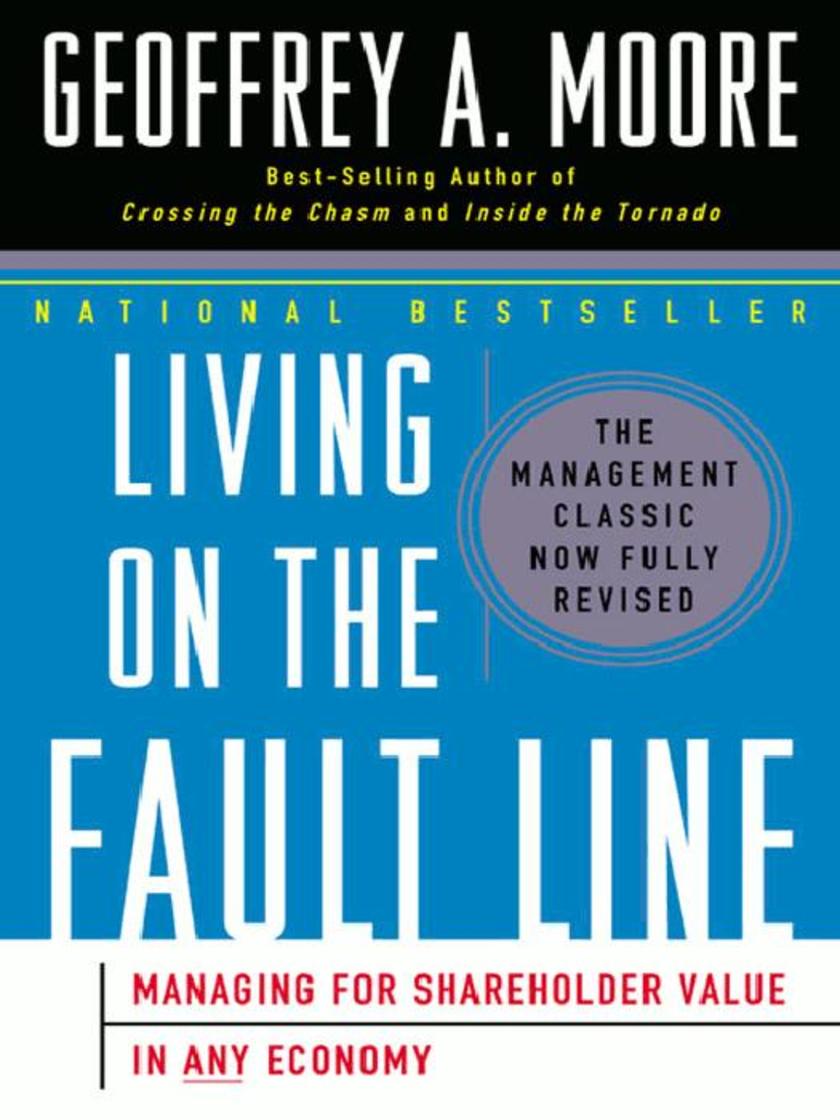
Living on the Fault Line
¥152.92
The fault line -- that dangerous, unstable seam in the economy where powerful innovations and savage competition meet and create market-shattering tremors. Every company lives on it; no manager can control it. In the original edition of Living on the Fault Line, Geoffrey Moore presented a compelling argument for using shareholder value (or share price) as the key driver in management decisions. Moore now revisits his argument in the post-Internet bubble world, proving that the methods he espouses are more germane than ever and showing companies how to use them to survive and thrive in today's demanding economy. Extending the themes of Crossing the Chasm and Inside the Tornado, his first two books on the dynamics of the high-tech markets, Moore shows why sensitivity to stock price is the single most important lever for managing in the future, both as a leading indicator of shifts in competitive advantage and as an employee motivator for making necessary changes in organizations heretofore impervious to change. This revised and updated edition includes: A deeper emphasis on core versus context, which has emerged as the key distinction in allocating resources to improve shareholder value A new Competitive Advantage Grid that will aid managers in achieving and sustaining competitive advantage, the most important component in managing for shareholder value An expanded Value Discipline Model as it relates to the Competitive Advantage Grid Analysis of the powerful new trend toward core/context analysis and outsourcing production duties Updated models of organizational change for each stage of market development As disruptive forces continue to buffet the marketplace and rattle the staid practices of the past, Moore offers a brilliant set of navigational tools to help meet today's most compelling management challenges.

The Money in You!
¥72.70
From New York Times bestselling financial guru Julie Stav comes The Money in You!, a spot-on primer that pinpoints your financial personality, thus helping you to overcome the self-imposed hurdles that keep you from living the rich life of your dreams. Socrates' guiding rule was "Know thyself." These words are of eternal significance, and, arguably, no better advice has ever been given to man or woman. Yet, what would Socrates have said if he had to dispense practical financial advice in today's hyper-spending, debt-saturated climateWith the myriad pressures involved in building wealth, instilling practical spending habits in ourselves and our kids, and ultimately establishing a life in which money is abundant and our fiscal future secure, undoubtedly he would tell us, "Know thy financial self." In The Money In You!, Julie Stav introduces us to five different financial personality types. According to Julie, it is our financial nature—the way we handle money matters—that forecasts our financial future. Julie shows readers that no amount of data or market expertise trumps the fundamental truth we all forget—that building wealth, attaining security, and establishing personal success can only be achieved when we recognize our strengths and weaknesses. If we are in touch with our motivations, our desires, and our innate tendencies, we can shed the guilt of making the same mistakes over and over; we can halt the vicious cycle of overspending, debt, and ruined relationships. It is then that we are able to restructure our lives to fit our individual goals, whether it's learning to play the stock market or just saving for shoes. Finally, Julie shows us how to establish healthy relationships with the people who are affected by our financial decisions, and who affect us with theirs. Endlessly entertaining, this book will initiate feisty discussions over just who we are and how we interact with others. Julie Stav will both delight and inform.
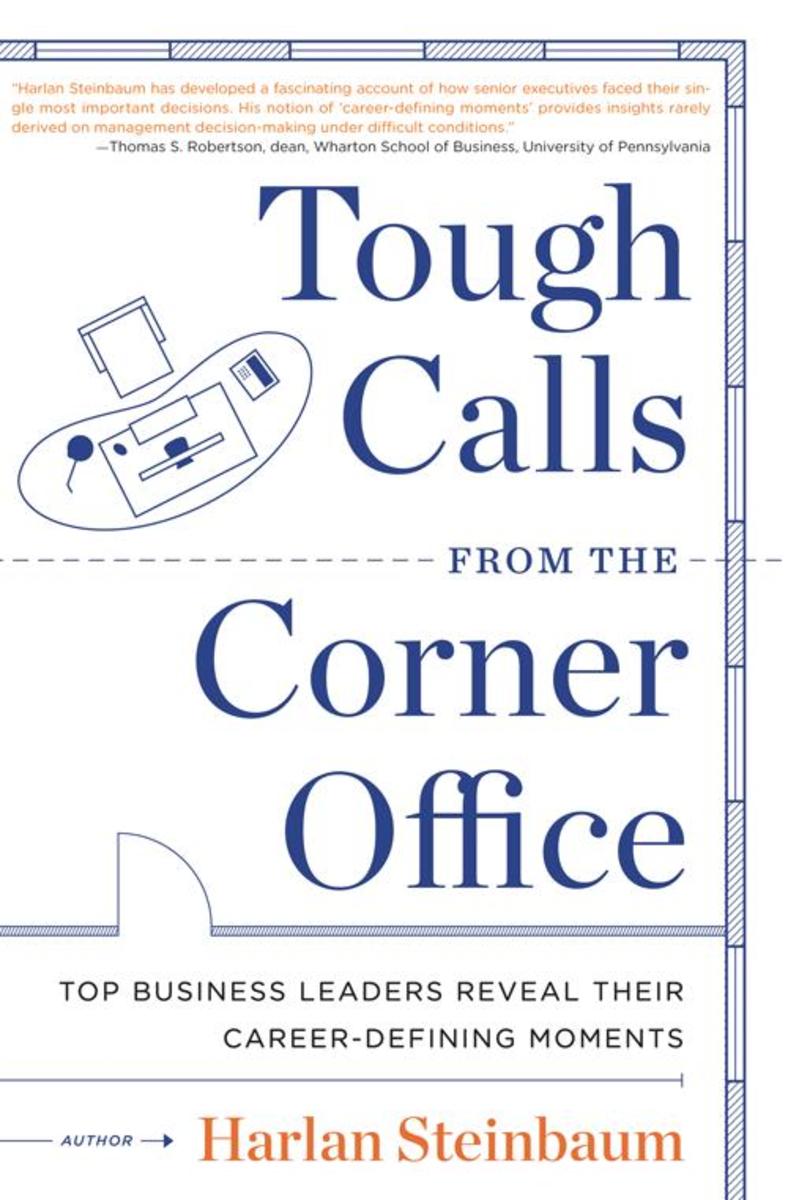
Tough Calls from the Corner Office
¥145.91
Thirty-nine of America's most successful business leaders share the most important decisions of their careers and the life and career lessons they hold for us all. When former CEO Harlan Steinbaum decided to buy back his retail drug chain with his partners, his life changed dramatically. The personal impact that this one business decision this "tough call" had on Steinbaum made him wonder if others had experienced similar kinds of defining moments in their own careers. To find out, he reached out to some of the most successful people in the country leaders from companies such as Verizon, Chrysler, ESPN, Ogilvy & Mather, Enterprise Rent-A-Car, WellPoint, and Panera Bread Company to pinpoint the career-defining decisions that were integral to their success. The result is Tough Calls from the Corner Office, a treasure trove of rich business wisdom, stories of tough decisions and hard-won victories, and lessons from a lifetime of achievement in the world of business.Tough Calls from the Corner Office offers inspiring stories, lessons, principles, strategies, ideas, and solutions drawn from every stage in a successful career, from early key choices to the final leave-taking from the world of work. Given unprecedented access to such visionaries as Union Square Hospitality Group's Danny Meyer, ESPN's Bill Rasmussen, Build-A-Bear's Maxine Clark, and Let's Make a Deal's Monty Hall, Steinbaum shares their experiences, told in their own words, so that others may learn from them. In a time when many people are at professional crossroads, Tough Calls from the Corner Office offers inspiration and the confidence to believe that tough decisions can be the first step to extraordinary success.
Begging for Change
¥141.80
You are a good person. You are one of the 84 million Americans who volunteer with a charity. You are part of a national donor pool that contributes nearly $200 billion to good causes every year. But you wonder: Why don't your efforts seem to make a differenceFifteen years ago, Robert Egger asked himself this same question as he reluctantly climbed aboard a food service truck for a night of volunteering to help serve meals to the homeless. He wondered why there were still people waiting in line for soup in this day and age. Where were the drug counselors, the job trainers, and the support team to help these men and women get off the streetsWhy were volunteers buying supplies from grocery stores when restaurants were throwing away unused fresh food every nightWhy had politicians, citizens, and local businesses allowed charity to become an end in itselfWhy wasn't there an efficient way to solve the problemRobert knew there had to be a better way. In 1989, he started the D.C. Central Kitchen by collecting unused food from local restaurants, caterers, and hotels and bringing it back to a central location where hot, nutritious meals were prepared and distributed to agencies around the city. Since then, the D.C. Central Kitchen has been named one of President Bush Sr.'s Thousand Points of Light and has become one of the most respected and emulated nonprofit agencies in the world, producing and distributing more than 4,000 meals a day. Its highly successful 12-week job-training program equips former homeless transients and drug addicts with culinary and life skills to gain employment in the restaurant business. In Begging for Change, Robert Egger looks back on his experience and exposes the startling lack of logic, waste, and ineffectiveness he has encountered during his years in the nonprofit sector, and calls for reform of this $800 billion industry from the inside out. In his entertaining and inimitable way, he weaves stories from his days in music, when he encountered legends such as Sarah Vaughan, Mel Torme, and Iggy Pop, together with stories from his experiences in the hunger movement -- and recently as volunteer interim director to help clean up the beleaguered United Way National Capital Area. He asks for nonprofits to be more innovative and results-driven, for corporate and nonprofit leaders to be more focused and responsible, and for citizens who contribute their time and money to be smarter and more demanding of nonprofits and what they provide in return. Robert's appeal to common sense will resonate with readers who are tired of hearing the same nonprofit fund-raising appeals and pity-based messages. Instead of asking the "who" and "what" of giving, he leads the way in asking the "how" and "why" in order to move beyond our 19th-century concept of charity, and usher in a 21st-century model of change and reform for nonprofits. Enlightening and provocative, engaging and moving, this book is essential reading for nonprofit managers, corporate leaders, and, most of all, any citizen who has ever cared enough to give of themselves to a worthy cause.


