


 购物车
购物车 个人中心
个人中心
Eden is Now - The Answers You Need to Live a Joyful Life on Earth and Ascend in
¥48.97
WELCOME to EDEN...You have a joyful life waiting for you. It’s time to claim it. Eden IS here, right now, on Earth.Do you want to become as radiant and joyful as the sun, a source of light and pure vitality so bright that everything in your vicinity can not help but grow and blossom as well?Find the Answers You Seek: Eden delivers source wisdom channeled straight from Spirit to help you transform your life. We have been helping people shift their vibration upwards and reach their full potential for over a decade. Let us help you learn how to SHINE.
San Pedro Huachuma: Opening the Pathways of the Heart
¥81.50
San Pedro / Huachuma: Opening The Pathways Of The Heart is an invitation to explore and reconnect with our inner landscapes with the help of San Pedro, also known in South America as Huachuma. San Pedro (Echinopsis pachanoi) is a psychoactive cactus native of the Andes, but more importantly it’s an ancestral medicine that has been used for millennia for healing and ceremonial purposes. Our Western psychic and psychological make-up differs radically from that of Andean people, and our needs as modern people differ just as much from the needs of the ancestors and inhabitants of this land. This book intends to bridge such cultural gap in ways that honor the wealth of wisdom gathered through centuries of native studies and experimentation, and at the same time address our present day state of emotional disconnection and spiritual confusion, which are at the root of most physical, emotional, and mental diseases. Javier Regueiro draws a comprehensive and practical map for exploring consciousness using this ancestral medicine by sharing from his extensive knowledge as a plant medicine person, his personal experiences, and those of the many people he has guided over the years using this medicine.

Mental Efficiency And Other Hints
¥40.79
No one is a worse guide to success than your typical successful man. He seldom understands the reasons of his own success; and when he is asked by a popular magazine to give his experiences for the benefit of the youth of a whole nation, it is impossible for him to be natural and sincere. He knows the kind of thing that is expected from him, and if he didn’t come to London with half a crown in his pocket he probably did something equally silly, and he puts that down, and the note of the article or interview is struck, and good-bye to genuine truth!
Meditate Your Way to Success: The Definitive Guide to Mindfulness, Focus and Med
¥24.44
Most entrepreneurs and people in business misunderstand the purpose and power of meditation and how it complements and energizes business leaders. It is often thought that meditation is a tool to relax, a tool to rid unwanted stress and a means to dilute energies that activate the mind. All that is mostly untrue. Meditation is not just about seeking serenity and harmony. It is not about donning a veil of peace and relinquishing confrontational means. It is not just about contemplating the higher truths and the philosophical meaning of life.?Meditation is about empowering your physical presence?with the powers of the universe. It's about?becoming the force of attraction?instead of merely learning the laws of attraction. It is about?seeking and uniting the divine energy within you so that you may leap forward and make your inspiration take form and take flight.? Meditation is both the object and the subject of silence; it is the nexus of the universe and the energy that binds it. Energies flow in waves and transmit in vibrations. How you vibrate is more important than the words you chose. Meditation gives you a path to the right vibration and is best taken when the mind is disciplined and silent. Words and ideas that echo in the head are mere distractions that mindfulness and focus need to arrest. Meditation is the single most important discipline you need if you want to conquer your destiny. Is This Book For You?This book is dedicated to those that want to smash through the glass ceilings they have put over themselves.?Greatness is already within you, you just need to learn how to release it. This book will teach you exactly how to?extract every ounce of greatness you have,?and then some. Don't wait any longer! Scroll up and click the 'Buy Now' button and learn how Meditation is an integral part of success and why you should get started NOW!
Literary Taste: How to Form It
¥40.79
At the beginning a misconception must be removed from the path. Many people, if not most, look on literary taste as an elegant accomplishment, by acquiring which they will complete themselves, and make themselves finally fit as members of a correct society. They are secretly ashamed of their ignorance of literature, in the same way as they would be ashamed of their ignorance of etiquette at a high entertainment, or of their inability to ride a horse if suddenly called upon to do so. There are certain things that a man ought to know, or to know about, and literature is one of them.
Journalism for Women: A Practical Guide
¥40.79
The secret significance of journalism: life (says the public) is dull. But good newspapers are a report of life, and good newspapers are not dull. A practical guide for those who are outside and would fain be inside, a newspaper office.

J’aime fumer… et je vais arrêter!: Devenez non-fumeur en 30 jours
¥72.76
Jaime fumer...et je vais arrêter ! Devenez non-fumeur sans prendre de poids. Le Livre est un succès international, déjà traduit en 10 langues! Ce n’est qu’en découvrant et en comprenant pourquoi vous aimez fumer que vous pourrez arrêter la cigarette sans avoir l’impression de renoncer à quelque chose d’important. **PERMIS DE FUMER** Si vous lisez ce livre, vous allez pouvoir continuer à fumer… Au fil des pages, Andreas Jopp explique point par point et avec humour les schémas de pensée qui empêchent d’arrêter. Il démontre comment la nicotine déprogramme le cerveau, rend vulnérable au stress et empêche de trouver le calme. Une fois ces mécanismes compris, vous pourrez arrêter sans difficulté. Et durablement. **NE PAS PRENDRE DE POIDS** Arrêter de fumer est plus facile quand on n’a pas tout le temps faim et qu’on se sent bien. Avec les conseils alimentaires d’Andreas Jopp, vous pourrez manger davantage sans prendre de poids. **LES QUESTIONS SUIVANTES SERONT REPONDUES** EST-CE QUE VOUS AIMEZ FUMER -Comment la nicotine transforme notre cerveau et sentiment desatisfaction -Pourquoi on se sent mieux quand on fume -Et si l’addiction au tabac était plus forte et plus rapide à cause des additifs -Pourquoi les cigarettes légères sont plus dangereuses que lesnormales LA CIGARETTE ET LE MENTAL -Les fumeurs ont-ils des sautes d’humeur plus fréquentes et desproblèmes de concentration -Pourquoi on fume plus quand on est stressé. -Pourquoi on a l’impression que la cigarette nous relaxe. -Fumer rend-il plus éveillé et plus concentré -Les ex-fumeurs sont-ils moins satisfaits que les fumeurs LES STRATGIES LES PLUS EFFiCACES POUR ARRTER DE FUMER -Pourquoi l’hypnose marche pour arrêter de fumer -La meilleure faon de faire face aux symptmes du sevrage. -Comment éviter les reculades et les rechutes. ARRTER DE FUMER, RESTER MINCE -Les fumeurs sont-ils plus minces que les non-fumeurs La réalité -Comment garder tout simplement son poids en arrêtant de fumer. -Pourquoi le sucré entretient la dépendance à la nicotine. -Comment gérer au mieux son poids, sa faim et sa bonne humeur. -Conseils pratiques et listes de course pour rester mince EN MEILLEURE FORME -Améliorer votre soufe et votre condition physique -Réduire rapidement les risques d’infarctus et de cancers Andreas Jopp **Journaliste médical, coach pour non-fumeurs et auteur de best-sellers. **Andreas Jopp travaille aussi depuis 10 ans avec l'hypnose chez les fumeurs. **L'hypnose fait partie des stratégies les plus efficaces contre le tabac ! *Pour les MP3 de hypnose: www.nichtraucherin30Tagen.de/francais**
The Illumination of the Heart: Experiencing a Divine Miracle
¥40.79
"The entrance of the Messiah in this period — 1998," predicted Edgar Cayce in 1932. His prediction accurately came true, but very few people knew about this... until now.Where and how did the Messiah descend into the earthly world, predicted long ago, but wholly unnoticed?In Book 2 of The Teaching of the Heart series, the Lord, for the first time in history, unveils this Secret. He entrusts all human hearts to witness the greatest and most unprecedented Miracle of the Divine Incarnation of His Son, which took place in 1998 within several worlds as the first stage of the Advent.However, not only will you behold this Miracle as if through your own eyes, but you will also experience it within your own heart. As you read the powerfully poetic pages of this book, an imperceptible mystery will occur inside you: the Divine Love of the Lord will transfigure the essence of your entire being, preparing you to become a particle of His human entity at the time of the Great Advent.Offering spiritual food for further deep reflections, The Teaching of the Heart continues to provide you with inspirational and illuminating instructions from the Lord of Love and Compassion to transform the whole world through self-perfection.Will you let the Saviour be born inside your heart?

Soar at your will
¥103.90
Life has blessed us with the freedom to soar. We must have the courage to risk, the faith to believe and the will to succeed. To discover and release what is eternally present within the consciousness of every human being, certain virtues ?and traits are required to be inculcated in life and understood. Virtues make person beautiful and lovely. The way they do things, the way they move, speak and dress, all these creats their personality. If a person has virtue, they will always look rich, for everything is close to them will be filled with quality. Every ambitious person's heart wants to soar to new heights. When silence and virtue live together in one person, there is perfection. Spread your wings, have a clear vision. Soar to new heights. Swoop down on opportunities. Make golden memories.
Collected Papers on Analytical Psychology: "Included Glossary of Jungian Terms"
¥37.69
This book contains a selection of articles and pamphlets on analytical psychology written at intervals during the past fourteen years. These years have seen the development of a new discipline, and as is usual in such a case, have involved many changes of view-point, of concept, and of formulation.??It is not my intention to give a presentation of the fundamental concepts of analytical psychology in this book; it throws some light, however, on a certain line of development which is especially characteristic of the Zürich School of psychoanalysis.??As is well known, the merit of the discovery of the new analytical method of general psychology belongs to Professor Freud of Vienna. His original view-points had to undergo many essential modifications, some of them owing to the work done at Zürich, in spite of the fact that he himself is far from agreeing with the standpoint of this school.??I am unable to explain fully the fundamental differences between the two schools, but would indicate the following points: The Vienna School takes the standpoint of an exclusive sexualistic conception, while that of the Zürich School is symbolistic. The Vienna School interprets the psychological symbol semiotically, as a sign or token of certain primitive psychosexual processes. Its method is analytical and causal.??The Zurich School recognises the scientific feasibility of such a conception, but denies its exclusive validity, for it does not interpret the psychological symbol semiotically only, but also symbolistically, that is, it attributes a positive value to the symbol.??The value does not depend merely on historical causes; its chief importance lies in the fact that it has a meaning for the actual present, and for the future, in their psychological aspects. For to the Zürich School the symbol is not merely a sign of something repressed and concealed, but is at the same time an attempt to comprehend and to point out the way of the further psychological development of the individual. Thus we add a prospective import to the retrospective value of the symbol.??The method of the Zurich School is therefore not only analytical and causal, but also synthetic and prospective, in recognition that the human mind is characterised by "caus?" and also by "fines" (aims). The latter fact needs particular emphasis, because there are two types of psychology, the one following the principle of hedonism, and the other following the principle of power. Scientific materialism is pertinent to the former type, and the philosophy of Nietzsche to the latter. The principle of the Freudian theory is hedonism, while that of Adler (one of Freud's earliest personal pupils) is founded upon the principle of power.??The Zurich School, recognising the existence of these two types (also remarked by the late Professor William James), considers that the views of Freud and Adler are one-sided, and only valid within the limits of their corresponding type.??Freud and Adler interpret in the analytical and causal way, reducing to the infantile and primitive. Thus with Freud the conception of the "aim" is the fulfilment of desire, with Adler it is the usurpation of power. Both authors take the standpoint in their practical analytical work which brings to view only infantile and gross egoistic aims.??The Zurich School is convinced of the fact that within the limits of a diseased mental attitude the psychology is such as Freud and Adler describe. It is, indeed, just on account of such impossible and childish psychology that the individual is in a state of inward dissociation and hence neurotic. The Zürich School, therefore, in agreement with them so far, also reduces the psychological symbol (the phantasy products of the patient) to the fundamental infantile hedonism, or to the infantile desire for power. But Freud and Adler content themselves with the result of mere reduction, according to their scientific biologism and naturalism.
Daily Training: "Sleep, Rest and Relaxation"
¥28.29
The following pages contain certain rules and suggestions concerning health, and certain simple and sensible ways in which it may, we hope, be acquired and maintained at a very small expense of time and self-denial, by a large number of people who are naturally accustomed to feel not very well. The book is founded on notes made by its two authors who, though they lead for the most part very different lives, are agreed on certain broad principles of health herein set forth. ??One of them, for instance, eats largely of flesh-foods every day, the other has scarcely touched meat for years. But both are accustomed to feel extremely well and to undertake considerable exertion either of mind or body without experiencing any fatigue. One of them takes regular exercise, that is to say he plays an out-door game on most days of his life, while the other who abstains from flesh-foods has little practice of the sort. He will take no out-of-door exercise for several days, work very hard, and find himself perfectly fit for some severe physical test at the end. But they are both agreed that if the one abandoned flesh-foods (which he does not propose to do) he would cease to require regular exercise, and that if the other took flesh-foods (which he does not propose to do) he would not only be very ill, but would also require regular exercise. ??One again is seldom seen without some appliance of tobacco in his mouth, because he finds it agreeable and after an experiment of abstinence from it found that it did not make any difference, as far as he could make out, in his general health. The other never smokes at all. One again takes a cold bath in the morning, the other a hot one followed by cold sponging.??But both are absolutely in accord on far more main points than those on which their practice, at any rate, differs, and they have found it perfectly easy to write this book together without wrangling, on which account they wish to express a pious hope that the very fact that they differ in so many things may have saved them from dogmatism. For it has helped them to realize that even when they are agreed on any point it would be a sheer stupidity to hint that they were therefore right, and in consequence they only put forward the points on which they are agreed as suggestions, hoping that others after trial may also agree with them. ??For universal laws on an empirical matter like health are rare, and the constitutions of men are various. One man’s meat, in fact, is literally another man’s poison. But in the main the two authors are agreed. They believe that the majority of mankind habitually eat too much and habitually take too much stimulating food and drink. They believe also that most people who do so do not take enough exercise, and that either an increase of exercise or a decrease of stimulant is needed. ??They believe that the best sorts of exercise are not those of slow pushing movements such as are made in the use of dumb-bells, but full brisk extended movements, with much use of the breathing apparatus and the large muscle areas of the body. Similarly they are in accord as regards present systems of training which tend to treat an entire crew or team as if they were identical specimens, not as widely different specimens; in every day life also they hold that because a certain mode of diet and work suits A, it will not necessarily suit B and C, though B and C might do worse than try it.

Breaking the Silence: Victims No More
¥32.62
The silence must be broken… ? Each year, thousands of men, women, and children suffer domestic violence. For many, it’s far too long to live in this kind of silence. How much devastation must we see in individuals, families, and communities before we realize that someone… anyone… everyone must take a stand? Featuring stories & accounts from domestic violence survivors & family members. Also included is information regarding types of abuse, why victims stay, awareness months, & a personalized safety plan. Domestic violence has the potential to destroy everything it touches, but there is a solution. Stand up, speak up, and break the silence!
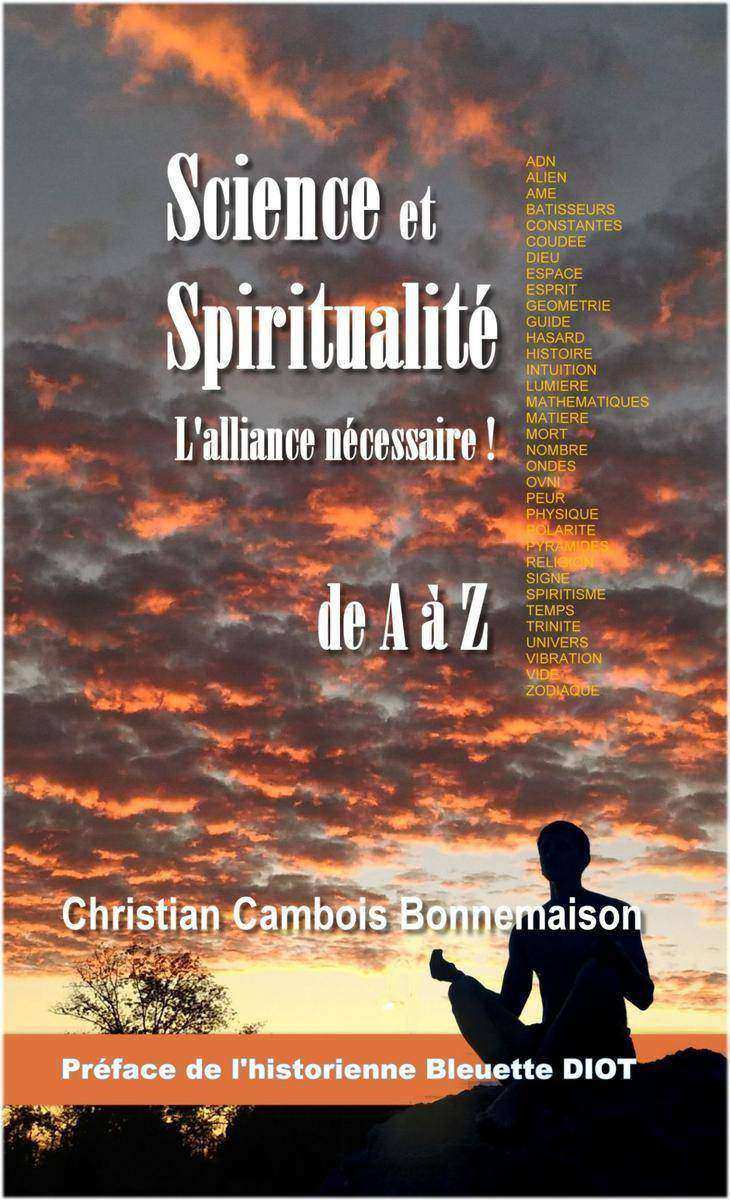
Science et spiritualité, l'alliance nécessaire!: de A à Z
¥75.86
L'auteur, conférencier, étudie depuis quarante ans, les phénomènes inexpliqués. Il s'est initié seul, intuitivement, au magnétisme puis à la communication avec l'au-delà, depuis le printemps 1993. "Ma quête spirituelle m'a ouvert tant de portes nouvelles que j'ai choisi le format d'un abécédaire pour présenter ses multiples facettes. Je vis et je pratique une spiritualité naturelle offerte à tous ceux qui acceptent de s'interroger, de remettre en question leurs vieilles certitudes en les confrontant au filtre de l'intuition. J'ai usé et j'use toujours de ma médiumnité comme d'un outil privilégié de recherches. L'aventure intérieure m'a peu à peu mené vers les mathématiques puis la physique alors que ma formation ne m'y préparait pas. Ma spiritualité n'a pas seulement changé mes perceptions ; elle a bousculé mes certitudes fondées, le plus souvent, sur l'opinion d'un autre. Par elle et avec elle, ma relation aux autres a changé. Le travail sur soi, plus que le don, m'a peu à peu conduit, au fil des ans, à juguler et atténuer de plus en plus ces excès de l'ego que nous connaissons tous. Chaque lecteur pourra parcourir ce livre en suivant ses propres centres d'intérêt. S'il le souhaite, il pourra peut-être découvrir, au fil des mots choisis, un autre chemin offrant un regard neuf sur ce monde si mystérieux qui nous contient et nous entoure."
Nostradamus Complete Works – World’s Best Collection
¥8.09
Nostradamus Complete Works – Worlds’ Best Collection This is the world’s best Nostradamus collection, including the most complete set of Nostradamus’s works available plus many free bonus materials. Nostradamus Michel de Nostredame, Latinised as Nostradamus, was a French apothecary and seer who published collections of prophecies, in the form of poems known as quatrains. Nostradamus has attracted a following that credits him with predicting many major world events. The ‘Must-Have’ Complete Collection In this irresistible collection you get a full set of Nostradamus’s work, with All Nostradamus’s quatrains, All his poetry, and All his predictions. We also include annotations, interpretations and classic books written about him and his predictions. Plus we include a comprehensive biography so you can experience the life of the man behind the words. Works Included: Nostradamuses Prophecies The famous quatrains, divided the way Nostradamus originally composed them, in what he called ‘Centuries’. Including: Century I – Century X Nostradamus’s Almanacs: 1555-1563 Nostradamus’s Almanacs: 1564-1567 Preface By Nostradamus To His Prophecies Ther Oracles Of Nostradamus A seminal work about Nostradamus , his life and his predictions.?Including: Life Of Nostradamus Three Prophecies Of Old Time Epistle To Henry Ii Magic Louis Xiii French Revolution Napoleonic Rule Modern Prophecies Fulfilled A interpretation of Nostradamus’s quatrains as they relate to modern events and prophesies, written specially for this collection.?Including: Hitler And World War Ii President Kennedy’s Assasination Cuban Missile Crisis Desert Storm 9/11 Atomic Bomb Hurricane Katrina Princess Diana’s Death Get This Collection Right Now This is the best Nostradamus collection you can get, so get it now and start delving into his world, his poetry and his predictions like never before!

Educational Disobedience
¥90.82
In “Educational Disobedience,” educationist, Dr. Annise Mabry, offers a compelling, unique and refreshing insight into how she helps her children overcome the limitations of what she terms “a broken education system,” in the State of Georgia. Her decision to homeschool them were borne largely due to the fact that they were not receiving the best of education, and more because protection from the unending problem of bullying in public schools was lacking. She soon realized that only a crucial intervention could save her family from falling apart, and it was a decision that proved timely because not only did she achieve her objectives, but she also ended up saving her community! She has helped many parents to transform their children from struggling students to homeschool high school graduates!This isn't the guide for how to homescool--it's the story of survival because of homeschool.
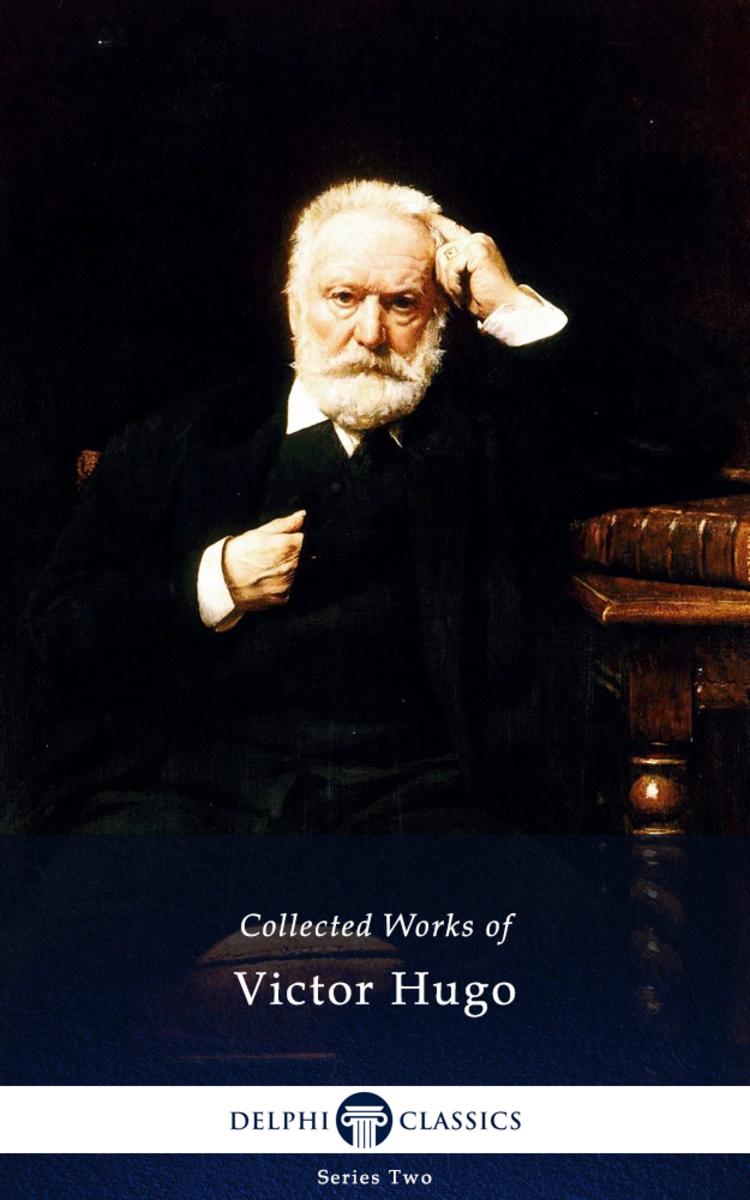
Delphi Complete Works of Victor Hugo (Illustrated)
¥24.44
Victor Hugo, the greatest Romantic writer of them all, is finally available in Delphi’s bestselling range of titles. This monumental eBook offers readers the most complete collection ever compiled of Hugo’s FICTIONAL works in English translation, with many bonus texts. (Version 2) * concise introductions to the novels and other works * images of how the novels first appeared, giving your eReader a taste of the original texts * ALL 9 novels in English, each with contents tables * many of the novels are fully-illustrated with their original artwork * includes BUG-JARGAL – Hugo’s first novel, which he wrote after a wager – first time in digital print! * for the first time, all novels are presented with their French versions – sample the true brilliance of Hugo’s original text, in between reading the English translations * features a large sample of English translations of poetry * BONUS selection of six Non-Fiction texts * boasts a special literary criticism section, with works by famous writers such as Dickens, Robert Louis Stevenson and Henry James, examining Hugo’s contribution to literature * includes Hugo’s Memoirs – explore the great writer’s private notebooks! * ALSO includes G. Barnett Smith’s famous biography – immerse yourself in Hugo’s literary life! * packed full of images relating to Hugo’s life, works, places and film adaptations * scholarly ordering of texts in chronological order and literary genres, allowing easy navigation around Hugo’s immense oeuvre Please note: an actual complete works of Victor Hugo in English is not possible due to copyright restrictions, scarce plays and some works having never been translated. However, we do ensure our customers that every possible major text is included. Please visit www.delphiclassics.com to browse through our range of exciting titles CONTENTS: The Novels BUG-JARGAL HANS OF ICELAND THE LAST DAY OF A CONDEMNED MAN THE HUNCHBACK OF NOTRE-DAME CLAUDE GUEUX LES MIS?RABLES TOILERS OF THE SEA THE MAN WHO LAUGHS NINETY-THREE The Novels in French The Poetry POEMS IN TRANSLATION ODES ET BALLADES LES ORIENTALES LES FEUILLES D’AUTOMNE LES CHANTS DU CREPUSCULE LES VOIX INT?RIEURES LES RAYONS ET LES OMBRES LES CHATIMENTS LES CONTEMPLATIONS LA L?GENDE DES SI?CLES: PREMIERE SERIE LES CHANSONS DES RUES ET DES BOIS LA VOIX DE GUERNESEY L’ANNEE TERRIBLE L’ART D’ETRE GRAND-PERE LA L?GENDE DES SI?CLES: NOUVELLE SERIE LE PAPE LA PITIE SUPREME L’?NE RELIGIONS ET RELIGION LES QUATRE VENTS DE L’ESPRIT LA L?GENDE DES SI?CLES: DERNIERE SERIE LA FIN DE SATAN TOUTE LA LYRE DIEU LES ANN?ES FUNESTES DERNIERE GERBE PO?MES UNCOLLECTED The Plays (in French) CROMWELL THE BURGRAVES HERNANI LUCR?CE BORGIA MARIE TUDOR RUY BLAS Selected Non-Fiction NAPOLEON THE LITTLE EXTRACTS FROM HUGO’S ESSAY ON SHAKESPEARE LETTER TO THE LONDON NEWS REGARDING JOHN BROWN ON CAPITAL PUNISHMENT EXTRACTS FROM SATIRISTS AND MORALISTS THE HISTORY OF A CRIME The Criticism VICTOR HUGO BY JOHN COWPER POWYS LETTER ON HUGO BY CHARLES DICKENS VICTOR HUGO’S LAST NOVEL BY HENRY JAMES THE LEGEND OF VICTOR HUGO BY PAUL LAFARGUE VICTOR HUGO’S ROMANCES BY ROBERT LOUIS STEVENSON TO VICTOR HUGO BY ALFRED TENNYSON The Biographies THE MEMOIRS OF VICTOR HUGO VICTOR HUGO: HIS LIFE AND WORK BY G. BARNETT SMITH Please visit www.delphiclassics.com to browse through our range of exciting titles
The Mystery of Edwin Drood
¥40.79
The final unfinished novel by Charles Dickens leaving the identity of the murderer unresolved. The story is set in Cloisterham, a disguised Rochester. Drood's uncle, John Jasper is in love with Rosa Bud. Miss Bud, Drood's fiancée, has also caught the eye of the high-spirited and hot-tempered Neville Landless, who comes from Ceylon with his twin sister, Helena. Landless and Drood take an instant dislike to one another. Drood later disappears under mysterious circumstances.
Mosses from an Old Manse and Other Stories
¥40.79
A collection of stories typical of Hawthorne, many are allegories and focus on the dark side of human nature. The book was named in honor of The Old Manse where Hawthorne and his wife lived for the first three years of their marriage.
The Moonstone: A Romance
¥40.79
Rachel Verinder, a young English woman, inherits a large Indian diamond on her eighteenth birthday. It is a legacy from her uncle, a corrupt British army officer who served in India. The diamond is of great religious significance as well as being extremely valuable, and three Hindu priests have dedicated their lives to recovering it.
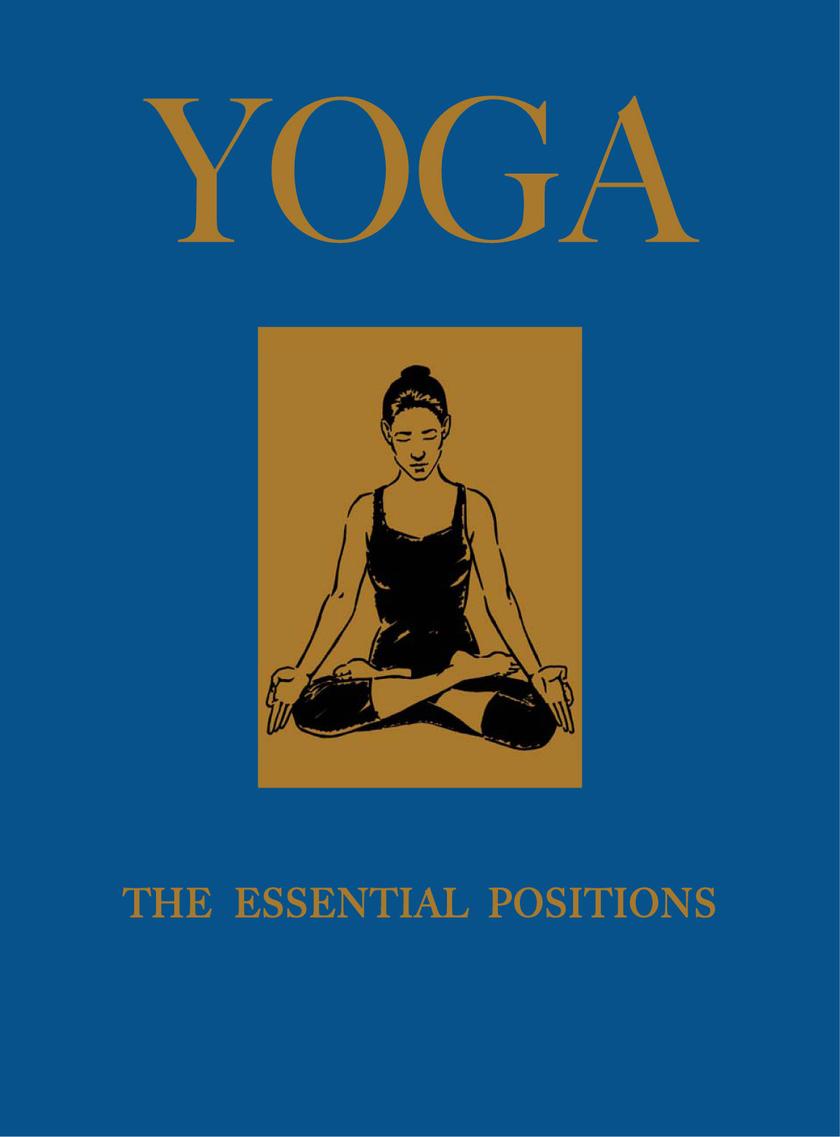
Yoga: The Essential Positions
¥65.32
The practice of yoga improves flexibility, strength and balance, reduces stress and anxiety, increases energy and decreases fatigue, as well as facilitating the flow of prana (vital energy) and helping balance the koshas (sheaths) of the physical and metaphysical body. Yoga features 90 poses in beautiful pen and ink line drawings. Accompanying the image of the pose are both its Sanskrit and English names and a brief description of how to achieve the pose correctly, the precise meaning of its name and how it benefits the body.? With each position exquisitely illustrated and written by an experienced yoga teacher, Yoga is a must-have for beginners and dedicated yoga enthusiasts alike.
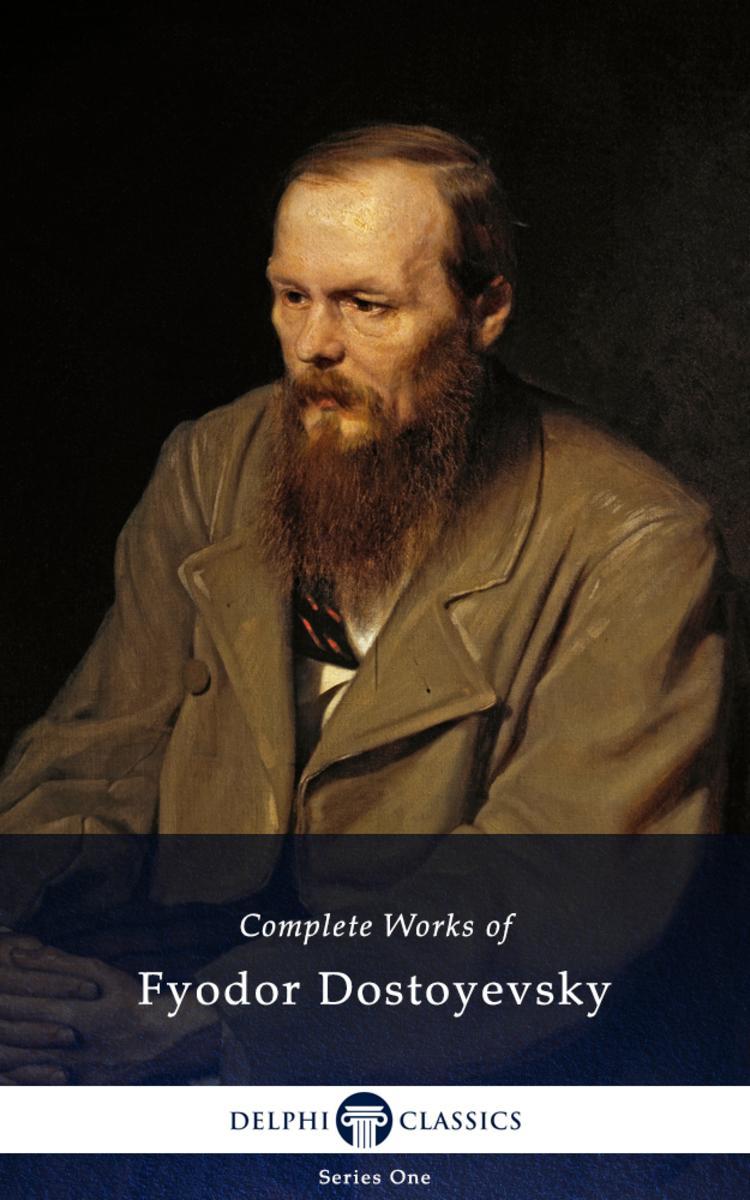
Delphi Complete Works of Fyodor Dostoyevsky (Illustrated)
¥24.44
Widely regarded as one of the greatest psychologists in world literature, Fyodor Dostoyevsky crafted unique literary works that explored the psychology of the troubled political, social and spiritual atmosphere of nineteenth century Russia. This comprehensive eBook presents the complete works of Dostoyevsky, with numerous illustrations, rare texts appearing in digital print for the first time, informative introductions and the usual Delphi bonus material. (Version 9) * Beautifully illustrated with images relating to Dostoyevsky’s life and works * Concise introductions to the novels and other texts * ALL 15 novels, with individual contents tables * Images of how the books were first printed, giving your eReader a taste of the original texts * Excellent formatting of the texts * 20 short stories, with rare tales available in no other collection * Easily locate the short stories you want to read * Includes Dostoyevsky’s journal and letters – spend hours exploring the author’s personal correspondence * Special criticism section, with essays evaluating Dostoyevsky’s contribution to literature * Scholarly ordering of texts into chronological order and literary genres * UPDATED with corrected texts, new images and introductions Please visit www.delphiclassics.com to browse through our range of exciting titles CONTENTS: The Novels POOR FOLK THE DOUBLE NETOCHKA NEZVANOVA UNCLE’S DREAM THE VILLAGE OF STEPANCHIKOVO THE INSULTED AND HUMILIATED THE HOUSE OF THE DEAD NOTES FROM UNDERGROUND CRIME AND PUNISHMENT THE GAMBLER THE IDIOT THE PERMANENT HUSBAND THE POSSESSED THE RAW YOUTH THE BROTHERS KARAMAZOV The Short Stories MR. PROHARTCHIN THE CHRISTMAS TREE AND THE WEDDING THE HEAVENLY CHRISTMAS TREE THE CROCODILE BOBOK A GENTLE SPIRIT THE DREAM OF A RIDICULOUS MAN THE PEASANT MAREY THE LITTLE ORPHAN A WEAK HEART WHITE NIGHTS THE MEEK GIRL POLZUNKOV A LITTLE HERO THE HONEST THIEF A NOVEL IN NINE LETTERS THE LANDLADY AN UNPLEASANT PREDICAMENT ANOTHER MAN’S WIFE THE GRAND INQUISITOR The Non-Fiction DOSTOYEVSKY’S JOURNAL LETTERS OF FYODOR MICHAILOVITCH DOSTOYEVSKY TO HIS FAMILY AND FRIENDS The Criticism ON RUSSIAN NOVELISTS by William Lyon Phelps RUSSIAN ROMANCE by Earl of Evelyn Baring Cromer A SURVEY OF RUSSIAN LITERATURE by Isabel Florence Hapgood Extract from ‘AN OUTLINE OF RUSSIAN LITERATURE’ by Maurice Baring THREE ESSAYS ON DOSTOYEVSKY by Virginia Woolf Please visit www.delphiclassics.com to browse through our range of exciting titles


