


 购物车
购物车 个人中心
个人中心

Never Tempt a Lawman (Mills & Boon Historical Undone)
¥15.50
Western Kansas, 1866 Steady, wealthy and oh-so-safe–that's the kind of husband Bess Trundale wants. Someone like the local banker's son. Someone unlike Sheriff Kirk Landers. The lawman's confident swagger gets right under her skin…and into her fantasies. And though she's tried to ignore the chemistry surging between them, one night is about to change everything. Kirk isn't planning on being anyone's husband ever again. But months of living under the same boardinghouse roof as quick-witted, feisty Bess have stirred desires he can't ignore. Together they could put their pasts to rest and claim a bold, passionate future–if he can tempt her to break all the rules with him….

Nine Months to Change His Life (Mills & Boon Cherish) (The Logan Twins, Book 1)
¥31.10
'I rescued you on this island…and you rescued me right back." Ben Logan never asks anyone for help. Until, during a deadly hurricane, he's washed up on a deserted island. There he finds his life in the hands of sparky, petite nurse Mary Hammond. Trapped with only each other for comfort, Ben and Mary turn to one another. Back home safely, Mary dominates Ben's dreams. And when, three months later, Mary arrives at Ben's New York office, it's with news that their one night had the power to change their lives forever…. Don't miss Ben's twin brother's story, The Maverick Millionaire by Alison Roberts, on sale next month!

Out for Justice (Mills & Boon Love Inspired Suspense)
¥31.10
THE NEXT TARGET Tracking a serial killer in Harmony Grove turns personal for Detective Lexi Simmons when her cousin becomes a victim. It turns nearly impossible when she's teamed up with Officer Alan White–the almost-fiancé whose heart she broke six years ago. Alan can't understand how two people so right for each other didn't end up together. But they have more pressing matters of the past to attend to: a vengeful killer and a decade-old incident on a college campus. Now Lexi fits the profile of the next name on the hit list. And Alan finds himself not only engaged in a fight for her love–but for her life.

Played
¥54.74
This Game Is Getting All Too Real Sam Tracy likes to stay under the radar and hang out with his friends from the Rez. But when he saves rich suburban princess Riley Berenger from falling off a mountain, she decides to try to save him. Riley promises to help Sam win the heart of the girl he can't get over, and suddenly Sam is mad popular and on everyone's hot list. Except now Riley's trying out some brand-new bad-girl moves and turning both of their lives upside down.
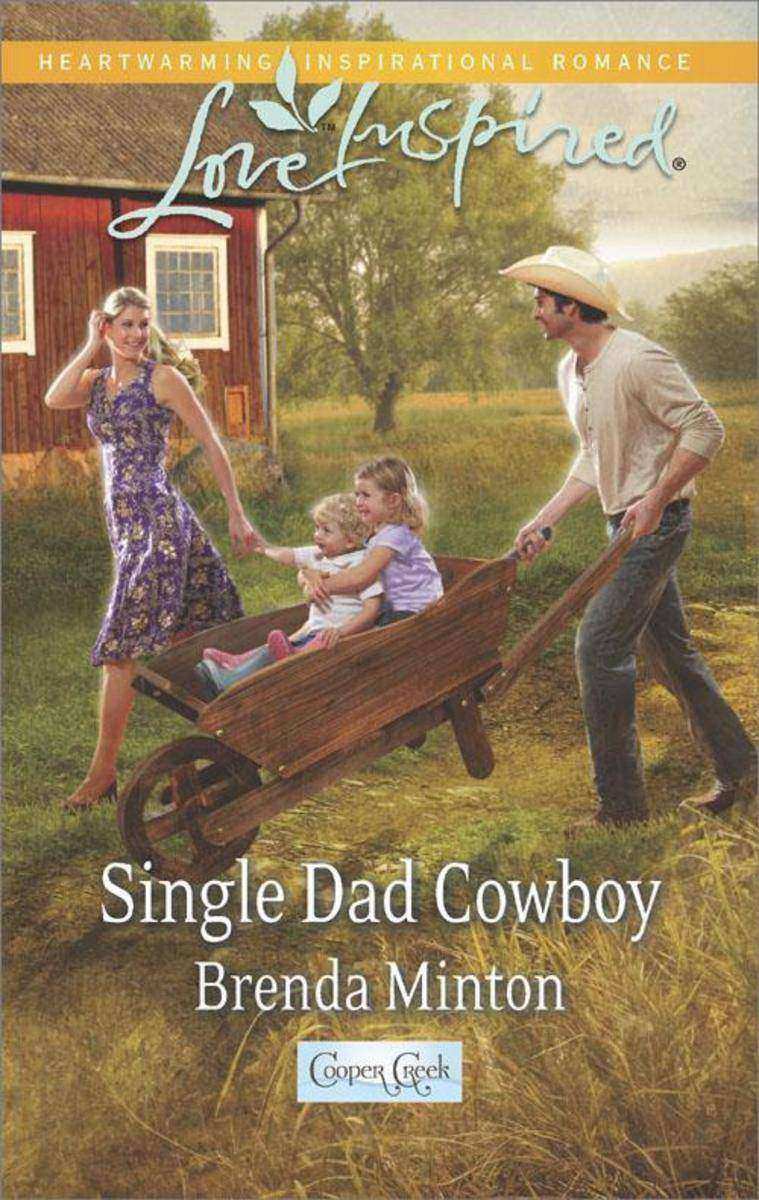
Single Dad Cowboy (Mills & Boon Love Inspired) (Cooper Creek, Book 9)
¥31.10
Her Forever Cowboy Determined to start over, Harmony Cross returns to Dawson, Oklahoma. She needs time and space–not complications. Especially not in the form of the charming Dylan Cooper. But the handsome cowboy is not the man Harmony remembers. Now he's a single dad with two sweet and vulnerable children to take care of. Harmony never thought she'd see the day–not only is Dylan more kindhearted than she ever imagined, but she's falling for the last man she ever thought she'd love. Can this unlikely hero give her a perfect forever? Cooper Creek: Home is where the heart is for this Oklahoma family

Strangers in the Sauna (A Chatsfield Short Story, Book 6)
¥18.34
Step behind the hotel room doors of the Chatsfield, London… Jenny Harding is mortified when her lousy ex leaves her stranded - and furious! - in London’s most opulent hotel, in nothing but her underwear. Sneaking down to the sauna to ‘borrow’ a shirt, she thinks things can’t get any worse, until she’s caught red-handed by the shirt’s owner, Brax Tsoukatos! Jenny was ready to swear off men, but when this gorgeous stranger proposes an impulsive encounter, the temptation to live dangerously for one wild night is outrageously irresistible…!

Taming Her Italian Boss (Mills & Boon Cherish)
¥11.77
"So, Miss Lange with an e, will you take the job?" Ruby Lange might be unconventional, but her struggle to find the ideal career isn't from lack of trying! Now the latest option is "traveling nanny"–so she takes a deep breath, packs her vintage suitcase and heads for Italy. Ruby's new boss, architect Max Martin, may be utterly gorgeous, but he's far too buttoned up for her liking! Yet traveling around Venice together, Ruby discovers that the man who took a risk on her is masking a huge heart–he just needs a reason to trust it again….

The Baby Truth (Mills & Boon Cherish)
¥26.78
SHE COULDN’T BE PREGNANT… Except apparently she was! Still, Sassy Matthews was on a mission to find her biological parents – not to faint in the arms of a lawyer! Of course, becoming a mum didn’t exactly fit into her plans either. Jett Sundell wanted to keep an eye on Sassy – and not just because her new ‘family’ suspected her of being a gold-digger. Sassy captured his interest, but she was pregnant with another man’s child! Jett knew he might be able to provide Sassy with the link to her past, but she might just be the key to his future.
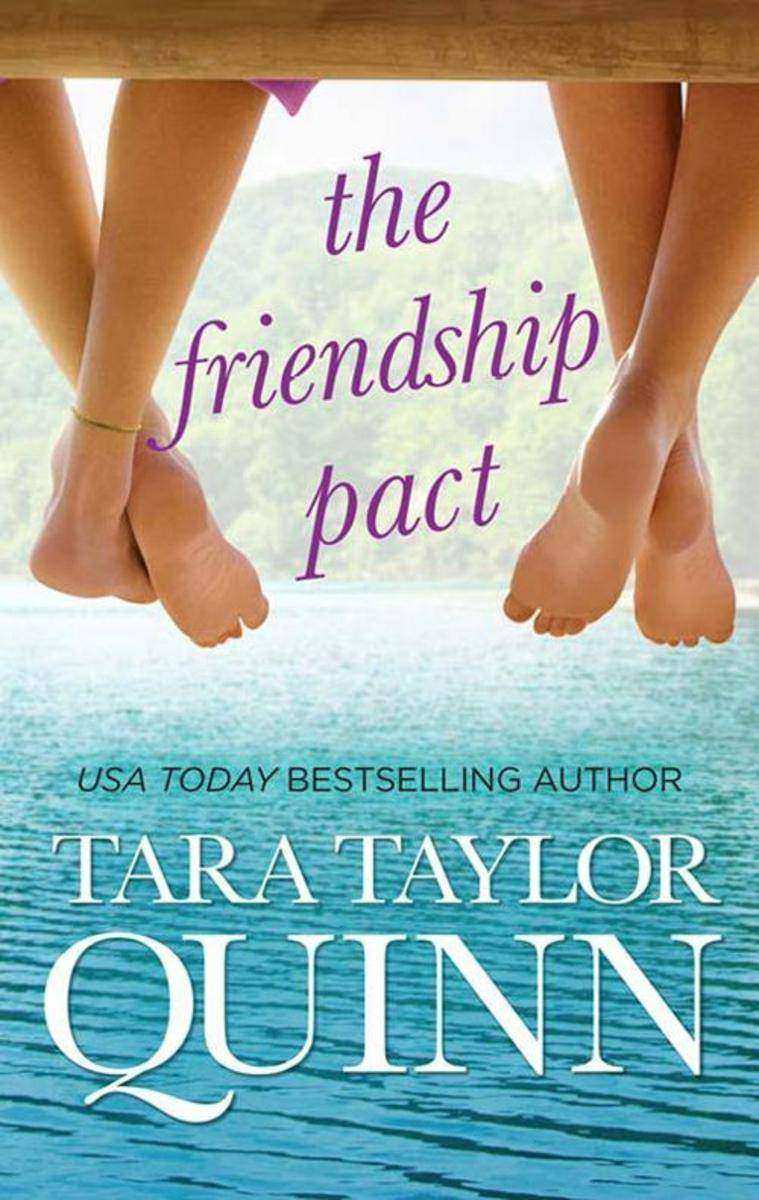
The Friendship Pact
¥12.75
This is a story for every woman who has a best friend… Bailey Watters and Koralynn Mitchell consider themselves "sisters of the soul." Their circumstances growing up couldn't have been more different; Kora came from a wealthy, privileged family, while Bailey's home life was hard. They'd do anything for each other. "I'd give you a kidney," they always say. There are no secrets between them–until there's one secret Bailey can't share. This is a story for every woman who's been in love. Danny Brown is the only man Kora's ever wanted, ever loved, and her marriage seems as flawless as everything else in her life. Bailey, however, doesn't want a husband. She does want a baby–but only by IVF. And the perfect donor, the perfect biological father, would be a man like…Danny. What happens when love and friendship collide? Kora might be willing to give Bailey a kidney. But what about a baby?
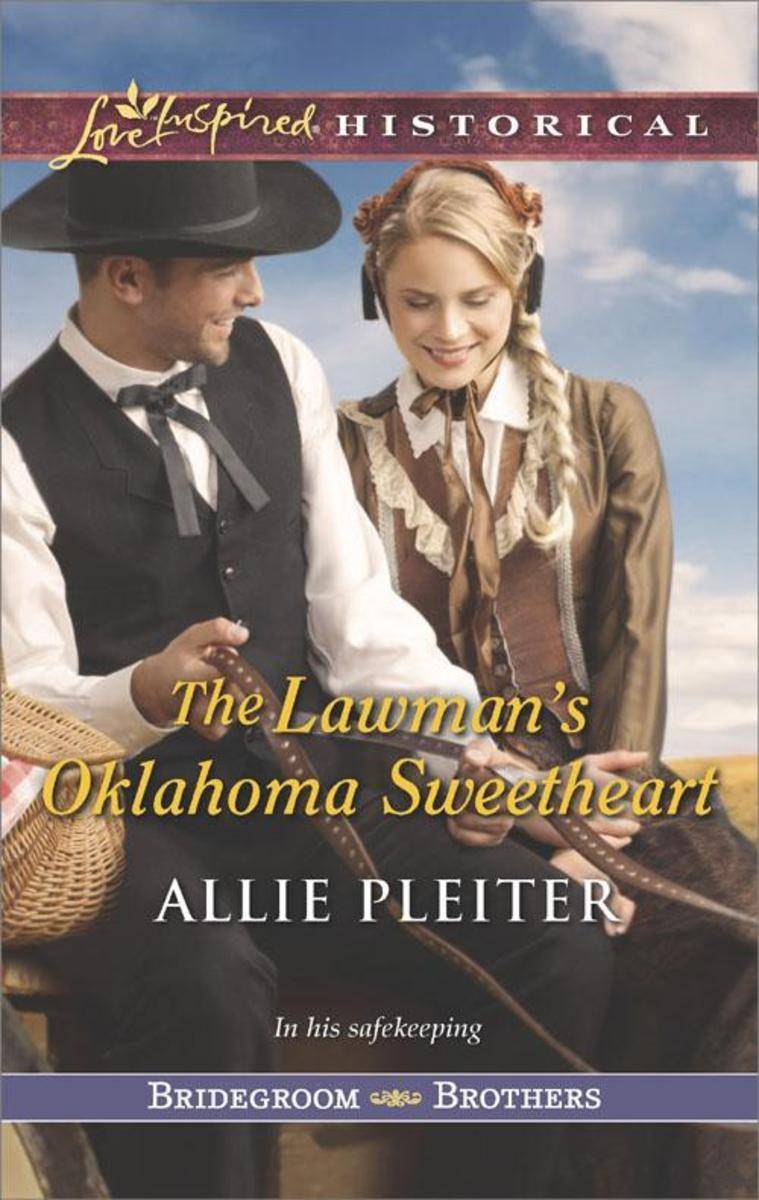
The Lawman's Oklahoma Sweetheart (Mills & Boon Love Inspired Historical) (Brideg
¥31.10
Bound by a Secret When Katrine Brinkerhoff's cabin is attacked, only sheriff Clint Thornton's heroism saves her. She owes Clint her life–and her help catching the men responsible. All she has to do is trust in Clint's plan to protect her family. But she can't let herself care too deeply, not when her past carries secrets that would drive him away. Infiltrating the murderous gang is a dirty job, yet Clint is determined to see it through. The brigands will face justice–and they will never harm Katrine again. Clint would give his life to keep the beautiful settler safe…but will he be willing to risk his heart? Bridegroom Brothers: True love awaits three siblings in the Oklahoma Land Rush

The Texan's Baby (Mills & Boon Cherish)
¥26.78
UNEXPECTED CONSEQUENCES As a powerful Dallas oil executive, planning is what Lizzie Baron does best. But she didn’t plan on getting pregnant following one memorable night after a rodeo. Now she needs to figure out how she’s going to raise a baby with a man she barely knows. Aspiring bronco rider Chris Miller always hoped he’d see Lizzie again, though not quite like this. The pregnancy is a welcome surprise but, when Lizzie learns Chris works for a rival company, she feels betrayed. Can two perfect strangers trust each other enough to become the perfect family?

What Janie Saw (Mills & Boon Heartwarming) (Scorpion Ridge, Arizona, Book 2)
¥30.61
The last person she wanted was the only one who could keep her safe Janie Vincent had no use for cops. They’d never done her any favours. But when she uncovers a lead into the disappearance of a girl at the college where she’s a teaching assistant, suddenly Janie’s life depends on the officers of Scorpion Ridge. And one in particular: Sheriff Rafael Salazar. Rafe knows how much destruction a missing-persons case can cause a family, and so to solve this case, he’s determined to stick to Janie like glue. She’s clearly not a fan of the 24/7 surveillance, but he intends to break down her distrust. And maybe they’ll discover that what Janie saw can be the key to healing them both.
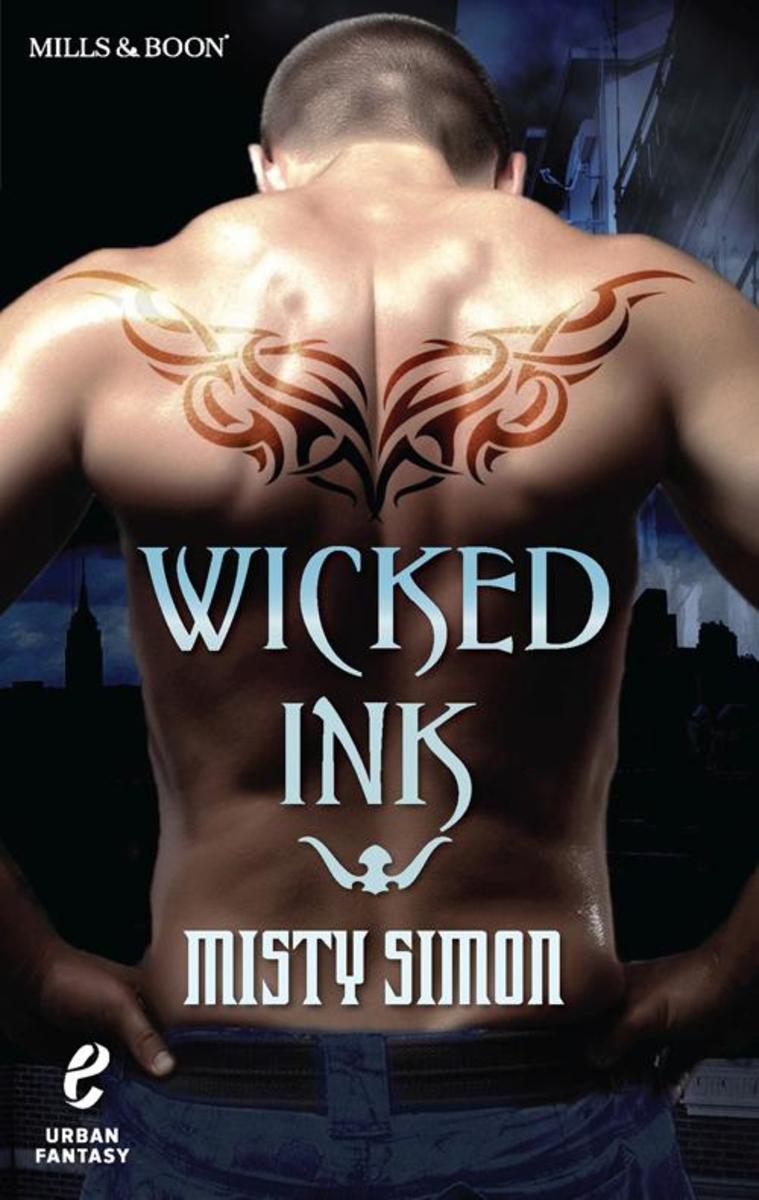
Wicked Ink (Urban Fantasy, Book 1)
¥11.77
Garrett Blackwell is not a superhero, and his tattoos aren't just ink. They're the weapons he uses to hunt those who hurt the innocent as he tries to atone for his dark past of violence and crime. And he pays a price every time he uses his gift to summon the darkness around him. Dory Miller has lived beside Garrett for two months and is torn by her feelings toward her sexy, reclusive neighbour. He's the hottest man she's ever met, but as more women in her building become targets of a stalker, she doesn't know who she can trust - especially after she finds Garrett bleeding from a knife wound. Despite her fears that Garrett might be the one responsible for the violence, she feels compelled to help heal his wounds. Garrett reluctantly lets her, and is shocked to discover that she can heal not only his physical wounds, but also the darkness brought by his powers. But if letting her in means putting her in danger, Garrett may have to keep his distance to keep her safe.
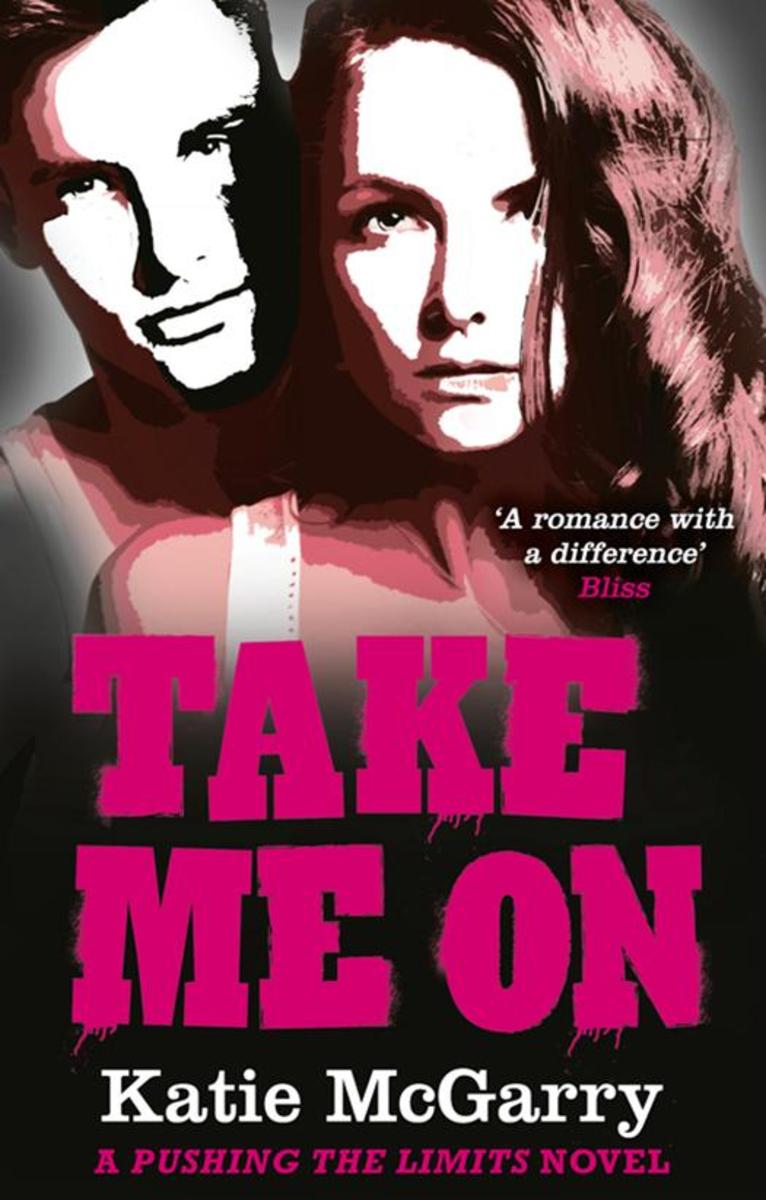
Take Me On (A Pushing the Limits novel)
¥46.99
Acclaimed author Katie McGarry (Pushing The Limits, Dare You To, Crash Into You) returns with a new story about love, loss and what winning really means… Champion kickboxer Haley swore she'd never set foot in the ring again after one tragic night. But then the guy she can't stop thinking about accepts a mixed martial arts fight in her honour. Suddenly, Haley has to train West Young. All attitude, West is everything Haley promised herself she'd stay away from. Yet he won't last five seconds in the ring without her help. West is keeping a big secret from Haley. About who he really is. But helping him fighting for her is a shot at redemption. Especially since it's his fault her family is falling apart. He can't change the past, but maybe he can change Haley's future. Hayley and West have agreed to keep their relationship strictly in the ring. But as an unexpected bond forms between them and attraction mocks their best intentions, they'll face their darkest fears and discover love is worth fighting for. Praise for Katie McGarry 'The love story of the year' - Teen Now on Pushing the Limits 'A real page-turner' - Mizz on Pushing the Limits 'A romance with a difference' – Bliss on Pushing the Limits The Pushing the Limits Series 1. Pushing the Limits 2. Dare You To 3. Crash Into You 4. Take Me On – coming 27th May 2014
The Doctor In The Executive Suite (A Chatsfield Short Story, Book 4)
¥18.34
Step behind the hotel room doors of the Chatsfield, London… Doctor Chelsea Serrano is never going on a blind date again. EVER! The food at the delectable and ultra-luxurious Chatsfield restaurant may be heavenly, but the company definitely leaves something to be desired… So when Chelsea is called upon to save the life of a guest, she jumps at the chance to escape her ‘date’. And having a mouth-watering bodyguard helping her as the drama unfolds? What girl could ask for more?! But when the curtain falls will she chose to live in the spotlight and reach for what she wants?
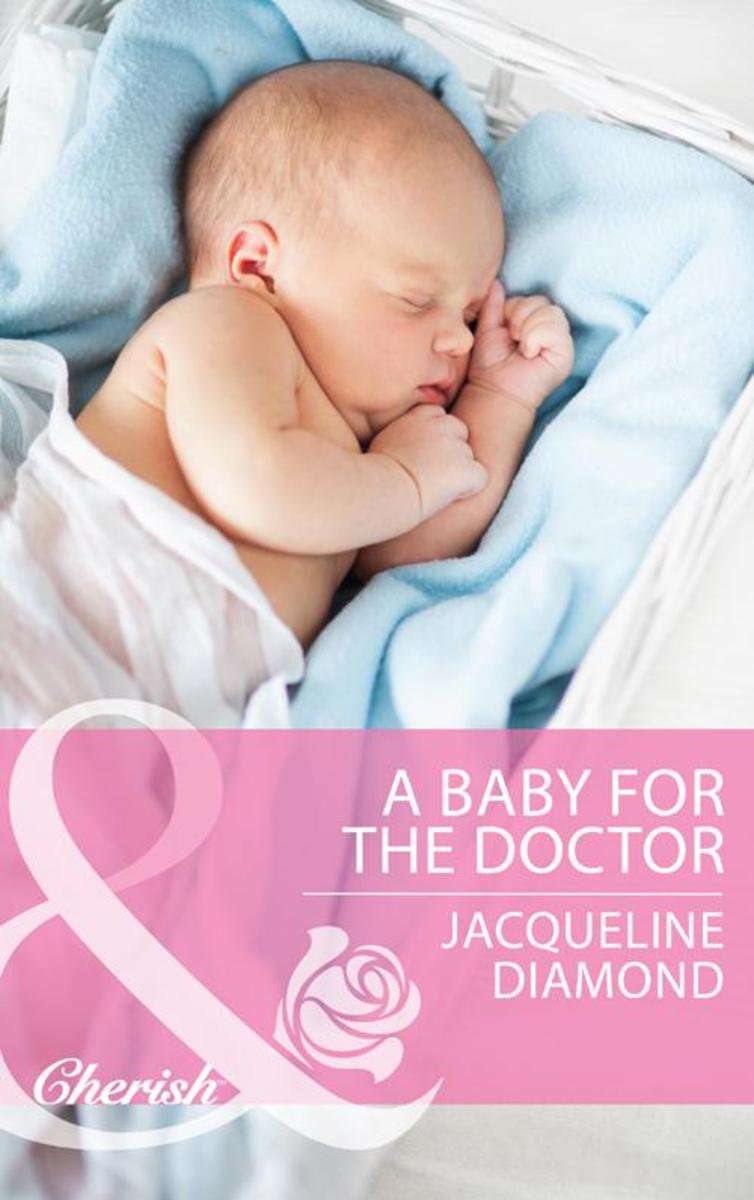
A Baby for the Doctor (Mills & Boon Cherish)
¥31.10
A drop-dead-gorgeous doctor like Jack Ryder is used to the women of Safe Harbor Hospital vying for his attention. Too bad the only woman he wants is avoiding him. Jack longs for a family – and, after his New Year’s Eve fling with surgical nurse Anya Meeks, he’ll do anything to persuade her to keep their baby!
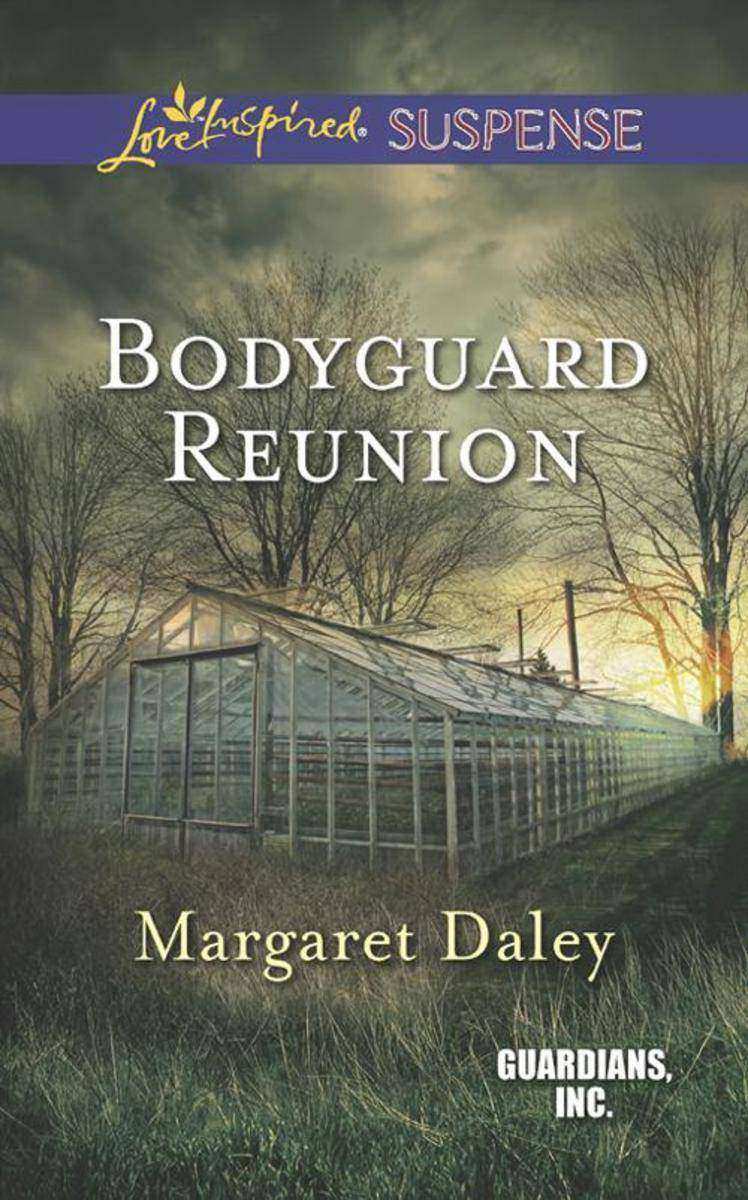
Bodyguard Reunion (Mills & Boon Love Inspired Suspense) (Guardians, Inc., Book 6
¥31.10
REUNIONS CAN BE DEADLY Teaming up with an old flame is not what bodyguard Chloe Howard would call a smart move. Nine years ago Chloe and T. J. Davenport worked on a case together, fell in love, then went their separate ways. Now she's reunited with the fearless bodyguard to protect a controversial couple on a book tour through Texas. And the reunion reminds Chloe of dreams best forgotten. She knows she has to keep her emotions in check so their clients' protection remains their top priority. Protection that is the only thing keeping them from falling prey to a stalker's deadly schemes.

Expecting the Prince's Baby (Mills & Boon Cherish) (Princes of Europe, Book 1)
¥31.10
When Abby Loretto became surrogate mother to the Mediterranean’s premier royal couple, she didn’t expect Prince Vincenzo would suddenly become widowed. Now pregnant Abby quickly becomes the focus of Vincenzo’s hope; she is his baby’s mother…but to stay that way she must become his wife!
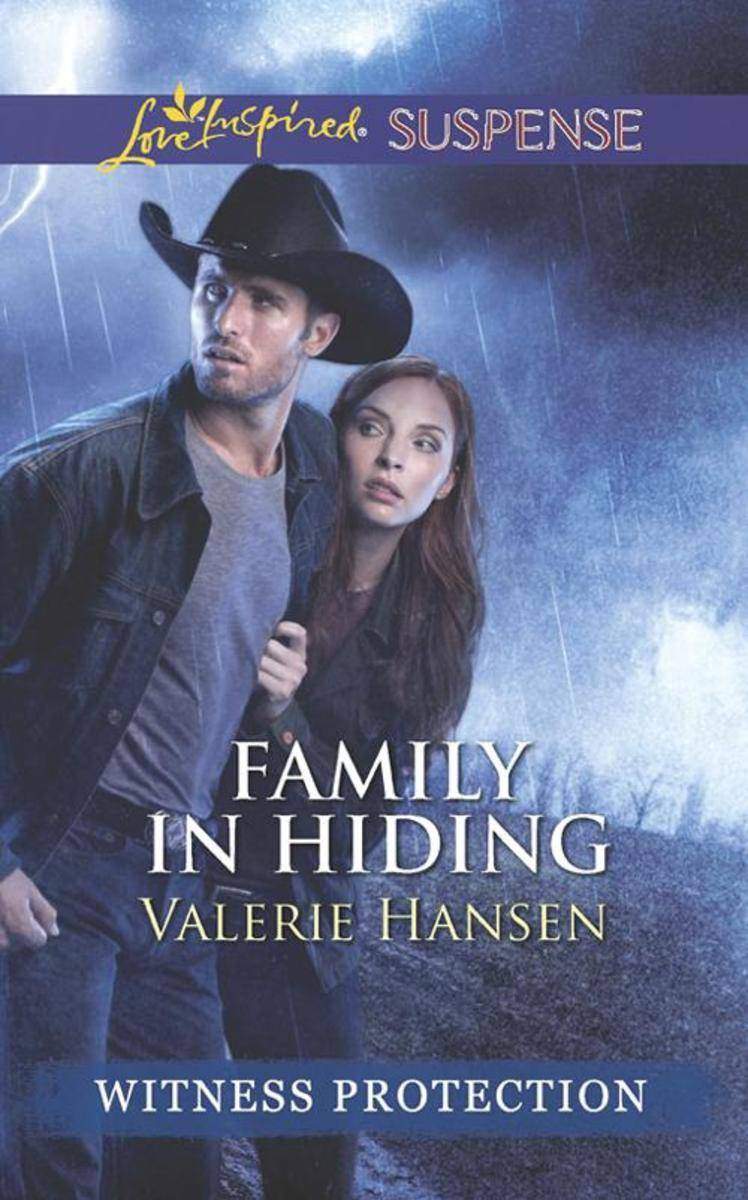
Family in Hiding (Mills & Boon Love Inspired Suspense)
¥31.10
TILL DEATH DO US PART? When her estranged husband Dylan's inadvertent dealings with a crime ring bring danger to her doorstep, Grace McIntyre has no choice but to follow him into the witness protection program. To safeguard her children, they must all go into hiding as one big happy family. Grace doesn't know what's worse–having to pretend she's in love with the man who betrayed her trust or keeping ahead of the killers. In hiding, Dylan is all that stands between their safety and certain death. Now more than ever, he wants to be the man that Grace once loved. Keeping his family alive is his only hope–to be a hero and a husband.

Healed with a Kiss (Mills & Boon Cherish)
¥22.07
One night is never enough! There are many words people use to describe Logan Carmichael, but romantic is not one of them. Even he can see the irony that he has become co-owner of the Bride Mountain Inn! Until he falls – hard – for the one woman who is determined to stay just out of his reach… Alexis Mosley might be the only wedding planner in the world who doesn’t believe in happily-ever-after. She believes she and Logan can just ‘keep things casual’ – nothing more. But as she surrenders herself to him each night, Alexis begins to wonder if they might have a fairytale ending after all…
Imajica
¥80.25
A book of revelations. A seamless tapestry of erotic passion, thwarted ambition and mythic horror. Clive Barker takes us on a voyage to worlds beyond our knowledge, but within our grasp. John Furie Zacharias, known as Gentle, a master forger whose life is a series of lies. Judith Odell, a beautiful woman desired by three powerful men, but belonging to none of them. Pie’oh’pah, a mysterious assassin who deals in love as well as death. These three are united in a desperate search for the heart of a universal mystery, and will find the truth that lies in a place as mysterious as the face of God, and as secret as the human soul. They discover the Imajica. Imajica is many things: an epic novel of vast panoramas and intimate, obsessive passions, embracing ghosts and reflections as well as the human and the divine.


