


 购物车
购物车 个人中心
个人中心
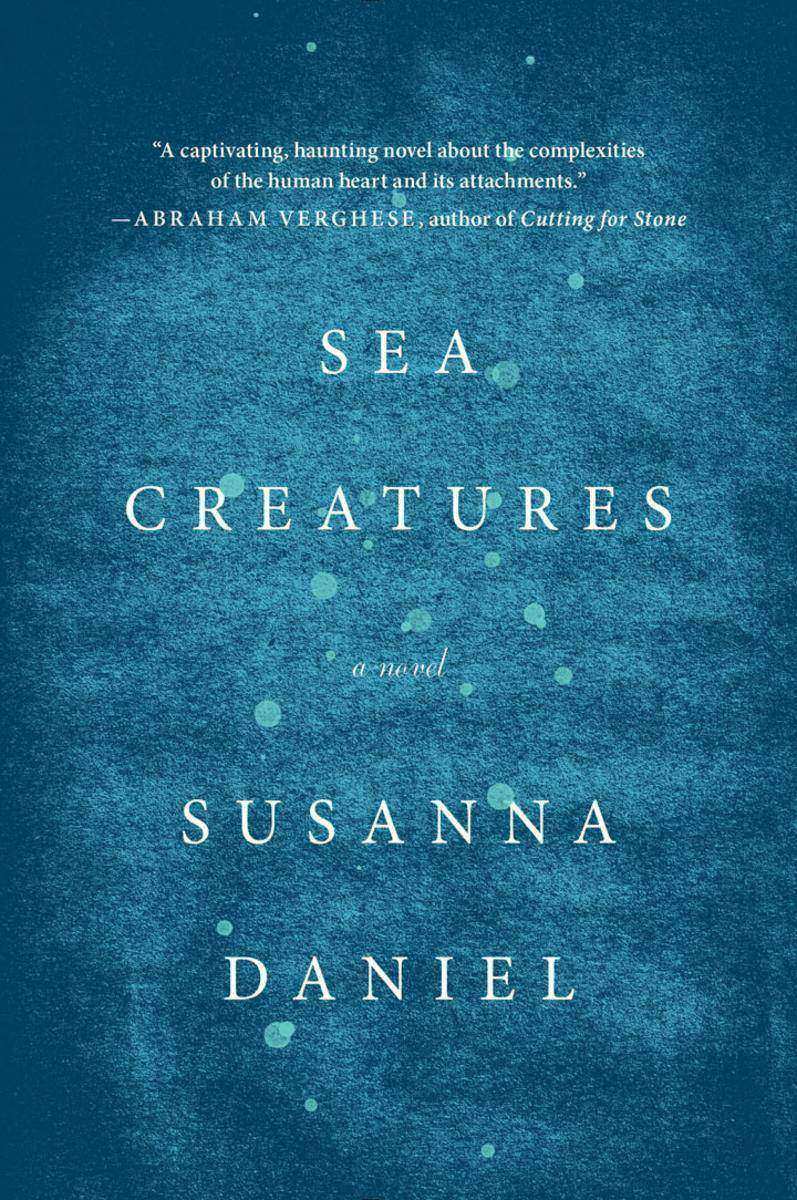
Sea Creatures
¥83.03
When Georgia Quillian returns to her hometown of Miami, her husband, Graham, and their young son in tow, she is hoping for a fresh start. The family has fled Illinois trailing scandal and disappointment, the fallout from Graham's severe sleep disorder and Georgia's failed business. To make matters worse, their charming three-year-old son, Frankie, has for months refused to speak a word.Although Georgia is still grieving her mother's death from five years earlier, her father and stepmother offer warm welcome—and a slip for the dilapidated houseboat Georgia and Graham have chosen to call home. On a lark, Georgia takes a job as an errand runner for a reclusive artist who lives in the middle of the bay, and she soon finds that time spent with the intense hermit might help Frankie find the courage to speak, and might also help her reconcile the woman she was with the woman she has become.But when Graham leaves to work on a research vessel in Hurricane Alley, and the truth behind Frankie's mutism is revealed, the family's challenges return, more complicated than before. As a hurricane bears down on South Florida later that summer, Georgia must face the fact that her choices have put her only child in grave danger.Sea Creatures is a mesmerizing exploration of the high stakes of marriage and parenthood, the story of a woman forced to choose between her husband, her child, and the possibility of new love.
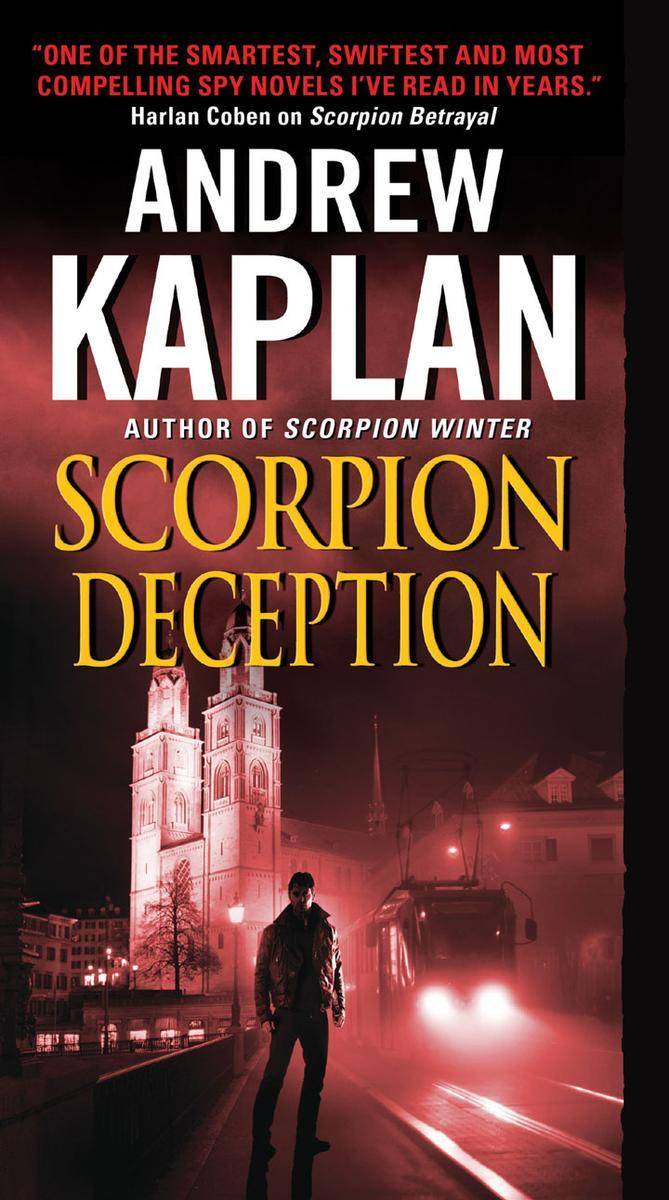
Scorpion Deception
¥69.16
In Switzerland, a brutally efficient hit squad storms the U.S. embassy, stealing classified files and leaving no witnesses alive. Under intense political pressure to find those behind the attack—with Congressional leaders demanding military action—the CIA turns to the deadliest agent they know: Scorpion. But Scorpion is unwilling to get involved . . . until he learns his name is at the top of one of the stolen lists.What Scorpion uncovers sends the CIA scrambling: evidence linking the attack to an unknown Iranian power broker known as "the Gardener." Scorpion follows the trail to Zurich and Barcelona, where he meets his match in Scale, an agent as lethal as the viper that is his namesake. A deadly dance of deception ensues, bringing Scorpion into Tehran's inner circle, but not even the political elite know who the Gardener is—or what his next move might be.
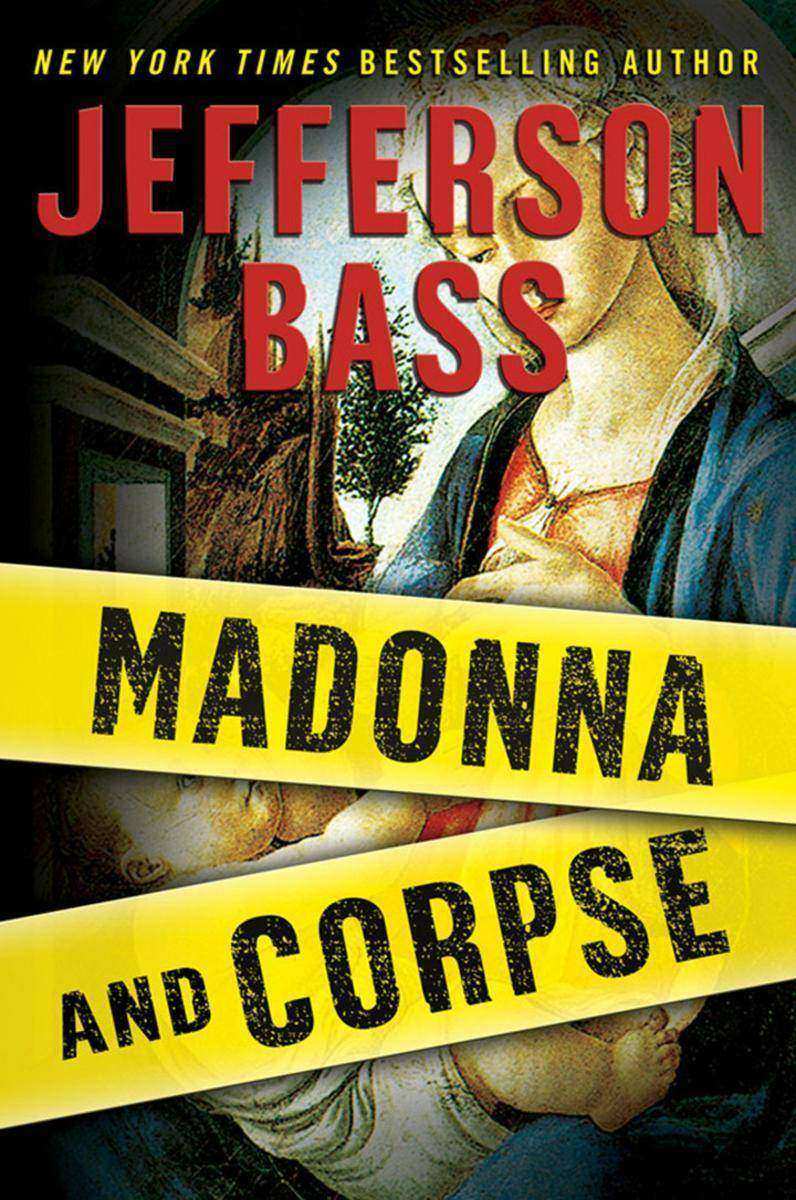
Madonna and Corpse
¥10.86
Renowned bone detective Bill Brockton and his intrepid assistant, Miranda, are about to get immersed in murder and intrigue in Avignon, France, home of the popes for most of the fourteenth century. But first, in this artful prequel to The Inquisitor's Key, other mischief is afoot in the ancient walled city. Inspector René Descartes of the French National Police is roused from a deep sleep to investigate a break-in at the Petit Palais, Avignon's museum of medieval masterpieces. Descartes's discovery plunges him into an elaborate, art-lined labyrinth: a labyrinth that leads him to a master forger's studio . . . and to a charred corpse. Just as he's finally closing the case, Descartes gets called to an even more bizarre death scene, where his path—and his fate—will collide with those of Brockton and Miranda.
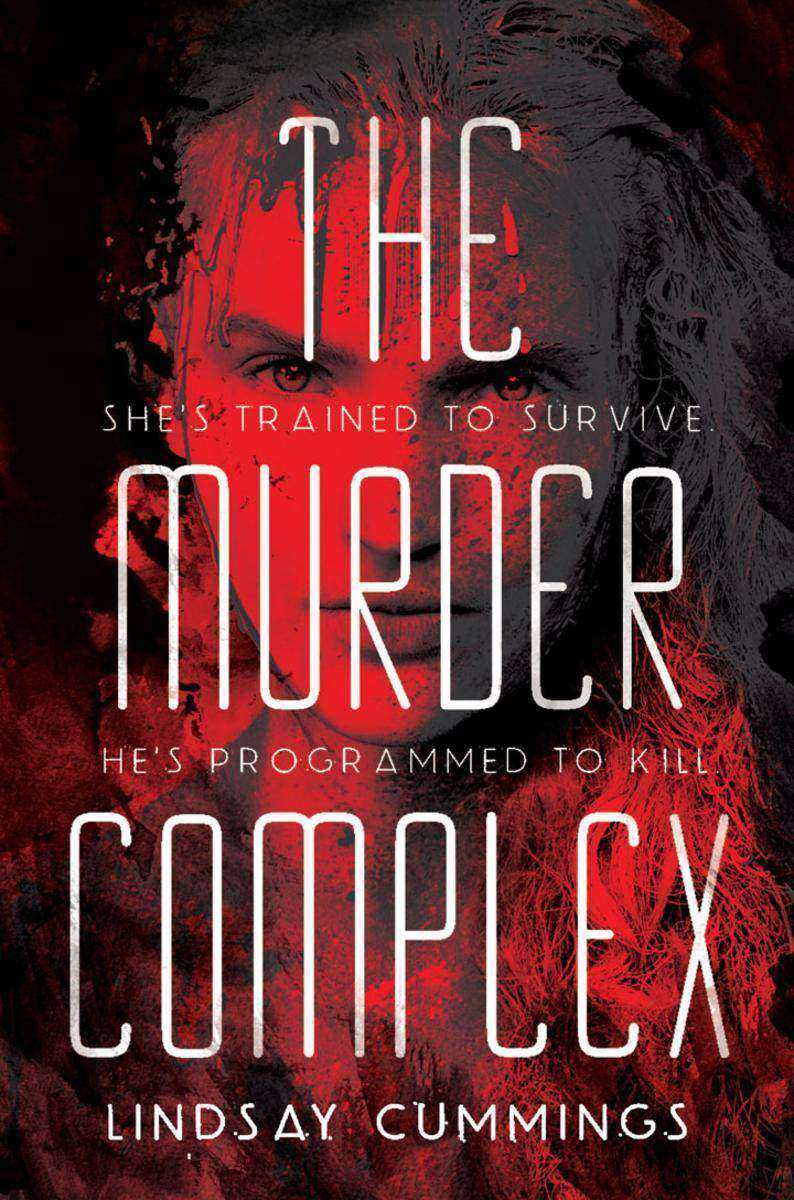
The Murder Complex
¥55.33
An action-packed, blood-soaked, futuristic debut thriller—set in a world where the murder rate is higher than the birthrate—that Booklist called "carefully crafted . . . chilling." "Legend meets La Femme Nikita in this dark and dangerous bloody thriller. The nonstop action of The Murder Complex kept us guessing at every twist and turn. It's a must for fans of action-packed dystopians like The Hunger Games and Divergent."—Justine MagazineMeadow Woodson, a fifteen-year-old girl who has been trained by her father to fight, to kill, and to survive in any situation, lives with her family on a houseboat in Florida. The state is controlled by The Murder Complex, an organization that tracks the population with precision. The plot starts to thicken when Meadow meets Zephyr James, who is—although he doesn't know it—one of the MC's programmed assassins. Is their meeting a coincidenceDestinyOr part of a terrifying strategyAnd will Zephyr keep Meadow from discovering the haunting truth about her familyAction-packed, blood-soaked, and chilling, this is a dark and compelling debut novel by Lindsay Cummings.
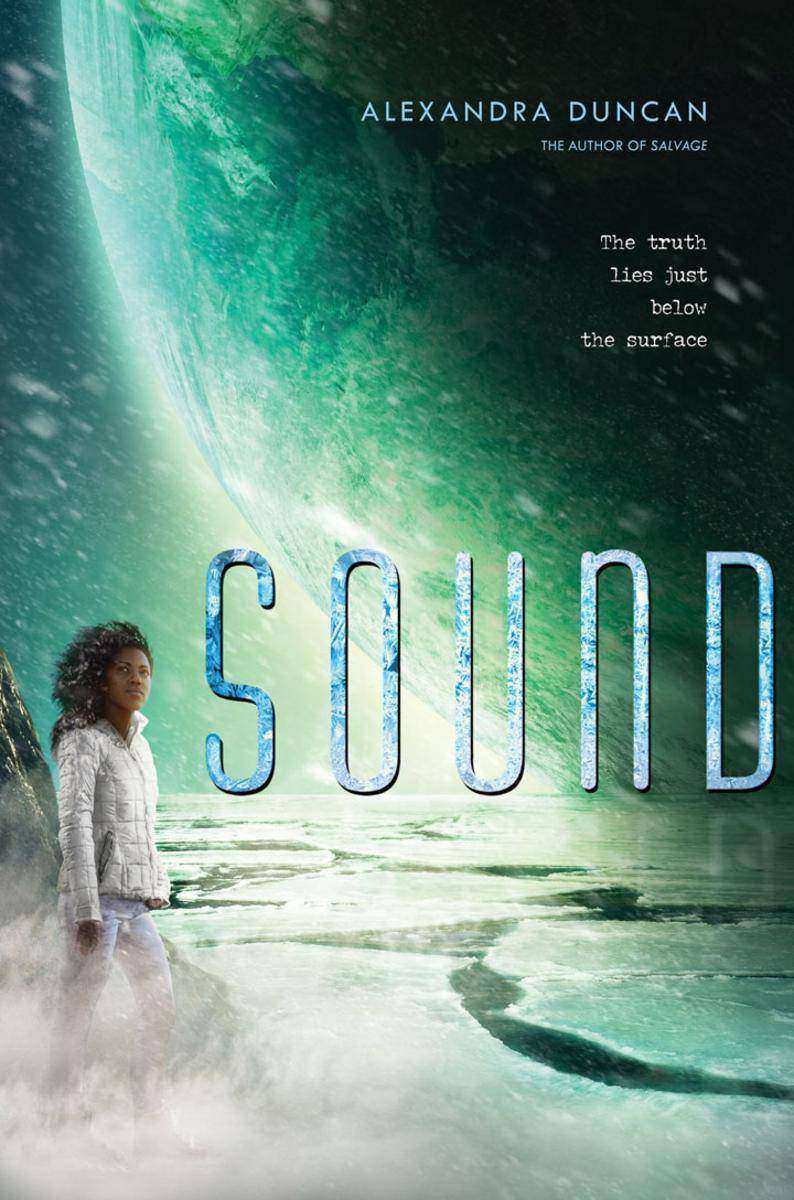
Sound
¥99.65
Sound is the stand-alone companion to Alexandra Duncan's acclaimed debut novel Salvage, which was praised by internationally bestselling author Stephanie Perkins as "brilliant, feminist science fiction." For fans of Beth Revis, Firefly, and Battlestar Galactica.As a child, Ava's adopted sister, Miyole, watched her mother take to the stars, piloting her own ship from Earth to space making deliveries. Now a teen herself, Miyole is finally living her dream as a research assistant on her very first space voyage. If she plays her cards right, she could even be given permission to conduct her own research and experiments in her own habitat lab on the flight home. But when her ship saves a rover that has been viciously attacked by looters and kidnappers, Miyole, along with a rescued rover girl named Cassia, embarks on a mission to rescue Cassia's abducted brother, and that changes the course of Miyole's life forever. Harrowing, provocative, and stunning, Sound begins roughly a decade after the action in the author's critically acclaimed Salvage, and is a powerful stand-alone companion.

Warriors Super Edition: SkyClan's Destiny
¥44.73
The return of a long lost Clan . . . Many moons ago, five warrior Clans shared the forest in peace. But as Twolegs encroached on the cats' territories, the warriors of SkyClan were forced to abandon their home and try to forge a new life far away. Eventually, the Clan disbanded forgotten by all until Firestar was sent on a quest to reunite its descendants and return SkyClan to its former glory. Now, with Leafstar in place as leader, SkyClan is thriving. Leafstar is desperate to believe that her Clan will survive where the ancient SkyClan cats failed. But threats continue to plague the Clan, and as dissent grows from within, Leafstar must face the one question she dreads: Is SkyClan meant to survive?
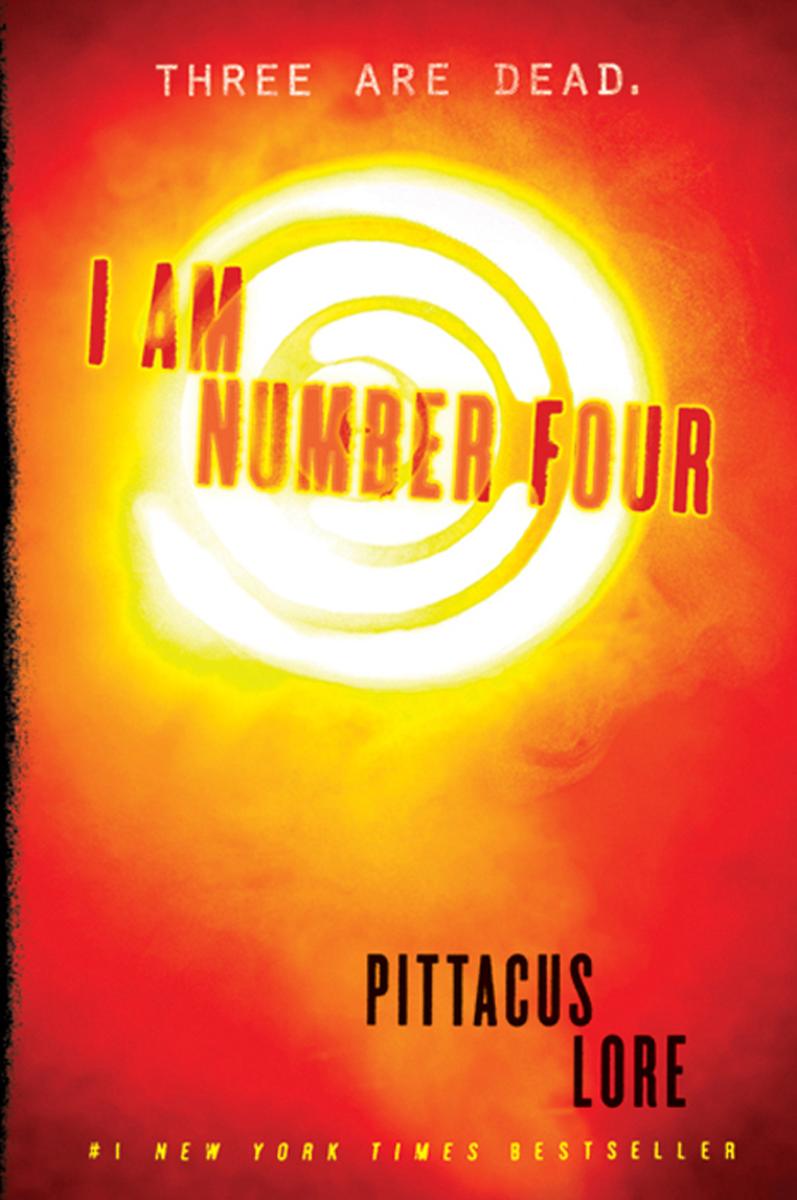
I Am Number Four 关键第四号
¥61.52
Nine of us came here. We look like you. We talk like you. We live among you. But we are not you. We can do things you dream of doing. We have powers you dream of having. We are stronger and faster than anything you have ever seen. We are the superheroes you worship in movies and comic books but we are real. Our plan was to grow, and train, and become strong, and become one, and fight them. But they found us and started hunting us first. Now all of us are running. Spending our lives in shadows, in places where no one would look, blending in. we have lived among you without you knowing. But they know. They caught Number One in Malaysia. Number Two in England. And Number Three in Kenya. They killed them all. I am Number Four. I am next.
Meant To Be
¥84.16
Published to strong reviews and major media attention, this heartfelt and inspirational rags-to-riches memoir by the highly regarded CEO of Parade Publications tells the emotional story of how he came to terms with an identity and a family that he never knew he had until he reached middle age.Meant To Be begins when Anderson, a 21-year-old Marine returns from service to say goodbye to his dying father and tries to find the answer to a question that has inexplicably haunted him from his earliest years: Was the alcoholic, abusive man who has so tormented him in his childhood his real fatherShockingly, the answer turns out to be "No." Unbeknown to him, at least until that point, his mother, a German Protestant, fell in love during World War II with a Russian Jew and bore his child. Anderson learns this information as a young man but he and his mother keep this secret for another 35 years, until the day Anderson now an unusually successful publishing executive meets an unknown brother who, it turns out, has lived a nearly parallel life. Meant To Be is a love story, a journey of self-discovery and spirituality, and a provocative challenge to common notions about the role of heredity in our lives.
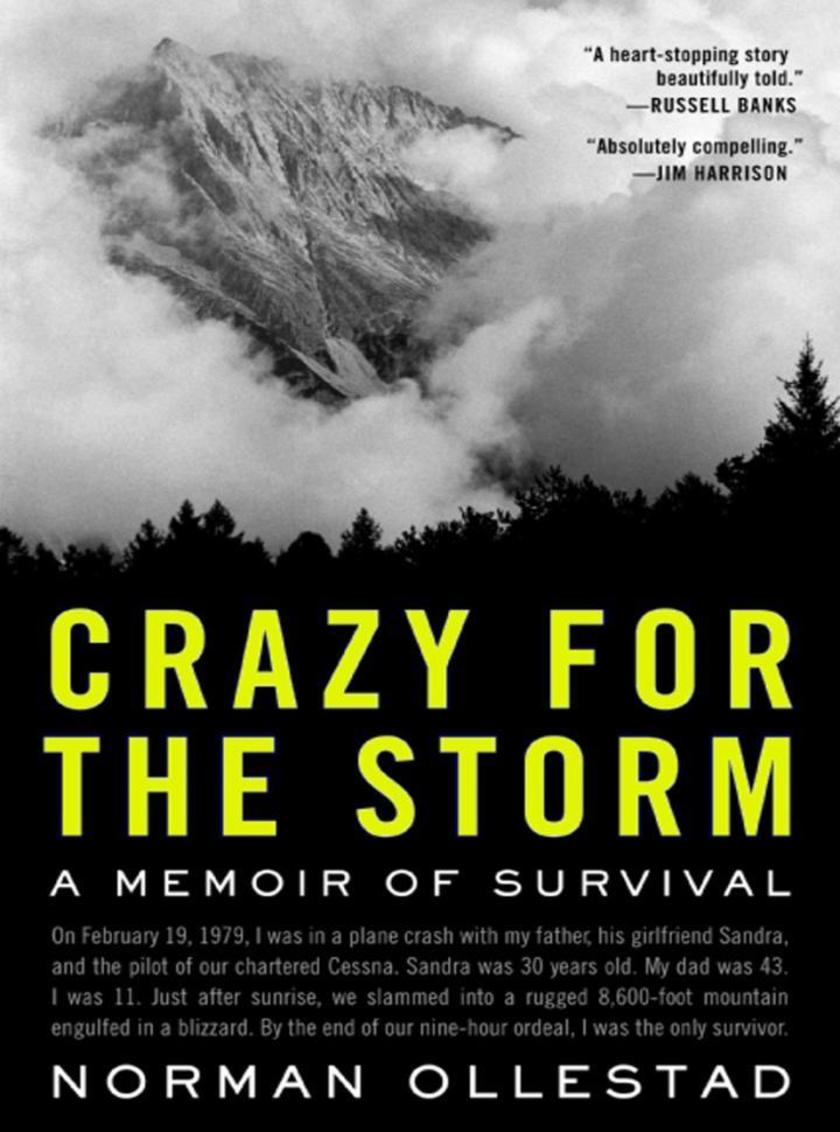
Crazy for the Storm
¥94.10
Dad SaidOlestad, we can do i t all. . . .Why do you make me do thisBecause it's beautiful when it all comes together.I don't think it's ever beautiful.One day.Never.We'll see, my father said. Vamanos.From the age of three, Norman Ollestad was thrust into the world of surfing and competitive downhill skiing by the intense, charismatic father he both idolized and resented. While his friends were riding bikes, playing ball, and going to birthday parties, young Norman was whisked away in pursuit of wild and demanding adventures. Yet it were these exhilarating tests of skill that prepared "Boy Wonder," as his father called him, to become a fearless champion and ultimately saved his life.Flying to a ski championship ceremony in February 1979, the chartered Cessna carrying Norman, his father, his father's girlfriend, and the pilot crashed into the San Gabriel Mountains and was suspended at 8,200 feet, engulfed in a blizzard. "Dad and I were a team, and he was Superman," Ollestad writes. But now Norman's father was dead, and the devastated eleven-year-old had to descend the treacherous, icy mountain alone.Set amid the spontaneous, uninhibited surf culture of Malibu and Mexico in the late 1970s, this riveting memoir, written in crisp Hemingwayesque prose, recalls Ollestad's childhood and the magnetic man whose determination and love infuriated and inspired him and also taught him to overcome the indomitable. As it illuminates the complicated bond between an extraordinary father and his son, Ollestad's powerful and unforgettable true story offers remarkable insight for us all.
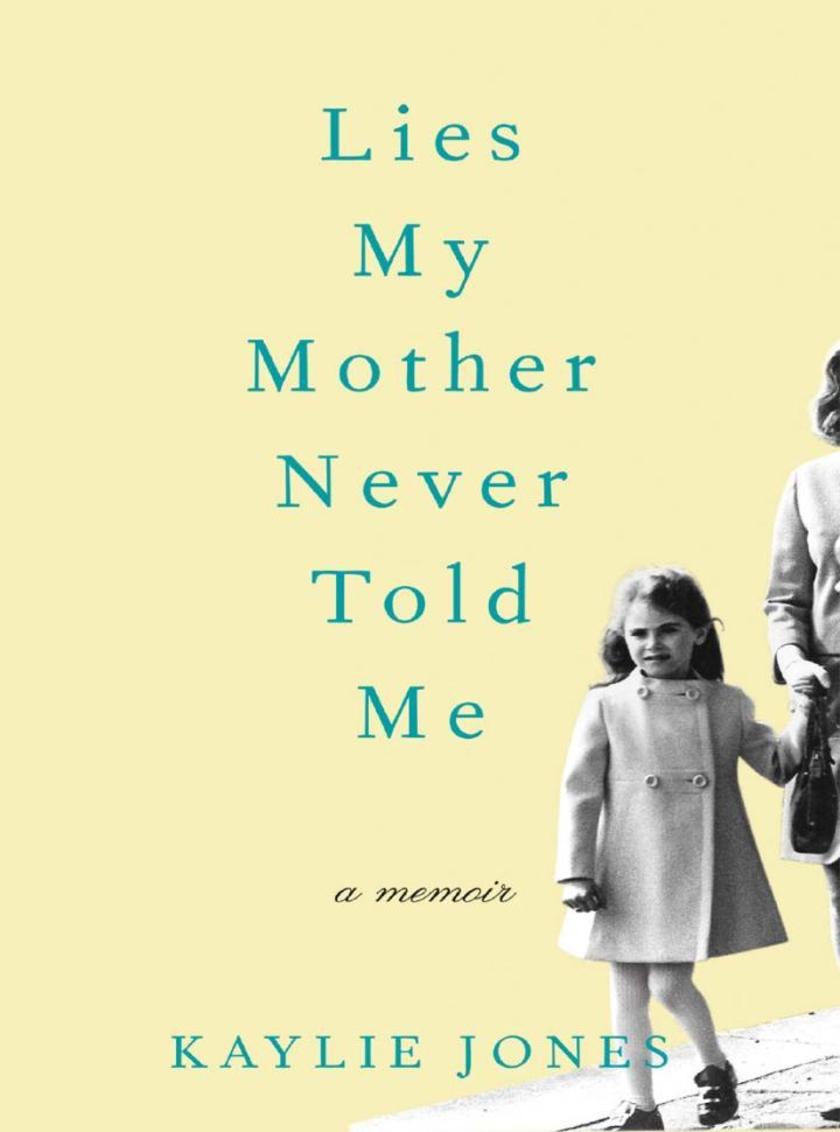
Lies My Mother Never Told Me
¥94.10
Her mother was a brainy knockout with the sultry beauty of Marilyn Monroe, a raconteur whose fierce wit could shock an audience into hilarity or silence. Her father was a distinguished figure in American letters, the National Book Award–winning author of four of the greatest novels of World War II ever written. A daughter of privilege with a seemingly fairy-tale-like life, Kaylie Jones was raised in the Hamptons via France in the 1960s and '70s, surrounded by the glitterati who orbited her famous father, James Jones. Legendary for their hospitality, her handsome, celebrated parents held court in their home around an antique bar an eighteenth-century wooden pulpit taken from a French village church playing host to writers, actors, movie stars, film directors, socialites, diplomats, an emperor, and even the occasional spy. Kaylie grew up amid such family friends as William Styron, Irwin Shaw, James Baldwin, and Willie Morris, and socialized with the likes of Truman Capote, Norman Mailer, George Plimpton, and Kurt Vonnegut.Her beloved father showed young Kaylie the value of humility, hard work, and education, with its power to overcome ignorance, intolerance, and narrow-mindedness, and instilled in her a love of books and knowledge. From her mother, Gloria, she learned perfect posture, the twist, the fear of abandonment, and soul-shattering cruelty. Two constants defined Kaylie's childhood: literature and alcohol. "Only one word was whispered in the house, as if it were the worst insult you could call someone," she writes, "alcoholic was a word my parents reserved for the most appalling and shameful cases drunks who made public scenes or tried to kill themselves or ended up in the street or in an institution. If you could hold your liquor and go to work, you were definitely not an alcoholic." When her father died from heart failure complicated by years of drinking, sixteen-year-old Kaylie was broken and lost. For solace she turned to his work, looking beyond the man she worshipped to discover the artist and his craft, determined that she too would write. Her loss also left her powerless to withstand her mother's withering barbs and shattering criticism, or halt Gloria's further descent into a bottle one of the few things mother and daughter shared. From adolescence, Kaylie too used drink as a refuge, a way to anesthetize her sadness, anger, and terror. For years after her father's death, she denied the blackouts, the hangovers, the lost days, the rage, the depression. Broken and bereft, she began reading her father's novels and those writers who came before and after him and also pursued her own writing. With this, she found the courage to open the door on the truth of her own addiction.Lies My Mother Never Told Me is the mesmerizing and luminously told story of Kaylie's battle with alcoholism and her struggle to flourish despite the looming shadow of a famous father and an emotionally abusive and damaged mother. Deeply intimate, brutally honest, yet limned by humor and grace, it is a beautifully written tale of personal evolution, family secrets, second chances, and one determined woman's journey to find her own voice and the courage to embrace a life filled with possibility, strength, and love.

Merry Christmas from . . .
¥84.16
150 of the World's Funniest and Most Delightful Christmas CardsKaren Robert has spent the last several years tracking down the wonderful and wacky Christmas cards represented in this book the best out of tens of thousands she has reviewed. Featuring everything from young couples in love, classic kids-'n'-dogs, and quirky workplace situations to every incarnation of Santa fat, thin, young, old, canine these cards will surprise you with their irrepressible creativity. Some are heartwarming, some are hilarious, some are simply strange but every single one was actually sent out as a Christmas card. So whether you're one of the millions of people who love all things Christmas, looking for inspiration for your own holiday card, or just a desperate Scrooge on the hunt for the perfect stocking stuffer, pick up Merry Christmas from . . . for a holiday pick-me-up.
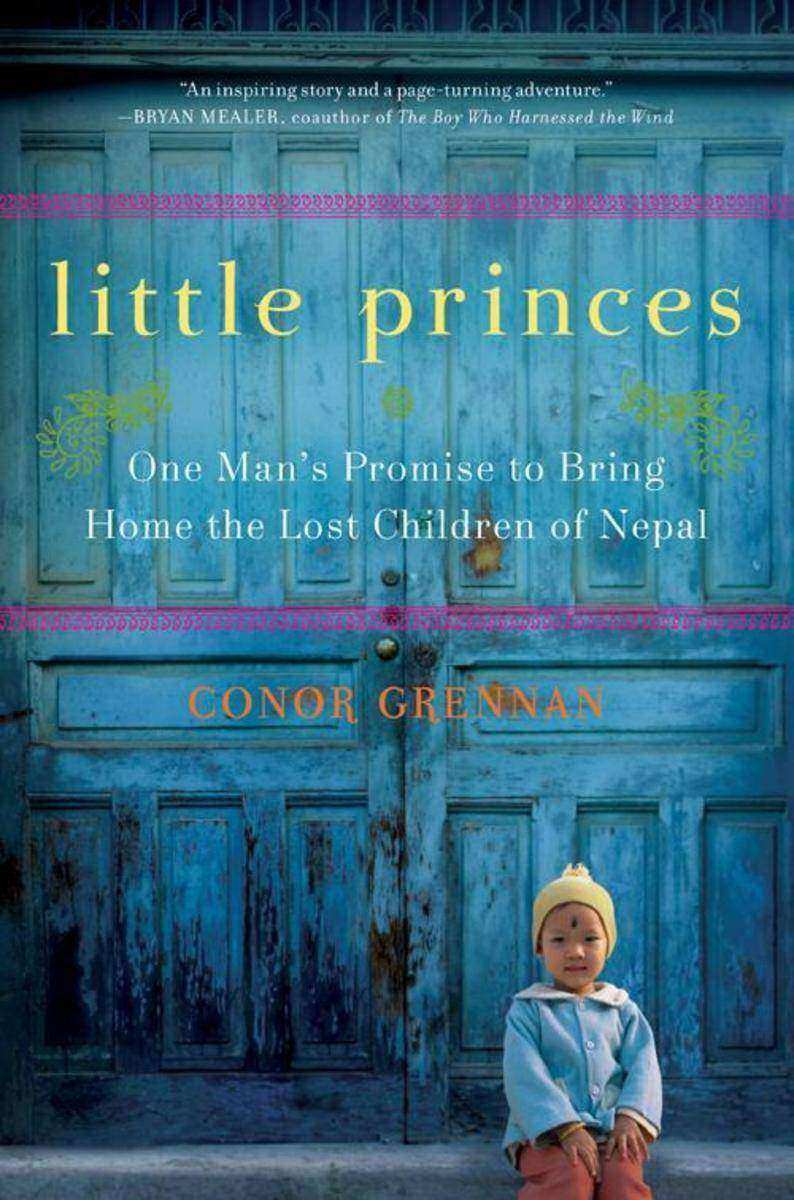
Little Princes
¥95.11
One Person Can Make a Difference In search of adventure, twenty-nine-year-old Conor Grennan traded his day job for a year-long trip around the globe, a journey that began with a three-month stint volunteering at the Little Princes Children's Home, an orphanage in war-torn Nepal. Conor was initially reluctant to volunteer, unsure whether he had the proper skill, or enough passion, to get involved in a developing country in the middle of a civil war. But he was soon overcome by the herd of rambunctious, resilient children who would challenge and reward him in a way that he had never imagined. When Conor learned the unthinkable truth about their situation, he was stunned: The children were not orphans at all. Child traffickers were promising families in remote villages to protect their children from the civil war for a huge fee by taking them to safety. They would then abandon the children far from home, in the chaos of Nepal's capital, Kathmandu.For Conor, what began as a footloose adventure becomes a commitment to reunite the children he had grown to love with their families, but this would be no small task. He would risk his life on a journey through the legendary mountains of Nepal, facing the dangers of a bloody civil war and a debilitating injury. Waiting for Conor back in Kathmandu, and hopeful he would make it out before being trapped in by snow, was the woman who would eventually become his wife and share his life's work. Little Princes is a true story of families and children, and what one person is capable of when faced with seemingly insurmountable odds. At turns tragic, joyful, and hilarious, Little Princes is a testament to the power of faith and the ability of love to carry us beyond our wildest expectations.

How to Write
¥94.10
Uniquely fusing practical advice on writing with his own insights into the craft, Pulitzer Prize-winning author Richard Rhodes constructs beautiful prose about the issues would-be writers are most afraid to articulate: How do I dare writeWhere do I beginWhat do I do with this story I have to tell that fills and breaks my heartRich with personal vignettes about Rhode's sources of inspiration, How to Write is also a memoir of one of the most original and celebrated writers of our day.
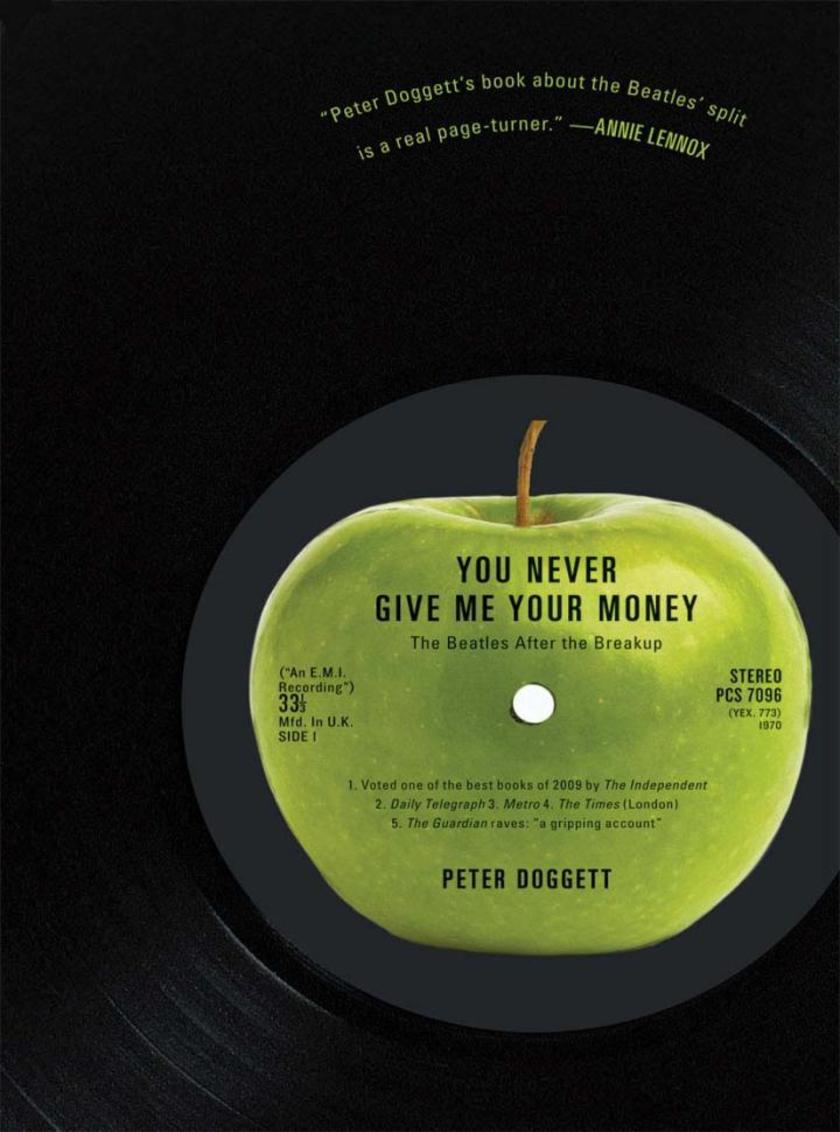
You Never Give Me Your Money
¥88.56
The world stopped in 1970 when Paul McCartney announced that he was through with the Beatles. His statement not only marked the end of the band's remarkable career, but also seemed to signal the demise of an era of unprecedented optimism in social history. Though the Beatles' breakup was widely viewed as a cultural tragedy, one of the most fascinating phases of their story was just about to begin.Now, for the first time, You Never Give Me Your Money tells the behind-the-scenes story of the personal rivalries and legal feuds that have dominated the Beatles' lives since 1969. Journalist Peter Doggett charts the Shakespearean battles between Lennon and McCartney, the conflict in George Harrison's life between spirituality and fame, and the struggle with alcoholism that threatened to take Richard Starkey's life. In vivid detail, Doggett also describes the wild mismanagement of the Beatles' fortune staked largely in Apple Corps. You Never Give Me Your Money is a compelling human drama and an equally rich and absorbing story of the Beatles' creative and financial empire, set up to safeguard their interests but destined to control their lives. From tragedy to triumphant reunion, and chart success to courtroom battles, this meticulously researched work tells the previously untold story of a group and a legacy that will never be forgotten.

Harper
¥166.09
A sweeping historical epic and a radical new interpretation of Vasco da Gama’s groundbreaking voyages, seen as a turning point in the struggle between Christianity and Islam In 1498 a young captain sailed from Portugal, circumnavigated Africa, crossed the Indian Ocean, and discovered the sea route to the Indies and, with it, access to the fabled wealth of the East. It was the longest voyage known to history. The little ships were pushed beyond their limits, and their crews were racked by storms and devastated by disease. However, their greatest enemy was neither nature nor even the sheer dread of venturing into unknown worlds that existed on maps populated by coiled, toothy sea monsters. With bloodred Crusader crosses emblazoned on their sails, the explorers arrived in the heart of the Muslim East at a time when the old hostilities between Christianity and Islam had risen to a new level of intensity. In two voyages that spanned six years, Vasco da Gama would fight a running sea battle that would ultimately change the fate of three continents. An epic tale of spies, intrigue, and treachery; of bravado, brinkmanship, and confused and often comical collisions between cultures encountering one another for the first time; Holy War also offers a surprising new interpretation of the broad sweep of history. Identifying Vasco da Gama’s arrival in the East as a turning point in the centuries-old struggle between Islam and Christianity—one that continues to shape our world—Holy War reveals the unexpected truth that both Vasco da Gama and his archrival, Christopher Columbus, set sail with the clear purpose of launching a Crusade whose objective was to reach the Indies; seize control of its markets in spices, silks, and precious gems from Muslim traders; and claim for Portugal or Spain, respectively, all the territories they discovered. Vasco da Gama triumphed in his mission and drew a dividing line between the Muslim and Christian eras of history—what we in the West call the medieval and the modern ages. Now that the world is once again tipping back East, Holy War offers a key to understanding age-old religious and cultural rivalries resurgent today.

Star Product Designers
¥224.51
Includes 350 illustrations and full-color photographsStar Product Designers offers an insider's look at the best product designers working today. With the goal of eliminating the need for instruction manuals, every designer in this book endeavors to create products that are user-friendly, efficient, and beautiful.Perfect for both the amateur designer as well as the most accomplished and anyone else in between this comprehensive compendium reveals the design process, from concept to finished product, of some of the most innovative products on the market today. Featuring a wealth of concept sketches, profiles of the leading designers and design firms, and gorgeous, full-color photographs of the products themselves, this book is a must-have for anyone interested in understanding product design and the creative design process.

HarperCollins e-books
¥140.29
In 1919, the Boston Red Sox traded Babe Ruth to the New York Yankees to finance a Broadway show. In 1968, NBC turned off the Jets-Raiders game with only seconds left to show the made-for-TV movie Heidi. In 1994, Tonya Harding decided the best way to win Olympic gold was by taking out Nancy Kerrigan's kneecap. In all of these situations, and many, many more, there is just one question fans can ask: What were they thinking?!In these pages, sportswriter and fellow fan Kyle Garlett recounts the top sports blunders that made you tear out your hair, beat your chest in agony, and yell at the TV until your neighbors called the cops. Whether it's boneheaded coaches, idiotic general managers, or temporarily insane players, every fan has seen his team go from the brink of victory to total defeat for no logical reason. Whether it's baseball, football, golf, hockey, or any other sport, you'll discover what really happened during these painful moments and why they ended up the unbelievable way they did.

Illusions
¥35.01
Delaney Westcott is a beautiful career woman in a man's world. Owner and chief asset of a personal security business -- where she guards the rich and famous from the unwanted attention of friends and enemies -- she can take care of herself. Except for the one time she didn't: when she fell headlong for handsome cowboy Jared McCallister, a man she couldn't have.After it ended suddenly, Delaney threw herself into her work with a fury and intensity calculated to erase every other thought from her mind. And she promised that she'd never let any man touch her so deeply again. Ever.But when Delaney finds herself in Jared's hometown of Aspen, Colorado, on a dangerous job, she begins to wonder if she is strong enough to refuse him a second time...
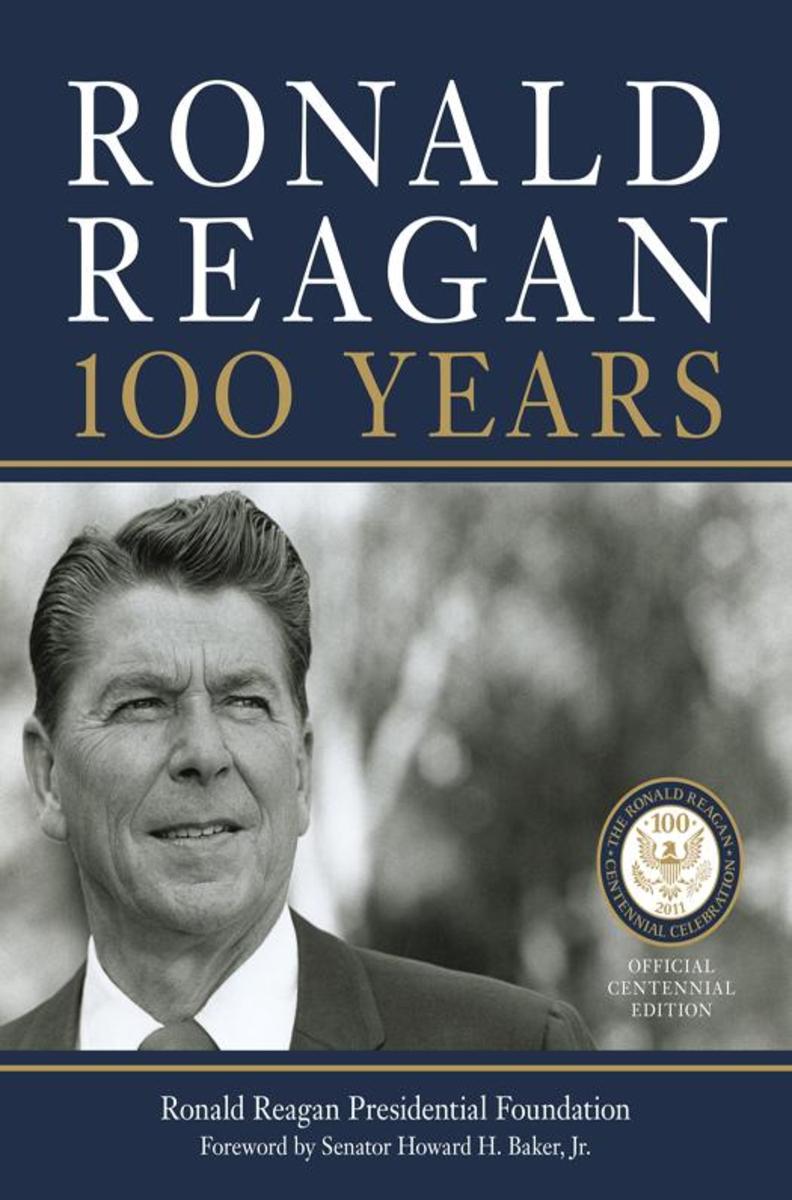
Ronald Reagan: 100 Years
¥196.59
February 6, 2011, marks the one hundredth anniversary of Ronald Reagan's birth. Known as "the Great Communicator," Ronald Reagan combined the best of small-town values and remarkable virtues with the eloquence and charm that came from a life spent in the public eye. From his early days, Reagan was a leader, whether saving lives as a lifeguard or demonstrating for students' rights as a college undergraduate. His career as a sports broadcaster and later as a leading man in Hollywood paved the way for a career in politics. As governor of California, Reagan earned the respect of world leaders and the American public. But it was as president of the United States that his strength of character, leadership, and love of country were best displayed. His eight years in the Oval Office ushered in remarkable change domestically and brought international peace, prosperity, and freedom.A visual celebration of all that is Ronald Reagan, Ronald Reagan: 100 Years is the official centennial publication for the Ronald Reagan Presidential Foundation. Inspiring and uplifting, it is a fitting homage to one of America's greatest legends. A foreword by former Senator Howard H. Baker, Jr., distinguished politician and personal friend of the Reagans, completes this handsome volume, making it a must-have nostalgic tribute to the life and times of the man who led our nation and inspired the world.
One More Step
¥95.39
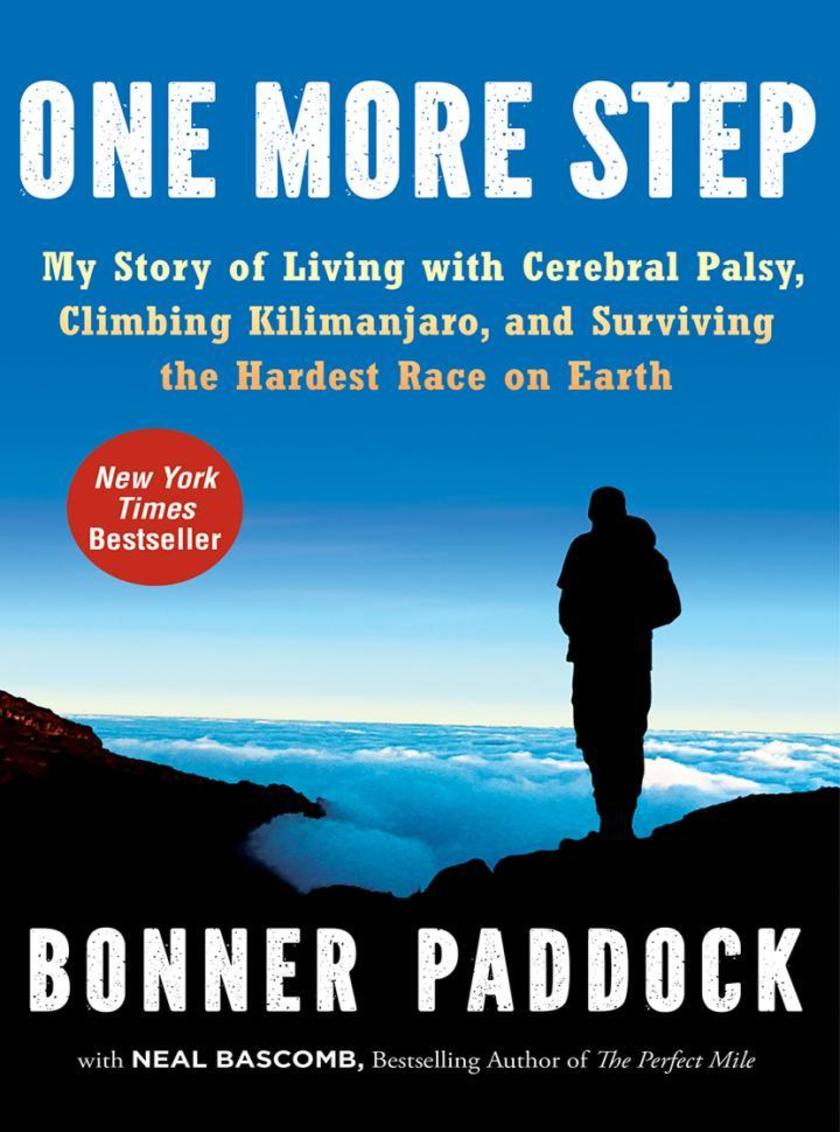
In 2008, Bonner Paddock summited 19,341-foot-high mount kilimanjaro, the world's tallest freestanding mountain. Four years later, he earned the elite triathlete title kona Ironman. Thousands have done each individually. Bonner is the first person with cerebral palsy to do both.Bonner Paddock grew up just wanting to be ordinary. Despite his skinny legs and habit of tripping over nothing, he fought to keep up with his athletic older brothers, learned to battle riptides with his grandfather on close watch, and did everything he could to feel like a regular kid, even when it became clear he wasn't. After being diagnosed with cerebral palsy at age eleven, Bonner didn't let it limit him instead he simply ignored its existence. For the next eighteen years, he guarded the truth about his health, building a normal life and keeping his secret from everyone most of all himself.But the sudden death of a friend's young son named Jake, a boy who also suffered from cerebral palsy, forced Bonner to reevaluate who he was. No longer content striving for normal, he began to pursue one breathtaking experience after another in Jake's memory, never hiding from his physical limitations and, in the process, raising international awareness about cerebral palsy. T is appetite for challenges led him to the foothills of Mount Kilimanjaro where, pushing his fragile body to the brink and barely surviving, he braved one mountain only to discover that he still had farther to climb.Embracing his weaknesses to understand his strengths, he then pursued the ultimate adventure: testing his mind, body, and will at the Ironman in Kona, Hawaii, a race regarded by many as the hardest on earth. Along the way he forged a renewed bond with his family and launched a foundation to help disabled children in Africa and at home.In the end, his remarkable journey took him across the globe and introduced him to a compelling cast of characters from Tanzanian mountain guides to top-class surgeons, to disabled children, to champion athletes all of whom inspired his quest. Infused with his irresistible charisma, courage, and heart, and illustrated with sixteen pages of color photos, One More Step is a gripping story of human perseverance that demonstrates how our lives are not defined by limits, but by the moments and lessons that push us past them.
The Storm of the Century
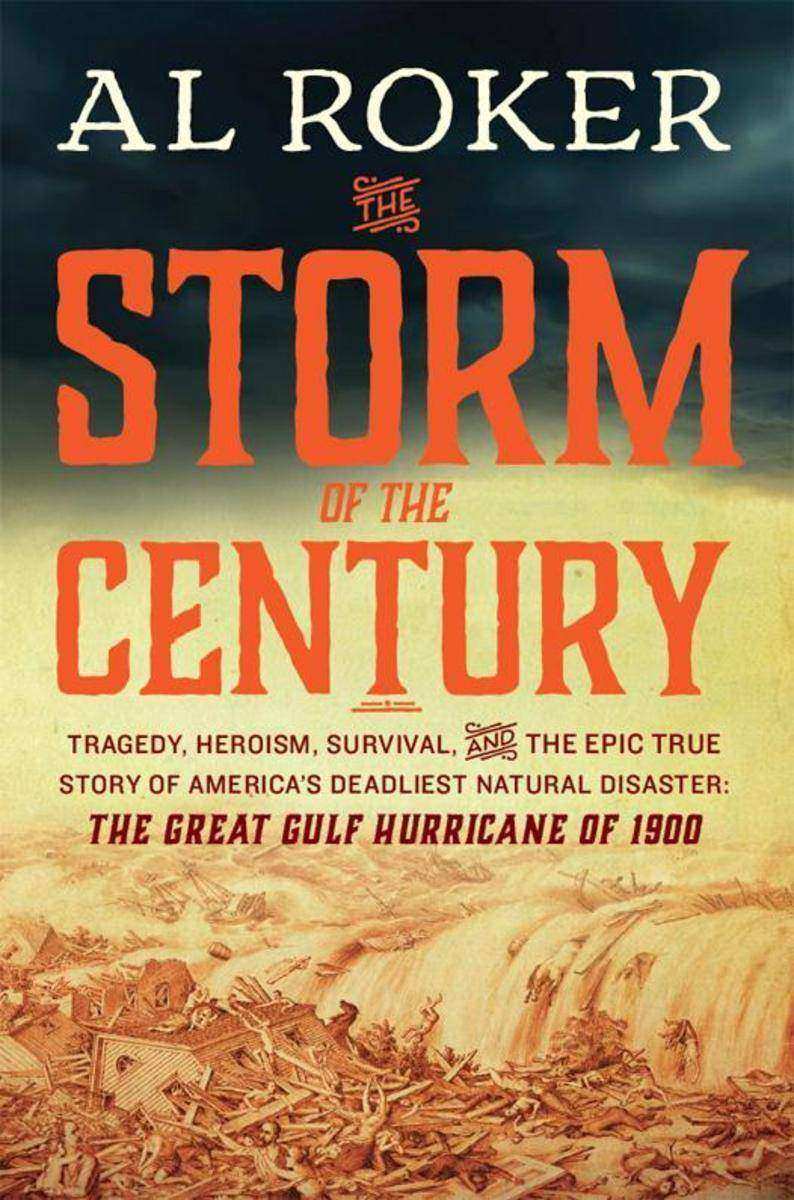
¥100.71
In this gripping narrative history, Al Roker from NBC’s Today and the Weather Channel vividly examines the deadliest natural disaster in American history—a haunting and inspiring tale of tragedy, heroism, and resilience that is full of lessons for today’s new age of extreme weather. On the afternoon of September 8, 1900, two-hundred-mile-per-hour winds and fifteen-foot waves slammed into Galveston, the booming port city on Texas’s Gulf Coast. By dawn the next day, the city that hours earlier had stood as a symbol of America’s growth and expansion was now gone. Shattered, grief-stricken survivors emerged to witness a level of destruction never before seen: Eight thousand corpses littered the streets and were buried under the massive wreckage. Rushing water had lifted buildings from their foundations, smashing them into pieces, while wind gusts had upended steel girders and trestles, driving them through house walls and into sidewalks. No race or class was spared its wrath. In less than twenty-four hours, a single storm had destroyed a major American metropolis—and awakened a nation to the terrifying power of nature. Blending an unforgettable cast of characters, accessible weather science, and deep historical research into a sweeping and dramatic narrative, The Storm of the Century brings this legendary hurricane and its aftermath into fresh focus. No other natural disaster has ever matched the havoc caused by the awesome mix of winds, rain, and flooding that devastated Galveston and shocked a young, optimistic nation on the cusp of modernity. Exploring the impact of the tragedy on a rising country’s confidence—the trauma of the loss and the determination of the response—Al Roker illuminates the United States’s character at the dawn of the “American Century,” while also underlining the fact that no matter how mighty they may become, all nations must respect the ferocious potential of our natural environment.


