


 购物车
购物车 个人中心
个人中心
The Mystery of Marie Roget
¥7.93
The Mystery of Marie Roget

Cocos y hadas Cuentos para ninas y ninos
¥7.93
Cocos y hadas Cuentos para ninas y ninos

La zarpa de la esfinge
¥7.93
La zarpa de la esfinge

Cartas literarias a una mujer
¥7.93
Cartas literarias a una mujer

Don Juan
¥8.01
Don Juan

La Reine Sanglante
¥8.01
La Reine Sanglante
Cuentos de la selva
¥7.93
Cuentos de la selva
Lethal Payload
¥25.60
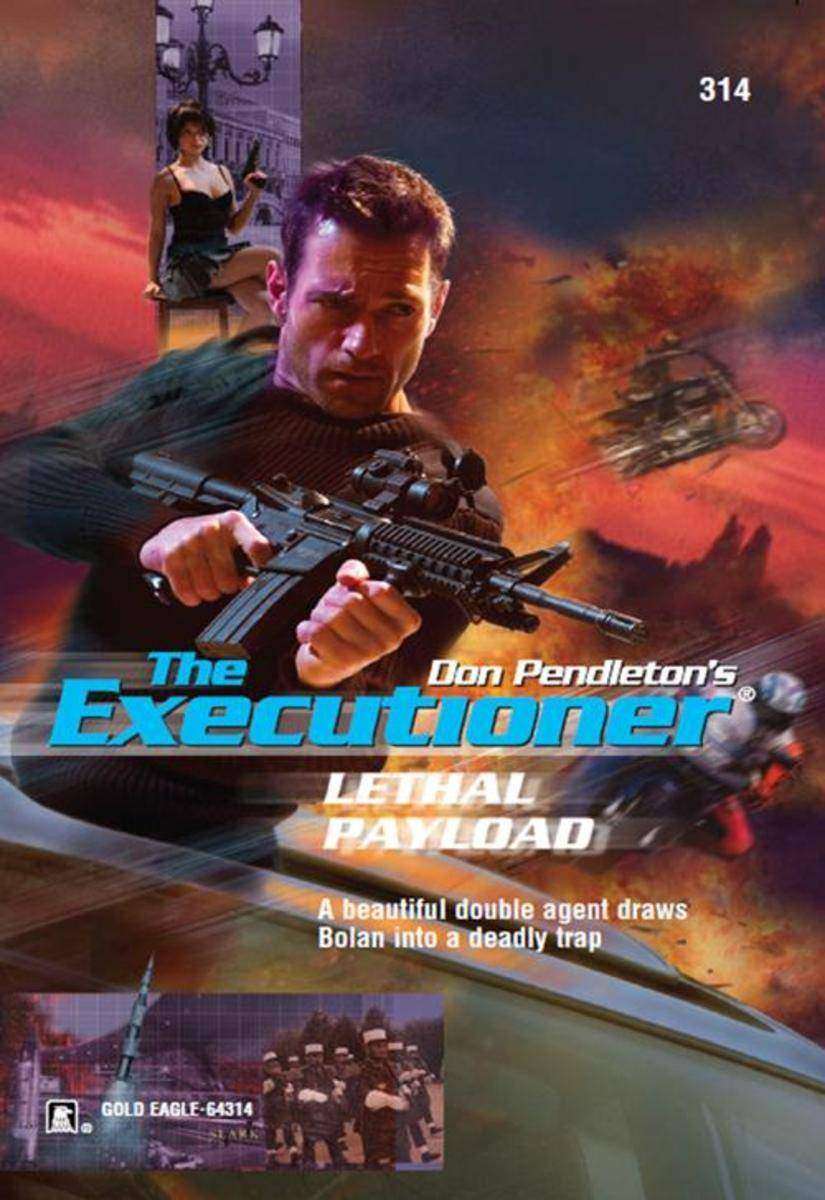
ROGUE'S GALLERY A rescue mission in the South Pacific turns up a wild card that puts Mack Bolan on the trail of an elusive enemy mounting a horrific and ingenious attack against the U.S.–one that involves traitors deep inside one of the world's most elite and powerful groups of soldiers: the French foreign legion. Bolan's hard probe takes him halfway across the globe to French Guiana, where a faceless enemy is in deadly pursuit. The stakes get higher when Bolan makes the connection between the country's state-of-the-art satellite launch facility and a terrorist plot poised to send shock waves around the world. With the situation spinning out of control, the Executioner plays long odds for his very survival. But this time he's betting the farm.
Lightning Strikes
¥28.06
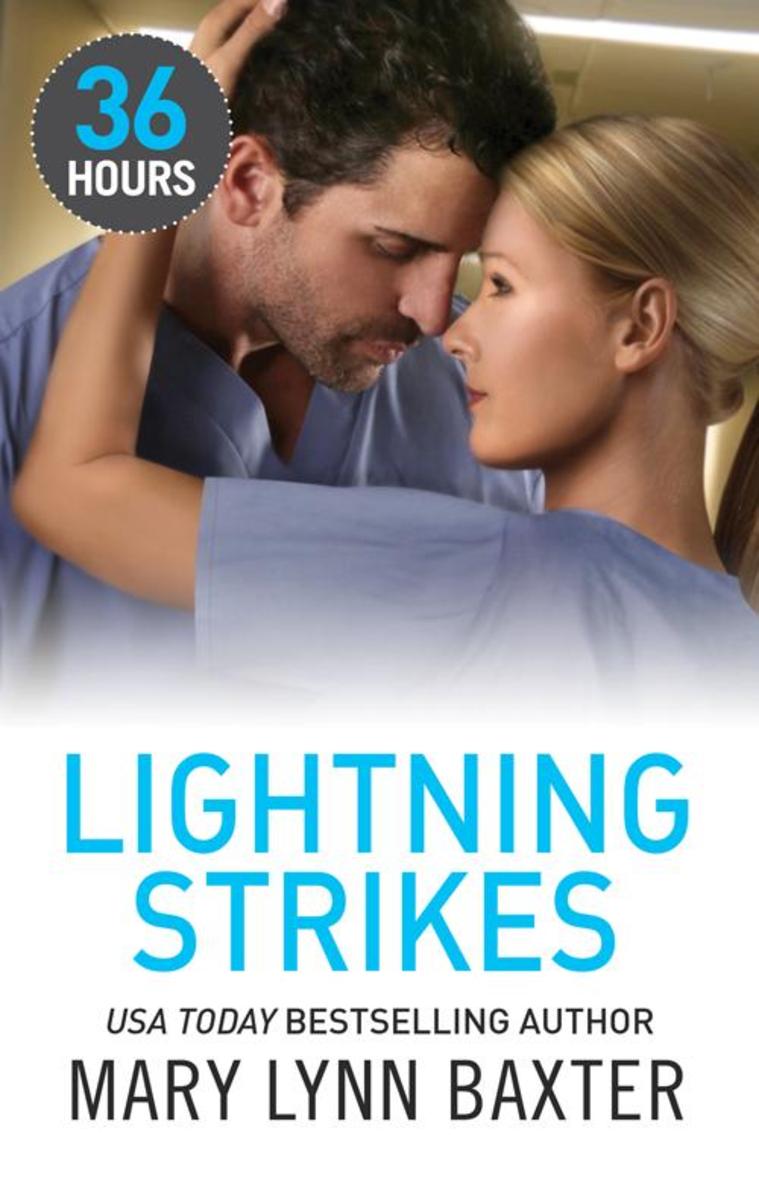
36 hours: a town is plunged into darkness.. the mayor is missing.. two doctors race the clock to save lives.. as a blackout paralyzed Grand Springs, Colorado, Dr. Noah Howell was back on the job in Vanderbilt Memorial's ER, thrown together with Dr. Amanda Jennings, the woman he'd never forgotten,,, the woman he's walked away from one long year ago; in the desperate hours of the night, tension turned to passion, and fate brought Noah one last chance to reveal the truth behind his betrayal, but some secrets were better left untold.

Loveplay (Mills & Boon M&B)
¥31.10
THE SETTING: New York THE CAST: Bett Cambridge, aspiring actress. She had devoted her entire professional life to escaping her backwoods past and was now a Broadway star. The one blot on her resume–an ill-fated affair with America's most promising playwright. Edward "Cul" McCullough, hot new author. He left Bett behind when his career took off, but now they were working together again. Yet Cul was still afraid of commitment, and even as Bett's sensuality washed away his inhibitions, he still tried to deny their love. THE ACTION: A love story, fraught with complications, but destined for fulfillment.
Lovers In Hiding (Mills & Boon Intrigue)
¥31.10
HE WAS BIG AND STRONG AND SEXY… But he was a complete stranger! So why was she lying in his arms on a public beach? He said he'd rescued her when a blue sedan had forced her car into the ocean, but she couldn't remember anything…. CIA analyst Clay Rogan was sent to find and decode the documents Melinda Murphy's brother had mailed to her. But first he had to keep her safe from the killers pursuing her. Harder still, he had to fight the desire that glittered between them. Clay was determined to win the battle with their deadly enemies–but with Melinda, all he could think of was surrender!
Man Behind The Voice (Mills & Boon American Romance)
¥31.10
His face was the last thing she'd ever seen… Determined to locate the accident victim he'd comforted as her eyesight waned, Jack MacAllister told himself he only wanted to know that she was all right. But when he found Eleanor Rappaport again, he knew he couldn't fade into the shadows this time. She was alone and blind–and pregnant! Eleanor's life had become a lonely struggle–until a stranger's soothing words pierced the darkness. Why did his oddly familiar voice make her heart beat faster? On the bring of motherhood, Eleanor thought she needed space. But maybe she needed Jack more….

Montana Miracle (Mills & Boon American Romance)
¥31.10
Marooned In Montana Why had handsome, celebrated Dr. Mackenzie Parish vanished at the height of his career? Jaded writer Katherine Ames sensed a story, and headed into the wilds of Montana to find him. But when a blizzard trapped Katherine, Mac found her. Thinking her just a stranded traveler, Mac brought Katherine home….The doctor had become a gruff, unsmiling cowboy–and a daddy. Snowed-in on Mac's ranch with man and child, Katherine found a completeness she'd never known–and learned the secrets Mac had disappeared to keep. He guarded his privacy as fiercely as his heart. Could he forgive her deception after trusting her with both?
Noah And The Stork (Mills & Boon American Romance)
¥31.10
This Stork Was Nine Years Late! When Noah Bryant returns home to Erskine, Montana, he's not anticipating a hero's welcome. After all, he abandoned the town–and his high school girlfriend–right after the prom and hasn't spoken to anyone there since. But the last person he expects to meet is his nine-year-old daughter, Jessie…a daughter he didn't know he had. When Noah returns, Janey realizes she never really stopped loving him. And he seems eager to be a part of Jessie's life, and hers. But Noah's back in Erskine for more than personal reasons; he has a business proposition that could seriously affect the whole town. And if there's anything Janey loves as much as her family, it's Erskine.
Of Royal Blood (Mills & Boon Silhouette)
¥31.10
FROM THE DESK OF LUC DUMONT, HEAD OF SECURITY ST. MICHEL DAY 12 Still no sign of any missing heir. Must speak with Queen Simone about the longing looks her granddaughter, the beautiful Princess Marie-Claire, is giving that aristocratic Sebastian LeMarc. He seems too worldly for her innocence, but the protective and personal touches he gives her leads me to believe something is brewing between them…. I see how he watches her as she laughs with her sisters–and the way she looks at him as he dances with others. But is their budding relationship true enough to withstand rumors that Sebastian's ties to the royal family might be stronger than we think?
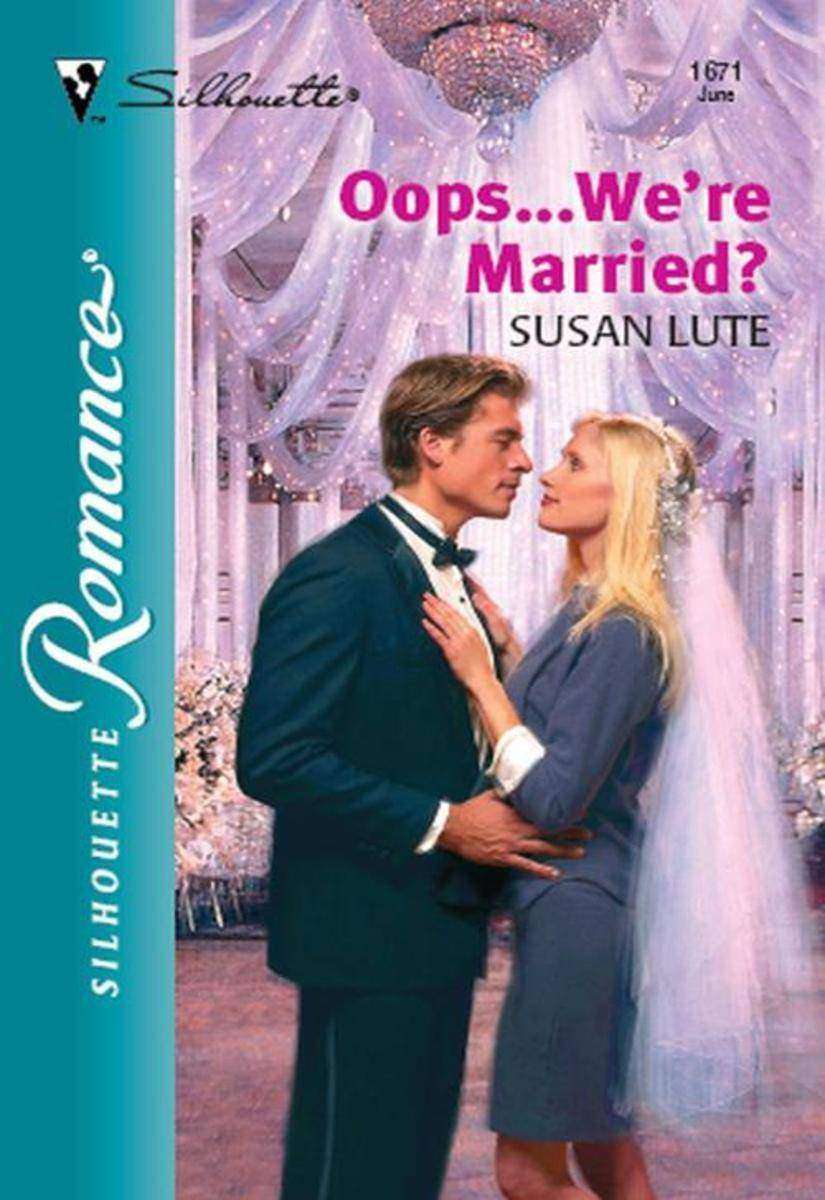
Oops...We're Married? (Mills & Boon Silhouette)
¥31.10
Once she'd dreamed of those words, but Eleanor Silks Rose had grown up and kicked her crush on Dillon Stone like a bad habit. So why had she blushed as the widowed single dad touched his lips to hers during the mock ceremony? And when their charity dating-game wedding turned out to be real, why did she start dreaming she'd be Mrs. Dillon Stone forever? Dillon was on a quest for the perfect wife, yet he'd never expected to be wed to an irresistible Eleanor! But he didn't need passion; he needed a mother for his son. Could his accidental bride be the woman he'd been searching for to bring love and sizzle to his life?
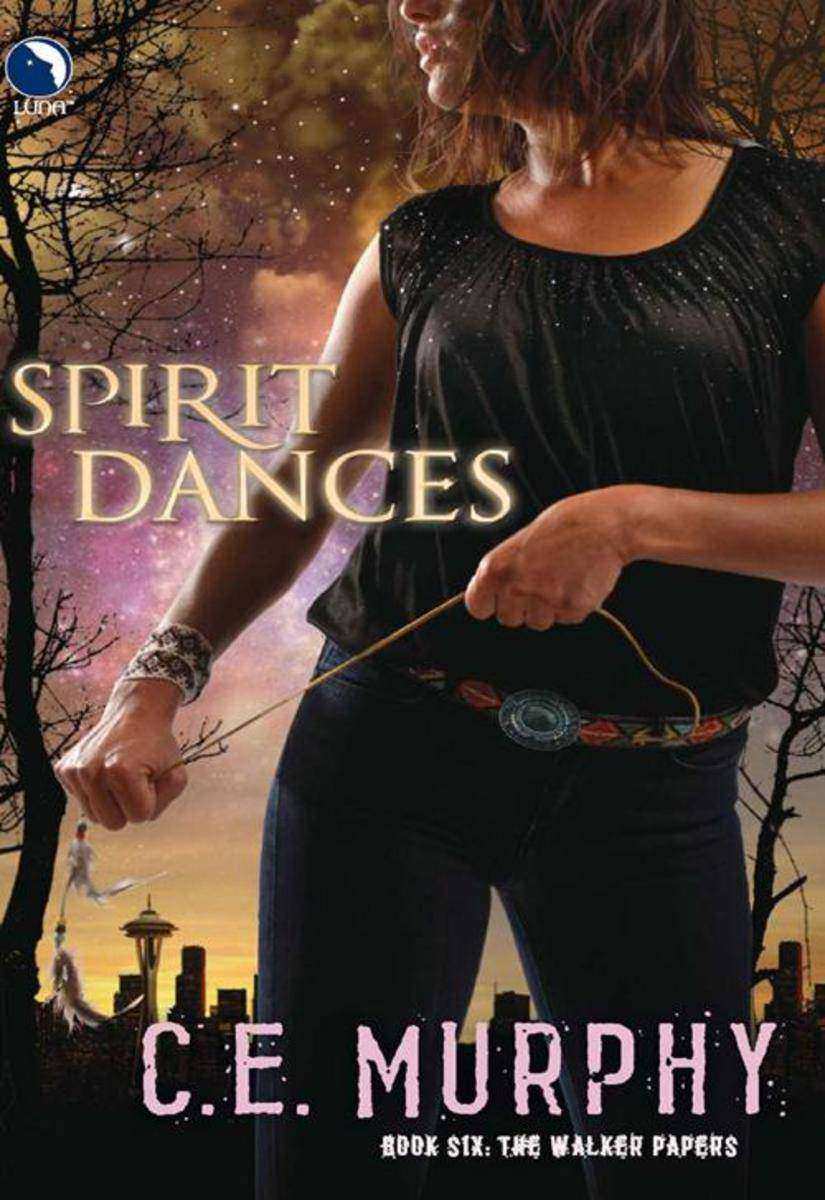
Spirit Dances (Luna) (The Walker Papers, Book 7)
¥54.74
For Seattle detective Joanne Walker, spring is about new beginnings: She’s mastered her shamanic abilities (mostly); survived a cannibalistic serial killer (barely); and now she’s facing the biggest challenge of her career–attending a dance concert with her sexy boss, Captain Michael Morrison. But when the performance–billed as transformative–actually changes her into a coyote, she and Morrison have bigger things to deal with…. And there's more. Homeless people are disappearing, a mystical murder puts Joanne way out of her jurisdiction and with the full moon coming on, it's looking like the killer is a creature that can't possibly exist. But Jo could probably handle all of that, if one ordinary homicide hadn't pushed her to the very edge…. Cop or shaman? The choice isn't easy. But it's one she just might have to make….
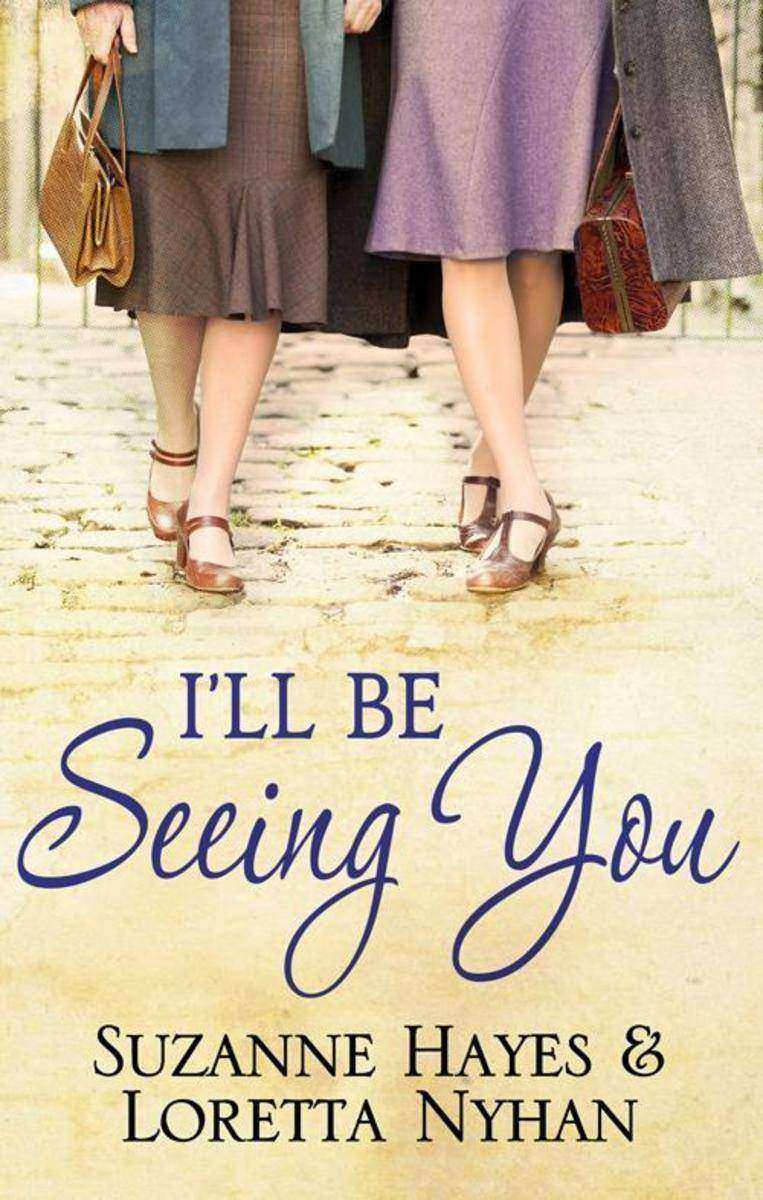
I'll Be Seeing You
¥58.86
‘I hope this letter gets to you quickly. We are always waiting, aren’t we? Perhaps the greatest gift this war has given us is the anticipation…’ It's January 1943 when Rita Vincenzo receives her first letter from Glory Whitehall. Glory is an effervescent young mother, impulsive and free as a bird. Rita is a sensible professor's wife with a love of gardening and a generous old soul. Glory comes from New England society; Rita spends her life trying to make ends meet. They have nothing in common except one powerful bond: the men they love are fighting in a war a world away from home. And they have only each other for support, hope and courage. Praise for I’ll Be Seeing You ‘Vivid and well-crafted, I’ll Be Seeing You poignantly illustrates the hopes and struggles of life on the home front. Readers will laugh, cry and be inspired by this timeless story of friendship and courage’-Pam Jenoff, bestselling author of Kommandant’s Girl ’A delight! I’ll Be Seeing You made me want to get out a pen and paper and write a friend a good old-fashioned letter’ - Sarah Jio, author of The Violets of March ’Original and heartfelt… Set in Word War II, yet somehow timeless, this novel is as beautifully written as it is captivating. An absolutely terrific debut. - Sarah Pekkanen, author of The Opposite of Me

The Sassy Belles (A Sassy Belles Novel, Book 1)
¥45.03
Meet the Sassy Belles. They're strong as a mint julep, sweet as peach cobbler, and no matter what, they stick together. There are only two seasons in Tuscaloosafootball and waiting-for-football. When Lewis Heart, football announcer and voice of the Crimson Tide, vanishes after an impromptu romp with Vivi Anne McFadden at the Fountain Mist Motel, Vivi does what any Southern woman would do: calls her best friend, Blake O'Hara Heart, attorney-at-law. With the town gossip swirling around them, Vivi and Blake are determined to find out what happened to Lewis and clear Vivi's reputation. Because after all, men may come and go, but the Sassy Belles are forever. Not since Steel Magnolias have we fallen in love with such sexy, strong and hilarious Southern women. So grab your best girlfriends and join these Belles on the first of many joyrides through the Deep South. Sexy Southern funwith a hint of magnolia!"
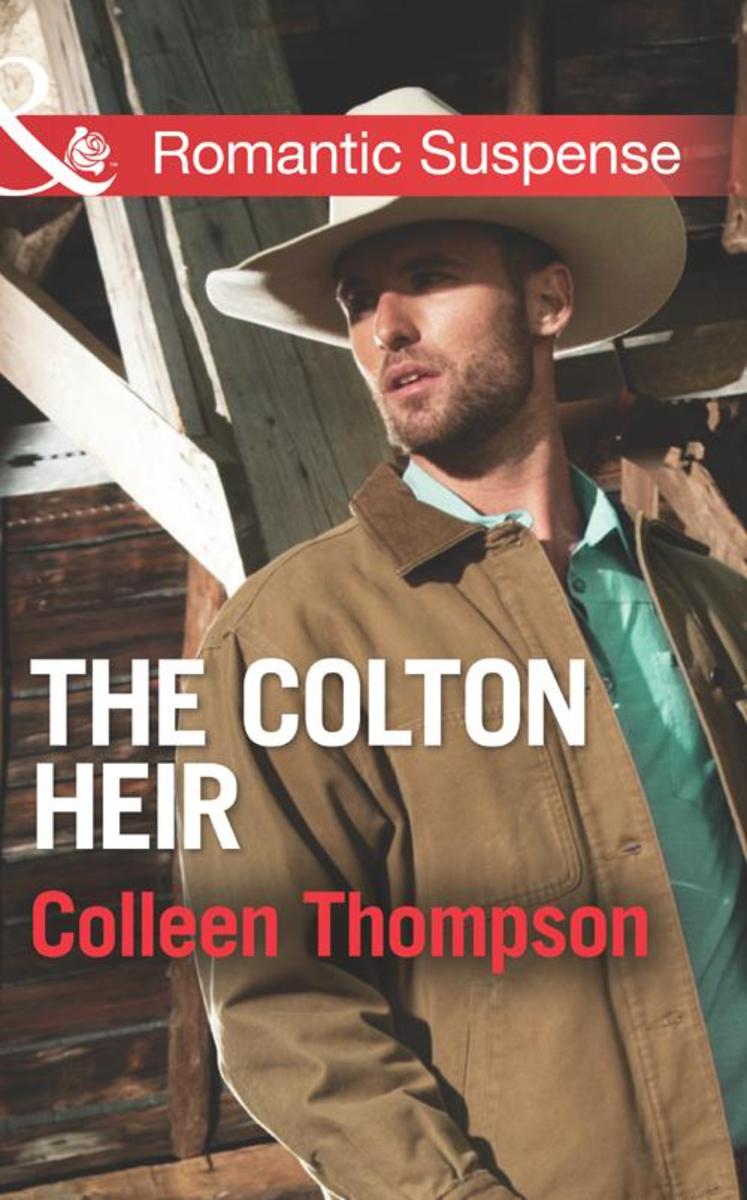
The Colton Heir (Mills & Boon Romantic Suspense) (The Coltons of Wyoming, Book
¥25.21
Wrangler Dylan Frick thought he knew his past—until a suspicion surfaces that he’s the secret Colton heir who vanished from Dead River Ranch as a baby. Now his identity’s in question, and his mother’s murder is still unsolved. And he’s thrown off course by the ranch’s mysterious new maid, Hope Woods. The gun-wielding knockout has fear in her eyes and seems desperate to escape her own private danger. Defending Hope—and keeping her deadly secret—leaves them both open to unexpected passion. But will protecting her mean walking out of her life for good?
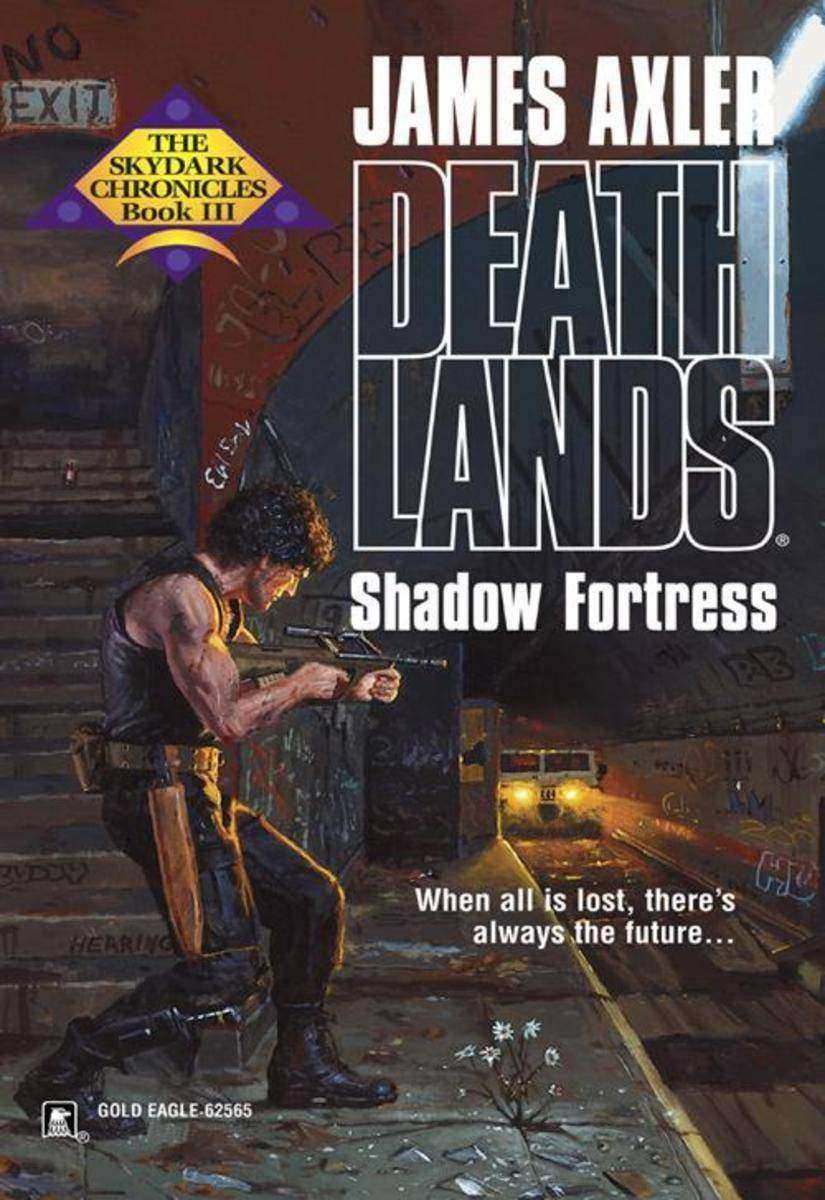
Shadow Fortress
¥25.60
A planet ravaged by the apocalyptic blast of 2001 gave birth to a new world of savagery–and a new breed of hero. In a land where violence rules with absolute authority, Ryan Cawdor and his wayfarer survivalists roam the strange, nascent twenty-second century, living by their own creed of honour as they continue their search for a sanctuary they can call home. In what was once the nuclear testing ground of the preDark world, the Marshall Islands are now the kingdom of the grotesque Lord Baron Kinnison. Here in this world of slavery and brutality the companions have fought a fierce war for survival, on land and sea–yet the crafty baron still conspires to destroy these interlopers. Activating a twentieth-century hot air balloon left untouched by the blast, they escape to the neighbouring pirate-ruled Forbidden Island, with the baron's sec men in hot pursuit–and become trapped in a war for total supremacy of this water world. Not even Deathlands can deny the human will to survive.


