


 购物车
购物车 个人中心
个人中心

The Cowboy and His Baby (That's My Baby, Book 1)
¥31.10
Revisit the Adams Dynasty in this heartfelt story of forgiveness and second chances from New York Times bestselling author Sherryl Woods. A year and a half ago, a tragic mistake cost single mother Melissa Horton her one true love–and a father for her baby girl. Now Texas rancher Cody Adams was back, shocked to discover he was a parent and determined to make Melissa his wife. But Melissa surprised herself–and him–with her newfound independence. She didn't want just a marriage of convenience. She wanted it all–true love and forever…
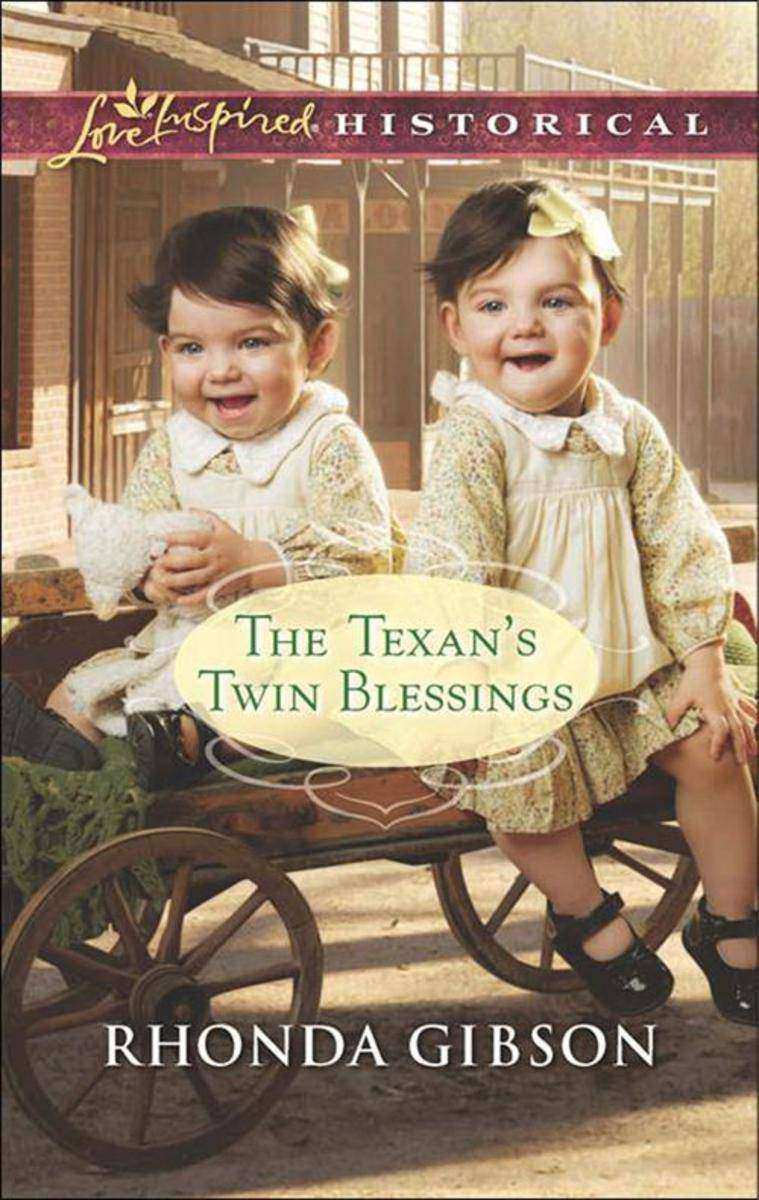
The Texan's Twin Blessings (Mills & Boon Love Inspired Historical)
¥31.10
Stand-In Father As temporary guardian to his twin baby nieces, William Barns barely knows a diaper from a burp cloth. The well-meaning but meddling neighbor ladies suggest a wife–namely Emily Jane Rodgers. Although William isn't in the market for a bride, he needs a loving woman to watch over the children, and Emily Jane fits the bill nicely. Emily Jane agrees to care for William's nieces–not become his betrothed. Fully determined to find her own way in life and to open her own bakery, Emily Jane isn't looking for a husband. But no matter how hard she resists, Emily Jane is roped in by the twins' little hugs and William's tender regard. And soon she longs to be a permanent part of this ready-made family…
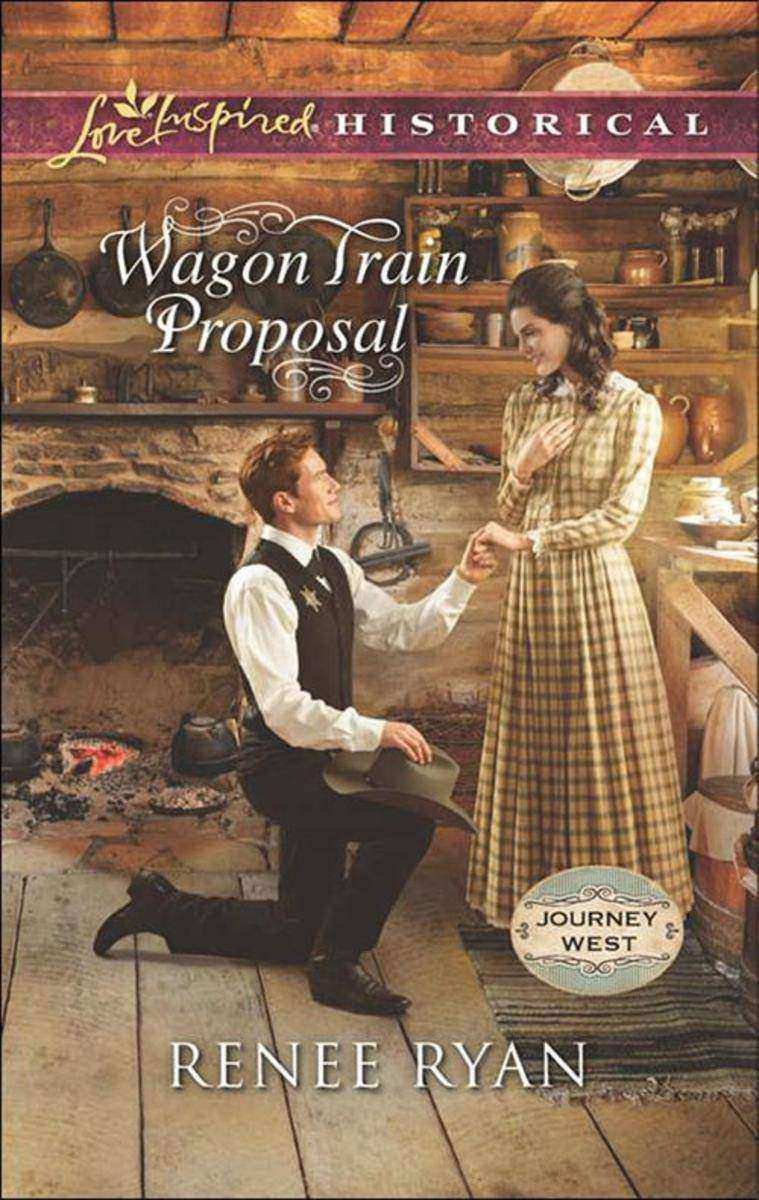
Wagon Train Proposal (Mills & Boon Love Inspired Historical) (Journey West, Book
¥31.10
For the Sake of His Children A marriage of convenience? Rachel Hewitt couldn't possibly accept. Not even for the sake of three adorable little girls who desperately want a new mother. Sheriff Tristan McCullough offers Rachel a home and family, but not the one thing she truly seeks–someone to love her for herself. Tristan McCullough hoped to find a wife on the wagon train, not a nanny. The hardworking widower wants a marriage without emotional risks. But independent Rachel intrigues him. One minute she's winning over his shy little girls, and the next she's tackling danger head-on. She might just be Tristan's unexpected second chance at happiness…if he'll risk his wary heart again. Journey West: Romance and adventure await three siblings on the Oregon Trail

Wedding Vows: Say I Do: Matrimony with His Majesty / Invitation to the Prince's
¥51.50
A royal proposal King Alexander Valleder rebelled one secret night, years ago. The result was a child. Now he has to make things right. But first he must persuade the beautiful and stubborn Darrell Collier she has the makings of a queen. Prince Rikardo is looking for a princes, but Mel Watson’s far from the cynical social climber he planned for. Rikardo’s long given up on love: he wants a temporary wife― and proposing to this sweet ordinary girl feels all too real… Prince Regent Max de Gautier isn’t expecting to be confronted by feisty Pippa when he arrives in the Outback to collect the heir to the throne. Now he must convince her to spend one month in his royal kingdom and become his royal bride! A royal wedding invitation you cannot refuse.
What Lies Behind (A Samantha Owens Novel, Book 4)
¥56.02
Critically acclaimed New York Times bestselling author J. T. Ellison delivers another riveting novel featuring the incomparable Dr. Samantha Owens Waking to sirens in the night is hardly unusual for Samantha Owens. No longer a medical examiner, she doesn't lose sleep over them, but a routine police investigation in her neighborhood has her curious. When her homicide detective friend, Darren Fletcher, invites her to look over the evidence, she jumps at the chance and immediately realizes the crime scene has been staged. What seems to be a clear case of murder/suicide–a crime of passion–is anything but. The discovery of toxic substances in hidden vials indicates that something much more sinister is at play… As Fletch and Sam try to understand what and who they are dealing with, they are summoned to a meeting at the State Department. High-level officials are interested in what they know and seem to be keeping secrets of their own. It's up to Sam and Fletch to uncover what lies behind the deception as the threat of bioterrorism is exposed, and her boyfriend, Xander Whitfield, may be in the line of fire. Unsure who to trust, Sam and Fletch find themselves up against very powerful people at every stage in the investigation. No one is who they appear to be and with every minute that passes, the danger escalates. It's Sam's most complex case yet and the terrifying reality is beyond anything she could have imagined.
When He Fell
¥39.24
The powerfully gripping new book from USA Today bestselling author Kate Hewitt. Josh and Ben are nine years old and best friends, until a single, careless act in the school playground destroys the lives of both families – and wrenches their small Manhattan school apart. As both mothers Maddie and Joanna try to find out what really happened between the boys, they discover the truth is far more complicated and painful than either of them could have ever realised… with lasting repercussions for both families. And when tragedy strikes again in the most unexpected of ways, the lives of these two women will be changed once more, and this time forever. When He Fell explores the issues of parental responsibility and guilt, and whether there are some acts that human nature just cannot forgive…
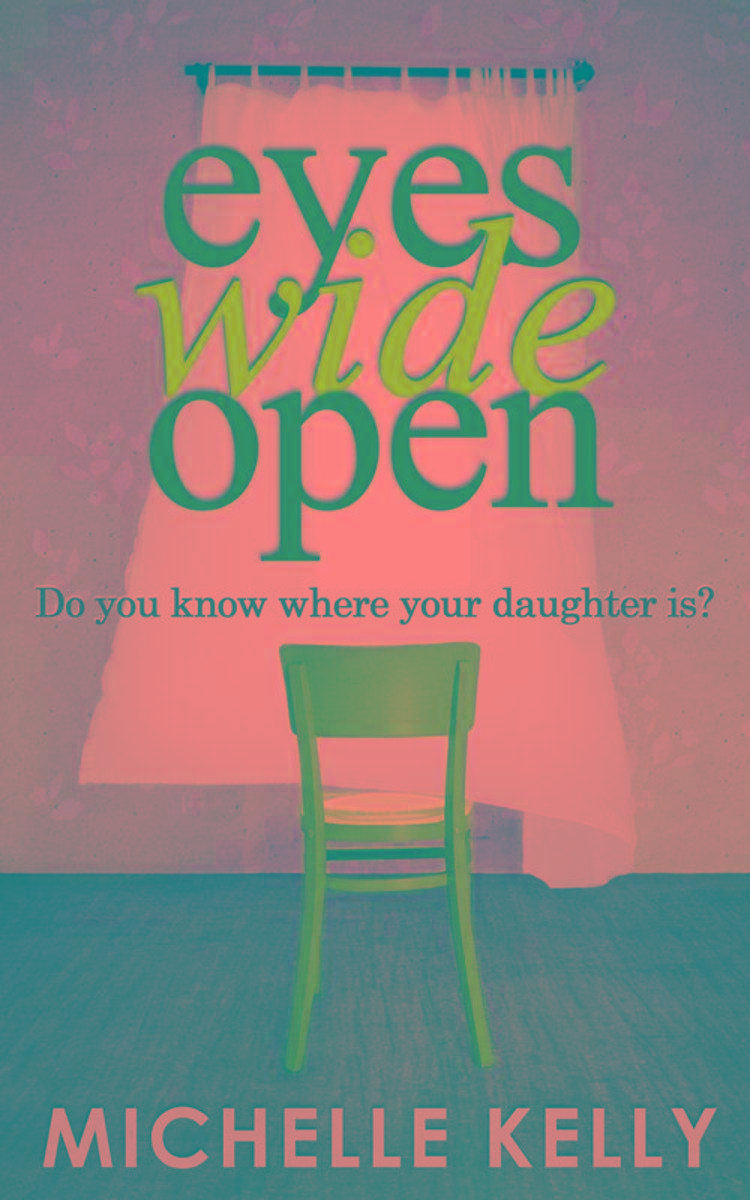
Eyes Wide Open
¥14.81
She was supposed to keep them safe. She was their only hope and she had failed. Fifteen year old Jenna’s parents would never approve of her new boyfriend. But he says he loves her. So, even if she hates the way his friends look at her, nothing will stop Jenna sneaking out. After all, what her parents don’t know about her could fill a book. On the other side of town, social worker Rachael Morris is devastated when a girl she had sworn to protect, Kitty Lewis, is found murdered. And while she failed to defend her in life, Rachael is determined that Kitty will have justice in death. With no-one prepared to talk, Rachael must decide whether to help the officer assigned to the case, DI Matt Winston, discover what really happened the night of Kitty’s death – before another family is torn apart or stay silent. But when evil comes in so many forms, how can you know where to start looking? The chilling new book in Michelle Kelly’s bestselling MISSING series will have you on the edge of your seat. The Missing series: Book 1 – WHEN I WASN’T WATCHING Book 2 – EYES WIDE OPEN Book 3 – coming soon
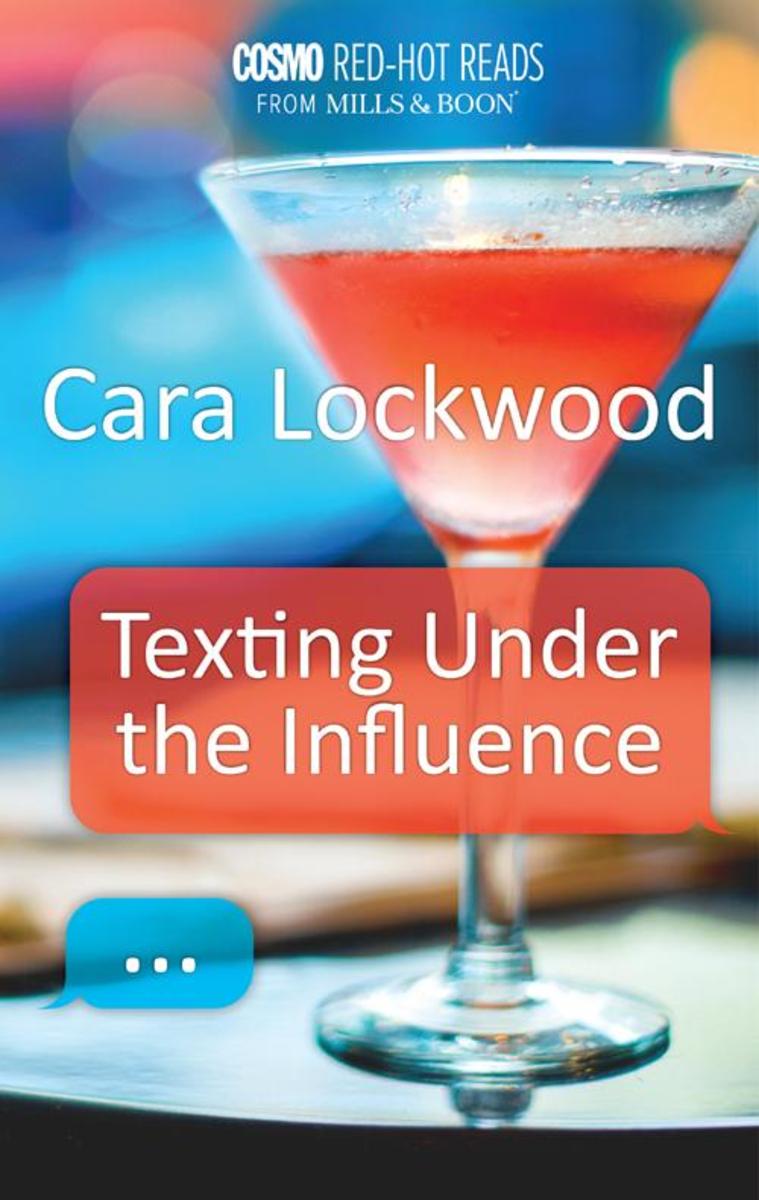
Texting Under the Influence
¥19.13
I Know You Want Me… One last hookup. At least that's what graphic designer Jenna Cho has in mind when she texts her toxic-in-life but amazing-in-bed ex, Jax. When her gorgeous boss Jack responds to the booty call instead, Jenna learns exactly why a girl should never hit send after one too many vodka sodas. Still, faced with Jack's sexy grin and even sexier Irish accent, Jenna thinks maybe she messaged the right man after all–especially when he admits he's been hoping she'd make the first move…

A Kiss To Melt Her Heart (Mills & Boon Medical)
¥31.10
Awakened by his touch… Arriving in Antarctica, young widow Dr Sophie Thompson is looking for a fresh start in life—and definitely not a new man! But, faced with handsome Station Leader Gabe Sullivan, Sophie can’t ignore the flickering feelings of desire she'd thought long extinguished… Gabe turned his back on love a long time ago—yet there’s something about Sophie that makes him question his decision! Could one scorching, unforgettable kiss beneath the sparkling Aurora Australis begin to melt Sophie’s frozen heart?

A Wedding In The Village (Mills & Boon Medical)
¥22.17
Luke is startled to discover that the tenant of his Rome residenza, Minnie Pepino, is young, blond and sensational! There is an immediate attraction between them, but despite her family's premature plans to arrange the wedding of the year, Minnie holds back, unable to let go of her past. But the more time Luke spends with Minnie, he sees that beneath her reserved facade there lies a broken heart and painful memories. Luke is determined to be the one man who can make her life whole again… .

Bound by a Baby Bump (Mills & Boon Cherish)
¥31.10
Nine months to change her life… PA Rachel Archer has every little bit of her life planned down to the letter – it’s the only way she can feel safe. Until gorgeous artist Leo Fairfax tempts her to live on the wild side, just for one night… That night changes both their lives for ever, when they discover Rachel’s pregnant! Now, bound by their beloved baby bump, lone wolf Leo must convince Rachel that not only is he here to stay, but he’s dedicated to winning her heart!

Daring To Date Her Ex (Mills & Boon Medical)
¥29.43
The last man she expected to see… When Dr Thea Coleman catches sight of new consultant Dr Lucas West, it takes every ounce of her self-control not to run from the room! Seven years ago Lucas didn’t ever board their flight to Bangladesh – leaving Thea brokenhearted… Now Lucas is back, and as single dad to an adopted daughter it’s clear he’s changed. But it’s also clear that the attraction between them burns stronger than ever. Thea must now face an impossible decision: does she dare take a chance on love… and date her ex?
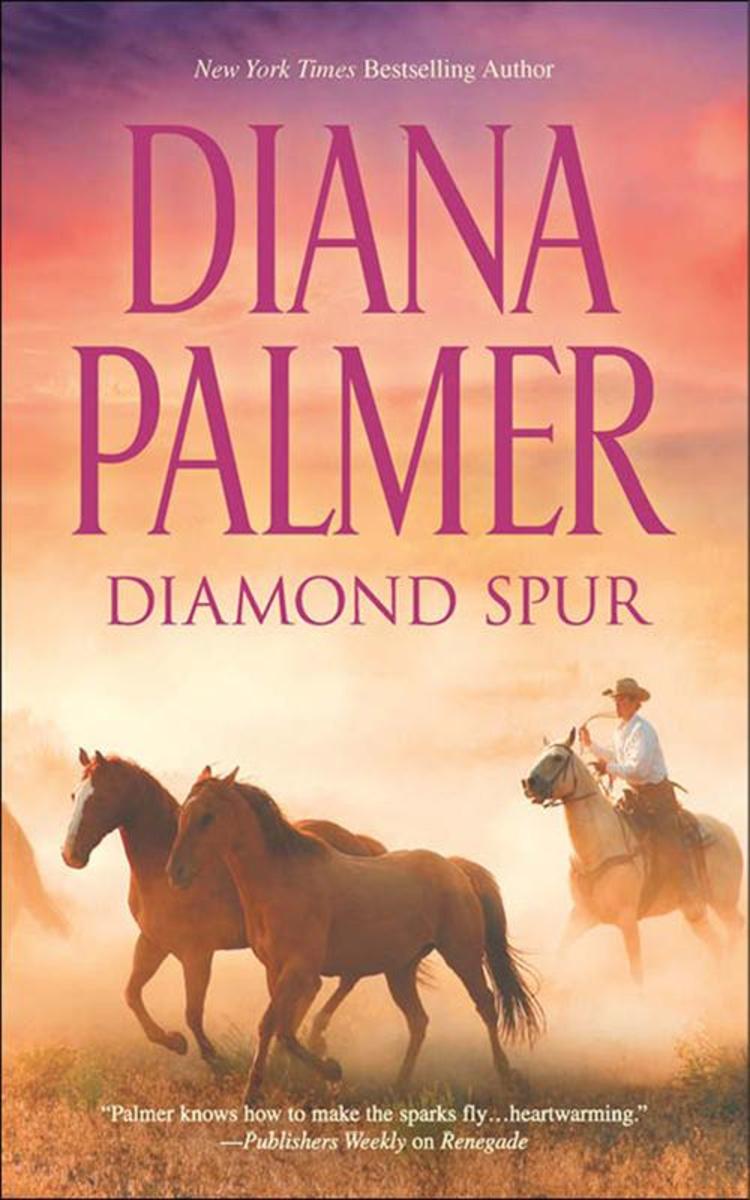
Diamond Spur
¥53.76
New York Times and USA TODAY bestselling author DIANA PALMER serves up one of her most popular Texans–Jason Donavan–in a thrilling story destined to enthrall her many readers! Texas rancher Jason Donavan is known for his temper, his brooding nature and his deep distrust of women. No one at the Diamond Spur ranch can stand his moods–except Kate Whittman. She might be young, but she knows Jason is the only man for her. Kate wants him more than anything, but he offers her only brotherly protection–until she discovers that Jason's desire for her is as strong as hers for him. Ever the gruff cowboy, Jason insists that commitment and love aren't for him. So Kate pursues her own life, away from the man she loves. But just when it seems that her fairy tale is coming true, fate brings her back to Texas. To Jason. And to a dream that she'd almost abandoned…
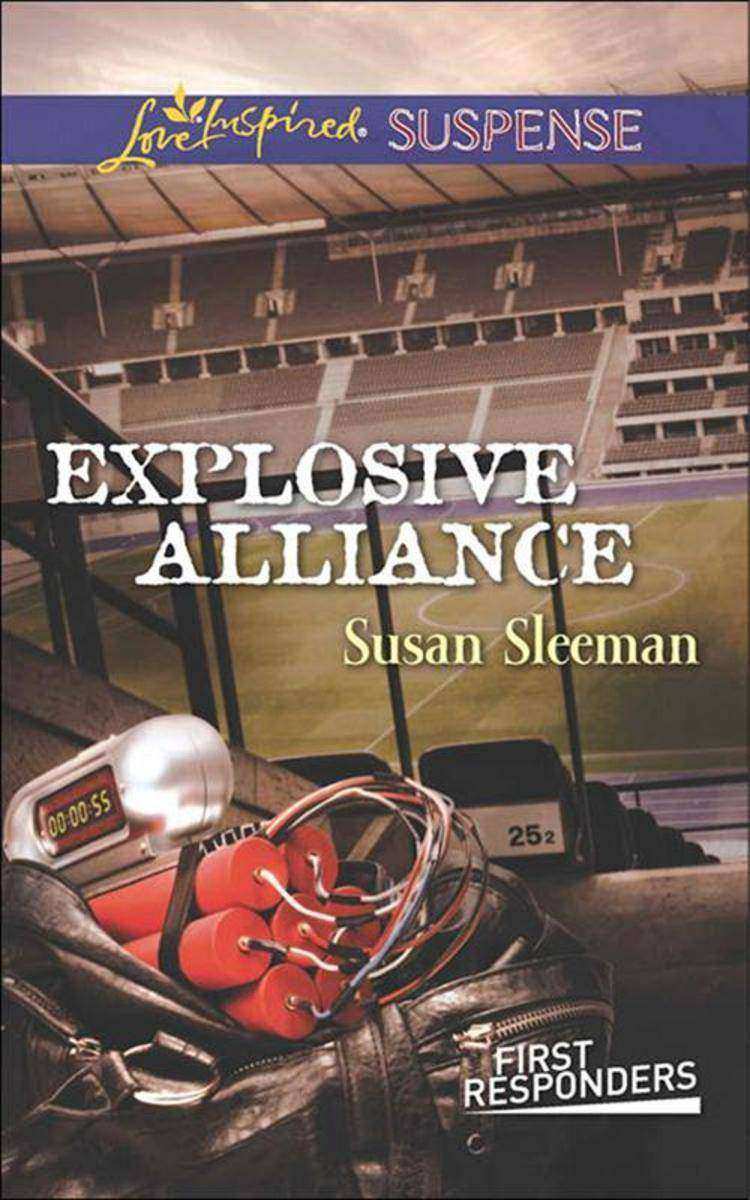
Explosive Alliance (Mills & Boon Love Inspired Suspense) (First Responders, Book
¥31.10
RACE AGAINST TIME The last thing Krista Curry expected to find in a soccer stadium was a time bomb. When she alerts explosives expert Cash Dixon, she becomes a local hero. But the attention could expose her real name–and the infamous past she fought to escape. Cash promises Krista protection from the bomber's retaliation. Yet she hesitates to trust him as she sees his suspicion about her grow with every question she dodges. She can't expect Cash to continue to safeguard her unless she tells him the truth. Now Cash must decide if she's an innocent woman or guilty accomplice. But the clock is ticking down–and the real bomber is still on the loose… First Responders: Brave men and women alert and ready for danger and love.

His Pregnant Texas Sweetheart (Mills & Boon Cherish) (Peach Leaf, Texas, Book 1)
¥29.43
A Father for Her Baby? Katie Bloom’s ex may have left her pregnant, jobless and alone, but she has a plan: find a new career; plan the best Pumpkin Festival the people of Peach Leaf, Texas have ever seen; and create a happy environment for her child-to-be. The only thing Katie desperately wants, but isn’t sure she can get, is Ryan Ford, her childhood best friend and first love, who’s back in town. Their chemistry is off the charts and Katie knows letting Ryan go again isn’t an option... but can she really build a new family in time for her baby?

In the Royal's Bed: Wanted: Royal Wife and Mother / Cinderella: Hired by the Pri
¥37.96
Wanted: Royal Wife and Mother For five years Kelly has been separated from her son, the heir to the Alp de Ciel throne. With her estranged husband’s death, they can finally be reunited – but first she must return to the palace and meet the dangerously tempting Prince Regent, Rafael de Boutaine. Cinderella: Hired by the Prince When gorgeous stranger Ramón offers sensible chef Jenny a job on his yacht, she can’t refuse his offer of adventure. But nothing could have prepared her for Ramón’s revelation once they’re at sea: that he’s not a humble yachtsman, but a secret prince! A Royal Marriage of Convenience International lawyer Nikolai de Montez has discovered that he’s heir to the throne of Alp de Montez – yet, to claim his title, he must marry Rose McCray. And after a sumptuous ceremony a match of duty begins to evolve into a marriage of desire…

Man of His Word (Mills & Boon Heartwarming) (The Georgia Monroes, Book 1)
¥31.10
A promise made has to be a promise kept This small town in rural Georgia is where Kimberly Singleton hopes to find the answers that can save her adopted daughter's life. Daniel Monroe is the key: the charismatic firefighter is the one who helped bring her child into the world. He's a good man from a loving family who makes Kimberly feel like she's finally found a safe haven. But he won't give up his secret. For almost twelve years, Daniel has kept his promise to a terrified young mother. Now Kimberly and her daughter deserve the truth. But how can he break that long-ago vow and stay true to who he is, a man Kimberly can trust…and love?

Scene of the Crime: Killer Cove (Mills & Boon Intrigue)
¥31.10
A MAN RETURNS TO HIS HOMETOWN TO SOLVE A COLD CASE IN NEW YORK TIMES BESTSELLER CARLA CASSIDY’S NEW SCENE OF THE CRIME BOOK. A family tragedy brings Bo McBride back to his Mississippi town two years after a devastating loss made him leave. Now he's back and only Claire Silver is ready to welcome him home. The sassy blond teacher wants his help in finding a killer that has plagued the town…. Although she could only admire him from afar, Claire was always drawn to Bo. Their unofficial investigation is complicated by the passion igniting between them. And by the obsessed stalker who has targeted Claire. With the threat escalating, Bo vows he'll do whatever it takes to protect her. And Claire vows to put her faith in the man ready to risk everything to safeguard her future.

The Pregnancy Secret (Mills & Boon Cherish)
¥25.60
Back in her husband’s arms! Jessica Brennan couldn’t wait to marry gorgeous Kade and fill their rickety house with children. Not being able to live that dream tore them apart. CEO Kade may not have been able to fix their marriage, but he can finally fix up the house. Except working together only rekindles their love… One night with her husband can't hurt can it…? Unless it has dramatic, life-changing consequences!

The Rancher's Lullaby (Mills & Boon American Romance) (Glades County Cowboys, Bo
¥31.10
SERENADING HIS SON The Circle P has always been home to the Judds. That’s why Garrett Judd came back—to take over as temporary ranch manager and to shelter his infant son in the warmth and love of his sprawling family. Bluegrass singer Lisa Rose isn’t part of his long-term plans. But ever since she hit town, the single father has been fighting his attraction to the willowy blonde. Lisa gave up her life on the road to open a music store, but if business doesn't pick up she may not last. Watching the rugged widowed rancher serenade his baby boy plucks at her heartstrings, making her long for something she’ll never have. But as long as Garrett keeps one cowboy boot in the past, they don’t stand a chance of building a future together. Do they?

Trail of Evidence (Mills & Boon Love Inspired Suspense) (Capitol K-9 Unit, Book
¥31.10
SAVING HIS SON Why is a dead woman's phone–evidence in a murder investigation–in Jonas Parker's son's bedroom? Dangerous thugs are after that phone and his terrified teenager, so the single father turns to Capitol K-9 Unit officer Brooke Clark. Years ago, Brooke broke Jonas's heart without explanation. But he has to trust her and her highly-trained golden retriever to keep his son safe. When the boy goes missing, Jonas and Brooke must make peace with their past to find the teen–before increasingly desperate criminals get to him first. Capitol K-9 Unit: These lawmen solve the toughest cases with the help of their brave canine partners.


