


 购物车
购物车 个人中心
个人中心

Spirit of the Border by Zane Grey - Delphi Classics (Illustrated)
¥8.09
This eBook features the unabridged text of ‘Spirit of the Border by Zane Grey - Delphi Classics (Illustrated)’ from the bestselling edition of ‘The Collected Works of Zane Grey’. Having established their name as the leading publisher of classic literature and art, Delphi Classics produce publications that are individually crafted with superior formatting, while introducing many rare texts for the first time in digital print. The Delphi Classics edition of Grey includes original annotations and illustrations relating to the life and works of the author, as well as individual tables of contents, allowing you to navigate eBooks quickly and easily. eBook features: * The complete unabridged text of ‘Spirit of the Border by Zane Grey - Delphi Classics (Illustrated)’ * Beautifully illustrated with images related to Grey’s works * Individual contents table, allowing easy navigation around the eBook * Excellent formatting of the text Please visit www.delphiclassics.com to learn more about our wide range of titles

The Young Lion Hunter by Zane Grey - Delphi Classics (Illustrated)
¥8.09
This eBook features the unabridged text of ‘The Young Lion Hunter by Zane Grey - Delphi Classics (Illustrated)’ from the bestselling edition of ‘The Collected Works of Zane Grey’. Having established their name as the leading publisher of classic literature and art, Delphi Classics produce publications that are individually crafted with superior formatting, while introducing many rare texts for the first time in digital print. The Delphi Classics edition of Grey includes original annotations and illustrations relating to the life and works of the author, as well as individual tables of contents, allowing you to navigate eBooks quickly and easily. eBook features: * The complete unabridged text of ‘The Young Lion Hunter by Zane Grey - Delphi Classics (Illustrated)’ * Beautifully illustrated with images related to Grey’s works * Individual contents table, allowing easy navigation around the eBook * Excellent formatting of the text Please visit www.delphiclassics.com to learn more about our wide range of titles

The Lone Star Ranger by Zane Grey - Delphi Classics (Illustrated)
¥8.09
This eBook features the unabridged text of ‘The Lone Star Ranger by Zane Grey - Delphi Classics (Illustrated)’ from the bestselling edition of ‘The Collected Works of Zane Grey’. Having established their name as the leading publisher of classic literature and art, Delphi Classics produce publications that are individually crafted with superior formatting, while introducing many rare texts for the first time in digital print. The Delphi Classics edition of Grey includes original annotations and illustrations relating to the life and works of the author, as well as individual tables of contents, allowing you to navigate eBooks quickly and easily. eBook features: * The complete unabridged text of ‘The Lone Star Ranger by Zane Grey - Delphi Classics (Illustrated)’ * Beautifully illustrated with images related to Grey’s works * Individual contents table, allowing easy navigation around the eBook * Excellent formatting of the text Please visit www.delphiclassics.com to learn more about our wide range of titles

Wildfire by Zane Grey - Delphi Classics (Illustrated)
¥8.09
This eBook features the unabridged text of ‘Wildfire by Zane Grey - Delphi Classics (Illustrated)’ from the bestselling edition of ‘The Collected Works of Zane Grey’. Having established their name as the leading publisher of classic literature and art, Delphi Classics produce publications that are individually crafted with superior formatting, while introducing many rare texts for the first time in digital print. The Delphi Classics edition of Grey includes original annotations and illustrations relating to the life and works of the author, as well as individual tables of contents, allowing you to navigate eBooks quickly and easily. eBook features: * The complete unabridged text of ‘Wildfire by Zane Grey - Delphi Classics (Illustrated)’ * Beautifully illustrated with images related to Grey’s works * Individual contents table, allowing easy navigation around the eBook * Excellent formatting of the text Please visit www.delphiclassics.com to learn more about our wide range of titles

The Man of the Forest by Zane Grey - Delphi Classics (Illustrated)
¥8.09
This eBook features the unabridged text of ‘The Man of the Forest by Zane Grey - Delphi Classics (Illustrated)’ from the bestselling edition of ‘The Collected Works of Zane Grey’. Having established their name as the leading publisher of classic literature and art, Delphi Classics produce publications that are individually crafted with superior formatting, while introducing many rare texts for the first time in digital print. The Delphi Classics edition of Grey includes original annotations and illustrations relating to the life and works of the author, as well as individual tables of contents, allowing you to navigate eBooks quickly and easily. eBook features: * The complete unabridged text of ‘The Man of the Forest by Zane Grey - Delphi Classics (Illustrated)’ * Beautifully illustrated with images related to Grey’s works * Individual contents table, allowing easy navigation around the eBook * Excellent formatting of the text Please visit www.delphiclassics.com to learn more about our wide range of titles
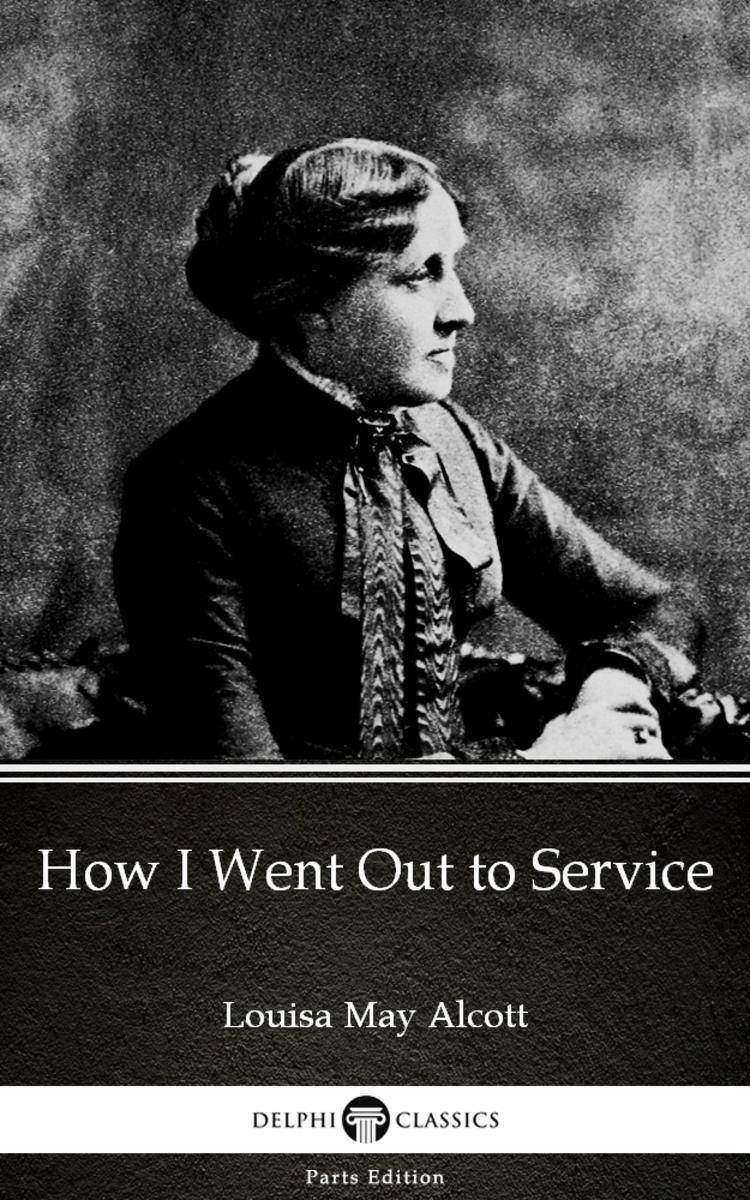
How I Went Out to Service by Louisa May Alcott (Illustrated)
¥8.09
This eBook features the unabridged text of ‘How I Went Out to Service’ from the bestselling edition of ‘The Complete Works of Louisa May Alcott’. Having established their name as the leading publisher of classic literature and art, Delphi Classics produce publications that are individually crafted with superior formatting, while introducing many rare texts for the first time in digital print. The Delphi Classics edition of Alcott includes original annotations and illustrations relating to the life and works of the author, as well as individual tables of contents, allowing you to navigate eBooks quickly and easily.eBook features:* The complete unabridged text of ‘How I Went Out to Service’* Beautifully illustrated with images related to Alcott’s works* Individual contents table, allowing easy navigation around the eBook* Excellent formatting of the textPlease visit www.delphiclassics.com to learn more about our wide range of titles
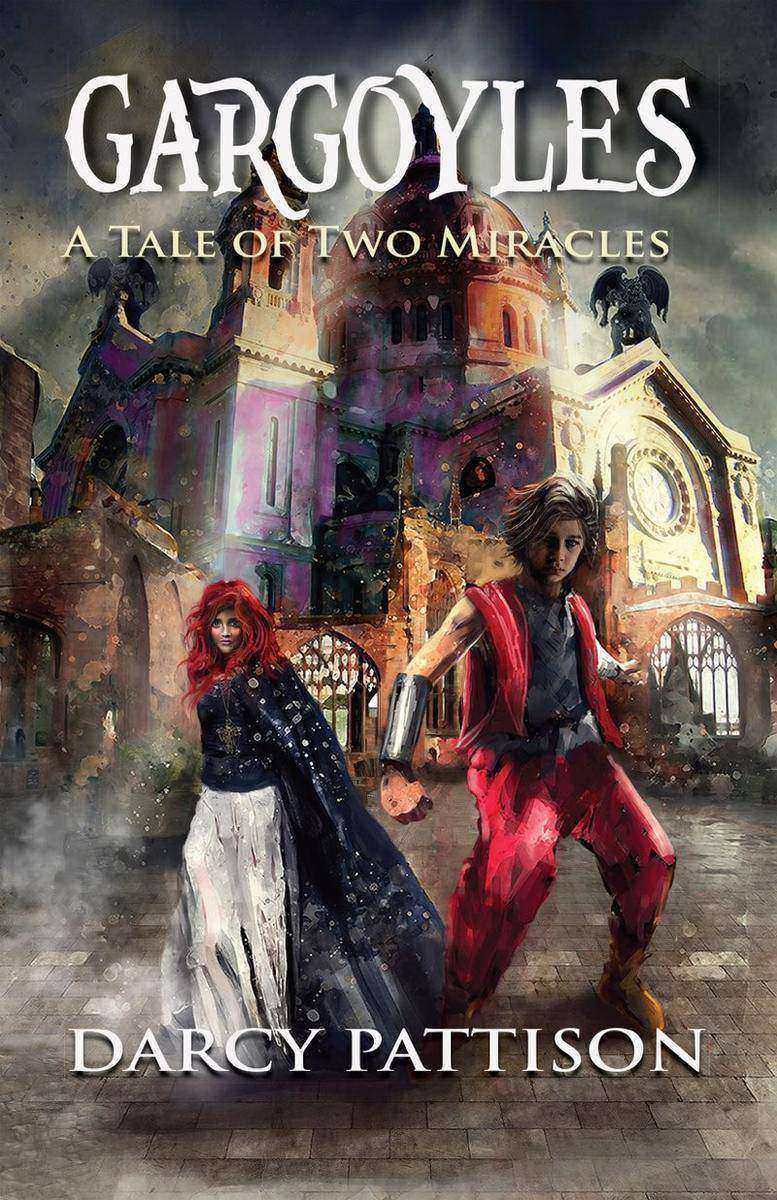
Gargoyles:A Tale of Two Miracles
¥24.44
FOR THOSE WHO DARE THE IMPOSSIBLE Laurel could stay home and watch her future crumble. Instead, she risks everything. Searching for a better future, she enters a mysterious stone world where everything is backward. Pretty is ugly and ugly is pretty. Unless Laurel completes the quest in three days, she may be trapped. You'll be drawn into the medieval world of stone masons and cathedral builders, entertainers and herbalists. And gargoyles. This haunting tale will become a legend in your heart and mind. MIRACLES COME AT A HIGH PRICE Will Laurel succeed? Impossible. She needs a miracle. Or two. This is a rich, surprising, and sometimes disturbing historical tale of gargoyles, and those who carve the creatures from solid stone. There's darkness in this cautionary tale for teens, that nevertheless pulls off not one, but two miracles, and brings Laurel home to stay. An apt, if unexpected ending. A brilliant coming of age, sword & sorcery tale. BUY NOW to follow Laurel's harrowing journey toward miracles.
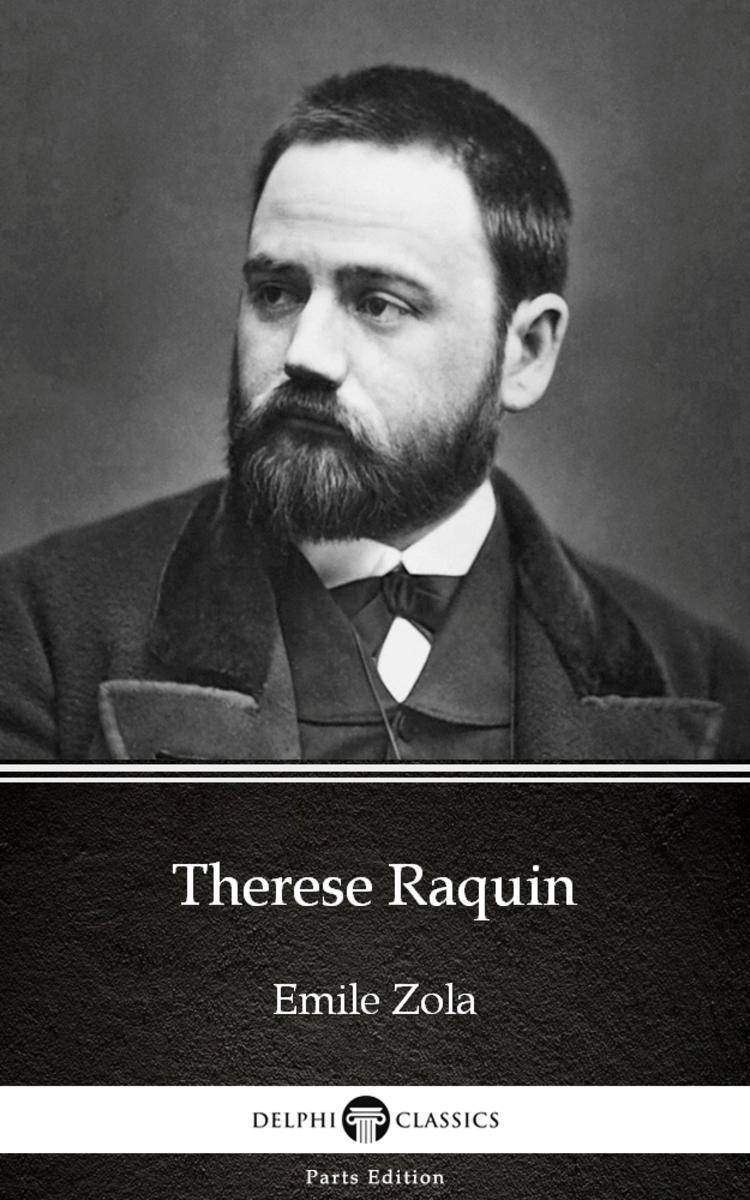
Therese Raquin by Emile Zola (Illustrated)
¥8.09
This eBook features the unabridged text of ‘Therese Raquin’ from the bestselling edition of ‘The Complete Works of Emile Zola’. Having established their name as the leading publisher of classic literature and art, Delphi Classics produce publications that are individually crafted with superior formatting, while introducing many rare texts for the first time in digital print. The Delphi Classics edition of Zola includes original annotations and illustrations relating to the life and works of the author, as well as individual tables of contents, allowing you to navigate eBooks quickly and easily.eBook features:* The complete unabridged text of ‘Therese Raquin’* Beautifully illustrated with images related to Zola’s works* Individual contents table, allowing easy navigation around the eBook* Excellent formatting of the textPlease visit www.delphiclassics.com to learn more about our wide range of titles
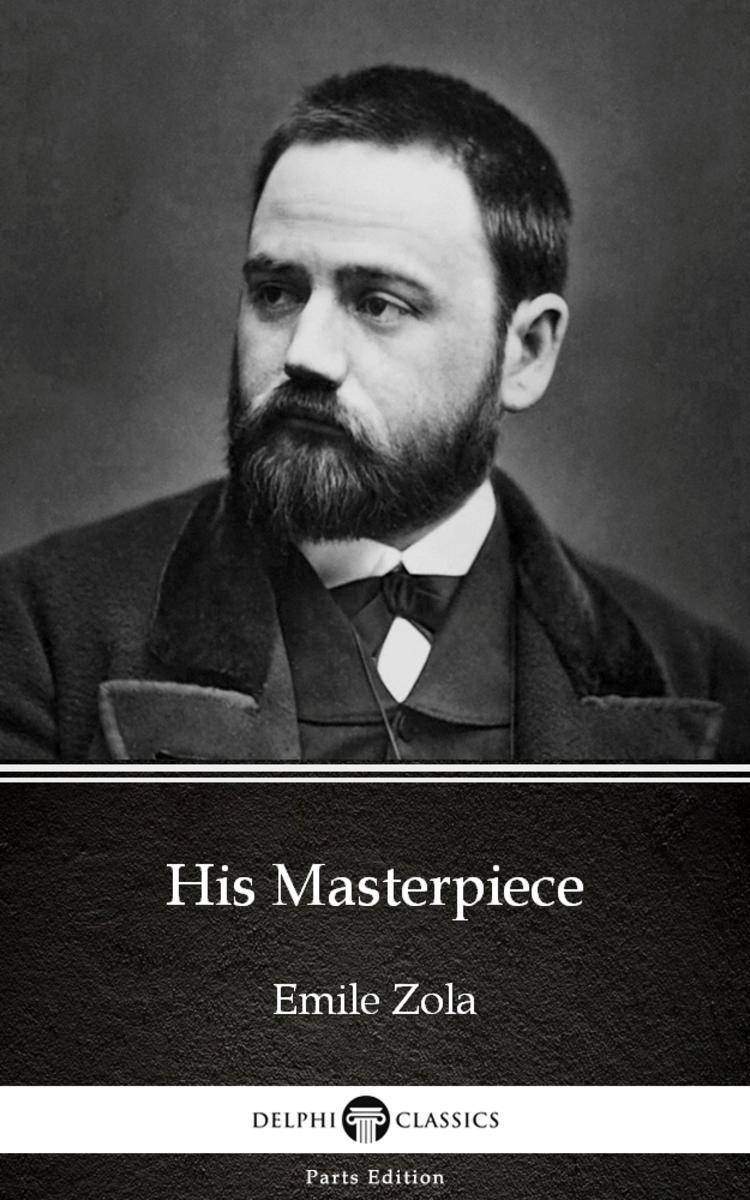
His Masterpiece by Emile Zola (Illustrated)
¥8.09
This eBook features the unabridged text of ‘His Masterpiece’ from the bestselling edition of ‘The Complete Works of Emile Zola’. Having established their name as the leading publisher of classic literature and art, Delphi Classics produce publications that are individually crafted with superior formatting, while introducing many rare texts for the first time in digital print. The Delphi Classics edition of Zola includes original annotations and illustrations relating to the life and works of the author, as well as individual tables of contents, allowing you to navigate eBooks quickly and easily.eBook features:* The complete unabridged text of ‘His Masterpiece’* Beautifully illustrated with images related to Zola’s works* Individual contents table, allowing easy navigation around the eBook* Excellent formatting of the textPlease visit www.delphiclassics.com to learn more about our wide range of titles
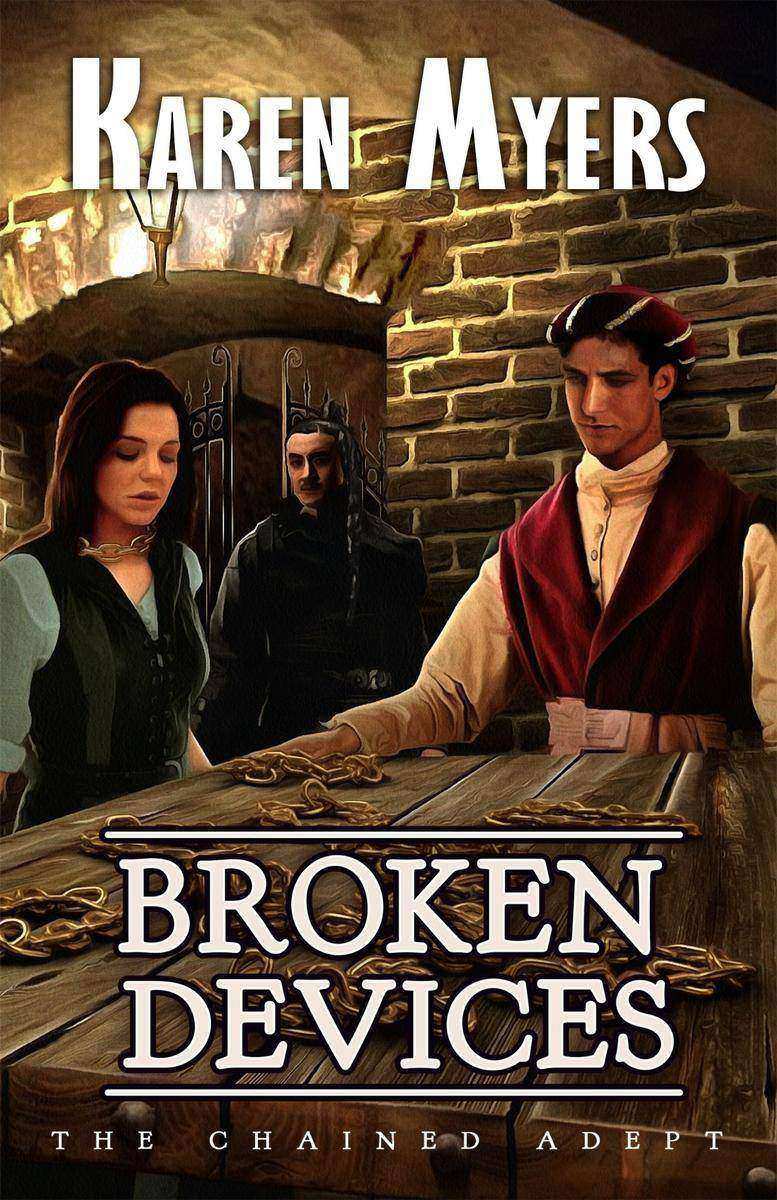
Broken Devices:A Lost Wizard's Tale
¥57.14
CHAINS WITHOUT WIZARDS AND A RISING COUNT OF THE DEAD. Book 3 of The Chained Adept - A Lost Wizard's Tale. The largest city in the world has just discovered its missing wizards. It seems the Kigali empire has ignited a panic that threatens internal ruin and the only chained wizard it knows that’s still alive is Penrys. The living wizards and the dead are not her people, not unless she makes them so. All they have in common is a heavy chain and a dead past -- the lives that were stolen from them are beyond recall. What remains are unanswered questions about who made them this way. And why. And what Penrys plans to do to find out.

The Hounds of Annwn 1-5:A Virginian in Elfland
¥123.75
A bundle of books from The Hounds of Annwn - Books 1-5----To Carry the Horn –Book 1 of The Hounds of AnnwnNEW JOB, NEW FAMILY, AND IN TWO WEEKS THE END OF A WORLD HE’S JUST DISCOVERED, IF HE CAN’T RISE TO THE CHALLENGE.George Talbot Traherne is just doing his job on a fine autumn morning, keeping the hounds together for the huntsman of the Rowanton Hunt in Virginia along the Blue Ridge Mountain. Doesn’t pay to get distracted by a white stag in unfamiliar territory, though. Next thing you know, you might find yourself… somewhere else.The land is the same but not the people. Their huntsman has just been murdered, and George is tapped for the job. It’s an emergency — the Wild Hunt is only two weeks away, and if it doesn’t happen on schedule, the antlered god Cernunnos will take the realm from its ruler Gwyn ap Nudd and find someone who can mete out justice with the Hounds of Hell in his place.----The Ways of Winter – Book 2 of The Hounds of AnnwnTRAPPED BEHIND ENEMY LINES, CAN HE FIND THE STRENGTH TO DEFEND ALL THAT HE VALUES MOST, OR EVEN JUST TO SURVIVE?It’s the dead of winter and George Talbot Traherne, the new human huntsman for the Wild Hunt, is in trouble. The damage in Gwyn ap Nudd’s domain reveals the deadly powers of a dangerous foe who has mastered an unstoppable weapon and threatens the fae dominions in both the new and the old worlds.----King of the May – Book 3 of The Hounds of AnnwnMORE VALUABLE AS A WEAPON THAN A KINGMAKER, HE MUST MAKE HIS OWN CHOICES TO SECURE THE FUTURE.George Talbot Traherne, the human huntsman for the Wild Hunt, had hoped to settle into a quiet life with his new family, but it was not to be. Gwyn ap Nudd, Prince of Annwn, has plans to secure his domain in the new world from the overbearing interference of his father Lludd, the King of Britain.----Bound into the Blood – Book 4 of The Hounds of AnnwnDISTURBING THE FAMILY SECRETS COULD BRING RUIN TO EVERYTHING HE’S WORKED SO HARD TO BUILD.George Talbot Traherne, the human huntsman for the Wild Hunt, is preparing for the birth of his child by exploring the family papers about his parents and their deaths. When his improved relationship with his patron, the antlered god Cernunnos, is jeopardized by an unexpected opposition, he finds he must choose between loyalty to family and loyalty to a god.----Tales of Annwn – A Story Collection from The Hounds of AnnwnTHE CALL: A very young Rhian discovers her beast-sense and rushes to the rescue of an errant hound.UNDER THE BOUGH: Angharad hasn’t lived with anyone for hundreds of years, but now she is ready to tie the knot with George Talbot Traherne, the human who has entered the fae otherworld to serve as huntsman for the Wild Hunt. As soon as she can make up her mind, anyway.NIGHT HUNT: George Talbot Traherne goes night hunting for fox in Virginia and thinks about the choices he has made.CARIAD: Benitoe and Luhedoc are off to fetch horses for the Golden Cockerel Inn in Edgewood. Luhedoc needs to relearn an important lesson about confidence.THE EMPTY HILLS: George Talbot Traherne shows a bit of the human world to family and friends, hoping to share some of the sense of wonder he discovered when he encountered the fae otherworld.
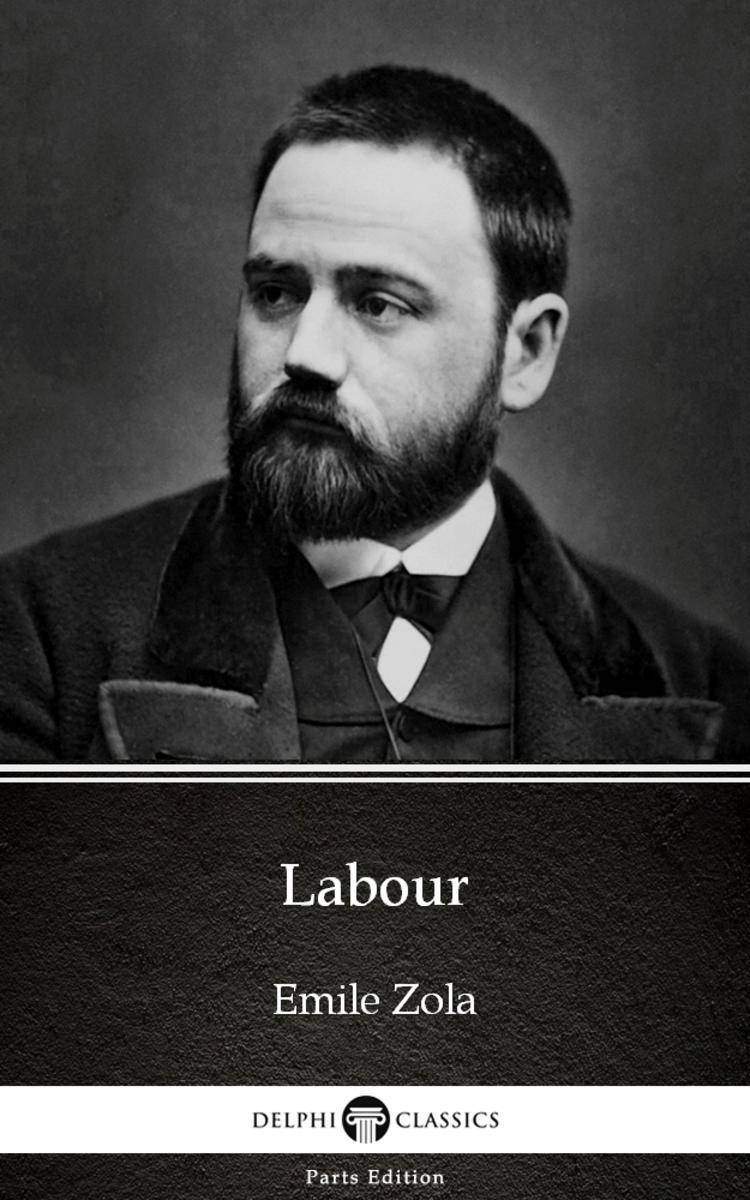
Labour by Emile Zola (Illustrated)
¥8.09
This eBook features the unabridged text of ‘Labour’ from the bestselling edition of ‘The Complete Works of Emile Zola’. Having established their name as the leading publisher of classic literature and art, Delphi Classics produce publications that are individually crafted with superior formatting, while introducing many rare texts for the first time in digital print. The Delphi Classics edition of Zola includes original annotations and illustrations relating to the life and works of the author, as well as individual tables of contents, allowing you to navigate eBooks quickly and easily.eBook features:* The complete unabridged text of ‘Labour’* Beautifully illustrated with images related to Zola’s works* Individual contents table, allowing easy navigation around the eBook* Excellent formatting of the textPlease visit www.delphiclassics.com to learn more about our wide range of titles

My Bipolar Life:Guide to Maintenance & Recovery
¥32.62
THE CHALLENGE OF LIVING LIFE AS BOTH A BIPOLAR AND AN ALCOHOLIC. Jane S. is one of the 60-percent (or more) of "manic depressives" (persons severely bipolar) who are also alcoholics. Her bipolar life story covers forty-seven years of sobriety and forty-five years on lithium therapy, how her illnesses have interacted, and particularly how much of the shape of her life -- and her achievement of her life's goals (including, for the last forty-seven years, sobriety) -- has been shaped by her bipolarity. This book is important reading for those dealing with "manic depression," either in those close to them or in themselves, and even more for those who suffer from both of Jane's diseases. Her memories include, literally, the good (paying cash down for her first Mustang, though that was because she didn't know how to work a bank account), the bad (the sailboat she was on being boarded by the Coast Guard off Maryland), and the ugly (hearing her head being dribbled like a basketball outside her side-room in the hospital) -- and the very good, the white-light dream that began her recovery from alcoholism. She is believed to have been on lithium therapy for her condition longer than anyone else in the United States.

Henry VI, Part 3 by William Shakespeare (Illustrated)
¥8.09
This eBook features the unabridged text of ‘Henry VI, Part 3’ from the bestselling edition of ‘The Complete Works of William Shakespeare’. Having established their name as the leading publisher of classic literature and art, Delphi Classics produce publications that are individually crafted with superior formatting, while introducing many rare texts for the first time in digital print. The Delphi Classics edition of Shakespeare includes original annotations and illustrations relating to the life and works of the author, as well as individual tables of contents, allowing you to navigate eBooks quickly and easily.eBook features:* The complete unabridged text of ‘Henry VI, Part 3’* Beautifully illustrated with images related to Shakespeare’s works* Individual contents table, allowing easy navigation around the eBook* Excellent formatting of the textPlease visit www.delphiclassics.com to learn more about our wide range of titles
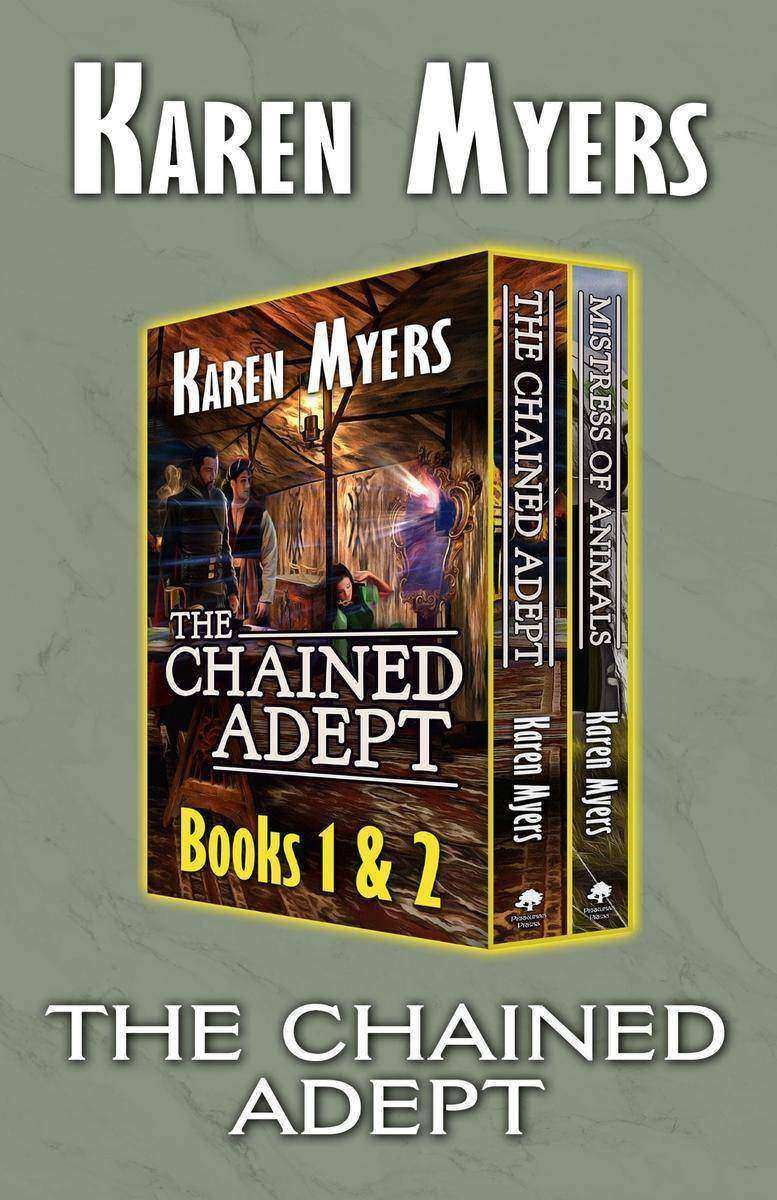
The Chained Adept (1-2):A Lost Wizard's Tale
¥81.67
A bundle of books from The Chained Adept - Books 1-2. ---A STRONG WIZARD WITH UNANSWERED QUESTIONS AND A CHAIN AROUND HER NECK. The Chained Adept - Book 1 of The Chained AdeptPenrys’s past is unknown, but she’s got a better grip on her future: find out where she came from, discover what happened to her, and figure out how the unremovable chain around her neck makes her different from other wizards.What any of this has to do with the renewal of an ugly war between neighboring countries, half a world away, is just something she’ll have to sort out, along with the rumors of wizards where they don’t belong.Assuming, of course, that no one removes her as a threat before she can find her footing.All she wants is a firm foundation for the rest of her life, with a side helping of retribution, and if she has to fix things along the way, well, so be it.---AN ERRANT CHILD WITH DISASTROUS POWERS AND NO ONE TO STAND IN HER WAY. Mistress of Animals - Book 2 of The Chained AdeptPenrys, the wizard with a chain and an unknown past, is drafted to find out what has happened to an entire clan of the nomadic Zannib. Nothing but their empty tents remain, abandoned on the autumn steppe with their herds.This wasn't a detour she'd planned on making, but there's little choice. Winter is coming, and hundreds are missing.The locals don't trust her, but that's nothing new. The question is, can she trust herself, when she discovers what her life might have been? Assuming, of course, that the price of so many dead was worth paying for it.
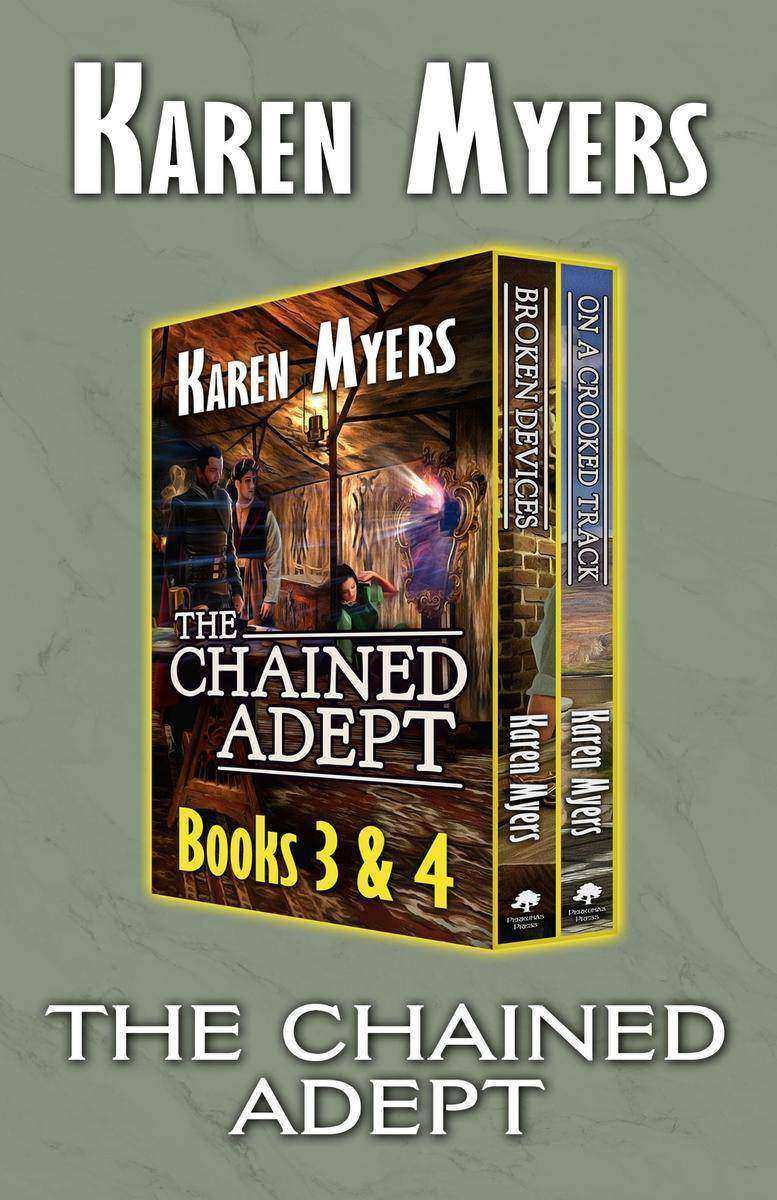
The Chained Adept (3-4):A Lost Wizard's Tale
¥81.67
A bundle of books from The Chained Adept - Books 3-4. ---CHAINS WITHOUT WIZARDS AND A RISING COUNT OF THE DEAD. Broken Devices - Book 3 of The Chained AdeptThe largest city in the world has just discovered its missing wizards. It seems the Kigali empire has ignited a panic that threatens internal ruin and the only chained wizard it knows that’s still alive is Penrys.The living wizards and the dead are not her people, not unless she makes them so. All they have in common is a heavy chain and a dead past—the lives that were stolen from them are beyond recall.What remains are unanswered questions about who made them this way. And why. And what Penrys plans to do to find out.---SETTING A TRAP TO CATCH THE MAKERS OF CHAINED WIZARDS. On a Crooked Track - Book 4 of The Chained AdeptA clue has sent Penrys back to Ellech, the country where she first appeared four short years ago with her mind wiped, her body stripped, and her neck chained. It's time to enlist the help of the Collegium of Wizards which sheltered her then.Things don't work out that way, and she finds herself retracing a dead scholar's crooked track and setting herself up as a target to confirm her growing suspicions. But what happens to bait when the prey shows its teeth?In this conclusion to the series, tracking old crimes brings new dangers, and a chance for redemption.

Titus Andronicus by William Shakespeare (Illustrated)
¥8.09
This eBook features the unabridged text of ‘Titus Andronicus’ from the bestselling edition of ‘The Complete Works of William Shakespeare’. Having established their name as the leading publisher of classic literature and art, Delphi Classics produce publications that are individually crafted with superior formatting, while introducing many rare texts for the first time in digital print. The Delphi Classics edition of Shakespeare includes original annotations and illustrations relating to the life and works of the author, as well as individual tables of contents, allowing you to navigate eBooks quickly and easily.eBook features:* The complete unabridged text of ‘Titus Andronicus’* Beautifully illustrated with images related to Shakespeare’s works* Individual contents table, allowing easy navigation around the eBook* Excellent formatting of the textPlease visit www.delphiclassics.com to learn more about our wide range of titles

The Two Gentlemen of Verona by William Shakespeare (Illustrated)
¥8.09
This eBook features the unabridged text of ‘The Two Gentlemen of Verona’ from the bestselling edition of ‘The Complete Works of William Shakespeare’. Having established their name as the leading publisher of classic literature and art, Delphi Classics produce publications that are individually crafted with superior formatting, while introducing many rare texts for the first time in digital print. The Delphi Classics edition of Shakespeare includes original annotations and illustrations relating to the life and works of the author, as well as individual tables of contents, allowing you to navigate eBooks quickly and easily.eBook features:* The complete unabridged text of ‘The Two Gentlemen of Verona’* Beautifully illustrated with images related to Shakespeare’s works* Individual contents table, allowing easy navigation around the eBook* Excellent formatting of the textPlease visit www.delphiclassics.com to learn more about our wide range of titles

Henry V by William Shakespeare (Illustrated)
¥8.09
This eBook features the unabridged text of ‘Henry V’ from the bestselling edition of ‘The Complete Works of William Shakespeare’. Having established their name as the leading publisher of classic literature and art, Delphi Classics produce publications that are individually crafted with superior formatting, while introducing many rare texts for the first time in digital print. The Delphi Classics edition of Shakespeare includes original annotations and illustrations relating to the life and works of the author, as well as individual tables of contents, allowing you to navigate eBooks quickly and easily.eBook features:* The complete unabridged text of ‘Henry V’* Beautifully illustrated with images related to Shakespeare’s works* Individual contents table, allowing easy navigation around the eBook* Excellent formatting of the textPlease visit www.delphiclassics.com to learn more about our wide range of titles

Troilus and Cressida by William Shakespeare (Illustrated)
¥8.09
This eBook features the unabridged text of ‘Troilus and Cressida’ from the bestselling edition of ‘The Complete Works of William Shakespeare’. Having established their name as the leading publisher of classic literature and art, Delphi Classics produce publications that are individually crafted with superior formatting, while introducing many rare texts for the first time in digital print. The Delphi Classics edition of Shakespeare includes original annotations and illustrations relating to the life and works of the author, as well as individual tables of contents, allowing you to navigate eBooks quickly and easily.eBook features:* The complete unabridged text of ‘Troilus and Cressida’* Beautifully illustrated with images related to Shakespeare’s works* Individual contents table, allowing easy navigation around the eBook* Excellent formatting of the textPlease visit www.delphiclassics.com to learn more about our wide range of titles

Daughters of Destiny by L. Frank Baum - Delphi Classics (Illustrated)
¥8.09
This eBook features the unabridged text of ‘Daughters of Destiny by L. Frank Baum - Delphi Classics (Illustrated)’ from the bestselling edition of ‘The Complete Works of L. Frank Baum’. Having established their name as the leading publisher of classic literature and art, Delphi Classics produce publications that are individually crafted with superior formatting, while introducing many rare texts for the first time in digital print. The Delphi Classics edition of Baum includes original annotations and illustrations relating to the life and works of the author, as well as individual tables of contents, allowing you to navigate eBooks quickly and easily. eBook features: * The complete unabridged text of ‘Daughters of Destiny by L. Frank Baum - Delphi Classics (Illustrated)’ * Beautifully illustrated with images related to Baum’s works * Individual contents table, allowing easy navigation around the eBook * Excellent formatting of the text Please visit www.delphiclassics.com to learn more about our wide range of titles


