


 购物车
购物车 个人中心
个人中心
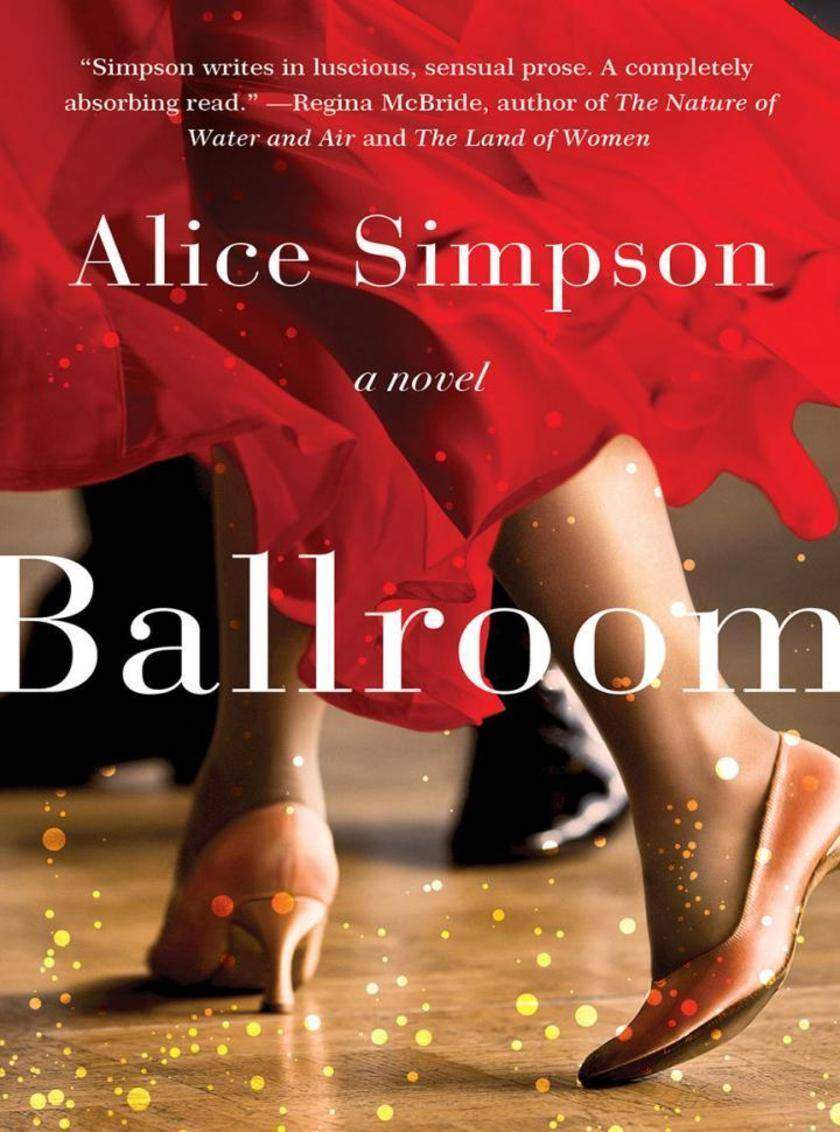
Ballroom
¥83.03
A beautiful debut, Ballroom follows a group of strangers, united by a desire to escape their complicated lives (if only for a few hours each week) at a New York City dance hall that's about to close its doors for good.The Ballroom used to be a place to see and be seen, but the years have taken their toll, and by the end of the 1990s this Manhattan dance hall, just off Union Square, is a husk of its former self. A small crowd of loyal patrons still makes its way to the worn parquet floor every Sunday evening: although they each have their private reasons for returning again and again to the Ballroom, they are united by a shared desire to seek solace from reality, if only for a few hours, within its walls—and in the magic of dance.Nearly forty and still single, Sarah Dreyfus is desperate for love and sure she'll find it with debonair Gabriel Katz, who seduces the women he meets at the Ballroom to distract himself from his crumbling marriage. Lonely bachelor Joseph believes that his yearning for a wife and family will be fulfilled—if he can only get Sarah to notice him and see that he is in love with her. Obsessed with his building superintendent's beautiful daughter, Maria Rodriguez, elderly dance instructor Harry Korn is convinced that together they will find the happiness that has eluded him throughout his life. And Maria, who—thanks in part to Harry's instruction and encouragement—is one of the stars of Sunday nights at the Ballroom along with her partner, Angel Morez, has a dream of her own that her brokenhearted father refuses to accept or understand.In this deeply felt debut, Alice Simpson deftly unfolds the lives of these men and women, entwining their stories into a profoundly human narrative about our instinc-tual longing to love and to be loved. As the rhythms of the Ballroom ebb and flow through her characters' hearts, their fates weave together both on and off the dance floor in touching, unexpected ways.
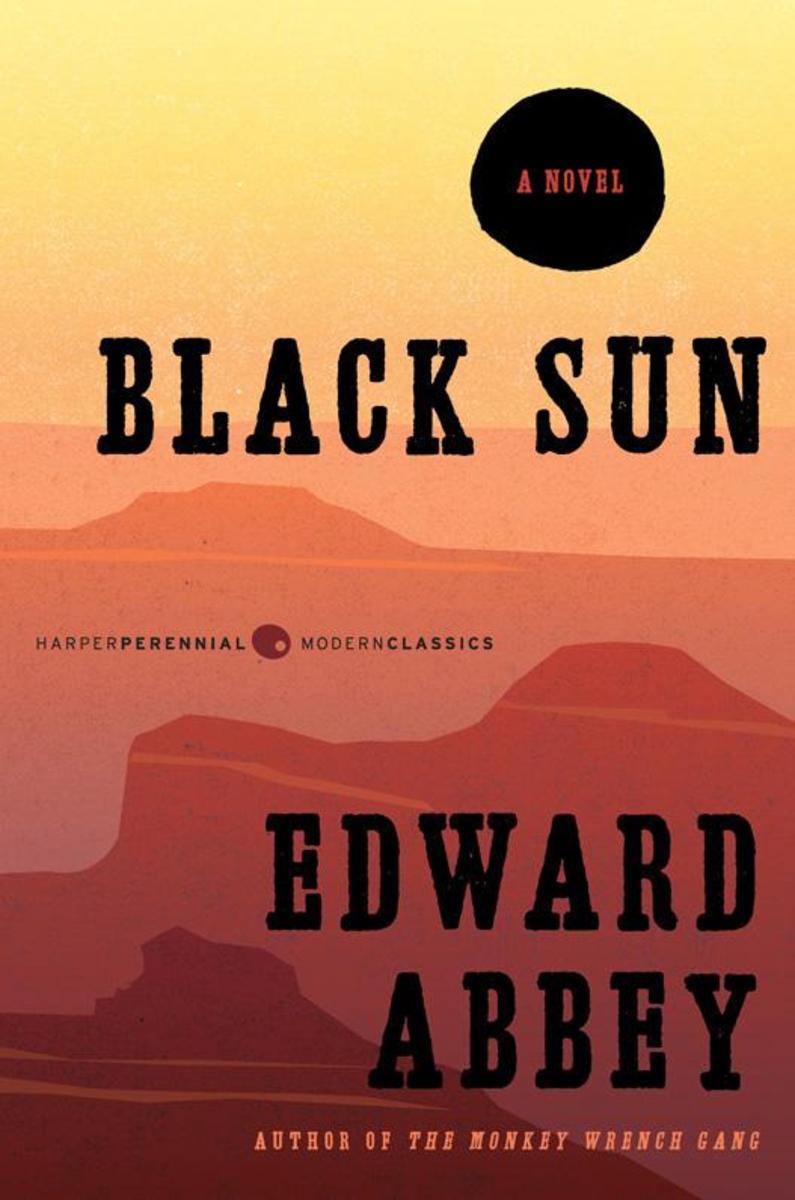
Black Sun
¥83.92
Black Sun is a bittersweet love story involving an iconoclastic forest ranger and a freckle-faced "American princess" half his age. Like Lady Chatterley's lover, he initiates her into the rites of sex and the stark, secret harmonies of his wilderness. She, in turn, awakens in him the pleasure of love. Then she mysteriously disappears, plunging him into desolation. Black Sun is a singular novel in Abbey's repertoire, a romantic story of a solitary man's passion for the outdoors and for a woman who is seeing the natural world's true colors for the first time. "Like most honest novels, Black Sun is partly autobiographical, mostly invention, and entirely true. The voice that speaks in this book is the passionate voice of the forest," Abbey writes, "the madness of desire, and the joy of love, and the anguish of final loss."Edward Abbey spent most of his life in the American Southwest. He was the author of numerous works of fiction and nonfiction, including the celebrated Desert Solitaire, which decried the waste of America's wilderness, and the novel The Monkey Wrench Gang, the title of which is still in use today to describe groups that purposefully sabotage projects and entities that degrade the environment. Abbey was also one of the country's foremost defenders of the natural environment. He died in 1989.
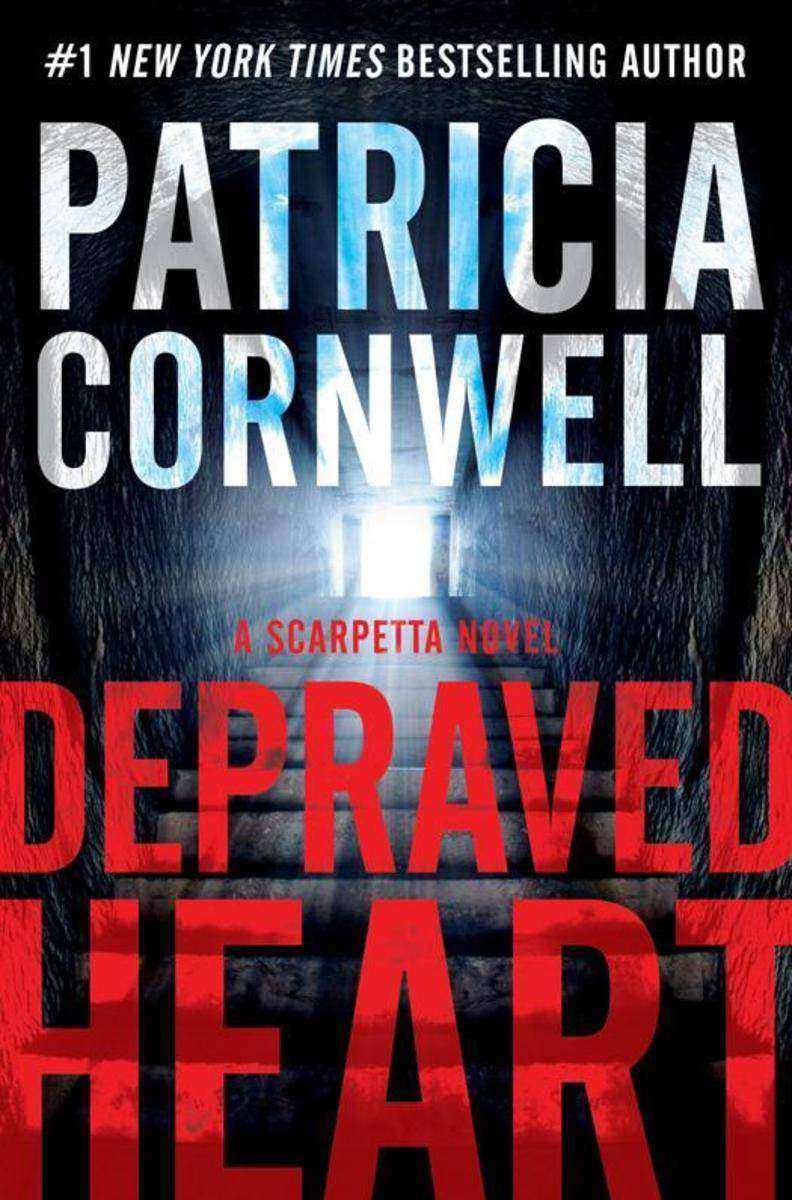
Depraved Heart
¥69.16
From the world's number one bestselling crime writer comes the haunting and irresistible new Dr. Kay Scarpetta novel—Depraved HeartDepraved Heart: "Void of social duty and fatally bent on mischief."—Mayes v. People, 806 III. 306 (1883)Dr. Kay Scarpetta is working a highly suspicious death scene in a historic home in Cambridge, Massachusetts, when an emergency alert sounds on her phone. A video link lands in her text messages, immediately begins playing . . . and seems to be from her niece Lucy. But how can it beIt's clearly a surveillance film of Lucy taken almost twenty years ago. As Scarpetta watches she comes to grips with frightening secrets about her niece, whom she loves like a daughter. That first clip and others sent soon after raise dangerous implications that increasingly isolate Scarpetta and leave her confused, alarmed, and not knowing where to turn. She doesn't know whom she can tell—not her FBI agent husband, Benton Wesley, or her investigative partner, Pete Marino. Not even Lucy. Cornwell launches these unforgettable characters on an intensely psychological odyssey that includes the bizarre death of a Hollywood mogul's daughter, wreckage on the bottom of the sea in the Bermuda Triangle, a grisly gift left in the back of a crime scene truck, and videos from the past that threaten to destroy Scarpetta's entire world and everyone she loves. The diabolical presence and singularly "depraved heart" behind what unfolds seems obvious—but strangely, not to the FBI. Certainly that's the message they send when they start harassing Lucy and begin building a case that could send her to prison for the rest of her life. In the latest novel in her bestselling series featuring medical examiner Dr. Kay Scarpetta, Cornwell captivates readers again with the jolting twists, high-wire tension, and cutting-edge forensic detail for which she is renowned, proving yet again why she is the world's number one bestselling crime writer.

Thank You for the Music
¥73.48
In 14 original stories, Jane McCafferty illuminates modern life weaving her love of music throughout the lives and stories of her characters. From two middle-aged strangers who meet in an empty baseball stadium during a rainstorm, to a 23-year-old man who brings his 62-year-old wife home to meet his parents, to a young couple who live next door to an unemployed clown and his wife, these stories are at one unexpected and enthralling.This collection of short stories, linked by the theme of music, is a gorgeous follow-up to One Heart, award-winning writer Jane McCafferty’s critically acclaimed debut novel.
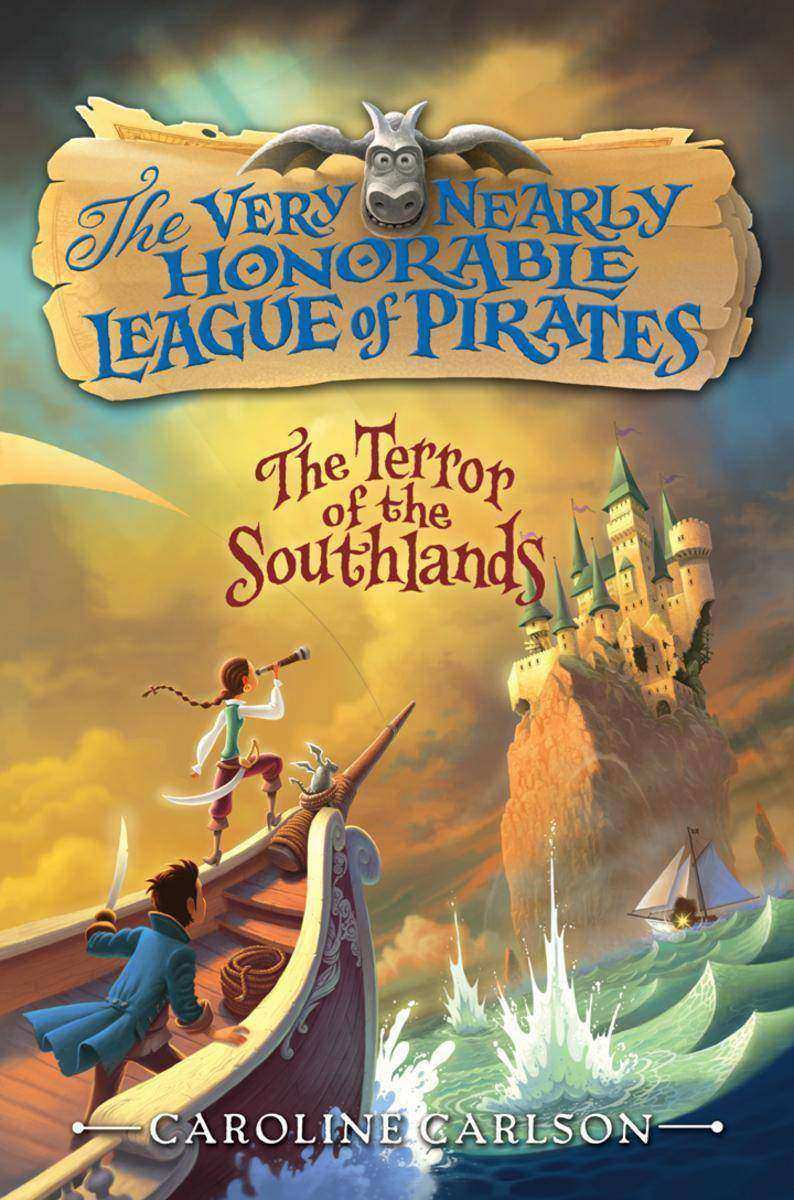
The Terror of the Southlands
¥38.72
More pirates, more magic, and more adventure in the second book of the Very Nearly Honorable League of Pirates series! Caroline Carlson brings the unceasing wit, humor, and fun of the first book in the series, Magic Marks the Spot, to this epic sequel. Fans of Lemony Snicket’s Series of Unfortunate Events and Trenton Lee Stewart’s Mysterious Benedict Society will love this quirky tween series and hope to join the VNHLP just like Hilary!Hilary Westfield is now a bona fide pirate, but when her daring, her magical know-how, and even her gargoyle don’t convince the VNHLP that she’s worthy of her title, the Terror of the Southlands, she sets off with her crew on a High Seas adventure. But then Miss Pimm disappears and Hilary decides to find the missing Enchantress and protect the magic of Augusta.
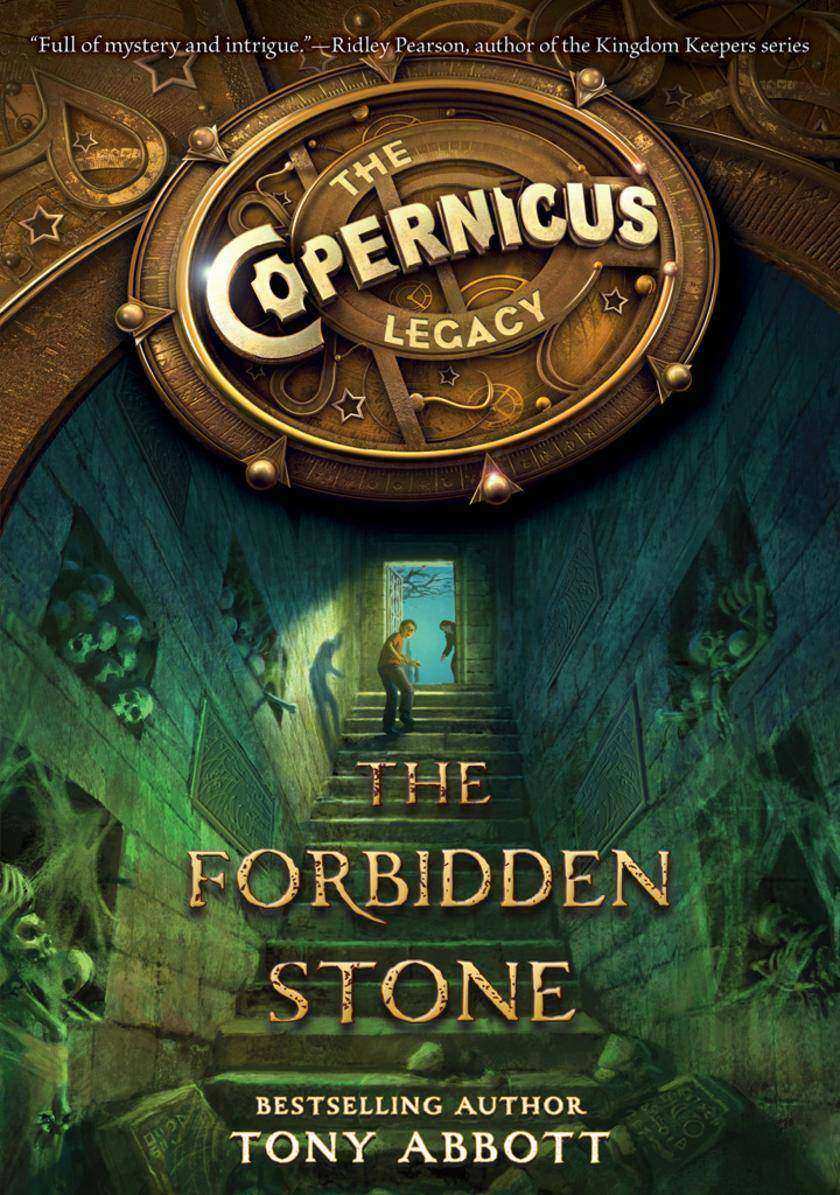
The Copernicus Legacy: The Forbidden Stone
¥39.13
Bestselling author Tony Abbott's epic new middle grade series, the Copernicus Legacy, begins with The Forbidden Stone, a thrilling adventure packed with puzzles, intrigue, and action. Fans of Rick Riordan and Ridley Pearson will love this first book in an exciting series that takes the reader all over the globe in a race to find pieces of a mysterious hidden past—before it's too late.Wade, Lily, Darrell, and Becca fly from Texas to Germany for the funeral of an old family friend. But instead of just paying their respects, they wind up on a dangerous, mind-blowing quest to unlock an ancient, guarded secret that could destroy the fate of the world.Supports the Common Core State Standards

The Copernicus Legacy: The Serpent's Curse
¥39.13
Bestselling author Tony Abbott returns with the next full-length book in the Copernicus Legacy series, a globe-trotting adventure packed with more riddles, puzzles, and secret histories. The hunt for Copernicus's first relic sent Wade, Darrell, Lily, and Becca to the far reaches of the world and put them in serious danger. But they never imagined Sara Kaplan—Darrell and Wade's mother—would be kidnapped by the conniving Galina Krause. Now they must race the evil Teutonic Order to find the Serpens relic and rescue Sara before it's too late.Fans of Rick Riordan and Ridley Pearson will love this epic series, which is filled with suspense and action.Correlates to the Common Core State Standards in English Language Arts

Porch Lights
¥88.56
When Jimmy McMullen, a fireman with the NYFD, is killed in the line of duty, his wife, Jackie, and ten-year-old son, Charlie, are devastated. Charlie idolized his dad, and now the outgoing, curious boy has become quiet and reserved. Trusting in the healing power of family, Jackie decides to return to her childhood home on Sullivans Island. Crossing the bridge from the mainland, Jackie and Charlie enter a world full of wonder and magic—lush green and chocolate grasslands and dazzling red, orange, and magenta evening skies; the heady pungency of Lowcountry Pluff mud and fresh seafood on the grill; bare toes snuggled in warm sand and palmetto fronds swaying in gentle ocean winds. Awaiting them is Annie Britt, the family matriarch who has kept the porch lights on to welcome them home. Thrilled to have her family back again, Annie promises to make their visit perfect—even though relations between mother and daughter have never been what you'd call smooth. Over the years, Jackie and Annie, like all mothers and daughters, have been known to have frequent and notorious differences of opinion. But her estranged and wise husband, Buster, and her flamboyant and funny best friend Deb are sure to keep Annie in line. She's also got Steven Plofker, the flirtatious and devilishly tasty widowed physician next door, to keep her distracted as well. Captivated by the island's alluring natural charms and inspired by colorful Lowcountry lore—lively stories of Blackbeard and his pirates who once sailed the waterssurrounding the Carolinas and of former resident Edgar Allan Poe—mother, daughter, and grandson will share a memorable, illuminating summer. Told in Annie's and Jackie's alternating voices, and filled with Dorothea Benton Frank's charming wit, indelible poignancy, and hallmark themes—the bonds of family, the heart's resilience, and the strength of love—Porch Lights is a triumph from "the queen of Southern fiction" (Charlotte Observer).
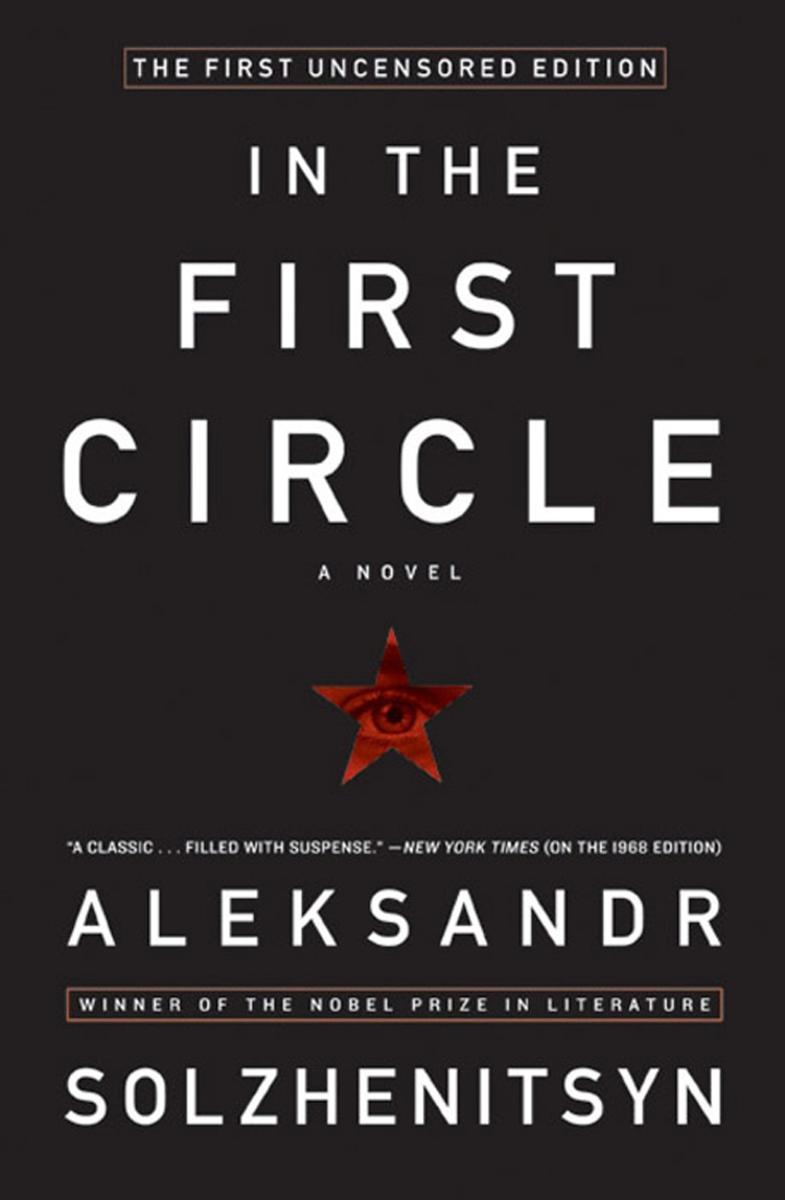
In the First Circle
¥121.80
The thrilling cold war masterwork by the nobel prize winner, published in full for the first timeMoscow, Christmas Eve, 1949.The Soviet secret police intercept a call made to the American embassy by a Russian diplomat who promises to deliver secrets about the nascent Soviet Atomic Bomb program. On that same day, a brilliant mathematician is locked away inside a Moscow prison that houses the country's brightest minds. He and his fellow prisoners are charged with using their abilities to sleuth out the caller's identity, and they must choose whether to aid Joseph Stalin's repressive state—or refuse and accept transfer to the Siberian Gulag camps . . . and almost certain death.First written between 1955 and 1958, In the First Circle is Solzhenitsyn's fiction masterpiece. In order to pass through Soviet censors, many essential scenes—including nine full chapters—were cut or altered before it was published in a hastily translated English edition in 1968. Now with the help of the author's most trusted translator, Harry T. Willetts, here for the first time is the complete, definitive English edition of Solzhenitsyn's powerful and magnificent classic.
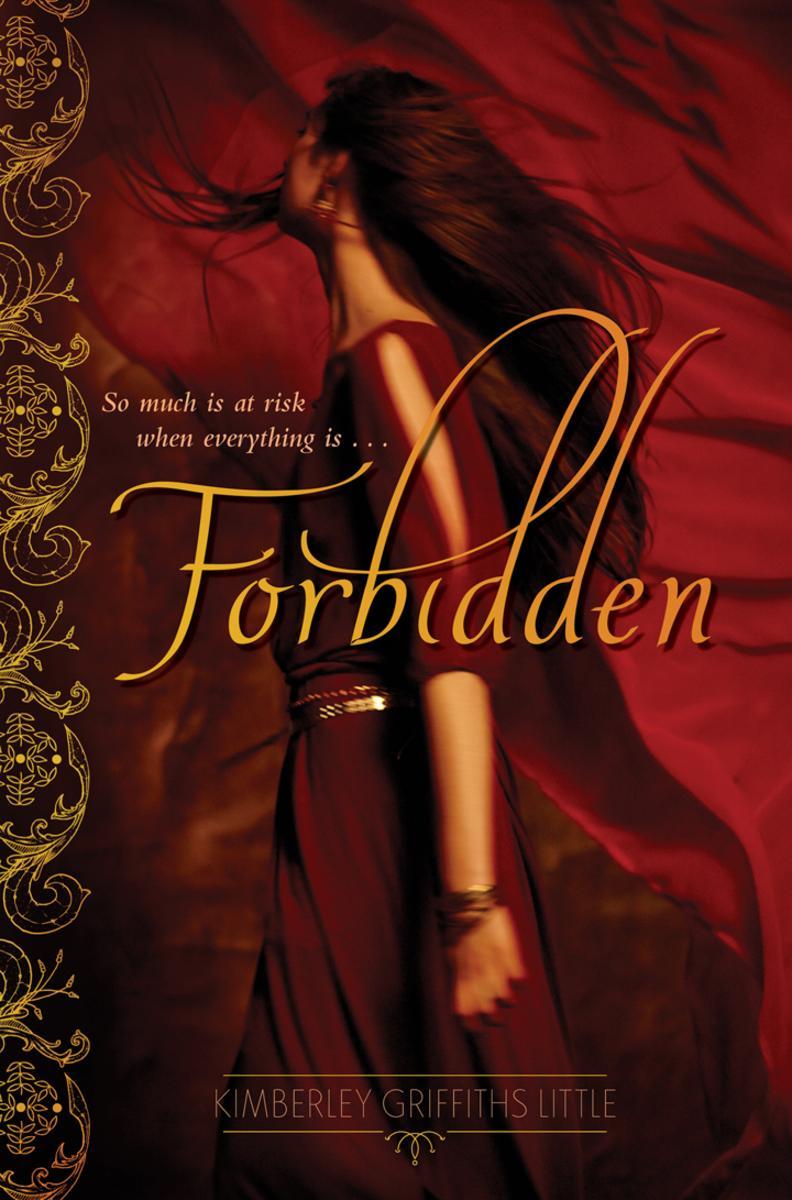
Forbidden
¥55.33
A sweeping, epic saga of romance and hardship, set against the dramatic backdrop of Ancient Mesopotamia—for fans of Cleopatra's Moon or the adult bestseller The Red Tent.In the unforgiving Mesopotamian desert where Jayden's tribe lives, betrothal celebrations abound, and tonight it is Jayden's turn to be honored. But while this union with Horeb, the son of her tribe's leader, will bring a life of riches and restore her family's position within the tribe, it will come at the price of Jayden's heart.Then a shadowy boy from the southern lands appears. Handsome and mysterious, Kadesh fills Jayden's heart with a passion she never knew possible. But with Horeb's increasingly violent threats haunting Jayden's every move, she knows she must find a way to escape—or die trying. With a forbidden romance blossoming in her heart, and her family's survival on the line, Jayden must finish the deadly journey to save the ones she loves—and find true love for herself.
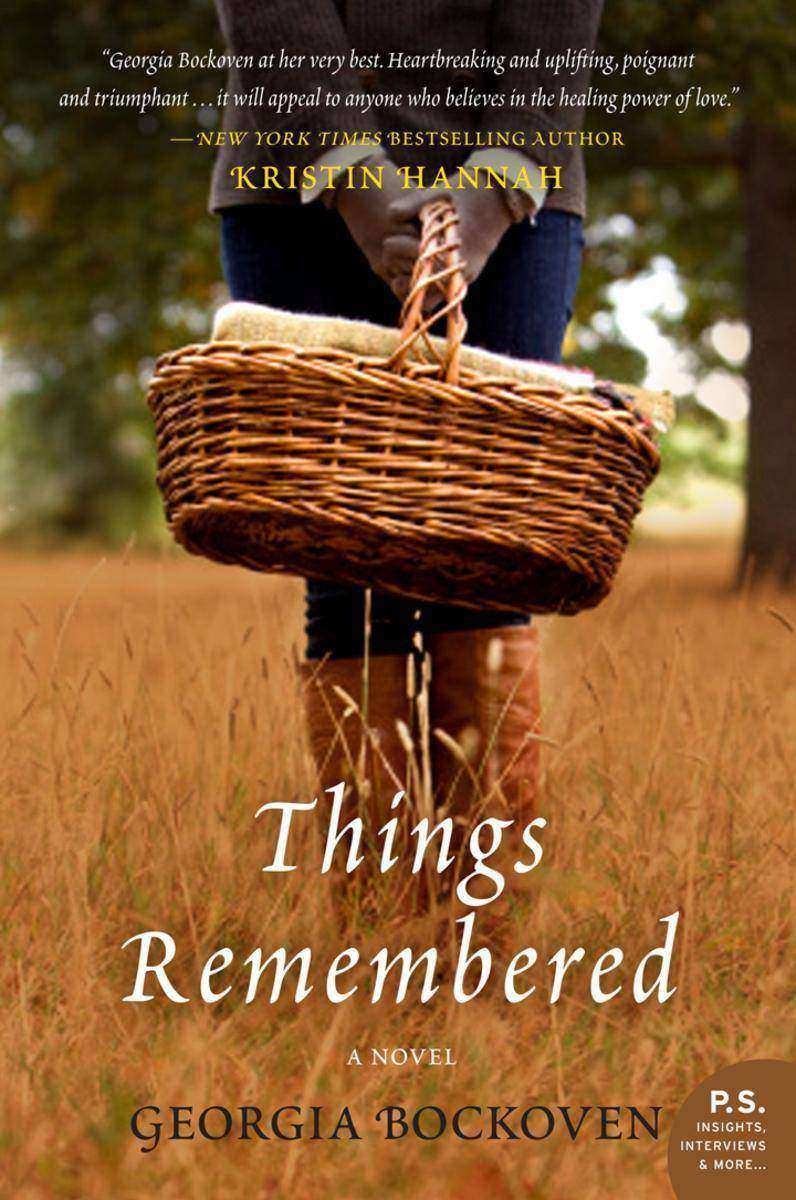
Things Remembered
¥84.16
To face the future, a woman must let go of the past. . . .Returning to her childhood home in the golden hills of Northern California means regret and pain for Karla Esterbrook. Yet she can’t refuse when her ailing grandmother, Anna, asks her to help settle her affairs. After all, Anna raised Karla and her younger sisters after their parents’ death twenty years before. But from the beginning a powerful clash of wills separated Karla and her grandmother, leaving them both bitter and angry.Little does Karla know that a very determined Anna will do everything in her power to bridge the chasm between them. But can the wounds of the past truly be healedFor Karla, opening her heart could lead to more hurt—or perhaps to reconciliation . . . and a love the likes of which she has never known.
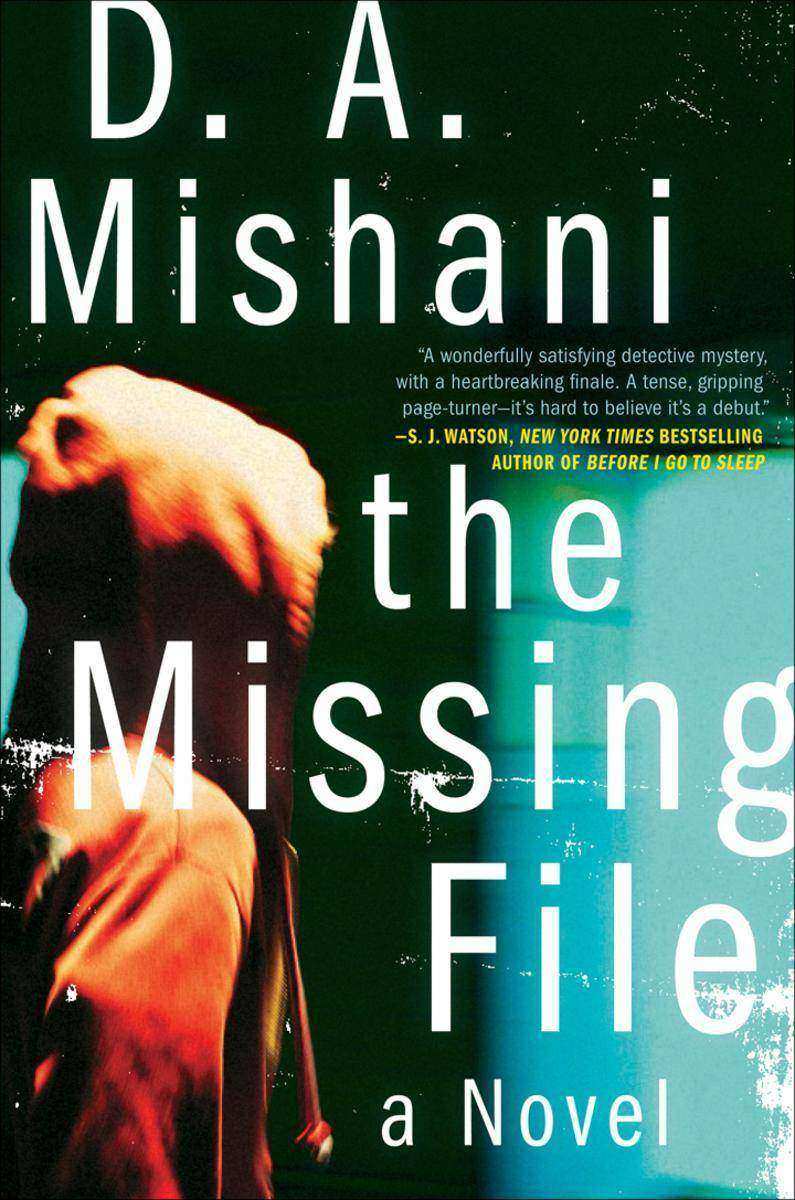
The Missing File
¥83.92
Detective Avraham Avraham must find a teenage boy who has vanished from his quiet suburban neighborhood.Police detective Avraham Avraham knows that when a crime is committed in his sleepy suburb of Tel Aviv, there is little need for a complex investigation. There are no serial killers or kidnappings here. The perpetrator is usually the neighbor, the uncle, or the father. As he has learned, the simplest explanation is always the answer.But his theory is challenged when a sixteen-year-old boy named Ofer Sharabi disappears without a trace while on his way to school one morning. There is no simple explanation, and Avraham's ordered world is consumed by the unimaginable perplexity of the case. The more he finds out about the boy and his circumstances, the further out of reach the truth seems to be. Avraham's best lead is Ofer's older neighbor and tutor, Ze'ev Avni. Avni has information that sheds new light on the case—and makes him a likely suspect. But will the neighbor's strange story save the investigation?Told through dual perspectives, The Missing File is a crisp, suspenseful tale that introduces an indelible new detective and offers an evocative portrait of suburban life and tension with a universal reach. As it draws to its startling conclusion, D. A. Mishani's twisting mystery will have readers questioning notions of innocence and guilt, and the nebulous nature of truth.
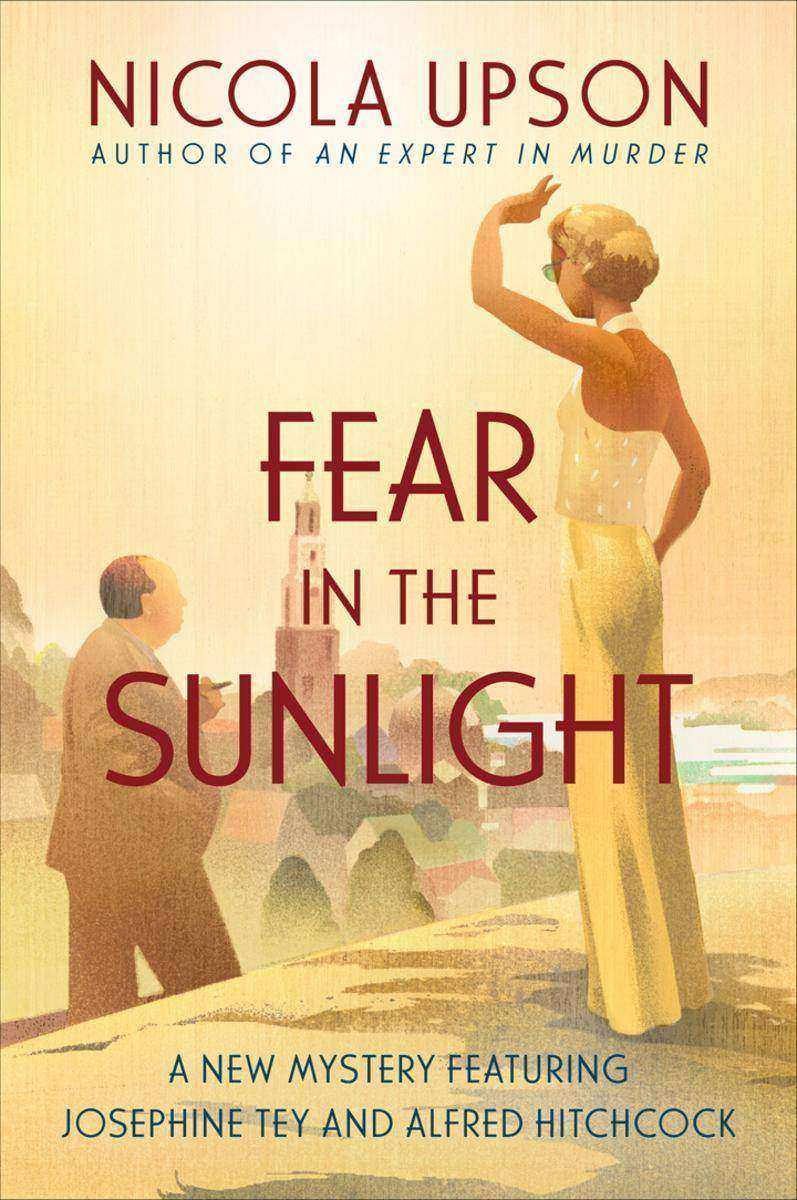
Fear in the Sunlight
¥90.77
Summer 1936. Mystery writer Josephine Tey joins her friends in the resort village of Portmeirion, Wales, to celebrate her fortieth birthday. Alfred Hitchcock and his wife, Alma Reville, are there to sign a deal to film Josephine's novel, A Shilling for Candles. But things get out of hand when one of Hollywood's leading actresses is brutally slashed to death in a cemetery near the village. The following day, as fear and suspicion take over in a setting where nothing—and no one—is quite what it seems, Chief Inspector Archie Penrose becomes increasingly unsatisfied with the way the investigation is ultimately resolved. Several years later, another horrif?ic murder, again linked to a Hitchcock movie, drives Penrose back to the scene of the original crime to uncover the shocking truth.
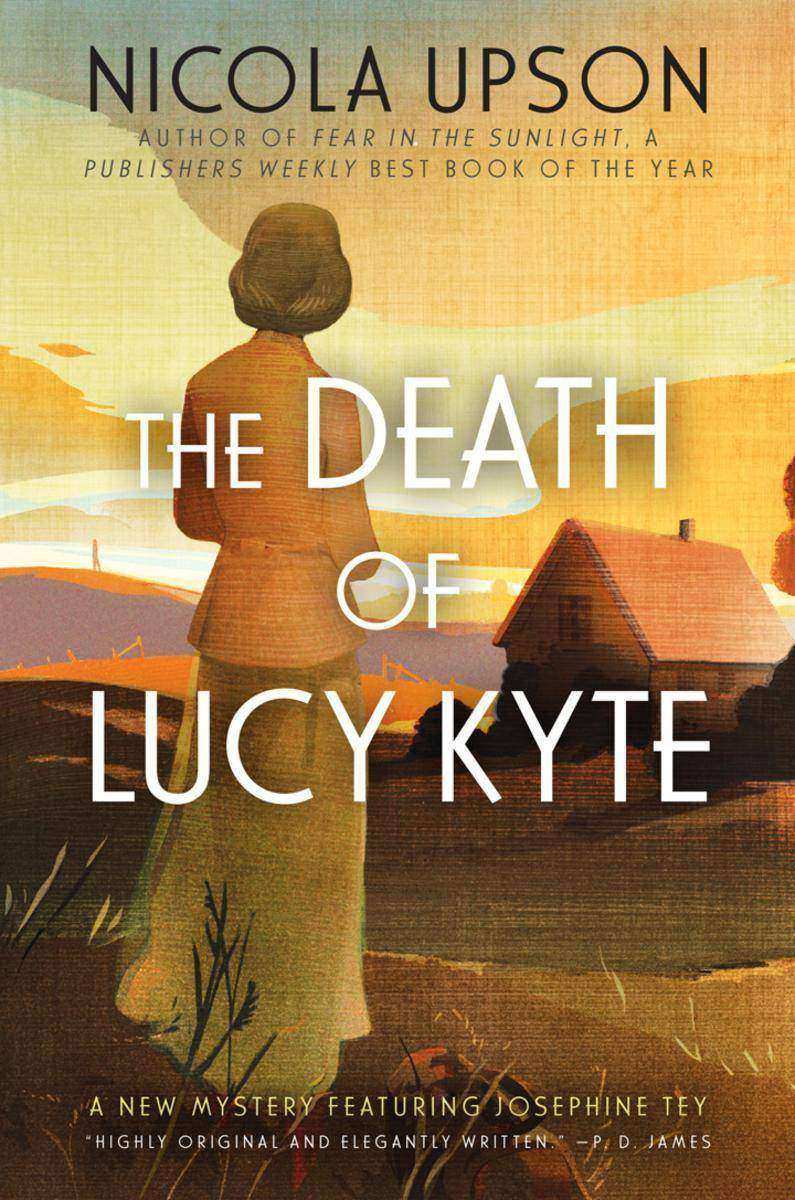
The Death of Lucy Kyte
¥88.56
An unexpected inheritance plunges beloved British mystery author Josephine Tey into a disturbing puzzle of dark secrets connecting the present and the past in this intriguing historical mystery brimming with psychological tension.When Josephine Tey unexpectedly inherits Red Barn Cottage from a godmother she barely knows, the will stipulates that she must personally claim the house in the Suffolk countryside. But Josephine is not the only benefactor—a woman named Lucy Kyte is also in Hester's will. Sorting through the artifacts of her godmother's life, Josephine is intrigued by an infamous murder committed on the cottage's grounds a century before. This old crime—dubbed the Red Barn murder—still haunts the tight-knit village and its remote inhabitants. Is it superstition, or is there a very real threat that is frightening the localsAnd is the truth related to the mysterious Lucy Kyte, whom no one in the village admits to knowingSurrounded by the shadows of obsession, abuse, and deceit, with a palpable sense of evil thickening around her, Josephine must untangle historic tragedy from present danger to prevent a deadly cycle from beginning once again.?
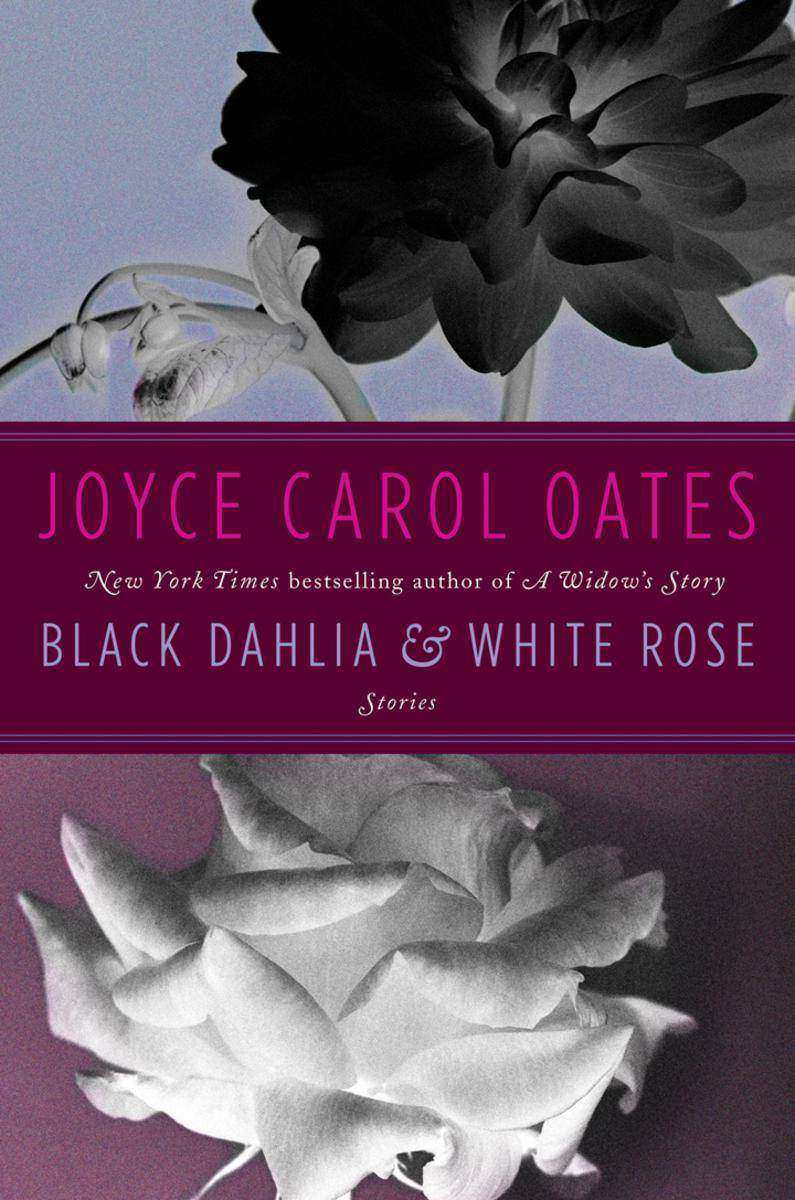
Black Dahlia & White Rose
¥84.16
A wildly inventive new collection ofstories by Joyce Carol Oates that chartsthe surprising ways in which the worldwe think we know can unexpectedlyreveal its darker contoursThe New York Times has hailed Joyce Carol Oates as "adangerous writer in the best sense of the word, one whotakes risks almost obsessively with energy and relish."Black Dahlia & White Rose, a collection of eleven previouslyuncollected stories, showcases the keen rewards ofOates's relentless brio and invention. In one beautifullyhoned story after another, Oates explores the menace thatlurks at the edges of and intrudes upon even the seeminglysafest of lives—and maps with rare emotional acuity thetransformational cost of such intrusions.Unafraid to venture into no-man's-lands both real andsurreal, Oates takes readers deep into dangerous territory,from a maximum-security prison—vividly delineatingthe heartbreaking and unexpected atmosphere of such aninstitution—to the inner landscapes of two beautiful andmysteriously doomed young women in 1940s Los Angeles:Elizabeth Short, otherwise known as the Black Dahlia,victim of a long-unsolved and particularly brutal murder,and her roommate Norma Jeane Baker, soon to becomeMarilyn Monroe. Whether exploring the psychologicalcompulsion of the wife of a well-to-do businessman whois ravished by, and elopes with, a lover who is not what heseems or the uneasily duplicitous relationships betweenyoung women and their parents, Black Dahlia & White Roseexplores the compelling intertwining of dread and desire,the psychic pull and trauma of domestic life, and resonatesat every turn with Oates's mordant humor and hertrenchant observation.
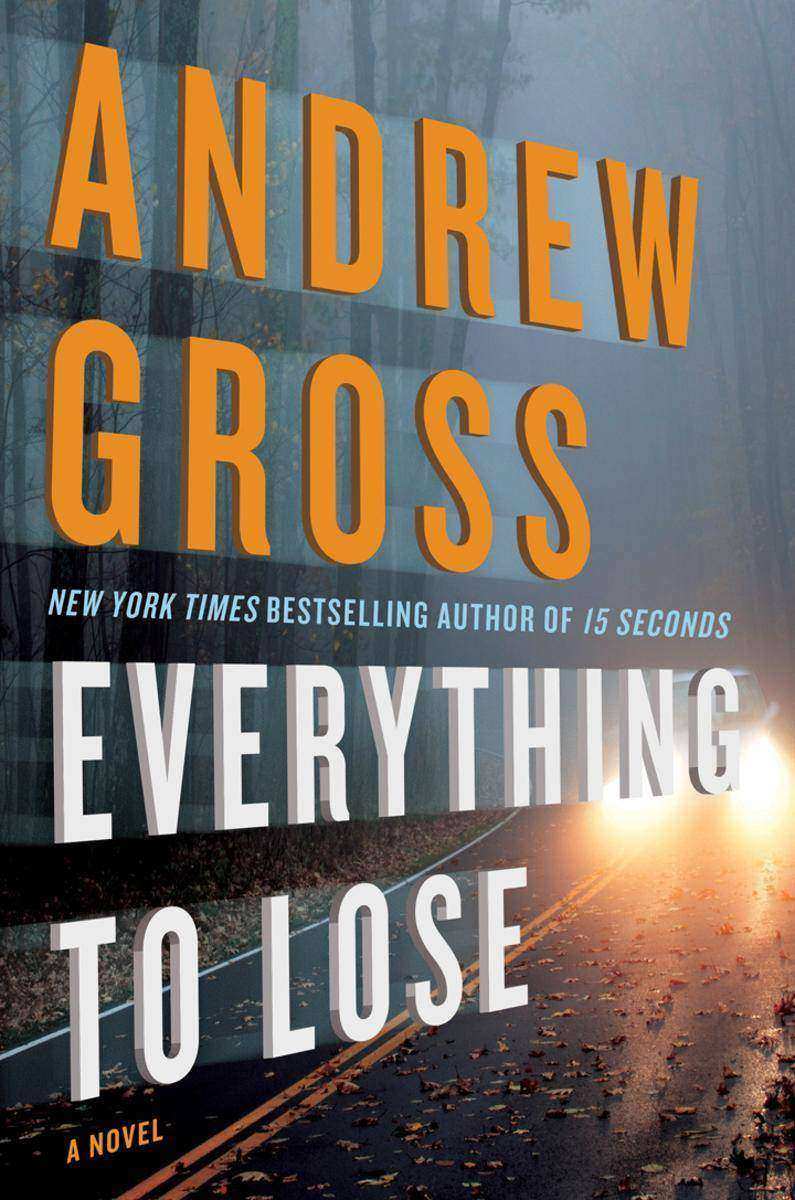
Everything to Lose
¥69.16
A determined mother becomes entangled in a murderous conspiracy to keep a twenty-year-old secret buried in this blistering thriller, set during the tragic aftermath of Hurricane Sandy, from Andrew Gross, the New York Times bestselling author of 15 Seconds and No Way BackWhile driving along a suburban back road, Hilary Cantor, who's just lost her job and whose deadbeat husband has left her to care for her son who has Asperger's, witnesses a freakish accident when a deer suddenly darts in front of the car ahead of her. The driver careens down a hill and slams into a tree. Rushing to help, she discovers the car smoking, the driver dead—and a satchel on the floor stuffed with a half million dollars.That money could prevent her family's ruin and keep her son in school. In an instant, this honest, achieving woman who has always done the responsible thing makes a decision that puts her in the center of a maelstrom of unforeseeable consequences and life-threatening recriminations. It isn't long before someone comes looking for the money, and as they get closer and closer to Hilary, she is pulled into a terrifying scheme involving a twenty-year-old murder, an old woman whose entire life has been washed out to sea by the storm, and a powerful figure determined to maintain the secret that can destroy him. With everything to lose and putting everything she loves at risk, Hilary joins up with a dogged police official from Staten Island who has his own connections to the money and is dealing with his family's tragic struggles in the aftermath of Hurricane Sandy. Together they must fight to bring down an enemy who will stop at nothing to keep buried what that money was meant to silence. Everything to Lose is a propulsive thriller filled with tension and unexpected twists. Pitting an ordinary woman against powerful and desperate figures, this explosive and heartbreaking tale of suspense will appeal to readers of Harlan Coben, Lee Child, and David Baldacci.

Steve Jobs: American Genius
¥33.18
Steve Jobs revolutionized the way we work, listen to music, watch movies, and communicate. By pushing boundaries and always thinking one step ahead, Jobs became an icon, equally as famous for his advanced ideas and design aesthetic as his sleek black turtlenecks. What inspired himHow did he do his jobWhat made him the man he was?Here is Steve Jobs—the innovator, the rebel, the genius—in an incisive biography of a man who changed the world. Also includes quotes from and about Jobs, chronologies detailing Jobs’s achievements, and source notes.

Story Crush Teen Sampler
¥37.65
Do you love a good storyCrush on strong charactersAre you completely over werewolves and vampiresThen you’ll fall in love with these six samples of timeless teen stories, including Pretty Little Liars: Ruthless by Sara Shepard, The Carrie Diaries by Candace Bushnell, Before I Fall by Lauren Oliver, Kiss Crush Collide by Christina Meredith, The Secret Sisterhood Of Heartbreakers by Lynn Weingarten, and Slide by Jill Hathaway.
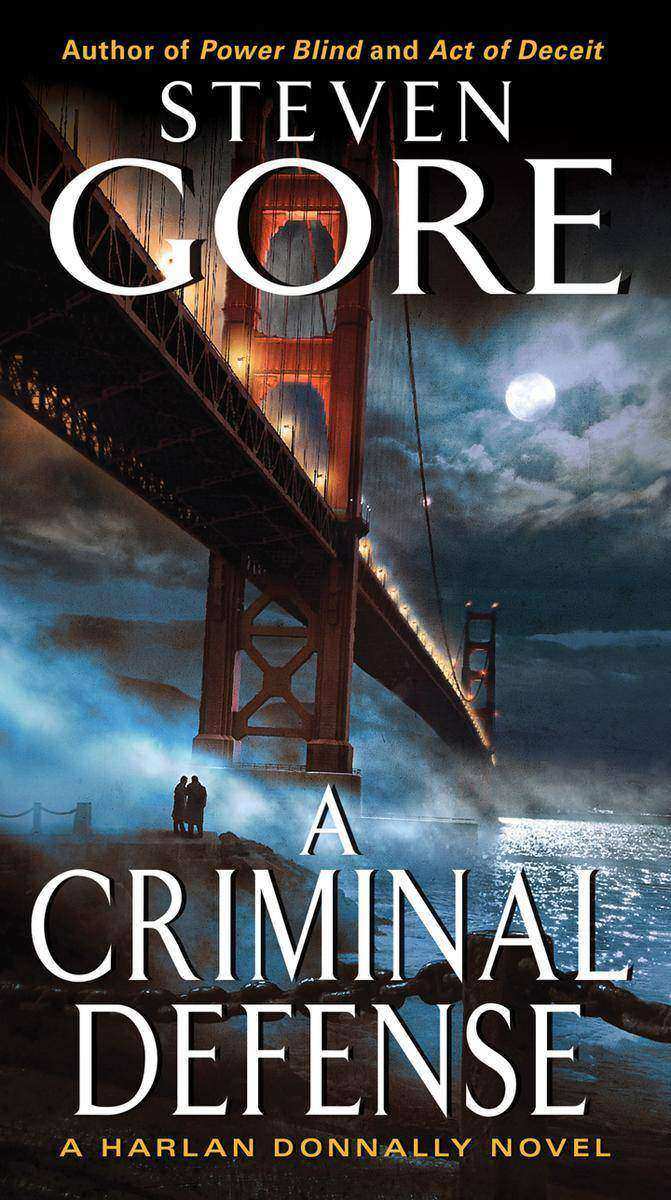
A Criminal Defense
¥69.90
Betrayal wounds.Revenge destroys.Over three decades, Hamlin's practice devolved into just another racket: intimidating witnesses, suborning perjury, destroying evidence, laundering money. But is he the victim of murder—or of a dangerous sexual encounter gone wrongAnd when law enforcement believes justice has already been done, who can be trusted to find outOnce again in the city where his career came to a shattering end, former detective Harlan Donnally resolved it wouldn't be him. He had no desire to immerse himself in the deceit that was Hamlin's career . . . nor entangle himself in the corrupted loyalties that turned the dead lawyer's associates into both co-conspirators and suspects . . . nor make himself the proxy for the hatreds and betrayals Hamlin left behind. But the presiding judge demanded otherwise—and that might cost Donnally his life.
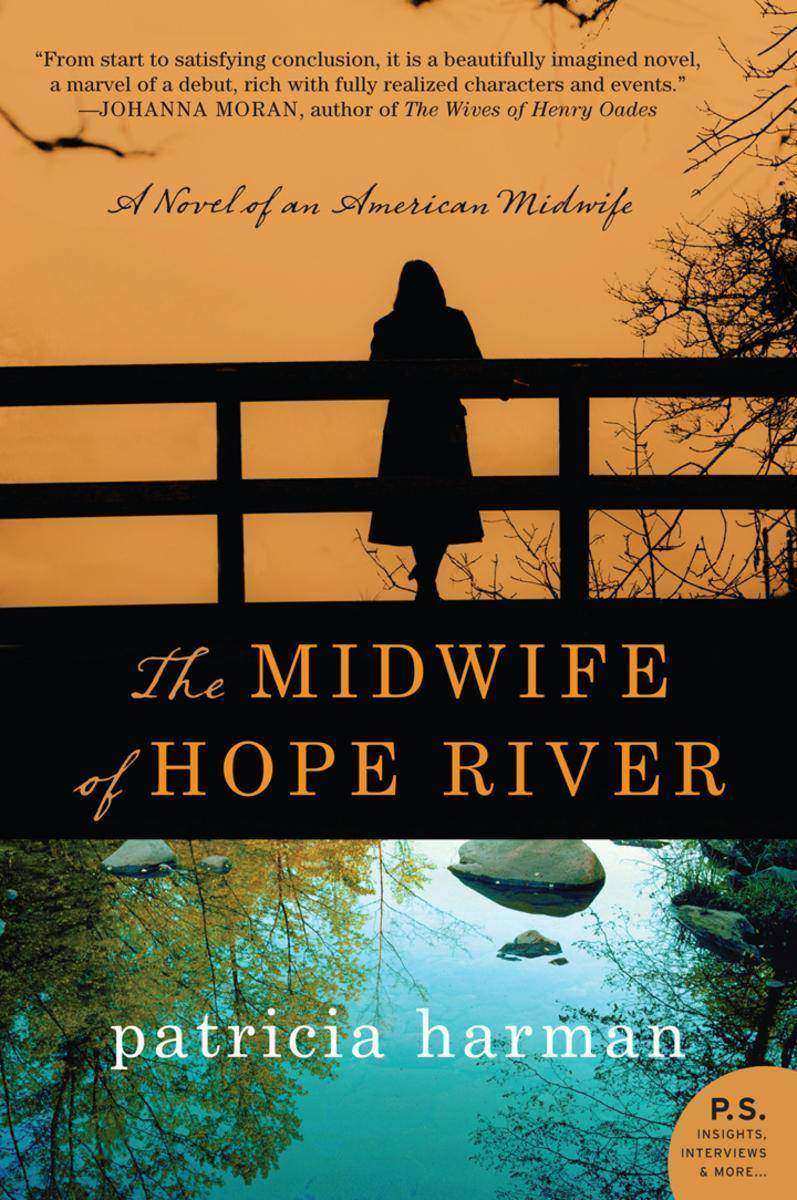
The Midwife of Hope River
¥94.10
Midwife Patience Murphy has a gift: a talent for escorting mothers through the challenges of bringing children into the world. Working in the hardscrabble conditions of Appalachia during the Depression, Patience takes the jobs that no one else wants, helping those most in need—and least likely to pay. She knows a successful midwifery practice must be built on a foundation of openness and trust—but the secrets Patience is keeping are far too intimate and fragile for her to ever let anyone in.Honest, moving, and beautifully detailed, Patricia Harman's The Midwife of Hope River rings with authenticity as Patience faces nearly insurmountable difficulties. From the dangerous mines of West Virginia to the terrifying attentions of the Ku Klux Klan, Patience must strive to bring new light and life into an otherwise hard world.
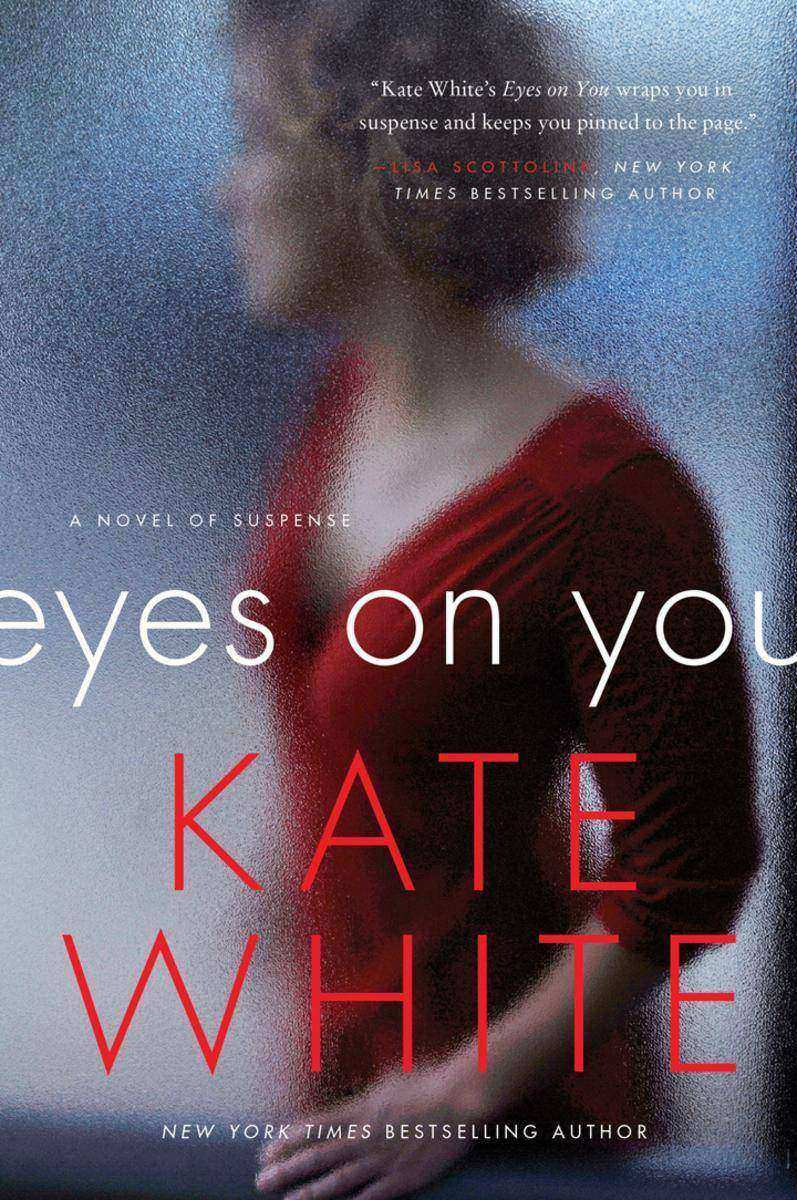
Eyes on You
¥88.56
A rising media star must battle a diabolical enemy in this riveting tale of psychological suspense from Kate White, the New York Times bestselling author of The Sixes and Hush.After a painful divorce and losing her on-air job two years ago, Robin Trainer has fought hard to regain her career. Now, as the popular cohost of a nightly entertainment show and the author of a hot new bestseller, she's being dubbed a media double threat. In a business full of rivals eager to see you fail, making a comeback was tough, and Robin isn't about to do anything that could jeopardize her newfound success.But suddenly things begin going wrong. A few small but nasty incidents shake her confidence: a vicious note tucked into her purse at her book signing; the photo on her book jacket slashed in her office; a doll that looks just like her—but with its eyes gouged out—left on her desk chair. Soon the meanness turns threatening.Someone has eyes on Robin, an adversary with a dark agenda who wants to hurt her and see her fall, and the clues point to someone she works with every day. As she frantically tries to put the pieces together and unmask an enemy hiding in the shadows all too close to her, it becomes terrifyingly clear that the person responsible isn't going to stop until Robin loses everything that matters to her . . . including her life.In this nail-biting thriller full of stunning twists, Kate White takes you behind the scenes of the glamorous, high-intensity world of television and ratchets up the suspense, page by page, to the shocking end.


