


 购物车
购物车 个人中心
个人中心

Hellfire Code
¥25.60
PATRIOT GAMES Garrett Downing loves his country, and he's brilliant and rich enough to pull together a private army of hard-core mercenaries ready to take out America's enemies. He's got a battle-hardened black-ops veteran in charge of his assault force, and a secret weapon in his arsenal: a state-of- the-art multiterrain vehicle unlike any other. With his troops and his fighting machines of the future, he's poised to engage the enemy anywhere in the world. Invincible, dedicated to his cause and virtually unstoppable, he's dismissing the deaths of innocents as casualties of his righteous fury. Garrett Downing may be out of the government's reach–but not Mack Bolan's. He wrote the book on private war, and is prepared to enforce the unbreakable rule that there are no acceptable losses.
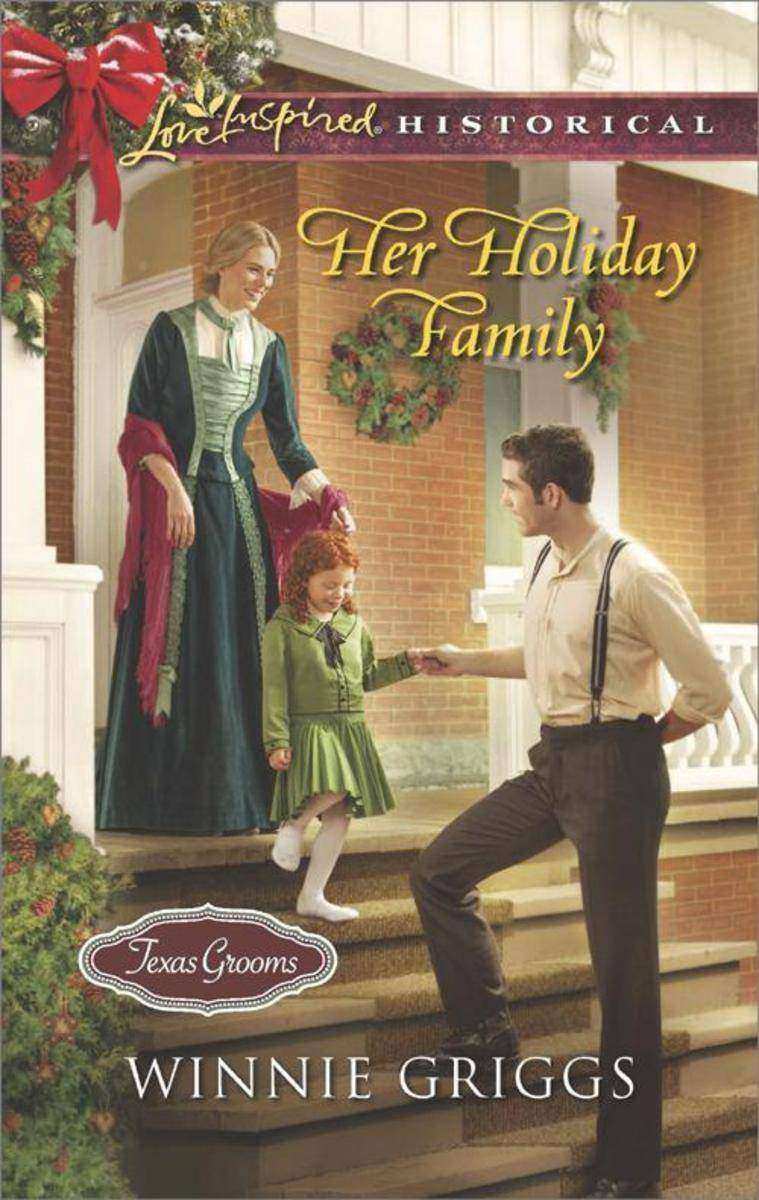
Her Holiday Family (Mills & Boon Love Inspired Historical)
¥31.10
THE CHRISTMAS CHILDREN Reserved widow Eileen Pierce never considered herself the kind of woman who was cut out to be a mother. She wouldn't know what to do with one child, much less ten. But when handyman Simon Tucker is stranded in town with a group of young orphans at Christmastime, she discovers she can't just turn them away. Simon knows there's more to Eileen than meets the eye. Though his easygoing demeanor immediately clashes with her buttoned-up propriety, Simon's kindness soon melts Eileen's stern facade. Simon and the children already upended Eileen's quiet, orderly life. Will they do the same to her guarded heart? Texas Grooms: In search of their brides…
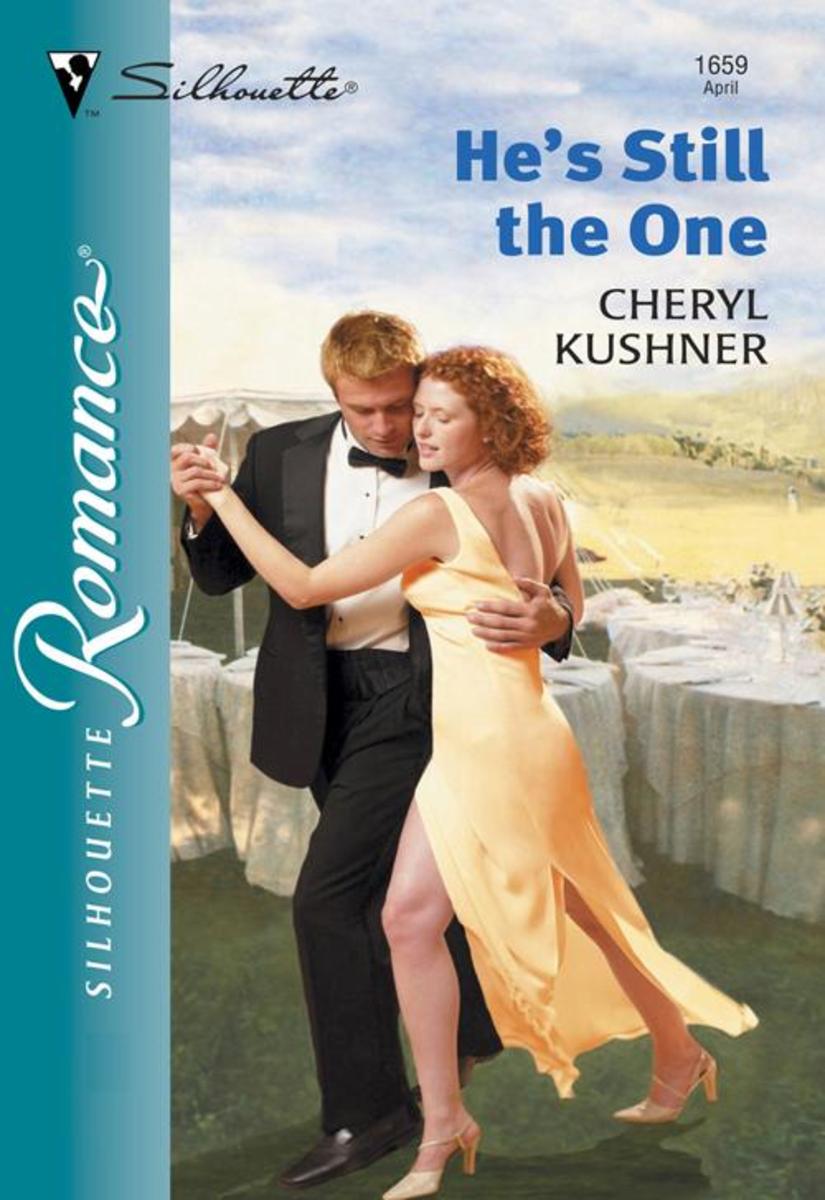
He's Still The One (Mills & Boon Silhouette)
¥31.10
WAS HE REALLY THE BEST MAN? Police chief Jake O'Connor hadn't seen tomboy Zoe Russell in ten years–ever since he eloped and broke his best friend's heart. Now they had to walk down the aisle together–as maid of honor and best man in her sister's wedding! But Jake wasn't prepared for Zoe's stunning transformation, or the passionate feelings stirring inside him…. Zoe had tried valiantly to forget Jake, but no man she'd met in the big city came close to sexy, stubborn, small-town Jake O'Connor. Her matchmaking sister was intent on getting them back together, but could Zoe convince the love of her life that they were meant to walk down the aisle…as bride and groom?
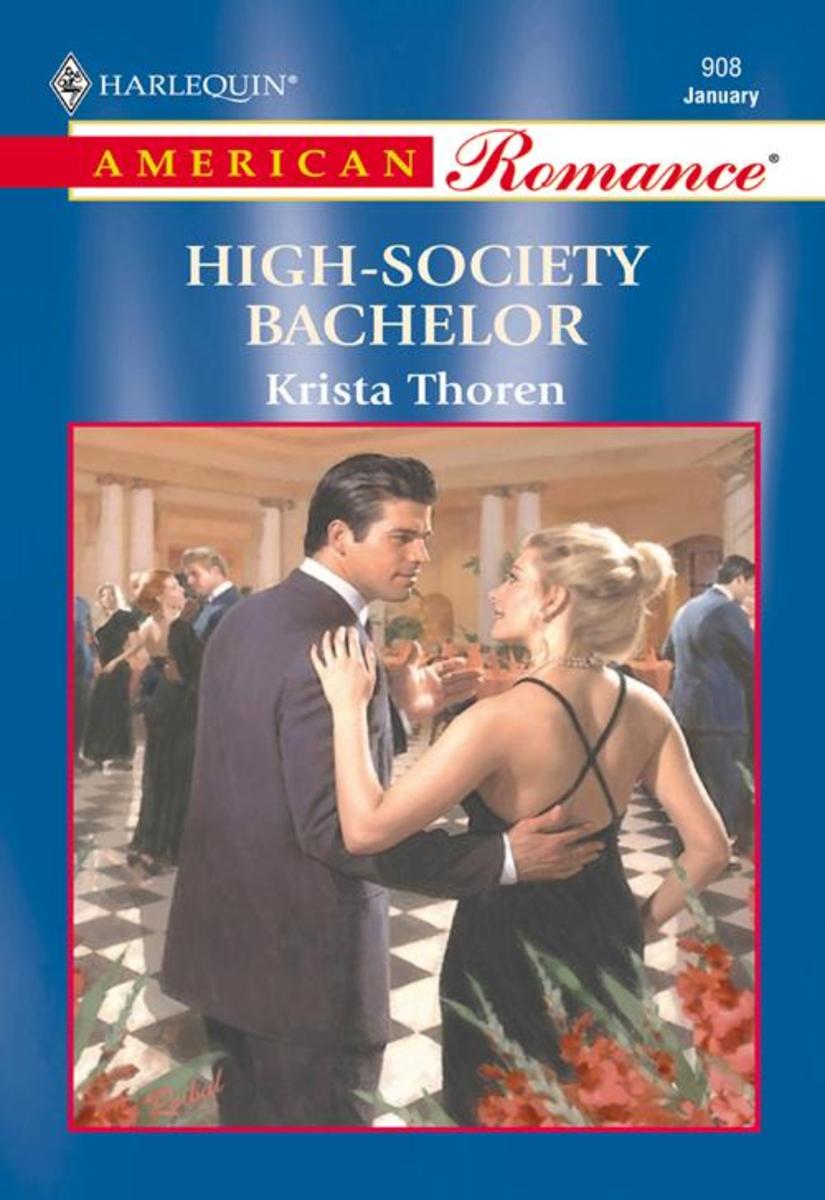
High-Society Bachelor (Mills & Boon American Romance)
¥31.10
His Blue-Chip Bride Everyone in their tiny town was convinced that Deborah Clark and Cameron Lyle were the perfect couple. Everyone but Deborah and Cameron, of course. She was the perky girl next door who planned children's parties. And this serious-minded businessman was the town's most eligible bachelor, accustomed to wining and dining glamorous women. So when these total opposites concocted the ideal solution to outwit the town's matchmakers, they quickly found themselves in way over their heads. Cameron had always thought of Deborah as a sweet girl, but now there was no mistaking the soul-searing heat that flared between them. Could this high-society bachelor convince her that the only solution was…a trip to the altar?
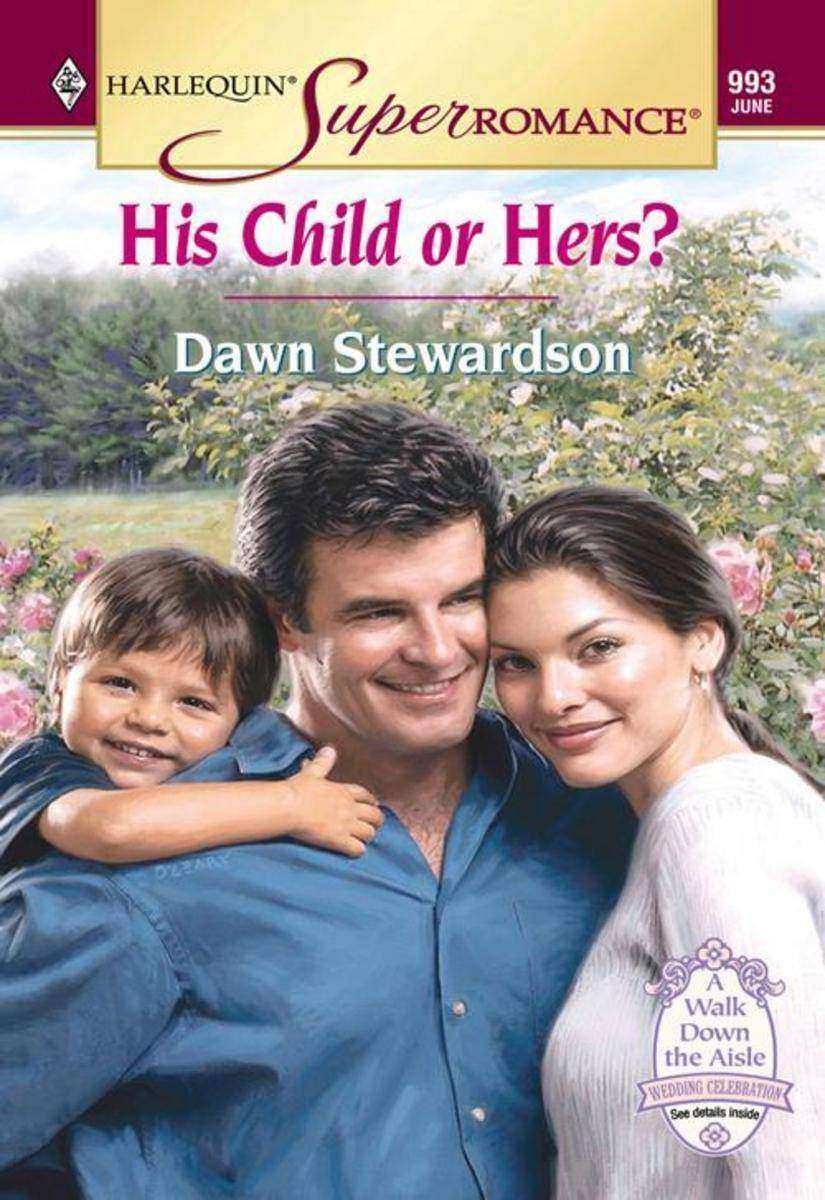
His Child Or Hers? (Mills & Boon Vintage Superromance)
¥31.10
He has the little boy she wants… NYPD Detective Hank Ballantyne figures that for a single father, he's got his life running smoothly. And then disaster strikes–in the form of his adopted son's birth mother. Dr. Natalie Lawson lost track of her son while she was hospitalized after an earthquake in Guatemala. He was mistakenly identified as an orphan and brought to the United States for adoption. Now that she's found him, she wants him back. The two people who love this little boy want to do the best thing for their child. But deciding what that is won't be easy–especially after Hank and Natalie acknowledge that they want each other, too.

His Montana Homecoming (Mills & Boon Love Inspired) (Big Sky Centennial, Book 6)
¥31.10
Snowbound with a millionaire Faith Shaw can't wait for another hometown Thanksgiving with the good people of Jasper Gulch. Turkey, mashed potatoes, apple pie–and this year's centennial celebration. Yet there's one person who isn't happy to be there: Dale Massey, the Shaw family's reluctant houseguest. When a winter storm strands the big-city millionaire in Montana, he is far from pleased. But the mayor's daughter suspects Dale's all-business attitude is masking a deeper hurt. Faith can't help but feel he was sent to Jasper Gulch for a reason. Can an old-fashioned girl and some holiday tradition help bring his weary heart home? BIG SKY CENTENNIAL: A small town rich in history…and love Faith Shaw can't wait for another hometown Thanksgiving with the good people of Jasper Gulch. Turkey, mashed potatoes, apple pie–and this year's centennial celebration. Yet there's one person who isn't happy to be there: Dale Massey, the Shaw family's reluctant houseguest. When a winter storm strands the big-city millionaire in Montana, he is far from pleased. But the mayor's daughter suspects Dale's all-business attitude is masking a deeper hurt. Faith can't help but feel he was sent to Jasper Gulch for a reason. Can an old-fashioned girl and some holiday tradition help bring his weary heart home? BIG SKY CENTENNIAL: A small town rich in history…and love
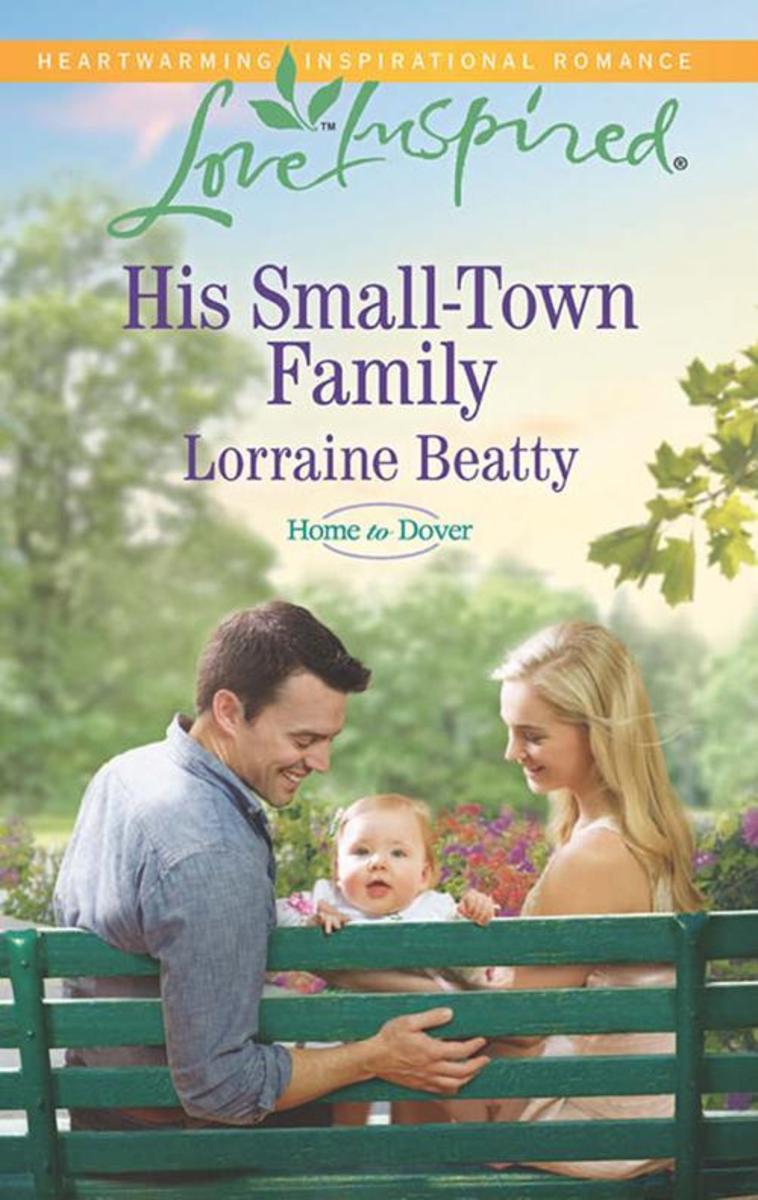
His Small-Town Family (Mills & Boon Love Inspired) (Home to Dover, Book 4)
¥31.10
Healing Their Hearts Nicki Latimer never expected to be back in her tiny Mississippi hometown–much less running a store with a baby on her hip. But when her father falls ill, Nicki will do anything to save the family business…even putting her dreams on hold. And she's found just the person to help her. Ethan Stone is strong and reliable, but also haunted by his past as a war photographer. He's convinced he could never be the man Nicki thinks he is. But with Ethan by her side, Nicki's dreams of love and family are closer than she thinks. Home to Dover: A small town with a big heart Nicki Latimer never expected to be back in her tiny Mississippi hometown–much less running a store with a baby on her hip. But when her father falls ill, Nicki will do anything to save the family business…even putting her dreams on hold. And she's found just the person to help her. Ethan Stone is strong and reliable, but also haunted by his past as a war photographer. He's convinced he could never be the man Nicki thinks he is. But with Ethan by her side, Nicki's dreams of love and family are closer than she thinks. Home to Dover: A small
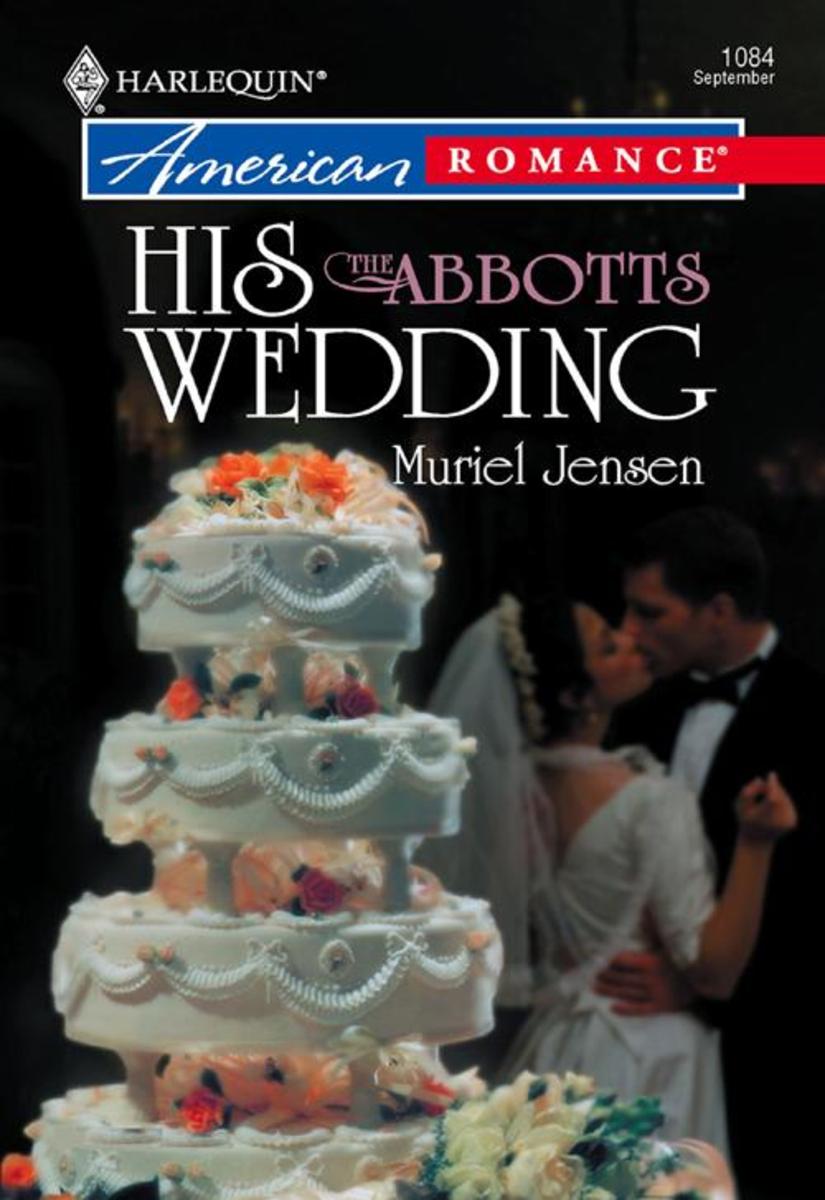
His Wedding (Mills & Boon American Romance)
¥23.84
"Losthampton Heiress Found!" Kidnapped as a toddler twenty-five years ago, Janet Abbott is finally back where she belongs, and just in time to see her two long-lost brothers get married. The whole clan welcomes her with open arms–except for the person whose arms she'd most like to be in, that is. Brian Girard, the "illegitimate Abbott," wants to avoid the festivities like the plague, afraid the press will dredge up old scandals, embarrass the family and make him look like a gold digger–or worse. But Janet's an Abbott in every sense of the word and doesn't like to lose. Which explains why persuading him to join the wedding party is the first step in her grand plan to get the last "legitimate" Abbott–Janet herself–to the altar, as well! The Abbots
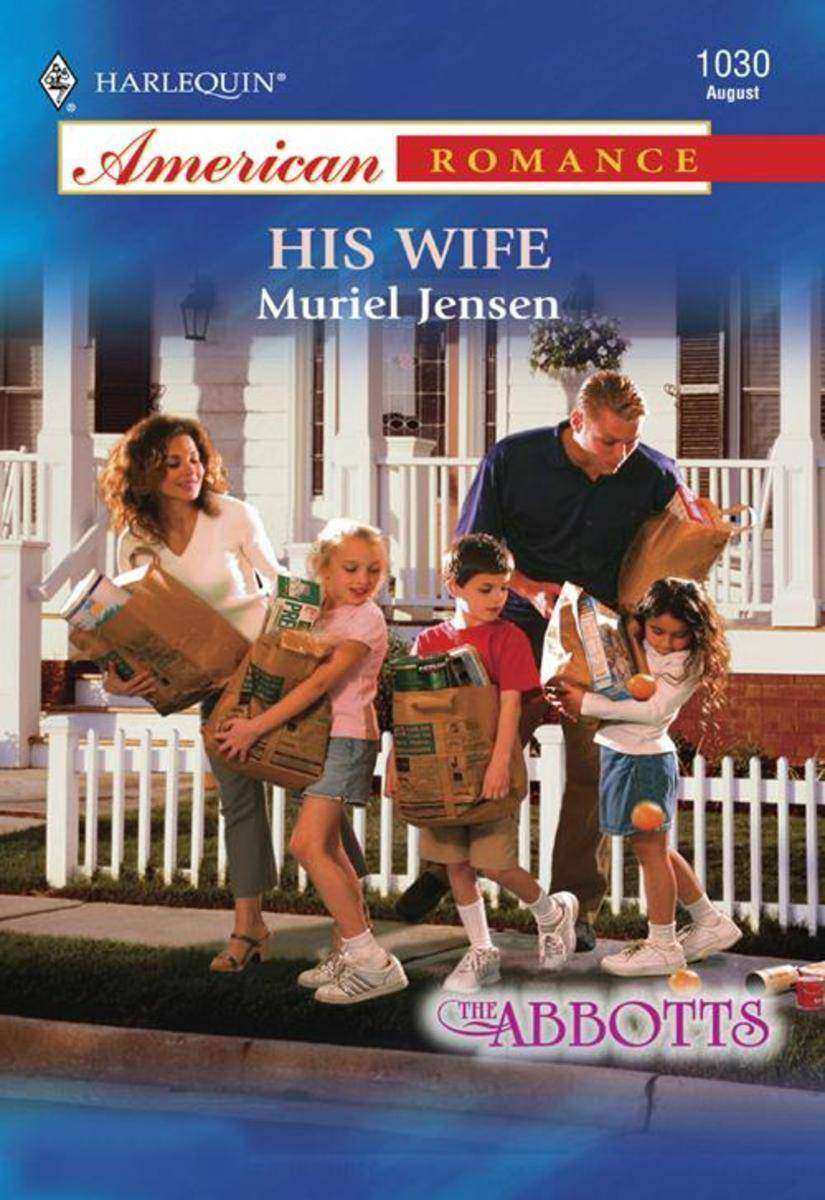
His Wife (Mills & Boon American Romance)
¥23.45
The Abbots: A Dynasty in the Making Love Is The Riskiest Business Of All If Sophie Foster counted her blessings, her children would top the list–except when their obsession with finding a father puts her on the spot. Like that day two of them decide to ensnare a member of the wealthy Abbott clan who they agree would be perfect for the part–if he wasn't so addicted to danger. Sophie knows that handsome Sawyer Abbott does stunts to raise money for good causes, but bitter experience has taught her that men who live on the edge end up hurting themselves and the people who love them. The daredevil's sun-kissed hair and chiseled bronze features, however, come with the heart of a hero, and now it's her turn to learn what women in the small town of Losthampton, Long Island, have been saying about Sawyer Abbott all along…. Resistance Is Futile!
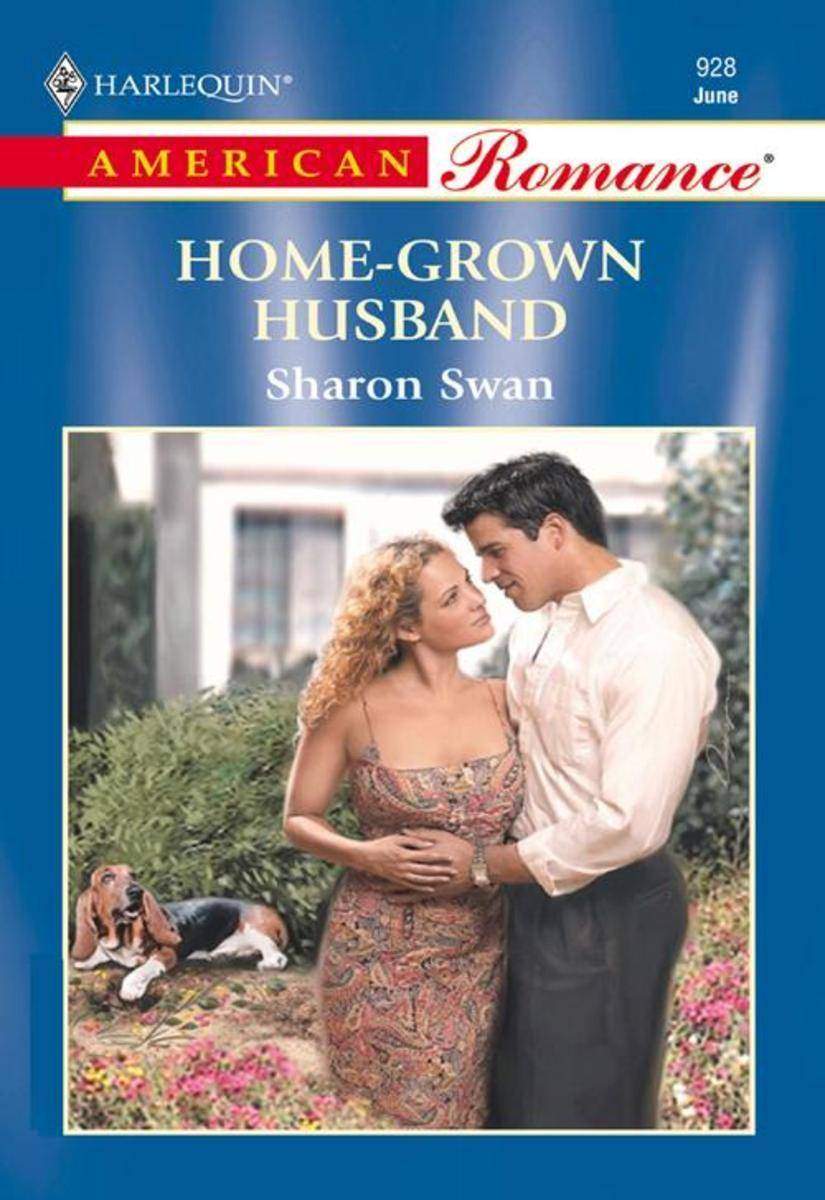
Home-Grown Husband (Mills & Boon American Romance)
¥31.10
"It's time you took a lover." Take a lover? Seduce her mysterious new neighbor? Tess Cameron laughed aloud at her best friend's suggestion. Then she met Jordan Trask, aforementioned neighbor. Suddenly Tess began to wonder how a homebody, single-mom gardener went about seducing a drop-dead-gorgeous, devastatingly appealing male…. Attending the neighborhood barbecue? Planting flowers? Jordan knew he was in trouble. Spending time with his adorably sexy neighbor was wreaking havoc with his plan to hide out in Harmony for the summer–especially with the part where he had to leave…

Homeland Terror
¥25.60
ENEMY WITHIN Mack Bolan's hard probe into the coordinated movement between domestic militia groups exposes a conspiracy deep within the U.S. government. Someone has spent years fanning the fires of discontent, fueling righteous ideology, doing whatever it takes–blackmail, murder, selling out the American public–to pave the way for armed and angry Americans to take down their own government. After an unauthorized attack on CIA headquarters by a renegade on the payroll, the plan of action turns immediate. The Executioner must move fast to establish countermeasures against a revolution poised to derail the government…and a senator willing to betray his country for absolute power.

Invisible Girl
¥62.59
A Buddhist monk sets himself ablaze in protest. A woman swan dives to her death in Manhattan's East River. Secrets on 1970s Cambodia emerge in Hell's Kitchen. Now Maggie Malone must trace the steps of a ghost-father in the CIA, to save her own life. Running her father's venerable Irish bar, Maggie and her criminally inclined brother are scarcely surprised when a man shows up on their doorstep, holding an urn full of ashes, with news that her father is not just missing. He's dead. Clutching a fistful of damning old photos, Maggie enlists her reluctant boyfriend, Detective Bobby Gonzalez, to help her unravel the mystery of her father's murder. But unearthing her father's murky secrets means tracing Maggie's and her brother's roots to the flames of Vietnam. Who was their father? What became of a tiny baby girl sent to America in Operation Babylift? And why will shadowy figures stop at nothing to prevent the secrets of the jungle and a family coming to light, even if that means destroying Maggie and her brother?

Jungle Justice
¥25.60
JAWS OF DEATH India is a country whose history is written in blood, and its legacy is cities teeming with human misery and vultures profiting from evil and corruption. Balahadra Naraka is a big game poacher turned murderer of anyone who stands in his way: cops, soldiers, game wardens and, now, U.S. diplomats. His savagery, coupled with his own government's failed attempts to stop him, translates to open season for a warrior more than ready to end Naraka's long, cruel career. The hunt will take Mack Bolan to one of the darkest, least hospitable places on earth: the swamps and jungles of India's Sundarbans, where the warlord has taken the number one spot on the Executioner's most endangered list.
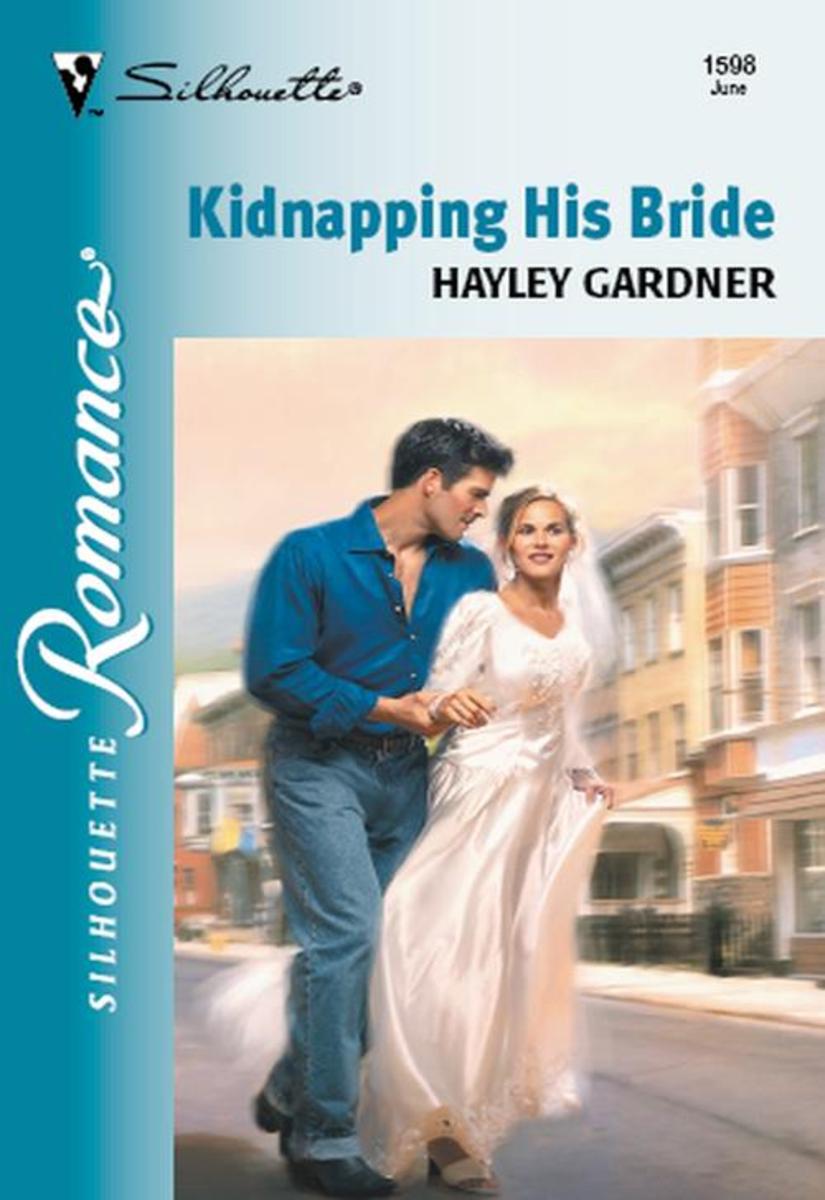
Kidnapping His Bride (Mills & Boon Silhouette)
¥31.10
GRIFF LEDOUX HAD ALWAYS SWEPT HER OFF HER FEET And he did it again, just as Tessa Blake was getting ready to walk down the aisle. He threw her over his shoulder, wedding gown and all, and carried her right out of the church–and demanded to know why she was marrying someone she couldn't possibly love…. The moment he touched her, she felt like a young girl again–the lovesick woman he'd once walked away from without a backward glance. But what could they have between them, after all these years? And what would he do if he knew she was marrying for the sake of a child–a child he'd never known was his…?
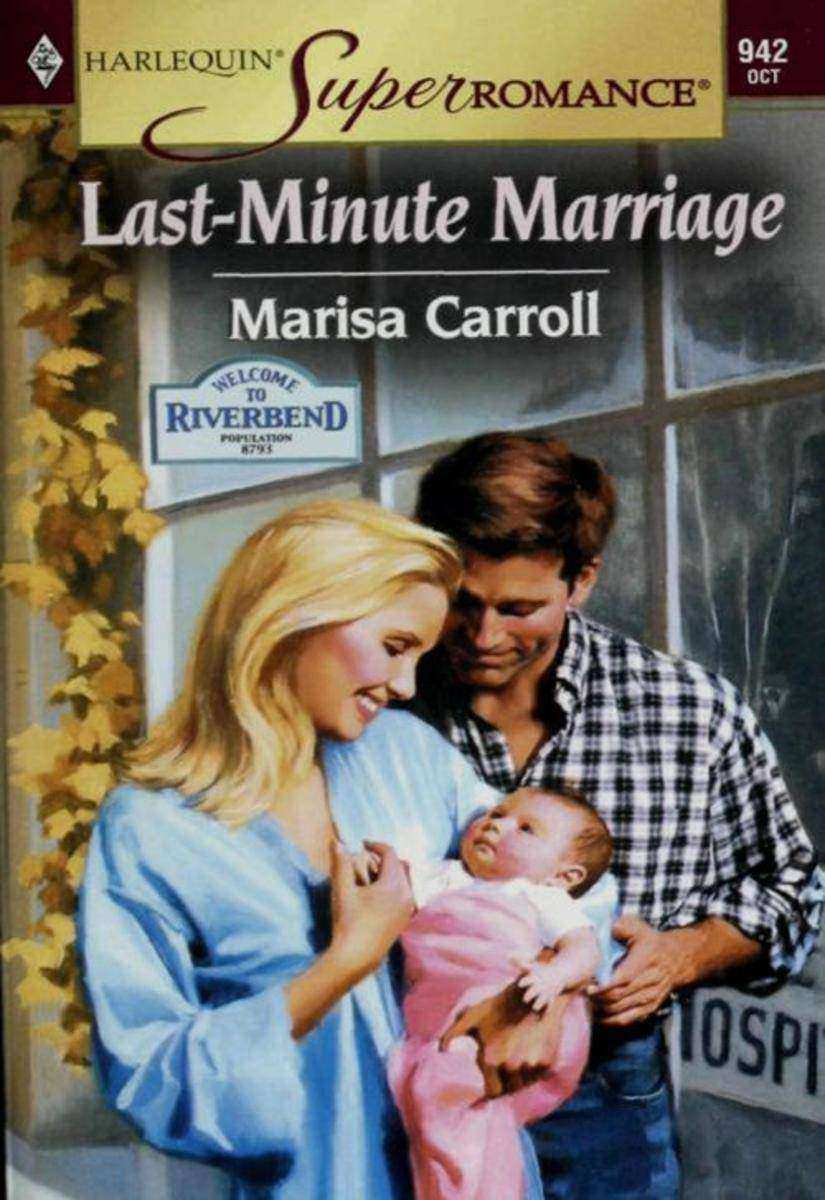
Last-Minute Marriage (Mills & Boon Vintage Superromance)
¥31.10
YOU ARE NOW ENTERING RIVERBEND, INDIANA Riverbend…home of the River Rats–a group of small-town sons and daughters who've been friends since high school. The River Rats are all grown up now. Living their lives and learning that some days are good and some days aren't–and that you can get through anything as long as you have your friends. Mitch Sterling has a lot on his plate. He owns a hardware store that's competing with a big national chain. He's taking care of his elderly grandfather–though Granddad might argue about that–and he's a single father to a young child. On top of that, he's just met a very pregnant, very stranded, very single woman who needs a friend. And if Mitch is honest with himself, he'll admit that he wants to be more than her friend.…
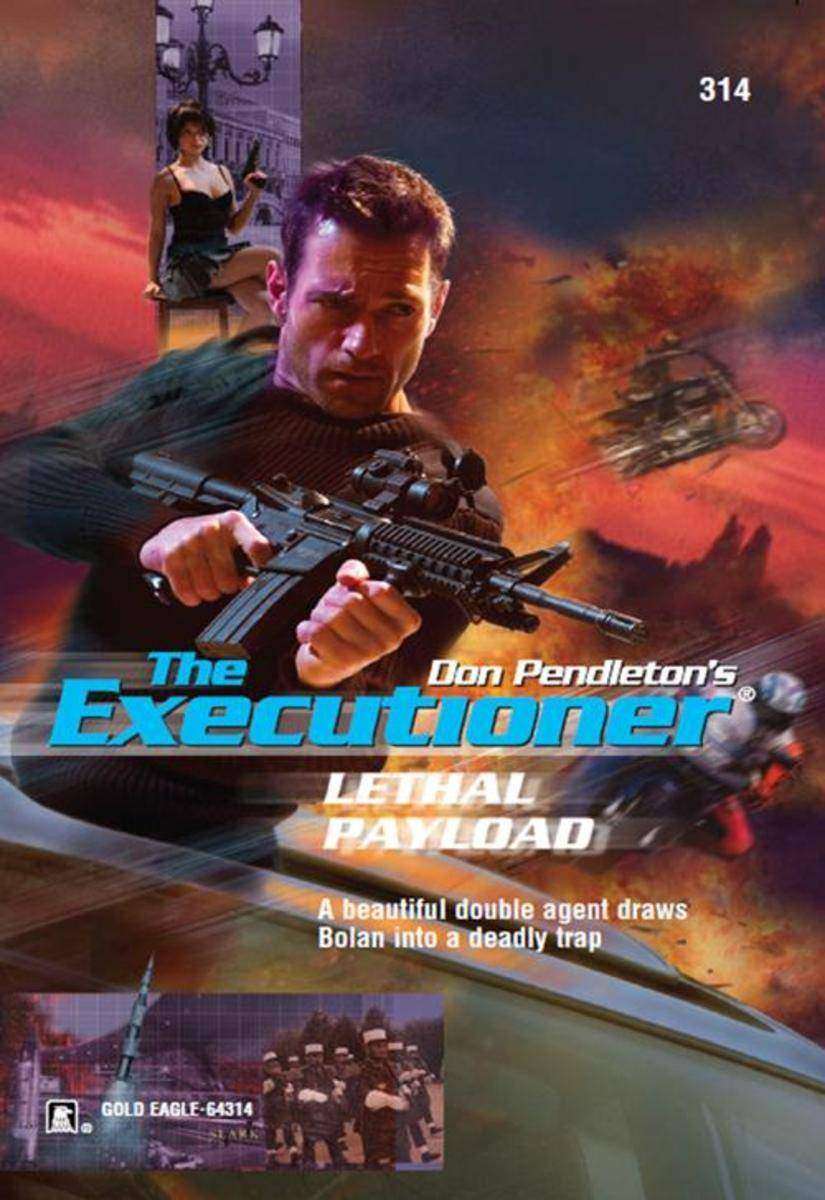
Lethal Payload
¥25.60
ROGUE'S GALLERY A rescue mission in the South Pacific turns up a wild card that puts Mack Bolan on the trail of an elusive enemy mounting a horrific and ingenious attack against the U.S.–one that involves traitors deep inside one of the world's most elite and powerful groups of soldiers: the French foreign legion. Bolan's hard probe takes him halfway across the globe to French Guiana, where a faceless enemy is in deadly pursuit. The stakes get higher when Bolan makes the connection between the country's state-of-the-art satellite launch facility and a terrorist plot poised to send shock waves around the world. With the situation spinning out of control, the Executioner plays long odds for his very survival. But this time he's betting the farm.
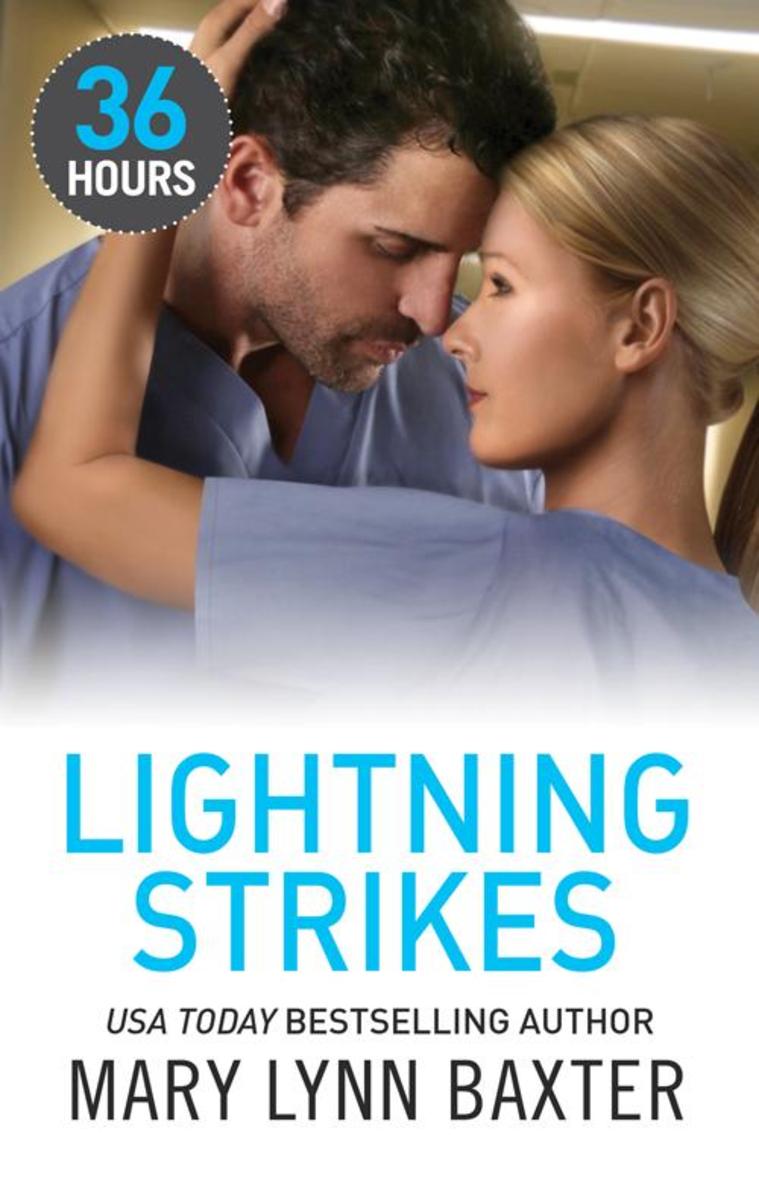
Lightning Strikes
¥28.06
36 hours: a town is plunged into darkness.. the mayor is missing.. two doctors race the clock to save lives.. as a blackout paralyzed Grand Springs, Colorado, Dr. Noah Howell was back on the job in Vanderbilt Memorial's ER, thrown together with Dr. Amanda Jennings, the woman he'd never forgotten,,, the woman he's walked away from one long year ago; in the desperate hours of the night, tension turned to passion, and fate brought Noah one last chance to reveal the truth behind his betrayal, but some secrets were better left untold.

Loveplay (Mills & Boon M&B)
¥31.10
THE SETTING: New York THE CAST: Bett Cambridge, aspiring actress. She had devoted her entire professional life to escaping her backwoods past and was now a Broadway star. The one blot on her resume–an ill-fated affair with America's most promising playwright. Edward "Cul" McCullough, hot new author. He left Bett behind when his career took off, but now they were working together again. Yet Cul was still afraid of commitment, and even as Bett's sensuality washed away his inhibitions, he still tried to deny their love. THE ACTION: A love story, fraught with complications, but destined for fulfillment.
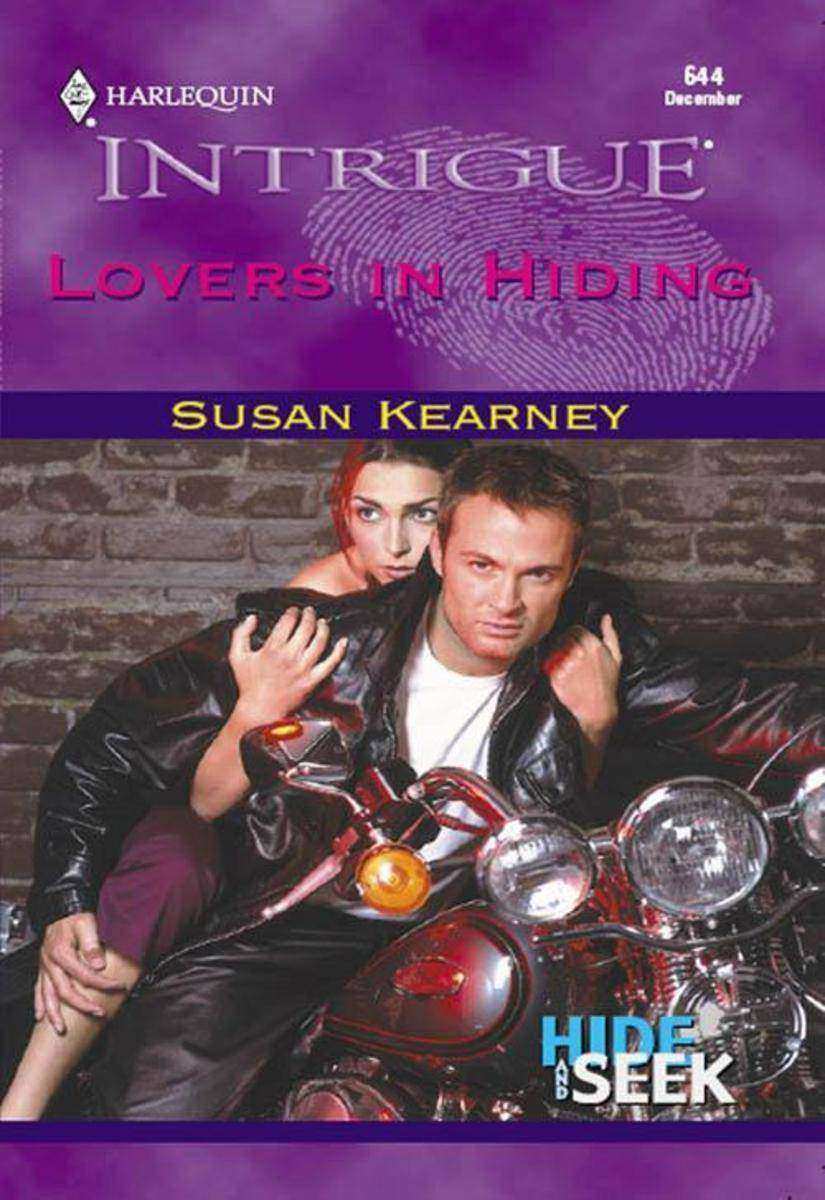
Lovers In Hiding (Mills & Boon Intrigue)
¥31.10
HE WAS BIG AND STRONG AND SEXY… But he was a complete stranger! So why was she lying in his arms on a public beach? He said he'd rescued her when a blue sedan had forced her car into the ocean, but she couldn't remember anything…. CIA analyst Clay Rogan was sent to find and decode the documents Melinda Murphy's brother had mailed to her. But first he had to keep her safe from the killers pursuing her. Harder still, he had to fight the desire that glittered between them. Clay was determined to win the battle with their deadly enemies–but with Melinda, all he could think of was surrender!
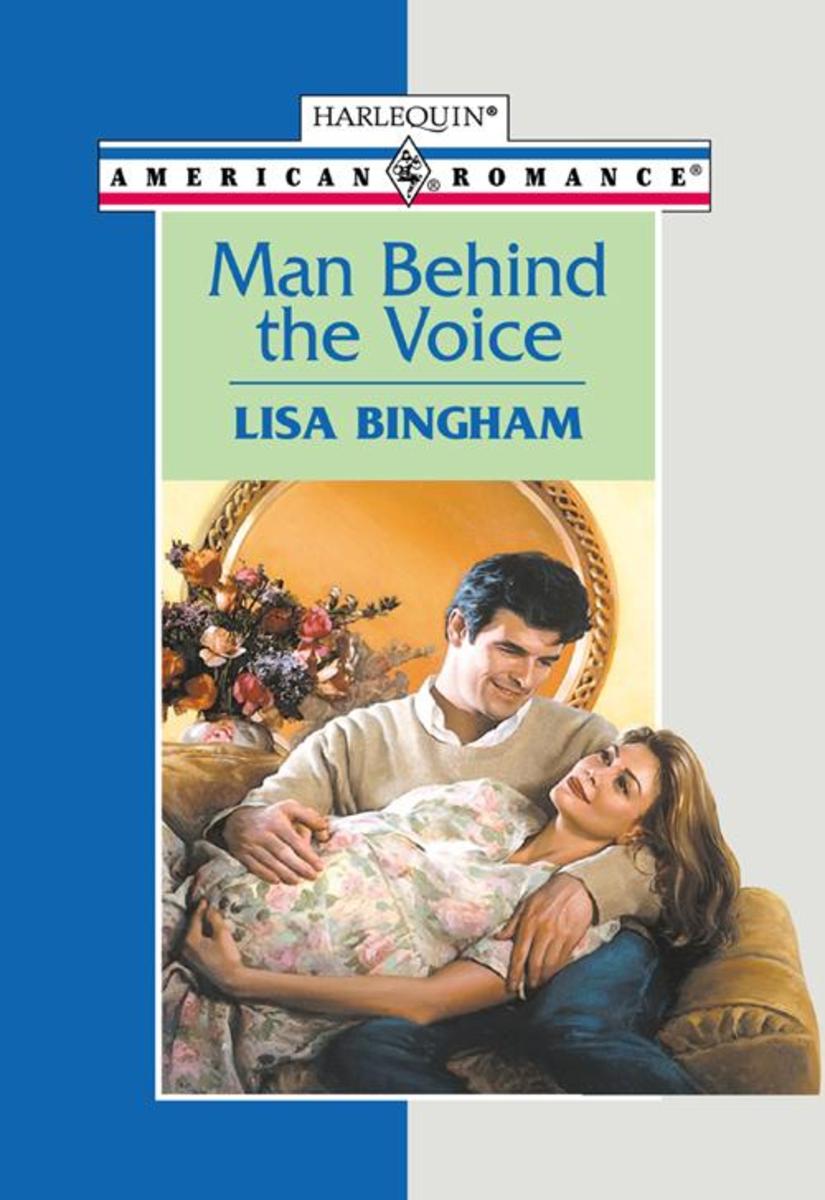
Man Behind The Voice (Mills & Boon American Romance)
¥31.10
His face was the last thing she'd ever seen… Determined to locate the accident victim he'd comforted as her eyesight waned, Jack MacAllister told himself he only wanted to know that she was all right. But when he found Eleanor Rappaport again, he knew he couldn't fade into the shadows this time. She was alone and blind–and pregnant! Eleanor's life had become a lonely struggle–until a stranger's soothing words pierced the darkness. Why did his oddly familiar voice make her heart beat faster? On the bring of motherhood, Eleanor thought she needed space. But maybe she needed Jack more….
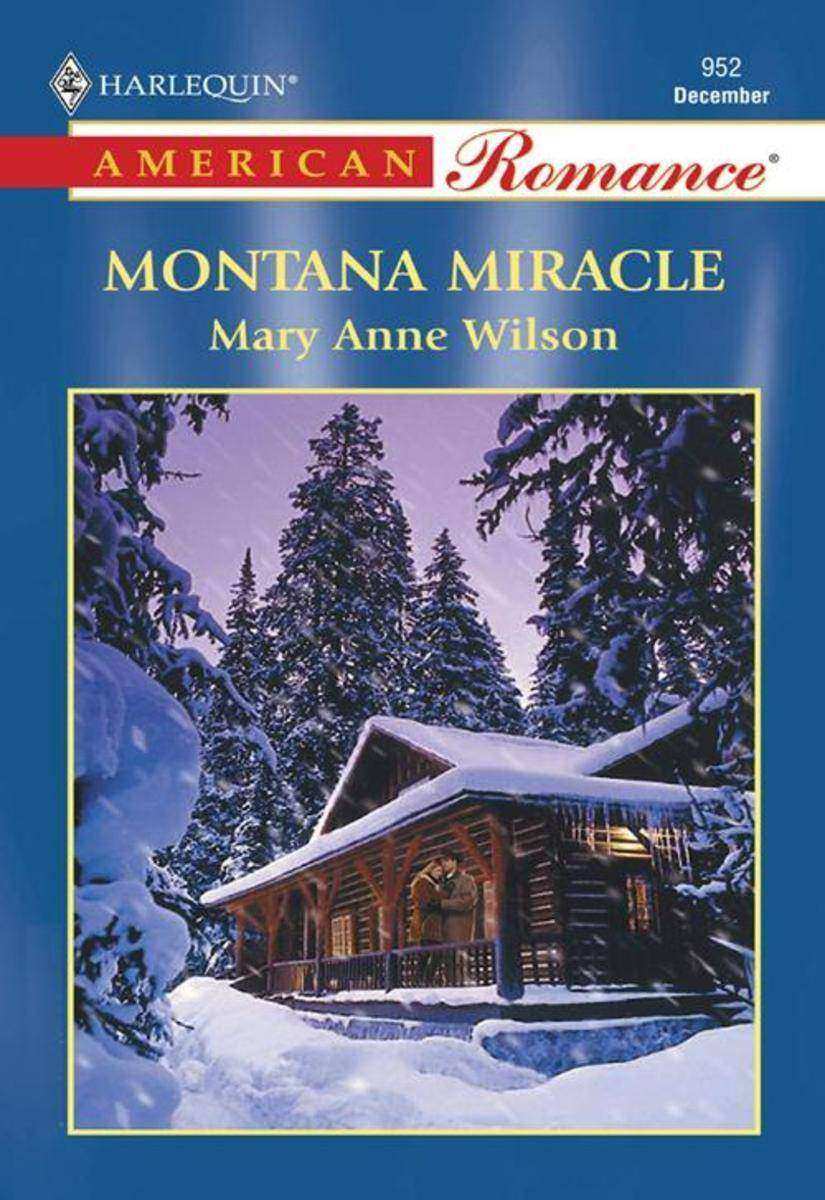
Montana Miracle (Mills & Boon American Romance)
¥31.10
Marooned In Montana Why had handsome, celebrated Dr. Mackenzie Parish vanished at the height of his career? Jaded writer Katherine Ames sensed a story, and headed into the wilds of Montana to find him. But when a blizzard trapped Katherine, Mac found her. Thinking her just a stranded traveler, Mac brought Katherine home….The doctor had become a gruff, unsmiling cowboy–and a daddy. Snowed-in on Mac's ranch with man and child, Katherine found a completeness she'd never known–and learned the secrets Mac had disappeared to keep. He guarded his privacy as fiercely as his heart. Could he forgive her deception after trusting her with both?


