


 购物车
购物车 个人中心
个人中心
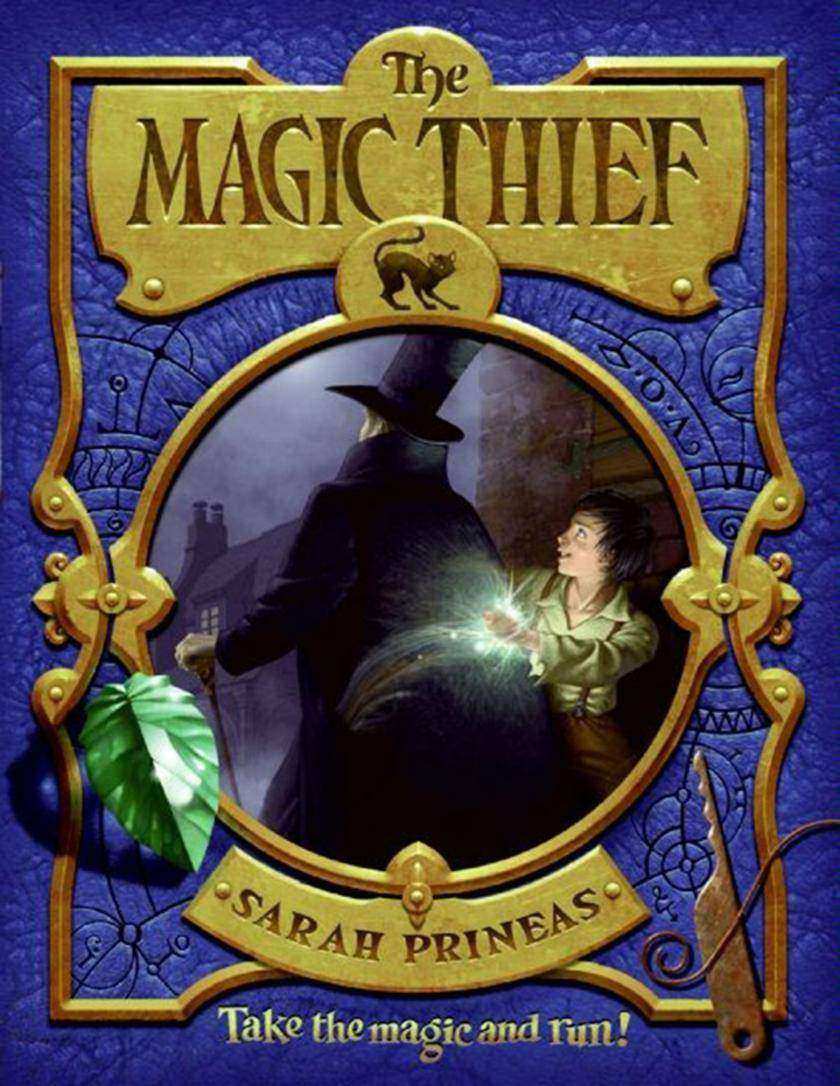
The Magic Thief
¥44.73
In a city that runs on a dwindling supply of magic, a young boy is drawn into a life of wizardry and adventure. Conn should have dropped dead the day he picked Nevery's pocket and touched the wizard's locus magicalicus, a stone used to focus magic and work spells. But for some reason he did not. Nevery finds that interesting, and he takes Conn as his apprentice on the provision that the boy find a locus stone of his own. But Conn has little time to search for his stone between wizard lessons and helping Nevery discover who—or what—is stealing the city of Wellmet's magic.
The Safety of Secrets
¥78.32
"Now we're just alike." So begins Fiona and Patricia's friendship that warm autumn morning in first grade in Lake Charles, Louisiana, their bond forged ever closer by Fiona's abusive mother and Patricia's neglectful one. Their relationship is a source of continuity and strength through their move to L.A. to become actresses; through Fiona's marriage and Patricia's sudden fame. When husband and career pressures exact a toll, the women wonder if their friendship can survive. Then a dark secret from their past emerges, threatening to destroy not only their bond, but all they've worked for as well.The Safety of Secrets is a beautifully written exploration of the bonds forged in childhood and challenged decades later, of the fulfillment of dreams and the damage they can cause, and of secrets being uncovered and the truth we find inside.
The Translator
¥83.03
A novel of tremendous scope and beauty, The Translator tells of the relationship between an exiled Russian poet and his American translator during the Cuban missile crisis, a time when a writer's words -- especially forbidden ones -- could be powerful enough to change the course of history.

Backward-Facing Man
¥96.50
Chuck Puckman, Lorraine Nadia, and Frederick Keane came of age in the late 1960s. Like that era, their lives were mysterious, idealistic, passionate, even romantic—but ultimately confused and often ineffectual. More than thirty years later, their youthful adventures continue to have ramifications: Chuck faces prosecution after an industrial accident at his family business, Lorraine's daughter is searching for the father she never knew, and Frederick has gone underground after his radical life spiraled out of control. Epic in scope and touching on such provocative issues as Patty Hearst and the SLA, crime and the possibility of redemption, and the search for self and the meaning of life, Backward-Facing Man is a novel about choices and their lasting effects on people's lives, their families, and American society.
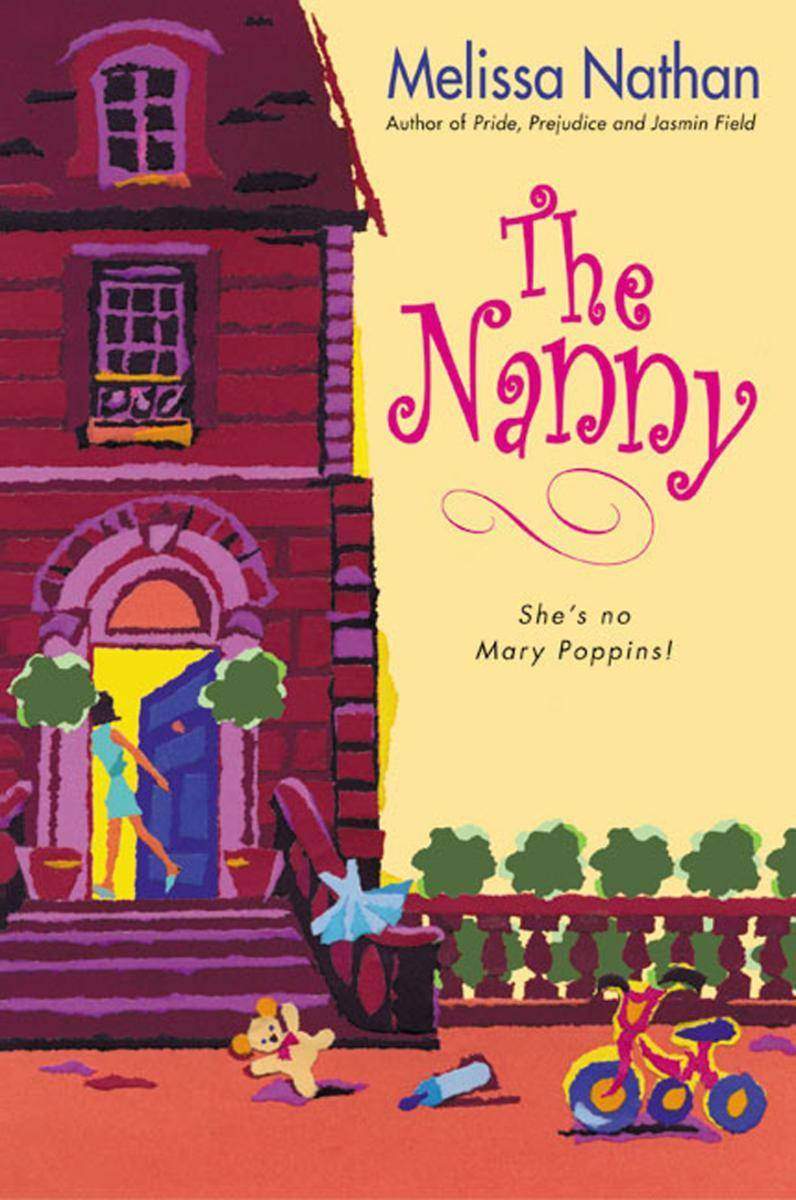
The Nanny
¥84.16
Twenty-three-year-old Jo Green knows that if she has to spend one more night in ultra-provincial Niblet-Upon-Avon she'll go completely bonkers! So she answers an ad in the paper, bids her devoted boyfriend Shaun adieu, and heads off to the big city. With a new job that offers excitement; a cool car; and her own suite with a TV, DVD player, and a cell phone, how can she go wrong?Then she meets . . . the Fitzgeralds -- Dick and Vanessa and their unruly brood of rugrats who have suddenly been entrusted into Jo's care. There's eight-year-old "psycho-babe" Cassandra; bloodthirsty Zak, the six-year-old Terminator; and timid little Tallulah.So what else could go wrongHow about the arrival of Dick's children from his first marriage: teenage Toby and (gulp!) all-grown-up-and-very-nicely-at-that Josh the accountantAnd now that she has to temporarily share her room with Josh, Jo's head is really in a spin -- because with her hometown beau still in the picture and a sexy possibility sleeping just a foot away, life has suddenly gotten very complicated indeed!
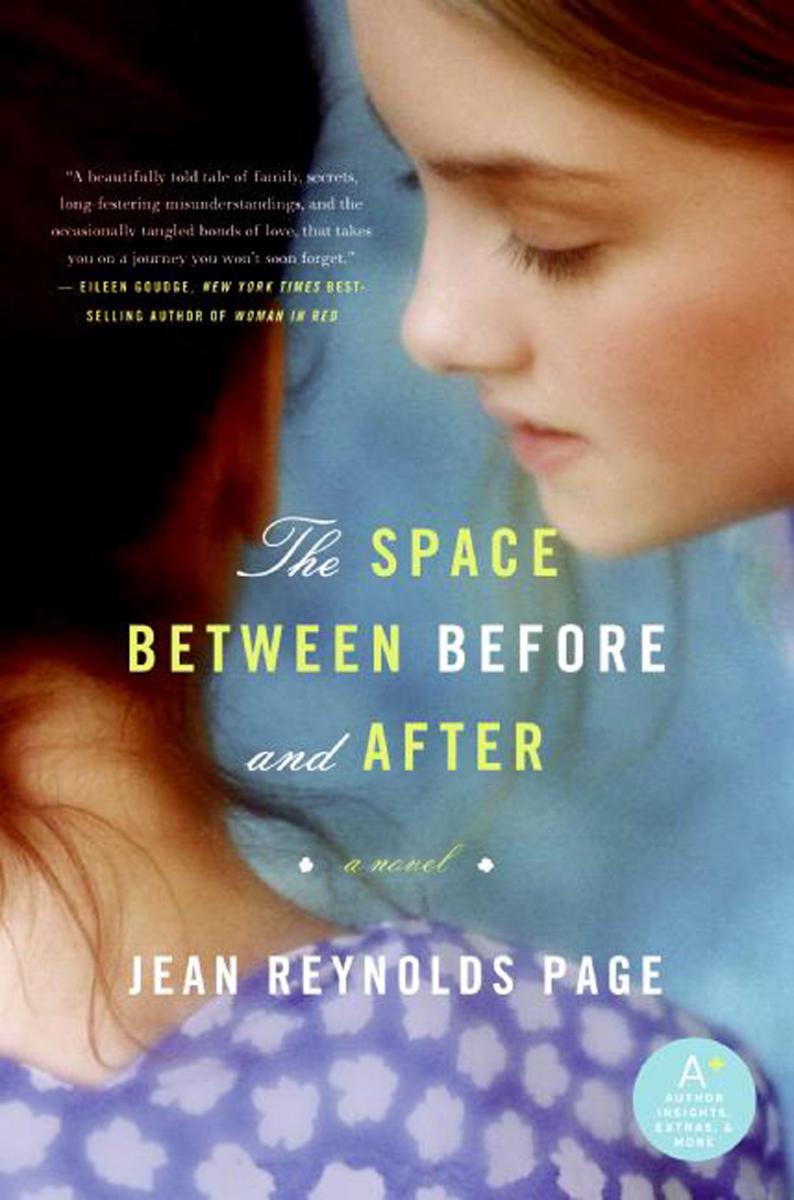
The Space Between Before and After
¥78.32
Forty-two and divorced, Holli Templeton has just begun to realize the pleasures of owning her life for the first time. But the experience is short-lived. Her son Conner has unexpectedly fled college in Rhode Island and moved to Texas with his troubled girlfriend, Kilian. This alone is difficult to handle, but as Holli begins to understand the depth of the girl's problems, concern turns to crisis.Conner's situation is worsening, and as if that's not enough, Holli notices signs of serious decline in the beloved Texas grandmother who raised her. She has no choice but to leave the comfort zone of life in New York and return to her hometown in Texas to care for the people she loves.In the tight space between these two generations, Holli initially feels lost. The journey back stirs so many unresolved hurts from her childhood. But something else happens in this uneasy homecoming. Comfort arrives in the ethereal presence of the mother long lost to her, and Holli is surprised to find that as she struggles to help her son and grandmother, the wounds of her own past begin to heal.The space between before and after—easily the most challenging place she has ever known—begins to reveal an unanticipated hope for what the future might hold.
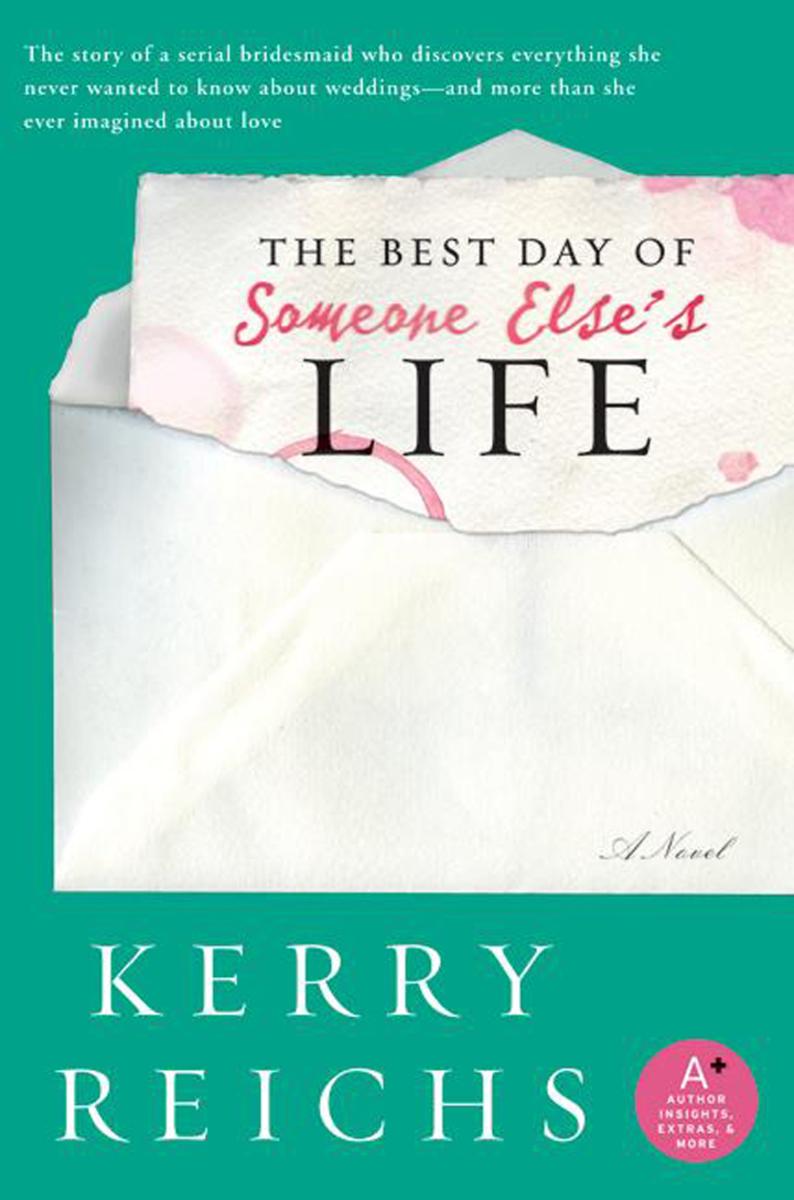
The Best Day of Someone Else's Life
¥84.16
Despite being cursed with a boy's name, Kevin "Vi" Connelly is seriously female and a committed romantic. The affliction hit at the tender age of six when she was handed a basket of flower petals and ensnared by the "marry-tale." The thrill, the attention, the big white dress—it's the Best Day of Your Life, and it's seriously addictive. But at twenty-seven, with a closetful of pricey bridesmaid dresses she'll never wear again, a trunkful of embarrassing memories, and an empty bank account from paying for it all, the illusion of matrimony as the Answer to Everything begins to fray. As her friends' choices don't provide answers, and her family confuses her more, Vi faces off against her eminently untrustworthy boyfriend and the veracity of the BDOYL. Eleven weddings in eighteen months would send any sane woman either over the edge or scurrying for the altar. But as reality separates from illusion, Vi learns that letting go of someone else's story to write your own may be harder than buying the myth, but just might help her make the right choices for herself.
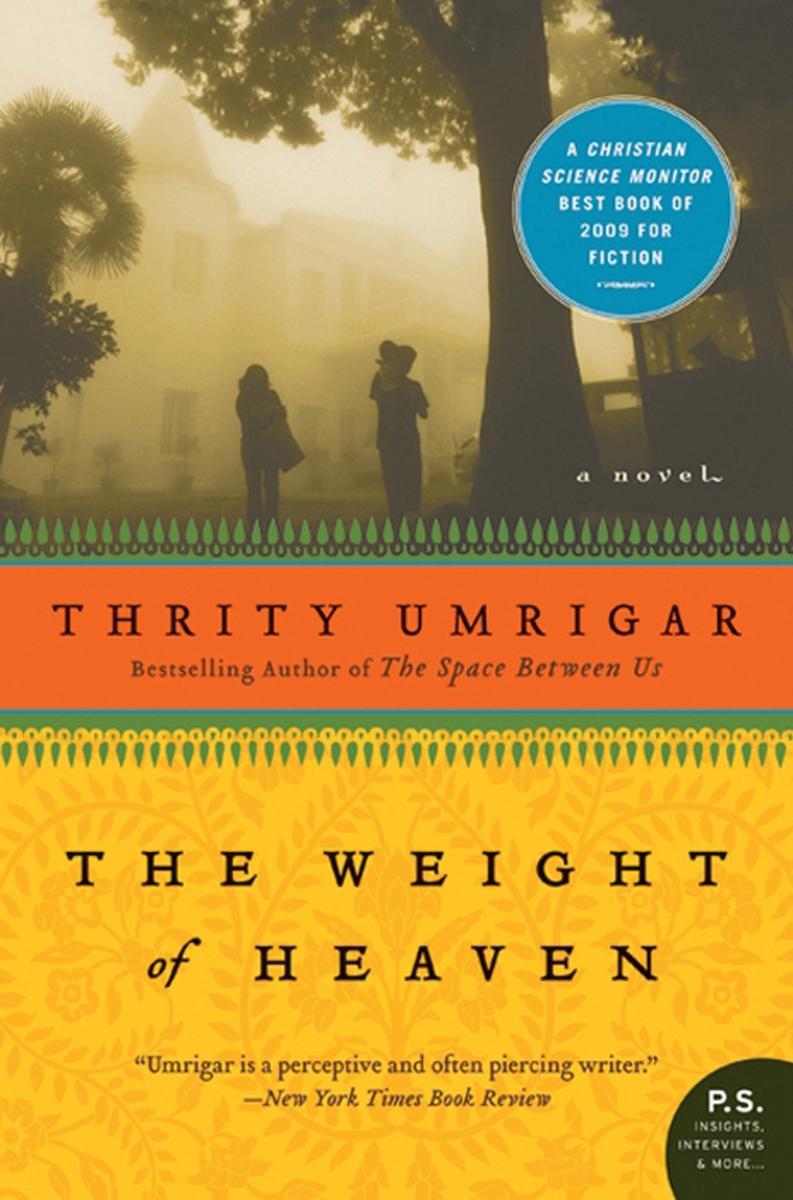
The Weight of Heaven
¥94.10
When Frank and Ellie Benton lose their only child, seven-year-old Benny, to a sudden illness, the perfect life they had built is shattered. Filled with wrenching memories, their Ann Arbor home becomes unbearable, and their marriage founders. But an unexpected job half a world away offers them an opportunity to start again. Life in Girbaug, India, holds promise—and peril—when Frank befriends Ramesh, a bright, curious boy who quickly becomes the focus of the grieving man's attentions. Haunted by memories of his dead son, Frank is consumed with making his family right—a quest that will lead him down an ever-darkening path with stark repercussions. Filled with satisfyingly real characters and glowing with local color, The Weight of Heaven is a rare glimpse of a family and a country struggling under pressures beyond their control. In a devastating look at cultural clashes and divides, Umrigar illuminates how slowly we recover from unforgettable loss, how easily good intentions can turn evil, and how far a person will go to build a new world for those he loves.
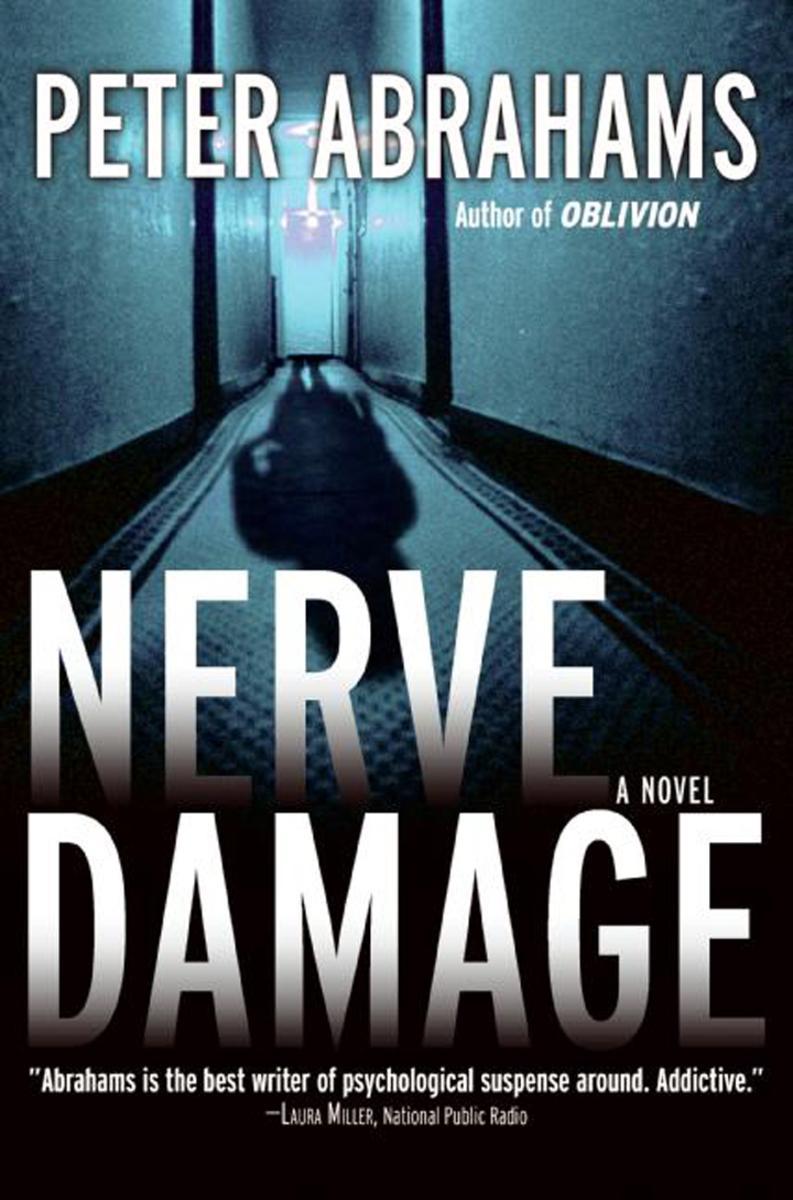
Nerve Damage
¥55.31
Renowned sculptor Roy Valois receives the worst news since learning of his adored wife Delia's death in South America fifteen years ago. His doctor tells him he's dying—and a morbid curiosity about how he'll be remembered inspires Roy, with the help of a local computer geek, to hack into a newspaper's system to read his prewritten obituary. But the death notice includes a small discrepancy about his late wife—and by calling the mistake to the attention of the surprised obit writer, Roy has inadvertently sealed an innocent man's doom.Suddenly Roy has a mission: to uncover the truth about the woman he can't stop loving—secrets guarded by powerful forces who believe murder is an acceptable price for keeping them buried. With his disease-ravaged body's final betrayal rapidly approaching, Roy must somehow stay alive long enough to find the answers: Who was DeliaHow did she dieWhy did she die?Did she die?
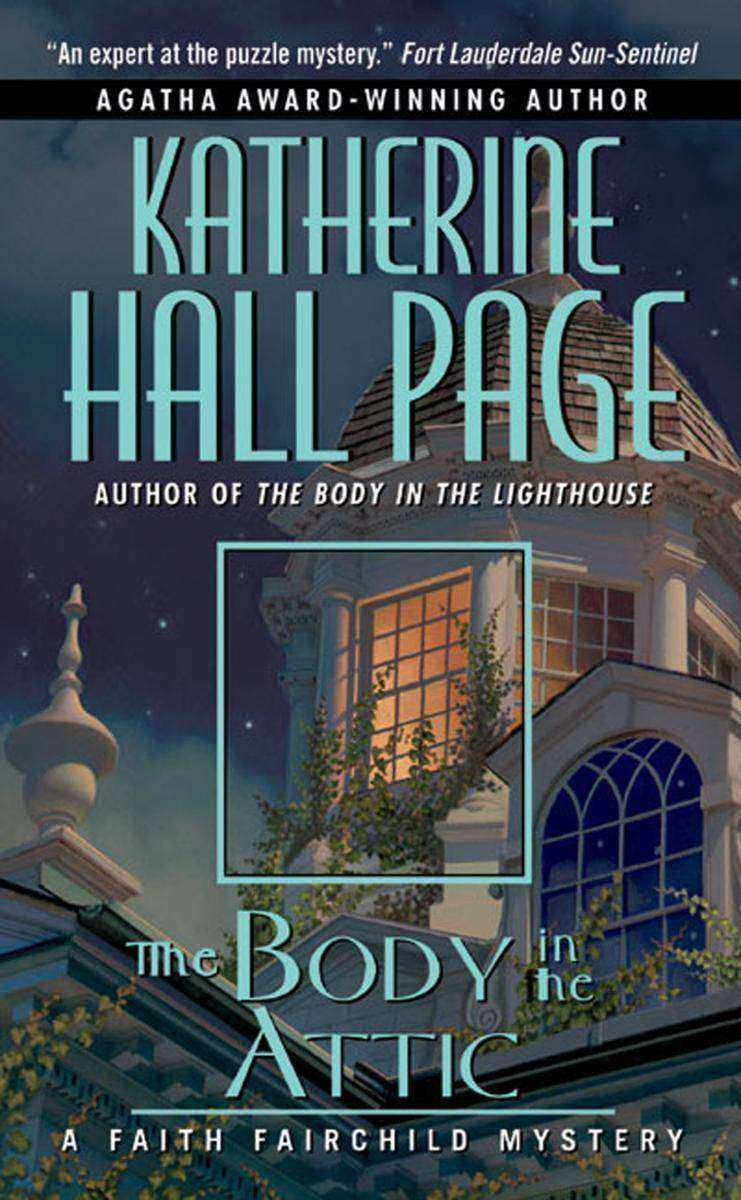
The Body in the Attic
¥55.91
Caterer Faith Fairchild and family are living in one of historic Cambridge, Massachusetts', venerable Brattle Street houses while the Reverend Tom teaches a course at the Harvard Divinity School and does some soul searching -- is his Aleford parish his true callingOne night in downtown Boston, Faith is startled by a face from her past. It's Richard Morgan, a former boyfriend from her life as a single woman in Manhattan. Their heady, whirlwind affair in the waning days of the self-indulgent 1980s ended abruptly. Now he's back, as exciting as ever.Then something occurs that turns a pleasant sabbatical into a nightmare -- Faith discovers a diary, written in 1946 and hidden in the attic, that reveals an unspeakable horror. Suddenly dark secrets seem to permeate every room. And with Richard guarding strange secrets of his own, Faith is soon caught up in solving more than one troubling mystery ... with a murderer lurking a little too close to home.
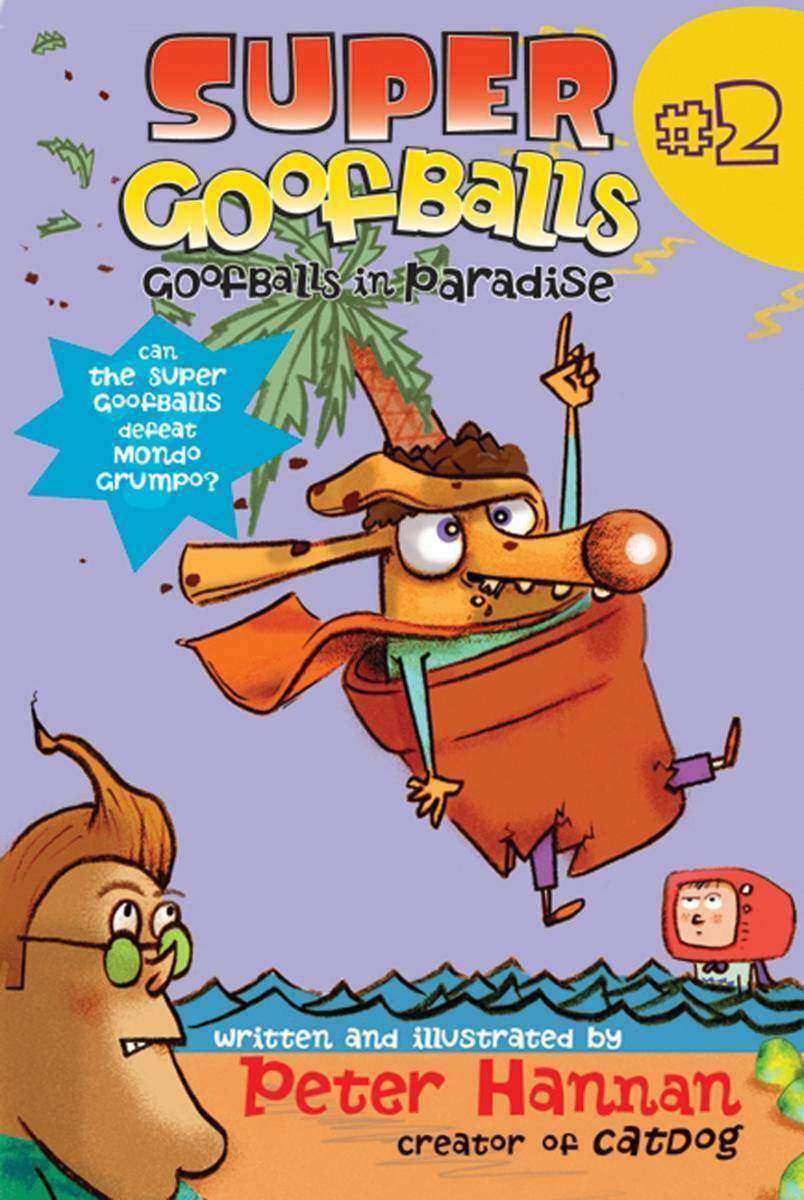
Super Goofballs, Book 2: Goofballs in Paradise
¥87.18
Super Vacation Man and his trusty sidekick, Blunder Mutt, are off to save the world . . . or are they?Mondo Grumpo—the grumpiest, meanest, grouchiest supervillain around—is on the loose! One thing's for sure: this is a vacation the super Goofballs will never forget!
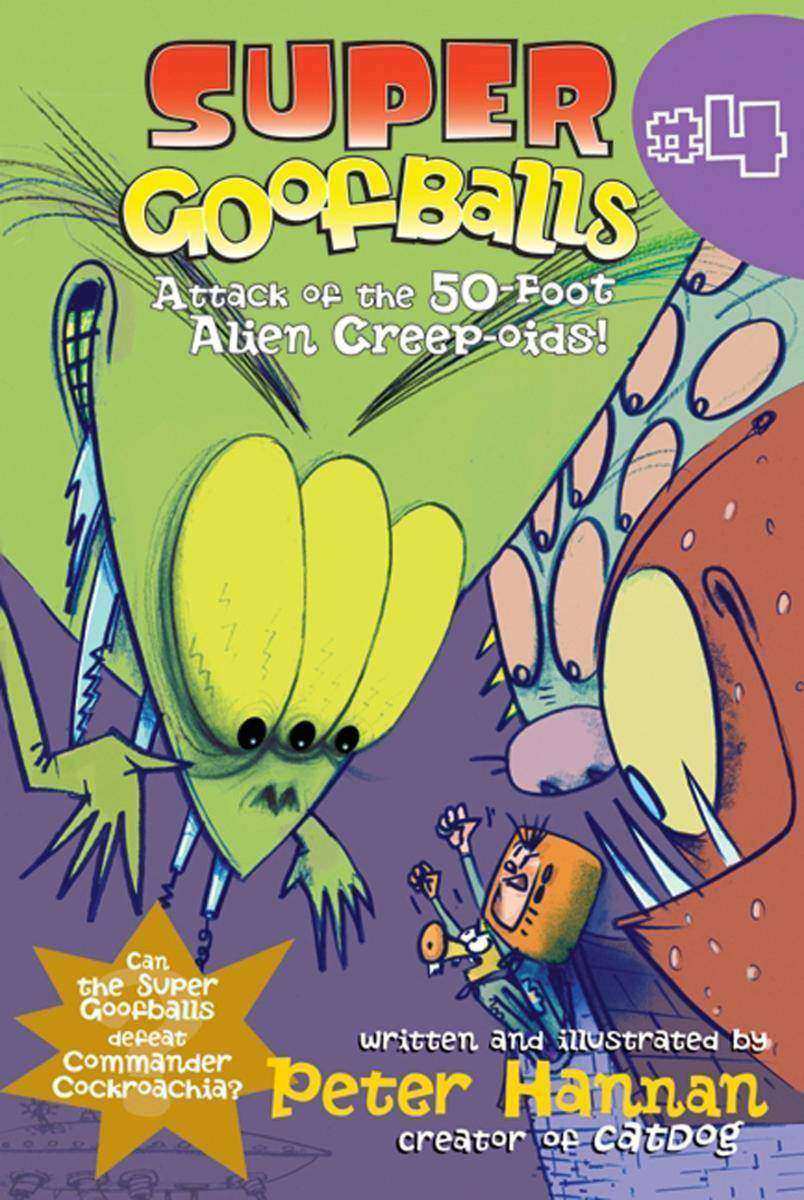
Super Goofballs, Book 4: Attack of the 50-Foot Alien Creep-oids!
¥87.18
A few superheroes you've probably never heard of . . .Crunch! Someone is breaking into all the candy stores and fast-food joints in town—and pigging out on everything!Zoink! There's only one villain with that kind of appetite—the horrendously evil Supreme Commander Cockroachia and his band of alien creep-oids! Can the Super Goofballs stop these huge, horrible hoodlums before all the junk food is gone?
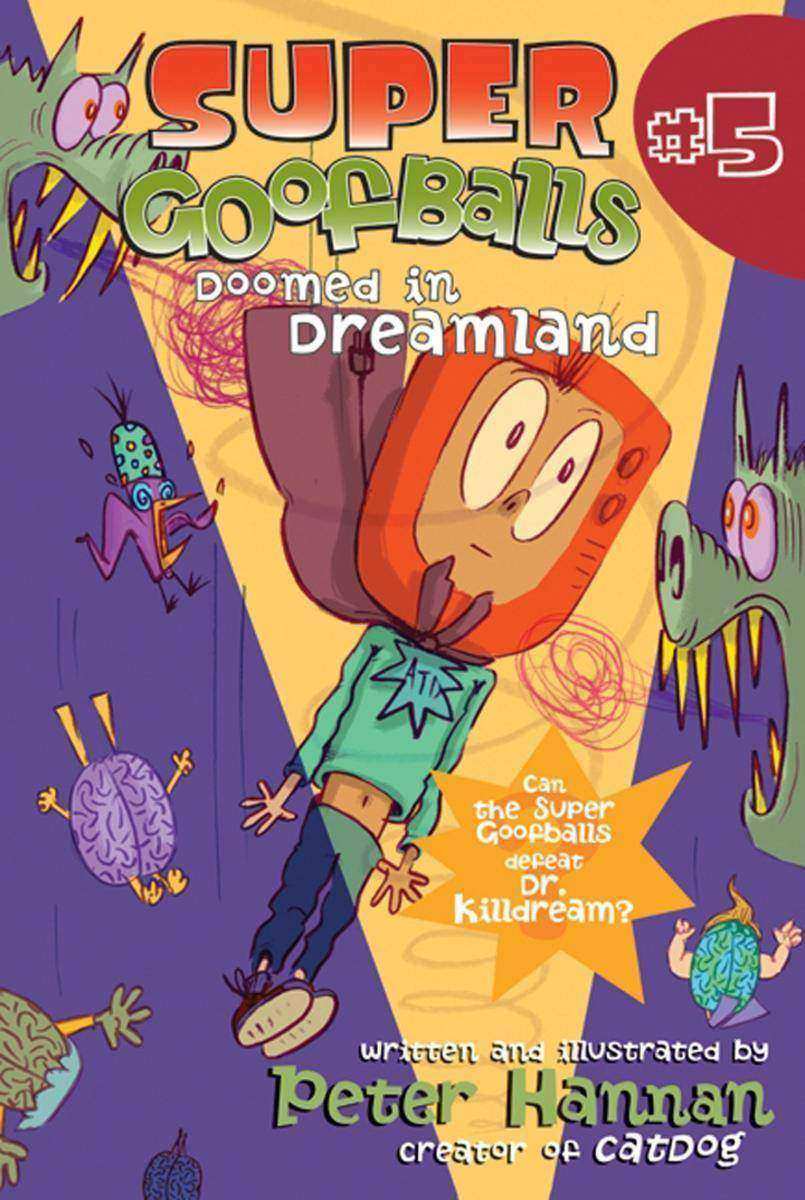
Super Goofballs, Book 5: Doomed in Dreamland
¥87.18
A few superheroes you've probably never heard of . . . Wacko-kaflooey!The Super Goofballs have been having the weirdest dreams.Brainflip-o-rama!It's no wonder with the terrifyingly evil Dr. Killdream on the loose! Lurking deep in the dreamworld, this supersneaky villain is out to single-handedly destroy the dreams, daydreams, and hopes and dreams of each and every goofball!Talk about a nightmare!
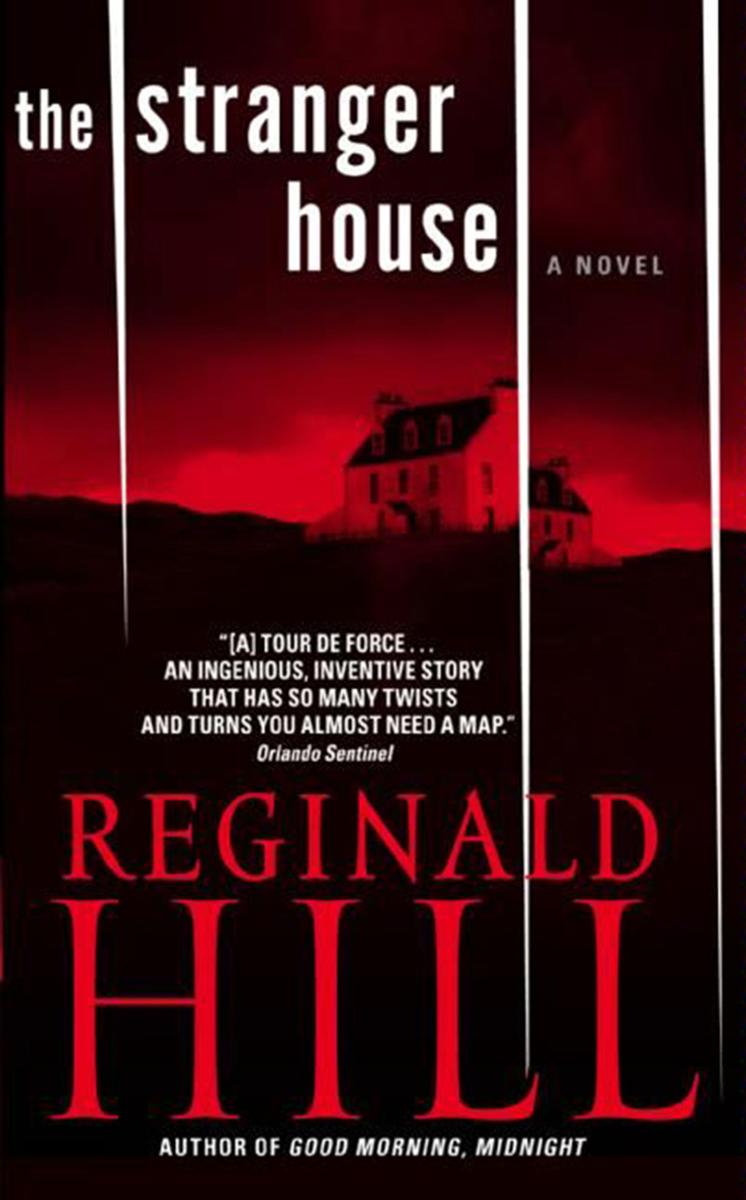
The Stranger House
¥55.31
For more than five hundred years weary travelers have been coming to the Stranger House—an out-of-the-way inn in the tiny village of Illthwaite in Cumbria, England. Now two very different visitors have arrived here onthe same dank and dreary autumn afternoon, each one driven by curiosity . . . and perilous purpose.Australian math wizard Samantha "Sam" Flood is here searching for answers to a disturbing family mystery. Miguel Madero, former novice priest-turned-historical scholar, is exploring the links between an ancestor's bizarre disappearance and the people of Illthwaite. But Sam and Mig are not welcome in this town of secrets and silences. And when their personal quests become strangely intertwined, two determined seekers will find themselves drawn ever deeper into a fetid morass of deceit, mystery, and violence as they race to uncover the shocking truth about who they really are.
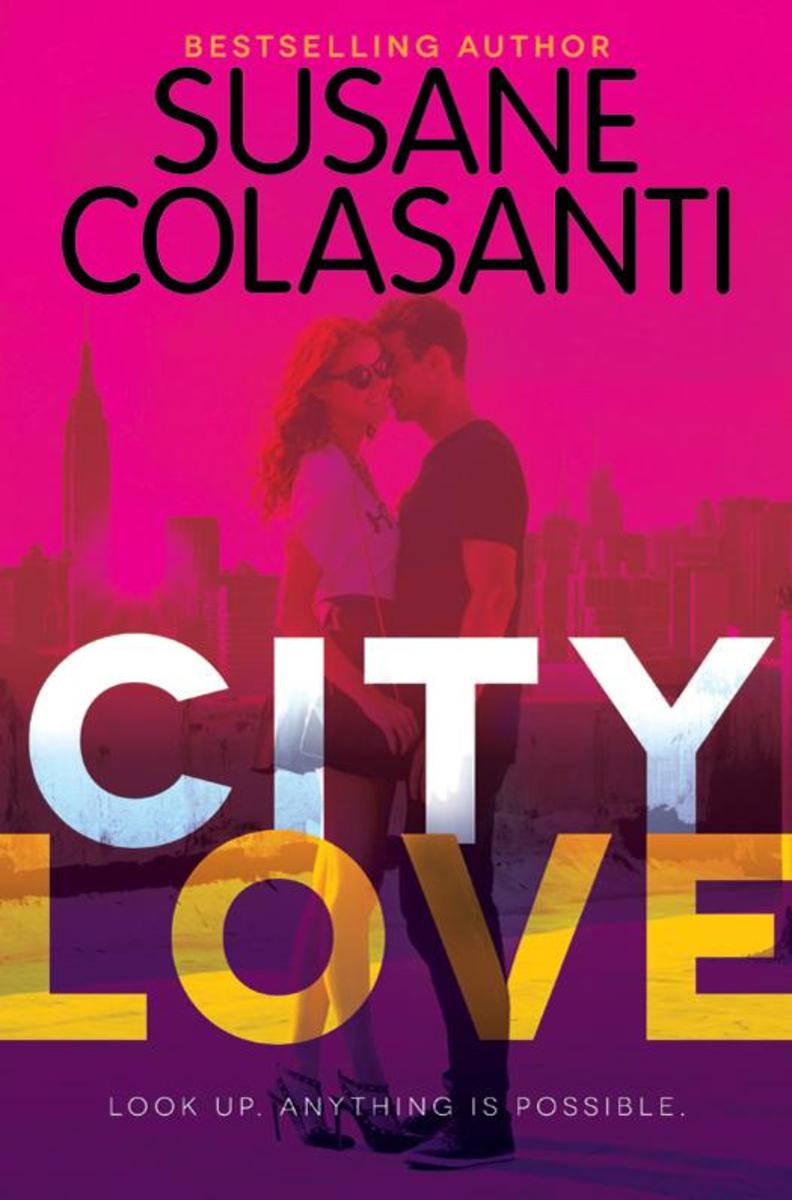
City Love
¥56.08
Three teenage girls learn how to navigate their hearts and NYC. Book one of the trilogy, City Love, is the start of a romantic new series for fans of Sarah Dessen, Stephanie Perkins, and the Carrie Diaries, from bestselling author Susane Colasanti.Roommates Sadie, Darcy, and Rosanna have big plans for their summer before college. Sadie is looking for love, Darcy is living for the next adventure, and Rosanna is reinventing herself. There will be plenty of distractions—irresistible guys, wrong guys, awkward encounters, 2 a.m. breakfasts, fangirl moments, Nasty Girl, and more—but if they look up they will discover the true meaning of city love.

Love: The Owner's Manual
¥10.86
Cutting-edge, user-friendly, and comprehensive: the revolutionary guide to the brain, now fully revised and updatedAt birth each of us is given the most powerful and complex tool of all time: the human brain. And yet, as we well know, it doesn't come with an owner's manual until now. In this unsurpassed resource, Dr. Pierce J. Howard and his team distill the very latest research and clearly explain the practical, real-world applications to our daily lives. Drawing from the frontiers of psychology, neurobiology, and cognitive science, yet organized and written for maximum usability, The Owner's Manual for the Brain, Fourth Edition, is your comprehensive guide to optimum mental performance and well-being. It should be on every thinking person's bookshelf. What are the ingredients of happinessWhich are the best remedies for headaches and migrainesHow can we master creativity, focus, decision making, and willpowerWhat are the best brain foodsHow is it possible to boost memory and intelligenceWhat is the secret to getting a good night's sleepHow can you positively manage depression, anxiety, addiction, and other disordersWhat is the impact of nutrition, stress, and exercise on the brainIs personality hard-wired or fluidWhat are the best strategies when recovering from trauma and lossHow do moods and emotions interactWhat is the ideal learning environment for childrenHow do love, humor, music, friendship, and nature contribute to well-beingAre there ways of reducing negative traits such as aggression, short-temperedness, or irritabilityWhat is the recommended treatment for concussionsCan you delay or prevent Alzheimer's and dementiaWhat are the most important ingredients to a successful marriage and familyWhat do the world's most effective managers know about leadership, motivation, and persuasionPlus 1,000s more topics!
AWS Administration – The Definitive Guide
¥80.65
Learn to design, build, and manage your infrastructure on the most popular of all the Cloud platforms—Amazon Web ServicesAbout This BookLearn how to leverage various Amazon Web Services (AWS) components and services to build a secure, reliable, and robust environment to host your applications onDeep dive into the core AWS service offerings with hands-on tutorials, real-world use case scenarios, and best practicesA self-paced, systematic, and step-by-step guide to learning and implementing AWS in your own environmentWho This Book Is ForThis book is for those who want to learn and leverage AWS. Although no prior experience with AWS is required, it is recommended that you have some hands-on experienceofLinux, Web Services, and basic networkingWhat You Will LearnA brief introduction to Cloud Computing and AWS accompanied by steps to sign up for your first AWS accountCreate and manage users, groups, and permissions using AWSS Identity and Access Management servicesGet started with deploying and accessing EC2 instances, working with EBS Volumes and SnapshotsCustomize and create your very own Amazon Machine ImageDesign and deploy your instances on a highly secured, network isolated environment using Amazon VPCEffectively monitor your AWS environment using specialized alarms, custom monitoring metrics, and much moreExplore the various benefits of Database-as-a-Service offerings and leverage them using Amazon RDS and Amazon DynamoDBTake an in-depth look at what’s new with AWS, including EC2 Container Service and Elastic File SystemIn DetailAWS is at the forefront of Cloud Computing today. Many businesses are moving away from traditional datacenters and toward AWS because of its reliability, vast service offerings, lower costs, and high rate of innovation. Because of its versatility and flexible design, AWS can be used to accomplish a variety of simple and complicated tasks such as hosting multitier websites, running large scale parallel processing, content delivery, petabyte storage and archival, and lots more.Whether you are a seasoned sysadmin or a rookie, this book will provide you with all the necessary skills to design, deploy, and manage your applications on the AWS cloud platform. The book guides you through the core AWS services such as IAM, EC2, VPC, RDS, and S3 using a simple real world application hosting example that you can relate to. Each chapter is designed to provide you with the most information possible about a particular AWS service coupled with easy to follow hands-on steps, best practices, tips, and recommendations.By the end of the book, you will be able to create a highly secure, fault tolerant, and scalable environment for your applications to run on.Style and approach This in-depth and insightful guide is filled with easy-to-follow examples, real-world use cases, best practices, and recommendations that will help you design and leverage AWS.
Getting Started with ResearchKit
¥80.65
Enter the era of medical research using mobile devices with the help of this guide on ResearchKit!About This BookCreate a simple clinical research app using most aspects of ResearchKitBuild a simple survey with various data types with the results printed on the screen.A step-by-step guide introducing Apple's ResearchKit and techniques to incorporate it into various apps.Who This Book Is ForThis book is aimed at medical researchers with basic iOS coding knowledge and iOS developers looking to create clinical research apps.What You Will LearnLearn to create customized consent formGet introduced to two backend services: a simple backend server using Sinatra and Sage BridgeBuild a custom task (a conditional survey example) and a navigable taskGet an Overview of ResearchKit's open source repository and App CoreInteraction with the hardware of the device including the gyro and the motion sensorsLearn the basics of this revolutionary technologyGet introduced to the barebones app and learn to write your first codeIn DetailResearchKit is an open source software development framework from Apple that lets you easily create mobile applications for clinical research studies. ResearchKit provides you the ability to orchestrate the administration of tasks and recording of the results. ResearchKit provides tasks in order to perform informed consent, active tasks, and surveys.Starting with the basics of the ResearchKit framework, this books walks you through the steps of creating iOS applications that could serve as the basis of a clinical research mobile app.This book will introduce readers to ResearchKit and how to turn your iPhone into into a clinical research tool. The book will start off by installing and building the research framework in line with the researcher's needs; during this, the reader will learn to embed ResearchKit in the application and create a small task.After this, the book will go a little deeper into creating modules for surveys, consents, and so on. The book will also cover the various aspects of privacy and security with regard to participant data, and how to build dashboards for visualizing medical data and results in line with the researcher's requirements: data backends, JSON serialization and deserialization, and so on.Readers will be able to fully utilize ResearchKit for medical research, will be able to get more and more patients to participate in their surveys, and will gain insights from the surveys using the dashboards created.Style and approachA hands-on guide with ample screenshots for you to follow and learn about ResearchKit. Each topic is explained sequentially and placed in context so that you can get a better understanding of every step in the process of creating clinical research apps.
Test-Driven iOS Development with Swift
¥71.93
Create fully-featured and highly functional iOS apps by writing tests firstAbout This BookLearn test-driven principles to help you build apps with fewer bugs and better designsBecome more efficient while working with Swift to move on to your next project faster!Learn how to incorporate all of the principles of test-driven development (TDD) in to your daily programming workflowWho This Book Is ForIf debugging iOS apps is a nerve-racking task for you and you are looking for a fix, this book is for you.What You Will LearnImplement TDD in swift application developmentGet to know the fundamentals, life cycle, and benefits of TDDExplore the tools and frameworks to effectively use TDDDevelop models and controllers driven by testsConstruct the network layer using stubsUse functional tests to ensure the app works as plannedAutomate and streamline the building, analysing, testing, and archiving of your iOS appsIn DetailTest-driven development (TDD) is a proven way to find software bugs early. Writing tests before your code improves the structure and maintainability of your app.Test-driven iOS Development with Swift will help you understand the process of TDD and how it impacts your applications written in Swift. Through practical, real-world examples, you’ll start seeing how to implement TDD in context. We will begin with an overview of your TDD workflow and then deep-dive into unit testing concepts and code cycles. We will showcase the workings of functional tests, which will help you improve the user interface. Finally, you will learn about automating deployments and continuous integration to run an environment.Style and approachThis is an easy-to-follow example-driven tutorial, packed with lots of tips and tricks that explore TDD bit-by-bit in the process of making an iOS application.
Learning Cython Programming - Second Edition
¥63.21
Learn the fundamentals of Cython to extend the legacy of your applicationsAbout This BookLearn how to extend C applications with pure Python codeGet more from Python – you’ll not only learn Cython, you’ll also unlock a greater understanding of how to harness PythonPacked with tips and tricks that make Cython look easy, dive into this accessible programming guide and find out what happens when you bring C and Python together!Who This Book Is ForThis book is for developers who are familiar with the basics of C and Python programming and wish to learn Cython programming to extend their applications.What You Will LearnReuse Python logging in CMake an IRC bot out of your C applicationExtend an application so you have a web server for rest callsPractice Cython against your C++ codeDiscover tricks to work with Python ConfigParser in CCreate Python bindings for native librariesFind out about threading and concurrency related to GILExpand Terminal Multiplexer Tmux with CythonIn DetailCython is a hybrid programming language used to write C extensions for Python language. Combining the practicality of Python and speed and ease of the C language it’s an exciting language worth learning if you want to build fast applications with ease.This new edition of Learning Cython Programming shows you how to get started, taking you through the fundamentals so you can begin to experience its unique powers.You’ll find out how to get set up, before exploring the relationship between Python and Cython. You’ll also look at debugging Cython, before moving on to C++ constructs, Caveat on C++ usage, Python threading and GIL in Cython. Finally, you’ll learn object initialization and compile time, and gain a deeper insight into Python 3, which will help you not only become a confident Cython developer, but a much more fluent Python developer too.Style and approachThis practical and a fast-paced guide gives you all the information you need to start programming using Cython.
Unreal Engine 4 Game Development Essentials
¥80.65
Master the basics of Unreal Engine 4 to build stunning video gamesAbout This BookGet to grips with the user interface of Unreal Engine 4 and find out more about its various robust featuresCreate dream video games with the help of the different tools Unreal Engine 4 offersCreate video-games and fully utilize the power of Unreal Engine 4 to bring games to life through this step-by-step guideWho This Book Is ForIf you have a basic understanding of working on a 3D environment and you are interested in video game development, then this book is for you. A solid knowledge of C++ will come in handy.What You Will LearnDownload both the binary and source version of Unreal Engine 4 and get familiar with the UIGet to know more about the Material Editor and how it worksAdd a post process to the scene and alter it to get a unique look for your sceneAcquaint yourself with the unique and exclusive feature of Unreal Engine 4—BlueprintsFind out more about Static and Dynamic lighting and the difference between various lightsUse Matinee to create cut scenesCreate a health bar for the player with the use of Unreal Motion Graphics (UMG)Get familiar with Cascade Particle EditorIn DetailUnreal Engine 4 is a complete suite of game development tools that gives you power to develop your game and seamlessly deploy it to iOS and Android devices. It can be used for the development of simple 2D games or even stunning high-end visuals. Unreal Engine features a high degree of portability and is a tool used by many game developers today.This book will introduce you to the very popular Unreal 4 engine with hands-on instructions to build stunning video games. You will begin by creating a new project or prototype by learning the essentials of Unreal engine, then you’ll get an understanding of how the World Browser can help to improve performance of our game. Next, we’ll create a level of detailed models and materials to further improve performance. After that, you’ll see how to import textures, create different materials, and see what materials can do in terms of post-processing. Finally, you will get acquainted with the Paper2D tool and the blueprints system to further increase our project's performance with Engine’s scalability tools.Style and approachThis step-by-step guide will help you gain practical knowledge about Unreal Engine through detailed de*ions of all the tools offered by Unreal Engine.


