


 购物车
购物车 个人中心
个人中心

Hostage Situation (Mills & Boon Intrigue) (The Equalizers, Book 2)
¥24.13
Renee Vaughn went undercover to bring down a powerful drug lord – and found herself imprisoned with his brother. Paul Reyes seemed to be a good man in a bad situation, but could Renee trust him? On the receiving end of a dirty double cross, Paul and Renee were running for their lives. As they joined forces to elude his brother’s hitmen, their attraction grew deeper. But Renee had to ask who was being held hostage here – when both their hearts were put directly in harm’s way.

Drifting South
¥44.24
Shady doesn't exist anymore. Neither does Benjamin Purdue. In a single day he lost his family, his love, his freedom and even his name for reasons he's never known. Now after spending twenty-one years in prison for crimes he didn't commit, the young man he used to be is dead. And the man he's become is no one he--or anyone else--would ever want to know.With only fifty dollars of state money in his pocket, Henry Cole, aka Benjamin Purdue, journeys back to the dangerous outlaw settlement hidden deep in the Allegheny Mountains of Virginia where it all began. The only place he's called home. Instead of answers, he finds only old sunken graves. Now as he drifts southward, he gets closer to the beautiful woman he will never forget--whose untimely visit to Shady that fateful Sunday afternoon ended in a killing. A woman who holds the keys to his past...and his future.

69 Love Leaves at Midnight
¥24.44
With her flaming red hair and emerald green eyes, Xenia’s unusual beauty makes her stand out in any crowd – that is until she unexpectedly meets her long lost cousin, Johanna, amidst the wreckage of a railway accident. Incredulous at finding her mirror image and desperate for a friend, Xenia’s initial joy is soon replaced by misgivings when Johanna suggests an outrageous plan to swap lives for two weeks. However, these are soon swept aside by her forceful cousin and Xenia finds herself agreeing to help Johanna enjoy ten final days of freedom with the Englishman she loves before her arranged Royal marriage. As her cousin steals away from the site of the train crash, Xenia suddenly realises all that impersonating Johanna, even for a short while, will entail. Especially as her cousin was travelling to meet and marry her fiancé, King István of Luthenia, and the journey must continue so suspicions are not aroused. Surrounded by servants and diplomats, Xenia struggles to assume the Royal role that Johanna inhabits so easily and prays that her true identity will not be discovered. Arriving in Luthenia, Xenia is instantly plunged into a world of political intrigue and drama a million miles away from the quiet life she previously enjoyed in the English countryside. With a Constitutional crisis threatening and rumours of revolution, Luthenia desperately needs this arranged wedding to go ahead to cement allegiances and maintain the balance of power in Europe. As the Luthenian Court prepares for a grand State wedding and the nuptial date grows ever nearer, it seems that the beautiful cousins have only one desire in common – they both want to marry for love. But who shall be their bridegrooms?

70 A Witch's Spell
¥24.44
Beautiful, young, impoverished Parson’s daughter, Hermia Brooke, is happy with her simple country life, despite being shunned by her wealthy uncle the Earl of Millbrooke and her cousin, the spoilt and selfish Marilyn. In a chance encounter with a raffishly handsome gentleman, whom she decides resembles the Devil himself, she nevertheless helps him with a stone stuck in his horse’s hoof. Rewarded with a golden guinea and a shocking kiss, Hermia finds her world turned topsy turvy when she meets the mysterious stranger once more at the behest of Marilyn, who is determined to trap this ‘Devil’ – namely the Marquis of Deverille – into marriage. Just as Hermia’s innocent heart warms to the gentler side of this hard-bitten aristocrat and he falls under her guileless spell, the Marquis is embroiled in a murderous plot and Hermia must fight for his life, even as all hope of the love she dreams about for herself seems lost.

John Clare
¥24.44
John Clare (1793-1864) was born at a time of great social upheaval, just months after the beheading of Louis XVI and the outbreak of war with France which was to last till the defeat of Napoleon at Waterloo in 1815. He also lived through the upheavals of the land enclosure movement and agricultural revolution which changed the face of the countryside and the way of life in rural England. His father was a farm worker who managed to pay for his son’s schooling, though this was cut short as conditions worsened, but at least Clare had by then learnt to read and write so he could continue his own education, reading whatever books he could lay his hands on. At the age of sixteen he witnessed the social dislocation caused by the local enclosure Act and observed how the landscape was gradually transformed. Drawing on Clare’s writing, this extensively researched study gives the modern reader an appreciation of the divisive effects of these policies. Structured chronologically, this exploration of John Clare’s life highlights the socio-economic and environmental aspects of his observations and includes his reports on an insidious revolution taking place in the English countryside. Parliament, dominated by landowners, authorised the enclosure of large tracts of common land by private acts without considering the effect on those who had enjoyed rights of use and pasturage for centuries. Land enclosures, and the improved agricultural techniques which this permitted, was important in increasing food production at a time when the population of England was growing rapidly. While additional work was initially provided for agricultural labourers in the fencing and walling needed, this was temporary. The introduction of new, labour-saving machinery further reduced the opportunities for work. Insufficient attention, the author argues, has been given to the consequences. Those driven out of their homes in the country were left with no option but to migrate to the towns and sell their labour to whoever would pay for it. In effect, land enclosure created a market in land; landlessness created a market in labour. These are the foundations of our modern market economy. The author asserts that the harshness of the early years of the industrial revolution were the product of land enclosure which the welfare state has to some extent mitigated, although at the cost of creating a dependency culture in contrast to the sturdy independence of Clare’s parents’ generation of farm workers.
The Gustav Holst Way
¥24.44
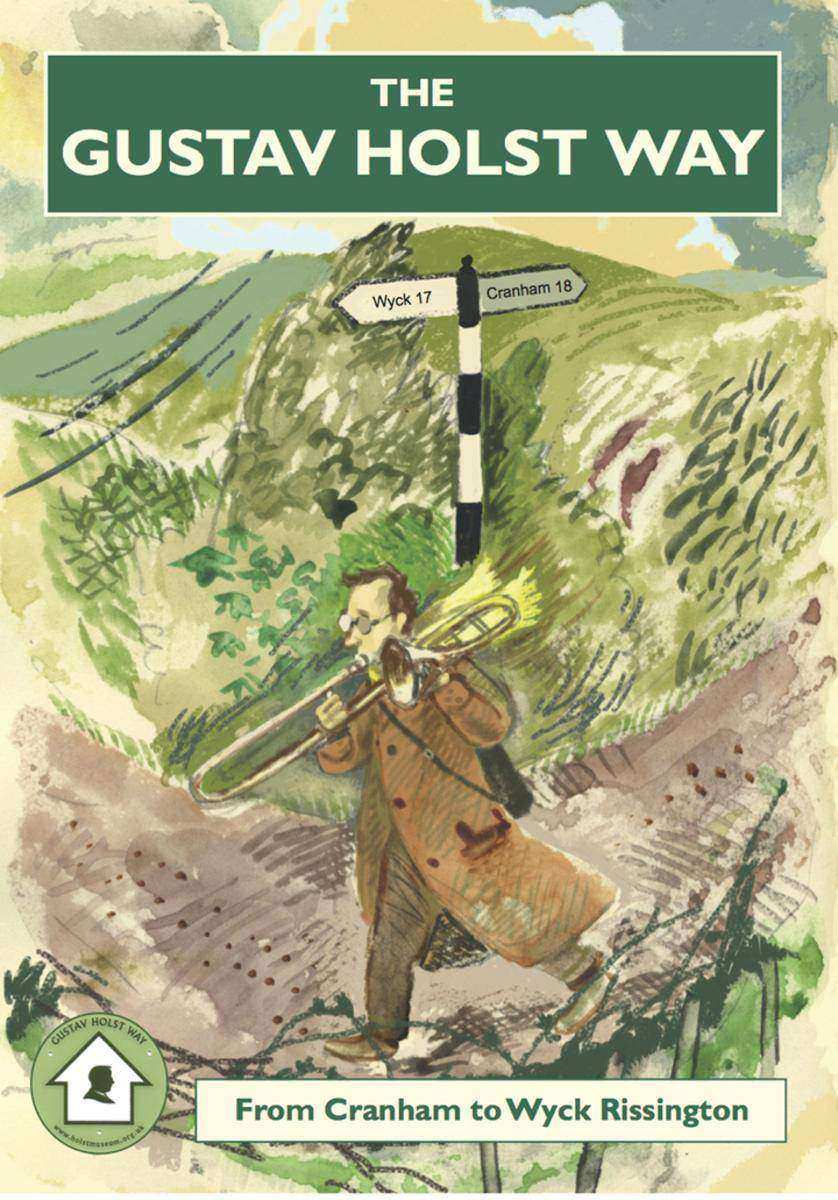
‘The Gustav Holst Way’ is the first guidebook to describe the 35-mile rambling route across the Cotswolds to celebrate the life and work of the composer Gustav Holst. Published exactly 100 years after Holst began work on The Planets, the route visits many of the places that were important to the young Holst as his musical career took wing. Among the highlights are the house in Cheltenham where he was born (now the Holst Birthplace Museum) and several venues in the Cotswolds where he played, conducted and taught music. The richly illustrated guidebook divides the walk into five easy/moderate sections (with four optional detours) and includes detailed maps, points of historical interest and all the practical information you need to follow in Gustav Holst’s footsteps from Cranham to Wyck Rissington. The Holst Birthplace Museum Gustav Holst, one of England’s greatest composers, was born in a Regency terraced house in Cheltenham in 1874. The house has been carefully restored and converted into a ‘living museum’ that captures the atmosphere of the era, both above and below stairs. The most eye-catching of the museum’s collection of 3,000 items is the piano on which Holst composed The Planets, as popular as ever nearly 100 years after it was published. Step inside the Museum and see the piano Holst used to compose The Planets. Find out how he developed into a world-class composer by examining and listening to original manu*s written when he was a schoolboy in Cheltenham. "

Learning ArcGIS Pro
¥90.46
Create, analyze, maintain, and share 2D and 3D maps with the powerful tools of ArcGIS Pro About This Book Visualize GIS data in 2D and 3D maps Create GIS projects for quick and easy access to data, maps, and analysis tools A practical guide that helps to import maps, globes, and scenes from ArcMap, ArcScene, or ArcGlobe Who This Book Is For This book is for anyone wishing to learn how ArcGIS Pro can be used to create maps and perform geospatial analysis. It will be especially helpful for those that have used ArcMap and ArcCatalog in the past and are looking to migrate to Esri’s newest desktop GIS solution. Though previous GIS experience is not required, you must have a solid foundation using Microsoft Windows. It is also helpful if you understand how to manage folders and files within the Microsoft Windows environment. What You Will Learn Install ArcGIS Pro and assign Licenses to users in your organization Navigate and use the ArcGIS Pro ribbon interface to create maps and perform analysis Create and manage ArcGIS Pro GIS Projects Create 2D and 3D maps to visualize and analyze data Author map layouts using cartographic tools and best practices to show off the results of your analysis and maps Import existing map documents, scenes, and globes into your new ArcGIS Pro projects quickly Create standardized workflows using Tasks Automate analysis and processes using ModelBuilder and Python In Detail ArcGIS Pro is Esri’s newest desktop GIS application with powerful tools for visualizing, maintaining, and analyzing data. ArcGIS Pro makes use of the modern ribbon interface and 64-bit processing to increase the speed and efficiency of using GIS. It allows users to create amazing maps in both 2D and 3D quickly and easily.This book will take you from software installation to performing geospatial analysis. It is packed with how-to’s for a host of commonly-performed tasks. You will start by learning how to download and install the software including hardware limitations and recommendations. Then you are exposed to the new Ribbon interface and how its smart design can make finding tools easier.After you are exposed to the new interface, you are walked through the steps to create a new GIS Project to provide quick access to project resources. With a project created, you will learn how to construct 2D and 3D maps including how to add layers, adjust symbology, and control labeling. Next you will learn how to access and use analysis tools to help you answer real-world questions.Lastly, you will learn how processes can be automated and standardized in ArcGIS Pro using Tasks, Models, and Python Scripts.This book will provide an invaluable resource for all those seeking to use ArcGIS Pro as their primary GIS application or for those looking to migrate from ArcMap and ArcCatalog. Style and approach This book includes detailed explanations of the GIS functionality and workflows in ArcGIS Pro. These are supported by easy-to-follow exercises that will help you gain an understanding of how to use ArcGIS Pro to perform a range of tasks.
Mastering XenApp?
¥99.18
Master the skills required to implement CitrixXenApp7.6 to deploy a complete Citrix?-hosted application from scratch About This Book Learn to implement and configure components of CitrixXenApp7.6, which are XenServer?, XenApp?, CitrixLicense server, PVS, Storefront, CitrixReceiver, and Netscaler to secure WAN traffic Build the XenApp7.6 environment independently and perform tests to make sure the components are working as expected for internal and external traffic Implement advanced tools in CitrixXenAppto build and manage a cost effective, secure, and high-performing application delivery infrastructure with this comprehensive guide Who This Book Is For This is book is for administrators who are currently managing the implemented environment and want to learn how to deploy the CitrixHosted virtualization solution for the application in a windows server 2012 R2 environment. A reasonable knowledge and understanding of core XenAppelements and concepts used during virtualizing applications are assumed. What You Will Learn Understand how to set up Hypervisor, install the management console, configure the storage repository, and create a virtual machine on hypervisor Set up an Infrastructure component and explore ways to tune them up so that they can be used for Citrixenvironment Set up a Domain controller, DHCP, Certificate authority, and SQL server for static database for CitrixXenAppValidate the CitrixXenApp7.6 solution to make sure components are communicating properly Manage the essential Citrixcomponents – Director, Licensing, and Policies with the Help of Citrixstudio Optimize the behavior of an Application and share desktop via Policies Installing and configuring CitrixProvisioning services to deliver CitrixXenApp7.6 virtual machines Secure the external Delivery of an application and shared desktop via netscaler to enjoy mobility In Detail CitrixXenAppis one of the leading pieces of Application delivery software that delivers Windows compatible apps to users on any device, anywhere. CitrixXenAppalso gives administrators the ability to manage and control the freedom of mobility by increasing the security and saving costs at the same time. This book will provide you with all the knowledge required to successfully deploy and master a complete Citrixhosted application. First, it will cover essential concepts of the architecture of XenApp?. You will then learn how to set up Hypervisor and how to set up Infrastructure components. Next you will learn how to Set up CitrixComponents, XenAppresources, PVS, and Netscaler. We will further look at how to prepare the environment for Rollout. Additionally, you will learn how to configure the Citrixcomponents such as CitrixDirector. Moreover, you’ll learn about shared desktop for delivery to end users and the application of policies for effective and secure delivery. Finally, you will learn how to implement provisioning services for a CitrixXenApp7.6 environment. Style and approach This book is based on a course outline and hence takes a very practical approach so you will understand how to implement the components of XenAppin a production environment. Complemented with many best practices and troubleshooting concepts of XenApp?, this book will help you master XenAppswiftly.
Monitoring Docker
¥71.93
Monitor your Docker containers and their apps using various native and third-party tools with the help of this exclusive guide!About This Book Get the only book that covers multiple methods to monitoring Docker Containers -your one-stop solution to all your Docker monitoring needs Learn how to implement third-party tools such as Datalog, cAdvisor, and more with this example-rich, hands-on guide Learn how to efficiently monitor Docker containers and get an edge over other administrators while maintaining apps on these containers Who This Book Is For This book is for DevOps engineers and system administrators who manage Docker containers and want to better manage these containers using expert techniques and methods and better maintain applications built on Docker. What You Will Learn Discover the tools built into Docker to gain an insight into your containers’ performance Augment Docker’s built-in tools with modern tools such as cAdvisor from Google, SysDig by Draios, and Soundcloud’s Prometheus Integrate the monitoring of your containers with more traditional monitoring solutions such as Zabbix Take advantage of the various SaaS offerings from third parties to move monitoring away from your local infrastructure and into the cloud Discover the various ways to ship your applications’ logs from the container to a central logging service Get the most out of your application and resources with the right implementation of your monitoring method In Detail This book will show you how monitoring containers and keeping a keen eye on the working of applications helps improve the overall performance of the applications that run on Docker. With the increased adoption of Docker containers, the need to monitor which containers are running, what resources they are consuming, and how these factors affect the overall performance of the system has become the need of the moment. This book covers monitoring containers using Docker's native monitoring functions, various plugins, as well as third-party tools that help in monitoring. Well start with how to obtain detailed stats for active containers, resources consumed, and container behavior. We also show you how to use these stats to improve the overall performance of the system. Next, you will learn how to use SysDig to both view your containers performance metrics in real time and record sessions to query later. By the end of this book, you will have a complete knowledge of how to implement monitoring for your containerized applications and make the most of the metrics you are collecting Style and approach This is an easy-to-follow guide with plenty of hands-on examples that can be executed both on your local machine and externally hosted services.

Crackdown
¥88.56
Paradise is the perfect escape for ex-Marine Nick Breakspear, captain of a charter yacht operation in the Bahamas, until he agrees to pilot a "detox cruise" for the drug-addled grown son and daughter of a powerful U.S. senator. Ambushed far from port, he is helpless to prevent the murder of a crew member by modern-day pirates who sink Nick's yacht before vanishing with the senator's kids. Having barely eluded death, Nick must immediately set sail for disaster once again. For there's a death to be avenged on the dark side of Eden, the senator is demanding that his lost children be found . . . and the woman Nick loves is being held prisoner by killers somewhere on Murder Cay.
Imperfect Strangers
¥69.16
Sandy Kinsolving's once-glittering life hangs by a threat; his future depends on his wife's inheritance and whether or not she's about to throw him out on his ear. What he wouldn't give for a solution to his money and marriage problems. If this were an Alfred Hitchcock movie, the solution would be obvious. Enter a stranger with wife problems of his own, who offers a violent -- and mutually advantageous -- proposal.Them in the time it takes to whisper a word, Kinsolving's normal life ends. What radiates like a mirage before him is wealth, security, and freedom. But lurking in the shadows are a brutal murder he cannot prevent, and a madman who stalks his every waking moment.

The New 8-Week Cholesterol Cure
¥55.31
The groundbreaking cholesterol-lowering program . . . now even more effective!Robert Kowalski's personal story is legendary. By the age of forty-one, he had suffered a heart attack and had undergone two coronary bypass surgeries. A traditional dietary approach to lowering his cholesterol failed dismally, and faced with the unpleasant alternative of a lifetime on medication, he created a program that proved astonishingly effective for him -- and legions of others worldwide who used it.Today Kowalski has beaten heart disease, lives an unlimited and vigorous lifestyle, and uses no pre*ion drugs. Now, with new information about risk factors, exercise, and supplements, The New 8-Week Cholesterol Cure is even more powerful in fighting heart disease. It includes: The facts about homocysteine and the deadly cholesterol Lp(a) A diet that jump-starts cholesterol reduction The heart-healthy secrets of niacin, other B vitamins, and safe supplements The latest findings on exercise New cholesterol-testing methods New heart-healthy products ... and more!Arm yourself against heart disease-America's number-one killer-and increase your chances for a long, healthy life with The New 8-Week Cholesterol Cure.
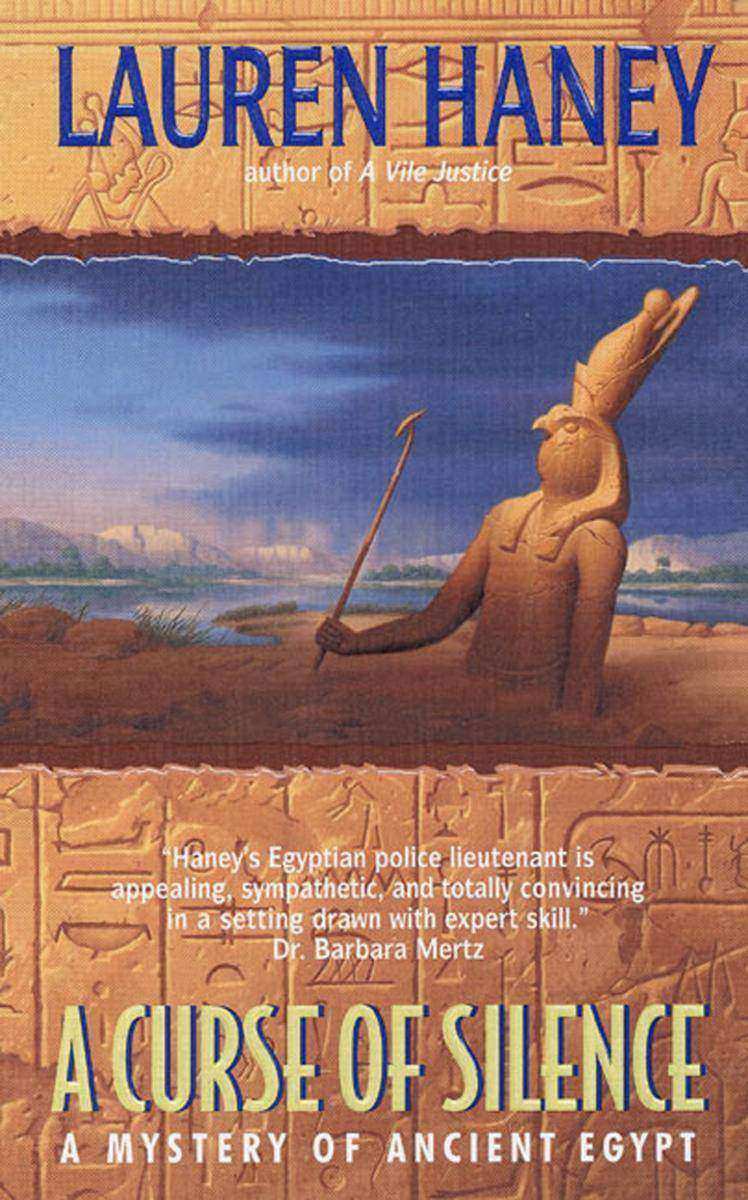
A Curse Of Silence
¥45.49
A vile rumor sweeps across the desert like a swiftly gathering sandstorm: Queen Hatshepsut plans to disband much of her frontier army and transform its fortresses into storehouses. The arrival of Amonked—the Queen's cousin and Storekeeper of Amon—at the city of Buhen convinces an uneasy Lieutenant Bak of the Medjay police that the whisperings that have alarmed the populace are true. Then, a day after Amonked inspects the local garrison and departs, a body is found stabbed in the house where he and his party rested. The slain man was a local prince, beloved by his people, so Bak travels upriver to join the caravan and investigate. Though nothing tangible connects Amonked and his people to the heinous act, Bak's inquiry soon sheds a disturbing light on an inexplicable crime. For the clues suggest that twisted honor and vengeance lie at its root . . . and a shocking secret, protected by murder and silence, that could itself silence the truth—and Bak—for eternity.

Beasts of No Nation
¥77.49
“A tour de force.”—Washington Post Book WorldIn this stunning debut novel, Agu, a young boy in an unnamed West African nation, is recruited into a unit of guerrilla fighters as civil war engulfs his country. Haunted by his father’s own death at the hands of militants, Agu is vulnerable to the dangerous yet paternal nature of his new commander. While the war rages on, Agu becomes increasingly divorced from the life he had known before the conflict started—a life of school friends, church services, and time with his family still intact.In a powerful, strikingly original voice that vividly captures Agu’s youth and confusion, Uzodinma Iweala has produced a harrowing, inventive, and deeply affecting novel.“A startling debut.”—The New Yorker“A remarkable novel that suggests a dazzling literary future.”—People
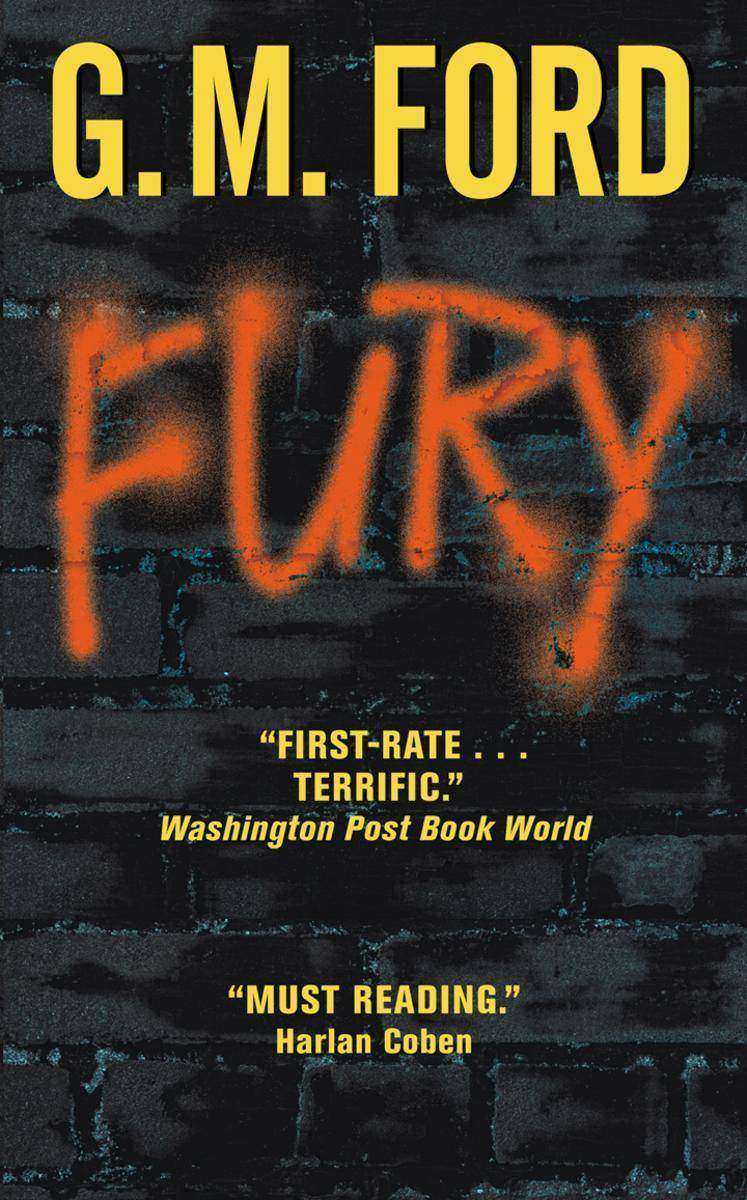
Fury
¥52.48
Frank Corso is a pariah—a journalist once vilified for making up "facts" on a major crime story. Yet slow, sheltered Leanne Samples trusts no one but Corso to tell the world that her courtroom testimony that put Walter Leroy "Trashman" Himes on Death Row was a lie. Convicted of the savage slaying of eight Seattle women, Himes is only six days from execution, unless Frank Corso and outcast photographer Meg Dougherty into a struggle that goes far beyond right, wrong, truth, and justice. Because the lowly and the powerful alike all want Himes dead at any cost—despite startling new evidence that threatens to devastate a city once again.

Here I Stay
¥55.31
Andrea Torgesen is certain that hard work is exactly what her younger brother Jim needs to help him recover from the trauma of a serious car accident—and turning a decrepit old mansion into a beautiful country inn seems to be the perfect project. But unearthly voices and eerie visions haunt Jim from almost the first instant he sets foot in the dreary old house. And his strange obsession with a long-neglected graveyard is most troubling to his concerned sibling. There is evil in this place where the unthinkable is possible—a terrifying force that Andrea and Jim must confront . . . or forfeit their lives.
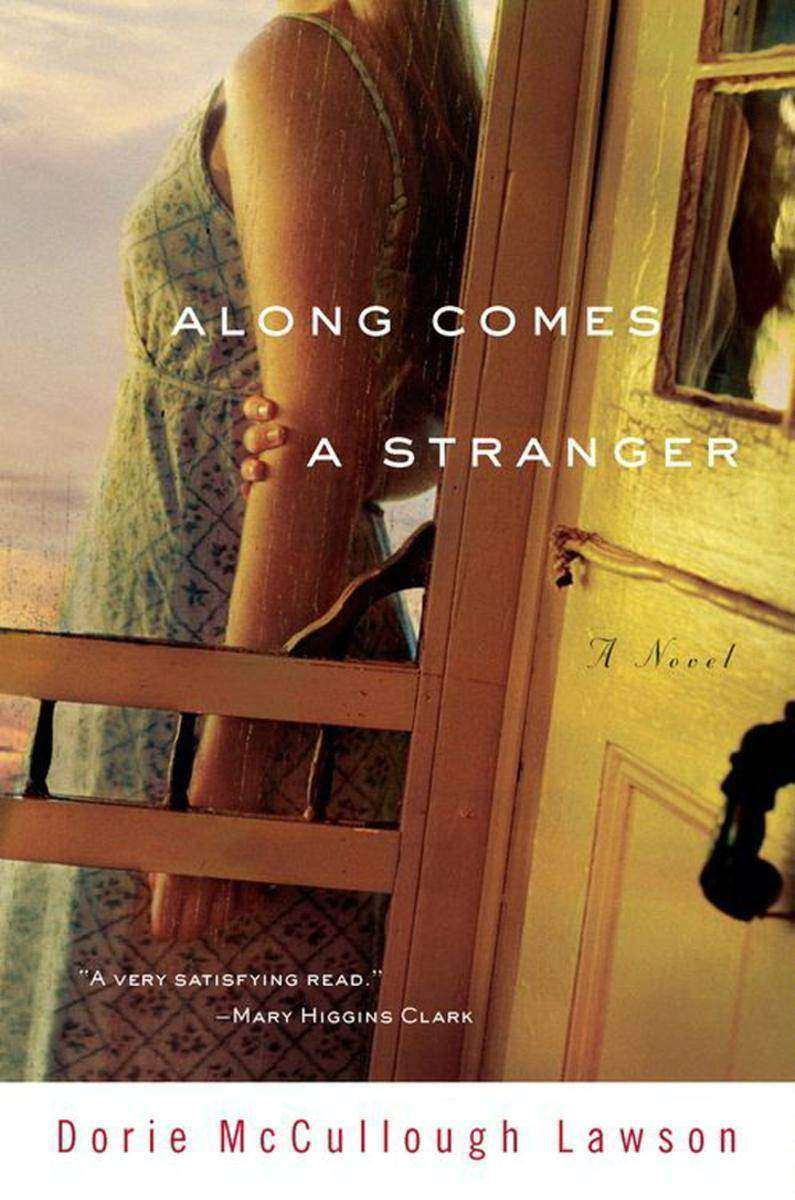
Along Comes a Stranger
¥84.16
The summer of 1995 marks Kate Colter's fifteenth year in the small town of Hayden, Wyoming. She is a woman who is generally happy in her marriage and with her now predictable day-to-day life as wife, mother, and part-time breadwinner. Even though she is a New Englander at heart, Kate has reached a point where rodeos, summer heat, sharp light, and the vast, desolate beauty of the West have become almost second nature to her. She loves her husband and daughter, is fond of her neighbors, and enjoys the company of her mother-in-law. Yet, privately, she longs for the conversations and stories of her past, and she can't help but feel disconnected from the people around her.In walks Tom Baxter, Kate's mother-in-law's new suitor from "back East."Kate is immediately drawn to Tom—his gentle charm and engaging conversation spark an unusual companionship. Tom seems like the little piece of home that Kate so misses. She's curious about him and about his story, but finds unexplained gaps and inconsistencies that pique her interest to a new level. Then a series of peculiar and seemingly suspicious events leads Kate to a terrifying conclusion—a conclusion that could forever shatter her life and the lives of those she loves.In this debut novel, Dorie McCullough Lawson vividly captures a familiar American landscape. Filled with unforgettable characters and written in eloquent yet suspenseful prose, Along Comes a Stranger is a darkly humorous novel that examines the depth of identity and family life.

HarperCollins e-books
¥136.18
From the author of the critically acclaimed novels A Brother's Blood and The Blind Side of the Heart comes a brilliant tale of a decent man's struggle to choose between his past and his future, between the woman he once loved and the woman he now loves.

Glory in the Name
¥88.56
Then call us Rebels if you will we glory in the name, for bending under unjust laws and swearing faith to an unjust cause, we count as greater shame. -- Richmond Daily Dispatch, May 12, 1862April 12, 1861. With one jerk of a lanyard, one shell arching into the sky, years of tension explode into civil war. And for those men who do not know in which direction their loyalty calls them, it is a time for decisions. Such a one is Lieutenant Samuel Bowater, an officer of the U.S. Navy and a native of Charleston, South Carolina.Hard-pressed to abandon the oath he swore to the United States, but unable to fight against his home state, Bowater accepts a commission in the nascent Confederate Navy, where captains who once strode the quarterdecks of the world's most powerful ships are now assuming command of paddle wheelers and towboats. Taking charge of the armed tugboat Cape Fear, and then the ironclad Yazoo River, Bowater and his men, against overwhelming odds, engage in the waterborne fight for Southern independence.

War by Candlelight
¥83.03
Something is happening around the globe: mass movements of peoples, dislocations of language and culture in the wake of war and economic crises -- simply put, our world is changing.In this exquisite collection, Daniel Alarcón takes the reader from Third World urban centers to the fault lines that divide nations and people. Wars, both national and internal, are waged in jungles, across borders, in the streets of Lima, in the intimacy of New York apartments. These are lives at the margins of the globalized and not-yet-globalized worlds, the stories of those who shuttle between them and never quite feel at home in the cities where they were born: an unrepentant terrorist remembers where it all began, a would-be emigrant contemplates the ramifications of leaving and never coming back, a reporter turns in his pad and pencil for the inglorious costume of a street clown.War by Candlelight is a devastating portrait ofa world in flux, and Daniel Alarcón is an extraordinary new voice in literary fiction, one you will not soon forget.

An Ex to Grind
¥84.16
The battle of the sexes rages on in this smart, witty, and extremely timely comedy from the phenomenally popular Jane HellerAt first, Manhattan financial planner Melanie Banks adores Dan Swain, her pro football player husband who's got a sexy Oklahoma drawl to go with his athletic good looks. But then his career comes to a screeching halt and he spends the next few years out of a job, seemingly unconcerned about it. Suddenly, she's the one bringing home the bacon and falling out of love with the paycheck-devouring, couch-sitting mooch. Divorce is the answer, she decides -- only to learn she has to fork over alimony while he lives like a prince on her income and she has to share custody of their precious dog, Buster. Consumed with the unfairness of it all, she plays dirty, hiring a high-profile matchmaker to find some unsuspecting female she can dump on Dan for ninety days and cause him to violate their cohabitation clause.But then Melanie's scheme backfires. Her ex's new love revitalizes him, miraculously transforming him into the focused, responsible go-getter she always hoped he'd be. And now, with the ninety-day clock about to chime, she realizes she wants him back.


