


 购物车
购物车 个人中心
个人中心
Protecting Her Daughter (Mills & Boon Love Inspired Suspense) (Wrangler's Corner
¥33.84
ANYTHING FOR HER CHILD After someone attempts to abduct her daughter, single mom Zoe Collier flees to a remote ranch for safety. But when the would-be kidnappers follow them to Wrangler’s Corner, Zoe must figure out why somebody wants Sophia. Local vet Aaron Starke is determined to help Zoe investigate—and to keep his intriguing new neighbors safe. Zoe’s used to relying on her own wits to survive. But quick-witted, caring Aaron is just the type of man she needs in her corner. And he might be her partner for keeps…if they can find the truth without losing their lives.

Saving Maddie's Baby (Mills & Boon Medical) (Wildfire Island Docs, Book 3)
¥31.10
A precious rescue… Dr Maddie Haddon doesn’t think twice before running into Wildfire Island’s crumbling goldmine to save a life. But another rockfall leaves Maddie trapped inside—and this time it’s her turn to be saved… Emergency medic Josh Campbell is used to working under pressure, but when he discovers that his latest call is to rescue his ex-wife, who is on the brink of labour, the stakes are higher than ever! Can Josh save Maddie and her baby…and heal their broken marriage too? Wildfire Island Docs Welcome to Paradise!

The Bull Rider Meets His Match (Mills & Boon American Romance)
¥33.84
TESTING THE LIMITS Rodeo star Grady Owen has a new challenge. No-nonsense Alexa Benjamin is tougher than any bull he’s ever faced…but she sure is a whole lot prettier! Not that Grady has time for much between caring for his twin nieces, rebuilding his family‘s farm and training. Trouble is, the more he tangles with Lex, the more he wants to win her heart. Lex is drawn to Grady…in spite of herself. But ever since her bullfighter father died in the ring, she’s determined to never need anyone again. She’s afraid, and Grady is all about facing fear head-on. Taking a chance on this bull rider is unthinkable…but so is the idea of letting him walk away!
The Cowboy's Ready-Made Family (Mills & Boon Love Inspired Historical) (Montana
¥33.84
The Cowboy Arrangement Susanne Collins has her hands full raising her four orphaned nieces and nephews and managing the family farm. So when her cowboy neighbor proposes he plant her crops in exchange for keeping his wild horses in her corrals, Susanne hesitantly takes the deal. Soon her reluctance to accept help ebbs, and she wonders if Tanner Harding will he prove to be the strong, solid man she’s been hoping for… Half-Native American Tanner has always been adrift in a white man’s world. Yet the beautiful stand-in mother and her ready-made family give him a sense of belonging for the very first time. But can he convince Susanne to take a chance and welcome him not just into her home but also into her heart?

Wrangling The Cowboy's Heart (Mills & Boon Love Inspired) (Big Sky Cowboys, Book
¥33.84
Love Under the Big Sky Back home in Montana, free spirit Jodie McCauley plans to stay at her late father’s ranch for just two months. Then she’ll sell the Rocking M and head off on her next adventure. But first she’ll have to take her beloved horses from wild to sellable. That means asking the boy she once loved for help. Finn Hicks is now a deputy sheriff and a horse trainer. Working so closely with Jodie, his feelings are suddenly resurfacing. But Finn remembers her as a wild child, not the family-oriented woman he’s looking for. A second chance seems impossible, but is there still hope for the rugged cowboy and his first love?
Once Upon A Prince (Mills & Boon M&B)
¥33.84
Royals in Perry Square!—AGAIN We didn't think future princesses rode around on motorcycles, but Shey Carlson—local coffee shop diva—just might prove us wrong! Seems Prince Eduardo Matthew Tanner Ericson is back in town, and this highly eligible bachelor has set his sights on Shey. Of course, stubborn Shey denies all rumors of a royal courtship. But we've seen Tanner steal a kiss from his red-haired beauty, and wow do they kiss! Those who've seen them canoodling couldn't be happier. After all, everyone's rooting for this local girl with a big heart to make good…with a real noble man!
Silent Night Man (Mills & Boon M&B)
¥13.93
This Christmas, New York Times bestselling author Diana Palmer revisits a tale of danger and true love under the mistletoe… What does Millie Evans want in her stocking for Christmas? Just one thing…to feel safe. Even though her stalker is dead, he arranged for a hit man to kill her. Now the special government agent Millie has loved from afar for years has vowed to protect her. The man of her dreams seems finally within her grasp… In order to keep Millie safe, Tony Danzetta moves the prim librarian into his home. He insists on keeping her in sight 24/7, but their proximity causes Tony to question what he really wants for the holidays. Can the agent resign himself to keeping Millie at arm's length – or can their secret connection blossom into a real happily ever after?
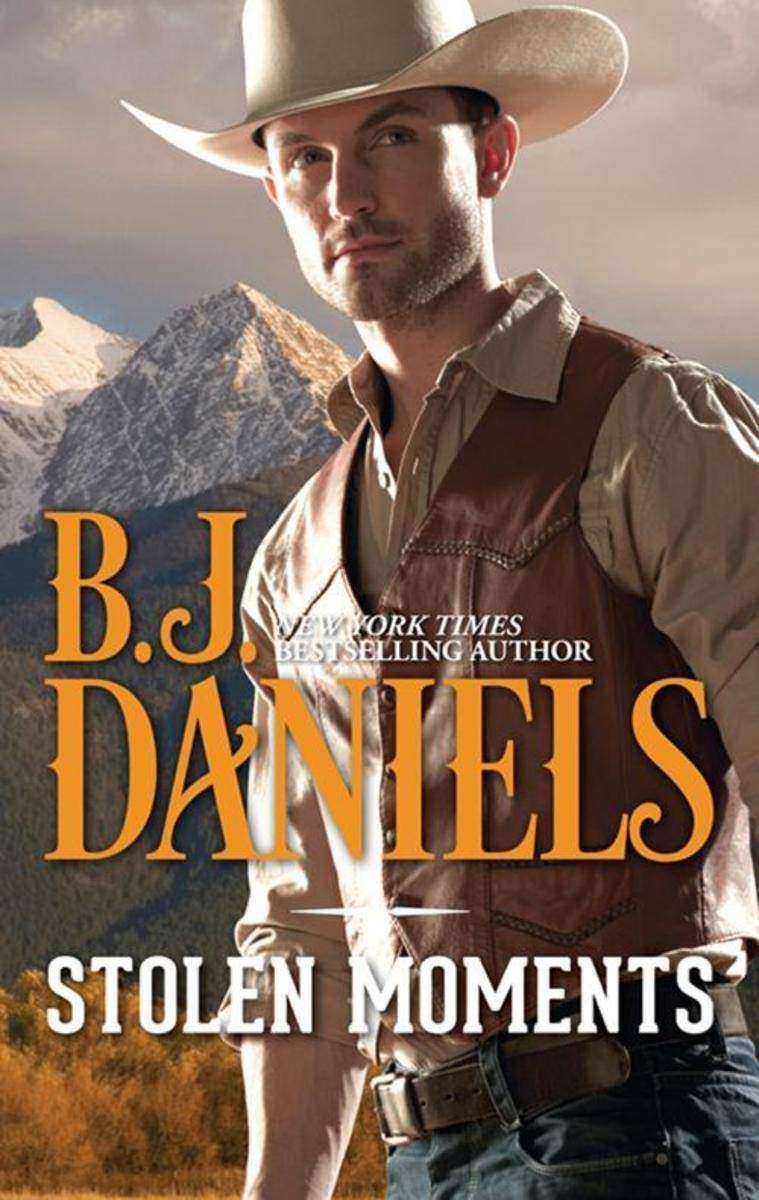
Stolen Moments (Mills & Boon M&B)
¥33.84
She needed protection for herself–and her baby… With ebony hair and bottomless eyes, Seth Gantry was the kind of man Olivia "Levi" McCord's father warned her about–and the last man on earth she'd ever fall for. Especially after the sinewy cowboy kidnapped her. Seth claimed to be her bodyguard and that he needed to take her to a safe house. But when the Montana mountain cabin blows up, he becomes all that stands between Levi and an untimely death. Running for their lives and with no one to trust, Levi is at the mercy of the sexiest man she'd ever met. Suddenly she isn’t certain whether the real danger comes from the killer on her trail…or the virile cowboy who's vowed to keep her alive.
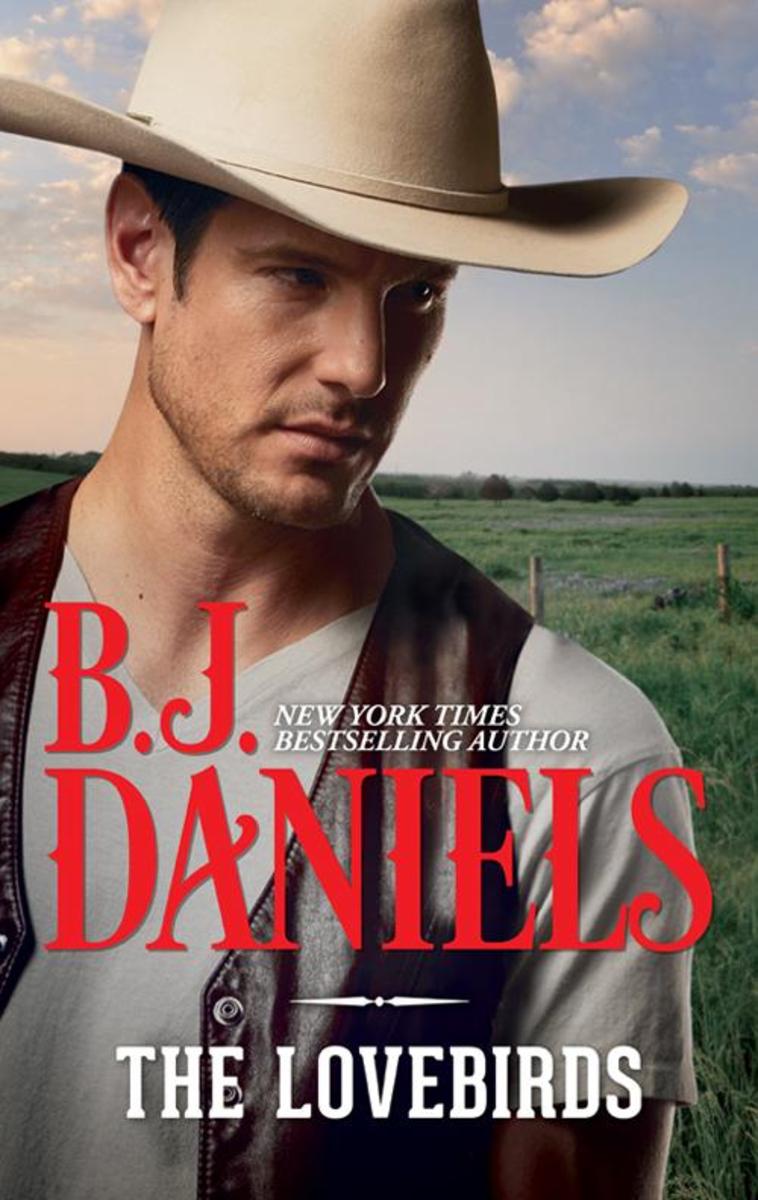
The Lovebirds (Mills & Boon M&B)
¥16.97
Old rivalries and long-buried passions are reignited by a Valentine's Day murder in this classic mystery by New York Times bestselling author B.J. Daniels. Jack McAllister is pulled right back to his past when he returns to his hometown. As the sheriff of River's Edge, Montana, he is called on to solve the gruesome murder of former classmate Peggy Kane, secretary to the resort community's most prominent citizen—and Jack's high school rival—Oliver Sanders. The case is further complicated by the presence of Jack's former sweetheart, Detective Tempest Bailey. Jack and Tempest will have to reconcile old feelings and untangle a complicated web of deceit to catch the killer and get justice for the past.

A Secret In Conard County (Mills & Boon Romantic Suspense) (Conard County: The N
¥30.61
Protected against her will… Healing from bullet wounds, fleeing the bomber who shot her, FBI agent Erin Sanders refuses to play it safe. Driving west, she’ll stay off the grid – until Deputy Sheriff Lance Conroe spoils her secret getaway. Taking her to his remote Wyoming home, the hunky lawman only hopes to protect her. Just what headstrong, untrusting Erin doesn’t want! But when another showdown with the bomber looms and a shocking betrayal surfaces, Erin wants Lance…badly. It’s time to indulge their dangerous attraction – because her plan to catch the killer could cost them both their lives.

A Soldier's Valentine (Mills & Boon Love Inspired) (Maple Springs, Book 2)
¥33.84
The Captain’s Homecoming Retired army captain Zach Zelinsky is determined to put his harrowing past behind him and start a quiet life selling his artwork. But the storefront building he buys comes with a tenant—a too-pretty tea shop owner who doesn’t give him a moment’s rest. Ginger Carleton is rallying the merchants of Maple Springs, Michigan, for a Valentine’s Day window-decorating contest. And she’s on a mission to convince Zach to lose the gruff exterior and open up to her. As February 14 approaches, the wounded warrior may just find that Ginger is offering exactly what he’s been missing: love.
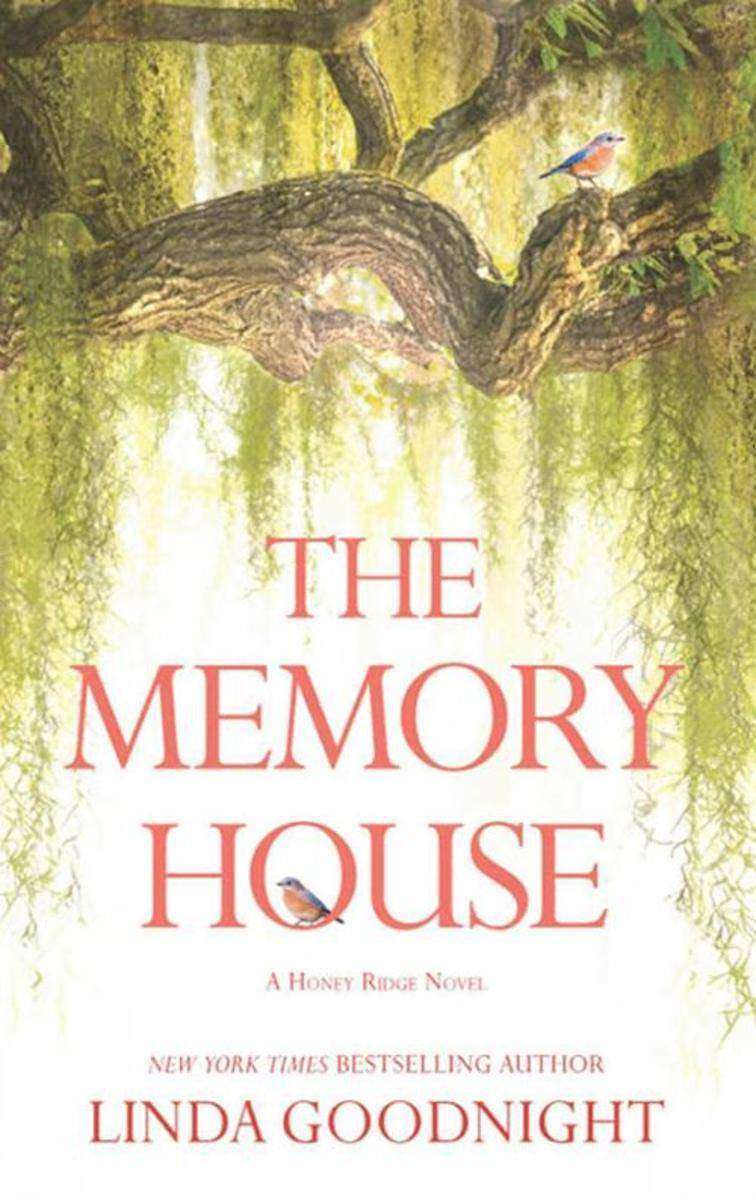
The Memory House (A Honey Ridge Novel, Book 1)
¥46.01
New York Times bestselling author Linda Goodnight welcomes you to Honey Ridge, Tennessee, and a house that's rich with secrets and brimming with sweet possibilities Memories of motherhood and marriage are fresh for Julia Presley—though tragedy took away both years ago. Finding comfort in the routine of running the Peach Orchard Inn, she lets the historic, mysterious place fill the voids of love and family. No more pleasure of a man's gentle kiss. No more joy in hearing a child call her Mommy. Life is calm, unchanging…until a stranger with a young boy and soul-deep secrets shows up in her Tennessee town and disrupts the loneliness of her world. Julia suspects there's more to Eli Donovan's past than his motherless son, Alex. There's a reason he's chasing redemption and bent on earning it with a new beginning in Honey Ridge. Offering the guarded man work renovating the inn, she glimpses someone who—like her—has a heart in need of restoration. But with the chance discovery of a dusty stack of love letters buried within the lining of an old trunk, the long-dead ghosts of a Civil War romance envelop Julia and Eli, connecting them to the inn's violent history and challenging them both to risk facing yesterday's darkness for a future bright with hope and healing.

The Rancher's Secret Son (Mills & Boon Desire) (Lone Star Legends, Book 5)
¥31.10
His lover’s little secret will change this rancher’s life. Only from USA TODAY bestselling author Sara Orwig! Wealthy rancher Nick Milan’s future was all planned: He’d marry the woman he adored and have a dazzling political career. Instead, their affair ended in bitter breakup. So he isn’t prepared for the surge of desire when he sees Claire Prentiss again. Then he learns her shocking secret. Losing Nick once was hard enough but now Claire’s faced with telling him about his son. The scandal could destroy everything he’s worked for. But their child needs his father. Could a happy ending still be theirs?

To Kiss A Cowgirl (Mills & Boon Superromance) (The Brodys of Lightning Creek, Bo
¥33.84
Their rivalry isn't new…but their attraction is! Wild spirit Jolie Brody never dreamed her new boss at the ranch supply store would be Dylan Culver. They haven't seen each other since high school, but he's just as straitlaced as ever. Good thing it's only temporary; Mr. Uptight is in town nursing an injury before he goes back to law enforcement. As they work together—surprisingly well—they can't deny their attraction. Letting a kiss lead to love is a commitment Jolie has never had to risk. So why is she now flirting with the possibility of a future with Dylan…a man with a dangerous job that makes everything complicated?

War Everlasting
¥24.43
KILLER COUNTDOWN A flight carrying military service personnel goes down in the Bering Sea, and the rescue team vanishes without a trace. Called in to investigate, Mack Bolan goes undercover in an Alaskan fishing city and hones in on a criminal empire fronted by a ruthless union boss. Bolan targets their prime operations one by one, and goes up against their army of criminals. On a desolate ring of islands, Bolan discovers that an active volcano isn’t the only force about to blow. A Russian mercenary and his group of fanatics are working to destroy America’s network of military bases and kill unsuspecting soldiers. But the Executioner is going to turn up the heat on this frozen hell and obliterate this lethal plot with pure molten payback.

Love At Christmas, Actually: The Little Christmas Kitchen / Driving Home for Chr
¥127.43
This festive season, indulge in everything you love about Christmas: food, family and love. Get that fire blazing, nab yourself some mulled wine and snuggle up with Jenny Oliver, A. L. Michael and Maxine Morrey as they show you that love is actually all around! The Little Christmas Kitchen This Christmas, all sisters Ella and Maddy want is a change of scene! But as the two agree to swap kitchens, trading London for Greece and vice versa, it suddenly seems that in among the icing sugar, cinnamon and cranberries, they’re missing one crucial ingredient: each other! Driving Home for Christmas Megan is driving home for the holidays – even if family for the last ten years has just been her daughter Skye. But Megan knows she has to give her parents a chance. She'd planned to reclaim her family for Christmas – but that didn't include irresistible ex, Lucas Bright. Winter’s Fairytale When a sudden blanketing of snow leaves Izzy stranded just before Christmas, she's in desperate need of a rescue. But that doesn't mean a cosy weekend with Rob in his swanky flat, watching London become a winter wonderland! Because Izzy and Rob have history and Izzy isn’t ready to go there, yet…
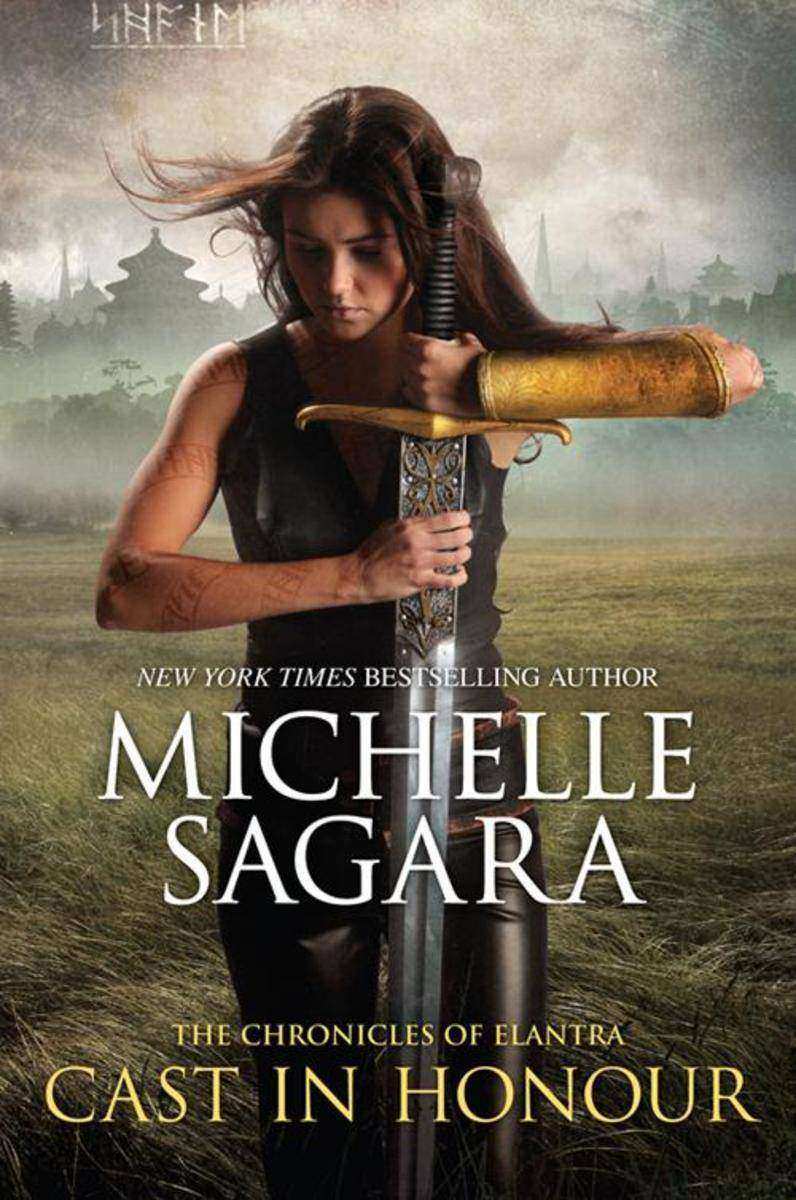
Cast In Honour (The Chronicles of Elantra, Book 12)
¥59.35
In the aftermath of a vicious battle between darkness and light, the city of Elantra has emerged victorious. But Shadows continue to haunt every corner of its streets… Elantra stands strong, but countless numbers of Hawks, the city’s staunchest protectors, were lost in the brutal attack. Humans, Barrani, Aerians, Leontines—none of the races emerged unscathed from the defense of the city. Homes were lost, families were scattered…and the outcast Barrani Lord Nightshade is missing from his castle in the fiefs. Yet as the chaos surrounding the battle begins to wane, Private Kaylin Neya’s duties must resume, despite her grief. Called in to investigate a triple murder in a quiet part of town, Kaylin and her companions are soon embroiled in a case that is anything but routine. Evidence of the deadly Shadows that still threaten the city leads to hints of ancient, forgotten magics…and everything can be traced directly to Ravellon, the heart of the Shadows and the darkness they contain. But it is there that Lord Nightshade will be found—if he still survives.
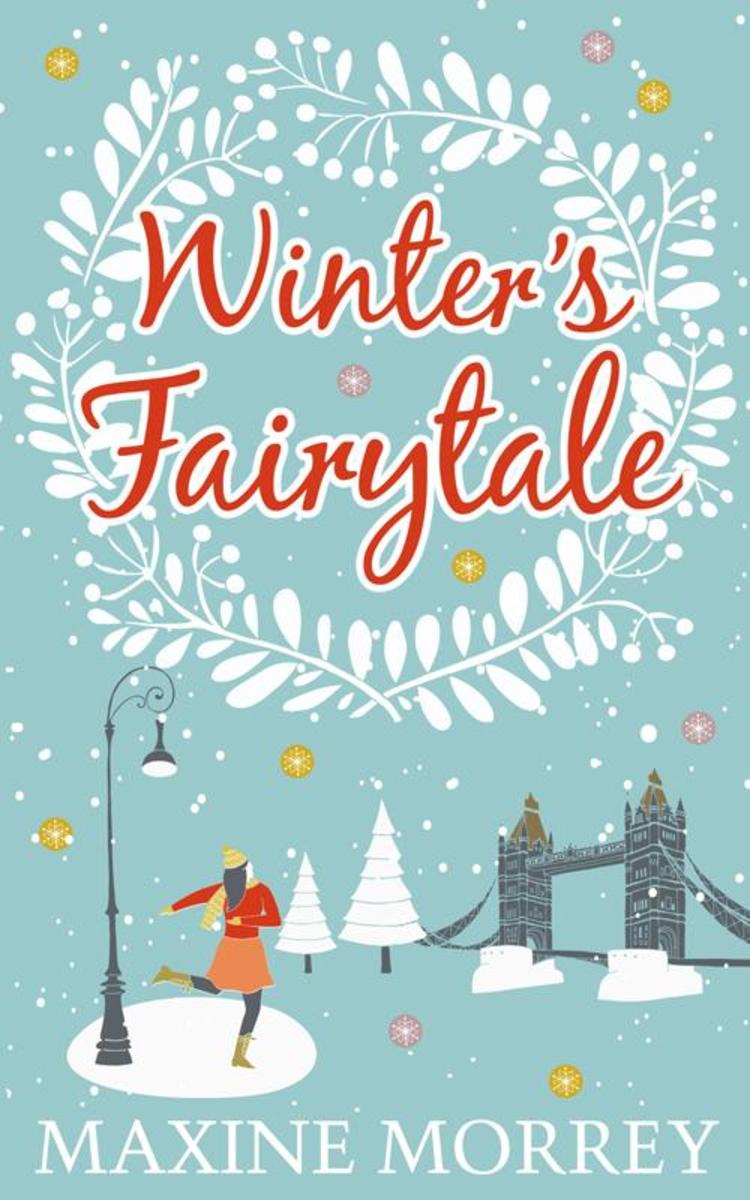
Winter's Fairytale
¥42.48
‘As a festive love story, this book has it all: romance, an engaging heroine you feel you could be friends with, a handsome caring hero…lots of warmth and humour and plenty of snow.’ – PortobelloBookBlog Step into a winter wonderland and fall in love in the snow this Christmas… Let it snow, let it snow, let it snow… A few weeks before Christmas and a sudden blanketing of snow has closed the roads and brought public transport grinding to a halt, stranding Izzy miles from home and in desperate need of rescuing. That doesn’t mean she’s looking to bump into Rob and spend a cosy weekend holed up in his swanky flat watching London become a winter wonderland! Because Izzy and Rob have history… Six months ago, they were standing in the vestry of a beautiful country church, while best man Rob delivered the news that every bride dreads on their big day. But at the time of year when anything is possible, can Rob and Izzy let go of the past and let Christmas work its magic? Or will this be one holiday wish that Izzy lets walk right out of her life… Winner of the Carina UK #WriteChristmas competition What reviewers are saying about Winter’s Fairytale ‘This book was a real wintry treat, with all the snow nicely contrasting with all the warmth the story exuded. I couldn’t help but find myself laughing away or sighing with happiness and I’m so excited to read more from Maxine if this is the kind of feel-good novel she’s capable of. I just want to read it all over again and probably will do in Christmases to come.’ – Sophie at Reviewed the Book ‘This is a beautiful fairytale for adults, set in and around Christmas, with a healthy helping of romance… this story draws you in and won't let you go. It is beautifully written, very easy and pleasurable to read.’ – Rachel’s Random Reads ‘Fantastic strong characters, along with beautifully de*ive writing enabled me to immerse myself into their world and become a fly on the wall. I love books that transport me to Christmas and make me feel all festive and warm and Winter’s Fairytale certainly delivered for me.’ – Jill Loves to Read
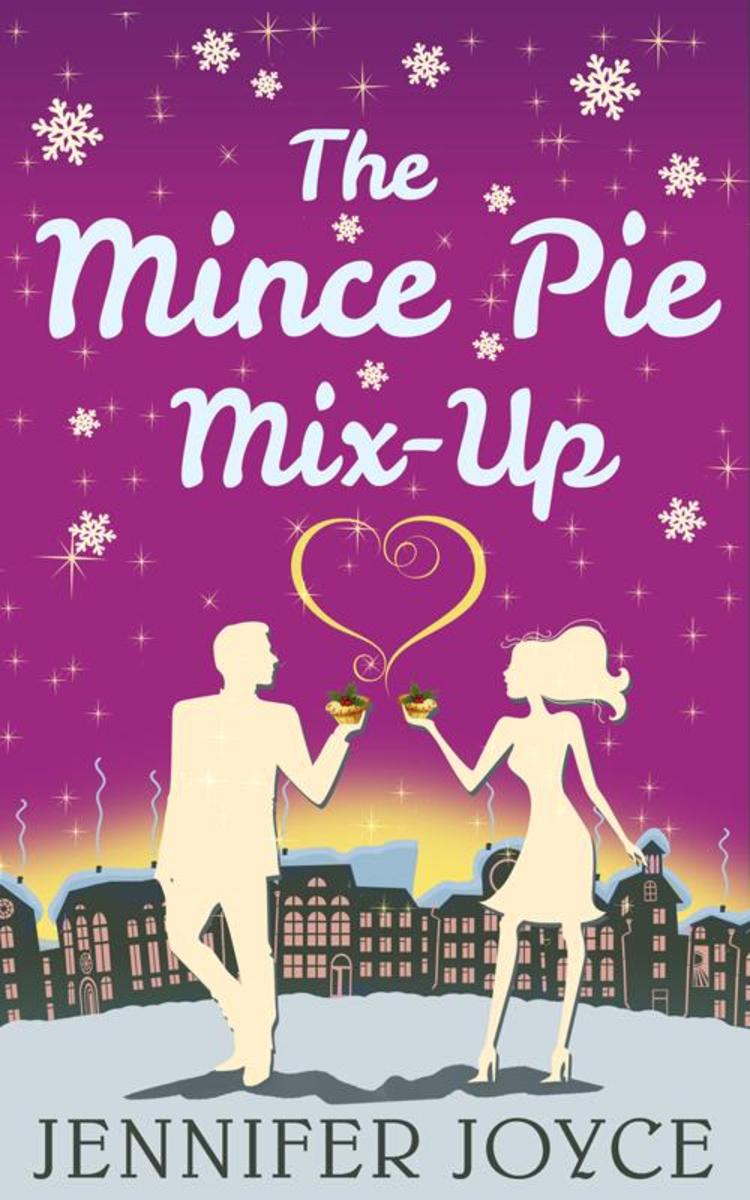
The Mince Pie Mix-Up
¥42.48
Curl up with a mug of hot chocolate and a warm mince pie for the perfect festive read this holiday season! ‘I wish I could live your life. I’d happily swap lives with you.’ ’Tis the season to be jolly but for Calvin and Judy the usual festive bickering has already begun! Judy’s convinced that her husband has it easy – no glittery wrapping paper, no playground gossip and absolutely no Christmas baking. Calvin wishes he could trade in his obnoxious boss and dull nine-to-five job to spend more time kicking back with his kids – how hard can Judy’s life really be? But after a magical mince pie mix-up, one thing’s for certain – by Christmas Day, life for Judy and Calvin will never be the same again. Perhaps the grass isn’t always greener after all… A hilarious, feel-good festive read, perfect to curl up with this Christmas. Fans of Carole Matthews, Jane Costello and Mandy Baggot will love this story! As will fans of Freaky Friday or 13 Going on 30! What readers are saying about The Mince Pie Mix-Up: ‘An adorable, fun-filled and festive read for everyone who likes to take a break from the relentless Christmas rush!’ ― The Nest of Books Review ‘I couldn't stop laughing and smiling my way through The Mince Pie Mix-Up…incredibly fun story, perfect for this time of year!’ ― Gilbster (Top 1,000 Amazon Reviewer) ‘Grab a couple of mince pies and a mulled wine and get into the Christmas spirit. Curl up with The Mince Pie Mix-Up this Christmas.’ ― Shellybackbooks Review
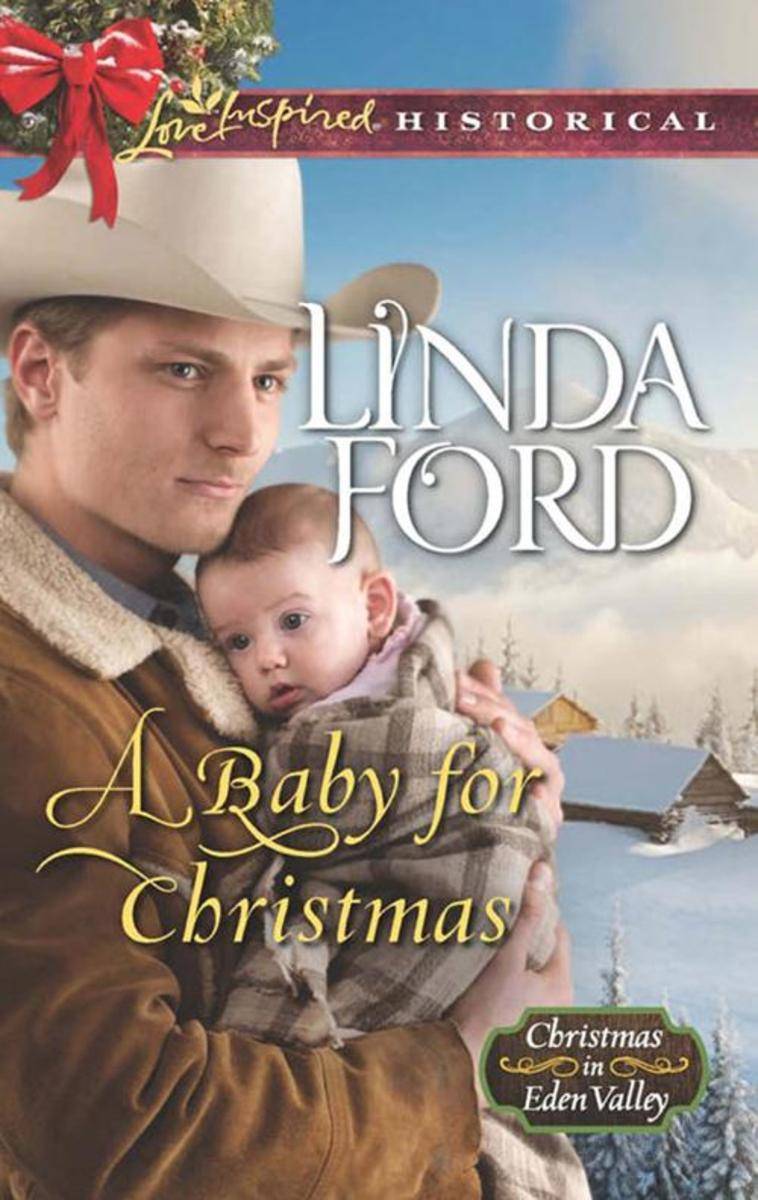
A Baby For Christmas (Mills & Boon Love Inspired Historical) (Christmas in Eden
¥31.10
From Pregnant Widow to Cowboy's Bride For widow Louise Porter, a temporary marriage to cowboy Nate Hawkins seems the only solution to protect her unborn child. Especially when she's threatened by her late husband's business partner. She needs a safe haven—and Eden Valley Ranch, where Nate works, is supposedly just the place. And yet, in Nate's care she feels secure and cherished as never before. The protection of his name is all Nate can offer Louise. He's not cut out for family life long-term. However, he'll risk anything to keep Louise safe during their perilous journey. Perhaps an early Christmas arrival will show them both just how precious—and how permanent—their new family can be…
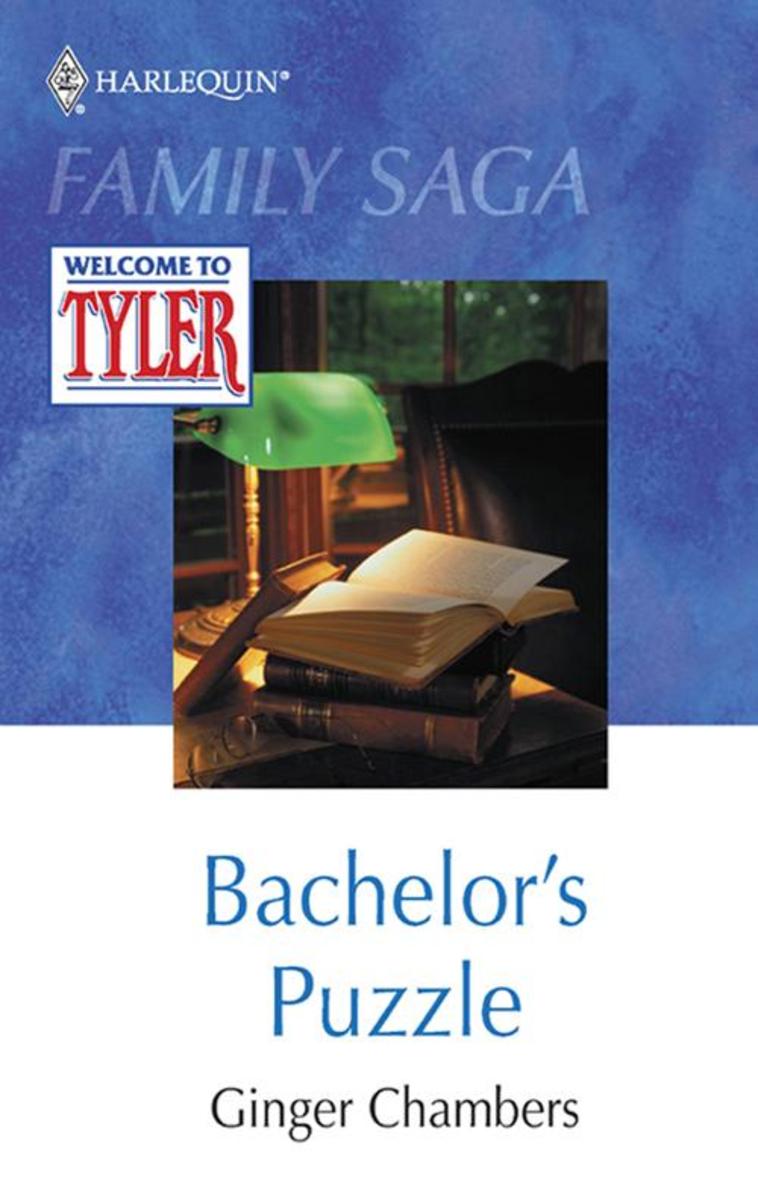
Bachelor's Puzzle (Mills & Boon M&B)
¥31.10
WELCOME TO TYLER BETTER ROLL UP YOUR SLEEVES There's been a flood at the old library, and the staff needs all the help they can get! Pitch in and catch up on the latest goings-on in America's favorite hometown. A LATE-BLOOMING PASSION Elise Ferguson, Tyler's head librarian, has slipped uneventfully into middle-aged spinsterhood. But lately she's been seen in the company of Robert Fairmont – that distinguished-looking visiting professor of architecture… OLD RIVALRIES RENEWED Elise's sister, Bea, is certain Robert must have ulterior motives. After all, why would any man be interested in Elise? Bea's snooping uncovers more than even she bargained for – and threatens everyone's happiness.


