


 购物车
购物车 个人中心
个人中心
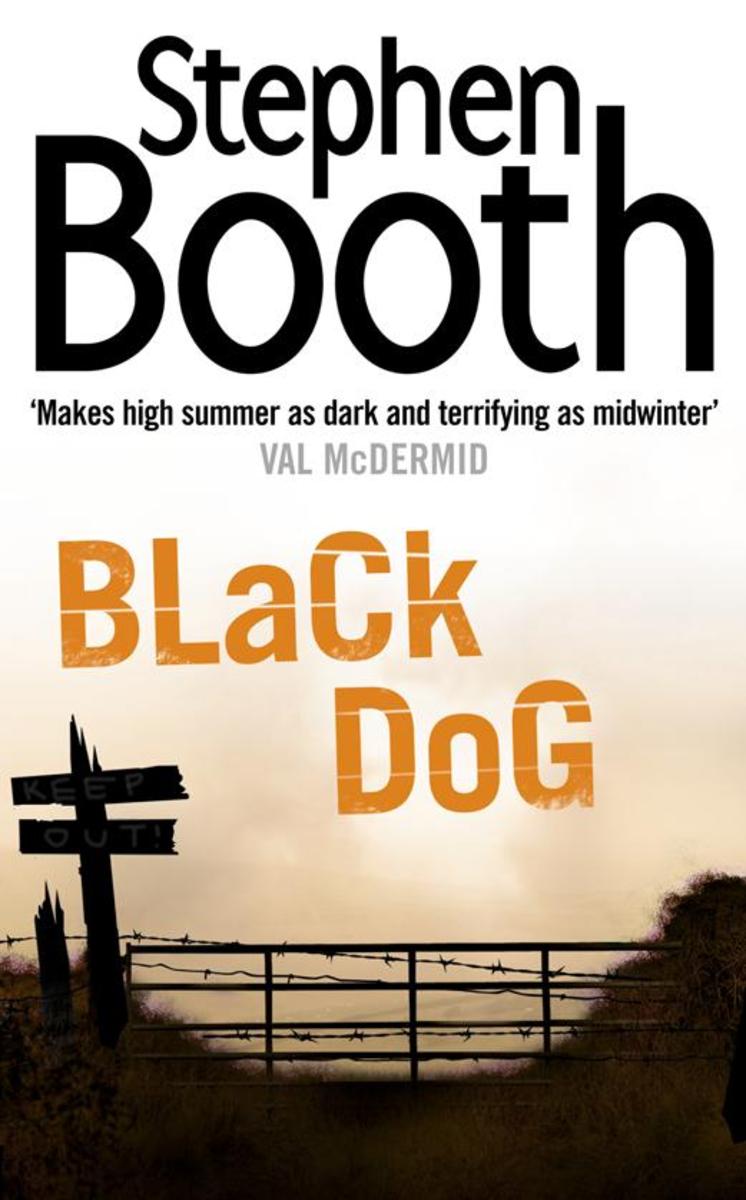
Black Dog (Cooper and Fry Crime Series, Book 1)
¥11.77
Dark, intense and utterly compelling, Black Dog was an extraordinary first novel from a writer who has rapidly become the most promising crime author to emerge in the genre in years. ‘Where Cooper stood was remote and isolated… but the smell that lingered under the trees was of blood’ The long hot Peak District summer came to an end when they found Laura Vernon's body. But for local policeman Ben Cooper the work has just begun. His community is hiding a young girl’s killer and a past as dark as the Derbyshire night. It seems Laura was the keeper of secrets beyond her years and, in a case where no-one is innocent, everyone is a suspect. But Cooper’s local knowledge and instincts are about to face an even greater challenge. The ambitious DC Diane Fry has been called in from another division, a woman as ruthless as she is attractive…

Blind to the Bones (Cooper and Fry Crime Series, Book 4)
¥79.76
A death in the family-from-hell bring Detectives Fry and Cooper to a remote and unfriendly rural community in their fourth psychological thriller. 'And as it grew dark, Withens became almost entirely silent. Except for the screaming.' A small village in the Peak District, Withens is troubled by theft and vandalism, mostly generated by local family-from-hell, the Oxleys. Now it is the focus of a murder investigation – a man's body has been found on the bleak moors nearby, and the man is an Oxley. To crack the case, DC Ben Cooper must break open the delinquent clan. His boss, DS Diane Fry, is also in Withens. Grim new evidence has turned up in the case of a missing student but her parents refuse to believe she could be dead. The darkness in Withens's heart is growing. And things are only going to get nastier…
Daddy’s Girls
¥61.51
The book beaches were made for. The Balcon sisters are London's paparazzi darlings. Serena, the country's most beautiful actress, Venetia the glamorous designer, Camilla the rising political star and Cate the feisty magazine editor. They have wealth, privilege and sizzling sex lives. But money doesn't buy you love. When their aristocratic and tyrannical father Oswald Balcon is found dead, the finger of suspicion points towards his glamorous daughters and their dazzling lives. Suddenly we find that beneath the ritzy fa?ade of the Balcon family lies a web of deceit and betrayal that hides a thirty-year-old secret that threatens to destroy them all. From the sun drenched beaches of Mustique to Manhattan's elite society circuit. From the exclusive fashion houses of Milan to the star-studded streets of Cannes, the Balcon Sisters play out their lives in a whirl of glitz and the ultra chic. But as tragedy and danger stalks each one of them, the scene is set for a stunning climax.

Ghost Girl: The true story of a child in desperate peril – and a teacher who sav
¥56.11
A stunning and poignant account of an extraordinary teacher's determination from the author of the #1 Sunday Times bestsellers The Tiger's Child and One Child. Jadie never spoke, never laughed, never cried. She spent every waking hour locked in her own private world of shadows. But nothing in Torey Hayden's experience had prepared her for the nightmare Jadie revealed to her when finally persuaded to break her self-imposed silence. It was a story too painful, too horrific for Hayden's professional colleagues to acknowledge. But Torey Hayden could not close her ears… or her heart. A little girl was trapped in a living hell of unspeakable memories. And it would take every ounce of courage, compassion, and love that one remarkable teacher possessed to rid the "Ghost Girl" of the malevolent spirits that haunted her.

Somebody Else’s Kids
¥63.77
From the author of Sunday Times bestsellers One Child and Ghost Girl comes a heartbreaking story of one teacher's determination to turn a chaotic group of damaged children into a family. They were all just "somebody else's kids" – four problem children placed in Torey Hayden's class because nobody knew what else to do with them. They were a motley group of kids in great pain: a small boy who echoed other people's words and repeated weather forecast; a beautiful seven-year-old girl brain damaged by savage parental beatings; an angry ten-year-old who had watched his stepmother murder his father; a shy twelve-year-old who had been cast out of Catholic school when she became pregnant. But they shared one thing in common: a remarkable teacher who would never stop caring – and who would share with them the love and understanding they had never known to help them become a family.
Mother of the Bride
¥51.50
3 women. 1 wedding. Whose big day is it anyway…? Grab your big hat and pearls for the funniest read of the year, a must-read for fans of Carole Matthews and Jane Green. Molly Foster's daughter Jess is getting married… To Molly's delight - and surprise. And with Molly's show featuring a wedding countdown, the whole town of Wells-next-the Sea is ecstatic - even as Molly worries that groom-to-be Max's commitment may not be all it seems… Meanwhile, Jess's control freak step-mother Marnie is determined to turn the event into a chi-chi society bash - a world away from the day that Jess envisaged. But does Jess really know what she wants? Especially when she meets the gorgeous Oliver… Though there's no going back now - is there? Can Jess take back control of her wedding - or will the mothers of the bride run the show?

Sorcerer’s Moon: Part Three of the Boreal Moon Tale
¥47.77
The stunning conclusion to a powerful epic fantasy from the worldwide bestselling author of the Saga of the Pliocene Exile. For sixteen years King Conrig Ironcrown has ruled High Blenholme, battling both to preserve the Sovereignty he ruthlessly established over the four provinces of the island kingdom and to repel the invading Salka monsters that threaten them all. His hope for the future is his heir, Prince Orrion, whose betrothal to a princess of the province of Didion should assure the future peace of High Blenholme. But Orrion has no interest in the girl, and is determined to marry instead his childhood sweetheart, Lady Nyla. Orrion's madcap twin, Corodon, dreams up a scheme to keep Orry and Nyla together by asking the supernatural Beaconfolk, who appear as lights in the sky, for a magical intercession. The twins are unaware that the Beaconfolk are fighting their own battle with others of their kind; to them all humans, even princes, are but pawns to be used in their own conflict. Their granting of Orrion's wish comes in a manner the twins far from expected, and precipitates chaotic infighting amongst the folk of High Blenholme. As battles rage both on the ground and in the sky, the only hopes for peace can be found deep in King Conrig’s murky past. His former spy, Deveron Austrey, has secret magical powers and no love for the Beaconfolk. And while many of his subjects no longer remember the King's first wife, Maudrayne, she has never forgotten that her son is the true heir to the throne of High Blenholme.
The Gold Falcon
¥42.18
Book twelve of the celebrated Deverry series, an epic fantasy rooted in Celtic mythology that intricately interweaves human and elven history over several hundred years. The powerful dweomermaster Nevyn has been reincarnated, but young Neb knows nothing of his previous life. Orphaned following a cholera epidemic, Neb and his younger brother arrive at the desolate farm of their last living relative and soon learn that a worse plague lurks beyond the western border of Deverry. The savage Horsekin tribes, spurred on by their new goddess, Alshandra, are raiding the villages and taking slaves as the first step in their plans to destroy both the nomadic Westfolk and the Deverrian farmers. Neb finds love and danger as he and his soulmate Branna are drawn inexorably into a war for the survival of the kingdom itself. Although they have powerful allies in the Westfolk dweomermasters Dallandra and Salamander, they are also facing mighty enemies, enemies that they have fought before in the past lives that they no longer remember… Intricately interweaving human and elvish history over several hundred years, Katharine Kerr's enthralling and moving tale of extraordinary characters living their many lives through exceptional times is epic fantasy on truly a grand scale.

Where’s Your Caravan?: My Life on Football’s B-Roads
¥66.22
Forget Torres, Rooney, Beckham and the like. This is what football is really about. One man’s story of a career in the lower leagues. Chris Hargreaves has been a professional footballer for twenty years. Having started out as a youth team player at Everton he made his debut for Grimsby Town in 1989 and was earmarked as their first million pound sale. It never happened. Instead he went on to play for Scarborough, Hull City, West Brom, Hereford United, Plymouth Argyle, Northampton Town, Brentford, Oxford United and Torquay United. Where's Your Caravan? is the sort of football memoir we don't see enough of these days - an account of life in the lower leagues. It takes us from his wild youth - lots of sex and drugs and drink - through to domesticated family man - school runs and flatpack furniture with plenty of football in between.

Scandals
¥54.25
Prepare to be SCANDALISED with international multi-million-copy selling Penny Jordan. For over five decades, Amber Fulshawe has been at the helm of Denham Silk, the Macclesfield mill that she inherited from her Grandmother. With many tumultuous years behind them, Amber and her beloved husband Jay, are looking to the legacy that their own grandchildren will inherit. But long-buried secrets and hidden desires have always lain at the heart of the family as this generation are finding out. Ambitious Robert is ready to assume his title and is about to marry his adoring cousin Olivia. But a dark passion threatens to destroy everything he holds dear. Naive beauty Kate is about to learn that love can be twisted and cruel. Damaged Nick blames his failing marriage on his domineering Father-in-law, but is something else at the heart of his woes? Domineering Cassandra's influence is waning, but she has one last nasty surprise… On the eve of her 80th birthday, will Amber be able to guide her family and Denham Silk towards a safe future?
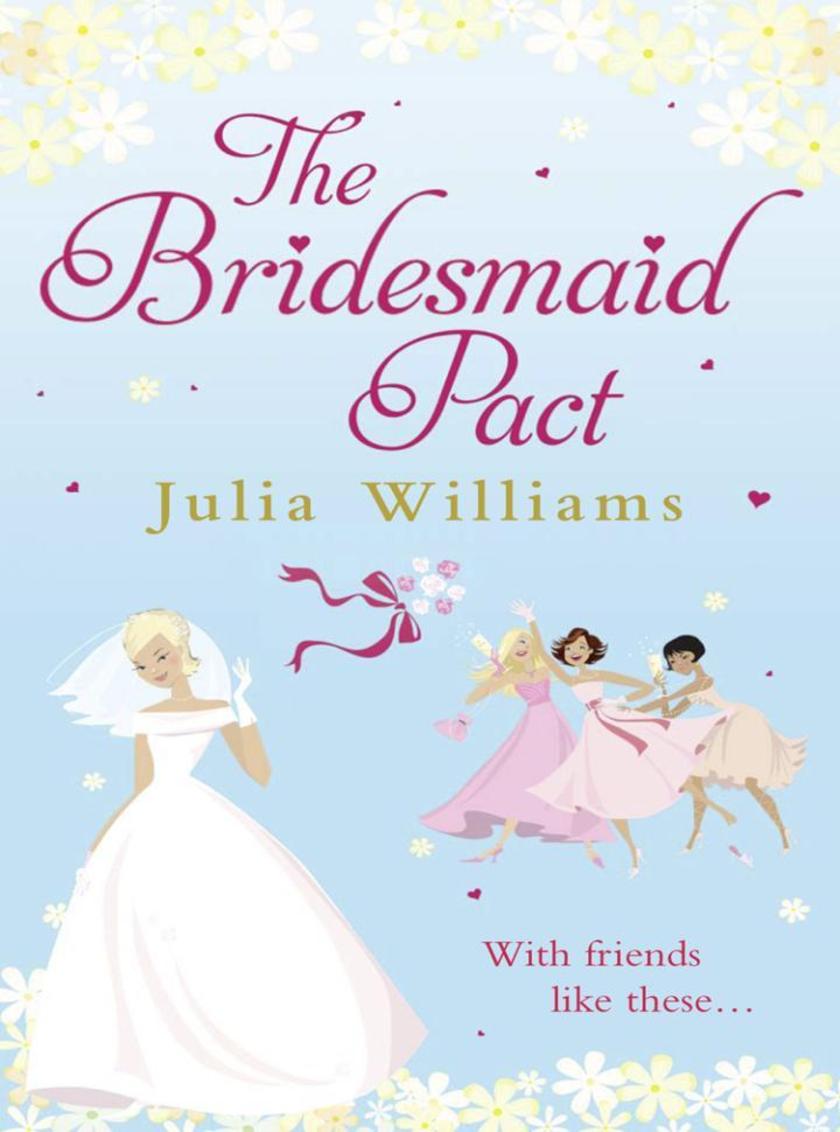
The Bridesmaid Pact
¥57.09
One for all and all for one… As children, Sarah, Dorrie, Beth and Caz were inseparable and vowed to one day be each others bridesmaids. But life got complicated. Now they have one last chance to fulfil their promise. Dorrie is planning her ultimate Disney wedding to the delicious Darren and is determined to have her friends back together for the Big Day. But Dorrie's fairytale is not all that it seems… Beth is desperate for a baby and is starting to resent her more fertile friends. Is a mistake from her past about to destroy her future? Caz's wild streak has tested her friendships over the years. One by one she has let her friends down, not least when she commits the ultimate betrayal to Susan. Can she change her ways and more to the point, does she really want to? Married to Steve, Sarah is plagued by doubts that she went down the wrong path. Does Sarah have the strength to make a change and will she ever be able to forgive Caz? As Dorrie's big day dawns, all eyes are on whether the ultimate act of friendship will be honoured and obeyed…

No Way Out
¥51.50
When TV talkshow host Elias Claymore is accused of raping a 19-year-old girl he turns to his friend Alex Sadaka to defend him. But Alex has a fight on his hands, for Claymore – a former Black Power activist – is anything but squeaky clean and this time even the DNA evidence is stacked against him. Forced to share the defence with a lawyer from Claymore’s insurance firm, Alex must battle his way through jury tampering, conflicts of interest and vicious hate mail to uncover the truth. With Claymore a vulnerable target in prison and the prosecution scenting blood, Alex knows that time is running out. Could it be that this time there is No Way Out? Prepare to lose sleep with this breakneck thriller for fans of John Grisham and Jeff Abbott.

Dreams (Collins Need to Know?)
¥69.26
This one-stop practical guide will show you how to understand, record and interpret your dreams. To make your progress easier, it comes in a handy two-colour format with expert tips and advice throughout. This is an easy-to-read, comprehensive guide for people looking to interpret and analyse their dreams. It looks at common dreams, and the more bizarre, teaching the dreamer to read between the lines, and control their dreams. The book starts with a history of dreams, looking at the Egyptians, Ancient Greeks and Chinese, among others, and moving on to Freud and Jung. It also looks at what happens when we sleep, why we dream, and what kind of dreams we have. The bulk of the book contains alphabetical list of people, animals, feelings and situations, as well as colours and shapes, that you might experience in your dreams, giving advice on interpreting them in the context of the dream as a whole. There is also a dream diary for the reader to record their dreams and explore possible meanings and links to other dreams, or events in their lives.

Food Facts for the Kitchen Front
¥63.27
The perfect gift for yourself or someone else, this classy reproduction of a 1940's cooking manual combines time-tested wisdom with practical, no-nonsense recipes. Start with a handful of recipes, add a dash of nutrition, a sprinkle of time-tested wisdom and bake for 70 years. Finish with a light dusting of nostalgic charm, and what you get is this beautifully reproduced facsimile of a genuine archive title. For times when healthy home-cooking matters more than cordon bleu, we have resurrected this excellent war-time food guide. As revelant in our current thrift minded times as in the forties when it was written this excellent cookery book makes the perfect gift for yourself or someone else. Uniform with this guide: Food Facts for the Kitchen Front o Make your Garden Feed You o The archive collection- because good advice never goes out of date.

Damage Control
¥54.25
An exhilarating tale of modern espionage and adventure featuring US Navy intelligence officer Alan Craik. During a fleet exercise in India, Alan Craik faces a minefield of explosive events that threaten to tear the country and a US battlegroup apart. A military base is attacked by 'fringe elements'; an Indian submarine mutinies and then shoots down a US Navy aircraft and a group of Indian scientists are killed when they are attacked with Sarin gas. Craik, ignoring the conventional wisdom that the incidents are unrelated, believes that a fanatical group have control of certain elements of both the Indian government and its armed forces. Then the rebels seize part of India's nuclear arsenal. Suddenly, a U.S. carrier battle group joins Pakistan, China, and Saudi Arabia on the target list. The world is faced with the spectacle of a nuclear-capable nation in the hands of a self-destructive religious cult, and it's up to Craik and a team of specialists to re-capture the nukes and prevent massive devastation. But with time running out and the cult leader still at large, are they already too late?

The Allotment Book
¥110.46
A wonderfully illustrated celebration of the blood, sweat and joy to be had ‘growing your own’ in an allotment – with the in-depth, practical gardening know-how for which Collins is renowned. No longer considered the preserve of old men in sheds, allotment gardening is currently enjoying a renaissance of interest. People of all ages and from all walks of life are digging their own plots in search of the ultimate in fresh, organic produce – and you cannot get more locally-sourced than your own allotment! This book testifies to the vibrancy of allotment culture, aiming both to inspire the next generation of plot-holders and to provide all the practical knowledge needed to turn a patch of soil into a lifelong adventure. Open to all the eco-gardening techniques, and the various weird and wonderful ways people make use of their plots, contents include: ? the history of allotments – from 19th century origins, through wartime ‘Dig for Victory’, to the cosmopolitan communities of today; features photos and interviews with current plot-holders ? planning your perfect allotment – finding it, assessing it, clearing the ground and working out what to grow ? the brown stuff – all you need to know about soil management, the key to growing success ? choosing a gardening method – organic, biodynamic, rotation beds, companion planting, greenhouse, multi-level, potager, cottage garden, and so on… ? the hard stuff – constructing sheds, compost bins, cold frames, fruit cages, ponds, seating and play areas ? selecting crops – what and how to grow, from parsnips and peas to chilli peppers and lemon grass ? cultivation techniques – digging, sowing, feeding, weeding and harvesting, plus troubleshooting pests and diseases ? the allotment calendar – extensive, month-by-month look at what’s in season, jobs for now and looking ahead

What Women Want Men To Know
¥72.40
What makes women tick? And how can women and men use this knowledge to make a great relationship? Top relationships expert tells you how ‘What Women Want Men To Know’ is a book for men and women alike. Barbara De Angelis reveals what makes women tick, just why it is they do what they do – in relationships, in bed, and in day to day communication. And what they want from their men. Essential reading for the man who wants to understand his partner better, it is also a must for the woman who wants to understand her own relationship and needs: “first and foremost this book is for you as a woman to read. It wasn’t written just to help men understand you – it is an invitation for you to know and understand yourself more than you ever have before… ” The book includes the top 10 turn offs for women in bed and the top 10 turn ons. At a time when our stressed-out lifestyles are making healthy, fulfilled relationships increasingly elusive, the foremost female writer in this genre has provided, yet again, a route to a greater understanding of the one you love. This is vintage De Angelis.

Sentimental Murder: Love and Madness in the Eighteenth Century (Text Only)
¥82.01
On an April evening in 1779, a woman is shot on the steps of Covent Garden. Her murderer is a young soldier and Church of England minister; her lover, the Earl of Sandwich, one of the most powerful politicians of the day. This compelling account of murder, love and intrigue brings Georgian London to life in a spellbinding historical masterpiece. On an April evening in 1779, Martha Ray, mistress of the Earl of Sandwich, was shot on the steps of Covent Garden by James Hackman, a young soldier and minister of the Church of England. She died instantly, leaving behind a grief-stricken lover and five small children. Hackman, after trying to kill himself, was arrested, tried and hanged at Tyburn ten days later. The story was to become one of the scandals of the age. It seemed an open-and-shut case, but why had Hackman killed Ray? He claimed he suffered from ‘love’s madness’ but his motives remained obscure. And as Martha Ray shared the bed of one of the most powerful and unpopular politicians of the day (and one of Georgian London's greatest libertines), the city buzzed with the story, as every hack journalist sharpened his pen. John Brewer has written an account of this violent murder that is as thrilling and compelling as the best crime novel. Atmospheric, beautifully written, and alive with the characters and bustle of 18th-century London, the book examines in minute detail the events of a few crucial moments and gives an unforgettable account of the relationships between the three protagonists and their different places within society. However, the interest in Martha's murder did not end with the Georgians, and ‘Sentimental Murder ‘ranges over two centuries, populated by journalists, biographers and historians who tried to make sense of the killing. And so it becomes an intriguing exploration of the relations between history and fiction, storytelling and fact, past and present. John Brewer has transformed a tragic tale of murder into an historical masterpiece.

I.B.S.: Reduce Pain and Improve Digestion the Natural Way (Eat to Beat)
¥72.40
Irritable Bowel Syndrome is now extremely common with at least one in three adults being affected. A controlled diet is the most effective way to deal with this painful problem. A new title in the Eat to Beat series, following up on the enormous success of Eat to Beat Arthritis Eat To Beat IBS provides recipes and advice to help with IBS and digestive pain. Written by a medical doctor (and Telegraph columnist) and and a well-known special diets cookery writer, it offers the health advice and support that IBS sufferers need, as well as providing a range of 60 good gut recipes. Irritable Bowel Syndrome is often the result of a basic food intolerance and can often flare up at times of stress. Aside from well known IBS ‘baddies’ such as caffeine, there is a range of common ‘trigger’ foods. Readers are encouraged to focus on different food ranges to help them identify their personal IBS triggers. Contains: ? All of the mainstream medical information – in an ‘easy to digest’ style. ? The low-down on the full range of effective complementary health treatments available. ? 60 good gut recipes that allow IBS sufferers control their diet, whilst still enjoying their food.
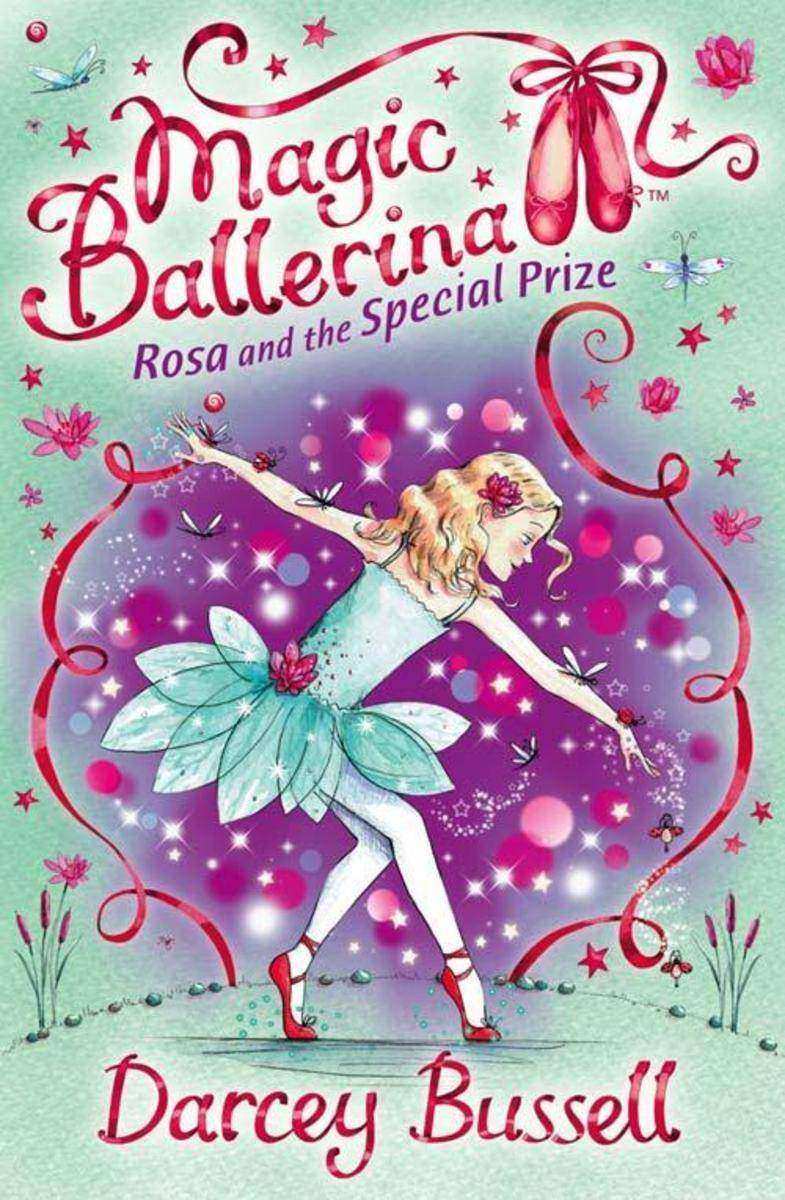
Rosa and the Special Prize (Magic Ballerina, Book 10)
¥16.87
Return to the magical world of Enchantia in the captivating second series of Magic Ballerina by Darcey Bussell! King Neptune, ruler of the underwater kingdom, has accused King Tristan of taking his special sceptre and as a punishment he's cast a storm spell over Enchantia! Can Rosa and Nutmeg find out who really has the sceptre or will Enchantia be gloomy forever?

Delphie and the Magic Ballet Shoes (Magic Ballerina, Book 1)
¥11.09
Prima Ballerina Darcey Bussell takes you on a captivating journey to a faraway land of ballet and magic, the wonderful world of Enchantia! The first of a sparkly new series for all young girls who dream of being a ballerina, or simply love to dance… Delphie’s greatest dream is to become a ballerina, and she can't quite believe it when she is invited to join the new ballet school. But there's more to Madame Zarakova's than it at first seems and with the help of some very special ballet shoes, Delphie finds herself spinning into a whole new world…


