


 购物车
购物车 个人中心
个人中心

The Doctor Takes a Princess / Pregnant with the Prince's Child: The Doctor Takes
¥34.73
The Doctor Takes a Princess When Princess Bridget Devereaux was recruiting doctors for her country, she encountered an obstacle: sexy, single dad Ryder McCall. She soon found herself falling hard for Ryder. But their lives pulled them in different directions. Could the princess and the doctor possibly find their way to happily ever after? Pregnant with the Prince’s Child Janis and Mykal had married on a wing and a prayer but as descendants of two feuding families, how could their love survive? Now, Mykal’s discovered he’s a Prince! Still…Janis yearns for him. In the real world can a girl from the bad side of town become a Princess? Janis knows she owes it to her unborn baby to try…

Made for Marriage (Mills & Boon Cherish)
¥30.90
Single dad Noah never expected to feel a spark when arguing with his daughter’s headstrong riding instructor. Worse, Callie is resolutely single. But soon Noah’s seeing more than just her sass: a shattered heart in need of healing. Could he make her see that he – and his family – were for keeps?
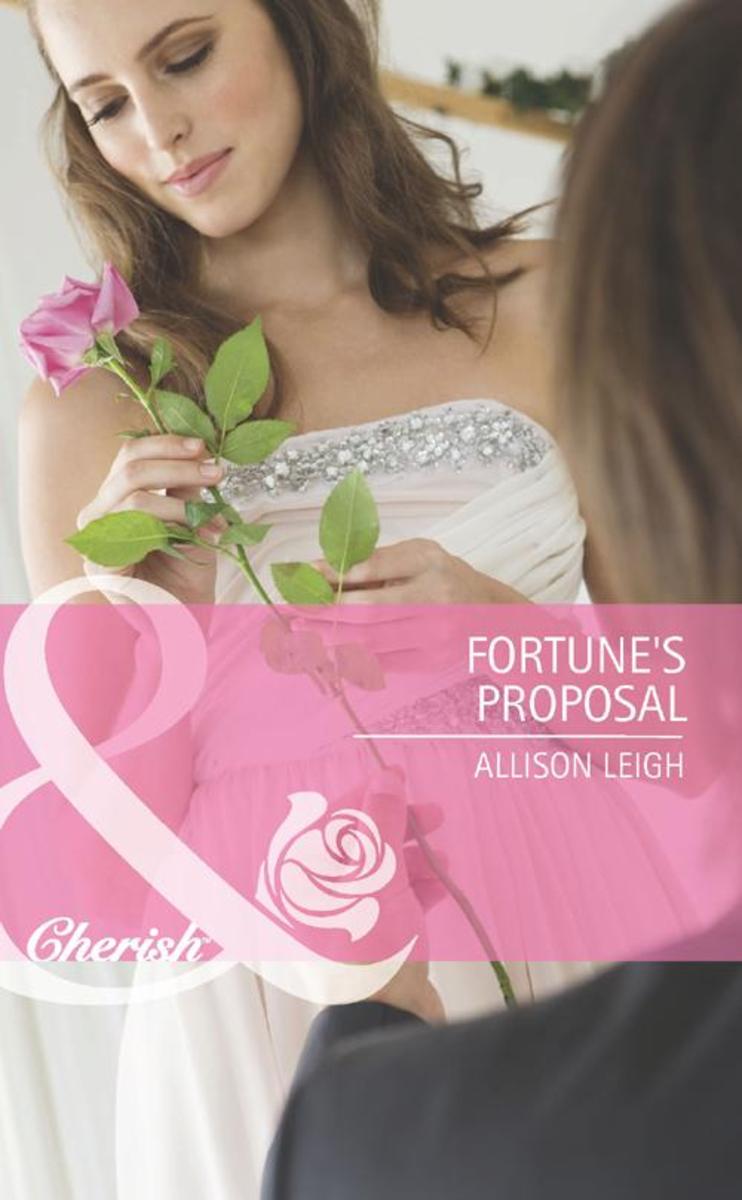
Fortune's Proposal (Mills & Boon Cherish)
¥30.90
Nobody closes a deal like Drew Fortune. So the Fortune scion is certain that his loyal assistant Deanna will agree to a convenient marriage to protect his inheritance. But Deanna could turn the temporary deal into a permanent takeover…of a certain reticent playboy’s heart!

Courting His Favourite Nurse (Mills & Boon Cherish)
¥30.90
Ann Grady knew better than anyone that love was complicated. When she’d left her home town, she thought she was leaving her past heartbreak behind for good as well. But practically the moment she returned to care for her injured parents, she stumbled headlong into their confidant – her first love, Jack Lightfoot. And Jack’s determined to get reacquainted.

Now She's Back (Mills & Boon Heartwarming) (Smoky Mountains, Tennessee, Book 1)
¥31.10
Was he angry at her for leaving, or for coming back? When Emma Candler returned to Bliss, Tennessee, after four long years trying to find-or lose-herself, she was intent on restoring more than just her nan's termite-tortured old house. She had her life and her dignity to rebuild, too. Every small-town gossip knew all about the family fiasco she had fled from, and the fiance she had hoped would follow. But Noah Gage wasn't a follower. And he didn't seem too pleased to see her back…or impressed with her attempts to make amends. Maybe there was nothing left between them. But Emma had to try to make things right.
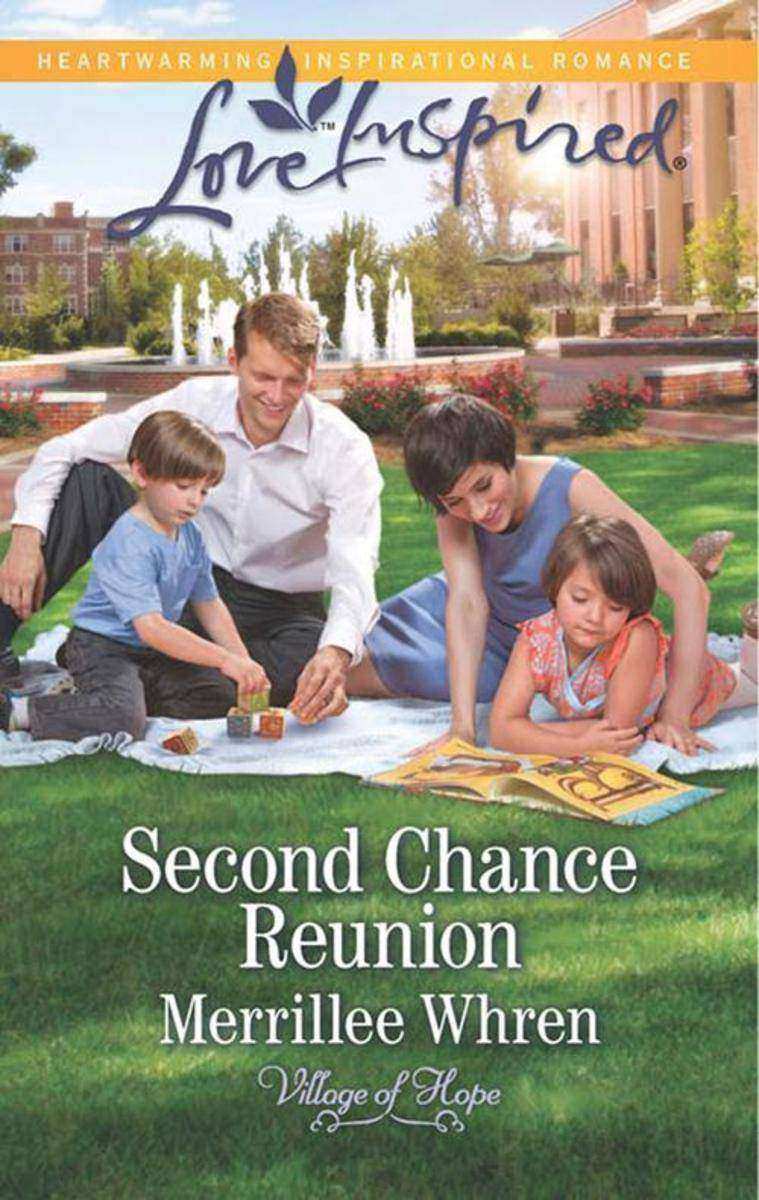
Second Chance Reunion (Mills & Boon Love Inspired) (Village of Hope, Book 1)
¥31.10
A Mom’s Redemption Annie Payton’s lost everything she once held dear. The Village of Hope is her last chance to rebuild the life she’s frittered away so needlessly. But as she works to regain custody of her children, she never imagines an unlikely advocate in her corner—ex-husband Ian Montgomery. Ian's always willing to help those down on their luck, but his ex-wife's a different story. Her past betrayal is still a painful memory. As the Village’s lawyer, he’ll represent her—but that’s as far as he’ll allow his feelings to go. Can Annie show Ian that she’s changed in every way but one—the love she still has for him? Village of Hope: A community built on love

Small-Town Fireman (Mills & Boon Love Inspired) (Gordon Falls, Book 6)
¥31.10
The Catch of a Lifetime Karla Kennedy doesn’t belong in Gordon Falls. The aspiring restaurateur has far loftier goals than running her grandfather’s quaint coffee shop. The only person who seems to relate is handsome volunteer firefighter Dylan McDonald. Dylan understands dreams—he risked everything to start his fishing charter business. Now, he needs Karla’s help to make it succeed. As they work together, Karla and Dylan quickly discover that while their timing may be bad, their chemistry is undeniable. Karla always thought of Gordon Falls as a layover on her way to a big city career, but could it be where her heart truly belongs? Gordon Falls: Hearts ablaze in a small town

Always Something There To Remind Me
¥39.24
It's never too late to live your dreams! Divorcee Lydia had forgotten all about the list she made almost thirty years ago until she finds the old notebook in her attic. At fifteen, her goals seemed simple enough: -Overcome her fear of flying -Learn to ice skate like Jayne Torvill -Sing in front of an audience -Get a date with a rock star! Now she has just six months to make her teenage dreams come true, before she turns 45. Still petrified of planes and with no celebrity notch on her bedpost Lydia elects to tackle her teenage bucket list: one dream at a time, aided and abetted by her trusty sidekicks Trudi and Des. From falling flat on her bum at the ice rink to a hilarious encounter with a hypnotist, Lydia's journey throws up more chaos than she ever imagined, but Des is there to hold her hand every step of the way. Could it be that the man who's helping her achieve the dreams of the past will do much, much more...and unlock the key to her future!

A Change Of Heart (Mills & Boon Cherish)
¥31.10
David James was looking forward to going back to his old hospital as a consultant surgeon, until the reaction of cardiologist Lisa Kennedy made him wonder if he could live down his old playboy image. He'd never had any trouble charming women before, but Lisa seemed to be immune, and the more he tried to impress her, as a colleague and potential lover, the more she seemed to back away. How could he convince her that he would happily give up his bachelor ways for her?
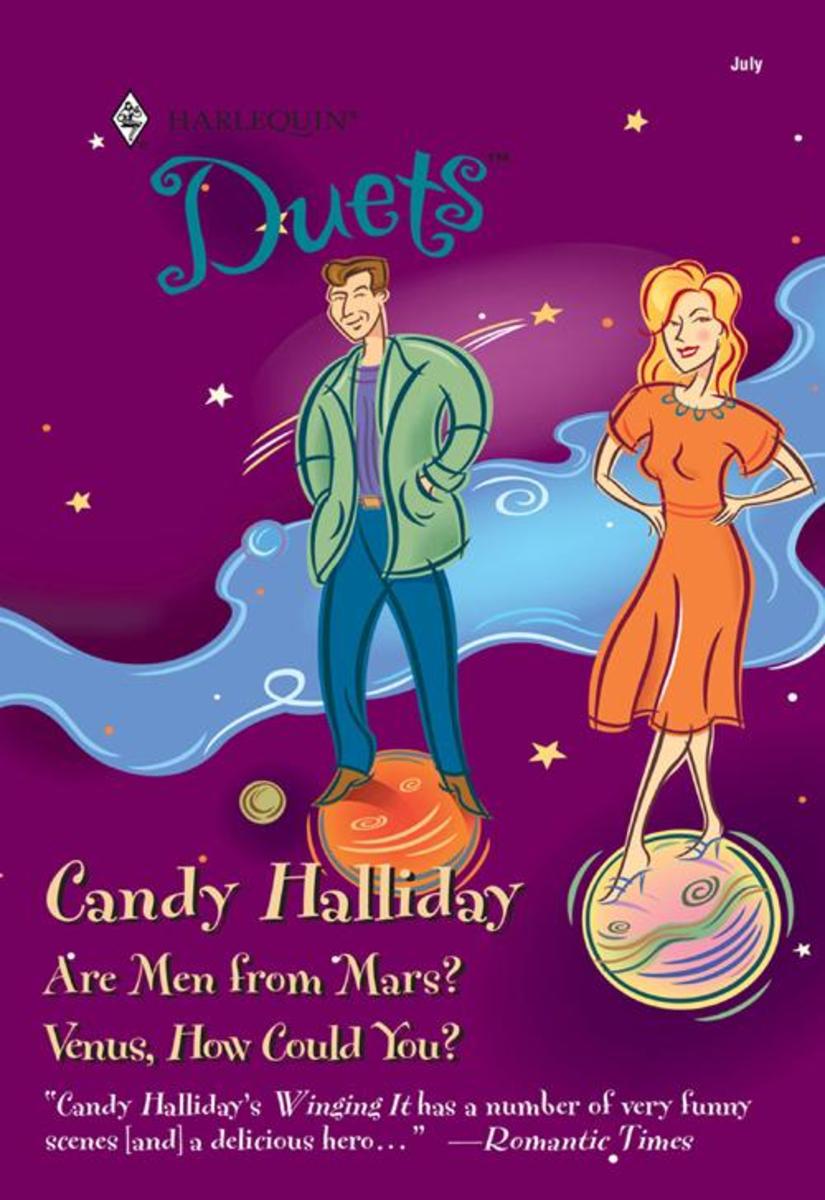
Are Men From Mars?: Are Men From Mars? / Venus, How Could You? (Mills & Boon Sil
¥38.65
Where the Morgan twins go, trouble is sure to follow! Are Men from Mars? by Candy Halliday When Dr. Madeline Morgan is whisked away in a mysterious craft near Roswell, she almost buys in to all those crazy UFO reports. But wait, these little green men are wearing army fatigues! And hunky Captain Brad Hawkins isn't all that little…. How is Maddie to know that she's stumbled upon a top secret military base and has innocently threatened national security? And how can she control herself under house arrest–with Brad? Venus, How Could You? by Candy Halliday Mary Beth Morgan has finally hit the big time–a gig on a hot new soap opera, a home on the beach and enough star power to show her face with confidence at her upcoming high school reunion. But Mary Beth can't believe her high school sweetheart, Zack, has the nerve to show his face–gorgeous as it is–after what he did to her, or that he's trying to win her back! How can she forgive the guy who left her at the altar?

Dark Obsession (Mills & Boon M&B)
¥27.27
Was he her protector? Or a predator… It was the final glimpse Erin Ramsey would have of her sister: Megan's body, drained of blood, lying lifeless in a New York alley. Tormented by the fact that she hadn't been there when her sister needed her, Erin promises herself that she'll find Megan's killer. Detective Nicholas Slade tells Erin to go home, back to California. He says he doesn't want her to be the murderer's next victim. But his warning comes too late. Erin is already in danger, in thrall to a man who cloaks himself in shadows and haunts her nightmares. Erin is desperate to find her sister's murderer–and desperate to avoid becoming his prey–but she feels her own life spinning out of control as the silver-eyed specter from her dreams lures her deeper into his world. Nick may be the only one who can help her, but she's afraid to trust him. Her deep attraction to the secretive detective is tinged with fear. He only works the night shift. He wears sunglasses in the dark. And he may have been the last person to see Megan alive… Previously published.

What Phoebe Wants (Mills & Boon M&B)
¥27.27
Move over, boys! Half of humanity–the half with the Y chromosome–seems to think mild-mannered Phoebe Frame is a pushover. Like her ex, her boss, oily used-car salesmen and the anonymous owner of those roving hands in the morning elevator to name just a few. But now she's got a new motto. And it starts What Phoebe Wants… Phoebe is taking control. She's sitting in the driver's seat and she's not taking orders from anyone. Not even the hunky young thing who's captured her eye. If Jeff Fischer wants to hitch a ride, then he better hang on. Because before she's through, those Ys will have learned a thing or two…!

Yesterday's Scandal (Mills & Boon M&B)
¥27.27
A mysterious stranger has come to town… Former cop, Mac Cordero, was going undercover one last time to find and extract revenge on the man who fathered, then abandoned him. All he knew was that the man's name was McBride–a name, he discovered, that was synonymous with scandal in the small town of Honoria, Georgia. Which was jut was well…because Mac intended to raise a little hell! …and he wants her! Responsible, reliable Sharon Henderson was drawn to the sexy-as-sin stranger the moment he drove into town. Dark and dangerous, he made her feel carefree, reckless…and very, very desired. She couldn't help falling for him, hard and fast. Then she discovered that their love was based on a lie…

How To Bake The Perfect Christmas Cake (Home for the Holidays, Book 2)
¥40.02
Don't miss the brilliant second book in the Home for the Holidays series from Gina Henning. A delicious cake. A guy who is late. Merry Christmas to all. After the best Thanksgiving of her life, Lauren Hauser can’t wait to see Jack-the-pecan-hoarder so they can finally be in the same place at the same time. Long distance really doesn’t work when you’re head over heels! But when Jack doesn’t turn up at the airport Lauren is left wondering if their relationship is really as great as she thought? Sure Jack’s kisses were delicious and when he looked at her, her knees felt weak, but what did they really know about each other? A big Hauser family Christmas is just what is needed for this situation. Not only will her mom be decking the halls with boughs of monstrous-Christmas-decorations, but Lauren is baking a Christmas cake to once again claim dessert queen of the family! Will Jack fit in with the Hauser clan? Or will Lauren have to face the music…and accept that not every holiday romance was made for a happily ever after… The Home for the Holidays series: Book 1 - How to Bake the Perfect Pecan Pie Book 2 - How to Bake the Perfect Christmas Cake Book 3 - How to Bake the Perfect Apple Pie Book 4 - How to Bake the Perfect Wedding Cake

The Italians: Alessandro, Luca & Dizo: Alessandro's Prize / In a Storm of Scanda
¥53.76
Pride. Scandal. Passion! Lily Parisi is determined to get on with her life – minus a man! A break in Milan sounds ideal – until she bumps into Alessandro del Marco, a face from her past. He finds it impossible to keep away from Lily – and she finds it hopeless to resist… Poppy lost her heart – and her reputation – to the dangerously suave Luca Ranieri. Only to be crushed when aristocratic Luca chose duty over desire. Now Poppy finds herself stranded by a violent storm – with the deliciously dishevelled Luca! Princess Regina Vittorio has devoted her life to royal duty, but as her arranged wedding day approaches she wants just one moment with the man she loves… Royal gardener Dizo Fornese knows Gina is untouchable, but he has one chance to claim his princess bride!

The Temptation of Dr. Colton (Mills & Boon Romantic Suspense) (The Coltons of Ok
¥30.61
After a hit-and-run, all the victim can remember is Eric Colton, the doctor who rescued her. She has no identity and no memory, except the flash of a gunshot and a man’s name. But she knows she’s in grave danger. Eric can’t explain his irresistible attraction to the mystery woman who transforms him from workaholic surgeon to vigilant bodyguard. He can’t let her out of his arms, not when danger stalks her. Eric doesn’t know what she’s forgotten – but he knows people will kill to ensure she never remembers… and it’s up to him to stop them.

8 Sandpiper Way (A Cedar Cove Novel, Book 8)
¥50.91
Perfect for fans of Maeve Binchy' - Candis I have something to confide in you. I think my husband, Dave, might be having an affair. I found an earring in his pocket, and it's not mine. I'm also worried because some jewellery was recently stolen from an old woman - and Dave used to visit her a lot. You see, he's a pastor. And a good man. I can't believe he's guilty of anything, but why won't he tell me where he's been when he comes home so late? The Cedar Cove series is now a hit Channel 5 TV series, appearing on UK screens on CHANNEL 5USA

These Things Hidden
¥61.90
Imprisoned for a heinous crime when she was a just a teenager, Allison Glenn is now free. Desperate for a second chance, Allison discovers that the world has moved on without her… Shunned by those who once loved her, Allison is determined to make contact with her sister. But Brynn is trapped in her own world of regret and torment. Their legacy of secrets is focused on one little boy. And if the truth is revealed, the consequences will be unimaginable for the adoptive mother who loves him, the girl who tried to protect him and the two sisters who hold the key to all that is hidden… Praise for Heather Gudenkauf 'A great thriller, probably the kind of book a lot of people would chose to read on their sun loungers. It will appeal to fans of Jodi Picoult' - Radio Times 'Deeply moving and exquisitely lyrical, this is a powerhouse of a debut novel' - Tess Gerritsen 'Beautifully written, compassionately told, and relentlessly suspenseful' - Diane Chamberlain

The Backup Plan (The Charleston Trilogy, Book 1)
¥53.76
It's finally time for Dinah Davis to go home. The world-weary correspondent wants to settle down with the sweet guy she left behind in South Carolina's Low Country. Instead, she's confronted by his black-sheep brother, anddespite her longing for serenitysparks fly. How can she possibly trade her perfectly safe backup plan for a risk-taking guy like Cordell Beaufort after all the dangers she's already faced? But to Dinah's dismaybackup plan or nother heart has its own ideas. "

Too Good to Be True
¥54.05
When Grace Emerson's ex-fiancé starts dating her younger sister, extreme measures are called for. To keep everyone from obsessing about her love life, Grace announces that she's seeing someone. Someone wonderful. Someone handsome. Someone completely made up. Who is this Mr. Right? Someone…exactly unlike her renegade neighbor Callahan O'Shea. Well, someone with his looks, maybe. His hot body. His knife-sharp sense of humor. His smarts and big heart. Whoa. No. Callahan O'Shea is not her perfect man! Not with his unsavory past. So why does Mr. Wrong feel so…right?
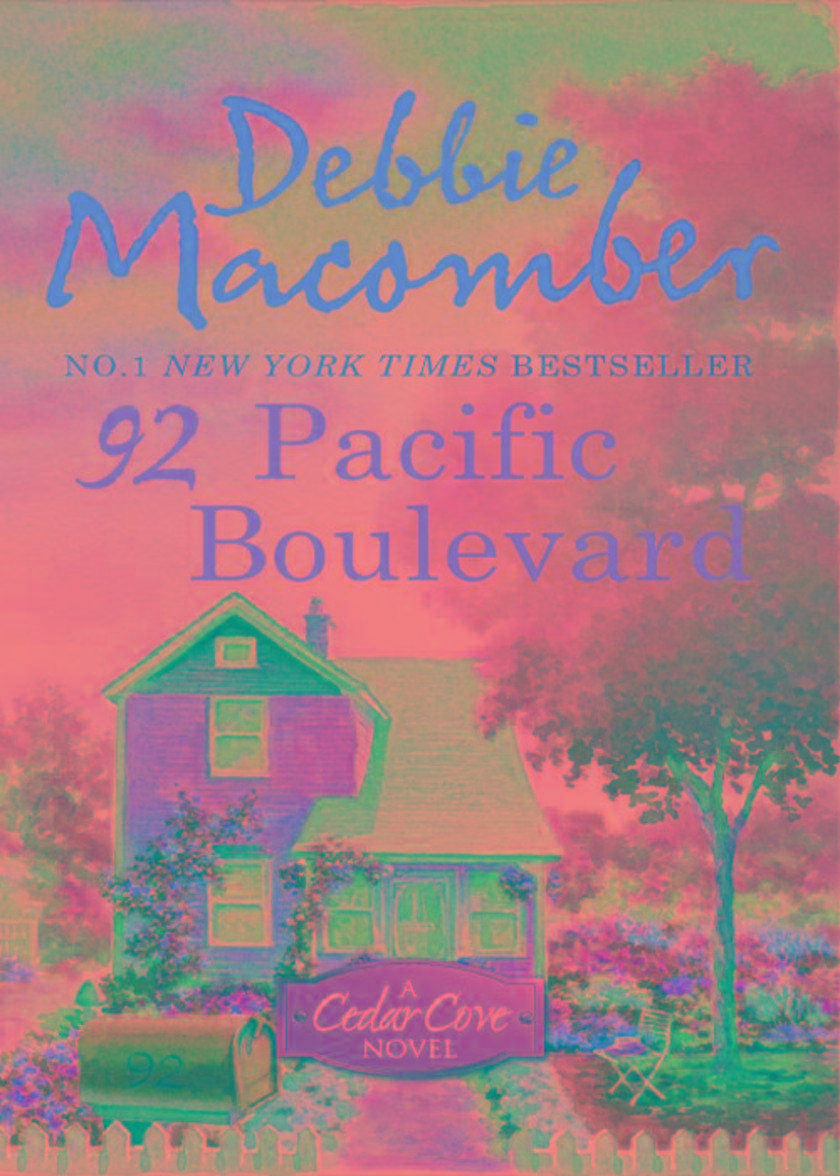
92 Pacific Boulevard (A Cedar Cove Novel, Book 9)
¥50.91
Perfect for fans of Maeve Binchy' - Candis Dear Reader, I'm not much of a letter writer. As the sheriff here, I'm used to writing incident reports, not chatty letters. But my daughter, Megan–who'll be making me a grandfather soon–told me I had to do this. So here goes. I'll tell you straight out that I'd hoped to marry Faith Beckwith (my onetime high school girlfriend) but she ended the relationship last month, even though we're both widowed and available. There were a few misunderstandings between us, some of them inadvertently caused by Megan. However, I've got plenty to keep me occupied, like the unidentified remains found in a cave outside town. And the fact that my friend Judge Olivia Griffin is fighting cancer. And the break-ins at 204 Rosewood Lane–the house Faith happens to be renting from Grace Harding… If you want to hear more, come on over to my place or the sheriff 's office–if you can stand the stale coffee! Troy Davis


