


 购物车
购物车 个人中心
个人中心
The Monogamy Myth
¥95.11
One of the most valuable survival guides for men or women recovering from a partner's affair.Featured on Oprah, 48 Hours, CNN, Fox News, and in USA TodayIn this landmark book, Peggy Vaughan helps us to understand the stages of suspicion, confrontation, and the healing process necessary to recover, including rebuilding self-esteem, the marriage/divorce dilemma, and seeking professional help. Packed with practical, time-tested advice and successful strategies, this authoritative guide reveals: You are not alone estimates are that at least 60 percent of men and 40 percent of women will have an extramarital affair. People from all walks of life have affairs devoted parents, religious individuals, regardless of income or social class. Our society contributes to the prevalence of affairs. An affair does not mean the end of a marriage. Recovery is fueled by honest, open discussion of the affair. Substantiated by case studies, ongoing research, and the author's own experience, this updated third edition includes information on the role of the Internet in relationships, shares the words of others who are recovering from affairs, and describes the six-step program for establishing communication between partners that can actually prevent affairs.
Escape on the Pearl
¥101.00
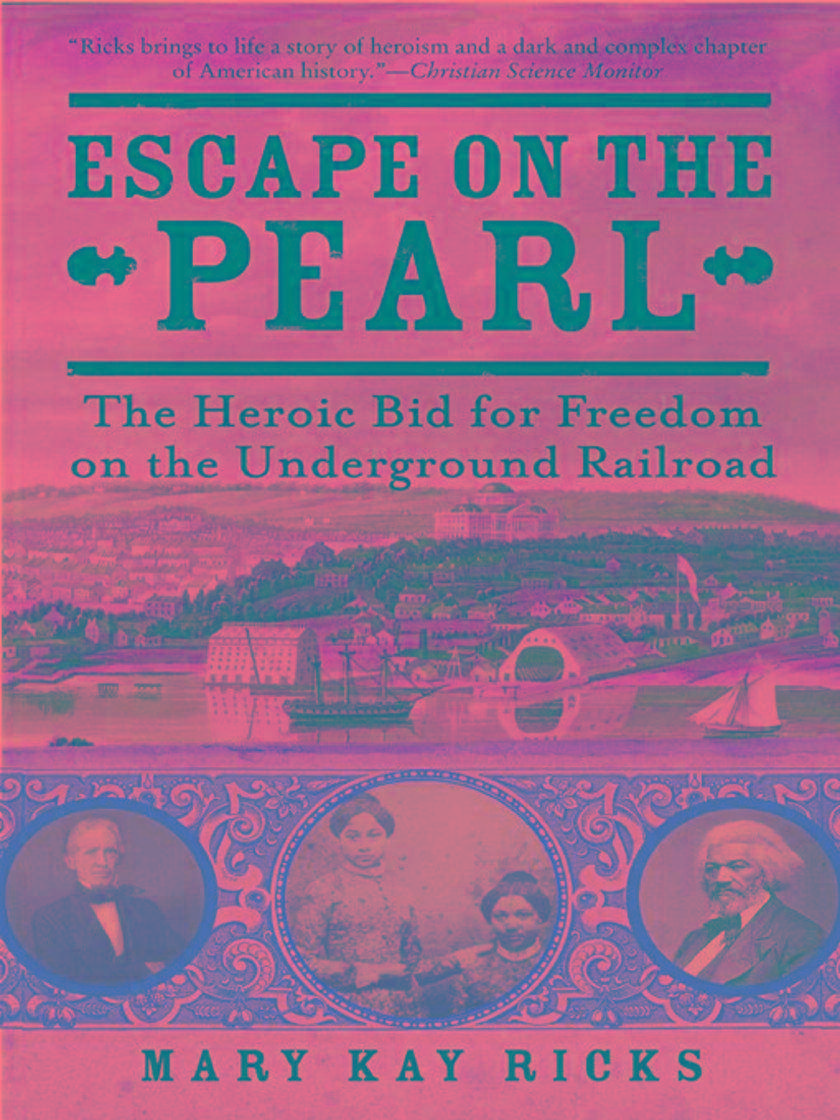
On the evening of April 15, 1848, nearly eighty enslaved Americans attempted one of history's most audacious escapes. Setting sail from Washington, D.C., on a schooner named the Pearl, the fugitives began a daring 225-mile journey to freedom in the North and put in motion a furiously fought battle over slavery in America that would consume Congress, the streets of the capital, and the White House itself.Mary Kay Ricks's unforgettable chronicle brings to life the Underground Railroad's largest escape attempt, the seemingly immutable politics of slavery, and the individuals who struggled to end it. Escape on the Pearl reveals the incredible odyssey of those who were onboard, including the remarkable lives of fugitives Mary and Emily Edmonson, the two sisters at the heart of this true story of courage and determination.
Strange Things Happen
¥83.03
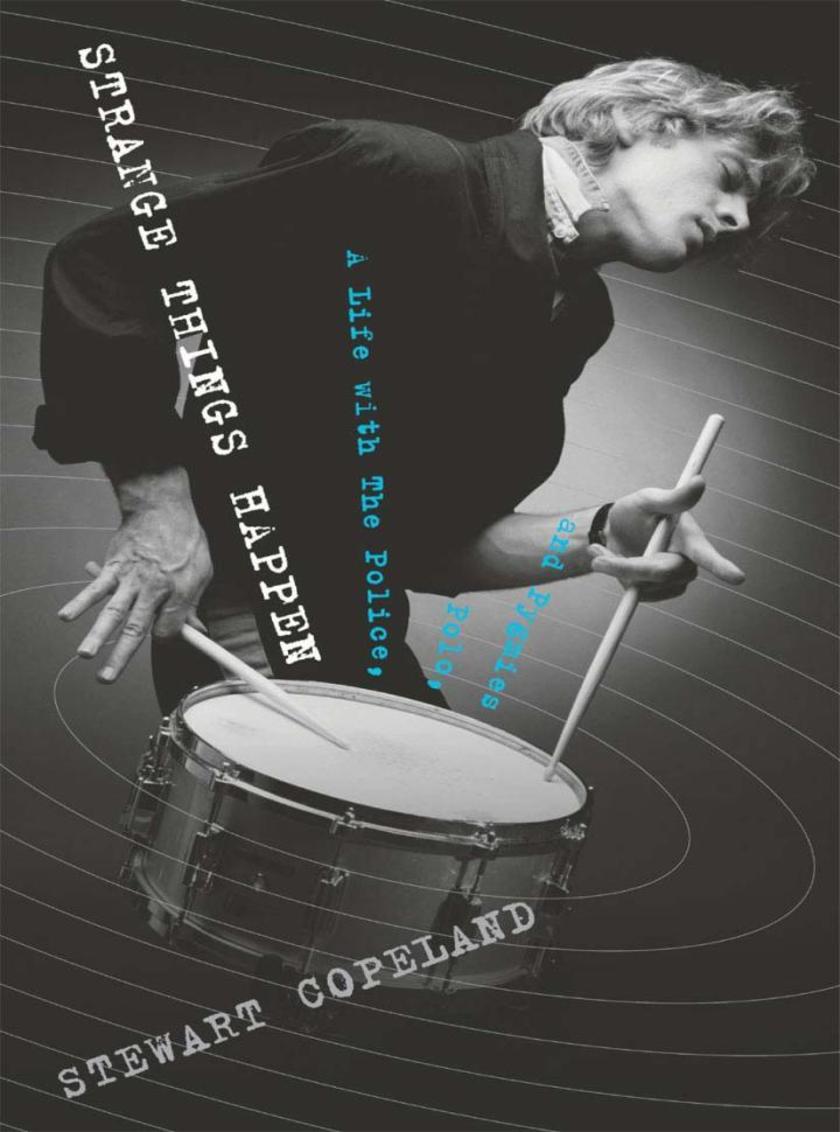
When Stewart Copeland gets dressed, he has an identity crisis. Should he put on "leather pants, hostile shirts, and pointy shoes"Or wear something more appropriate to the "tax-paying, property-owning, investment-holding lotus eater" his success has allowed him to becomeThis dilemma is at the heart of Copeland's vastly entertaining memoir-in-stories, Strange Things Happen. The world knows Copeland as the drummer for The Police, one of the most successful bands in rock history. But they may not know as much about his childhood in the Middle East as the son of a CIA agent. Or be aware of his film-making adventures with the Pygmies in the deepest reaches of the Congo, and his passion for polo (Brideshead Revisited on horses). In Strange Things Happen we move from Copeland's remarkable childhood to the formation of The Police, their rise to stardom, and the settled-down life that followed. It ends with a behind-the-scenes view of The Police's extraordinarily successful reunion tour. It's a book of amazing anecdotes, all completely true, which take us backstage in a life that is fully lived.
Motherpeace
¥110.71
For over a decade, Motherpeace has been an inspiration and oracle for women all over the world. Motherpeace recovers the positive, nurturing peace-oriented values of prepatriarchal times, and brilliantly combines art, history, mythology, folklore, philosophy, and comparative religion with an informed spiritual and feminist perspective.Vicki Noble challenges us to celebrate our ancient peaceful heritage and to reclaim our right as a people to a life without war. The book is a vision of hope and transformation, made even more powerful by the vibrant pictorial images of the seventy-eight Motherpeace tarot cards.Motherpeace shows how traditional myths and symbols can provide ideas and images for understanding the meaning and power of the Goddess for women and men today.
The Greatest Music Stories Never Told
¥112.23
Did you know about: The ballet that sparked a riot The rock star who became an astrophysicist The song that saved Wheaties The man killed by his own conducting The controversy behind "Mary Had a Little Lamb"Prepare to be astonished, bewildered, and stupefied by the tantalizing tidbits of music history collected here: amazing stories about jazz, classical, country, rock 'n' roll, hip-hop, show tunes, composers, band names, song lyrics, instruments, technology, controversies, and more. Learn how the FBI spent years trying to decode the lyrics of one rock song. Discover how Watergate provided the inspiration for A Chorus Line. Find out how one megahit was born in a history class, while another was dashed off in a fit of anger at actor Robert De Niro. Meet the monk behind solfège, the aviation pioneer who created Muzak, and the prisoner who literally sang himself out of jail. Then there's the most important person in rock 'n' roll history—chances are you've never heard of him! Continuing the successful Greatest Stories Never Told series, Rick Beyer has delivered another classic volume for history and music buffs alike.
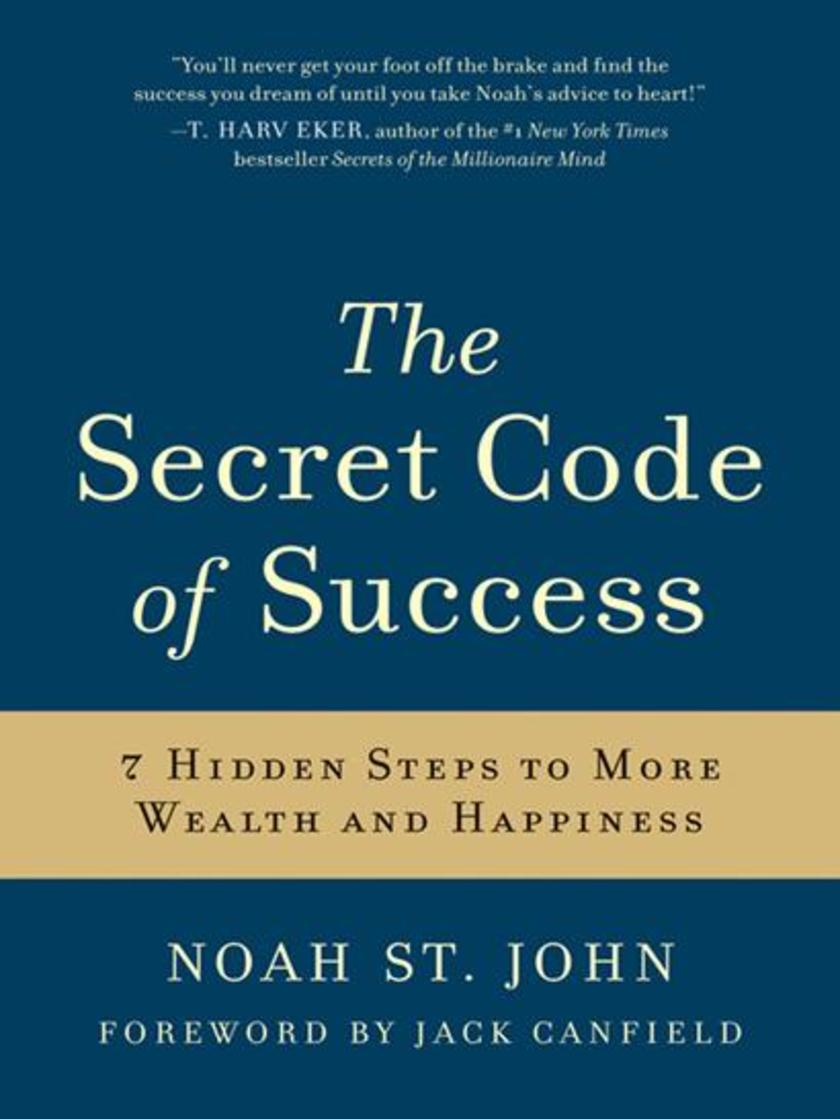
The Secret Code of Success
¥121.80
Americans spend more than $11 billion a year on self-help products everything from books to diet pills to career coaches to seminars. So why with all this time, money, and energy being spent are so few people living the life they really wantWhy are millions of smart, talented, motivated people still going through life with one foot on the brakeHere's the real Secret: You don't need any more how-to-succeed information to reach your full potential.The problem isn't lack of motivation or lack of information. The real problem is that most people focus on the "how-to" aspects of success taught by traditional self-help programs, without coming to terms with what productivity expert Noah St. John calls your "head trash" the subconscious, emotional roadblocks that prevent people from acting on their real hopes, dreams, and ambitions. In this groundbreaking book, based on work with thousands of clients around the world, Noah St. John has created a remarkable, step-by-step approach that helps you achieve long-term happiness, success, and wealth. In The Secret Code of Success, you will learn how to: Eliminate the causes of self-sabotage and fear of success Allow yourself to make more money Remove stress while dramatically increasing personal productivity Improve relationships with coworkers, family, and friends Experience enhanced feelings of happiness, connection, and love The Secret Code of Success shows that, when it comes to success, the conscious mind is exactly the wrong place to start. It's only when we first conquer the self-sabotage of our subconscious (which accounts for 90 percent of our behavior) that we can truly begin to enjoy a life filled with success. This insight is at the core of The Secret Code of Success and leads to Noah's revolutionary 7-step method for eliminating these psychological obstacles. True financial freedom and personal success is possible at last!The Secret Code of Success shows you how to get your foot off the brake and start living the life you deserve.
The Meaning of the Dead Sea Scrolls
¥138.41
The Dead Sea Scrolls, found in caves near the Dead Sea fifteen miles east of Jerusalem from 1947 to 1956, include the oldest existing biblical manu*s and the remarkable texts of the purist Jewish community at Qumran. The discovery of the scrolls has added dramatically to our understanding of the varieties of Judaism at the time of Jesus and the rise of Christianity, but has also prompted heated debate about the nature of these religions. As the monumental task of transcribing and translating the Dead Sea Scrolls is finally completed, people around the world are taking stock of the significance of these ancient documents. In this book, two of the world's leading experts on the scrolls reveal the complete and fascinating story in all its detail: the amazing discovery, the intense controversies, and the significant revelations. Drawing together all the evidence, this timely book explores: The discovery and dating of the scrolls Their relationship to the Hebrew Bible, Apocrypha, and New Testament Their messianic and apocalyptic messages The identity, nature, and theology of the Qumran community The nonbiblical scrolls Controversies surrounding the scrolls This comprehensive, up-to-date guide is the definitive introduction to all aspects of the scrolls, including their teachings, the community that created them, the world of Judaism, the origins of Christianity, our understanding of Jesus and the New Testament. Featuring photos of the original texts, the sites, and the scholars who deciphered them, and including illustrative passages from the scrolls, The Meaning of the Dead Sea Scrolls presents the most complete and accurate scholarship on the Dead Sea Scrolls available today.
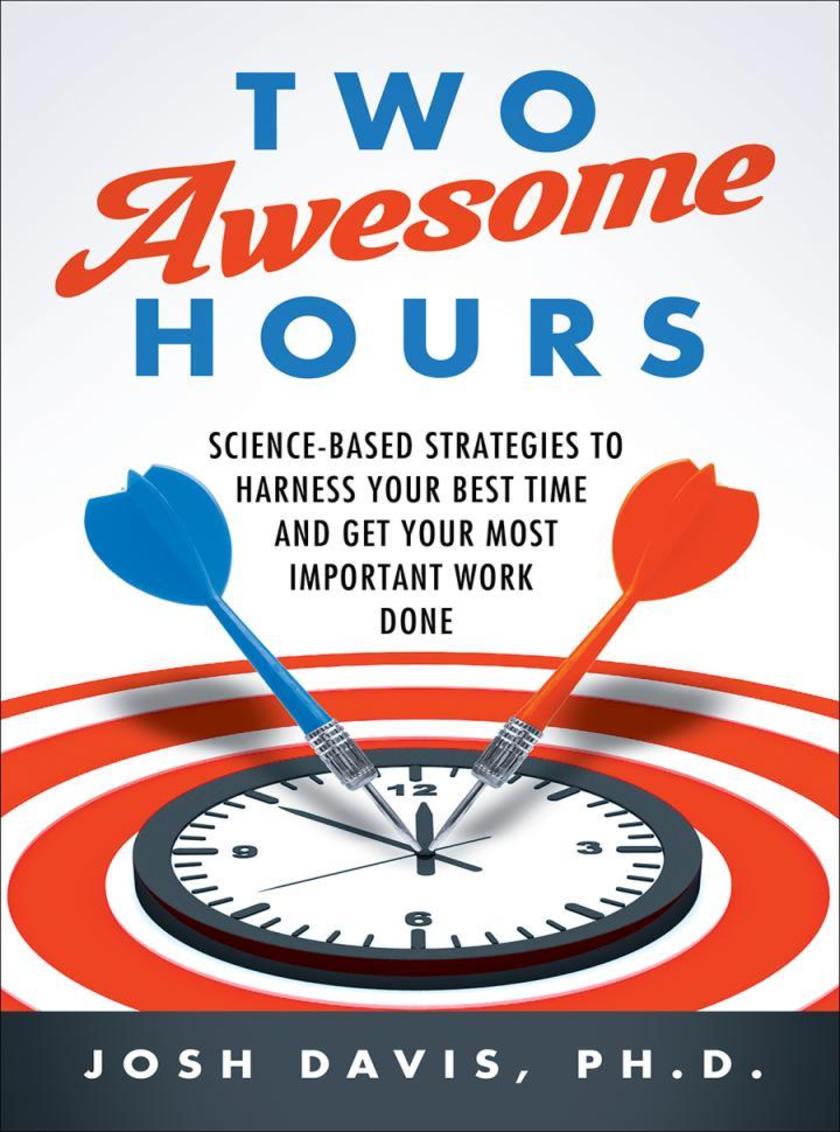
Two Awesome Hours
¥94.10
Whether we love our jobs or not, the amount of work on our plate has reached unsustainable levels. We start each workday anxious about how we will get it all done, and which important tasks will have to be sacrificed again so we can keep our heads above water. We often respond to our out-of-control to-do lists by focusing on being more efficient trying to get more done in less time.According to Josh Davis, Ph.D., we're going about it the wrong way. The answer is not to get more done faster, but rather to create the conditions for at least two awesome hours of peak productivity each day.Neuroscience and psychology research is revealing what those conditions are. Drawing on this research, Davis explains that our minds operate according to complex factors that, when leveraged the right way, can make us truly effective. Davis shows us five deceptively simple strategies to create the conditions for incredible productivity and to restore sanity and balance to our lives: Maximize the moments in our day when we are between tasks, intentionally choosing what to tackle next Schedule tasks based on their cognitive and emotional demands Learn how to direct attention Feed and move our bodies for short-term benefit Identify how our environment affects our focus and alertness We are capable of impressive feats of comprehension, motivation, and performance when our psychological and biological systems are functioning optimally. Two Awesome Hours will show us how to be our most productive every day.
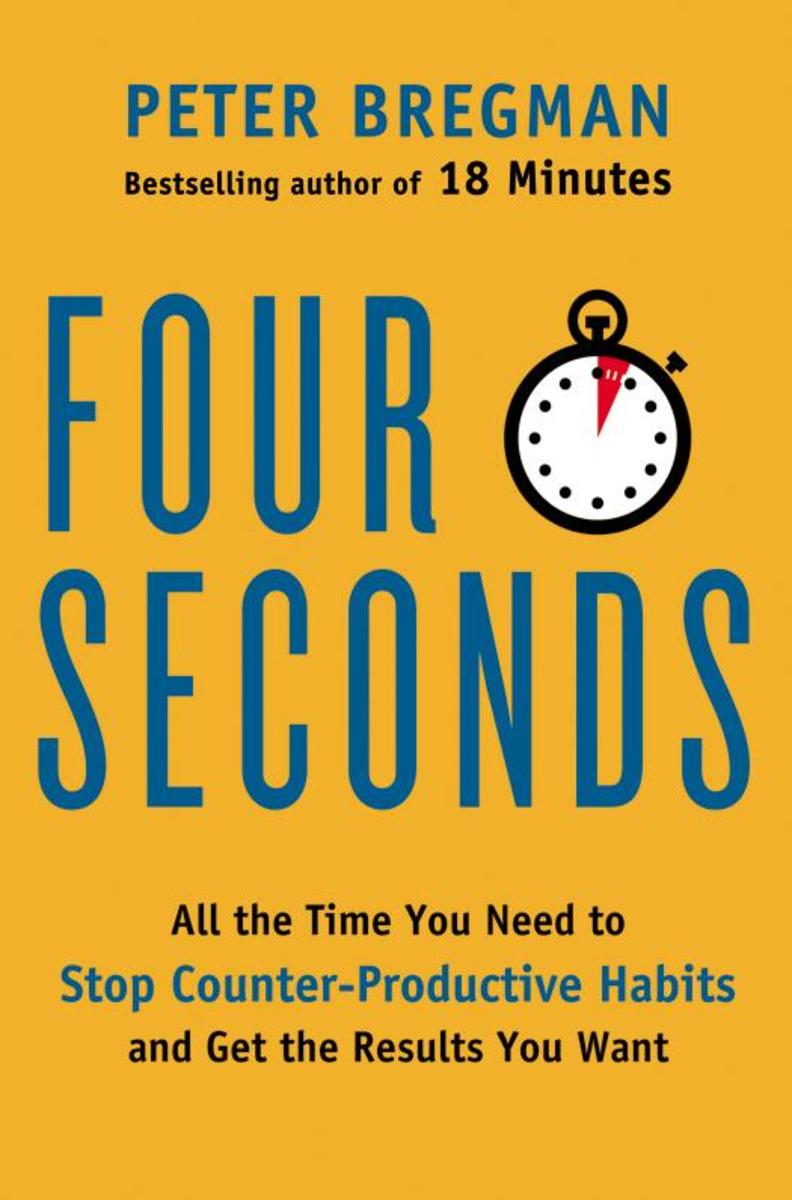
Four Seconds
¥94.10
All too often our best efforts to accomplish the things we want most to do our jobs well, to make meaningful contributions at home and at work, to have satisfying relationships with loved ones, friends, neighbors, and coworkers are built on bad habits that sabotage us. We feel overwhelmed by our increasingly large to-do list, so we automatically multitask to get more done and end up more stressed and more overloaded. We say something with the hopes of impressing the other person, but instead of end them then spend days trying to repair the damage. We give what we think is a pep talk to our team but they walk away demotivated.How can we be most effective and productive in a world that moves too fast and demands so much of us?In Four Seconds, Peter Bregman shows that the answer is to pause for as few as four seconds the length of a deep breath to replace bad habits and reactions with more productive behaviors. In his trademark style of blending personal anecdotes with practical advice, Bregman reveals some of our most common counter-productive tendencies and describes counter-intuitive strategies for acting more intentionally, including: Why setting goals can actually harm your performance How to use strategic disengagement to recover focus and willpower Why listening not arguing is the best strategy for changing someone's mind How taking responsibility for someone else's failure can actually help you succeed Drawn from Bregman's hugely popular Harvard Business Review blog, this engaging and wise book provides simple solutions to create the results you want without the stress.
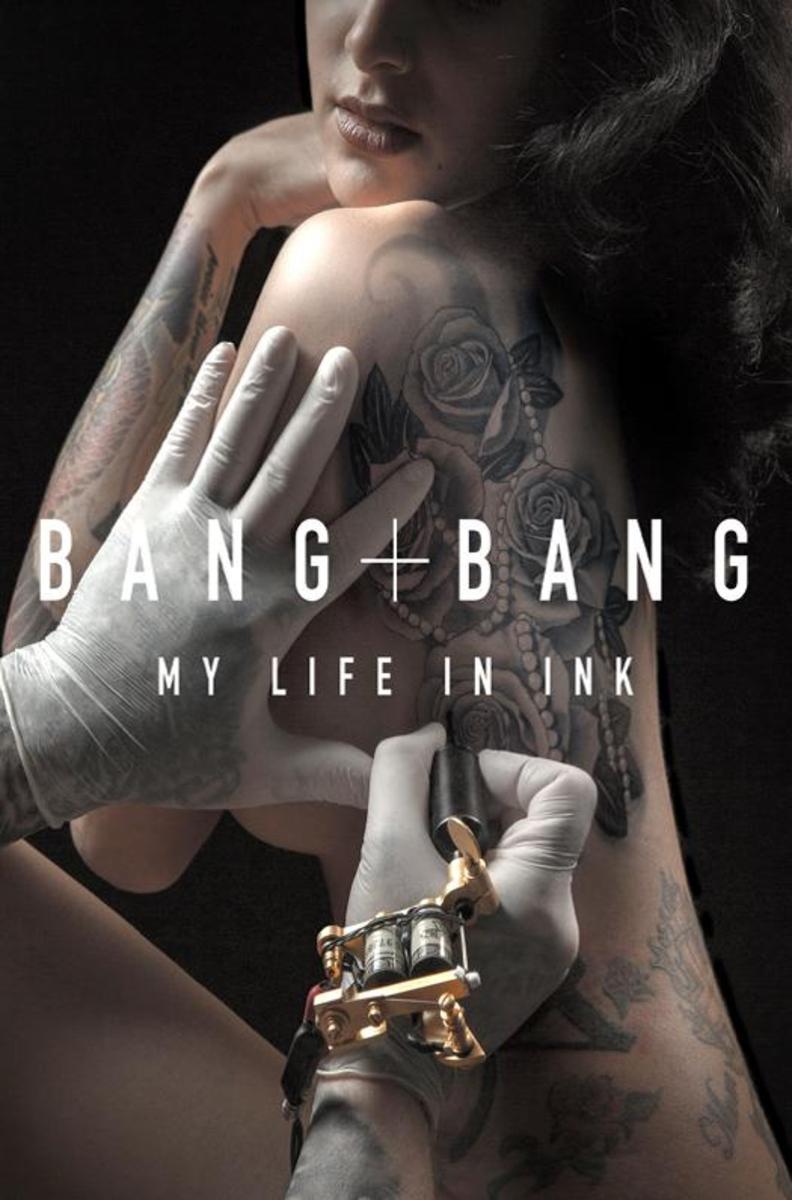
Bang Bang
¥143.95
“I always bring Bang Bang in for my most special tattoos—the ones my touring team and I get at the end of a tour to commemorate another successful journey together. Each time, he’s created the definitive symbol of that era of my life.”—KATY PERRY “Bang Bang opened my eyes to art that I was originally too scared or nervous to do. He’s passionate about who he tats on and there’s a memory with each one. I love his authenticity and passion, and of course his skill of delicate design.” —RITA ORA “Bang Bang is the only tattoo artist I trust to put art onto my body.” —VANESSA HUDGENS “Bang Bang is someone who has inspired me to look at tattoos as more than spur-of-the-moment, impulsive ideas, but as meaningful and precious pieces of art that I will take to my grave with me. He’s helped me to really value what I ink into my skin and how to make it worthy of being a part of me forever. His work is beyond incredible.” —DEMI LOVATO
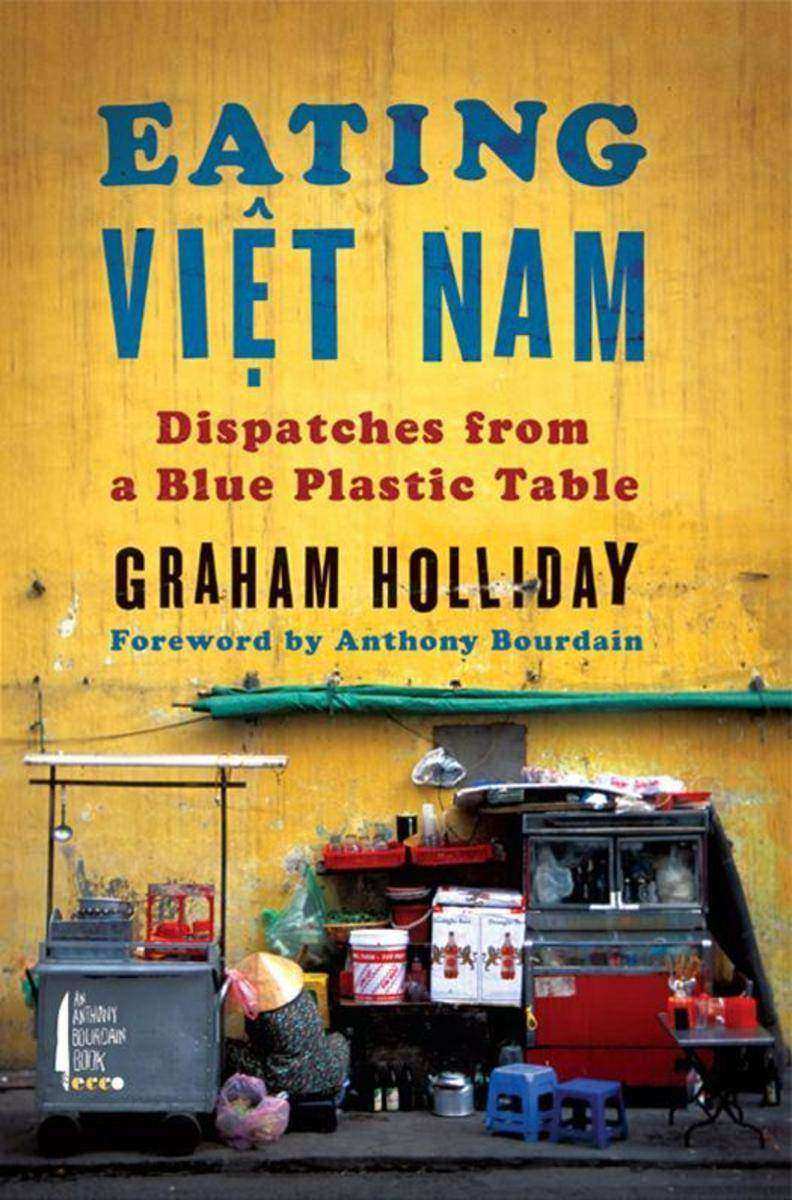
Eating Viet Nam
¥88.56
A journalist and blogger takes us on a colorful and spicy gastronomic tour through Viet Nam in this entertaining, offbeat travel memoir, with a foreword by Anthony Bourdain. Growing up in a small town in northern England, Graham Holliday wasn’t keen on travel. But in his early twenties, a picture of Hanoi sparked a curiosity that propelled him halfway across the globe. Graham didn’t want to be a tourist in an alien land, though; he was determined to live it. An ordinary guy who liked trying interesting food, he moved to the capital city and embarked on a quest to find real Vietnamese food. In Eating Viet Nam, he chronicles his odyssey in this strange, enticing land infused with sublime smells and tastes. Traveling through the back alleys and across the boulevards of Hanoi—where home cooks set up grills and stripped-down stands serving sumptuous fare on blue plastic furniture—he risked dysentery, giardia, and diarrhea to discover a culinary treasure-load that was truly foreign and unique. Holliday shares every bite of the extraordinary fresh dishes, pungent and bursting with flavor, which he came to love in Hanoi, Saigon, and the countryside. Here, too, are the remarkable people who became a part of his new life, including his wife, Sophie. A feast for the senses, funny, charming, and always delicious, Eating Viet Nam will inspire armchair travelers, curious palates, and everyone itching for a taste of adventure.
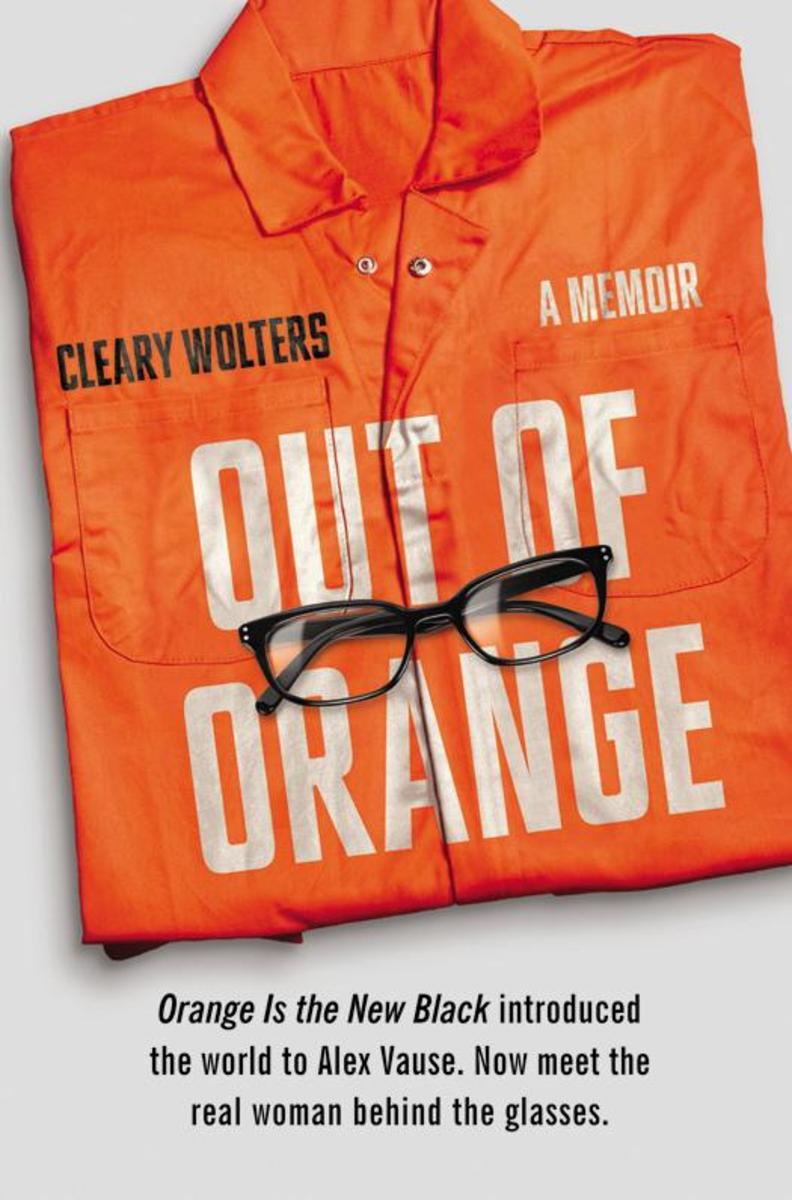
Out of Orange
¥88.56
Cleary Wolters was going about her everyday life when she saw a commercial for a new TV show that stopped her in her tracks. The scene showed a young blond woman hopping out of a van, wearing an orange prison uniform. A blur of words and images followed, including allusions to lesbian lovers, drug smuggling, and life behind bars. Then Cleary saw a woman wearing her signature black-rimmed glasses and she dropped the remote. In that moment, Cleary knew that her private past had been brought to light in the most public way imaginable. Nothing would ever be the same again.Orange Is the New Black went on to become an Emmy-winning cultural phenomenon streamed onto laptops and into living rooms around the world. The series, and the number one New York Times bestselling book of the same name, follows Piper, a privileged white woman who spent thirteen months in prison for her involvement in an international drug-smuggling ring. Cleary binge-watched the show along with the rest of the universe, though what was fun for everyone else was a weirdly personal, strangely unnerving interpretation of events that had shaped her own life.Now speaking out for the first time to share her story including how she introduced Piper to the criminal activities that would ultimately send both of them to prison Cleary tells a brutally honest, emotional tale of the bold decisions and epic mistakes she made and the struggle to keep them from defining the rest of her life.
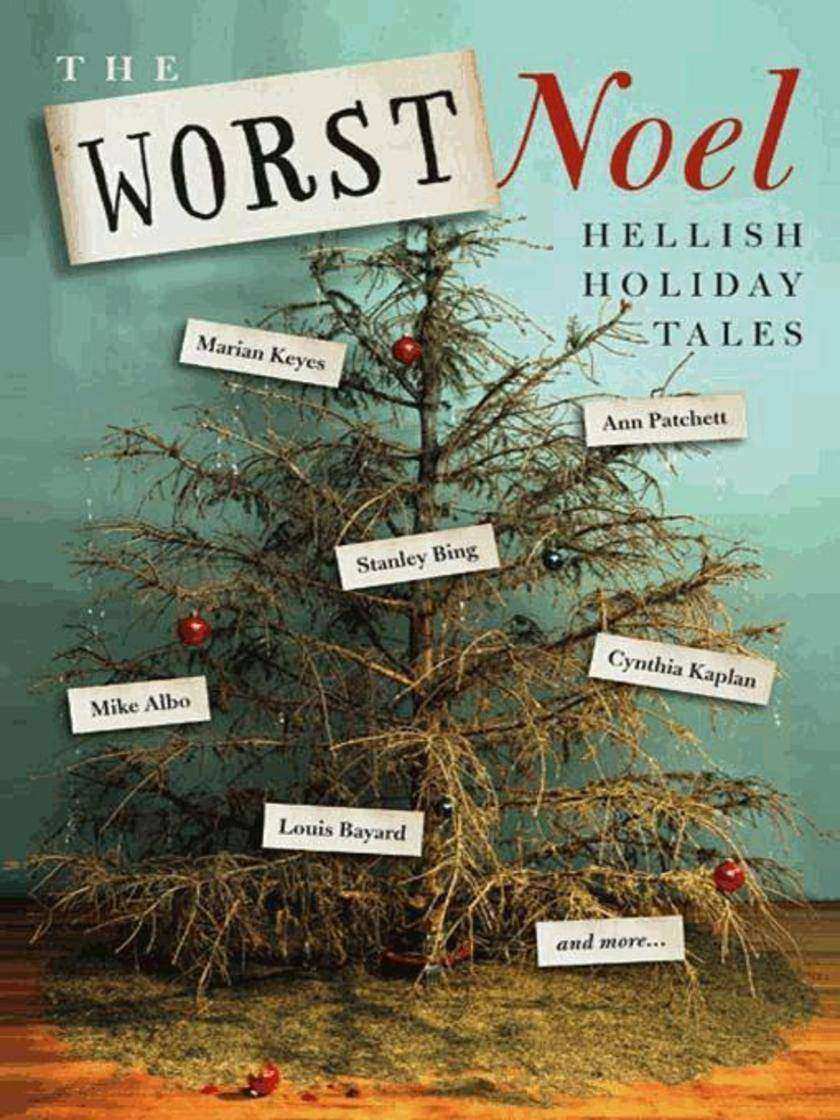
The Worst Noel
¥83.93
Does the thought of mistletoe give you hivesDoes the sound of jingling bellsinstill fear in your heartDo you hide under the covers from the day after Thanksgiving till New Year's DayAnd even if you love Christmas, do thehyperconsumerism, overindulgence, andtinsel-covered everything make you crazy?If you said yes to any of these questions, this is the book for you. You are not alone. Everyone has a Christmas-nightmare story to tell. Some of the best writers around have gone through some of the worst Christmases ever. Their tales of holly-draped horror are gathered here for your amusement, from NEAL POLLACK's Christmas-ham disaster to the accidental Santahood of JONI RODGERS to BINNIE KIRSHENBAUM's receiving what may be the worst gift ever given. And Stanley Bing gives us a peek at the lonely guy's Xmas feast. All this, plus many more recollections of Worst Noels past.So pour yourself a glass of eggnog, chisel off a piece of rock-hard fruitcake, and curl up in the big comfy chair by the fireplace where the stockings have been hung with such care -- and settle in to read The Worst Noel.

101 Reasons to Dump Your Man and Get a Cat
¥83.93
The modern woman has enough hassles without having to put up with the antics of the man in her life. Why endure another day of snoring, football, and wet towels on the floorWith this hilarious, fully illustrated guide, learn 101 reasons why you should dump your chump and hook up with a cat! So, besides the fact that your man's just not that into you, can he scratch his ear with his footIs he adorable when he pounces off the fridge onto your shoulderDo you get to watch him nudge another man aside and eat his foodAnd can you improve his mood by tossing a fuzzy mousie for him to chaseOf course not. There; that's four reasons to dump him and get a cat instead! Plus, you never have to remember how your cat takes his coffee. You don't need to pretend to your cat that you haven't had many other cats. And if your cat thinks your friends are hot, so whatFor every woman who's had enough of men, 101 Reasons to Dump Your Man and Get a Cat is the perfect gift—chock-full of humor, inspiration, and great advice. Why look for love in all the wrong places when it's right across the room chasing its own tail?
The IBM Way
¥61.76
IBM is one of the greatest sales and marketing organizations ever assembled. Established over seventy years ago, it now employs 400,000 people and generates $50 billion a year in revenue. Yet it operates more like a cottage industry than a huge multinational organization.How does IBM do itThat's what even the most successful companies want to know. Now Buck Rodgers, the man who has personified "the IBM way," describes for the first time the reasons behind its extraordinary achievements. He has not written a company history, or an expose, or a book on management theory. He has written a book about everything that makes IBM IBM, as only an insider could.
Meant To Be
¥84.16
Published to strong reviews and major media attention, this heartfelt and inspirational rags-to-riches memoir by the highly regarded CEO of Parade Publications tells the emotional story of how he came to terms with an identity and a family that he never knew he had until he reached middle age.Meant To Be begins when Anderson, a 21-year-old Marine returns from service to say goodbye to his dying father and tries to find the answer to a question that has inexplicably haunted him from his earliest years: Was the alcoholic, abusive man who has so tormented him in his childhood his real fatherShockingly, the answer turns out to be "No." Unbeknown to him, at least until that point, his mother, a German Protestant, fell in love during World War II with a Russian Jew and bore his child. Anderson learns this information as a young man but he and his mother keep this secret for another 35 years, until the day Anderson now an unusually successful publishing executive meets an unknown brother who, it turns out, has lived a nearly parallel life. Meant To Be is a love story, a journey of self-discovery and spirituality, and a provocative challenge to common notions about the role of heredity in our lives.
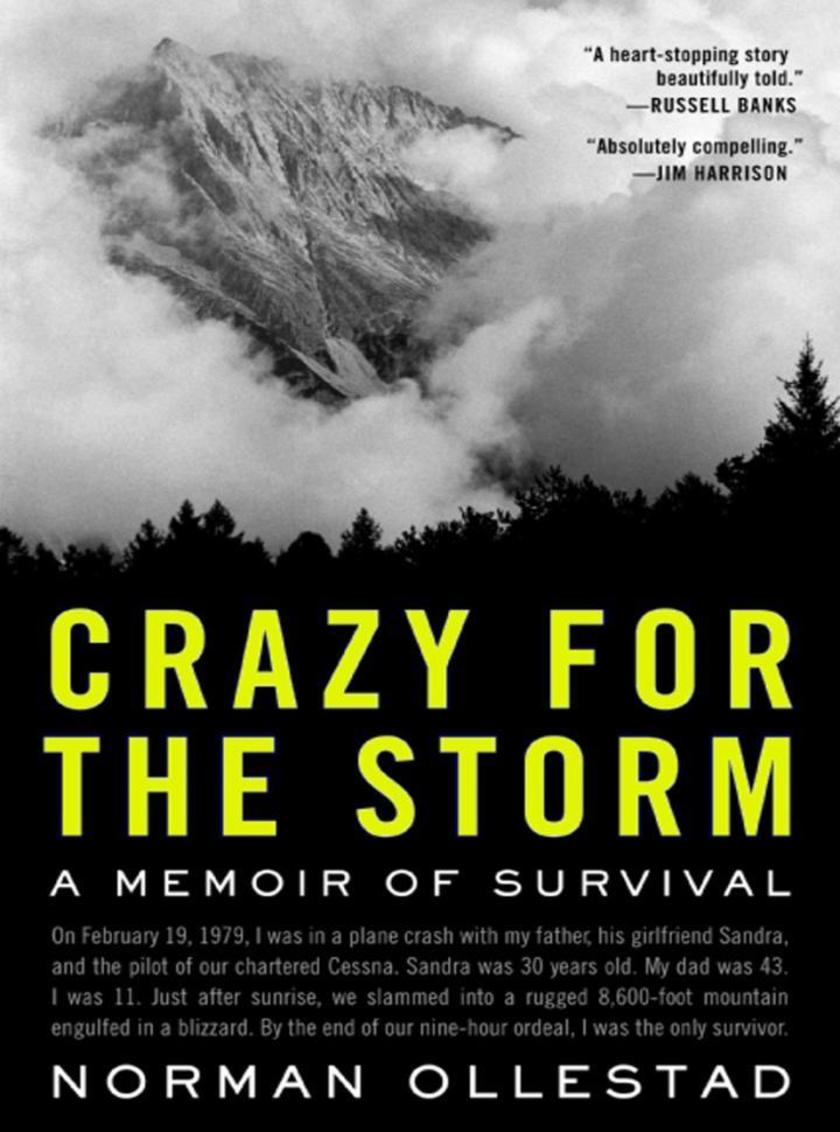
Crazy for the Storm
¥94.10
Dad SaidOlestad, we can do i t all. . . .Why do you make me do thisBecause it's beautiful when it all comes together.I don't think it's ever beautiful.One day.Never.We'll see, my father said. Vamanos.From the age of three, Norman Ollestad was thrust into the world of surfing and competitive downhill skiing by the intense, charismatic father he both idolized and resented. While his friends were riding bikes, playing ball, and going to birthday parties, young Norman was whisked away in pursuit of wild and demanding adventures. Yet it were these exhilarating tests of skill that prepared "Boy Wonder," as his father called him, to become a fearless champion and ultimately saved his life.Flying to a ski championship ceremony in February 1979, the chartered Cessna carrying Norman, his father, his father's girlfriend, and the pilot crashed into the San Gabriel Mountains and was suspended at 8,200 feet, engulfed in a blizzard. "Dad and I were a team, and he was Superman," Ollestad writes. But now Norman's father was dead, and the devastated eleven-year-old had to descend the treacherous, icy mountain alone.Set amid the spontaneous, uninhibited surf culture of Malibu and Mexico in the late 1970s, this riveting memoir, written in crisp Hemingwayesque prose, recalls Ollestad's childhood and the magnetic man whose determination and love infuriated and inspired him and also taught him to overcome the indomitable. As it illuminates the complicated bond between an extraordinary father and his son, Ollestad's powerful and unforgettable true story offers remarkable insight for us all.
Lies My Mother Never Told Me
¥94.10
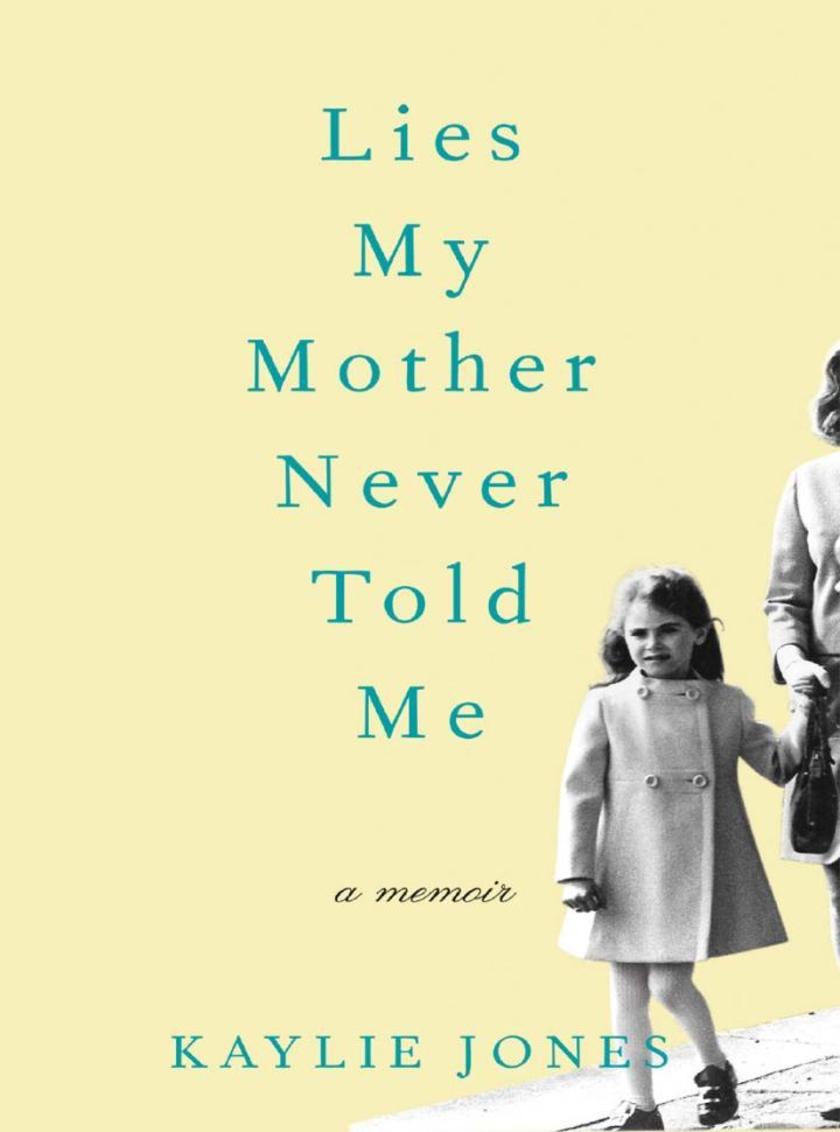
Her mother was a brainy knockout with the sultry beauty of Marilyn Monroe, a raconteur whose fierce wit could shock an audience into hilarity or silence. Her father was a distinguished figure in American letters, the National Book Award–winning author of four of the greatest novels of World War II ever written. A daughter of privilege with a seemingly fairy-tale-like life, Kaylie Jones was raised in the Hamptons via France in the 1960s and '70s, surrounded by the glitterati who orbited her famous father, James Jones. Legendary for their hospitality, her handsome, celebrated parents held court in their home around an antique bar an eighteenth-century wooden pulpit taken from a French village church playing host to writers, actors, movie stars, film directors, socialites, diplomats, an emperor, and even the occasional spy. Kaylie grew up amid such family friends as William Styron, Irwin Shaw, James Baldwin, and Willie Morris, and socialized with the likes of Truman Capote, Norman Mailer, George Plimpton, and Kurt Vonnegut.Her beloved father showed young Kaylie the value of humility, hard work, and education, with its power to overcome ignorance, intolerance, and narrow-mindedness, and instilled in her a love of books and knowledge. From her mother, Gloria, she learned perfect posture, the twist, the fear of abandonment, and soul-shattering cruelty. Two constants defined Kaylie's childhood: literature and alcohol. "Only one word was whispered in the house, as if it were the worst insult you could call someone," she writes, "alcoholic was a word my parents reserved for the most appalling and shameful cases drunks who made public scenes or tried to kill themselves or ended up in the street or in an institution. If you could hold your liquor and go to work, you were definitely not an alcoholic." When her father died from heart failure complicated by years of drinking, sixteen-year-old Kaylie was broken and lost. For solace she turned to his work, looking beyond the man she worshipped to discover the artist and his craft, determined that she too would write. Her loss also left her powerless to withstand her mother's withering barbs and shattering criticism, or halt Gloria's further descent into a bottle one of the few things mother and daughter shared. From adolescence, Kaylie too used drink as a refuge, a way to anesthetize her sadness, anger, and terror. For years after her father's death, she denied the blackouts, the hangovers, the lost days, the rage, the depression. Broken and bereft, she began reading her father's novels and those writers who came before and after him and also pursued her own writing. With this, she found the courage to open the door on the truth of her own addiction.Lies My Mother Never Told Me is the mesmerizing and luminously told story of Kaylie's battle with alcoholism and her struggle to flourish despite the looming shadow of a famous father and an emotionally abusive and damaged mother. Deeply intimate, brutally honest, yet limned by humor and grace, it is a beautifully written tale of personal evolution, family secrets, second chances, and one determined woman's journey to find her own voice and the courage to embrace a life filled with possibility, strength, and love.
Merry Christmas from . . .
¥84.16
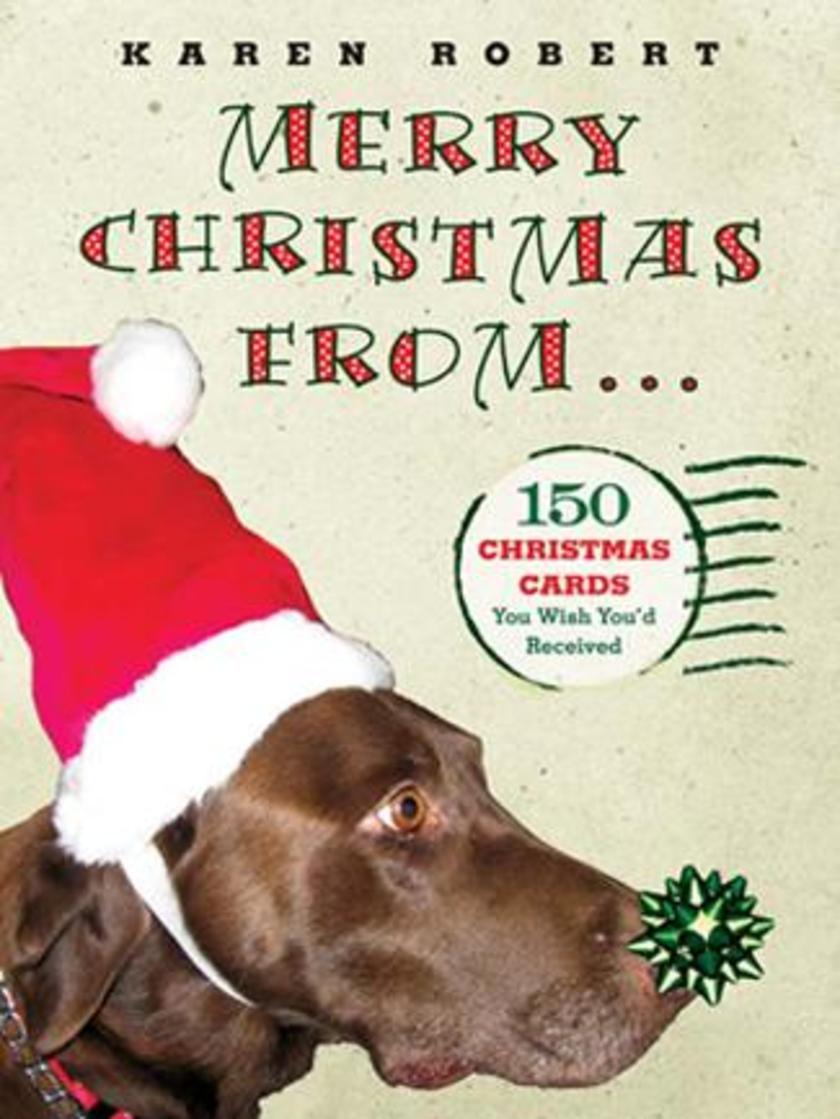
150 of the World's Funniest and Most Delightful Christmas CardsKaren Robert has spent the last several years tracking down the wonderful and wacky Christmas cards represented in this book the best out of tens of thousands she has reviewed. Featuring everything from young couples in love, classic kids-'n'-dogs, and quirky workplace situations to every incarnation of Santa fat, thin, young, old, canine these cards will surprise you with their irrepressible creativity. Some are heartwarming, some are hilarious, some are simply strange but every single one was actually sent out as a Christmas card. So whether you're one of the millions of people who love all things Christmas, looking for inspiration for your own holiday card, or just a desperate Scrooge on the hunt for the perfect stocking stuffer, pick up Merry Christmas from . . . for a holiday pick-me-up.
Little Princes
¥95.11
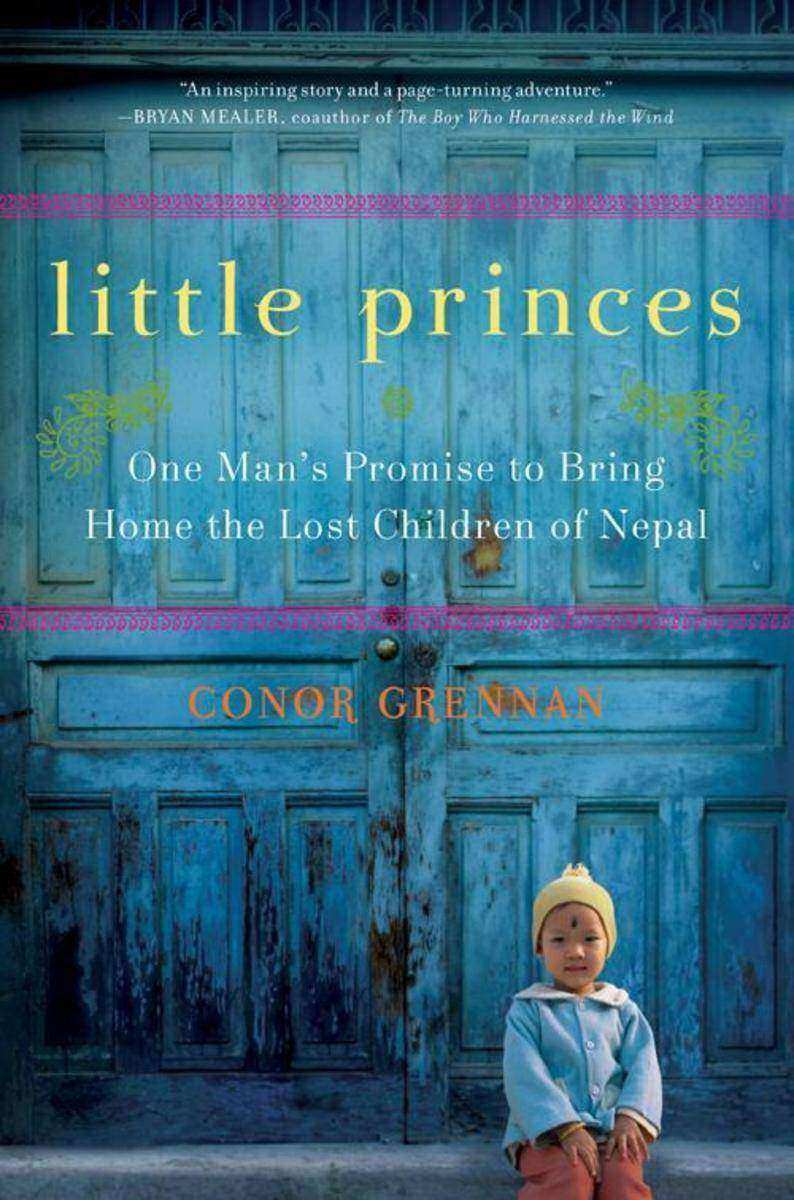
One Person Can Make a Difference In search of adventure, twenty-nine-year-old Conor Grennan traded his day job for a year-long trip around the globe, a journey that began with a three-month stint volunteering at the Little Princes Children's Home, an orphanage in war-torn Nepal. Conor was initially reluctant to volunteer, unsure whether he had the proper skill, or enough passion, to get involved in a developing country in the middle of a civil war. But he was soon overcome by the herd of rambunctious, resilient children who would challenge and reward him in a way that he had never imagined. When Conor learned the unthinkable truth about their situation, he was stunned: The children were not orphans at all. Child traffickers were promising families in remote villages to protect their children from the civil war for a huge fee by taking them to safety. They would then abandon the children far from home, in the chaos of Nepal's capital, Kathmandu.For Conor, what began as a footloose adventure becomes a commitment to reunite the children he had grown to love with their families, but this would be no small task. He would risk his life on a journey through the legendary mountains of Nepal, facing the dangers of a bloody civil war and a debilitating injury. Waiting for Conor back in Kathmandu, and hopeful he would make it out before being trapped in by snow, was the woman who would eventually become his wife and share his life's work. Little Princes is a true story of families and children, and what one person is capable of when faced with seemingly insurmountable odds. At turns tragic, joyful, and hilarious, Little Princes is a testament to the power of faith and the ability of love to carry us beyond our wildest expectations.
How Not to Write a Novel
¥94.10
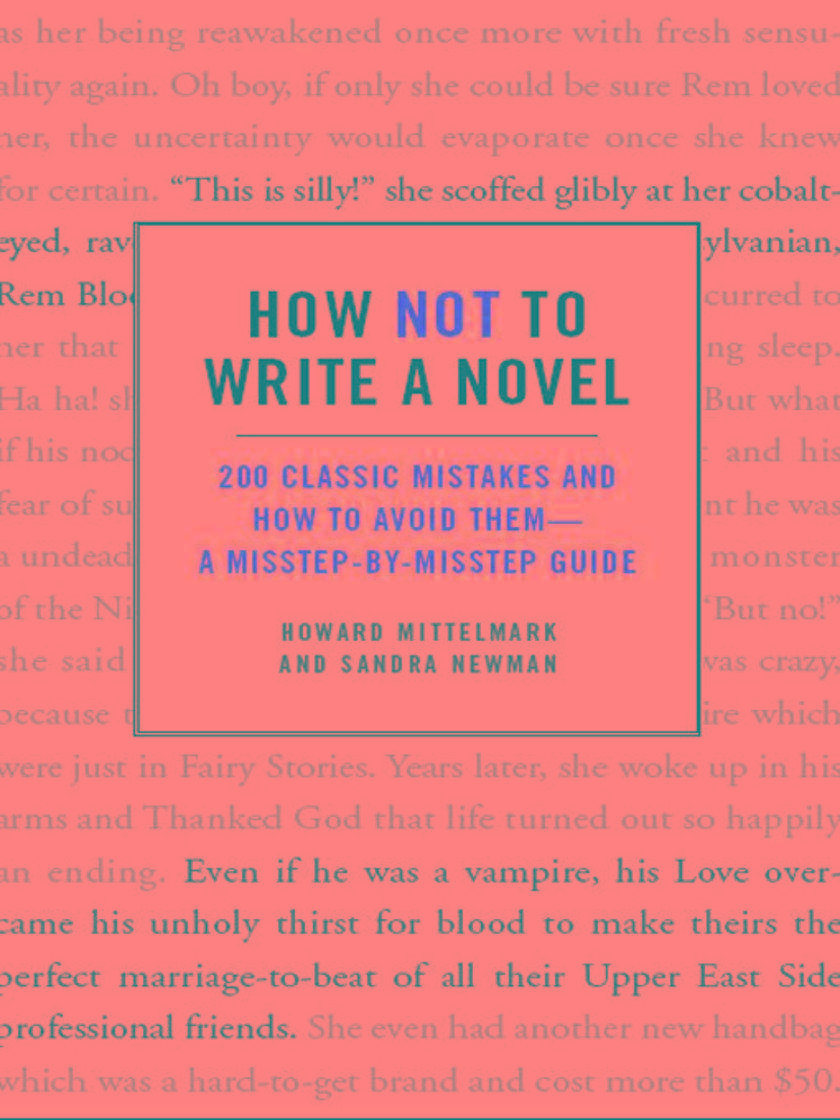
"What do you think of my fiction book writing?" the aspiring novelist extorted. "Darn," the editor hectored, in turn. "I can not publish your novel! It is full of what we in the business call 'really awful writing.'" "But how shall I absolve this dilemmaI have already read every tome available on how to write well and get published!" The writer tossed his head about, wildly."It might help," opined the blonde editor, helpfully, "to ponder how NOT to write a novel, so you might avoid the very thing!" Many writing books offer sound advice on how to write well. This is not one of those books. On the contrary, this is a collection of terrible, awkward, and laughably unreadable excerpts that will teach you what to avoid at all costs if you ever want your novel published. In How Not to Write a Novel, authors Howard Mittelmark and Sandra Newman distill their 30 years combined experience in teaching, editing, writing, and reviewing fiction to bring you real advice from the other side of the query letter. Rather than telling you how or what to write, they identify the 200 most common mistakes unconsciously made by writers and teach you to recognize, avoid, and amend them. With hilarious "mis-examples" to demonstrate each manu*-mangling error, they'll help you troubleshoot your beginnings and endings, bad guys, love interests, style, jokes, perspective, voice, and more. As funny as it is useful, this essential how-NOT-to guide will help you get your manu* out of the slush pile and into the bookstore.


