


 购物车
 个人中心

State and the Stork
¥435.56
From the colonial era to the present, the ever-shifting debate about America's prodigious population growth has exerted a profound influence on the evolution of politics, public policy, and economic thinking in the United States. In a remarkable shift since the late 1960s, Americans of all political stripes have come to celebrate the economic virtues of population growth. As one of the only wealthy countries experiencing significant population growth in the twenty-first century, the United States now finds itself at a demographic crossroads, but policymakers seem unwilling or unable to address the myriad economic and environmental questions surrounding this growth.From the founders' fears that crowded cities would produce corruption, luxury, and vice to the zero population growth movement of the late 1960s to today's widespread fears of an aging crisis as the Baby Boomers retire, the American population debate has always concerned much more than racial composition or resource exhaustion, the aspects of the debate usually emphasized by historians. In The State and the Stork, Derek Hoff draws on his extraordinary knowledge of the intersections between population and economic debates throughout American history to explain the many surprising ways that population anxieties have provoked unexpected policies and political developments-including the recent conservative revival. At once a fascinating history and a revelatory look at the deep origins of a crucial national conversation, The State and the Stork could not be timelier.

Mastering the Niger
¥412.02
In Mastering the Niger, David Lambert recalls Scotsman James MacQueen (1778-1870) and his publication of A New Map of Africa in 1841 to show that Atlantic slavery-as a practice of subjugation, a source of wealth, and a focus of political struggle-was entangled with the production, circulation, and reception of geographical knowledge. The British empire banned the slave trade in 1807 and abolished slavery itself in 1833, creating a need for a new British imperial economy. Without ever setting foot on the continent, MacQueen took on the task of solving the "e;Niger problem,"e; that is, to successfully map the course of the river and its tributaries, and thus breathe life into his scheme for the exploration, colonization, and commercial exploitation of West Africa.?Lambert illustrates how MacQueen's geographical research began, four decades before the publication of the New Map, when he was managing a sugar estate on the West Indian colony of Grenada. There MacQueen encountered slaves with firsthand knowledge of West Africa, whose accounts would form the basis of his geographical claims. Lambert examines the inspirations and foundations for MacQueen's geographical theory as well as its reception, arguing that Atlantic slavery and ideas for alternatives to it helped produce geographical knowledge, while geographical discourse informed the struggle over slavery.
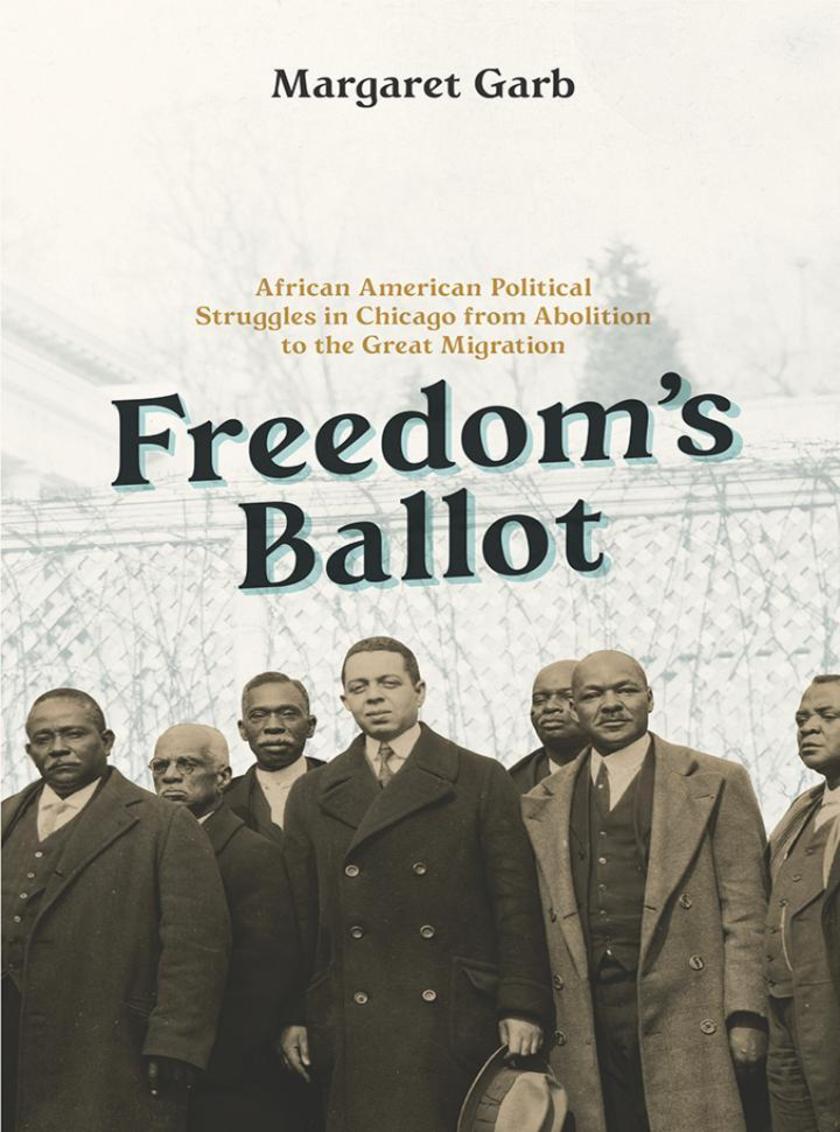
Freedom's Ballot
¥412.02
In the spring of 1915, Chicagoans elected the city's first black alderman, Oscar De Priest. In a city where African Americans made up less than five percent of the voting population, and in a nation that dismissed and denied black political participation, De Priest's victory was astonishing. It did not, however, surprise the unruly group of black activists who had been working for several decades to win representation on the city council.Freedom's Ballot?is the history of three generations of African American activists-the ministers, professionals, labor leaders, clubwomen, and entrepreneurs-who transformed twentieth-century urban politics. This is a complex and important story of how black political power was institutionalized in Chicago in the half-century following the Civil War. Margaret Garb explores the social and political fabric of Chicago, revealing how the physical makeup of the city was shaped by both political corruption and racial empowerment-in ways that can still be seen and felt today.

Treasuring the Gaze
¥412.02
The end of the eighteenth century saw the start of a new craze in Europe: tiny portraits of single eyes that were exchanged by lovers or family members. Worn as brooches or pendants, these minuscule eyes served the same emotional need as more conventional mementoes, such as lockets containing a coil of a loved one's hair. The fashion lasted only a few decades, and by the early 1800s eye miniatures had faded into oblivion. Unearthing these portraits in Treasuring the Gaze, Hanneke Grootenboer proposes that the rage for eye miniatures-and their abrupt disappearance-reveals a knot in the unfolding of the history of vision.?Drawing on Alois Riegl, Jean-Luc Nancy, Marcia Pointon, Melanie Klein, and others, Grootenboer unravels this knot, discovering previously unseen patterns of looking and strategies for showing. She shows that eye miniatures portray the subject's gaze rather than his or her eye, making the recipient of the keepsake an exclusive beholder who is perpetually watched. These treasured portraits always return the looks they receive and, as such, they create a reciprocal mode of viewing that Grootenboer calls intimate vision. Recounting stories about eye miniatures-including the role one played in the scandalous affair of Mrs. Fitzherbert and the Prince of Wales, a portrait of the mesmerizing eye of Lord Byron, and the loss and longing incorporated in crying eye miniatures-Grootenboer shows that intimate vision brings the gaze of another deep into the heart of private experience.?With a host of fascinating imagery from this eccentric and mostly forgotten yet deeply private keepsake, Treasuring the Gaze provides new insights into the art of miniature painting and the genre of portraiture.

Building for the Arts
¥370.82
Over the past two decades, the arts in America have experienced an unprecedented building boom, with more than sixteen billion dollars directed to the building, expansion, and renovation of museums, theaters, symphony halls, opera houses, and centers for the visual and performing arts. Among the projects that emerged from the boom were many brilliant successes. Others, like the striking addition of the Quadracci Pavilion to the Milwaukee Art Museum, brought international renown but also tens of millions of dollars of off-budget debt while offering scarce additional benefit to the arts and embodying the cultural sector's worst fears that the arts themselves were being displaced by the big, status-driven architecture projects built to contain them.?With Building for the Arts, Peter Frumkin and Ana Kolendo explore how artistic vision, funding partnerships, and institutional culture work together-or fail to-throughout the process of major cultural construction projects. Drawing on detailed case studies and in-depth interviews at museums and other cultural institutions varying in size and funding arrangements, including the Art Institute of Chicago, Atlanta Opera, and AT&T Performing Arts Center in Dallas, Frumkin and Kolendo analyze the decision-making considerations and challenges and identify four factors whose alignment characterizes the most successful and sustainable of the projects discussed: institutional requirements, capacity of the institution to manage the project while maintaining ongoing operations, community interest and support, and sufficient sources of funding. How and whether these factors are strategically aligned in the design and execution of a building initiative, the authors argue, can lead an organization to either thrive or fail. The book closes with an analysis of specific tactics that can enhance the chances of a project's success.A practical guide grounded in the latest scholarship on nonprofit strategy and governance, Building for the Arts will be an invaluable resource for professional arts staff and management, trustees of arts organizations, development professionals, and donors, as well as those who study and seek to understand them.

City for Children
¥370.82
American cities are constantly being built and rebuilt, resulting in ever-changing skylines and neighborhoods. While the dynamic urban landscapes of New York, Boston, and Chicago have been widely studied, there is much to be gleaned from west coast cities, especially in California, where the migration boom at the end of the nineteenth century permanently changed the urban fabric of these newly diverse, plural metropolises.In?A City for Children, Marta Gutman focuses on the use and adaptive reuse of everyday buildings in Oakland, California, to make the city a better place for children. She introduces us to the women who were determined to mitigate the burdens placed on working-class families by an indifferent industrial capitalist economy. Often without the financial means to build from scratch, women did not tend to conceive of urban land as a blank slate to be wiped clean for development. Instead, Gutman shows how, over and over, women turned private houses in Oakland into orphanages, kindergartens, settlement houses, and day care centers, and in the process built the charitable landscape-a network of places that was critical for the betterment of children, families, and public life.The industrial landscape of Oakland, riddled with the effects of social inequalities and racial prejudices, is not a neutral backdrop in Gutman's story but an active player. Spanning one hundred years of history,?A City for Children?provides a compelling model for building urban institutions and demonstrates that children, women, charity, and incremental construction, renovations, alterations, additions, and repurposed structures are central to the understanding of modern cities.
Travels into Print
¥370.82
In eighteenth- and nineteenth-century Britain, books of travel and exploration were much more than simply the printed experiences of intrepid authors. They were works of both artistry and industry-products of the complex, and often contested, relationships between authors and editors, publishers and printers. These books captivated the reading public and played a vital role in creating new geographical truths. In an age of global wonder and of expanding empires, there was no publisher more renowned for its travel books than the House of John Murray.Drawing on detailed examination of the John Murray Archive of manu*s, images, and the firm's correspondence with its many authors-a list that included such illustrious explorers and scientists as Charles Darwin and Charles Lyell, and literary giants like Jane Austen, Lord Byron, and Sir Walter Scott-Travels into Print considers how journeys of exploration became published accounts and how travelers sought to demonstrate the faithfulness of their written testimony and to secure their personal credibility. This fascinating study in historical geography and book history takes modern readers on a journey into the nature of exploration, the production of authority in published travel narratives, and the creation of geographical authorship-a journey bound together by the unifying force of a world-leading publisher.
Plague Writing in Early Modern England
¥353.16
During the seventeenth century, England was beset by three epidemics of the bubonic plague, each outbreak claiming between a quarter and a third of the population of London and other urban centers. Surveying a wide range of responses to these epidemics-sermons, medical tracts, pious exhortations, satirical pamphlets, and political commentary-Plague Writing in Early Modern England brings to life the many and complex ways Londoners made sense of such unspeakable devastation.Ernest B. Gilman argues that the plague writing of the period attempted unsuccessfully to rationalize the catastrophic and that its failure to account for the plague as an instrument of divine justice fundamentally threatened the core of Christian belief. Gilman also trains his critical eye on the works of Jonson, Donne, Pepys, and Defoe, which, he posits, can be more fully understood when put into the context of this century-long project to "e;write out"e; the plague. Ultimately, Plague Writing in Early Modern England is more than a compendium of artifacts of a bygone era; it holds up a distant mirror to reflect our own condition in the age of AIDS, super viruses, multidrug resistant tuberculosis, and the hovering threat of a global flu pandemic.
Posthumous Love
¥329.62
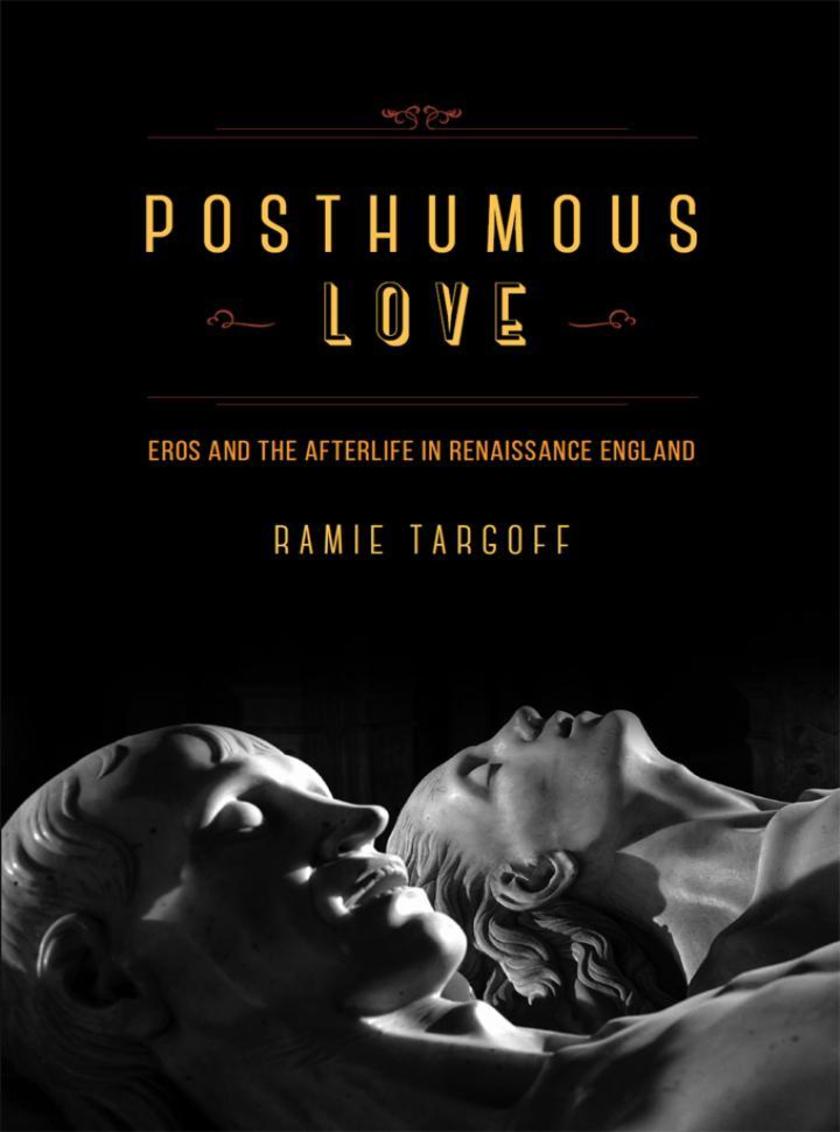
For Dante and Petrarch, posthumous love was a powerful conviction. Like many of their contemporaries, both poets envisioned their encounters with their beloved in heaven-Dante with Beatrice, Petrarch with Laura. But as Ramie Targoff reveals in this elegant study, English love poetry of the Renaissance brought a startling reversal of this tradition: human love became definitively mortal. Exploring the boundaries that Renaissance English poets drew between earthly and heavenly existence, Targoff seeks to understand this shift and its consequences for English poetry.?Targoff shows that medieval notions of the somewhat flexible boundaries between love in this world and in the next were hardened by Protestant reformers, who envisioned a total break between the two. Tracing the narrative of this rupture, she focuses on central episodes in poetic history in which poets developed rich and compelling compensations for the lack of posthumous love-from Thomas Wyatt's translations of Petrarch's love sonnets and the Elizabethan sonnet series of Shakespeare and Spencer to the?carpe diem?poems of the seventeenth century. Targoff's centerpiece is?Romeo and Juliet, where she considers how Shakespeare's reworking of the Italian story stripped away any expectation that the doomed teenagers would reunite in heaven. Casting new light on these familiar works of poetry and drama, this book ultimately demonstrates that the negation of posthumous love brought forth a new mode of poetics that derived its emotional and aesthetic power from its insistence upon love's mortal limits.
Black Metropolis
¥329.62
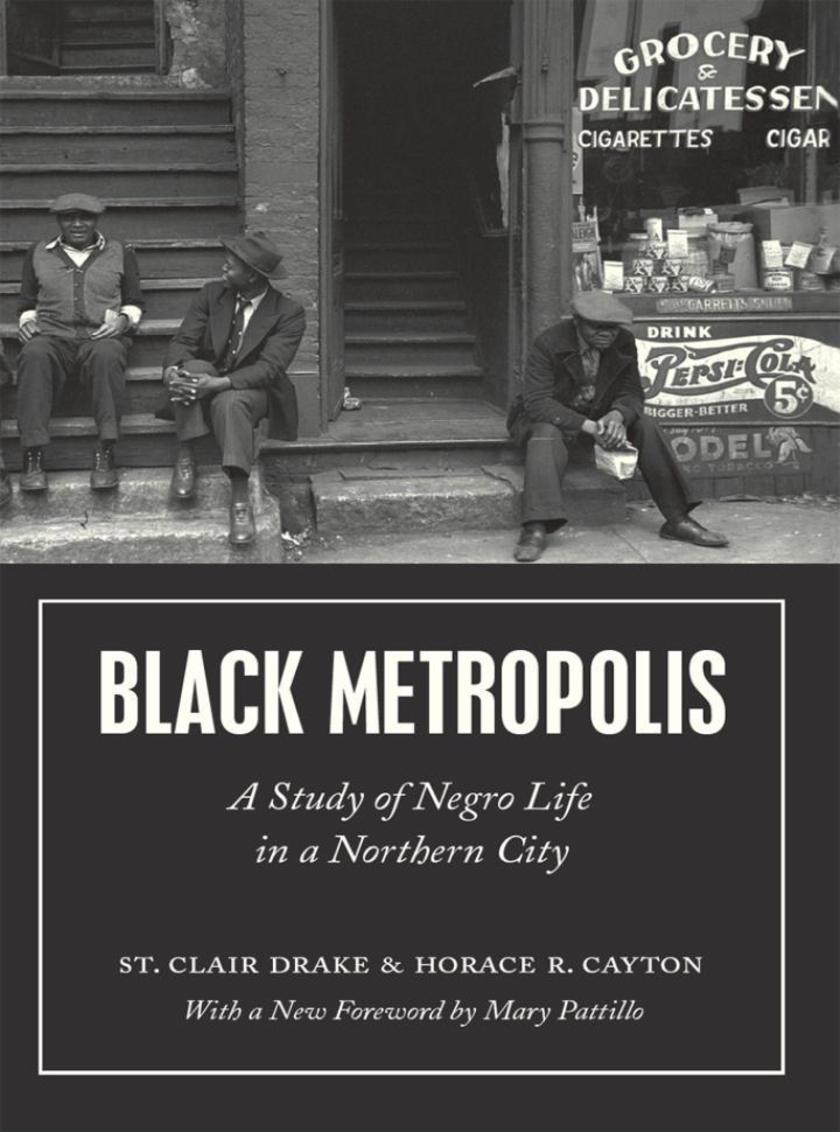
Ground-breaking when first published in 1945, Black Metropolis remains a landmark study of race and urban life. Few studies since have been able to match its scope and magnitude, offering one of the most comprehensive looks at black life in America. Based on research conducted by Works Progress Administration field workers, it is a sweeping historical and sociological account of the people of Chicago's South Side from the 1840s through the 1930s. Its findings offer a comprehensive analysis of black migration, settlement, community structure, and black-white race relations in the first half of the twentieth century. It offers a dizzying and dynamic world filled with captivating people and startling revelations.A new foreword from sociologist Mary Pattillo places the study in modern context, updating the story with the current state of black communities in Chicago and the larger United States and exploring what this means for the future. As the country continues to struggle with race and our treatment of black lives, Black Metropolis continues to be a powerful contribution to the conversation.
Crucibles of Black Empowerment
¥288.41
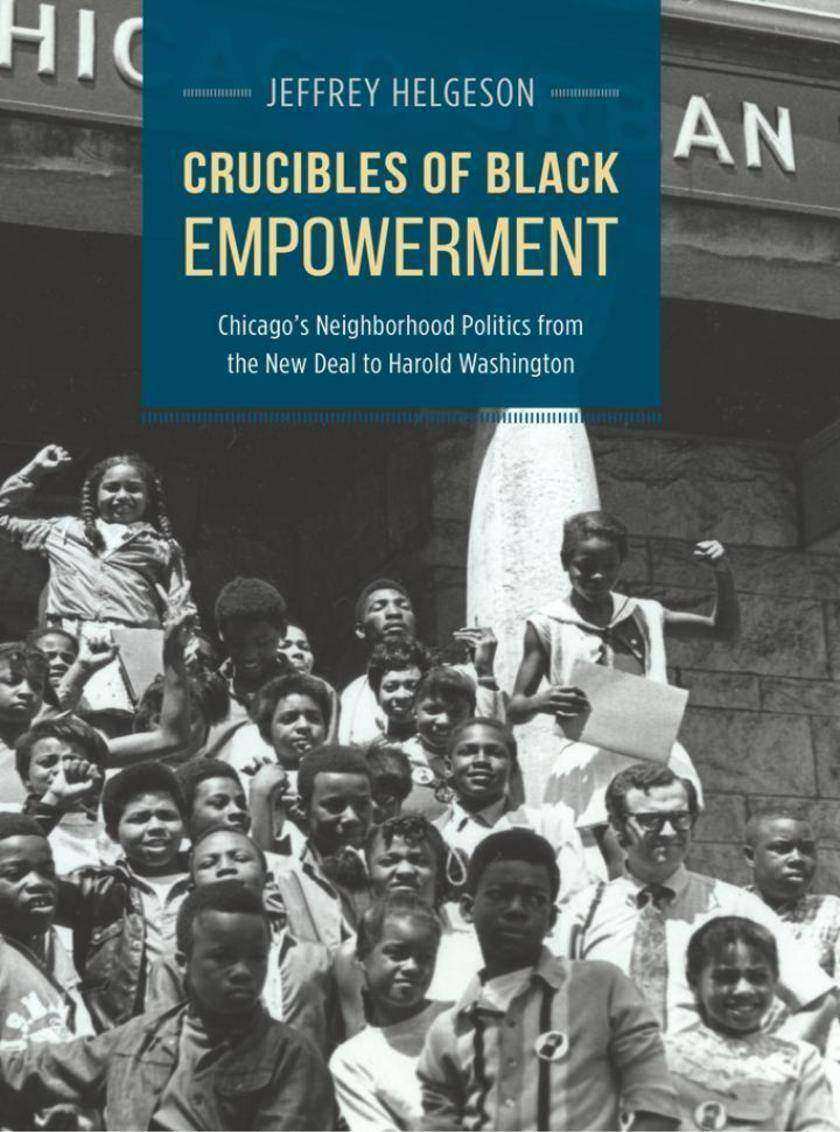
The term "e;community organizer"e; was deployed repeatedly against Barack Obama during the 2008 presidential campaign as a way to paint him as an inexperienced politician unfit for the presidency. The implication was that the job of a community organizer wasn't a serious one, and that it certainly wasn't on the list of credentials needed for a presidential?resume.?In reality, community organizers have played key roles in the political lives of American cities for decades, perhaps never more so than during the 1970s in Chicago, where African Americans laid the groundwork for further empowerment as they organized against segregation, discrimination, and lack of equal access to schools, housing, and jobs.In?Crucibles of Black Empowerment, Jeffrey Helgeson recounts the rise of African American political power and activism from the 1930s onward, revealing how it was achieved through community building. His book tells stories of the housewives who organized their neighbors, building tradesmen who used connections with federal officials to create opportunities in a deeply discriminatory employment sector, and the social workers, personnel managers, and journalists who carved out positions in the white-collar workforce. ?Looking closely at black liberal politics at the neighborhood level in Chicago, Helgeson explains how black Chicagoans built the networks that eventually would overthrow the city's seemingly invincible political machine.
Poor Tom
¥288.41
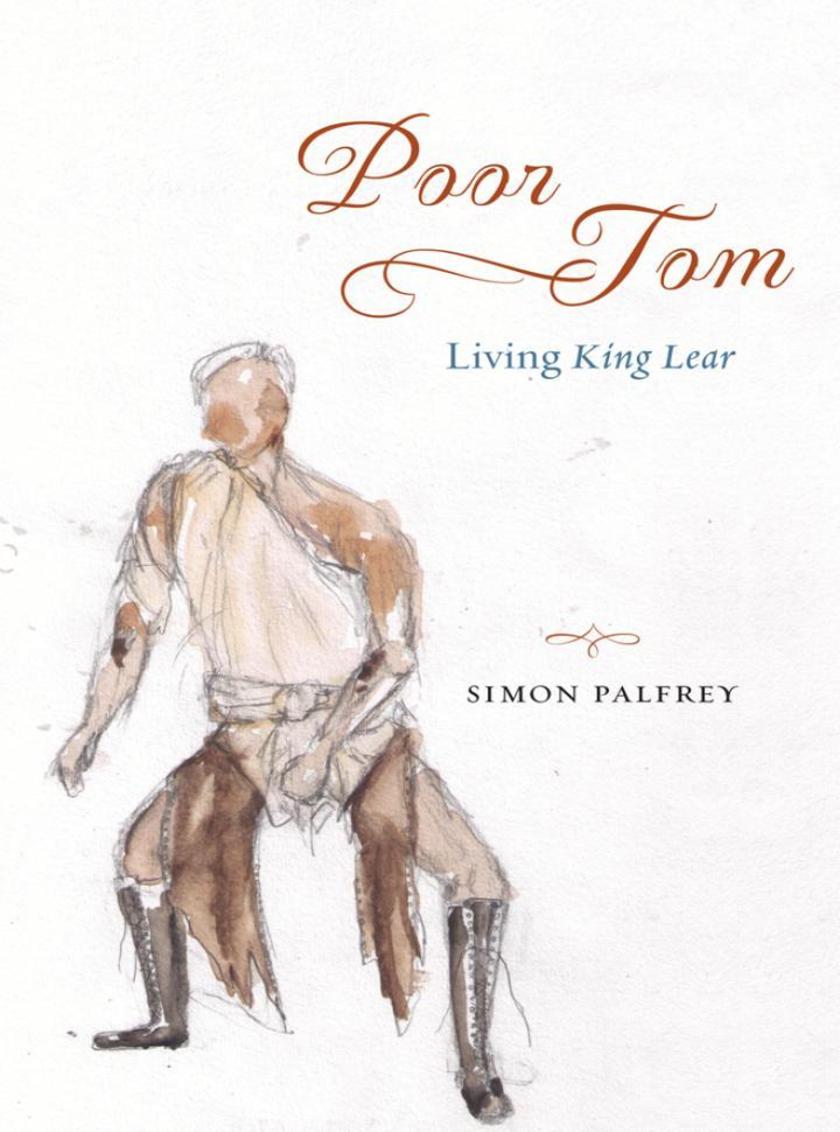
King Lear is perhaps the most fierce and moving play ever written. And yet there is a curious puzzle at its center. The figure to whom Shakespeare gives more lines than anyone except the king-Edgar-has often seemed little more than a blank, ignored and unloved, a belated moralizer who, try as he may, can never truly speak to the play's savaged heart. He saves his blinded father from suicide, but even this act of care is shadowed by suspicions of evasiveness and bad faith.In Poor Tom, Simon Palfrey asks us to go beyond any such received understandings-and thus to experience King Lear as never before. He argues that the part of Edgar is Shakespeare's most radical experiment in characterization, and his most exhaustive model of both human and theatrical possibility. The key to the Edgar character is that he spends most of the play disguised, much of it as "e;Poor Tom of Bedlam,"e; and his disguises come to uncanny life. The Edgar role is always more than one person; it animates multitudes, past and present and future, and gives life to states of being beyond the normal reach of the senses-undead, or not-yet, or ghostly, or possible rather than actual. And because the Edgar role both connects and retunes all of the figures and scenes in King Lear, close attention to this particular part can shine stunning new light on how the whole play works.The ultimate message of Palfrey's bravura analysis is the same for readers or actors or audiences as it is for the characters in the play: see and listen feelingly; pay attention, especially when it seems as though there is nothing there.
After Preservation
¥147.15
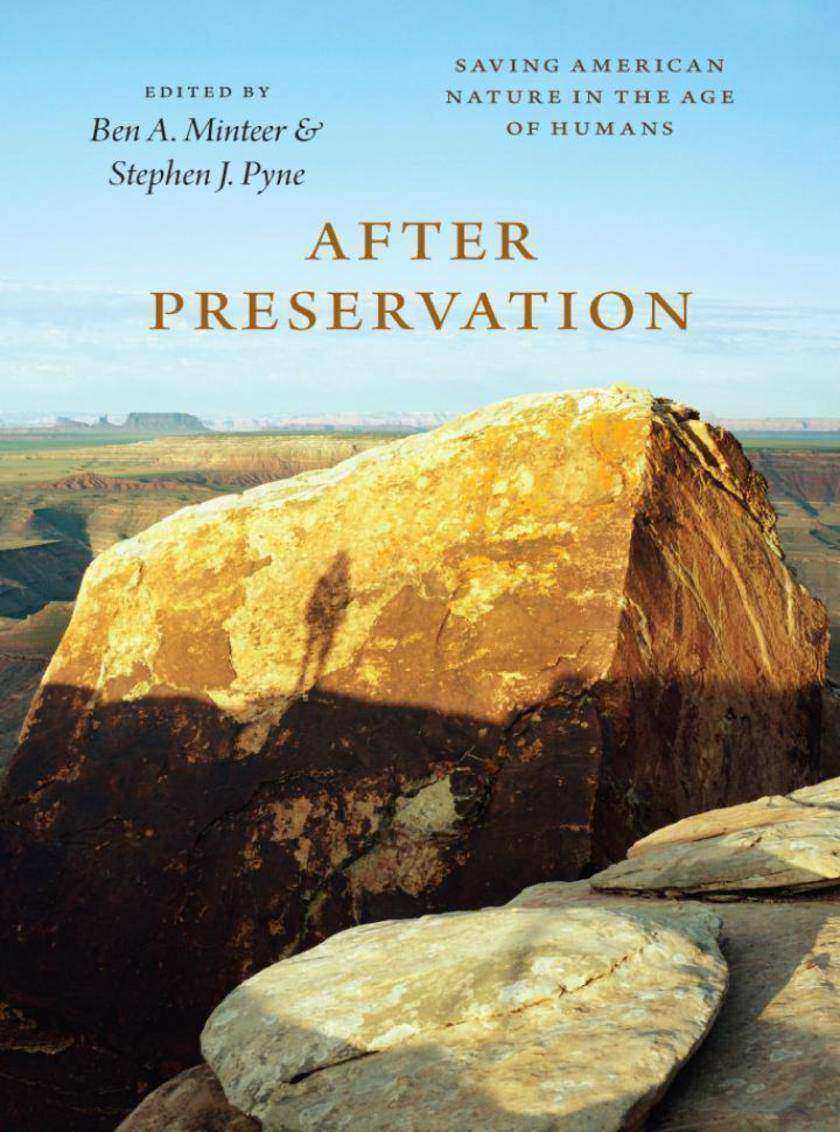
From John Muir to David Brower, from the creation of Yellowstone National Park to the Endangered Species Act, environmentalism in America has always had close to its core a preservationist ideal. Generations have been inspired by its ethos-to encircle nature with our protection, to keep it apart, pristine, walled against the march of human development. But we have to face the facts. Accelerating climate change, rapid urbanization, agricultural and industrial devastation, metastasizing fire regimes, and other quickening anthropogenic forces all attest to the same truth: the earth is now spinning through the age of humans. After Preservation takes stock of the ways we have tried to both preserve and exploit nature to ask a direct but profound question: what is the role of preservationism in an era of seemingly unstoppable human development, in what some have called the AnthropoceneBen A. Minteer and Stephen J. Pyne bring together a stunning consortium of voices comprised of renowned scientists, historians, philosophers, environmental writers, activists, policy makers, and land managers to negotiate the incredible challenges that environmentalism faces. Some call for a new, post-preservationist model, one that is far more pragmatic, interventionist, and human-centered. Others push forcefully back, arguing for a more chastened and restrained vision of human action on the earth. Some try to establish a middle ground, while others ruminate more deeply on the meaning and value of wilderness. Some write on species lost, others on species saved, and yet others discuss the enduring practical challenges of managing our land, water, and air.From spirited optimism to careful prudence to critical skepticism, the resulting range of approaches offers an inspiring contribution to the landscape of modern environmentalism, one driven by serious, sustained engagements with the critical problems we must solve if we-and the wild garden we may now keep-are going to survive the era we have ushered in. ?Contributors include: Chelsea K. Batavia, F. Stuart (Terry) Chapin III, Norman L. Christensen, Jamie Rappaport Clark, William Wallace Covington, Erle C. Ellis, Mark Fiege, Dave Foreman, Harry W. Greene, Emma Marris, Michelle Marvier, Bill McKibben, J. R. McNeill, Curt Meine, Ben A. Minteer, Michael Paul Nelson, Bryan Norton, Stephen J. Pyne, Andrew C. Revkin, Holmes Rolston III, Amy Seidl, Jack Ward Thomas, Diane J. Vosick, John A. Vucetich, Hazel , and Donald Worster.?

Fiela's Child
¥241.33
Set in nineteenth-century rural Africa, Fiela's Child tells the gripping story of Fiela Komoetie and a white, three-year old child, Benjamin, whom she finds crying on her doorstep. For nine years Fiela raises Benjamin as one of her own children. But when census takers discover Benjamin, they send him to an illiterate white family of woodcutters who claim him as their son. What follows is Benjamin's search for his identity and the fundamental changes affecting the white and black families who claim him."e;Everything a novel can be: convincing, thought-provoking, upsetting, unforgettable, and timeless."e;-Grace Ingoldby, New Statesman"e;Fiela's Child is a parade that broadens and humanizes our understanding of the conflicts still affecting South Africa today."e;-Francis Levy, New York Times Book Review"e;A powerful creation of time and place with dark threads of destiny and oppression and its roots in the almost Biblical soil of a storyteller's art."e;-Christopher Wordsworth, The Guardian"e;The characters in the novel live and breathe; and the landscape is so brightly painted that the trees, birds, elephants, and rivers of old South Africa are characters themselves. A book not to miss."e;-Kirkus Reviews

Making Gray Gold
¥241.33
This first hand report on the work of nurses and other caregivers in a nursing home is set powerfully in the context of wider political, economic, and cultural forces that shape and constrain the quality of care for America's elderly. Diamond demonstrates in a compelling way the price that business-as-usual policies extract from the elderly as well as those whose work it is to care for them.In a society in which some two million people live in 16,000 nursing homes, with their numbers escalating daily, this thought-provoking work demands immediate and widespread attention."e;[An] unnerving portrait of what it's like to work and live in a nursing home. . . . By giving voice to so many unheard residents and workers Diamond has performed an important service for us all."e;-Diane Cole, New York Newsday"e;With Making Gray Gold, Timothy Diamond describes the commodification of long-term care in the most vivid representation in a decade of round-the-clock institutional life. . . . A personal addition to the troublingly impersonal national debate over healthcare reform."e;-Madonna Harrington Meyer, Contemporary Sociology
Freedom and the End of Reason
¥229.55
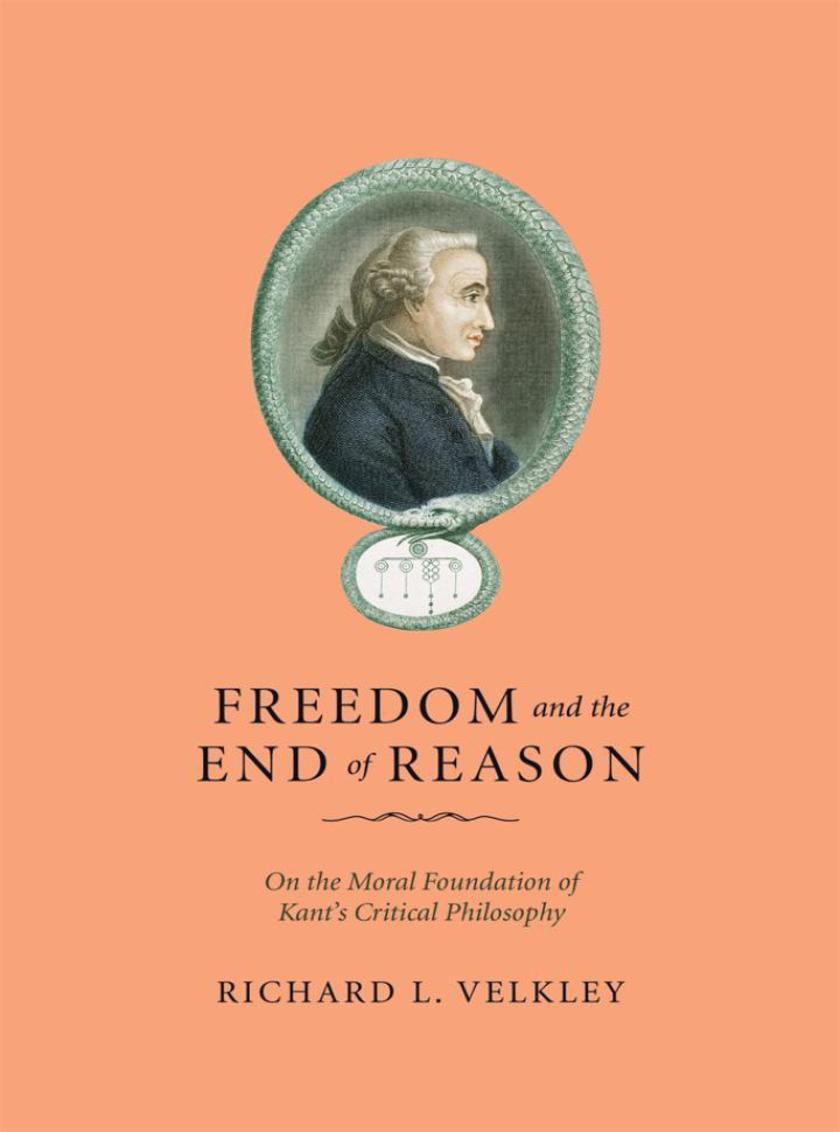
In Freedom and the End of Reason, Richard L. Velkley offers an influential interpretation of the central issue of Kant's philosophy and an evaluation of its position within modern philosophy's larger history. He persuasively argues that the whole of Kantianism-not merely the Second Critique-focuses on a "e;critique of practical reason"e; and is a response to a problem that Kant saw as intrinsic to reason itself: the teleological problem of its goodness. Reconstructing the influence of Rousseau on Kant's thought, Velkley demonstrates that the relationship between speculative philosophy and practical philosophy in Kant is far more intimate than generally has been perceived. By stressing a Rousseau-inspired notion of reason as a provider of practical ends, he is able to offer an unusually complete account of Kant's idea of moral culture.
Little Magazine in Contemporary America
¥229.55
Little magazines have often showcased the best new writing in America. Historically, these idiosyncratic, small-circulation outlets have served the dual functions of representing the avant-garde of literary expression while also helping many emerging writers become established authors. Although changing technology and the increasingly harsh financial realities of publishing over the past three decades would seem to have pushed little magazines to the brink of extinction, their story is far more complicated.In this collection, Ian Morris and Joanne Diaz gather the reflections of twenty-three prominent editors whose little magazines have flourished over the past thirty-five years. Highlighting the creativity and innovation driving this diverse and still vital medium, contributors offer insights into how their publications sometimes succeeded, sometimes reluctantly folded, but mostly how they evolved and persevered. Other topics discussed include the role of little magazines in promoting the work and concerns of minority and women writers, the place of universities in supporting and shaping little magazines, and the online and offline future of these publications.Selected contributorsBetsy Sussler, BOMB; Lee Gutkind, Creative Nonfiction; Bruce Andrews, L=A=N=G=U=A=G=E; Dave Eggers, McSweeney's; Keith Gessen, n+1; Don Share, Poetry; Jane Friedman, VQR; Amy Hoffman, Women's Review of Books; and more.?

What Did the Romans Know?
¥229.55
What did the Romans know about their worldQuite a lot, as Daryn Lehoux makes clear in this fascinating and much-needed contribution to the history and philosophy of ancient science. Lehoux contends that even though many of the Romans' views about the natural world have no place in modern science-the umbrella-footed monsters and dog-headed people that roamed the earth and the stars that foretold human destinies-their claims turn out not to be so radically different from our own.?Lehoux draws upon a wide range of sources from what is unquestionably the most prolific period of ancient science, from the first century BC to the second century AD. He begins with Cicero's theologico-philosophical trilogy On the Nature of the Gods, On Divination, and On Fate, illustrating how Cicero's engagement with nature is closely related to his concerns in politics, religion, and law. Lehoux then guides readers through highly technical works by Galen and Ptolemy, as well as the more philosophically oriented physics and cosmologies of Lucretius, Plutarch, and Seneca, all the while exploring the complex interrelationships between the objects of scientific inquiry and the norms, processes, and structures of that inquiry. This includes not only the tools and methods the Romans used to investigate nature, but also the Romans' cultural, intellectual, political, and religious perspectives. Lehoux concludes by sketching a methodology that uses the historical material he has carefully explained to directly engage the philosophical questions of incommensurability, realism, and relativism.?By situating Roman arguments about the natural world in their larger philosophical, political, and rhetorical contexts, What Did the Romans Knowdemonstrates that the Romans had sophisticated and novel approaches to nature, approaches that were empirically rigorous, philosophically rich, and epistemologically complex.
Urban Blues
¥211.90
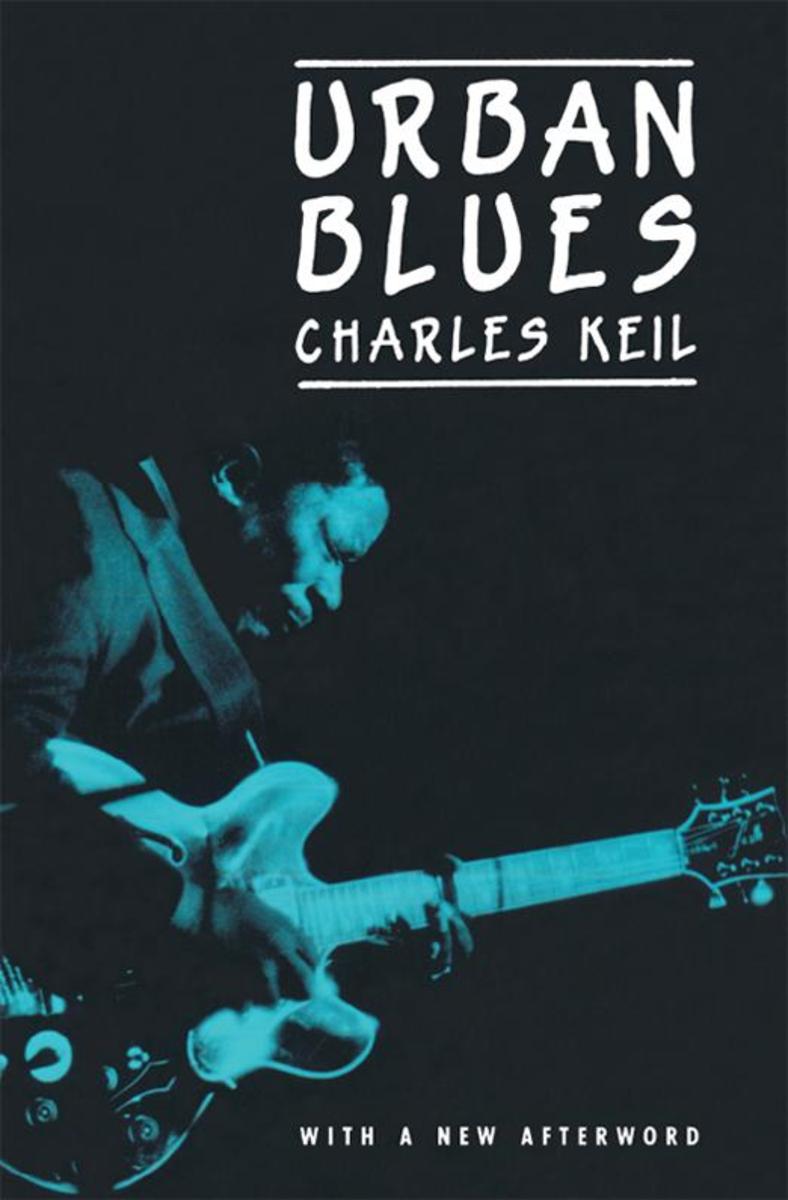
Charles Keil examines the expressive role of blues bands and performers and stresses the intense interaction between performer and audience. Profiling bluesmen Bobby Bland and B. B. King, Keil argues that they are symbols for the black community, embodying important attitudes and roles-success, strong egos, and close ties to the community. While writing Urban Blues in the mid-1960s, Keil optimistically saw this cultural expression as contributing to the rising tide of raised political consciousness in Afro-America. His new Afterword examines black music in the context of capitalism and black culture in the context of worldwide trends toward diversification."e;Enlightening. . . . [Keil] has given a provocative indication of the role of the blues singer as a focal point of ghetto community expression."e;-John S. Wilson, New York Times Book Review"e;A terribly valuable book and a powerful one. . . . Keil is an original thinker and . . . has offered us a major breakthrough."e;-Studs Terkel, Chicago Tribune"e;[Urban Blues] expresses authentic concern for people who are coming to realize that their past was . . . the source of meaningful cultural values."e;-Atlantic"e;An achievement of the first magnitude. . . . He opens our eyes and introduces a world of amazingly complex musical happening."e;-Robert Farris Thompson, Ethnomusicology?"e;[Keil's] vigorous, aggressive scholarship, lucid style and sparkling analysis stimulate the challenge. Valuable insights come from treating urban blues as artistic communication."e;-James A. Bonar, Boston Herald?
Commentary on The Complete Greek Tragedies. Aeschylus
¥211.90
This commentary offers a rich introduction and useful guide to the seven surviving plays attributed to Aeschylus. Though it may profitably be used with any translation of Aeschylus, the commentary is based on the acclaimed Chicago translations, The Complete Greek Tragedies, edited by David Grene and Richmond Lattimore.James C. Hogan provides a general introduction to Aeschylean theater and drama, followed by a line-by-line commentary on each of the seven plays. He places Aeschylus in the historical, cultural, and religious context of fifth-century Athens, showing how the action and metaphor of Aeschylean theater can be illuminated by information on Athenian law athletic contests, relations with neighboring states, beliefs about the underworld, and countless other details of Hellenic life. Hogan clarifies terms that might puzzle modern readers, such as place names and mythological references, and gives special attention to textual and linguistic issues: controversial questions of interpretation; difficult or significant Greek words; use of style, rhetoric, and commonplaces in Greek poetry; and Aeschylus's place in the poetic tradition of Homer, Hesiod, and the elegiac poets. Practical information on staging and production is also included, as are maps and illustrations, a bibliography, indexes, and extensive cross-references between the seven plays. Forthcoming volumes will cover the works of Sophocles and Euripides.
"e;Do You Know...?"e;
¥211.90
Every night, somewhere in the world, three or four musicians will climb on stage together. Whether the gig is at a jazz club, a bar, or a bar mitzvah, the performance never begins with a note, but with a question. The trumpet player might turn to the bassist and ask, "e;Do you know 'Body and Soul'?"e;-and from there the subtle craft of playing the jazz repertoire is tested in front of a live audience. These ordinary musicians may never have played together-they may never have met-so how do they smoothly put on a show without getting booed offstage.In "e;Do You Know . . . ?"e; Robert R. Faulkner and Howard S. Becker-both jazz musicians with decades of experience performing-present the view from the bandstand, revealing the array of skills necessary for working musicians to do their jobs. While learning songs from sheet music or by ear helps, the jobbing musician's lexicon is dauntingly massive: hundreds of thousands of tunes from jazz classics and pop standards to more exotic fare. Since it is impossible for anyone to memorize all of these songs, Faulkner and Becker show that musicians collectively negotiate and improvise their way to a successful performance. Players must explore each others' areas of expertise, develop an ability to fake their way through unfamiliar territory, and respond to the unpredictable demands of their audience-whether an unexpected gang of polka fanatics or a tipsy father of the bride with an obscure favorite song."e;Do You Know . . . ?"e; dishes out entertaining stories and sharp insights drawn from the authors' own experiences and observations as well as interviews with a range of musicians. Faulkner and Becker's vivid, detailed portrait of the musician at work holds valuable lessons for anyone who has to think on the spot or under a spotlight.


