


 购物车
购物车 个人中心
个人中心
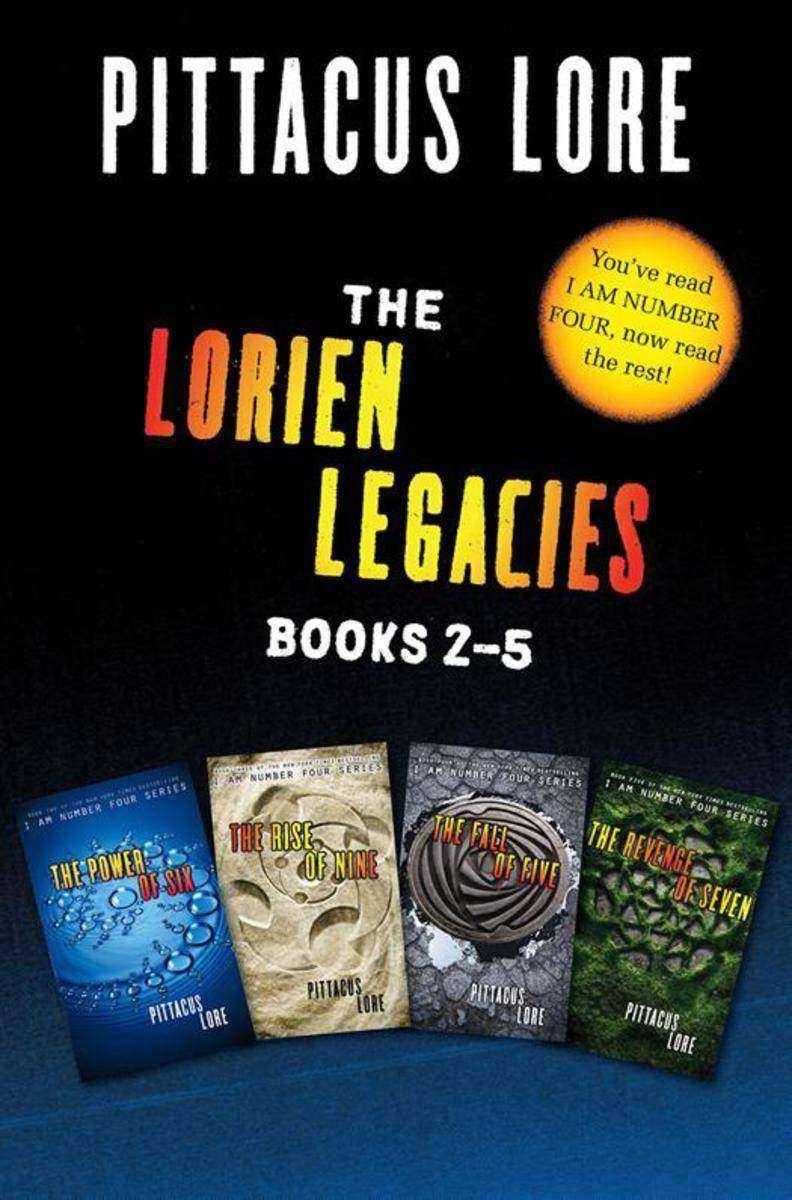
The Lorien Legacies: Books 2-5 Collection
¥381.65
Four thrilling bestselling novels are included in this collection:The Power of Six: I've seen him on the news. Followed the stories about what happened in Ohio. John Smith, out there, on the run. To the world, he's a mystery. But to me . . . he's one of us.There are six of us left. We're hiding, blending in, avoiding contact with one another . . . but our Legacies are developing, and soon we'll be equipped to fight. Is John Number Four, and is his appearance the sign I've been waiting forAnd what about Number Five and SixI am Number Seven. One of six still alive.And I'm ready to fight.The Rise of Nine: The stakes are higher than ever as John, Six, and Seven try desperately to find the rest of the Garde before it's too late. During the dangerous mission at the Mogadorian base in West Virginia, John found and rescued Nine. But even with their combined powers, special abilities known as Legacies, the pair barely escaped with their lives—and they lost Sam in the process. In order to save our world and their own, John and Nine must join forces with Six and Seven who have been battling the Mogadorians in Spain, and who are now trying to locate Number Eight in India.The Fall of Five: To defeat their enemy, the Garde must master their Legacies and learn to work together as a team. When the Garde receive a sign from Number Five—a crop circle in the shape of a Lorien symbol—they know they are close to being reunited. But could it be a trapTime is running out, and the only thing they know for certain is that they have to get to Five before it's too late.The Revenge of Seven: The fifth book in the New York Times bestselling I Am Number Four series! The Garde have suffered an unbearable loss. Number Five has betrayed them. Eight is gone forever. Ella has been kidnapped. The others are now scattered. The Garde are broken and divided once again, but they will not be defeated. As long as one still stands, the battle for Earth's survival is not lost.
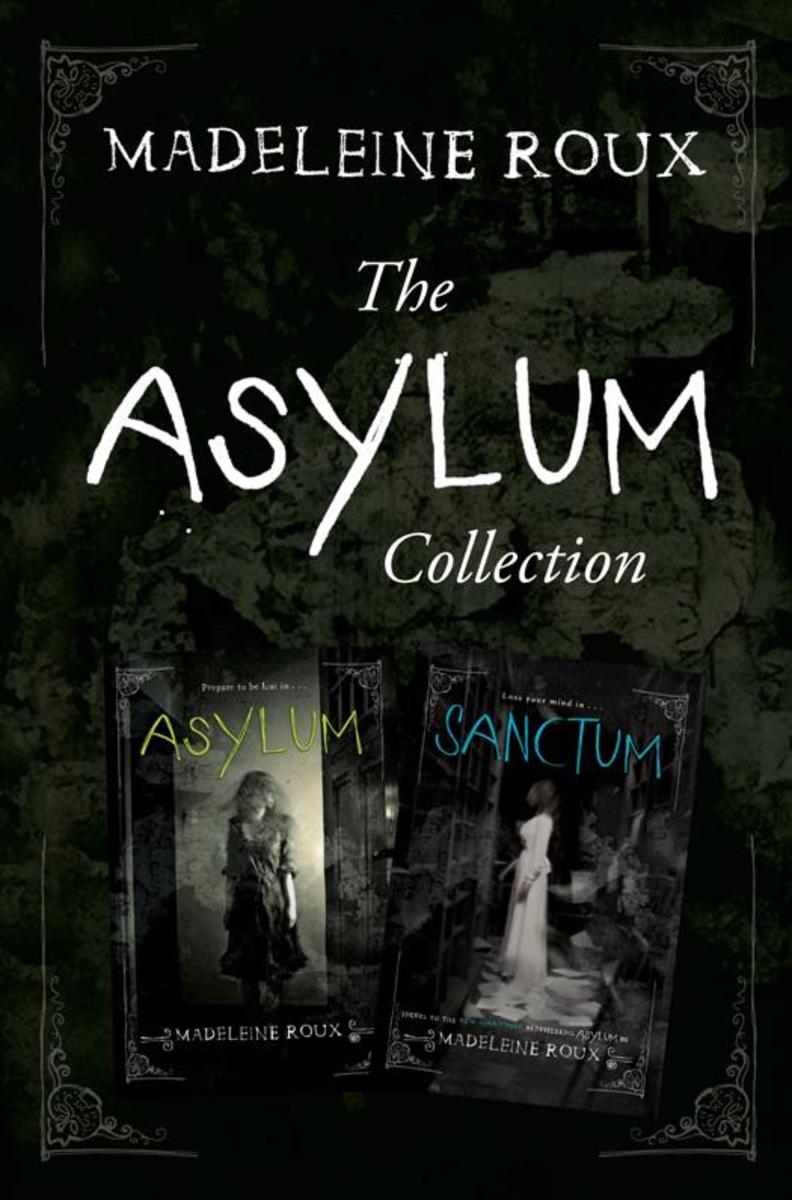
The Asylum Two-Book Collection
¥185.33
Here's a haunting two-book collection that's perfect for fans of Miss Peregrine's Home for Peculiar Children.Asylum: Madeleine Roux's New York Times bestselling Asylum is a thrilling and creepy photo-illustrated novel that Publishers Weekly called "a strong YA debut that reveals the enduring impact of buried trauma on a place." Featuring found photographs from real asylums and filled with chilling mystery and page-turning suspense, Asylum is a horror story that treads the line between genius and insanity.Sanctum: An Asylum Novel: In this haunting, fast-paced sequel to the New York Times bestselling photo-illustrated novel Asylum, three teens must unlock some long-buried secrets from the past before the past comes back to get them first. Featuring found photographs, many from real vintage carnivals, Sanctum is a mind-bending reading experience that blurs the lines between past and present, genius and insanity

Flat Stanley's Worldwide Adventures 4-Book Collection
¥103.33
With this collection of the first four novels in Flat Stanley's Worldwide Adventures, readers will soar through unforgettable adventure, witness friendship at its best, and learn tons of fun facts about the place Stanley visits! And for parents and teachers, each Flat Stanley book is aligned to the Common Core State Standards, including multicultural adventure, plot and character development story elements, and compare and contrast.Includes:#1: The Mount Rushmore Calamity: The whole Lambchop family is off to see Mount Rushmore. But when Flat Stanley and his brother, Arthur, team up with a scrappy cowgirl named Calamity Jasper, their vacation turns into the Wild West experience of a lifetime.#2: The Great Egyptian Grave Robbery: Ever since Stanley was flattened by a bulletin board, there are places he can get to that no one else can. So when Stanley receives a letter from an archaeologist, he travels by airmail to Egypt to help find an ancient treasure deep in the heart of a great pyramid. But what if even the flattest boy on earth can't wriggle out of this dark tomb—and the terrible mess he finds himself in?#3: The Japanese Ninja Surprise: Stanley and his brother, Arthur, are such huge fans of the movie star ninja Oda Nobu that they decide to send him something even better than fan mail—Stanley himself! But when trouble surprises them, it will take a real hero to save the day.#4: The Intrepid Canadian Expedition: Stanley Lambchop and his family are in British Columbia, Canada, for some skiing and winter fun. But when Stanley and his new friend Nick go snowboarding—with Stanley as the snowboard, of course—they take a midair tumble just as the wind picks up . . . and find themselves floating in an amazing Canadian cross-country journey that might just be Stanley's wildest adventure yet!

Flat Stanley's Worldwide Adventures Complete Collection
¥545.24
With this collection of all twelve novels in Flat Stanley's Worldwide Adventures, readers will soar through unforgettable adventure, witness friendship at its best, and learn tons of fun facts about the place Stanley visits! And for parents and teachers, each Flat Stanley book is aligned to the Common Core State Standards, including multicultural adventure, plot and character development story elements, and compare and contrast.Includes:#1: The Mount Rushmore Calamity#2: The Great Egyptian Grave Robbery#3: The Japanese Ninja Surprise#4: The Intrepid Canadian Expedition#5: The Amazing Mexican Secret#6: The African Safari Discovery#7: The Flying Chinese Wonders#8: The Australian Boomerang Bonanza#9: The US Capital Commotion#10: Showdown at the Alamo#11: Framed in France#12: Escape to California

Tiffany Aching 4-Book Collection
¥323.63
This collection includes all four Tiffany Aching novels in Terry Pratchett's beloved and bestselling Discworld series.The Wee Free Men: Armed with only a frying pan and her common sense, young witch-to-be Tiffany Aching must defend her home against the monsters of Fairyland. Luckily she has some very unusual help: the local Nac Mac Feegle—aka the Wee Free Men—a clan of fierce, sheep-stealing, sword-wielding, six-inch-high blue men. Together they must face headless horsemen, ferocious grimhounds, terrifying dreams come true, and ultimately the sinister Queen of the Elves herself. . . .A Hat Full of Sky: Tiffany Aching is ready to begin her apprenticeship in magic. She expects spells and magic—not chores and ill-tempered nanny goats! Surely there must be more to witchcraft than this!What Tiffany doesn't know is that an insidious, disembodied creature is pursuing her. In the end, it will take all of Tiffany's inner strength to save herself ... if it can be done at all.Wintersmith: When the Spirit of Winter takes a fancy to Tiffany Aching, he wants her to stay in his gleaming, frozen world. Forever. It will take the young witch's skill and cunning, as well as help from the legendary Granny Weatherwax and the irrepressible Wee Free Men, to survive until Spring. Because if Tiffany doesn't make it to Spring—Spring won't come.I Shall Wear Midnight: As the witch of the Chalk, Tiffany Aching performs the distinctly unglamorous work of caring for the needy. But someone—or something—is inciting fear, generating dark thoughts and angry murmurs against witches. Tiffany must find the source of unrest and defeat the evil at its root. Aided by the tiny-but-tough Wee Free Men, Tiffany faces a dire challenge, for if she falls, the whole Chalk falls with her. . . .
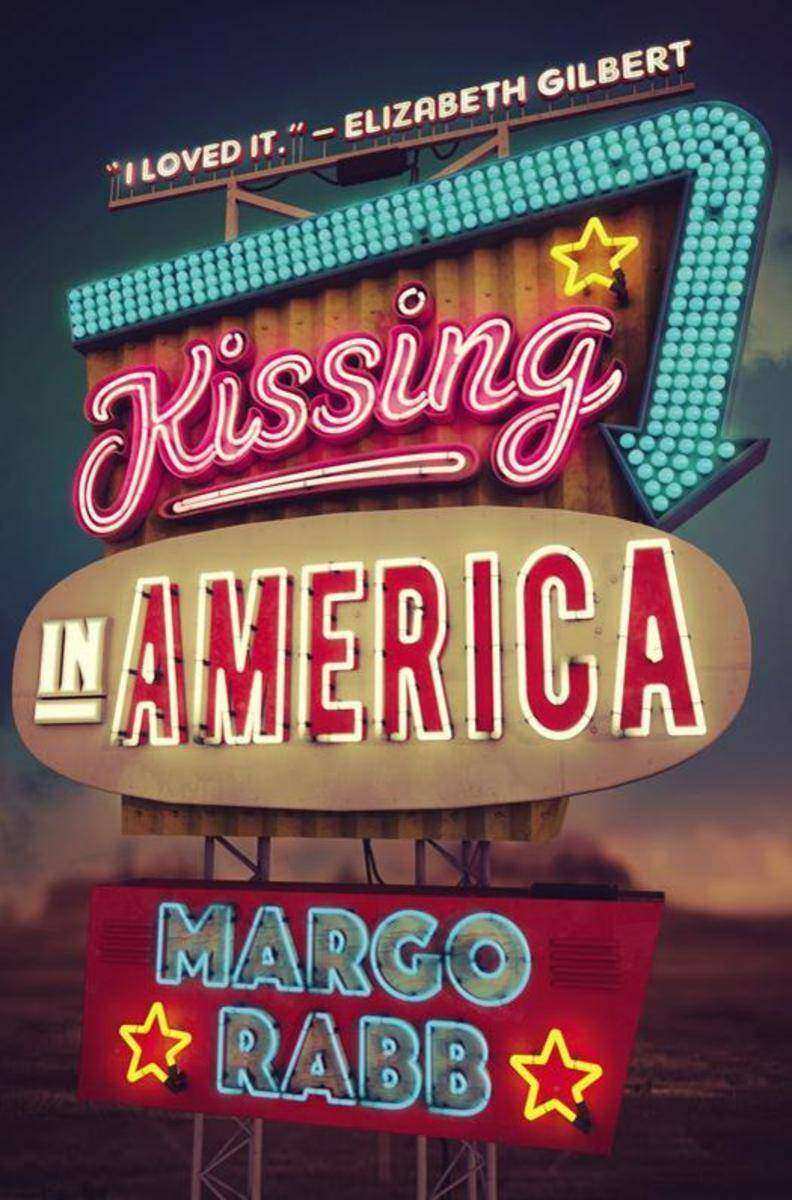
Kissing in America
¥55.33
Acclaimed writer Margo Rabb's Kissing in America is "a wonderful novel about friendship, love, travel, life, hope, poetry, intelligence, and the inner lives of girls," raves internationally bestselling author Elizabeth Gilbert (Eat, Pray, Love). In the two years since her father died, sixteen-year-old Eva has found comfort in reading romance novels—118 of them, to be exact—to dull the pain of her loss that's still so present. Her romantic fantasies become a reality when she meets Will, who understands Eva's grief. Unfortunately, after Eva falls head over heels for him, he picks up and moves to California without any warning. Not wanting to lose the only person who has been able to pull her out of sadness—and, perhaps, her shot at real love—Eva and her best friend, Annie, concoct a plan to travel to the West Coast to see Will again. As they road trip across America, Eva and Annie confront the complex truth about love.In this honest and emotional journey that National Book Award finalist Sara Zarr calls "gorgeous, funny, and joyous," readers will experience the highs of infatuation and the lows of heartache as Eva contends with love in all its forms.
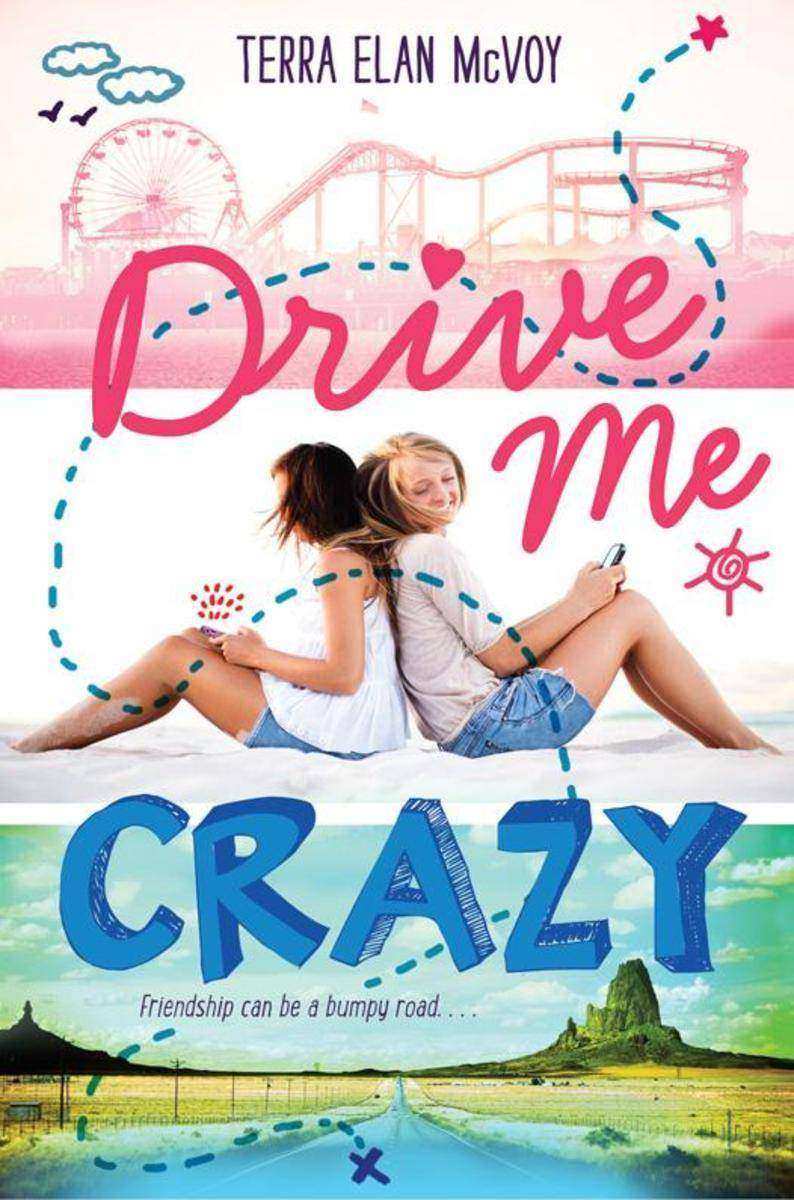
Drive Me Crazy
¥39.24
Friendship can be a bumpy road. . . . Lana and Cassie have met only once before, at the wedding of Lana's Grandpa Howe and Cassie's Grandma Tess two months ago. The two girls couldn't be more different, and they didn't exactly hit it off—but they're about to spend an entire week together for their grandparents' honeymoon, road-tripping from California to Maine in the backseat of a Subaru.It's going to be a disaster.Told in alternating chapters between Cassie and Lana, Drive Me Crazy is a tween rivalry-turned-friendship story bursting with humor and heart.
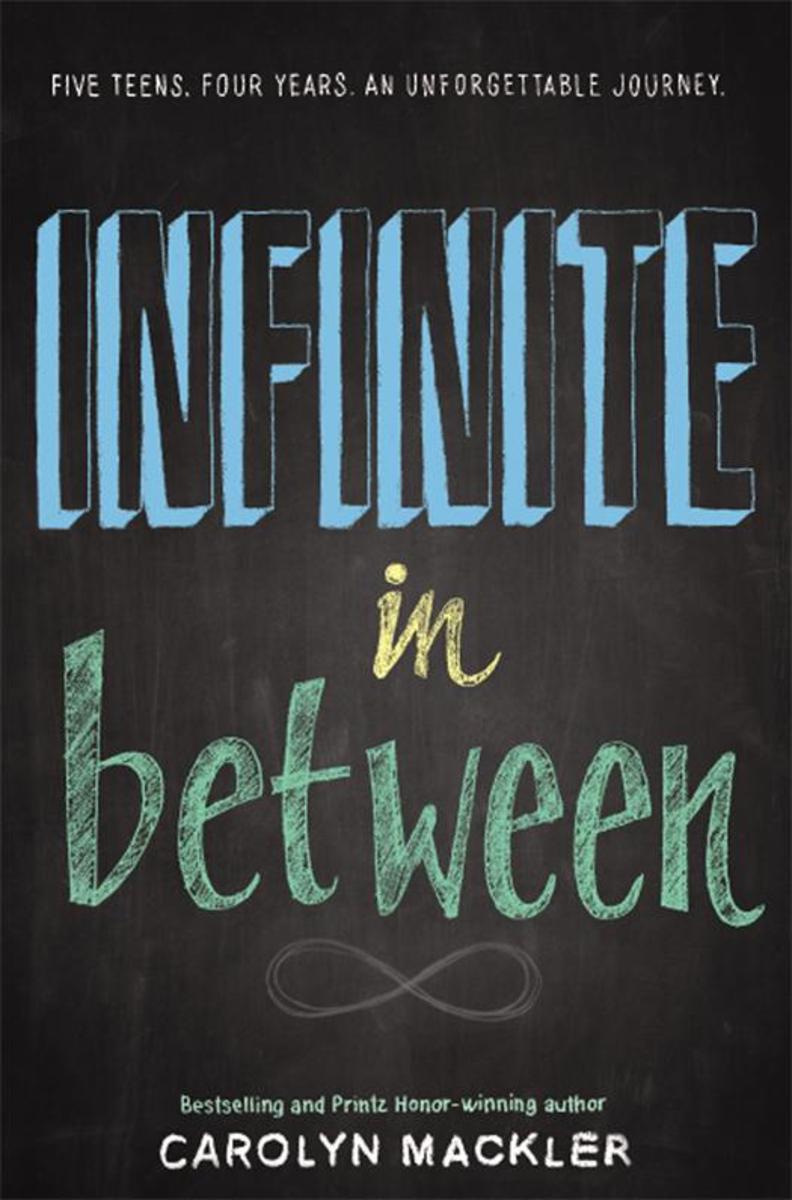
Infinite in Between
¥56.08
Printz Honor author Carolyn Mackler returns with this striking new novel that chronicles the lives of five teenagers through the thrills, heartbreaks, and joys of their four years in high school.Zoe, Jake, Mia, Gregor, and Whitney meet at freshman orientation. At the end of that first day, they make a promise to reunite after graduation. So much can happen in those in-between years….Zoe feels like she will live forever in her famous mother’s shadow. Jake struggles to find the right connections in friendship and in love. Mia keeps trying on new identities, looking for one that actually fits. Gregor thought he wanted to be more than just a band geek. And Whitney seems to have it all, until it’s all falling apart around her.Echoing aspects of John Hughes’s The Breakfast Club, Carolyn Mackler skillfully brings the stories of these five disparate teens together to create a distinct and cohesive whole—a novel about how we can all affect one another’s lives in the most unexpected and amazing ways.
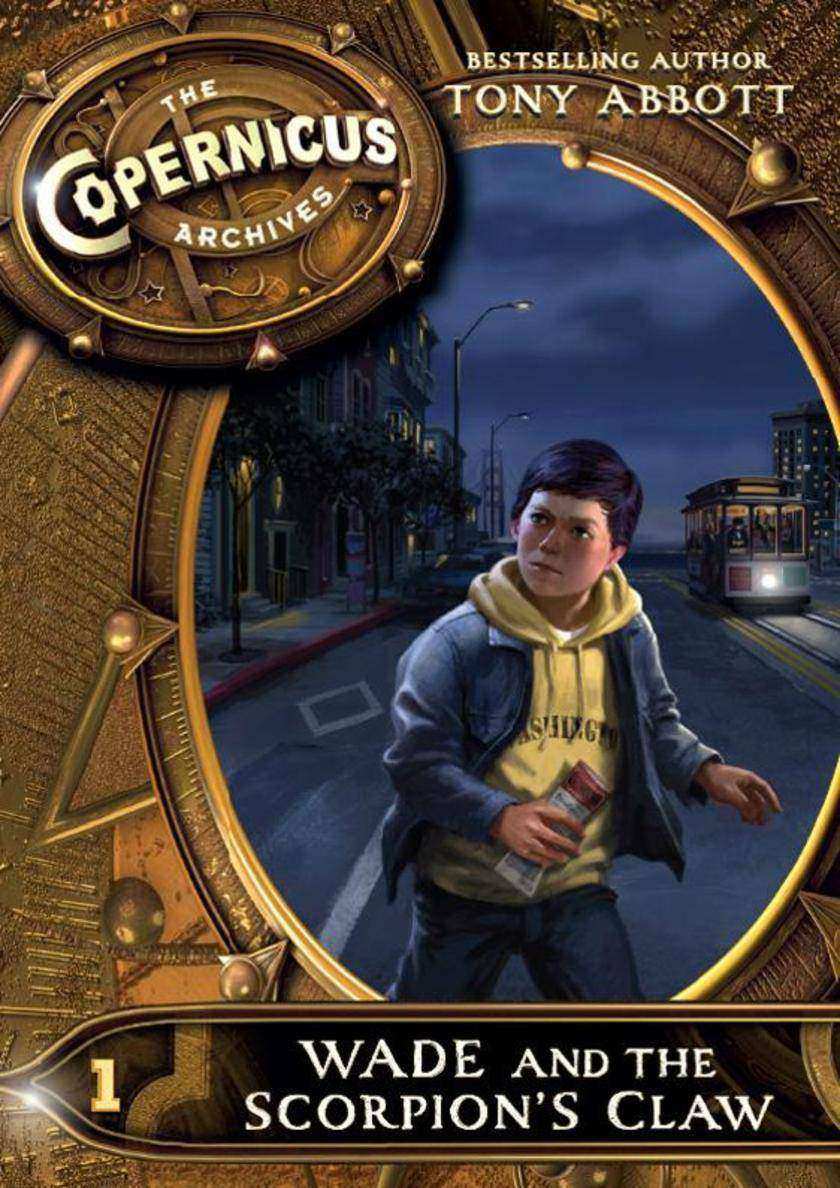
The Copernicus Archives #1: Wade and the Scorpion's Claw
¥22.33
The quest for the relics continues. Travel deeper into the mysterious world of the Copernicus Legacy with the Copernicus Archives: exciting, fast-paced novellas that get you close to the characters and the heart of the adventure.Wade and the Scorpion's Claw picks up right where The Copernicus Legacy: The Forbidden Stone left off, with the Kaplan family seeking the next Copernicus relic. Now Wade, the curious, analytical, yet starry-eyed member of the group, leads the chase for another relic through the busy streets of San Francisco while on the run from one of Galina Krause's most treacherous henchmen.Perfect for fans of Rick Riordan and Ridley Pearson, Wade and the Scorpion's Claw continues the thrilling Copernicus Legacy quest and brings one of the characters into the spotlight.Supports the Common Core State Standards
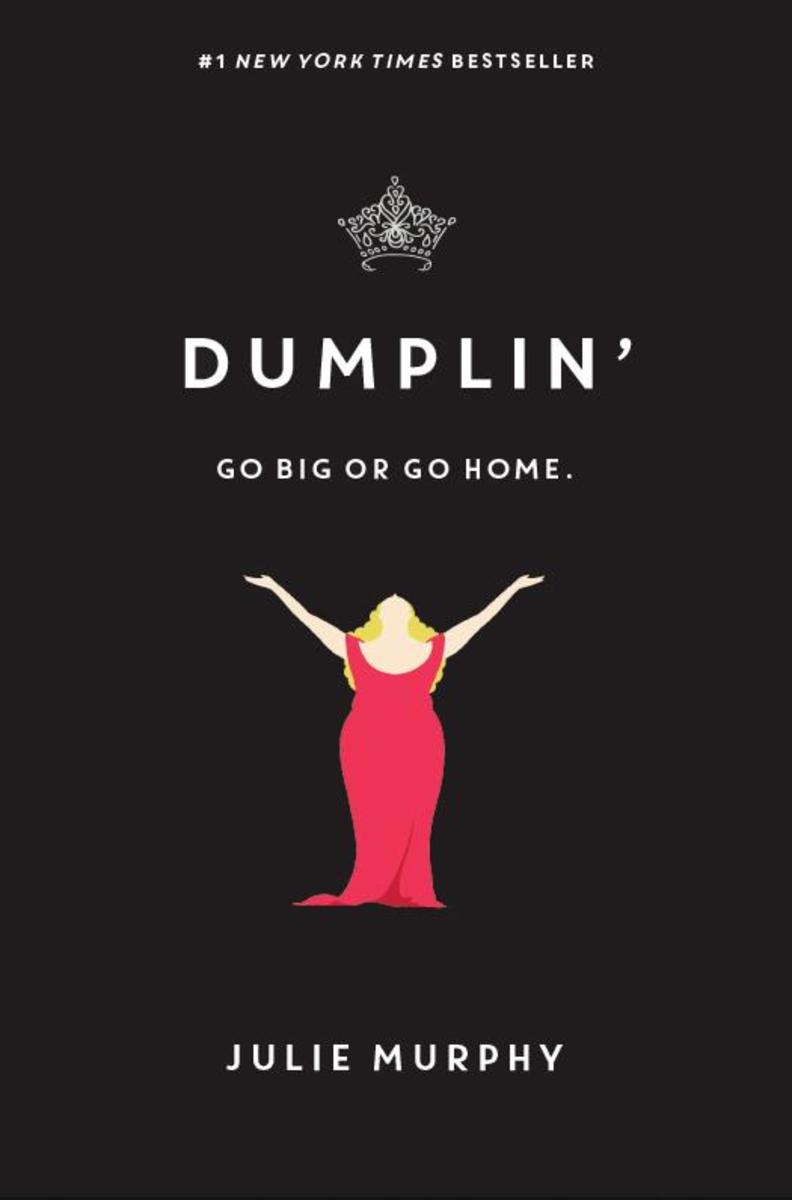
Dumplin'
¥55.33
For fans of John Green and Rainbow Rowell comes this powerful novel with the most fearless heroine—self-proclaimed fat girl Willowdean Dickson—from Julie Murphy, the acclaimed author of Side Effects May Vary. With starry Texas nights, red candy suckers, Dolly Parton songs, and a wildly unforgettable heroine—Dumplin’ is guaranteed to steal your heart.Dubbed “Dumplin’” by her former beauty queen mom, Willowdean has always been at home in her own skin. Her thoughts on having the ultimate bikini bodyPut a bikini on your body. With her all-American-beauty best friend, Ellen, by her side, things have always worked . . .until?Will takes a job at Harpy’s, the local fast-food joint. There she meets Private School Bo, a hot former jock. Will isn’t surprised to find herself attracted to Bo. But she?is?surprised when he seems to like her back. ?Instead of finding new heights of self-assurance in her relationship with Bo, Will starts to doubt herself.?So she sets out to take back her confidence by doing?the most horrifying thing she can imagine: entering the Miss Teen Blue Bonnet Pageant—along with several other unlikely candidates—to show the world that she deserves to be up there as much as any twiggy girl does. Along the way, she’ll shock the hell out of Clover City—and maybe herself most of all.

The Revenge Playbook
¥56.08
Don't get mad, get even! In this poignant and hilarious novel, Rachael Allen brilliantly explores the nuances of high school hierarchies, the traumas sustained on the path to finding true love, and the joy of discovering a friend where you least expect.In the small town of Ranburne, high school football rules and the players are treated like kings. How they treat the girls they go to school withThat's a completely different story. Liv, Peyton, Melanie Jane, and Ana each have their own reason for wanting to teach the team a lesson—but it's only when circumstances bring them together that they come up with the plan to steal the one thing the boys hold sacred. All they have to do is beat them at their own game.

The Dolls
¥55.33
Pretty Little Liars meets Beautiful Creatures in this steamy southern suspense novel about a group of powerful teen voodoo queens who will do anything to get what they want.Eveny Cheval has just moved back to Carrefour, Louisiana—a town she left fourteen years ago in the wake of her mother's suicide. An outsider at first, Eveny quickly finds herself embroiled in a web of intrigue, betrayal, and lies. Enter Peregrine Marceau, Chloe St. Pierre, and their group of rich, sexy friends collectively known as the Dolls. They want to bring Eveny into their circle and share their darkest truths with her.Eveny is wary of these girls, but after murder strikes and she discovers that everything she believes about herself, her family, and her life is a lie, she's forced to turn to the Dolls for answers. Something's wrong in paradise, and it's up to Eveny, Chloe, and Peregrine to save Carrefour and make it right.
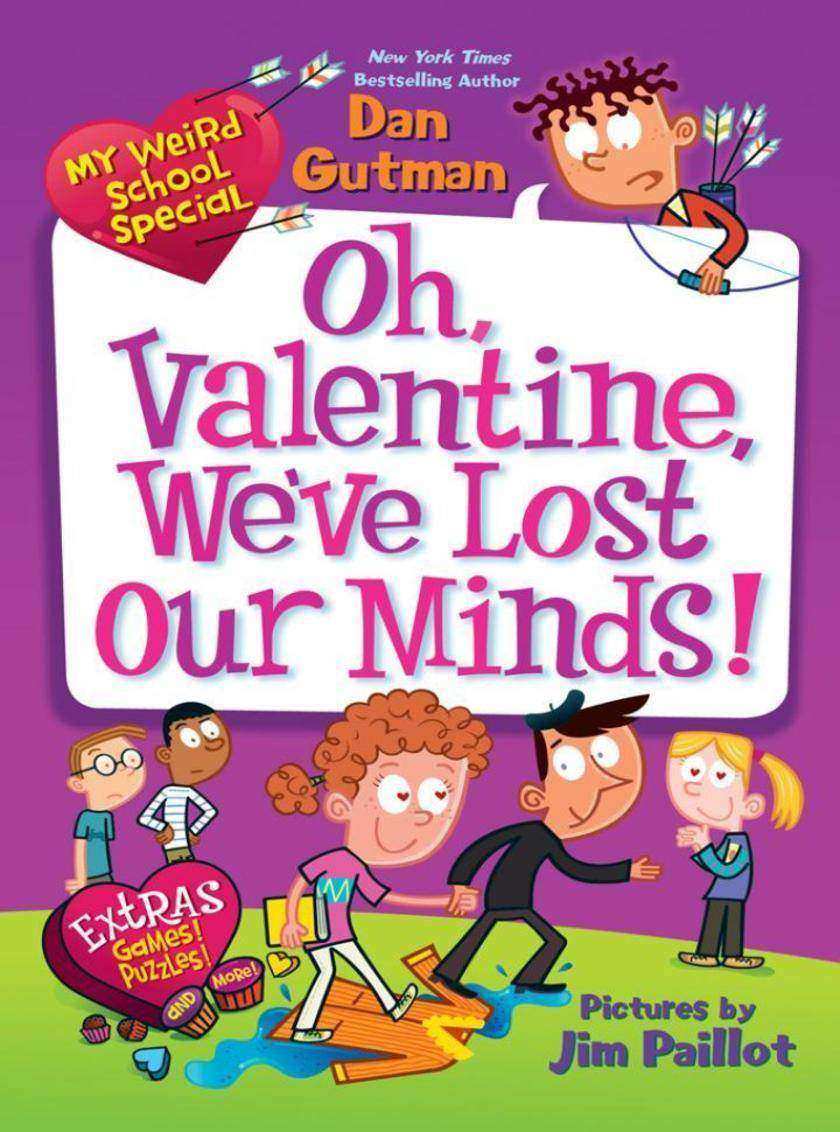
My Weird School Special: Oh, Valentine, We've Lost Our Minds!
¥33.53
A.J. and the gang from My Weird School star in this series of after-school, holiday-themed chapter books featuring all-new hilarious stories and thirty-two pages of games, puzzles, and more.It's the week of Valentine's Day, and A.J.'s class is getting a foreign exchange student! His name is Pierre, and he's from France. But what happens when Pierre challenges A.J. to a duel (or at least a thumb war) over AndreaOne thing's for sure: when L-O-V-E comes to Ella Mentry, it spells the weirdest Valentine's Day story in the history of the world!Bestselling author Dan Gutman brings his kid-friendly sense of humor to this all-new series of holiday adventures. With My Weird School checklists and trivia plus tons of Valentine-themed facts and puzzles, this is one weird Valentine special you don't want to miss!
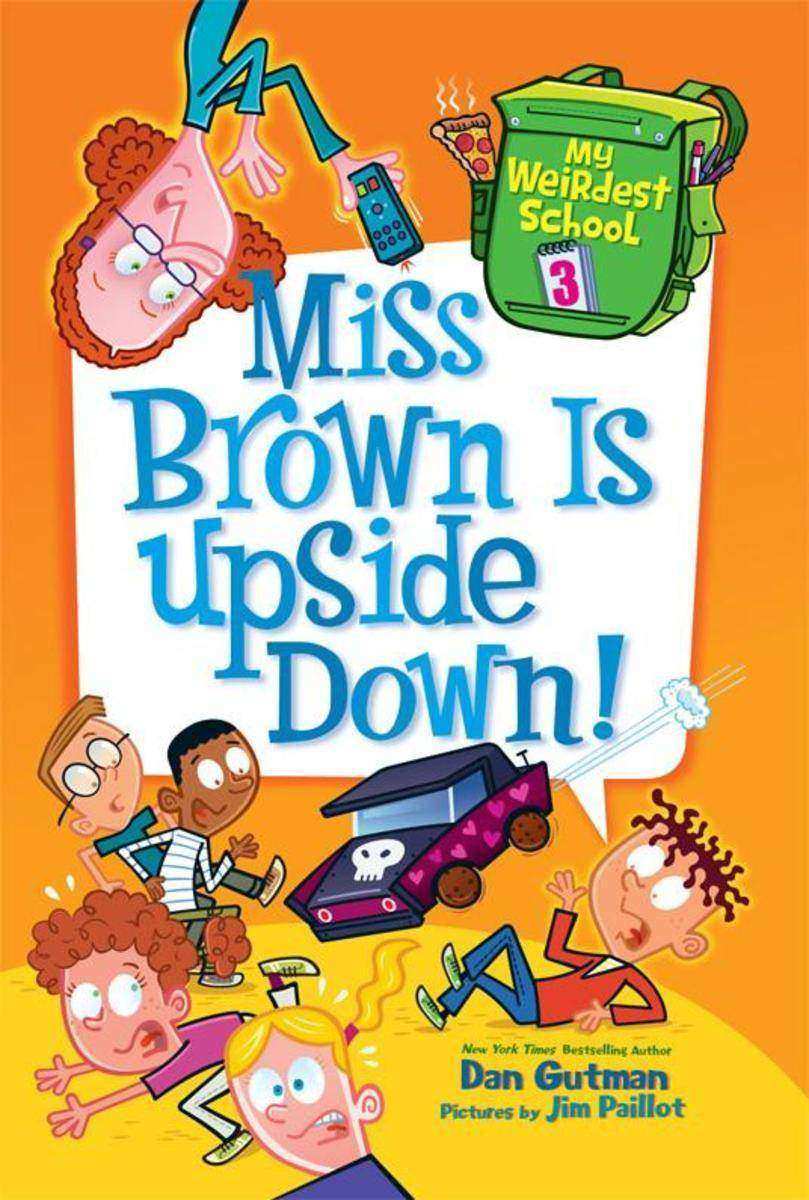
My Weirdest School #3: Miss Brown Is Upside Down!
¥27.94
With more than 9 million books sold, the My Weird School series really gets kids reading!In this third book in the new My Weirdest School series, the Brain Games are coming to Ella Mentry School! Miss Brown will help the kids do creative projects, like building a bridge out of toothpicks and designing a remote control car. But the kids are up against some tough competition. They will have to compete against the students of Dirk School to win the grand prize: a free trip to PizzaWorld!Perfect for reluctant readers and word lovers alike, Dan Gutman's hugely popular My Weird School series has something for everyone. Don't miss the hilarious adventures of A.J. and the gang.
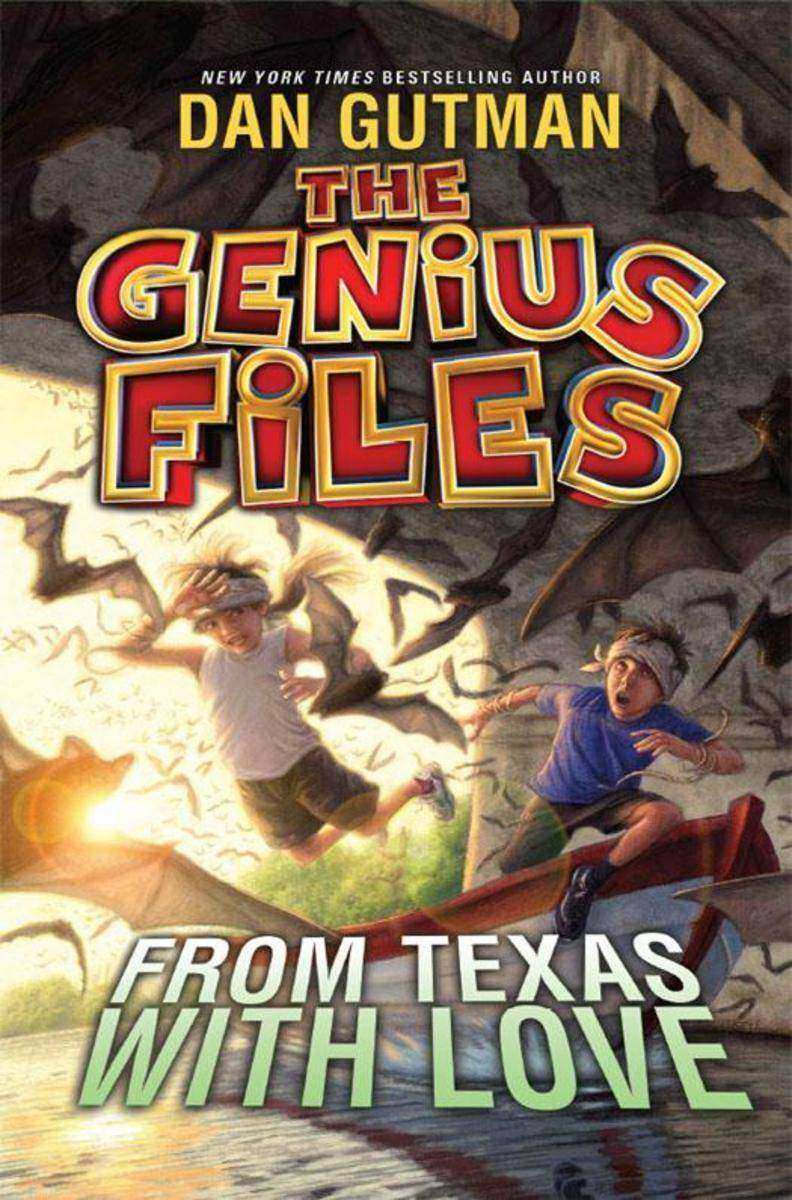
The Genius Files #4: From Texas with Love
¥39.13
The wackiest road trip in history continues in book four of the New York Times bestselling Genius Files series, following twins Coke and Pepsi as they dodge villains and visit weird-but-true landmarks from Texas all the way to Roswell, New Mexico!After their explosive escape at Graceland, twins Coke and Pepsi are ready to resume their trip across America—only now in a convertible instead of the RV. They travel through Arkansas and Oklahoma, visiting weird-but-true tourist stops along the way, and finally end up in Texas, home of the Weird Capital of the Country, Austin. The twins' many enemies—the bowler dudes, Mrs. Higgins, and Dr. Warsaw—all swear that they're done chasing Coke and Pepsi for good. But when the twins start receiving more codes and ciphers from a mysterious robotic voice, they know someone's after them. They just have to figure out who before the mystery villain finds them first.With the real-kid humor that has earned him millions of readers around the world, and featuring all new weird-but-true locations around America, this fourth book in the New York Times bestselling Genius Files series is absolutely batty!
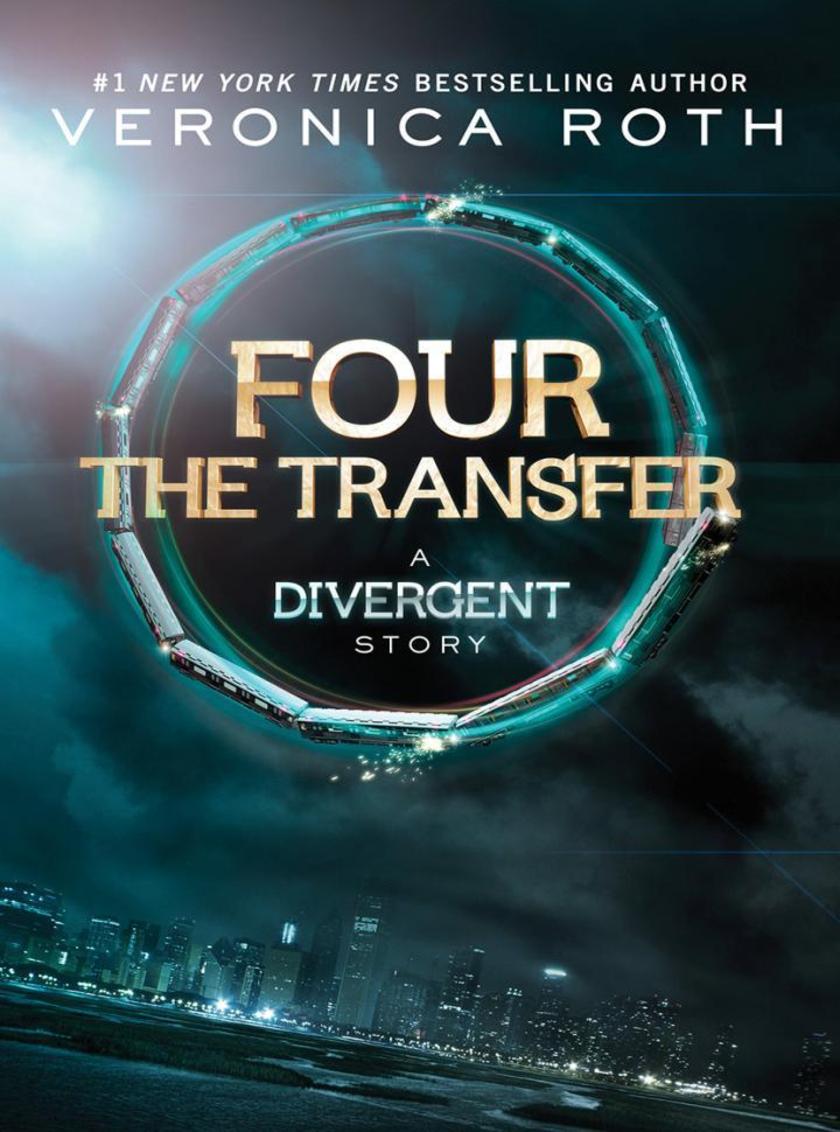
Four: The Transfer
¥54.42
Complete your Divergent library with the Four stories!Fans of the Divergent series by #1 New York Times bestselling author Veronica Roth will be captivated by "Four: The Transfer," the first of four stories, each between fifty and seventy-five pages long, set in the world of Divergent and told from Tobias's perspective.In "The Transfer," readers witness Tobias's aptitude test, Choosing Day, and the moment he is given the infamous nickname "Four."

Seekers: Return to the Wild #4: Forest of Wolves
¥39.13
Erin Hunter's New York Times bestselling Seekers series continues in the fourth book in the Return to the Wild story arc. With its thrilling blend of action and suspense, this epic animal fantasy is perfect for fans of the #1 nationally bestselling Warriors series.After a harrowing journey, the four bears finally arrive at Toklo's former home. Toklo is thrilled to be in the mountains, surrounded by warm memories of his cubhood, but his homecoming has come at a price. Yakone is dangerously ill and may not survive. Meanwhile, Lusa is unsure of what her future holds. Is she ready to find her own way if it means leaving her friends—the only family she has left?Also includes a sneak peek at Seekers: Return to the Wild #5: The Burning Horizon!

Arthur, For the Very First Time
¥33.99
Arthur Rasby is ten years old and having the worst summer of his life. His parents don't listen to him, so he writes everything down -- everything that's real -- in his journal. But when he goes to stay with his Great-Aunt Elda and Great-Uncle Wrisby on their farm, his world is turned upside down. For the first time Arthur wonders what's real and what's not.His aunt and uncle do things Arthur's parents would never do -- like climbing out windows to sit in trees, singing to their pet pig, and speaking French to a pet chicken. Life on the farm happens much too fast to write down -- sometimes wonderful, sometimes terrible. Arthur begins to understand there is more than one way of seeing and doing and loving. And he realizes there's a whole world just waiting to be discovered.
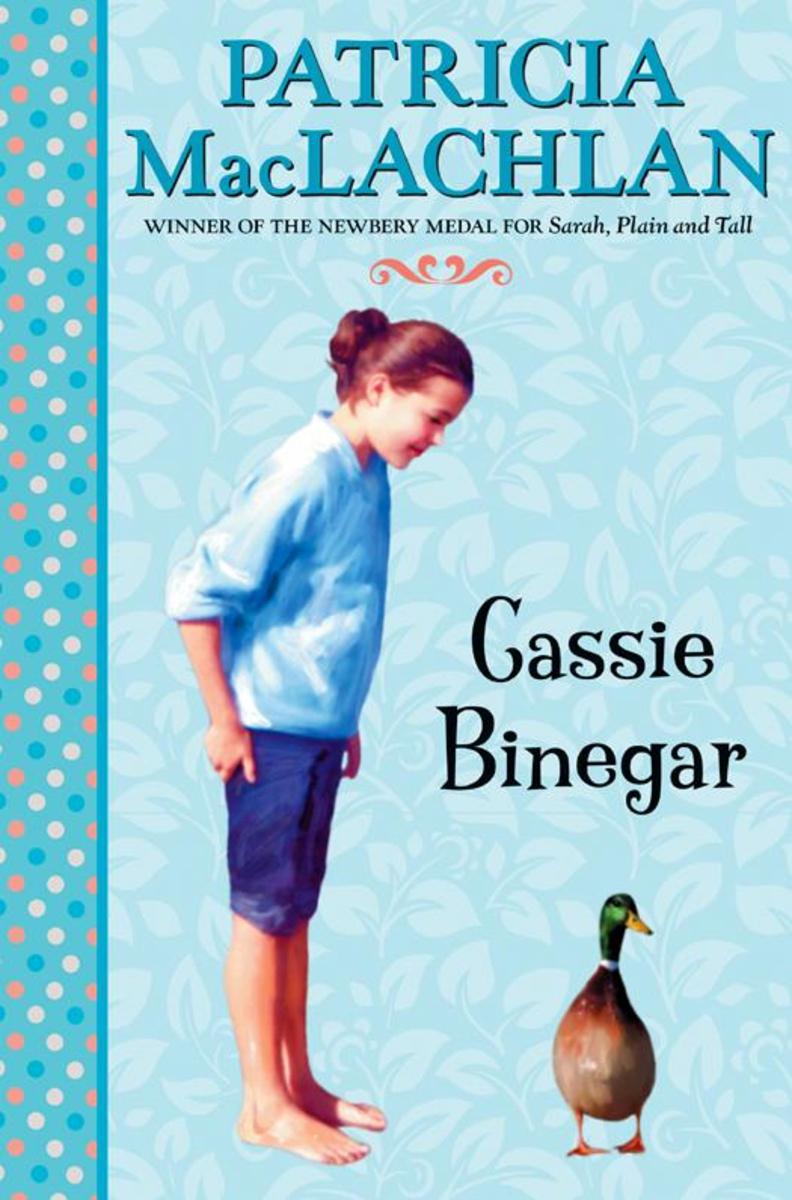
Cassie Binegar
¥33.63
After her grandfather's death, Cassie longs for an orderliness to life -' a pattern -' that doesn't exist among her raucous, loving family. But during an eventful summer by the sea, she begins to learn that some things do not stay the same forever. Colorful characters [and] Cassie's continuing and believable growth in understanding herself and others [make] this novel so distinctive." 'C.
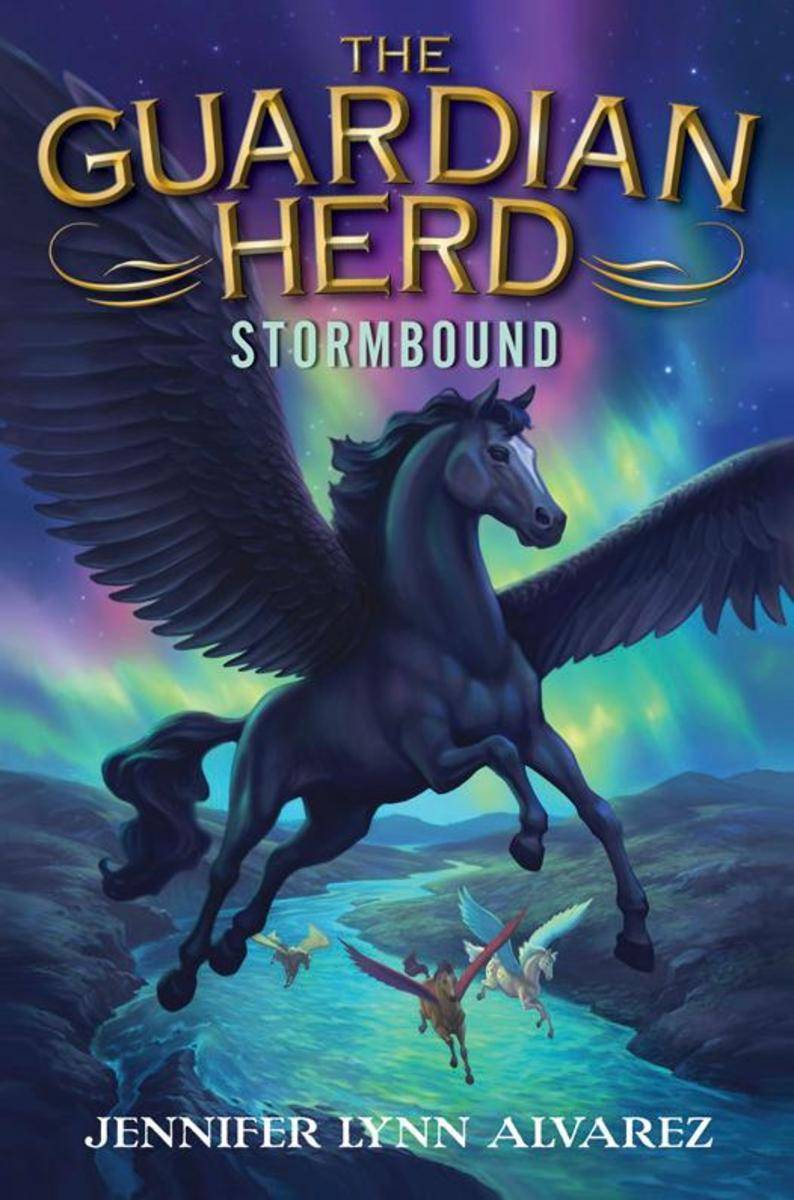
The Guardian Herd: Stormbound
¥39.13
Perfect for fans of the Warriors, Survivors, and Guardians of Ga'hoole series, this sequel to The Guardian Herd: Starfire, which Peter Lerangis called "an epic tale," will have readers eagerly turning the pages.When Star received his powers on his first birthday, he became the most powerful pegasus in Anok. However, many were afraid to follow him, and felt safer staying with their over-stallions. The rest unified with Star and formed River Herd.But now, not only does a horrible plague threaten the five herds, but Mountain Herd's over-stallion, Rockwing, has plans to kidnap Morningleaf, Star's closest companion, and take back Sky Meadow. Star begins to question his ability to keep his herd safe, especially with the threat of Nightwing the Destroyer's return. As much as Star wants to rely on his friends again for support, he's afraid of the starfire he's inherited. Star can heal, but he can also destroy. And the question is, will his dark powers overcome him?
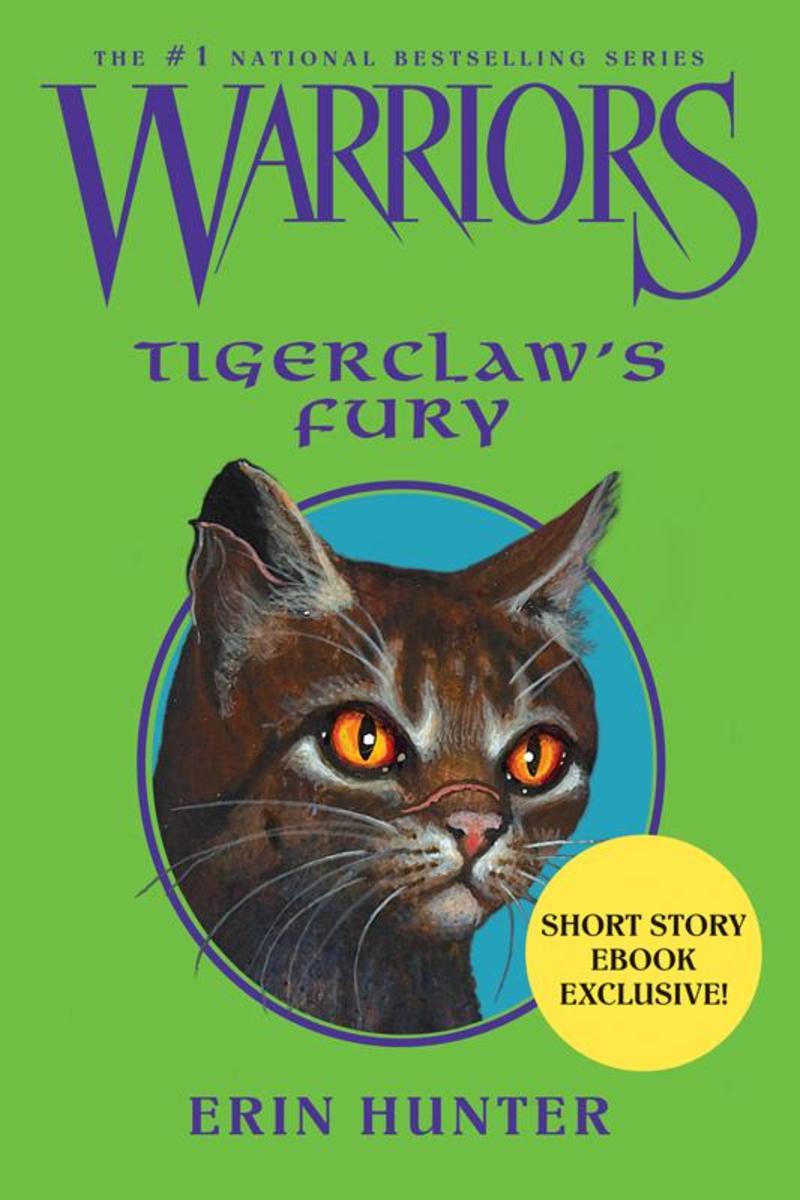
Warriors: Tigerclaw's Fury
¥87.15
In this seventy-five-page novella from the world of Erin Hunter's #1 nationally bestselling Warriors series, discover the story behind Tigerclaw's rise to power as leader of ShadowClan. Cast out of ThunderClan as a traitor, Tigerclaw will not rest until he has his revenge on Bluestar, Fireheart, and the rest of his former Clanmates. But first he must become Tigerstar of ShadowClan. . . .Readers will be thrilled at this look into the ruthless heart of one of the most infamous cats in the Warriors series. Warriors: Tigerclaw's Fury also includes teaser chapters of Warriors: Leafpool's Wish and Dawn of the Clans #1: The Sun Trail.


