


 购物车
购物车 个人中心
个人中心

Chelsea Girls
¥95.11
A groundbreaking and candid novel-in-real-time, considered a cult classic, from one of America's most celebrated poetsIn this breathtakingly inventive autobiographical novel, Eileen Myles transforms her life into a work of art. Told in her audacious and singular voice made vivid and immediate in her lyrical language, Chelsea Girls cobbles together memories of Myles's 1960s Catholic upbringing with an alcoholic father, her volatile adolescence, her unabashed "lesbianity," and her riotous pursuit of survival as a poet in 1970s New York.Suffused with alcohol, drugs, and sex; evocative in its depictions of the hardscrabble realities of a young artist's life; with raw, flickering stories of awkward love, humor, and discovery, Chelsea Girls is a funny, cool, and intimate account of a writer's education, and a modern tale of how one young female writer managed to shrug off the chains of the rigid cultural identity meant to define her.
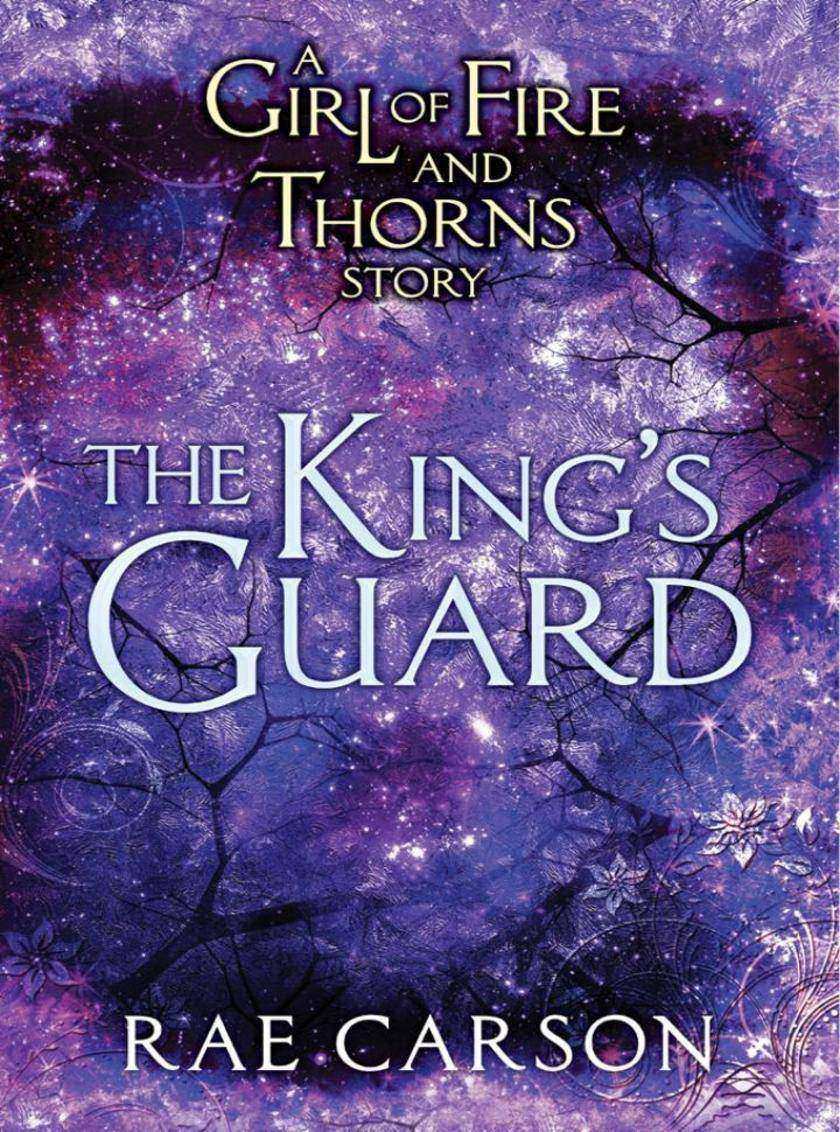
The King's Guard
¥10.71
Hector of Ventierra is the youngest commander of the Royal Guard in his kingdom's history. But before he was lord commander, he was a lowly squire. In this short fantasy novella, set in the world of The Girl of Fire and Thorns, Rae Carson introduces readers to Hector before he became the man Queen Elisa fell in love with. The King's Guard also includes a teaser chapter for The Bitter Kingdom, the conclusion to the Fire and Thorns trilogy.At fifteen years old, Hector is the youngest squire in the most elite military force in the country. And his first day is disastrous. Everyone assumes the only reason he was recruited is his close personal association with King Alejandro, not because he's really earned it.But Alejandro needs Hector for a secret mission, one that gives him the chance to prove to everyone—including himself—that he is worthy to be a Royal Guard. Hector must break into the ancient Fortress of Wind to retrieve something so important that the kingdom's future depends on it. What Hector finds in the fortress will stretch his bond of friendship with his king near to breaking. And it will prepare him to become the fearsome warrior and lord commander Elisa will never let go.A riveting prequel to Rae Carson's epic and acclaimed Fire and Thorns series.

Plant Power
¥167.88
If you're looking to transition to a fully vegan lifestyle or you'd just like to incorporate more plant-based whole foods into your diet, Plant Power offers everything you need to know to transform your kitchen, plate, and life. From choosing the freshest whole foods and stocking a vegan pantry and refrigerator to streamlining meal preparation, this delicious cookbook delivers the recipes, strategies, and inspiration you need to make the very most of the healthiest ingredients nature has to offer.Plant Power promises you will have more fun in the kitchen, learn to prepare meals more intuitively and creatively, and gain a genuine appreciation for how downright delectable foods in their most elemental, unprocessed form can be. Bestselling author Nava Atlas will have you coming back for more as these recipes will soon become your new go-to favorites.

Saving Lucas Biggs
¥38.72
Perfect for fans of Margaret Peterson Haddix, When You Reach Me, and Savvy, this charming time-travel story from husband-and-wife team Marisa de los Santos and David Teague follows one girl's race to change the past in order to save her father's future.Thirteen-year-old Margaret knows her father is innocent, but that doesn't stop the cruel Judge Biggs from sentencing him to death. Margaret is determined to save her dad, even if it means using her family's secret—and forbidden—ability to time travel. With the help of her best friend, Charlie, and his grandpa Josh, Margaret goes back to a time when Judge Biggs was a young boy and tries to prevent the chain of events that transformed him into a corrupt, jaded man. But with the forces of history working against her, will Margaret be able to change the pastOr will she be pushed back to a present in which her father is still doomed?Told in alternating voices between Margaret and Josh, this heartwarming story shows that sometimes the forces of good need a little extra help to triumph over the forces of evil.
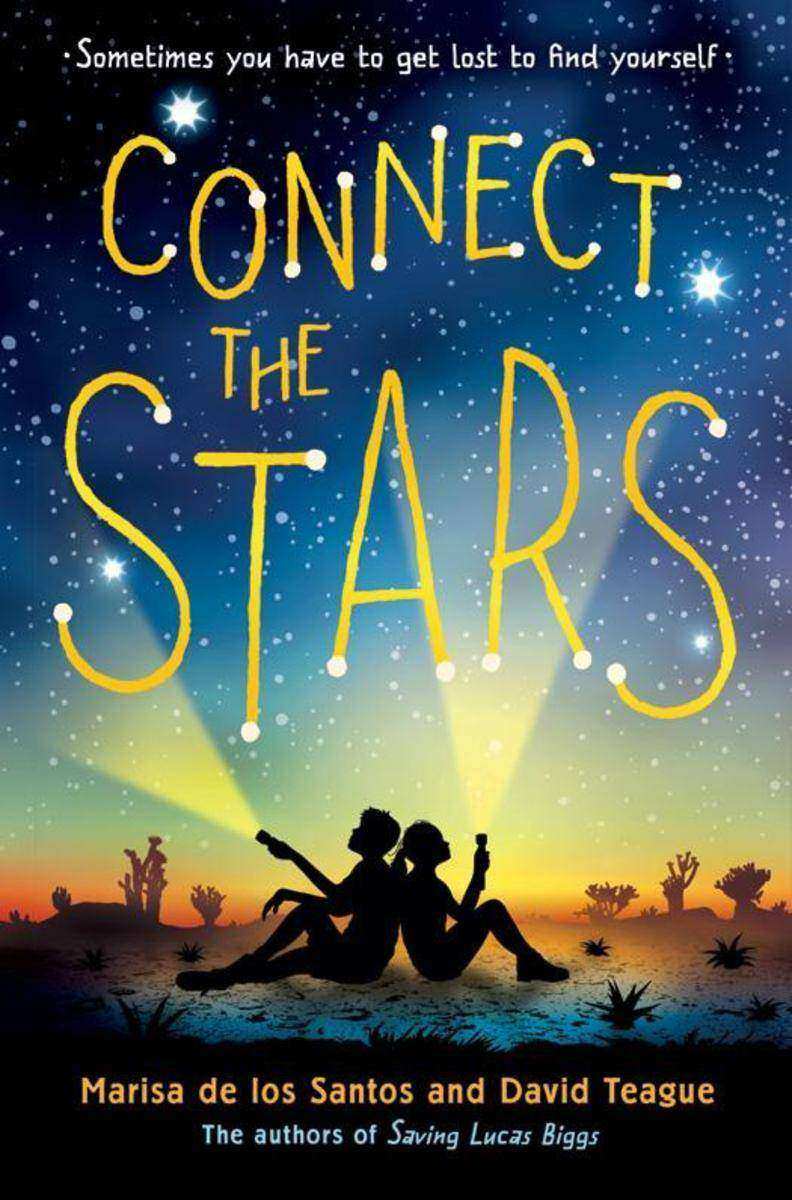
Connect the Stars
¥95.39
From Saving Lucas Biggs authors Marisa de los Santos and David Teague comes a heartwarming middle grade adventure about two misfits discovering the importance of just being themselves.When thirteen-year-olds Aaron and Audrey meet at a wilderness camp in the desert, they think their quirks are enough to prevent them from ever having friends. But as they trek through the challenging and unforgiving landscape, they learn that they each have what it takes to make the other whole.Luminous and clever, Connect the Stars takes on some hefty topics of the day—bullying, understanding where you fit in, and learning to live with physical and mental challenges—all in a joyous adventure kids will love!
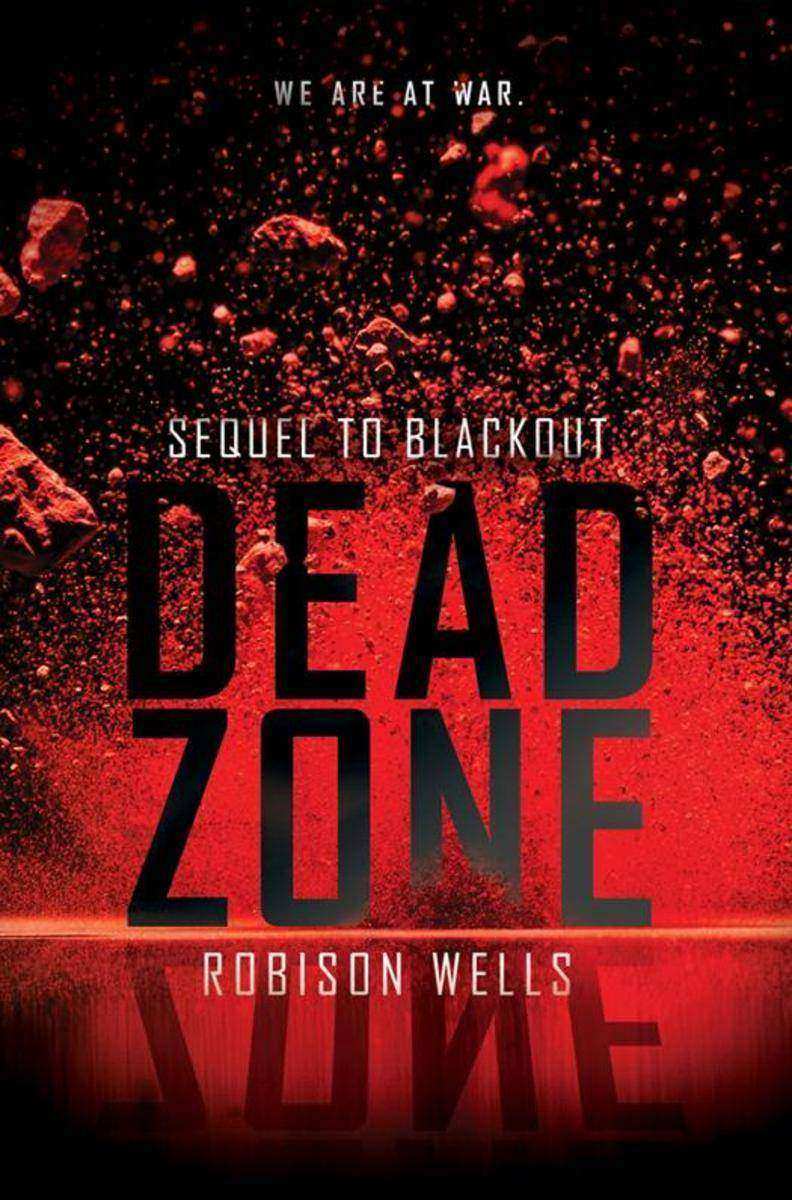
Dead Zone
¥60.87
Homeland?meets Marie Lu’s?Legend?in the explosive sequel to?Blackout, which #1?New York Times?bestselling author Ally Condie called “a thrilling combination of Wells’s trademark twists and terror. Fantastic!”It began with a virus. Then a series of attacks erupted across the nation. Now America is at war—and a handful of teens with impossible powers are its only defense.In?Dead Zone, Robison Wells delivers his most nail-bitingly tense read yet—and an electrifying conclusion to a two-book series that’s perfect for fans of?The Maze Runner?and?I Am Number Four.

Epic Reads Impulse
¥108.99
This 50-page digital original novella introduces readers to Blackout, a series by acclaimed author Robison Wells that combines the high-stakes intensity of television's Homeland with the lightning-fast action of Marie Lu's Legend.Something strange is happening to Krezi. She has a dangerously high fever her doctors can't explain, and objects keep bursting into flames around her—but the fire doesn't seem to hurt her at all. Krezi wants nothing more than to control her mysterious abilities. But what she doesn't know is that there are others like her out there . . . and in the wrong hands, this power could be deadly.Going Dark also features a teaser to Blackout.Epic Reads Impulse is a digital imprint with new releases each month.
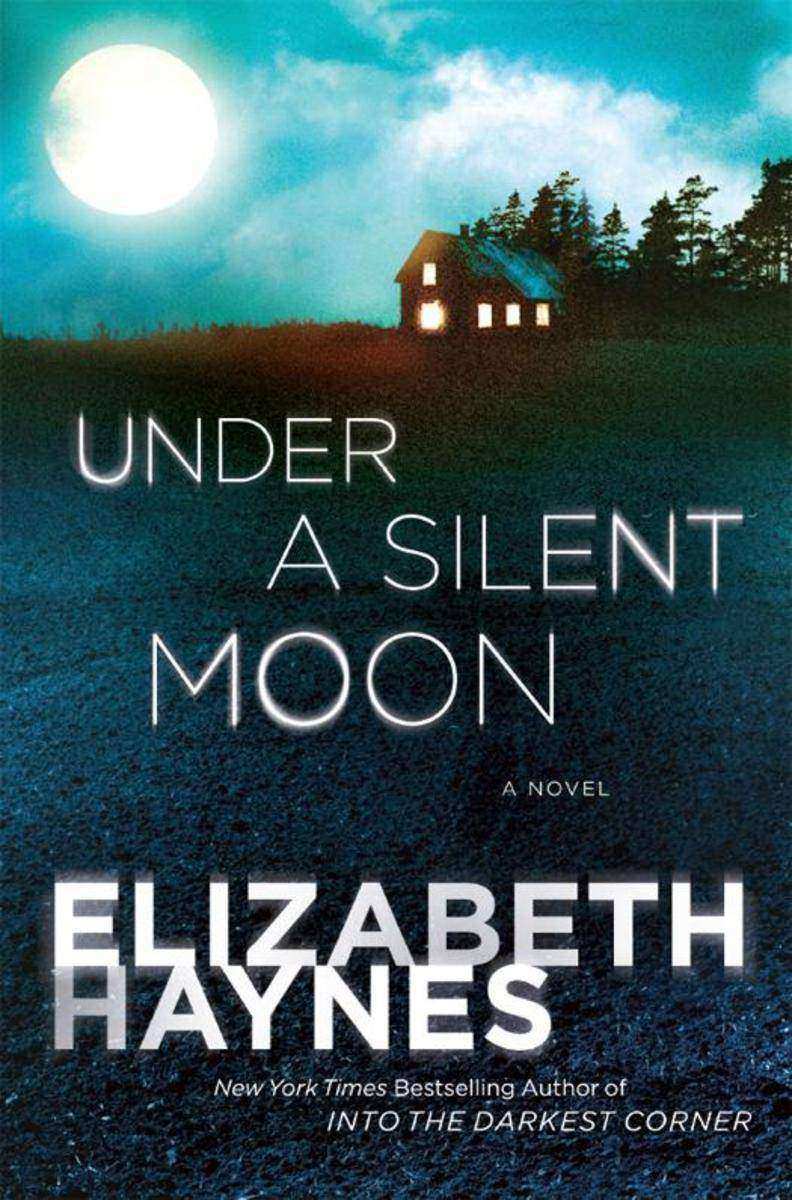
Under a Silent Moon
¥88.56
Two women share a grisly fate in the first entry of this exciting new British crime series—a blend of literary suspense and page-turning thriller that introduces the formidable Detective Chief Inspector Louisa Smith—from the New York Times bestselling author Elizabeth Haynes, "the most exciting thing to happen to crime fiction in a long time" (Sophie Hannah, author of Kind of Cruel).In the crisp, early hours of an autumn morning, the police are called to investigate two deaths. The first is a suspected murder at a farm on the outskirts of a small village. A beautiful young woman has been found dead, her cottage drenched with blood. The second is a reported suicide at a nearby quarry. A car with a woman's body inside has been found at the bottom of the pit.As DCI Louisa Smith and her team gather evidence over the course of the next six days, they discover a shocking link between the two cases and the two deaths—a bond that sealed these women's terrible fates one cold night, under a silent moon.In this compelling new detective series, Elizabeth Haynes interweaves fictional primary source materials—police reports, phone messages, interviews—and multiple character viewpoints to create a sexy, edgy, and compulsively readable tale of murder, mystery, and unsettling suspense.
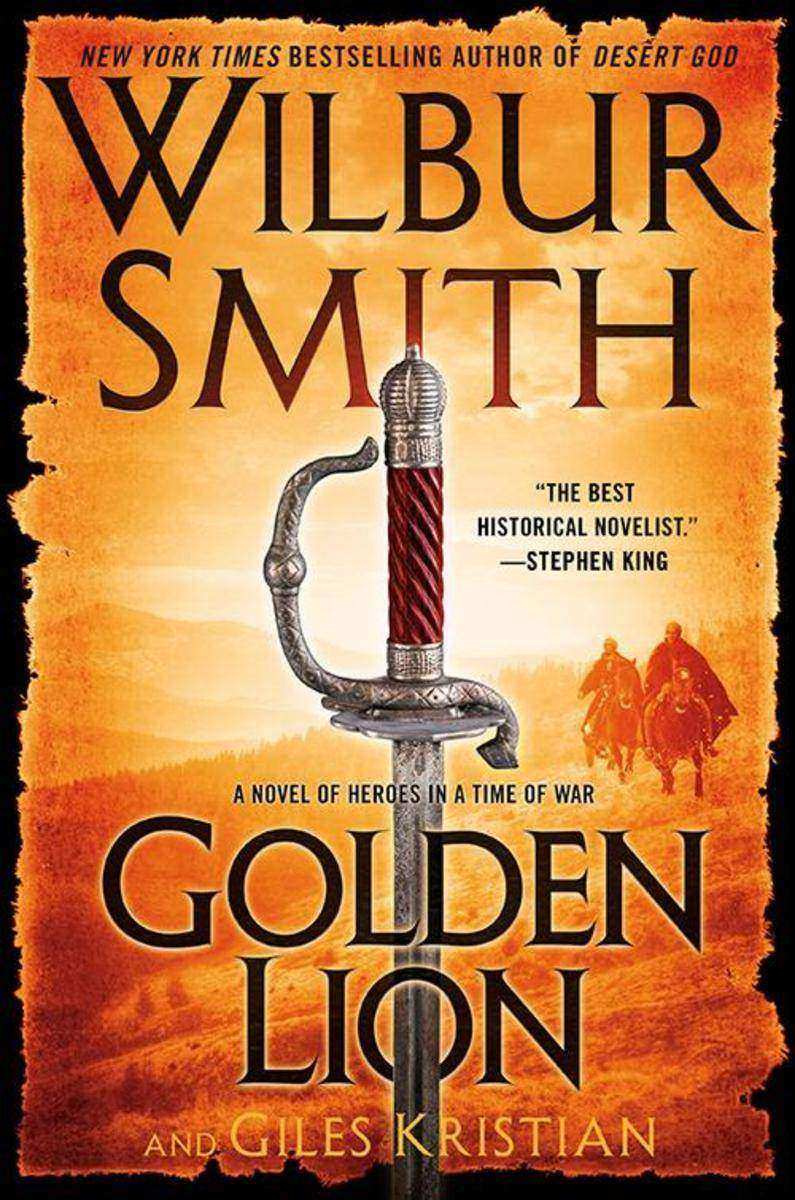
Golden Lion
¥70.10
For readers of Game of Thrones, Ken Follett, and Clive Cussler:an epic adventure spanning land and sea...time and distance...courage, revenge, and everything in between.GOLDEN LIONHe saw his father executed in battle. He spent his youth avenging that death. And now Henry 'Hal' Courtney is a man with a ship – and a family – of his own.But fate has not finished with Hal. On a voyage along the eastern shore of Africa, a powerful enemy abducts his wife, the fearless warrior Judith… and with her, Hal's unborn child. For Hal, a man all too familiar with loss, there is only one way forward: He must track his nemesis across desert and ocean, through the slave markets of Zanzibar and the dangerous waters of the coast, in pursuit of the woman he loves, the child he sired, and the glorious destiny that awaits him.Bursting with action and suspense, heroism and heartache, this unforgettable novel proves once more that Wilbur Smith is the world's greatest adventure writer.
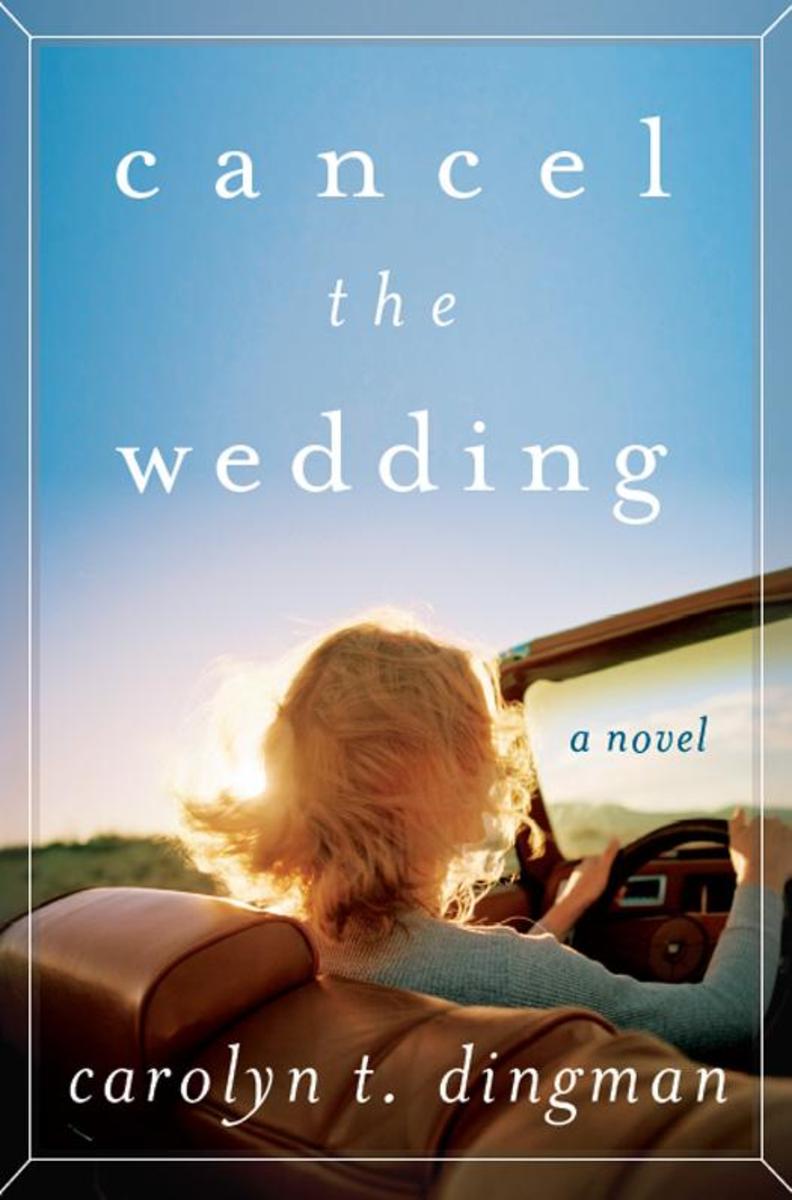
Cancel the Wedding
¥88.56
A heartfelt tale of one woman's journey to discover the secrets of her mother's hidden past and confront her own uncertain future, this compelling, emotionally resonant novel about the frustrations of blood ties will appeal to fans of Emily Giffin and Jennifer Weiner.On the surface, Olivia has it all: a high-powered career, a loving family, and a handsome fiancé. She even seems to be coming to terms with her mother Jane's premature death from cancer. But when Jane's final wish is revealed, Olivia and her elder sister, Georgia, are mystified. Their mother rarely spoke of her rural Southern hometown, and never went back to visit—so why does she want them to return to Huntley, Georgia, to scatter her ashes?Jane's request offers Olivia a temporary escape from the reality she's long been denying: she hates her "dream" job, and she's not really sure she wants to marry her groom-to-be. With her fourteen-year-old niece, Logan, riding shotgun, she heads south on a summer road trip looking for answers about her mother.As Olivia gets to know the town's inhabitants, she begins to peel back the secrets of her mother's early life—truths that force her to question her own future. But when Olivia is confronted with a tragedy and finds an opportunity to right a terrible wrong, will it give her the courage to accept her mother's past—and say yes to her own desire to start over?
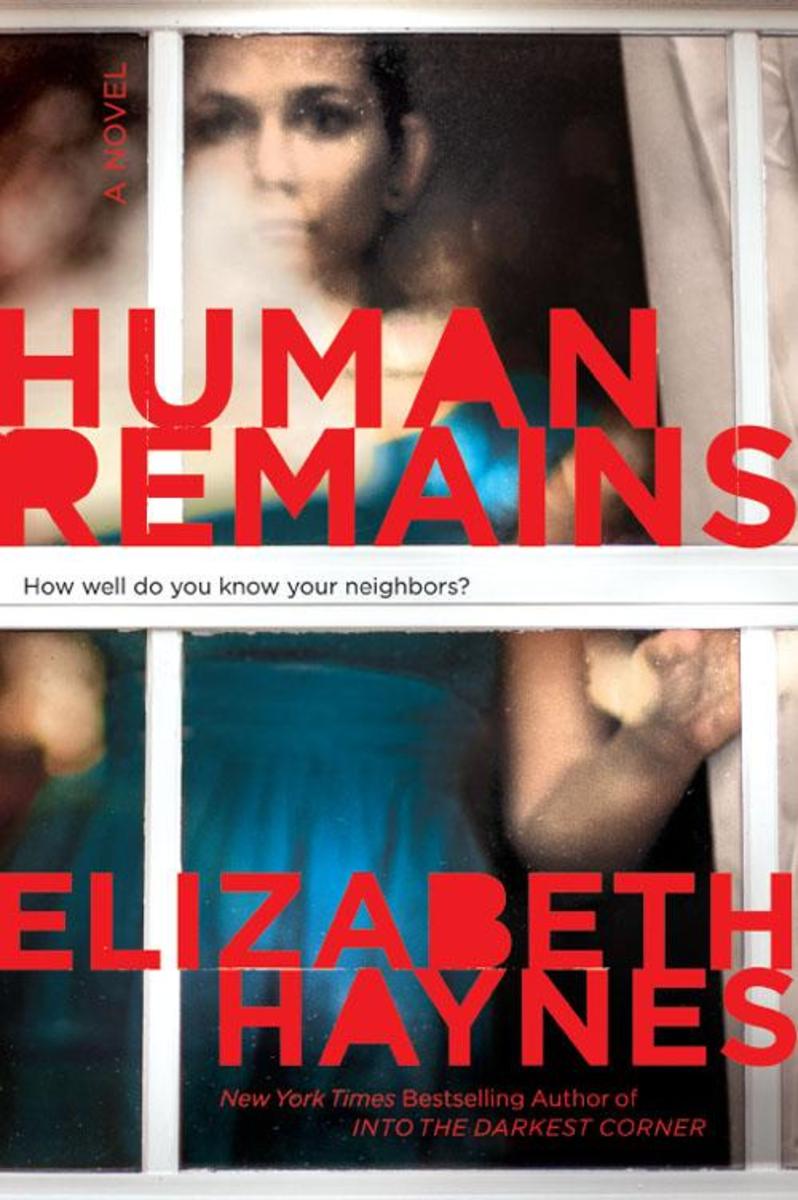
Human Remains
¥88.56
New York Times bestselling author Elizabeth Haynes returns with a disturbing and powerful tale that preys on our darkest fears.Police analyst Annabel wouldn't describe herself as lonely. Her work and the needs of her aging mother keep her busy. But Annabel is shocked when she discovers her neighbor's decomposing body in the house next door, and she is appalled to think that no one, including herself, noticed the woman's absence. Annabel sets out to investigate, despite her colleagues' lack of interest, and discovers that such cases are frighteningly common in her hometown.A chilling thriller and a hymn to all the lonely people whose individual voices haunt its pages, Human Remains shows how vulnerable we are when we live alone, and how easily ordinary lives can fall apart when no one is watching.
Lovers and Liars
¥46.11
Their love was as young and hopeful as the new century ...Emily Ramsden knows that her feelings for John Hanley go far beyond teenage infatuation. It is love, pure, strong, and as glorious as the surrounding English countryside, and John shares her passion with all his heart. But soon the young man Emmie adores is violently driven from her, leaving her to struggle beneath the thumb of a brutal, domineering father ... and at the mercy of a man with dark ambitions.Yet, through years of heartbreak and pain, through the crushing trials of a life left in tatters, the memory of a promise will never fade from Emmie's mind. And when all hope seems withered and dead, one word reignites a long smoldering ember, sending a determined woman off on a remarkable search for a once-in-a-lifetime love lost but never forgotten.
Blowback
¥52.63
blowback blo-bak n: the unintended results of covert intelligence operations that come back to haunt you.When the Unthinkable Happens— On India's border a weapon of mass destruction has begun a terrifying countdown toward Armageddon.A Conspiracy Unfolds— In Washington, D.C., Richard Whelan, National Security Advisor to the President and one of the most powerful men in the administration, has just been framed for the murder of his ex-girlfriend, the daughter of a prominent defense contractor who happens to be a staunch supporter of the President ...The One Man Who Can Find the Answers— As powerful enemies align to keep him from the truth, Richard Whelan—alone, a fugitive from justice—finds himself in a race against time as the world heads to the brink of nuclear confrontation.

The Brewmaster's Bible
¥121.80
The Beer Renaissance is in full swing, and home brewing has never been more popular. According to the American Homebrewers Association, there are currently 1.2 million home brewers in the country, and their numbers keep rising. Tired of the stale ale, bland beer and lackadaisical lagers mass-produced by the commercial labels, Americans are discovering the many advantages of brewing their own batch of that beloved beverage: superior aroma, color, body and flavor.For both amateur alchemists eager to tap into this burgeoning field and seasoned zymurgists looking to improve their brews, The Brewmaster's Bible is the ultimate resource. Its features include: Updated data on liquid yeasts, which have become a hot topic for brewers; 30 recipes in each of the classic beer styles of Germany, Belgium, Britain and the U.S.; extensive profiles of grains, malts, adjuncts, additives and sanitizers; recipe formulation charts in an easy-to-read spreadsheet format; detailed water analyses for more than 25 cities and 6 bottled waters; directories to hundreds of shops; and much more.
Like Trees, Walking
¥88.56
Based on the true story of a modern-day lynching in America, Ravi Howard's widely acclaimed debut novel exposes one of the most tragic chapters in the history of the American South.On the morning of March 21, 1981, in Mobile, Alabama, nineteen-year-old Michael Donald was found dead, his body badly beaten and hanging from a tree on Herndon Avenue. Brothers Paul and Roy Deacon of the Deacon Memorial Funeral Home are called upon to bury their close friend and classmate, and the experience will leave them forever changed. Along with other residents of their hometown, the Deacon brothers must struggle to understand the circumstances surrounding Donald's murder—the city's first lynching in more than sixty years and a gruesome reminder of racial inequalities in the New South.
Scumbler
¥68.34
Know Scumbler in his poignant, hilarious life. Get mad at him and even cry with him. Here's Don Quixote, Santa Claus, and Faust rolled into one "thick shadow" of a man. A joyous sixty-year-old American street painter lives on the Left Bank in Paris, making a living by creating rentable apartments out of the most unlikely spaces. Mostly, however, he paints with utter delight in the creative act and discovers remarkable characters along his path: crafts-men, students, prostitutes, motorcyclists. He scumbles and fails. He digs twisting tunnels under Paris streets and builds nests: nature nests, rats' nests, birds' nests. He collects clocks and designs his own life from the "inside." Wanting to be true beyond honesty, visible past seeing to being, Scumbler scrambles, tumbles, rumbles, rambles through the ecstatic pleasure of creation and the pangs of ordinary existence.

Girl Anatomy
¥72.70
The hip and heart–warming story of what it means to be a girl and what it takes to become a woman.When Lilly's best friend, Maya, gets engaged, the tenuous peace treaty Lilly thought she had finally established with her perennially single self shows itself to be as long–lasting as shoulder pads and frozen yoghurt. Wavering wildly between ecstasy and envy, serial dater and retail–therapy shopper, Lilly vows to get her life together.While sipping lattes from the Coffee Bean and planning forever with Maya, Lilly embarks on an uproariously comical and strikingly poignant ride of transformation, told through a series of delightfully engaging interior monologues. Travelling the byways of her own past, Lilly learns to be optimistic about her future and relish her new–found 'chic–dom'. In a voice that grows stronger, louder and more articulate than she ever imagined, Lilly ultimately comes to embrace her on–the–verge–of–womanhood status in all its uncertain yet exciting glory.Depicting the comic adventures of being a grown–up still coming of age, Rebecca Bloom evocatively and enthusiastically reveals tender truths about friendship and true love.

Ten Thousand Skies Above You
¥99.65
In this sequel to A Thousand Pieces of You by New York Times bestselling author Claudia Gray, Marguerite races through various dimensions to save the boy she loves.Ever since she used the Firebird, her parents' invention, to cross through to alternate dimensions, Marguerite has caught the attention of enemies who will do anything to force her into helping them dominate the multiverse—even hurt the people she loves. She resists until her boyfriend, Paul, is attacked, and his consciousness is scattered across multiple dimensions.The hunt for each splinter of Paul's soul sends Marguerite racing through a war-torn San Francisco, the criminal underworld of New York City, and a glittering Paris where another Marguerite hides a shocking secret. Each dimension brings Marguerite one step closer to rescuing Paul. But with every trial she faces, she begins to question the one constant she's found between the worlds: their love for each other.

Love the One You're With
¥67.09
Do men and monogamy mixIt's not a question Mitchell "Little Bit" Crawford gave much thought to until his beaufriend of almost two years, Raheim "Pooquie" Rivers, an All-American jeans model, heads to Hollywood to make his first feature film. As Mitchell soon discovers, the temptation to cheat is very real . . . and it seems to be everywhere. An ex even pops up hoping to pick up where they left -- and got -- off. While intrigued, Mitchell chalks all the attention up to "the married man" syndrome: one is much more desirable when he's attached to someone else.But as he continues to run into bisexual musician Montgomery "Montee" Simms, the look-but-don't-touch rule is put to the test. As he and Montee get closer, Mitchell's idealistic beliefs about commitment are challenged. Will he love the one he's with because he can't be with the one he loves?

The Promise of Amazing
¥56.08
Robin Constantine's New Jersey romance The Promise of Amazing is a sexy, poignant, funny, and authentic debut novel that will appeal to fans of books by Stephanie Perkins, Sarah Mlynowski, and Jennifer E. Smith.Wren Caswell is average. Ranked in the middle of her class at Sacred Heart, she's not popular, not a social misfit. Wren is the quiet good girl who's always done what she's supposed to—only now, in her junior year, this passive strategy is backfiring. She wants to change but doesn't know how.Grayson Barrett was the king of St. Gabe's: star of the lacrosse team, top of his class, and on the fast track to a brilliant future—until he was expelled for being a "term-paper pimp." Now Gray is in a downward spiral and needs to change but doesn't know how.One fateful night, their paths cross at Wren's family's Arthurian-themed catering hall. What follows is the complicated, awkward, hilarious, and tender tale of two teens shedding their pasts, figuring out who they are—and falling in love.
The Wind Is Not a River
¥90.51
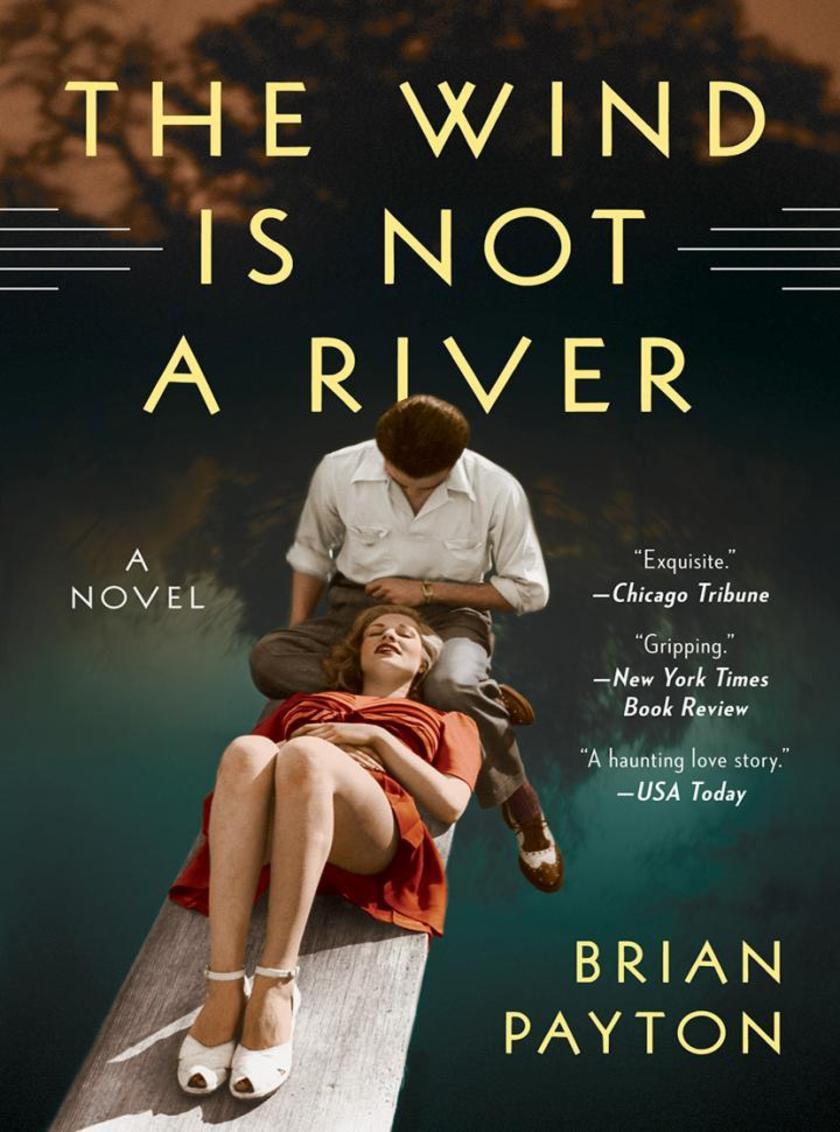
A gripping tale of survival and an epic love story in which a husband and wife–separated by the only battle of World War II to take place on American soil–fight to reunite in Alaska's starkly beautiful Aleutian IslandsFollowing the death of his younger brother in Europe, journalist John Easley is determined to find meaning in his loss, to document some part of the growing war that claimed his own flesh and blood. Leaving behind his beloved wife, Helen, after an argument they both regret, he heads north from Seattle to investigate the Japanese invasion of Alaska's Aleutian Islands, a story censored by the U.S. government.While John is accompanying a crew on a bombing run, his plane is shot down over the island of Attu. He survives only to find himself exposed to a harsh and unforgiving wilderness, known as "the Birthplace of Winds." There, John must battle the elements, starvation, and his own remorse while evading discovery by the Japanese.Alone in their home three thousand miles to the south, Helen struggles with the burden of her husband's disappearance. Caught in extraordinary circumstances, in this new world of the missing, she is forced to reimagine who she is–and what she is capable of doing. Somehow, she must find John and bring him home, a quest that takes her into the farthest reaches of the war, beyond the safety of everything she knows.A powerful, richly atmospheric story of life and death, commitment and sacrifice, The Wind Is Not a River illuminates the fragility of life and the fierce power of love.


