


 购物车
购物车 个人中心
个人中心

Statue of Limitations
¥49.05
Abigail Timberlake Washburn, petite but feisty proprietor of Charleston's Den of Antiquity antiques shop, stopped speaking to best friend and temporary decorating partner Wynnell Crawford a month ago -- after questioning her choice of a cheap, three-foot-high replica of Michaelangelo's David to adorn the garden of a local bed-and-breakfast. But now Wynnell has broken the silence with one phone call ... from prison! It seems the b&b owner has been fatally beaned -- allegedly by the same tacky statue -- and Wynnell's been fingered by the cops for the bashing. But Abby suspects there's more to this well-sculpted slaying than initially meets the eye, and she wants to take a closer look at the not-so-bereaved widower and the two very odd couples presently guesting at the hostelry. Because if bad taste was a capital crime, Wynnell would be guilty as sin -- but she's certainly no killer!

Midnighters #2: Touching Darkness
¥55.33
Bixby, Oklahoma, is full of secrets.some come out at midnight.some should stay hidden. As the Midnighters search for the truth about the secret hour, they uncover terrifying mysteries woven into the very fabric of Bixby’s history, and a conspiracy that touches the world of daylight. This time Jessica Day is not the only Midnighter in mortal danger, and if the group can’t find a way to come together, they could lose one of their own . . . forever.

Midnighters #3: Blue Noon
¥55.33
The five teenage Midnighters of Bixby, Oklahoma, thought they understood the secret midnight hour—until one morning when time freezes in the middle of the day. The noise of school stops. Cheerleaders are frozen in midair. Everything is the haunted blue color of the midnight hour. As the Midnighters scramble for answers, they discover that the walls between the secret hour and real time are crumbling. Soon the dark creatures will break through to feed at last . . . unless these five teenagers can find a way to stop them.
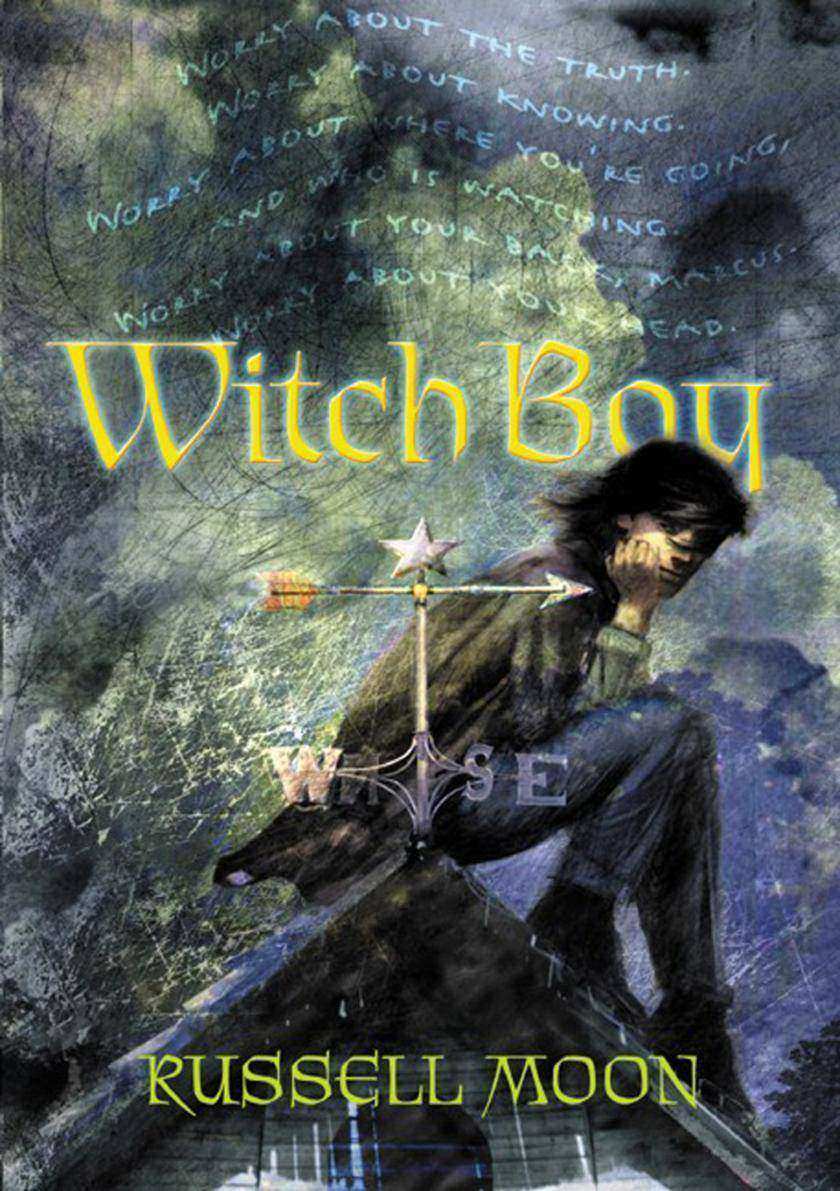
Witch Boy
¥32.30
The spirit is willing...Strange but true: I can move things with my mind. Even stranger, but just as true: Lately, I've been looking in the mirror and seeing a face I don't recognize. I've been knocking down trees and throwing boulders without touching them. And I've done some seriously heinous something to my girlfriend in this kind of ... I don't know ... freak out. I don't know what it was. I don't know if she's dead or alive.You think I'm scared that I'm melted in the headYou don't know the half of it. Melted in the bead would be a blessing, compared to this. I'm not afraid of being crazy. I'm afraid of being whatever I am.What am I?

Witch Boy: Blood War
¥21.51
There are enemies within and without... The coven took my mother, because of me. They killed my dog, because of me. You'd think there could be nothing worse than this -- but you'd be wrong. My family and me being torn to shreds by a horde of witches could be worse. War could be worse. And all-out war is coming. My father says my powers are limitless. I have yet to see it ... and no time to learn. We are closing in on one another, the coven and my father and me. It can only end in death, theirs or ours. It's all in my hands now.
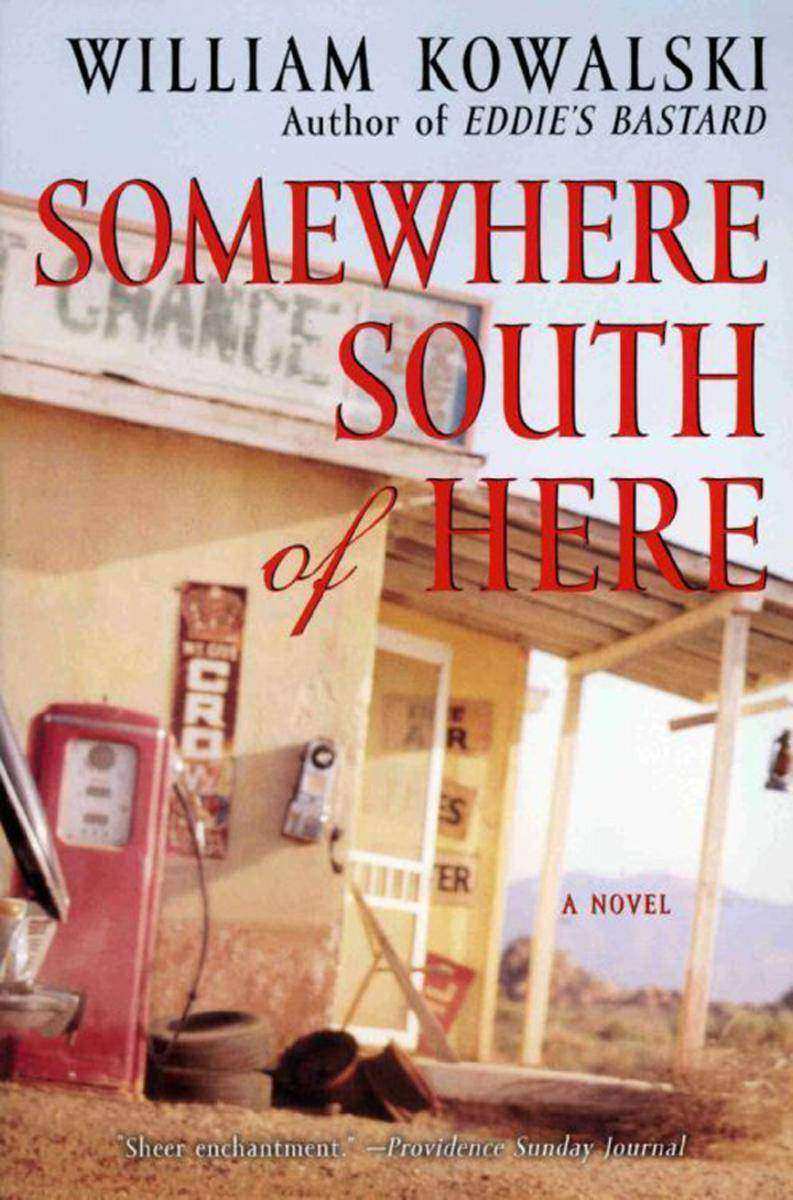
Somewhere South of Here
¥83.03
I'd wondered about my mother all my life -- what she looked like, how she smelled and sounded and acted. Lately this wondering had grown to encompass a curiosity about the kind of people she herself came from, because they were my family, too, after all, even though I knew nothing about them. I'd no idea whether they were loud or soft-spoken, funny or boring, preferred chocolate to vanilla, if they liked movies over books or the other way around. I wondered whether any of them had ever done anything magnificent in their lives, or if they were the kind of folks who were satisfied with just getting by. These things were important -- knowing them would help me to know myself, and the only way that would happen was if I went and looked for her.With all his possessions on his motorcycle, Billy Mann sets off on a cross-country odyssey from New York to Santa Fe in search of a mother who deserted him long ago. What Billy discovers, however, is a life rich with possibility -- the chance for love, friendship, and, finally, a family to call his own.
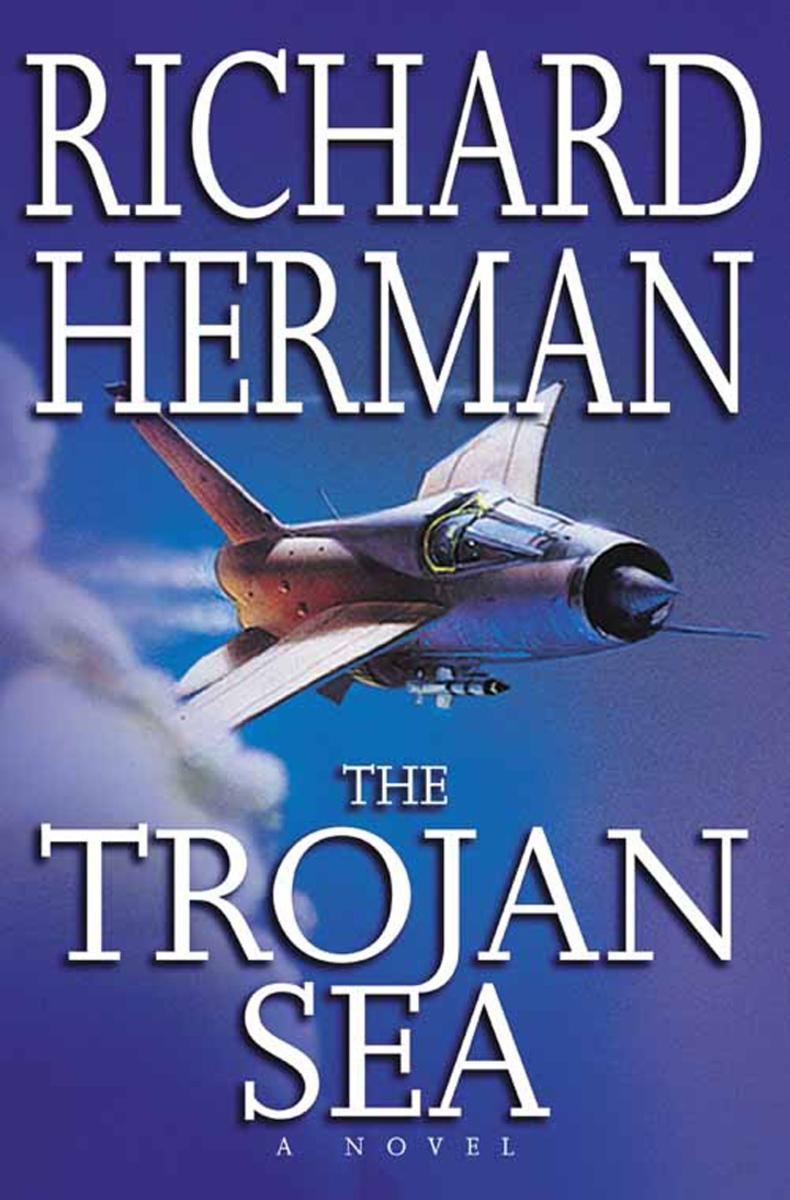
The Trojan Sea
¥55.31
There is a new order to the world. The first female president of the United States sits in the White House. Monster corporations wield the real global power. And all the old rules have changed. From Richard Herman, whom Clive Cussler calls "one of the best adventure writers around" and the Denver Post places "on a par with Tom Clancy," comes a spellbinding new novel of intrigue, politics, deception, murder, and the bloody manipulation of world events for the sake of pure profit. Beautiful and brilliant, Lee Justine (L.J.) Ellis is, at thirty-eight, the youngest CEO ever of a major oil corporation. Ruthless, charismatic, greedy, and philanthropic, she is a strange dichotomy of positive and negative, a driven crusader on a god-given mission. And now she owns something worth killing for: secret knowledge of vast, untapped reserves of oil right in America's backyard ... beneath the territorial waters of a sworn enemy ... Cuba. It is a prize she must capture at any cost. Lieutenant Colonel Mike Stuart is the most average of men. A military functionary toiling in bureaucratic tedium, he could never hope to live up to the legendary reputation of his father -- one of the great air force fighter pilots -- so he is resigned to serving his country in his own quiet way. But in his daily war of figures and on-screen data, Stuart notices an unusual pattern of oil tanker movement and he dutifully reports it to his superiors. Suddenly Mike Stuart's ordinary life starts spinning dangerously out of control. A series of seemingly random "accidents" and narrow escapes -- all explainable and unremarkable, except for the number of them -- puts him on the alert. But when his ex-wife and her lover are killed in Stuart's car, he realizes that his growing paranoia is frighteningly justified. There are powerful forces closing in on one inconspicuous man, trapping him in the wide flung net of a devastating conspiracy that could brutally change the political face of a hemisphere, bring a government down in flames and chaos ... and take the life of America's's president. Now Mike Stuart is being called upon to defend his nation in ways he never imagined. And his sole chance for success -- and survivals to become something he has never been: a warrior.

Making Mischief
¥72.70
Abby Morland's been making mischief since she was not-so-sweet sixteen, when she spied gorgeous Guy from the neighborhood being attacked by curvaceous Cara, the "Topless Piranha." It was a racy, tasty, spicy piece of gossip Abby couldn't resist passing along. But years later, her indiscretion may be coming back to haunt her -- since she now wouldn't mind a little nibble of Guy herself. With four cousins, two weddings, and a re-emergent piranha in the offing, the recipe for making more mischief is at hand, and it might just turn Guy in Abby's direction at last!
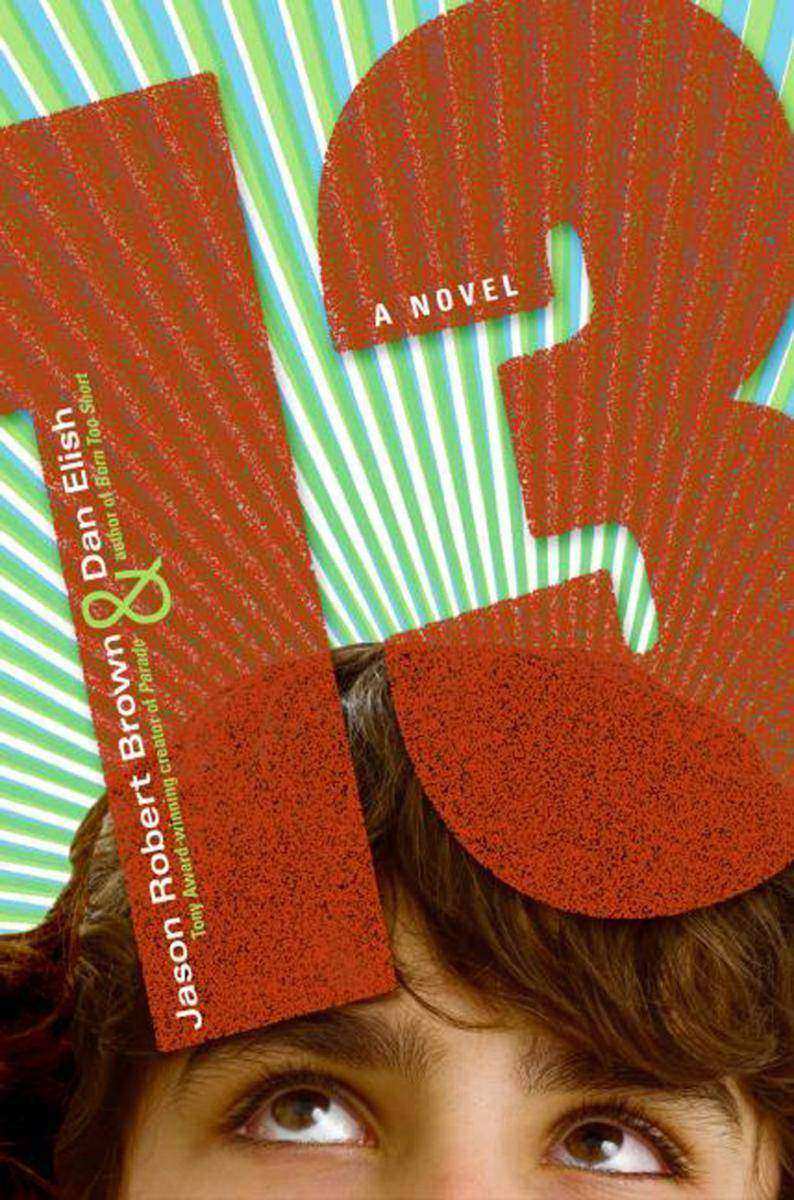
13
¥90.51
13 Things to Know About 13 1. This book is about a guy named Evan. 2. Three months before his 13th birthday, he has to move from New York City 3. to Appleton, Indiana, 4. where nobody knows him. 5. He's not very happy about it. 6. His mom is kind of nuts. 7. His dad is kind of nuts too. 8. Evan's not nuts, but he keeps ending up in nutty situations. 9. One of them involves a movie called The Bloodmaster. 10. Another involves a girl named Patrice. 11. But the nuttiest situation of all is his bar mitzvah— 12. which it's possible no one will come to. 13. Unless Evan can make some new friends really fast.

Chase
¥95.39
Phin Chase was in the wrong place at the wrong time. Now he's witness to a murder, and he must run fast and far to escape the Sleepers—the secretive, powerful organization responsible for the crime. With only his own wits to rely on, Phin hops a train to flee his small town. But there's a mysterious man on his trail—a man with a horse that tracks like a bloodhound. He could be working for the Sleepers . . . or he could be working against them. But Phin can't risk finding out. Even if Phin manages to turn the tables on his pursuer, neither hunter nor quarry can imagine what will happen when they inevitably collide.
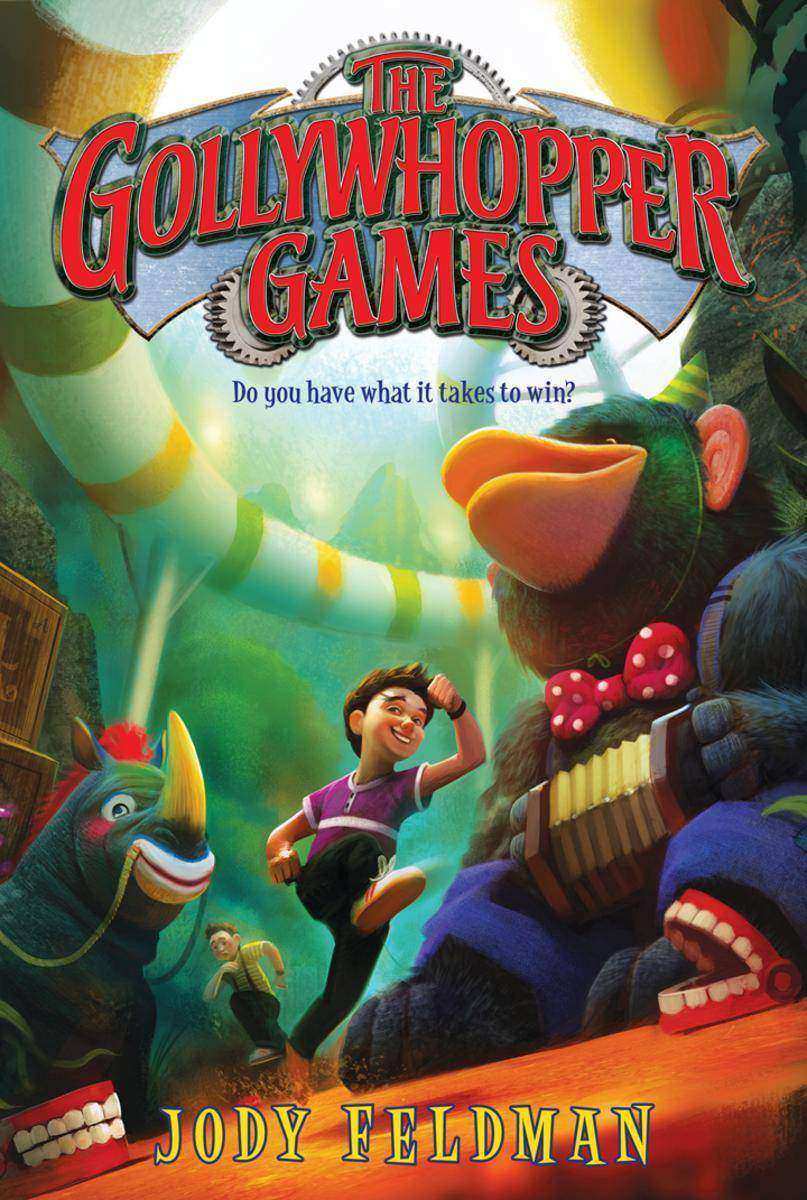
The Gollywhopper Games
¥38.72
Jody Feldman's popular, award-winning novel about a group of kids playing the Gollywhopper Games—the fiercest toy company competition in the country—will appeal to fans of The Amazing Race and Charlie and the Chocolate Factory!Gil Goodson has been studying, training, and preparing for months to compete in the Gollywhopper Games. Everything is at stake. Once Gil makes it through the tricky preliminary rounds and meets his teammates in the fantastical Golly Toy and Game Company, the competition gets tougher. Brainteasers, obstacle courses, mazes, and increasingly difficult puzzles and decisions—not to mention temptations, dilemmas, and new friends (and enemies)—are all that separate Gil from ultimate victory. An interactive and inventive page-turner perfect for young readers who love to solve puzzles!

Icing on the Lake
¥33.18
ICING ON THE LAKEBeach reads for snow bunnies–our wildly popular beach reads expand to winter! The author of Maine Squeeze is back with another funny, romantic novel, this time in the snow.

Michelle Obama: Meet the First Lady
¥95.39
Michelle Obama has been by her husband's side throughout his historic presidential campaign, a dynamic personality whether she is delivering speeches or hitting the dance floor on The Ellen DeGeneres Show. Follow the story of a hardworking girl growing up on the South Side of Chicago and how she has inspired our nation to believe in the American Dream that her life exemplifies. In her own stirring words: America should be a place where you can make it if you try. Written by David Bergen Brophy, this in-depth biography captures the heart and soul of the First Lady behind the campaign for change.
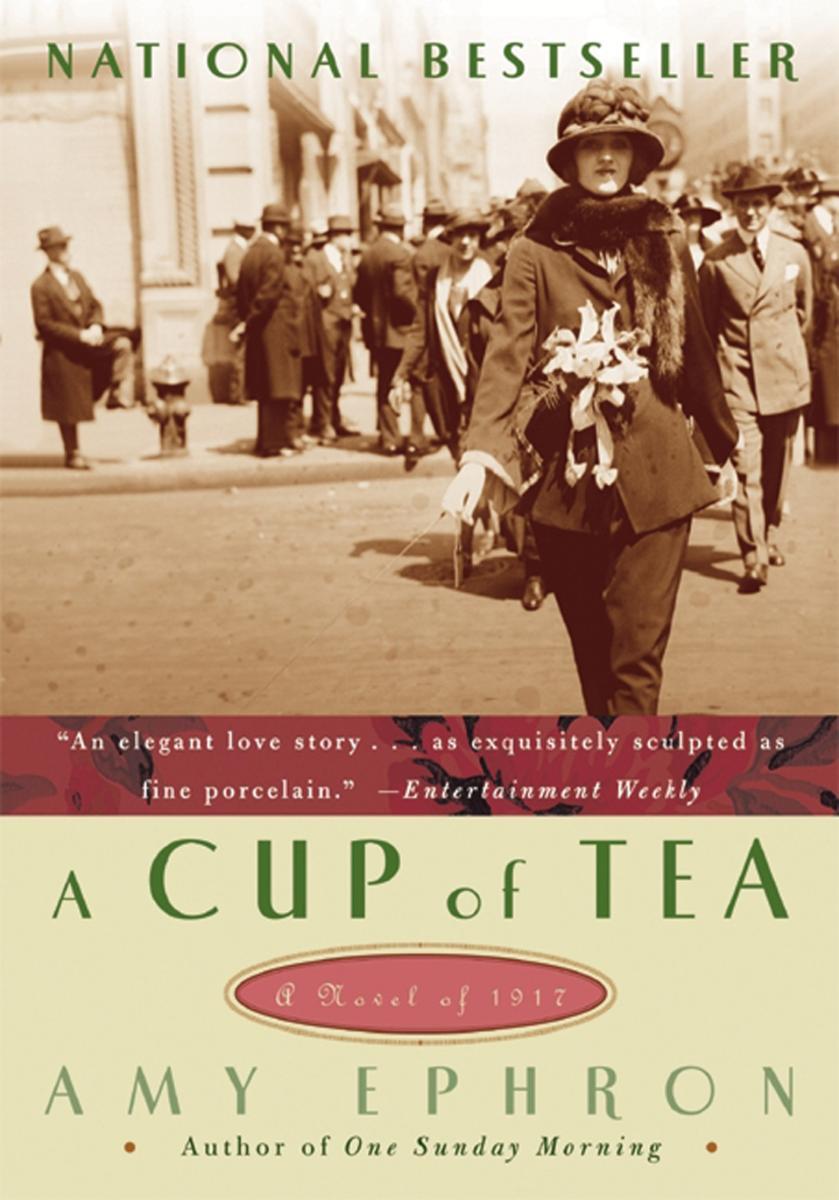
A Cup Of Tea
¥71.94
Rosemary Fell was born into privilege. She has wealth, well–connected friends, and a handsome fiance, Philip Alsop. Finally she has everything she wants.It is then, in a moment of beneficence, that Rosemary invites Eleanor Smith, a penniless young woman she sees under a streetlamp in the rain, into her home for a cup of tea. While there, Rosemary sees Eleanor exchange an unmistakable look with Philip, and she sends Eleanor on her way. But she cannot undo this chance encounter, and it leads to a tempestuous and all–consuming love triangle –– until the tides of war throw all their lives off balance.Inspired by a classic Katherine Mansfield short story, A Cup of Tea engages with its vivid –– and often amusing –– cast of characters, wonderful period detail, brilliant evocation of the uncertain days of World War I, and delightfully spare and picturesque sense of story.
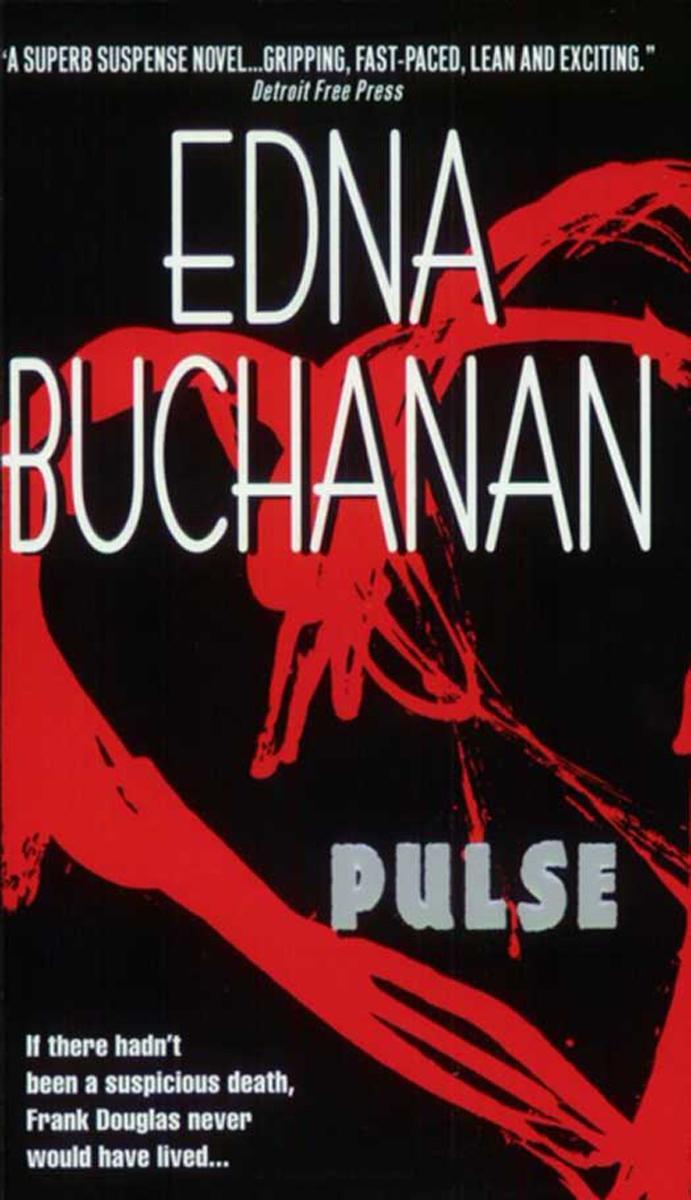
Pulse
¥49.05
With the perfect wife, two beautiful daughters and a successful business, Frank Douglas had everything to live for. But someone else had to die first.If Daniel Alexander had not committed suicide, Frank Douglas would never have lived to see his forty-fifth birthday. Alexander's heart now beats strong and sure in Douglas's chest. The donated organ has given the successful Miami businessman a second chance but it gives him no peace.Disturbed by nagging feelings of guilt and uncertainty, Frank sets out to discover all he can about the benefactor whose death gave him life. His search leads him to Rory Alexander--Daniel's beautiful, enigmatic wife-and to troubling questions and shocking revelations about the late man's affairs. Why, for example, have the profits from Alexander's seemingly successful business ventures mysteriously vanishedAnd why is Rory so unshakably certain that her husband was murdered?A numbers man, Frank Douglas needs to have the figures add up--and that need is drawing him and a seductive, distraught widow across the length of a nation, and deep into something corrupt and twisted and deadly. And suddenly the new life he was granted is in serious peril, threatened by secrets, lies, human savagery and greed. . .and by the true dark nature of the heart that is now pumping the lifeblood through his body.

The RealAge Diet
¥78.32
Food Can Make You Younger!Dr. Michael Roizen presents his program for eating the RealAge way: a diet that is good for your overall health, plus works to delay or even reverse aging. If there's one thing you will learn from this book, it's that no matter who you are, if you eat foods that are high in nutrients and low in calories you will be on the road to renewed health and vitality.The RealAge Diet Shows You How To:Use foods to regain the energy of your youthEat nutritiously while still enjoying delicious food choicesChoose the right vitamins and supplements to keep you youngModify various popular weight-loss diets to maximize their age-reducing benefitsRead between the lines of restaurant menus to find the most healthful optionsMake your RealAge younger with every bite

The RealAge(R) Workout
¥101.00
Dr. Michael F. Roizen has empowered thousands of Americans to take control of their own destinies. HowHis best-selling books, RealAge?, The RealAgeMakeover, and YOU: The Owner's Manual, have helped people reverse their chronological aging by ten, fifteen, and up to twenty-nine years by revealing simple lifestyle changes that have profound effects that control their genes -- and thus control their health and the aging process. Chances are you picked up this book because you, too, want to be healthier and younger. The RealAgeWorkout explains the importance of gradually phasing exercise into your everyday routine, because even the smallest changes in behavior can make you feel, look, and be younger. No matter how busy your schedule, Dr. Michael Roizen will show you how to gain the maximum age-reduction benefits from a minimum amount of time and effort. Before you take your first step, The RealAgeWorkout offers a series of calculations that factor in age, genetics, and lifestyle so you can determine your overall status of health and create a program to help you plan and execute your goals. The RealAgeWorkout then begins with a simple, yet life-changing premise -- just by walking 30 minutes a day, every day, you can roll back the years, significantly improve the status of your overall health, and have more energy to work and do the things you love. After you've adjusted to this change in your lifestyle, The RealAgeWorkout will guide you through a series of training phases during which you will steadily develop your foundation muscles and eventually add a stamina-building program to help you maintain improved health. You will learn how to lift weights safely and effectively through step-by-step instructions with photographs and easy-to-understand explanations. Additionally, there are charts that help you determine the RealAge effect -- the number of biological years younger you become with each change you make. Along the way, The RealAgeWorkout dis-cusses common myths, addresses frequently asked questions pertaining to age and lifestyle choices, and offers tips to actually enjoy, yes, even love, exercise. So get ready to achieve optimal health and be as young as you can be!

White Rose
¥129.12
Evangelina Cisneros is a very beautiful nineteen-year-old girl who, along with her father, is active in the struggle to oust the Spanish from Cuba in the late 1890s. When her father is arrested, she pleads his case to a Spanish general, who falls in love with her. She spurns his advances and is herself thrown in jail for her revolutionary activities.When reports of her imprisonment reach the New York papers, Evangelina becomes a cause cilhbre among the city's many society women. William Randolph Hearst, recognizing an opportunity, sends one of his star journalists, Karl Decker, to Havana on the pretense of interviewing her when in fact he is on a mission to effect her escape. As she tells him her story, the two find themselves falling in love. Back in America, Decker's wife is becoming increasingly suspicious of her husband's absences. After a frightening escape, Evangelina and Karl arrive in New York, where they are heralded as heroes. But then they must inevitably face Decker's wife and a decision that will affect all their lives.Based on a true story, White Rose is part romance and love story and part spy thriller. Set in both the exotic, primitive world of Cuba and the high-society milieu of Manhattan in 1897, here is a story that will inspire the imagination and capture the heart.Evangelina Cisneros is a very beautiful nineteen-year-old girl who, along with her father, is active in the struggle to oust the Spanish from Cuba in the late 1890s. When her father is arrested, she pleads his case to a Spanish general, who falls in love with her. She spurns his advances and is herself thrown in jail for her revolutionary activities.When reports of her imprisonment reach the New York papers, Evangelina becomes a cause cilhbre among the city's many society women. William Randolph Hearst, recognizing an opportunity, sends one of his star journalists, Karl Decker, to Havana on the pretense of interviewing her when in fact he is on a mission to effect her escape. As she tells him her story, the two find themselves falling in love. Back in America, Decker's wife is becoming increasingly suspicious of her husband's absences. After a frightening escape, Evangelina and Karl arrive in New York, where they are heralded as heroes. But then they must inevitably face Decker's wife and a decision that will affect all their lives.Based on a true story, White Rose is part romance and love story and part spy thriller. Set in both the exotic, primitive world of Cuba and the high-society milieu of Manhattan in 1897, here is a story that will inspire the imagination and capture the heart.
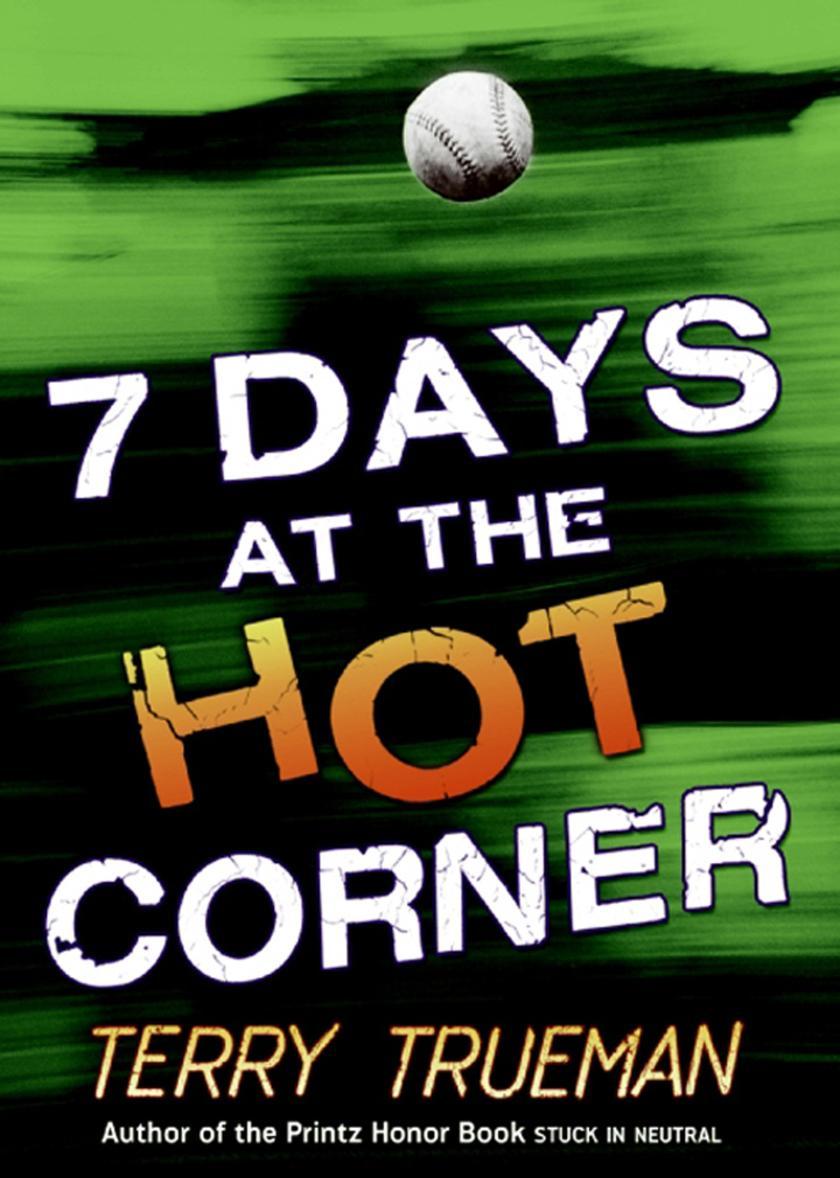
7 Days at the Hot Corner
¥108.99
In baseball, fielding your position at third base is tricky—that's why third is called "the hot corner." You have to be aware that anything can happen at any time. This should be the best year of Scott's life: It's his last season of varsity ball, his team is about to go to the city championship, and a pro career is on the line. Instead, everything he always counted on comes crashing down at the same time, and his whole life is like one blazing hot corner—full of deadly line drives and crazy "bad hops." Scott can't believe the awful stuff coming his way, but it's time to find out whether he has what it takes to play the hot corner—on the baseball diamond and off it.

The Girls of Lighthouse Lane #3
¥87.18
Katherine is the daughter of the lighthouse keeper. She dreams of becoming a painter. But in 1905, a girl can't grow up to be a famous artist -- can she?Rose just moved to the town of Cape Light. She wants to fit in with her new friends, but Rose has a secret she can't share with anyone ...Lizabeth is Kat's rich cousin who always gets what she wants. But Lizabeth soon finds out that money can't keep her from losing the most precious thing of all ...Amanda's mother passed away, and now Amanda keeps house for her minister father. When she meets a very special young man, can she find the courage to be friends with him in spite of her father's disapproval?The quiet New England town of Cape Light never seems to change. But starting in 1905, the lives of these four friends will be transformed in ways they never could have imagined ...

Honeybee
¥94.10
Honey. Beeswax. Pollinate. Hive. Colony. Work. Dance. Communicate. Industrious. Buzz. Sting. Cooperate. Where would we be without themWhere would we be without one anotherIn eighty-two poems and paragraphs, Naomi Shihab Nye alights on the essentials of our time—our loved ones, our dense air, our wars, our memories, our planet—and leaves us feeling curiously sweeter and profoundly soothed.


