


 购物车
 个人中心

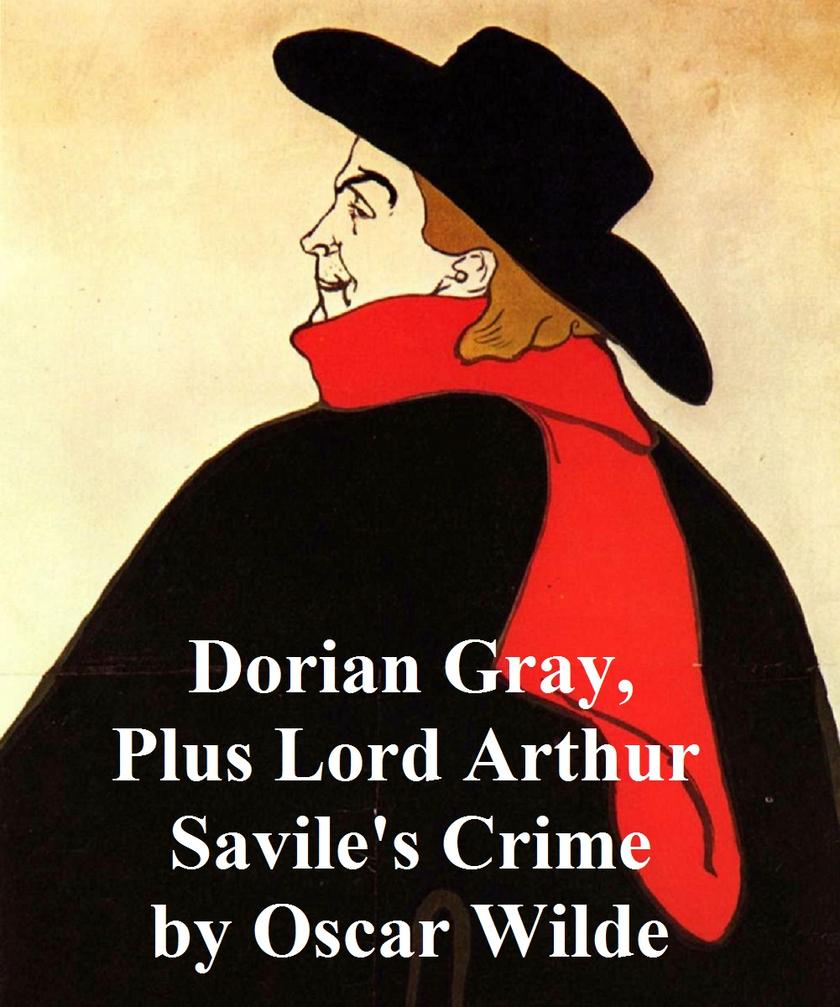
Dorian Gray, plus Lord Arthur Savile's Crime: And Other Stories
¥8.09
This file includes the novel "The Picture of Dorian Gray" plus "Lord Arthur Savile's Crime and Other Stories". The "other" stories are: The Canterville Ghost, The Sphinx Without a Secret, The ModelMillionaire, and The Portrait of Mr. W. H. According to Wikipedia: "Oscar Fingal O'Flahertie Wills Wilde (16 October 1854 – 30 November 1900) was an Irish writer and poet. After writing in different forms throughout the 1880s, he became one of London's most popular playwrights in the early 1890s. Today he is remembered for his epigrams, plays and the circumstances of his imprisonment, followed by his early death."
The Shunned House
¥9.00
"The Shunned House" is a horror fiction novelette by American author H. P. Lovecraft, written on October 16–19, 1924. It was first published in the October 1937 issue of Weird Tales. The Shunned House of the title is based on an actual house in Providence, Rhode Island, built around 1763 and still standing at 135 Benefit Street. Lovecraft was familiar with the house because his aunt Lillian Clark lived there in 1919-20 as a companion to Mrs. H. C. Babbit. However, it was another house in Elizabeth, New Jersey that actually compelled Lovecraft to write the story.
The Picture in the House
¥9.00
A lone traveler seeks shelter from an approaching storm in an apparently abandoned house, only to find that it is occupied by a "loathsome old, white-bearded, and ragged man."
The Moon Bog
¥9.00
"The Moon-Bog" is a short story by American horror fiction writer H. P. Lovecraft, written in or before March 1921. The story was first published in the June 1926 issue of the pulp magazine Weird Tales. In the story, the unnamed narrator describes the final fate of his good friend, Denys Barry, an Irish-American who reclaims an ancestral estate in Kilderry, a fictional village in Ireland. Barry ignores pleas from the superstitious local peasantry not to drain the nearby bog, with unfortunate supernatural consequences.

The Horror at Martin's Beach
¥8.98
Sailors kill a 50-foot creature at sea after a lengthy battle. The creature bears strange anatomical irregularities such as a single large eye and rudimentary forelegs and six-toed feet in place of pectoral fins. After inspection by marine biologists, it is revealed to be just a juvenile. The captain who captured the creature tours the coast and profits from the corpse of the deceased creature. As the captain attempts to finish his business at Martin's Beach, a group of swimmers are attacked. The captain and others attempt to rescue the victims but it is too late. The rescuers and the captain are hypnotized and pulled into the water by the creature's apparently vengeful mother, to the horror of an onlooking crowd.
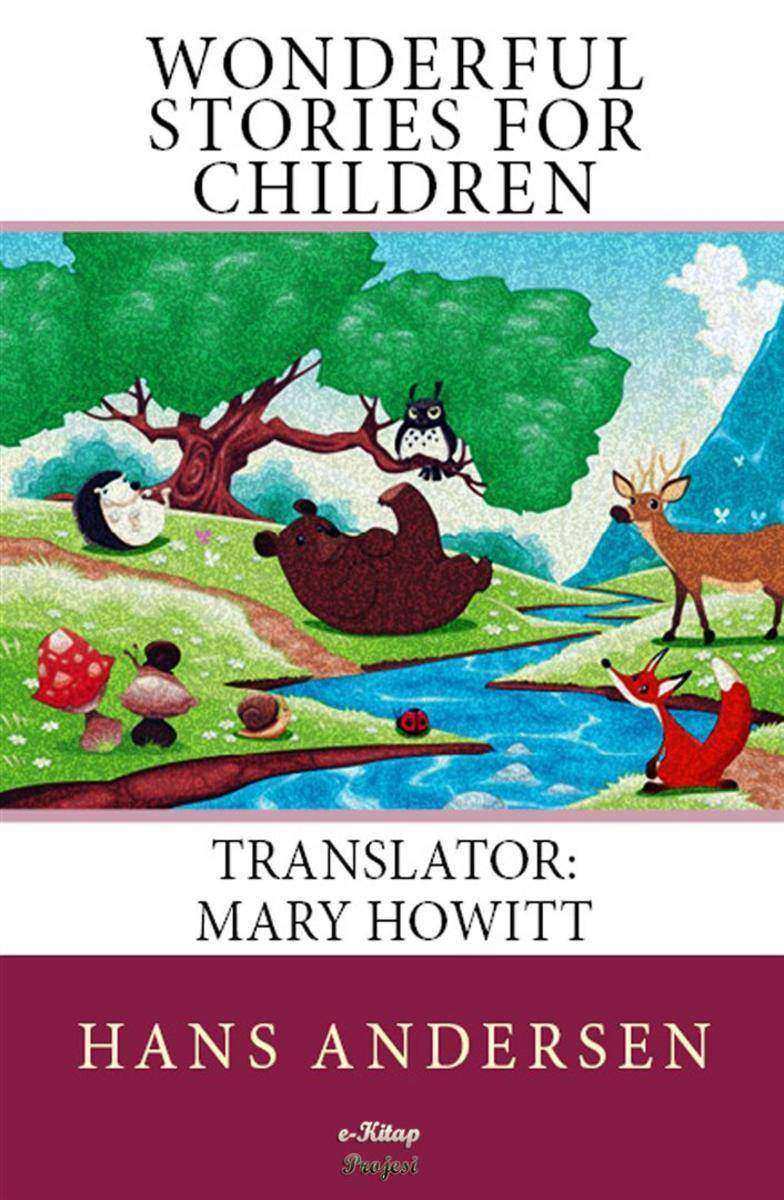
Wonderful Stories for Children
¥19.05
STORIES:?OLE LUCKOIE, (SHUT-EYE.)?MONDAY.?TUESDAY.?WEDNESDAY.?THURSDAY.?FRIDAY.?SATURDAY.?SUNDAY.?THE DAISY.?THE NAUGHTY BOY.?TOMMELISE.?THE ROSE-ELF.?THE GARDEN OF PARADISE.?A NIGHT IN THE KITCHEN.?LITTLE IDA'S FLOWERS.?THE CONSTANT TIN SOLDIER.?THE STORKS.??There is nobody in all this world who knows so many tales as Ole Luckoie! He can tell tales! In an evening, when a child sits so nicely at the table, or on its little stool, Ole Luckoie comes. He comes so quietly into the house, for he walks without shoes; he opens the door without making any noise, and then he flirts sweet milk into the children's eyes; but so gently, so very gently, that they cannot keep their eyes open, and, therefore, they never see him; he steals softly behind them and blows gently on their necks, and thus their heads become heavy. ??Oh yes! But then it does them no harm; for Ole Luckoie means nothing but kindness to the children, he only wants to amuse them; and the best thing that can be done is for somebody to carry them to bed, where they may lie still and listen to the tales that he will tell them.
The Dunwich Horror
¥9.00
In H.P. Lovecraft’s, "The Dunwich Horror", we are told the story of Wilbur Whateley, the son of a deformed albino mother and an unknown father (alluded to in passing by the mad Old Whateley as "Yog-Sothoth"), and the strange events surrounding his birth and precocious development. Wilbur matures at an abnormal rate, reaching manhood within a decade. All the while, his sorcerer grandfather indoctrinates him into certain dark rituals and the study of witchcraft.

Kay?p Halkan?n S?rr?
¥18.56
Yazar, bandan geen gizemli olaylar okuyucusuyla paylamaktadr.Yazar yal bir kadn tesadüfen kaldrmda baygn vaziyette bulur hastaneye kaldrr fakat daha sonra hastane odasnda brakr ve mutsuz ekilde Bodrum’a geri dner. ünkü yaynevlerinden bekledii ilgiyi grmez.Doktor hemire ve hastalar kadn ok sever ve sahip karlar.Yal kadna daha sonra devlet sahip kar ve onu bir huzur evine yatrr. Yal kadn orada da ok sevilir. Fakat huzur evi müdürü kadndan üphelenir. Yazar ise bir türlü istedii eseri yazamamaktadr. stelik ok sevdii ruh eine kavuamamaktadr. Bütün skntlarn zecek gü yal kadndr fakat yazar bunu bilmez. Fakat yazarn kader dngüsü deimek üzeredir ve yal kadn onu kendisine doru arr.Yazar balarda bununla mücadele etmeye alr fakat daha sonra pes eder. stanbul’a doru yolculuk yapmaya karar verir. Yolculuk esnasnda rüyasnda gerilim ve gizemli olaylar grür bilmedii ey aslnda bu olaylarn gerekte yaanddr. Yal kadn düündüü kii deildir.Yazarn gizemli bir ekilde tant yal kadnn srlar vardr. Yazar gerek grevi iin armaktadr.Aslnda yazar kayp halkadan birisidir.
The Descendant
¥9.00
"The Descendant" is a story fragment by American horror fiction writer H. P. Lovecraft, believed to have been written in 1927.[1] It was first published in the journal Leaves in 1938, after Lovecraft's death.

Dagon
¥9.00
The story is the testament of a tortured, morphine-addicted man who relates an incident that occurred during his service as an officer during World War I. In the unnamed narrator's account, his cargo ship is captured by an Imperial German sea-raider in "one of the most open and least frequented parts of the broad Pacific"
The Crawling Chaos
¥9.00
"The Crawling Chaos" is a short story by American writers H. P. Lovecraft and Winifred V. Jackson (first published April 1921 in the United Cooperative. As in their other collaboration, "The Green Meadow", the tale was credited to "Elizabeth Berkeley" (Jackson) and "Lewis Theobald, Jun" (Lovecraft). The story begins with the narrator describing the effects of opium and the fantastical vistas it can inspire. The narrator then tells of his sole experience with opium in which he was accidentally administered an overdose by a doctor during the "year of the plague".
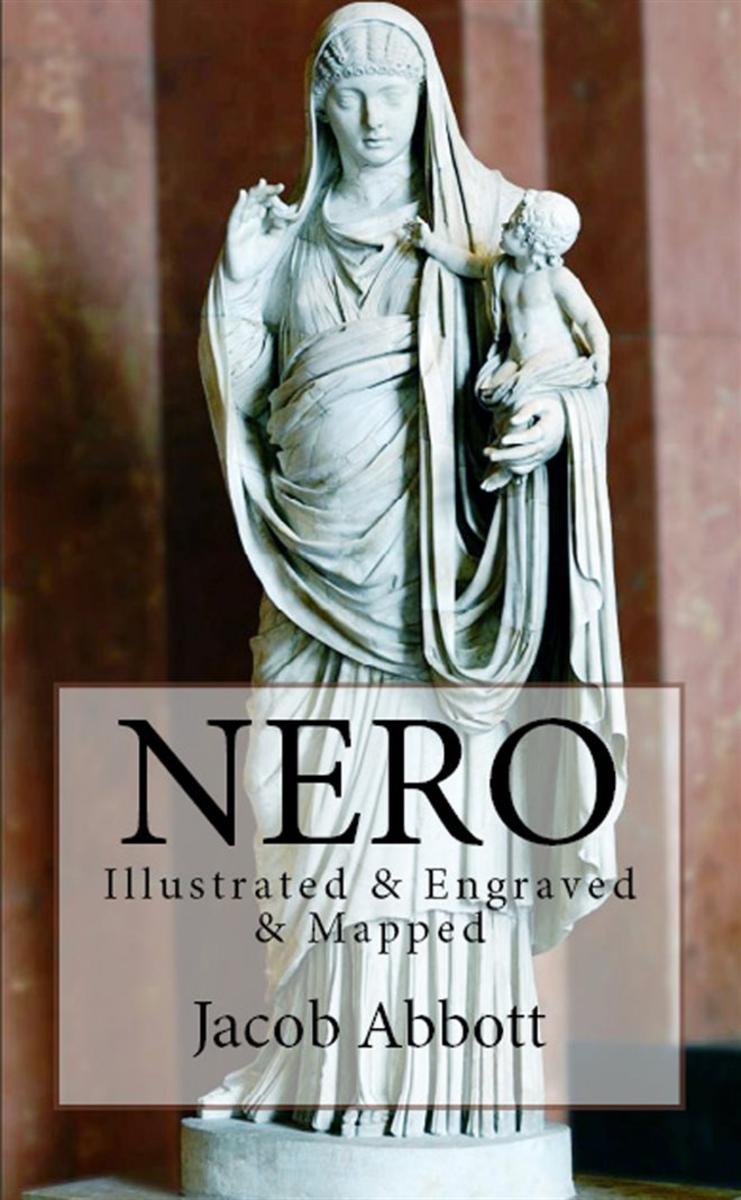
Nero
¥27.88
IN ancient times, when the city of Rome was at the height of its power and splendor, it was the custom, as it is in fact now with the inhabitants of wealthy capitals, for the principal families to possess, in addition to their city residences, rural villas for summer retreats, which they built in picturesque situations, at a little distance from the city, sometimes in the interior of the country, and sometimes upon the seashore. There were many attractive places of resort of this nature in the neighborhood of Rome. Among them was Antium.??The beauty and the salubrity of Antium made it a very attractive place of summer resort for the people of Rome; and in process of time, when the city attained to an advanced stage of opulence and luxury, the Roman noblemen built villas there, choosing situations, in some instances, upon the natural terraces and esplanades of the promontory, which looked off over the sea, and in others cool and secluded retreats in the valleys, on the land. It was in one of these villas that NERO was born.??NERO's father belonged to a family which had enjoyed for several generations a considerable degree of distinction among the Roman nobility, though known by a somewhat whimsical name. The family name was Brazenbeard, or, to speak more exactly, it was Aheno-barbus, which is the Latin equivalent for that word. ?
The Colour Out of Space
¥9.00
"The Colour Out of Space" is a first-person narrative written from the perspective of an unnamed surveyor from Boston. In order to prepare for the construction of a new reservoir in Massachusetts, he surveys a rural area that is to be flooded near Lovecraft's fictional town of Arkham. He comes across a mysterious patch of land, an abandoned five-acre farmstead, which is completely devoid of all life.
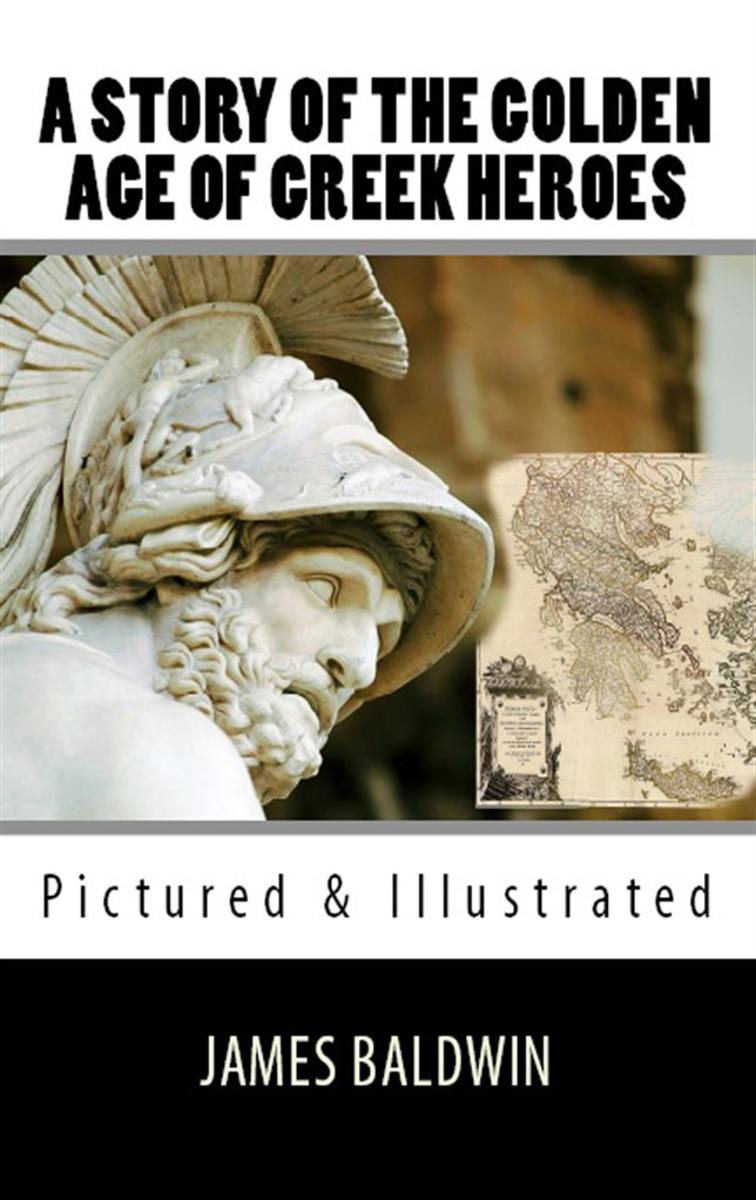
A Story of the Golden Age of Greek Heroes: Pictured & Illustrated
¥28.29
YOU have heard of Homer, and of the two wonderful poems, the Iliad and the Odyssey, which bear his name. No one knows whether these poems were composed by Homer, or whether they are the work of many different poets. And, in fact, it matters very little about their authorship. Everybody agrees that they are the grandest poems ever sung or written or read in this world; and yet, how few persons, comparatively, have read them, or know any thing about them except at second-hand! ? Homer commences his story, not at the beginning, but "in the midst of things;" hence, when one starts out to read the Iliad without having made some special preparation beforehand, he finds it hard to understand, and is tempted, in despair, to stop at the end of the first book. Many people are, therefore, content to admire the great masterpiece of poetry and story-telling simply because others admire it, and not because they have any personal acquaintance with it.? Now, it is not my purpose to give you a "simplified version" of the Iliad or the Odyssey. There are already many such versions; but the best way for you, or any one else, to read Homer, is to read Homer. If you do not understand Greek, you can read him in one of the many English translations. You will find much of the spirit of the original in the translations by Bryant, by Lord Derby, and by old George Chapman, as well as in the admirable prose rendering by Butcher and Lang; but you can get none of it in any so-called simplified version.??My object in writing this "Story of the Golden Age" has been to pave the way, if I dare say it, to an enjoyable reading of Homer, either in translations or in the original. I have ta-ken the various legends relating to the causes of the Trojan war, and, by assuming certain privileges never yet denied to story-tellers, have woven all into one continuous narrative, ending where Homer's story begins. The hero of the Odyssey—a character not always to be admired or commended—is my hero. And, in telling the story of his boyhood and youth, I have taken the opportunity to repeat, for your enjoyment, some of the most beautiful of the old Greek myths. If I have, now and then, given them a coloring slightly different from the original, you will remember that such is the right of the story-teller, the poet, and the artist. The essential features of the stories remain unchanged. I have, all along, drawn freely from the old tragedians, and now and then from Homer himself; nor have I thought it necessary in every instance to mention authorities, or to apologize for an occasional close imitation of some of the best translations. The pictures of old Greek life have, in the main, been derived from the Iliad and the Odyssey, and will, I hope, help you to a better understanding of those poems when you come to make acquaintance directly with them.??Should you become interested in the "Story of the Golden Age," as it is here related, do not be disappointed by its somewhat abrupt ending; for you will find it continued by the master-poet of all ages, in a manner both inimitable and unapproachable. If you are pleased with the discourse of the porter at the gate, how much greater shall be your delight when you stand in the palace of the king, and hearken to the song of the royal minstrel! ?
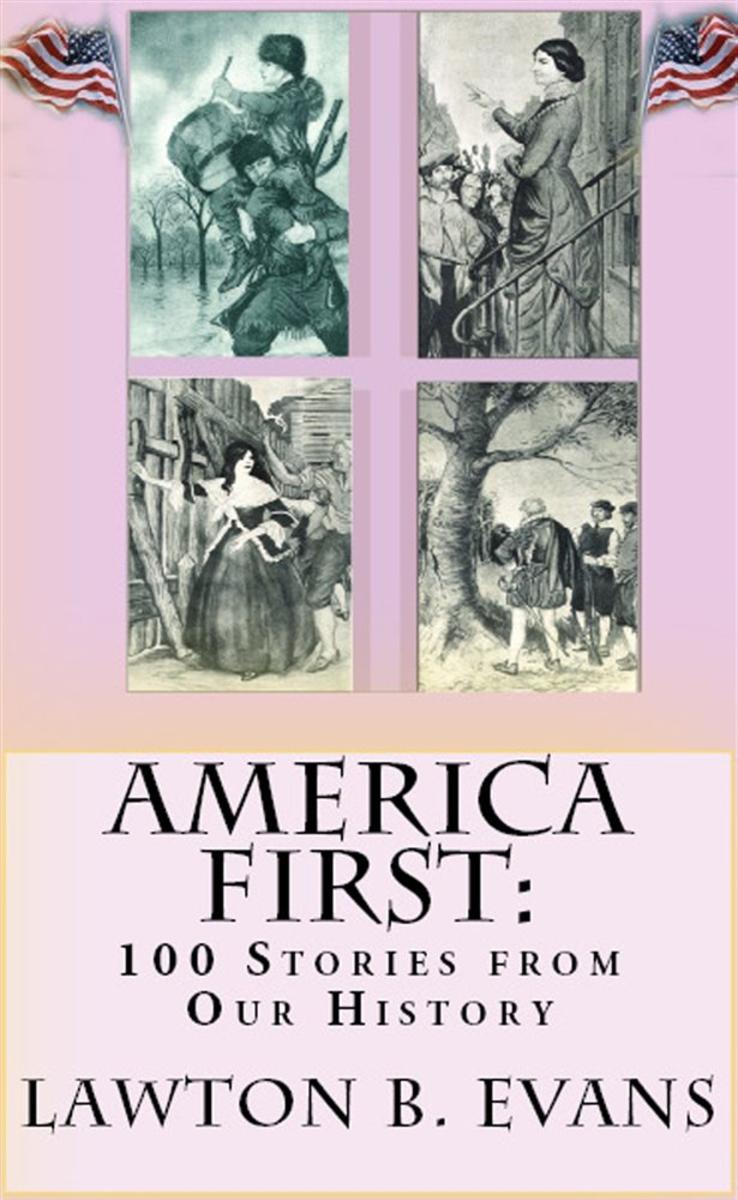
America First: —100 Stories from Our History—
¥23.54
WHEN children advance beyond the nursery age, no story is so wonderful as a true story. Fiction to them is never as appealing as fact. I have often been faced with the inquiry: whether or not a story is a true one. The look of gratification, when told that "it actually happened," was most satisfying to me as a story-teller.??The nearer a story is to the life and traditions of the child, the more eagerly it is attended. True stories about our own people, about our neighbors and friends, and about our own country at large, are more interesting than true stories of remote places and people. We naturally are interested in our own affairs, and the nearer they are to us the greater the interest we feel.??That history is just a long, thrilling story of the trials and triumphs of pioneers and patriots is well known to those who have had to do with the teaching of history to youthful minds. That the dry recital of political and governmental history does not interest children is also well known. History should be made vital, vibrant, and personal if we expect children to be stirred by its study.?To gratify the love of children for the dramatic and picturesque, to satisfy them with stories that are true, and to make them familiar with the great characters in the history of their own country, is the purpose of this volume.??It is hoped that through appeal to youthful love of adventure, this collection of stories, covering the entire range of American history, will stimulate the ambition and strengthen the patriotism of those young citizens whose education has been the constant concern of the author for many years.
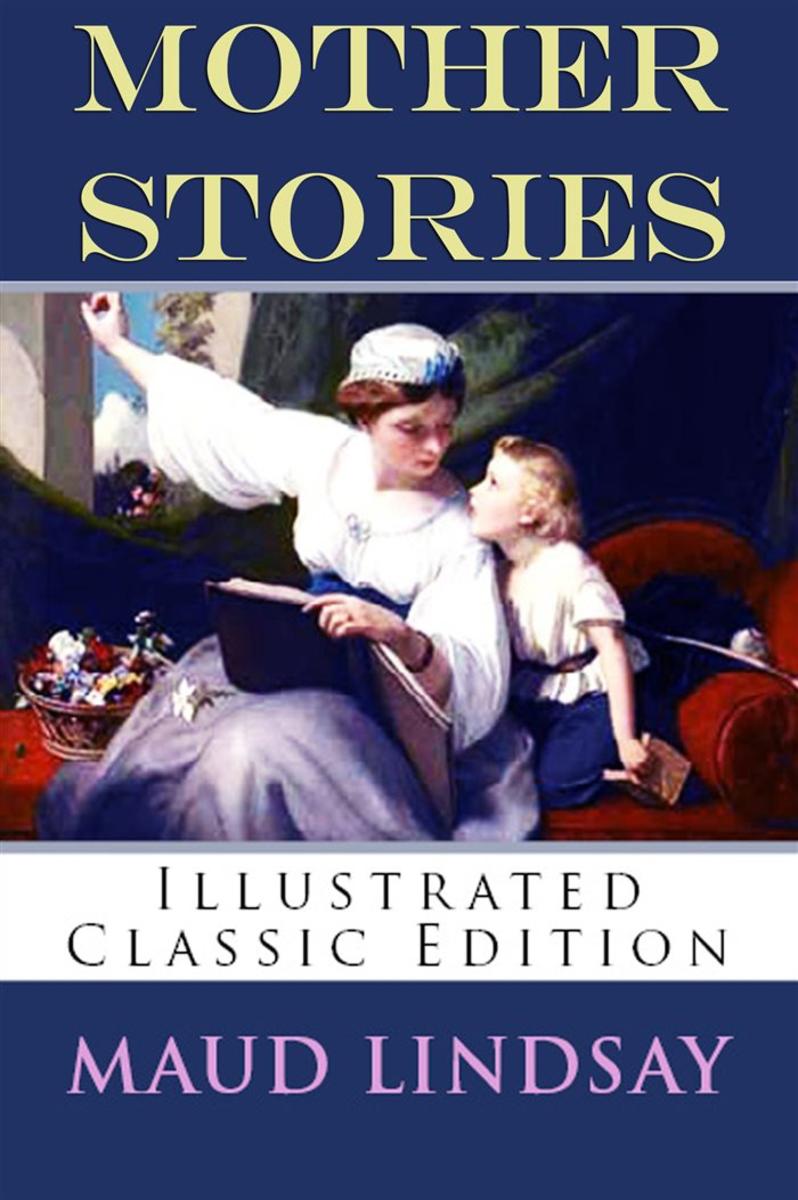
Mother Stories: (Illustrated)
¥18.80
"Mother, a Story at the right time,Is a Looking-glass for the Mind." – Froebel – Endeavored to write, for mothers and dear little children, a few simple stories, embodying some of the truths of Froebel's Mother Play. The Mother Play is such a vast treasure house of Truth, that each one who seeks among its stores may bring to light some gem; and though, perhaps, I have missed its diamonds and rubies, I trust my string of pearls may find acceptance with some mother who is trying to live with her children. I have written my own mottoes, with a few exceptions, that I might emphasize the particular lesson which I endeavor to teach in the story; for every motto in the Mother Play comprehends so much that it is impossible to use the whole for a single subject. From "The Bridge" for instance, which is replete with lessons, I have taken only one,—for the story of the "Little Traveler."
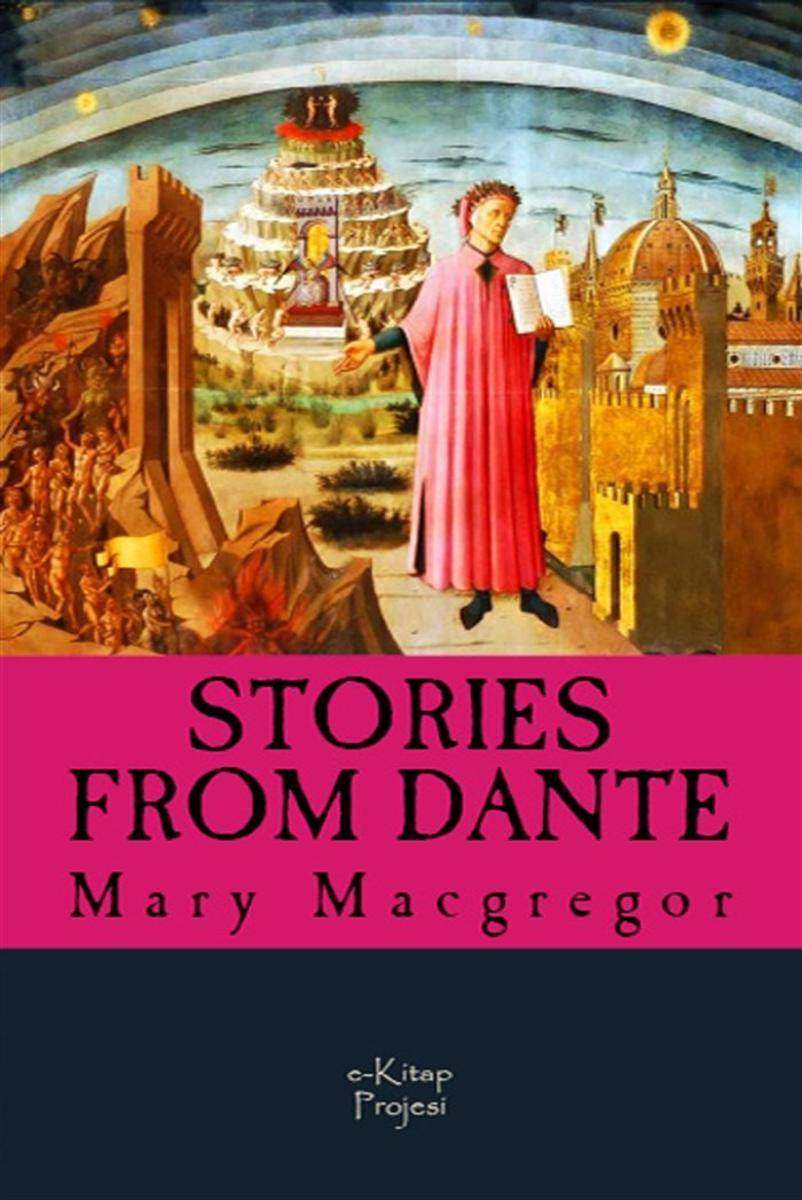
Stories from Dante: Told to the Children
¥14.06
IN the far-off days when Dante lived, those who wrote books wrote them in the Latin tongue. Dante himself wrote the first seven cantos of his great poem in Latin. But like many another poet, he was not satisfied with his first attempt. He flung the seven Latin cantos aside and seemingly forgot all about them, for when he was banished from Florence the poem he had begun was not among his treasures. His wife, however, found the seven cantos and tossed them into a bag among her jewels. Then she also seemed to forget all about them. Five years later a nephew of Dante chanced to find the long-forgotten verses. He at once sent them to his uncle, who was still living in exile. When Dante received the cantos he had written so long ago, he believed that their recovery was a sign from Heaven that he should complete the great poem he had begun. He therefore set to work afresh, but this time he wrote, not in Latin, but in his own beautiful mother-tongue, which was, as you know, Italian. When at length the great poem was finished, Dante named it simply, "The Comedy," and it was not until many years after his de-ath that the title was changed into "The Divine Comedy." A comedy was a tale which might be as sad as tale could be, so only that it ended in gladness.In "The Divine Comedy," then, about which this little book tells, you may expect to find much that is sad, much that is terrible. Yet you may be certain that before the end of the tale you will find in it gladness and joy..

Speaking of Poetry...
¥15.40
A book of poetry on various themes. Springtime I shall wait for you springtimeWhen winter has passed awayRosebuds will be dancing in the nightBeneath the Milky Way Lovers kissing and holding handsWaltzing a brisk and lively danceUnderneath the crescent moon that shownAs Orpheus sings a joyful song Mockingbirds will send forth merry soundsAwakening nature's dreary brownChildren playing games while folksLaugh and tell their silly jokes
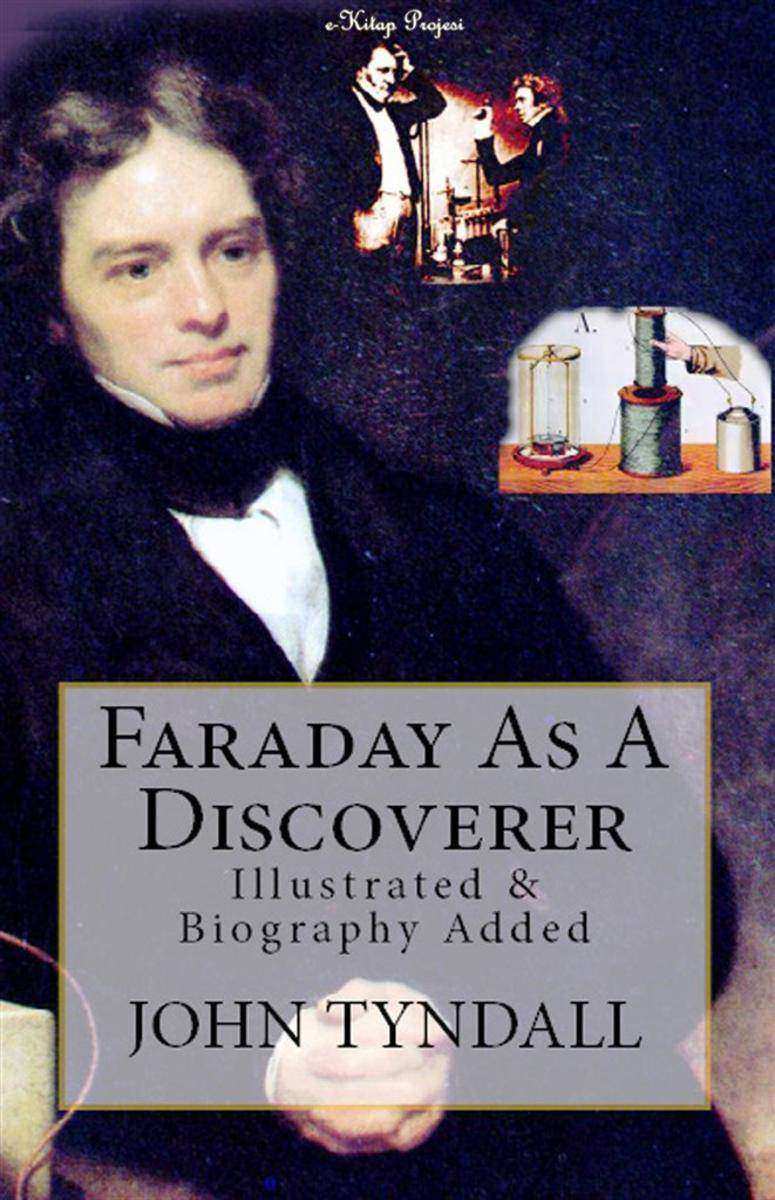
Faraday As A Discoverer: [Illustrated & Biography Added]
¥27.80
Michael Faraday (1791 –1867) was an English scientist who contributed to the fields of electromagnetism and electrochemistry. His main discoveries include those of electromagnetic induction, diamagnetism and electrolysis. Although Faraday received little formal education, he was one of the most influential scientists in history. It was by his research on the magnetic field around a conductor carrying a direct current that Faraday established the basis for the concept of the electromagnetic field in physics. Faraday also established that magnetism could affect rays of light and that there was an underlying relationship between the two phenomena. He similarly discovered the principle of electromagnetic induction, diamagnetism, and the laws of electrolysis. His inventions of electromagnetic rotary devices formed the foundation of electric motor technology, and it was largely due to his efforts that electricity became practical for use in technology. As a chemist, Faraday discovered benzene, investigated the clathrate hydrate of chlorine, invented an early form of the Bunsen burner and the system ofoxidation numbers, and popularised terminology such as anode, cathode, electrode, and ion. Faraday ultimately became the first and foremost Fullerian Professor of Chemistry at the Royal Institution of Great Britain, a life-time position.. Faraday was an excellent experimentalist who conveyed his ideas in clear and simple language; his mathematical abilities, however, did not extend as far as trigonometry or any but the simplest algebra. James Clerk Maxwell took the work of Faraday and others, and summarized it in a set of equations that is accepted as the basis of all modern theories of electromagnetic phenomena. On Faraday's uses of the lines of force, Maxwell wrote that they show Faraday "to have been in reality a mathematician of a very high order – one from whom the mathematicians of the future may derive valuable and fertile methods." The SI unit of capacitance is named in his honour: the farad. Albert Einstein kept a picture of Faraday on his study wall, alongside pictures of Isaac Newton and James Clerk Maxwell. Physicist Ernest Rutherford stated; "When we consider the magnitude and extent of his discoveries and their influence on the progress of science and of industry, there is no honour too great to pay to the memory of Faraday, one of the greatest scientific discoverers of all time". ABOUT AUTHOR: John Tyndall (1820 – 1893) was a prominent 19th-century Irish physicist. His initial scientific fame arose in the 1850s from his study of diamagnetism. Later he made discoveries in the realms of infrared radiation and the physical properties of air. Tyndall also published more than a dozen science books which brought state-of-the-art 19th century experimental physics to a wide audience. From 1853 to 1887 he was professor of physics at the Royal Institution of Great Britain in London. Tyndall was born in Leighlinbridge, County Carlow, Ireland. His father was a local police constable, descended from Gloucestershire emigrants who settled in southeast Ireland around 1670. Tyndall attended the local schools in County Carlow until his late teens, and was probably an assistant teacher near the end of his time there. Subjects learned at school notably included technical drawing and mathematics with some applications of those subjects to land surveying. He was hired as a draftsman by the Ordnance Survey of Ireland in his late teens in 1839, and moved to work for the Ordnance Survey for Great Britain in 1842. In the decade of the 1840s, a railroad-building boom was in progress, and Tyndall's land surveying experience was valuable and in demand by the railway companies. Between 1844 and 1847, he was lucratively employed in railway construction planning. In 1847 Tyndall opted to become a mathematics and surveying teacher at a boarding school (Queenwood College) in Hampshire. Recalling this decision later, he wrote: "the desire to grow intellectually did not forsake me; and, when railway work slackened, I accepted in 1847 a post as master in Queenwood College." Another recently arrived young teacher at Queenwood was Edward Frankland, who had previously worked as a chemical laboratory assistant for the British Geological Survey. Frankland and Tyndall became good friends. On the strength of Frankland's prior knowledge, they decided to go to Germany to further their education in science. Among other things, Frankland knew that certain German universities were ahead of any in Britain in expe-rimental chemistry and physics. (British universities were still focused on classics and mathematics and not laboratory science.)The pair moved to Germany in summer 1848 and enrolled at the University of Marburg, where Robert Bunsen was an influential teacher. Tyndall studied under Bunsen for two years.
La última fada
¥9.00
Novela basada en dos leyendas artúricas: "Tristán e Isolda" y "Merlín y Viviana", entreteje textos conocidos con versiones nuevas con el objetivo de moralizar a un público lector, presumiblemente de fe única, poseedor de prejuicios religiosos arraigados en la cultura de la época.
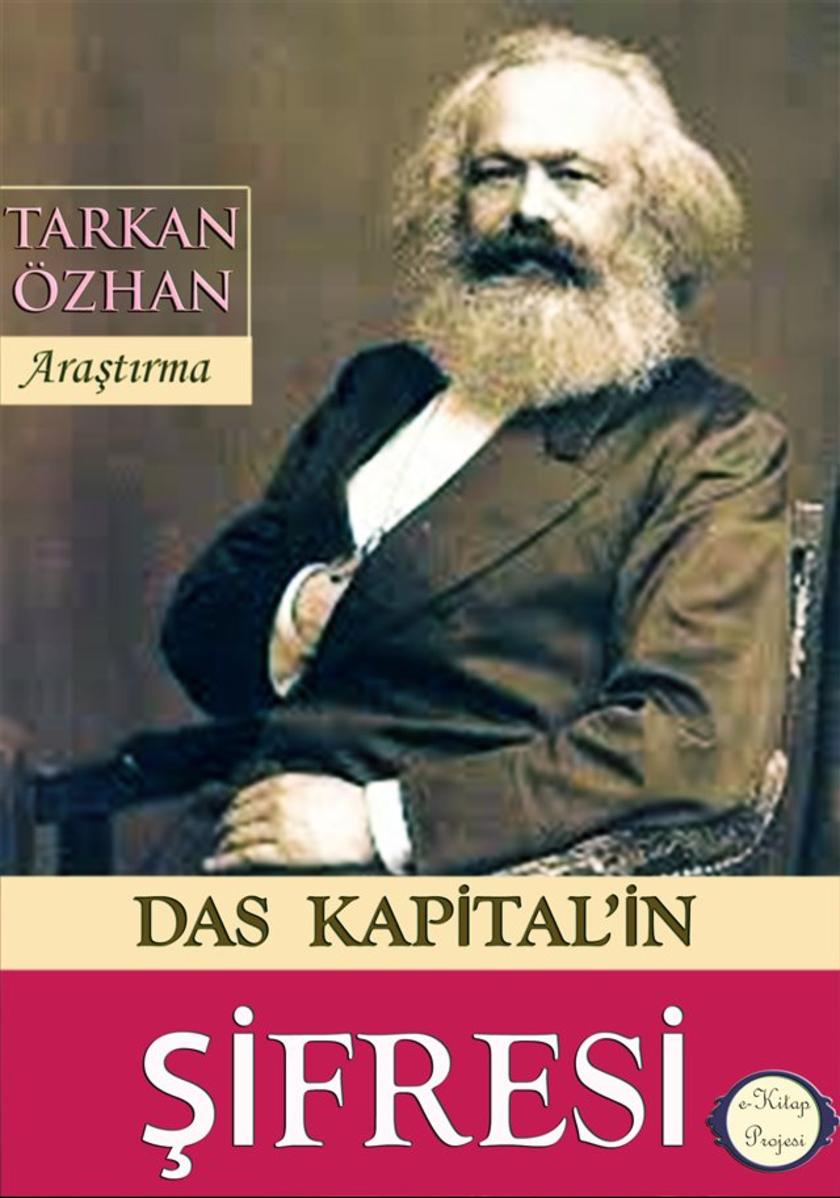
Das Kapital'in ?ifresi
¥37.20
Kapitalist üretim tarz?n?n egemen oldu?u toplumlar?n zenginli?i, "muazzam bir meta birikimi" olarak kendini g?sterir, bunun birimi tek bir metad?r. Ara?t?rmalar?m?z?n, bu nedenle, meta?n tahlili ile ba?lamas? gerekir. Meta, her ?eyden ?nce, bizim d???m?zda bir nesnedir ve, ta??d??? ?zellikleriyle, ?u ya da bu türden insan gereksinmelerini gideren bir ?eydir. Bu gereksinmelerin niteli?i, ?rne?in ister mideden, ister hayalden ??km?? olsun, bir ?ey de?i?tirmez. Burada nesnenin, bu gereksinmeleri, ge?im arac? olarak do?rudan do?ruya m?, yoksa üretim arac? olarak dolayl? yoldan m?, nas?l giderdi?i de bizi ilgilendirmemektedir. Demir, ka??t vb. gibi her yararl? ?eye, iki g?rü? a??s?ndan, nitelik ve nicelik a??s?ndan bak?labilir. Her yararl? ?ey, bir?ok ?zelliklerin bir bütünüdür ve bunun i?in ?e?itli y?nlerden yararl? olabilir. ?eylerin ?e?itli kullan?mlar?n? bulup ortaya ??karmak tarihin i?idir. Yararl? nesnelerin niceli?ini ?l?mek i?in toplumca benimsenen ?l?üleri saptamak da b?yledir. Bu ?l?ülerin farkl? olu?unun nedeni, k?smen ?l?ülecek nesnelerin niteliklerinin farkl? olu?u, k?smen de al??kanl?klard?r. Bir ?eyin yararl?l???, onu, bir kullan?m-de?eri haline getirir. Ama bu yararl?l?k, belirsiz bir ?ey de?ildir. Meta?n fiziksel ?zellikleriyle s?n?rl? oldu?u i?in, o, metadan ayr? bir varl??a sahip de?ildir. Demir olsun, bu?day olsun ya da elmas olsun, bir meta, bu nedenle, maddi bir ?ey oldu?u i?in, bir kullan?m-de?eridir, yararl? bir ?eydir. Meta?n bu ?zelli?i, o meta?n yararl? niteliklerinden yararlanmak i?in gerekli olan emek miktar?na ba??ml? de?ildir. Karl Marx, “Das Kapital’i bundan yakla??k 150 y?l ?nce yazd?. Bugüne kadar üzerinde yüzlerce yorum yap?l?p binlerce kitap yay?nland?. Peki ama, Karl Marx Das Kapital’de ger?ekte neyi ve hangi sistemi anlatmaya ?al???yordu? Yahudilikle ba?lant?lar? neydi? ??ddia edildi?i gibi baz? büyük bankerlerle ve bizatihi Kapitalizmin kendisiyle bir ili?kisi var m?yd?? Karl Marx’a ait oldu?u iddia edilen ünlü yahudi banker ailesi, Rothschild ailesinden geliyor oldu?unu iddia eden bir soy a?ac? ?izimi ger?ekte var m?yd?? Halihaz?rda “Komunizm“ ve paralelindeki “Marksizm” ve buna paralel olan “Sosyalizm”; tarihte Kapitalizm’e kar?? bir kar?? devrim hareketi olarak, bir Anti-Tez olarak, yine bu büyük bankerler ve tüm dünya genelinde ana kapital’i kontrol eden bu yahudi aileleri taraf?ndan m? ortaya ??kart?lm??t? ve Marx, bunun ger?ekle?mesinde ?ncü bir rol mü oynam??t?? Bu eseri yazarken, Bundan sonraki ü? d?rt y?l boyunca, büyük yap?t? bütünlü?ü i?inde be? alt? kez üst üste okudum. Marx'?n ba?vurdu?u geni? ekonomi literatürünün de i?ine dald?m. Marx'a y?neltilen burjuva, akademik ve sosyal demokrat ele?tirileri inceledim; Kautsky, Lenin, Hilferding, Luxemburg, Buharin ve ba?kalar?n?n Das Kapital'e ili?kin geli?tirdikleri yorumlarla da tan??t?m. Ba?lang?? noktam olan ?iir ve esteti?i gerilerde b?rakarak, tüm entellektüel tutkumu, ticari dola??m, toprak rant?, tar?mda sermayenin yo?unla?mas?, k?r oran?n?n dü?mesi ve i??i s?n?f?n?n yoksulla?mas?na ili?kin mali doktrinlere ve bu bahts?z bilimin di?er y?nlerine y?nelttim. Ricardo, Sismondi, Sombart, B?hm-Bawerk ve Keynes'in ilk zamanlar?ndaki ?al??malar?ndan, tekrar ve tekrar Das Kapital'e d?ndüm ve bu sistemleri ve bilimsel uzant?lar?n? bu eserde das kapital’e gore yeniden yorumlad?m. Tüm bu yorumlamalar ve bunlara ili?kin kafan?zdaki pek ?ok soru i?aretinin cevaplar?n? bu eserde bulacaks?n?z.. ?? K?saca Karl Marx [1818-1883] ?Karl Marx, 5 may?s 1818 do?umlu filozof, siyaset bilimci ve devrimci karakter. Tam ad?yla Karl Heinrich Marx, komünizmin fikri babas? ve teorideki kurucusu kabul edilir. Fikirleri Lenin gibi bir?ok devrimciyi etkilemi?tir. 14 mart 1883 tarihinde Londra'da ?lmü?tür. Karl Marx'?n herkes?e bilinen dev eseri 'Das Kapital'dir. Ekonomi Politi?in Ele?tirisi alt ba?l?kl? bu kitap, Karl Marx'?n en ?nemli yap?tlar?ndand?r. Toplam ü? cilttir. 2. ve 3. ciltler Marx'?n ?lümünden sonra, dostu ve ?al??ma arkada?? 'Friedrich Engels' taraf?ndan notlar?n?n düzenlenmesi sayesinde yay?nlanabilmi?tir. ? ?Karl Marx'?n di?er baz? eserleri: ?- 1844 Elyazmalar? (1844) ?- Kutsal Aile (1845) ?- Feuerbach ?zerine Tezler (1845) ?- Alman ?deolojisi (1845-1846) ?- Felsefenin Sefaleti (1847) ?- Komünist Manifesto (1847-1848) ?- ?cretli Emek ve Sermaye (1848-1849) ?- Fransa'da S?n?f Sava??mlar? (1850) ?- Louis Bonaparte'in 18 Brumaire'i (1852) ?- Grundrisse (1857-1858) ?- Ekonomi Politi?in Ele?tirisine Katk? (1859) ?- Art?-De?er Teorileri (1862-1863) ?- Fransa'da ?? Sava? (1871) ?- Gotha Program?'n?n Ele?tirisi (1875)


