


 购物车
购物车 个人中心
个人中心
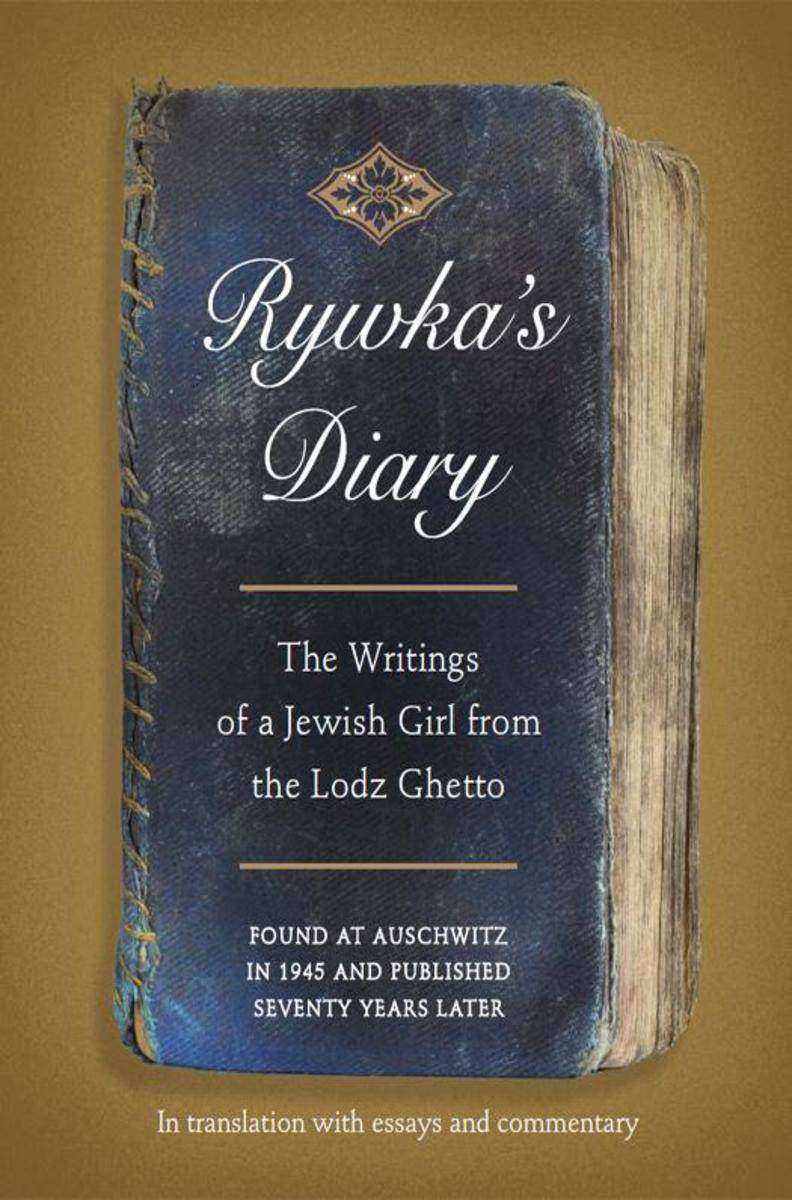
Rywka's Diary
¥193.85
In 1945, a doctor with the Soviet Red Army found a school notebook buried near the crematoria of the newly liberated Auschwitz concentration camp. Thinking the notebook looked interesting, she brought it home to Russia, where it languished for decades. After the doctor's death, her granddaughter, who had emigrated to the United States, discovered the book and brought it to the attention of Jewish Family and Children's Services of San Francisco, where the diary was first recognized for the extraordinary artifact that it is. Handwritten between October 1943 and April 1944, the work proved to be the diary of a young girl who had lived in the Polish ghetto of Lodz under Nazi rule and who had been transported to Auschwitz. What had become of the girl was a mystery. Elegantly translated from Polish into English seventy years later, Rywka's Diary is at once an astonishing historical document and a moving tribute to the many ordinary people whose lives were forever altered by the Holocaust. At its heart is the story of Rywka Lipszyc, a girl in the Lodz ghetto, the second largest in Poland, who detailed the brutal conditions that she and other Jews living under the Nazis had to endure: poverty, hunger and malnutrition, religious oppression, and the death of close family members.Rywka's Diary is a deeply felt coming-of-age story in which a young woman expresses curiosity about her place in the world and reflects on her relationship with God a remarkable affirmation of her commitment to Judaism and her faith in humanity. Interwoven into this carefully translated diary are photographs, news clippings, maps, and commentary from Holocaust scholars and the girl's surviving relatives, which provide an in-depth picture of both the circumstances of Rywka's life and the mysterious end to her diary.Moving and illuminating, told by a brave young girl whose strong and charismatic voice speaks for millions, Rywka's Diary is an extraordinary addition to the history of the Holocaust and World War II.
The Way We Were
¥82.80
Paul Burrell served Diana, Princess of Wales, as her faithful butler from 1987 until her death in 1997. He was much more than an employee: he was her right-hand man, confidant, and friend whom Diana herself described as "the only man she ever trusted." Featuring previously unseen interior photographs and remarkably intimate details, The Way We Were flings open the doors to Kensington Palace, leading readers deep inside the private world of Princess Diana room by room, memory by memory. Marking the tenth anniversary of the princess's death, Burrell has penned a faithful and poignant tribute to "the boss" capturing as never before her vivacity and love of life, her style, her fashion, and her heart. Some images that appeared in the print edition of this book are unavailable in the electronic edition due to rights reasons.

High Steel
¥90.77
A powerful first-hand account of the many generations and ethnic groups of men who have built America's skyscrapers.From the early days of steel construction in Chicago, through the great boom years of New York city ironwork, and up through the present, High Steel follows the trajectory of careers inextricably linked to both great accomplishment and catastrophic disaster. The personal stories reveal the lives of ironworkers and the dangers they face as they walk across the windswept, swaying summits of tomorrow's skyscrapers, balanced on steel girders sometimes only six inches wide. Rasenberger explores both the greatest accomplishments of ironwork the vaulting bridges and towers that define America's skyline and the deadliest disasters, such as the Quebec Bridge Collapse of 1907, when 75 ironworkers, including 33 Mohawk Indians, fell to their deaths. High Steel is an accessible, thrilling, and vertiginous portrait of the lives of some of our most brave yet unrecognized men.
HarperOne
¥111.91
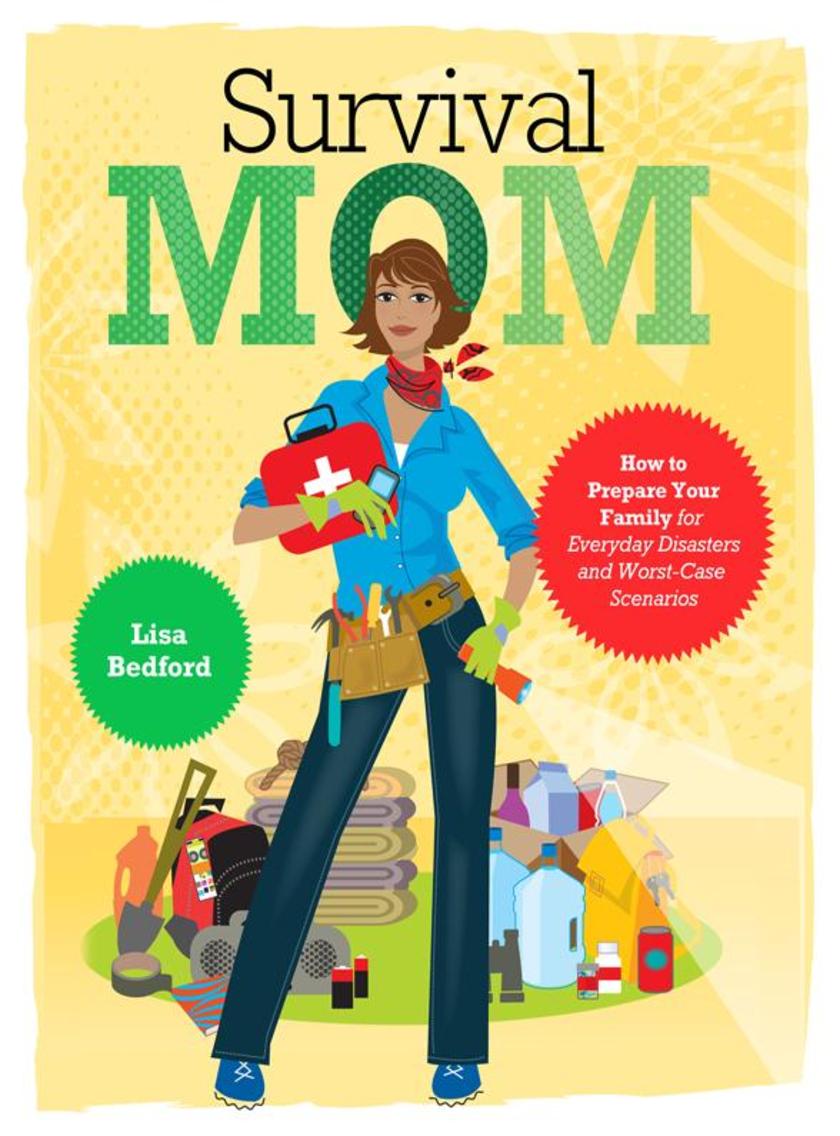
Everything You Need to Know to Keep Your Family Safe and Secure No Matter WhatUndaunted by the prospect of TEOTWAWKI (The End of the World as We Know It), Lisa Bedford tackles every what-if and worst-case scenario head-on, offering practical advice on how to prepare your family for whatever might come your way. From a few days without electricity to an unexpected job loss or total chaos after the destruction of a tornado, Survival Mom provides everything you need to become self-reliant and establish plans for your family, including: preparing the home for a natural disaster alternative sources of energy in a power's-out situation everything you need to know about food storage personal protection (do I really need to learn how to shoot a gun?) Deep inside every mom is a Survival Mom whose passion for her family drives her to make the best of the present and prepare for the future. So tap into your Mama Grizzly instincts and channel your worries into action. Whether you're a full-fledged "prepper" or just getting started, with real-life stories and customizable forms and checklists along with Lisa's "you can do it" attitude, Survival Mom replaces paranoia and panic with the peace of knowing YOU have the power to keep your loved ones safe and secure.
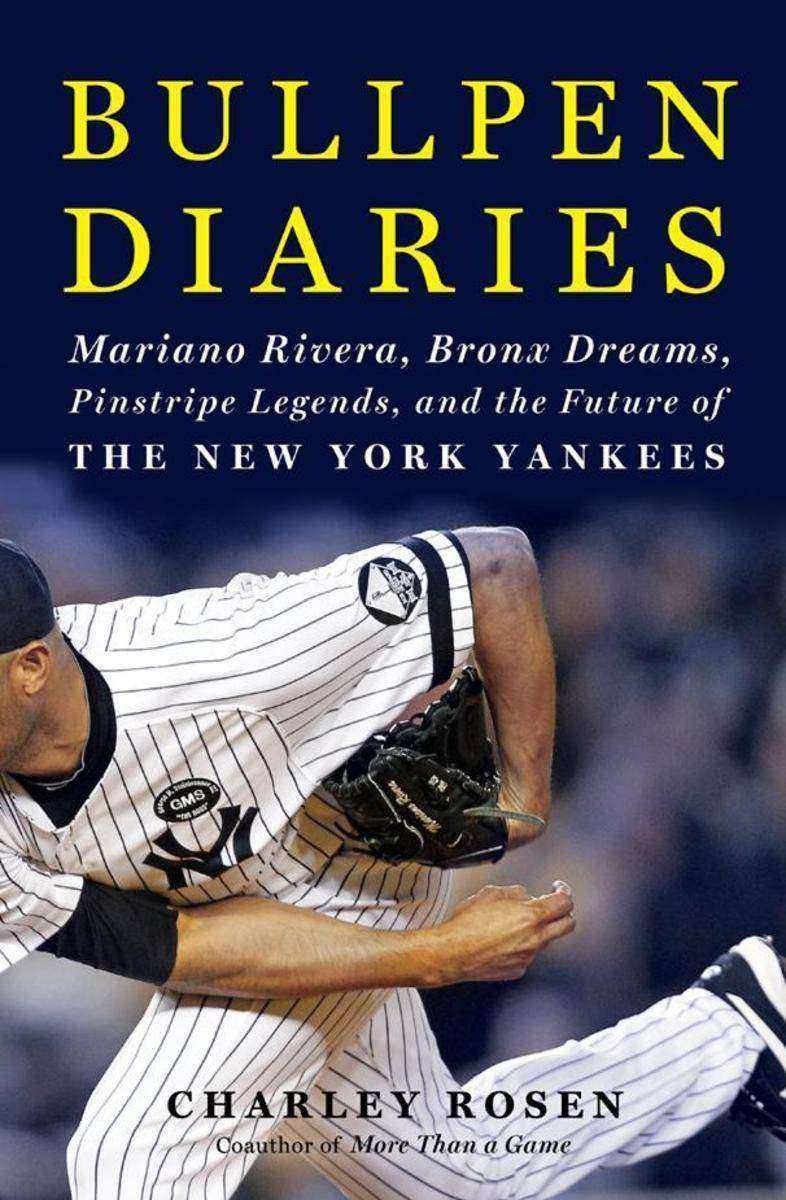
Bullpen Diaries
¥145.91
Baseball is the only game where the defense has the ball.So begins an inside look at baseball's most scrutinized group of players relief pitchers and life in the most intriguing bullpen of all, that of the New York Yankees.Second-guessed and overstressed, the manager finds his use of the bullpen the most debated topic after any game, but the reliever is the guy in the spotlight, game on the line, alone on a raised mound of clay.Bestselling sportswriter Charley Rosen takes the reader on the wild journey that is the evolution of relief pitching over the years and examines the eccentric characters who have taken on the pressure of closing out games or not. Bullpen Diaries is full of interviews with key players, coaches, and scouts from around the league; replete with the drama of blown plays and walk-off grand slams; and laced with funny anecdotes about Yankee greats throughout the years.To underscore the drama and difficulty of being a reliever, Rosen uses key games in the 2010 season acknowledged now as the Year of the Pitcher to highlight strategies and mistakes, examine relievers on the rise or on the way out, and analyze the teams and the pitchers the Yanks faced. Bullpen Diaries also takes a look at Yankee strategies for success past, present, and, most important, future. Lastly, Rosen reveals his predictions for 2011 and beyond for baseball's most storied franchise.With insight on current players from around the league and tales of Yankee legends, Stadium history, and the author's Bronx childhood, Bullpen Diaries is a love letter to baseball and a pure joy for all fans of America's favorite pastime.
Gossip
¥84.16
The critically acclaimed author of Good-bye and Amen, Leeway Cottage, and More Than You Know returns with a sharply perceptive and emotionally resonant novel about all the ways we talk about one another, the sometimes fine line between showing concern and doing damage, and the difficulty of knowing the true obligations of friendshipGossipBeth Gutcheon "Did you know that the origin of the word gossip in English is 'god-sibling'It's the talk between people who are godparents to the same child, people who have a legitimate loving interest in the person they talk about. It's talk that weaves a net of support and connection beneath the people you want to protect."Loviah "Lovie" French owns a small, high-end dress shop on Manhattan's Upper East Side. Renowned for her taste and discretion, Lovie is the one to whom certain women turn when they need "just the thing" for major life events baptisms and balls, weddings and funerals or when they just want to dish in the dressing room. Among the people who depend on Lovie's confidence are her two best friends since boarding school: Dinah Wainwright and Avis Metcalf. Outspoken and brimming with confidence, Dinah made a name for herself as a columnist covering the doings of New York's wealthiest and most fabulous. Shy, proper Avis, in many ways Dinah's opposite, rose to prominence in the art world with her quiet manners, hard work, and precise judgment. Despite the deep affection they both feel for Lovie, they have been more or less allergic to each other since a minor incident decades earlier that has been remembered and resented with what will prove to be unimaginable consequences. These uneasy acquaintances become unwillingly bound to each other when Dinah's favorite son and Avis's only daughter fall in love and marry. On the surface, Nick and Grace are the perfect match a playful, romantic, buoyant, and beautiful pair. But their commitment will be strained by time and change: career setbacks, reckless choices, the birth of a child, jealousies, and rumor. At the center of their orbit is Lovie, who knows everyone's secrets and manages them as wisely as she can. Which is not wisely enough, as things turn out a fact that will have a shattering effect on all their lives.An astute chronicler of everything that makes us human, Beth Gutcheon delivers her most powerful and emotionally devastating novel to date. Gossip is a tale of intimacy and betrayal, trust and fidelity, friendship, competition, and motherhood that explores the myriad ways we use and abuse "information" about others be it true, false, or imagined to sustain, and occasionally destroy, one another.

Smartcuts
¥149.48
Serial entrepreneur and journalist Shane Snow delves into the reasons why some people and some organizations are able to achieve incredible things in implausibly short time frames, showing how each of us can use these "smartcuts" to rethink convention and accelerate success.Why do some companies attract millions of customers in mere months while others flopHow did Alexander the Great, YouTube phenom Michelle Phan, and Tonight Show host Jimmy Fallon dash to the top in less time than it takes most of us to get a midlevel promotionHow do high-growth businesses, world-class heart surgeons, and underdog marketers beat the norm?Like computer hackers, a handful of innovators in every era use lateral thinking to find better routes to stunning accomplishments. Throughout history, the world's biggest successes have been achieved by those who refuse to follow the expected course and buck the norm.Smartcuts is about bucking the norm. In it, Snow shatters common wisdom about success, revealing how conventions like "paying dues" prevent progress, why kids shouldn't learn multiplication tables, and how, paradoxically, it's easier to build a huge business than a small one.Smartcuts tells the stories of innovators who dared to work differently and lays out practical takeaways for the rest of us. It's about applying entrepreneurial and technological concepts to success, and how, by emulation, we too can leapfrog competitors, grow businesses, and fix society's problems faster than we think.
KIM
¥151.10
Kim Kardashian is a phenomenon.Despite her privileged upbringing in Beverly Hills, ten years ago Kim was just a modest stylist to stars like Paris Hilton and Brandy, making extra money selling her clothes on eBay. But a combination of hard work, an astute business brain, a hit TV series and a body to die for turned her life around.In this revealing unauthorized biography of Kim, bestselling author Sean Smith discovers a sweet, kind, and smart young woman whose life story reads like an X-rated version of Dynasty . . . an infamous murder case, elopement, a notorious sex tape, a seventy-two-day marriage, gender transition and impossibly glamorous designer dresses.Finding love with one of the biggest stars on the planet, Kanye West, she has begun her own dynasty with her daughter, North, and the approaching birth of her son. Now, as Kim Kardashian West, she is the most photographed and talked-about celebrity of the past decade. Her following on Instagram alone exceeds 42 million, over 4 million more than the population of her home state of California.Kim Kardashian follows her extraordinary journey from her childhood and amazing family to her turbulent love life and multi-million-dollar lifestyle. It is the ultimate insight into an icon of our times.

All My Life
¥90.77
"See that moon up thereYou can reach that high. Never be afraid because you can be anything you want to be." Susan Lucci was only five years old when her father shared these encouraging words with her. They inspired the highly imaginative child who loved make-believe to craft one of the most enduring characters in television history, an achievement that would earn her a record twenty-one Emmy nominations the most for an actor in the award's history and the crown as "Leading Lady of Daytime." When Lucci and All My Children were introduced to the world in 1971, American television changed forever. Susan's character, the beautiful, spirited, and mercurial Erica Kane, was an original the first vixen viewers loved to hate. But while millions have enjoyed getting to know Erica's many sides and have been awed at how this character has continually remade herself the woman who plays her has remained a mystery. In her long-awaited memoir, this very private actress, wife, mother, daughter, grandmother, sister, friend, and entrepreneur pulls back the curtain to reveal her story. Susan, like Erica Kane, has undergone a metamorphosis many times. All My Life shares the stories of those transformations: starring in roles on television and stage, where she took Broadway not just by storm but "by tsunami" as one critic raved about her performance in Annie Get Your Gun; mounting successful cabaret acts (solo and with Regis Philbin); bringing art and joy back to New York in the wake of 9/11; conquering the tango with Tony Dovolani on ABC's hit show Dancing with the Stars; and building a successful career as an entrepreneur with a signature line of products. Susan goes beyond her success to talk about the darker moments, too, including the childhood guilt she harbored over the death of her dear grandmother, the car accident that nearly took away her career and her eyesight, her newborn son's life-threatening illness, coping with her husband's cancer, and the pain of miscarriage one of the many parallels between her Erica Kane.As charming, down-to-earth, and compelling as the woman whose story it tells, All My Life shines a spotlight on one of our most popular stars and reminds us of the power of dreams and how we can find the courage and tenacity to make them come true.
How to Survive the Titanic
¥88.56
A brilliantly original and gripping new look at the sinking of the Titanic through the prism of the life and lost honor of J. Bruce Ismay, the ship's owner Books have been written and films have been made, we have raised the Titanic and watched her go down again on numerous occasions, but out of the wreckage Frances Wilson spins a new epic: when the ship hit the iceberg on April 14, 1912, and one thousand men, lighting their last cigarettes, prepared to die, J. Bruce Ismay, the ship's owner and inheritor of the White Star fortune, jumped into a lifeboat filled with women and children and rowed away to safety. Accused of cowardice and of dictating the Titanic's excessive speed, Ismay became, according to one headline, The Most Talked-of Man in the World.The first victim of a press hate campaign, he never recovered from the damage to his reputation, and while the other survivors pieced together their accounts of the night, Ismay never spoke of his beloved ship again. In the Titanic's mail room was a manu* by that great narrator of the sea, Joseph Conrad, the story of a man who impulsively betrays a code of honor and lives on under the strain of intolerable guilt. But it was Conrad's great novel Lord Jim, in which a sailor abandons a sinking ship, leaving behind hundreds of passengers in his charge, that uncannily predicted Ismay's fate. Conrad, the only major novelist to write about the Titanic, knew more than anyone what ships do to men, and it is with the help of his wisdom that Wilson unravels the reasons behind Ismay's jump and the afterlives of his actions.Using never-before-seen letters written by Ismay to the beautiful Marion Thayer, a first-class passenger with whom he had fallen in love during the voyage, Frances Wilson explores Ismay's desperate need to tell his story, to make sense of the horror of it all, and to find a way of living with the consciousness of lost honor. For those who survived the Titanic, the world was never the same. But as Wilson superbly demonstrates, we all have our own Titanics, and we all need to find ways of surviving them.

Pinheads and Patriots
¥83.03
When Bill O'Reilly interviewed then-Senator Barack Obama during the 2008 presidential elections, the two had a lively debate about the nation's future. Since that time, America has changed rapidly some would even say seismically. And many believe these shifts are doing more than just rocking the political and social climate; they're rocking the American core.What are these changesWho, in addition to President Obama, have been the biggest forces behind themWhat exactly do they mean for you, the everyday American citizenHow are they affecting your money, health, safety, freedom, and standing in this nationWhich are Pinheaded moves and which are truly PatrioticIn his latest spirited book, O'Reilly prompts further debate with the President and the American people on the current state of the union. After five consecutive, no-nonsense, tell-it-like-it-is megabestsellers, you can count on Bill to offer blunt and constructive political commentary. And as he did in his popular memoir, he offers some introspection too, looking back at his own actions and those of past Pinheads and Patriots who have inspired a code of conduct for such taxing times.As always, O'Reilly is fair, balanced, and uncompromisingly tough when guarding the American way. Only Pinheads would fail to fight for what they love most about this country or to embrace some measure of change to make it better. The rest of us Patriots will read this book to discover the difference between the two.
Unflinching Courage
¥90.77
From New York Times bestselling author and groundbreaking politician Senator Kay Bailey Hutchison comes a history of the extraordinary women who shaped the state of Texas.The only woman ever to represent Texas in the United States Senate, Kay Bailey Hutchison has been a trailblazer in the Lone Star State. Nevertheless, Hutchison is just one of many women who, for two hundred years, have embodied what we've come to recognize as the spirit of Texas rugged independence, fierce loyalty, and an unflappable entrepreneurial streak. In Unflinching Courage, Senator Hutchison tells the dynamic history of her home state through the lives of some of these pioneering women and their remarkable achievements.Among the brave souls Senator Hutchison profiles are Jane Wilkinson Long, the Mother of Texas, and others who claimed a stake in the land when it struggled under Spanish and Mexican rule; Dilue Rose Harris, whose memoir of the Runaway Scrape exhibits the strength so many women were forced to call upon as the Texas Revolution drew able-bodied husbands, sons, and brothers to the battlefield; Margaret Houston and Emily Austin Bryan Perry, who stood behind the great leaders of a burgeoning republic and helped usher in a new era of statehood; Henrietta King, Molly Goodnight, Sarah Cockrell, and Oveta Culp Hobby, ranchers and entrepreneurs who have helped Texas thrive; and numerous others who valiantly held their ground in the face of raids and unimaginable violence. In Unflinching Courage, Senator Hutchison pays tribute to these extraordinary Texan women whose lives inspire us today and will continue to do so for generations to come.
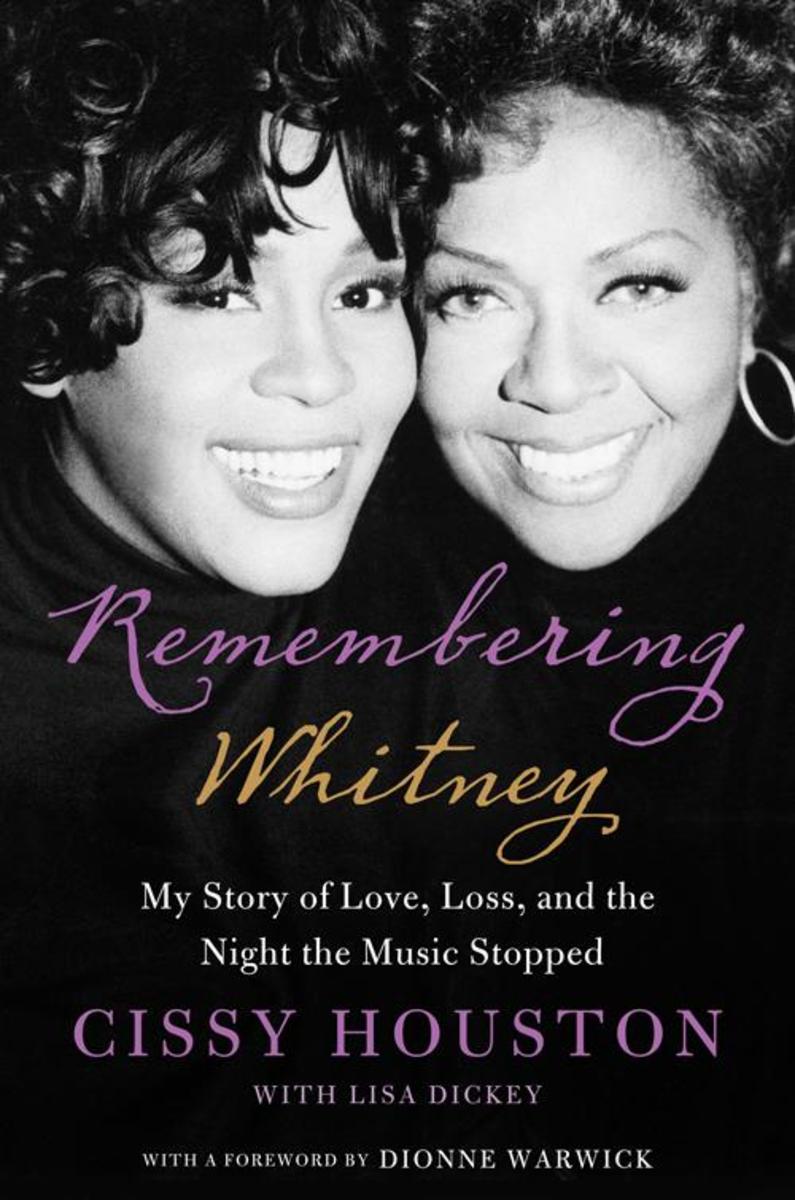
Remembering Whitney
¥94.10
Honest and heartbreaking, a mother's story of tears, joy, and her greatest love of all—her daughter, Whitney On the eve of the 2012 Grammy Awards, the world learned of a stunning tragedy: Whitney Houston, unquestionably one of the most remarkable and powerful voices in all of music, had been silenced forever. Over the weeks and months that followed, family, friends, and fans alike tried to understand how such a magnificent talent and beautiful soul could have been taken so early and so unexpectedly. Glamorous and approachable, captivating and sweet, Whitney had long ago won the hearts of America, but in recent years her tumultuous personal life had grabbed as many headlines as her soaring vocal talents. Her sudden death left behind not only a legacy of brilliance, but also painful questions with no easy answers. Now, for the first time, the beloved superstar's mother, Cissy Houston—a gospel legend in her own right—relates the full, astonishing scope of the pop icon's life and career. From Whitney's earliest days singing in the church choir to her rapid ascent to the pinnacles of music stardom, from her string of number one hits to her topping the Hollywood box office, Cissy recounts her daughter's journey to becoming one of the most popular and successful artists of all time. Setting the record straight, Cissy also speaks candidly about Whitney's struggles in the limelight, revealing the truth about her turbulent marriage to singer Bobby Brown, her public attempts to regain her celebrated voice, and the battle with drugs that ultimately proved too much. In this poignant and tender tribute to her "Nippy," Cissy summons all her strength to reveal not only Whitney the superstar, but also Whitney as a sweet girl, a bright-eyed young woman, and a deeply caring mother. Complete with never-before-seen family photographs, Remembering Whitney is an intimate, heartfelt portrait of one of our most revered artists, from the woman who cherished her most.

Storm Surge
¥155.02
Was Sandy a freak of nature, or the new normalOn October 29, 2012, Hurricane Sandy reached the shores of the northeastern United States to become one of the most destructive storms in history. But was Sandy a freak event, or should we have been better prepared for itWas it a harbinger of things to come as the climate warmsIn this fascinating and accessible work of popular science, atmospheric scientist and Columbia University professor Adam Sobel addresses these questions, combining his deep knowledge of the climate with his firsthand experience of the event itself. Sobel explains the remarkable atmospheric conditions that gave birth to Sandy and determined its path. He gives us insight into the science that led to the accurate forecasts of the storm from genesis to landfall, as well as an understanding of why our meteorological vocabulary failed our leaders in warning us about this unprecedented weather system--part hurricane, part winter-type nor'easter, fully deserving of the title "Superstorm." Storm Surge brings together the melting glaciers, the warming oceans, and a broad historical perspective to explain how our changing climate and developing coastlines are making New York and other cities more vulnerable. Engaging, informative, and timely, Sobel's book provokes us to think differently about how we can better prepare for the storms in our future.
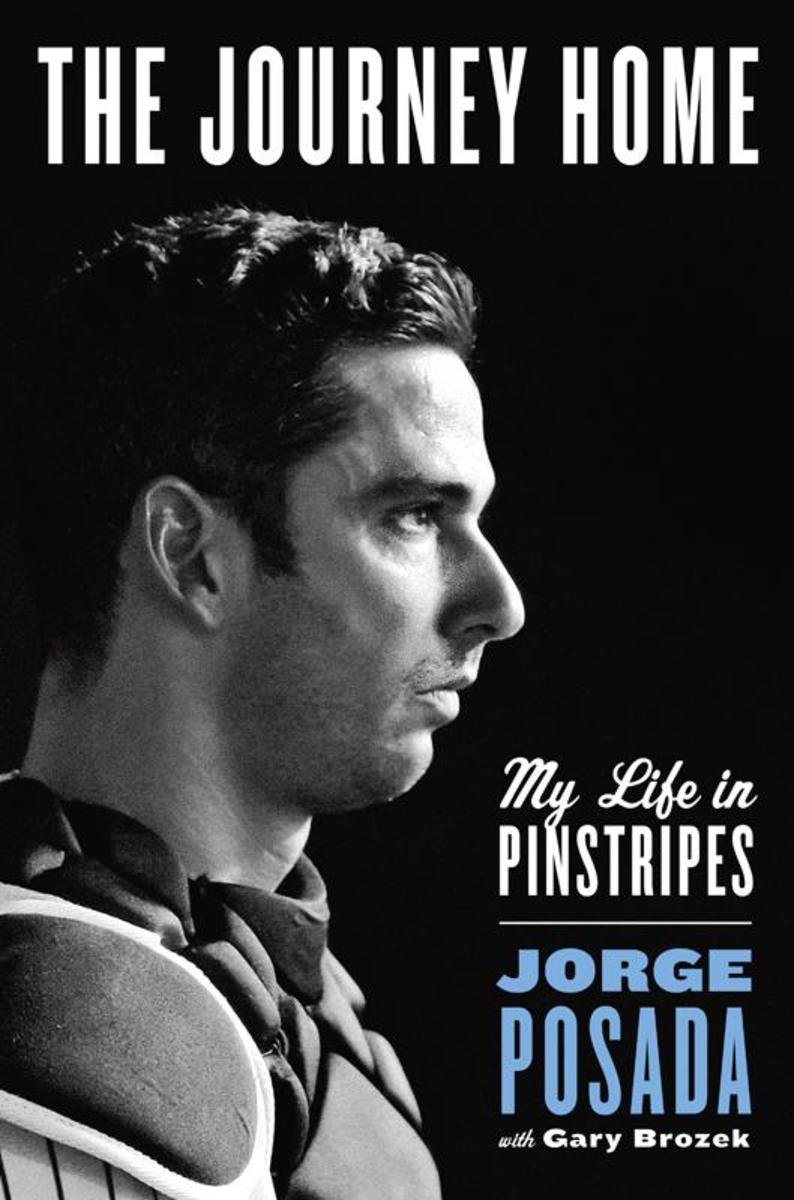
The Journey Home
¥88.56
The legendary New York Yankees catcher tells the incredible and unexpected story of his career, his past, and the father-son bond that fueled his love of the gameFor seventeen seasons, the name Jorge Posada was synonymous with New York Yankees baseball. A fixture behind home plate throughout the Yankees' biggest successes, Jorge worked tirelessly to become the Yankees' star catcher, and in the years that followed, his accomplishments, work ethic, and leadership established him as one of the greatest Yankees ever to wear pinstripes.Now, in this long-awaited memoir, Jorge details his road to home plate, sharing a remarkable generational account of his journey from the ball fields of Puerto Rico to the House That Ruth Built. Offering a view from behind the mask unlike any other, Jorge discusses the key moments, great plays, and big-league personalities that marked Yankees baseball for a generation. With pitch-by-pitch recall, he looks back across the years, going inside friendships forged on the field and explaining how as part of the Core Four alongside Derek Jeter, Andy Pettitte, and Mariano Rivera he helped to reestablish the Yankees as a dynasty and win five World Series. Along the way he tells a story of how his team, along with manager Joe Torre, became his home away from home, teaching him that family isn't defined by blood, but by the people who supported him through it all. Going beyond his all-star career, Jorge also shares his life in full for the first time. Examining how his path to the big leagues began in the most unexpected of ways, Jorge digs into his cultural roots in Puerto Rico, the Dominican Republic, and Cuba to illuminate three generations of cherished father-son relationships that have made him the man he is today. At the center is the deep bond he shares with his father and namesake, Jorge Sr., who escaped Cuba and helped to mold his son into a ballplayer, honing his talent and instilling in him the drive necessary to fulfill his childhood dream of playing in the Bronx.More than just a baseball story, The Journey Home is a tale of two families the inspiring yet challenging family Jorge was born into, and the adoptive Yankees family that catapulted him to glory. Complete with sixteen pages of color photographs, this touching and earnest memoir is a testament to hard work, brotherhood, and the generational gift of baseball between fathers and sons.

I Must Be Living Twice
¥95.11
A collection of thrilling new and beloved past work from one of America's most celebrated poets, Eileen Myles, a cult icon and modern favoriteEileen Myles's poetry and prose are known for their blend of reality and fiction, the sublime and the ephemeral, in which Myles not only lets her readers peer into existent places, like the East Village in her iconic Chelsea Girls, but also lifts them into dreams, imbuing the landscapes of her writing with the vividness and energy of fantasy.I Must Be Living Twice brings selections from the poet's previous work together with a set of bold new poems, through which Myles continues to refine her sardonic, unapologetic, and fiercely intellectual literary voice. Steeped in the culture of New York City, Myles's stomping grounds and the home of her most well-known work, she provides a wide-open lens into a radical life.
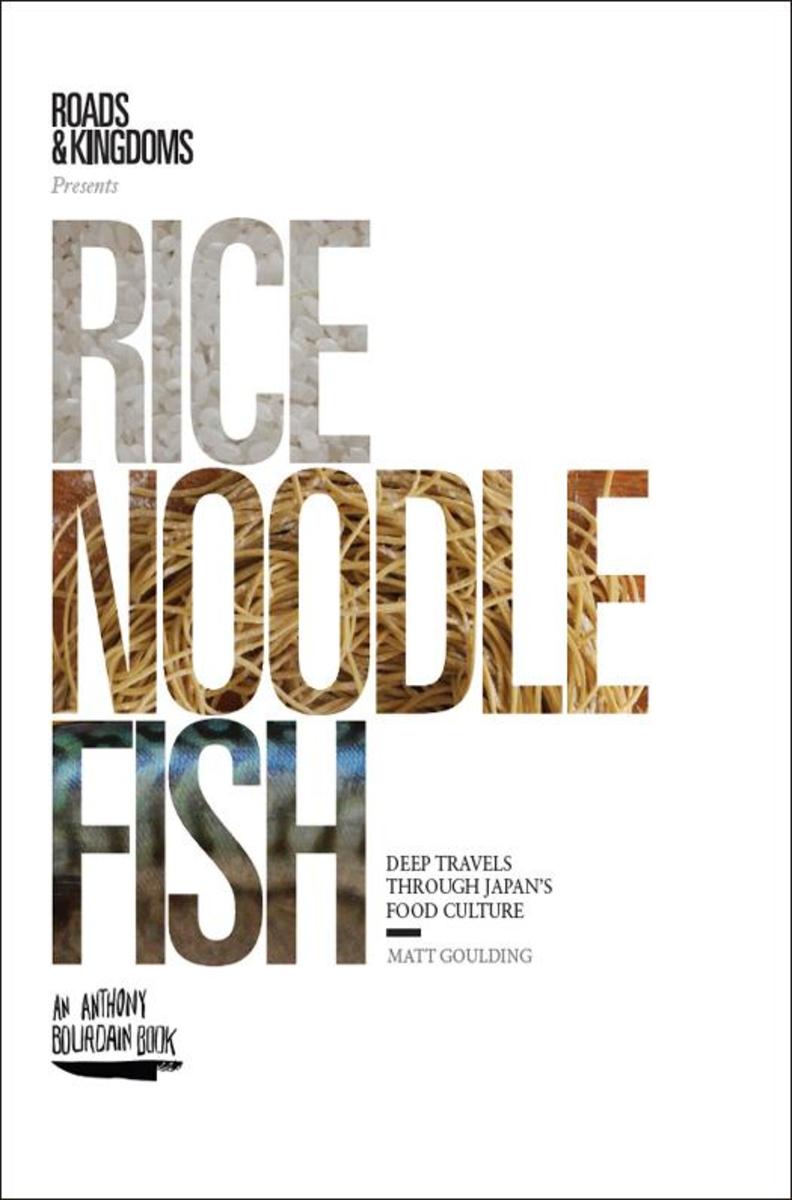
Rice, Noodle, Fish
¥207.69
An innovative new take on the travel guide, Rice, Noodle, Fish decodes Japan's extraordinary food culture through a mix of in-depth narrative and insider advice, along with 195 color photographs. In this five-thousand-mile journey through the noodle shops, tempura temples, and teahouses of Japan, Matt Goulding, co-creator of the enormously popular Eat This, Not That! book series, navigates the intersection of food, history, and culture, creating one of the most ambitious and complete books ever compiled from the Western perspective about the Japanese culinary landscape. Written in the same evocative voice that drives the award-winning magazine Roads & Kingdoms, Rice, Noodle, Fish explores Japan's most intriguing culinary disciplines in seven key regions, from the kaiseki tradition of Kyoto and the sushi masters of Tokyo to the street food of Osaka and the ramen culture of Fukuoka. You won't find hotel recommendations or bus schedules; you will find a brilliant narrative that interweaves immersive food journalism with intimate portraits of the cities and the people who shape Japan's food world. This is not your typical travel guide. Rice, Noodle, Fish is a rare blend of inspiration and information, perfect for the intrepid journeyman and armchair traveler alike. Combining literary storytelling, indispensable insider information, and world-class design and photography, the result is the first-ever guidebook for the new age of culinary tourism.

Daughters of Men
¥90.73
From actress Sanaa Lathan to Georgia State Supreme Court chief justice Leah Ward Sears, many African-American women attribute much of their success to having a positive father figure In Daughters of Men, author Rachel Vassel has compiled dozens of stunning photographs and compelling personal essays about African-American women and their fathers. Whether it's a father who mentors his daughter's artistic eye by taking her to cultural events or one who unwaveringly supports a risky career move, the fathers in this book each had his own unique and successful style of parenting. The first book to showcase the importance of the black father's impact on the accomplishments of his daughter, Daughters of Men provides an intimate look at black fatherhood and the many ways fathers have a lasting impact on their daughters' lives.
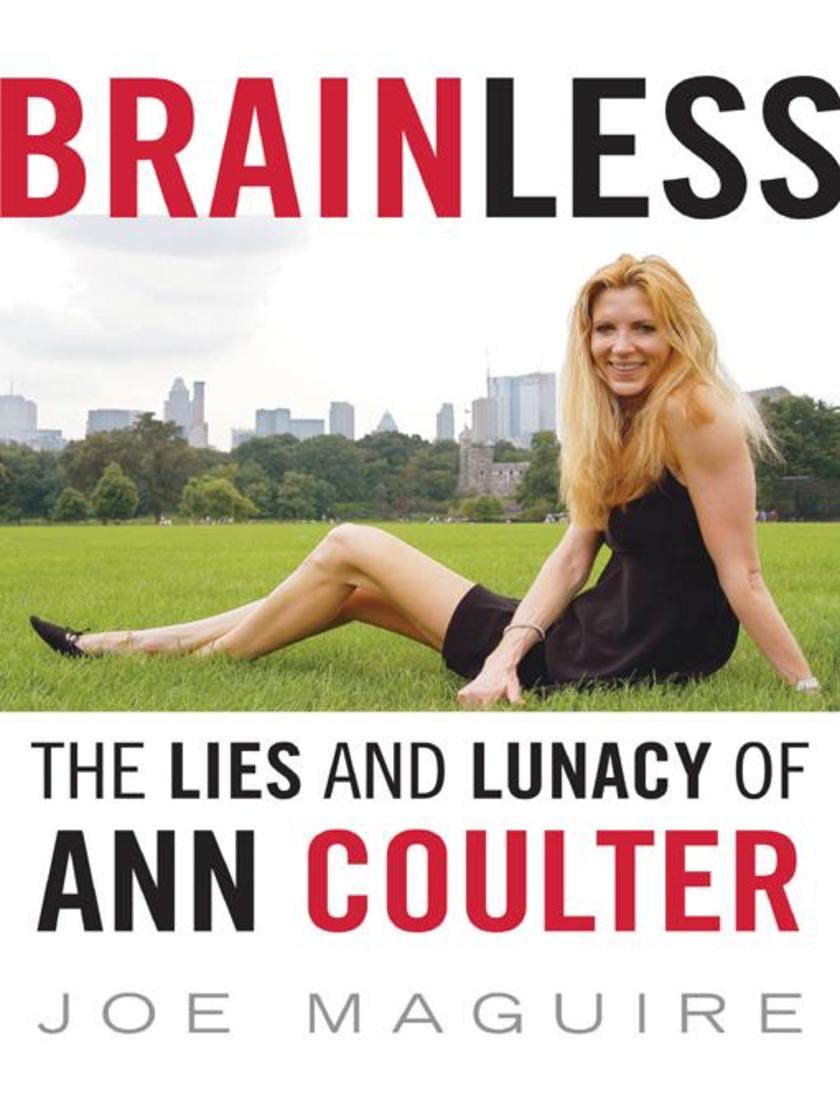
HarperCollins e-books
¥123.24
She is an uncompromising apologist for the right and a hater of all things left. Is there anything she won't do or say to further her agendaThe answer is no.Brainless: The Lies and Lunacy of Ann Coulter is an unbridled look at a woman who twists the truth, misleads, plays loose with facts and allusions, and has been accused of plagiarism in hammering home her logic-defying arguments.Brainless illustrates the dangers, ironies, and hypocrisies of the Mistress of Malice. She spews her venom generously across the spectrum. Democrats and Liberals are just the beginning. If you're a woman (you shouldn't vote), gay (you're going to hell), a 9/11 widow (dancing on your murdered husband's grave) or Bill Clinton (slurs and charges too numerous to mention here), you will find yourself the object of her ire.Now it's time to turn the tables and take a good hard look at the High Priestess of Hypocrisy. Journalist Joe Maguire takes apart her arguments, picks apart her agenda, and gives us a look at the psychology and background of the woman who has reduced public political and cultural debate to browbeating and name-calling.Diligently researched (with source notes you can verify!), Maguire separates fact from myth and gives us an unvarnished look at the REAL Ann Coulter.Let's face it. You don't ever want to read a book by Ann Coulter. Read this so you don't have to!

The New Basics
¥94.10
Dr. Michel Cohen, named by the New York Post as the hip, "must-have" pediatrician, has an important message for parents: Don't worry so much. In an easy-reference alphabetical format, The New Basics clearly lays out the concerns you may face as aparent and explains how to solve them -- without fuss, without stress, and without harming your child by using unnecessary medicines or interventions.With sensitivity and love, Dr. Michel describes proven techniques for keeping your children healthy and happy without driving yourself crazy. He will show you how to set positive habits for sleeping and eating and how to treat ailments early and effectively. You'll learn when antibiotics are helpful and when they can be harmful. If you're having trouble breast feeding, pumping, or bottle weaning, Dr. Michel has the advice to set you back on track. If after several months your baby is still not sleeping through the night, The New Basics will provide you with tried-and-true methods to help ease this difficult transition for babies and parents.Dr. Michel recognizes that you're probably asking the same questions his own patients' parents frequently ask, so he includes a section called "Real Questions from Real Parents" throughout the book. You'll find important answers about treating asthma, head injuries, fevers, stomach bugs, colic, earaches, and other ailments. More than just a book on how to care for your child's physical well-being, The New Basics also covers such parenting challenges as biting, hitting, ADD, separation anxiety, how to prevent the terrible twos (and threes and fours ...), and preparing your child for a new sibling.
Ten Days to Self-Esteem
¥105.17
Do you wake up dreading the dayDo you feel ciscouraged with what you've accomplished in lifeDo you want greater self-esteem, productivity, and joy in daily livingIf so, you will benefit from this revolutionary way of brightening your moods without drugs or lengthy therapy. All you need is your own common sense and the easy-to-follow methods revealed in this book by one of the country's foremost authorities on mood and personal relationship problems. In Ten Days to Self-esteem, Dr. David Burns presents innovative, clear, and compassionate methods that will help you identify the causes of your mood slumps and develop a more positive outlook on life. You will learn thatYou feel the way you think: Negative feelings like guilt, anger, and depression do not result from the bad things that happen to you, but from the way you think about these events. This simple but revolutionary idea can change your life!You can change the way you feel: You will discover why you get depressed and learn how to brighten your outlook when you're in a slump.You can enjoy greater happiness, productivity, and intimacy without drugs or lengthy therapy.Can a self-help book do all thisStudies show that two thirds of depressed readers of Dr. Burns's classic bestseller, Feeling Good: The New Mood Therapy, experienced dramatic felief in just four weeks without psychotherapy or antidepressant medications. Three-year follow-up studies revealed that readers did not relapse but continued to enjoy their positive outlook. Ten Days to Self-esteem offers a powerful new tool that provides hope and healing in ten easy steps. The methods are based on common sense and are not difficult to apply. Research shows that they really work!Feeling good feels wonderful. You owe it to yourself to feel good!


