


 购物车
购物车 个人中心
个人中心
Six Good Innings
¥85.05
In the tradition of Friday Night Lights comes an unforgettable portrait of a small New Jersey town that became known throughout the world for the remarkable exploits of its Little League stars. Summertime in Toms River means two things: tourists and champions. The tourists head for the beaches; the 12-year-old Little League champions can be found on the baseball diamonds, where they win titles at the local, regional, and international levels.The Toms River dynasty began in the 1990s, when the team made it to the Little League World Series three times in five years and brought home a historic world championship victory in 1998. But with each passing summer in Toms River comes renewed pressure, as the latest collection of All-Stars strives to leave its mark on the town's imposing baseball legacy.In Six Good Innings, acclaimed sportswriter Mark Kreidler deftly illuminates the sometimes tense relationship between Toms River and the team that carries the town's hopes and dreams. Following the most recent juggernaut through one tumultuous All-Star season, Kreidler chronicles how the coach, John Puleo, works to strike a balance between healthy competition and bloodless ambition, and how the players themselves reckon with their own fleeting fame as they tumble headlong into adolescence.Puleo, a man with a gift for inspiring young athletes, commands a team whose recent string of successes has led to speculation that this might be the squad to extend the Toms River tradition of reaching Williamsport, site of the Little League World Series. But along the path to glory, Puleo's players will deal with unexpected injuries, a brutally difficult schedule of games, and the daunting knowledge that they have been identified throughout their region and within the neighborhood blocks of their own baseball-crazy town as the team to beat.With deep empathy, incisive reporting, and intimate access, Kreidler weaves the stories of the coaches, the parents, the fans, and the true boys of summer into a memorable tableau.
The Rocket That Fell to Earth
¥83.03
He was supposed to be the next Nolan Ryan: Roger Clemens, the fearless, hard-nosed Texan with a 98-mph fastball and a propensity to throw at the heads of opposing hitters. Yet shortly after his arrival in the major leagues in 1984, it became apparent that the Ryan comparisons were simply unfair Roger Clemens was significantly better.Over 24 seasons, the Rocket would go on to win 354 games, an unprecedented seven Cy Young Awards and two World Series trophies. In 1986 he set the major league record with 20 strikeouts in a nine-inning game, then matched it a decade later. He would be routinely praised for representing the game in a just and righteous manner a living, breathing example of the power of determination and hard work. "Roger Clemens," a teammate once said, "is an American hero."But the statistics and hoopla obscure a far darker story. Along with myriad playoff chokes, womanizing (including a 10-year affair with then-teenage country singer Mindy McCready), a violent streak (most famously triggered by former Mets star Mike Piazza) and his use of steroids and human growth hormones, Clemens has spent years trying to hide his darkest secret a family tragedy involving drugs and, ultimately, death.The author of the New York Times bestsellers Boys Will Be Boys and The Bad Guys Won!, Jeff Pearlman conducted nearly 500 interviews with Clemens' family, friends and teammates to present a portrait that goes beyond the familiar newspaper stories and magazine profiles. Reconstructing the pitcher's life from his childhood in Ohio to college ball in Texas and on to the mounds of Fenway Park and Yankee Stadium Pearlman reveals the real Roger Clemens: a flawed and troubled man whose rage for baseball immortality took him to superhuman heights but ultimately brought him crashing to earth.
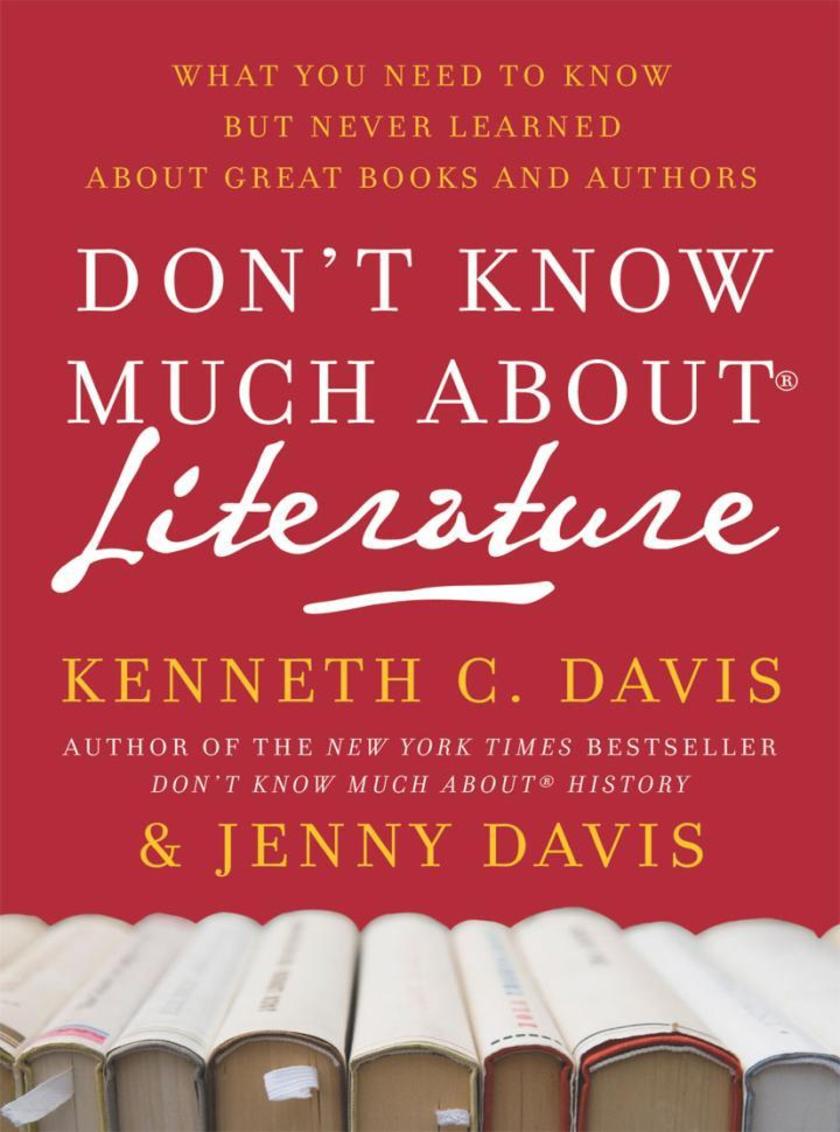
Don't Know Much About Literature
¥83.92
From Homer to Harry Potter, from Chaucer to Charlotte's Web, acompelling book of quizzes on history's most influential literary worksand writers Did a whale named "Mocha Dick" inspire Melville's masterpieceWho was the first poet to speak at a presidential inaugurationWhich French-speaking high school football star shook up the literary worldDo you freeze when someone mentions FaulknerWhen the conversation turns to the Odyssey, do you want to take a hikeHave no fear. For years, Kenneth C. Davis's New York Times bestselling Don't Know Much About books have enlightened and enthralled us with a winning blend of fascinating facts and wonderfully irreverent fun. Now he sets his sights on our literary IQ in Don't Know Much About Literature. With this rich treasure trove of knowledge and intriguing information about the world's great books and authors, Kenneth Davis and his daughter, Jenny, demystify Dracula, capture Kafka, and help you brush up on your Bront in the inimitable and endlessly entertaining Don't Know Much About style.
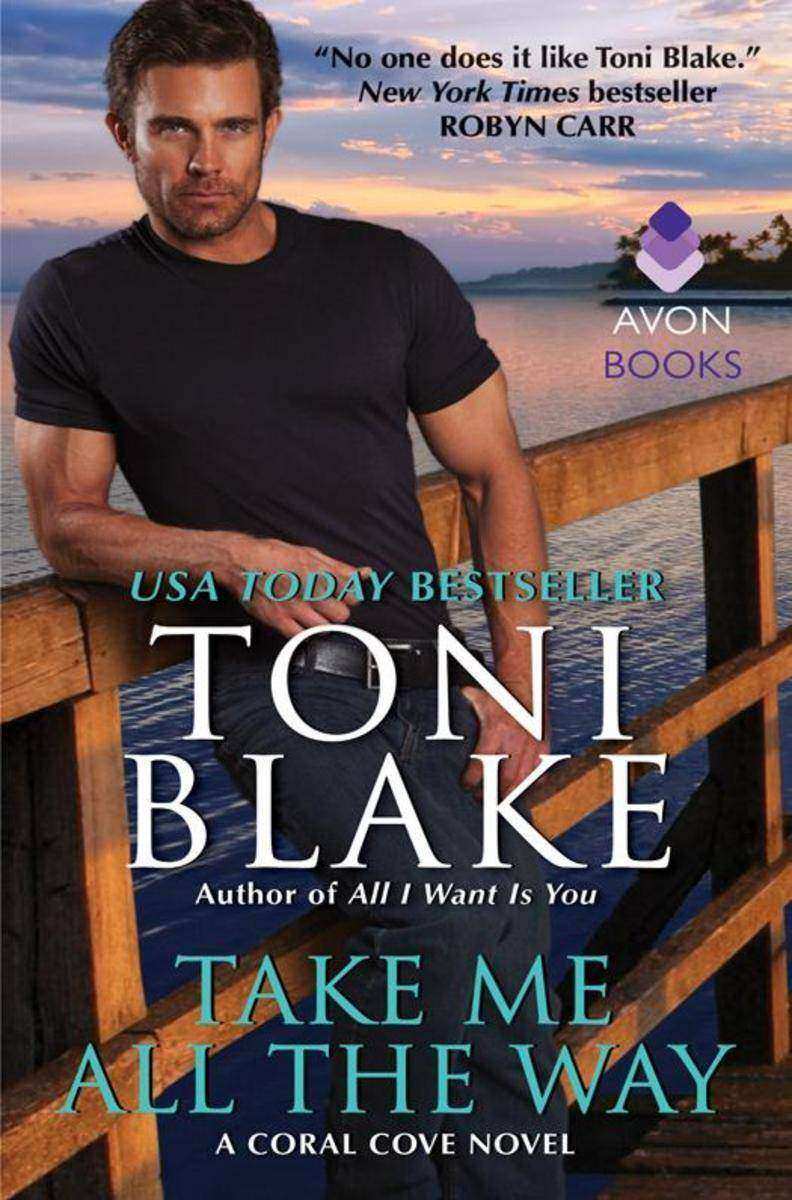
Take Me All the Way
¥55.31
You can't go too far when you're fighting for love . . . Tamra Day swore off men a long time ago. Her art, her friends, and her garden have always been enough . . . until now. Suddenly, Tamra is aching for a connection. Unfortunately, Coral Cove's most eligible bachelor is the troublemaker who's building the mini-golf course she's designing. Brusque and sarcastic, he's made a habit of annoying Tamra. But more infuriating is the fact that Tamra can't help noticing how sexy he is.They call him a war hero, but Jeremy Sheridan knows better. Still haunted by painful memories from Afghanistan, he's just hoping for a fresh start. So far, the only problem is his new boss, Tamra, a control freak who's easy on the eyes and way too fun to tease.Despite their differences, Tamra and Jeremy aren't as alone as they think they are. And together, with a little Coral Cove magic, they'll discover how good it feels to embrace a bright new future.
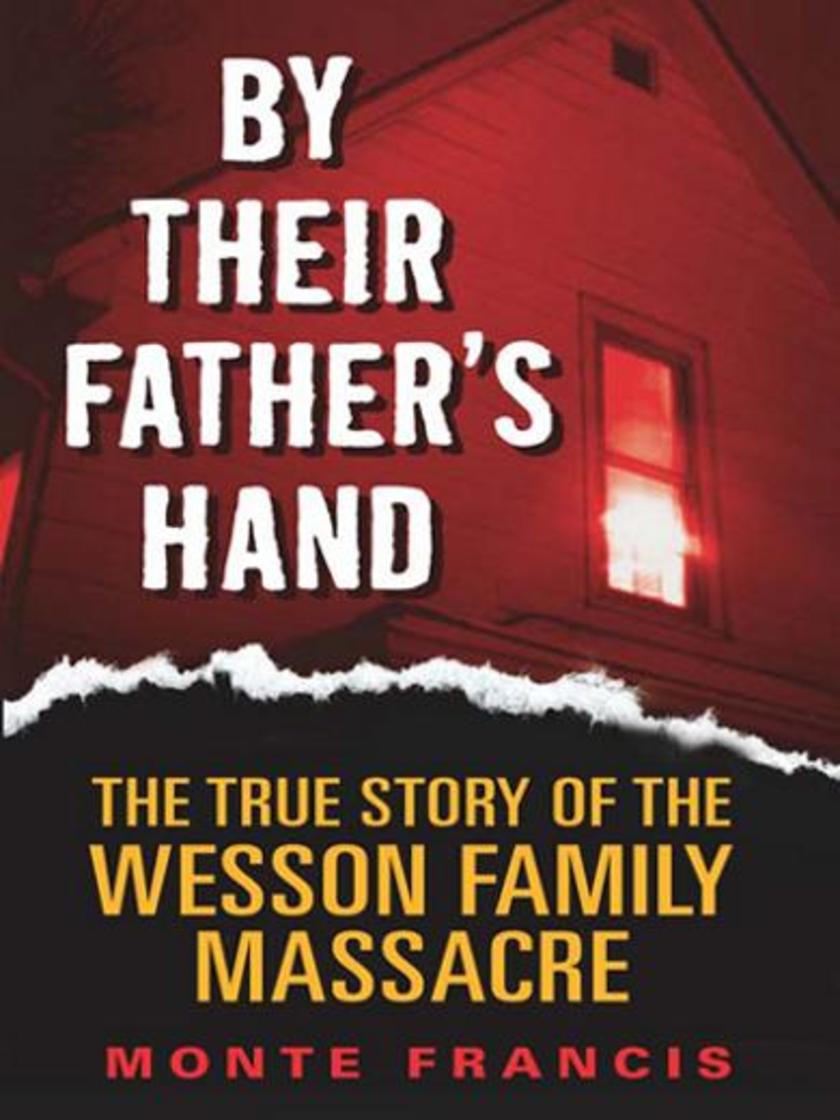
By Their Father's Hand
¥56.07
Neighbors were unaware of what went on behind the tightly closed doors of a house in Fresno, California the home of an imposing, 300-pound Marcus Wesson, his wife, children, nieces, and grandchildren. But on March 12, 2004, gunshots were heard inside the Wesson home, and police officers responding to what they believed was a routine domestic disturbance were horrified by the senseless carnage they discovered when they entered.By Their Father's Hand is a chilling true story of incest, abuse, madness, and murder, and one family's terrible and ultimately fatal ordeal at the hands of a powerful, manipulative man a cultist who envisioned vengeful gods and vampires, and totally controlled those closest to him before their world came to a brutal and bloody halt.

The Color of Death
¥55.31
The name Elizabeth Lowell has become synonymous with electrifying fiction that seamlessly combines suspense, intrigue, and passion. And now the phenomenal New York Times bestselling author brilliantly displays her incomparable talents in a story of treachery, greed, conspiracy, and murder that will hold the reader spellbound until the final word.It is the opportunity of a lifetime for Kate Chandler, the chance to cut seven rare, priceless sapphires and solidify her reputation as a world-class jewel cutter. But something goes horribly, tragically wrong during what should have been a simple transfer of goods. The sapphires vanish without a trace. Missing also is the man Kate trusted to transport the gems: her half brother, Lee, who now, quite possibly, is dead. And suddenly she is on the run, pursued by federal agents who suspect her of being the criminal mastermind of a cunning bait-and-switch scheme.Special agent Sam Groves is one of the best of the best, an essential member of the FBI's elite crime strike force and the perfect man to lead the hunt, since he could never be scammed by a beautiful confidence woman. But something is troubling about this assignment, because someone else is chasing Kate Chandler as well.Only Kate suspects the awful truth: She's unwittingly stumbled into a conspiracy of deceit, betrayal, and cold-blooded murder that goes far beyond a simple jewel heist. And a chilling, threatening voice on the telephone only confirms her worst suspicions. Getting Sam Groves, the FBI agent who's her constant shadow, to believe her is a step in the right direction -- but it may be one that's too little too late in a bloody game where terror dictates her every move and the rules are constantly changing. Because the order has already been passed down to a ruthlessly efficient assassin: Kate Chandler must not be allowed to live ...

Forever in Your Embrace
¥56.07
On a dark and dangerous road a daring British adventurer saves the life of a countess of royal blood. In all his travels Colonel Tyrone Rycroft has never encountered a woman as breathtaking alluring and inscrutably mysterious as the bewitching Synnovea. But his selfless bravery has drawn him into peril and into an inescapable web of intrigue and seduction. In an opulent and treacherous imperial court the proud headstrong lady's dashing champion has become a pawn in a dangerous game of power and influence and only his great courage and wits will enable him to survive it. But Rycroft's enflamed desire will not let him escape to the safety of his own world not until his dream is realized and the enigmatic highborn beauty has given herself to him freely honestly and forever.
The Marriage Contract
¥55.31
He was a man exiled from society handsome unpredictable and proud. Dark rumours surrounded his name. But Anne Burnett had signed a marriage contract binding her to Aiden Black the Earl of Tiebauld. And although she'd never met him she's determined to keep her word and make theirs a marriage in truth. Because a well bred lady with little fortune to recommend her has no choice. From the moment she arrived Anne fell in love with Kelwin Castle and its roguishly handsome laird. By day he instils a fierce loyalty in his people with his masterful ways...and by night he tempts Anne to surrender her innocence to him. But while he is willing to offer his body Aiden refuses to give Anne his heart...making her wonder what prevents him from truly claiming her as his wife.

Love According to Lily
¥52.70
Lily Langdon has finally grown up. Now that her brother the duke's completely malleable best friend Edward Wallis has been brutally (and luckily) rebuffed by his intended, Lily knows her chance for a very permissive and entirely convenient husband is here. In fact, he is staying in her very own home for a house party.But this promising party's tone is quickly changed by a horrible twist of fate that threatens Edward's very life. Nothing but luck can save Edward, but Lily's heart is lost for good when she sees what a strong and devoted man he can be in times of trouble. Lily has set her cap on a man who should be unlovable and fallen more in love than she ever thought possible. Their passion brings great risk, but when a man and a woman prove to be so much more together than they were apart, is there anything that their love cannot overcome?
Love and the Single Heiress
¥55.31
An anonymous author has turned English society upside down, and only one man can protect her identity from being revealed, and her life from being destroyed, in this sexy new romance from reader favourite Jacquie D Alessandro.The scandalous book, A Ladies Guide to the Pursuit of Personal Happiness and Marital Fulfilment has taken English society by storm. The slim but erotically explicit volume was penned by an unknown author, and now all of London is trying to discover the mysterious writer's true identity. But the search doesn't scare Catherine Ashfield, Viscountess Bickley, the proper woman who transcribed the book for her dear friend, a very elderly and experienced widow. Disgusted by the shallow values and morals of the town, Catherine was excited to help her friend and set the uppity nobility on its ear. And maybe by giving women a little more knowledge they could finally have happier marriages, instead of loveless unions as she had her with her own late husband.But Catherine didn't anticipate the violent backlash against the book. With threats being made against the unknown author, Catherine fears for her safety and that of her son. When she is the victim of a near fatal accident, she wonders how hidden her identity truly is.Knowing she needs protection, she turns to her brother's best friend, an accomplished pugilist and fencer. She invites him to stay at her country estate under the guise of a simple visit, not realizing that she has invited a fugitive with a dangerous past into her home--a man she soon finds herself powerfully attracted to...

The Price of Indiscretion
¥55.31
New York Times and USA Today bestselling author Cathy Maxwell delivers another passionate romance that is sure to delight her dedicated fans and increase her readership.When three impoverished young ladies brought up in America decide to fulfill their late mother's dream of successful marriages and seasons, they concentrate their resources on sending the prettiest to London to make a brilliant match. But whom does she see but the man who had broken her heart years beforeAlexander Haddon is no longer the rough and tumble man she once fell for, but a wealthy gentleman whose passionate nature is only just hidden under a veneer of sophistication ...

A Rogue's Proposal
¥62.90
Demon Cynster has seen love bring his brethren to their knees and he's vowed that he will not share their fate ... until he spies Felicity Parteger sneaking about his racing stable. Demon remembers Felicity as a mere chit of a girl but now she stands before him all lush curves and sparkling eyes... Felicity knows Demon was one of the town's most eligible bachelors and a rogue of the worst sort but he was the only one capable of getting her friend out of trouble. She knows Demon will never yield her the love she desperately seeks but could a marriage of passion alone be enough?
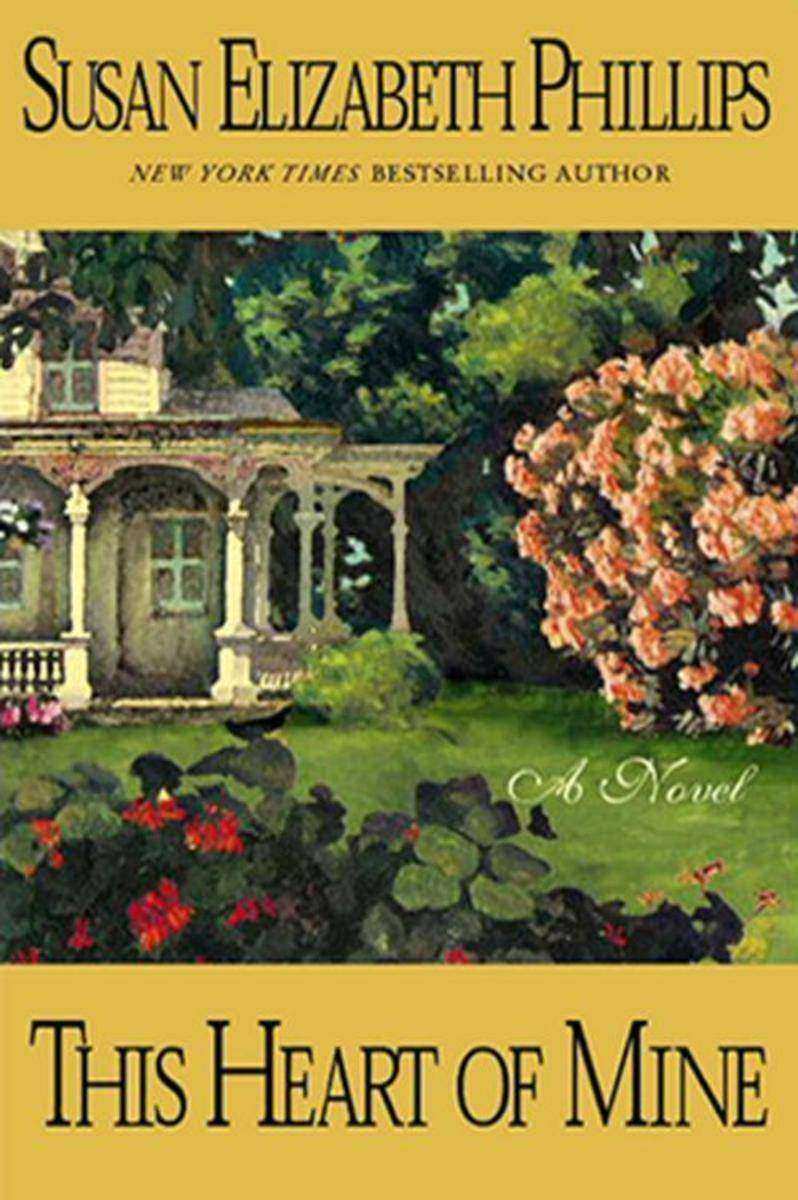
This Heart of Mine
¥56.07
Molly Somerville loves her career as the creator of the Daphne the Bunny children's book series, but the rest of her life could use some improvement. She has a reputation for trouble that started even before she gave away her fifteen-million-dollar inheritance. Then there's her long-term crush on the quarterback for the Chicago Stars football team her sister owns that awful, gorgeous Kevin Tucker, a man who can't even remember Molly's name!One night Kevin barges into Molly's not-quite-perfect life and turns it upside down. Unfortunately, the Ferrari-driving riving, poodle-hating jock isn't as shallow as she wishes he were, and she soon finds herself at a place called Wind Lake. Surrounded by paintbox cottages, including a charming old bed-and-breakfast, Molly and Kevin battle their attraction and each other as they face one of life's most important lessons. Sometimes love hurts, sometimes it makes you mad as hell, and sometimes if you're lucky it can heal in a most unexpected way.

To Distraction
¥55.31
The gentlemen of the Bastion Club have proven their courage while fighting England's enemies, but nothing has prepared them for dealing with that most formidable of challenges: the opposite sex.Deverell, Viscount Paignton, is in desperate need of a wife. Unmoved by the matchmaking herd, he seeks help from his aunt, who directs him to a lady she vows is perfect for him. Dispatched to a country house party to look the lady over, he discovers her not swanning about among the guests but with her nose buried in a book in the library.Phoebe Malleson is tempted to distraction by Deverell, but marrying him isn't part of her plan. Moved by an incident in her past, Phoebe has a secret cause to which she's committed. Unfortunately, telling Deverell to go away doesn't work, and he quickly learns of her secret. But someone powerful has her cause targeted for destruction and her in their sights. Phoebe must accept Deverell's help though the cost to them both might be dear and deadly.

To Love a Scottish Lord
¥56.07
A Lord Not Meant to MarryHamish MacRae, a changed man, returned to his beloved Scotland intending to turn his back on the world. The proud, brooding lord wants nothing more than to be left alone, but an unwanted visitor to his lonely castle has defied his wishes. While it is true that this healer, Mary Gilly, is a beauty beyond compare, it will take more than her miraculous potions to soothe his wounded spirit. But Mary's tender heart is slowly melting Hamish's frozen one . . . awakening a burning need to keep her with him -- forever.A Lady Who Dares Not LoveNever before has Mary felt such an attraction to a man! The mysterious Hamish MacRae is strong and commanding, with a face and form so handsome it makes Mary tremble with wanting him. Already shadowy forces are coming closer, heartless whispers and cruel rumors abound, and it will take a love more pure and powerful than any other to divine the truth -- and promise a future neither had dreamed possible.

First Lady
¥55.31
How does the most famous woman in the world hide in plain sightThe beautiful young widow of the President of the United States thought she was free of the White House, but circumstances have forced her back into the role of First Lady. Not for long, however, because she's made up her mind to escape -- if only for a few days -- so she can live the life of an ordinary person. All she needs is the perfect disguise . . . and she's just found it.An entire nation is searching for her, but the First Lady is in the last place anybody would think to look: in the company of a man, an infuriatingly secretive and quietly seductive stranger whose charm, good looks, and sensuous appeal are awakening the forgotten woman within the dignitary. And with two adorable little orphaned girls in need of a family along for the ride, they're heading out across the heartland chasing their own American Dream -- on a wild journey of love, adventure, and glorious rebirth.First Lady: A star-spangled, richly emotional story of self-discovery, celebrity, love, and family.

Let It Be Love
¥56.07
When New York Times bestselling author Victoria Alexander created the Effingtons, she introduced an irresistible clan. Now, meet her most unforgettable hero yet . . .Dashing Jonathon Effington, the Marquess of Helmsley, has had more than one lady willingly fall into his arms. But he's so delicious none has ever complained at their inevitable parting. And while Jonathon's no stranger to passion of the flesh, his heart has remained untouched. Until now . . .At each Christmas Ball, Jonathon selects a delectable lady to share the pleasures of the evening after all, it's a holiday tradition! But he is shocked to discover that his choice is replaced by an enchanting stranger who surprises him with a proposal of marriage. Beautiful Fiona Fairchild is desperate only a wedding will save her sisters and her inheritance. But Jonathon has no interest in marriage, and what starts as a shocking proposal turns into a scandalous proposition that might ruin them both . . .
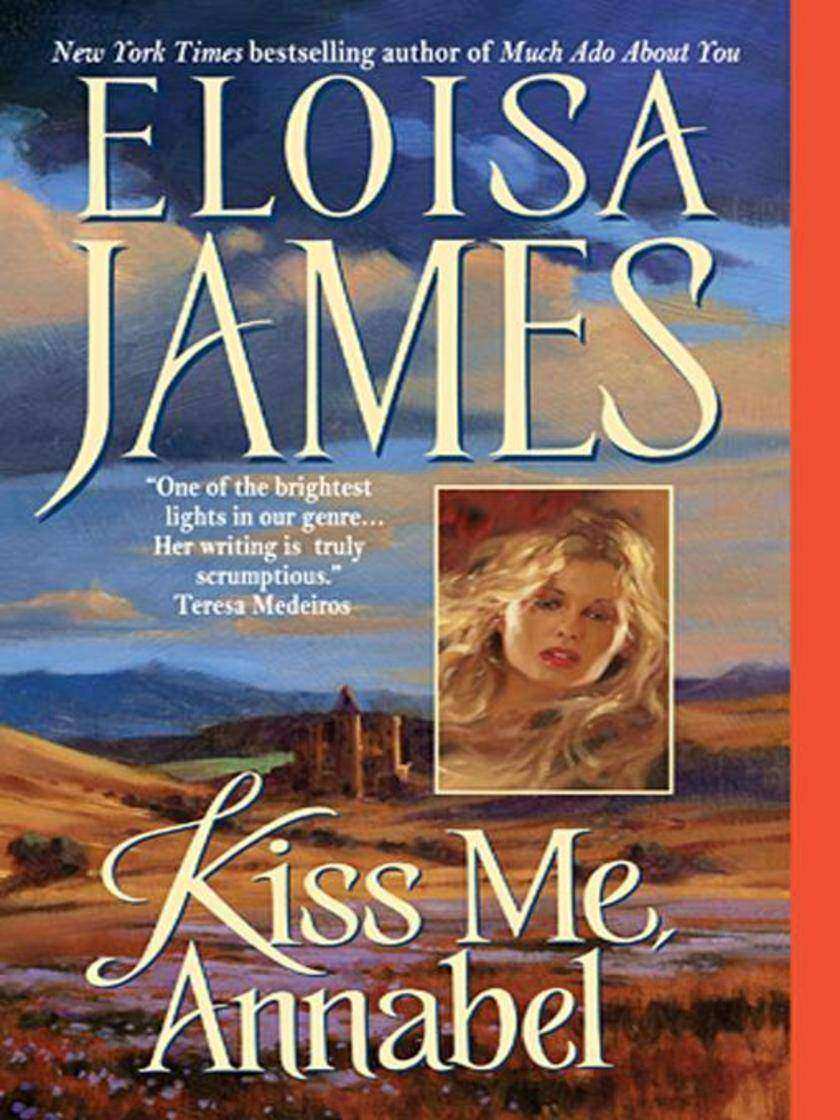
Kiss Me, Annabel
¥55.91
The rules of marriage . . . according to Miss Annabel Essex A husband must be:Rich.Make that very rich. She's had enough of leaky roofs and thread-worn clothing.English.London is the center of the civilized world, and Annabel has a passion for silk and hot water.Amiable.Good-looking would be nice, but not necessary. Same for intelligent.Isn't she luckyShe's found just the man! And her chosen spouse is nothing like the impoverished Scottish Earl of Ardmore, who has nothing but his gorgeous eyes, his brain and his kisses to recommend him.So what cruel twist of fate put her in a carriage on her way to Scotland with just that impoverished earl and all the world thinking they're man and wifeSleeping in the same bedNot to mention the game of words started by the earl in which the prize is a kiss. And the forfeit . . . Well. They are almost married, after all!

A Visit From Sir Nicholas
¥56.07
Everyone knows that an Effington always getsher way ... but this time it's not going to be easy!Lady Elizabeth Effington simply could not suitably feel the joy of the Christmas season. Ten years had passed since she had boldly declared her love for Sir Nicholas Collingsworth. He rebuffed her and set out to seek his fortunes, while Elizabeth was left a woman scorned. Now, she discovers in horror that the inheritance she's managed beautifully was never hers to control. No, power over her finances lay in the hands of the last man she ever wants to see again: Nicholas!But running Elizabeth's life isn't part of Nick's plans. He's intrigued when he discovers that the frivolous and flighty girl he once knew has turned into a beautiful and capable woman. Nick vows to woo -- and win -- her, and while she seems unmoved by his fervent seduction, he swears he will not rest until she accepts that most precious gift of all -- the gift of love.
The Taming of the Duke
¥56.07
Imogen, Lady Maitland, has decided to dance on the wild side. After all, she's in the delicious position of being able to take a lover. A discreet male who knows just when to leave in the morning.But Lady Maitland is still under the watchful eye of her former guardian, the wildly untamed Rafe, the Duke of Holbrook. He believes she is still in need of a "watchdog." She laughs at the idea that someone so insufferably lazy and devoted to drink can demand that she behave with propriety.It's Rafe's long-lost brother, a man who looks precisely like the duke but with none of his degenerate edge, who interests Imogen. To Imogen, he's the shadow duke . . . the man who really should hold the title. But when Imogen agrees to accompany Gabe to a masquerade...whose masked eyes watch her with that intense look of desireWho exactly is she dancing withThe duke or the shadow dukeRafe . . . or Gabe?
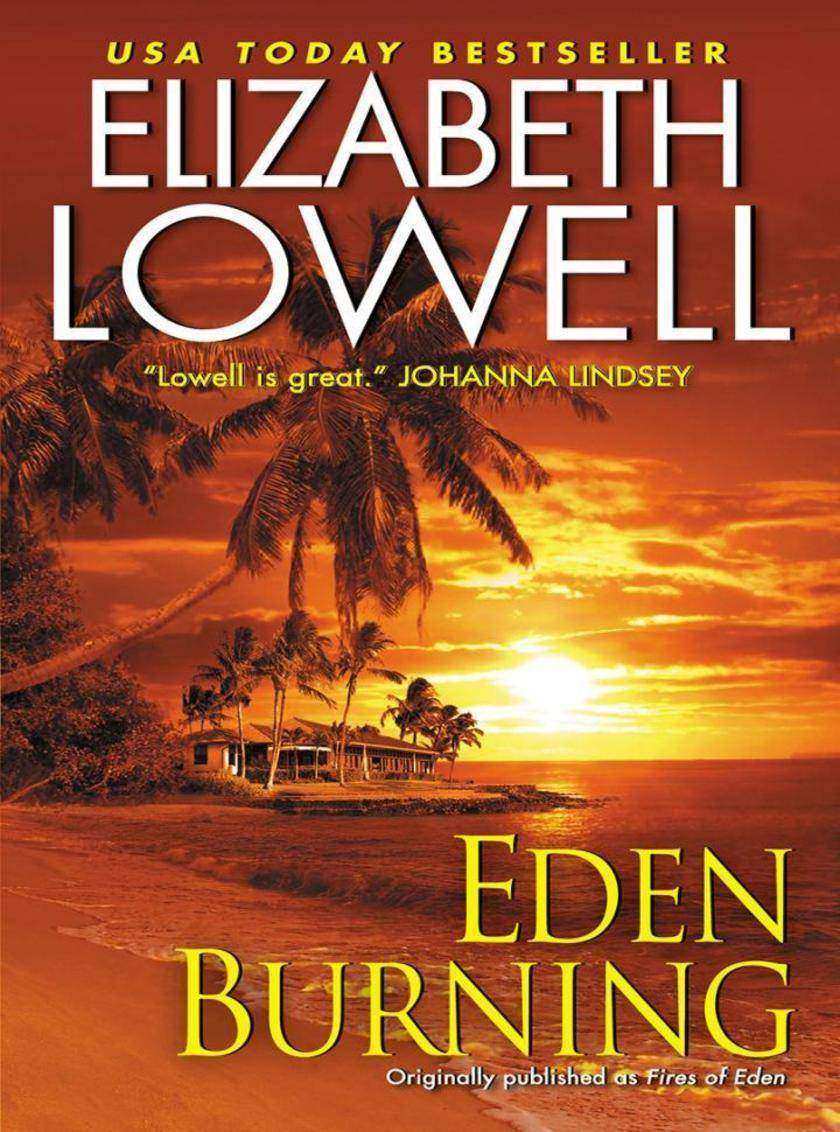
Eden Burning
¥55.31
Paradise calls to Chase Wilcox. A man of science fascinated by the rebirth of life in the wake of cataclysmic natural upheaval, he is drawn to the lush beauty of the island of Hawaii and the secrets it holds while escaping the destruction of his own personal world. Here where warm breezes caress the skin and vibrant colors assault the senses and where dangerous fires rage unseen beneath the earth's surface Chase plans to immerse himself in his work...and somehow heal and forget. The last thing he needs or wants is love.But the island is home to many unexpected wonders, which is why Nicole Ballard could never leave it. A research assistant, an artist, and a dancer a tall, stunning redhead who goes by the stage name of Pele, the goddess of fire she, too, hides a secret pain, releasing her pent-up sensuality to the accompaniment of native drums before a mesmerized audience. Nicole has never met a man quite like Chase, strong, intense, and brilliant. And he, in turn, is fascinated by this remarkable woman who seems to be a breathtaking force of nature in her own right. Fate has cast them together, causing a chain reaction that neither imagined in their most secret dreams.Joined on an important scientific project that carries them into the verdant heart of a tropical wonder land, Nicole and Chase will be forced to confront their own lingering inner darkness, while resisting a newly inflamed need to touch, to give...to care. But in the shadows of Kilauea, all restraints will be broken, as emotions flow as hot and free as rivers of molten lava. And desire will erupt, as unpredictable and dangerous as the living volcano, transforming the very landscape of their lives a torrent that no power on earth can contain, a passion that bums like fire.


