


 购物车
购物车 个人中心
个人中心

Drinking Problems at the Fountain of Youth
¥140.08
Short of spending every waking hour engaged in antiaging treatments, is there anything the average woman can do to shave even a few months from her appearanceDo any of the miracle creams, procedures, or magic potions actually make a person look more youthfulDoes a woman have to worry about her nasolabial folds if she doesn't even know where they're located on her bodyVeteran journalist Beth Teitell aims to find the answers to these questions and many more in her hilarious travels looking for the elusive elixir of youth. If you feel bad about your neck (or any other body part), if the idea of Botox-filled syringes fills you with horror, if you don't want to empty your wallet to pay for $475 serums that promise to cheer up aging skin or the hourly cost of a facial-fitness coach, or if you don't believe the claims of antiaging gummy bears or age-defying bottled water, then Drinking Problems at the Fountain of Youth is the book for you. There's not a woman in America who won't see herself in Teitell's struggles or come away feeling that the enormous amount of energy, time, and money we spend trying to restore our bodies to the way they were when we were twenty could be better spent elsewhere. With honesty, outrage, and wit, Teitell goes deep into the youth-at-any-cost culture and takes it apart from the inside out. And then she reassures us that there is hope there are things we can do to look and feel younger, and ways we can learn to stop worrying about looking older.Drinking Problems at the Fountain of Youth is for every woman who isn't as young as she used to be a book of wisdom and advice, and a laugh-out-loud look at our age-obsessed culture.
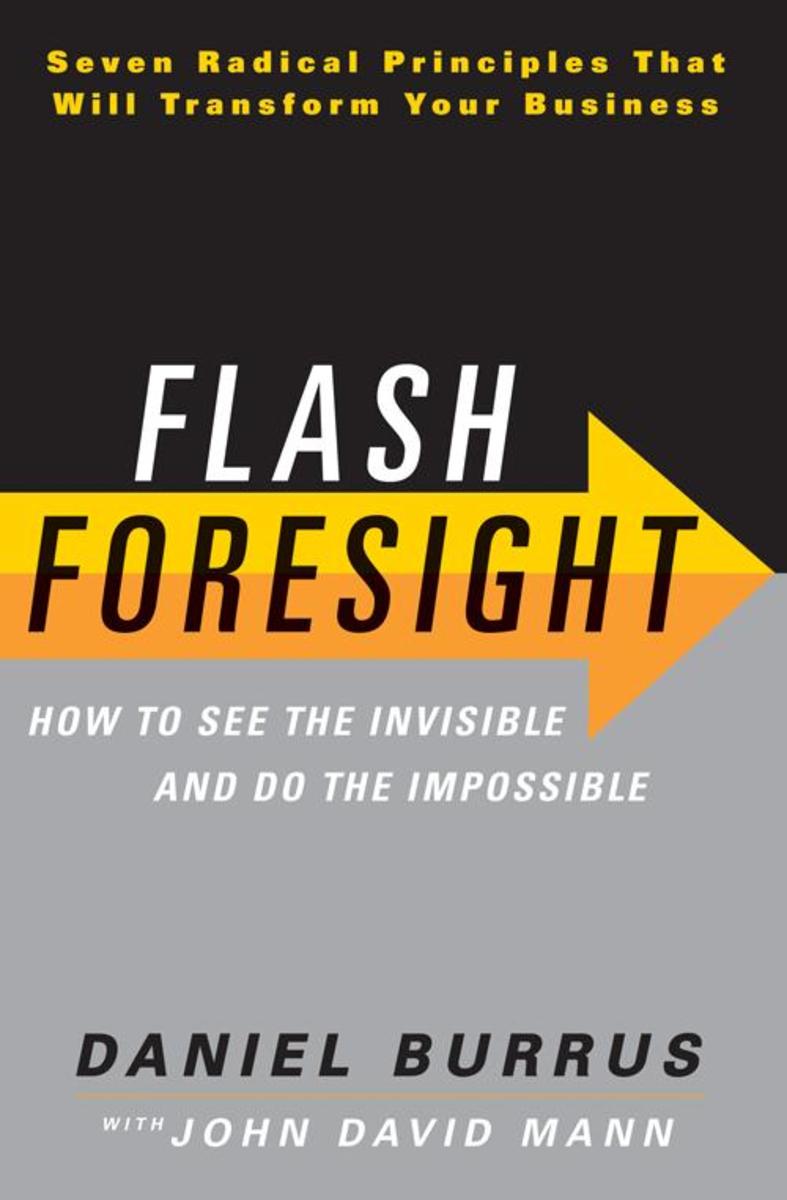
Flash Foresight
¥155.02
Today we all face more impossible challenges than ever before. But flash foresight lets you transform the impossible into the possible, revealing hidden opportunities and allowing you to solve your biggest problems before they happen. Daniel Burrus is one of the world's leading forecasters, corporate strategists, and visionaries. Over the past quarter century, he has established a reputation worldwide for his exceptional record of accurately predicting the future of technological change and its direct impact on the business world."Wouldn't it be amazing if you could predict the future and be right?" writes Burrus. "You can: all you have to do is leave out the parts you could be wrong about! And the amazing thing is, when you know where to look, there's more than enough you can be right about to make all the difference."From small businesses to multinationals, individual careers to entire industries, Flash Foresight looks at how Burrus's seven radical flash foresight "triggers" have transformed dozens of careers, fortunes, and lives. Both engaging and enlightening, Flash Foresight provides an easy-to-implement blueprint for applying the same strategies to your own business, enabling you to see the invisible and do the impossible.In the past, flash foresight was useful. Today, as the pace of technological change accelerates almost beyond the point of comprehension, it's an imperative.
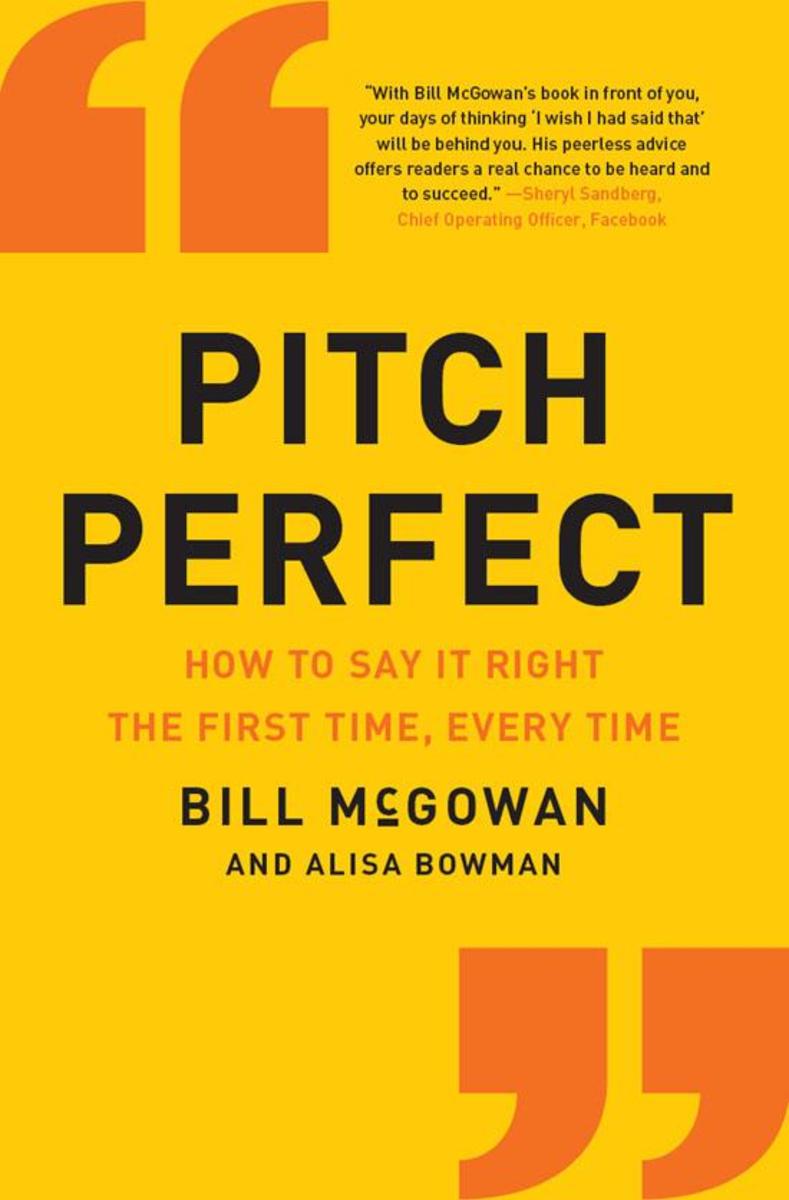
Pitch Perfect
¥155.02
The media coach and Emmy Award-winning correspondent Bill McGowan shares his secrets of pitch-perfect communications, showing readers how to communicate with confidence.During the pivotal moments of our lives, results are often determined not only by our actions but by our words as well. Saying the right thing the right way can make the difference between sealing the deal or losing the account, advancing your career or suffering a demotion. During these moments, it's important to be pitch perfect to use precisely the right tone to convey the right message to the right person at the right time. Such pitch-perfect moments are crucial in our personal and professional journeys. In Pitch Perfect, the renowned media coach Bill McGowan shows you how to craft just the right message. Along the way, McGowan lays out his Seven Principles of Persuasion, including: The Scorsese Principle: Hold your audience's attention with visual images. Direct the film that plays in your listener's mind. The No-Tailgating Principle: Avoid verbal fender-benders and career-wrecking moments by maintaining a safe talking distance. When in doubt, stop talking and listen. The Pasta-Sauce Principle: Cure boredom by boiling down your message, making it as rich and brief as possible. In Pitch Perfect, you'll learn how to overcome all these communication pitfalls. The Seven Principles of Persuasion are as easy to learn, implement, and master as they are effective. The right language both verbal and nonverbal can make you more confident, persuasive, and certain. It can stir people to listen closely to your every word and to remember you long after you've left the room.

Water to the Angels
¥94.10
In 1907, Irish immigrant William Mulholland designed and began to build one of the greatest civil engineering feats in history: the aqueduct that carried water 233 miles from the Sierra Nevada Mountains to Los Angeles allowing this small, resource-challenged desert city to grow into a modern global metropolis. Drawing on new research, Les Standiford vividly captures the larger-than-life engineer and the breathtaking scope of his six-year, $23 million project that would transform a region, a state, and a nation at the dawn of its greatest century.Mulholland, a penniless Dublin immigrant who made his way west as a stowaway on a passenger ship, personifies the American rags-to-riches tale, working from a position as a ditchdigger to become chief engineer of the Los Angeles Water Company. Confronted with a decade-long drought that threatened his adopted city's future, the self taught Mulholland found the answer in the rushing snow melt from the Eastern Sierra Nevada Mountains, nearly 250 miles away. He proposed to build an aqueduct that would outdo any such ever conceived, one that would carry an entire river from its source to Los Angeles, through mountains, over chasms, and across an alternately freezing and blistering terra incognita, because he believed it was the city's only hope.The project brought a simmering-to-this-day firestorm of protest from residents of California's Owens Valley where the waters would be taken, as well as an all-out onslaught from political opponents and vested interests in Los Angeles, who were fearful of losing their stranglehold on the city's yield. But after nine years of struggle, including the efforts of thousands of workmen many of whom lost their lives and the use of engineering techniques and strategies never previously employed, Mulholland turned the gates and loosed the waters that brought an unprecedented wave of development and prosperity to his city and the region.Though the landmark film Chinatown touched on the subject, Mulholland was characterized there as Hollis Mulwray, a colorless pipsqueak easily dispatched by archvillain and developer Noah Cross (John Houston). In real life, however, Mulholland was every bit the equal of any of his foes, a colorful, brook-no-nonsense man of the people who accomplished a feat like no other and became a hero in the process. Water to the Angels is not only a book that provides insight into the seeds of significant ecological concerns of this day, it is also a stirring story of accomplishment against all odds, all the more captivating for being true.As Robert Towne, author of the screenplay for Chinatown suggests, the subject is timeless. "I found the ubiquity of water in everyone's lives to be compelling. Everybody needs water."At a time when the importance of water is being recognized as never before considered by many experts to be the essential resource of the twenty-first century Water to the Angels brings into focus the vigor of a fabled era, the might of a larger-than-life individual, and the scale of a priceless construction project, and sheds critical light on a past that offers insights for our future.

Leadership BS
¥168.37
Too many leadership failures. Too many career derailments. Too many toxic workplaces filled with disengaged, distrustful employees. Jeffrey Pfeffer, a professor at the Stanford Graduate School of Business and the author of Power, offers an incisive dissection of the multibillion-dollar leadership industry and presents ways to fix its many problems.In Leadership BS, Jeffrey Pfeffer pulls back the curtain, showing how leadership really works and why so many leadership development efforts fail. In this forthright and persuasive critique, Pfeffer argues that much of the oft-repeated wisdom about leadership is based more on hope than reality, on wishes rather than data, on beliefs instead of science. In an age when transparency is considered a virtue, Pfeffer makes the case that strategic misrepresentation isn't as harmful as you think, that breached agreements are a part of business, that immodesty is frequently a path to success, and that relying on the magnanimity of your boss is a bad bet.Using research findings from social psychology, sociology, and sociobiology, and filled with practical, actionable advice, Leadership BS encourages readers to finally stop accepting sugar-laced but toxic potions as cures and to understand the realities of organizations and human behavior.To make real change, Pfeffer argues, we need to get beyond the half-truths and self-serving stories that are so prominent in the mythology of leadership. In calling BS on so much conventional wisdom, Leadership BS offers both a provocative, scientific examination of how leadership actually works and how it doesn't and a pre*ion for leaders future and present.

Parables and Portraits
¥96.18
A revised edition of the first book of poems by Stephen Mitchell, the renowned translator of Rilke's poetry, The Book of Job, and the Tao Te Ching. --This text refers to an out of print or unavailable edition of this title.

Evidence of the Afterlife
¥83.03
Evidence of the Afterlife shares the firsthand accounts of people who have died and lived to tell about it. Through their work at the Near Death Experience Research Foundation, radiation oncologist Jeffrey Long and his wife, Jody, have gathered thousands of accounts of near-death experiences (NDEs) from all over the world. In addition to sharing the personal narrative of their experiences, visitors to the website are asked to fill out a one hundred item questionnaire designed to isolate specific elements of the experience and to flag counterfeit accounts.The website has become the largest NDE research database in the world, containing over 1,600 NDE accounts. The people whose stories are captured in the database span all age groups, races, and religious affiliations and come from all over the world, yet the similarities in their stories are as awe-inspiring as they are revealing. Using this treasure trove of data, Dr. Long explains how medical evidence fails to explain these reports and why there is only one plausible explanation that people have survived death and traveled to another dimension.

The Big Book of Packaging
¥280.65
Intended as a comprehensive resource for designers, creative professionals, marketers, and retailers, The Big Book of Packaging contains 384 pages of the most innovative packaging designs from around the world. With over 500 featured designs and profiles of twelve of the world's leading designers, the book is a must-have resource for anyone interested in the future of packaging and design. In light of the recent lift in environmental consciousness, this volume of the Big Book Series will devote one third of its content to the increasingly important subject of green packaging-showing designers and retailers how to package their products creatively, responsibly, and at low cost, factors that will be reflected in the books own packaging/binding as well.The Big Book of Packaging will appeal to designers, students, marketers, retailers, and aesthetes alike, providing a thorough look at what goes into building an effective package and how to think "outside the box."

Acolytes
¥95.39
A collection of eighty all new poems, Acolytes is distinctly Nikki Giovanni, but different. Not softened, but more inspired by love, celebration, memories and even nostalgia. She aims her intimate and sparing words at family and friends, the deaths of heroes and friends, favorite meals and candy, nature, libraries, and theatre. But in between, the deep and edgy conscience that has defined her for decades shines through when she writes about Rosa Parks, hurricane Katrina, and Emmett Till's disappearance, leaving no doubt that Nikki has not traded one approach for another, but simply made room for both.

Bloody Crimes
¥94.10
On the morning of April 2, 1865, Jefferson Davis, president of the Confederacy, received a telegram from General Robert E. Lee. There is no more time the Yankees are coming, it warned. Shortly before midnight, Davis boarded a train from Richmond and fled the capital, setting off an intense and thrilling chase in which Union cavalry hunted the Confederate president. Two weeks later, President Lincoln was assassinated, and the nation was convinced that Davis was involved in the conspiracy that led to the crime. Lincoln's murder, autopsy, and White House funeral transfixed the nation. His final journey began when soldiers placed his corpse aboard a special train that would carry him home on the 1,600-mile trip to Springfield. Along the way, more than a million Americans looked upon their martyr's face, and several million watched the funeral train roll by. It was the largest and most magnificent funeral pageant in American history.To the Union, Davis was no longer merely a traitor. He became a murderer, a wanted man with a $100,000 bounty on his head. Davis was hunted down and placed in captivity, the beginning of an intense and dramatic odyssey that would transform him into a martyr of the South's Lost Cause. The saga that began with Manhunt continues with the suspenseful and electrifying Bloody Crimes. James Swanson masterfully weaves together the stories of two fallen leaders as they made their last expeditions through the bloody landscape of a wounded nation.
Begging for Change
¥141.80
You are a good person. You are one of the 84 million Americans who volunteer with a charity. You are part of a national donor pool that contributes nearly $200 billion to good causes every year. But you wonder: Why don't your efforts seem to make a differenceFifteen years ago, Robert Egger asked himself this same question as he reluctantly climbed aboard a food service truck for a night of volunteering to help serve meals to the homeless. He wondered why there were still people waiting in line for soup in this day and age. Where were the drug counselors, the job trainers, and the support team to help these men and women get off the streetsWhy were volunteers buying supplies from grocery stores when restaurants were throwing away unused fresh food every nightWhy had politicians, citizens, and local businesses allowed charity to become an end in itselfWhy wasn't there an efficient way to solve the problemRobert knew there had to be a better way. In 1989, he started the D.C. Central Kitchen by collecting unused food from local restaurants, caterers, and hotels and bringing it back to a central location where hot, nutritious meals were prepared and distributed to agencies around the city. Since then, the D.C. Central Kitchen has been named one of President Bush Sr.'s Thousand Points of Light and has become one of the most respected and emulated nonprofit agencies in the world, producing and distributing more than 4,000 meals a day. Its highly successful 12-week job-training program equips former homeless transients and drug addicts with culinary and life skills to gain employment in the restaurant business. In Begging for Change, Robert Egger looks back on his experience and exposes the startling lack of logic, waste, and ineffectiveness he has encountered during his years in the nonprofit sector, and calls for reform of this $800 billion industry from the inside out. In his entertaining and inimitable way, he weaves stories from his days in music, when he encountered legends such as Sarah Vaughan, Mel Torme, and Iggy Pop, together with stories from his experiences in the hunger movement -- and recently as volunteer interim director to help clean up the beleaguered United Way National Capital Area. He asks for nonprofits to be more innovative and results-driven, for corporate and nonprofit leaders to be more focused and responsible, and for citizens who contribute their time and money to be smarter and more demanding of nonprofits and what they provide in return. Robert's appeal to common sense will resonate with readers who are tired of hearing the same nonprofit fund-raising appeals and pity-based messages. Instead of asking the "who" and "what" of giving, he leads the way in asking the "how" and "why" in order to move beyond our 19th-century concept of charity, and usher in a 21st-century model of change and reform for nonprofits. Enlightening and provocative, engaging and moving, this book is essential reading for nonprofit managers, corporate leaders, and, most of all, any citizen who has ever cared enough to give of themselves to a worthy cause.
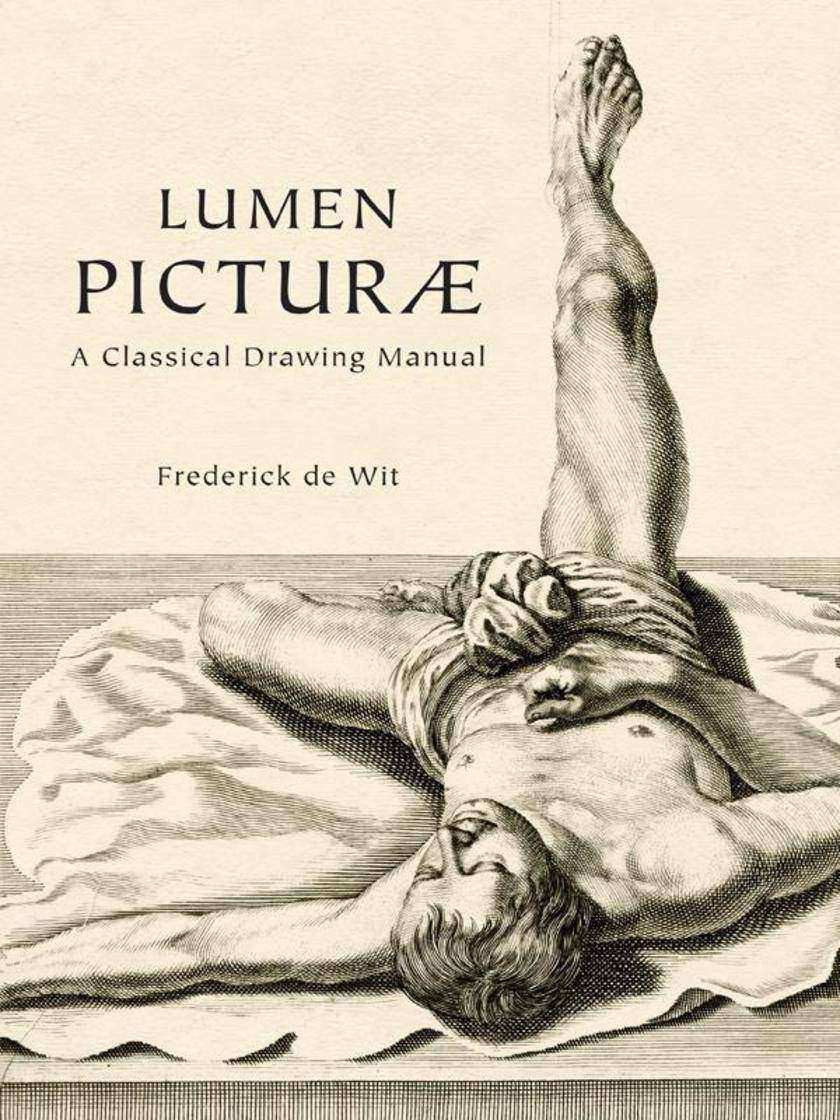
Lumen Picturae
¥140.29
Thanks to its exquisite pictorial material, this book familiarizes the reader with the logic and golden rules of art. It enables an understanding, on the one hand, of the keys to appreciating the works of the great masters, and on the other, of how to apply these rules to the practice of one's own creative activities.The work begins with a number of basic explanations on how to represent and interrelate the different parts of the human body. The introduction is followed by chapters on the various possibilities for representing male and female nudes, and mythological and biblical figures, dressed and contextualized. Finally it looks at quadruped animals and birds.

The Power of Style
¥138.41
"Everyone gets dressed and getting dressed affects everything." —Bobbie Thomas, the TODAY show style editor Beyond understanding your best colors and figure-flattering clothes, Bobbie takes a unique step back in this inspiring guide to empower you to feel stylish, smart, sexy, and satisfied—with a look that's uniquely your own… You can't live life naked, so after you brush your teeth in the morning, you put "something" on. It's the first decision of your day, but have you ever considered that it's also one of the most importantStyle goes far beyond fashion and beauty and is a powerful way to say who we are and get what we want. Your "style speak" comes through in a louder "voice" than anything you might scream from a rooftop. But often, there is so much focus on the outside that we forget to step back and understand that style really starts inside. From your love life to your career, and the less obvious moments in between, the way people see you will filter your opportunities. Ultimately, what they see is what you get. In part I of this must-have style guide, Bobbie Thomas will help you identify what you'd like others to see and boost your confidence, and in part II , she'll show you how to find your best colors and cuts, edit your closet, and more, so you can build a better, more useful wardrobe.

On Your Case
¥99.65
The legal guide every woman needs to protect herself and her familyIf your best friend had a law degree, she would offer the useful counsel Lisa Green delivers in On Your Case. From dating, marriage, and kids to divorce, retirement, and aging parents, On Your Case offers smart, jargon-free lessons on how to solve the legal challenges that arise over the course of every woman's lifetime. A lawyer and television legal analyst herself, Lisa shares court cases and real-life legal horror stories (including her own) to illustrate how readers can not only solve problems, but learn how to protect themselves before a crisis hits.Lisa's warm, inviting voice imparts essential information about these important topics and many more: Relationships: online dating, pre- and post-nuptial agreements, engagement, and marriage Separation and divorce: splitting without anxiety, child custody and support, pet custody disputes, domestic violence Babies, children, and teens: pregnancy and adoption, advocating for a special needs child, misbehaving teens Work: employment and household help Online legal issues: privacy, copyright, and social media Midlife and elder care: wills, medical decisions, and power of attorney Legal help: hiring a lawyer and DIY Always clear and often funny, Lisa will help you take legal charge of your life, telling it to you straight without putting you to sleep or scaring you to death. She provides all the essential tools and inspiration necessary to care for yourself, your assets, your family, and your career.

Desperate Sons
¥155.02
A groundbreaking narrative a historical political thriller that explores the role of the Sons of Liberty in the American Revolution.More than two hundred years ago, a group of British colonists in America decided that the conditions under which they were governed had become intolerable. Angry and frustrated that King George III and the British Parliament had ignored their lawful complaints and petitions, they decided to take action.Knowing that their deeds often directed at individuals and property were illegal, and punishable by imprisonment and even death, these agitators plotted and conducted their missions in secret to protect their identities as well as the identities of those who supported them. Calling themselves the Sons of Liberty, they gathered together in a radical society committed to imposing forcible change. Those determined men including second cousins Samuel and John Adams, Paul Revere, Patrick Henry, and John Hancock saw themselves as patriots. Yet to the Crown, and to many of the Sons' fellow colonists, the revolutionaries were terrorists who deserved death for their treason.In this gripping narrative, Les Standiford reveals how this group of intelligent, committed men, motivated by economics and political belief, began a careful campaign of interlocking events that would channel feelings of vague injustice into an armed rebellion of common cause, which would defeat an empire and give birth to a radical political experiment a new nation known as the United States.
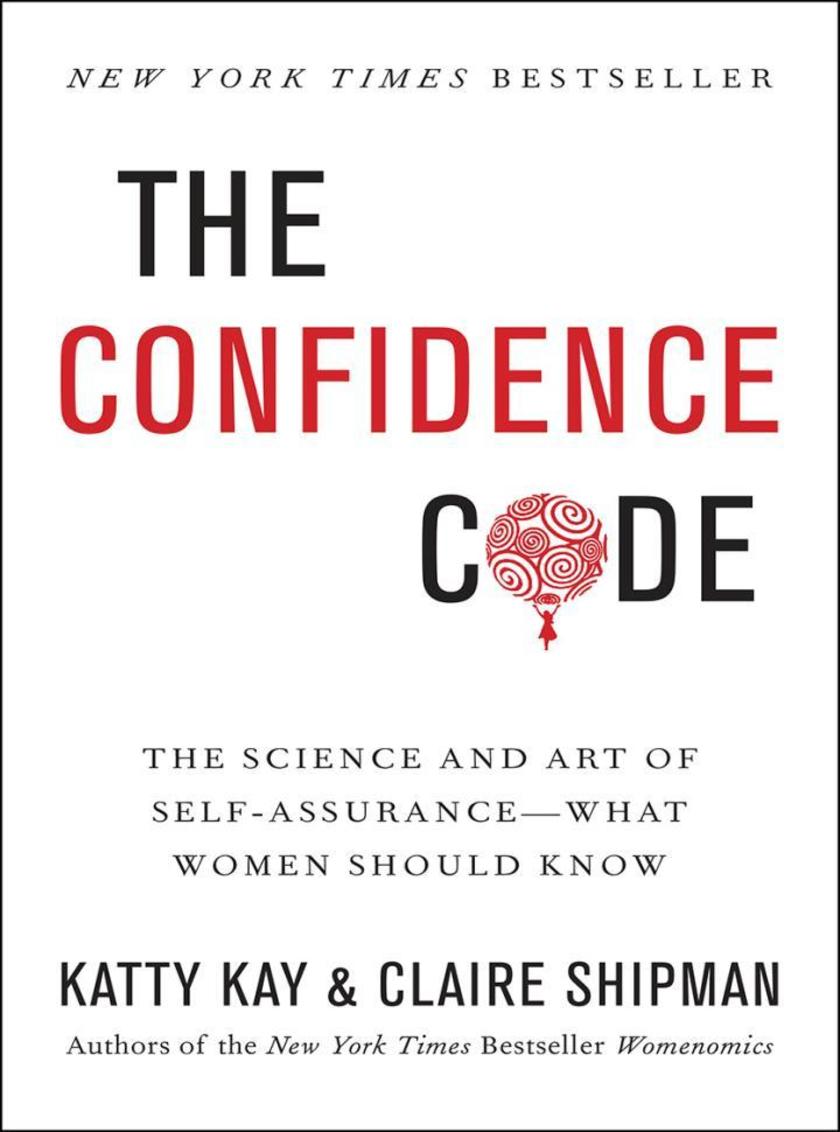
The Confidence Code
¥99.65
Confidence. We want it. We need it. But it can be maddeningly enigmatic and out of reach. The authors of the New York Times bestseller Womenomics deconstruct this essential, elusive, and misunderstood quality and offer a blueprint for bringing more of it into our lives.Is confidence hardwired into the DNA of a lucky few or can anyone learn itIs it best expressed by bravado, or is there another way to show confidenceWhich is more important: confidence or competenceWhy do so many women, even the most successful, struggle with feelings of self-doubtIs there a secret to channeling our inner confidenceIn The Confidence Code, journalists Katty Kay and Claire Shipman travel to the frontiers of neuroscience on a hunt for the confidence gene and reveal surprising new research on its roots in our brains. They visit the world's leading psychologists who explain how we can all chose to become more confident simply by taking action and courting risk, and how those actions change our physical wiring. They interview women leaders from the worlds of politics, sports, the military, and the arts to learn how they have tapped into this elemental resource. They examine how a lack of confidence impacts our leadership, success, and fulfillment.Ultimately, they argue, while confidence is partly influenced by genetics, it is not a fixed psychological state. That's the good news. You won't discover it by thinking positive thoughts or by telling yourself (or your children) that you are perfect as you are. You also won't find it by simply squaring your shoulders and faking it. But it does require a choice: less people pleasing and perfectionism and more action, risk taking, and fast failure.Inspiring, insightful, and persuasive, The Confidence Code shows that by acting on our best instincts and by daring to be authentic, women can feel the transformative power of a life on confidence.

The Truth
¥167.88
This is not a journey that was undertaken for journalistic purposes. It is a painfully honest account of a life crisis that was forced on me by my own behavior and its consequences. As such, it requires sharing a lot of things I'm not proud of and a few things I feel like I should regret a whole lot more than I actually do. Because, unfortunately, I am not the hero in this tale. I am the villain. So begins Neil Strauss's long-awaited follow-up to The Game, the funny and slyly instructive work of immersive journalism that jump-started the international seduction community and made Strauss a household name revered or notorious among single men and women alike.In The Truth, Strauss takes on his greatest challenge yet: Relationships. And in this wild and highly entertaining ride, he explores the questions that men and women are asking themselves every day: Is it natural to be faithful to one person for lifeDo alternatives to monogamy lead to better relationships and greater happinessWhat draws us to the partners we chooseCan we keep passion and romance from fading over timeHis quest for answers takes him from Viagra-laden free-love orgies to sex addiction clinics, from cutting-edge science labs to modern-day harems, and, most terrifying of all, to his own mother.What he discovered changed everything he knew about love, sex, relationships, and, ultimately, himself.Searingly honest and compulsively readable, The Truth just may have the same effect on you.If The Game taught you how to meet members of the opposite sex, The Truth will teach you how to keep them.
Python: Real-World Data Science
¥171.12
Unleash the power of Python and its robust data science capabilities About This Book Unleash the power of Python 3 objects Learn to use powerful Python libraries for effective data processing and analysis Harness the power of Python to analyze data and create insightful predictive models Unlock deeper insights into machine learning with this vital guide to cutting-edge predictive analytics Who This Book Is For Entry-level analysts who want to enter in the data science world will find this course very useful to get themselves acquainted with Python’s data science capabilities for doing real-world data analysis. What You Will Learn Install and setup Python Implement objects in Python by creating classes and defining methods Get acquainted with NumPy to use it with arrays and array-oriented computing in data analysis Create effective visualizations for presenting your data using Matplotlib Process and analyze data using the time series capabilities of pandas Interact with different kind of database systems, such as file, disk format, Mongo, and Redis Apply data mining concepts to real-world problems Compute on big data, including real-time data from the Internet Explore how to use different machine learning models to ask different questions of your data In Detail The Python: Real-World Data Science course will take you on a journey to become an efficient data science practitioner by thoroughly understanding the key concepts of Python. This learning path is divided into four modules and each module are a mini course in their own right, and as you complete each one, you’ll have gained key skills and be ready for the material in the next module. The course begins with getting your Python fundamentals nailed down. After getting familiar with Python core concepts, it’s time that you dive into the field of data science. In the second module, you'll learn how to perform data analysis using Python in a practical and example-driven way. The third module will teach you how to design and develop data mining applications using a variety of datasets, starting with basic classification and affinity analysis to more complex data types including text, images, and graphs. Machine learning and predictive analytics have become the most important approaches to uncover data gold mines. In the final module, we'll discuss the necessary details regarding machine learning concepts, offering intuitive yet informative explanations on how machine learning algorithms work, how to use them, and most importantly, how to avoid the common pitfalls. Style and approach This course includes all the resources that will help you jump into the data science field with Python and learn how to make sense of data. The aim is to create a smooth learning path that will teach you how to get started with powerful Python libraries and perform various data science techniques in depth.
Advanced Splunk
¥90.46
Master the art of getting the maximum out of your machine data using Splunk About This Book A practical and comprehensive guide to the advanced functions of Splunk,, including the new features of Splunk 6.3 Develop and manage your own Splunk apps for greater insight from your machine data Full coverage of high-level Splunk techniques including advanced searches, manipulations, and visualization Who This Book Is For This book is for Splunk developers looking to learn advanced strategies to deal with big data from an enterprise architectural perspective. It is expected that readers have a basic understanding and knowledge of using Splunk Enterprise. What You Will Learn Find out how to develop and manage apps in Splunk Work with important search commands to perform data analytics on uploaded data Create visualizations in Splunk Explore tweaking Splunk Integrate Splunk with any pre-existing application to perform data crunching efficiently and in real time Make your big data speak with analytics and visualizations using Splunk Use SDK and Enterprise integration with tools such as R and Tableau In Detail Master the power of Splunk and learn the advanced strategies to get the most out of your machine data with this practical advanced guide. Make sense of the hidden data of your organization – the insight of your servers, devices, logs, traffic and clouds. Advanced Splunk shows you how. Dive deep into Splunk to find the most efficient solution to your data problems. Create the robust Splunk solutions you need to make informed decisions in big data machine analytics. From visualizations to enterprise integration, this well-organized high level guide has everything you need for Splunk mastery. Start with a complete overview of all the new features and advantages of the latest version of Splunk and the Splunk Environment. Go hands on with uploading data, search commands for basic and advanced analytics, advanced visualization techniques, and dashboard customizing. Discover how to tweak Splunk to your needs, and get a complete on Enterprise Integration of Splunk with various analytics and visualization tools. Finally, discover how to set up and use all the new features of the latest version of Splunk. Style and approach This book follows a step by step approach. Every new concept is built on top of its previous chapter, and it is full of examples and practical scenarios to help the reader experiment as they read.
React: Building Modern Web Applications
¥171.12
Master the art of building dynamic, modern web applications with React About This Book Learn the hot new frontend web framework from Facebook – ReactJS, an easy way of developing the V in MVC and a better approach to software engineering in JavaScript A fast-paced guide to designing and building scalable and maintainable web apps with React.js Learn all the new ES6 features and be among the most prominent JavaScript developers who can write efficient JS programs as per the latest standards Master the art of building modern web applications using React Learn to build modern native iOS and Android applications using JavaScript and the incredible power of React Who This Book Is For This course is for web developers that want to unlock high performance dynamism in the applications that they create. If you want a comprehensive journey into one of the most important JavaScript frameworks around today, dive into this course. What You Will Learn Take control of the front end with reactive JavaScript programming Discover what ReactJS offers your development - before mastering it Create React elements with properties and children Use JSX to speed up your React development process Test your React components with the Jest test framework Learn the latest syntax of ES6 Execute ES6 in a non-supported ES6 environment Learn the principles of object-oriented programming Create a complete single-page application Use an application design plan to write smarter, more meaningful code Learn how to use animations to give extra style to your application Get to grips with the React Native environment Write your own custom native UI components Integrate native modules in Objective-C and Java that interact with JavaScript In Detail ReactJS has helped to transform the web as we know it. Designed by Facebook to help developers build rapid, responsive UI that can deal with data-intensive usage, it’s an essential component in any web developer’s skillset. This ReactJS course, in five connected modules, provides you with a fast, engaging and practical route into ReactJS—so you can build powerful, elegant, and modern web applications. Beginning with the Reactive Programming with JavaScript module, you will learn how to take advantage of a reactive and functional programming paradigm to rethink how you approach your JavaScript code. It’s built to help you understand the concepts, relevant and applicable for any frontend developer. You’ll then dive a little deeper into ReactJS. The second module gives you a rapid look through the fundamentals of ReactJS, showing you how to build a basic application and demonstrating how to implement the Flux architecture. In the third module you will get to grips with ES6—this will make you a more fluent JavaScript developer, giving you control over ReactJS. You can put your old JavaScript hacks aside and instead explore how to create ES6 custom iterators. In the final two modules you’ll learn how to fully master ReactJS, exploring its wider ecosystem of tools that have helped to make it one of the most important tools in web development today. Ending with insights and guidance on React Native, the tool built for today’s demand for native, intuitive user experiences and interfaces, with this course you can be confident in building dynamic and modern apps with React. Style and approach Consisting of five separate modules, journey from the fundamentals of reactive programming to the exciting possibilities of React Native. Each module builds on each other, helping you to incrementally develop your skills and knowledge.
Extending Docker
¥90.46
Master the art of making Docker more extensible, composable, and modular by leveraging plugins and other supporting tools About This Book Get the first book on the market that shows you how to extend the capabilities of Docker using plugins and third-party tools Master the skills of creating various plugins and integrating great tools in order to enhance the functionalities of Docker A practical and learning guide that ensures your investment in Docker becomes more valuable Who This Book Is For This book is for developers and sys admins who are well versed Docker and have knowledge on basic programming languages. If you can’t wait to extend Docker and customize it to meet your requirements, this is the book for you! What You Will Learn Find out about Docker plugins and the problems they solve Gain insights into creating your own plugin Use Docker tools to extend the basic functionality of the core Docker engine Get to grips with the installation and configuration of third-party tools available to use with Docker plugins Install, configure, and use a scheduling service to manage the containers in your environment Enhance your day-to-day Docker usage through security, troubleshooting, and best practices In Detail With Docker, it is possible to get a lot of apps running on the same old servers, making it very easy to package and ship programs. The ability to extend Docker using plugins and load third-party plugins is incredible, and organizations can massively benefit from it. In this book, you will read about what first and third party tools are available to extend the functionality of your existing Docker installation and how to approach your next Docker infrastructure deployment. We will show you how to work with Docker plugins, install it, and cover its lifecycle. We also cover network and volume plugins, and you will find out how to build your own plugin. You’ll discover how to integrate it with Puppet, Ansible, Jenkins, Flocker, Rancher, Packer, and more with third-party plugins. Then, you’ll see how to use Schedulers such as Kubernetes and Amazon ECS. Finally, we’ll delve into security, troubleshooting, and best practices when extending Docker. By the end of this book, you will learn how to extend Docker and customize it based on your business requirements with the help of various tools and plugins. Style and approach An easy to follow guide with plenty of hands-on practical examples which can be executed both on your local machine or externally hosted services.


