


 购物车
购物车 个人中心
个人中心
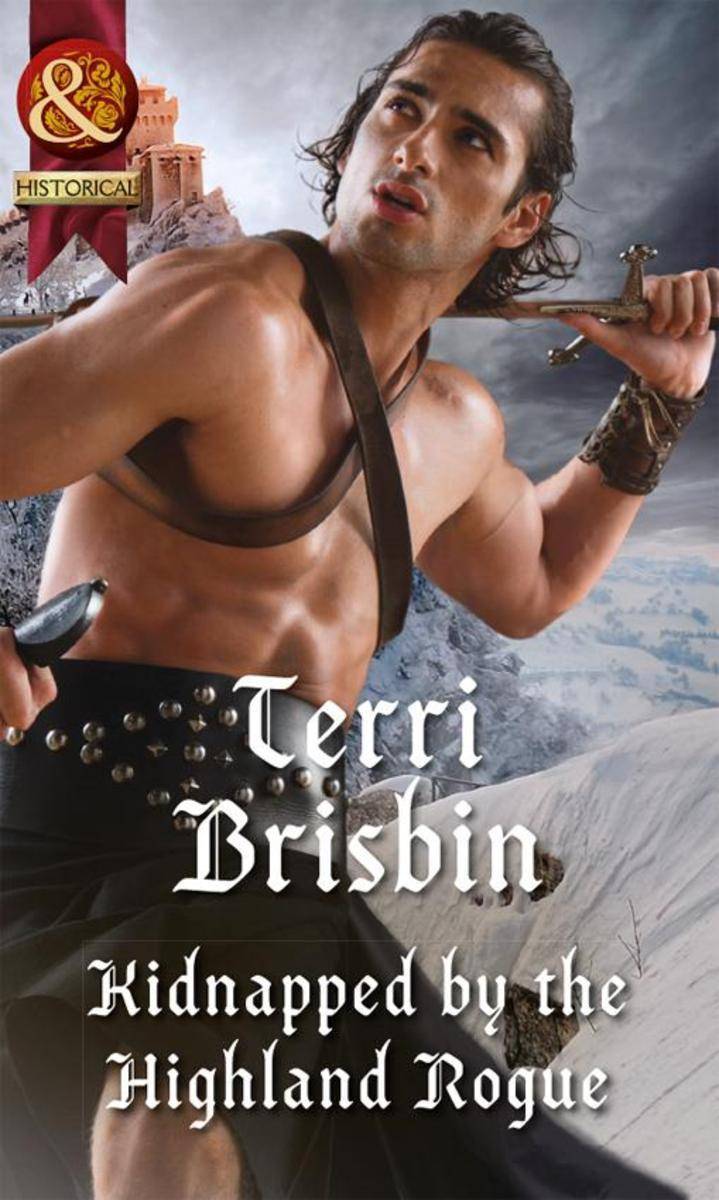
Kidnapped By The Highland Rogue (Mills & Boon Historical) (A Highland Feuding, B
¥38.06
The Highlander’s prisoner There’s more to hardened outlaw Niall Corbett than meets the eye. Despite his merciless reputation, he’s on a mission he must defend with his life. One that means taking beautiful Fia Mackintosh prisoner for her own protection! Fia may have dreamt of being swept away by a gorgeous highlander, but never of being held hostage by a gang of outlaws! While her head screams for her to run, her heart beats a little too fast for her captor, a man she shouldn’t, yet can’t help but trust…
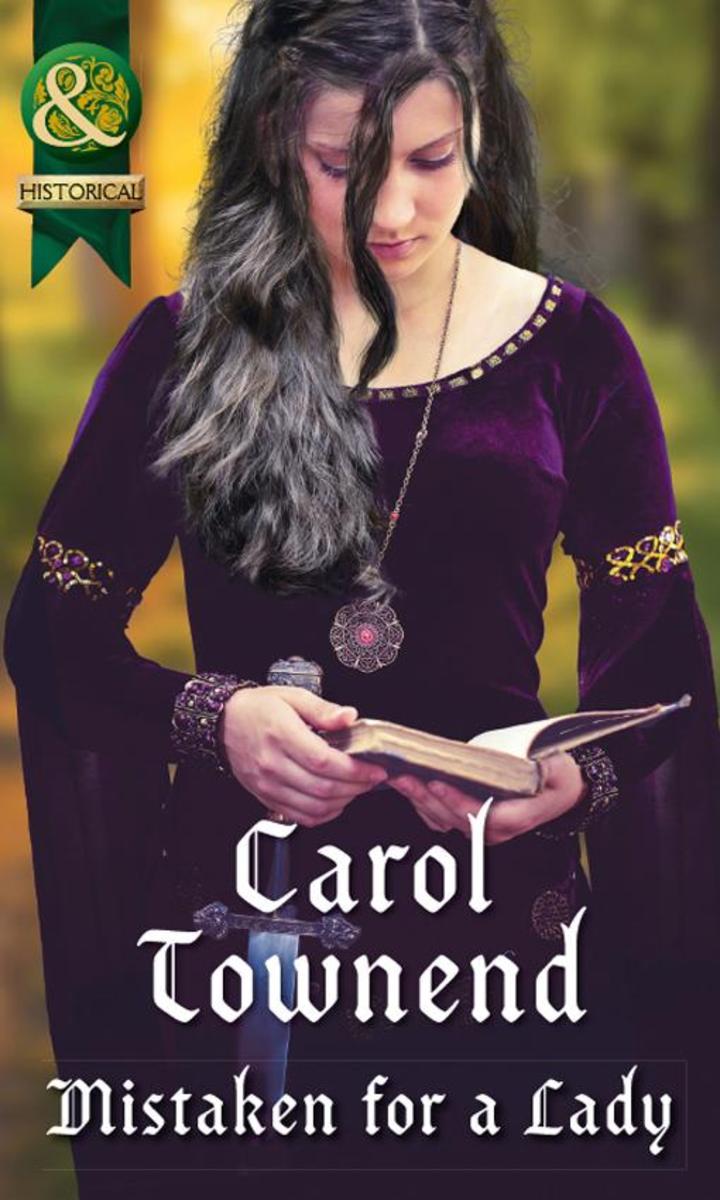
Mistaken For A Lady (Mills & Boon Historical) (Knights of Champagne, Book 5)
¥38.06
Wearing his ring again… When a shocking revelation reveals Francesca’s illegitimacy, she worries that her marriage to Tristan, Comte des Iles, will crumble. Her heart in tatters, she awaits her husband’s return… Will he request an annulment or give their union a second chance? Duty has kept Tristan from his beautiful wife’s side for far too long, but the memory of her touch is seared into his soul. Now, with malevolent forces working against them, it’s more important than ever for Tristan to show Francesca that he’ll never let her go!
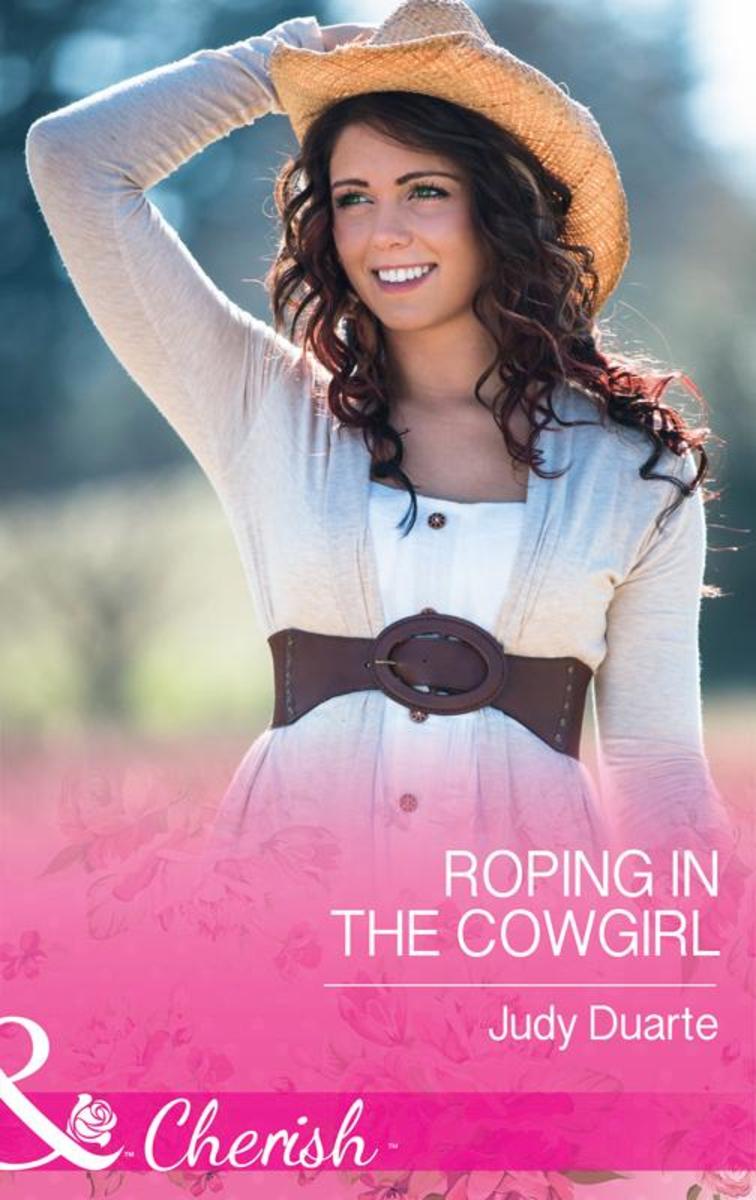
Roping In The Cowgirl (Mills & Boon Cherish) (Rocking Chair Rodeo, Book 1)
¥28.74
The path to true love lies deep in the heart of Texas! As a child, the Rocking C was Blake Darnell’s home away from home. Now it’s a place for former rodeo cowboys to hang up their spurs…and the LA attorney is back in Texas to stop his uncle from making the biggest mistake of his life! Until he locks horns with Shannon Cramer, the sexy RN in charge of the place. Blake thinks his uncle is falling for a gold-digger, but Shannon believes it’s love even if the gorgeous, jaded lawyer doesn’t. Agreeing to disagree gets complicated as their attraction heats up. But the born-and-bred cowgirl’s digging in her boot heels—she’ll settle for nothing less than this city slicker’s heart! Now if she could just convince him that their romance on the range can truly last a lifetime… Rocking Chair Rodeo: Cowboys—and true love—never go out of style!

Second Chance With Lord Branscombe (Mills & Boon Medical)
¥29.43
The course of true love never did run smooth… …and Dr Sophie Trent knows that better than most! Her romance with Nate Branscombe ended in disaster years before—and now the handsome heir to the estate is back. Sophie has enough to think about without the charismatic aristocrat’s distraction, but as they work closely together he stirs up feelings she thought she’d left firmly behind her. Can the one that got away finally help Sophie face the past…and convince her true love is here to stay?

Still Waters (Mills & Boon Intrigue) (Faces of Evil, Book 2)
¥22.07
In the next Faces of Evil book from USA TODAY bestselling author Debra Webb, is Amber Roberts a killer–or a victim? Instead of reporting the news, Amber Roberts is the news. Has the beautiful journalist murdered someone she hardly knew or has she been brilliantly framed? Evidence points to the former. Enter Sean Douglas, the hottest bodyguard Amber's ever seen. But Amber is all about her career and giving it up for romance is unthinkable. Sean, she learns, has his own guilty reason for keeping things professional. The last woman who trusted him ended up dead. And now the same fate may await Amber. Unless Sean can protect her while guarding his heart. Because someone is watching and terrorising Amber…someone no one would suspect…

The Cowboy And The Baby (Mills & Boon Cherish) (Forever, Texas, Book 15)
¥28.74
THE WRANGLER'S SPECIAL DELIVERY When the father of her baby bails, Devon Bennett finds herself in a difficult position. As in giving-birth-in-a-truck-on-the-side-of-a-road difficult. Devon's never felt more alone, until a hunky cowboy rides in to save the day. Deputy Cody McCullough can’t shake the feeling that Devon and her baby still need him, and not just because they’re staying at his ranch. It’s obvious that the single mom’s heart has been broken before and trusting this cowboy lawman doesn’t come easily. But Cody will do whatever i

The Man She Should Have Married (Mills & Boon Cherish) (The Crandall Lake Chroni
¥22.07
TESTING THOSE FAMILY TIES Marrying into the elite Britton family had been hard for Olivia. Becoming a widow and raising her daughter alone had been tougher. Or so she thought. Her mother-in-law wanted custody of little Thea and Olivia was desperate for help. But her best option was another Britton, the devastangingly charming Matt…the man she should have married. Matt had vowed to look after Olivia and be a father figure to Thea, while remaining loyal to the brother he’d lost. With Olivia needing him more than ever he knew the time had come to tell her exactly how he felt. Admitting his true feelings for Olivia could tear his family apart…yet it might also be the start of a new family for them both.

Waking Up To Dr Gorgeous (Mills & Boon Medical) (The Christmas Swap, Book 1)
¥30.51
Luci Dawson’s guide to getting over your ex: 1. Leave your troubles behind, and escape to Sydney for a temporary house-swap. 2. When a gorgeous stranger walks into your bedroom—smile, you’ve hit the jackpot! 3. Indulge in a hot fling with said stranger! But little does nurse Luci know that her fling is about to become so much more. Because Doctor Seb Hollingsworth has ways of making her feel alive again. With Christmas just around the corner suddenly Luci knows exactly what she wants under her tree! The Christmas Swap A holiday they won’t forget!
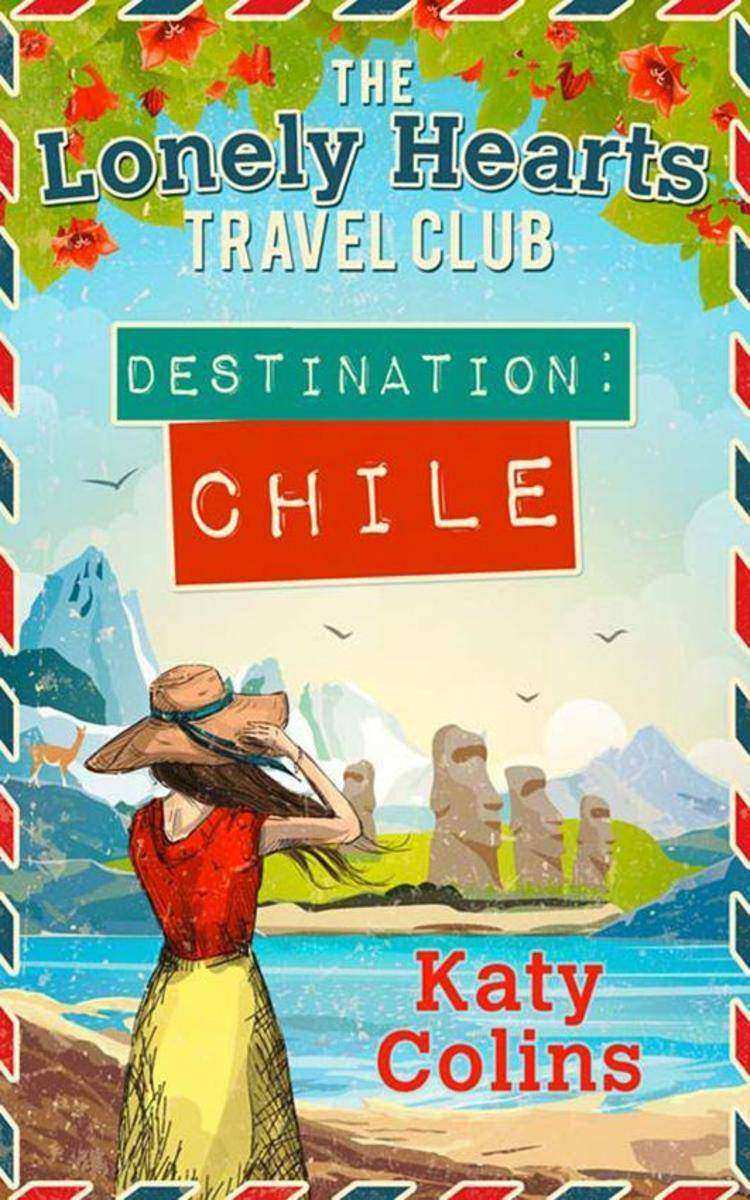
Destination Chile (The Lonely Hearts Travel Club, Book 3)
¥42.48
‘Bridget Jones goes backpacking.’ - Holly Martin, author of ‘A Town Called Christmas’ series Welcome to Paradise Georgia has just been offered the opportunity of a lifetime! She’ll be starring in a TV adventure travel show that will put her and Ben’s business well and truly on the map. But Georgia’s not quite sure their relationship is ready to be put under the microscope – because even though they survived their first argument the discovery of a sparkling engagement ring in Ben’s suitcase has put Georgia’s head in a spin! Are they really ready for marriage? And more importantly, after all the heartbreak, is she? This journey is sure to be an adventure like no other. Against the backdrop of rugged and wild Chile, Ben and Georgia must decide if their love is worth fight for… The new favourite series for fans of Bridget Jones’s Diary, the Shopaholic series and Eat, Pray, Love. What reviewers are saying about The Lonely Hearts Travel Club 'I feel Destination Chile is a must read for everyone.' - Sweet is Always in Style ‘I cannot recommend this book enough. It is beautifully written with a brilliant plot and fantastic characters. READ IT!!’ – Blabbering About Books ‘I loved this book.’ – For the Love of Books ‘It is a really enthralling page turner and a brilliant start to a new series. I can’t wait to read the sequels, ‘Destination India’ and ‘Destination Chile’!’ – Splashes into Books

Once For All Time (Mills & Boon M&B)
¥22.07
Clotilde Collins has worked with Dr. James Thackery at busy St. Alma's Hospital in London for three years, but she's never considered their relationship as anything more than solidly professional. Then tragedy strikes and James steps in to take charge of Clotilde's shattered world, offering her his unhesitating comfort and support. How easy it would be to fall in love with him. Except he's already committed to another woman….

A Word With The Bachelor (Mills & Boon Cherish) (The Bachelors of Blackwater Lak
¥22.07
When opposites collide…the plot thickens When former Special Forces agent Jack Garner opens his door to Erin Riley, he makes two things clear: he won’t sleep with her, and he writes alone. Clearly, fame and fortune have done nothing to brighten this bestselling author’s brooding manner. But his second book is long overdue, and Erin is there to jumpstart his writing…if not his heart. Bright, chatty and positive, Erin is like a sunny day to Jack’s perpetual night. And even as she struggles to contain her sizzling attraction, she knows she can help Jack have a breakthrough. When the words finally start to flow, Jack starts to wonder if ‘once upon a time’ could become ‘happily ever after.' Now, that would be something worth writing about…
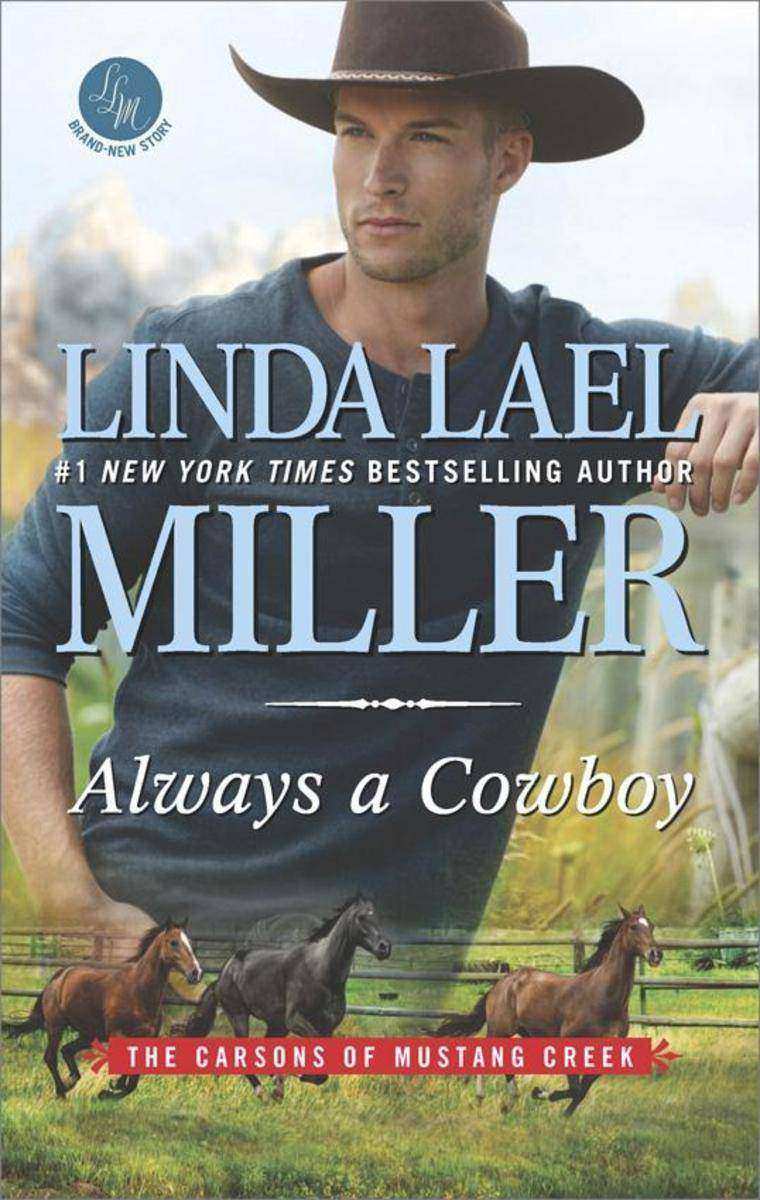
Always A Cowboy (The Carsons of Mustang Creek, Book 2)
¥14.62
He's the middle of the three Carson brothers and is as stubborn as they come—and he won't thank a beautiful stranger for getting in his way! Drake Carson is the quintessential cowboy. In charge of the family ranch, he knows the realities of this life, its pleasures and heartbreaks. Lately, managing the wild stallions on his property is wearing him down. When an interfering so-called expert arrives and starts offering her opinion, Drake is wary, but he can't deny the longing—and the challenge—she stirs in him. Luce Hale is researching how wild horses interact with ranch animals—and with ranchers. The Carson matriarch invites her to stay with the family, which guarantees frequent encounters with Drake, her ruggedly handsome and decidedly unwelcoming son. Luce and Drake are at odds from the very beginning, especially when it comes to the rogue stallion who's stealing the ranch mares. But when Drake believes Luce is in danger, that changes everything—for both of them.
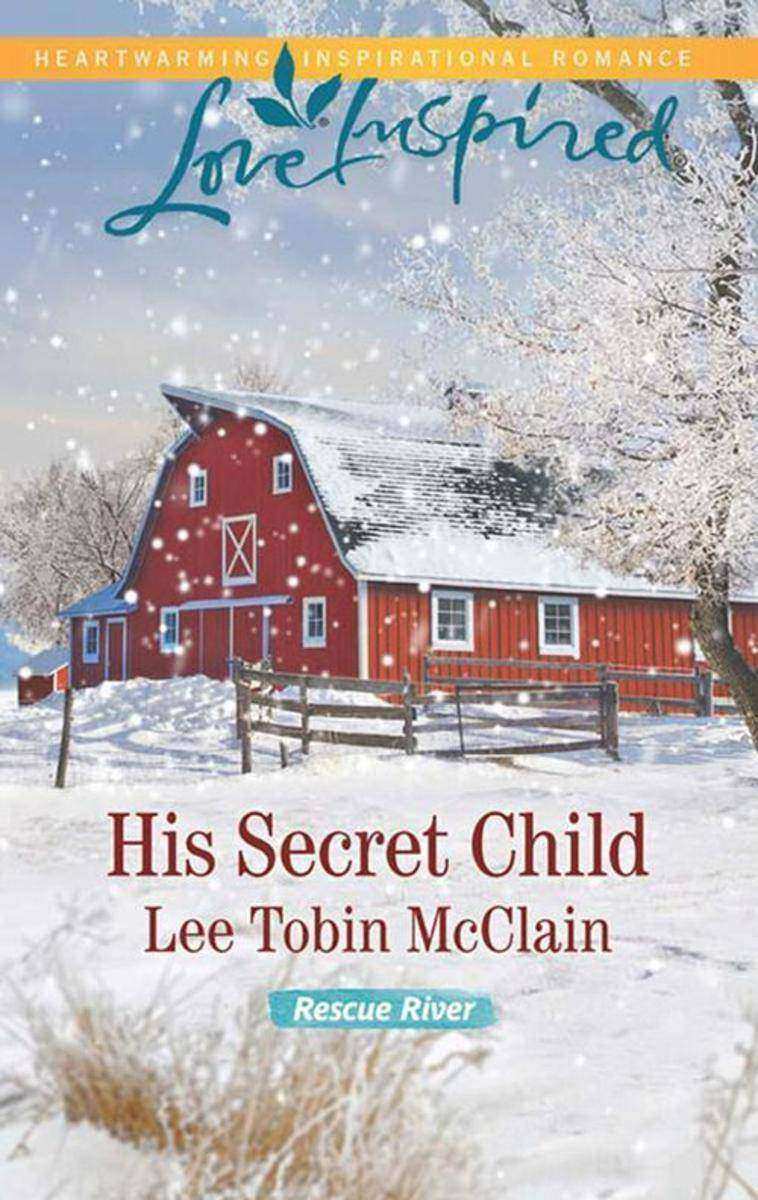
His Secret Child (Mills & Boon Love Inspired) (Rescue River, Book 2)
¥33.84
A Surprise Father Snowed in at the dog rescue farm where she's housesitting, Fern Easton can't turn away the handsome stranger who appears during the blizzard. Who is this mysterious man who's as capable with stray dogs as he is with her four-year-old foster child? Carlo Camden's returned to Rescue River to be a father to a daughter he never knew existed. But he doesn't expect to stumble upon little Mercedes right away. Let alone to start caring about the devoted beauty who desperately wants to be her mom. Carlo's surprise homecoming is all about making amends. But he might just have found the woman of his dreams, too "

Swept Into The Rich Man's World (Mills & Boon Cherish)
¥33.84
Rescued by the tycoon next door! An unexpected knock at the door turns reclusive billionaire Patrick Fitzsimon’s life upside down! He’s closed himself off from the world after a family tragedy, but intriguing neighbour Aideen Ryan needs help, and Patrick can’t say no… After a business partnership turned relationship turned disaster, Aideen has sworn off romance. When Patrick whisks her away to Paris on a mission to save her business, she soon finds him equally infuriating and enticing! Aideen’s head may be telling her to keep her distance from Patrick, but her heart begs to draw closer…

Tempted By The Texan (Mills & Boon Desire) (The Good, the Bad and the Texan, Boo
¥31.10
TEMPTED BY THE TEXAN Wealthy rancher Jaron Lambert wants more than just one night with Mariah Stanton, but his dark past and their age difference hold him back. What will it take to push past his boundaries? Mariah’s about to find out… NEEDED: ONE CONVENIENT HUSBAND To collect her inheritance, Eva Atraeus only has three weeks to marry. Billionaire banker Kyle Messena, the trustee of the will and her first love, rejects every potential groom…until he’s the only one left! How convenient…

The Doctor's Baby Dare (Mills & Boon Desire) (Texas Cattleman's Club: Lies and L
¥31.10
A baby in need—and one special nurse—tame a wealthy doctor in this Texas Cattleman’s Club novel from USA TODAY bestselling author Michelle Celmer! Pediatrician Parker Reese likes to play the field and usually has women at his beck and call. Until caring for a newborn in crisis sets him on a collision course with beautiful but standoffish nurse Clare Connelly. He’s willing to wager he can seduce her despite herself. But as they bond over healing the baby, the question becomes: Who’s seducing whom? Soon all bets are off, but can Clare trust her heart to this player or is it just a game?

The Nurse Who Stole His Heart (Mills & Boon Medical) (Wildfire Island Docs, Book
¥31.10
Bound by their little girl Leaving Anahera Kopu was the hardest thing Dr Luke Wilson ever did. He was torn by duty and desire, and his decision devastated them both… Now Luke’s reappearance on Wildfire Island threatens to turn nurse Anahera’s life upside down. She lost her heart to him before, but now she has something even more precious to guard. Their young daughter! Luke doesn’t know he’s a dad, but their child holds the key to unite them. This time…for ever? Wildfire Island Docs Welcome to Paradise!
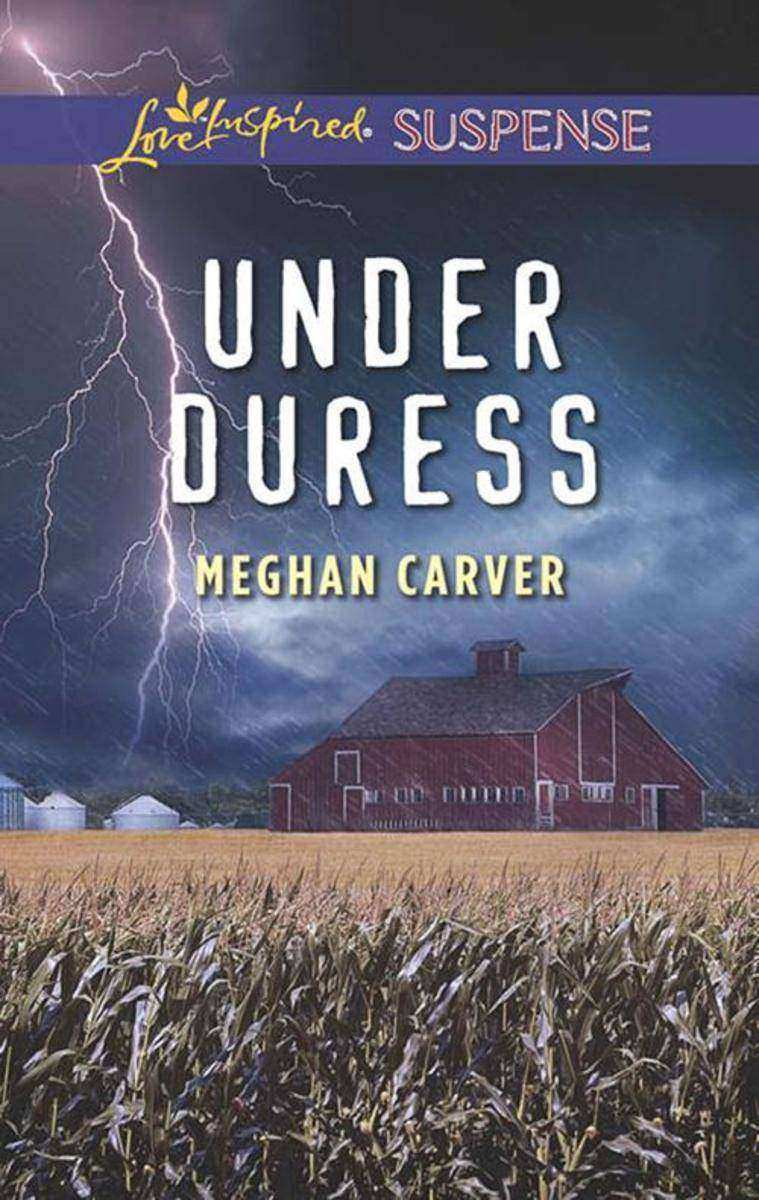
Under Duress (Mills & Boon Love Inspired Suspense)
¥33.84
FAMILY ON THE RUN Criminals are trying to kidnap attorney Samantha Callahan’s adopted daughter, Lily—and she has no idea why. So when bullets start flying, Samantha and Lily speed off in her car…and crash right into help. Ex-cop Reid Palmer is shocked when former law school classmate Samantha rear-ends his car and then climbs in with her daughter and begs him to drive. Now they are on the run, and Reid will do anything to protect them and figure out why kidnappers are after Lily. As they struggle to evade capture, Reid begins to realize that Samantha is more to him than just a woman in trouble. But with the enemies closing in and their motives finally revealed, will Reid be able to make sure justice is served?
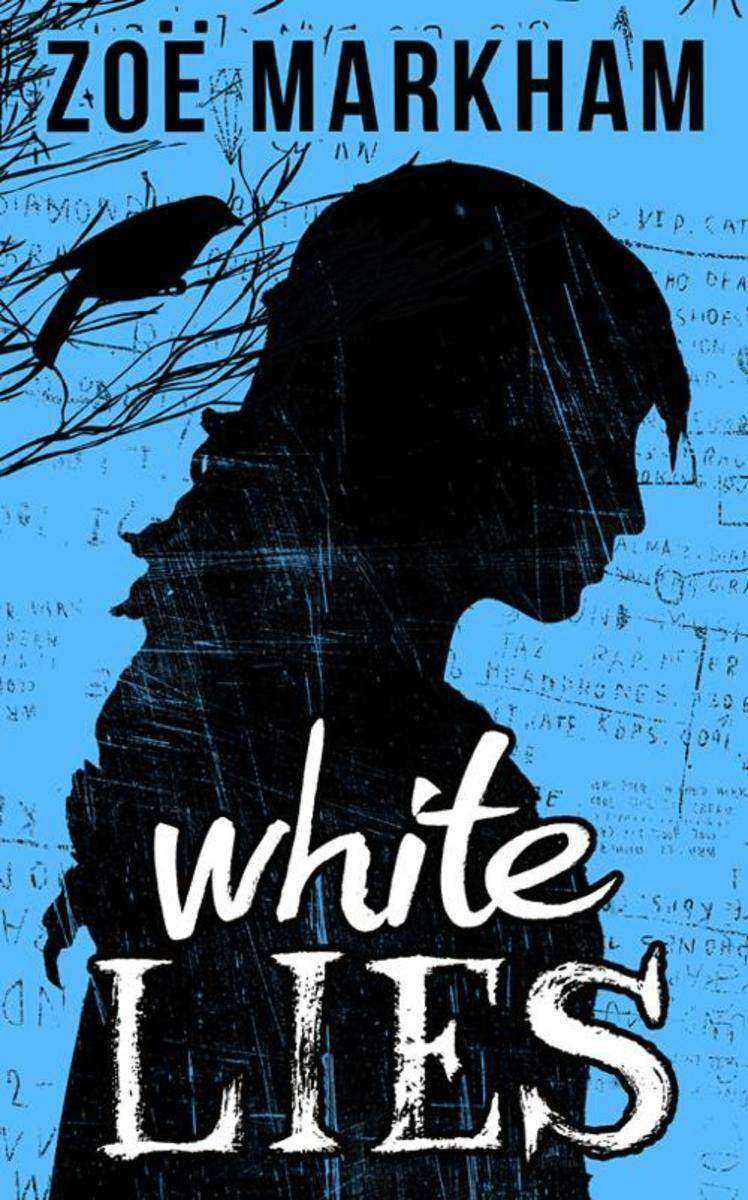
White Lies
¥42.48
‘A wonderful edge of your seat thriller that will have you guessing all the way to the end.’ – Carrie on Goodreads A haunting YA thriller you won't be able to put down, White Lies is a boarding school story – with a shockingly dark twist. Everybody hurts For Abigail, a new school could be the fresh start she so desperately needs. With her parents in the army and her sister Beth too far away to run to, she knows this year needs to be different. She's never been part of the cool crowd and for the first time Abby wants to fit in. And all it takes is just one little white lie…because some truths are too painful to share. Everybody lies But at Cotswold Community College, Abby isn't the only one with a past she'd rather forget. And when she stumbles across a closely-guarded secret, Abigail realises that her one little white lie could reveal everything she’s worked so hard to hide… What readers are saying about White Lies 'I LOVED this one… there is a dark edge to the narrative, a scary feel to some of the events and just that little *something* that touches you on an emotional level when reading that grips you utterly… Add in some truly spooky and dark dealings, a touch of inspiration and a killer twist that I never once saw coming and you have an imaginative, clever and intelligent thriller that just happens to be in the Young Adult market. Pish to that, its better than any one of 150 girl books you might read this year or did last…' – Liz Loves Books ‘The book was a easy and fast read that was layered with suspense making it captivating and gripping that I had to finish it and know what was happening. I thought I had it all figured out… but after reaching the end, I realized how wrong I was. It is an eerie mystery slash slightly horror story that plays with your mind and imagination.’ – Joy on Goodreads ‘I couldn't put it down and it was short enough for me to whizz through… I still couldn't believe the unbelievable dark twist that this book took. It was so gripping and surreal that I'm still captivated by it! I loved the writing style of this author and it's made me incredibly eager to read more books by Ms. Markham.’ – Connie on Goodreads ‘This is a mystery story with some hints of horror that really plays with your mind, especially when you think you’ve got it all figured out. It sets you on edge and makes you really question what is going on – if you’re a fan of the Red Eye series or just general horror/thriller books then this one’s for you!’ – Maia and a Little Moore ‘This wasn't at all what I was expecting, but I was pleasantly surprised. The first thing to catch my attention was Zoe's writing style. Every word seemed to flow with the next making me want to keep reading. Zoe does an incredible job of bringing the character's alive.’ – Rosalie Reyes's review on Goodreads

Tough Justice: Hunted (Part 8 Of 8) (Tough Justice, Book 8)
¥9.71
Justice is worth every sacrifice. Part 8 of 8 in the chilling, high-octane FBI thriller TOUGH JUSTICE from NYT bestselling author Carla Cassidy and Tyler Anne Snell, Carol Ericson and Gail Barrett. Live or die. Her or Moretti. The time is now. The worst has happened; her mark is on the run. But Lara has no clues. No destination. Just fear for those she loves and bone deep belief that he’s coming straight for her. But she knows Moretti – just as he knows her. And when the final clue clicks into place, the hunt is on… Lara will do anything it takes to catch this evil man who has caused the deaths of countless innocent people. With emotions on a knife edge, Lara is running on instinct; on the desperation of unconditional love. With adrenaline pumping, this is it for Lara – with flight not an option, all she can do is fight to the end… Tough Justice: Exposed (Part 1 of 8) by Carla Cassidy Tough Justice: Watched (Part 2 of 8) by Tyler Anne Snell Tough Justice: Burned (Part 3 of 8) by Carol Ericson Tough Justice: Trapped (Part 4 of 8) by Gail Barrett Tough Justice: Twisted (Part 5 of 8) by Gail Barrett Tough Justice: Ambushed (Part 6 of 8) by Carol Ericson Tough Justice: Betrayed (Part 7 of 8) by Tyler Anne Snell Tough Justice: Hunted (Part 8 of 8) by Carla Cassidy
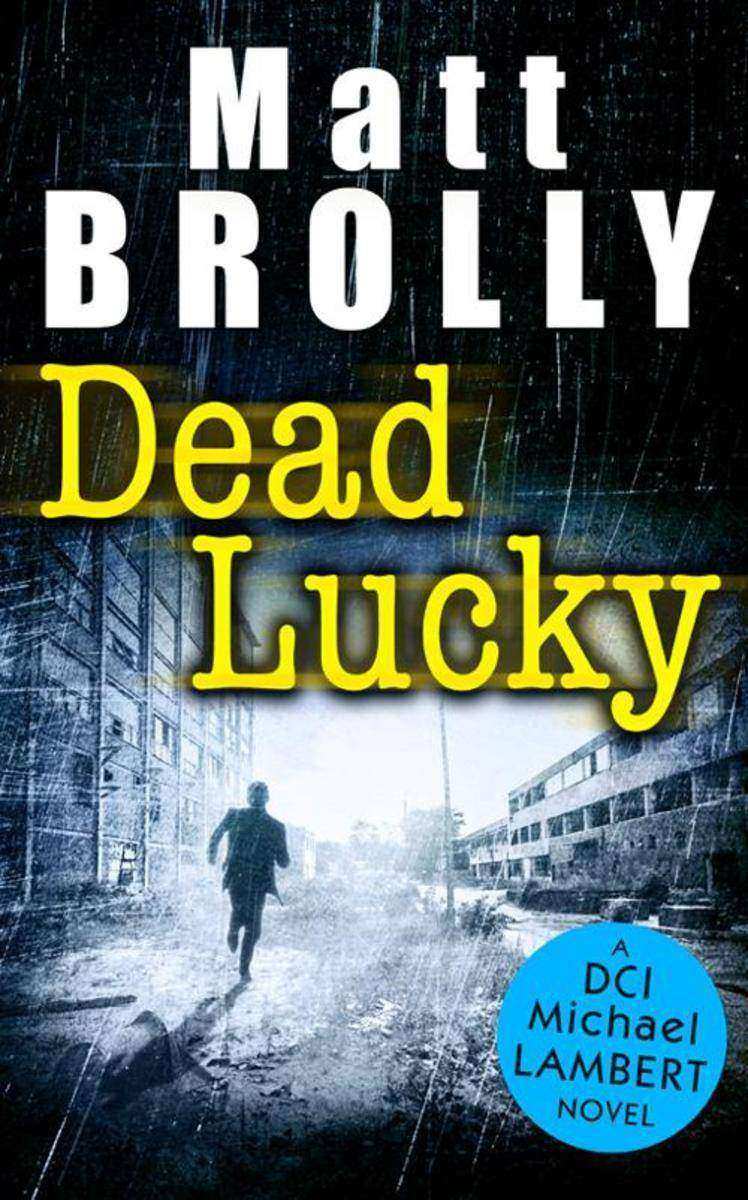
Dead Lucky (DCI Michael Lambert, Book 2)
¥42.48
A fast-paced crime-thriller, full of chilling twists, turns and grisly surprises, Matt Brolly’s Dead Lucky will have you gripped from beginning to end! DCI Michael Lambert is back… When a woman is murdered, the twisted killer forcing her husband to watch her slow and painful death, DCI Michael Lambert knows that his next case might be his toughest yet. And when a second set of killings are discovered, with exactly the same MO, the race is on the find the lethal sociopath before he strikes again. But Lambert never expected to receive an anonymous call from the killer. This time, it’s personal: if Lambert doesn’t find the murderer soon, his own loved ones will be next… The gripping second novel in a thrilling new crime series by Matt Brolly. Perfect for fans of Tony Parsons, Lee Child and Angela Marsons. Praise for Dead Lucky: ‘One of my books of the year… I was blown away by Mr Brolly's plotting and gripping writing style.’ – Elaine (Top 1000 Amazon Reviewer) ‘An extraordinary fast-paced, tense thriller, taking the reader on an suspense filled journey with so many twist and turns it is a stupendous, emotional roller coaster ride!’ – SplashesIntoBooks ‘I was Dead Impressed with the fast paced plot; Dead Curious about who The Watcher was; Dead Impressed the author managed to fool me; Dead Surprised when the killer was revealed and felt the ending was…well…Dead Perfect!’ – CrimeBookJunkie ‘A must read for all lovers of crime books’ – CrimeBookLover ‘Fantastic stuff. A must read for any lovers of crime. Matt Brolly has a cracking series on his hands. ‘ – NorthernCrime ‘A very engrossing police procedural that held my interest and kept me at the edge of my seat.’ – Relax and Read Reviews


