


 购物车
购物车 个人中心
个人中心
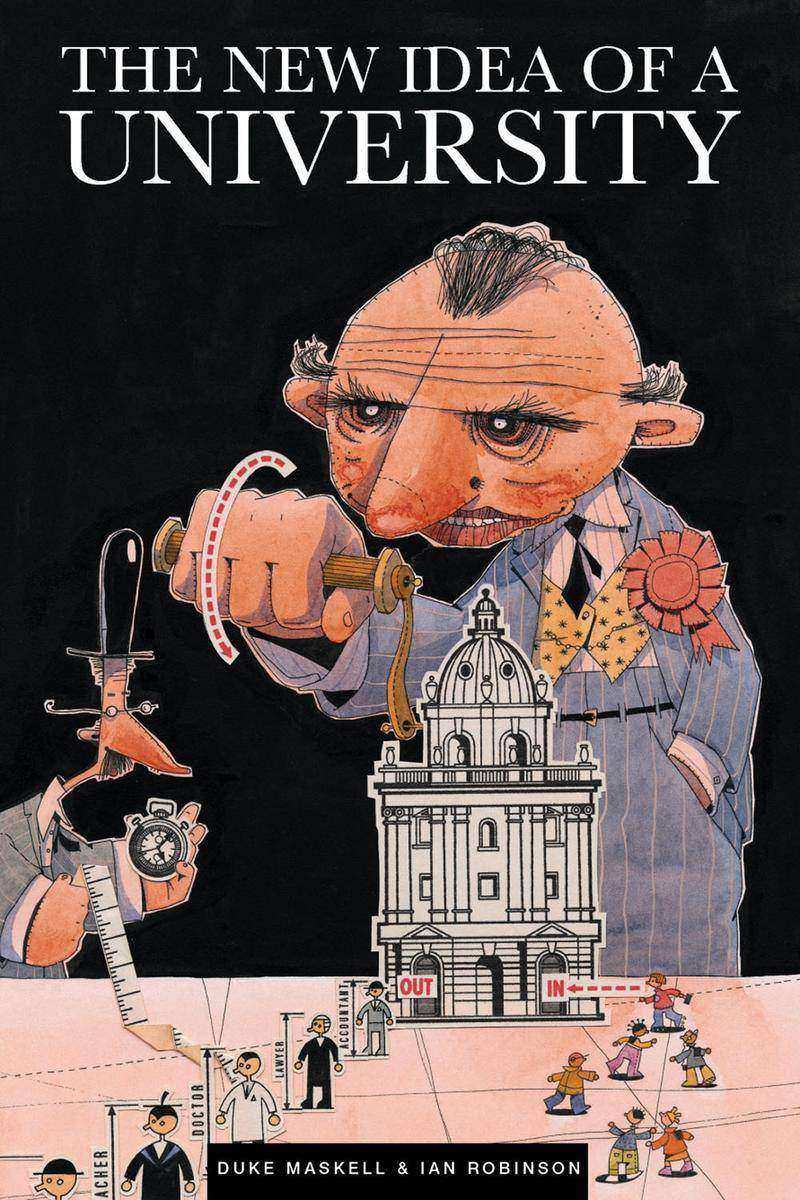
New Idea of a University
¥107.81
Something has gone deeply wrong with the university - too deeply wrong to be put right by any merely bureaucratic means. What's wrong is, simply, that our official idea of education, the idea that inspires all government policies and 'initiatives', is itself uneducated. With the growing emphasis in higher education on training in supposedly useful skills, has the very ethos of the university been subverted? And does this more utilitarian university succeed in adding to the national wealth, the basis on which politicians justify the large public expenditure on the higher education system? Should we get our idea of a university from politicians and bureaucrats or from J.H. Newman, Jane Austen and Socrates?The New Idea of a University is an entertaining and highly readable defence of the philosophy of liberal arts education and an attack on the sham that has been substituted for it. It is sure to scandalize all the friends of the present establishment and be cheered elsewhere.

Meeting Special Needs
¥83.29
A practical guide for all early years professionals, and in particular the non-specialist practitioner, to help support children in their care with dyslexia.This title includes: an understanding of the disorder, signs and symptoms, practical ways to help and support, case studies and useful resources.

Meeting Special Needs
¥83.29
When working with children with ADHD, it can be difficult to know where to start. This book aims to be a practical guide to help you in your daily work with a child affected by the disorder. The book includes: signs and symptoms, information on statementing, strategies and techniques and rewards and boundaries.
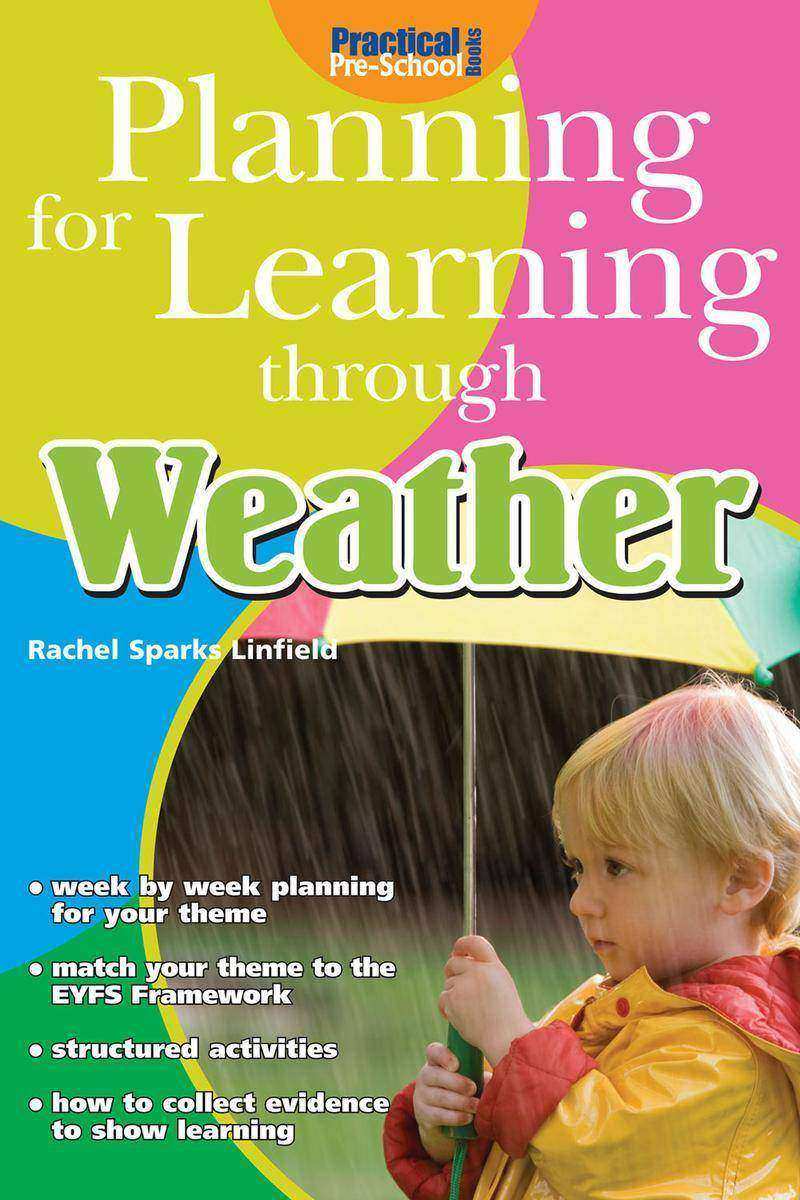
Planning for Learning through Weather
¥73.48
Plan for six weeks of learning covering all six areas of learning and development of the EYFS through the topic of weather. The Planning for Learning series is a series of topic books written around the Early Years Foundation Stage designed to make planning easy. This book takes you through six weeks of activities on the theme of the weather. Each activity is linked to a specific Early Learning Goal, and the book contains a skills overview so that practitioners can keep track of which areas of learning and development they are promoting. This book also includes a photocopiable page to give to parents with ideas for them to get involved with their children's topic, as well as ideas for bringing the six weeks of learning together. The weekly themes in this book include: wet weather, sunny weather and everything in between.
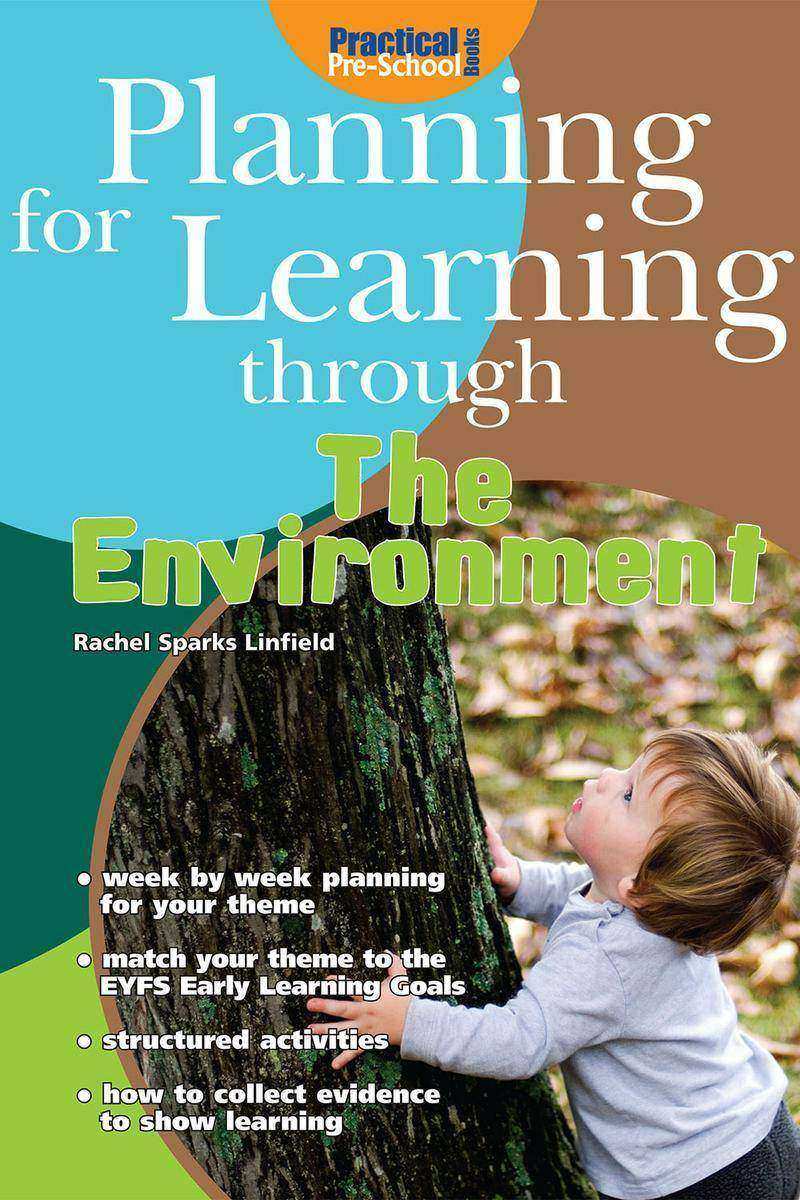
Planning for Learning through the Environment
¥73.48
Plan for six weeks of learning covering all six areas of learning and development of the EYFS through the topic of the environment. The Planning for Learning series is a series of topic books written around the Early Years Foundation Stage designed to make planning easy. This book takes you through six weeks of activities on the theme of the environment. Each activity is linked to a specific Early Learning Goal, and the book contains a skills overview so that practitioners can keep track of which areas of learning and development they are promoting. This book also includes a photocopiable page to give to parents with ideas for them to get involved with their children's topic, as well as ideas for bringing the six weeks of learning together. The weekly themes in this book include: helping children explore their own environment, early knowledge of how to look after the environment; helping children to clean up after themselves; and different environments, including rainforests and deserts.
Mendacious Colours of Democracy
¥132.34
Politics is a noble, but also a dirty, business. To gain election - and retain office - in a democratic system, politicians are frequently compelled to be dishonest. They engage in benevolent lying because obstruction by stupid voters will otherwise stop them advancing the national interest as they see it.'So claims the author of this eye-opening book, which straddles politics, philosophy, morality and economics. Alex Rubner's own background as an economist advising policy-makers gives authority to his words and a personal dimension to his illustrations.
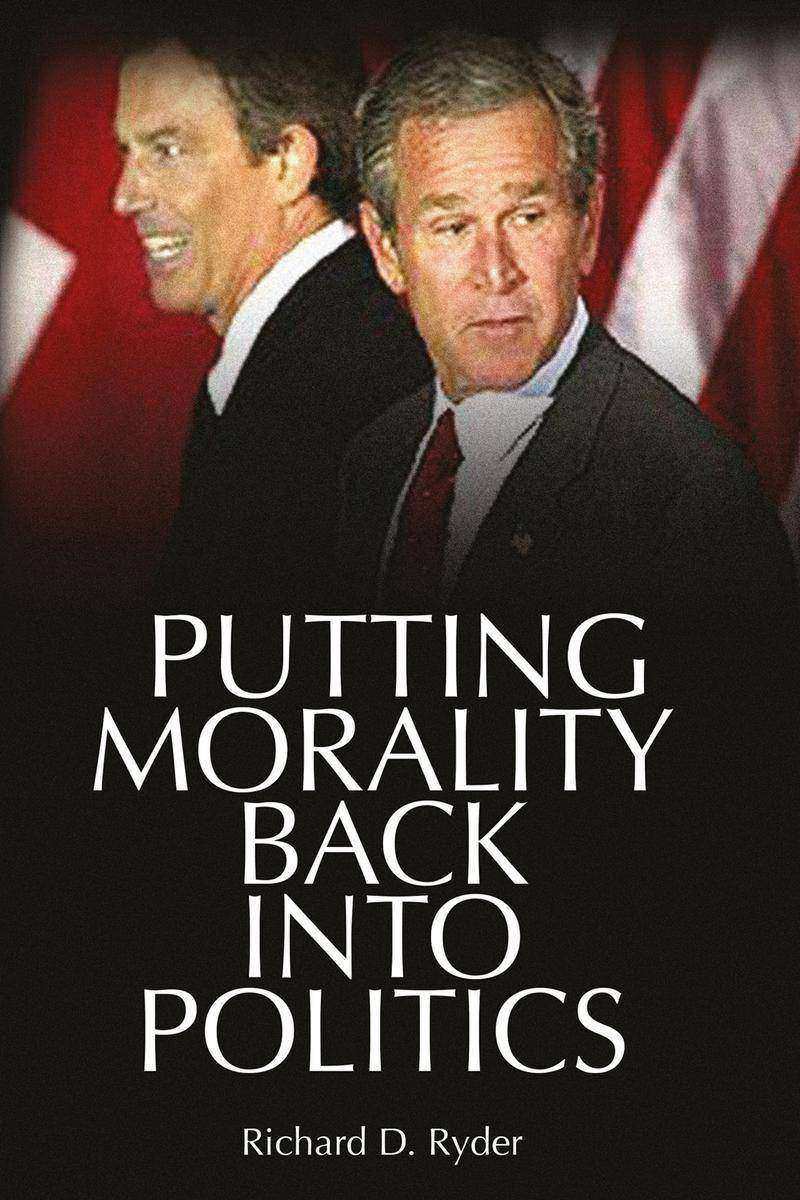
Putting Morality Back into Politics
¥63.67
Machiavelli almost succeeded in removing morality from European politics and, indeed, since his day it has sometimes been assumed that morality and politics are separate. Ryder argues that the time has come for public policies to be seen to be based upon moral objectives. Politicians should be expected routinely to justify their policies with open moral argument.In Part I, Ryder sketches an overview of contemporary political philosophy as it relates to the moral basis for politics, and Part 2 suggests a way of putting morality back into politics, along with a clearer emphasis upon scientific evidence.
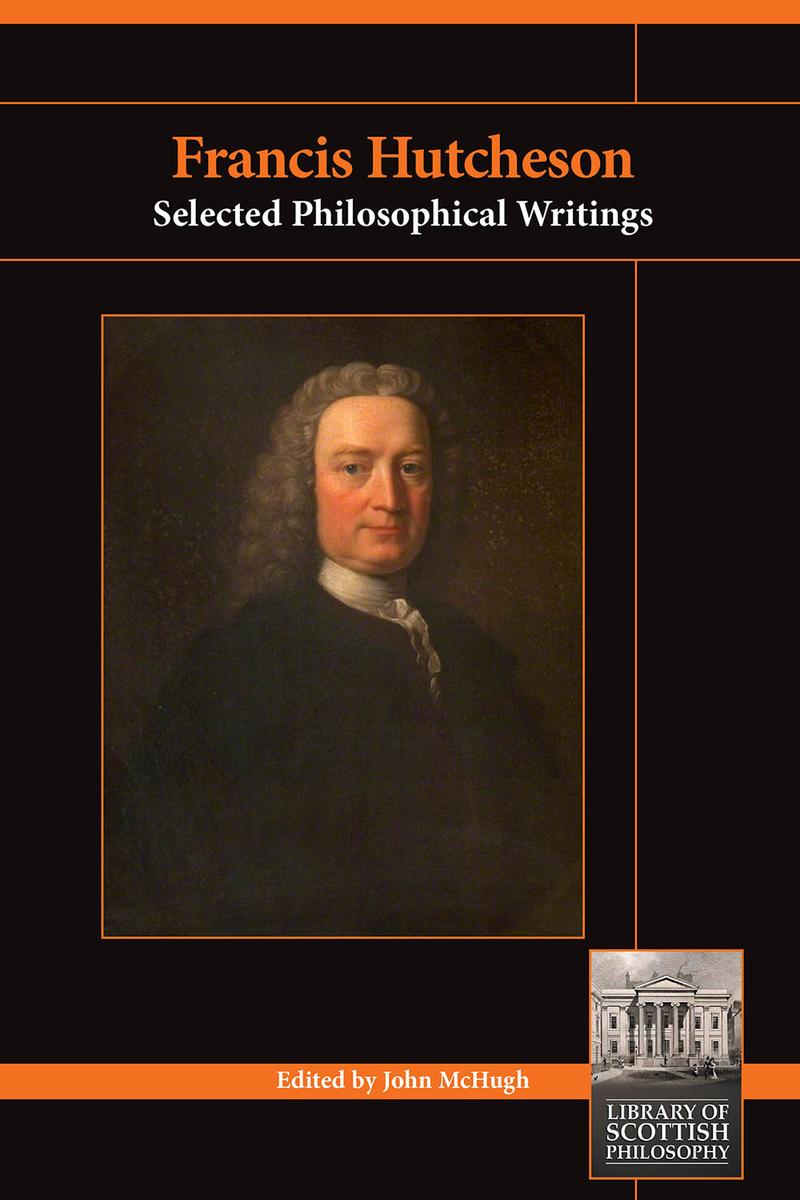
Francis Hutcheson
¥107.81
Known today mainly as a teacher of Adam Smith (1723-90) and an influence on David Hume (1711-76), Francis Hutcheson (1694-1746) was a first-rate thinker whose work deserves study on its own merit. While his most important contribution to the history of ideas was likely his theory of an innate sense of morality, Hutcheson also wrote on a wide variety of other subjects, including art, psychology, law, politics, economics, metaphysics, and logic. Spanning his entire literary career, this collection brings together selections from Hutcheson's greater and lesser known works, including his youthful "e;Thoughts"e; (1725) on Thomas Hobbes' (1588-1679) egoistic theory of laughter.

Starting with A collection of Stories and Poems
¥127.43
This innovative and flexible series of five books, is specifically designed to support and develop a child's personal, social and emotional wellbeing through stories and poems with links to PSED in the EYFS, the Citizenship and PSHE curriculum in KS1 and the SEAL programme

Knowledge Monopolies
¥63.67
Historians and sociologists chart the consequences of the expansion of knowledge; philosophers of science examine the causes. This book bridges the gap. The focus is on 'academisation' - the paradox whereby, as the general public becomes better educated to live and work with knowledge, the 'academy' increases its intellectual distance from the public, so that the nature of social and natural reality becomes more rather than less obscure.
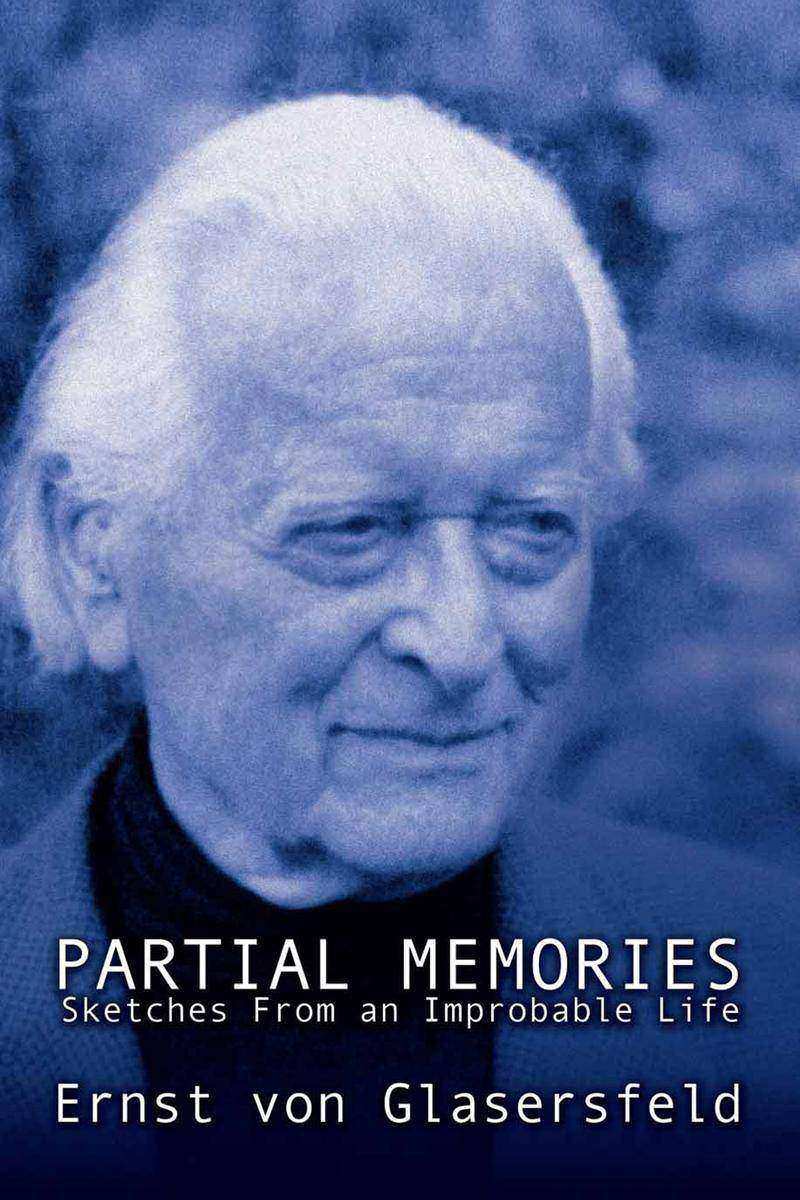
Partial Memories
¥132.34
Autobiographical sketches by the philosopher and semioticist Ernst von Glasersfeld.The author writes:"e;Memories are a personal affair. They are what comes to mind when you think back, not what might in fact have happened at that earlier time in your life. You can no longer be certain of what seemed important then, because you are now looking at the past with today's eyes. The Italian philosopher Giambattista Vico had that insight three hundred years ago: When we think of things that lie in the past, we see them in terms of the concepts we have now."e;
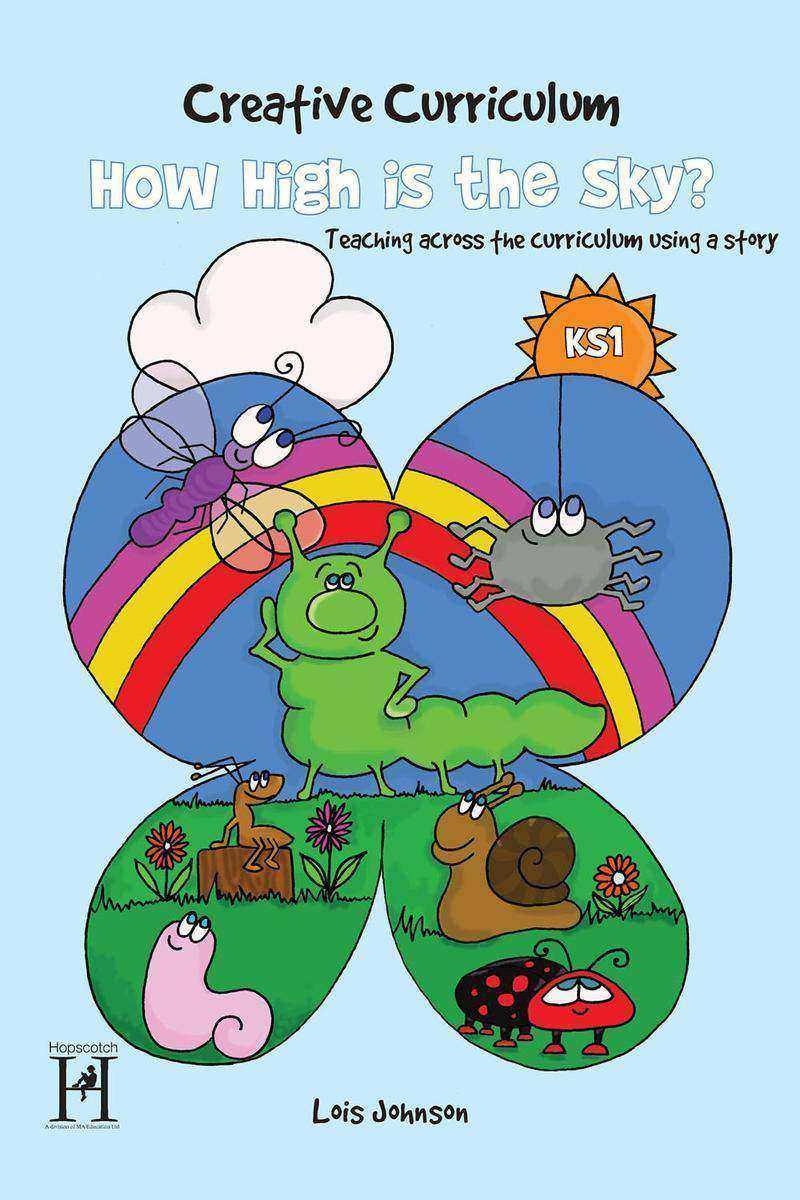
Creative Curriculum KS1
¥181.39
Creative Curriculum, teaching across the curriculum using a story, is a flexible series of resources aimed at encouraging a more creative and cross-curricular approach to teaching.By putting a story at the centre of learning a stimulus is provided to a range of learning opportunities, thus increasing children's understanding and adding fun and enjoyment to the lesson. Teachers are provided with practical ways to incorporate the story in a range of cross-curricular activities.How High is the Sky? in the Creative Curriculum series is aimed at KS1 children and contains a rhyming story about a caterpillar's quest to find an answer to his question.It is a story about self-confidence, change, growth and achievement.The book contains:* Fully illustrated story* Units covering Literacy, Numeracy, Science, PSHE, Art and Design and Music, Dance and Drama* Worksheets* Planning Sheets* A set of illustrations without text for the children to tell the story in their own words

All at Sea with Truffles
¥58.76
Truffles, the celebrity tabby cat of mature years (it would be far too impolite to state her exact age here), puts pen to paper once again to share her unique and delightfully amusing observations of the human world around her, this time embarking on a totally new adventure on the ocean waves, finding her sea paws as she sets sail on a luxury (as befits a superior and sophisticated feline) ship with cruise aficionado Sheila, her long-term carer and provider of every possible need. New sights, sounds, smells, tastes and experiences face Truffles at every turn, from the tiresome car journey and undignified customs procedures to the mystifying and sometimes frightening onboard facilities and activities. Allowed to leave her stateroom to peruse all the non-eating areas - on a lead with matching collar, of course, and wearing a purrfectly preened catsuit - Truffles revels in being the centre of attention, maintaining an outward air of decorum at all times, even when her nine lives are tested to the core. A fantastic insight into the mind of a cat and the puzzles and mysteries created by events and practices that we all take for granted without question, and also a tantalising taster for those humans that haven't yet been tempted by the cruising lifestyle. One thing's for sure: Truffles can highly recommend it (oh, and Sheila, too)!
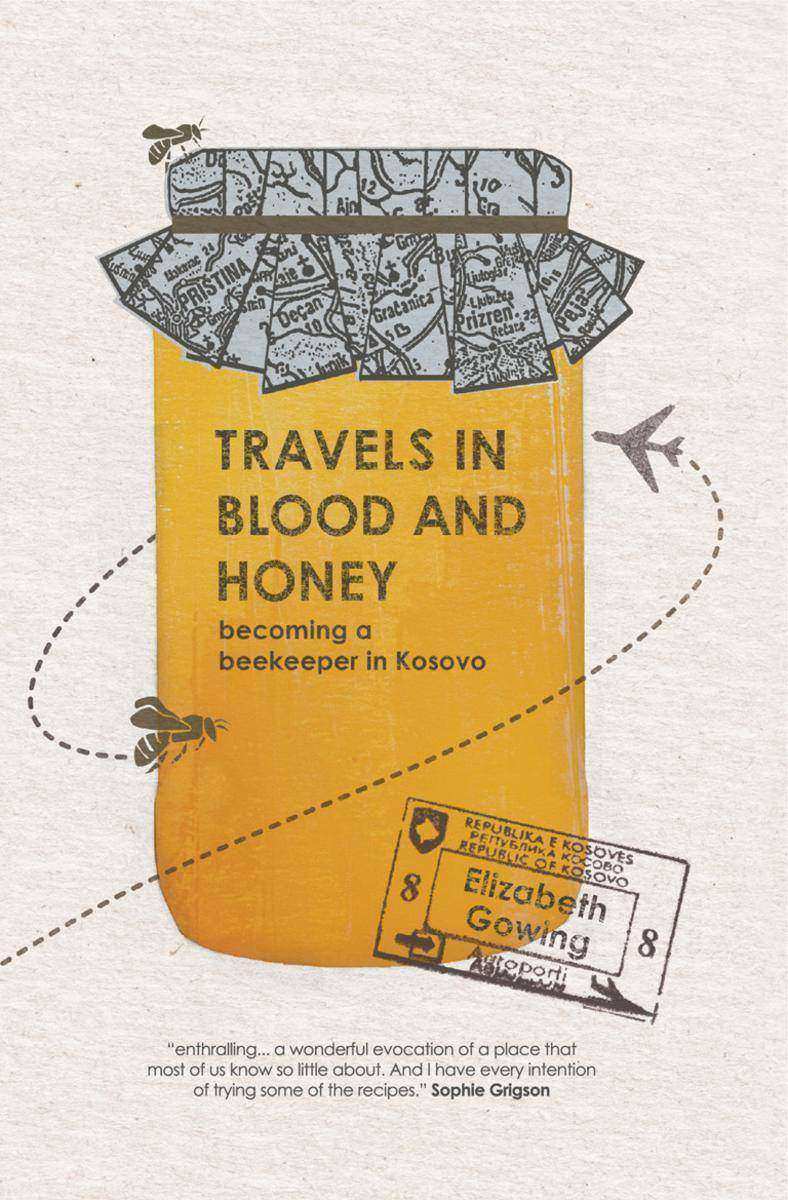
Travels through Blood and Honey
¥98.00
Kosovo: the name conjures up blood: ethnic cleansing and war. This book reveals another side to the newest country in the world-a land of generous families, strong tastes and lush landscapes: a land of honey.
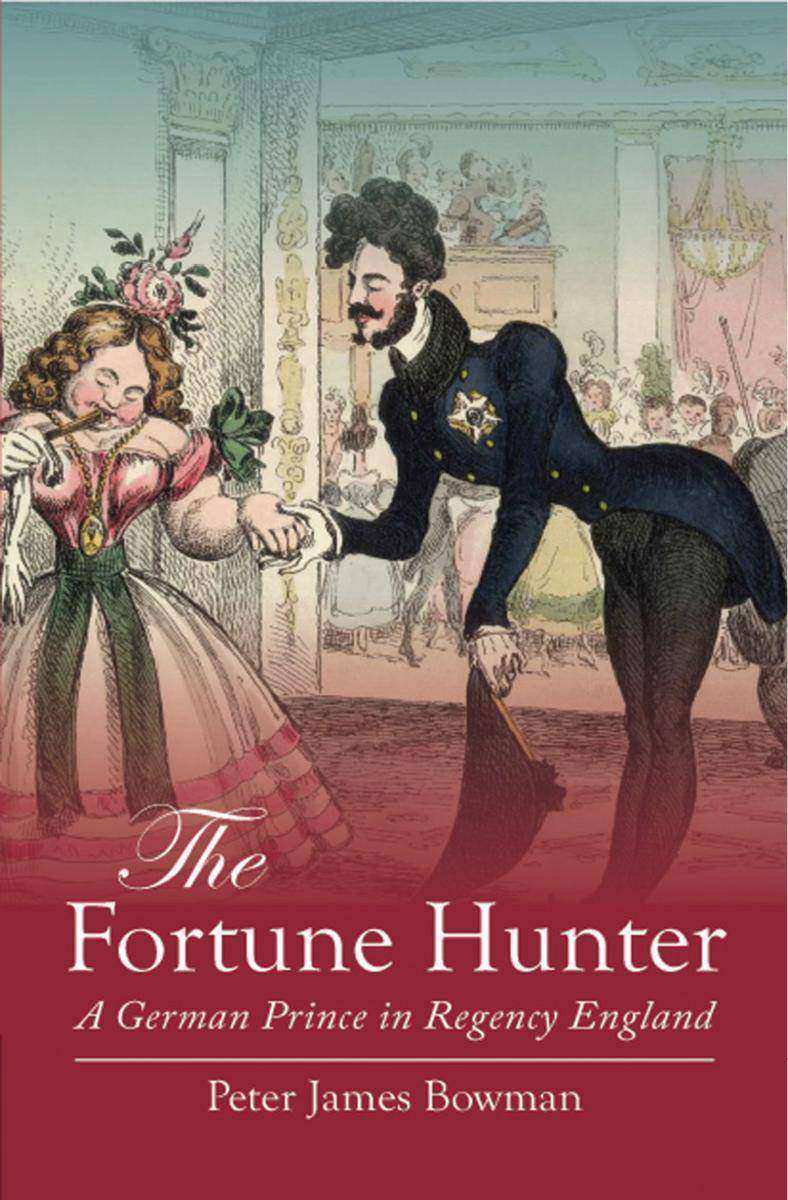
Fortune Hunter
¥112.72
The two decades after Waterloo marked the great age of foreign fortune hunters in England. Each year brought a new influx of impecunious Continental noblemen to the world's richest country, and the more brides they carried off, the more alarmed society became.The most colourful of these men was Prince Hermann von Pueckler-Muskau (1785-1871), remembered today as Germany's finest landscape gardener. In the mid-1820s, however, his efforts to turn his estate into a magnificent park came close to bankrupting him. To save his legacy his wife Lucie devised an unusual plan: they would divorce so that Pueckler could marry an heiress who would finance further landscaping and, after a decent interval, be cajoled into accepting Lucie's continued residence. In September 1826, his marriage dissolved, Pueckler set off for London.Pueckler is the most intelligent of the overseas visitors who noted their impressions of Regency England. His matrimonial quest brings him into contact with such luminaries as Walter Scott, George Canning, Princess Lieven, Nathan Mayer Rothschild, Beau Brummell and John Nash. The object of many rumours and caricatures, the prince sticks doggedly to his task for nearly two years. And just when it seems that he has failed, England fills his coffers in the most unexpected way, and in doing so launches him on a new career.In telling the story of Pueckler's adventures in the context of the trend for Anglo-European marriages based on the exchange of a title for money, The Fortune Hunter writes a new chapter in the history of England's relationship with its Continental neighbours.
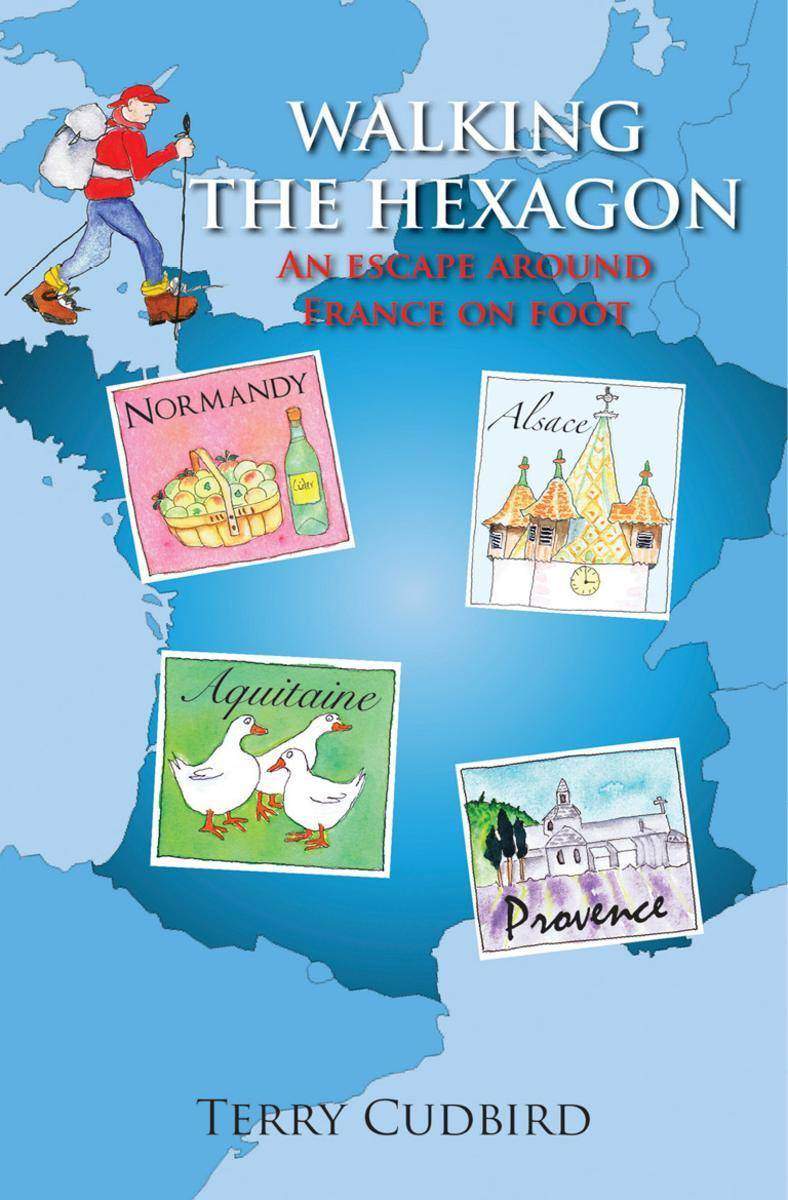
Walking the Hexagon
¥98.00
Why would a man retire from his job and take off on a unique 4,000-mile walk around France? What possessed him to wear out his sixty-year-old hips and knees when he could spend a comfortable retirement at home? In this fascinating book Terry Cudbird reveals the obsession which is long distance walking--the intoxicating freedom to go where you want, the escape from the complications and paraphernalia of everyday life, the unpredictable encounters. His itinerary covered the six sides of the French hexagon. In a year's walking he passed through the Pyrenees, the Languedoc, Provence, the Alps, the Jura, Alsace, Lorraine, Picardy, Normandy, Brittany and Aquitaine. En route he discovered the astonishing variety of France's regions; their culture, history, languages, architecture and food. He passed through cities and hamlets, idyllic mountains and bleak plains, the heat of Le Midi and the cold of Le Nord. The author relates the highs and lows of a sometimes gruelling trek: the dramatic changes in landscape, the unexpected acts of kindness but also the guard dogs, snorers in hikers' refuges, storms, man-eating insects, blisters, exhausted limbs, lack of water and a rucksack which was always too heavy. Most important, he met hundreds of French people, many with an unusual outlook on life and interesting stories to tell: hermits, hippies, pilgrims, monks and farmers to name but a few. He made some lasting friends. Terry Cudbird's journey is rich in incident and observation. It is also, in part, the story of an individual coming to terms with his parents' old age and growing dementia. Through walking he finds not only a source of endless new horizons but also the means of accepting the past and its loss. This book will be of interest to walkers, lovers of France and anyone who has ever dreamt of encountering real adventures not far from home.

Jessie J Quiz Book
¥24.43
Are you a Jesse J fan? Have you followed her meteoric rise to fame from song-writing wannabe to singing superstar? Do you know everything there is to know about the feisty songster from London? If so, why not test your knowledge with this quick quiz book? Which 2009 song did Jessie write for Miley Cyrus? What is Jessie's official website address? How many tracks are there on Jessie's album 'Who You Are'? The answers to these questions and more can all be found in The Jesse J Quiz Book. With 100 questions about the charismatic star, you are certain to discover something new. The book is a mix of personal details and professional highlights and provides a fascinating insight to the life of the chart topping star. This tribute to Jesse J is a fun way to learn more about your favourite singer and is sure to appeal to her ever increasing fan base as well as anyone with an interest in popular music. If you like Jesse J, you will love this book.

Straight From The Force's Mouth
¥88.19
Everyone has heard of Darth Vader, the infamous Star Wars villain we all love to fear, created by George Lucas and brought to life by Dave Prowse MBE, but people may not be so familiar with the story of the multi-talented man behind the mask. It required someone exceptional to turn a helmeted costume into the principal character in the highest grossing film series in cinema history - that someone was Dave Prowse. The towering, physical presence of the 6ft 7"e; bodybuilder was ideally suited to personify the intimidating Darth Vader. Straight from the Force's Mouth takes us behind the scenes of Star Wars and documents how this extraordinary man took on the role of the menacing central character to creating one of the most iconic villains in cinema history. In this book of memoirs, Dave shares his journey from disadvantaged child and poor student to champion weightlifter and international film star. The Dave Prowse story is one of determination and hard work and in this honest account he explains how he overcame the many setbacks in his life to achieve success and global recognition. This book is a must have for Star Wars fans of all ages and will appeal to anyone who enjoys a truly inspirational and motivating real life story.

Southend-on-Sea Quiz Book
¥24.43
Do you live in Southend-on-Sea? Maybe you grew up there as a child or have fond memories of holidays spent in the area? Whatever Southend means to you, this book will test your memory of the people and places that have shaped the town over the years. Who became the first Mayor of Southend in 1837? What year was the train route between Southend and London first established? What world record was broken at Southend-on-Sea in August 2010 earning participants a place in the Guinness Book of Records? The answers to all these questions and more can be found in this brilliant quiz book. Packed with fascinating facts from years gone by to the present day, The Southend-on-Sea Quiz Book will find out just how much you really know about the town and its inhabitants. Whether you want to reminisce with family and friends or discover something new, this book is all you need. A must-have for everyone from the Southend area and anyone interested in learning more about the history of this thriving seaside resort.
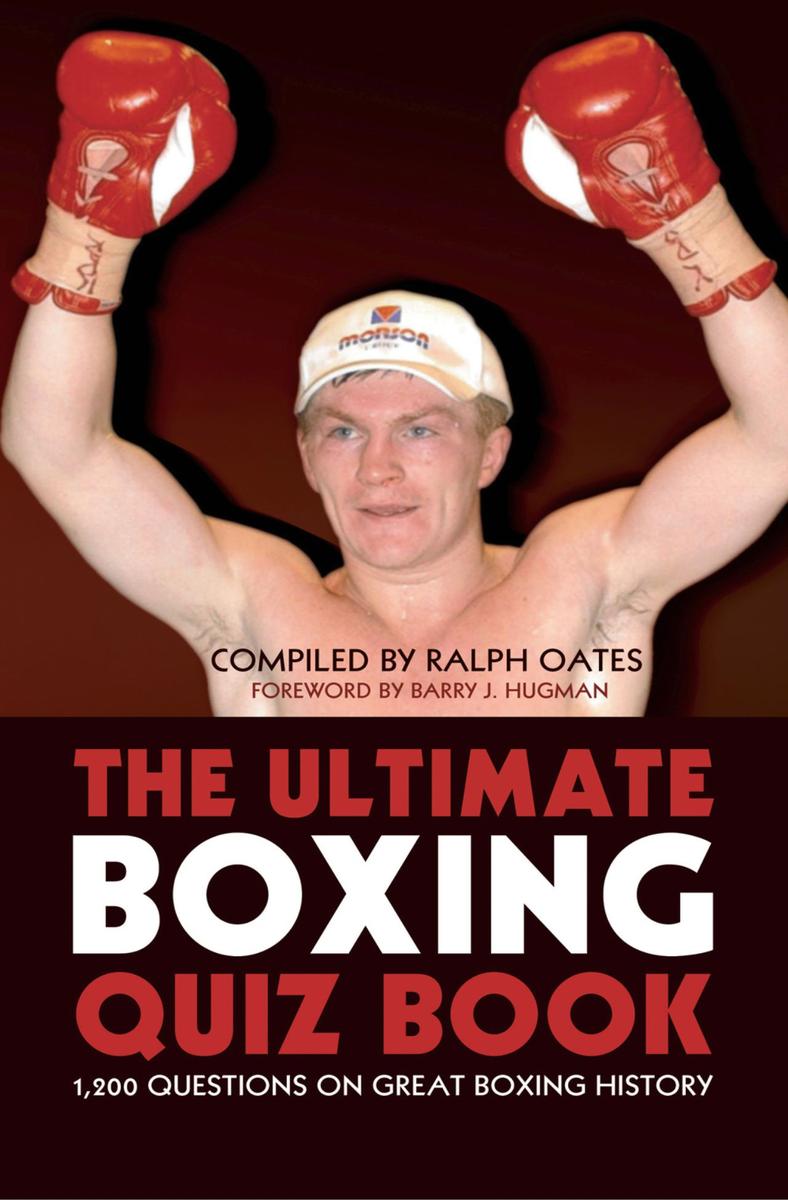
Ultimate Boxing Quiz Book
¥73.48
Do you consider yourself to be the world's biggest boxing fan? Do you look forward to, and follow, every match? Are you clued up on the history of this age old sport from bare knuckle and unlicensed through to the top-flight professional game? Then test yourself with the challenging questions contained in The Ultimate Boxing Quiz Book and find out how much you really know. With sections covering all aspects of the boxing world, including famous male and female fighters, nicknames, title fights, nationalities, knock-outs, southpaws, champions, referees, managers and promoters, this book is as educational as it is entertaining. Get your adrenalin pumping as you try to recall all those memorable moments from the great boxing matches of yesteryear and find out if you are a light or heavyweight when it comes to a knowledge of boxing trivia. Whether you want to learn more about late greats or brush up on the modern game this quiz book is a must have for anyone with an interest in the boxing world.
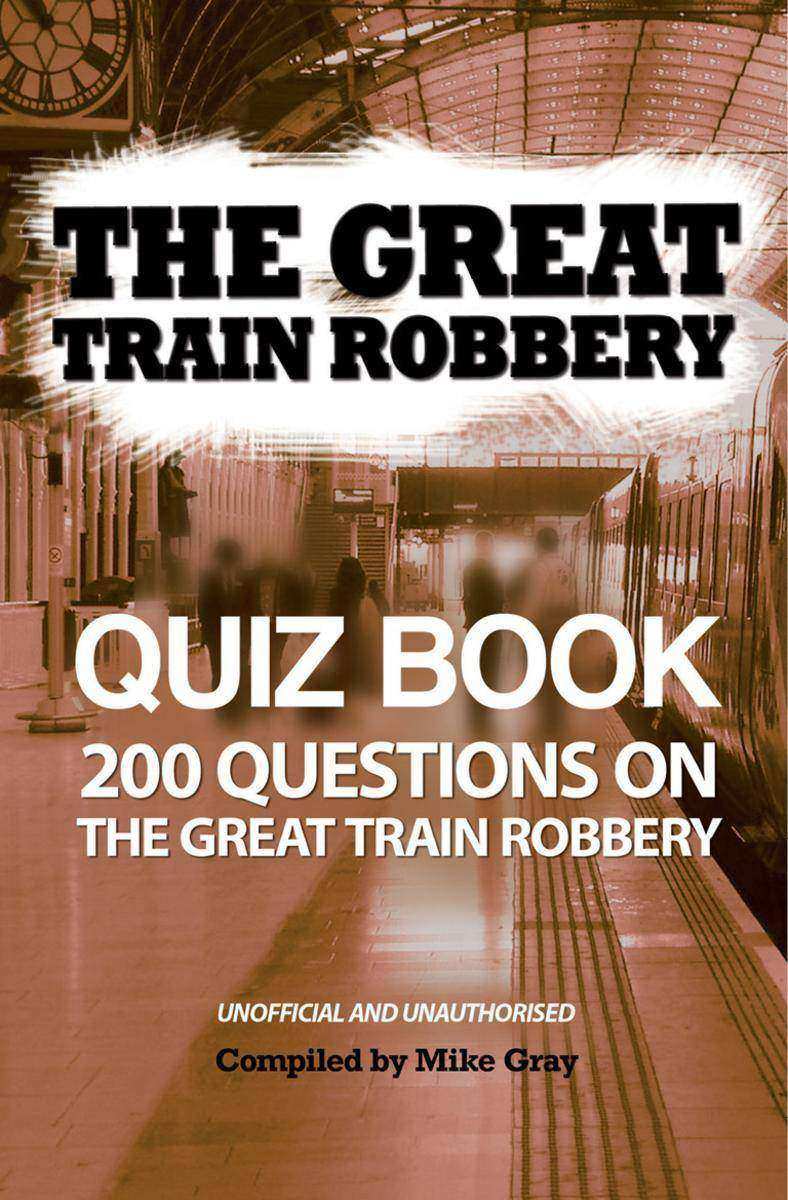
Great Train Robbery Quiz Book
¥19.52
The Great Train Robbery is one of the most well documented crimes of all time but how much do you really know about what happened on that fateful day in 1963 and in the years beyond? This new quiz book will tell you everything you ever wanted to know about the Great Train Robbery and the people involved.How many train robbers escaped from prison? What was the robbers' hideout called? Who was the first '30-year sentence' train robber to be released? The answers to these brain teasers and more can all be found inside The Great Train Robbery Quiz Book.With 100 questions all about the people involved in the robbery, where they are now, the detectives, Judge, books, films and TV programmes, this is a comprehensive guide to the most talked about UK heist in history.With 2013 marking the 50th anniversary, there is still a great deal of interest in the Great Train Robbery and if you would like to know more, this book is all you need.


