


 购物车
购物车 个人中心
个人中心
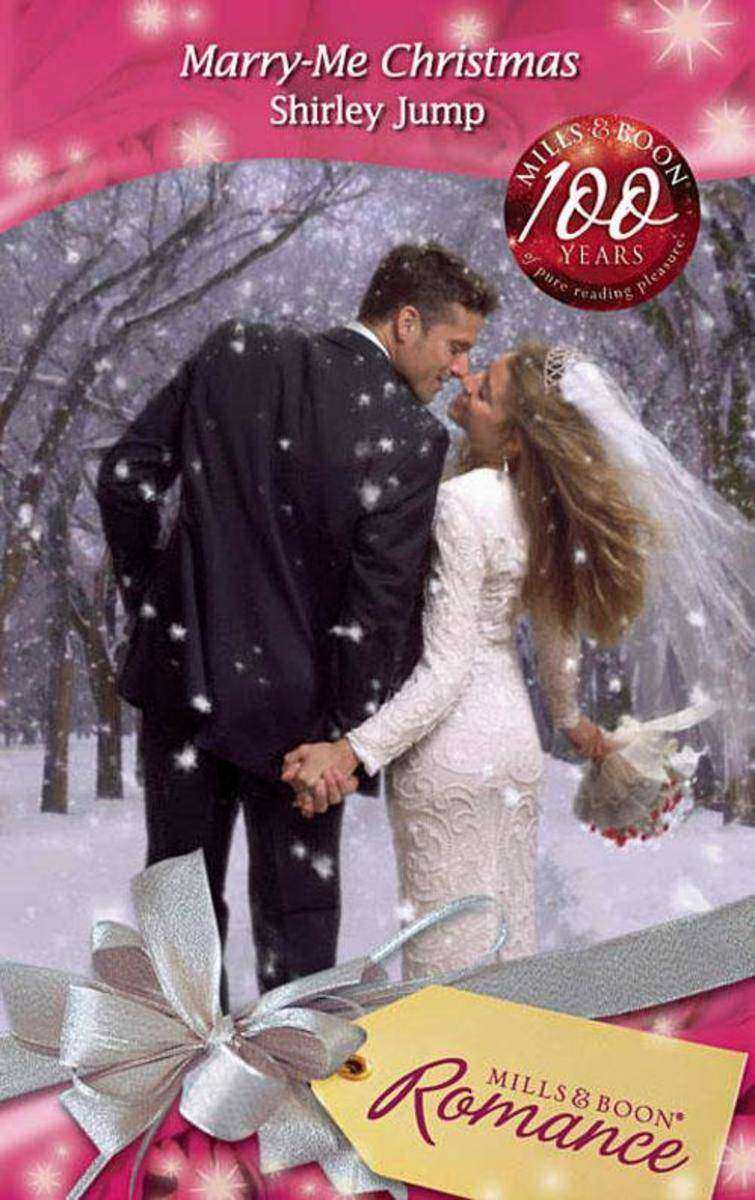
Marry-Me Christmas (Mills & Boon Romance) (A Bride for All Seasons, Book 4)
¥23.05
Rich man’s proposal; snow-white bride Samantha Barnett would describe herself as an ordinary girl. Flynn McGranger would call her beautiful. If he weren’t about to destroy her career. A rich, successful journalist, Flynn aims to write a scathing review of Samantha’s little bakery. He never mixes business with pleasure. But the secrets she’s clearly keeping intrigue him, and her innocence has caught him off guard… What’s happened to him? He’s being ridiculous! The Christmas-coated town has gone to his head. Either that, or this small-town girl has unlocked the city-slicker’s heart… A Bride for All Seasons ’Tis the season to fall in love…

The First Man You Meet (Mills & Boon Short Stories)
¥11.48
Shelly Hansen was horrified when Great Aunt Milly's infamous wedding dress arrived. Family legend said she'd marry the next man she met. So when she ran into handsome Mark Brady, Shelly told herself - and him - that she wasn't interested. But then she started seeing him everywhere…

A Heavenly Christmas (Mills & Boon Short Stories)
¥11.48
Olivia drops in to see her neighbour, Ethan Sherbourne to deliver a Christmas card…but ends up staying for the festive season to help him look after a tiny abandoned baby! Ethan and Olivia are the perfect couple – but is Ethan the baby’s father? And if so, is he free to get involved with Olivia?

The Temp and the Tycoon (Mills & Boon Short Stories)
¥11.48
Part of the Mills & Boon 100th Birthday Collection After a disastrous first day Talie Calhoun is sure her sexy new boss, Jude Radcliffe, will hate her forever – they’re complete opposites! Jude is married to his work, while Talie believes life is for living. Her real job will be to persuade Jude to live life to the full – with her!
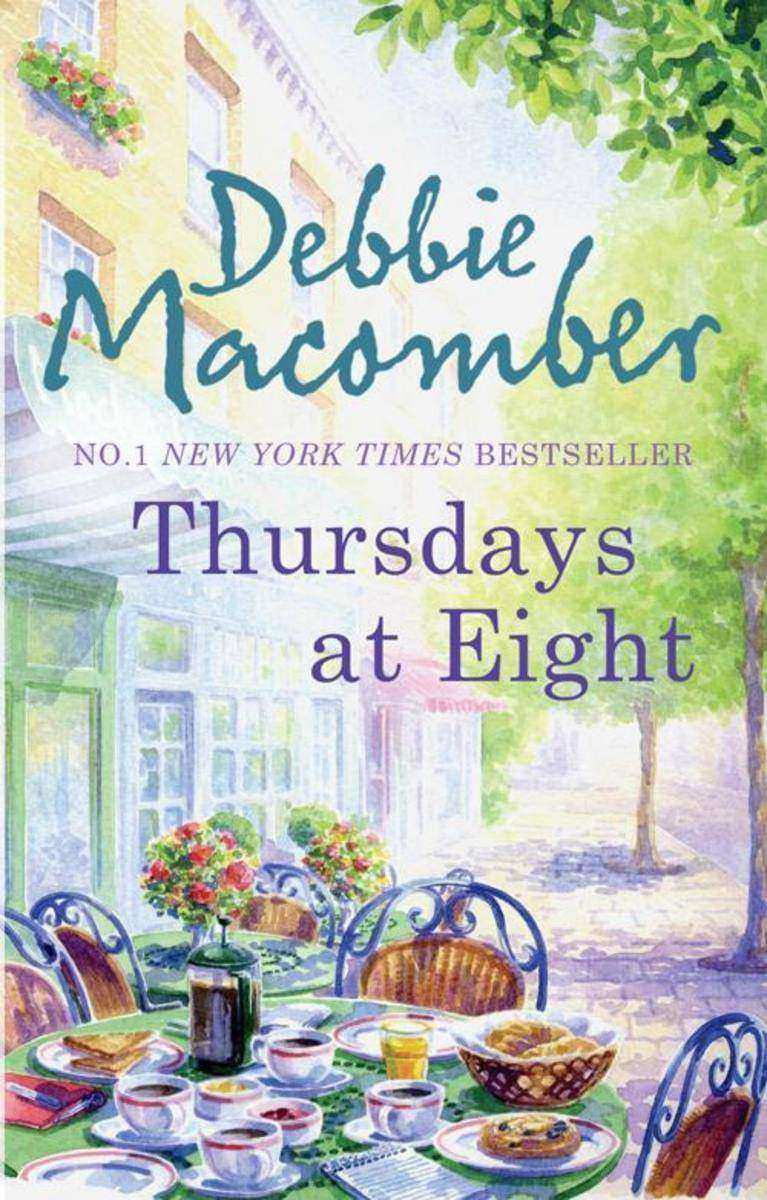
Thursdays at Eight
¥54.05
Every Thursday at eight, four women meet to talk and share their lives. As one life-changing year unfolds it becomes a true celebration of friends helping each other through the tough times. Having just suffered a heartbreaking divorce, Clare is bitter and angry. Then she learns some devastating news about her ex-husband. Elizabeth, in her late fifties, is recently widowed and finds herself back in the dating game. And that means putting the past behind her. Twenty-something Karen is desperate to be an actress – if only her parents didn’t want her to be more like her respectable sister. Julia is turning forty. Her kids are finally in their teens and she’s just started her own business. Now she finds out that she’s pregnant.

Once More, At Midnight (Mills & Boon Cherish)
¥24.13
Guess Who’s Back?! Her acting career over before it began and her bank account empty, Lilah Owens returned to her tiny home town, with the one thing she did have, a big secret in the form of her eleven-year-old daughter. Not five minutes in town, she ran into the unbearably handsome, born-on-the-wrong-side-of-the-tracks boy she’d left behind but never forgot. Only now Gus Hoffman was all man, owned most of the town, had a fancy fiancée and had no idea that he was a father! Gus knew the beautiful woman he’d loved and lost was hiding something – and that meeting once more at midnight, the way they used to, would reveal her secrets. But could Gus handle the truth – and his still-burning passion for Lilah?
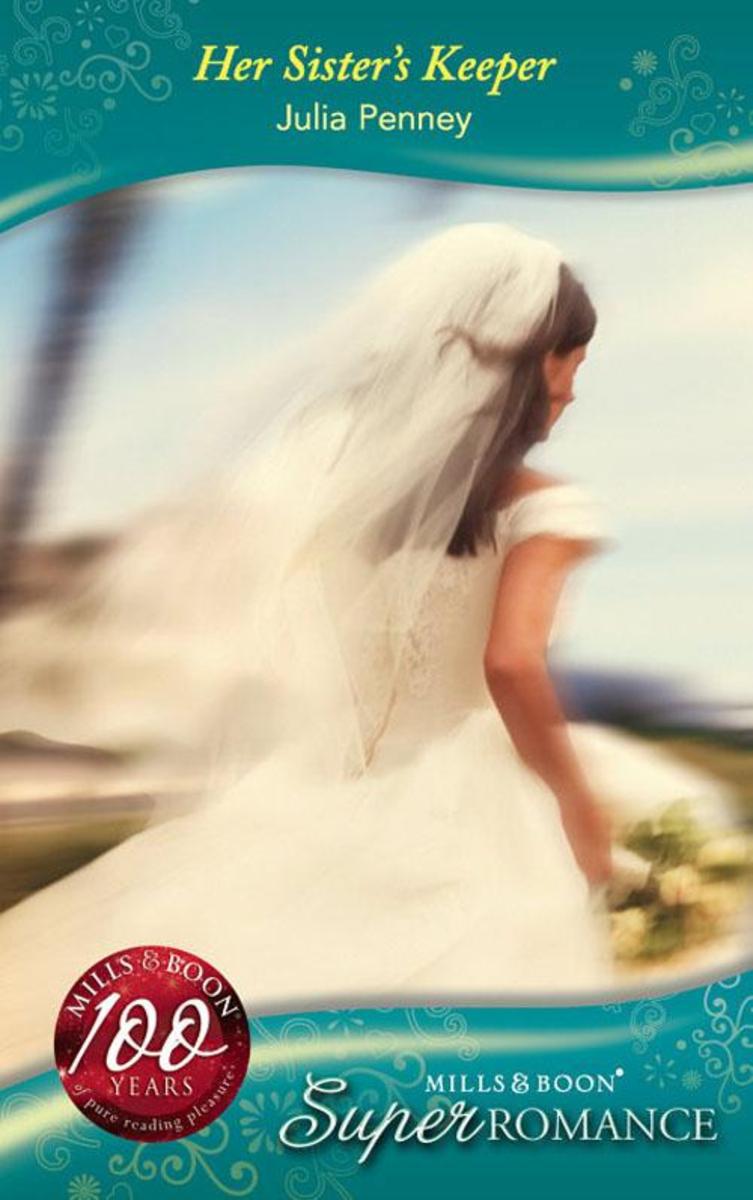
Her Sister's Keeper (Mills & Boon Superromance)
¥28.35
Enjoy the dreams, explore the emotions, experience the relationships. He’ll teach her to trust – and to love. After a crushing betrayal, Melanie Harris is beginning to put her life back together. Dr Kent Mattson wants to help the fragile beauty. But he has pressing problems of his own – two homicide investigations that may be linked. The situation gets complicated when he realises that Melanie knew both victims. Then Melanie’s sister goes missing – and Melanie realises that she needs to let go of the past. To save Ariel, she’ll have to trust Kent, the man who’s shown her how to love again.
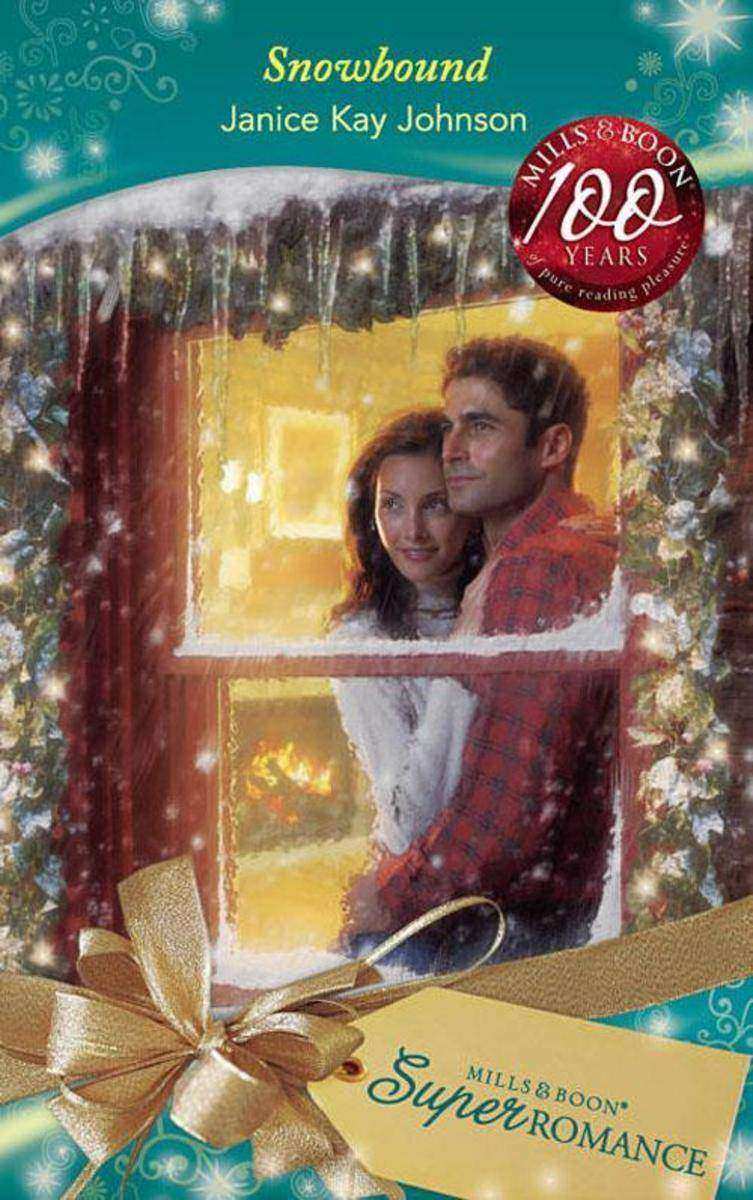
Snowbound (Mills & Boon Superromance)
¥28.35
Enjoy the dreams, explore the emotions, experience the relationships. Stranded with a sexy soldier… A mountain blizzard, an enigmatic war veteran and an isolated cabin – not what Fiona MacPherson expected when she set out on a trip into the mountains with her students! Taking shelter from the storm at John Fallon’s lodge, Fiona is drawn to the quietly commanding battle-scarred warrior. When her arrival shatters John’s solitude, his world shifts on its axis. As the storm rages outside, John’s feelings for the sweet teacher get stronger. The ex-soldier faces his hardest fight – finding the courage to reach out to the remarkable woman who has transformed his life!
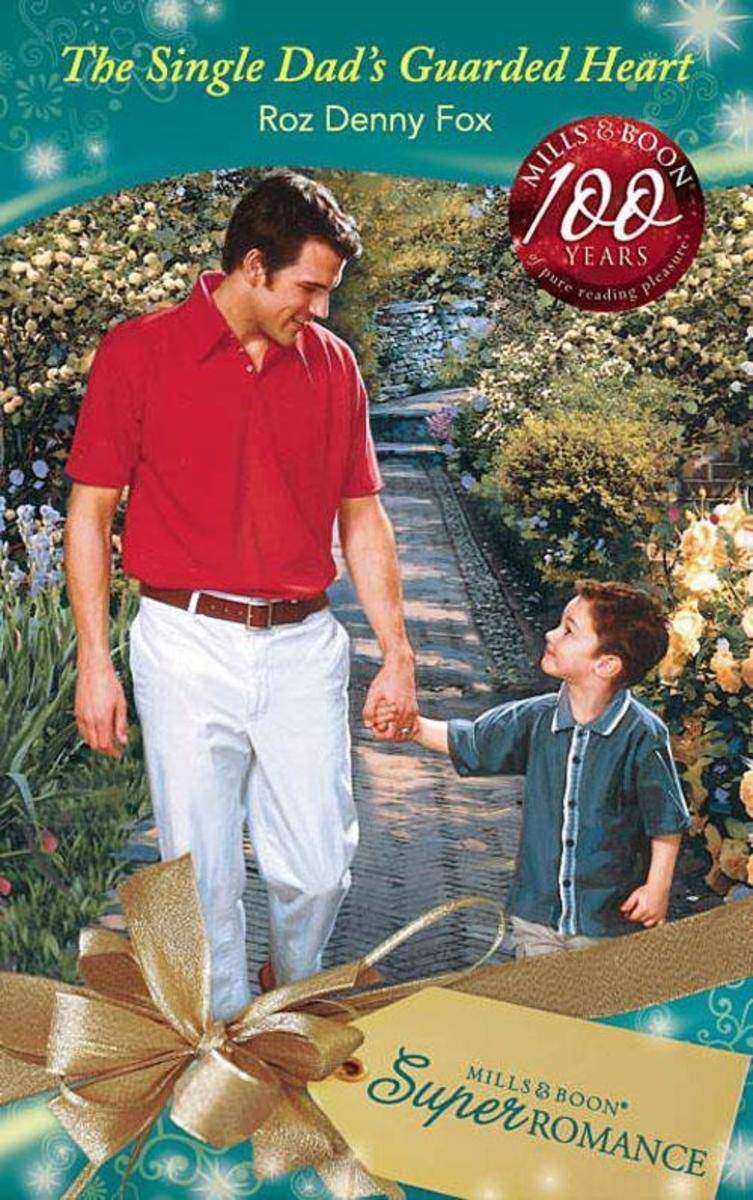
The Single Dad's Guarded Heart (Mills & Boon Superromance)
¥28.35
Enjoy the dreams, explore the emotions, experience the relationships. Fly away home Park ranger Wylie Ames doesn’t want a wife. His son, Dean, and he are getting on just fine on their own. But when Marlee Stein comes home to help run her family’s charter air service, their easy way of life comes crashing to the ground. First Dean falls for Marlee and her little daughter, Jo Beth. Suddenly there’s a distinctly feminine presence in their bachelor lifestyle. Then a tentative friendship forms between Marlee and Wylie. He’s been guarding himself from happiness for so long, Wylie almost doesn’t know how to ask for more – but surprisingly, wonderfully, things start to change between them…
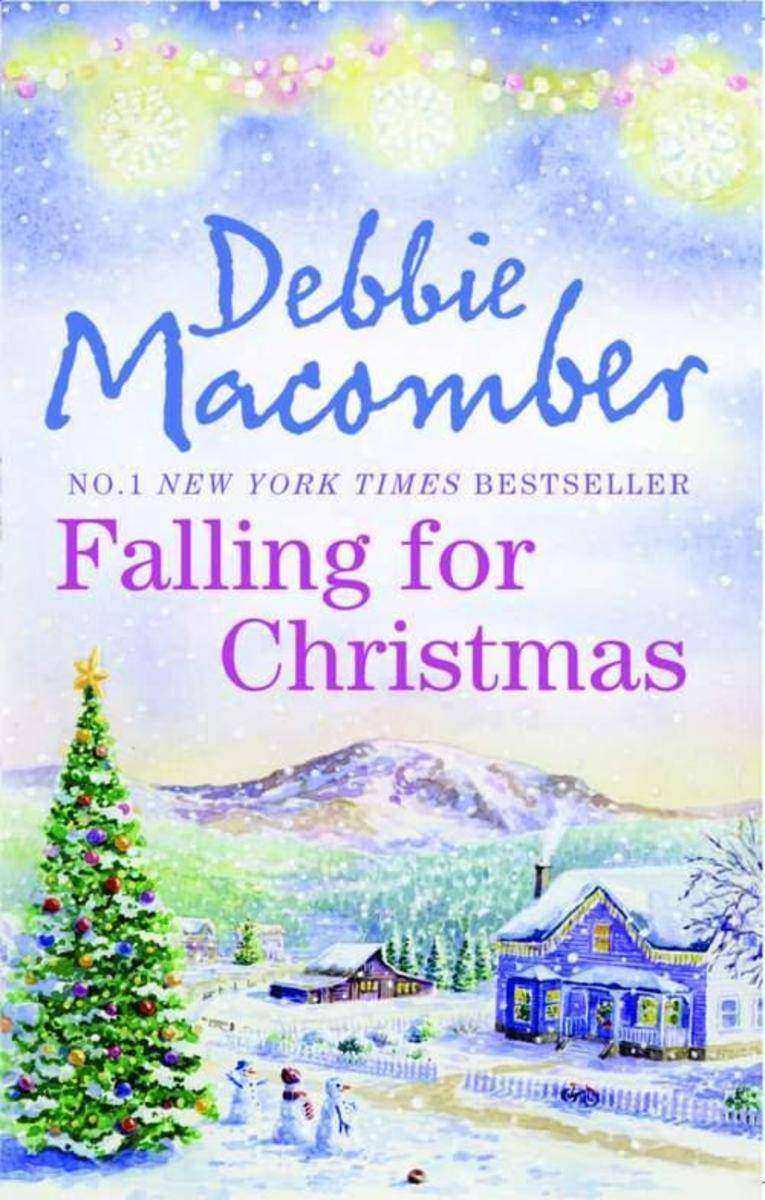
Falling for Christmas:A Cedar Cove Christmas , Call Me Mrs. Miracle
¥58.86
Mother-to-be Mary Jo Wyse arrives in Cedar Cove on Christmas Eve, pregnant and alone. However, the people of Cedar Cove are happy to lend a hand. There’s more than enough hope and love to go round this Christmas!

Safe Passage
¥61.90
Gala opera evenings. Sudden wealth and fame. Dangerous undercover missions into the heart of Nazi Germany. No one would have predicted such glamorous and daring lives for Ida and Louise Cook two decidedly ordinary women who lived quiet lives in the London suburbs. But throughout the 1930s, the remarkable sisters rescued dozens of Jews facing persecution and death. Ida's memoir of the adventures she and Louise shared remains as fresh, vital, and entertaining as the woman who wrote it. Even when Ida began to earn thousands as a successful romance novelist, the sisters directed every spare resource, as well as their considerable courage and ingenuity, towards saving as many as they could from Hitler's death camps. Safe Passage is a moving testimony showing us what can happen when conscience and compassion are applied to a collapsing world. [The Cook sisters]] defy the generalisation of social history: they were extraordinary. Telegraph
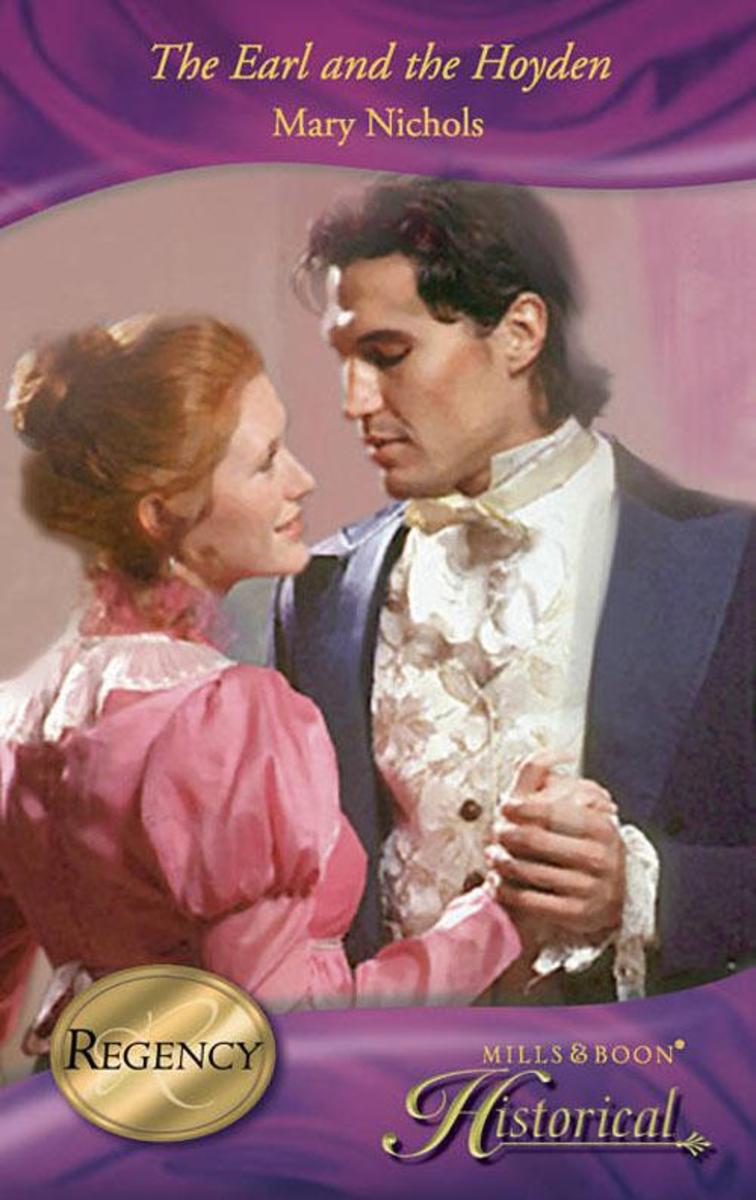
The Earl and the Hoyden (Mills & Boon Historical)
¥28.35
A plain hoyden, he had called her Miss Charlotte Cartwright has never forgotten Roland Temple’s contemptuous rejection of her hand in marriage. And she’s not about to forgive either – even if Roland, the new Earl of Amerleigh, is now older, wiser and ten times as handsome! Roland has returned home from the wars to find much has changed – including his spitfire of a neighbour. He’s soon determined to right the wrongs of the past – and this time the hoyden will be his bride!
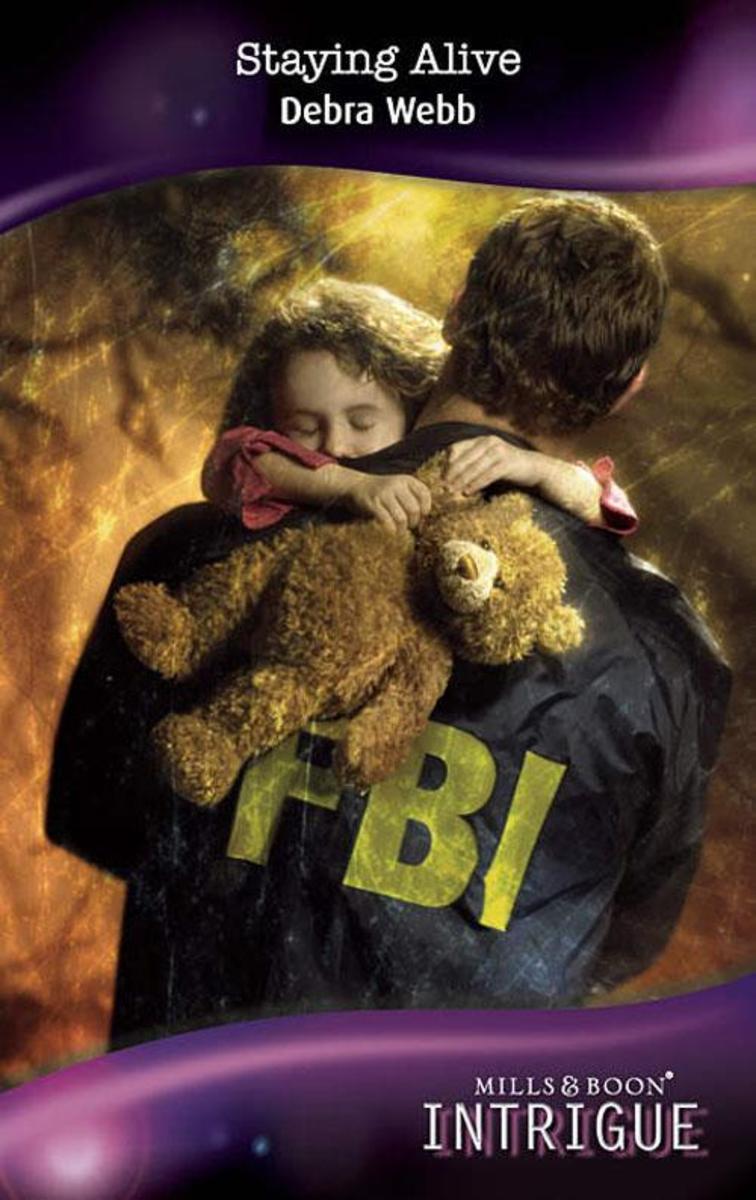
Staying Alive (Mills & Boon Intrigue)
¥24.13
“Claire Grant, you will die. Over and over again. ” A selfless act of bravery propelled Seattle schoolteacher Claire Grant into the centre of a manhunt. Now catching a terrorist depends on her – and her ability to play his deadly revenge game. One wrong move and she’ll die. And so will an innocent child. Her best chance for staying alive is charismatic FBI agent Luke Krueger – a man with his own agenda. Separate, Claire and Luke are pawns. But together, can they uncover the terrorist’s weakness and stop the madman once and for all?

Cinderella and the Sheikh (Mills & Boon Romance)
¥23.05
Life has been tough on Pollyanna, who has constantly been at someone's beck and call. So when she journeys to the desert with magnificent sheikh Rashid, it feels like a dream! Charisma. Power. Danger. In just days, Rashid has taken Polly's world and changed it. He can't ever be hers, but what she is feeling is as old as time itself. Pollyanna came to Amrah to relive her great-grandmother's adventure. But as the fairy-tale trip draws to an end, her adventure--with Rashid--has only just begun....
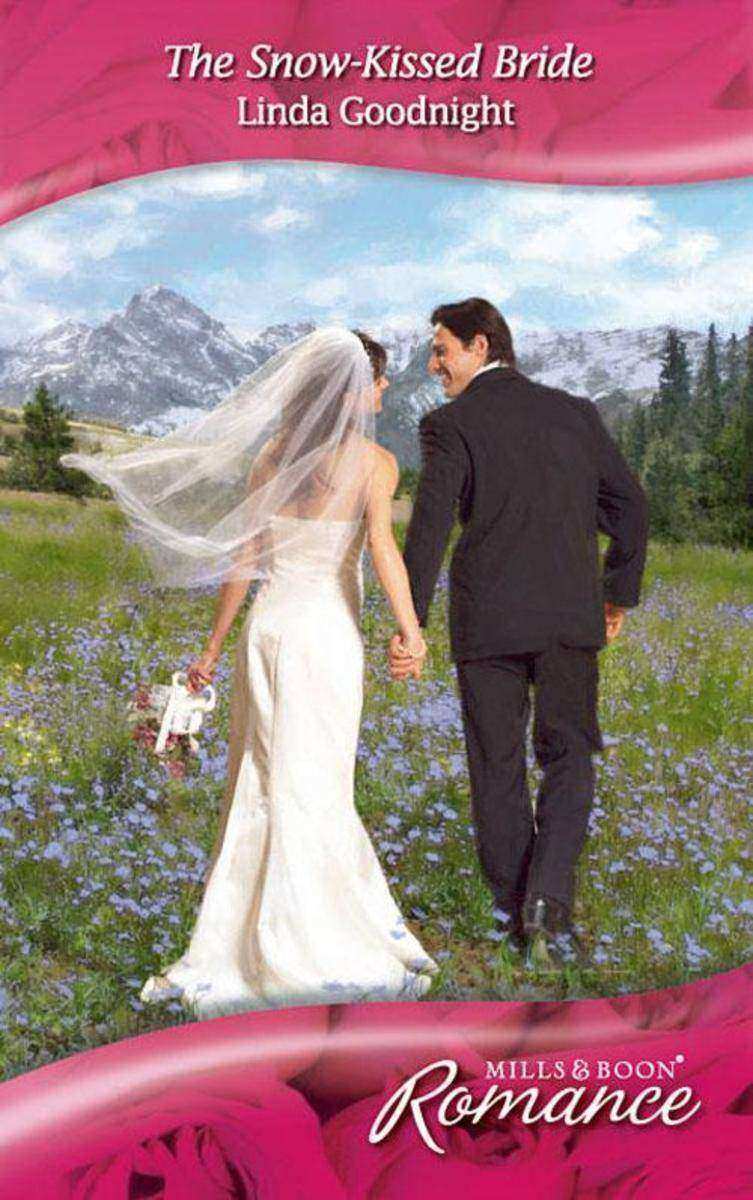
The Snow-Kissed Bride (Mills & Boon Romance) (Heart to Heart, Book 22)
¥18.93
Rescued by a gorgeous stranger… A secluded cabin nestled in the Rocky Mountains is the perfect place for Melody Crawford to hide from the world. With her two faithful dogs, she fearlessly puts her life on the line to rescue missing people…but the rest of her life is a mystery. Ex-Army Ranger John North needs Melody’s help. She knows the unforgiving mountains better than anyone. He knows Melody sees him as an outsider, but this enigmatically beautiful woman calls to the man inside him. She needs to trust him, and come what may he’ll break down her barriers – kiss by snowy kiss… Heart to Heart Where laughter, tears – and happy endings – are guaranteed!
Pisces 2014: Your Personal Horoscope
¥9.71
Your complete one-volume guide to the year 2014. This fantastic and in-depth book includes month-by-month forecasts for every sign and all you need to know to find out what is in store for you in the year ahead. The only one-volume horoscope you’ll ever need. Your essential guide to love, life and career success in 2014. This popular, complete one-volume guide contains all you need to know about your personal horoscope for the year 2014. Be prepared for the forthcoming year with monthly predictions for your own sign and discover how to maximise your opportunities and potential to make the most of 2014. This best-selling astrological guide contains: ? A personality profile for each sign ? A forecast for the year ahead – what you can expect in terms of wealth, home, health, social and love life ? A month-by-month forecast of your best days and worst days – the ideal days to attract love, money or success, and when it’s better to just stay in bed! Joseph Polansky is a leading US astrologer who has been practising astrology for over 20 years.
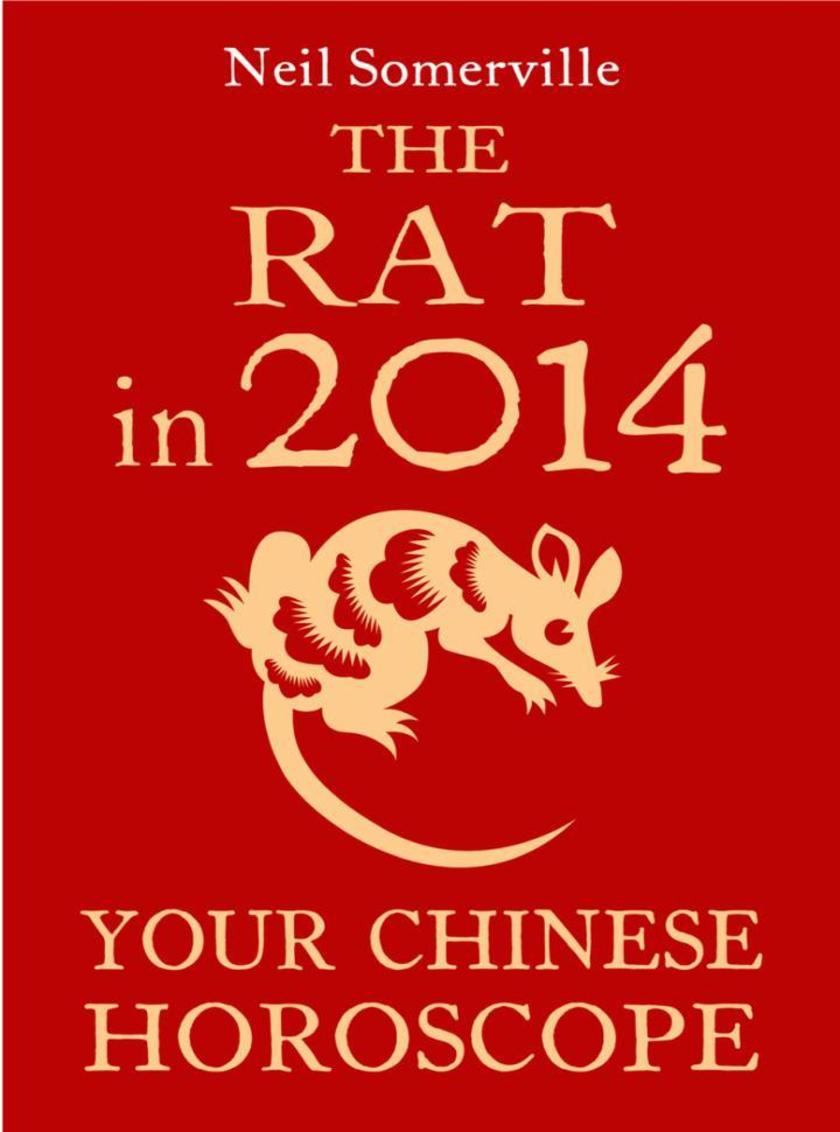
The Rat in 2014: Your Chinese Horoscope
¥11.77
The year 2014 is the Chinese Year of the Horse – what will this mean for you? This complete guide contains all the predictions you will need to take you into the year ahead – a lively fast-paced year favouring ideas, innovation and personal growth. The ancient art of Chinese astrology, which predates the Western zodiac, is a detailed system of divination that has been in use in the Orient for thousands of years. The depth of its wisdom and the accuracy of its character analysis and prediction has caught the imagination of the Western world in recent years and led to a rapid rise in its popularity. This popular and enlightening bestselling guide – now in its 27th year – includes: ? Everything you need to know about the 12 signs of the Chinese zodiac. ? An explanation of the Five Elements: metal, water, wood, fire and earth, and which one governs your sign. ? Individual predictions to help you find love, luck and success. ? What the Year of the Horse has in store for you, your family, your loved ones and friends.
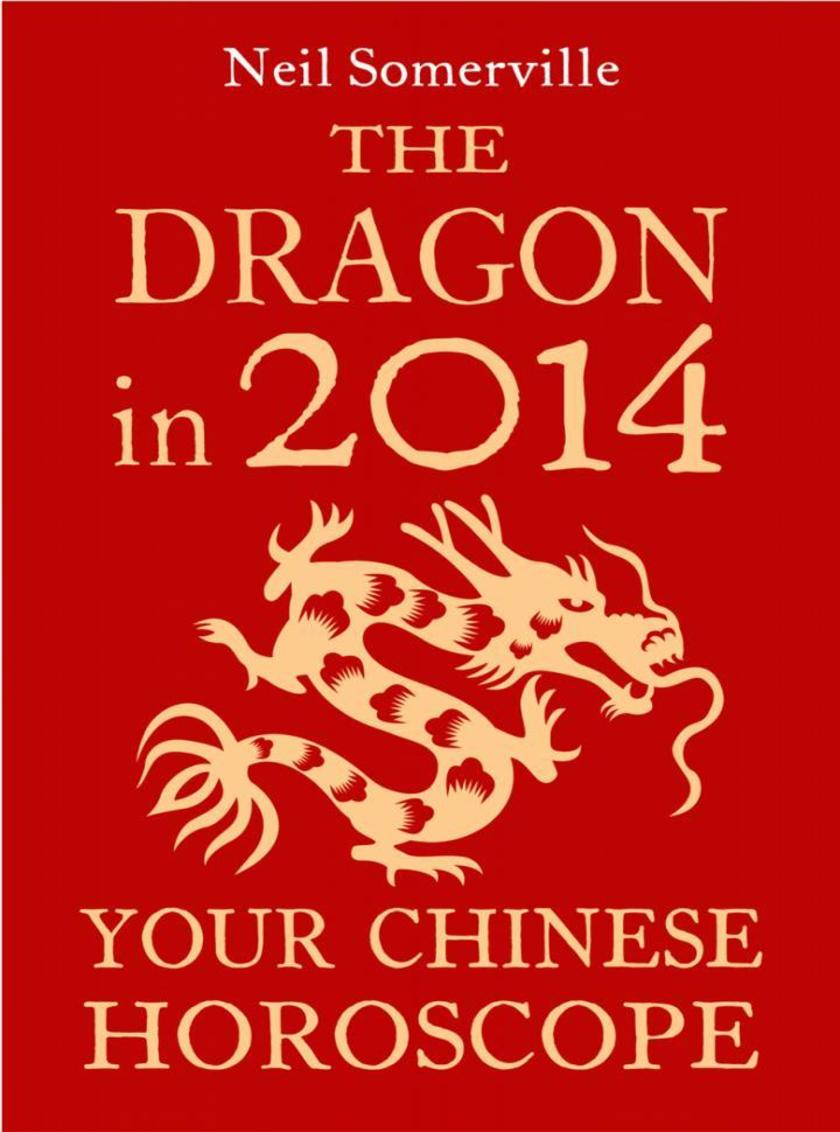
The Dragon in 2014: Your Chinese Horoscope
¥11.77
The year 2014 is the Chinese Year of the Horse – what will this mean for you? This complete guide contains all the predictions you will need to take you into the year ahead – a lively fast-paced year favouring ideas, innovation and personal growth. The ancient art of Chinese astrology, which predates the Western zodiac, is a detailed system of divination that has been in use in the Orient for thousands of years. The depth of its wisdom and the accuracy of its character analysis and prediction has caught the imagination of the Western world in recent years and led to a rapid rise in its popularity. This popular and enlightening bestselling guide – now in its 27th year – includes: ? Everything you need to know about the 12 signs of the Chinese zodiac. ? An explanation of the Five Elements: metal, water, wood, fire and earth, and which one governs your sign. ? Individual predictions to help you find love, luck and success. ? What the Year of the Horse has in store for you, your family, your loved ones and friends.
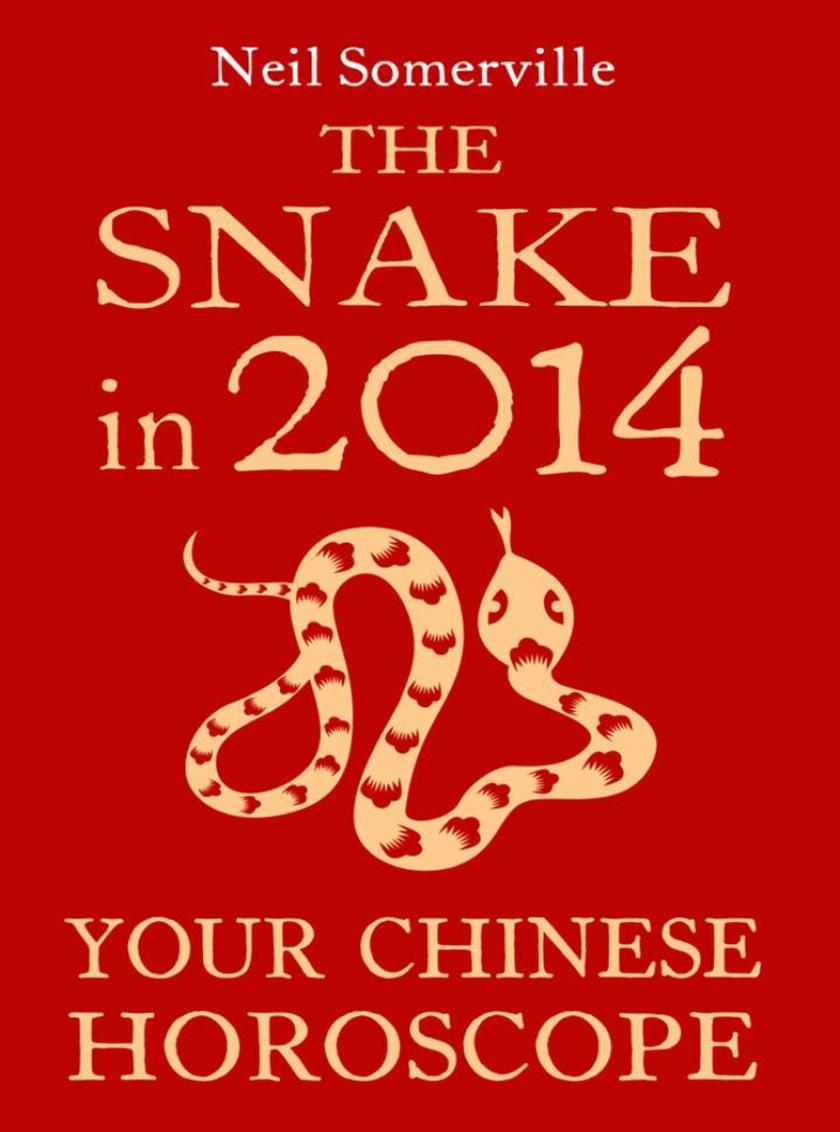
The Snake in 2014: Your Chinese Horoscope
¥11.77
The year 2014 is the Chinese Year of the Horse – what will this mean for you? This complete guide contains all the predictions you will need to take you into the year ahead – a lively fast-paced year favouring ideas, innovation and personal growth. The ancient art of Chinese astrology, which predates the Western zodiac, is a detailed system of divination that has been in use in the Orient for thousands of years. The depth of its wisdom and the accuracy of its character analysis and prediction has caught the imagination of the Western world in recent years and led to a rapid rise in its popularity. This popular and enlightening bestselling guide – now in its 27th year – includes: ? Everything you need to know about the 12 signs of the Chinese zodiac. ? An explanation of the Five Elements: metal, water, wood, fire and earth, and which one governs your sign. ? Individual predictions to help you find love, luck and success. ? What the Year of the Horse has in store for you, your family, your loved ones and friends.
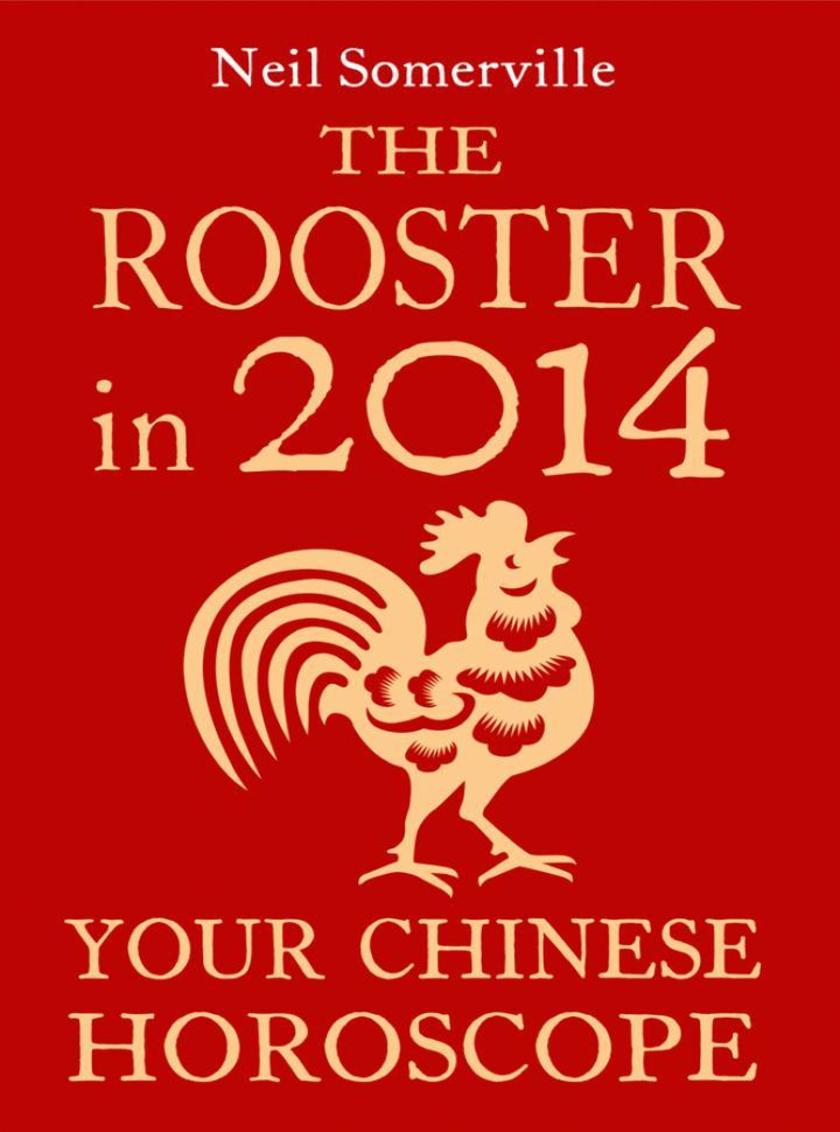
The Rooster in 2014: Your Chinese Horoscope
¥11.77
The year 2014 is the Chinese Year of the Horse – what will this mean for you? This complete guide contains all the predictions you will need to take you into the year ahead – a lively fast-paced year favouring ideas, innovation and personal growth. The ancient art of Chinese astrology, which predates the Western zodiac, is a detailed system of divination that has been in use in the Orient for thousands of years. The depth of its wisdom and the accuracy of its character analysis and prediction has caught the imagination of the Western world in recent years and led to a rapid rise in its popularity. This popular and enlightening bestselling guide – now in its 27th year – includes: ? Everything you need to know about the 12 signs of the Chinese zodiac. ? An explanation of the Five Elements: metal, water, wood, fire and earth, and which one governs your sign. ? Individual predictions to help you find love, luck and success. ? What the Year of the Horse has in store for you, your family, your loved ones and friends.
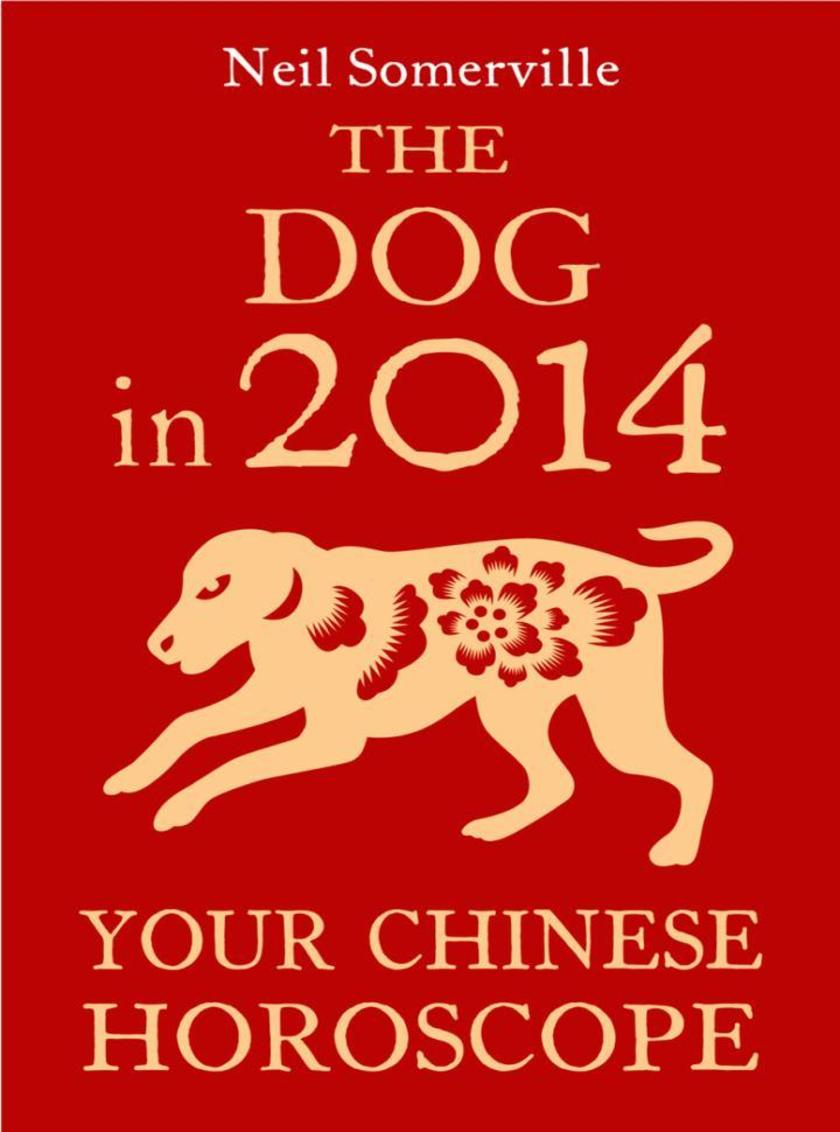
The Dog in 2014: Your Chinese Horoscope
¥11.77
The year 2014 is the Chinese Year of the Horse – what will this mean for you? This complete guide contains all the predictions you will need to take you into the year ahead – a lively fast-paced year favouring ideas, innovation and personal growth. The ancient art of Chinese astrology, which predates the Western zodiac, is a detailed system of divination that has been in use in the Orient for thousands of years. The depth of its wisdom and the accuracy of its character analysis and prediction has caught the imagination of the Western world in recent years and led to a rapid rise in its popularity. This popular and enlightening bestselling guide – now in its 27th year – includes: ? Everything you need to know about the 12 signs of the Chinese zodiac. ? An explanation of the Five Elements: metal, water, wood, fire and earth, and which one governs your sign. ? Individual predictions to help you find love, luck and success. ? What the Year of the Horse has in store for you, your family, your loved ones and friends.


