


 购物车
 个人中心

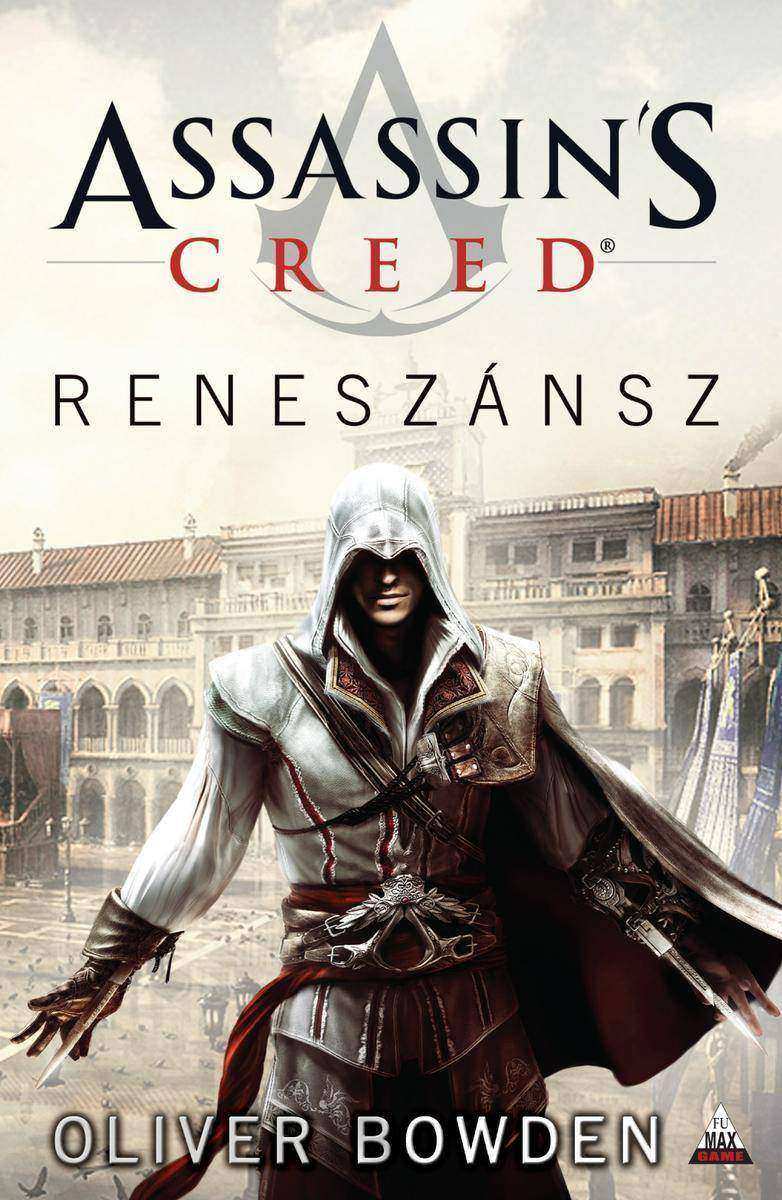
Assassin's Creed: Reneszánsz
¥71.69
The story starts in London on Tuesday, October 1, 1872. Fogg is a rich English gentleman and bachelor living in solitude at Number 7 Savile Row, Burlington Gardens. Despite his wealth, which is ?40,000 (roughly ?3,020,000 today), Fogg, whose countenance is described as "repose in action", lives a modest life with habits carried out with mathematical precision. Very little can be said about his social life other than that he is a member of the Reform Club. Having dismissed his former valet, James Foster, for bringing him shaving water at 84 °F (29 °C) instead of 86 °F (30 °C), Fogg hires a Frenchman by the name of Jean Passepartout, who is about 30 years old, as a replacement. Later on that day, in the Reform Club, Fogg gets involved in an argument over an article in The Daily Telegraph, stating that with the opening of a new railway section in India, it is now possible to travel around the world in 80 days. He accepts a wager for ?20,000 (roughly ?1,510,000 today) from his fellow club members, which he will receive if he makes it around the world in 80 days. Accompanied by Passepartout, he leaves London by train at 8:45 P.M. on Wednesday, October 2, 1872, and thus is due back at the Reform Club at the same time 80 days later, Saturday, December 21, 1872. Mr. Phileas Fogg lived, in 1872, at No. 7, Saville Row, Burlington Gardens, the house in which Sheridan died in 1814. He was one of the most noticeable members of the Reform Club, though he seemed always to avoid attracting attention; an enigmatical personage, about whom little was known, except that he was a polished man of the world. People said that he resembled Byron—at least that his head was Byronic; but he was a bearded, tranquil Byron, who might live on a thousand years without growing old. Certainly an Englishman, it was more doubtful whether Phileas Fogg was a Londoner. He was never seen on 'Change, nor at the Bank, nor in the counting-rooms of the "City"; no ships ever came into London docks of which he was the owner; he had no public employment; he had never been entered at any of the Inns of Court, either at the Temple, or Lincoln's Inn, or Gray's Inn; nor had his voice ever resounded in the Court of Chancery, or in the Exchequer, or the Queen's Bench, or the Ecclesiastical Courts. He certainly was not a manufacturer; nor was he a merchant or a gentleman farmer. His name was strange to the scientific and learned societies, and he never was known to take part in the sage deliberations of the Royal Institution or the London Institution, the Artisan's Association, or the Institution of Arts and Sciences. He belonged, in fact, to none of the numerous societies which swarm in the English capital, from the Harmonic to that of the Entomologists, founded mainly for the purpose of abolishing pernicious insects. Phileas Fogg was a member of the Reform, and that was all. The way in which he got admission to this exclusive club was simple enough. He was recommended by the Barings, with whom he had an open credit. His cheques were regularly paid at sight from his account current, which was always flush. Was Phileas Fogg rich? Undoubtedly. But those who knew him best could not imagine how he had made his fortune, and Mr. Fogg was the last person to whom to apply for the information. He was not lavish, nor, on the contrary, avaricious; for, whenever he knew that money was needed for a noble, useful, or benevolent purpose, he supplied it quietly and sometimes anonymously. He was, in short, the least communicative of men. He talked very little, and seemed all the more mysterious for his taciturn manner. His daily habits were quite open to observation; but whatever he did was so exactly the same thing that he had always done before, that the wits of the curious were fairly puzzled. ABOUT AUTHOR: Jules Gabriel Verne (1828 – 1905) was a French novelist, poet, and playwright best known for his adventure novels and his profound influence on the literary genre of science fiction. Born to bourgeois parents in the seaport of Nantes, Verne was trained to follow in his father's footsteps as a lawyer, but quit the profession early in life to write for magazines and the stage. His collaboration with the publisher Pierre-Jules Hetzel led to the creation of the Voyages Extraordinaires, a widely popular series of scrupulously researched adventure novels including Journey to the Center of the Earth, Twenty Thousand Leagues Under the Sea, and Around the World in Eighty Days.
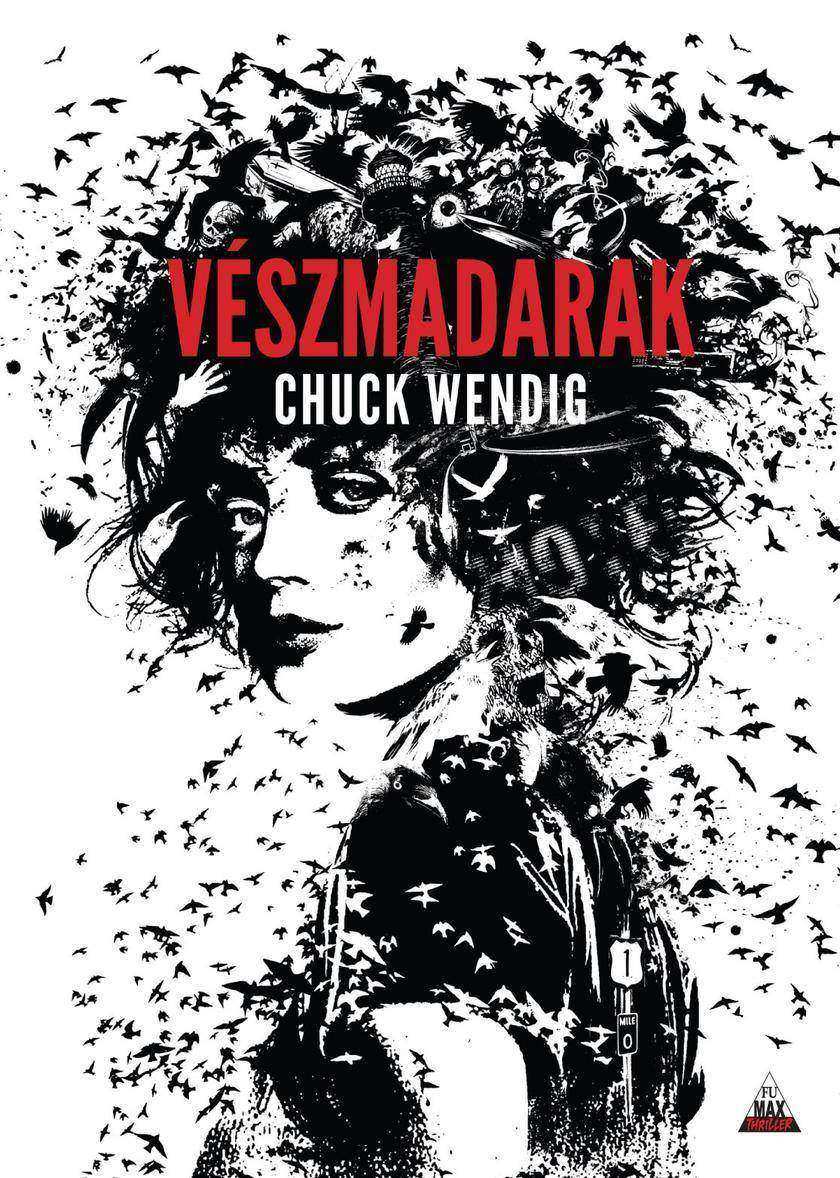
Vészmadarak
¥57.47
"BLEAK HOUSE" is a novel by Charles Dickens, published in 20 monthly instalments between March 1852 and September 1853. It is held to be one of Dickens's finest novels, containing one of the most vast, complex and engaging arrays of minor characters and sub-plots in his entire canon. The story is told partly by the novel's heroine, Esther Summerson, and partly by a mostly omniscient narrator. Memorable characters include the menacing lawyer Tulkinghorn, the friendly but depressive John Jarndyce, and the childish and disingenuous Harold Skimpole, as well as the likeable but imprudent Richard Carstone. At the novel's core is long-running litigation in England's Court of Chancery, Jarndyce v Jarndyce, which has far-reaching consequences for all involved. This case revolves around a testator who apparently made several wills. The litigation, which already has taken many years and consumed between 60,000 and 70,000 in court costs, is emblematic of the failure of Chancery. Though Chancery lawyers and judges criticised Dickens's portrait of Chancery as exaggerated and unmerited, his novel helped to spur an ongoing movement that culminated in the enactment of legal reform in the 1870s. In fact, Dickens was writing just as Chancery was reforming itself, with the Six Clerks and Masters mentioned in Chapter One abolished in 1842 and 1852 respectively: the need for further reform was being widely debated. These facts raise an issue as to when Bleak House is actually set. Technically it must be before 1842, and at least some of his readers at the time would have been aware of this. However, there is some question as to whether this timeframe is consistent with the themes of the novel. The English legal historian Sir William Holdsworth set the action in 1827. Characters in Bleak House: As usual, Dickens drew upon many real people and places but imaginatively transformed them in his novel. Hortense is based on the Swiss maid and murderess Maria Manning. The "telescopic philanthropist" Mrs Jellyby, who pursues distant projects at the expense of her duty to her own family, is a criticism of women activists like Caroline Chisholm. The "childlike" but ultimately amoral character Harold Skimpole is commonly regarded as a portrait of Leigh Hunt. "Dickens wrote in a letter of 25 September 1853, 'I suppose he is the most exact portrait that was ever painted in words! ... It is an absolute reproduction of a real man'; and a contemporary critic commented, 'I recognized Skimpole instantaneously; ... and so did every person whom I talked with about it who had ever had Leigh Hunt's acquaintance.'"[2] G. K. Chesterton suggested that Dickens "may never once have had the unfriendly thought, 'Suppose Hunt behaved like a rascal!'; he may have only had the fanciful thought, 'Suppose a rascal behaved like Hunt!'". Mr Jarndyce's friend Mr Boythorn is based on the writer Walter Savage Landor. The novel also includes one of the first detectives in English fiction, Inspector Bucket. This character is probably based on Inspector Charles Frederick Field of the then recently formed Detective Department at Scotland Yard. Dickens wrote several journalistic pieces about the Inspector and the work of the detectives in Household Words, his weekly periodical in which he also published articles attacking the Chancery system. The Jarndyce and Jarndyce case itself has reminded many readers of the thirty-year Chancery case over Charlotte Smith's father-in-law's will. Major characters: Esther Summerson – the heroine of the story, and one of its two narrators (Dickens's only female narrator), raised as an orphan because the identity of her parents is unknown. At first, it seems probable that her guardian, John Jarndyce, is her father because he provides for her. This, however, he disavows shortly after she comes to live under his roof.
Wuthering Heights
¥8.09
Kedves Feln?ttek! ?Ez a k?nyv Nektek készült! T?rténetünk a XXXIV. században játszódik. Egy királyi család nem épp szokványos életén keresztül betekintést nyerhetünk a j?v?be. ??j faj k?rvonalazódik, aminek fejl?dése megállíthatatlan. ?Unalmasnak t?n?, idillikus életüket felváltja a S?tétség er?ivel folytatott harc, aminek kimenetele végleg meghatározza a F?ld bolygó sorsát...
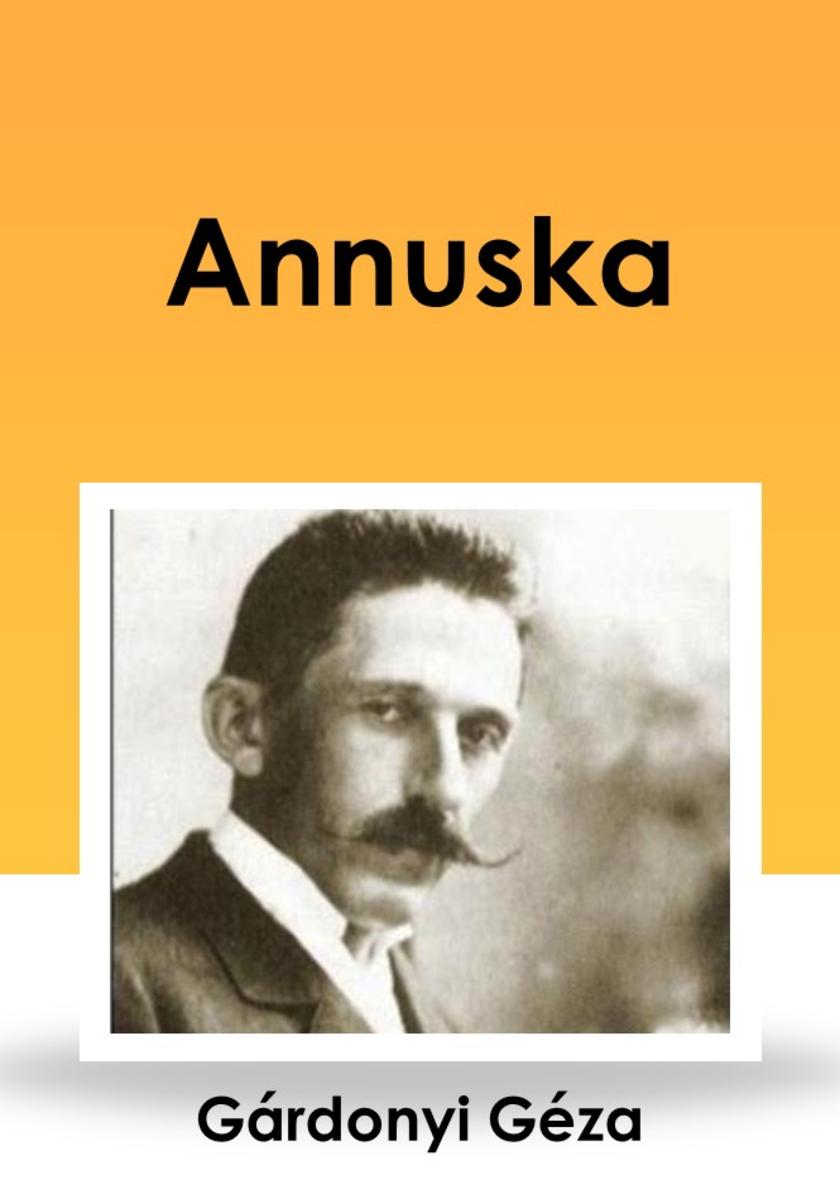
Annuska
¥8.67
The history of our English translations of "Don Quixote" is instructive. Shelton's, the first in any language, was made, apparently, about 1608, but not published till 1612. This of course was only the First Part. It has been asserted that the Second, published in 1620, is not the work of Shelton, but there is nothing to support the assertion save the fact that it has less spirit, less of what we generally understand by "go," about it than the first, which would be only natural if the first were the work of a young man writing currente calamo, and the second that of a middle-aged man writing for a bookseller. On the other hand, it is closer and more literal, the style is the same, the very same translations, or mistranslations, occur in it, and it is extremely unlikely that a new translator would, by suppressing his name, have allowed Shelton to carry off the credit. In 1687 John Phillips, Milton's nephew, produced a "Don Quixote" "made English," he says, "according to the humour of our modern language." His "Quixote" is not so much a translation as a travesty, and a travesty that for coarseness, vulgarity, and buffoonery is almost unexampled even in the literature of that day. But it is, after all, the humour of "Don Quixote" that distinguishes it from all other books of the romance kind. It is this that makes it, as one of the most judicial-minded of modern critics calls it, "the best novel in the world beyond all comparison." It is its varied humour, ranging from broad farce to comedy as subtle as Shakespeare's or Moliere's that has naturalised it in every country where there are readers, and made it a classic in every language that has a literature.
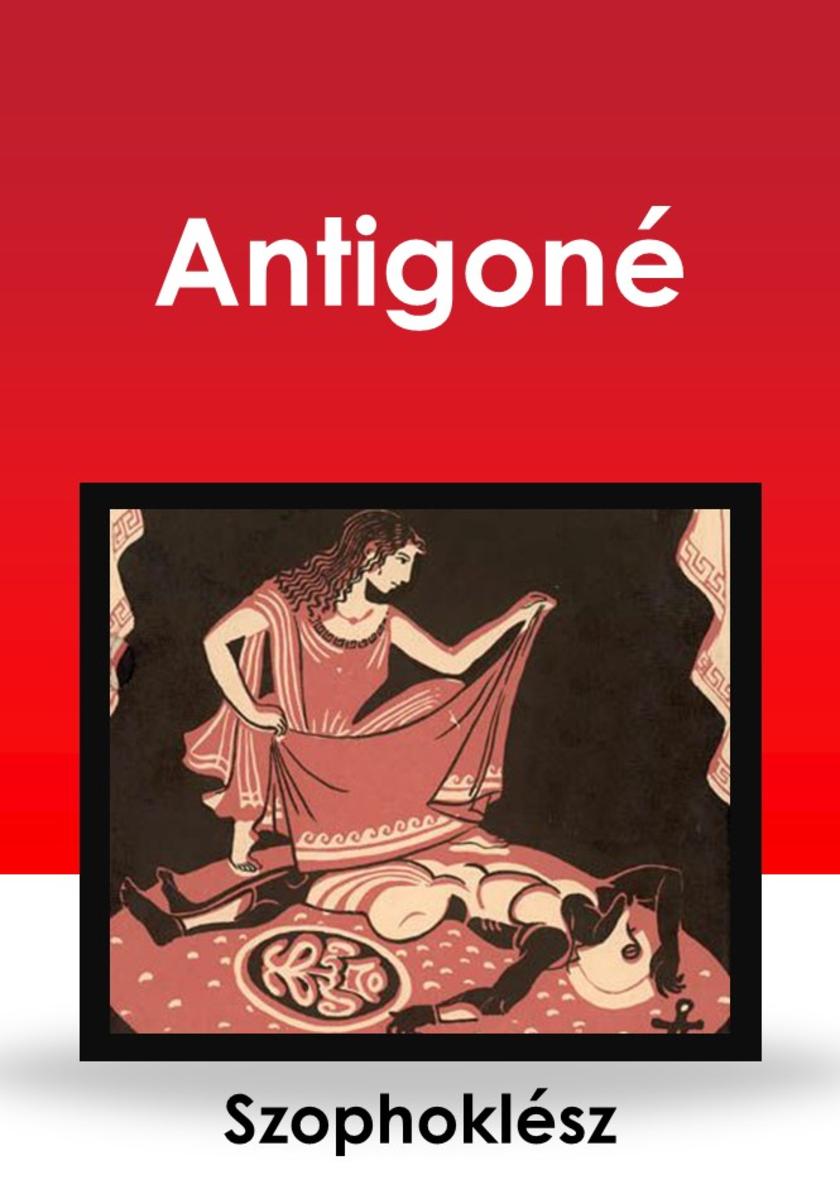
Antigoné
¥8.67
FIRE MOUNTAIN IS "A THRILLING SEA STORY BY "NORMAN SPRINGER", AUTHOR OF "THE BLOOD SHIP" Years. Bright, aslant eyes, and a suave and ever-ready smile that broke immediately Martin met his gaze. "You will be so good as to inform the honorable that Dr. Ichi is here?" he asked in precise and stilted voice. Ever the same—the noiseless entry, the quietly spoken request for the lawyer. Martin repressed a flash of irritation; the little Japanese, with his uncanny soft-footedness and stereotyped address, got upon his nerves. However, his orders were explicit; Mr. Smatt would see Dr. Ichi without delay or preliminary, whenever Dr. Ichi favored the office with a visit. It was already the third visit that day, but orders were orders. So, Martin inclined his head toward the door of Smatt's private office. The Japanese crossed the room. He bowed to Martin, as stately a bow as if Martin were also an "honorable," instead of a poor devil of a law clerk; then, noiselessly as he had entered the outer office, Dr. Ichi disappeared within Smatt's sanctum. Martin turned to his window again. But his bright day dream was fled, and he could not conjure it back again. The view was without charm. His thoughts, despite himself, persisted in centering upon the dapper little figure now closeted with his employer. The dandified Jap aroused Martin's interest. What manner of client was this Dr. Ichi? Martin had not seen a single scrap of paper, nor had Smatt dropped a single hint, concerning the case. It was mysterious! Martin was not an overly curious chap, but he was human. It was another of Smatt's secret cases, thought Martin. Another token of those hidden activities of the old vulture, which he sensed, but did not know about. For, though Martin attended to the routine work, though his duties were responsible—Smatt specialized and was prominent in maritime law—still Martin knew he did not enjoy his employer's complete confidence. Much of Smatt's time was taken up with cases Martin knew nothing about, with clients who appeared to shun the daylight of the courts. The Nippon Trading Company, for instance! Martin knew Smatt was interested in a company of that name—a strange company, that apparently conducted business without using the mails. And there was business between Ichi and Smatt—money, or Smatt would have nothing to do with it. The mystery aroused Martin's dormant curiosity. But all his speculation was pointless. Martin bethought himself of the marine affidavit lying uncompleted upon his desk. He turned from the window with the intention of applying himself to that task—and he discovered the office to have a second visitor. Another unusual figure who possessed the penchant for surreptitious entry. He observed the fellow in the very act of closing the office door.
Szigorúan bizalmas
¥46.68
– Itt Zachary Horner beszél! Miben segíthetek? – Jó estét kívánunk Zachary James Horner! A Brit Szerencsejáték Sz?vetség ?r?mmel értesíti ?nt, hogy megnyerte a British Bonus f?nyereményét, azaz nyolcvan?tmillió fontot. – A rohadt élet! – d?bbent meg a fiatalember a hír hallatán, majd felülve az ágyán, nagy ?r?mmel folytatta – Ez most azt jelenti, hogy eltalálták mind a négy számot, amit megjátszottam? – Igen, tisztelt uram! Ez a legmagasabb ?sszeg, amit ember eddig valaha nyert. Nyereményét bármikor átveheti a londoni k?zpontunkban is személyesen, de akár bankszámlára is elutalhatjuk ?nnek.
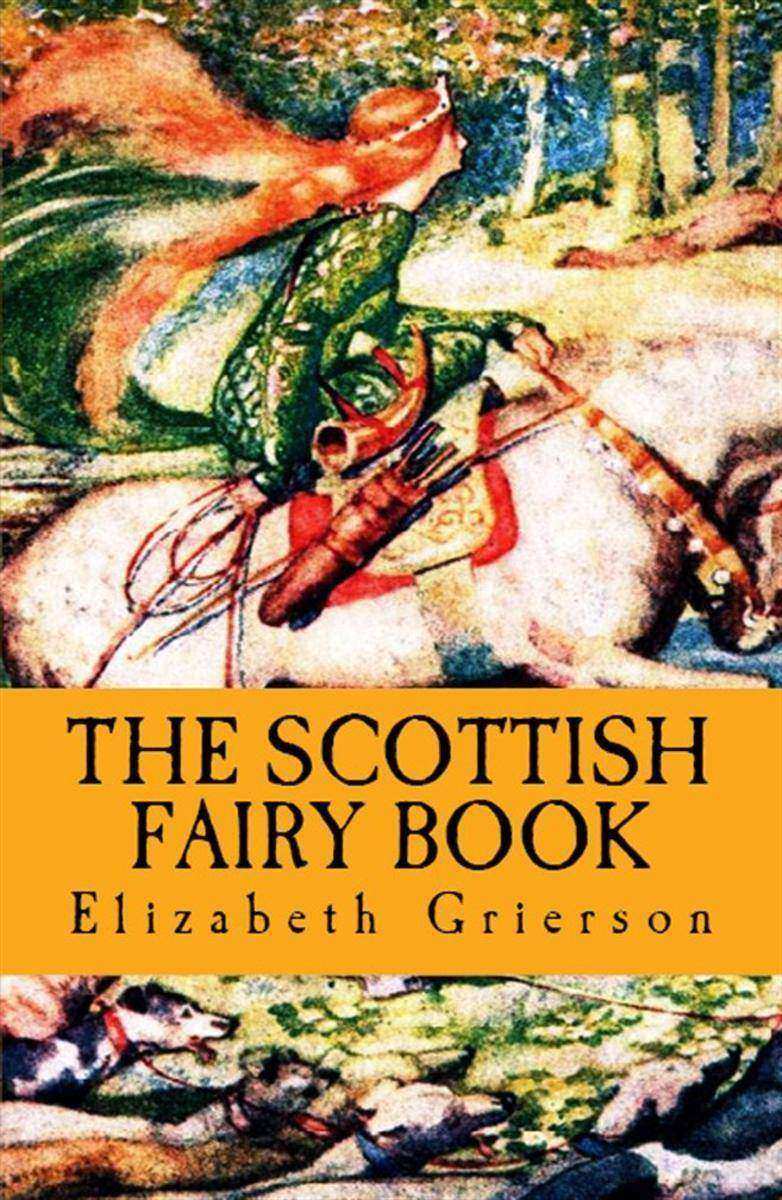
The Scottish Fairy Book
¥18.80
There are, roughly speaking, two distinct types of Scottish Fairy Tales. There are what may be called "Celtic Stories," which were handed down for centuries by word of mouth by professional story-tellers, who went about from clachan to clachan in the "High-lands and Islands," earning a night's shelter by giving a night's entertainment, and which have now been collected and classified for us by Campbell of Isla and others.??These stories, which are also common to the North of Ireland, are wild and fantastic, and very often somewhat monotonous, and their themes are strangely alike. They almost always tell of some hero or heroine who sets out on some dangerous quest, and who is met by giants, generally three in number, who appear one after the other; with whom they hold quaint dialogues, and whom eventually they slay. Most of them are fairly long, and although they have a peculiar fascination of their own, they are quite distinct from the ordinary Fairy Tale.

Momente ?i schi?e. Nuvele ?i povestiri
¥16.35
Caragiale a delimitat si impus teritoriul dramaturgiei romanesti cu numai cinci piese patru comedii si o drama scrise pe durata a doar unsprezece ani. Timp de un secol si peste trei decenii cat a trecut pana astazi de la prima lectura publica a Noptii furtunoase cea dintai dintre marile lui piese perimetrul problematic de viziune stilistic si tipologic al teatrului romanesc atat in registrul comediei cat si in cel al dramei fie aceasta ?de idei“ fantastica ori mitologizanta a ramas cel stabilit de Caragiale. Pentru literatura dramatica romaneasca el a avut si are acelasi rol ca in literatura franceza Corneille Racine si Molière laolalta. I-a fixat pentru eternitate probabil tiparele si ?ntinderea specificul si frontierele. MIRCEA IORGULESCU
Proz?
¥16.35
Tr?ind de azi pe m?ine ?ntr-un Bucure?ti plin de tenta?ii, dar consumator de resurse, studentul la Drept Mihnea B?iatu nu ?i-a dat examenele, iar ob?inerea licen?ei ?ncepe s? semene cu un vis imposibil. A ?nv??at ?ns? cum s? c??tige ?ncrederea cet??enilor s?raci cu duhul – ?i nu e pu?in lucru. Plasat ?ntr-un decor suburban, cu personaje caragialiene, Mihnea B?iatu se ?nscrie ?ns?, f?r? doar ?i poate, ?n tipologia eroilor lui Gib I. Mih?escu, urm?ri?i de idealul femeii absolute. Expert ?n practicile ?amorului democrat“ ?i ?n escrocarea cu sistem – erotic? ?i financiar? – a propriet?reselor de mahala, eternul student d? nas ?n nas pe culoarele universit??ii cu femeia perfect?, care-l scruteaz? ?i ea, cu acela?i interes, prin lentila unui lornion de aur…
Patty in the City
¥28.29
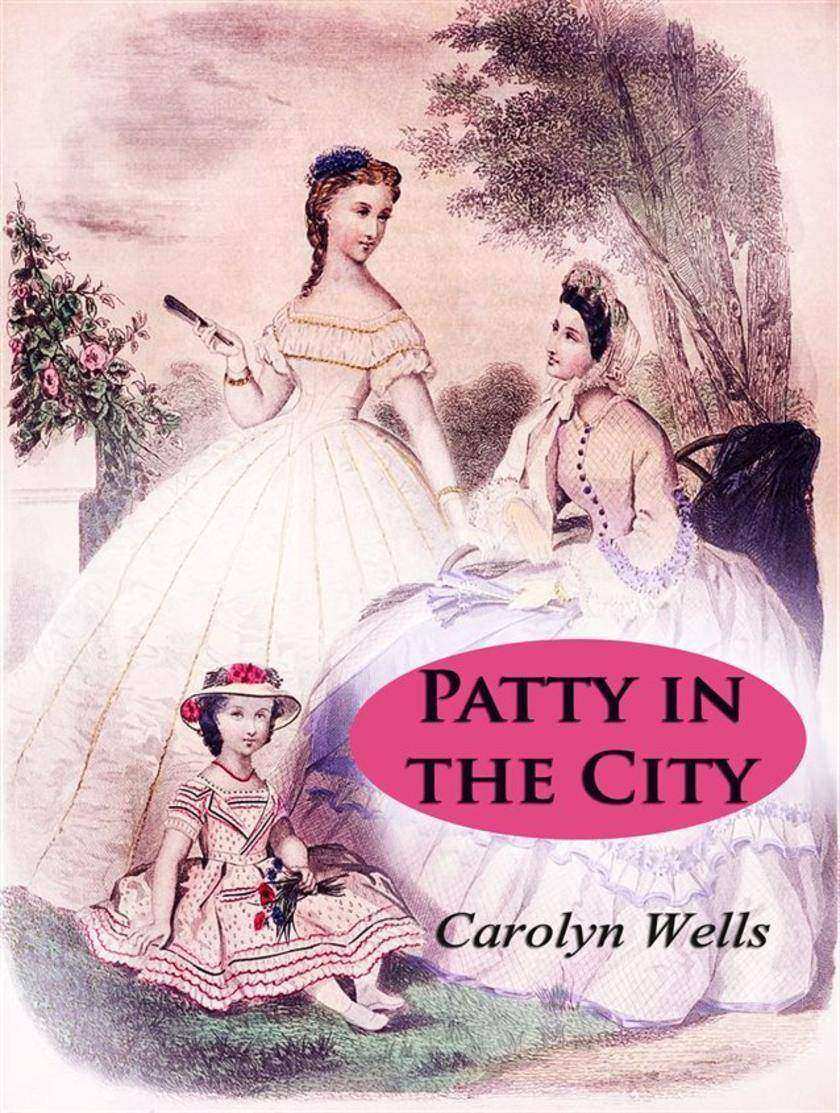
It was the third week in September when the Fairfields left the seashore and returned to their Vernondale home.??“Now, my child,” said Mr. Fairfield, as they sat on the veranda after dinner, “I will unfold to you my plans for the coming winter, and you may accept, or reject, or amend them as you please.”??“Proceed,” said Patty, settling herself comfortably in her wicker chair; “I feel in an amiable mood this evening, and will probably agree to anything you may suggest.”??“I’ve been thinking for some time,” went on her father, “that I don’t want to spend the coming winter in Vernondale. I would much rather be in New York.”??“Reason number one—Nan,” said Patty, checking it off on her forefinger and smiling at her father.?“Yes,” he responded, with an answering smile, “she is reason number one, but there are others.”?To readers who are unfamiliar with Patty’s earlier history we may say right here that her mother had died when Patty was but three years old. ??At present she lived with her father in their little home in Vernondale, an establishment of which Patty greatly prided herself on her management.?Recently Mr. Fairfield had become engaged to Miss Nan Allen, a young lady who lived in Philadelphia, and who was a dear friend of Patty’s.
Adela
¥16.35
n finalul romanului Donna Alba mtile personajelor cad. Mihai Aspru a vrut doar s-o stpneasc“ pe trufaa aristocrat, mbrcndu-i dorina n podoabe strlucitoare luate din cri. n schimb, Georges Radu erban, soul nelat, boier rigid taxat maliios de ctre narator, se dovedete un veritabil erou tragic, sinucigndu-se din dragoste, ca personajul lui Dostoievski.Ct o privete pe Alba, obiectul obsesiei ndelung elaborate, ea e un personaj de film din anii ‘30: femeia fatal, provocatoare de nenorociri pentru brbaii care o iubesc. Intriga dinamic, colorat de suspans, ajunge la o rezolvare cu happy end, care ar fi putut prea facil dac naratorul n-ar fi introdus un accent original de autoironie i umor negru, chiar n legtur cu ultima apariie a Albei. Foarte frumoas n valurile negre de mare doliu, dar deloc ndurerat, ea i apare brbatului ca un nger al morii, promindu-i o primejdioas fericire.
The Book of Princes and Princesses: "Developer Tales for Kids"
¥18.80
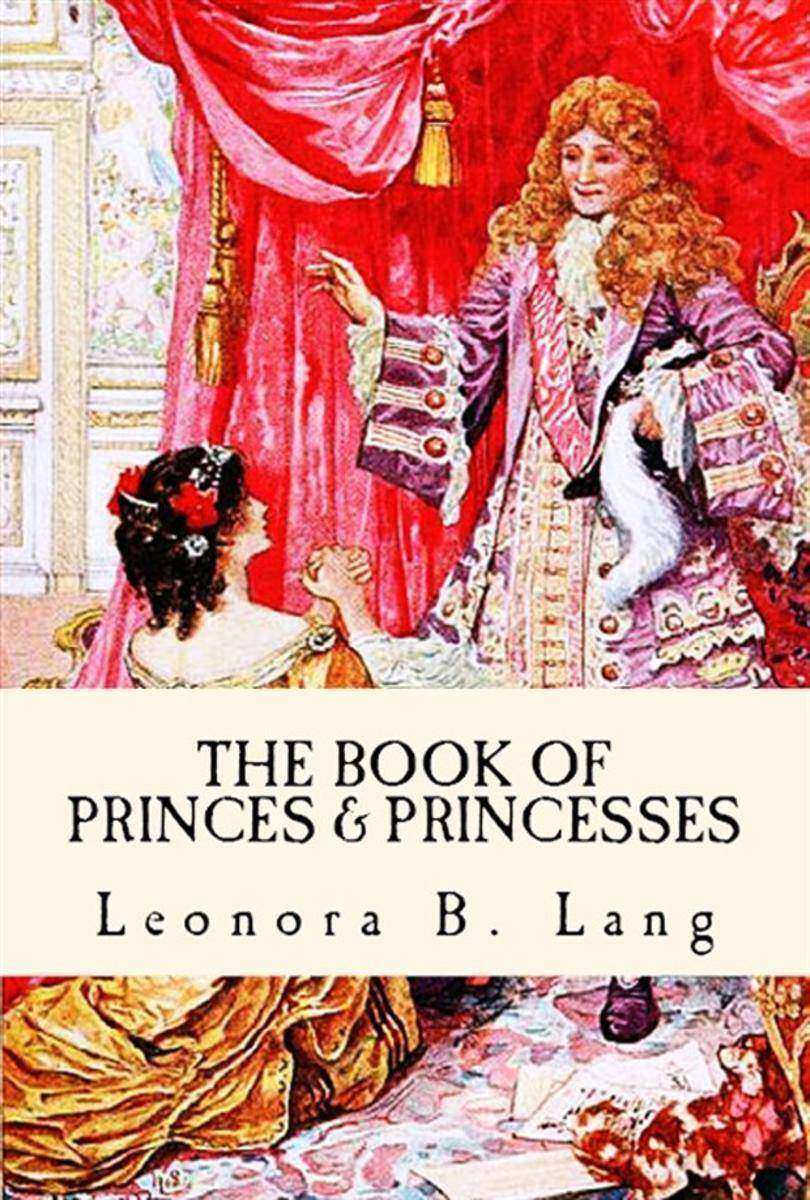
PREFACE?All the stories about Princes and Princesses in this book are true stories, and were written by Mrs. Lang, out of old books of history. There are some children who make life difficult by saying, first that stories about fairies are true, and that they like fairies; and next that they do not like true stories about real people, who lived long ago. I am quite ready to grant that there really are such things as fairies, because, though I never saw a fairy, any more than I have seen the little animals which lecturers call molecules and ions, still I have seen people who have seen fairies—truthful people. ??This book about Princes and Princesses is not one which a child is obliged to read. Indeed the stories are not put in order, beginning with the princes who lived longest ago and coming down gradually to people who lived nearest our own time. The book opens with the great Napoleon Bonaparte, who died when some very old people still living were alive. Napoleon was not born a prince, far from it; his father was only a poor gentleman on a wild rough little island. But he made himself not merely a king, but the greatest of all emperors and generals in war. He is not held up as a person whom every boy should try to imitate, but it is a truth that Napoleon always remained a boy in his heart. He liked to make up stories of himself, doing wonderful things which even he was unable to do. When he was a boy he played at being a general, making snow fortresses and besieging them, just as many boys do. And when he was a man he dreamed of conquering all the East, Asia, and India, and Australia; and he tried to do all that, but it was too much even for him.
The Grey Fairy Book: [Illustrated Edition]
¥28.37
The tales in the Grey Fairy Book are derived from many countries: ”Lithuania, various parts of Africa, Germany, France, Greece, and other regions of the world. They have been translated and adapted by Mrs. Dent, Mrs. Lang, Miss Eleanor Sellar, Miss Blackley, and Miss Lang. 'The Three Sons of Hali' is from the last century 'Cabinet des Faces,' a very large collection. The French author may have had some Oriental original before him in parts; at all events he copied the Eastern method of putting tale within tale, like the Eastern balls of carved ivory. ??The stories, as usual, illustrate the method of popular fiction. A certain number of incidents are shaken into many varying combinations, like the fragments of coloured glass in the kaleidoscope. Probably the possible combinations, like possible musical combinations, are not unlimited in number, but children may be less sensitive in the matter of fairies than Mr. John Stuart Mill was as regards music.
Legendele sau basmele rom?nilor
¥16.35
Cel mai vechi dintre cltorii romantici, Grigore Alexandrescu, n paginile consacrate vizitei sale la mnstirile olteneti (1842), ne ofer… destul de puin. Impresiile sale privesc mai degrab tradiiile istorice ale locurilor pe care le viziteaz sau unele particulariti ale ornduirii lor actuale. Cadrul natural este abia indicat. Cnd ajunge la Cozia, o simpl nsemnare topografic i este de ajuns… n faa Mnstirii Dintr-un Lemn descrierea este ceva mai bogat, dar fr elemente sensibile propriu-zise. Autorul descrie o configuraie, nu un peisagiu… Petera de la Polovraci l impresioneaz mai mult, dar spiritul de observaie rmne, chiar n faa acestui spectacol, inferior fanteziei constructive, creia i se pare a vedea, n grupul stalactitelor, siluete de copii sau de fantasmagorice fiine combinate din oameni i fiare, dac nu simple chipuri slbatice "c doi tlhari, care, cu armele gata, ateapt s atace un trector". Abia, ultima pagin a Memorialului jertfete esteticii timpului, zugrvind un motiv tipic-rasarirea lunii deasupra unei pduri… Pagina merit a fi reinut. Este acea prin care natura, ca obiect al descrierii literare, intr n operele prozatorilor romni, sub forma magiei lunare. Scriitorul nelege ce poate fi dulceag sau convenional n zugrvirea strlucirii nentinate a lunii i de aceea ntregete tabloul sau din contraste punnd alturi de lumin selenar, rspndit pe ziduri, pe stnci i poteci, masa ntunecat a pdurii rmase n umbr. Rsrirea lunii la Tismana rmne oricum o excepie n paginile de proz ale lui Grigore Alexandrescu.“Tudor Vianu, Arta prozatorilor romni, Chiinu, Casa de editura Litera, 1997, p. 69-70.
Istoria ??rii Rom?ne?ti
¥16.35
Mare poet clasic, Co?buc ?i-a asigurat locul printre marii creatori: Eminescu, Creang?, Caragiale, Slavici, prin con?inutul na?ional al operei sale, prin cultivarea ?i frecventarea clasicilor, prin puritatea expresiei ?i claritatea stilului, prin promovarea idealului de frumuse?e echilibrat?, ?n general prin ?nnoirea limbii poetice. Co?buc este – unanim recunoscut – un mare clasic al versului rom?nesc. Poet al naturii ?i al omului de la ?ar?, al exuberan?ei juvenile, al iubirii, al revoltei ?i luptei, al b?rb??iei, Co?buc ?nscrie una din cele mai pre?ioase experien?e ale literelor rom?ne?ti, ?ntr-un moment de r?scruce, c?nd, prin scrierile unei pletore de pseudoeminescieni, se crease ?n poezia noastr? o stare deprimant?, maladiv?, din care se p?rea c? nu exist? perspective de ie?ire spre un liman s?n?tos. ?n acest climat de mal de siecle, de Wetschmerz r?sare nea?teptat de viguros ?i nou George Co?buc, redres?nd poezia rom?neasc?, aduc?nd noi orizonturi, noi sensuri, noi valori artistice.
C?ntece de vitejie
¥16.35
Pove?tile lui Creang? sunt delectabile deopotriv? pentru copii ?i pentru adul?i. ?ns? numai cei din urm? le pot gusta pe deplin savoarea. Creanga pare a nu-?i fi b?tut capul s? inventeze pove?ti: avea de?tul material la ?ndem?n? ca s? mai fie nevoie de a?a ceva. C?t datoreaz? el crea?iei folclorice anonime ?i c?t ?i este aceasta tributar? dup? publicarea pove?tilor ?i absorb?ia – sau re?ntoarcerea – acestora ?n circuitul oralit??ii e o chestiune ce poate interesa mig?loase cercet?ri erudite. Farmecul pove?tilor lui Creang? nu st? ?n inven?ie – cel mult, aici ?i-a spus cuv?ntul selec?ia f?cut? de scriitor dintr-un inventar disponibil at?t de bogat. Ceea ce atrage ?i cucere?te, ?n primul r?nd, e ?punerea ?n scen?“ – nemaivorbind de darul rostirii plastice, suculen?e, at?t de mult comentat ?i analizat.LIVIU PAPADIMA
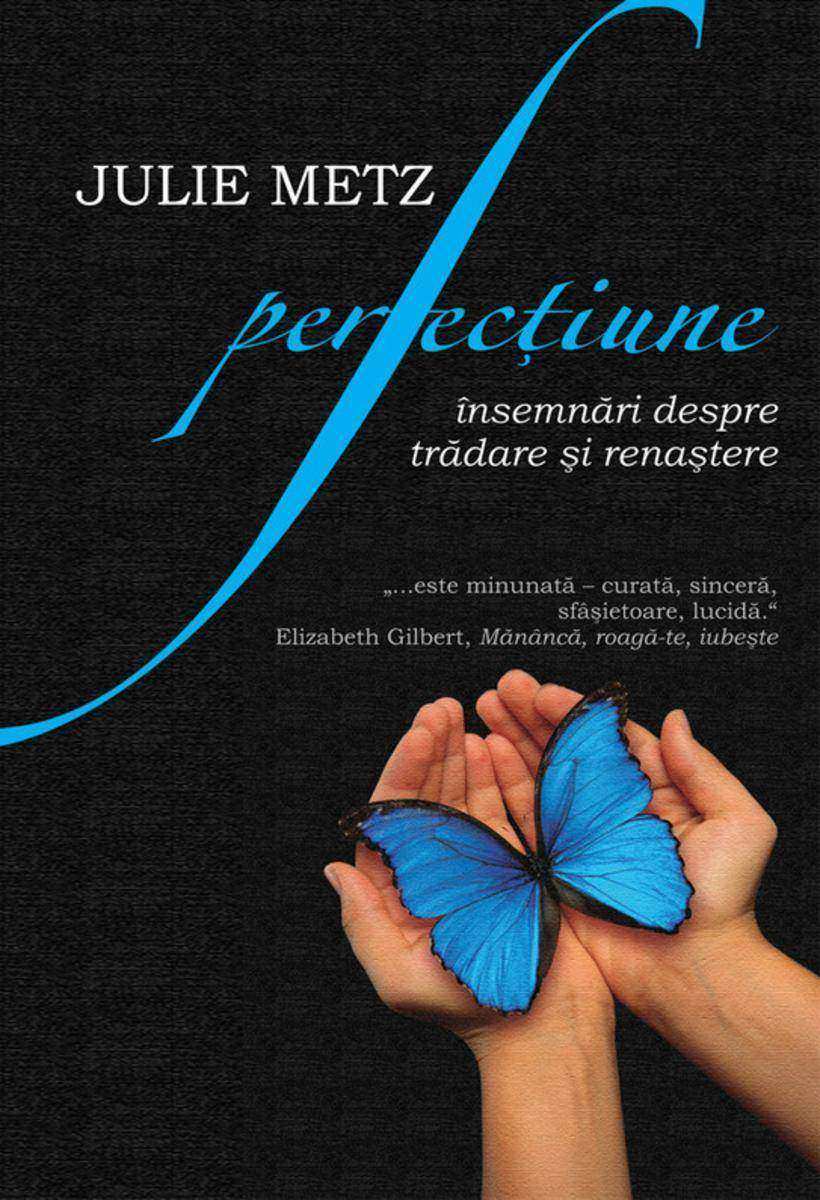
Perfec?iune. ?nsemn?ri despre tr?dare ?i rena?tere
¥57.96
n vrst de 11 ani, Ivy Manx locuiete n inutul Caux, al crui conductor este teribilul Rege Mtrgun i unde legea trmului este otrvete sau fii otrvit“. Fr un degusttor de ncredere acreditat de Breasl care s-i stea mereu aproape, urmtoarea ta mas ar putea fi i ultima.Chiar mai ru, unchiul mult iubit al fetiei – ultimul farmacopat vindector din Caux – a disprut fr urm, lsnd-o pe Ivy cu trusa lui cu leacuri secrete, cu o cioar zgomotoas pe nume H i cu un degusttor nepriceput i mrav, cu nclinaie pentru picoteal.Nu mai e timp de pierdut! Ivy trebuie s-i pun n aplicare teribilul plan! mpreun cu un tnr degusttor pe nume Rowan – aflat pe fug dup otrvirea accidental a douzeci dintre grzile regelui –, fata pornete n cutarea unchiului ei. n aceste vremuri dominate de corupie i de uneltiri – n acest, pn nu demult, minunat loc strvechi –, cei doi copii, devenii acum dumanii ntregului regat, au un sprijin de ndejde.Dar ce vor oare urmritorii lor S fie nestemata de-o inegalabil frumusee ce pare – dei asta este practic imposibil – a fi scobit Sau o fi elixirul pe care ea nsi l-a creat i care are misterioase puteri vindectoare Sau oare poate fi vorba despre Ivy nsiSpus pe un ton uor ironic i de o prospeime irezistibil, primul volum al trilogiei Otrvurile din Caux“, Nestemata Scobit este o uimitoare poveste despre ierburi i magie, degusttori i otrvuri.
C?ntec sf?nt
¥16.35
Ceea ce putem spune ?i ceea ce se cuvine spus este c? literatura noastr? modern? ?l revendic? cu hot?r?re pe Panait Istrati, pe fiul pierdut ?i revenit ca ?i Ulise al versului francez, dup? o miraculoas? c?l?torie. C?ci opera lui Panait Istrati ?ntrege?te peisajul literaturii rom?ne?ti din ultimii dou?zeci de ani, deoarece, dimpreun? cu Mihail Sadoveanu ?i cu Liviu Rebreanu, autorul Chirei Chiralina alc?tuie?te treimea cea de o fiin?? a celei mai unitare substan?e epice. C? ?i ace?tia – ?i poate c? nu stric? s? amintim cum c?te?itrei purced la ?mplinirea operei lor, cam ?n acela?i timp (?ntreg Sadoveanu de dup? Cocost?rcul albastru, doar de la trecutul r?zboi ?ncepe) c? ?i ace?tia, Panait Istrati este dintre to?i ceilal?i scriitori ai no?tri, acela care aduce cele mai multe probleme, cei mai mul?i eroi ?i cea mai puternic? individualitate. — Perpessicius
Excelsior
¥16.35
Dup? cum din Golanii nu se putea prevedea Ion, tot a?a nici din La Grandiflora nu se putea prevedea Rusoaica sau Donna Alba, cu toat? prezen?a elementelor prezumtive ale talentului lui Gib I. Mih?escu. Scriitorul a ?tiut s? se organizeze ?n crea?ii de care critica e bucuroas? s? ?in? seama, ca de produc?ii reprezentative ale literaturii noastre ultime. (Eugen Lovinescu)
Minunile Sf Sisoe
¥16.35
Iubire sete de via?? Tu e?ti puterea creatoare Sub care inimile noastre Renasc ca ???orile ?n soare ??i ?mb?tate de-al t?u farmec Ce peste lume se a?terne ?n tremurarea lor de-o clip? Viseaz? fericiri eterne. Din haos ?i din ?ntuneric Te-ai smuls fecund? ?i senin?: Al t?u sur?s de alma parens Fu prima raz? de lumin?. ??i de c?ldura ta plane?ii Treptat se dezmor?esc ?nvie... Pe to?i ca ?ntr-o mreaj?-i leag? Universala simpatie. Tu faci s? circule ?n lume Puterea ta de z?mislire. ??i miliardele de forme De-a lungul vremii s? se-n?ire. Alexandru Vlahuta - Iubire

Despot Voda. Sanziana si Pepelea
¥16.35
Prin culegerea de fa?? punem la dispozi?ia tineretului studios (?i nu numai) o seam? de opere importante ale lui Vasile Alecsandri, opere reprezentative pentru dramaturgia ?i proza scriitorului, ?n primul r?nd cele prev?zute de programele ?colare ?n vigoare.


