


 购物车
购物车 个人中心
个人中心
Twilight in Italy
¥8.01
*** BELLWETHER-D?JAS REG?NY ***Egyedül Rachel, egy dán édesanya és egy fekete édesapa gyermeke éli túl azt a családi tragédiát, amely egy végzetes reggelen k?vetkezett be chicagói házuk tetején.A kislány új gyámot kap, az afroamerikai nagyanyjával egy t?bbnyire feketék lakta k?z?sségbe kerül, ahol világosbarna b?re, kék szeme és szépsége miatt folyamatosan a figyelem k?zéppontjába kerül. Ez a figyelem végigkíséri, ahogy cseperedik és próbálja feldolgozni a gyászát, mik?zben lassan megérti, hogy az anyja titka és tragédiája milyen kapcsolatban áll saját bizonytalan identitásával.A fiatal félvér lány megrázó és szívbemarkoló t?rténete a társadalom rassz- és osztályfelfogását veszi célba, és a Washington Post a megjelenés évében az év regényének választotta a társadalmi igazságossággal kapcsolatos témákkal foglalkozó legjobb irodalmi kéziratért járó Bellwether-díjas írást.?A lány az égb?l – szárnyal… Energiájáról az élénk színekkel megrajzolt szerepl?k gondoskodnak, s az, ahogyan egymást látják. Durrow-nak fantasztikus füle van a párbeszédekhez, képes egyetlen sorral remények és félelmek egész tárházát életre kelteni.”– New York Times ??géretes debütálás… [Durrow] modern t?rténetet sz?tt identitásról és túlélésr?l.”– The Washington Post ?Komplex és komoly regény a félvér amerikaiak életér?l… Magával ragadó és elgondolkodtató olvasmány”– Minneapolis Star Tribune ?Megindító, csodálatos els? regény… Durrow er?t sugárzó regénye méltó rá, hogy helyet kapjon az amerikai életérzés klasszikus t?rténetei k?z?tt.”– The Miami Herald Durrow Rachelje fiatal félvér n?, akit semmiképp sem neveznék tragikus szerepl?nek. Bár bonyolult utat tesz meg az elidegenedés és a kétségbeesés útveszt?jében, végül olyan n?vé érik, akinek saját hangja van, és nyitott a világ számtalan lehet?ségére… Emelkedj fel! Szárnyalj! Lépj tovább! Elegáns csomagolásban ezt az üzenetet kapja kézhez az olvasó.” – The Huffington Post ?Feszes próza, konfliktusos végkifejlet, és mély reflexió rasszizmusra és faji identitásra: ezek visszhangoznak a m?ben, anélkül, hogy az politikai vagy bármilyen más túlságosan konkrét üzenetet k?zvetítene, mik?zben a t?rténet egyszerre m?k?dik mind modern feln?ttéválási meseként, mind releváns társadalmi kommentárként.”– Publishers Weekly
Metamorphosis: {Illustrated}
¥9.24
The third novel, The Vicomte de Bragelonne (serialized October, 1847—January, 1850), has enjoyed a strange history in its English translation. It has been split into three, four, or five volumes at various points in its history. The five-volume edition generally does not give titles to the smaller portions, but the others do. In the three-volume edition, the novels are entitled The Vicomte de Bragelonne, Louise de la Valliere, and The Man in the Iron Mask. For the purposes of this etext, I have chosen to split the novel as the four-volume edition does, with these titles: The Vicomte de Bragelonne, Ten Years Later, Louise de la Valliere, and The Man in the Iron Mask. In the first three etexts: The Vicomte de Bragelonne (Etext 2609): It is the year 1660, and D'Artagnan, after thirty-five years of loyal service, has become disgusted with serving King Louis XIV while the real power resides with the Cardinal Mazarin, and has tendered his resignation. He embarks on his own project, that of restoring Charles II to the throne of England, and, with the help of Athos, succeeds, earning himself quite a fortune in the process. D'Artagnan returns to Paris to live the life of a rich citizen, and Athos, after negotiating the marriage of Philip, the king's brother, to Princess Henrietta of England, likewise retires to his own estate, La Fere. Meanwhile, Mazarin has finally died, and left Louis to assume the reigns of power, with the assistance of M. Colbert, formerly Mazarin's trusted clerk. Colbert has an intense hatred for M. Fouquet, the king's superintendent of finances, and has resolved to use any means necessary to bring about his fall. With the new rank of intendant bestowed on him by Louis, Colbert succeeds in having two of Fouquet's loyal friends tried and executed. He then brings to the king's attention that Fouquet is fortifying the island of Belle-Ile-en-Mer, and could possibly be planning to use it as a base for some military operation against the king. Louis calls D'Artagnan out of retirement and sends him to investigate the island, promising him a tremendous salary and his long-promised promotion to captain of the musketeers upon his return. At Belle-Isle, D'Artagnan discovers that the engineer of the fortifications is, in fact, Porthos, now the Baron du Vallon, and that's not all. The blueprints for the island, although in Porthos's handwriting, show evidence of another script that has been erased, that of Aramis. D'Artagnan later discovers that Aramis has become the bishop of Vannes, which is, coincidentally, a parish belonging to M. Fouquet. Suspecting that D'Artagnan has arrived on the king's behalf to investigate, Aramis tricks D'Artagnan into wandering around Vannes in search of Porthos, and sends Porthos on an heroic ride back to Paris to warn Fouquet of the danger. Fouquet rushes to the king, and gives him Belle-Isle as a present, thus allaying any suspicion, and at the same time humiliating Colbert, just minutes before the usher announces someone else seeking an audience with the king. Ten Years Later (Etext 2681): As 1661 approaches, Princess Henrietta of England arrives for her marriage, and throws the court of France into complete disorder. The jealousy of the Duke of Buckingham, who is in love with her, nearly occasions a war on the streets of Le Havre, thankfully prevented by Raoul's timely and tactful intervention. After the marriage, though, Monsieur Philip becomes horribly jealous of Buckingham, and has him exiled. Before leaving, however, the duke fights a duel with M. de Wardes at Calais. De Wardes is a malicious and spiteful man, the sworn enemy of D'Artagnan, and, by the same token, that of Athos, Aramis, Porthos, and Raoul as well. Both men are seriously wounded, and the duke is taken back to England to recover. Raoul's friend, the Comte de Guiche, is the next to succumb to Henrietta's charms, and Monsieur obtains his exile as well, though De Guiche soon effects a reconciliation.
Sherlock, Lupin és ?n 3.: A skarlátv?r?s rózsa rejtélye
¥58.94
Egy nyugtalan képzelet? koldusfiúcska a XVI. századi London nyomortanyáin k?nyveket olvas, és királyokról álmodik… ?rdekl?dése egy napon egészen a királyi palotáig sodorja, és egyszerre csak bent van a pompás termekben, s a vele egyid?s királyfi játékból ruhacserét ajánl, csak egy-két pillanatra. Nos, ez a játék, kül?nféle félreértések miatt, valóságra fordul! A koldusfiú hónapokon át élheti a királyfiú fenséges, de cseppet sem irigylésre méltó életét, a királyfiú pedig sz?rny? megaláztatások és szenvedések k?zt kénytelen ismereteket, emberséget és b?lcsességet gy?jteni elj?vend? országlása idejére. Mark Twain részrehajlás nélkül mindkét sorsnak a legalaposabban végére járt, mint aki maga is hol koldusnak, hol királyfinak álmodja magát…

?breszd fel a benned rejl? géniuszt
¥73.25
Ebben a k?nyvben semmi sem az, aminek látszik.Louise, a fiatal titkárn? talán élete férfijával találkozik egy bárban, de a csók korainak bizonyul, kül?n?sen, miután hétf?n a munkahelyén megpillantja új f?n?két, Davidet – aki persze nem más, mint a férfi a bárból. ?s naná, hogy felesége van. Ami ezután t?rténik, az minden, csak nem megjósolható. Hiába kombinál az olvasó, el?bb-utóbb leesik neki, hogy ebben a szokványosnak látszó szerelmi háromsz?gben igazából semmi sem szokványos. ?s felesleges lenne arra intenünk, hogy inkább ne kedveljen meg egyetlen szerepl?t sem – úgyis képtelen lesz ellenállni. Mígnem egy ponton, amikor a legjobban aggódik majd az illet? sorsa miatt, ráébred: nem is ?t kellett volna féltenie!Sarah Pinborough regénye nem egy szerelmes t?rténet, egy krimi és egy thriller szimpla keveréke. Sokkal félelmetesebb annál. Mert Pinborough regénye elkísér. ?s nem hagy nyugodni. Ne higgy ennek a k?nyvnek!Ne higgy a szerepl?knek!Ne higgy saját magadnak se!?s t?rténjen bármi, senkinek se áruld el a végét! Sarah Pinborough az Egyesült Királyság egyik méltán népszer?, sokszoros díjnyertes romantikust?rténet- és krimiírója, akinek neve az egész világon ismert. Ne higgy a szemének! cím? regényét 19 nyelvre fordítják le, s a magyar kiadást már hetekkel az angliai bemutató után kezükbe vehetik az olvasók.Sarah Pinborough - er? és kecsesség. Egy irodalmi kaméleon! ― Neil GaimanPinborough írása élénk és érzelmileg vibráló. Nem tudtam letenni. ― Stephen KingT?kéletesen kidolgozott karakterek, páratlan írói munka, és egy cselekmény, ami teljes bizonytalanságban tart. A vége pedig úgy fejbe vág, mint mikor a mesében rázuhan egy zongora a nyúl fejére. Engem nem k?nny? leny?g?zni, de ez a k?nyv megtette. ― Joanne HarrisA Ne higgy a szemének! egy s?tét, hátborzongató hangulatú, letehetetlen k?nyv, brilliáns befejezéssel. Hamarosan rajongani fogsz Sarah Pinboroughért! ― Harlan CobenCsavaros pszichológiai thriller. A m?faj sokat látott olvasói is csak találgatnak - az utolsó oldalig. ― Publishers Weekly

A maffia ?lelésében
¥57.55
Elképeszt? lélektani thriller – a Hátsó ablak találkozása a Holtodiglannal. Rachel ingázó, minden reggel felszáll ugyanarra a vonatra. Tudja, hogy minden alkalommal várakozni szoktak ugyanannál a fénysorompónál, ahonnan egy sor hátsó udvarra nyílik rálátás. Már-már kezdi úgy érezni, hogy ismeri az egyik ház lakóit. Jess és Jason, így nevezi ?ket. A pár élete t?kéletesnek t?nik, és Rachel sóvárogva gondol a boldogságukra. ?s aztán lát valami megd?bbent?t. Csak egyetlen pillanatig, ahogy a vonat tovahalad, de ennyi elég. A pillanat mindent megváltoztat. Rachel immár részese az életüknek, melyet eddig csak messzir?l szemlélt.? Meglátják; sokkal t?bb ?, mint egy lány a vonaton. Paula Hawkins els? thrillere azonnal a bestsellerlisták els? helyezettje lett. Harmincnégy országban megjelent, vitathatatlan, hogy az elmúlt évek legnagyobb sikerk?nyvét tartja kezében az olvasó.
Cserebogár úrfi a tengeren
¥8.83
A m?vek világa Mikszáth gyermekkorát idézi f?l egyszer? t?rténetekkel, falusi alakokkal, háttérben a gy?ny?r? tájjal, a fenséges természettel" – írja az el?szóban Kaiser László. Mikszáth korai elbeszél? m?vészetének két tünd?kletes darabja A tót atyafiakban (1880) a népélet tragikus és m?vészi szemlélése Arany János balladak?ltészetéhez hasonlítja Mikszáth stílusát, akit a legnagyobb magyar írok sorában tartunk számon. A jó palócok (1881) kis t?rténetek tudatos kompozíciójából áll ?ssze. Számos forrásból ered?, t?bb helyszínhez k?thet? valós t?rténetek (zsánerképek) szervez?dnek ciklussá a k?tet lapjain, azt az írói meggy?z?dést sugallva, hogy a halál nem egyenl? a pusztulással, de azt is, hogy a sors független az emberi akarattól. A palóc t?rténetek gy?jteménye a romantikus népiesség záró darabja. H?sei: Olej bacsa és Lapaj, a híres dudás, Bede Anna és a pogány Filcsik feledhetetlenek. T?rténeteiknek babonás modernségét Mikszáth a józan megfigyelés, a csaknem pozitivista kriticizmussal ellenpontozza.

Воздушные блинчики, оладьи, вафли.
¥17.99
Кра?на, яку залишили ?? творц?, винах?дники та мислител?, приречена на в?йну, голод ? смерть. Владу захоплюють нев?гласи, корупц?онери й мародери. ?стор?я трива? бодай тому, що одна вольова ж?нка на ?м’я Да?н? Та??арт переконана, що досконалий св?т справжн?х ц?нностей ?сну?. Вона намага?ться зламати сценар?й неминучо? катастрофи. ?? Атлантида не м?ф. У св?т? ще ? см?ливц?, спроможн? створити сусп?льний лад, де нема? конфл?кт?в, не виника? потреби в самопожертв?, жодна людина не становить загрози для мети ?нших. Бунт?вн? атланти знають, що розум таки переможе. Риторичне питання, хто такий Джон ?олт, насправд? ма? в?дпов?дь, а неймов?рн? ?де? — сво? вт?лення, яке проголомшу? людську уяву. В останн?й частин? свого фундаментального роману ?дей Айн Ренд змальову? ц?л?сну ф?лософську систему, яка дос? виклика? палк? дискус??, де в?д захвату до обурення — один крок.

Szulejmán és a magyar udvarh?lgy
¥57.31
1893, London. Amikor Cora Seaborne és Francis nev? fia megérkezik Essexbe, ott az a szóbeszéd járja, hogy az egykor a lápvidéken garázdálkodó s emberéleteket k?vetel? mitikus sz?rny, az essexi Kígyó újra felt?nt Aldwinter egyházk?zségének partjainál. Lelkes természetbúvárként Corát t?zbe hozza a hír, hisz talán egy eleddig ismeretlen állatfaj példányáról van szó. A lény nyomait k?vetve ismerkedik meg Aldwinter papjával, William Ransome-mal, akivel ellentmondásos érzelmeket táplálnak egymás iránt, míg végül a legváratlanabb módon alakítják át a másik életét. Az essexi kígyó cím? k?nyvet számos irodalmi díjra jel?lték, megjelenése óta t?bb mint egy éve az eladási listák elején szerepel a k?nyv az Egyesült Királyságban. Az ?v K?nyve - The WaterstonesBritish Book Award gy?zteseThe Sunday Times Bestseller Mint els?számú bestsellert és a 2016-os Waterstones Book of the Yeart Az essexi kígyót további nyolc díjra jel?lték, k?ztük a 2017-es Costa K?nyvdíjra és a 2017-es Bailey’s Women’s Prize for Fictionre. Sarah m?veit tizenegy nyelvre fordítják le, a Guardiannek és a The Financial Timesnak ír recenziókat. Kend?zetlenségében magával ragadó regény, melyben vágy és hit gabalyodik egymásba a lápon, de az igazi csoda a barátság. Sarah Perrynek megvan az a rendkívüli adottsága, hogy elk?vesse a prózával az elképzelhetetlent - más szóval olyan író, aki érti az életet. (Jessie Burton, a Babaház úrn?je és a Múzsa cím? k?nyv szerz?je) Az essexi kígyó élvezetes olvasmány: egy rendkívül tehetséges szerz? intelligens, magával ragadó munkája. (Sarah Waters, A szobalány cím? k?nyv szerz?je ) Ett?l a k?nyvt?l vágyat kapunk rá, hogy jobb emberré váljunk. (Justine Jordan, The Guardian)

Плетем из газет, бумаги, картона (Pletem iz gazet, bumagi, kartona)
¥17.74
Rū?ītis ?ī skaistā pasaka ir mazā elfa dzīves stāsts. Vi?? mitinājās bagāta tirgotāja mājā un vienmēr bija pārticis.? ?ajā mājā dzīvoja arī kāds trūcīgs students, kur? bie?i cieta badu, jo visu naudu tērēja grāmatām. Kādu dienu Rū?ītis ieskatījās studenta istabi?ā pa atslēgas caurumu. Ko vi?? tur ieraudzīja? Kas notika tālāk? Lasiet pa?i! ?ajā burvju pasakā ir daudzas svarīgas patiesības un morāles vērtības. Tās saturs, noska?a un krāsainās ilustrācijas noteikti iepriecinās visus bērnus
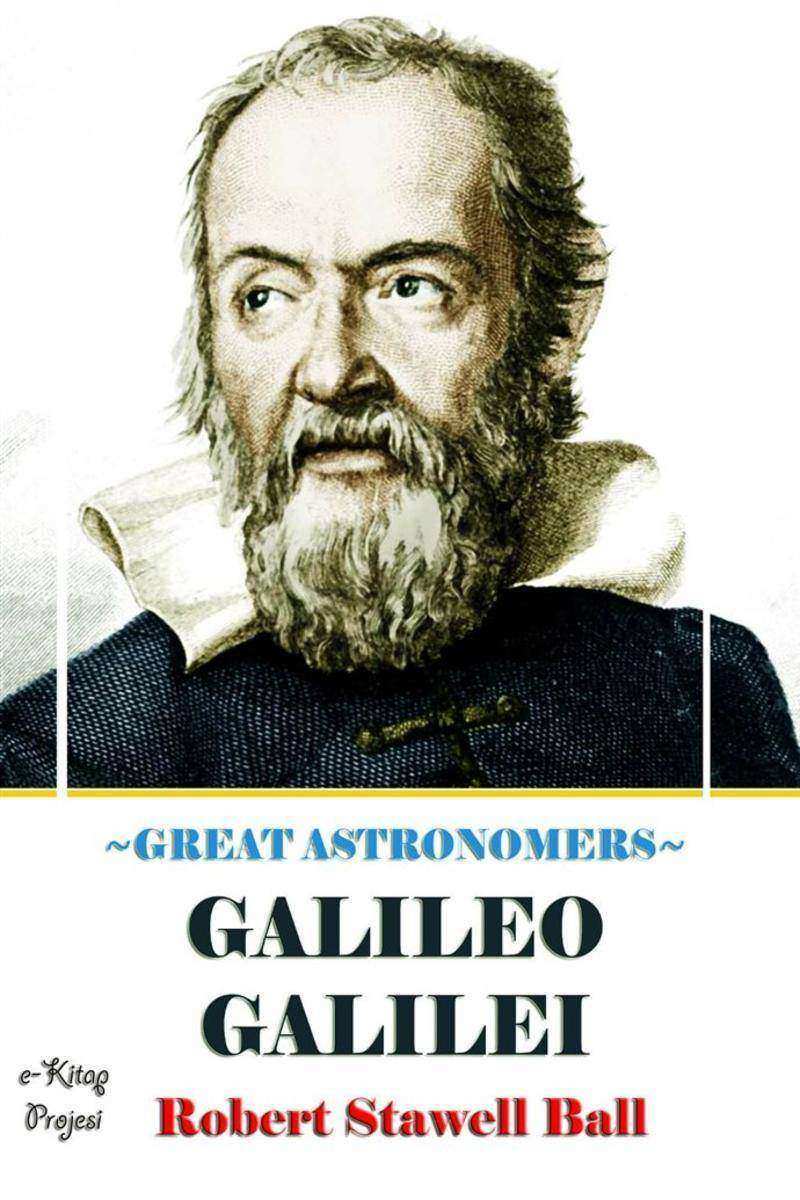
Great Astronomers (Galileo Galilei): Illustrated
¥19.05
The Virgin and the Gipsy was written in the year 1930 by David Herbert Lawrence. This book is one of the most popular novels of David Herbert Lawrence, and has been translated into several other languages around the world.This book is published by Booklassic which brings young readers closer to classic literature globally.
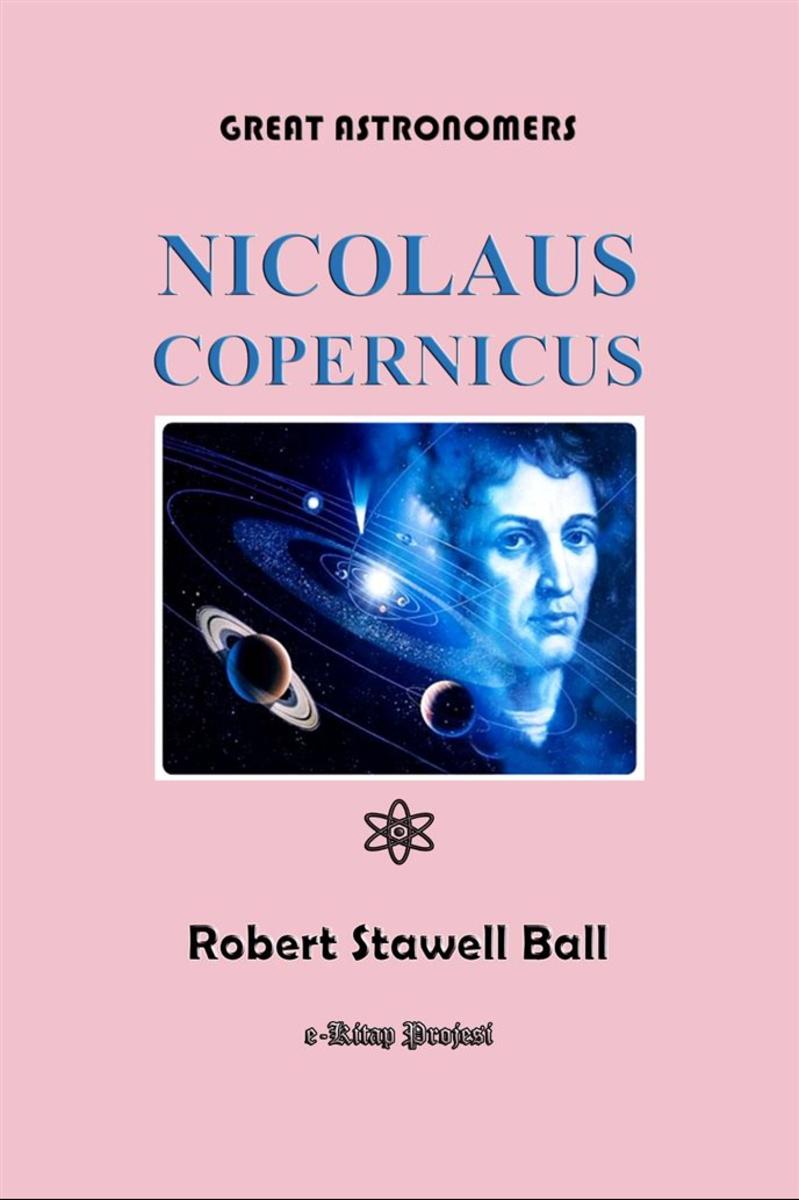
Great Astronomers (Nicolaus Copernicus): Illustrated
¥18.74
Skye a világon mindennél jobban szereti az ikertesóját, Summert. Mindig mindent együtt csinálnak, ám a Skye újabban kezdi azt érezni, teljesen elt?nik testvére árnyékában, mellette mindig csak a második legjobb lehet. Emiatt is érinti annyira fájdalmasan, mikor kiderül, Alfie is csak azért barátkozik vele, hogy meghódíthassa Summer szívét. Skye szeretne ?nmaga lenni, megmutatni saját stílusát és egyéniségét. De nem k?nny? elszánnia magát, hiszen egy t?kéletes, men? és népszer? ikertestvér mellett miért lenne bárki pont rá kíváncsi? ?t lány, ?t néz?pont, ?t k?nyv. Cherry után a Mályvacukor égboltból megismerjük Skye t?rténetét. Egy k?nyvsorozat, melyben minden testvérnek megvan a maga t?rténete Neked melyik lány lesz a kedvenced? Talán a Mályvacukor égbolt f?h?se, Skye? ? az a lány, akinek sz?ke, hullámos a haja, kék a szeme, egy kissé talán kül?nc, de mindig vidám, kedves és barátságos. Igazi egyéniség. A szerz?r?l: Cathy Cassidy nyolc-kilencéves korában írta meg els? képesk?nyvét kis?ccsének, és azóta ontja magából a t?rténeteket. Magyarul els?ként a Csajok és csokik-sorozata jelent meg (a Cseresznyés ábrándot most a második k?tet, a Mályvacukor égbolt k?veti), melynek a vagány Tanberry-n?vérek a f?h?sei. De mellettük felt?nik néhány szupermen? srác is, valamint Cathy egyik legnagyobb szerelme, a csokoládé is fontos szerepet kap. Cathy Skóciában él a családjával. Az ?sszes munka k?zül, amivel valaha megpróbálkozott, az írást szereti a legjobban hiszen amikor ír, mást sem kell csinálnia, mint ébren álmodozni egész álló nap.
The Yellow God
¥8.01
t hulla. Egy tetthely. Egy kzs pont. Vagy mégsem Egy átlagosnak induló napon, a szennyvíztelepen t ni holttestet találnak. Látszólag egyetlen kzs ponttal: Lolával. Az ügy felgngylítését láthatatlan erk gátolják, így az lezáratlanul már-már a feledés homályába merül. Két év után, a váratlan helyrl érkez bizonyítéknak ksznheten, az ifjú nyomozón új fnkétl kap egy esélyt, hogy utána járjon a rejtélynek. Vajon választ kap élete egyik legfontosabb kérdésre Ki gyilkolta meg a legjobb barátnit Ahogy titokzatos segítjével egyre mélyebbre ásnak, úgy derül ki, hogy mindenkinek vannak titkai, amiket elrejtene a világ ell és, hogy valójában senki sem egészen az, akinek látszik… Lesz, akinek fontosabb az igazság, mint a titkok megrzése Vagy mindenki a saját érdekeit helyezi eltérbe Te mit tennél Dr. Cserjési Petra regényében egy szvevényes trténeten kalauzolja keresztül az olvasót, amit a korrupció, megfélemlítés és a bn itat át.
St Mawr
¥7.93
jabb külnleges világba nyerhetnek betekintést azok, akik Kordos Szabolccsal tartanak ezen a kontinenseken átível utazáson. A hatalmas siker Luxushotel, Hungary szerzjének új knyvében elárulják titkaikat a magánrepülgépeken dolgozó magyar légiutas-kísérk, valamint megszólalnak a diszkont- és a hagyományos légitársaságok sokat látott alkalmazottai. Megosztják a szerzvel így az olvasóval is trténeteiket a fldi kiszolgáló személyzet tagjai és a mindent elnyel gyomrú tehergépek magányos pilótái.Szeretné tudni, miért éri meg 20 millió forintot klteni egyetlen repülútra, ha mindssze négy percet tlt a helyszínen az ember Kíváncsi rá, hogyan reagált a magyar legénység egy máig titokban tartott gépeltérítési kísérletre Megismerné, milyen krülmények kztt élnek a pilóták és a légiutas-kísérk a Kzel-Keleten Mi az igazság a Mile High ClubrólHa érdeklik a mindennapok 10 kilométerrel a fld felett, és a repültéri élet valósága, akkor az Airport, Hungaryt rmmel forgatja majd.
Me?eria?ii (foae cu m?ini)
¥24.44
Evie Snowt id?s korában, álmában, a szerettei k?rében ragadja el a halál. Ki az, aki nem ilyen békés eltávozásra vágyik? Amikor azonban megérkezik a mennyország kapujába, rá kell d?bbennie, hogy újra huszonhét éves, és az ajtó nem nyílik. Ahhoz, hogy átjuthasson rajta, meg kell szabadulnia a lelkére nehezed? terhekt?l: három titoktól, amely fél évszázadon át nyomasztotta ?t. Fel kell tárnia titkait, miel?tt kés? lesz. Evie csodálatos utazása során t?bbet tanul az életr?l és a szerelemr?l, mint azt valaha képzelte volna, s talán a rég elvesztett szerelméhez vezet? utat is sikerül megtalálnia. ? Varázslatos regénnyel lepte meg rajongóit Carrie Hope Fletcher, aki az egyik legnépszer?bb fiatal sztár és nemcsak hazájában, Angliában. Népszer? West End-énekesn?, százezrek által k?vetett youtuber, író, második k?tete ez - és egyben els? regénye. ?Napokkal megjelenése után, ahogy el?z? k?tete is, azonnal a Sunday Times els? számú bestsellere lett.

K?z?ttünk a tenger
¥80.44
Sok nevem volt már. T?bb mint amennyit meg tudnék jegyezni. A k?vetkez? nevemet még nem ismerem, a mostanit már rég elfeledtem. Már nem érdekel, ki voltam, s mit tettem. Voltak k?ztük h?stettek, jó dolgok, melyekre jó érzés visszagondolni, de még t?bb volt, amire nem vagyok büszke. Tettem dolgokat parancsra - akármelyik oldal is utasított -, és tettem dolgokat, hogy védjem magam... T?lem nem aludt nyugodtan a rend?rség, és t?lem rettegett az alvilág. A legkeresettebb b?n?z?k top 100-as listájának el?kel? harmadik helyét foglaltam el. Az igazságszolgáltatás kényes "végrehajtó" rését t?mtem be. Sok mindenre büszke vagyok, és még t?bbt?l fog el a hányinger. Nehéz volt, de végül felkerült az i-re a pont. Teljesítette feladatomat, megpihenhetek végre. Végeztem mindennel és mindenkivel. Ez életem utolsó napjainak t?rténete...
Avicenna: (Ibn-i Sinanin Sifa Kitabi)
¥28.04
Az igaz szerelem le tud gy?zni minden akadályt? Gabriella, a t?rténet h?sn?je nyaralni indul barátn?jével Puerto Ricóba, ahol váratlanul találkozik az ünnepelt filmcsillaggal, David Canóval és szoros barátság alakul ki k?ztük. Vagy talán még annál is t?bb? Gabi szerelmes lesz a férfiba, mégis elutasítja annak k?zeledését és a nyaralás végeztével hazatér a férjéhez. Egy váratlan fordulat azonban úgy hozza, hogy id? k?zben Gabi férje, Roberto bejelenti: válni akar, újra fellángolt a szerelem k?zte és a volt barátn?je k?z?tt. Látszólag elhárul minden akadály Gabi és David szerelmének beteljesülése el?l. De a sors furcsa játékot ?z a szerelmesekkel, ezért a két egészen kül?nb?z? világból érkez? fiatal útjai hamarosan szétválnak, és Gabi kénytelen egy hatalmas titokkal a szívében élni. Vajon el tudja titkolni szerelme el?l azt, amit mindenki más tud? Katie Fran?oise els? romantikus-kalandos regényében választ keres a minden férfit és n?t foglalkoztató kérdésékre. Vajon el lehet választani azokat, akiket egymásnak szánt a sors?

Fiice perfecte: Fiicele adulte ale alcoolicilor
¥65.32
A Dunnottar kastélyban ?rzik a legendás skót király, Robert Bruce kardját. Ezt az értékes kincset most mutatják meg el?sz?r a nagyk?z?nségnek, ám a megnyitóünnepségen a vendégek titokzatos álomba merülnek. Mire felébrednek, a kardnak már csak h?lt helyét látják. Régi legendák és szellemek k?z?tt ezúttal is a Mistery unokatestvérek oldják meg a rejtélyt.
Pen Drawing: "An Illustrated Treatise"
¥18.74
The book's protagonist is an English scientist and gentleman inventor living in Richmond, Surrey in Victorian England, and identified by a narrator simply as the Time Traveller. The narrator recounts the Traveller's lecture to his weekly dinner guests that time is simply a fourth dimension, and his demonstration of a tabletop model machine for travelling through it. He reveals that he has built a machine capable of carrying a person, and returns at dinner the following week to recount a remarkable tale, becoming the new narrator.In the new narrative, the Time Traveller tests his device with a journey that takes him to A.D. 802,701, where he meets the Eloi, a society of small, elegant, childlike adults. They live in small communities within large and futuristic yet slowly deteriorating buildings, doing no work and having a frugivorous diet. His efforts to communicate with them are hampered by their lack of curiosity or discipline, and he speculates that they are a peaceful communist society, the result of humanity conquering nature with technology, and subsequently evolving to adapt to an environment in which strength and intellect are no longer advantageous to survival. Returning to the site where he arrived, the Time Traveller is shocked to find his time machine missing, and eventually works out that it has been dragged by some unknown party into a nearby structure with heavy doors, locked from the inside, which resembles a Sphinx. Later in the dark, he is approached menacingly by the Morlocks, ape-like troglodytes who live in darkness underground and surface only at night. Within their dwellings he discovers the machinery and industry that makes the above-ground paradise possible. He alters his theory, speculating that the human race has evolved into two species: the leisured classes have become the ineffectual Eloi, and the downtrodden working classes have become the brutish light-fearing Morlocks. Deducing that the Morlocks have taken his time machine, he explores the Morlock tunnels, learning that they feed on the Eloi. His revised analysis is that their relationship is not one of lords and servants but of livestock and ranchers. The Time Traveller theorizes that intelligence is the result of and response to danger; with no real challenges facing the Eloi, they have lost the spirit, intelligence, and physical fitness of humanity at its peak. Meanwhile, he saves an Eloi named Weena from drowning as none of the other Eloi take any notice of her plight, and they develop an innocently affectionate relationship over the course of several days. He takes Weena with him on an expedition to a distant structure that turns out to be the remains of a museum, where he finds a fresh supply of matches and fashions a crude weapon against Morlocks, whom he fears he must fight to get back his machine. He plans to take Weena back to his own time. Because the long and tiring journey back to Weena's home is too much for them, they stop in the forest, and they are then overcome by Morlocks in the night, and Weena faints. The Traveller escapes only when a small fire he had left behind them to distract the Morlocks catches up to them as a forest fire; Weena is presumably lost in the fire, as are the Morlocks. The Morlocks use the time machine as bait to ensnare the Traveller, not understanding that he will use it to escape. He travels further ahead to roughly 30 million years from his own time. There he sees some of the last living things on a dying Earth, menacing reddish crab-like creatures slowly wandering the blood-red beaches chasing butterflies in a world covered in simple lichenous vegetation. He continues to make short jumps through time, seeing Earth's rotation gradually cease and the sun grow larger, redder, and dimmer, and the world falling silent and freezing as the last degenerate living things die out.
Prodigal Village: "A Christmas Tale"
¥18.74
Through the Looking-Glass, and What Alice Found There (1871) is a novel by Lewis Carroll (Charles Lutwidge Dodgson), the sequel to Alice's Adventures in Wonderland (1865). The themes and settings of Through the Looking-Glass make it a kind of mirror image of Wonderland: the first book begins outdoors, in the warm month of May (4 May), uses frequent changes in size as a plot device, and draws on the imagery of playing cards; the second opens indoors on a snowy, wintry night exactly six months later, on 4 November (the day before Guy Fawkes Night), uses frequent changes in time and spatial directions as a plot device, and draws on the imagery of chess. In it, there are many mirror themes, including opposites, time running backwards, and so on. Short Summary: Alice is playing with a white kitten (whom she calls "Snowdrop") and a black kitten (whom she calls "Kitty")—the offspring of Dinah, Alice's cat in Alice's Adventures in Wonderland—when she ponders what the world is like on the other side of a mirror's reflection. Climbing up on the fireplace mantel, she pokes at the wall-hung mirror behind the fireplace and discovers, to her surprise, that she is able to step through it to an alternative world. In this reflected version of her own house, she finds a book with looking-glass poetry, "Jabberwocky", whose reversed printing she can read only by holding it up to the mirror. She also observes that the chess pieces have come to life, though they remain small enough for her to pick up. Upon leaving the house (where it had been a cold, snowy night), she enters a sunny spring garden where the flowers have the power of human speech; they perceive Alice as being a "flower that can move about." Elsewhere in the garden, Alice meets the Red Queen, who is now human-sized, and who impresses Alice with her ability to run at breathtaking speeds. This is a reference to the chess rule that queens are able to move any number of vacant squares at once, in any direction, which makes them the most "agile" of pieces. The Red Queen reveals to Alice that the entire countryside is laid out in squares, like a gigantic chessboard, and offers to make Alice a queen if she can move all the way to the eighth rank/row in a chess match. This is a reference to the chess rule of Promotion. Alice is placed in the second rank as one of the White Queen's pawns, and begins her journey across the chessboard by boarding a train that literally jumps over the third row and directly into the fourth rank, thus acting on the rule that pawns can advance two spaces on their first move.
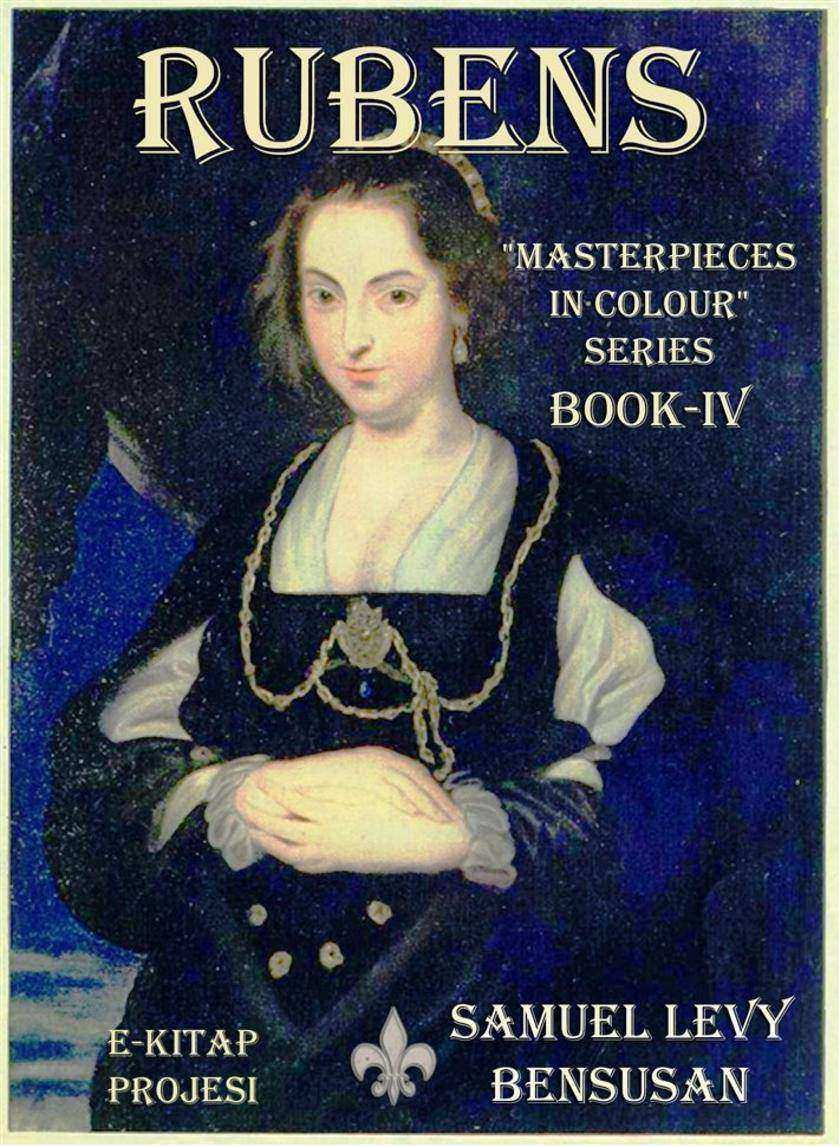
Rubens: "Masterpieces in Colour" Series: Book-IV
¥28.04
In “True Ghost Stories,” Mr. Carrington presents a number of startling cases of this character; but they are not the ordinary “ghost stories”—based on pure fiction, and having no foundation in reality. Here we have a well-arranged collection of incidents, all thoroughly investigated and vouched for, and the testimony obtained first-hand and corroborated by others. The chapter on “Haunted Houses” is particularly striking. The first chapter deals with the interesting question, “What is a Ghost?” and attempts to answer this question in the light of the latest scientific theories which have been advanced to explain these supernatural happenings and visitants. It is a book of absorbing interest, and cannot fail to grip and hold the attention of every reader—no matter whether he be a student of these questions, or one merely in search of hair-raising anecdotes and stories. He will find them here a-plenty! The following little book endeavors to bring together a number of “ghost stories” of the more startling and dramatic type,—but stories, nevertheless, which seem to be well authenticated; and which have been obtained, in most instances, at first hand, from the original witnesses; and often contain corroborative testimony from others who also experienced the ghostly phenomena. Some of these incidents, indeed, rise to the dignity of scientific evidence; others are less well authenticated cases,—but interesting for all that. These have been grouped in various Chapters, according to their evidential value. Chapters II. and III. contain well-evidenced cases, some of which have been taken from the Proceedings and Journals of the Society for Psychical Research (S. P. R.), or from Phantasms of the Living, or from other scientific books, in which narratives of this character receive serious consideration. Chapter V., on the contrary, contains a number of incidents which,—striking and dramatic as they are,—cannot be included in the two earlier Chapters, as presenting real evidence of Ghosts; but are published rather as startling and interesting ghost stories. Chapter IV., devoted to “Haunted Houses,” contains brief accounts of the most famous Haunted Houses, and of the phenomena which have been witnessed within them. Appendix A gives a list of a few of the important “Historical Ghosts,” Appendix B describes the “Phantom Armies” lately seen by the Allied troops in France—while Appendix C lists a number of books of Ghost Stories which the interested reader may care to peruse. A short Glossary, at the beginning of the book, explains the meaning of certain terms used,—which are not, perhaps, ordinarily met with in books of this character. In the Introductory Chapter, I have endeavored to explain, very briefly, the nature and character of Ghosts; what they are; and the various scientific theories which have been brought forward, of late years, to explain Ghosts. I hope that this may prove of interest to the reader; in case it does not do so, he is invited to “skip” directly to Chapter II., which begins our account of “True Ghost Stories.” I wish to express my thanks in this place to the Council of the English S. P. R. for special permission to quote and to summarize several striking cases here reproduced; also to Miss Estelle Stead, for permission to utilize several cases previously printed at length in Mr. Wm. T. Stead’s collections of Ghost Stories. H. C. [Author]

A boszorkánymester
¥14.39
Pride And Prejudice, the story of Mrs. Bennet's attempts to marry off her five daughters is one of the best-loved and most enduring classics in English literature. Excitement fizzes through the Bennet household at Longbourn in Hertfordshire when young, eligible Mr. Charles Bingley rents the fine house nearby. He may have sisters, but he also has male friends, and one of these—the haughty, and even wealthier, Mr. Fitzwilliam Darcy—irks the vivacious Elizabeth Bennet, the second of the Bennet girls. She annoys him. Which is how we know they must one day marry. The romantic clash between the opinionated Elizabeth and Darcy is a splendid rendition of civilized sparring. As the characters dance a delicate quadrille of flirtation and intrigue, Jane Austen's radiantly caustic wit and keen observation sparkle.


