


 购物车
购物车 个人中心
个人中心

Children's Stories in American History
¥27.80
Many ages ago in North America there was no spring or summer or autumn, but only winter all the time; there were no forests or fields or flowers, but only ice and snow, which stretched from the Arctic Ocean to Maryland. Sometimes the climate would grow a little warmer, and then the great glaciers would shrink toward the north, and then again it would grow cold, while the ice crept southward; but finally it became warmer and warmer until all the southern part of the country was quite free from the ice and snow, which could then only be seen, as it is now, in the Polar regions.??Ages and ages after this, grass and trees began to ap-pear, and at last great forests covered the land, and over the fields and through the woods gigantic animals roved—strange and terrible-looking beasts, larger than any animal now living, and very fierce and strong. Among these were the mammoth and mastodon, which were so strong and ferocious that it would take hundreds of men to hunt and kill them. These great animals would go trampling through the forests, breaking down the trees and crushing the grass and flowers under their feet, or rush over the fields in pursuit of their prey, making such dreadful, threatening noises that all the other animals would flee before them, just as now the more timid animals flee from the lion or rhinoceros. ??Sometimes they would rush or be driven by men into swamps and marshes, where their great weight would sink them down so deep into the mud that they could not lift themselves out again, and then, they would die of starvation or be killed by the arrows of the men who were hunting them.??Besides these mammoths and mastodons there were other animals living in North America at that time, very different from those that are found here now. ?
The Shunned House
¥9.00
"The Shunned House" is a horror fiction novelette by American author H. P. Lovecraft, written on October 16–19, 1924. It was first published in the October 1937 issue of Weird Tales. The Shunned House of the title is based on an actual house in Providence, Rhode Island, built around 1763 and still standing at 135 Benefit Street. Lovecraft was familiar with the house because his aunt Lillian Clark lived there in 1919-20 as a companion to Mrs. H. C. Babbit. However, it was another house in Elizabeth, New Jersey that actually compelled Lovecraft to write the story.
Dorothy
¥27.80
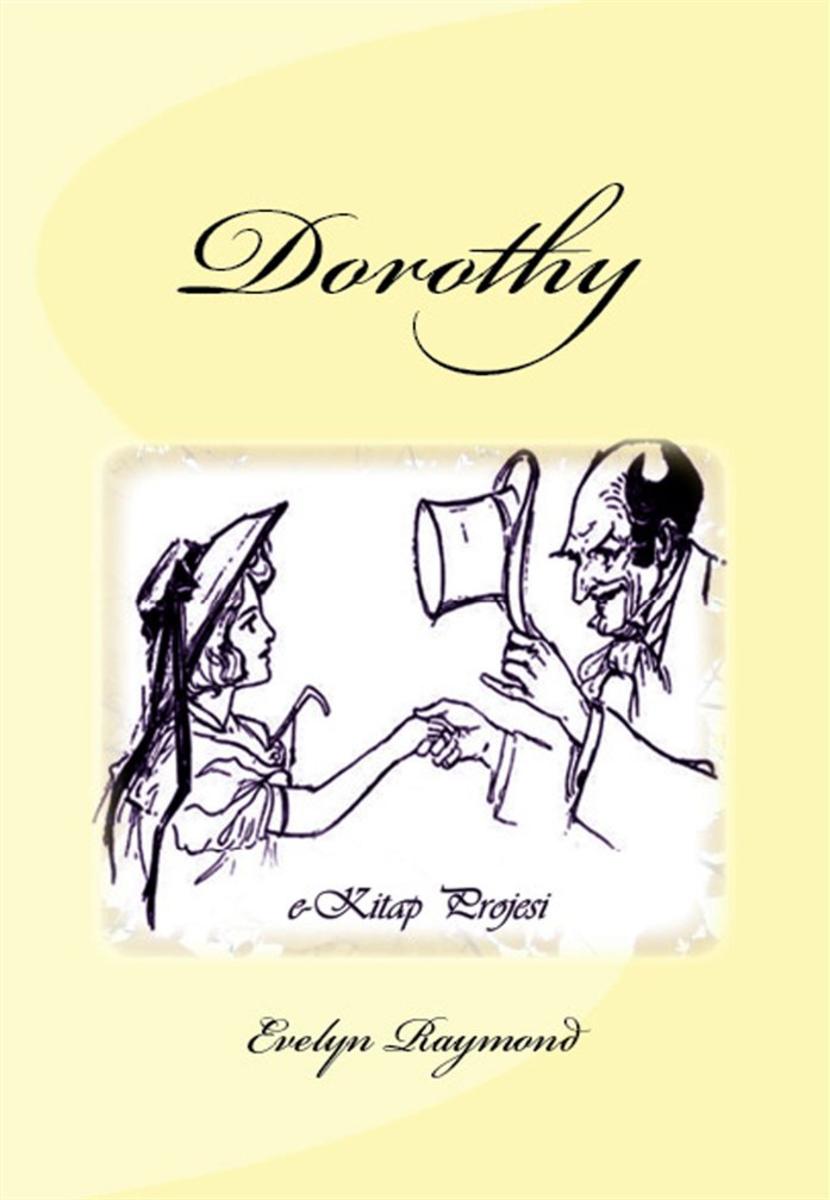
So long a time had passed that Dorothy C. had grown to be what father John called "a baker's dozen of years old"; and upon another spring morning, as fair as that when she first came to them, the girl was out upon the marble steps, scrubbing away most vigorously. The task was known locally as "doing her front," and if one wishes to be considerable respectable, in Baltimore, one's "front" must be done every day. On Saturdays the entire marble facing of the basement must also be polished; but "pernickity" Mrs. Chester was known to her neighbors as such a forehanded housekeeper that she had her Saturday's work done on Friday, if this were possible.??Now this was Friday and chanced to be a school holiday; so Dorothy had been set to the week-end task, which she hated; and therefore she put all the more energy into it, the sooner to have done with it, meanwhile singing at the top of her voice. Then, when the postman came round the corner of the block, she paused in her singing to stare at him for one brief instant. The next she had pitched her voice a few notes higher still, and it was her song that greeted her father's ears and set him smiling in his old familiar fashion. ??Unfortunately, he had not been smiling when she first perceived him and there had been a little catch in her tones as she resumed her song. Each was trying to deceive the other and each pretending that nothing of the sort was happening.??"Heigho, my child! At it again, giving the steps a more tombstone effect? Well, since it's the fashion—go ahead!"??"I wish the man, or men, who first thought of putting scrubby-steps before people's houses had them all to clean himself! Hateful old thing!"
The Picture in the House
¥9.00
A lone traveler seeks shelter from an approaching storm in an apparently abandoned house, only to find that it is occupied by a "loathsome old, white-bearded, and ragged man."
Poetry of the Gods
¥9.00
Poetry and the Gods is a short story by horror writer and poet H.P. Lovecraft in collaboration with writer Anna Helen Crofts. The story is very different from the vast majority of Lovecraft's other work and collaborations. It does, however, bear similar themes regarding dreams as a doorway to magic realms, and slumbering gods. The narrative follows the dream-voyage of Marcia, a young woman filled with weariness of the mundane world and all its woes. She resolves to ease her troubled soul by reading a magazine of poetry. As she does, a dream-state unfolds in which the Greek god Hermes appears and bears Marcia to the court of Zeus and the Olympians.

Cuentos Ingenuos
¥18.56
—Estas??—Si, corriendo.? Y corriendo, corriendo, azotando las puertas con sus vuelos de seda, desde el tocador al gabinete y desde el armario al espejo, siempre en el retoque de ultima hora; buscando el alfiler o el abanico que perdian su cabecilla de loca, volviendose desde la calle para cenir a su garganta el collar, haciendome entrar todavia por el panolito de encaje olvidado sobre la silla, saliamos al fin todas las noches con hora y media de retraso, aunque con luz del sol empezara ella la archidificil obra de poner a nivel de la belleza de su cara la delicadeza de su adorno.?Gracias habia que dar si cuando al primer farol, ella, parandose, me preguntaba: "Que tal voy?", no le contestaba yo: "Bien, muy guapa", con absoluto convencimiento; porque capaz era la nina de volverse en ultima instancia al tribunal supremo del espejo, y entonces, ?adios, teatro!..., llegabamos a la salida. Como ocurria muchas veces.? Ella muy de prisa, yo a su lado, un poco detras, no muy cerca, con mezcla del respeto galante del caballero a la dama y del respeto grave del groom a la duquesita. Cuando en la vuelta de una esquina rozaban mi brazo sus cintas, yo le pedia perdon. Mirabala sin querer a la luz de los escaparates, y cuando alguna mujer del pueblo quedabase parada floreandola, yo la decia: "Mira, oyes?", y sonreia ella triunfante como una reina... ? ?AUTOR: Felipe Trigo Sanchez (1864 – 1916) fue medico rural y militar, y posteriormente escritor espanol. Nacido en Villanueva de la Serena, en el seno de una familia de clase media con dificultades economicas por la temprana muerte del padre, Felipe Trigo curso el bachillerato en Badajoz y la carrera de medicina en el Hospital de San Carlos de Madrid. Su experiencia como estudiante forastero en la capital la plasmaria en la novela En la carrera. Tras licenciarse, casado ya con su companera de facultad, Consuelo Seco de Herrera, ejercio como medico titular en los pueblos pacenses de Trujillanos y Valverde de Merida, circunstancia biografica que tambien novelizaria en El medico rural. Hastiado de la vida rural, entro por oposicion en el Cuerpo de Sanidad Militar. Su primer destino fue Sevilla, donde comenzo su actividad periodistica que ya habia intentado en Madrid. De Sevilla paso a Trubia, como medico de la fabrica de armas. Anos despues marcho voluntario a unas Filipinas en plena rebelion. Destinado como medico en Fuerte Victoria, en realidad un destacamento de prisioneros tagalos, estuvo a punto de perder la vida durante una escaramuza. Los sublevados le asestaron no menos de siete machetazos, dejandolo por muerto. Trigo, sin embargo, consiguio huir a campo traves, en espantosas condiciones. Con una mano inutilizada, fue repatriado como mutilado de guerra, con el grado de teniente coronel. La prensa le recibio como ?el heroe de Fuerte Victoria? y llego a ser propuesto para la Cruz Laureada de San Fernando. Rechazando la posibilidad de capitalizar politicamente su celebridad, en 1900 se retiro del Ejercito y fijo su residencia en Merida para dedicarse en exclusiva a la literatura...
The Moon Bog
¥9.00
"The Moon-Bog" is a short story by American horror fiction writer H. P. Lovecraft, written in or before March 1921. The story was first published in the June 1926 issue of the pulp magazine Weird Tales. In the story, the unnamed narrator describes the final fate of his good friend, Denys Barry, an Irish-American who reclaims an ancestral estate in Kilderry, a fictional village in Ireland. Barry ignores pleas from the superstitious local peasantry not to drain the nearby bog, with unfortunate supernatural consequences.

Los Argonautas
¥18.56
Al sentir un roce en el cuello, Fernando de Ojeda soltó la pluma y levantó la cabeza. Una palmera enana movía detrás de él con balanceo repentino sus anchas manos de múltiples y puntiagudos dedos. Para evitarse este contacto avanzó el sillón de junco, pero no pudo seguir escribiendo. Algo nuevo había ocurrido en torno de él mientras con el pecho en el filo de la mesa y los ojos sobre los papeles huía lejos, muy lejos, acompa?ado en esta fuga ideal por el leve crujido de la pluma. Vio con el mismo aspecto exterior cosas y personas al salir de su abstracción; pero una vida interna, ruidosa y móvil parecía haber nacido en las cosas hasta entonces inanimadas, mientras la vida ordinaria callaba y se encogía en las personas, como poseída de súbita timidez.??Sus ojos, fatigados por la escritura, huían de las ampollas eléctri-cas del techo, inflamadas en plena tarde, para reposarse en los rectángulos de las ventanas que encuadraban el azul grisáceo de un día de invierno. La blancura de la madera laqueada temblaba con cierto reflejo húmedo que parecía venir del exterior. Dos salones agrandados por la escasez de su altura eran el campo visual de Ojeda. En el primero, donde estaba él, mezclábase a la blancura uniforme de la decoración el verde charolado de las palmeras de inver-náculo, el verde pictórico de los enrejados de madera tendidos de pilastra a pilastra y el verde amarillento y velludo de unas parras artificiales, cuyas hojas parecían retazos de terciopelo. Sillones de floreada cretona en torno de las mesas de bambú formaban islas, a las que se acogían grupos de personas para embadurnar con manteca y mermeladas el pan tostado, husmear el perfume del té o seguir el burbujeo de las aguas minerales te?idas de jarabes y licores. ? AUTOR: Vicente Blasco Ibanez nacio el 29 de enero de 1867 en Valencia (Espana). Era hijo de Ramona Ibanez y del comerciante Gaspar Blanco. Estudio Derecho en la Universidad de Valencia. Participo en la politica uniendose al Partido Republicano". En 1894 fundo el periodico El pueblo. En el ano 1896, fue detenido y condenado a varios meses de prision. En 1889 contrajo matrimonio con Maria Blasco del Cacho, hija del magistrado Rafael Blasco y Moreno. Cuando subio al poder Canovas del Castillo, el escritor se exilio brevemente en la ciudad de Paris. Fue un autor vinculado en muchos aspectos al naturalismo frances. Por otra parte, la explicita intencion politicosocial de algunas de las novelas de Blasco Ibanez, aunada al escaso bagaje intelectual del autor, lo mantuvo alejado de los representantes de la Generacion del 98. Murio el 28 de enero de 1928 en Menton (Francia)a los 60 anos. Entre sus titulos destacan: "Arroz y Tartana" (1894), "La Barraca" (1898), "Entre Naranjos (1900), "Canas y Barro" (1902), "La Horda" (1905), "Sangre y Arena" (1908) o "Los Cuatro Jinetes Del Apocalipsis" (1916).
In the Vault
¥9.00
An undertaker finds himself trapped in the vault where coffins are stored during winter for burial in the spring, and is mysteriously injured when he escapes.
Hypnos
¥9.00
"Hypnos" is a short story by H.P. Lovecraft, penned in March 1922 and first published in the May 1923 issue of National Amateur. The narrator, a sculptor, recounts meeting a mysterious man in a railway station. The moment the man opened his "immense, sunken and widely luminous eyes", the narrator knew that the stranger would become his friend-–"the only friend of one who had never possessed a friend before". In the eyes of the stranger he saw the knowledge of the mysteries he always sought to learn

The Horror at Martin's Beach
¥8.98
Sailors kill a 50-foot creature at sea after a lengthy battle. The creature bears strange anatomical irregularities such as a single large eye and rudimentary forelegs and six-toed feet in place of pectoral fins. After inspection by marine biologists, it is revealed to be just a juvenile. The captain who captured the creature tours the coast and profits from the corpse of the deceased creature. As the captain attempts to finish his business at Martin's Beach, a group of swimmers are attacked. The captain and others attempt to rescue the victims but it is too late. The rescuers and the captain are hypnotized and pulled into the water by the creature's apparently vengeful mother, to the horror of an onlooking crowd.
Wonderful Stories for Children
¥19.05
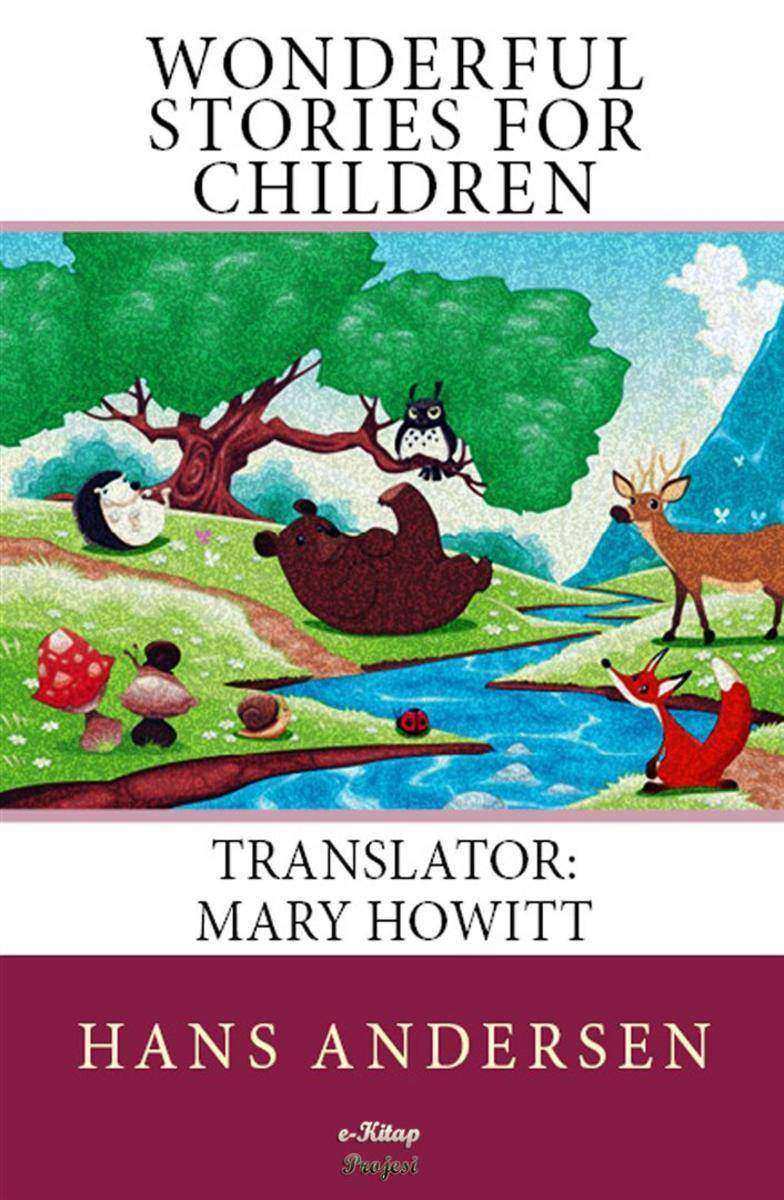
STORIES:?OLE LUCKOIE, (SHUT-EYE.)?MONDAY.?TUESDAY.?WEDNESDAY.?THURSDAY.?FRIDAY.?SATURDAY.?SUNDAY.?THE DAISY.?THE NAUGHTY BOY.?TOMMELISE.?THE ROSE-ELF.?THE GARDEN OF PARADISE.?A NIGHT IN THE KITCHEN.?LITTLE IDA'S FLOWERS.?THE CONSTANT TIN SOLDIER.?THE STORKS.??There is nobody in all this world who knows so many tales as Ole Luckoie! He can tell tales! In an evening, when a child sits so nicely at the table, or on its little stool, Ole Luckoie comes. He comes so quietly into the house, for he walks without shoes; he opens the door without making any noise, and then he flirts sweet milk into the children's eyes; but so gently, so very gently, that they cannot keep their eyes open, and, therefore, they never see him; he steals softly behind them and blows gently on their necks, and thus their heads become heavy. ??Oh yes! But then it does them no harm; for Ole Luckoie means nothing but kindness to the children, he only wants to amuse them; and the best thing that can be done is for somebody to carry them to bed, where they may lie still and listen to the tales that he will tell them.
The Dunwich Horror
¥9.00
In H.P. Lovecraft’s, "The Dunwich Horror", we are told the story of Wilbur Whateley, the son of a deformed albino mother and an unknown father (alluded to in passing by the mad Old Whateley as "Yog-Sothoth"), and the strange events surrounding his birth and precocious development. Wilbur matures at an abnormal rate, reaching manhood within a decade. All the while, his sorcerer grandfather indoctrinates him into certain dark rituals and the study of witchcraft.

Dagon
¥9.00
The story is the testament of a tortured, morphine-addicted man who relates an incident that occurred during his service as an officer during World War I. In the unnamed narrator's account, his cargo ship is captured by an Imperial German sea-raider in "one of the most open and least frequented parts of the broad Pacific"
The Crawling Chaos
¥9.00
"The Crawling Chaos" is a short story by American writers H. P. Lovecraft and Winifred V. Jackson (first published April 1921 in the United Cooperative. As in their other collaboration, "The Green Meadow", the tale was credited to "Elizabeth Berkeley" (Jackson) and "Lewis Theobald, Jun" (Lovecraft). The story begins with the narrator describing the effects of opium and the fantastical vistas it can inspire. The narrator then tells of his sole experience with opium in which he was accidentally administered an overdose by a doctor during the "year of the plague".
The Colour Out of Space
¥9.00
"The Colour Out of Space" is a first-person narrative written from the perspective of an unnamed surveyor from Boston. In order to prepare for the construction of a new reservoir in Massachusetts, he surveys a rural area that is to be flooded near Lovecraft's fictional town of Arkham. He comes across a mysterious patch of land, an abandoned five-acre farmstead, which is completely devoid of all life.
The Story of Roland
¥28.29
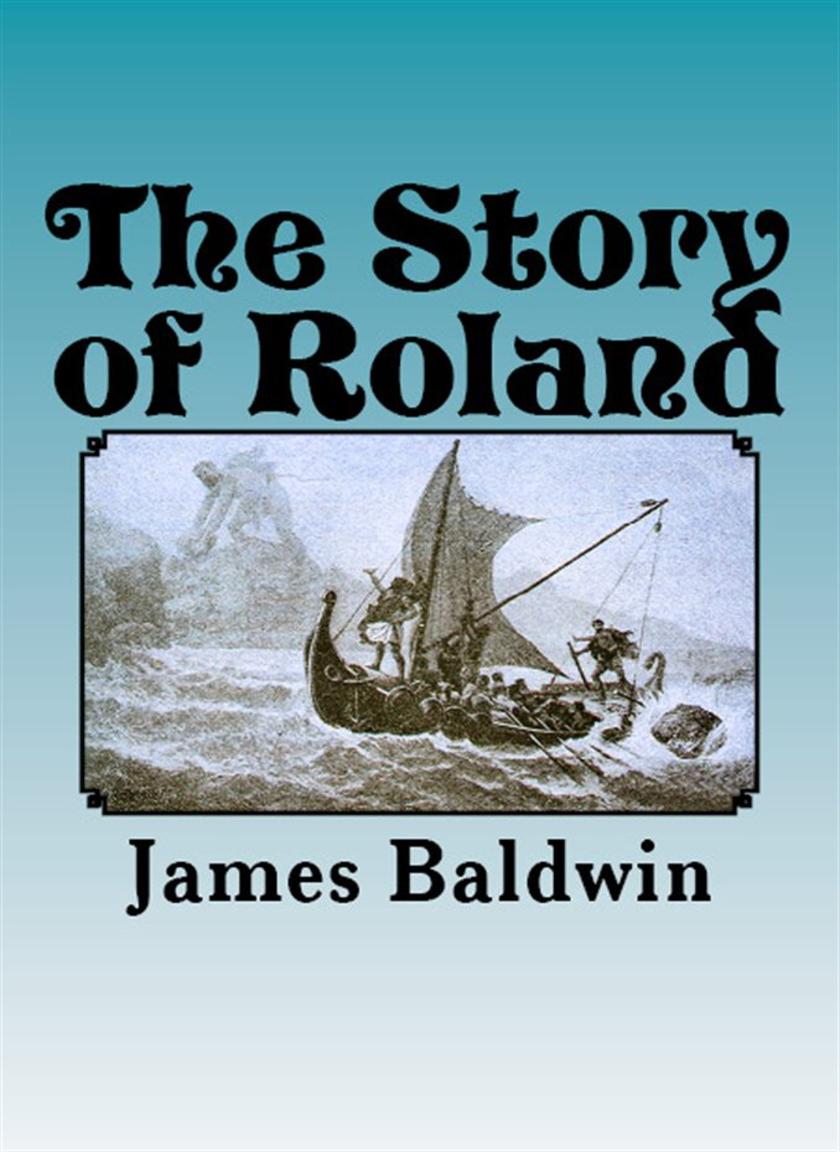
Jean Bodel a minstrel of the thirteenth century, wrote, "There are but three subjects which interest men,—the tales of France, of Britain, and of Rome the great; and to these subjects there is nothing like. The tales of Britain are so light and pleasant, those of Rome are wise and of teachful sense; those of France, truly every day of greater appearance."??In this story of Roland as I propose telling it, I shall intro-duce you to some of the most pleasing of those "tales of France" The poems and legends which embody them were written in various languages, and at widely different times; but in them two names, Charlemagne and Roland are of very frequent occurrence. Charlemagne, as you know, was a real historical personage, the greatest monarch of medieval times. His empire included France, the greater part of Germany and Italy; and his power and influence were felt all over the Christian world. The fame of his achievements in war was heralded and sung in every country of Europe; his name was in the mouth of every story-teller and wandering bard; and it finally became customary to ascribe all the heroic deeds and wonderful events of three centuries to the time of Charlemagne. ??The songs and stories in which these events were related were dressed up with every kind of embellishment to suit the circumstances of their recital. Wild myths of the Pagan ages, legends and traditions of the Christian Church, superstitious notions of magic and witchcraft, fantastic stories derived from the Arabs of Spain and the East,—all these were blended in one strange mass, and grafted upon a slender core of historical truth. The result was a curious mixture of fact and fiction, of the real and the marvellous, of the beautiful and the impure, of Christian devotion and heathen superstition. And it was thus that "the tales of France", which we may term the legendary history of Charlemagne, came into being ..

Kay?p Halkan?n S?rr?
¥18.56
Yazar, bandan geen gizemli olaylar okuyucusuyla paylamaktadr.Yazar yal bir kadn tesadüfen kaldrmda baygn vaziyette bulur hastaneye kaldrr fakat daha sonra hastane odasnda brakr ve mutsuz ekilde Bodrum’a geri dner. ünkü yaynevlerinden bekledii ilgiyi grmez.Doktor hemire ve hastalar kadn ok sever ve sahip karlar.Yal kadna daha sonra devlet sahip kar ve onu bir huzur evine yatrr. Yal kadn orada da ok sevilir. Fakat huzur evi müdürü kadndan üphelenir. Yazar ise bir türlü istedii eseri yazamamaktadr. stelik ok sevdii ruh eine kavuamamaktadr. Bütün skntlarn zecek gü yal kadndr fakat yazar bunu bilmez. Fakat yazarn kader dngüsü deimek üzeredir ve yal kadn onu kendisine doru arr.Yazar balarda bununla mücadele etmeye alr fakat daha sonra pes eder. stanbul’a doru yolculuk yapmaya karar verir. Yolculuk esnasnda rüyasnda gerilim ve gizemli olaylar grür bilmedii ey aslnda bu olaylarn gerekte yaanddr. Yal kadn düündüü kii deildir.Yazarn gizemli bir ekilde tant yal kadnn srlar vardr. Yazar gerek grevi iin armaktadr.Aslnda yazar kayp halkadan birisidir.
The Descendant
¥9.00
"The Descendant" is a story fragment by American horror fiction writer H. P. Lovecraft, believed to have been written in 1927.[1] It was first published in the journal Leaves in 1938, after Lovecraft's death.
The Book
¥9.00
"The Book" is an unfinished short story by American horror fiction writer H. P. Lovecraft, believed to have been written in late 1933. It was first published in the journal Leaves in 1938, after Lovecraft's death. In the story fragment, the narrator is given an ancient book by a strange bookseller, and when he takes it home and examines it, weird and sinister events ensue.
Fairy Stories and Fables
¥28.29
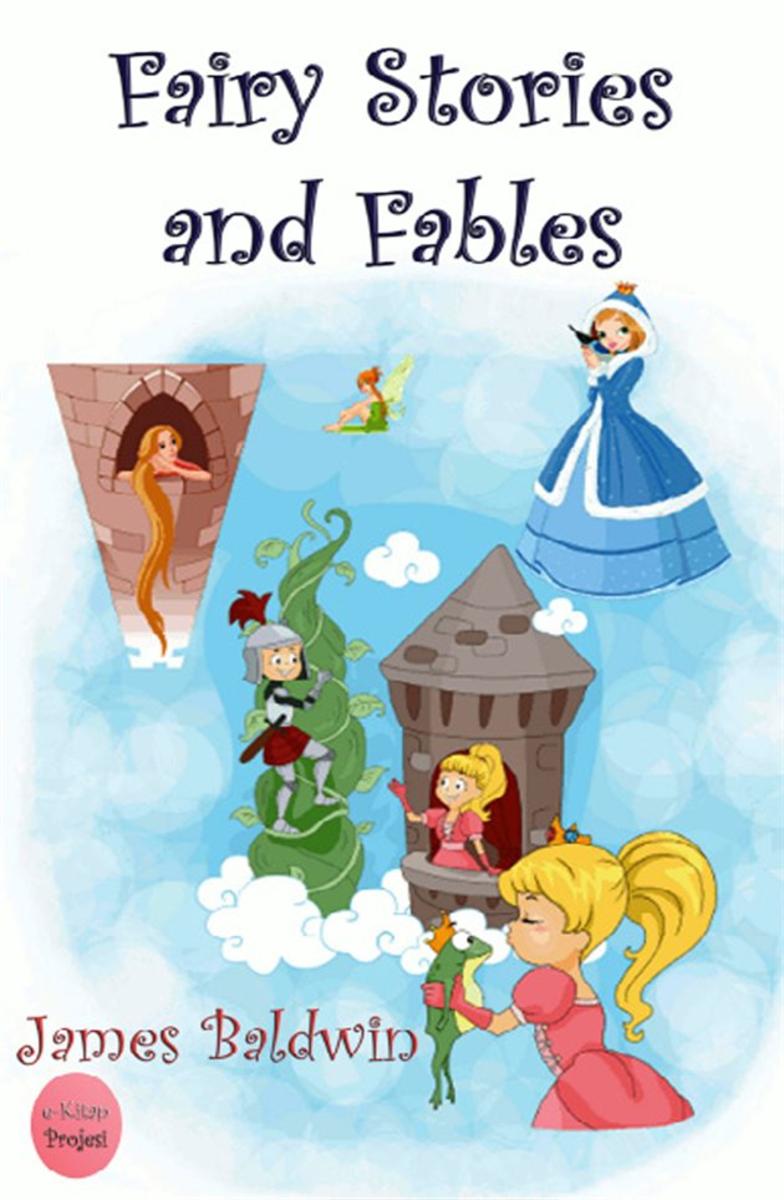
The longer stories in this book are called Fairy Stories, because that is the name by which such tales are always known to children; and yet only a very few contain any direct reference to fairies. The most of them have to do with talking animals and with strange incidents and transformations such as have always delighted the childish fancy. They have been drawn from a variety of sources; and liberty has been taken to make such changes in the narratives as seemed most necessary to adapt them to the understanding and needs of the children of our own time and country. ??Free renderings, they may be called, of some of the most popular folktales of foreign lands. The Three Bears, Tom Thumb, Jack and the Beanstalk, and Tom Tit Tot are old English favorites dressed in modern garb; Little Red Riding Hood, Puss in Boots, Princet and the Golden Blackbird, and Drakesbill and his Friends are variants of the well-known French versions by Perrault, Marelles, and Sebillot; Little Tuppen and The Three Goats named Bruse are from Norwegian sources; and the rest are founded upon German originals. In the retelling of these tales care has been taken to avoid whatever might distress the most sensitive child as well as everything that could give a wrong bias to his moral nature or distort his perception of the beautiful and the true.


